Nuclear Escalation Update
Nuclear Escalation has been fully released, but development continues unabated. Numerous features and content are in progress or within our plans, and I’d like to share some of them with you today.
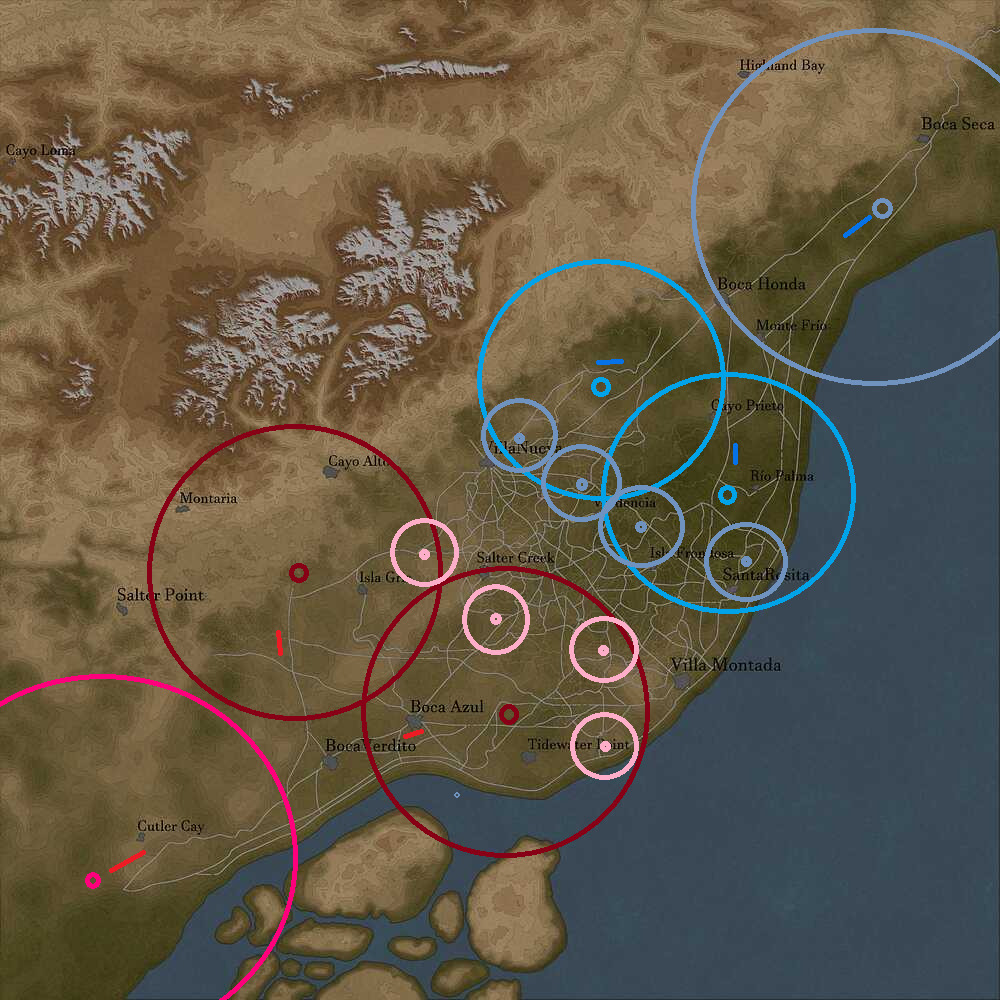
Currently, our efforts are focused on expanding Escalation content and adding new mechanics. Regarding content, two locations are in the works and are nearing finalization. One is a completely new location (with a full size of 256x256km), which we plan to release in the next major update if all goes according to plan. The second is a refinement of one of the existing air locations (128x128km), and we hope to make this one a separate event for general testing before the next major update (within 1-2 weeks).
I’ll will say right away that a more compact location does make combat more intense and dynamic, and perhaps the concentration of activity will be too intense for top rank vehicles. However, we believe the location is very suitable for slower aircraft with shorter-range weapons. In any case, we would like to test our hypotheses during the event and, based on the feedback we receive, decide which aircraft should use these locations.
One of the most exciting features we have in our plans is adding new creative types of gameplay to mission logic. For example, restoring damaged friendly air defense missile systems (via helicopter cargo transport) or rebuilding destroyed airfields. This could open up space for new vehicle classes (helicopters or even transport aircraft), as well as new gameplay that goes beyond simply destroying ground or air targets and that tangibly impacts the course of the mission. We really hope to introduce some of this in the next Major.
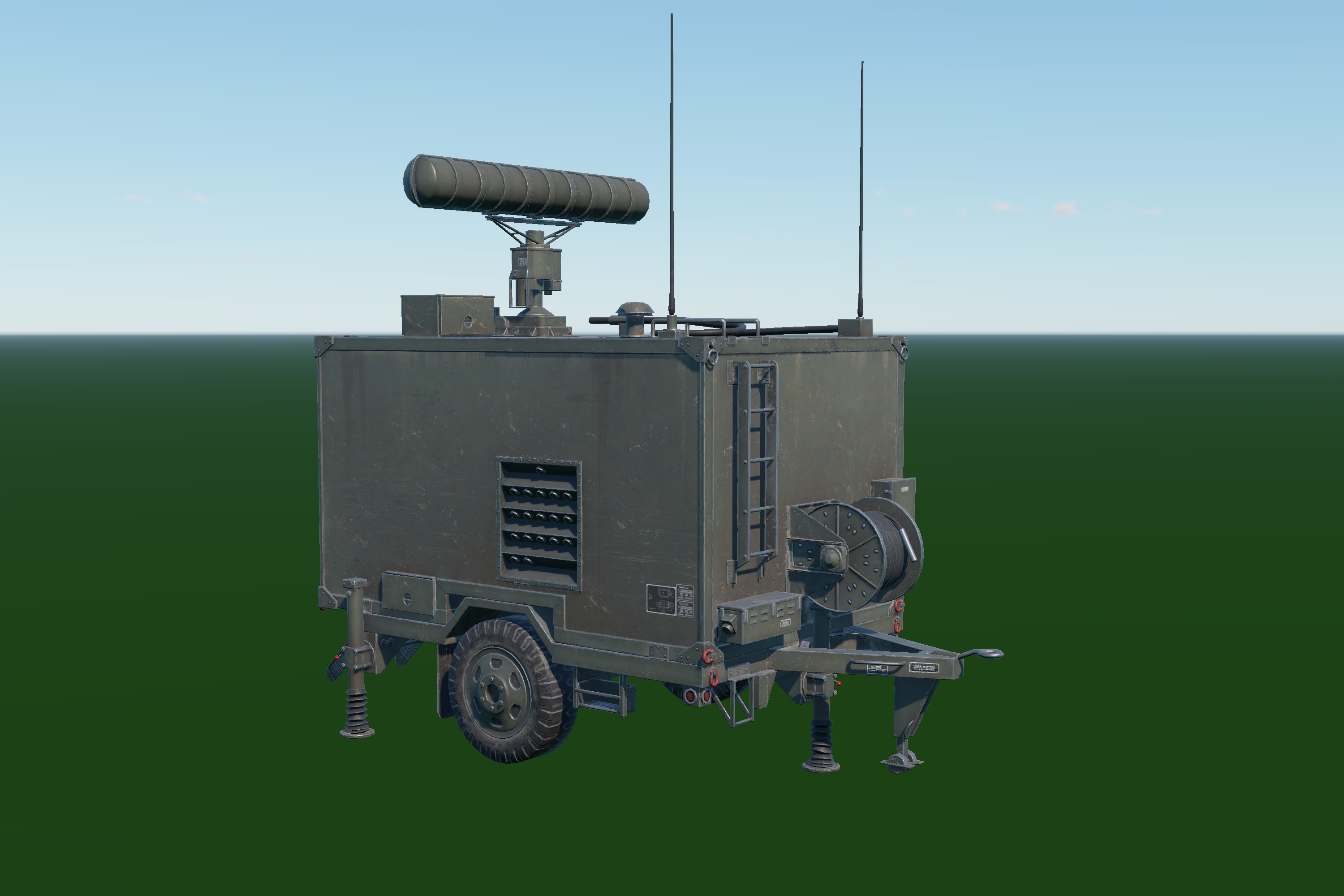
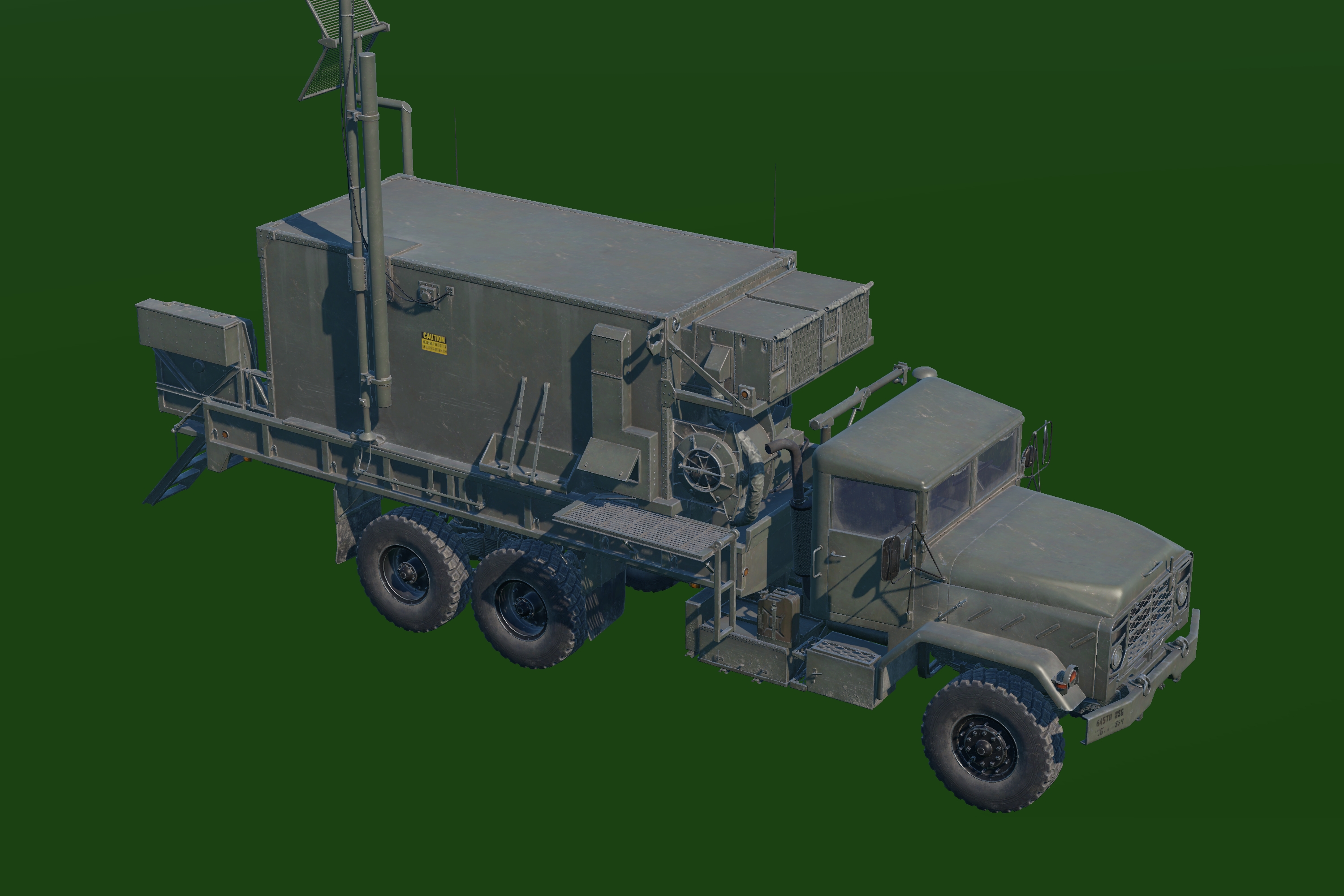
Another feature that’s nearing completion is fully functional early warning radars. Currently, these radars, located deep within enemy defenses, act more as decoys for anti-radiaton missiles. With this new feature, they will function as intended. They will detect long-range targets with their own radar, and these targets will be displayed as markers in the game environment (just like those currently detected by allies) and with a separate indicator on the tactical map, indicating that they have been detected by early warning radars. This will make them much more valuable targets, and, of course, they will be additionally covered by air defense assets.
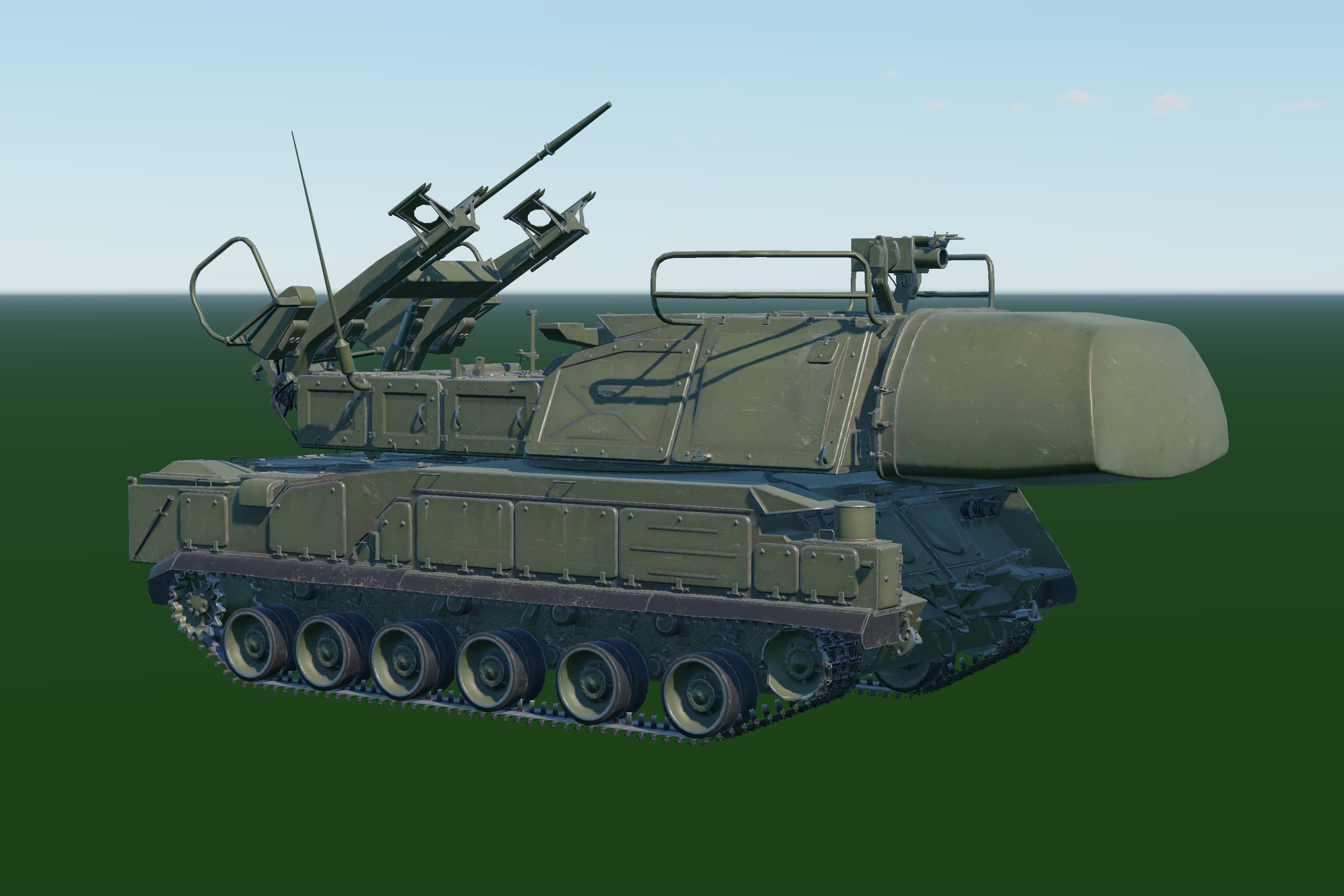
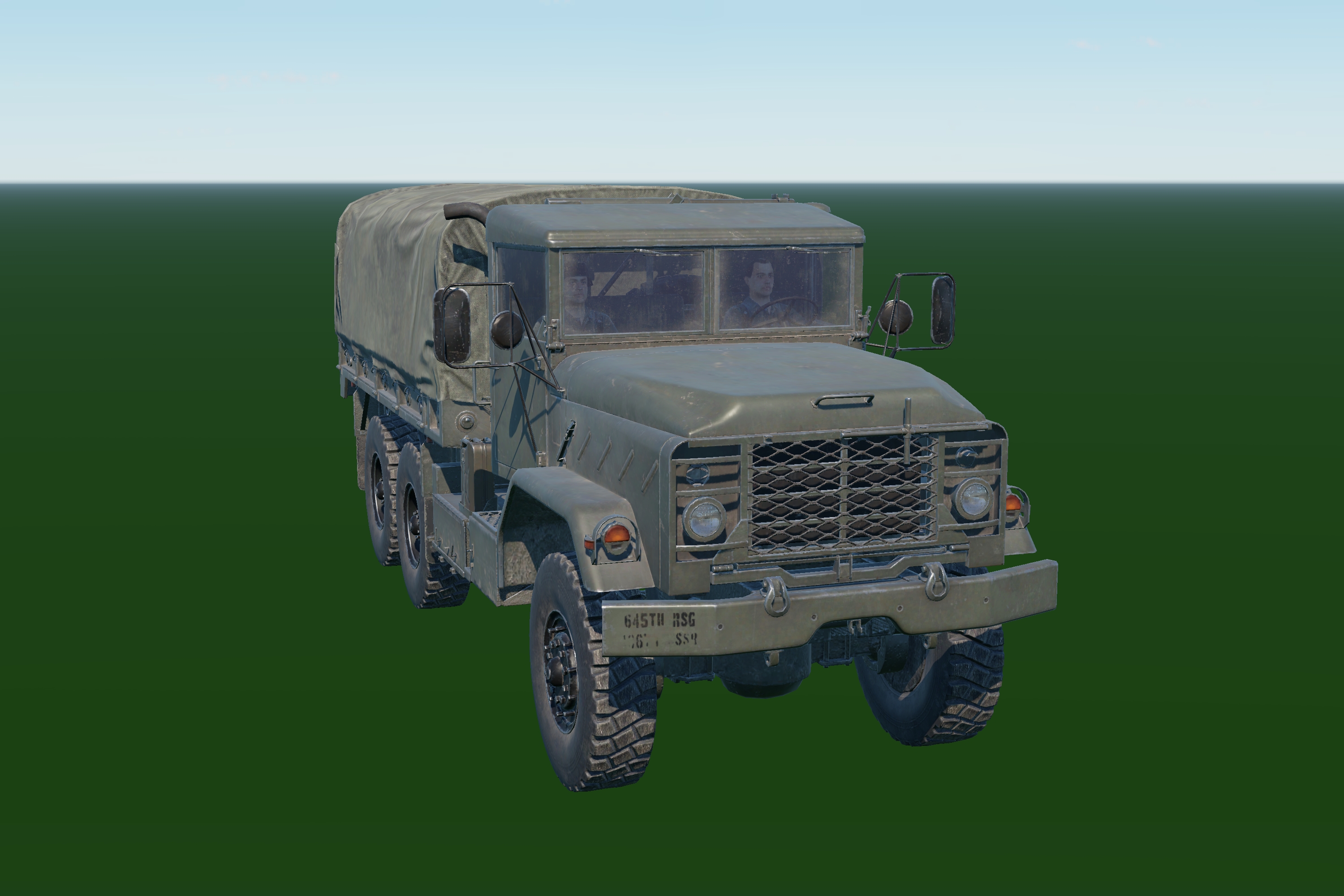
And as we’ve already mentioned, we’re refining the existing content for escalation, with a few examples in the images below to pique your interest.
Bomber Damage Model Rework
The updated Bomber DM is another topic I’d like to cover. Thank you for your feedback, reports, and constructive criticism. Based on this feedback (plus battle statistics, plus our own observations), we’ve put together a plan for DM improvements, which the team is currently working on. First and foremost, this involves improving ramming damage. After the rework, bombers now take relatively little damage, allowing them to easily survive fairly intense collisions with smaller aircraft. This change is already in testing and will be released soon.
Next comes the issue of the high-explosive fragmentation impact of 20-30mm shells on the aircraft’s skin. Fragments and explosions from these shells do not penetrate the skin reliably, reducing the damage to internal modules. This does not mean that after this fix, bombers will again begin to lose wing panels after a few hits from 20mm high-explosive shells, but components and assemblies located inside the wing and fuselage will suffer damage if the impact is close to these modules.
The next important aspect is improving fire mechanics. We plan to detail fire damage and make it more realistic. This includes aspects such as: fire spread, the area where the fire causes damage (for example, currently the visual fire effect on the wing can reach the tail assembly, but the tail assembly receives no damage as a result of this), the size of this area over time, the likelihood of a fire depending on the extent of damage to the fuel tank and the volume of remaining fuel, and the change in structural strength of components as they are exposed to fire (e.g., a prolonged fire near a spar reduces the load-bearing capacity and reduces the destructive overload for this component).
Another important feature is the logic behind the infrared seekers on guided missiles. Currently, they are guided to the geometric center of the aircraft, which can result in ineffective hits on large aircraft (likely hitting an empty fuselage section). We plan to change this logic so that the infrared seekers are guided to the hot engine area, which will make the missiles’ impact on the aircraft more localized and, for larger aircraft, more lethal.
These aren’t all the improvements we have planned, but they are the most significant. We plan to release some of these improvements in the coming weeks, and others (IR seeker logic) in the next major update if everything goes according to our current plans.
In general, we have a multitude of features and mechanics planned for the next Major, covering a wide range of aspects of the game. These include graphical enhancements, a new type of ammunition, a more detailed implementation of the DIRCM on helicopters, and much more. We’ll cover all of this in more detail in our dev blogs and other materials.
Thank you for your attention and continued feedback.