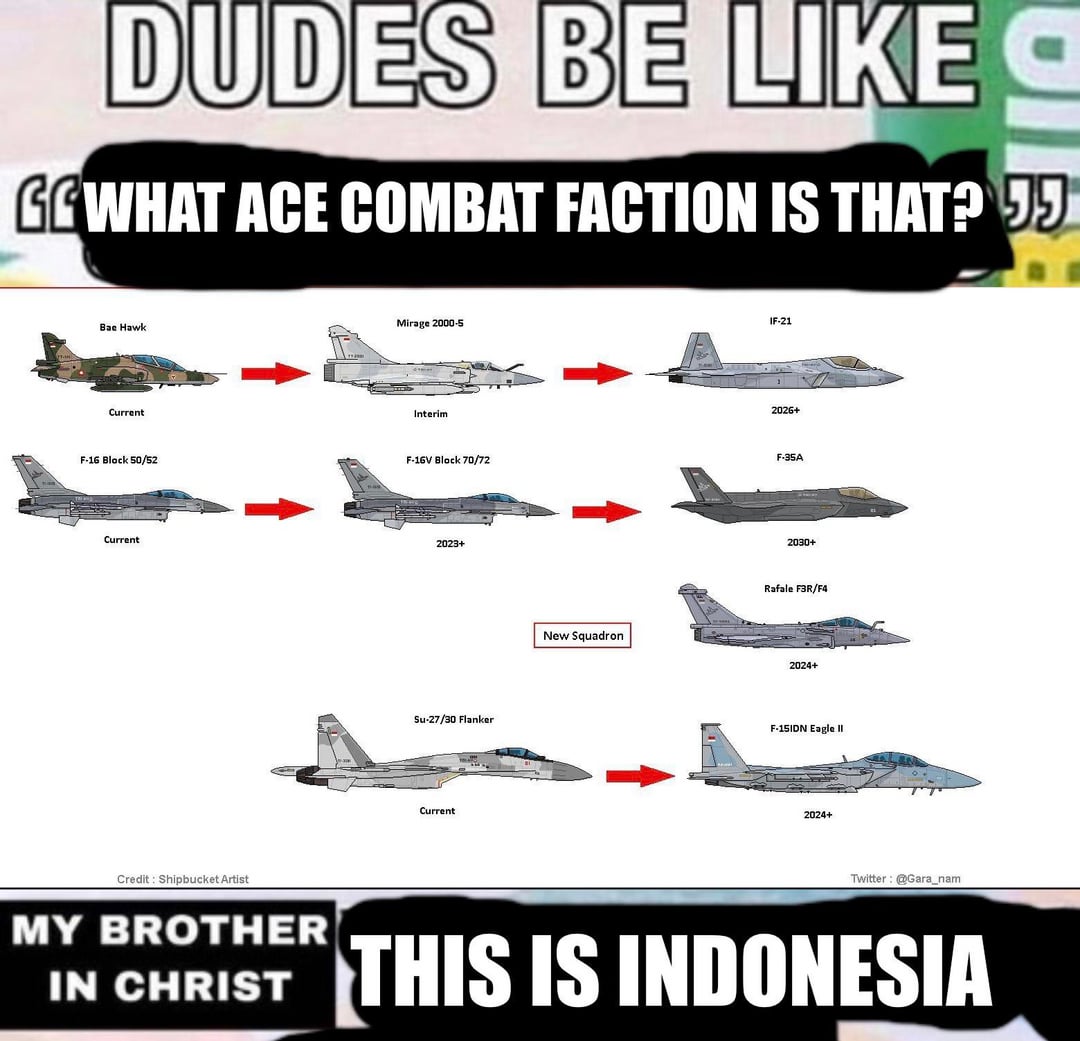
Note: This is not a suggestion for the Indonesian Aircraft, if you want to see that you can visit it on the link below. This is meant to be a compilation of images and brief description to describe a majority of Indonesian Aircraft.
If you want the specifications & armaments of the aircraft, you can visit the proper Aviation suggestion down below!
EXPANDED INDONESIAN LIST - DIRECTORYGROUND | AIR | NAVAL | CUSTOMIZATION
Additional Proofreading & References from : @Indo_Pilot
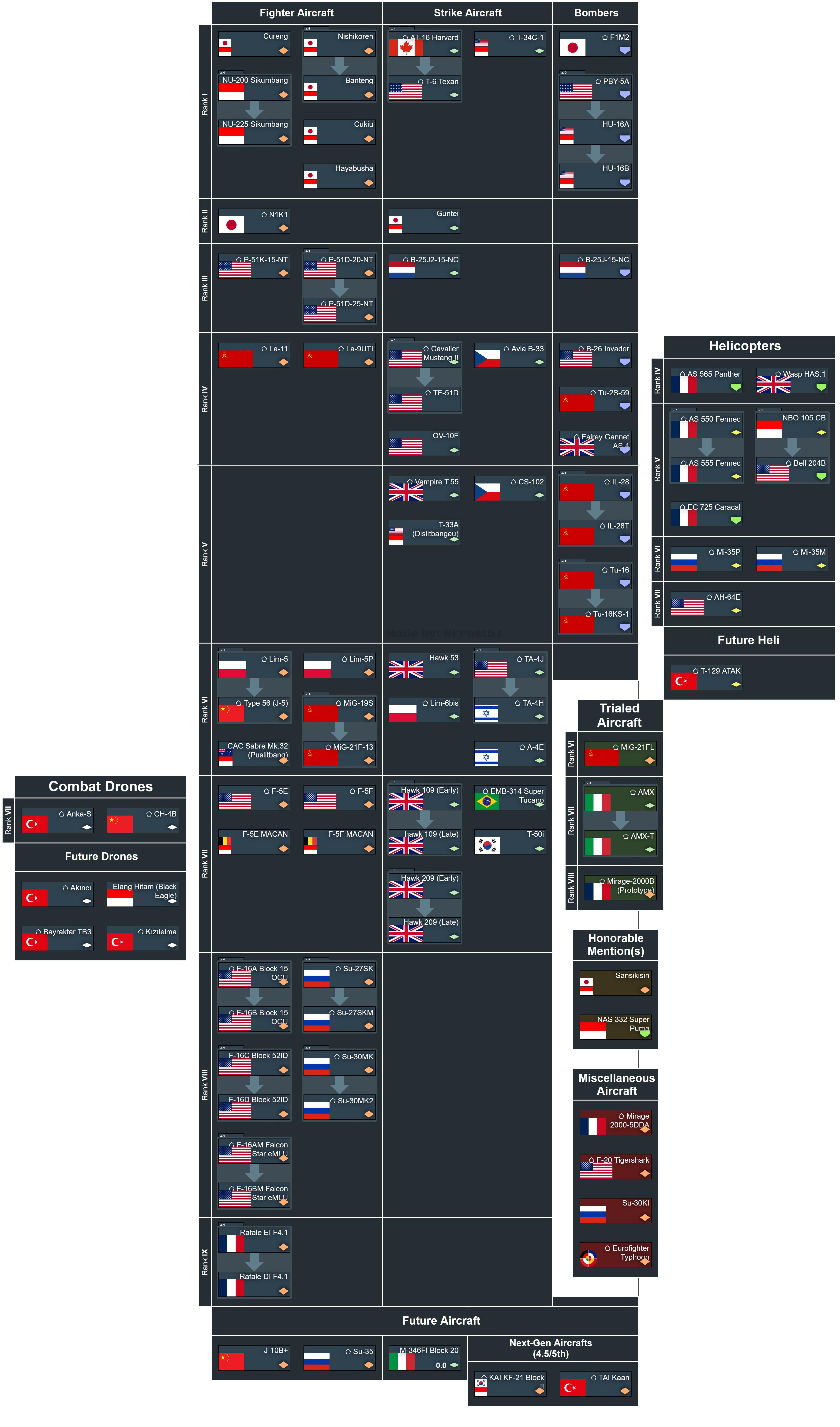
LIST OF AIRCRAFT
1.) Airplanes
RANK I
–=FIGHTER AIRCRAFT=–
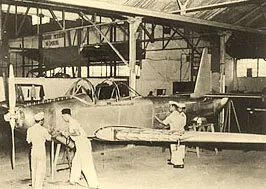
Cureng
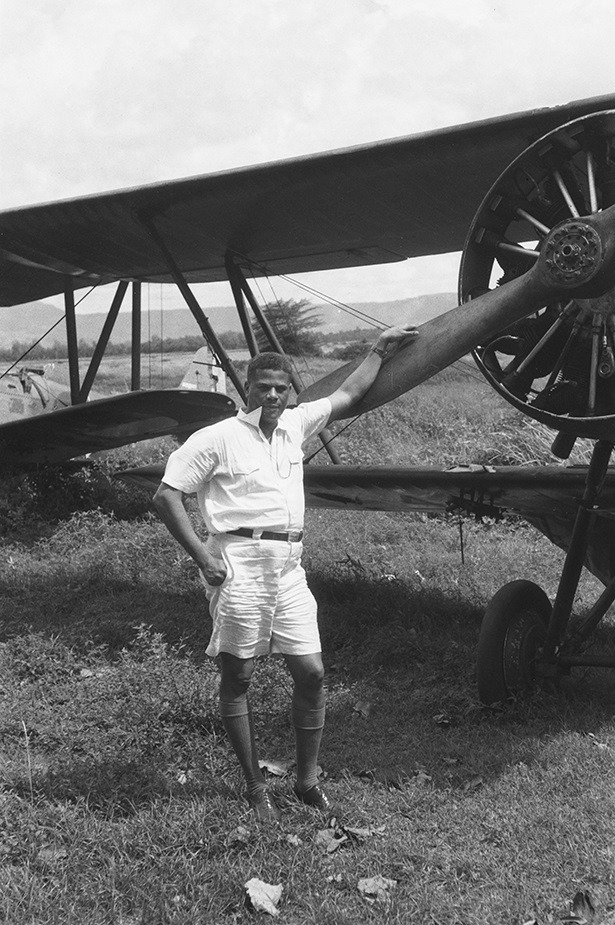
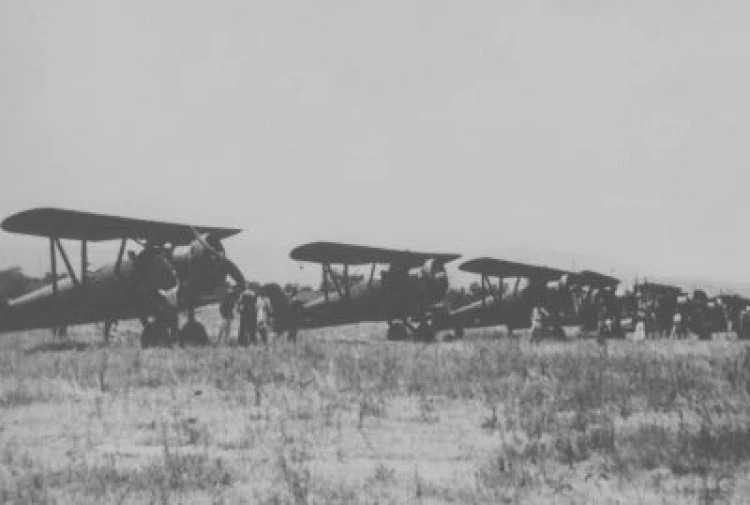
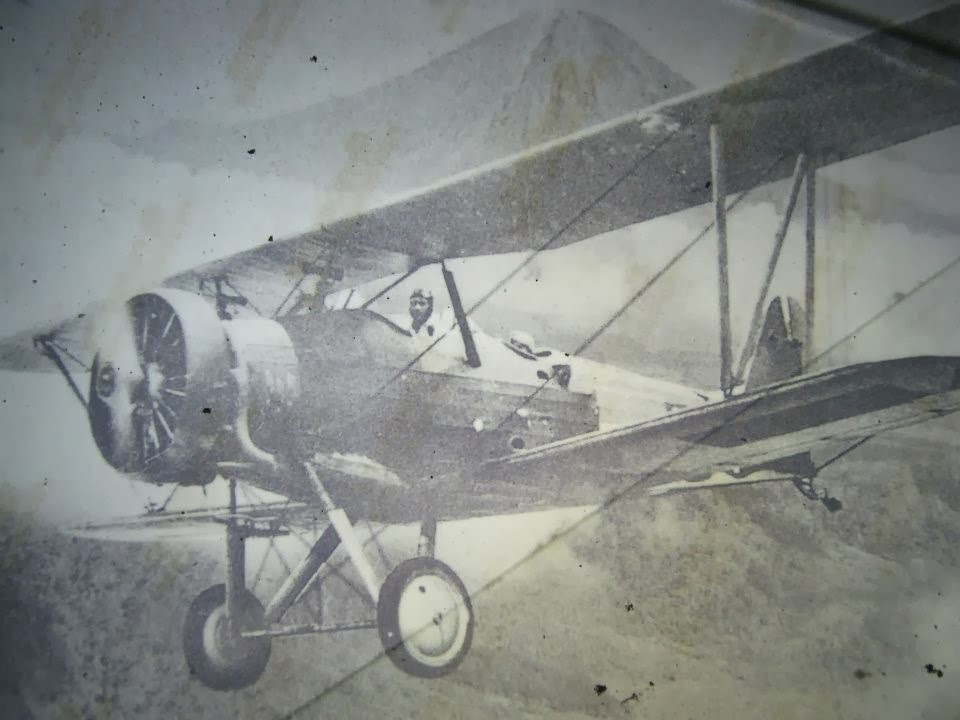
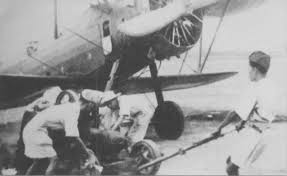
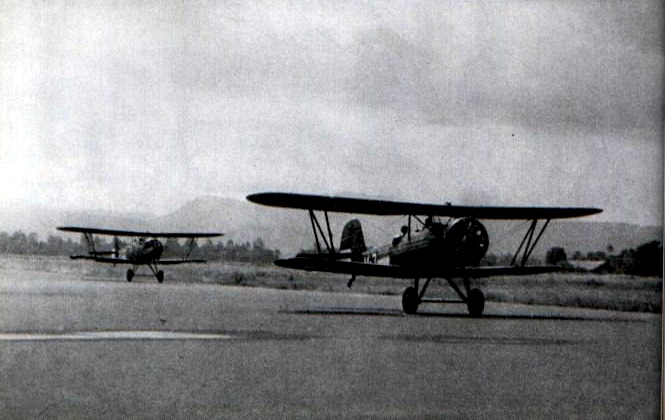
Refurbished K5Y obtained from Maguwo Air base. Used for many different missions, such as recon, aerial photography, bombing and humanitarian missions. Modified to carry 2x 50kg bombs and machine guns
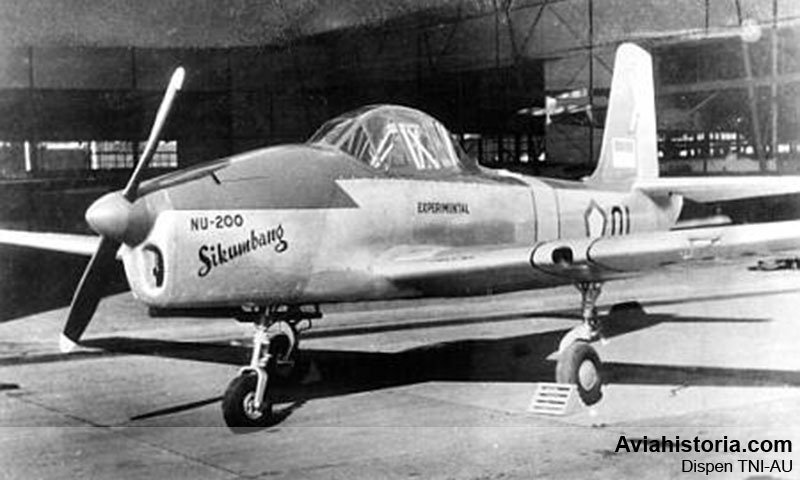
Nu-200 Sikumbang
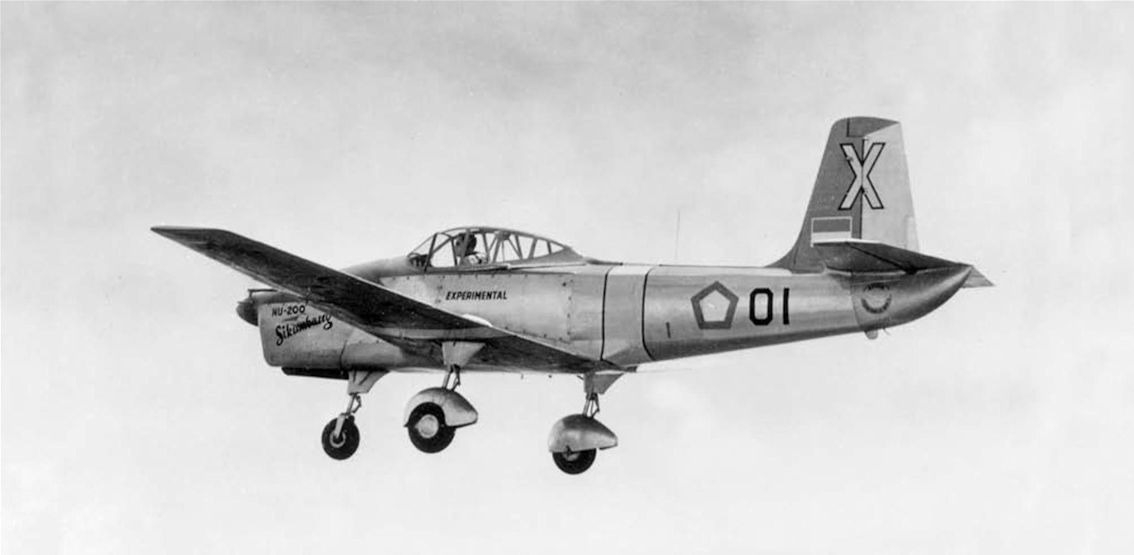
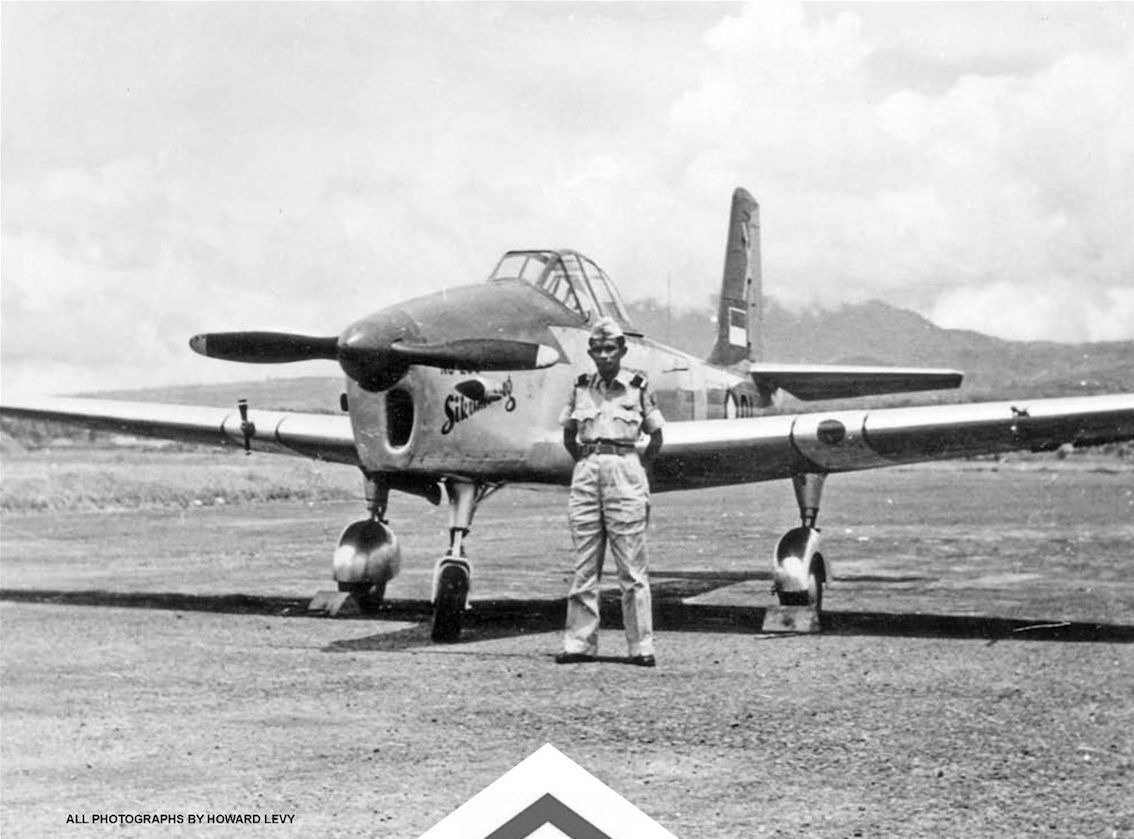
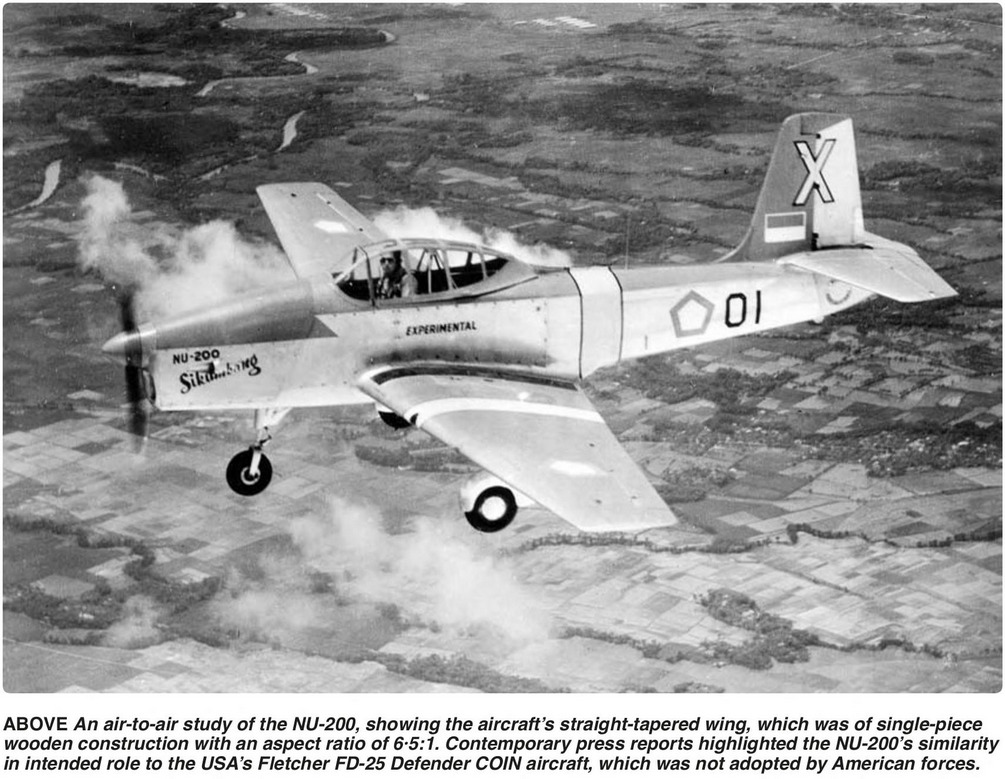
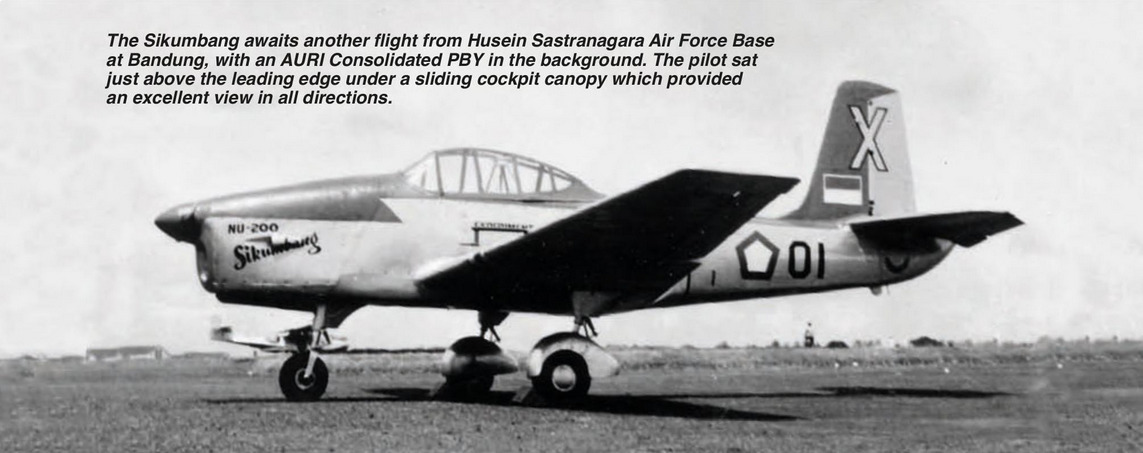
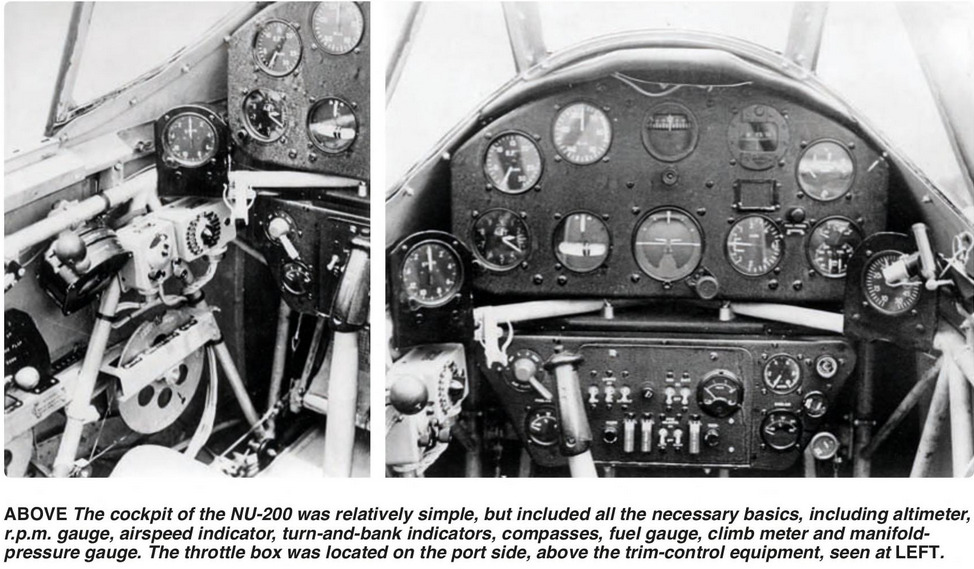
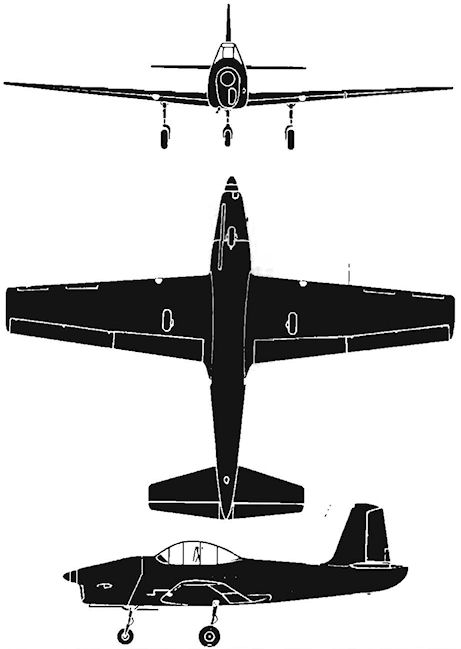
One of two domestically-built combat aircraft of Indonesia. All-wood construction with a fixed landing gear. Armed with only machine guns. The maiden flight was conducted in August 1954.
Nu-225 Sikumbang
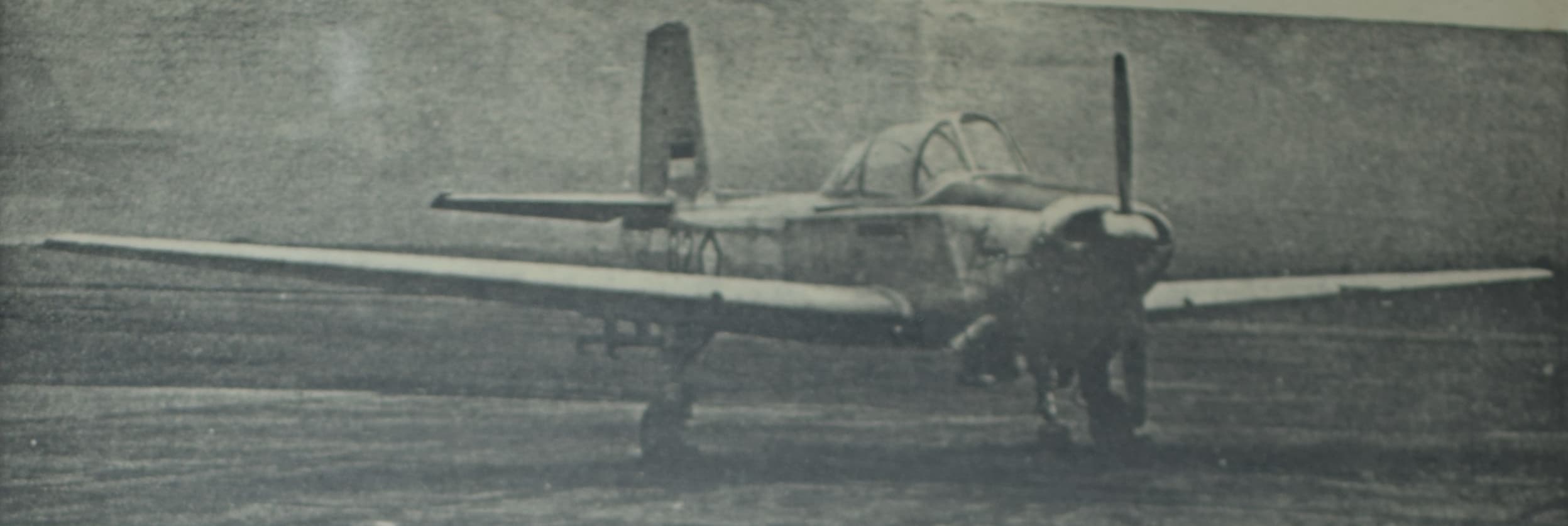
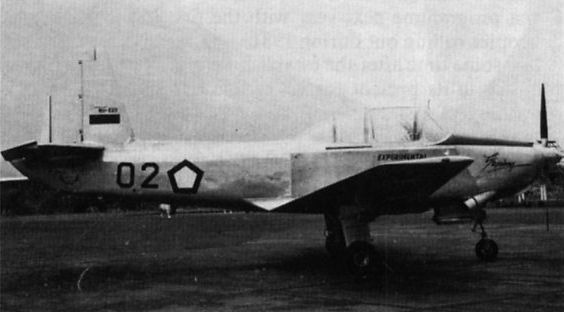

A further development of the Nu-200 Sikumbang. Developed in 1957. Changes include a better engine & cooling system, different wing layout, bigger canopy, & retractable landing wheels.
Nishikoren (Ki-79a)
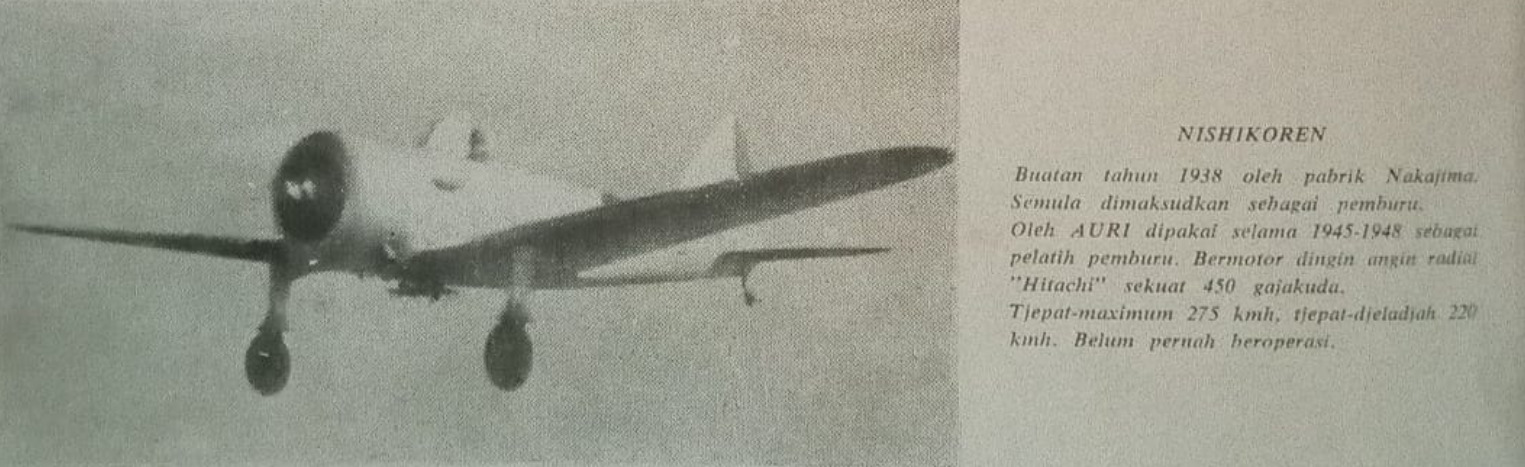
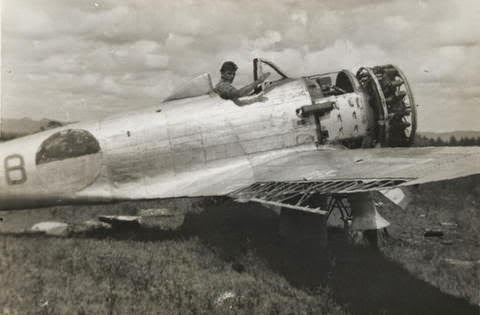
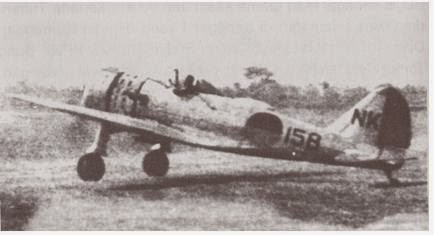
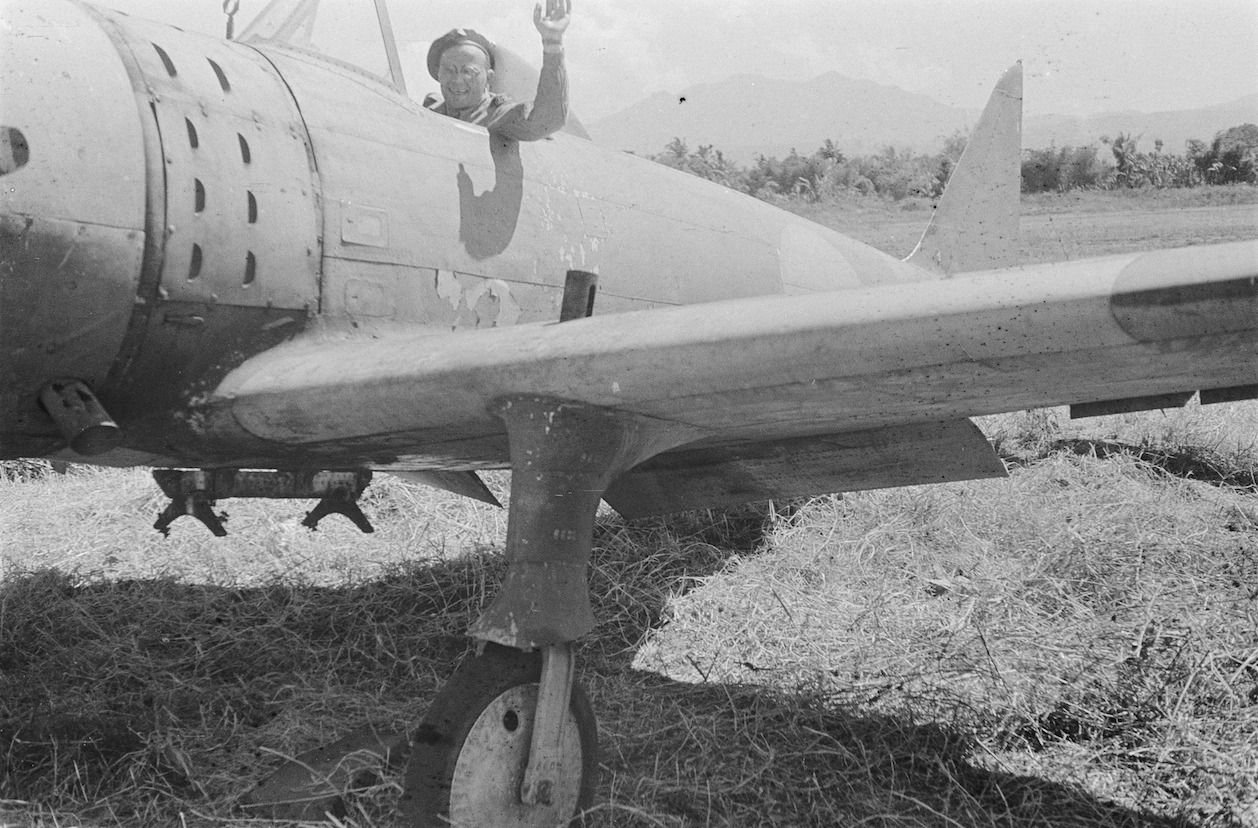
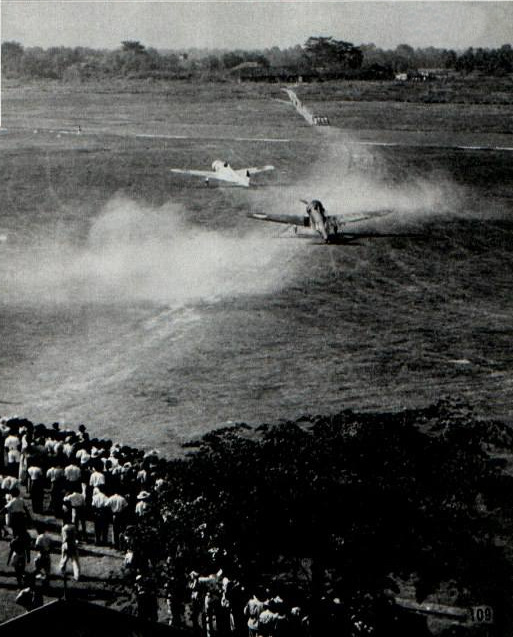
Single-seat trainer variant of the Ki-27. This vehicle is often classified as a Ki-27 however considering it has a simplified cockpit cover (it being open compared to glass-covered like the ki-27) It’s presumed to be a misidentification.
Banteng (Ki-79b)
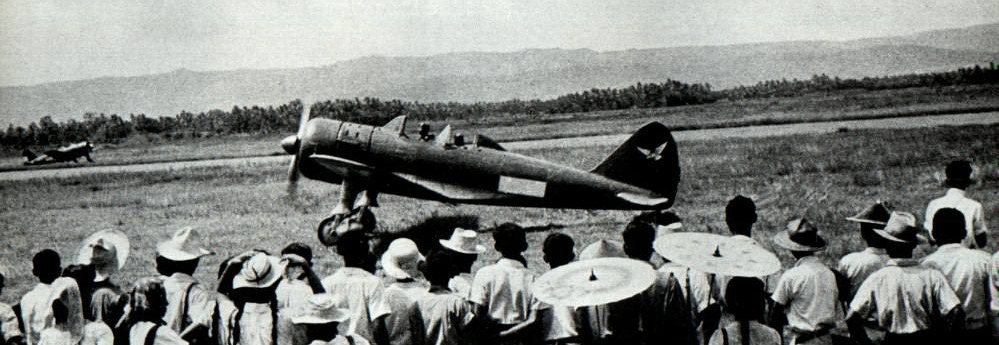
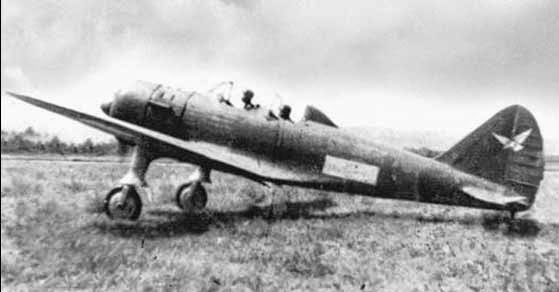
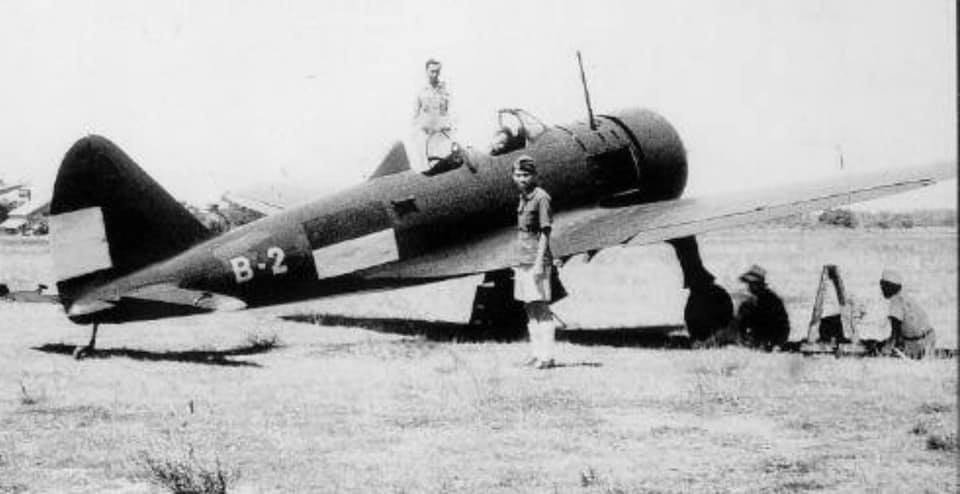
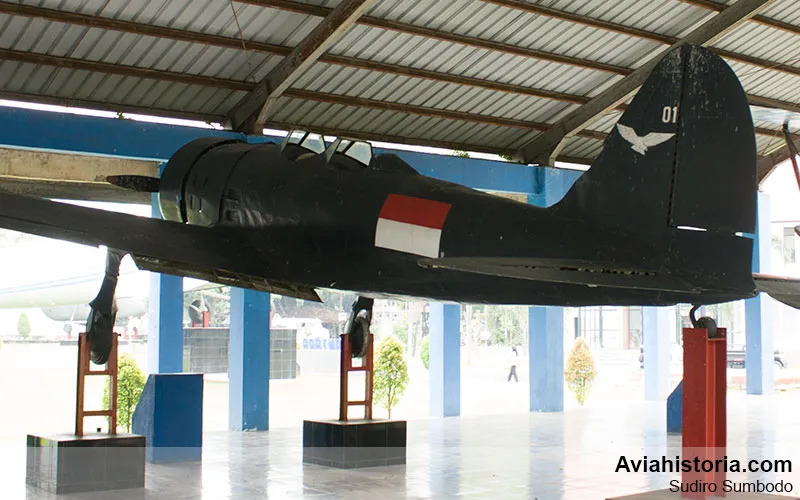
Twin seat variant of Ki-79. Both variants are classified as Nishikoren, but the Ki-79 also has another name, which is “Banteng” (Bull).
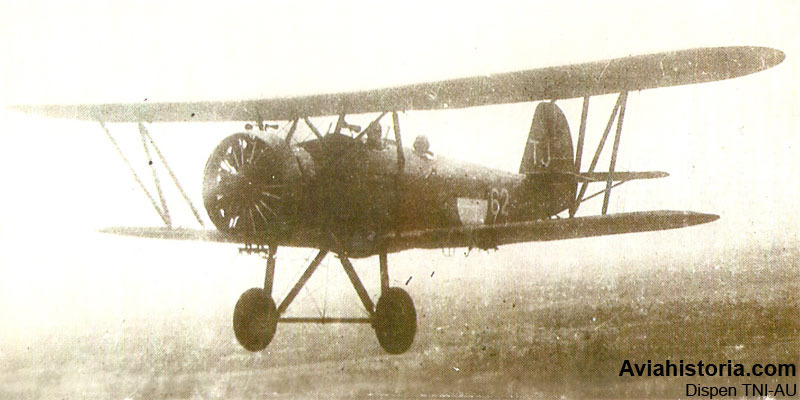
Cukiu
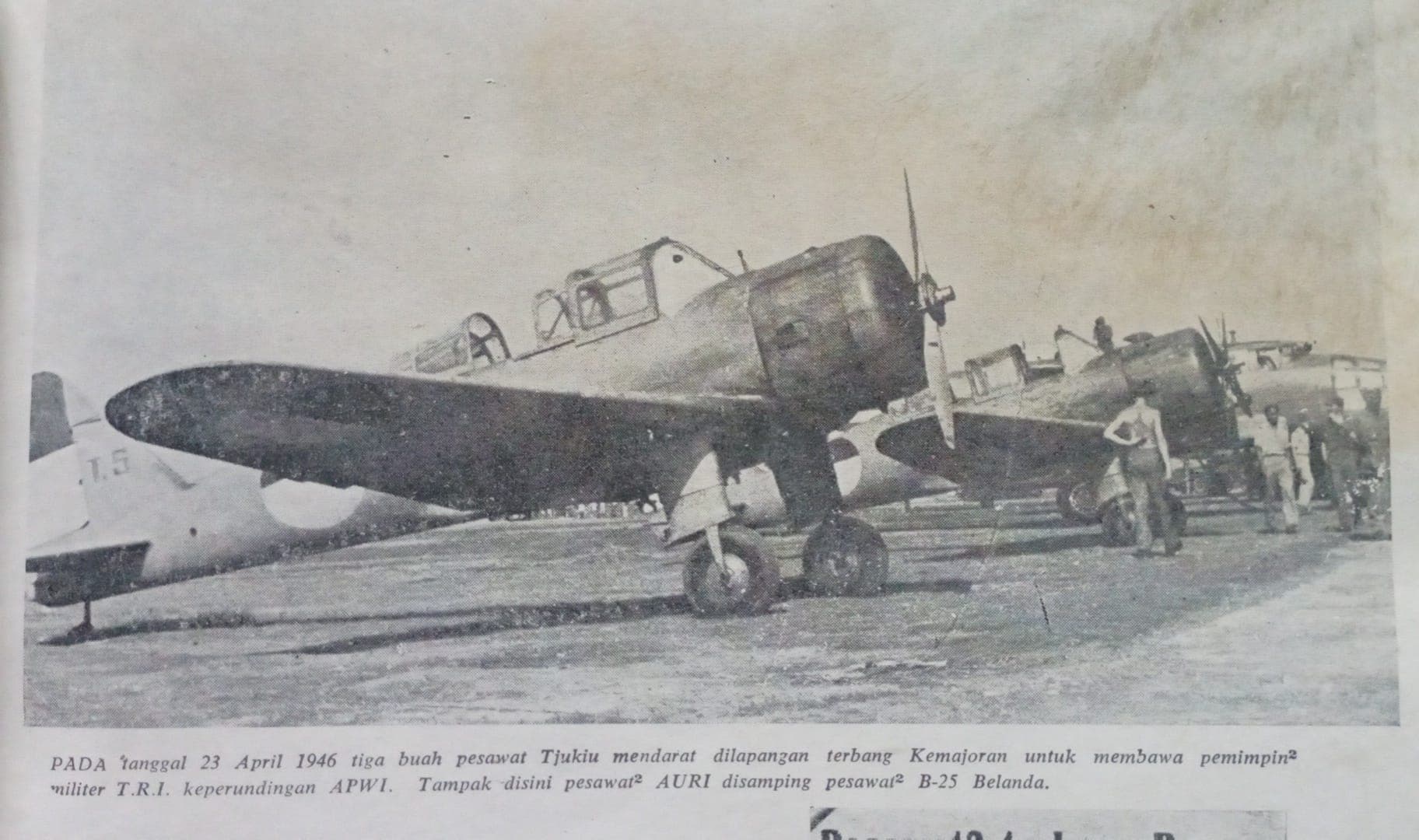
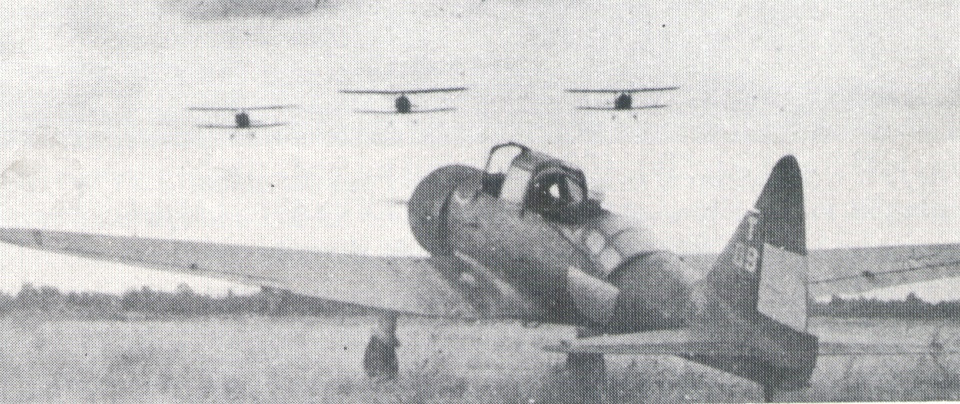
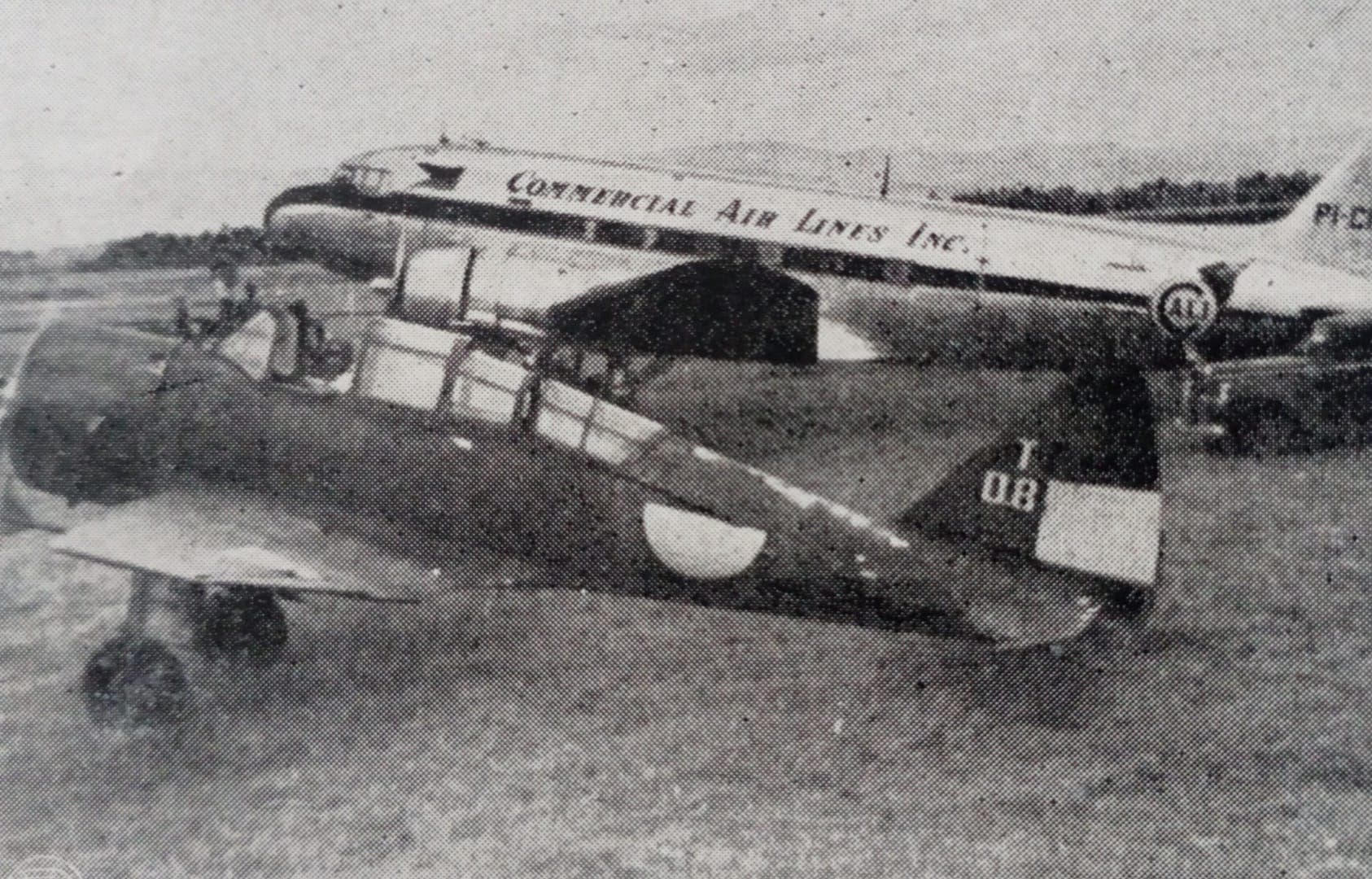
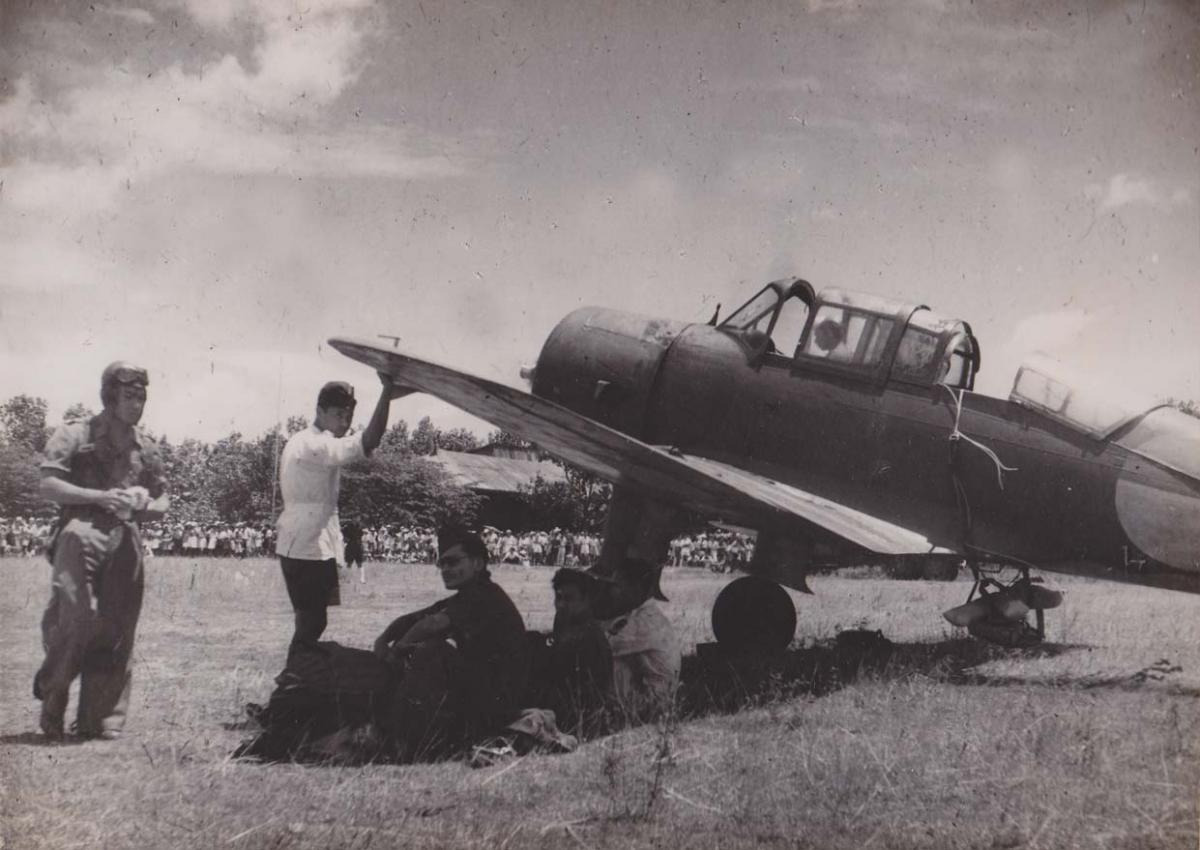
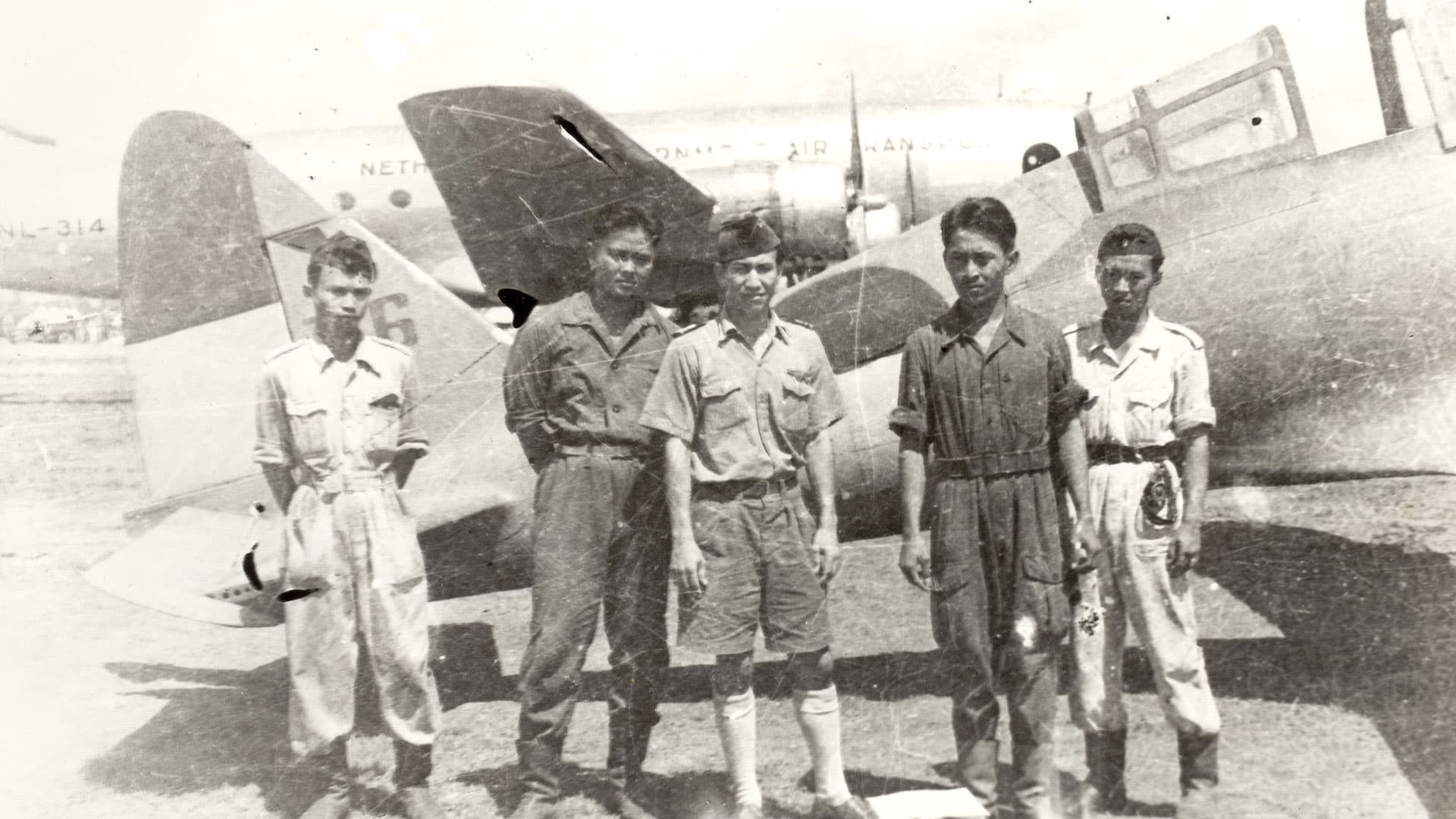
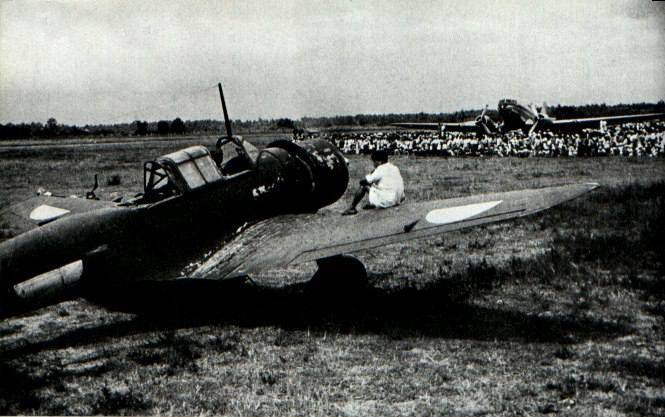
A mix of Ki-36 & Ki-55. doesnt have propeller spinners, or the tail gun, but it has bomb racks
Hayabusha
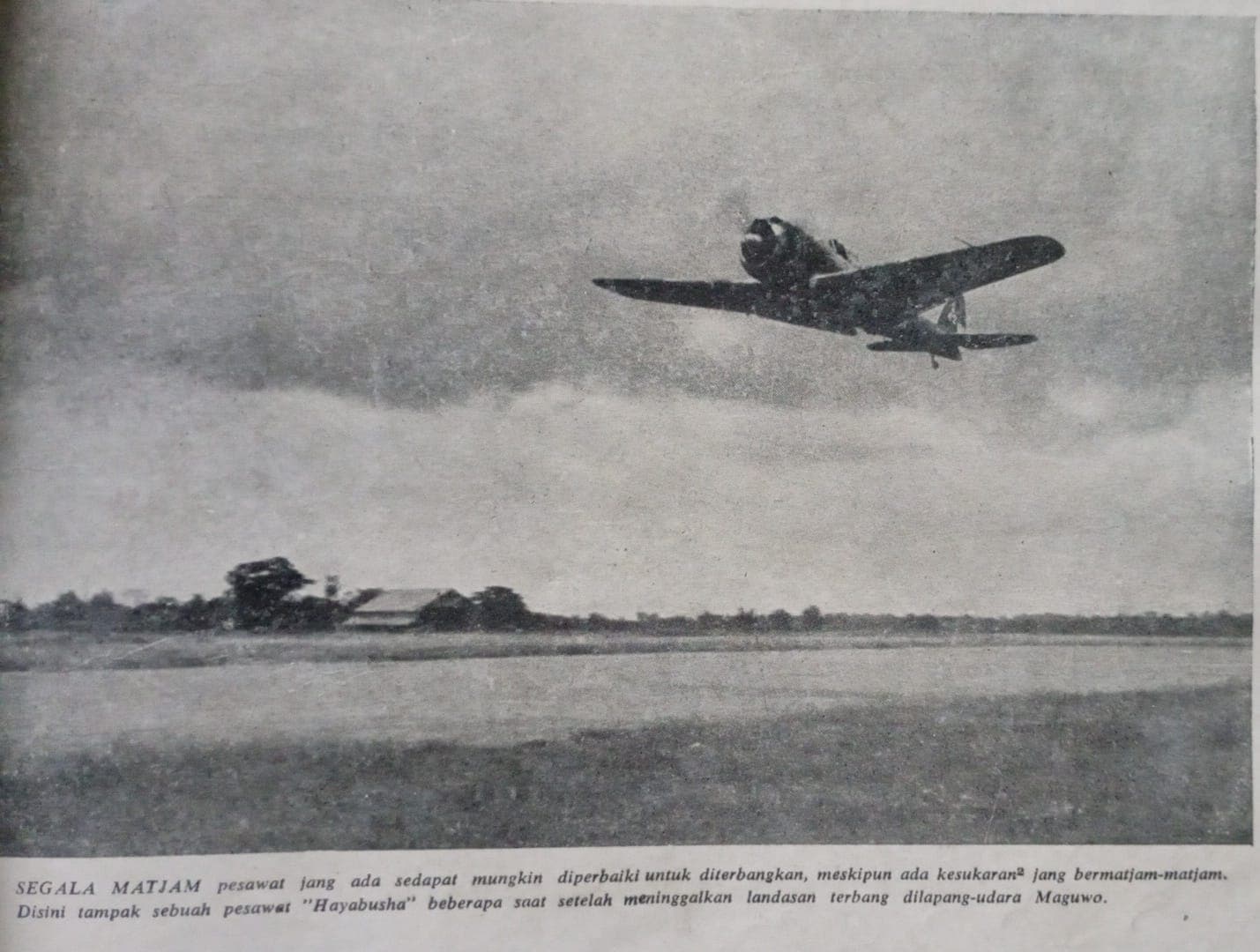
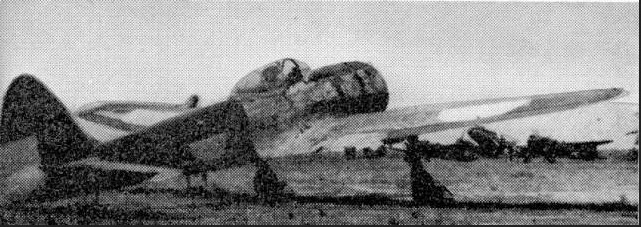
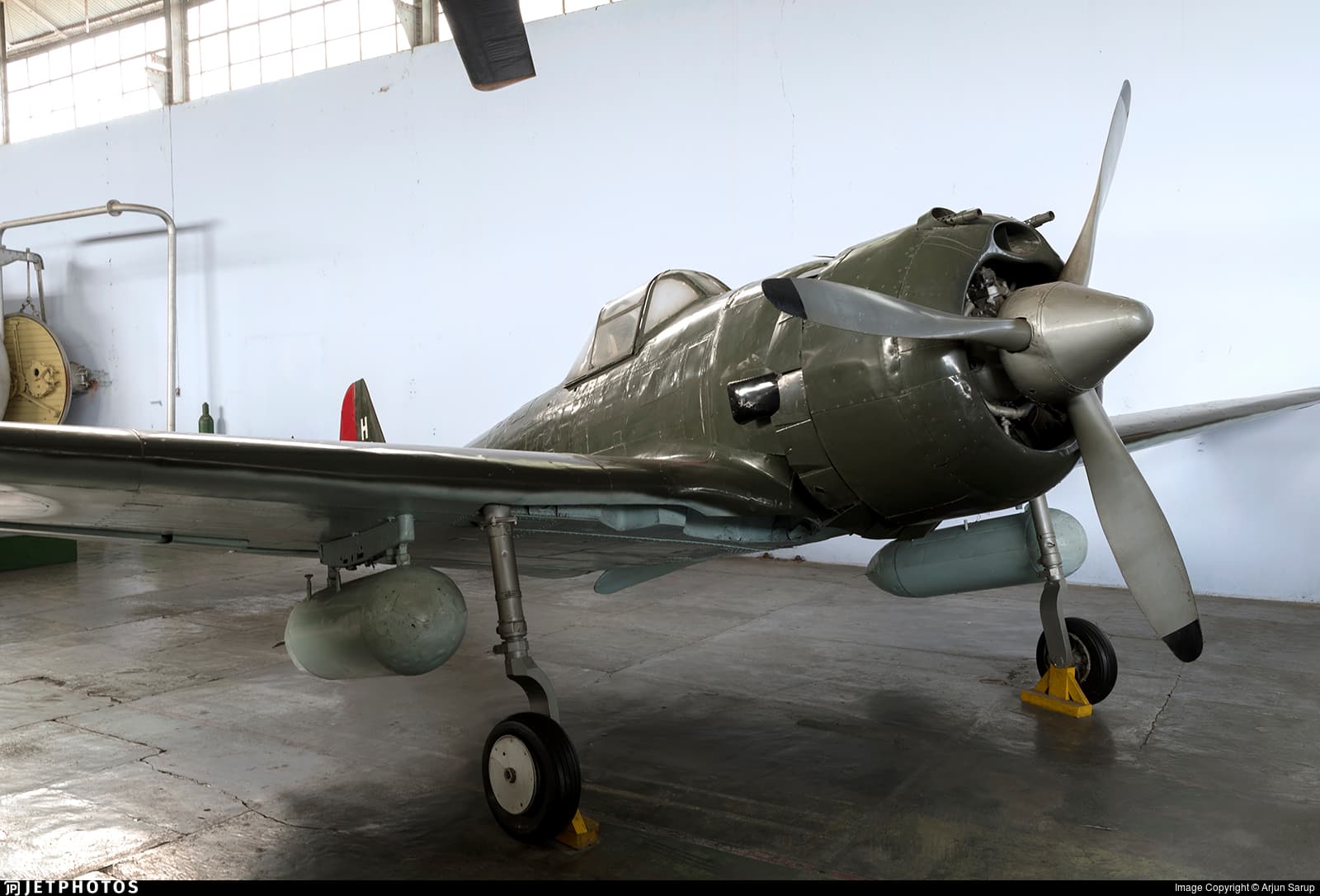
Indonesian name for the refurbished Ki-43-II with 2x 12.7mm MG & 250kg bomb
–=STRIKE AIRCRAFT=–
⬠ AT-16 Harvard
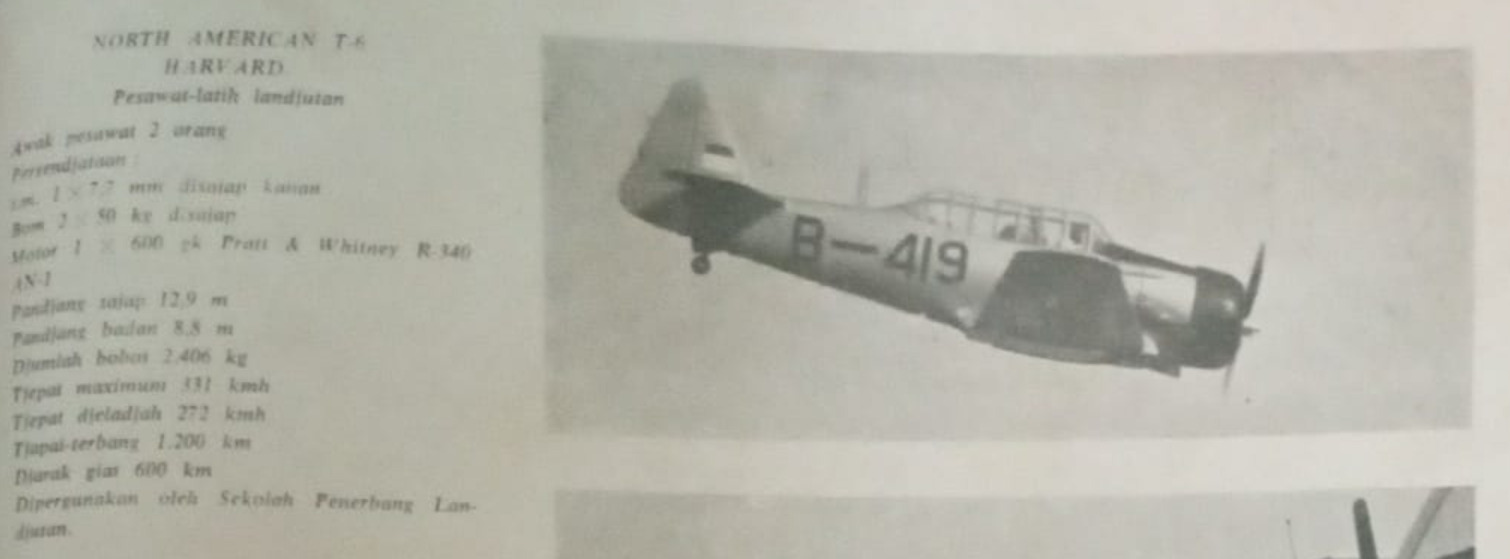
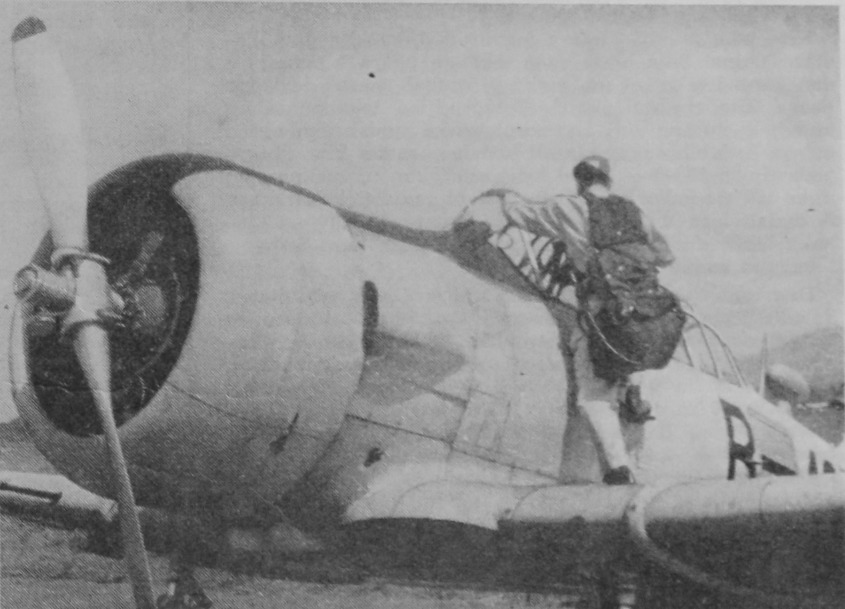
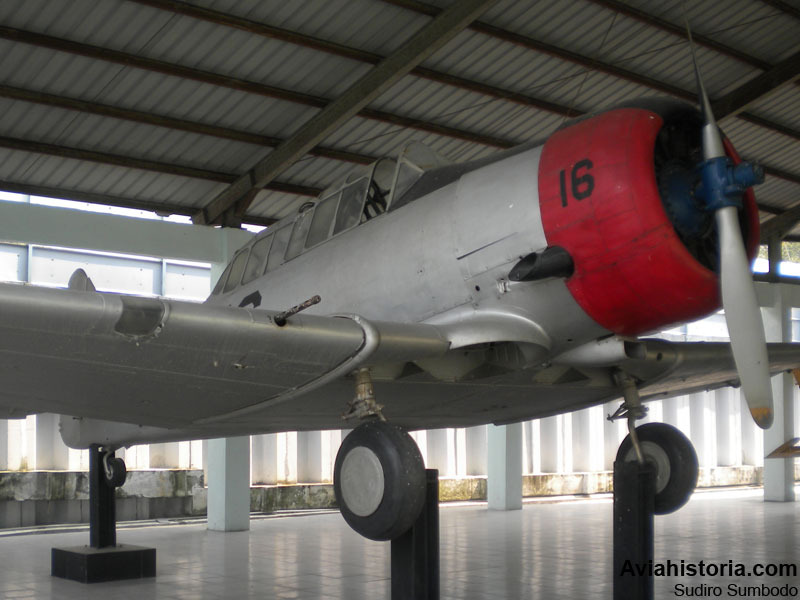
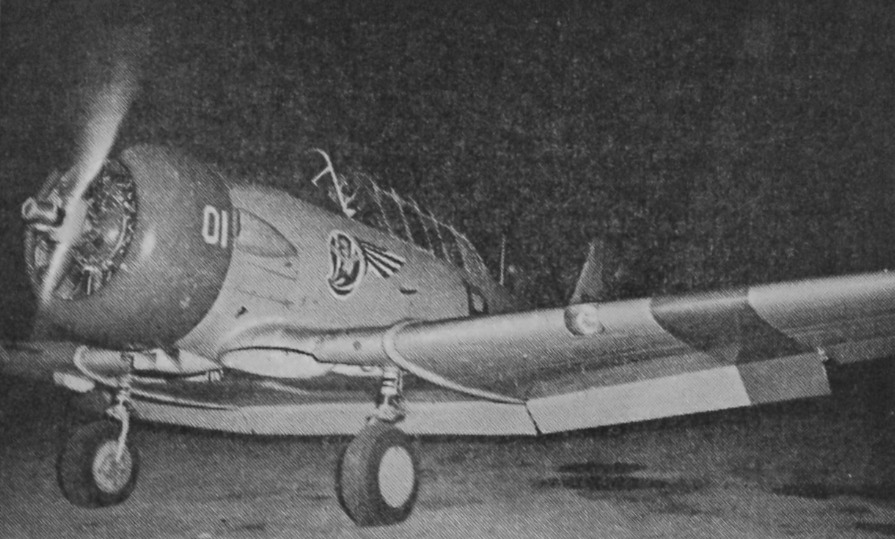
Noorduyn-built former KNIL trainer aircraft that was transferred to the Indonesian Air Force. Primarily used as a trainer but has been used in combat operations as well. Virtually the same as the T-6G texan but with an single internal armament on the right wing.
⬠ T-6G Texan
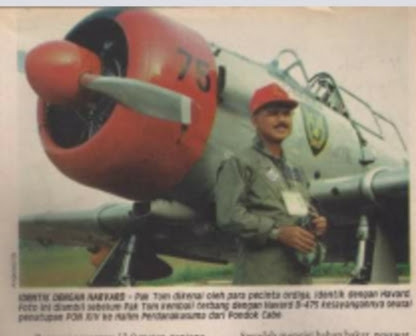
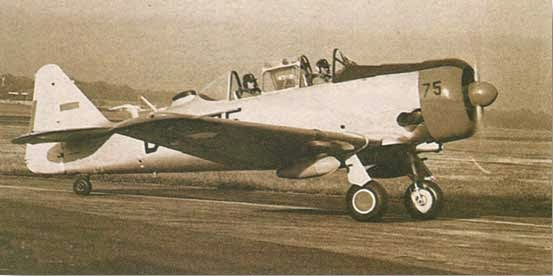
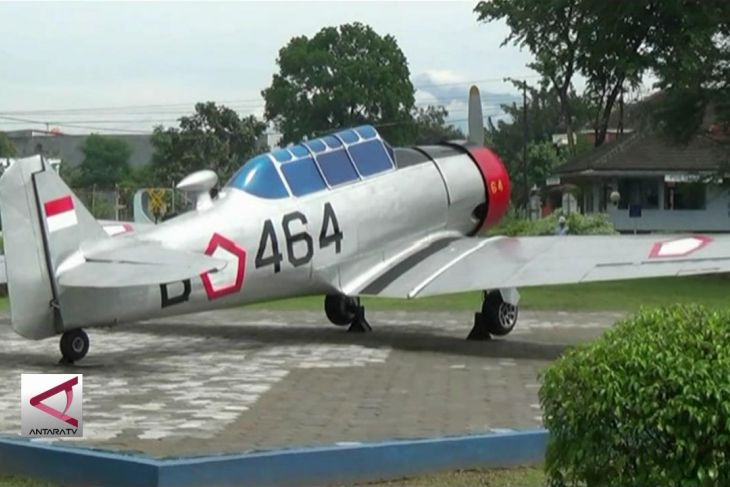
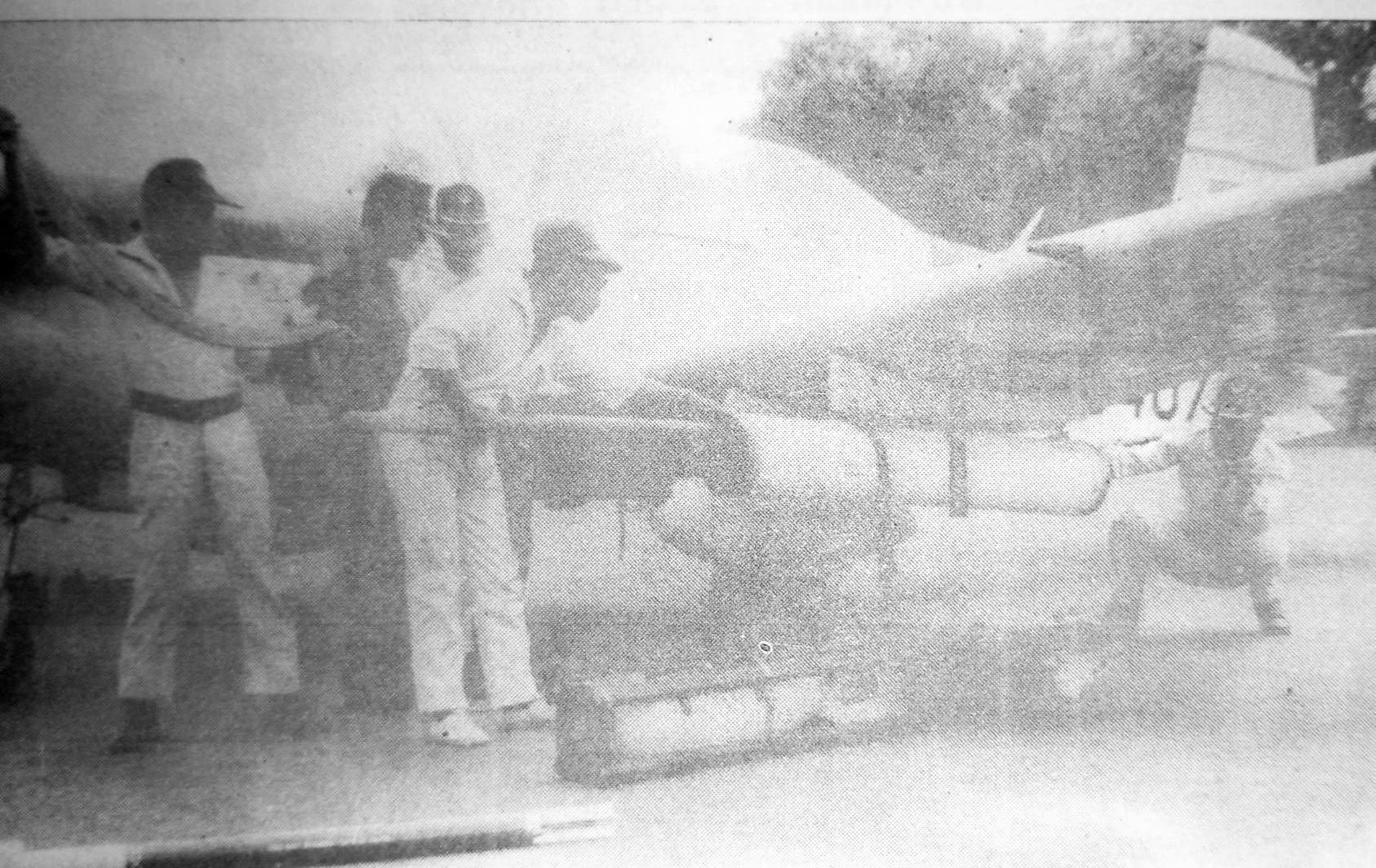
Virtually-identical to the Harvard, but without internal gun, as the gun armament is on a gunpods under the wing
⬠ T-34C-1
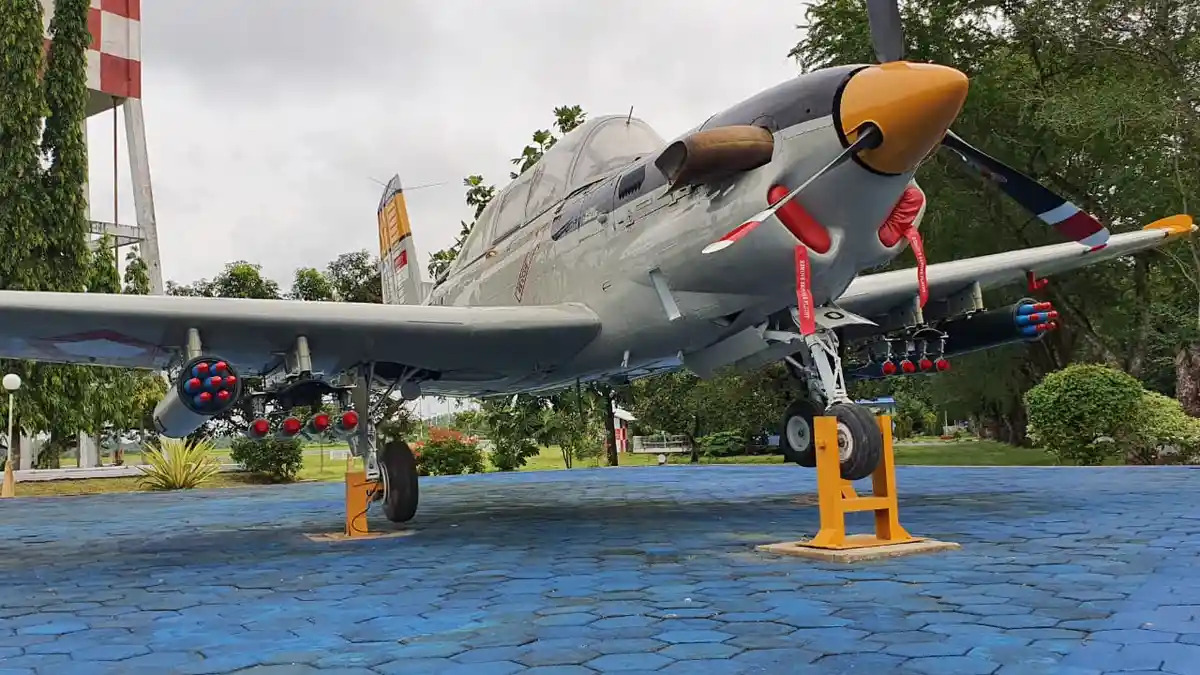
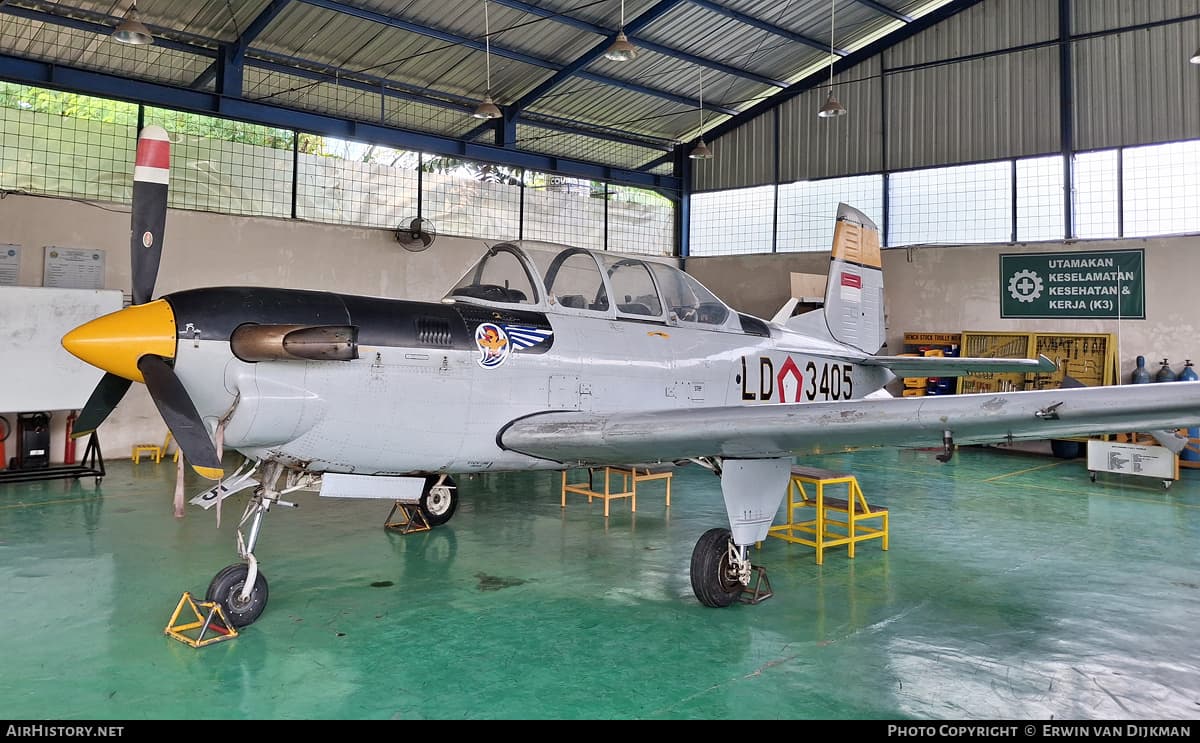
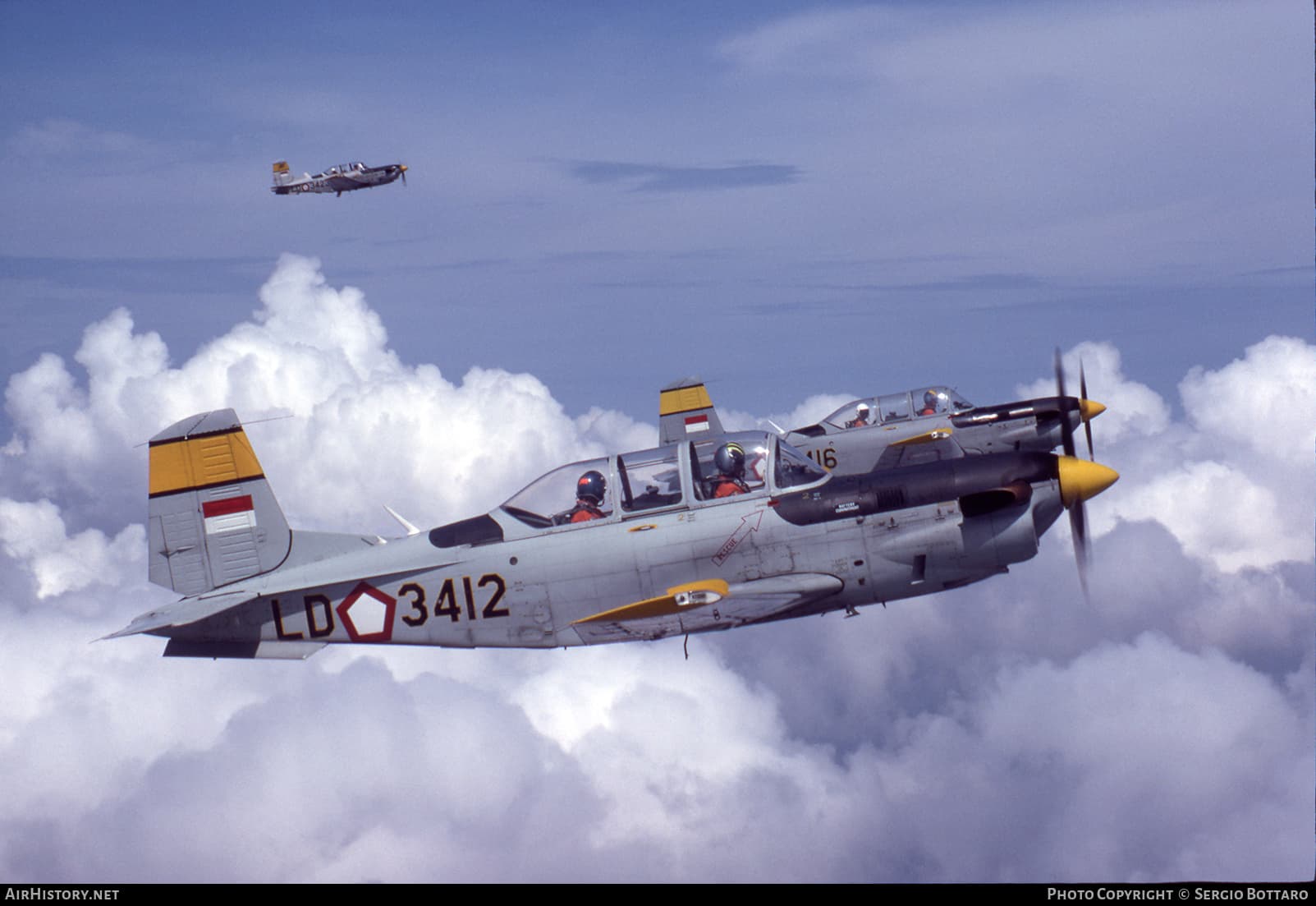

While its primarily used as a trainer with training munitions, the T-34C can also carry live munitions on its 4x hardpoints (such as FFAR, SURA-D rockets & dumb bombs). Additionally it can also equip the T-6 Texan’s 7.62mm Gunpods. The C variant can be identified by its twin air intake and the side-mounted exhaust
–=BOMBERS=–
⬠ F1M2
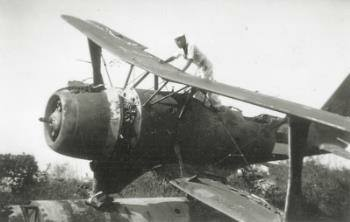
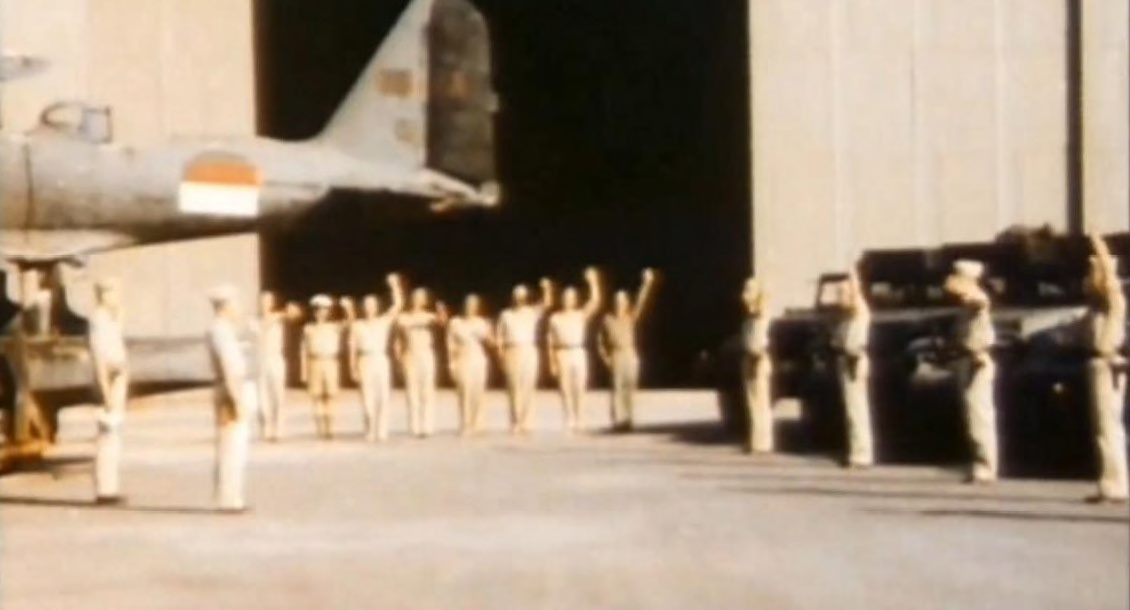
Rare vehicle. Some were known to have been operated, unclear exactly whether it flew or not.
⬠ PBY-5A Catalina
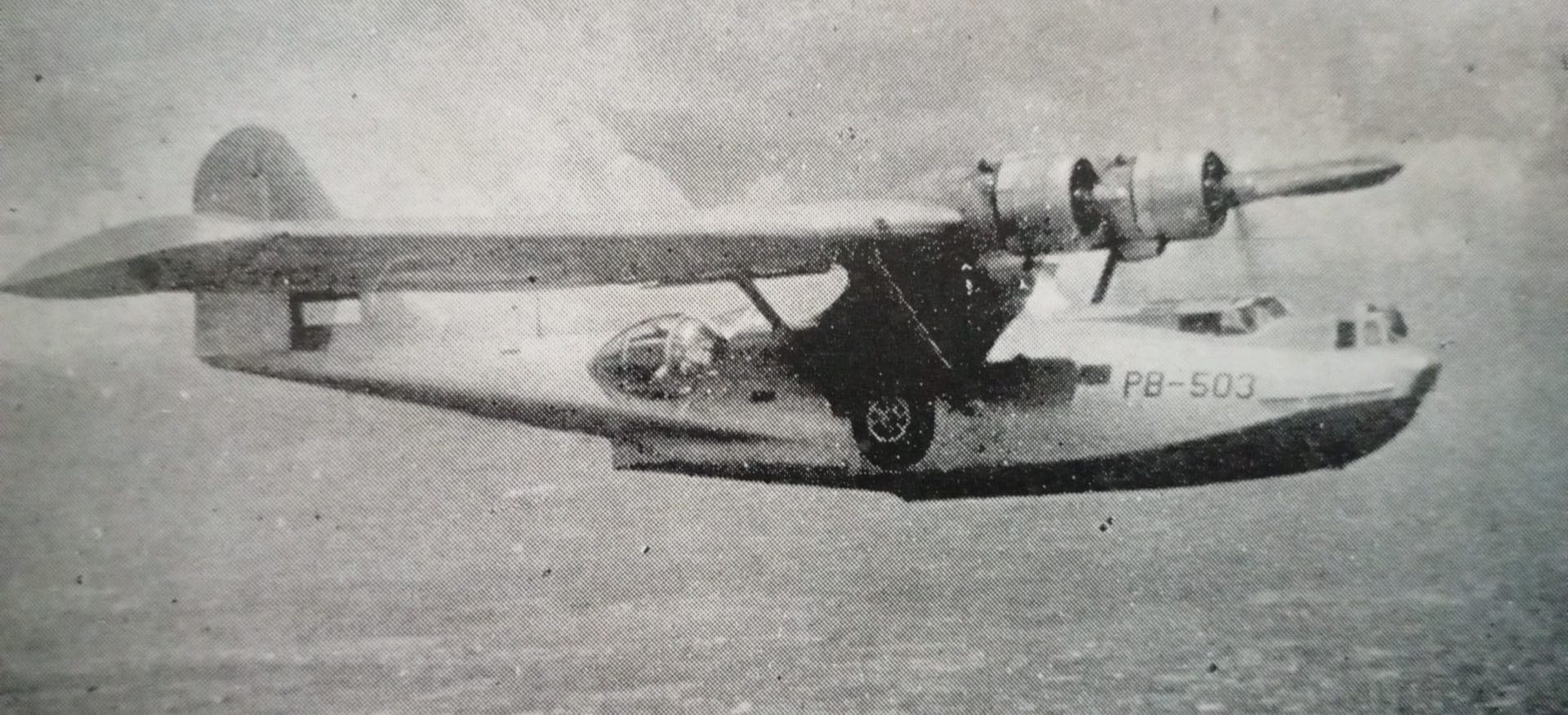
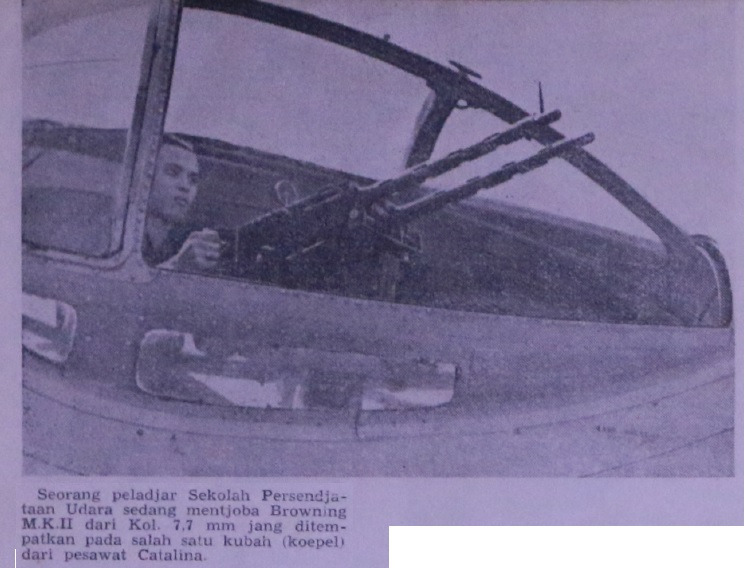
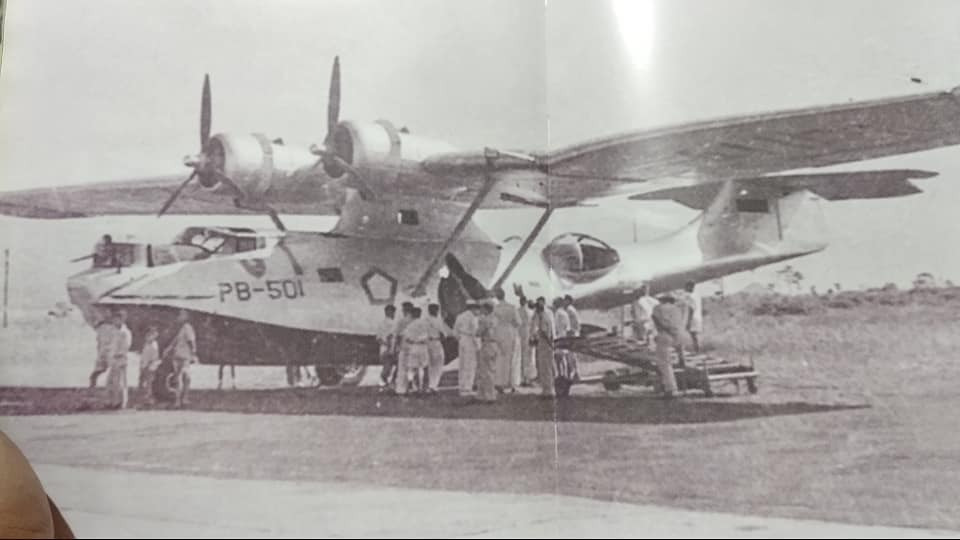
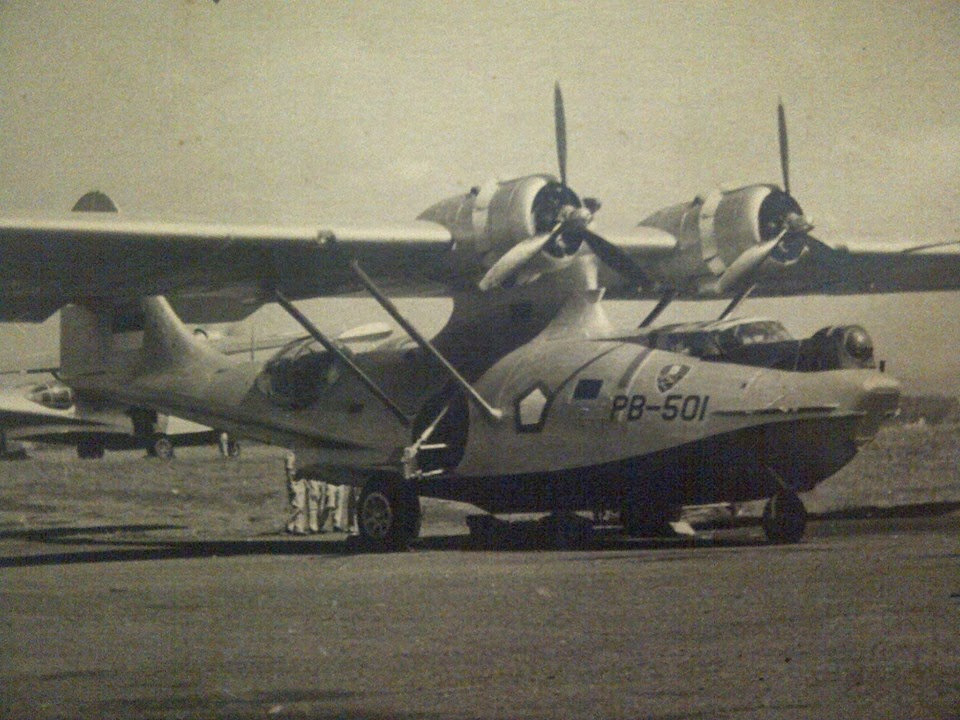
Standard Catalina. Indonesia operated two variants, one with & without gun turret on the nose. Additionally some Indonesian Catalinas uses 2x 7.7mm as a waist gun.
- Subdisjarah Dispenau. (2019). Indonesian Air Force Defense Equipment for the 1951-1960 Period. Dispenau.
- AIRPLANE SCALE MODELKIT: DOUGLAS PBY-5 Catalina
HU-16A
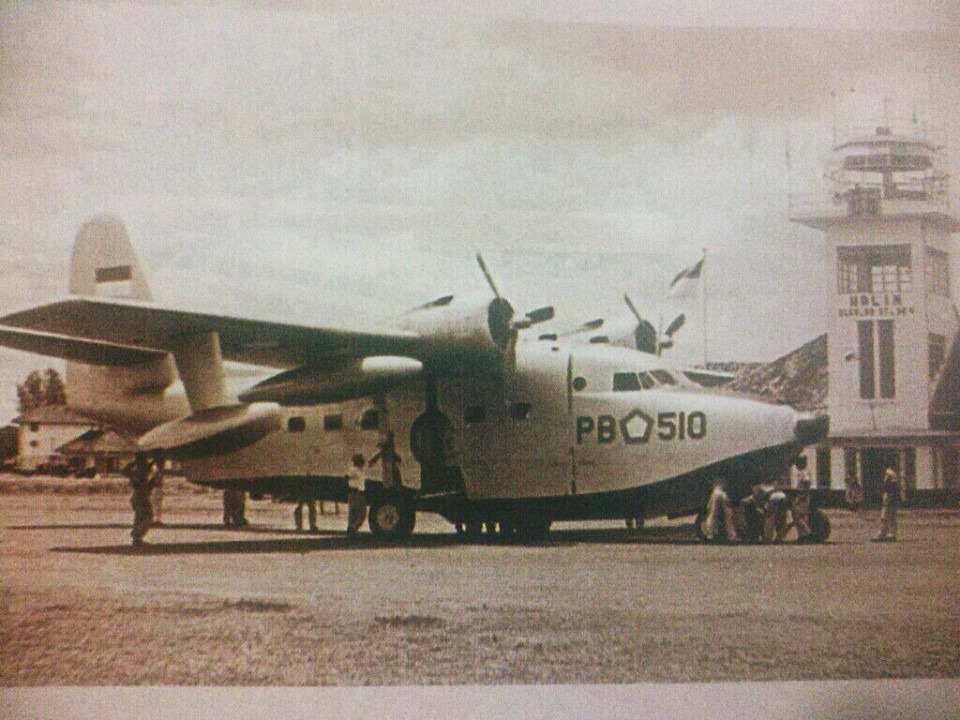
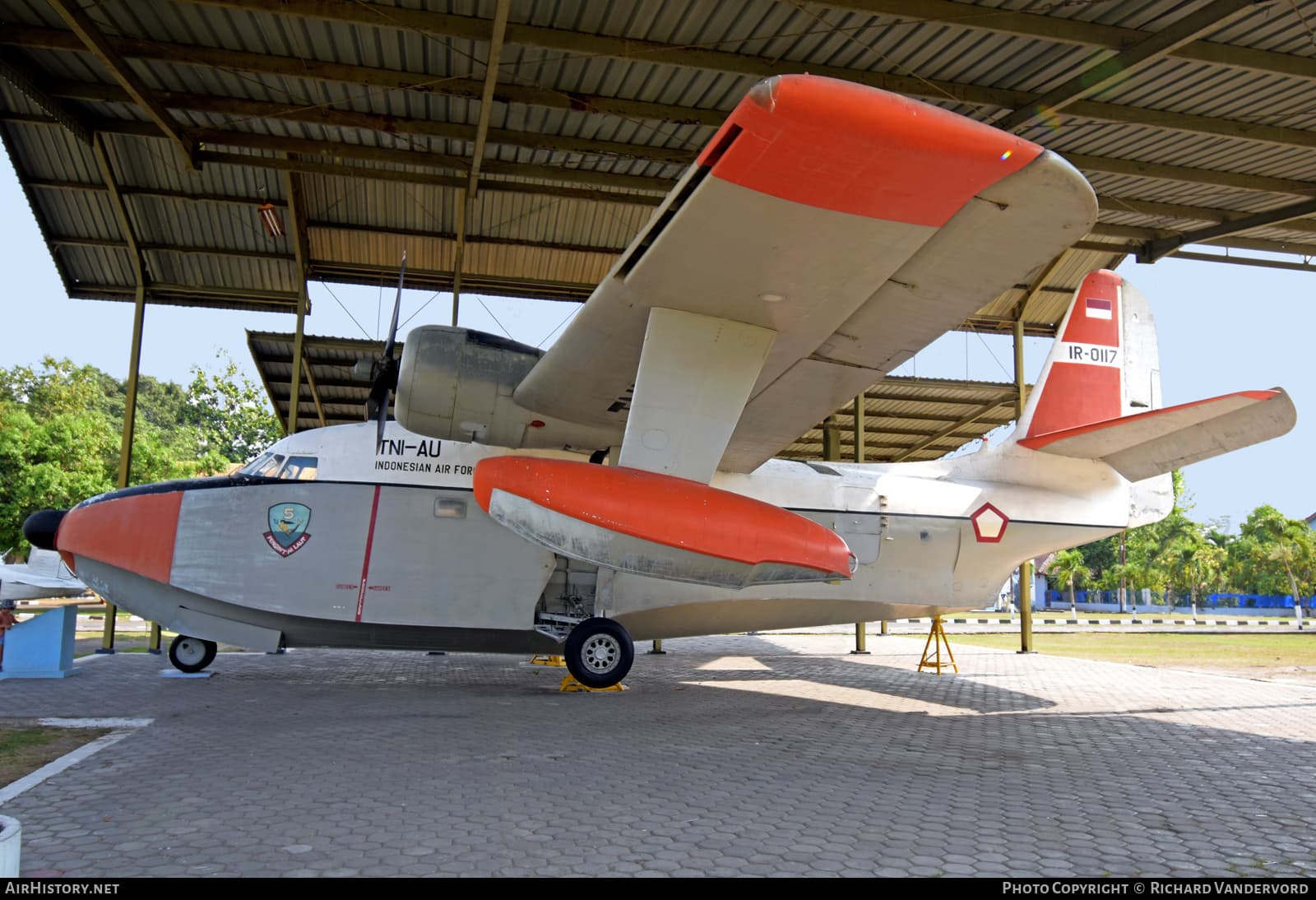
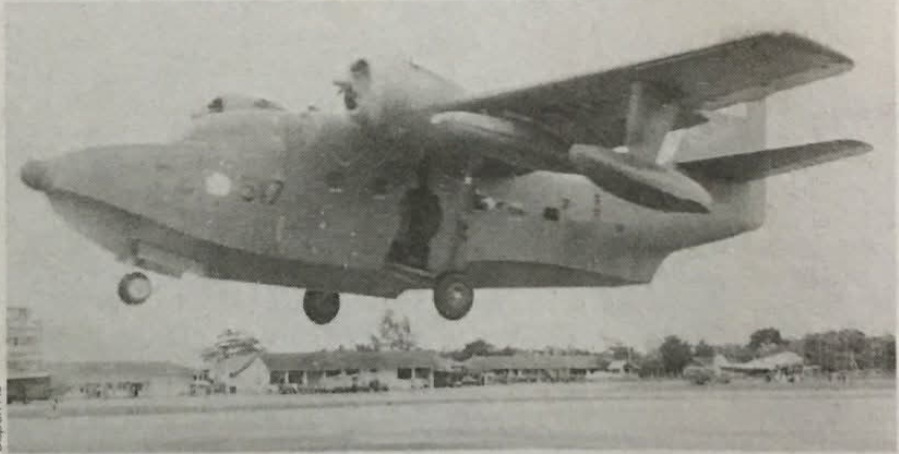
Indonesian modification to the unarmed HU-16 Albatros. Similar to the HU-16B, armed with 12.7mm MGs, bombs, torpedoes & rockets. HU-16A has a shorter wingspan & vertical stabilizer. Unfortunately its unclear where the MGs are situated.
- Museum Label. UF-1 Albatros | (IR-0117). Dirgantara Mandala Museum. Yogyakarta.
- (2000, March). Angkasa. no.6.
- UF-2 Albatross: Generasi Kedua Pesawat Intai Amfibi TNI AU - Indomiliter - Support Our Troops
HU-16B
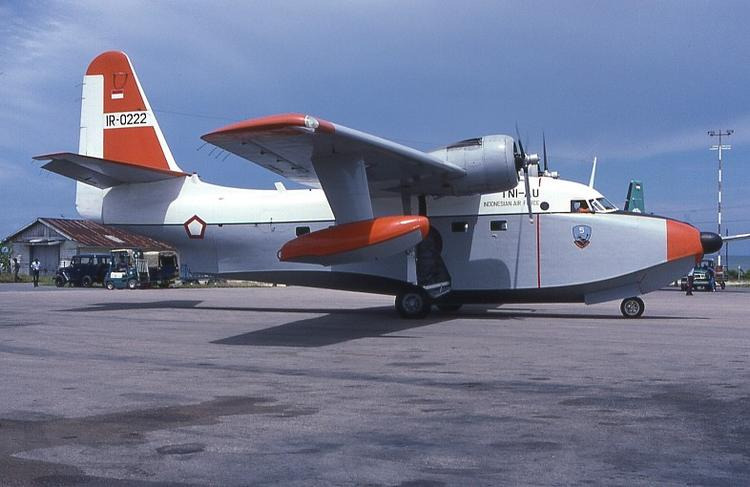
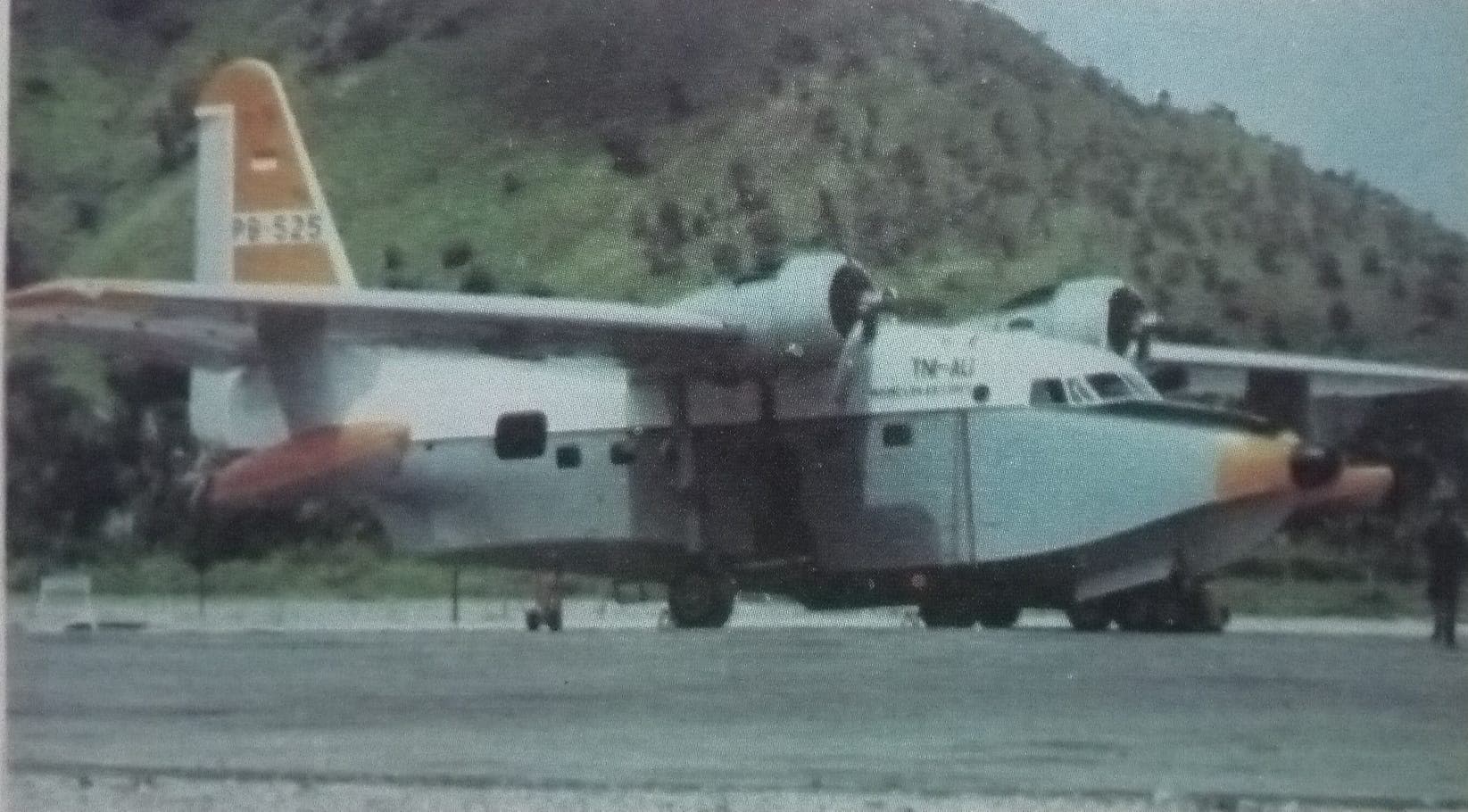
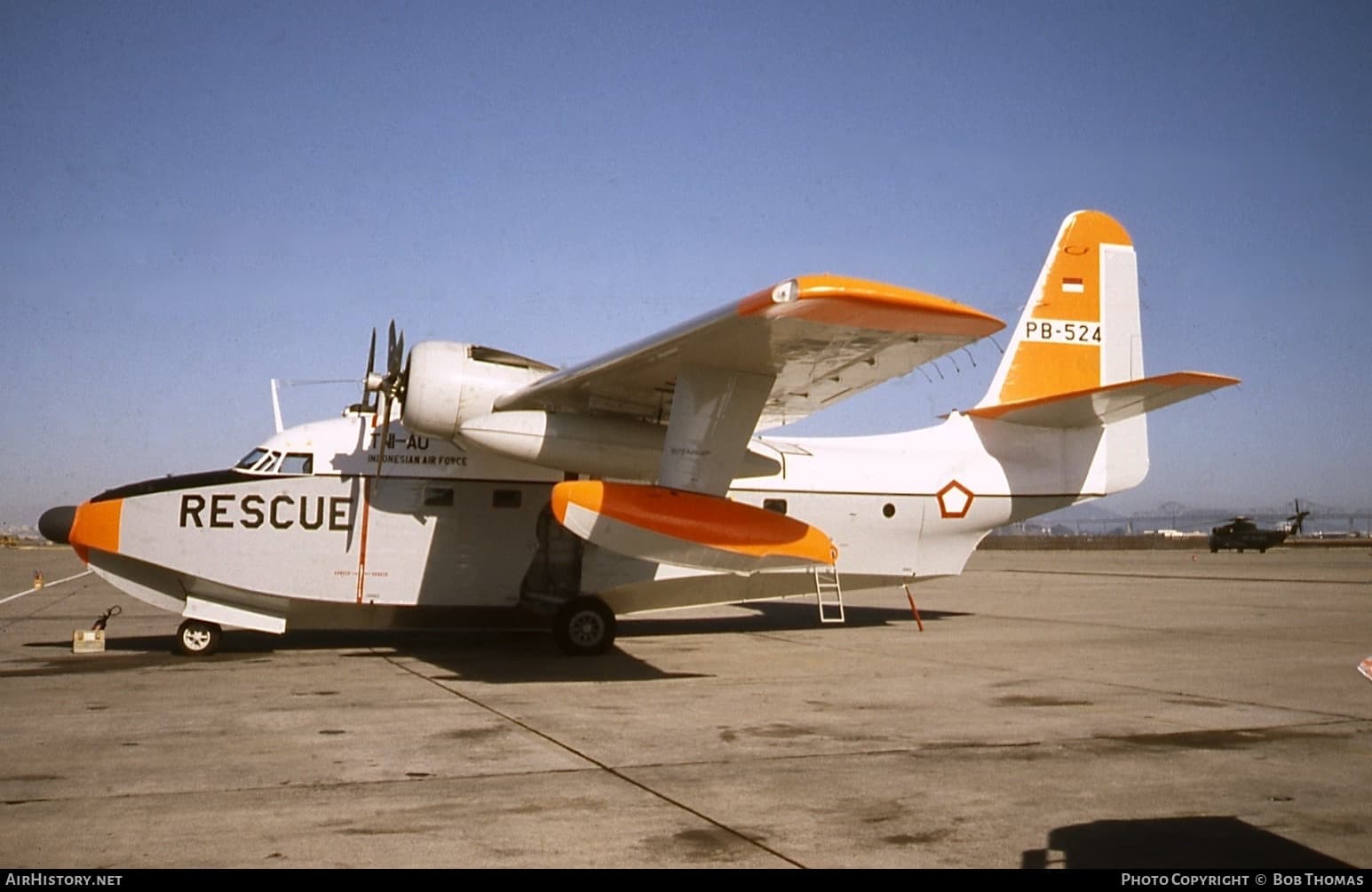
Hu-16 Albatros with a longer wingspan & vertical stabilizer. Both variant was domestically modified to carry bomb, rockets & torpedoes
- Subdisjarah Dispenau (2019) Main Weapons Systems of the Indonesian Air Force for the Period 1951-1960. Dispenau
- UF-2 Albatross: Generasi Kedua Pesawat Intai Amfibi TNI AU - Indomiliter - Support Our Troops
RANK II
–=FIGHTER AIRCRAFT=–
⬠ N1K1
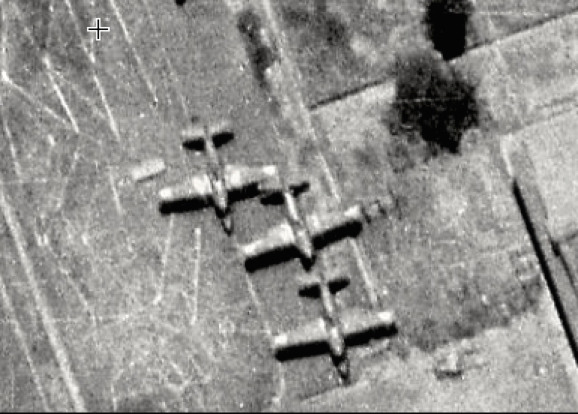
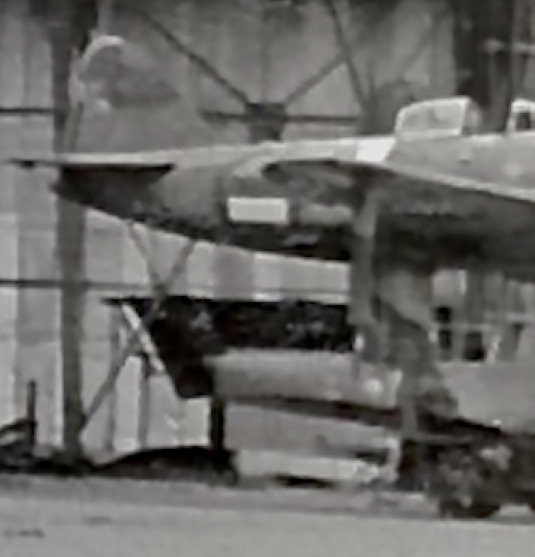
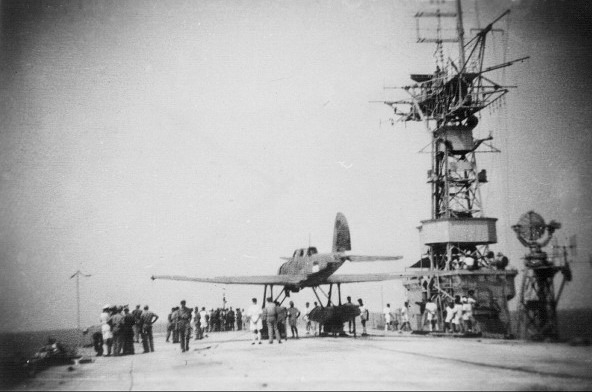
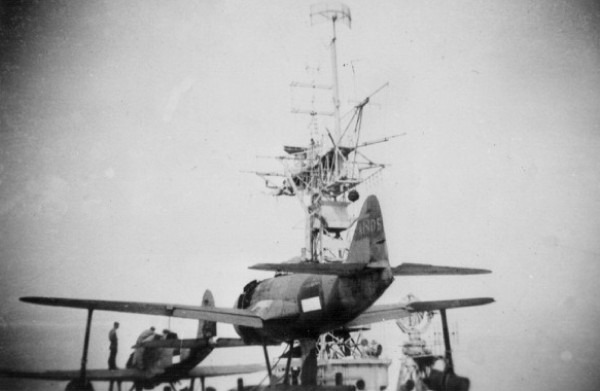
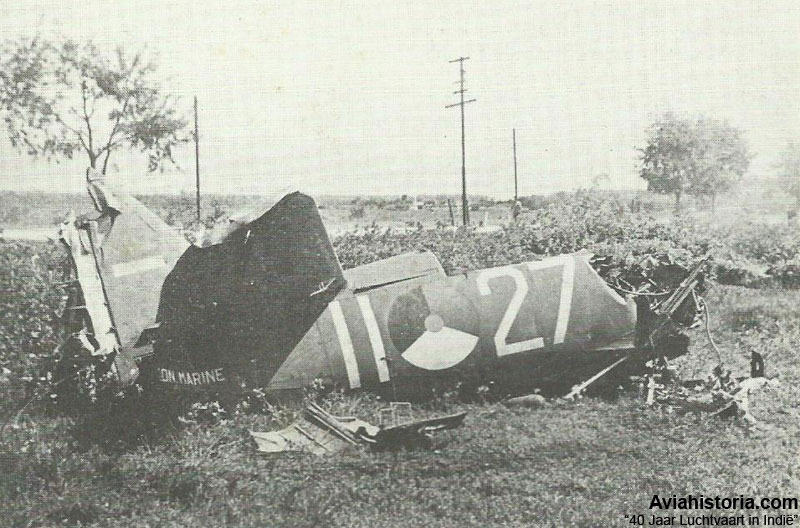
Unknown exactly whether it was fully operated. ~3x N1K1 was found at Surabaya. They sport Indonesian flags & markings. These aircraft had the early type exhaust as well as them having the two-seater modification. They were handed over to the Dutch abroad the Karel Doorman and was shipped to the Netherlands.
–=STRIKE AIRCRAFT=–
Guntei
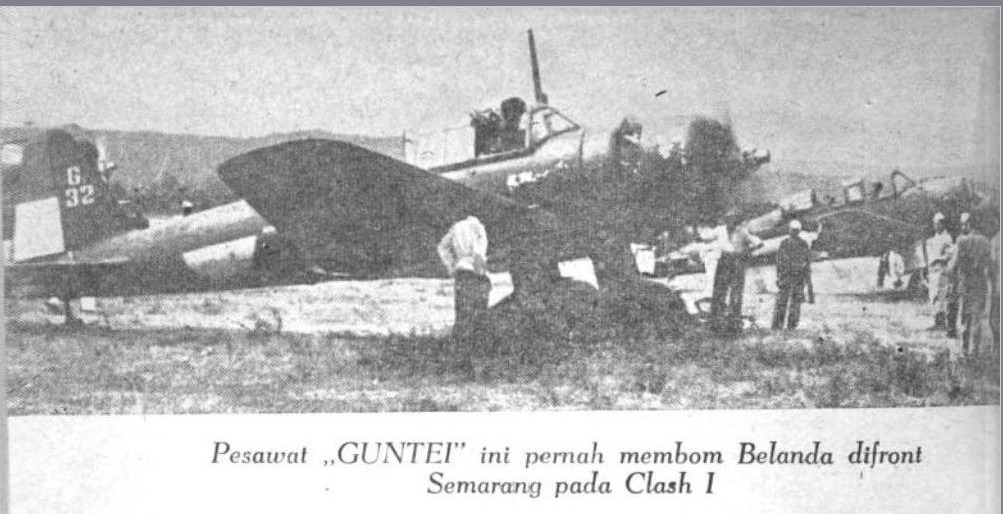
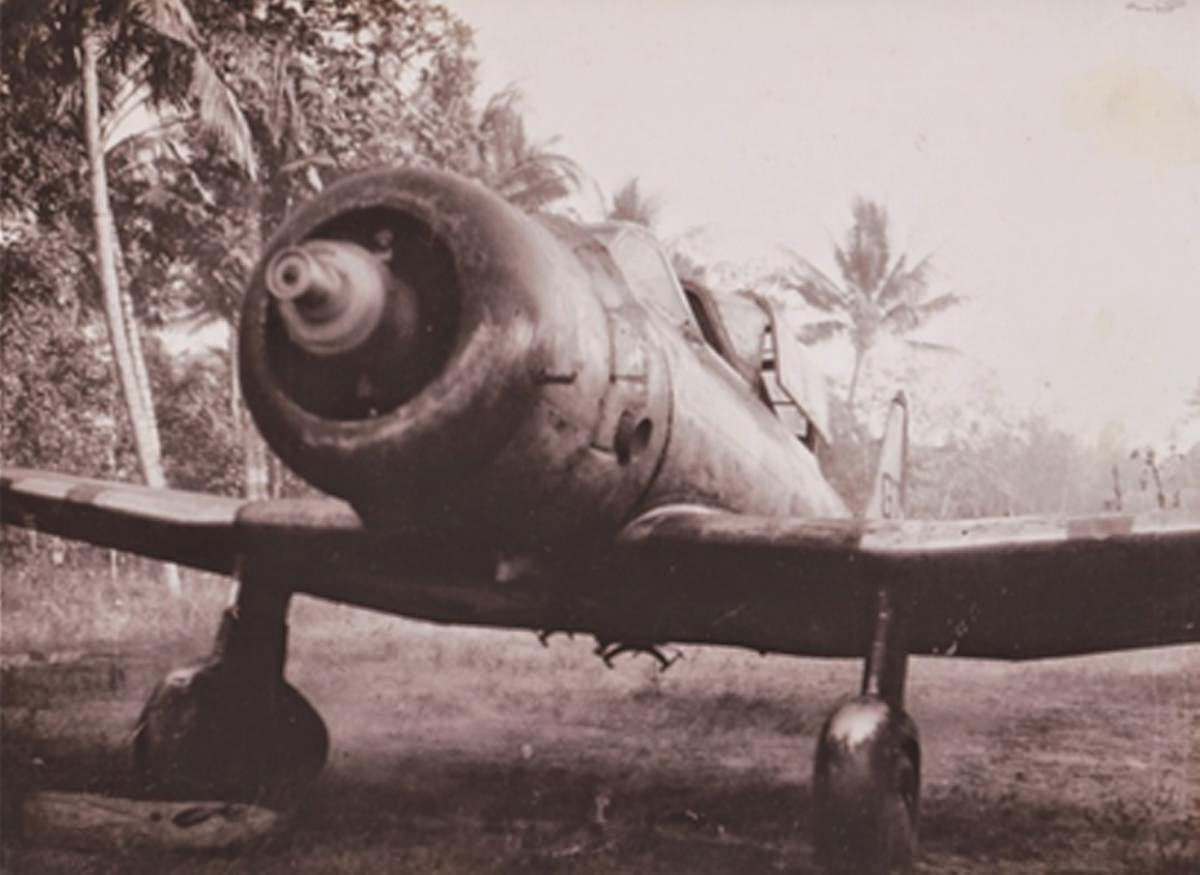
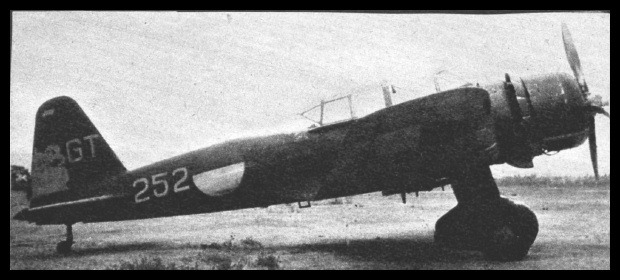
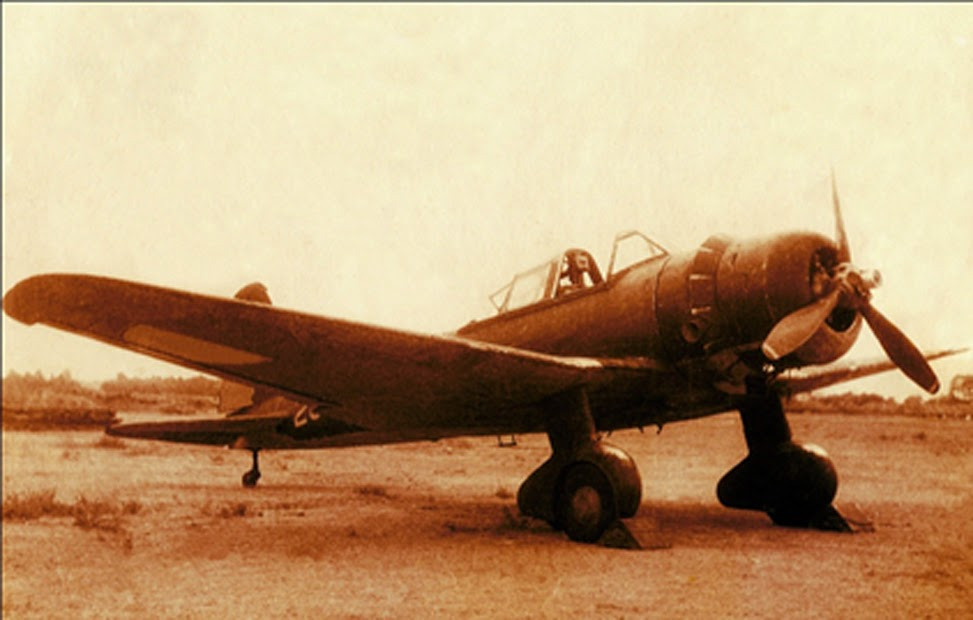
Indonesian designation for the refurbished Ki-51 Sonia. ~7 units were obtained in Bugis Air Base. It’s equipped with 3x 303 calibre machine guns & capable of carrying a 500kg bomb
RANK III
–=FIGHTER AIRCRAFT=–
⬠ P-51K-15-NT
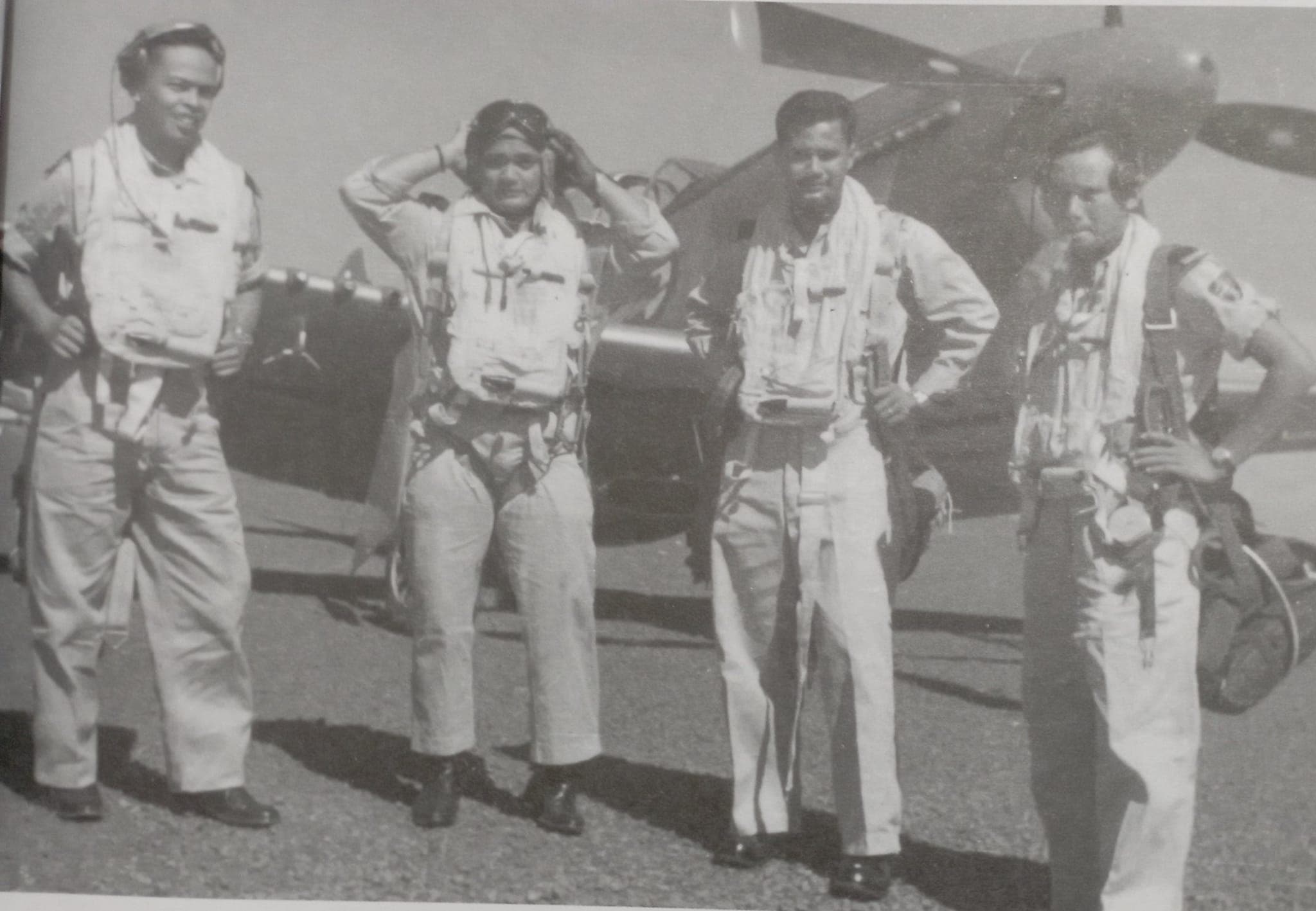
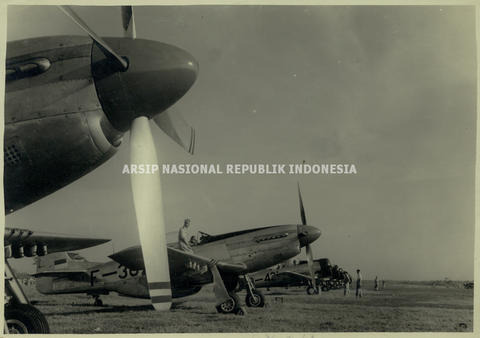
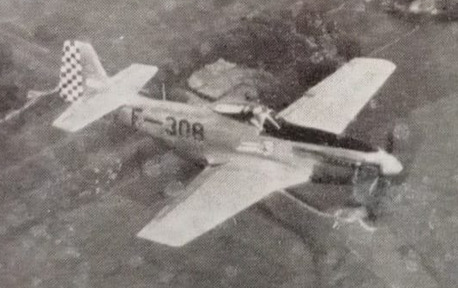
P-51K block 15 built in the Dallas plant. Almost all of the Indonesian P-51K/Ds are transferred from the dutch, with an additional batch from the US. Minor visual differences compared to the P-51D (notably a different propeller). F-300 - F-310 is the P-51K-15.
⬠ P-51D-20/25-NT
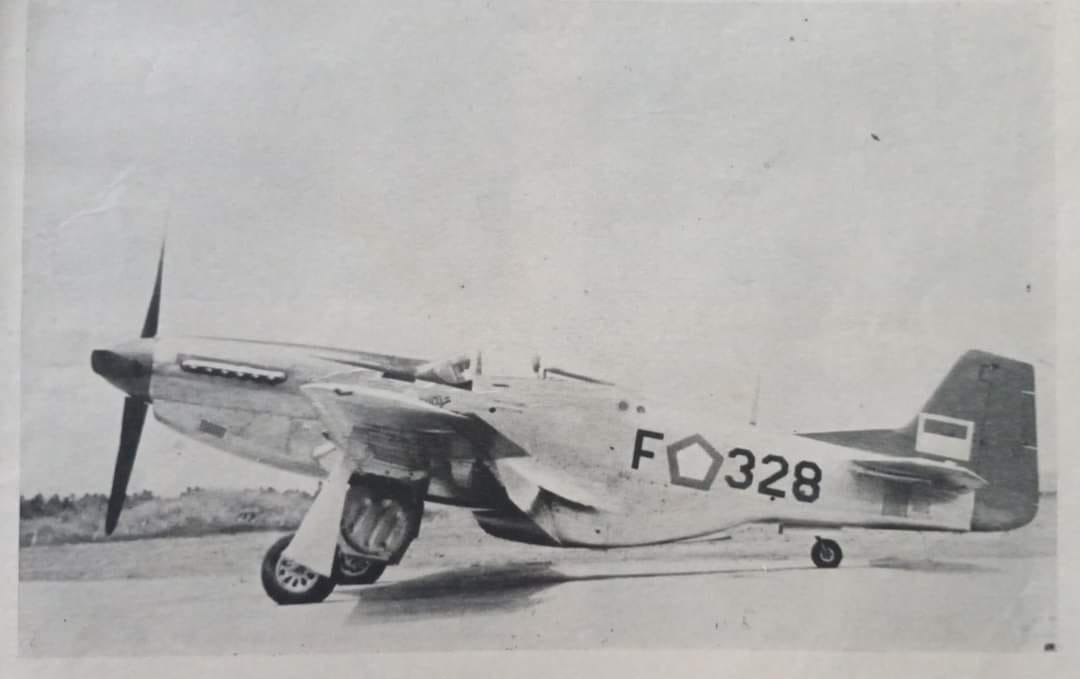
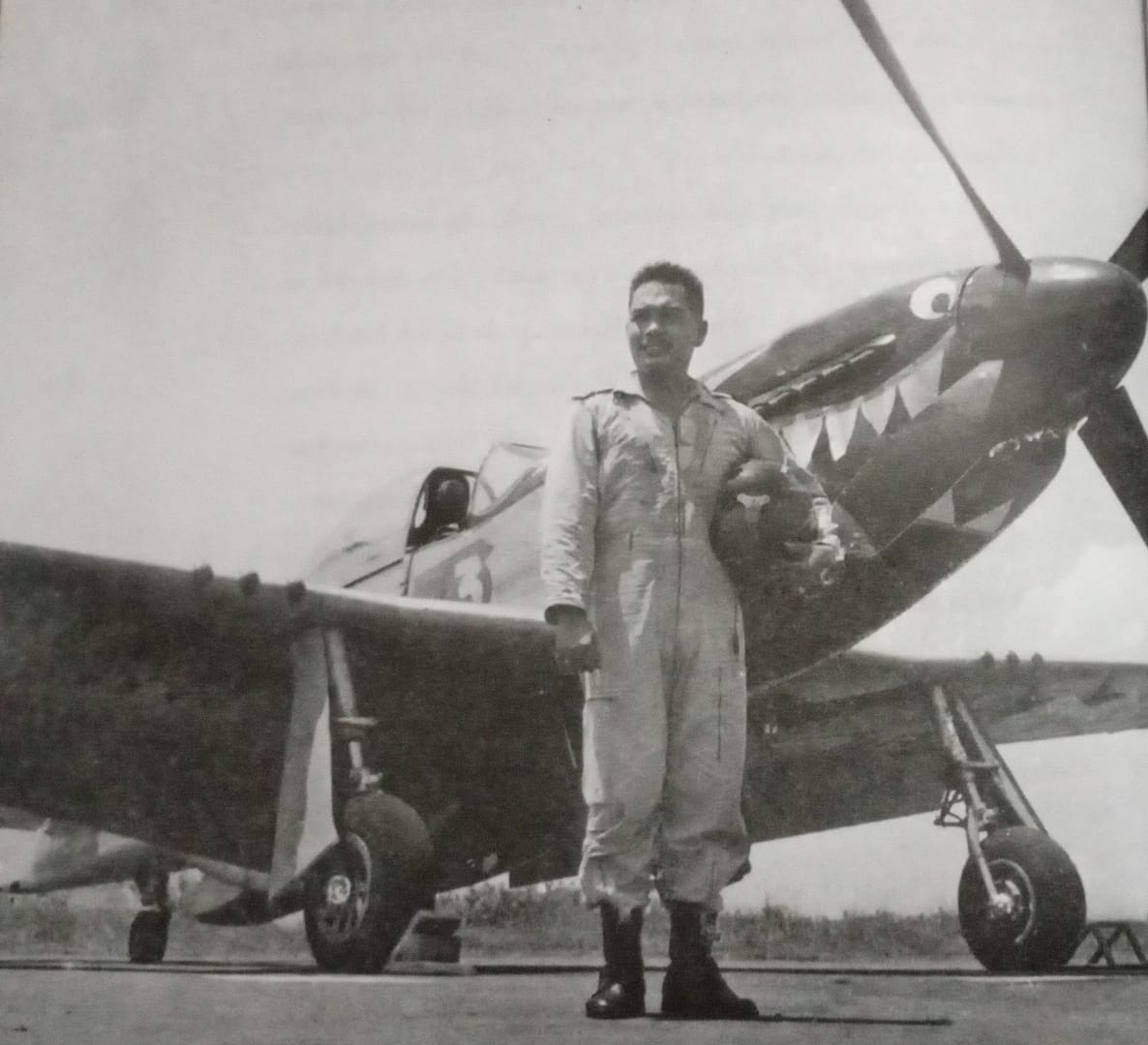
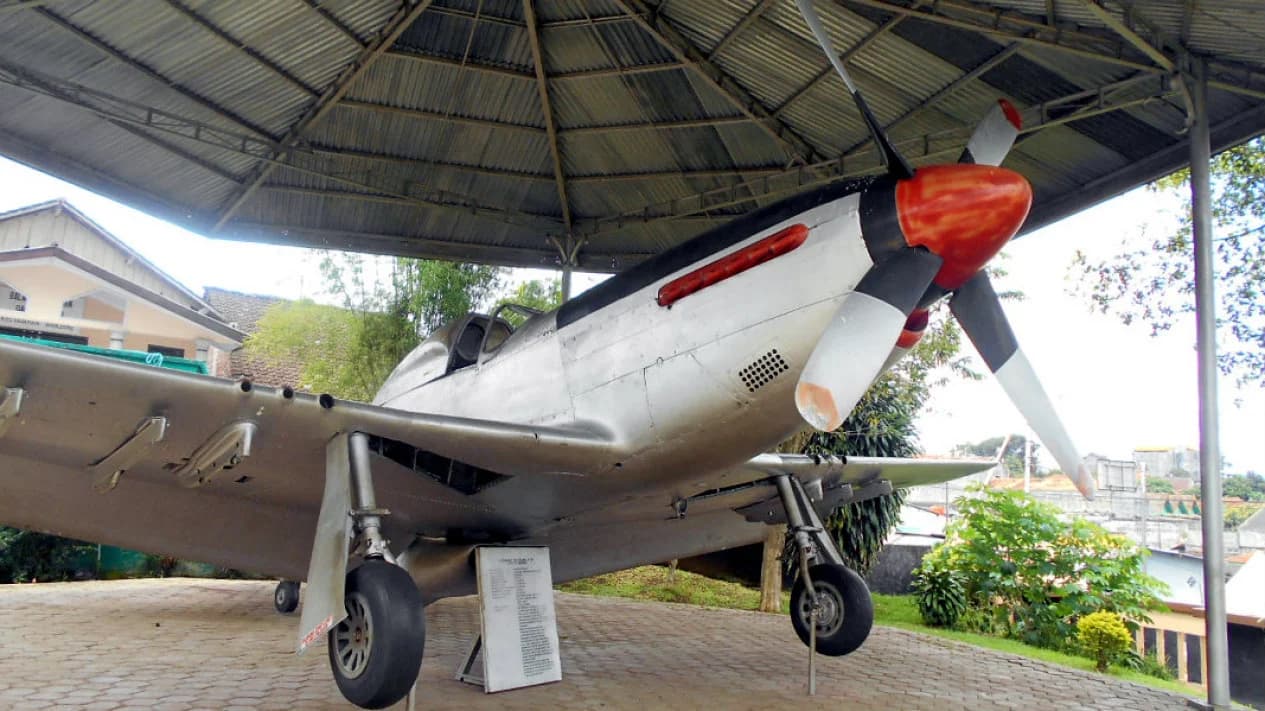
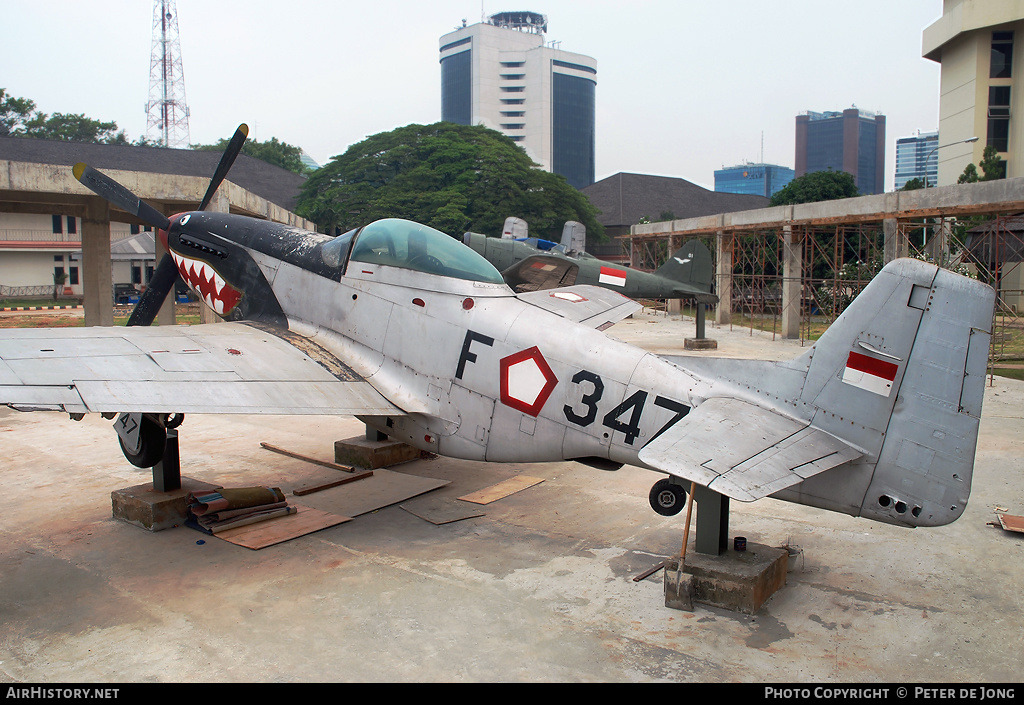
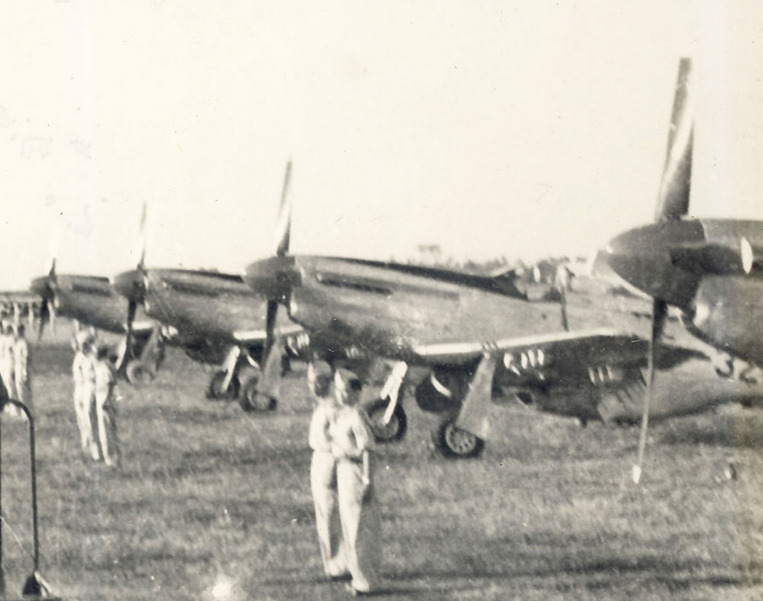
P-51D bult in the Dallas Plant. Has a slightly better & more stable propeller compared to the P-51K. Main differences between block 20 & 25 are a bit marginal so in-game they would perform similarly to one another. F-311 - F-323 is the block 20, whereas F-324 - F-340 is the block 25.
–=STRIKE AIRCRAFT=–
⬠ B-25J2-15-NC
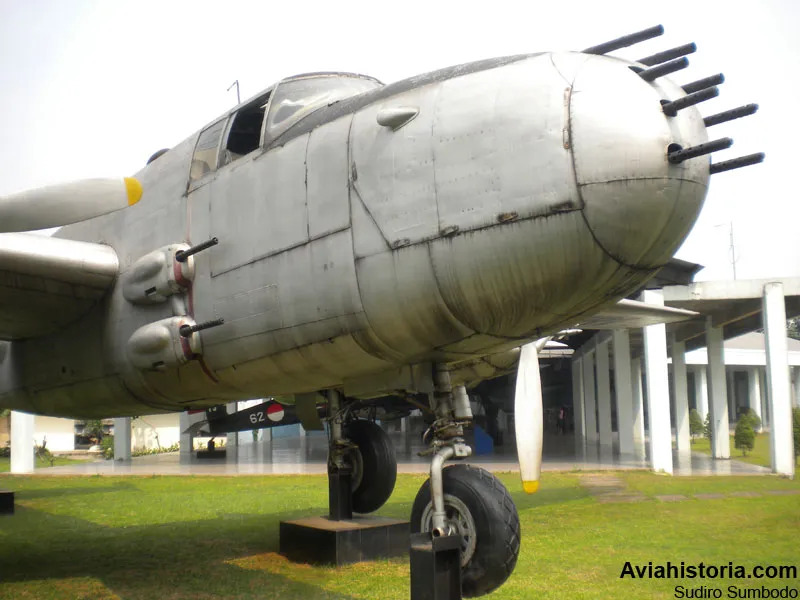
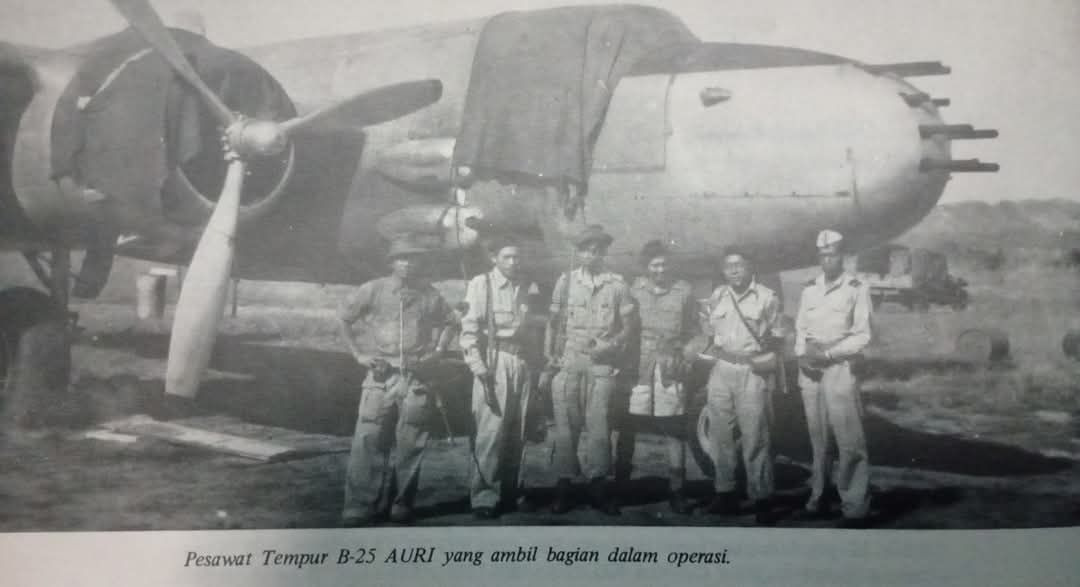
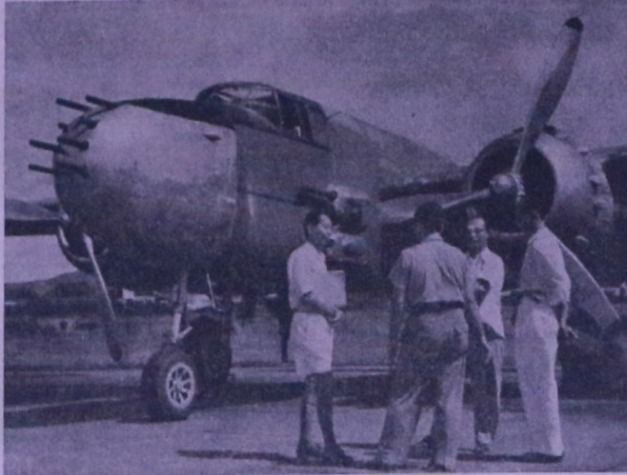
B-25 Mitchell with the strafer nose. Original Dutch modification remain, removal of dorsal & rear-side defensive turrets. Used as a ground strafer.
–=BOMBERS=–
⬠ B-25J-15-NC
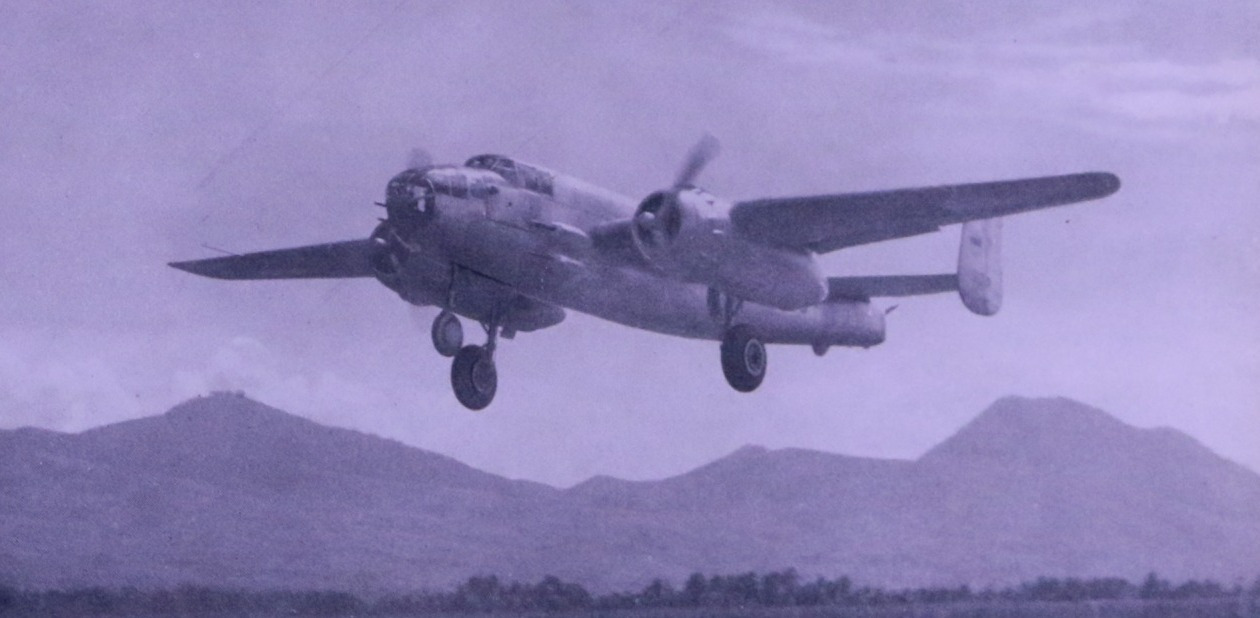
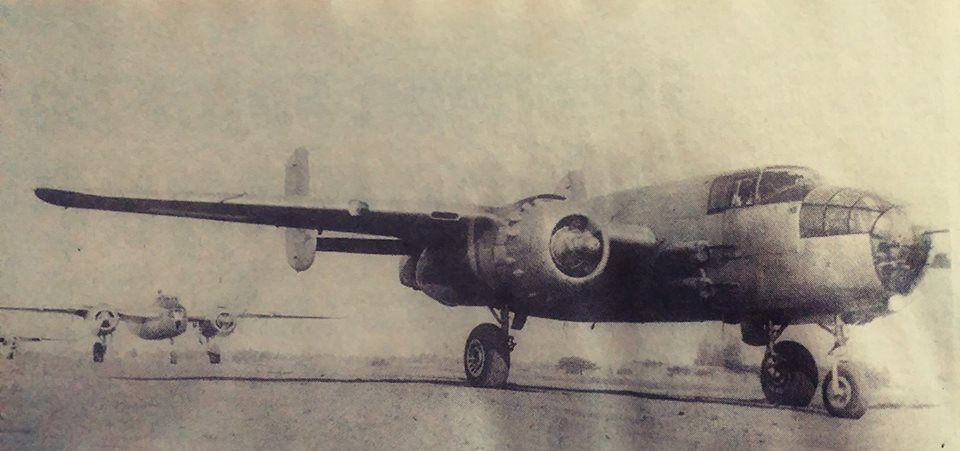
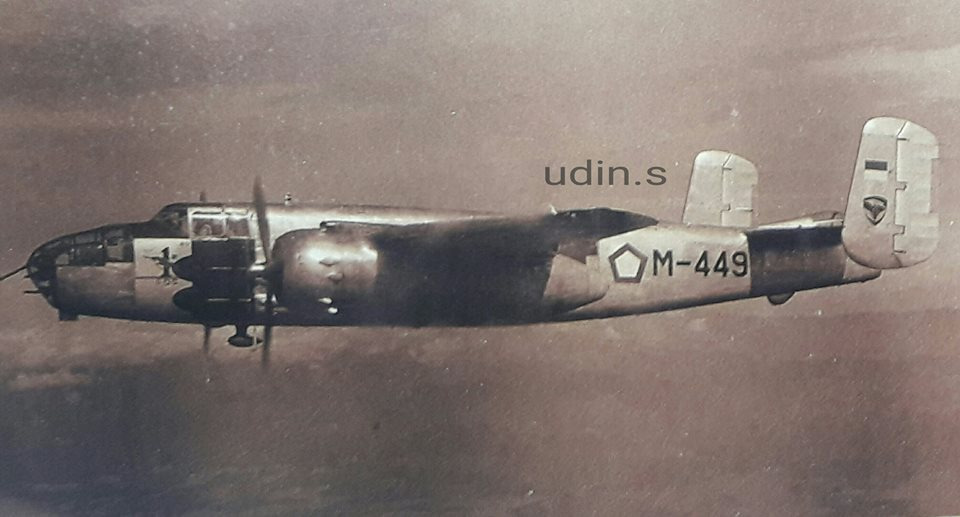
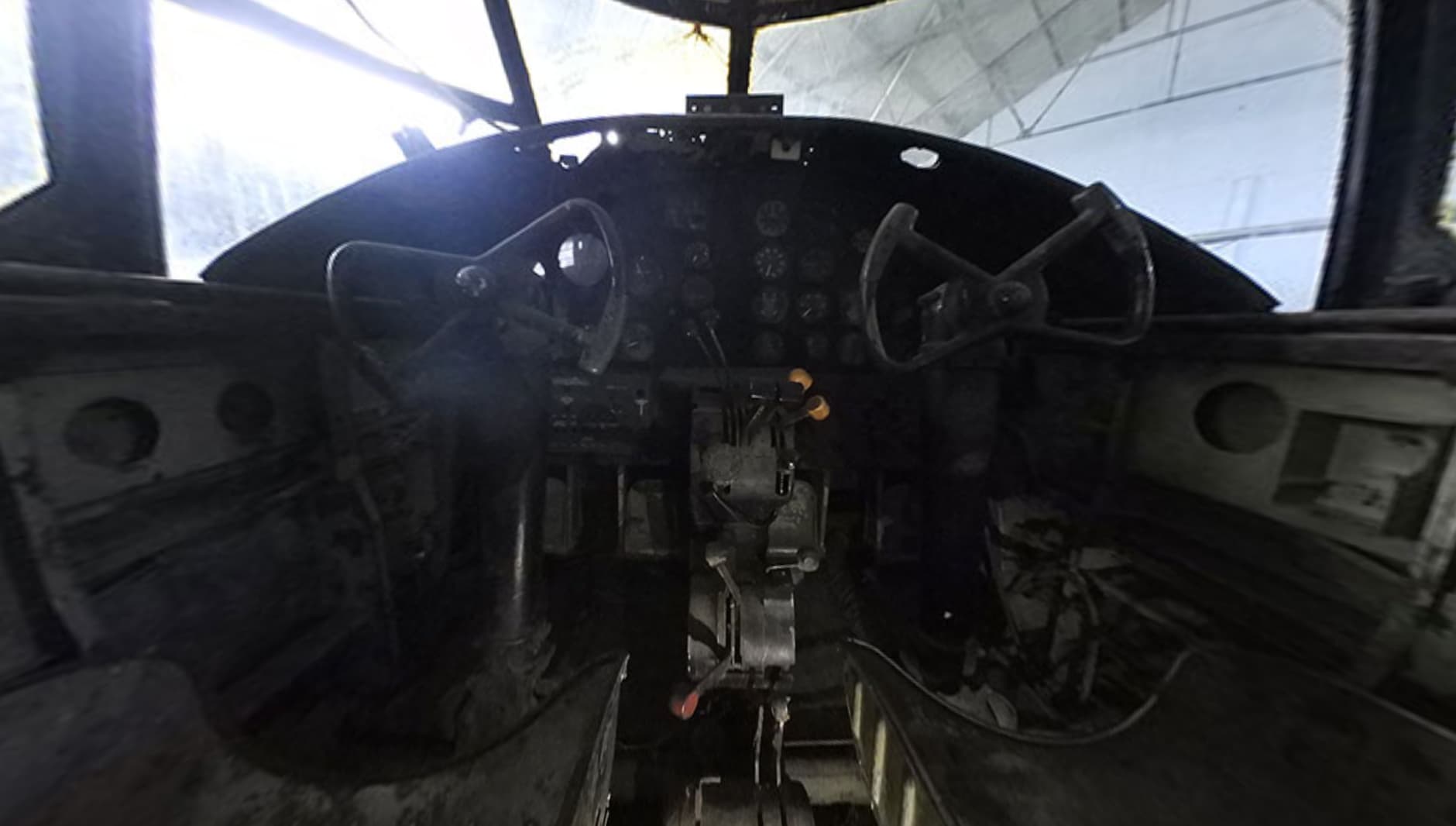
B-25 Mitchell with the glass nose canopy. Same as the strafer nose version just missing a couple frontal MGs. Used as a Bomber.
RANK IV
–=FIGHTER AIRCRAFT=–
⬠ La-11
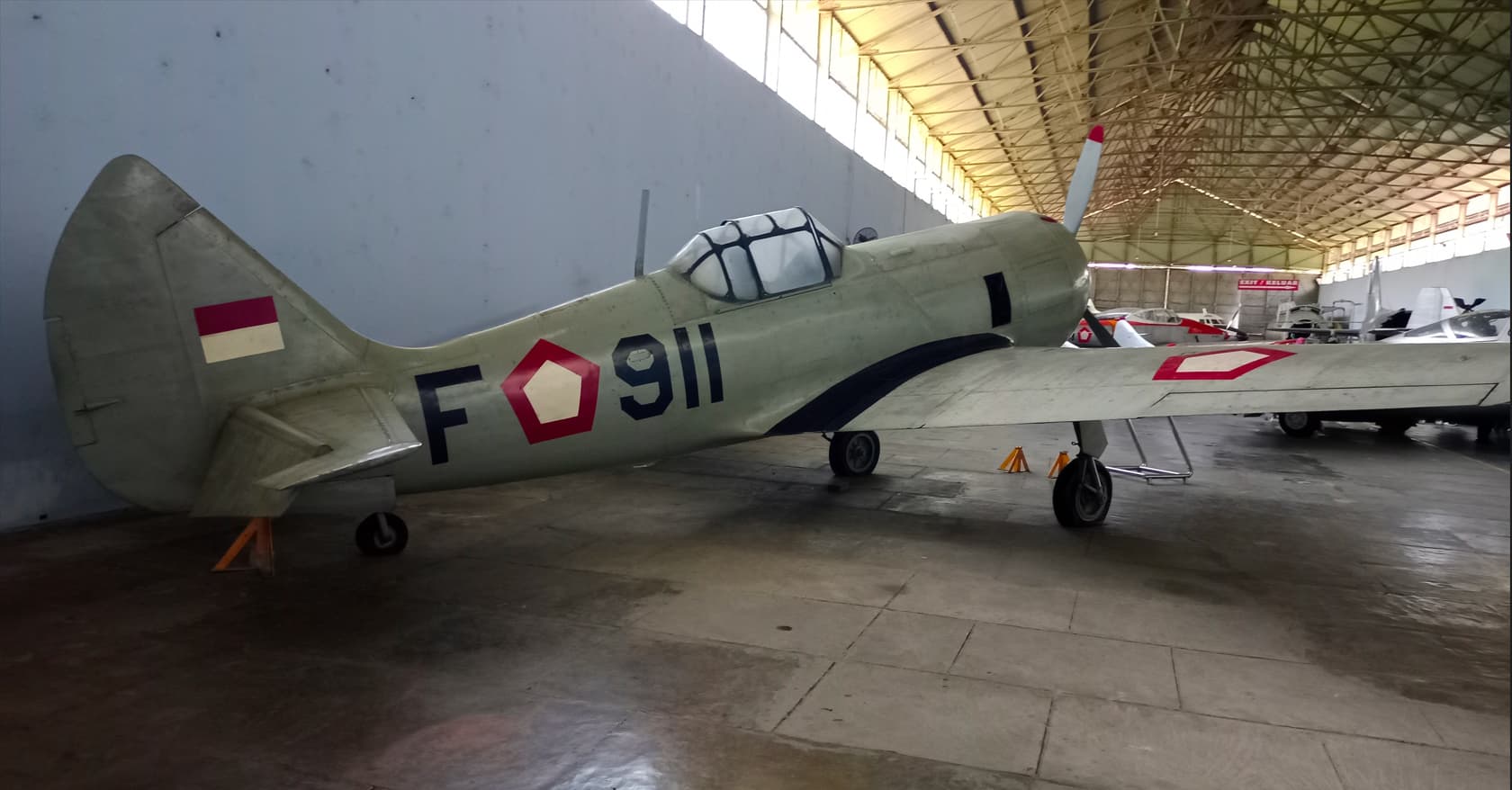
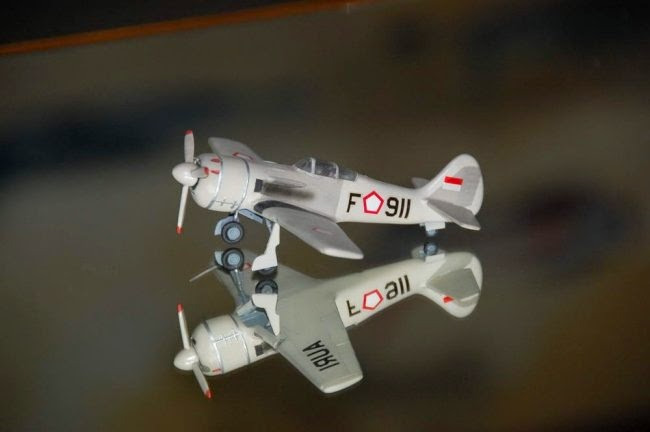
Standard La-11. 24 units obtained second-hand from China. Only use for a short amount of time. The planes were assembled in Abdulrahman Saleh AFB with help from Chinese pilots & technicians. They were used by 3rd Air Squadron, notably some pilots obtained licenses to fly the Lavochkins just as they were decomissioned by the Air Force, presumably because of the incoming Cavalier Mustangs. As such records of their existence are quiet sparse. The unit in the museum is different because it originally crashed and was recovered & repaired as a display piece (notably using the harvard’s canopy piece as a replacement).
- AIRPLANE SCALE MODELKIT: LAVOCHKIN La-9 dan La-11
- SIPRI arms transfer
- Redirecting...
⬠ La-9UTI
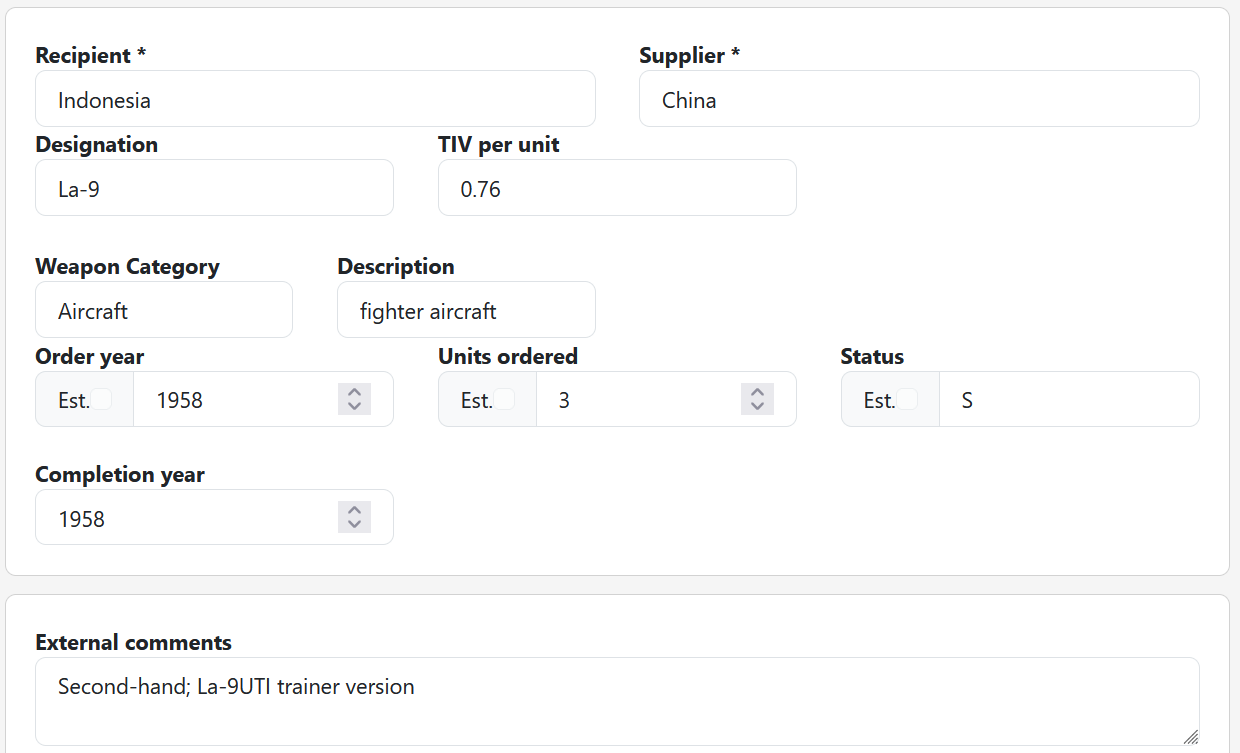
No images of the trainer version, but ~3 units were delivered & assembled before being retired early.
- AIRPLANE SCALE MODELKIT: LAVOCHKIN La-9 dan La-11
- SIPRI arms transfer
- Redirecting...
–=STRIKE AIRCRAFT=–
⬠ Cavalier Mustang II
Suggestion Post: Cavalier Mustang II - Retired, Refurbished, Reborn
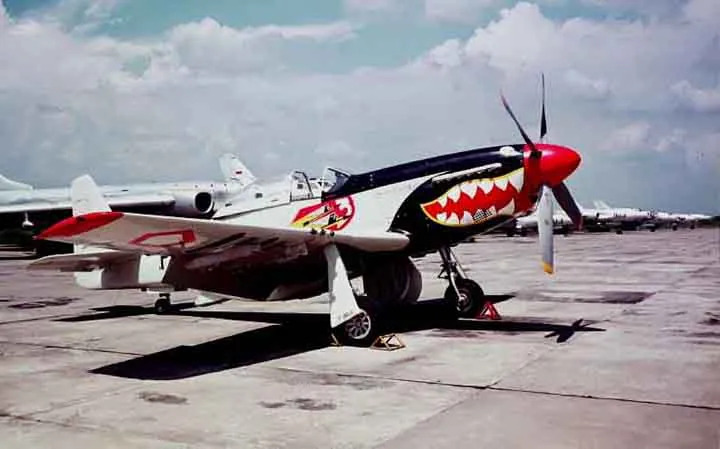
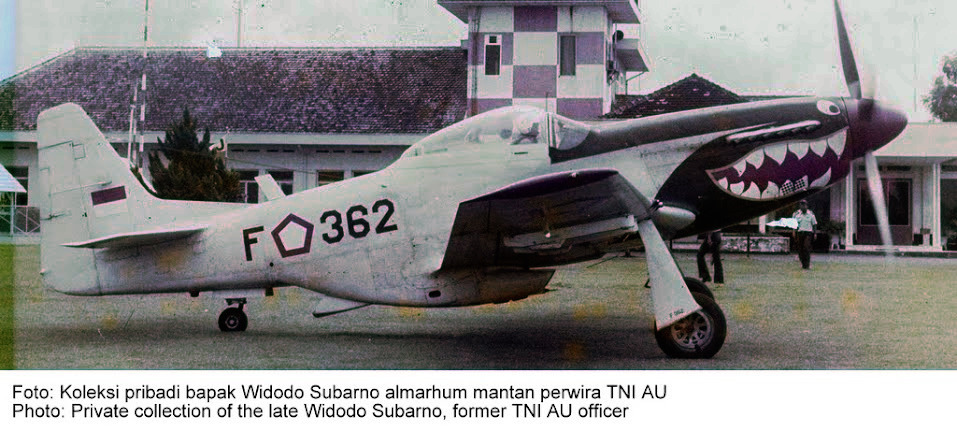
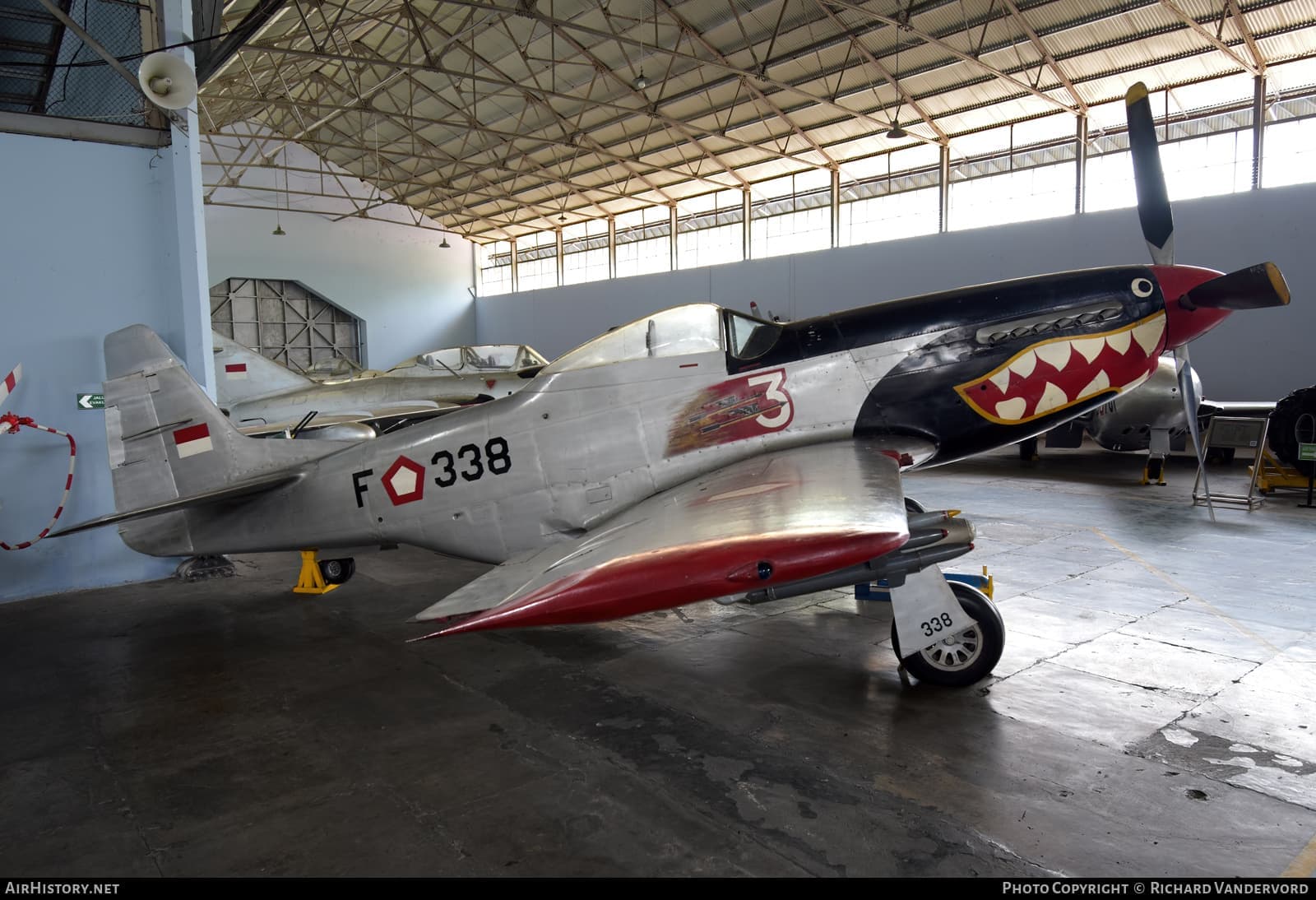
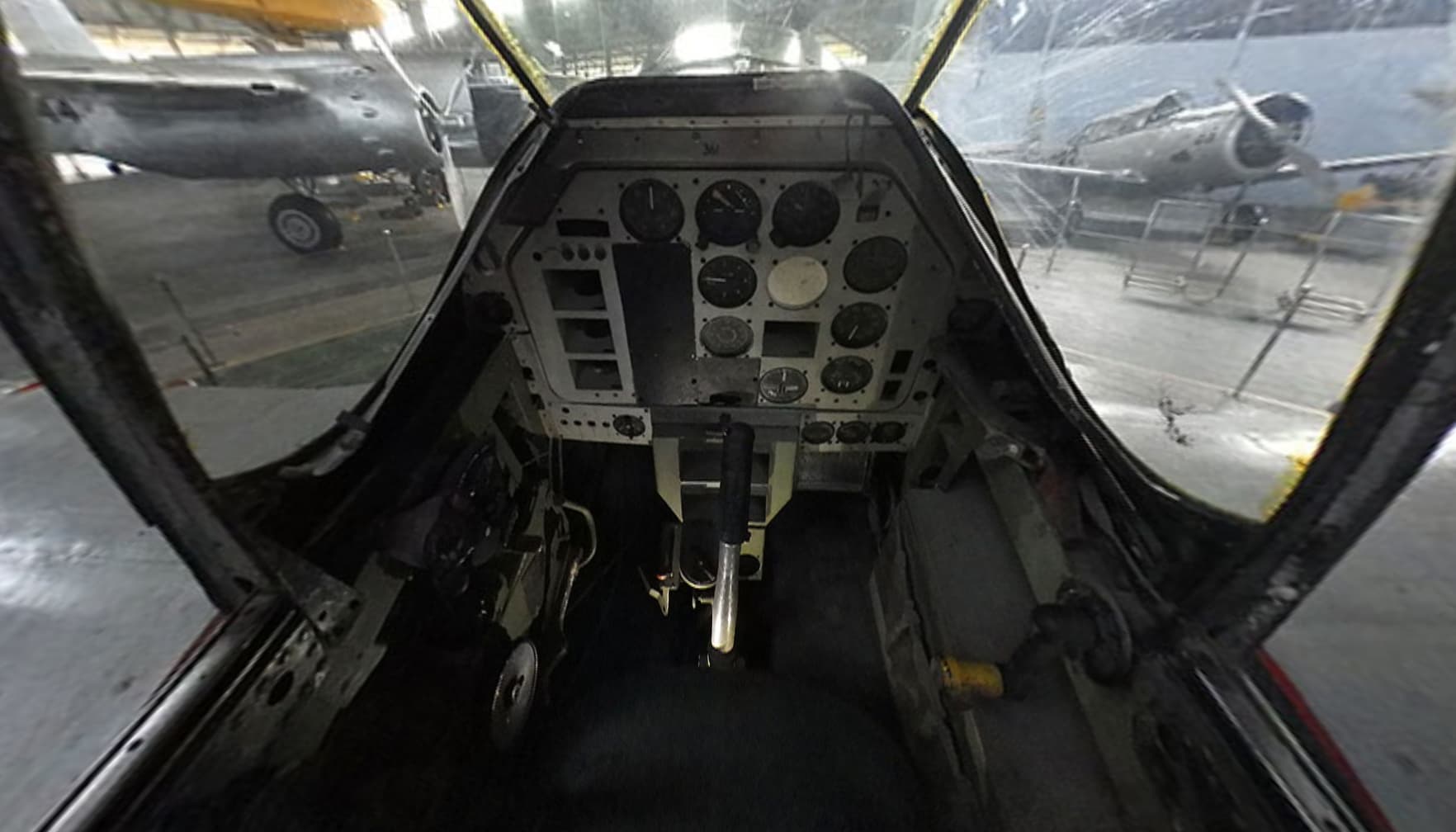
Refurbished P-51s to be used as COIN operations. Has a better engine compared to the P-51D & different suspended armament, capable of carrying 80mm SURA-D rockets. Uses the F-361 - F-367 designation.
⬠ TF-51D
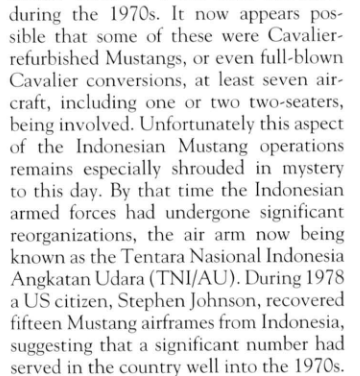
Dual-seat trainer version of the Cavalier Mustang II. One or two units were obtained, but unfortunately there’s no photographical evidence of the aircraft in Indonesian Service. It’s worth noting that as per the stories told by Air Marshall (then-captain) Kusbeni that the transition training of the cavalier mustang was guided by local flight instructors as well as a Cavalier factory instructor. Safe to say that the Indonesian Mustang pilots did in fact flew on the dual-seater variant.
- Lowe, Malcolm V. North American P-51 Mustang (Crowood Aviation Series). Ramsbury, Wiltshire, UK: Crowood Press, 2009.
- AIRPLANE SCALE MODELKIT: NORTH AMERICAN P-51 Mustang
- Story: Sepenggal Kisah Generasi Terakhir Penerbang P-51 Mustang TNI AU - Radar Militer
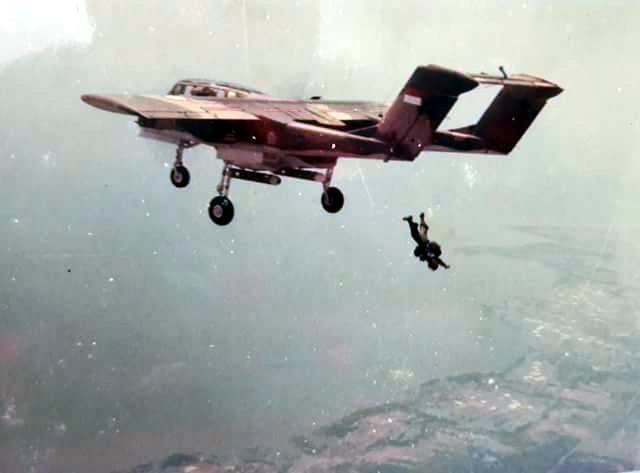
OV-10F
Suggestion Post: OV-10F Bronco: The American Wild Horse with Soviet bombs
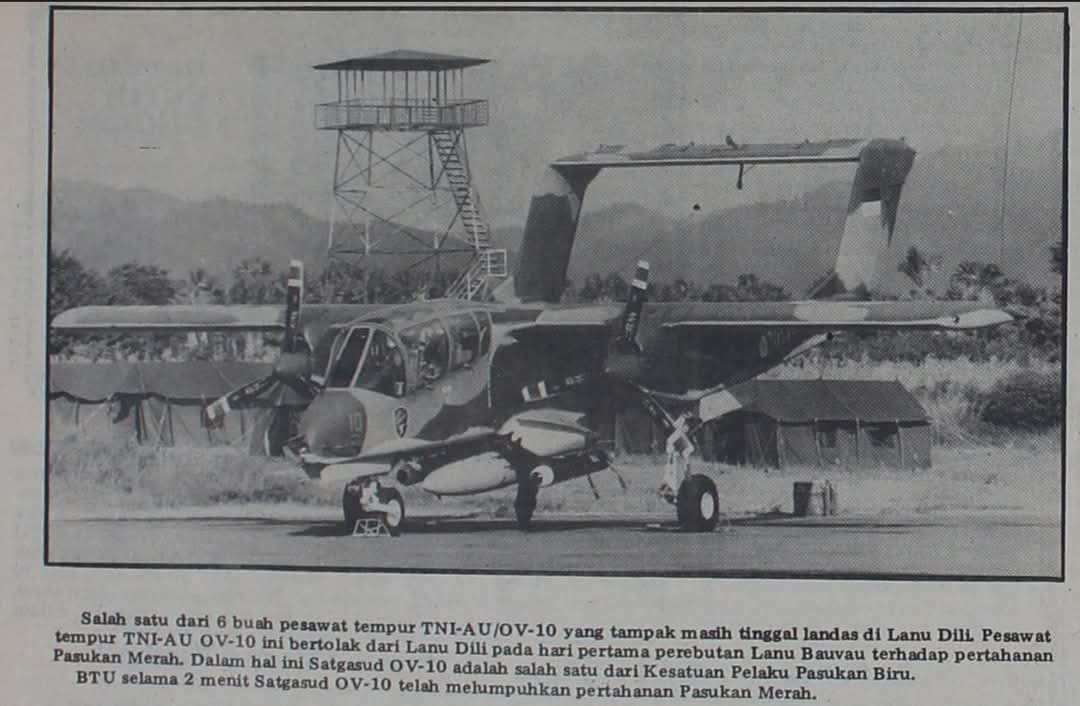
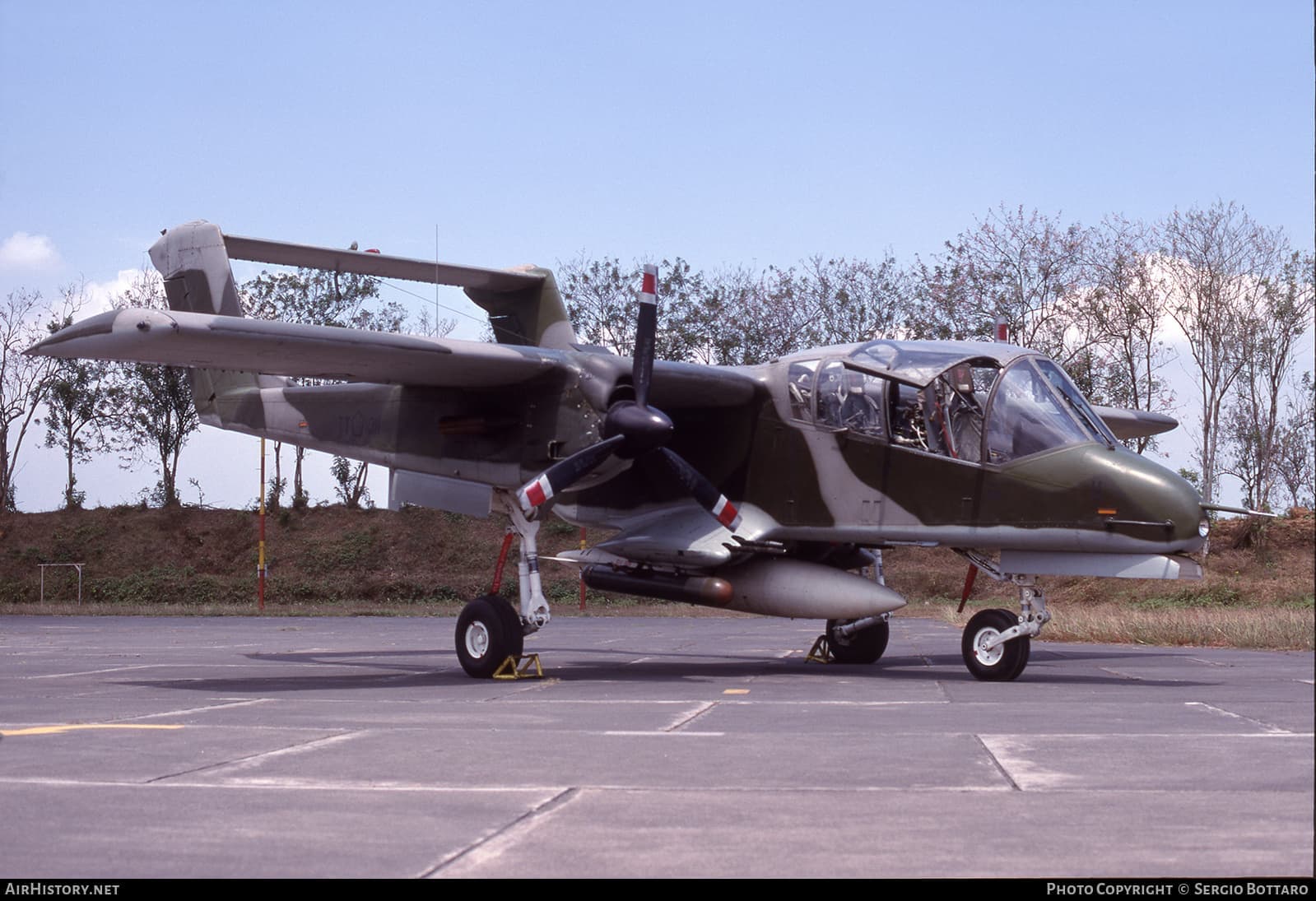
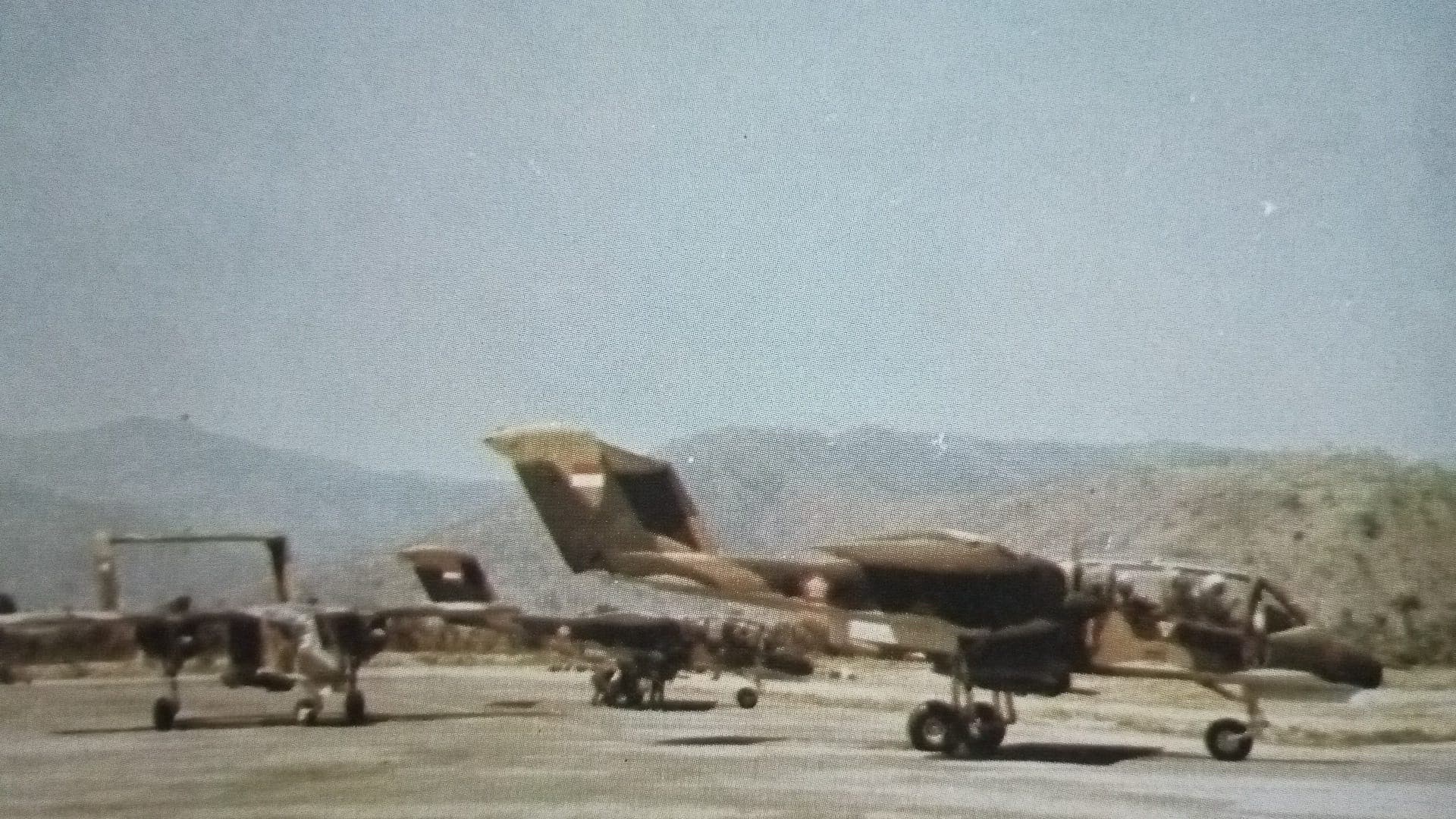
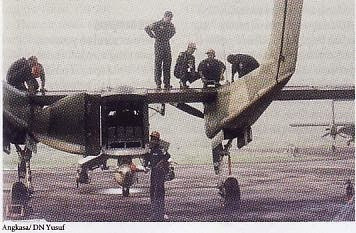
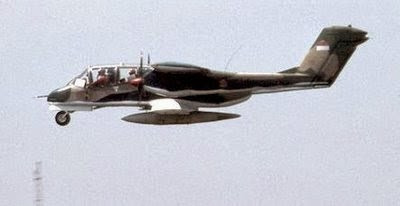
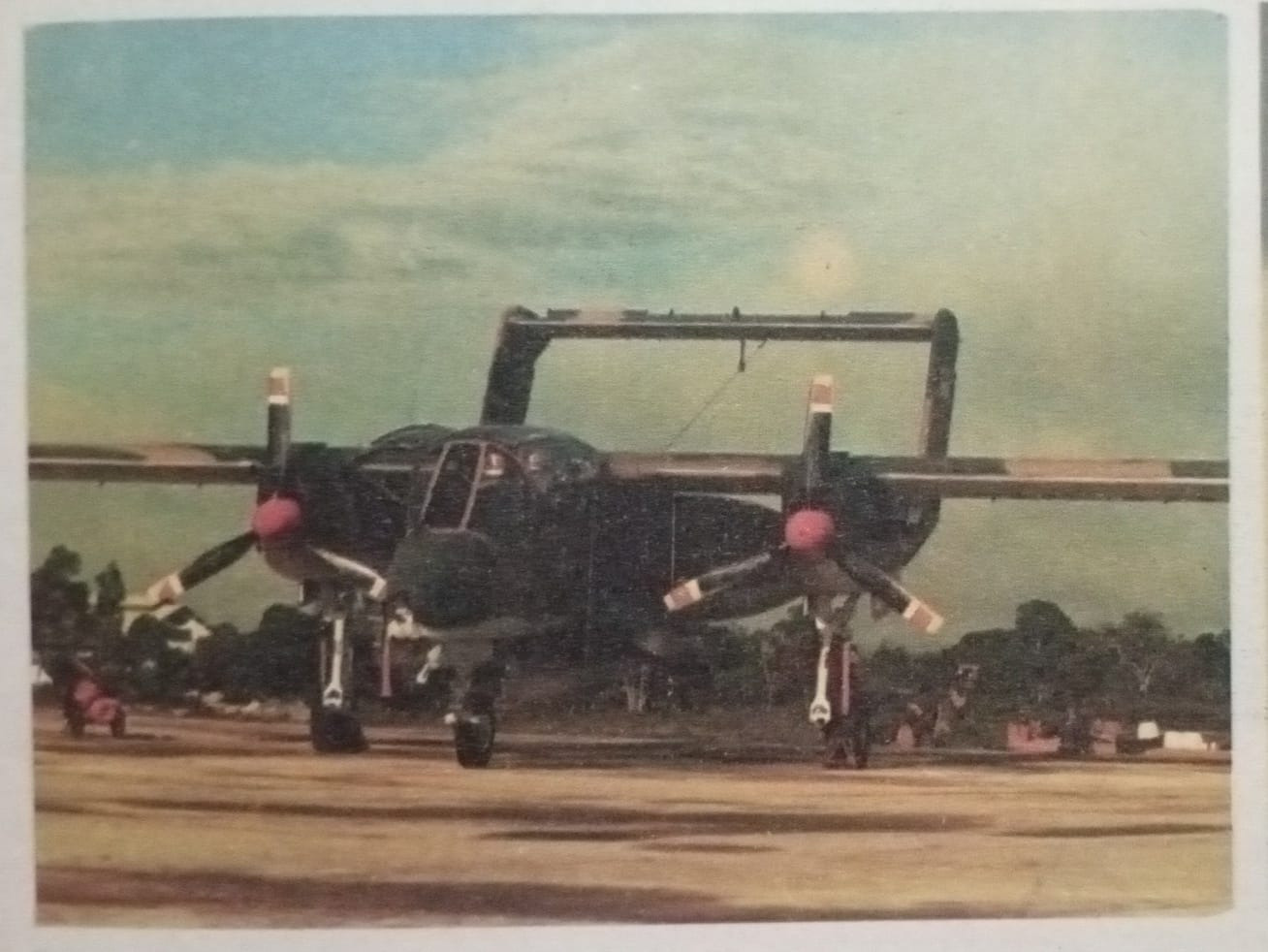
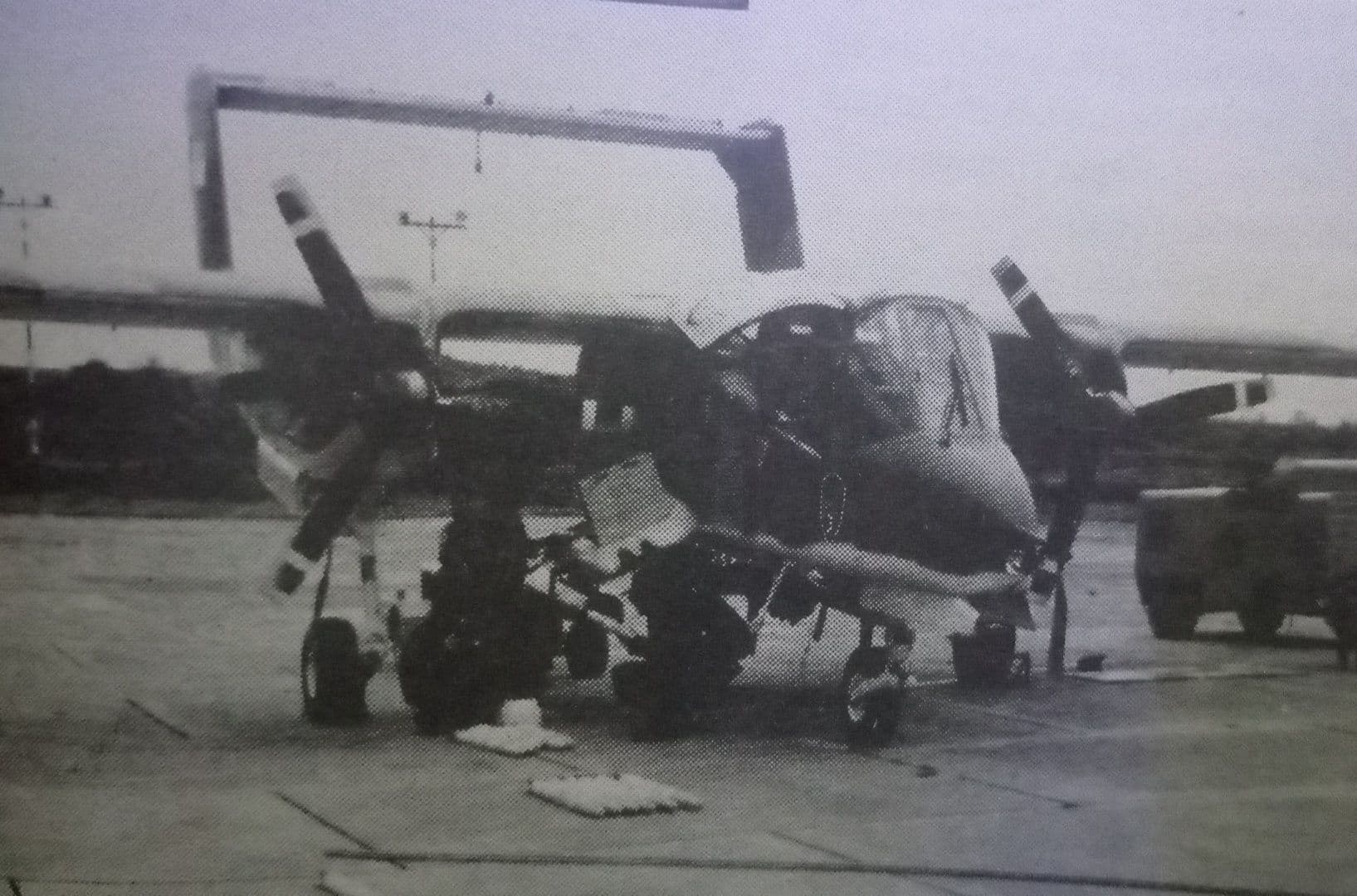
Indonesian variant of the export OV-10A bronco. Domestically modified to carry 12.7mm MGs as well as other suspended armament, such as Soviet & Swiss Napalm bombs. Notably lacking the Aim-9 Sidewinders. The paratrooper cabin in the back can be switched to a fuel tank if necessary.
⬠ Avia B-33
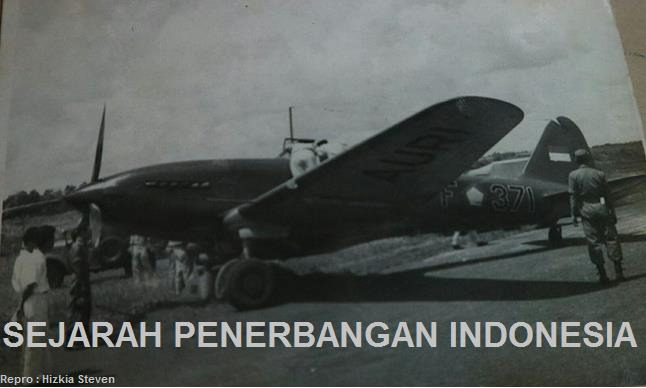
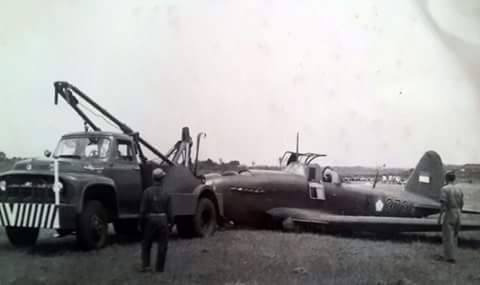
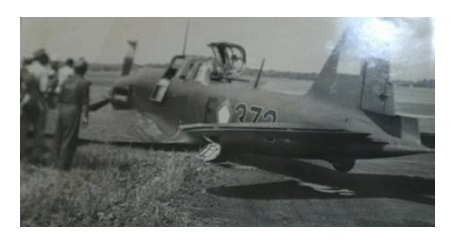
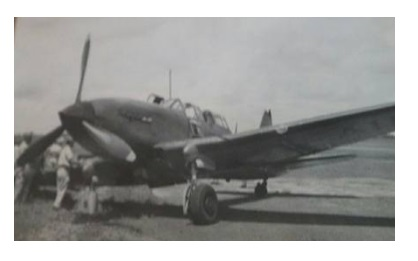
Czechoslovakian license-built variant of the Il-10. Indonesia purchased ~14 units from Poland. They were modified so that it can carry an extra 300 liter fuel tank under the fuselage. It didnt serve long as all of them was eventually returned to Poland due to unsatisfactory performance.
–=BOMBERS=–
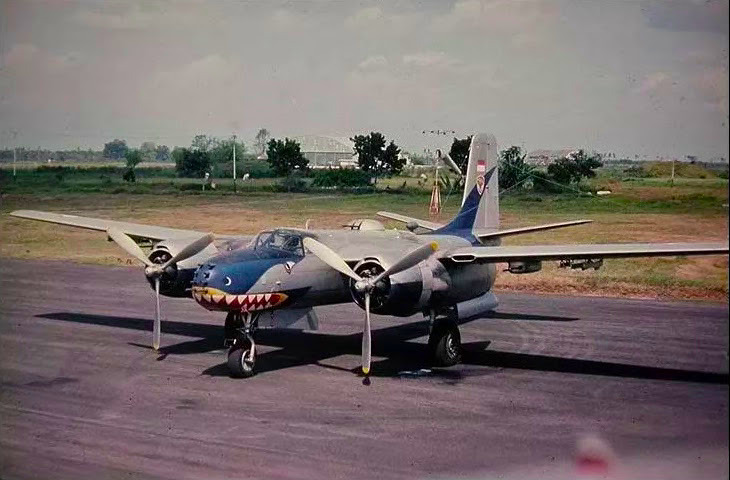
⬠ B-26 Invader
Suggestion Post: Douglas B-26B “Kalong” - “Invader’s Last Hurrah in Indonesia”
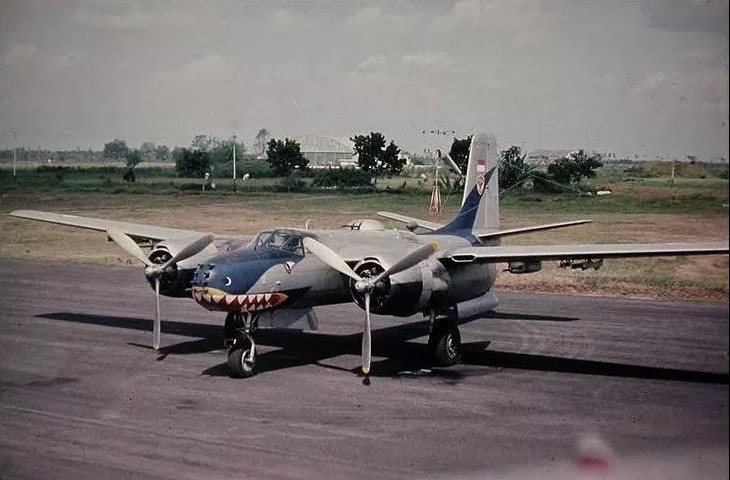
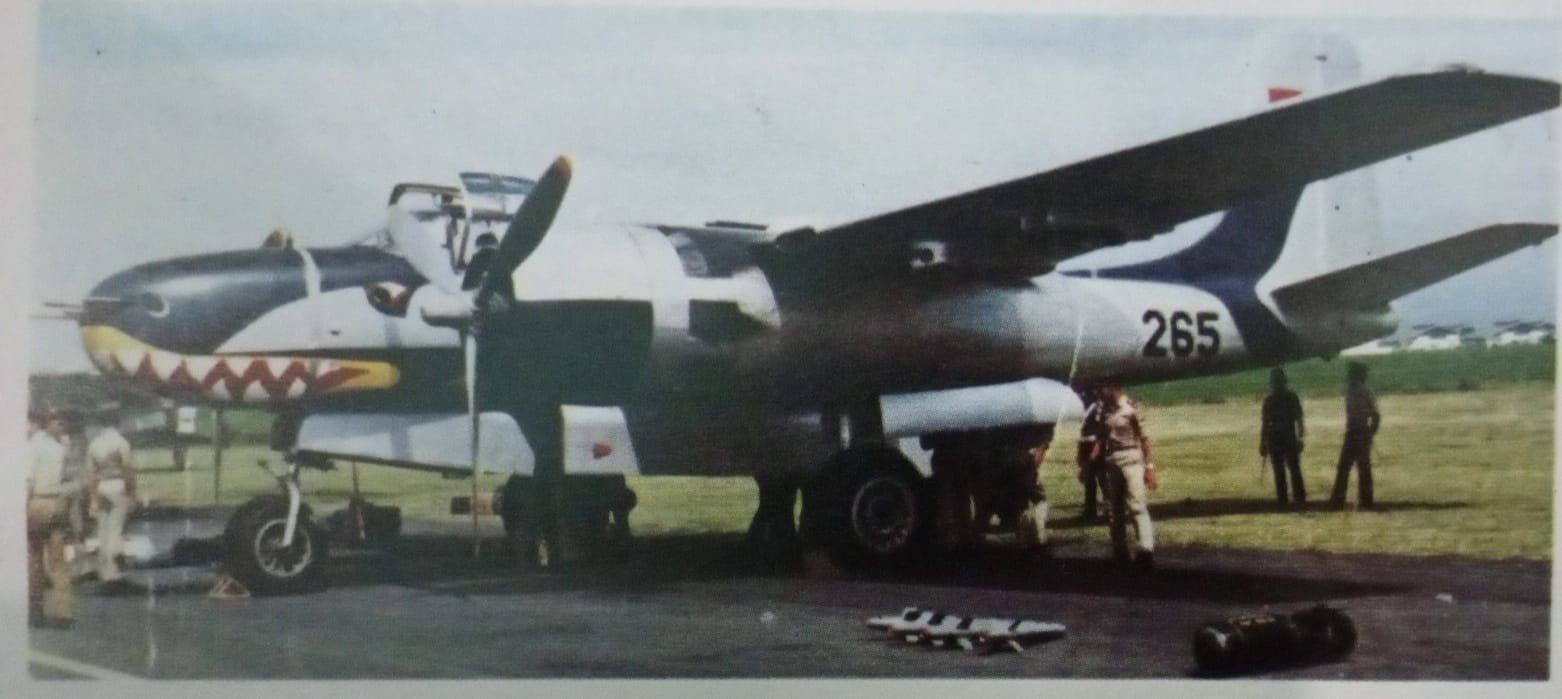
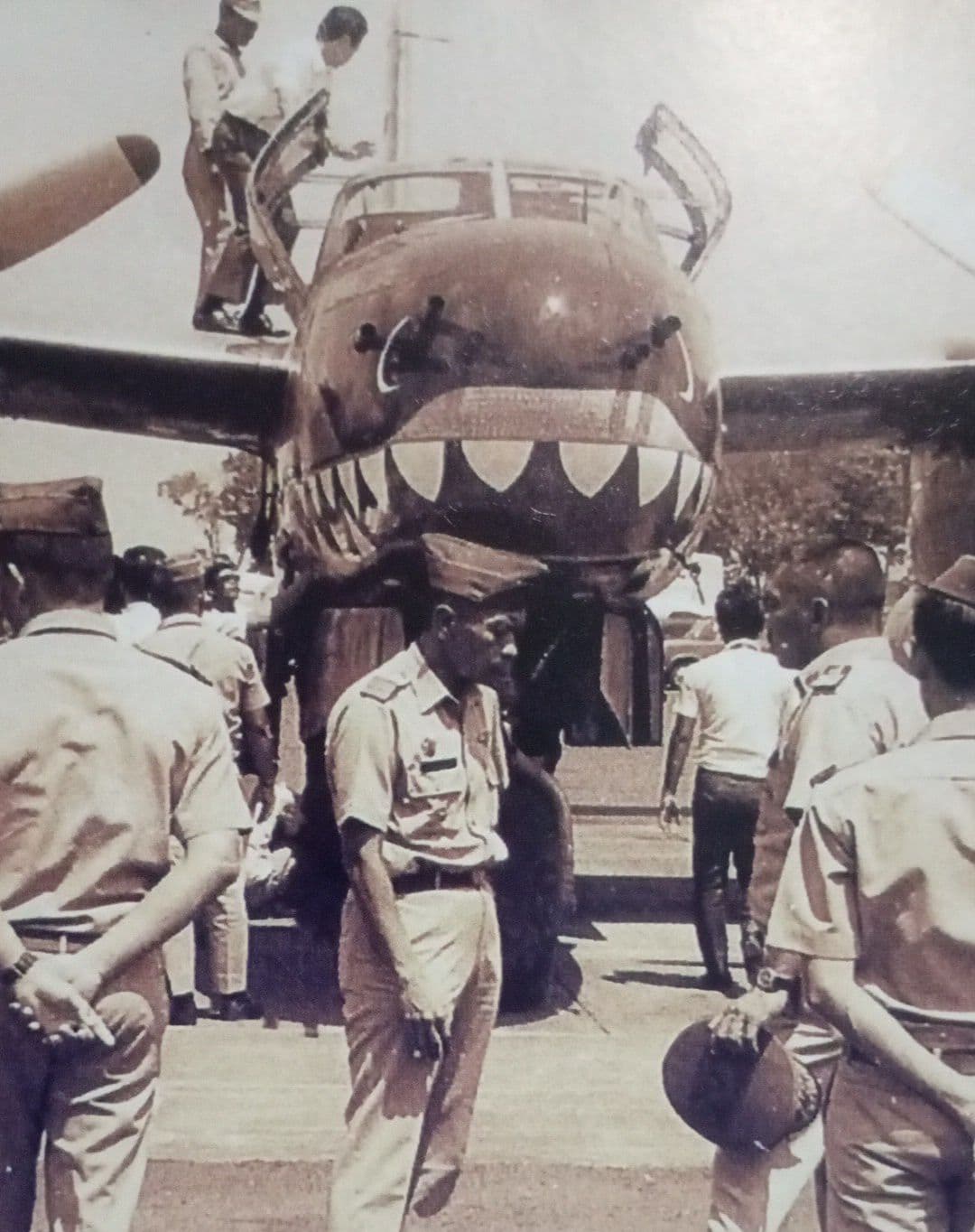
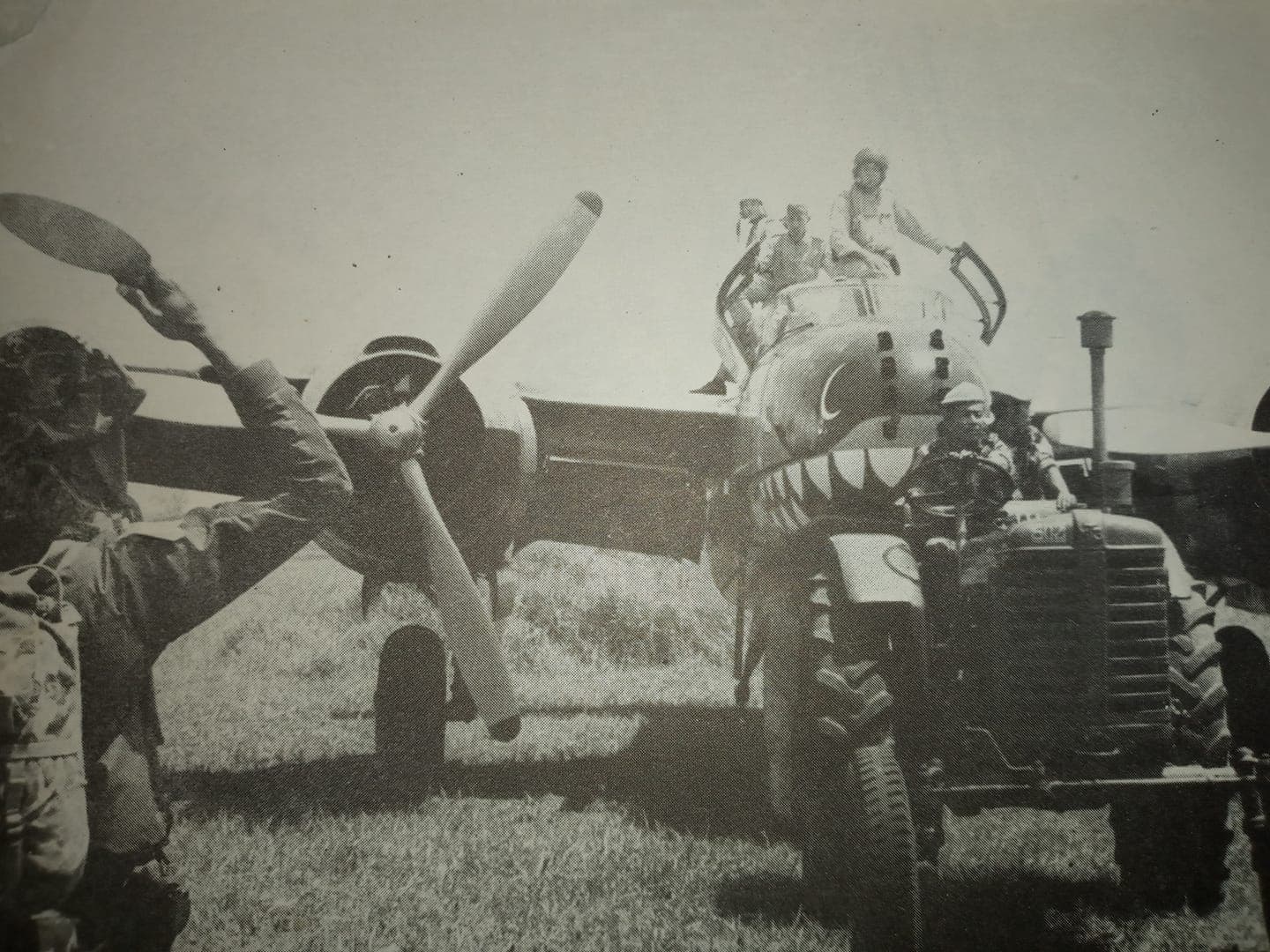
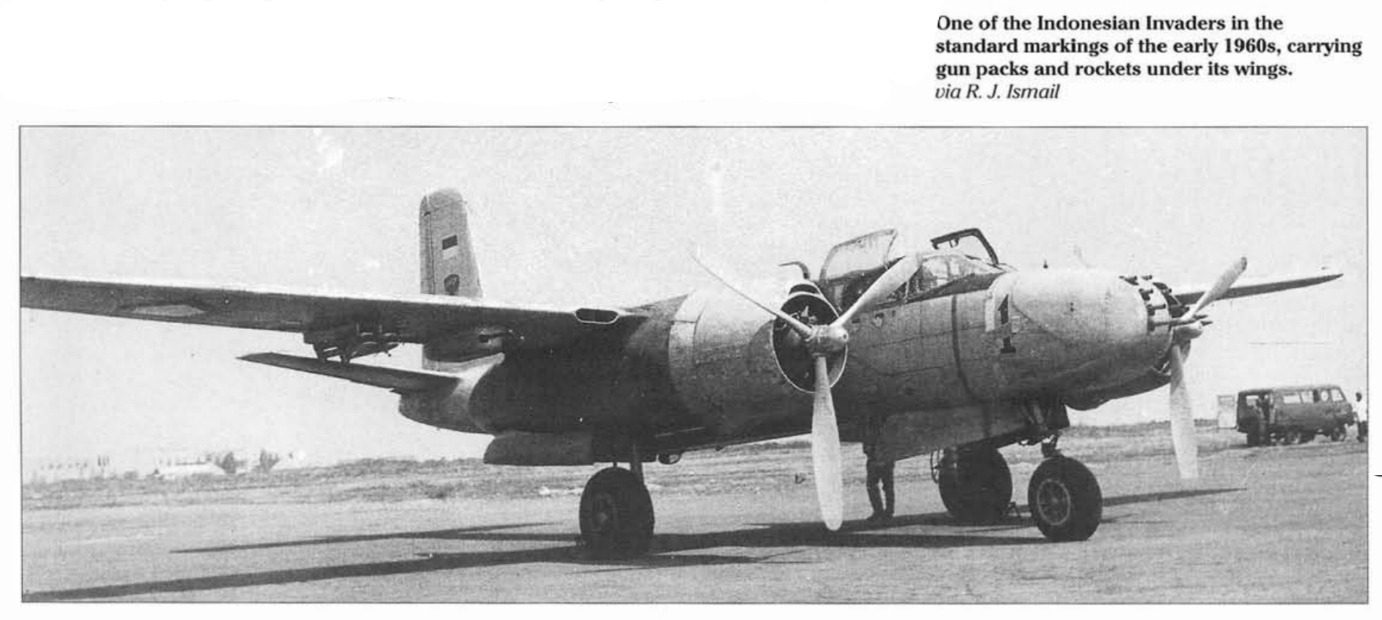
A-26 Invader renamed to the B-26. The indonesian version can carry a wide variety of differing armament, including different MG layouts, cannons, rockets & bombs of both soviet & US origin.
⬠ Tu-2S-59
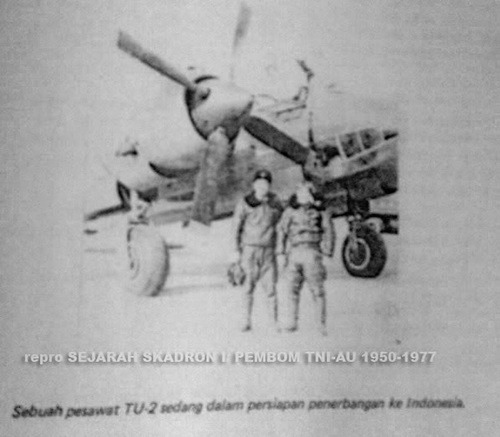
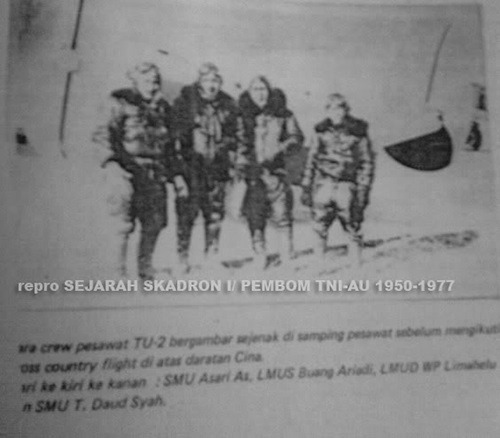
12 units were obtained from China. Has the serial M-471 to M-482. Used for a short amount of time. While the La-9/11 were shipped, the Tu-2s were flown from Kunming. Indonesian pilots had difficulty flying the aircraft due to a lack of automatic pilot and very hard to trim. The pilots had to keep holding the stick just to not make the aircraft wobble. Presumably that’s the reason why it wasnt used for long.
- AIRPLANE SCALE MODELKIT: TUPOLEV Tu-2
- Angkasa No.1, October 1991
⬠ Fairey Gannet AS.4
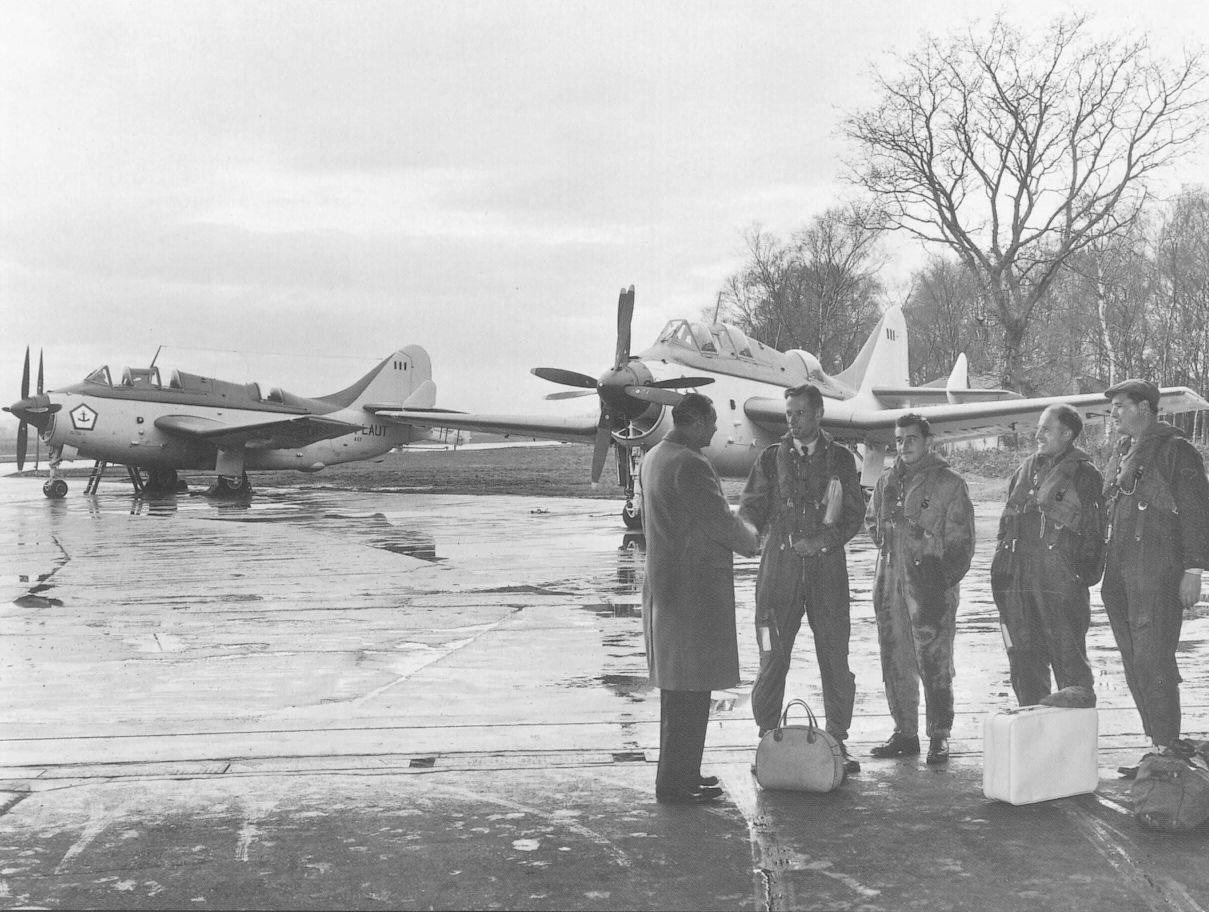
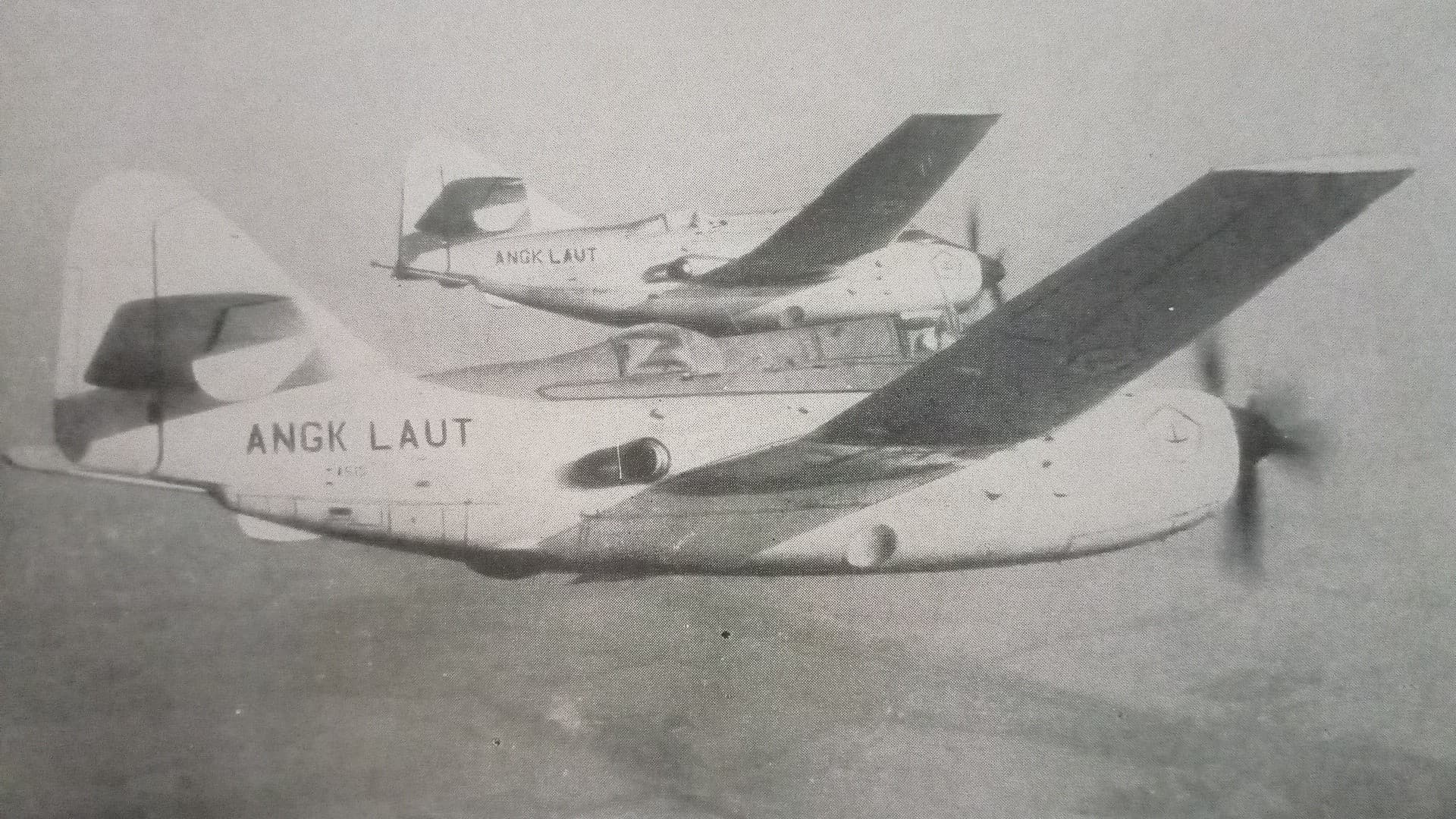
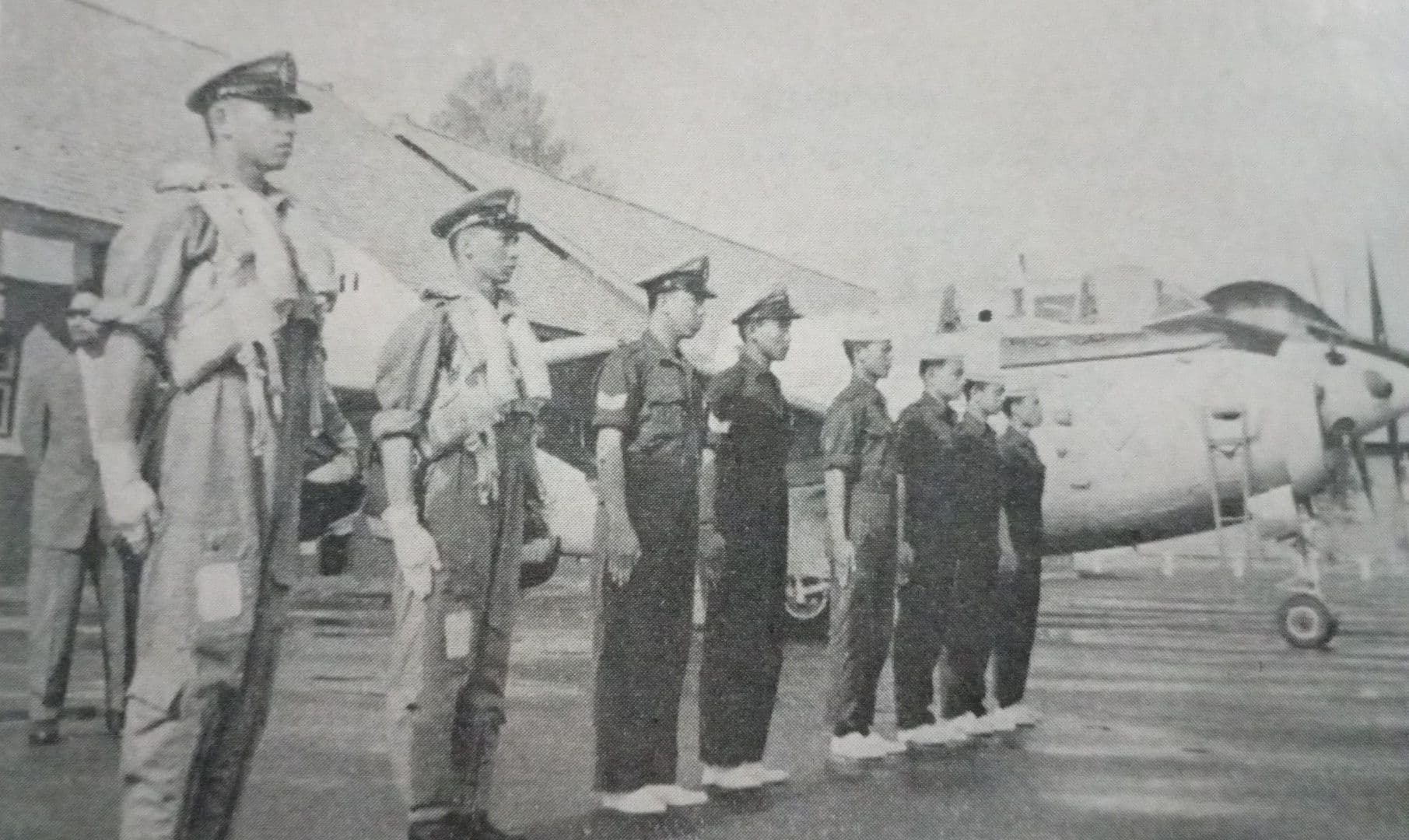
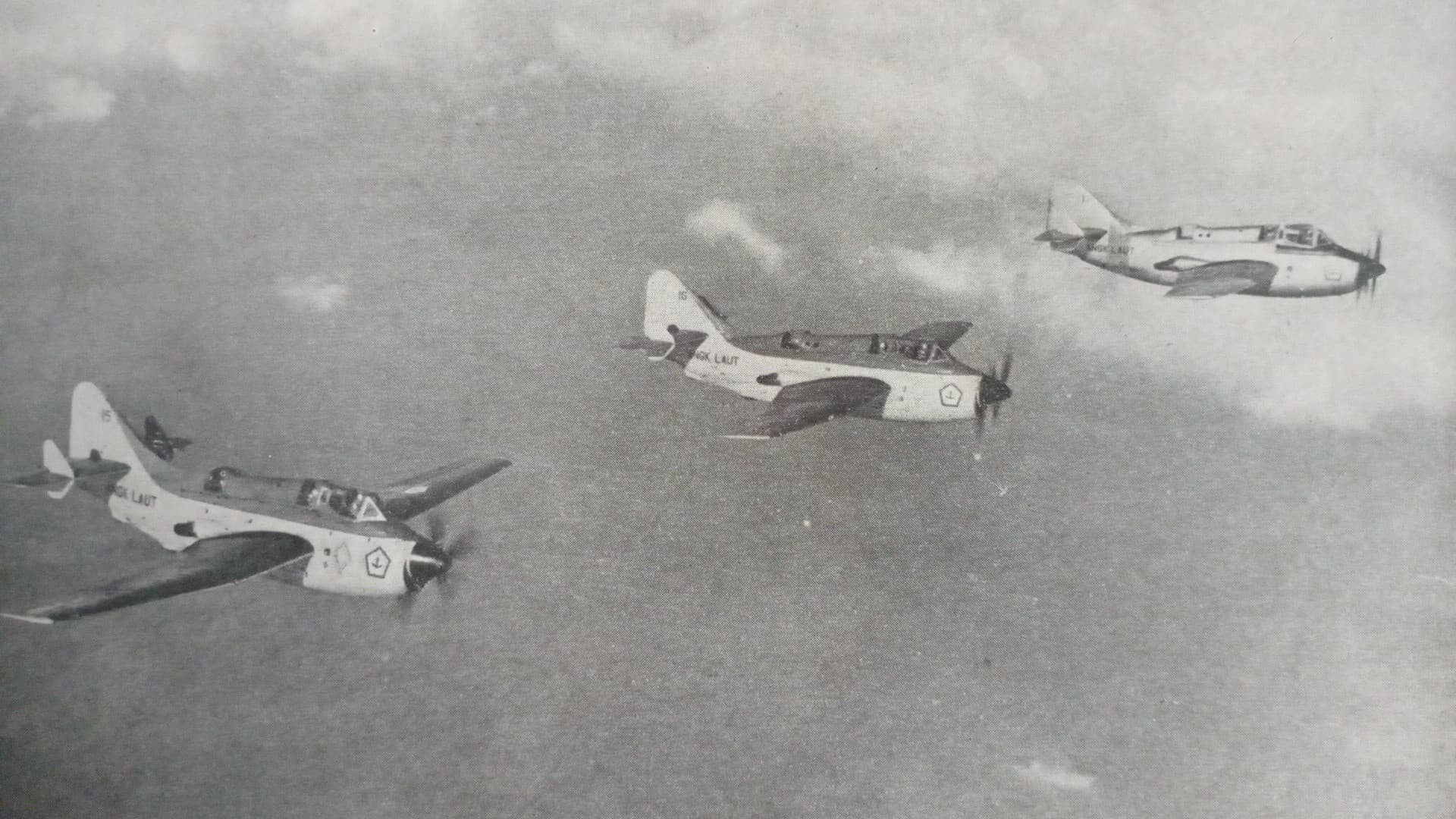
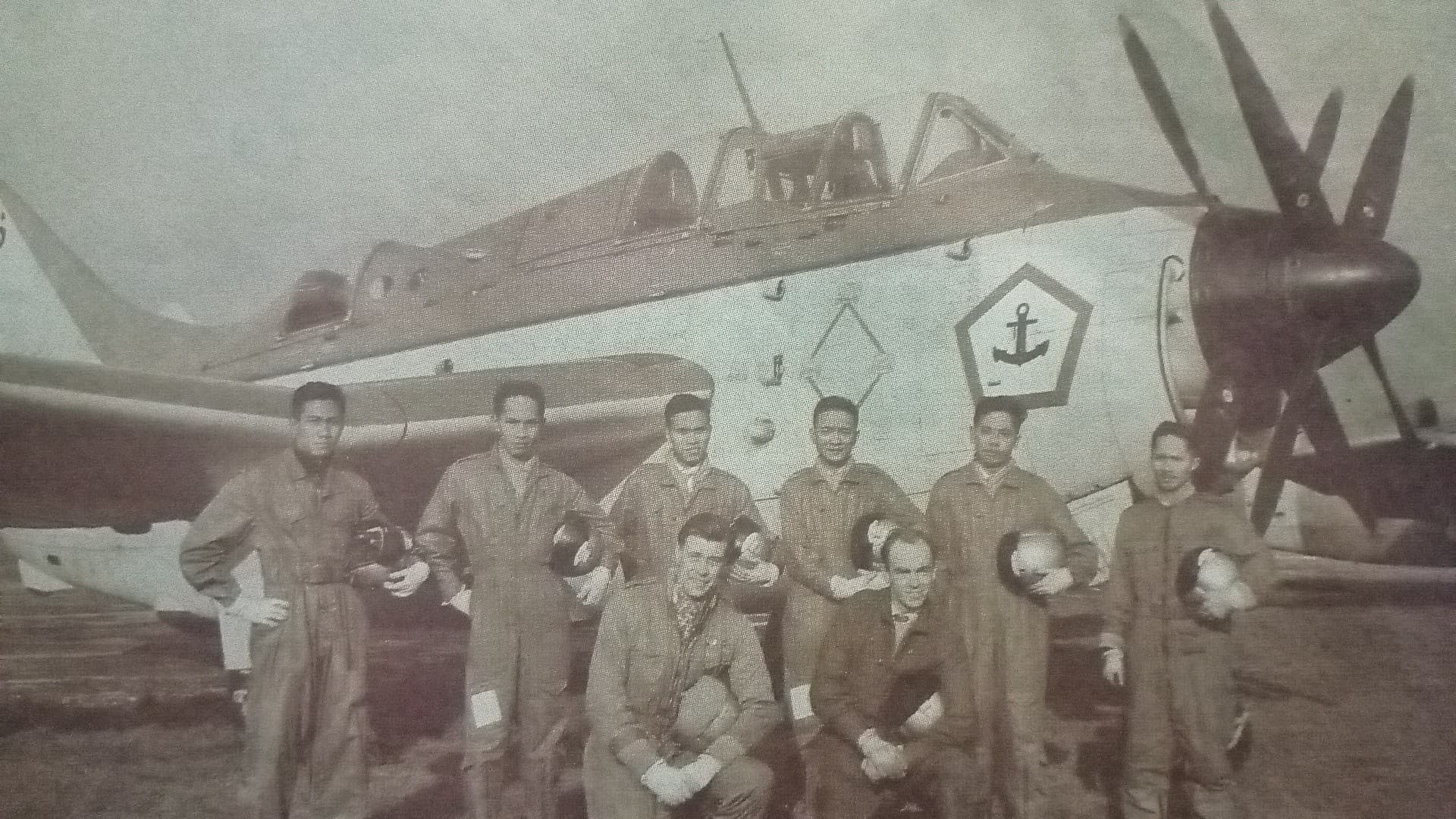
Refurbished AS.1 into the AS.4 standard. 17 units were obtained with 2 trainers. Can carry bombs, torpedoes as well as the 80mm SURA-D rockets
RANK V
–=STRIKE AIRCRAFT=–
⬠ Vampire T.55
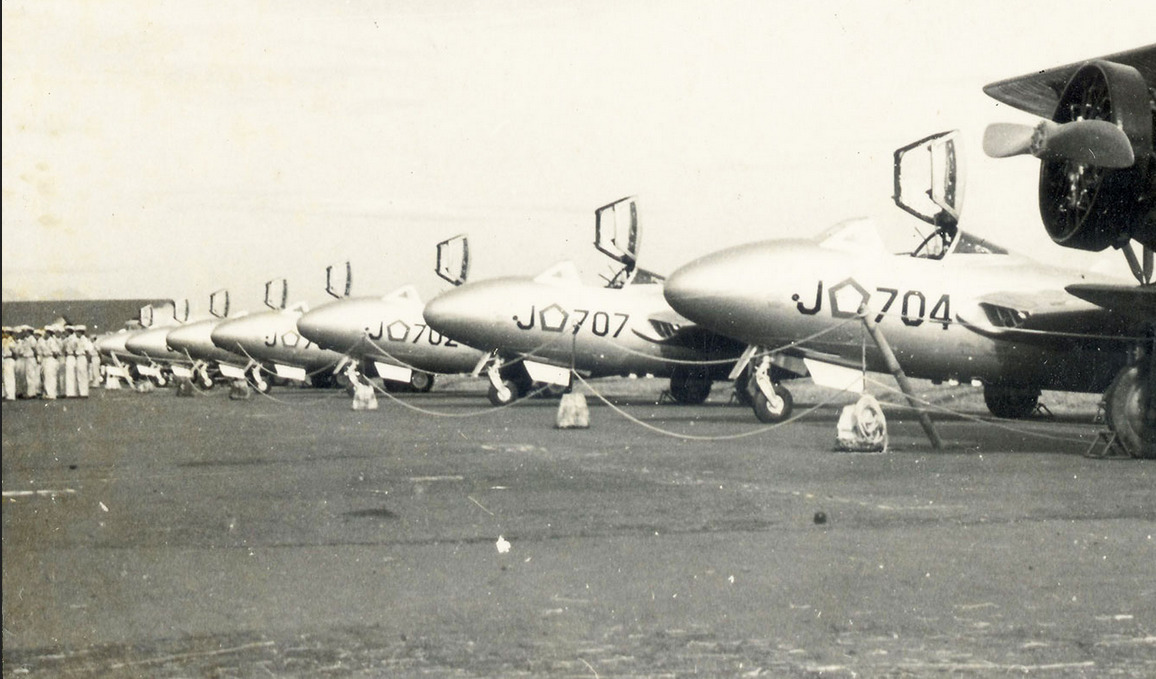
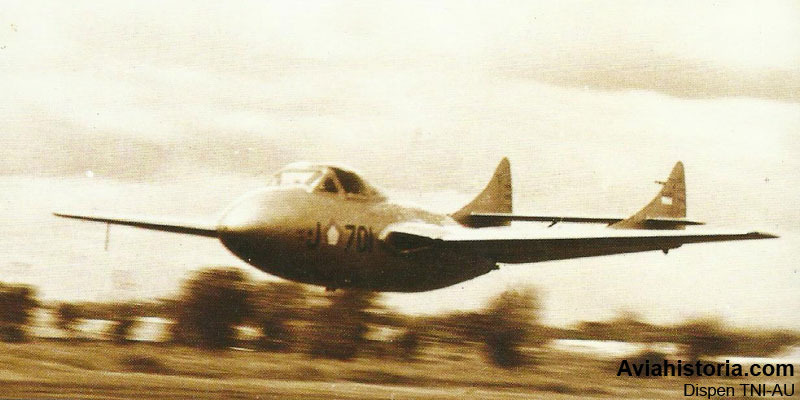
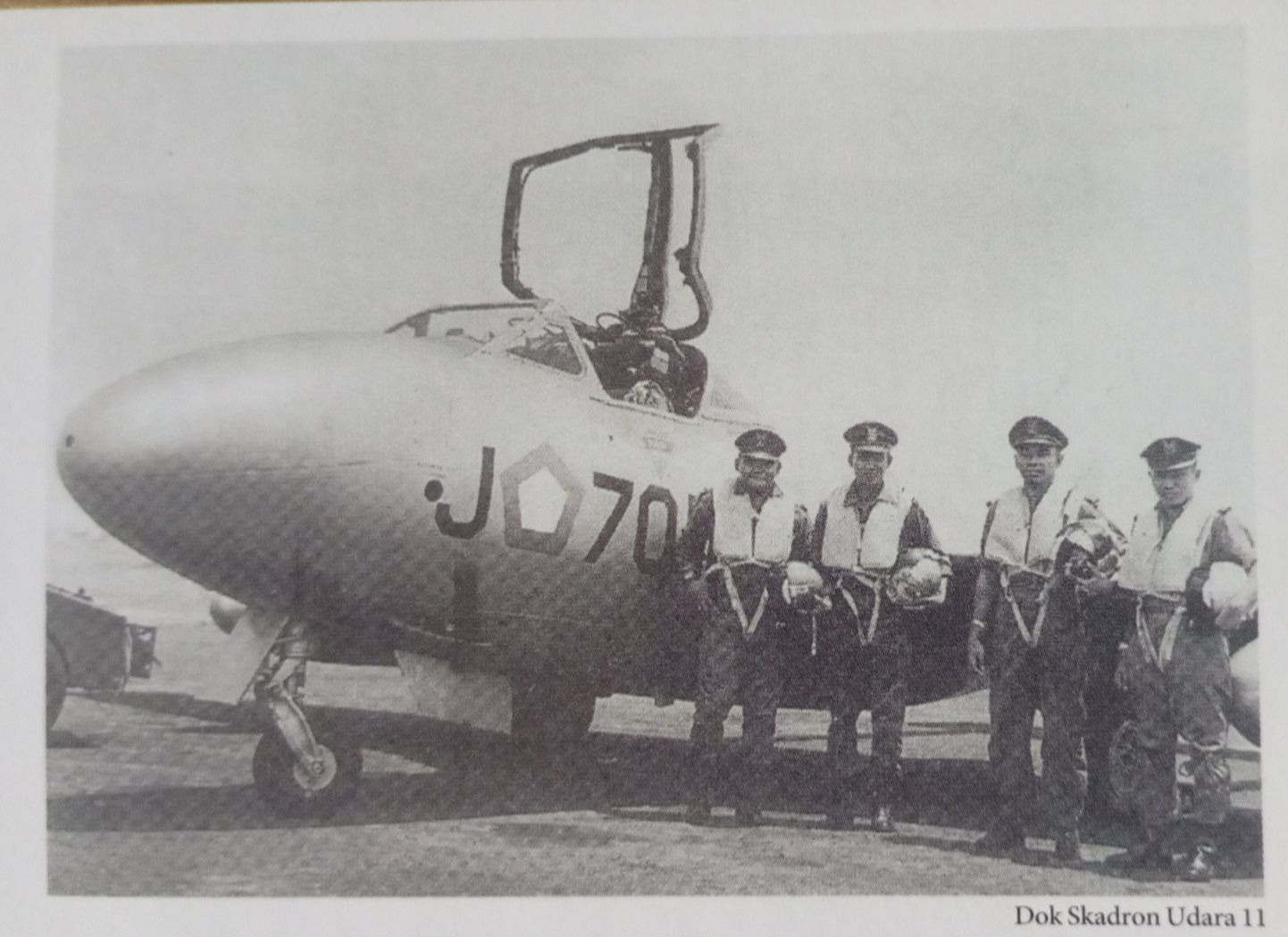
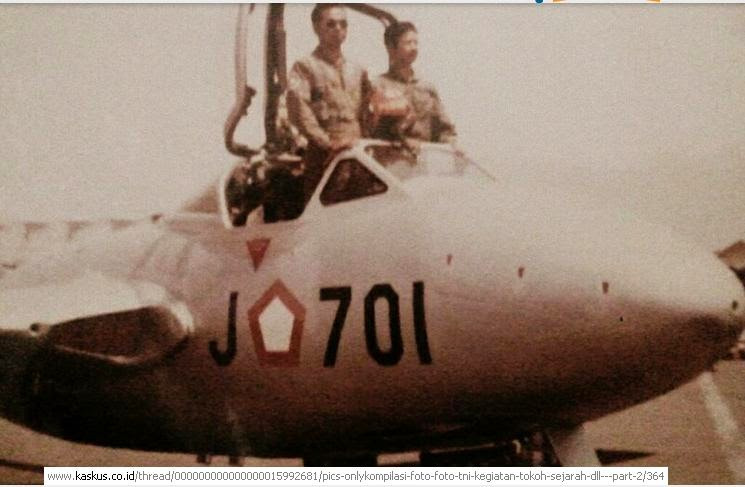
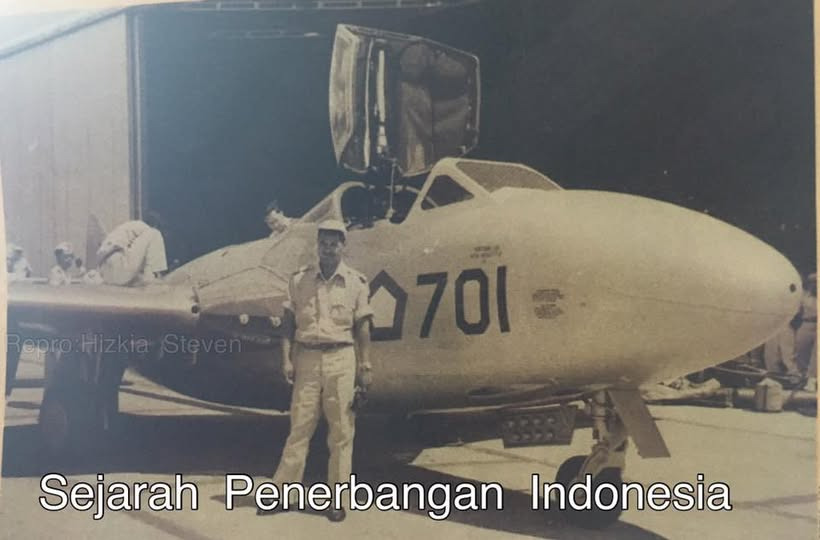
Twin-seater trainer variant of the DeHavilland Vampire. 8 units were obtained, these were later handed over to India. The jet can carry bombs & rockets. Additionally its unclear whether the jet was actually armed with cannons. The museum plaque says it can carry 4x 20mm whereas another source mentions that while it can equip them, the jets werent armed since they were primarily used to train cadets on flying Jet Aircraft.
- Vampire, Tipe Pesawat Jet Pertama di Indonesia – Aviation History of Indonesia
- Museum Label. Vampire DH-115 (Basic Trainer / Recce). Dirgantara Mandala Museum. Yogyakarta.
T-33A (Dislitbangau)
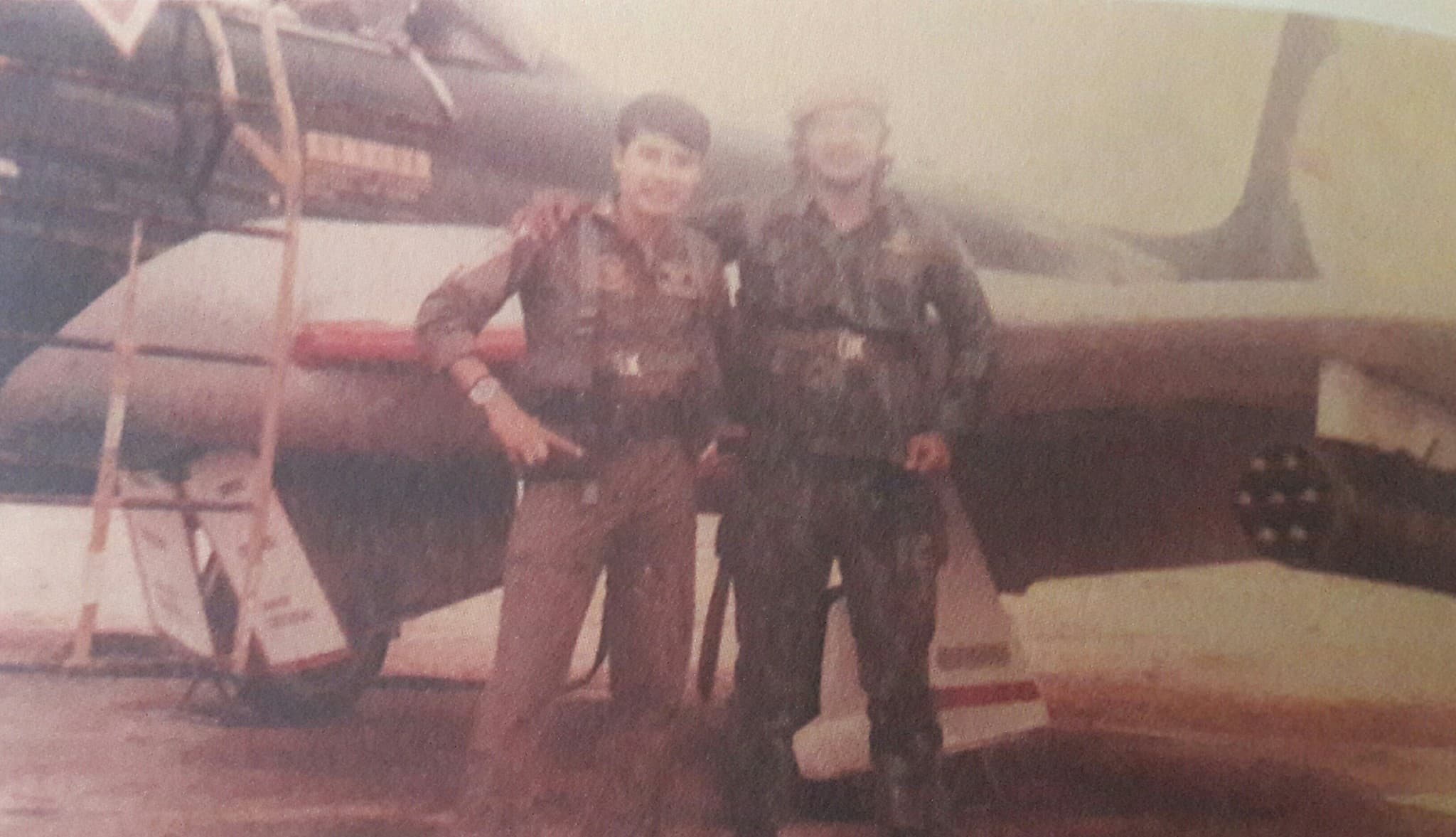
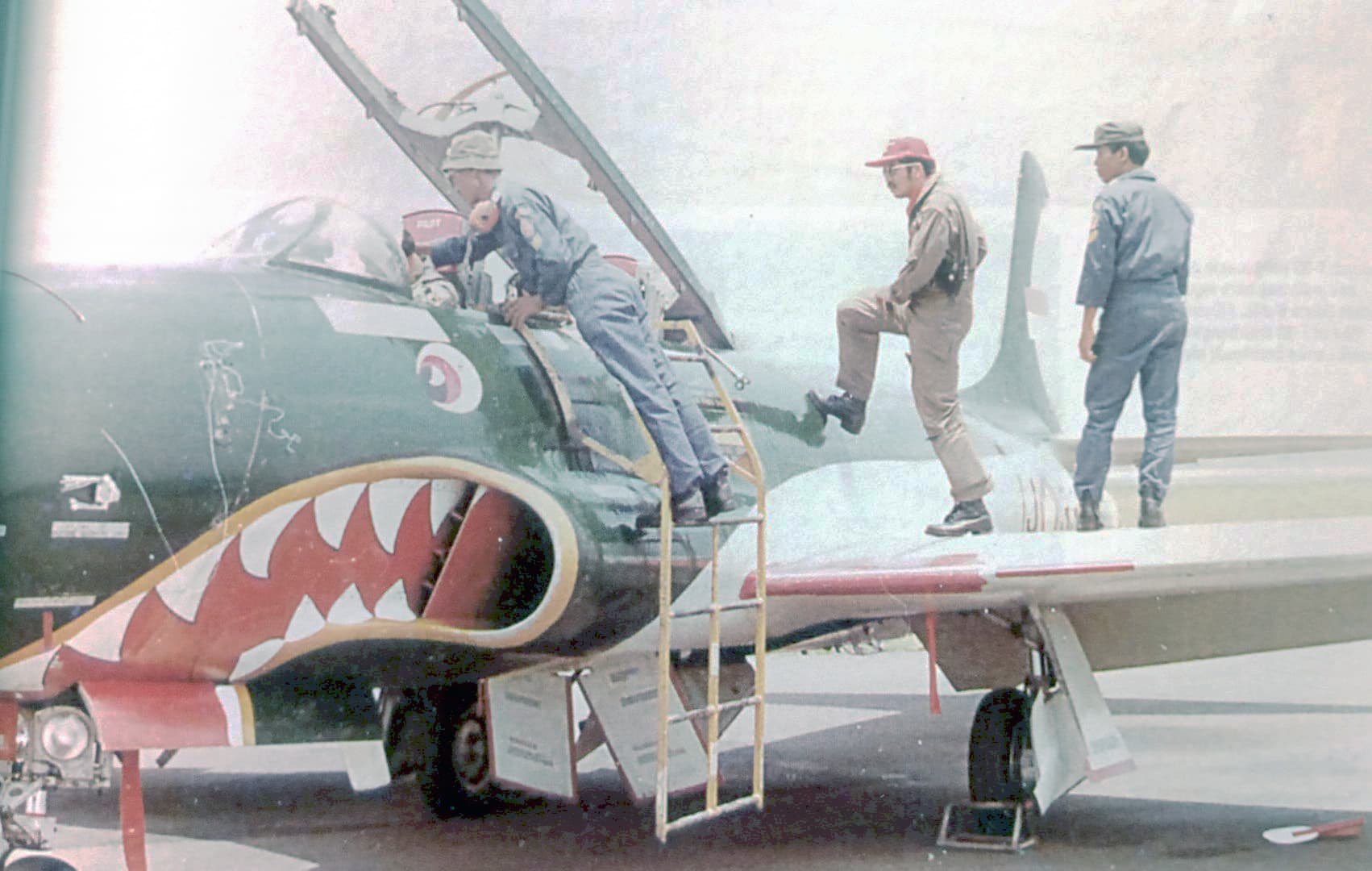
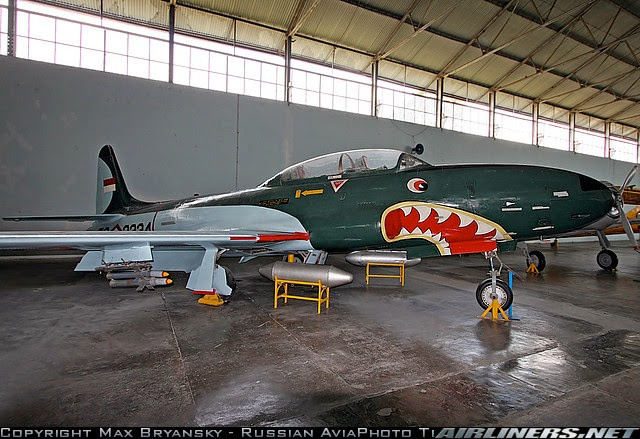
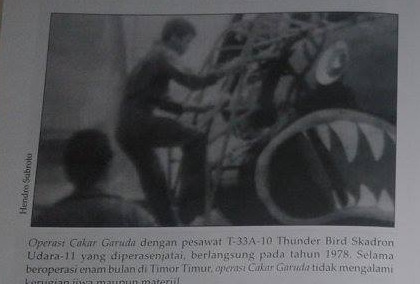
Originally arrived as an unarmed trainer, they were then Domestically modified to be armed by the Dislitbangau (Indonesian Air Force Research and Development Service). They install 2x 12.7mm Machine guns on the nose as well as installing SURA-D/Proyek Menang rockets under the wings (4x rocket, 2 per launcher). Its unclear whether bombs were used on the aircraft but it can also carry FFAR rockets. The gunsight was not from an Il-28, but rather its the Czech’s ASP-3N found on the CS-102 (MiG-15UTI).This armed variant can be seen from the green shark nose. They were used as COIN & CAS for a short time (6 months) before being replaced by the OV-10F Bronco
⬠ CS-102
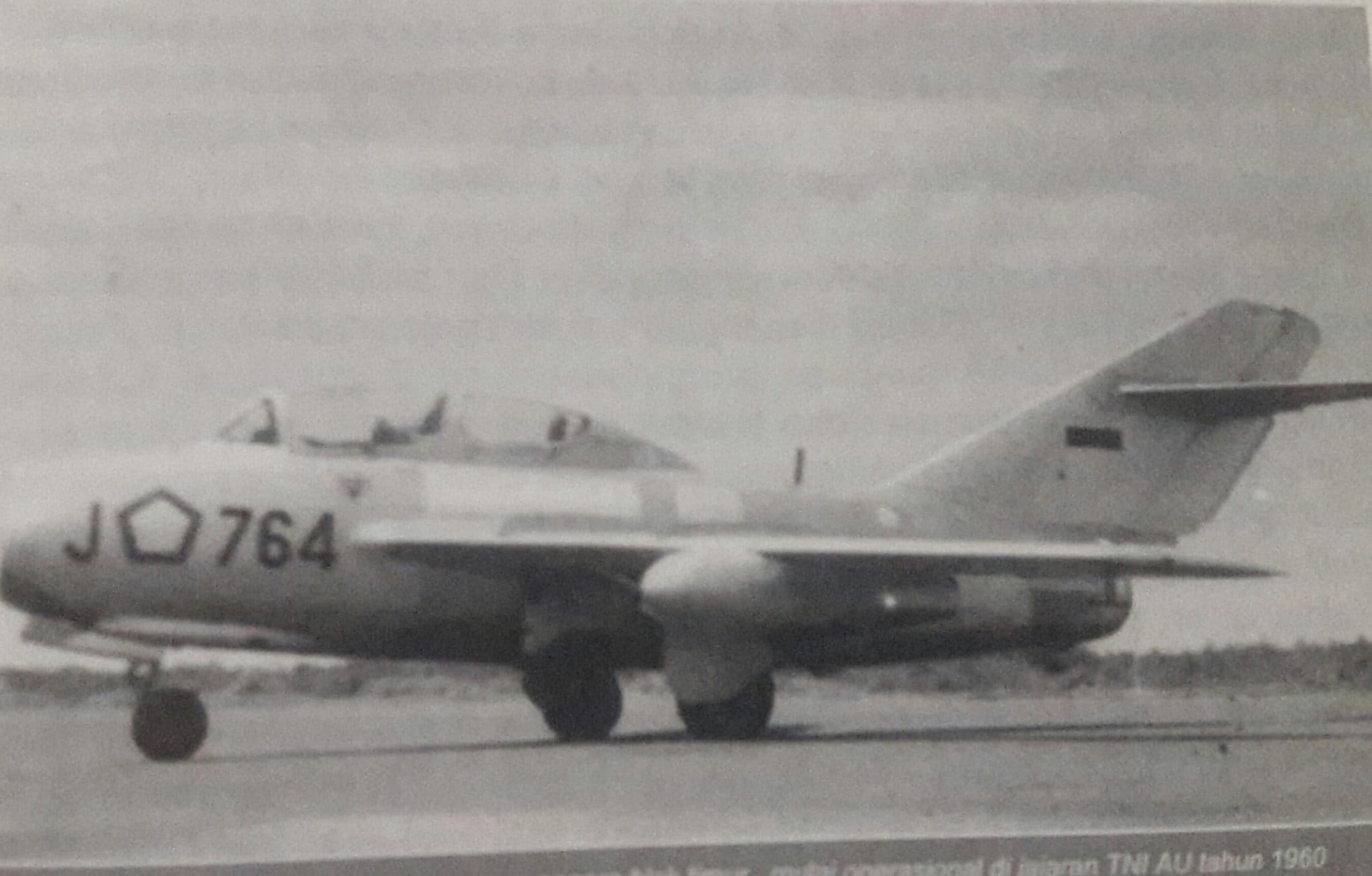
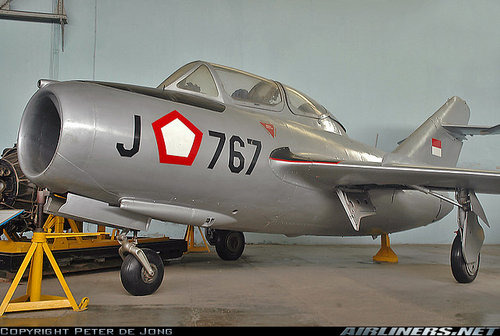
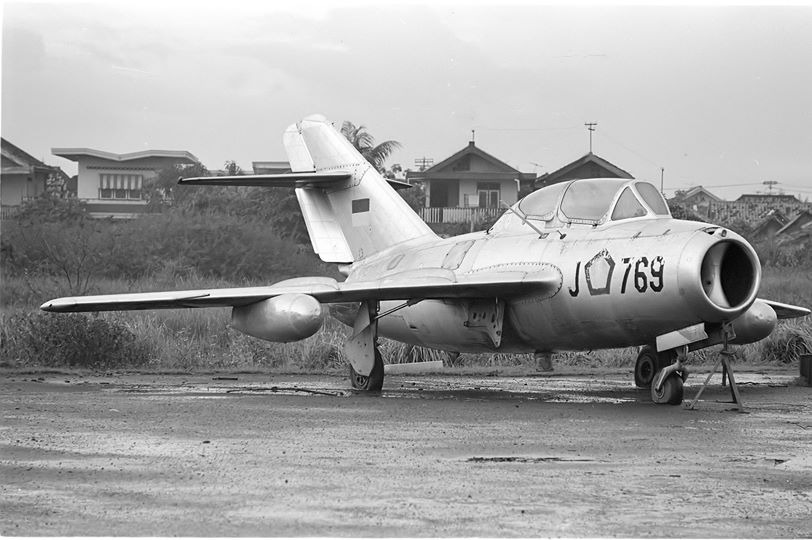
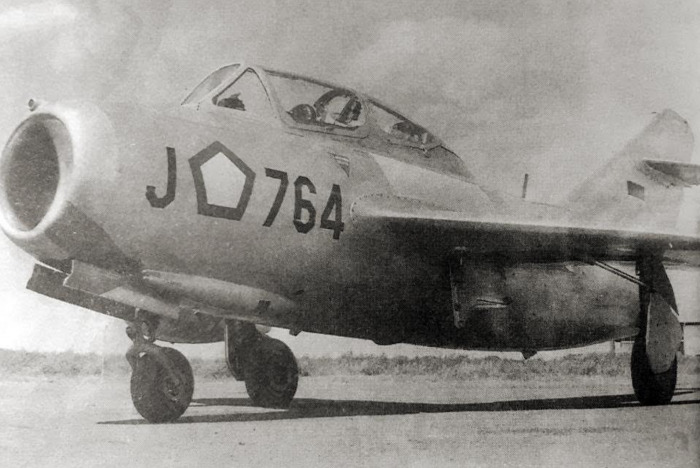
Czechoslovakian license-built variant of the Mig-15UTI. Has 2x hardpoint but only armed with the single 12.7mm Berezin UB.
–=BOMBERS=–
⬠ IL-28
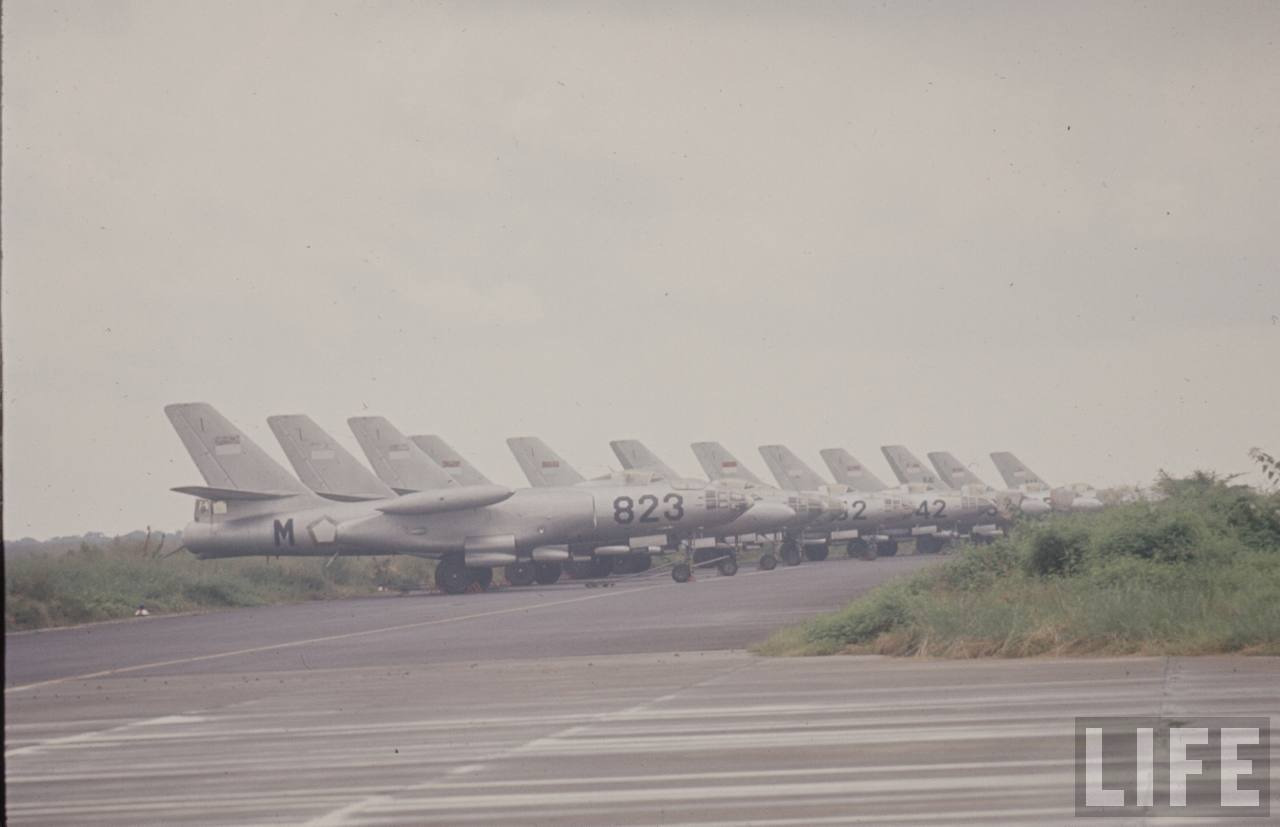
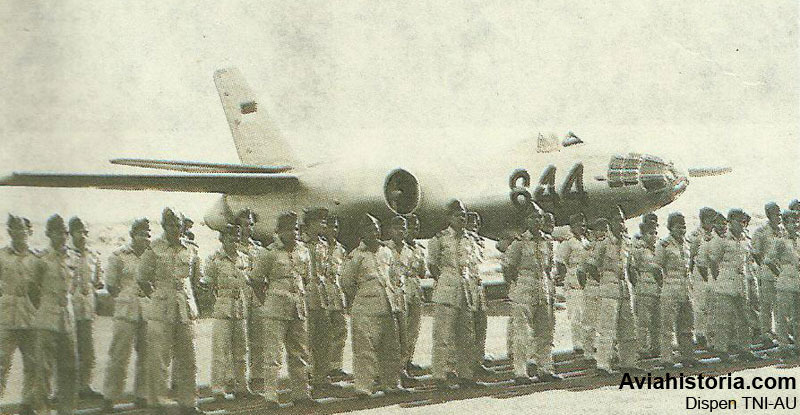
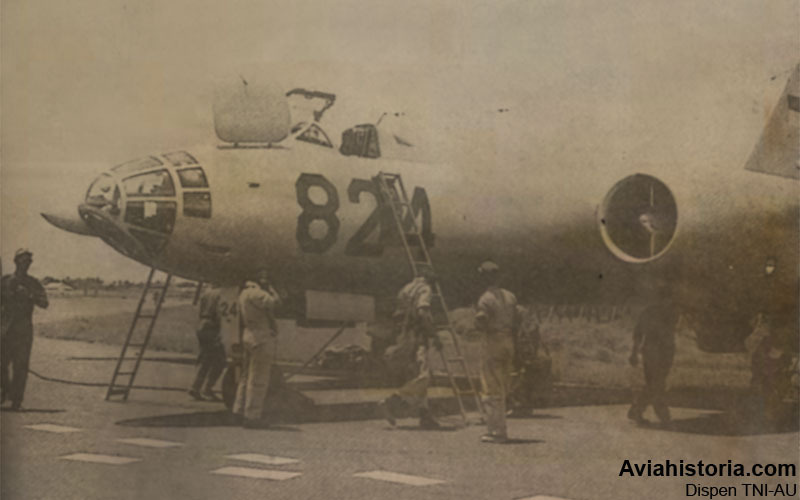
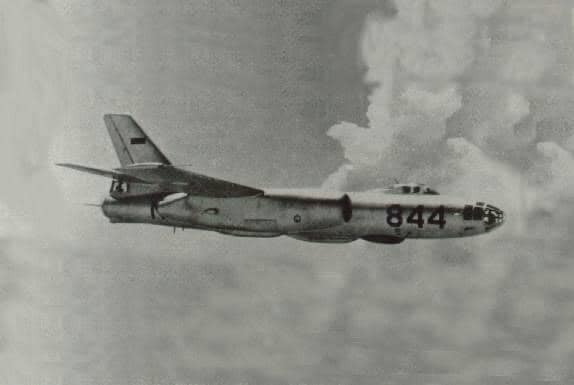
Twin-engine medium bomber of the Indonesian Air Force. Primarily acts as a stop gap. Later on after obtaining the Tu-16 the standard Beagle was transferred to the Indonesian Navy
- Gordon, Y., Komissarov, D. (2003). Ilyushin Il-28 Beagle
- https://airplane-modelkit.blogspot.com/2010/08/ilyushin-il-28-beagle.html
- https://aviahistoria.com/2017/12/12/beagle-pembom-jet-pertama-milik-auri/
⬠ IL-28T
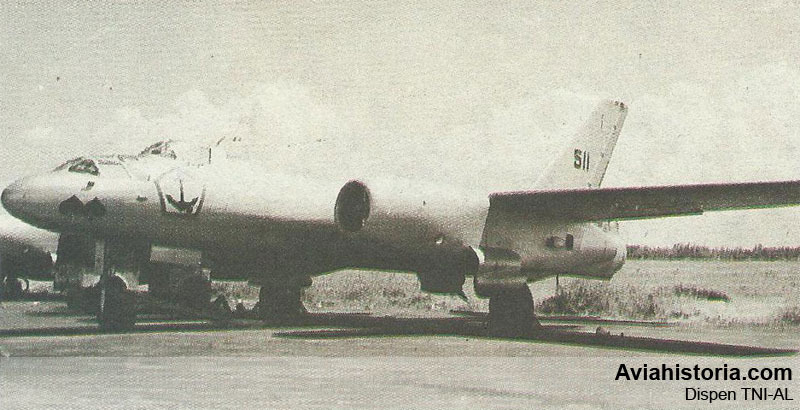
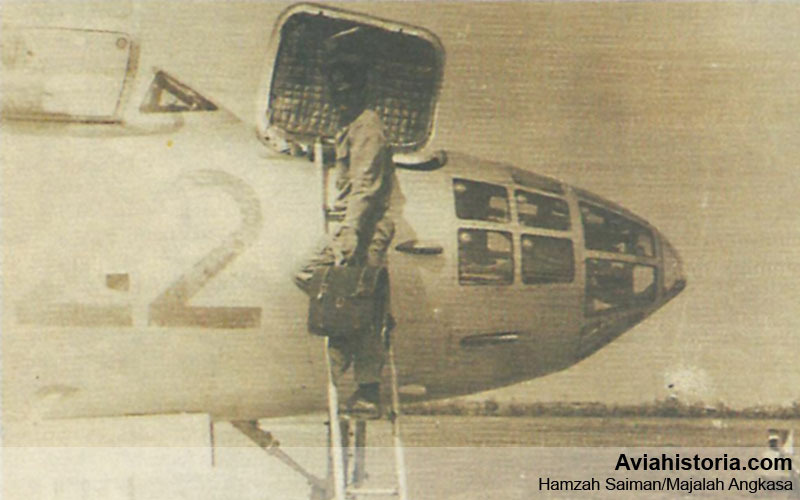
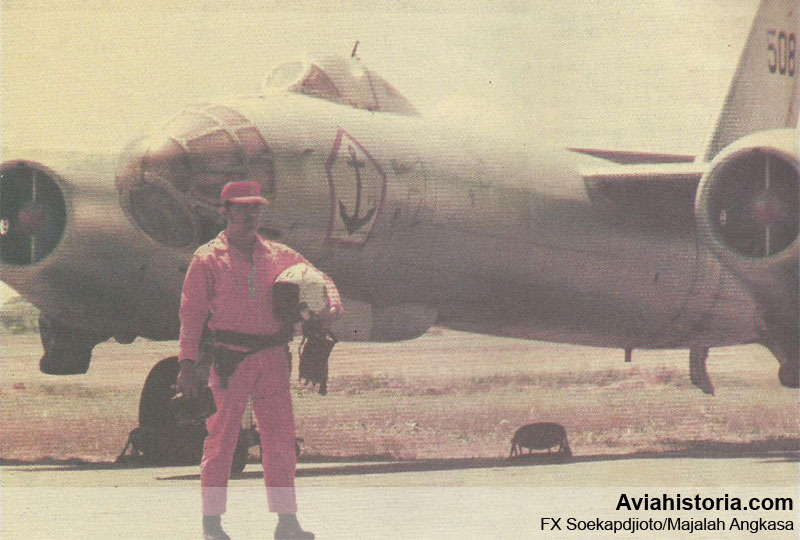
Torpedo bomber version of the Il-28. Used by the Indonesian Navy for a short time. Has a lengthened bomb bay, from 4.18m to 6.66m & the wings being moved back 100mm. Internal fuel & fuel load was reduced (from 8000 to 4770 ltr & 6600 to 5080kg). Starboard fixed NR23 cannon was removed. Can carry naval armament (torpedoes (1x large, 2x small) & naval mines). The Il-28 can also be switched to using standard Beagle armament if need be.
- Gordon, Y., Komissarov, D. (2003). Ilyushin Il-28 Beagle
- https://airplane-modelkit.blogspot.com/2010/08/ilyushin-il-28-beagle.html
- https://aviahistoria.com/2021/05/15/perjalanan-singkat-beagle-milik-alri/
⬠ Tu-16
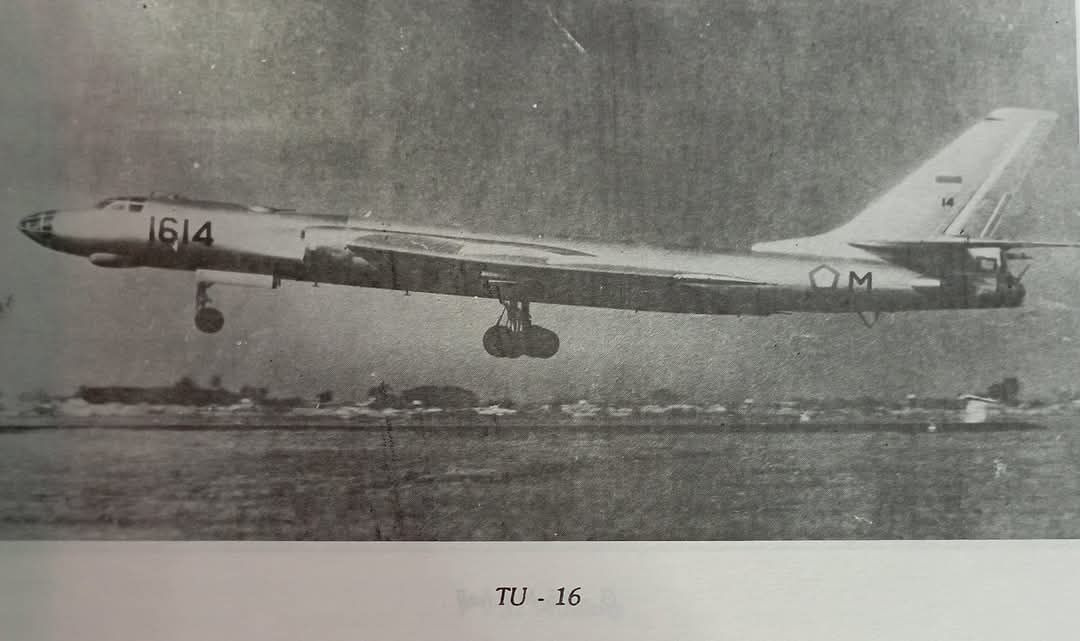
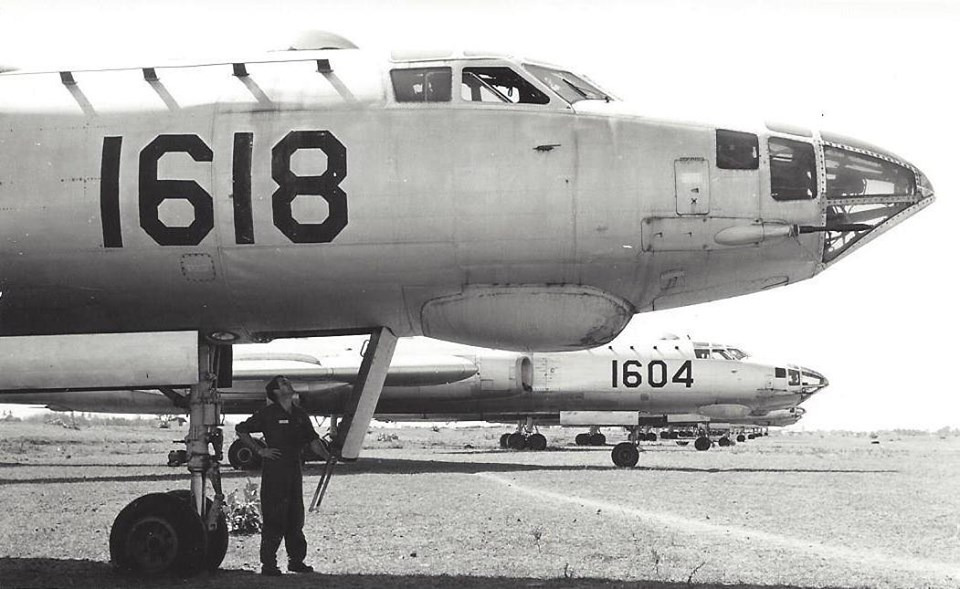
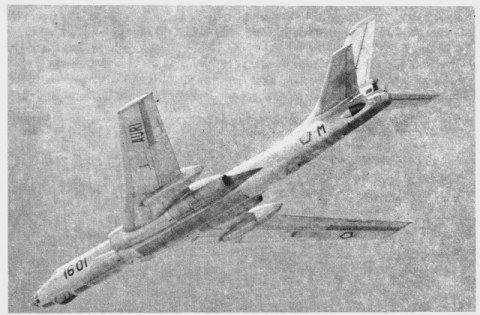
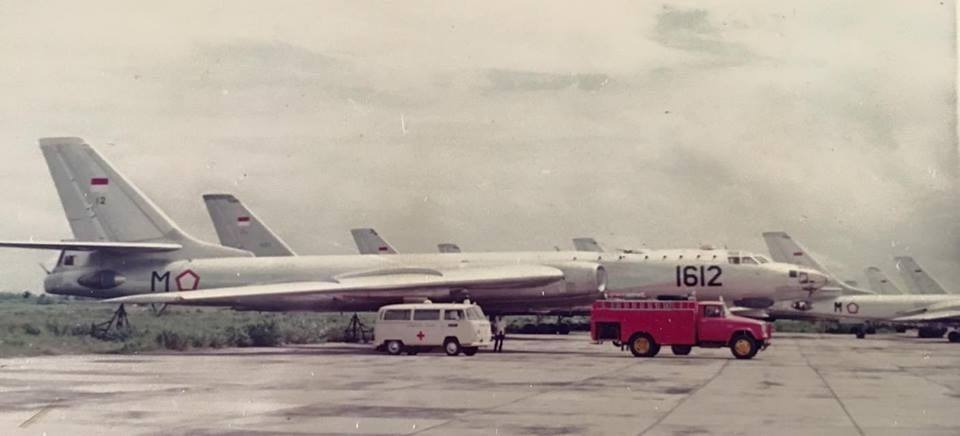
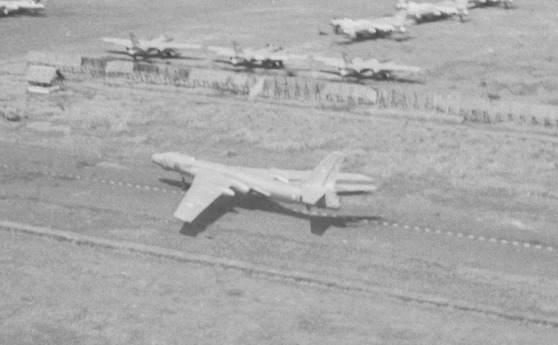
Long-range Strategic bomber of the Indonesian Air Force. quite fast & could carry a lot of ordinance.
⬠ Tu-16KS-1
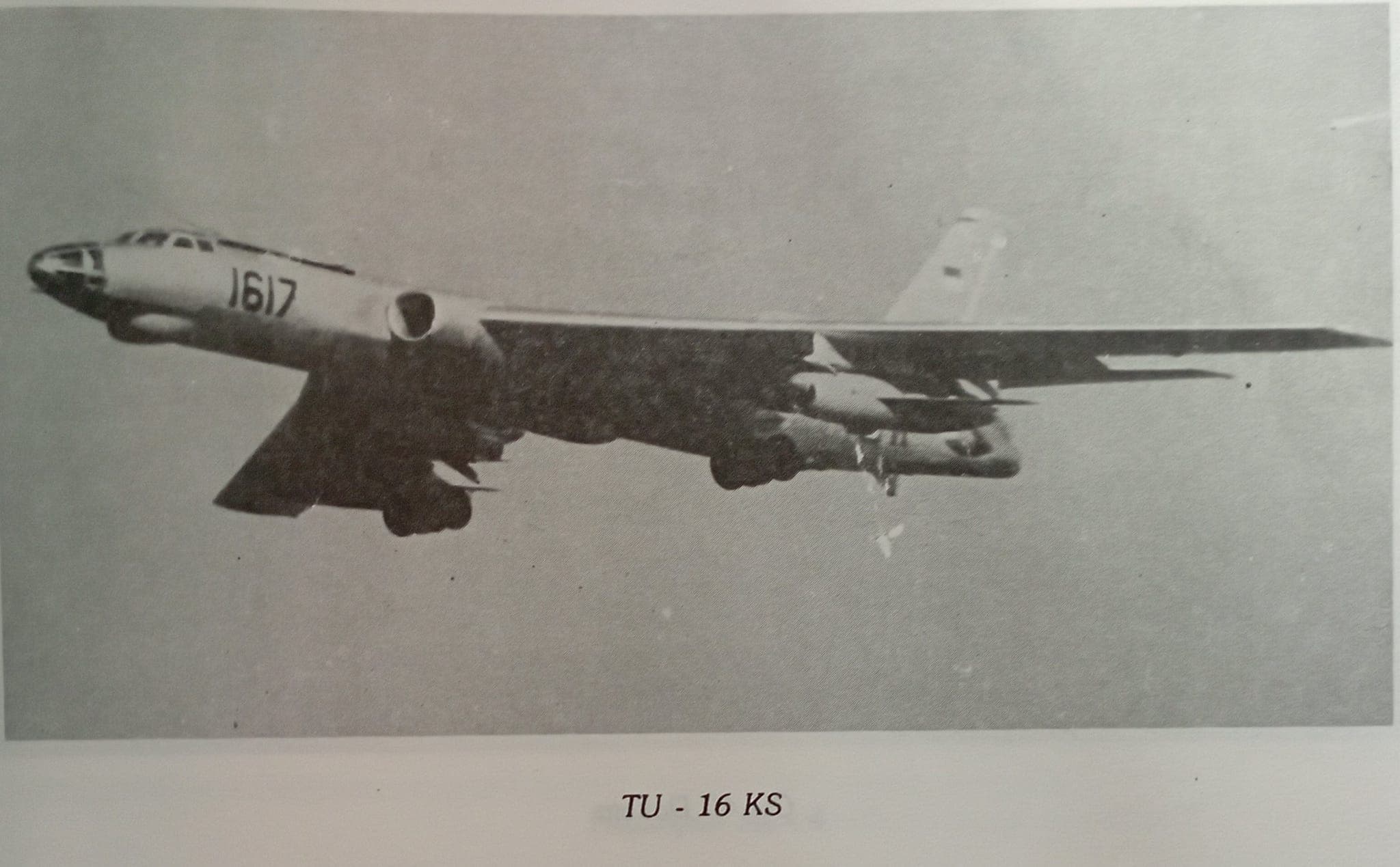
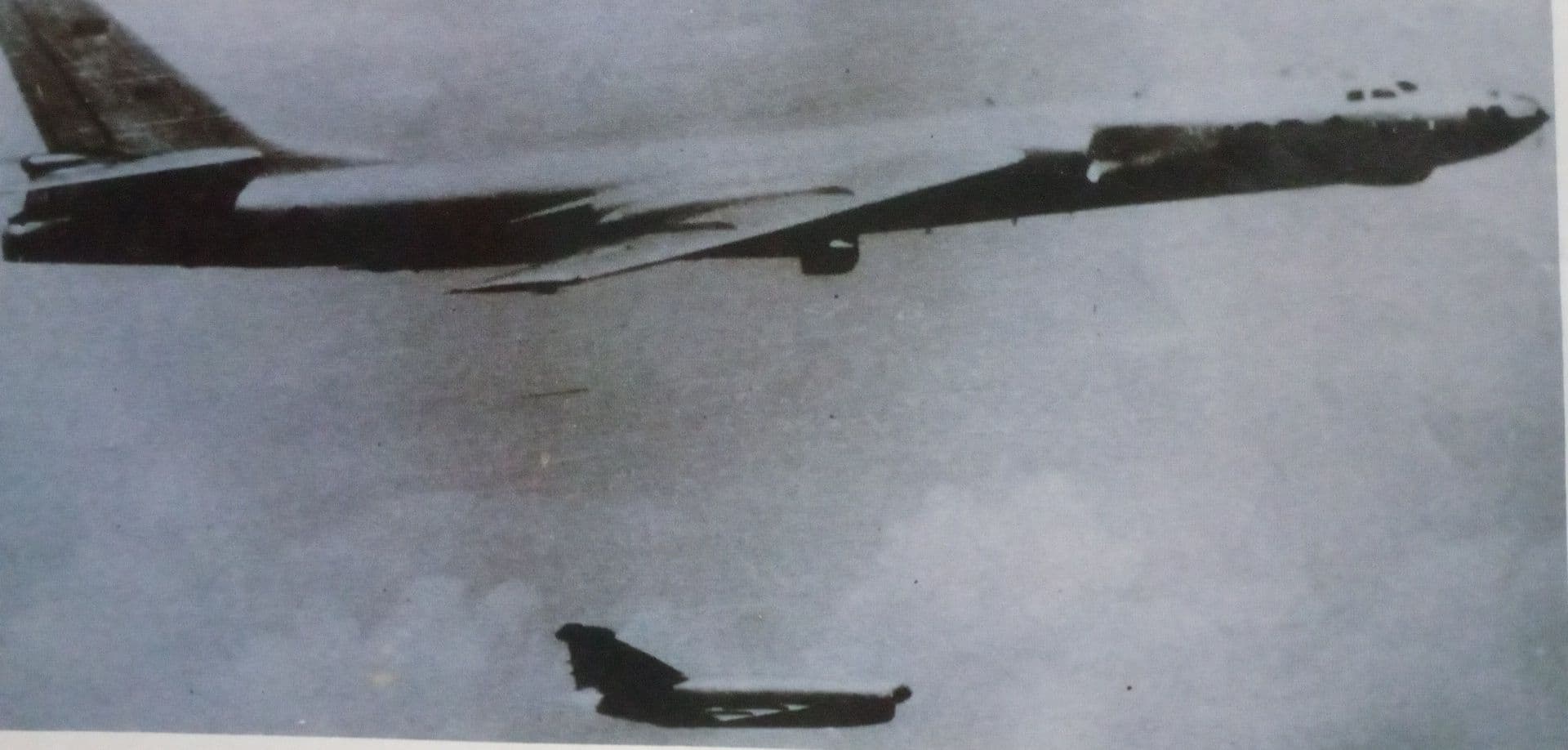
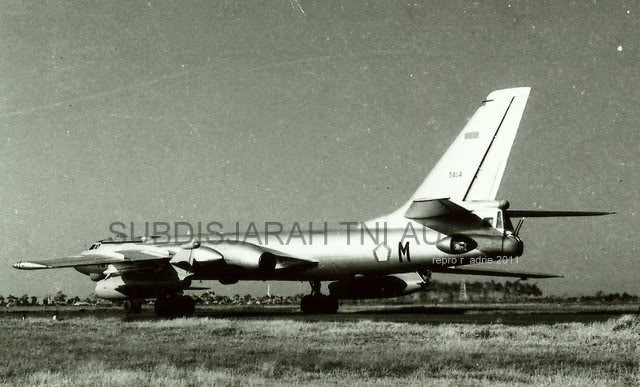
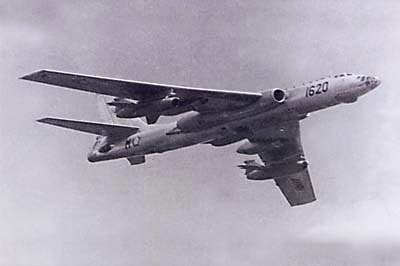
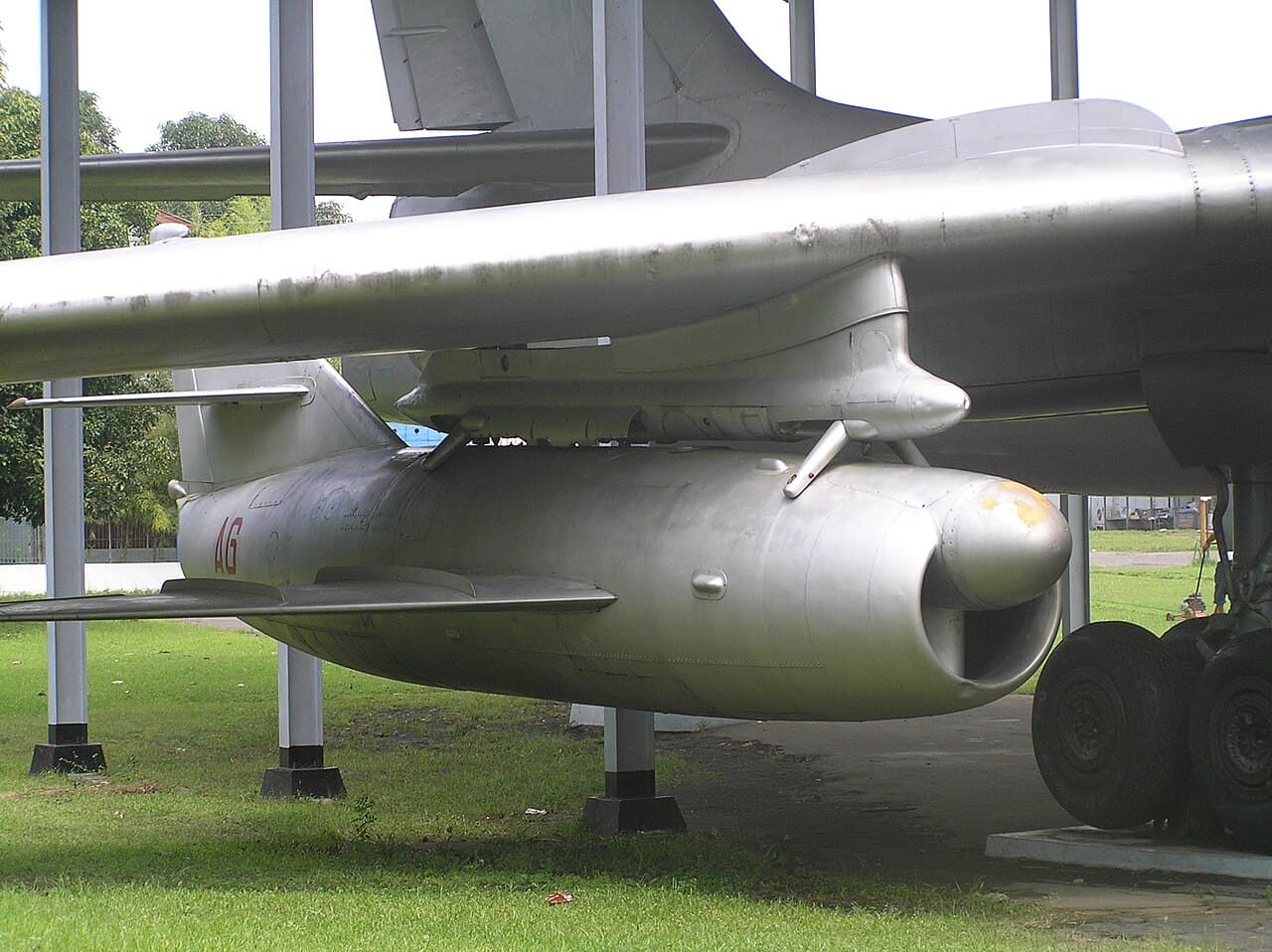
Tu-16 variant capable of firing the KS-1 Anti-ship missile
RANK VI
–=FIGHTER AIRCRAFT=–
⬠ Lim-5
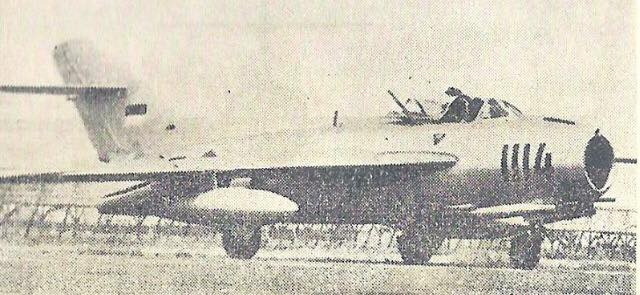
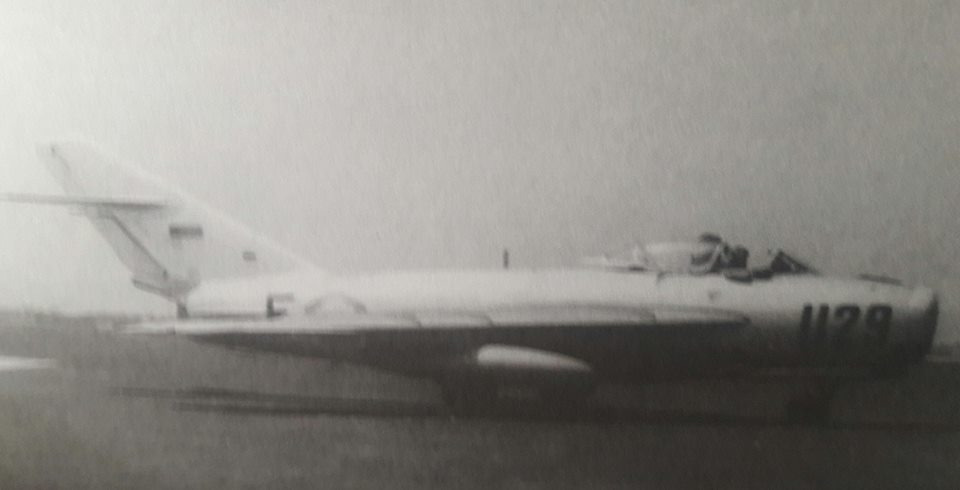
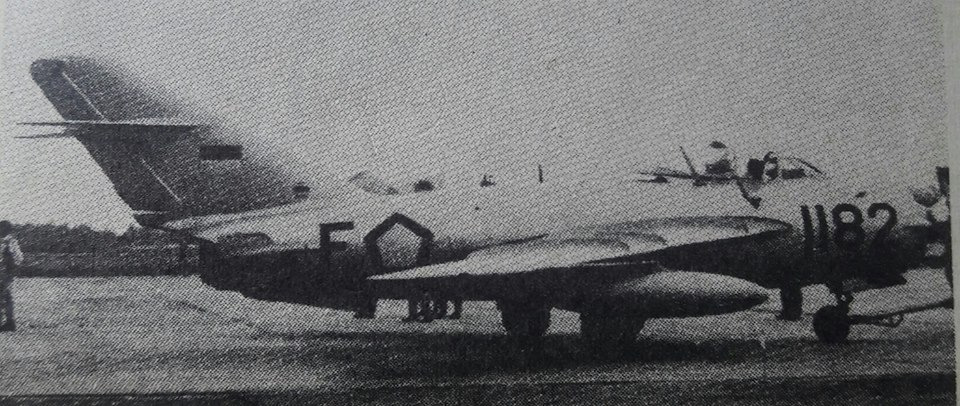
Polish License-built MiG-17F. Has an after burning fan. Very similar to the Type 56 but with a thick vertical antenna on top of the fuselage (located between the vertical stab & the canopy).
⬠ Shenyang Type 56 (J-5)
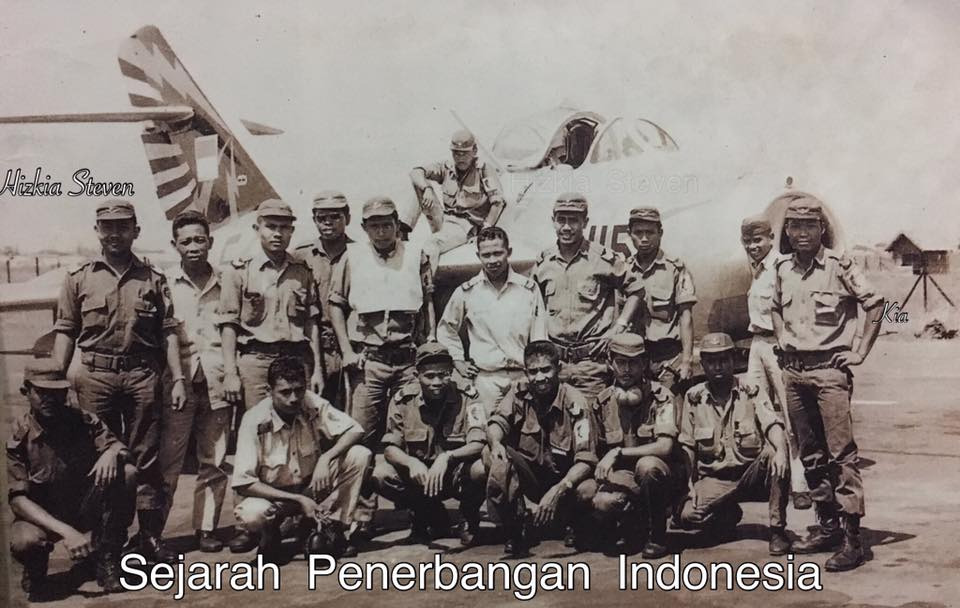
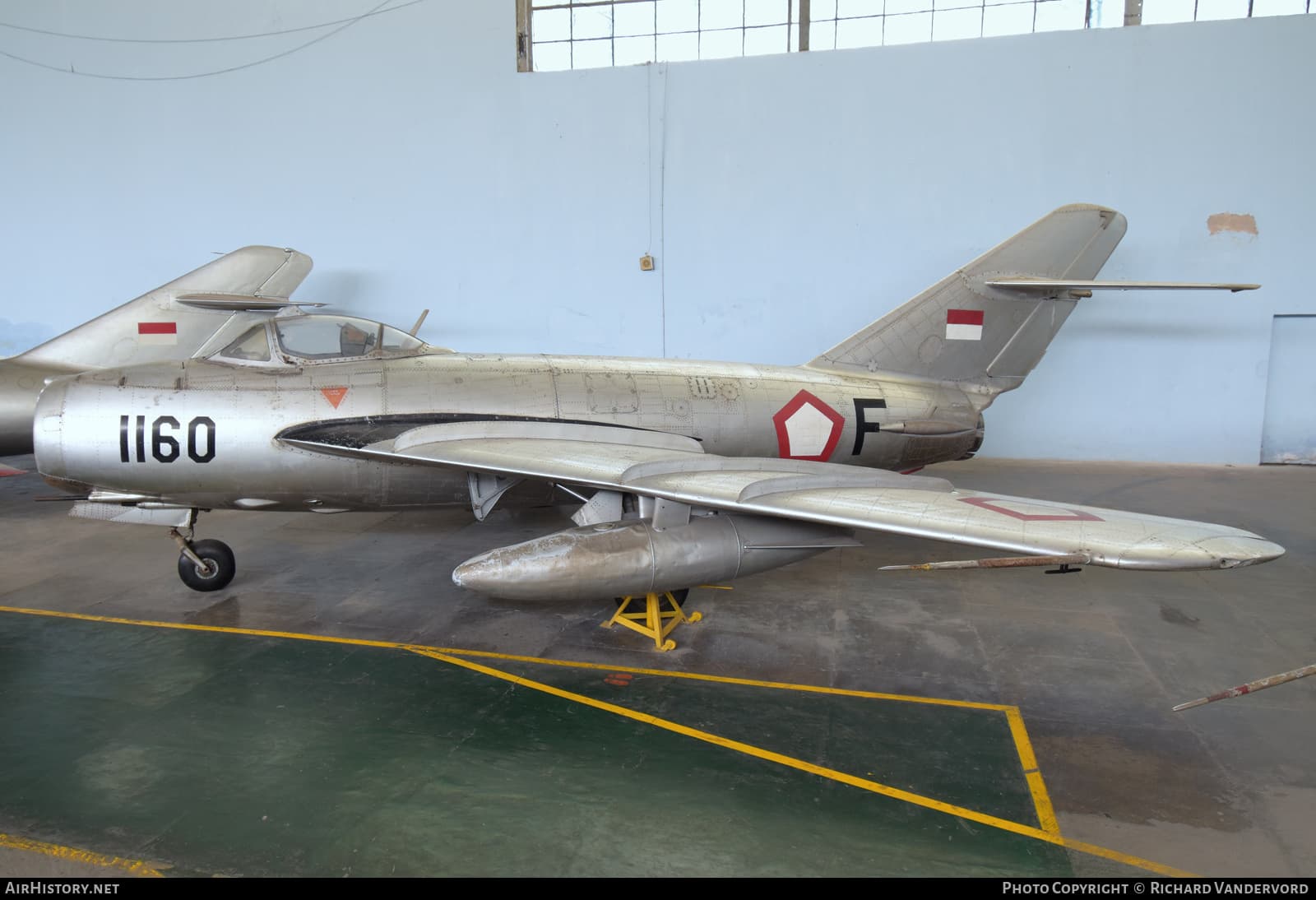
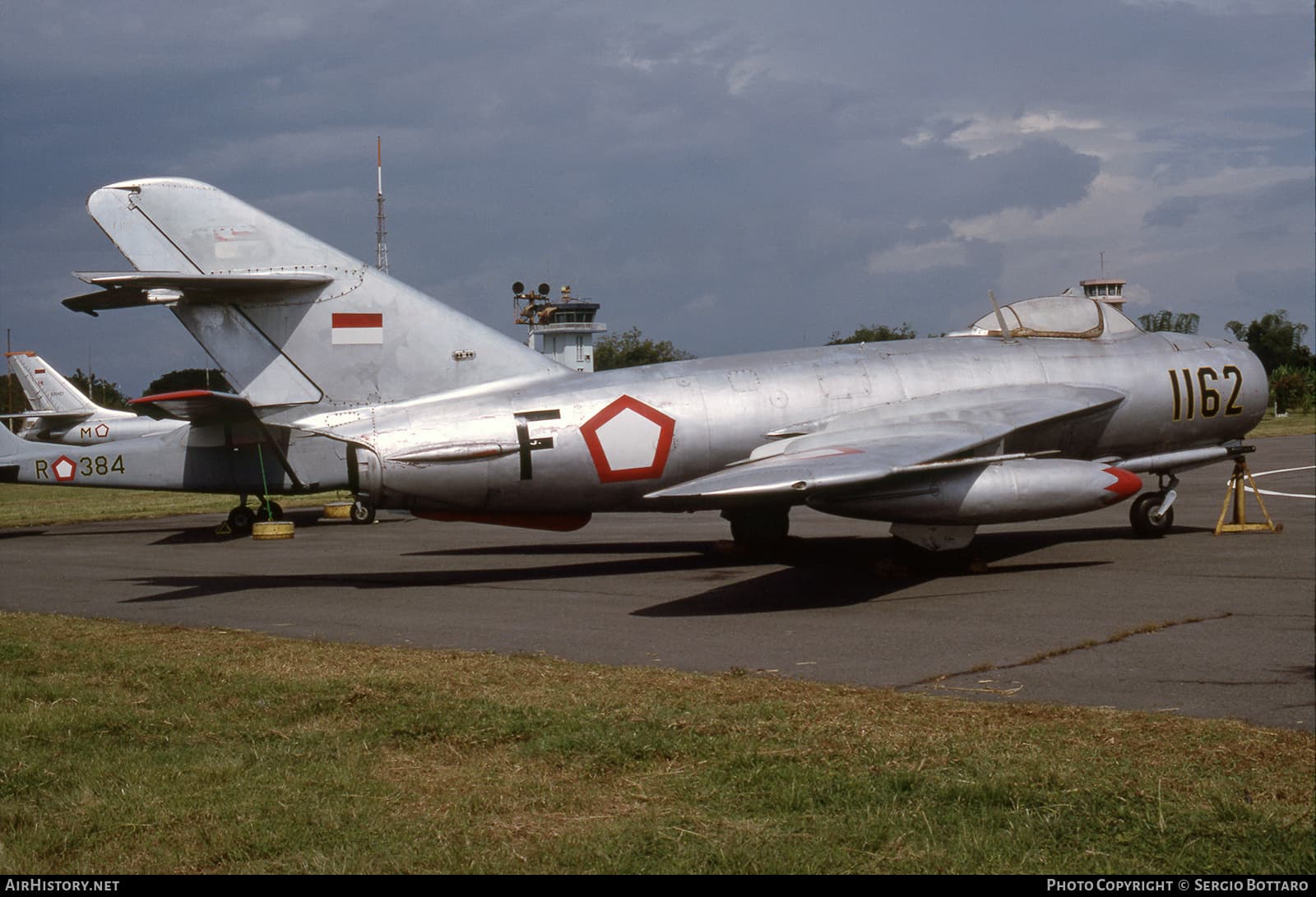
Chinese License-built MiG-17F. Same as the Lim-5, but without the thick vertical antenna on top of the fuselage.
⬠ Lim-5P
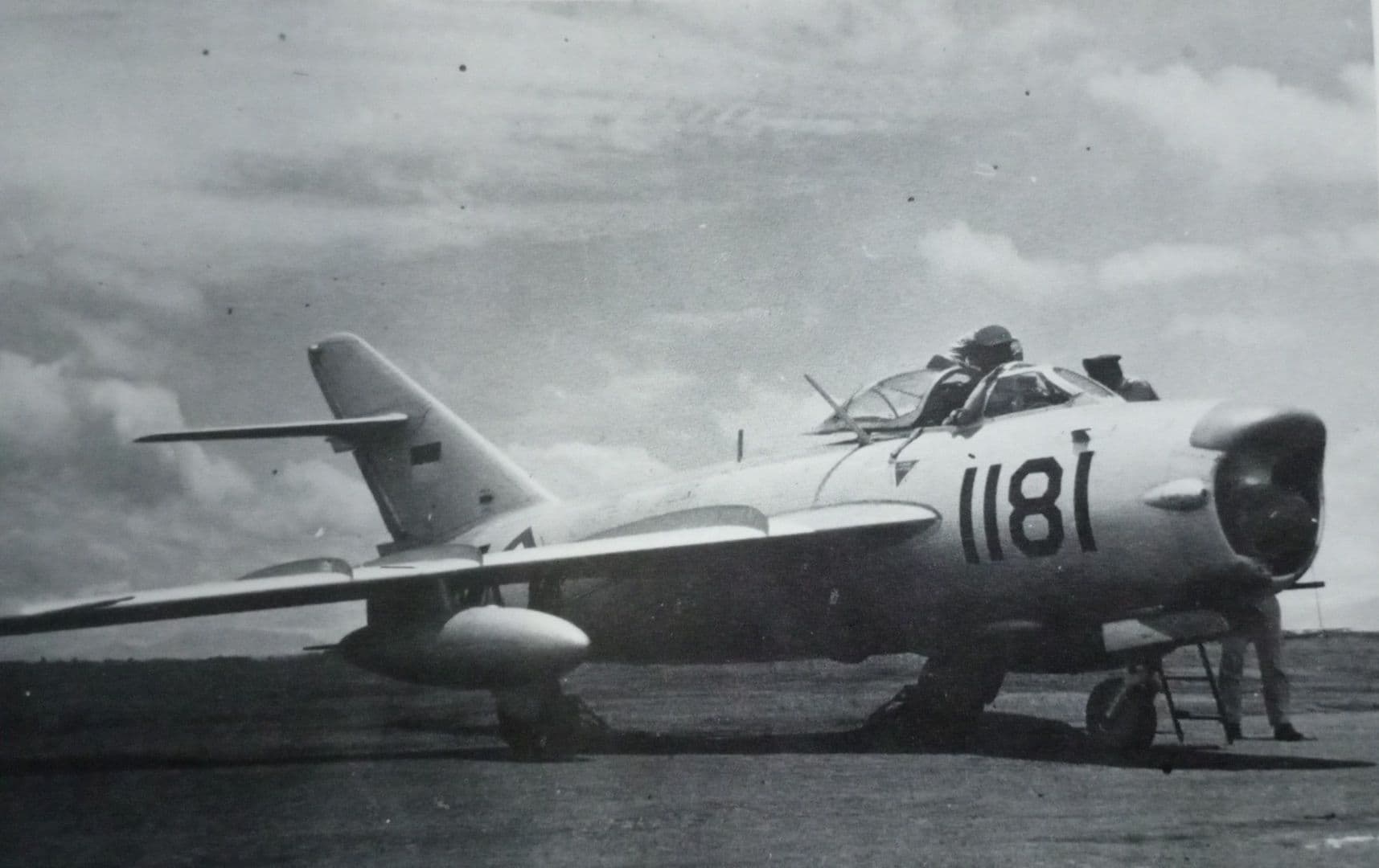
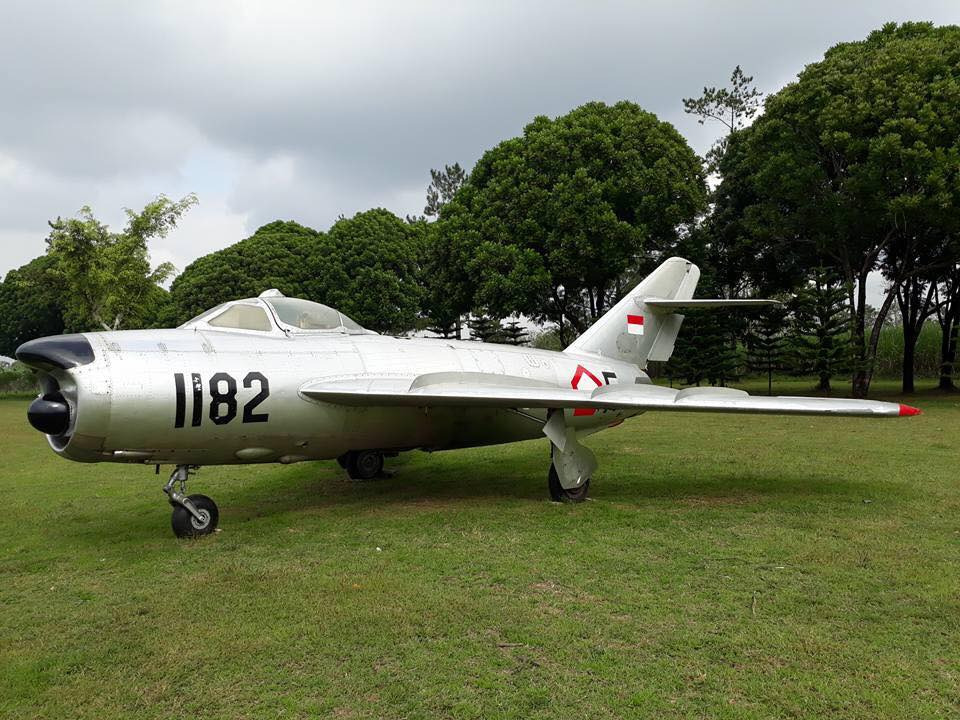
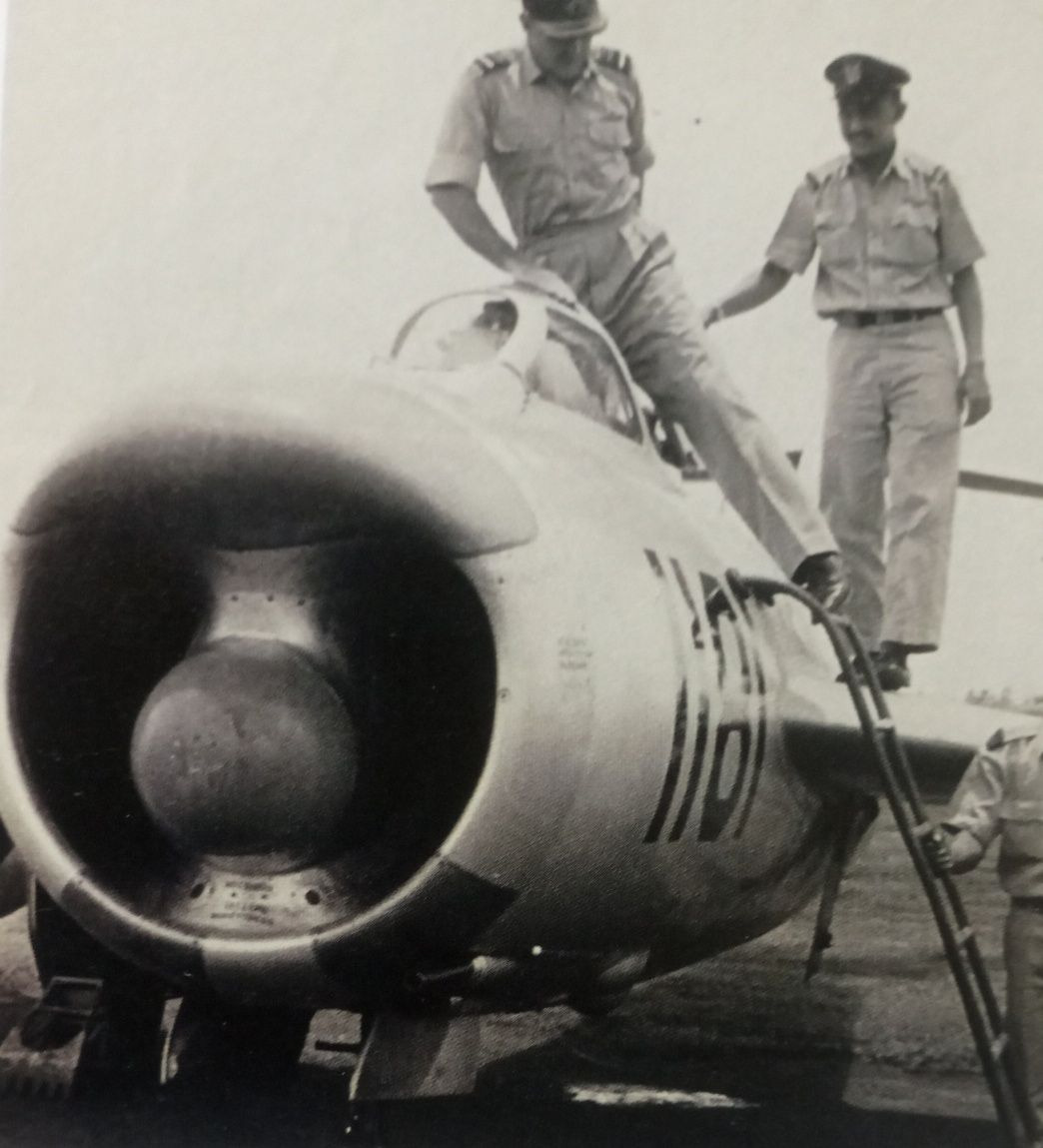

Polish built MiG-17PF with the Izumrud-5 radar. Has a different armament compared to the Lim5/Type 56.
⬠ MiG-19S
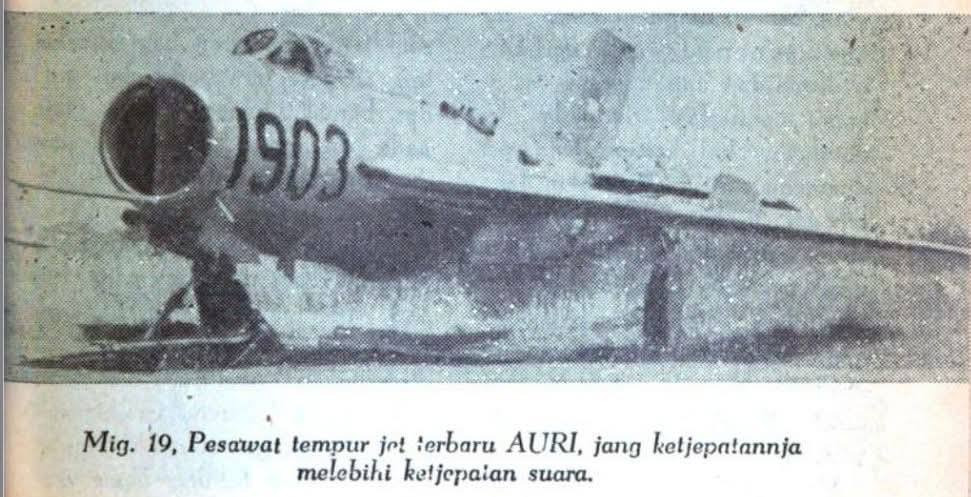
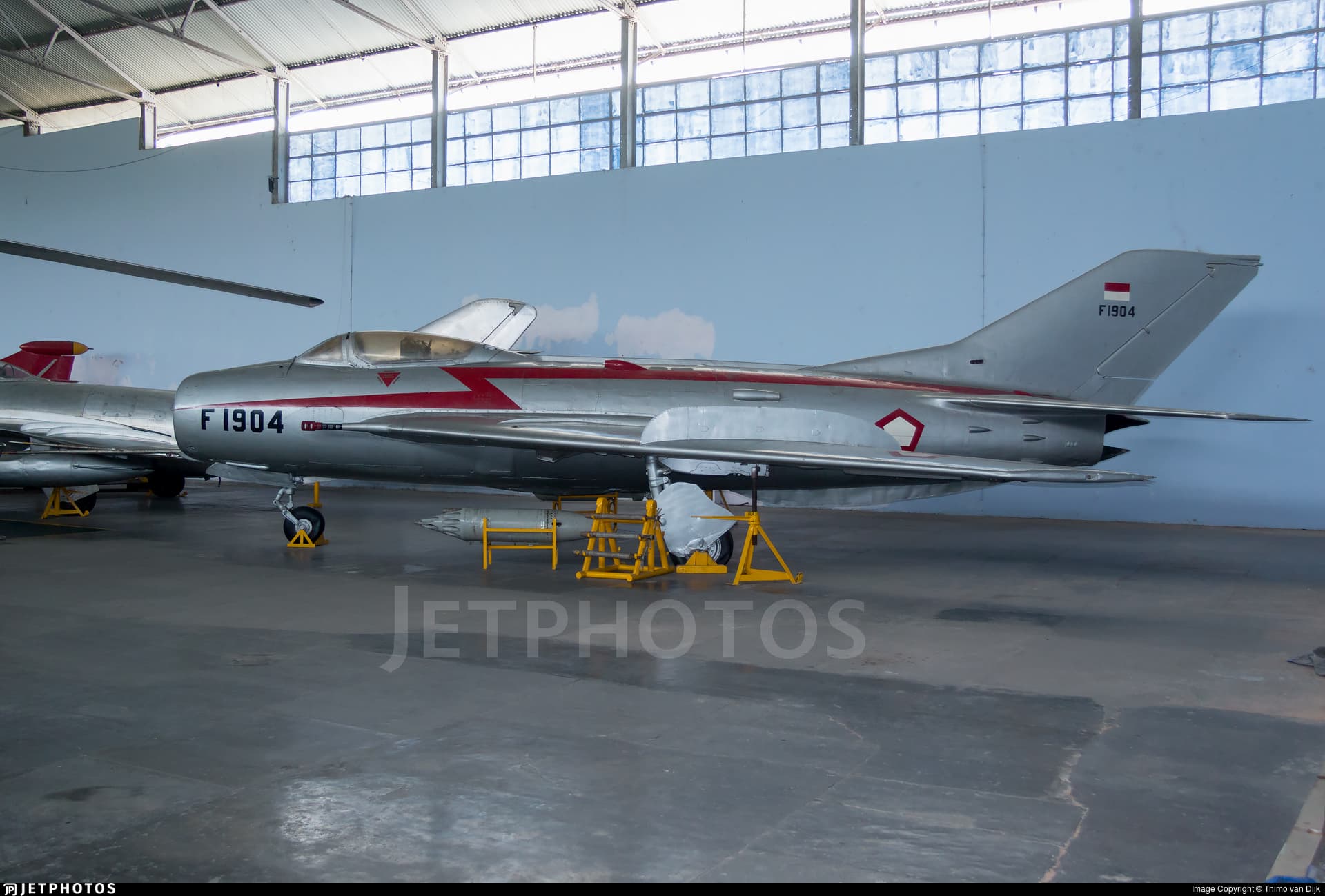
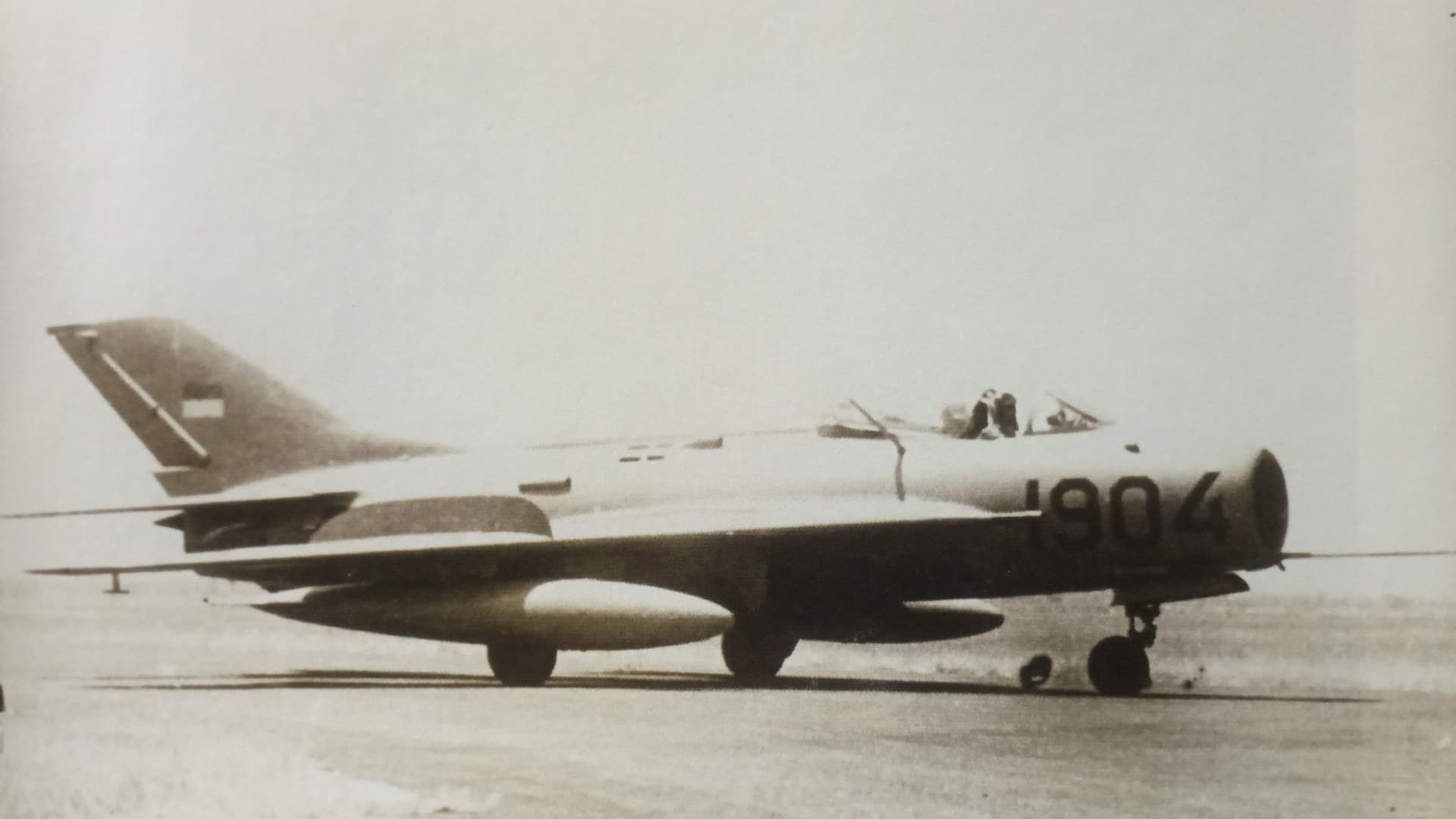
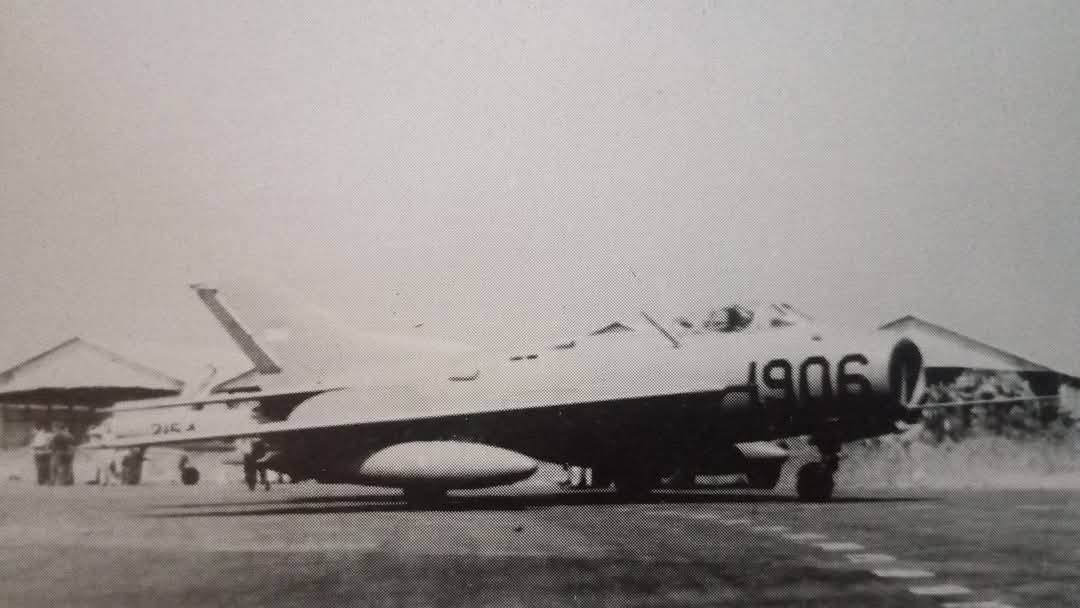
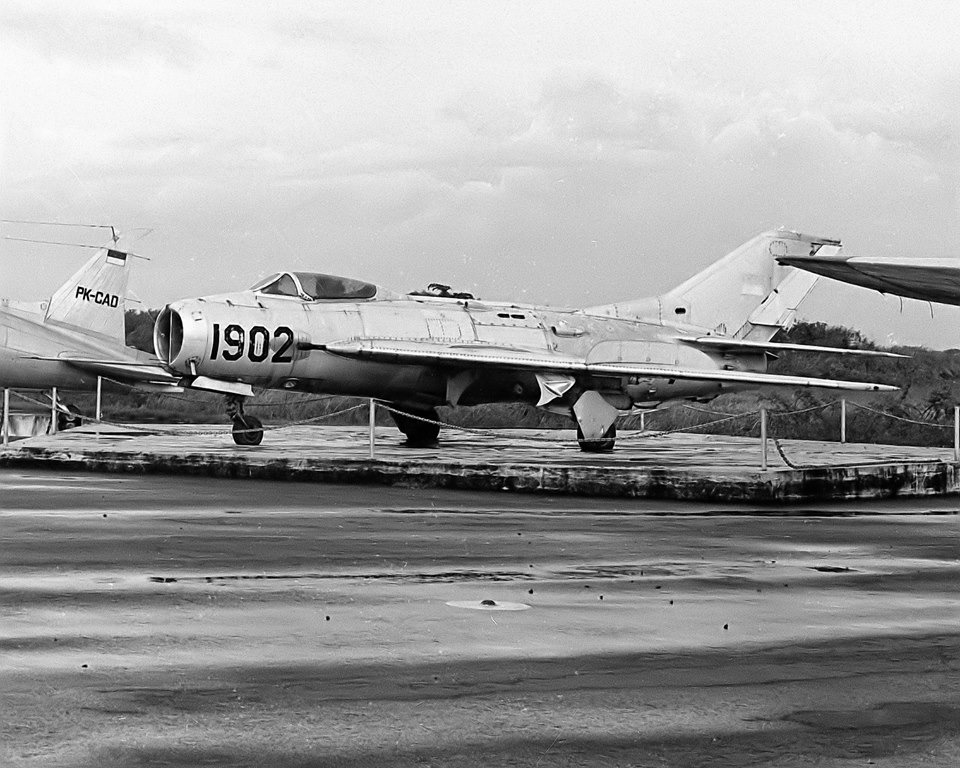
Standard MiG-19s. The S variant doesn’t have the radar. The Mig-19s were then handed over to Pakistan.
⬠ MiG-21F-13
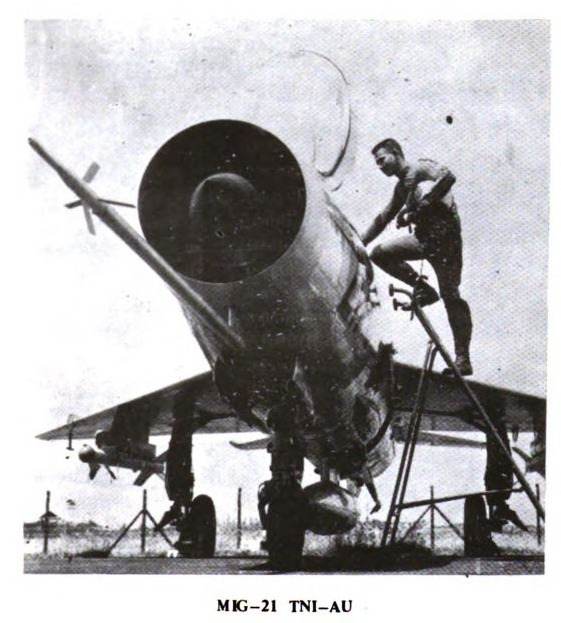
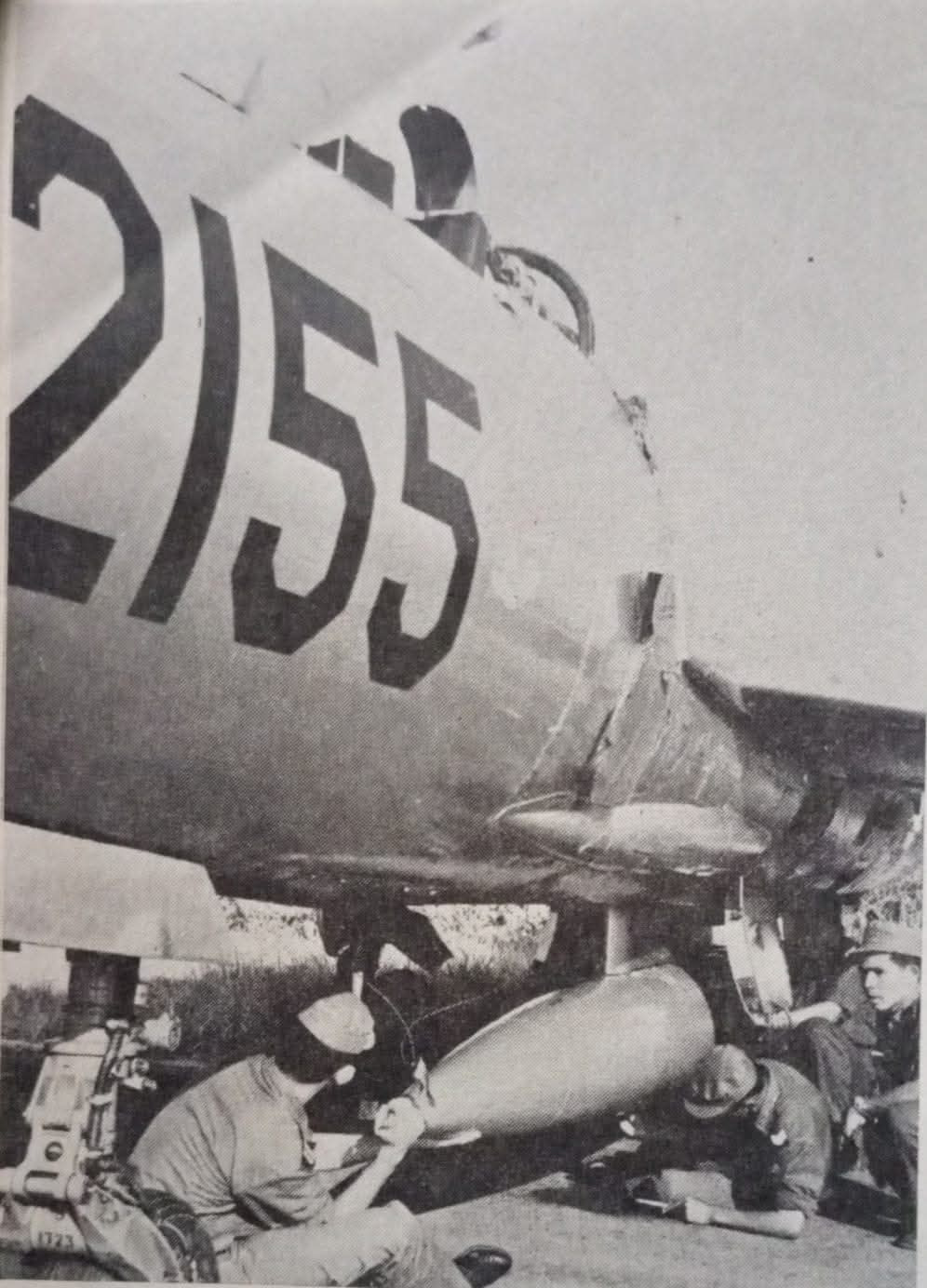
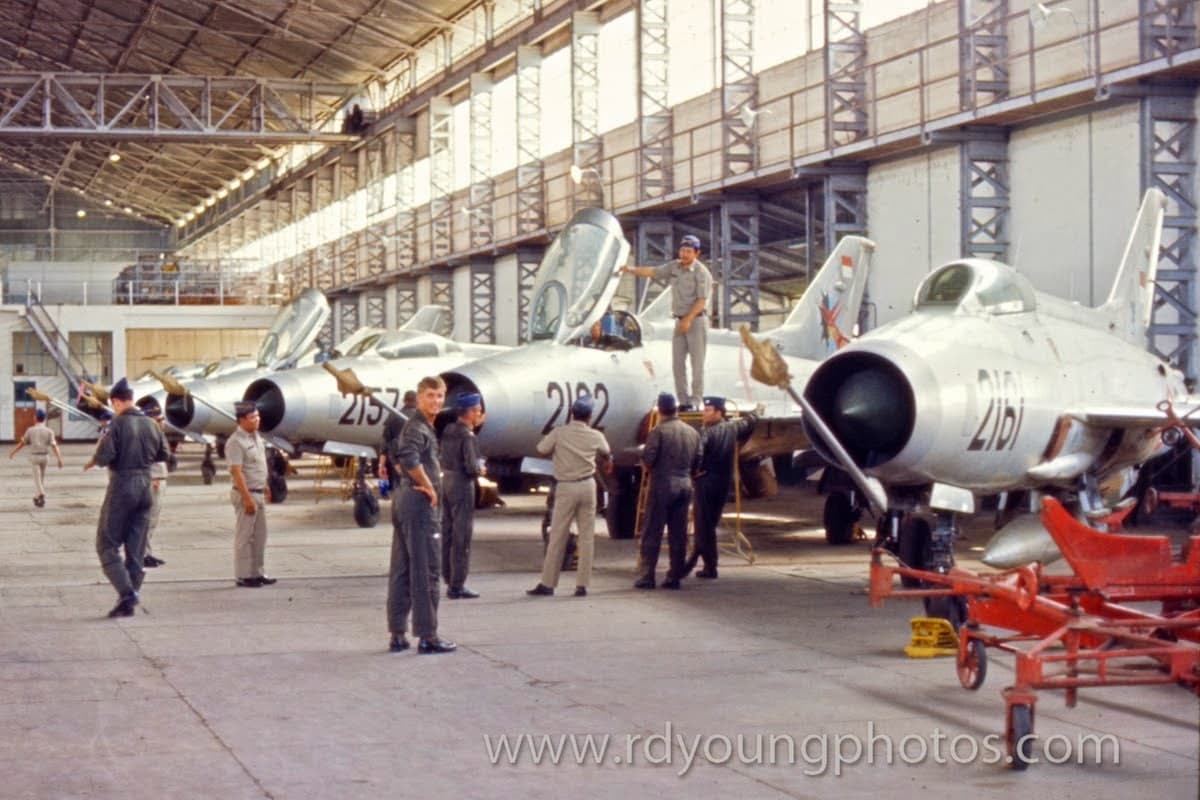
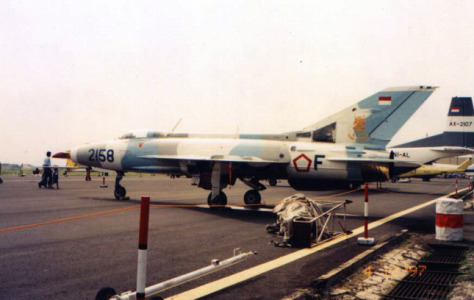
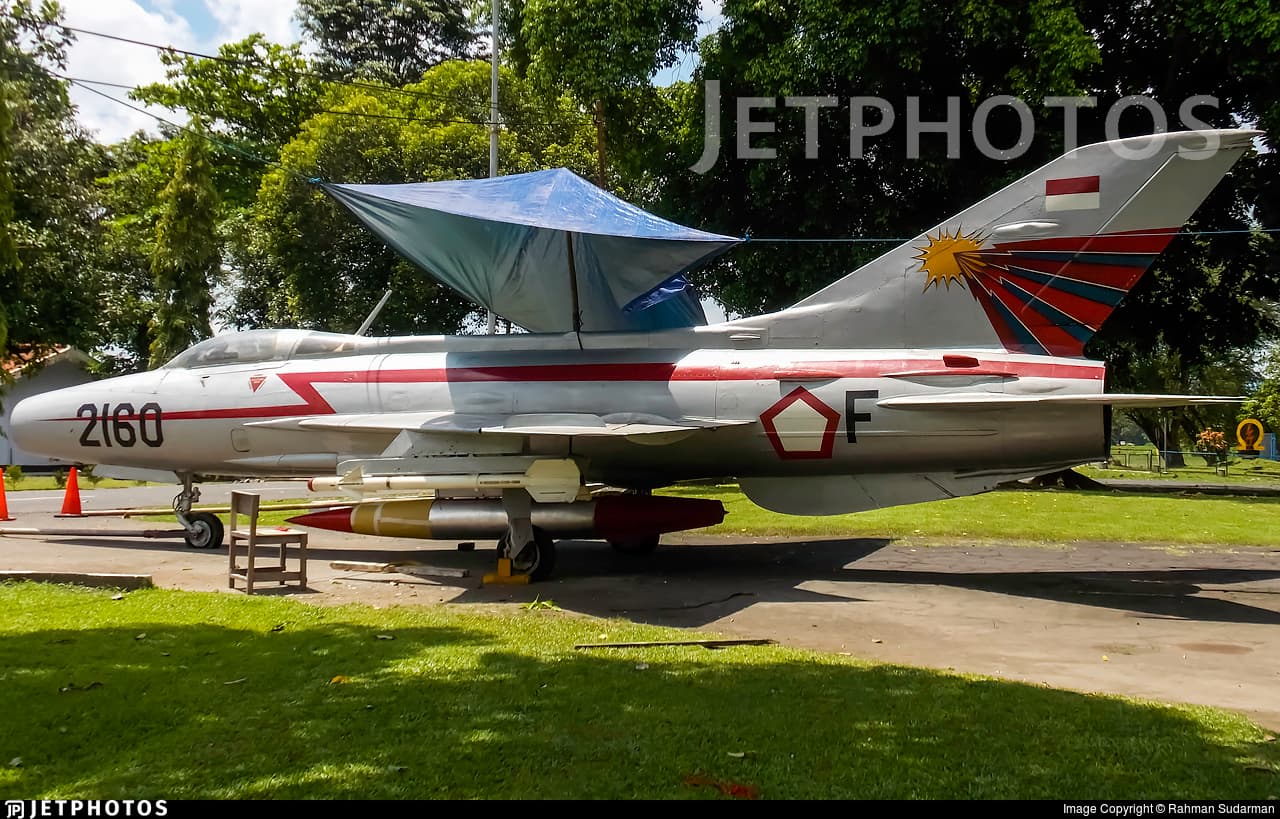
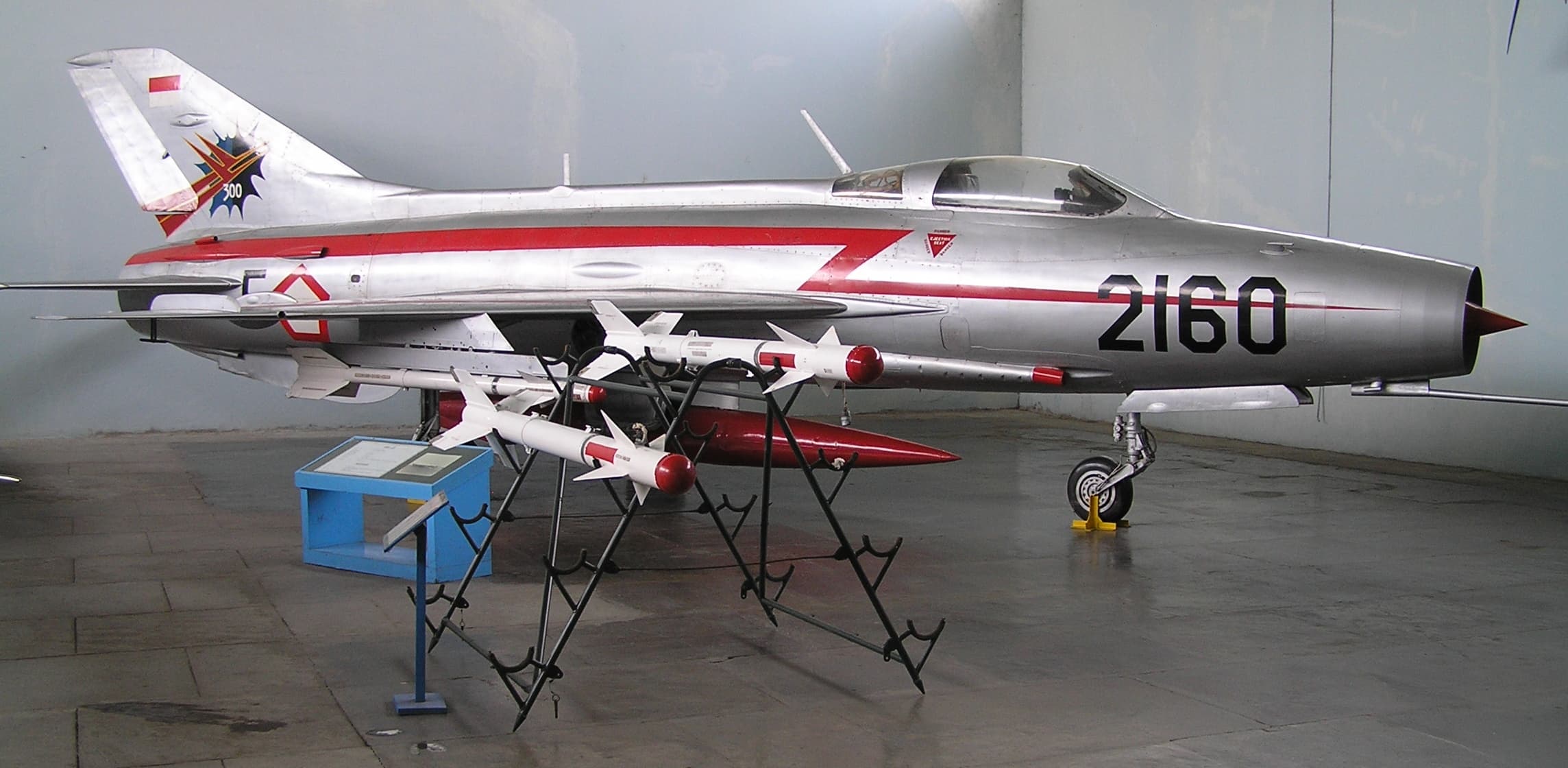
Standard MiG-21F-13. Majority of the aircraft was later sent to the US.
F-86 Avon Sabre Mk.32 (Puslitbang)
Suggestion post: F-86 Avon Sabre (CA-27 Mk.32) - Restoring the Fangs of Indonesia’s Toothless Fighter
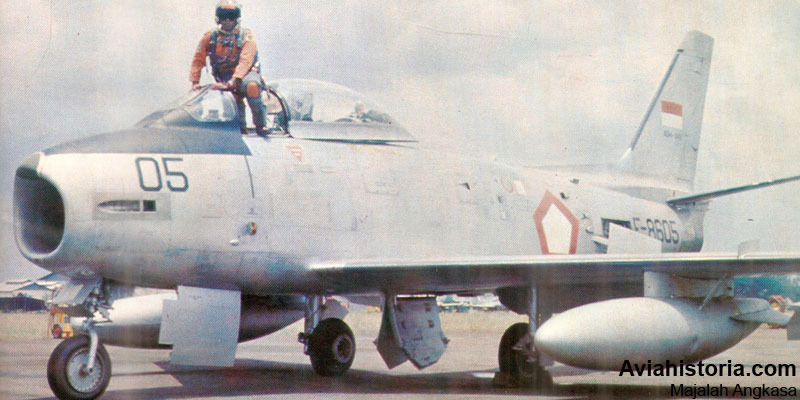
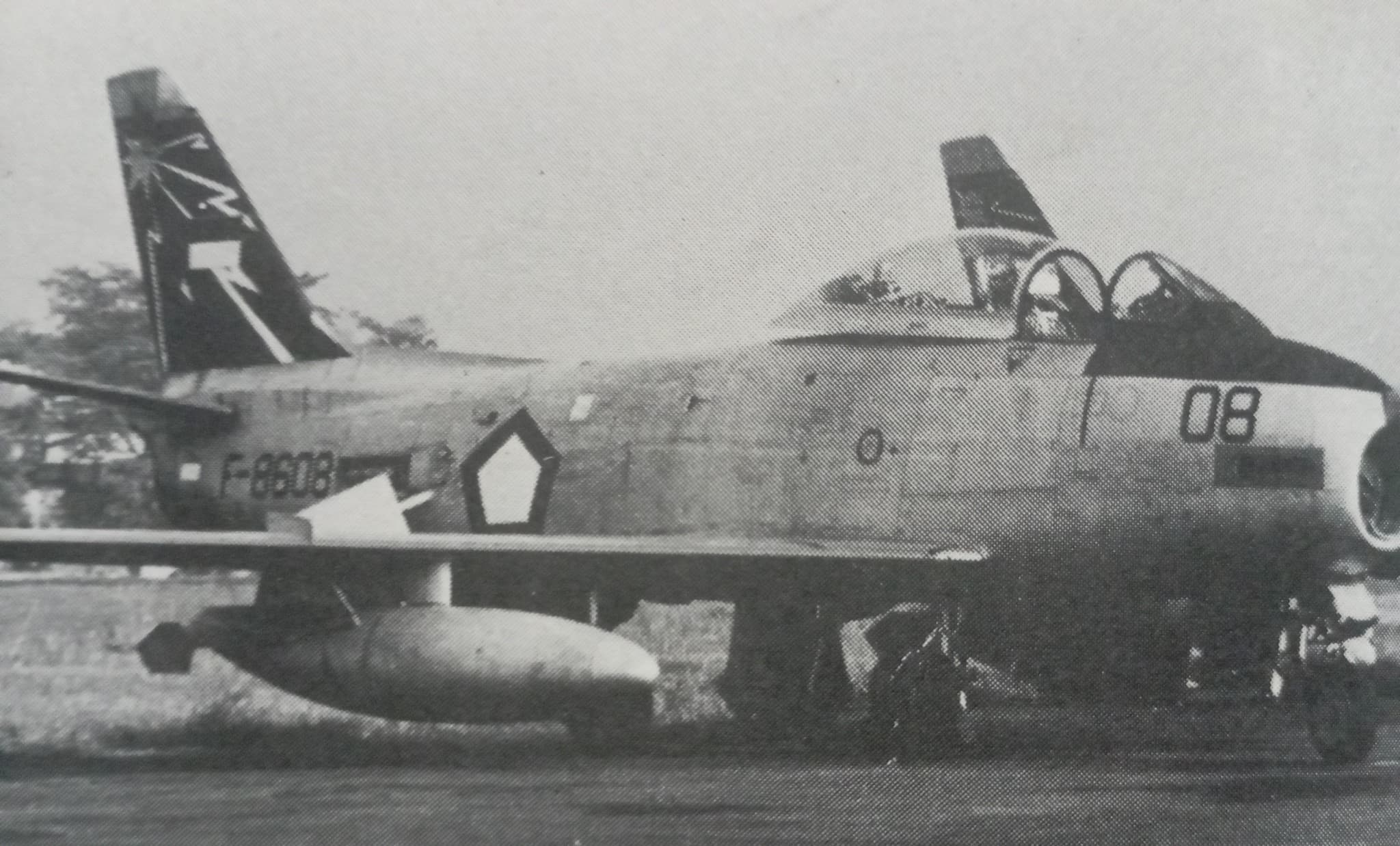
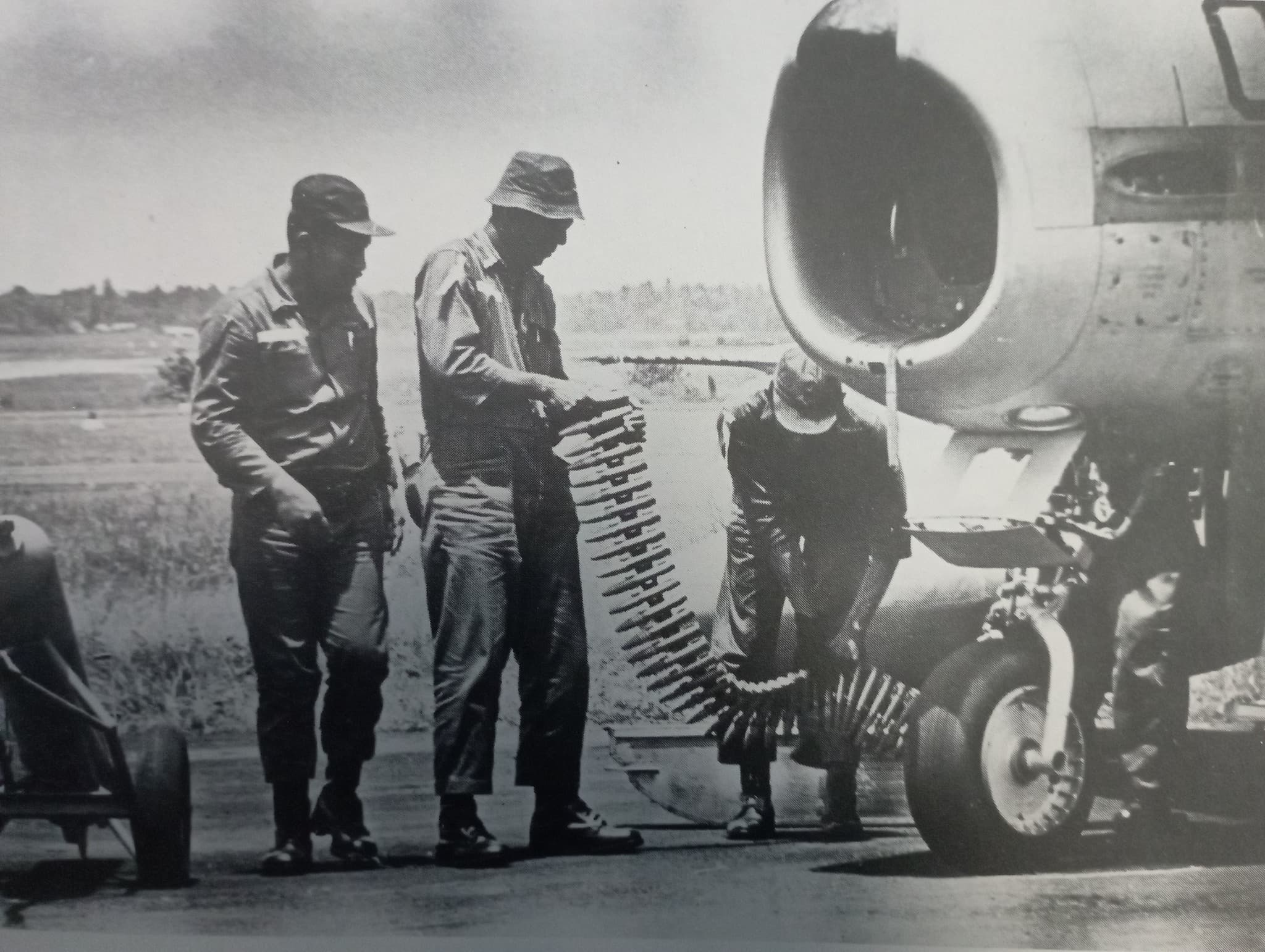
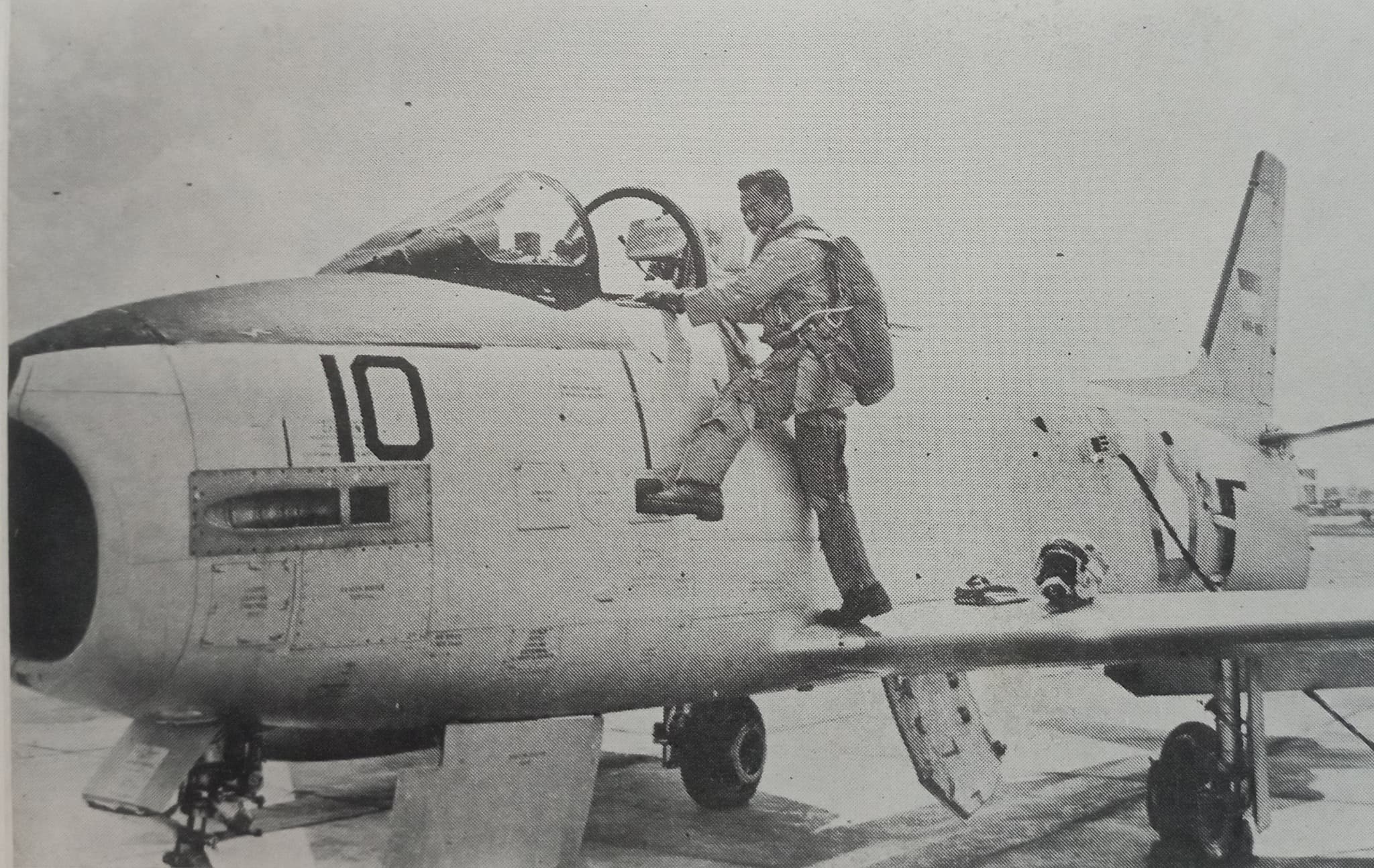
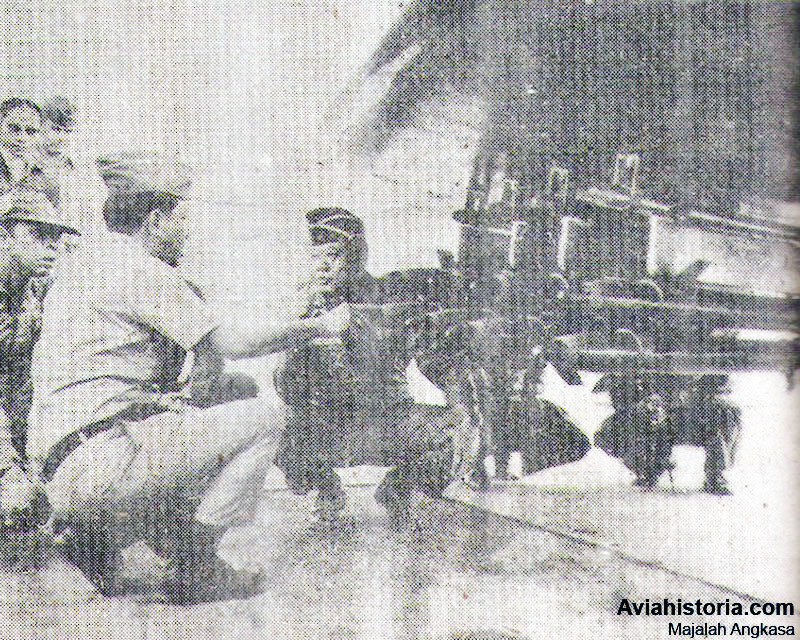
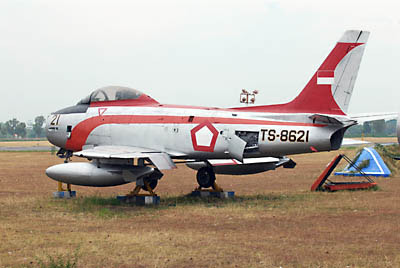
Australian variant of the F-86 Sabre. Originally arrived unarmed, but the 30mm ADEN was reactivated by the Puslitbang (IdAF Research and Development Center). They also domestically modify the aircraft to be able to carry 24x 80mm Sura-D rockets under the wing.
–=STRIKE AIRCRAFT=–
Hawk 53
Suggestion Page: HS-Hawk Mk.53 - The Trusted Trainer’s Tropical Variant with Teeth
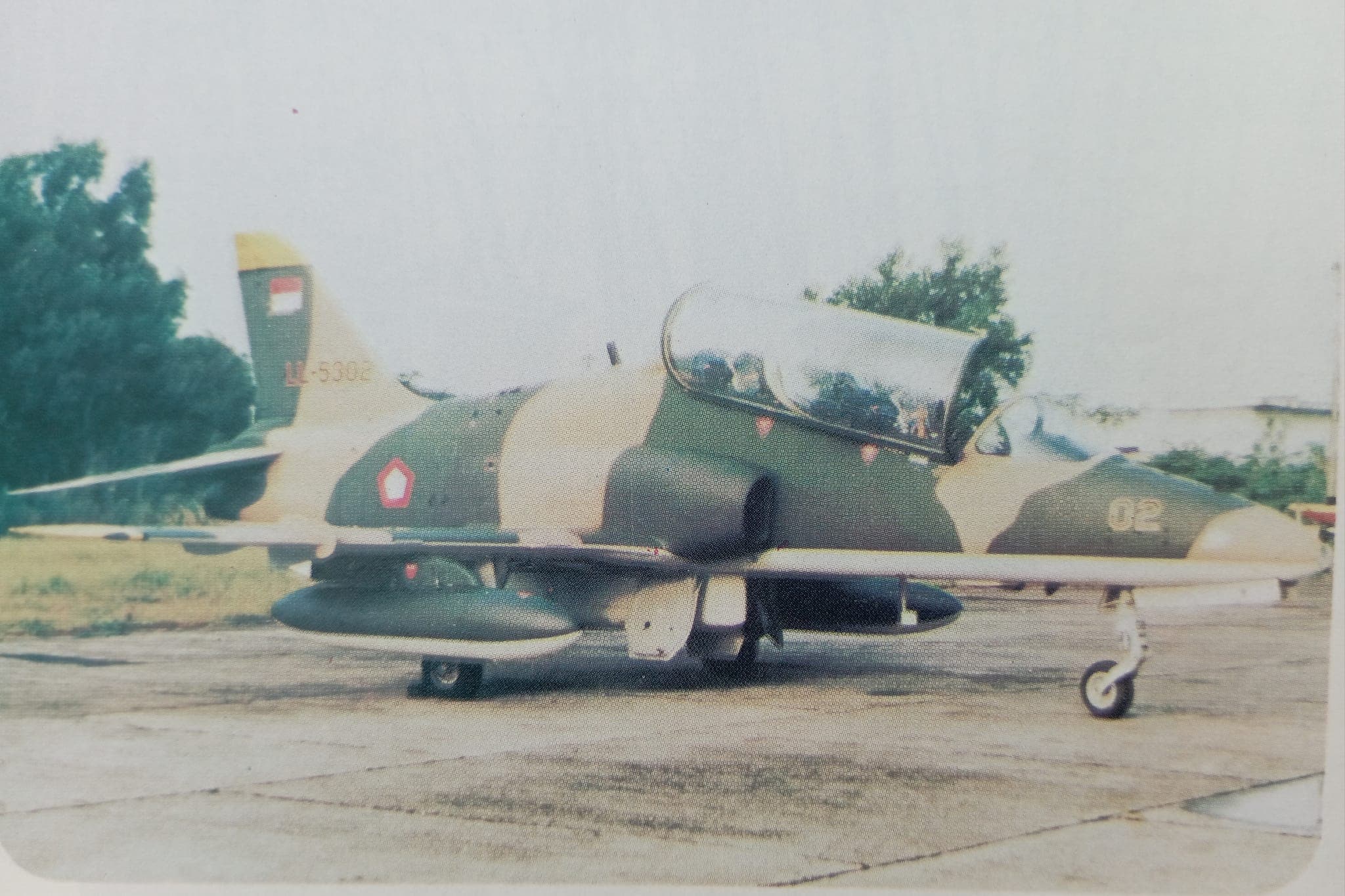
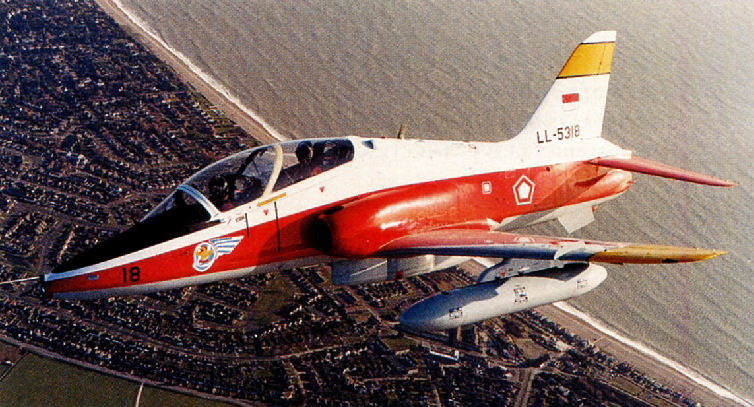
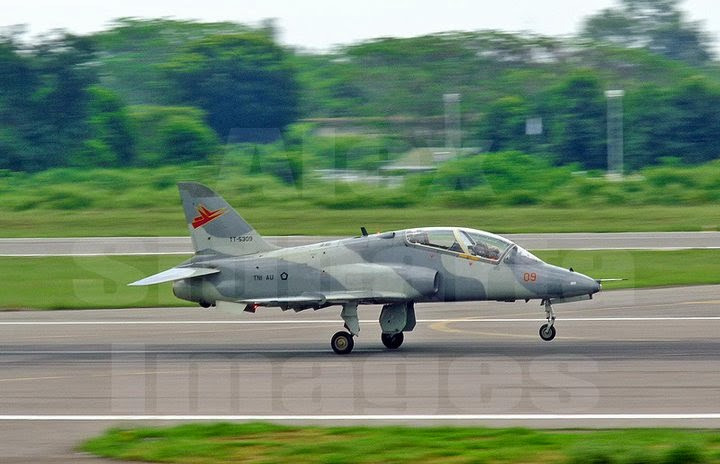
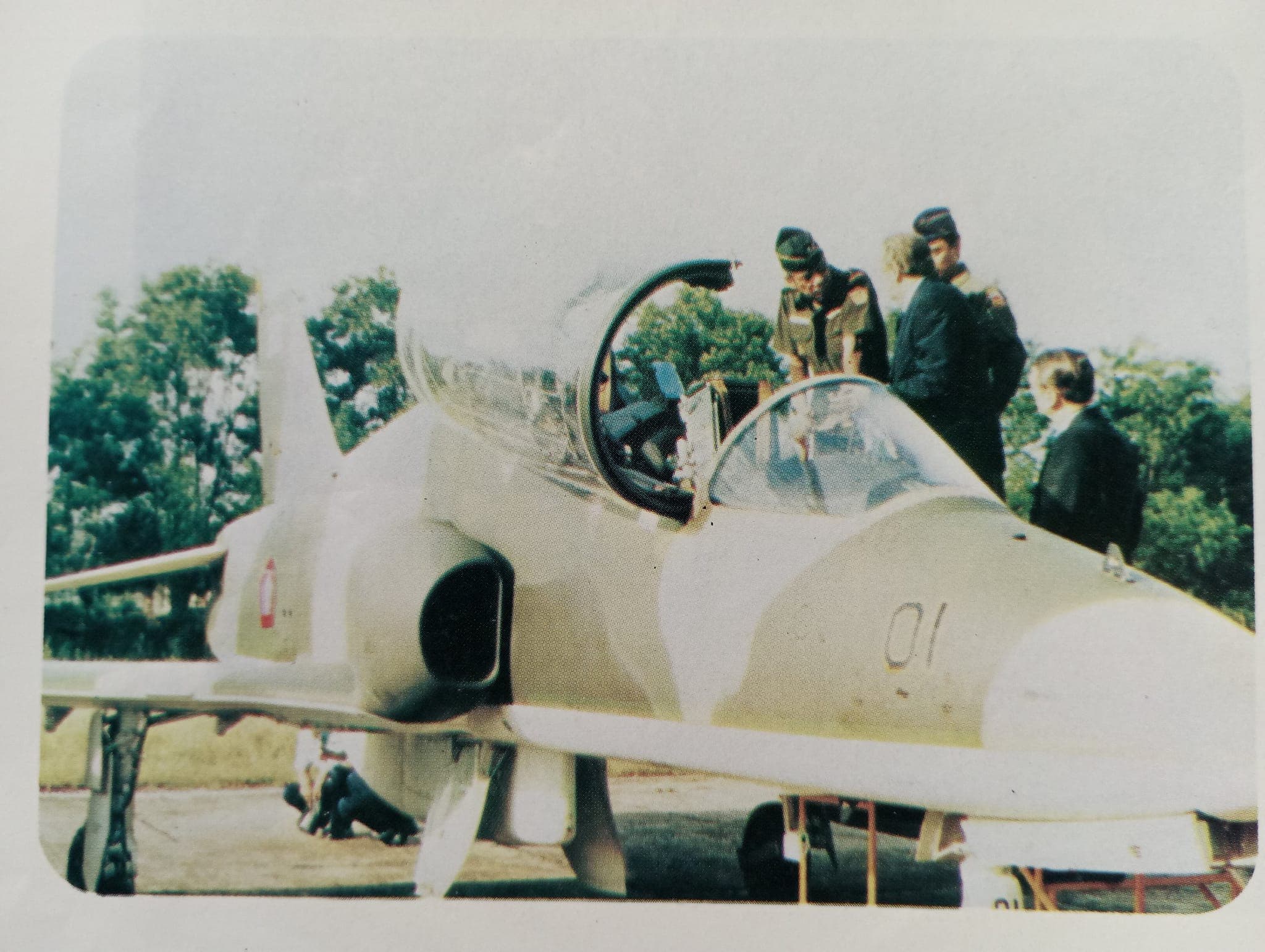
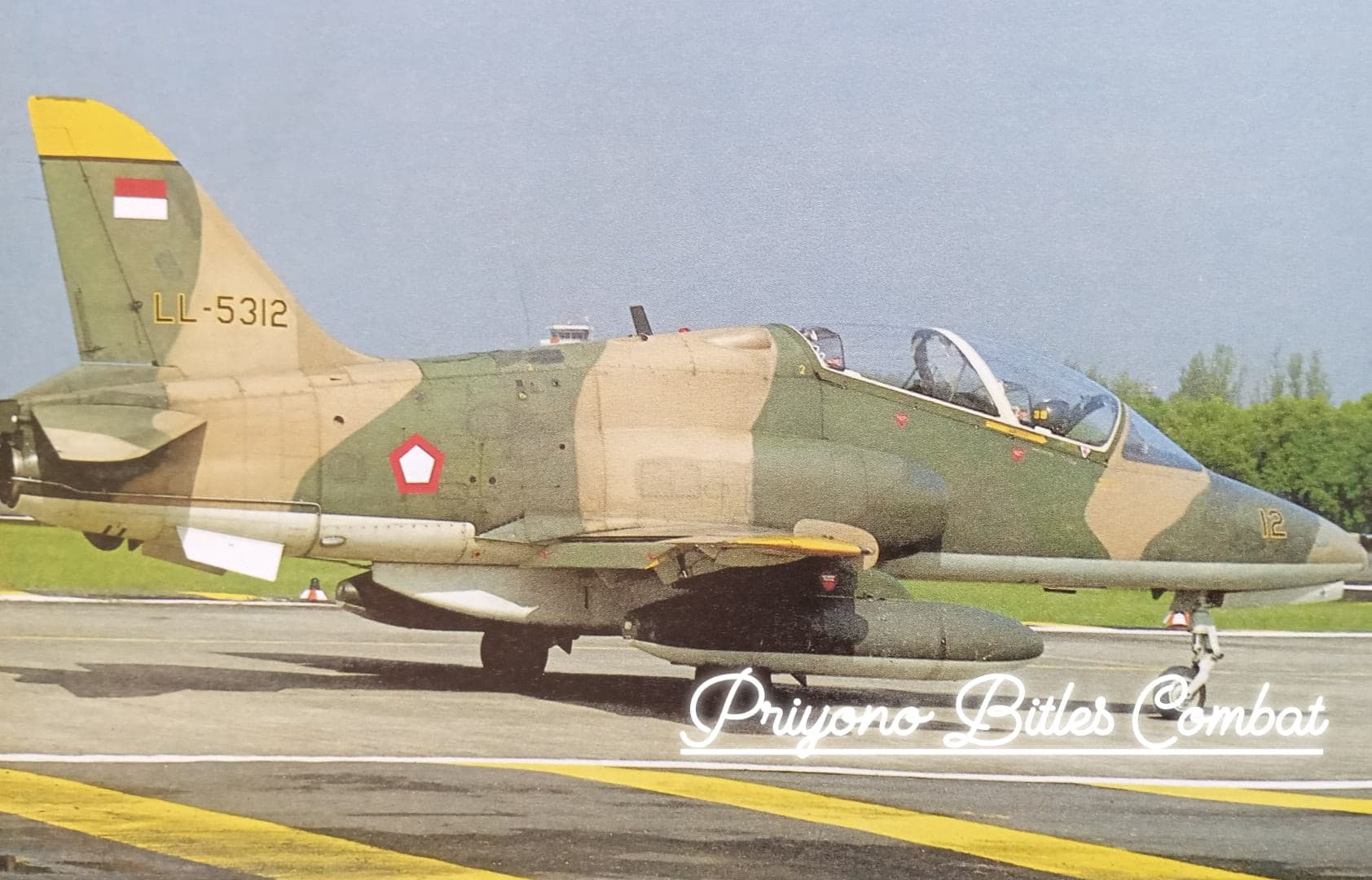
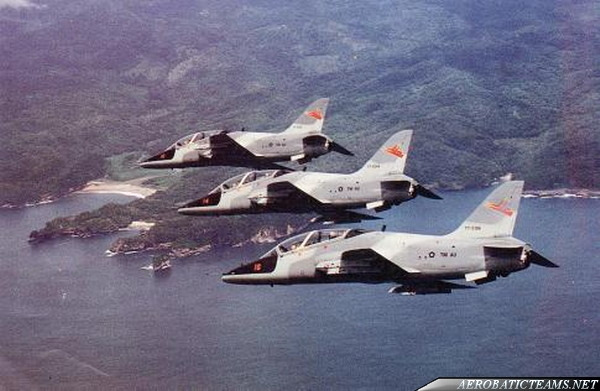
Indonesian variant of the Hawk 50 series. Originally was only used as a trainer, then turned into a strike-trainer. Additionally it was also used by the Jupiter aerobatic team
⬠ Lim-6bis
Suggestion Page: PZL-Mielec Lim-6bis - Indonesia’s Obscure Polish MiG-17 Variant
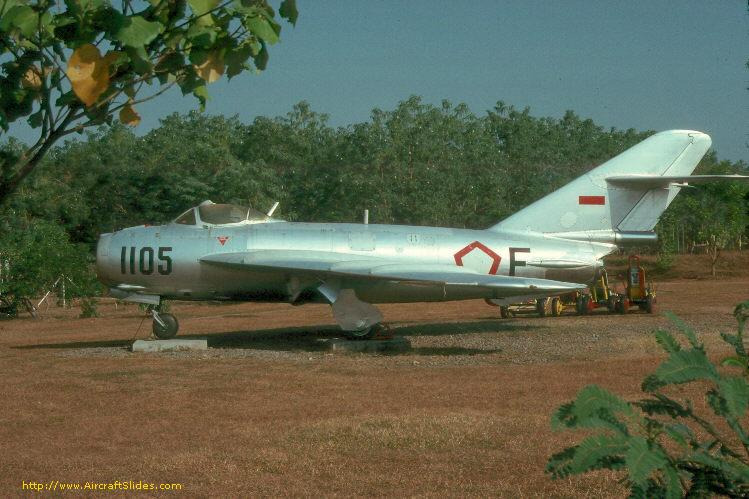
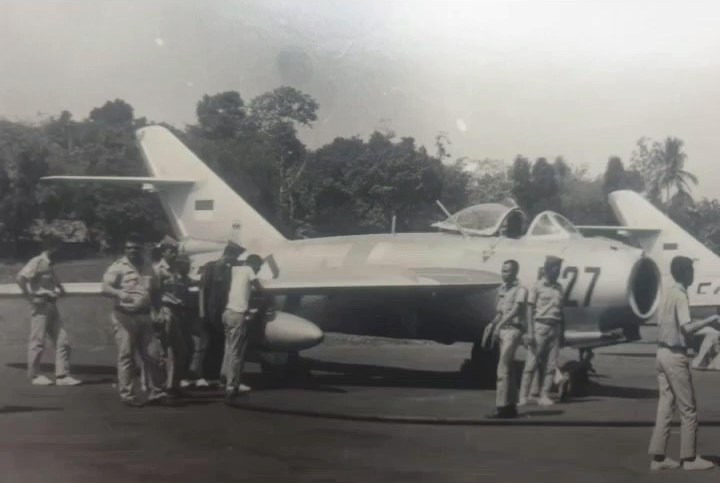
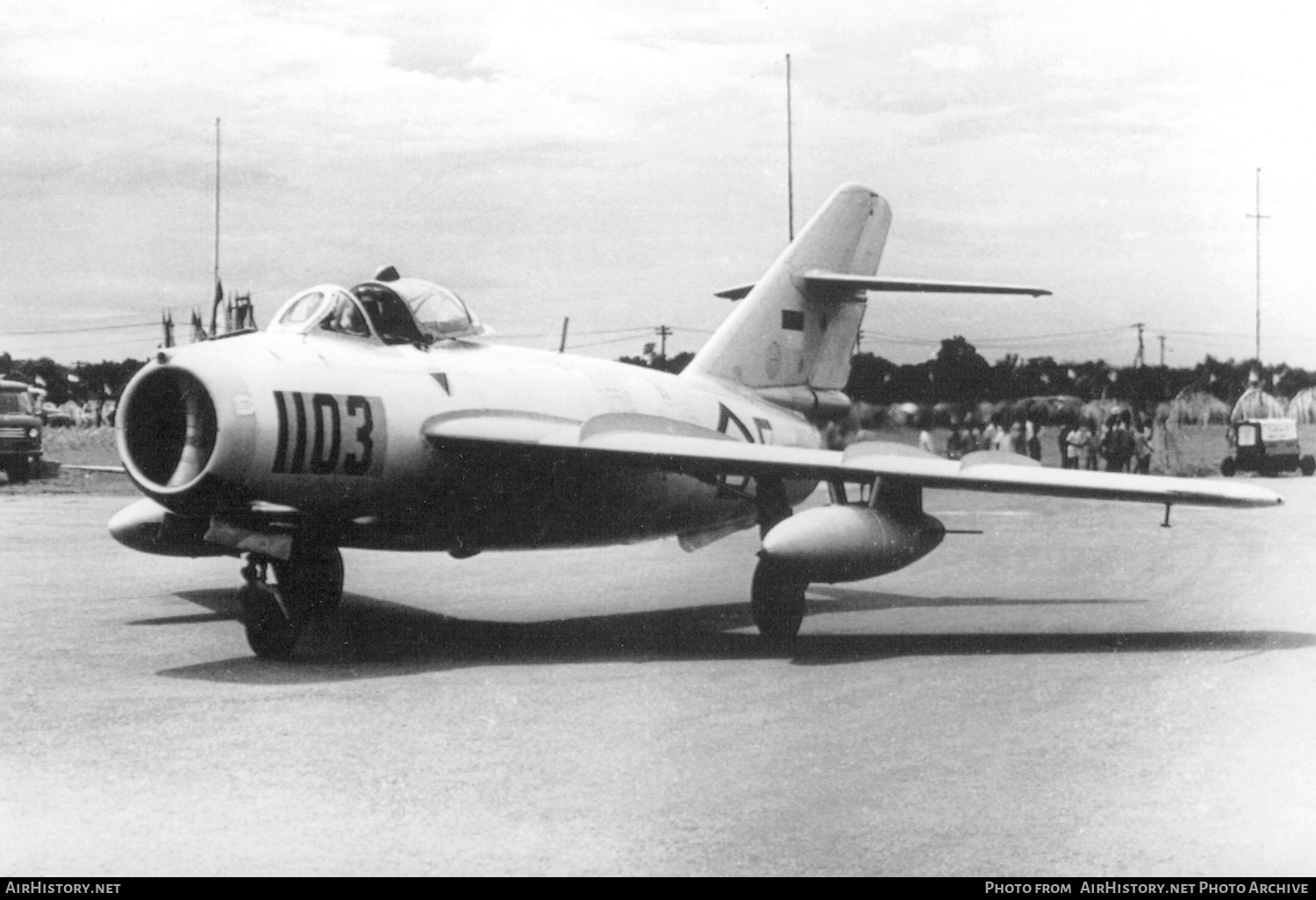
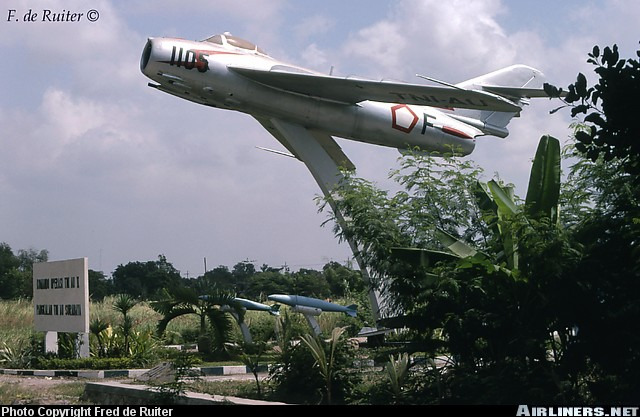
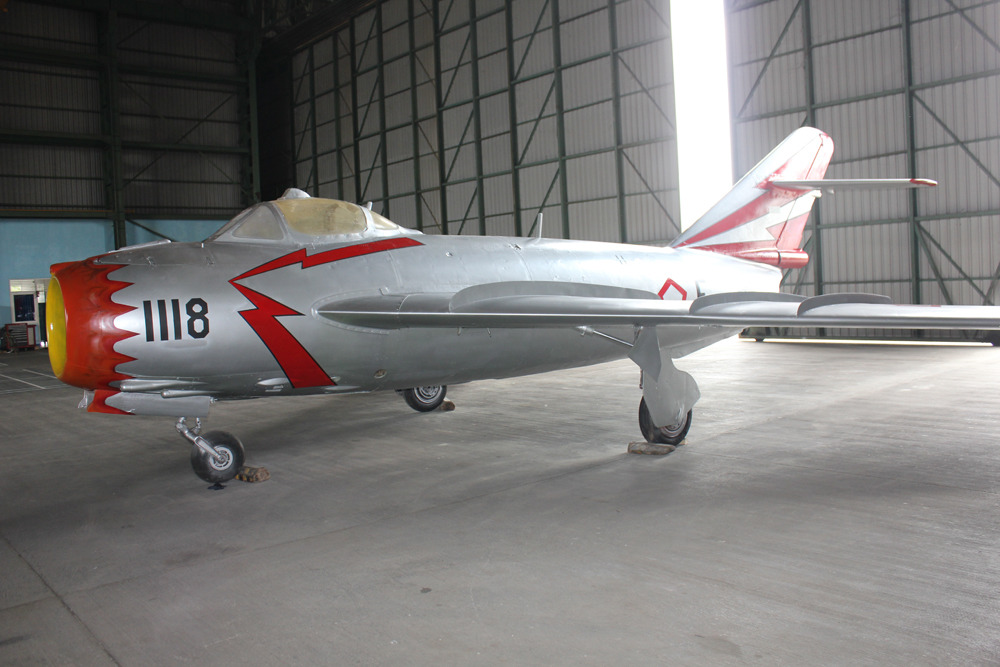
Upgraded Polish ground attack variant of the Lim-5. has 4x suspended pylons for ground attacks. The Lim-6bis variant can be identified by their distinct brake parachute situated at the base of the vertical stabilizer & rudder (right above the engine exhaust)
⬠ TA-4J
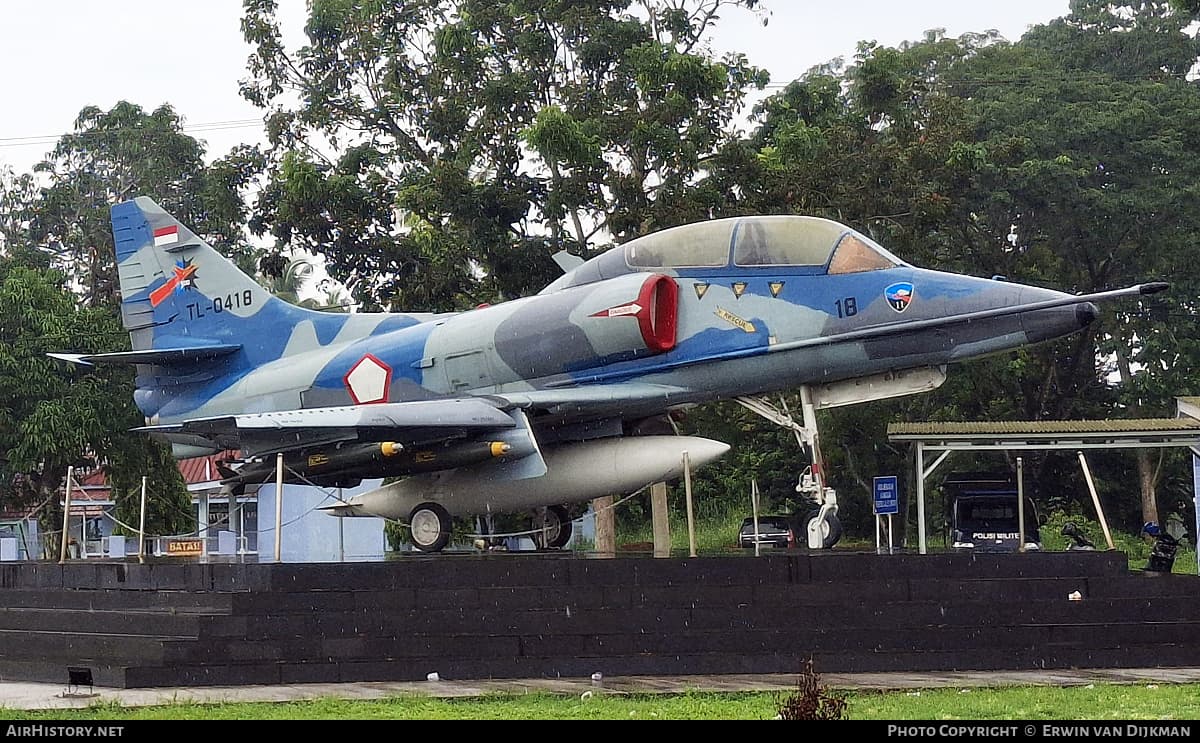
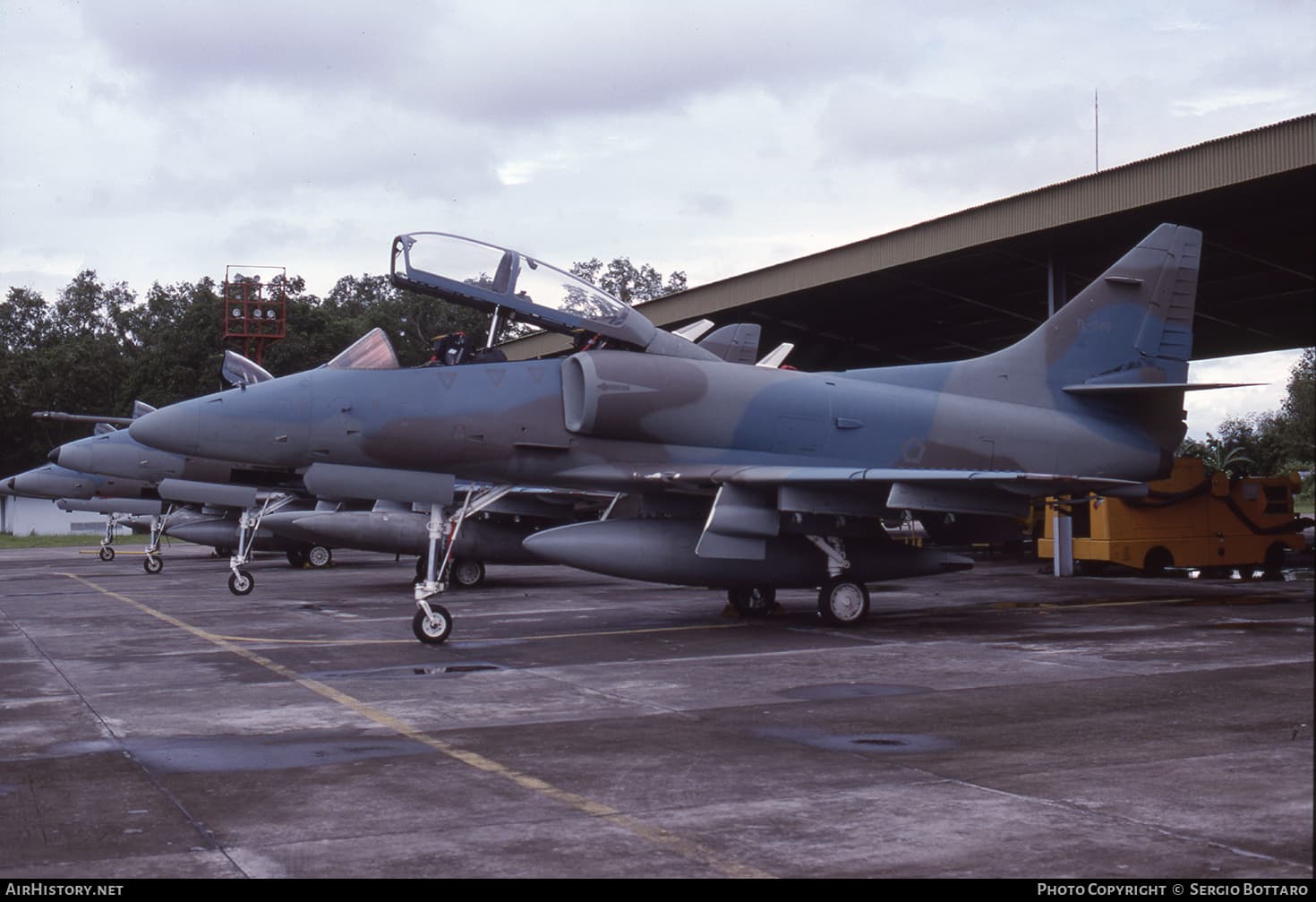
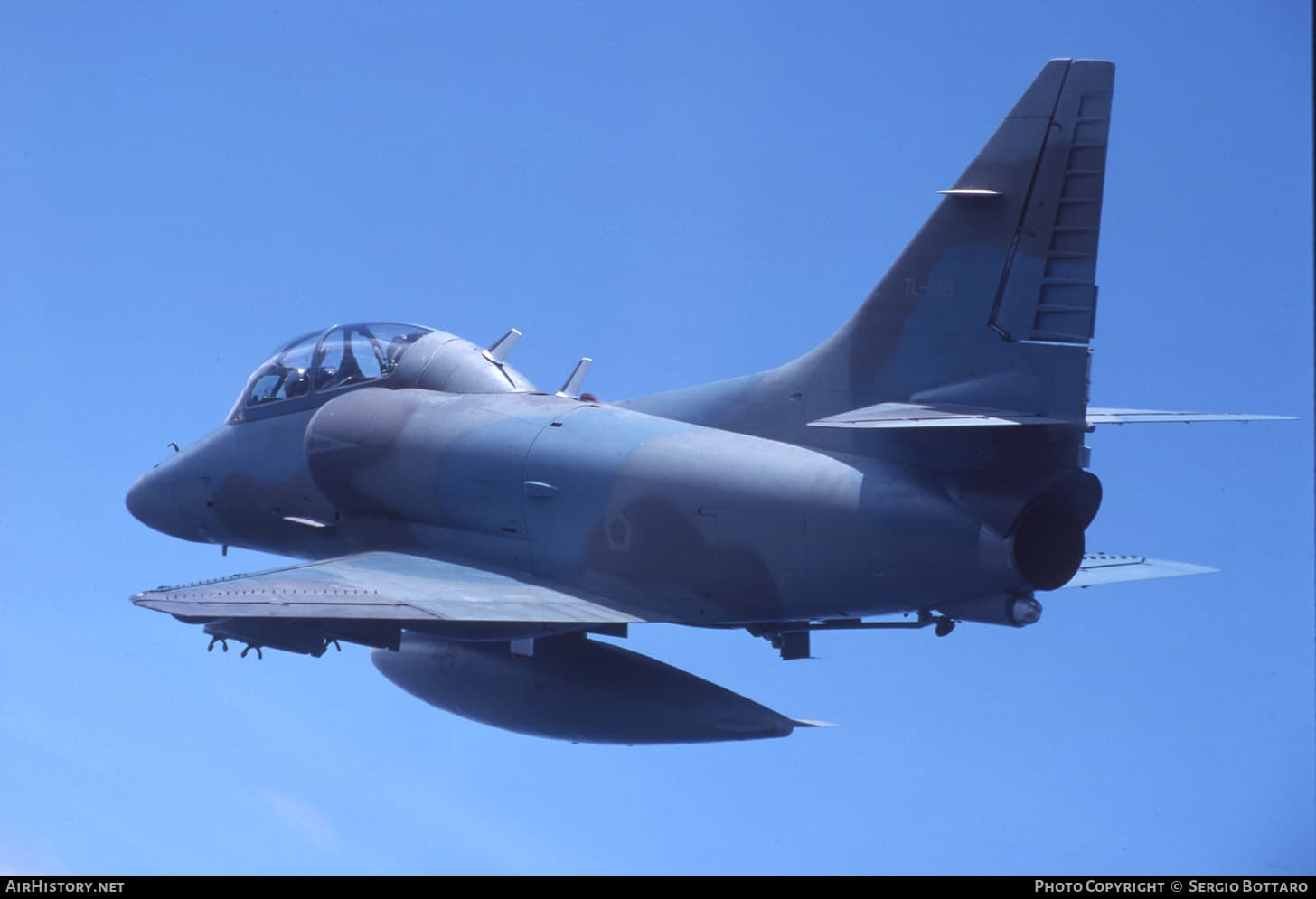
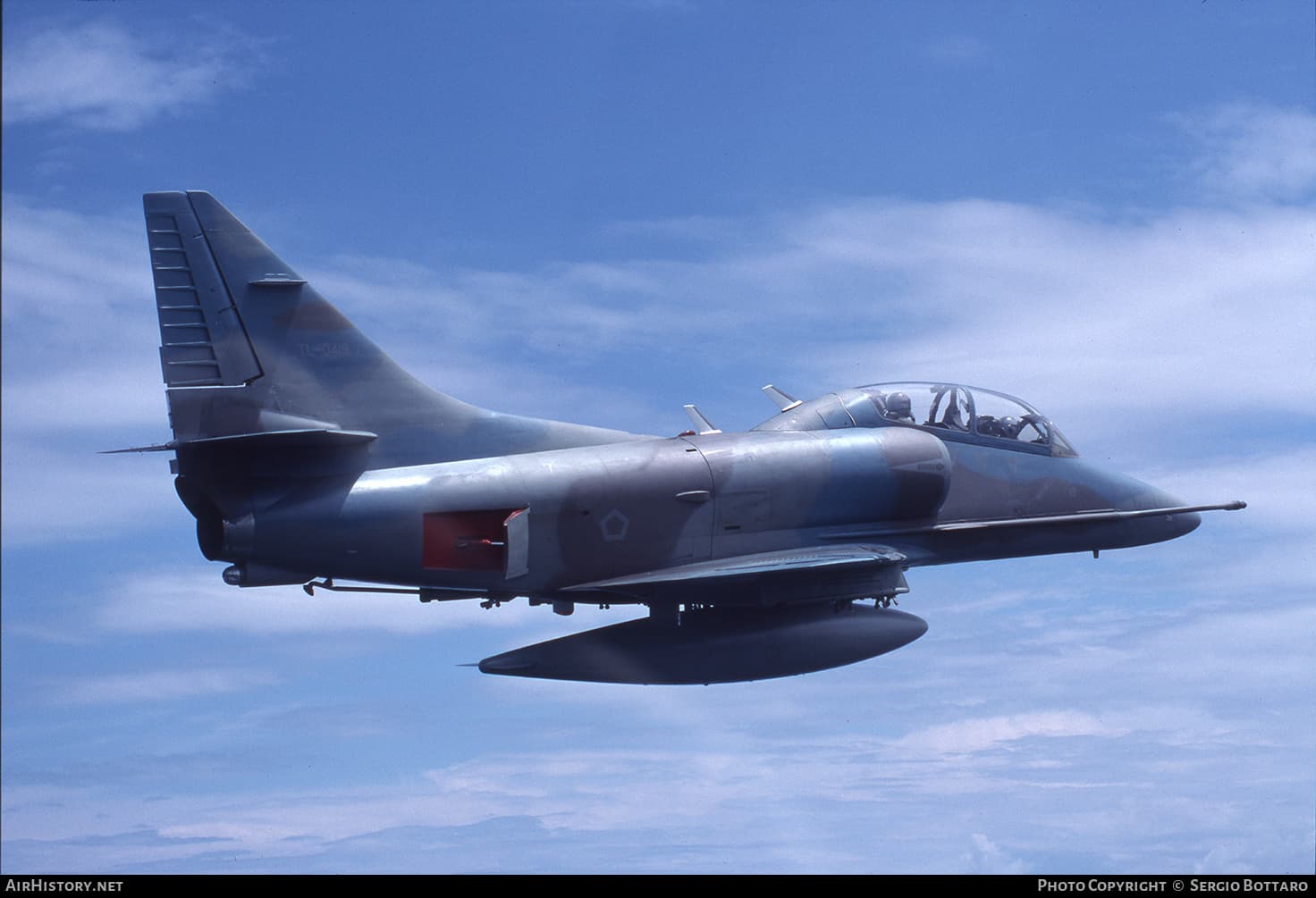
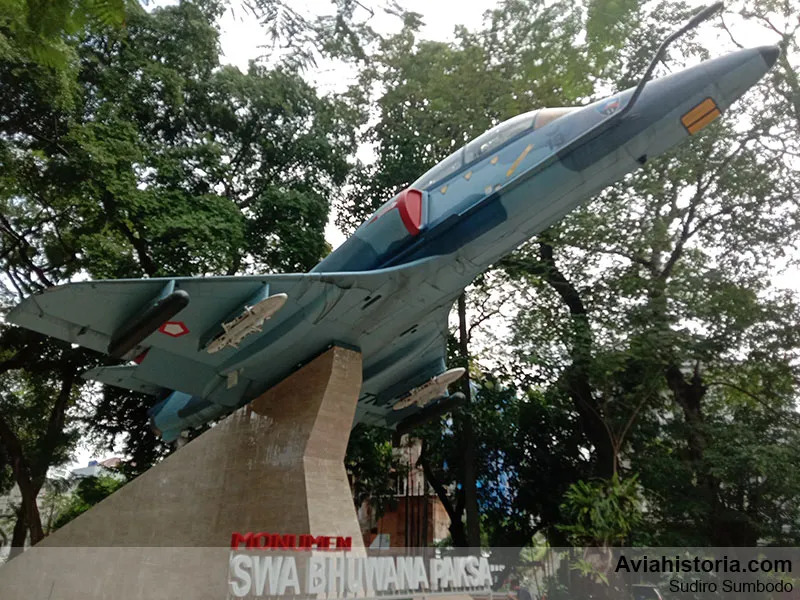
Trainer version of the A-4F. One of two to be brought originally from the United States rather than from Israel. Notably lacking the extended tailpipe, as well as having no internal gun. It’s engine is also downgraded with it using the J-52-P-6 engine rather than the P-8.
⬠ TA-4H
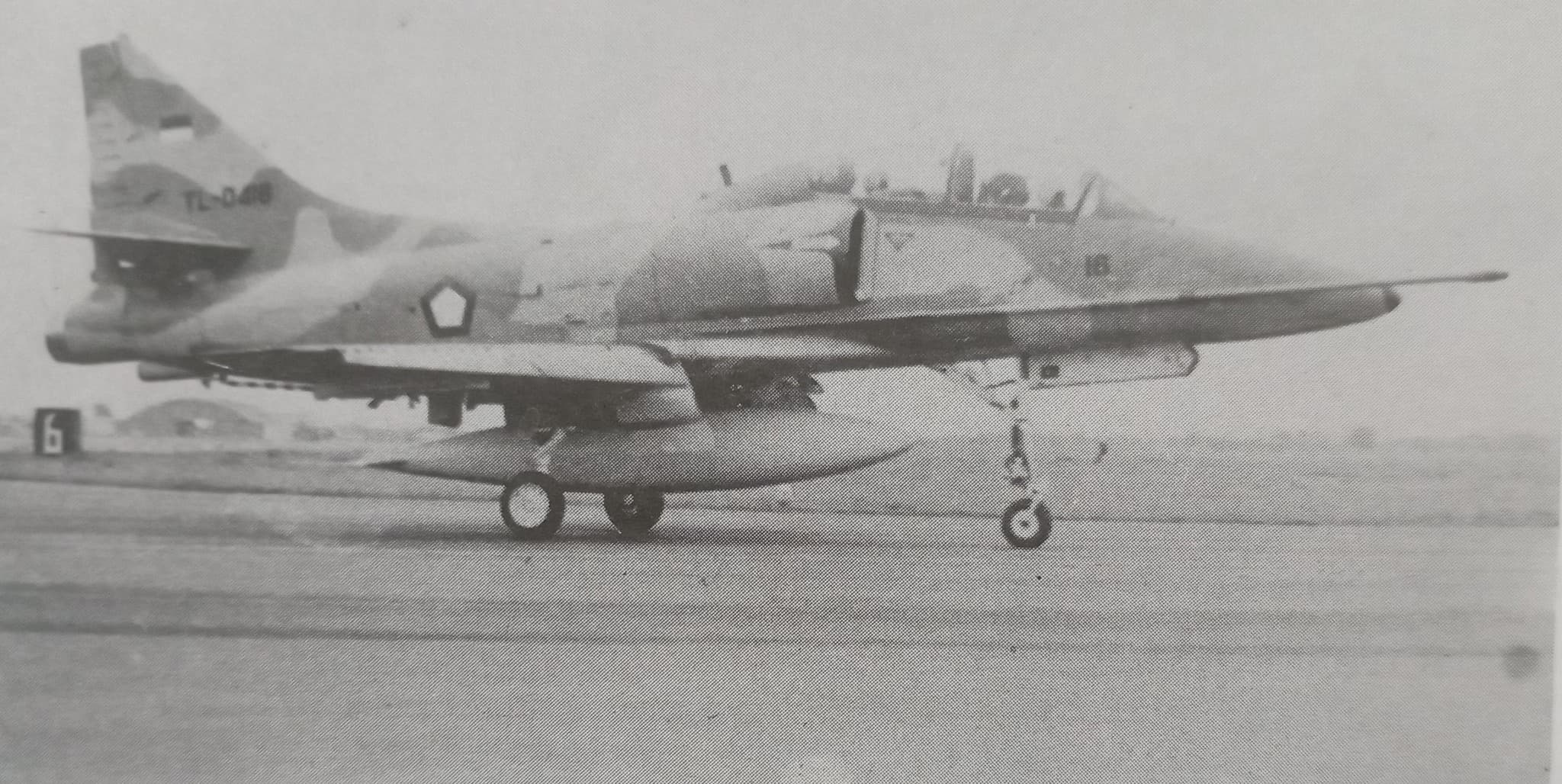
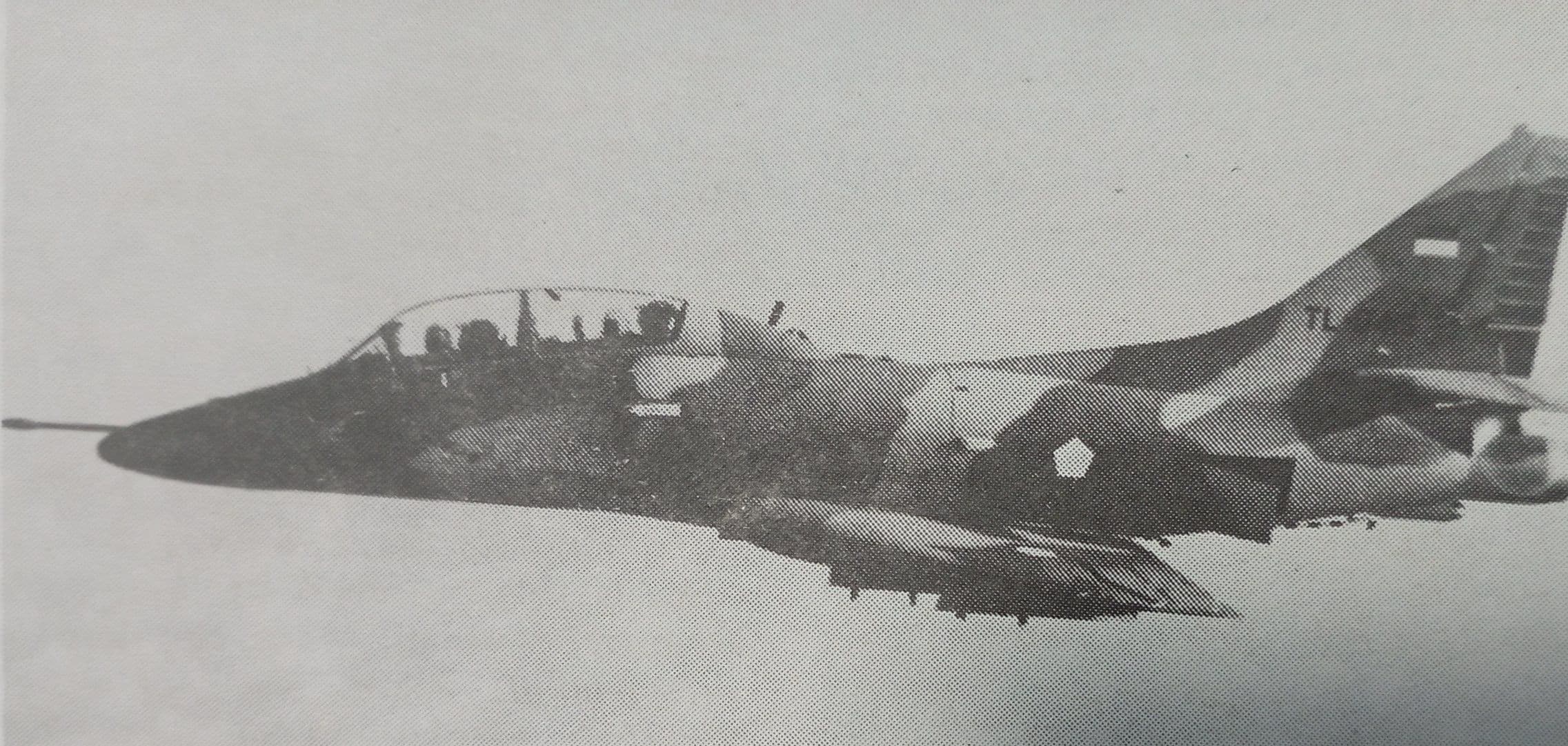
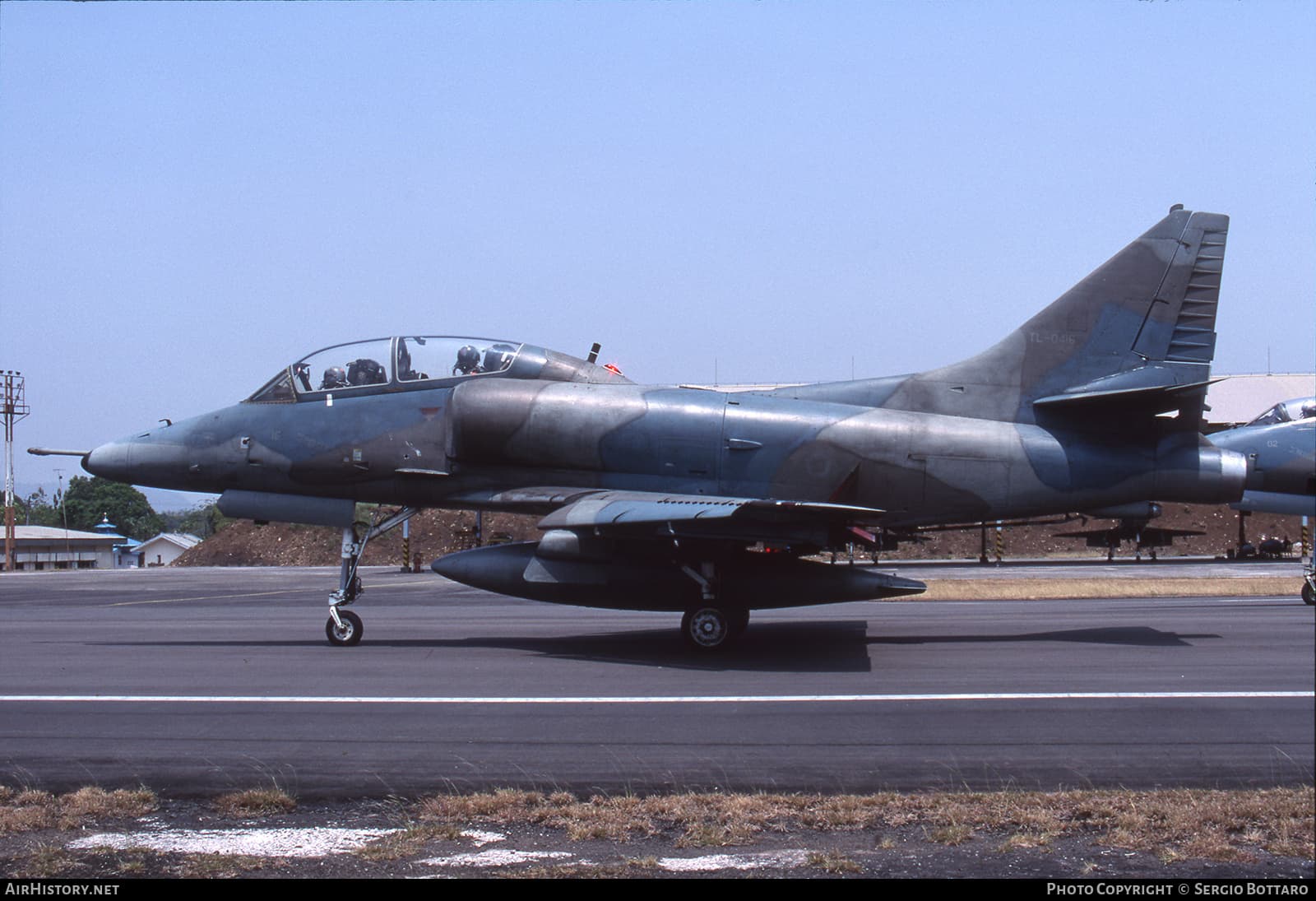
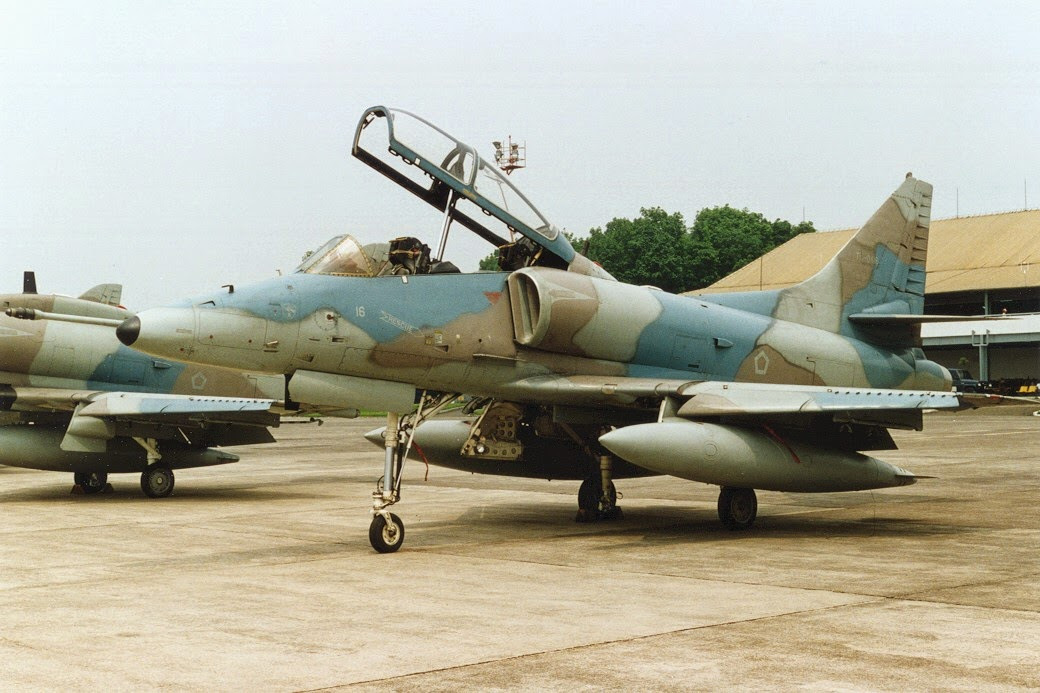
Trainer version of the A-4E with Israeli modification. No internal guns, only suspended armament. Difference between the TA-4H & TA-4J can be seen with the extended tailpipe.
⬠ A-4E
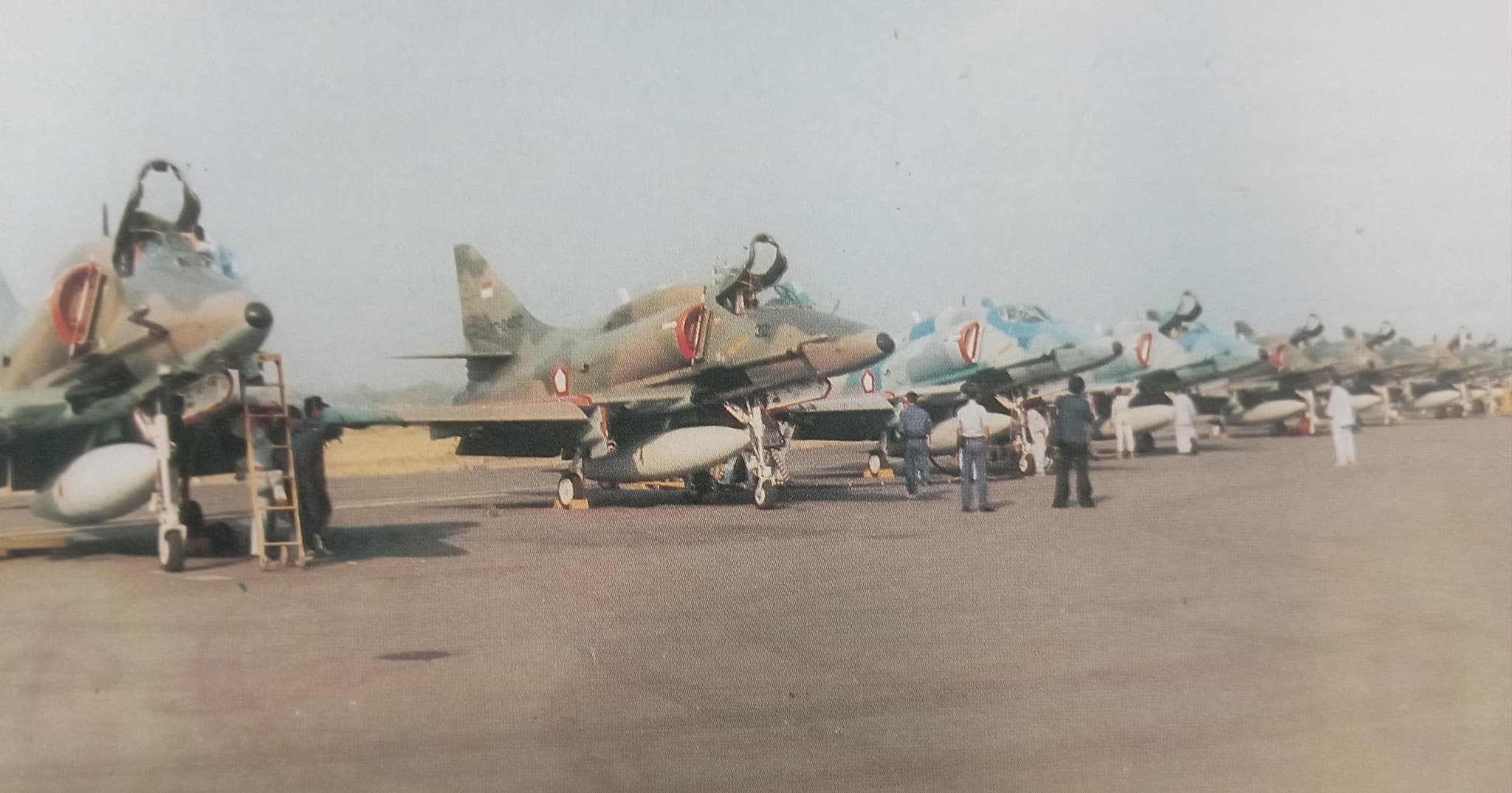
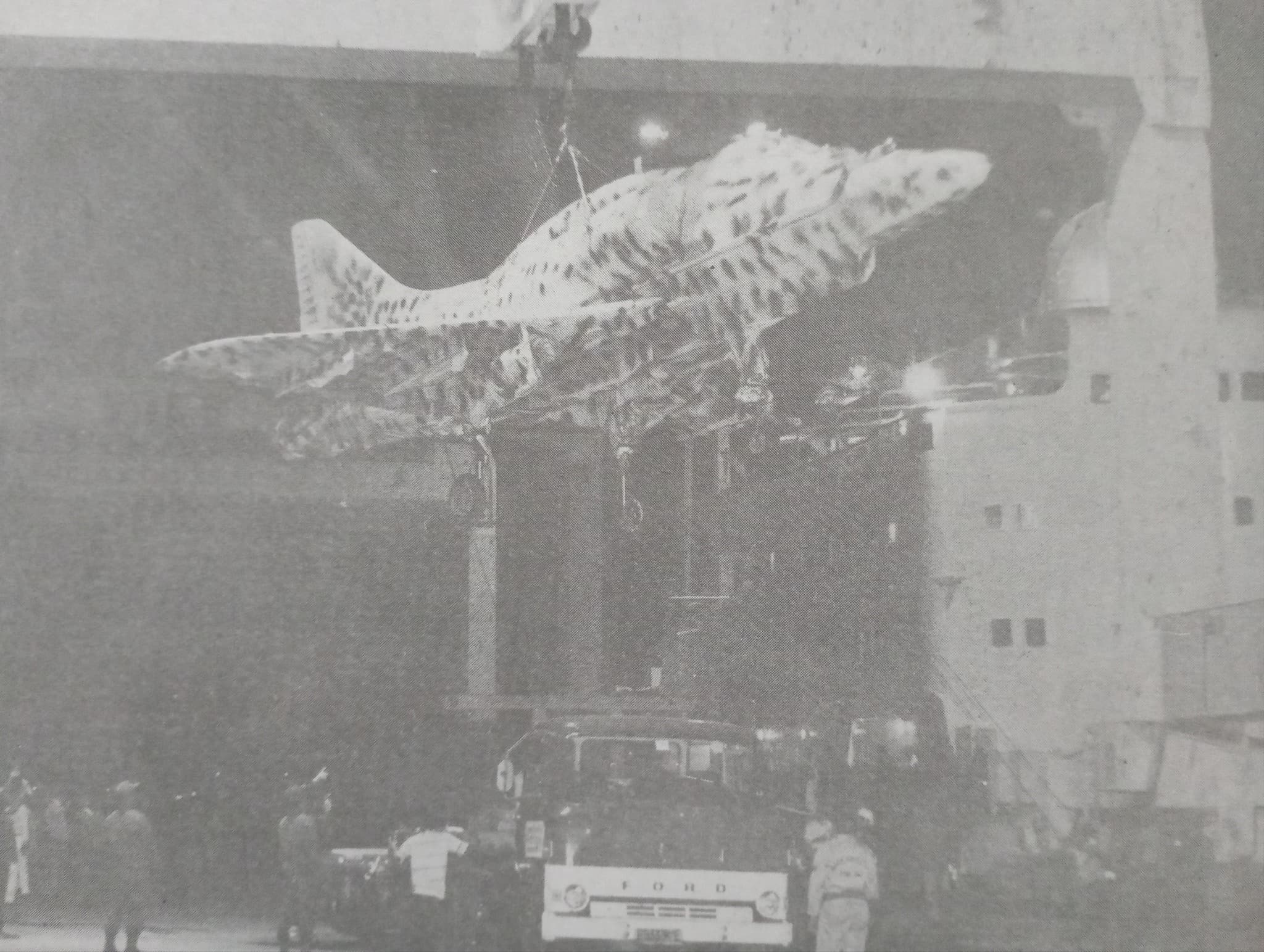
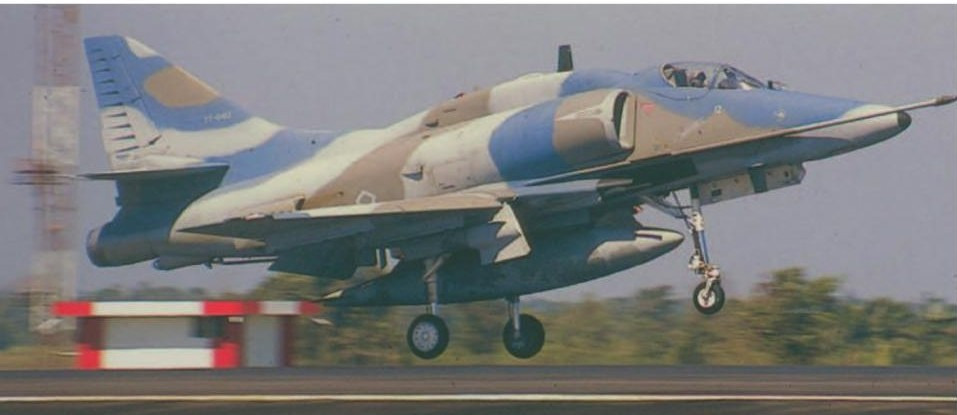
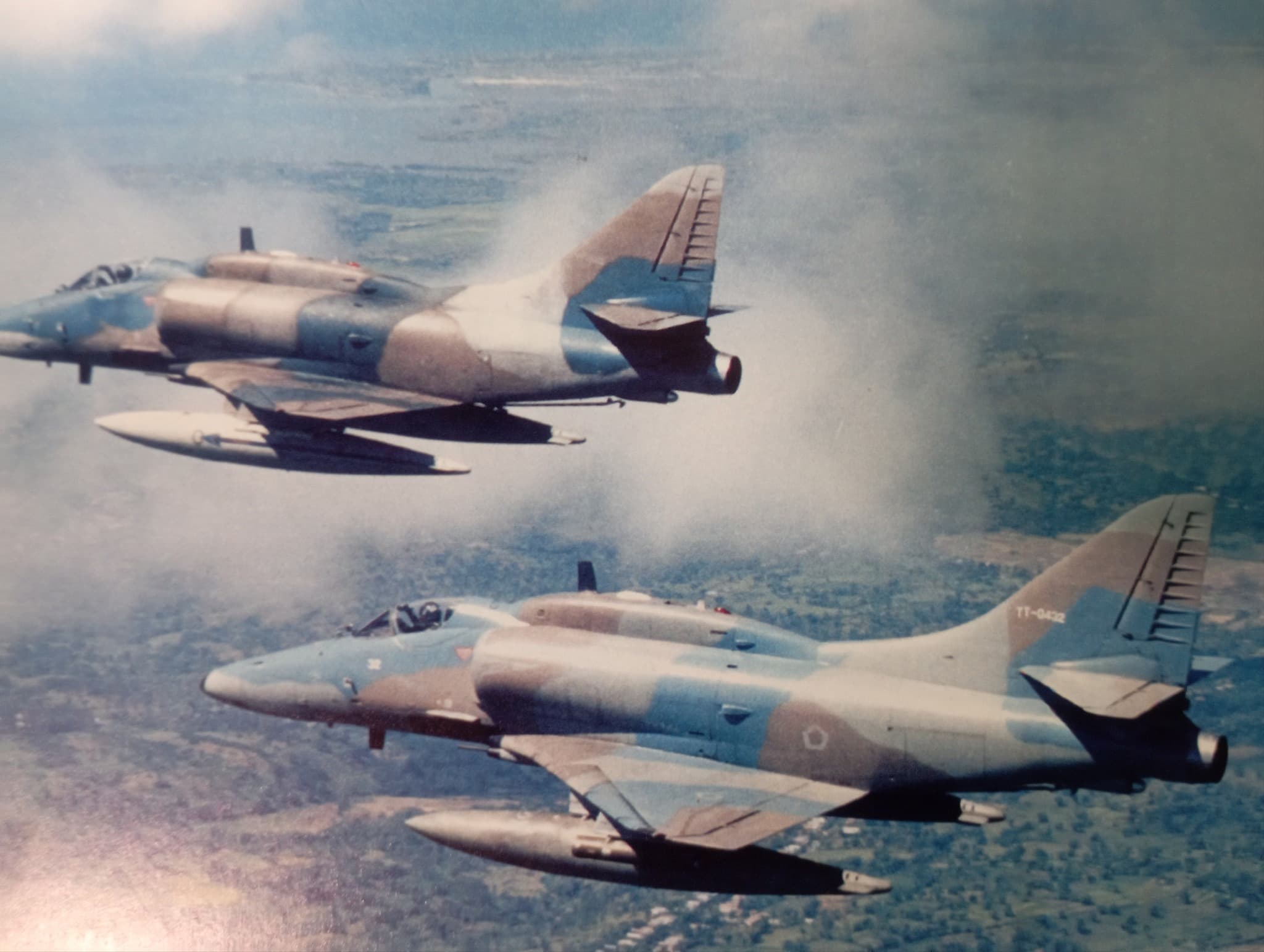
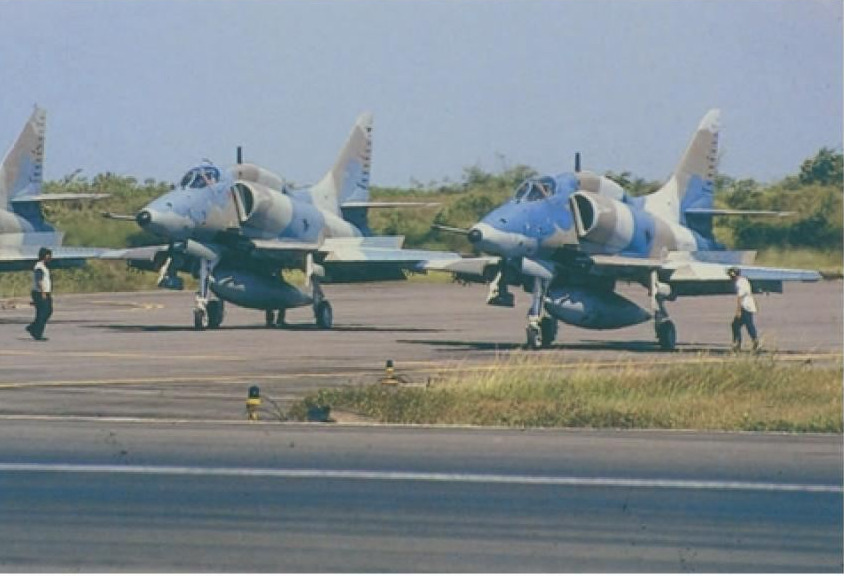
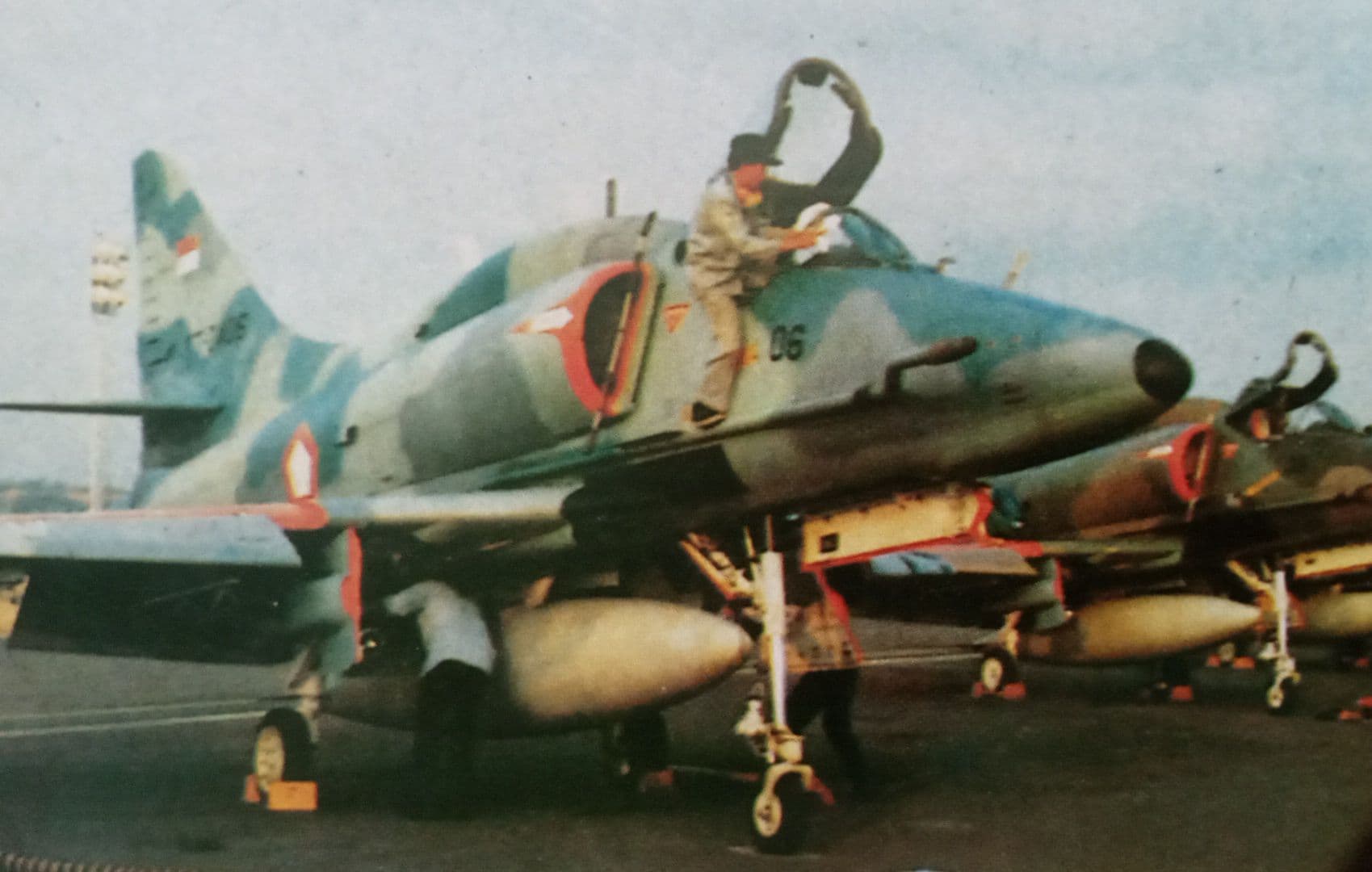
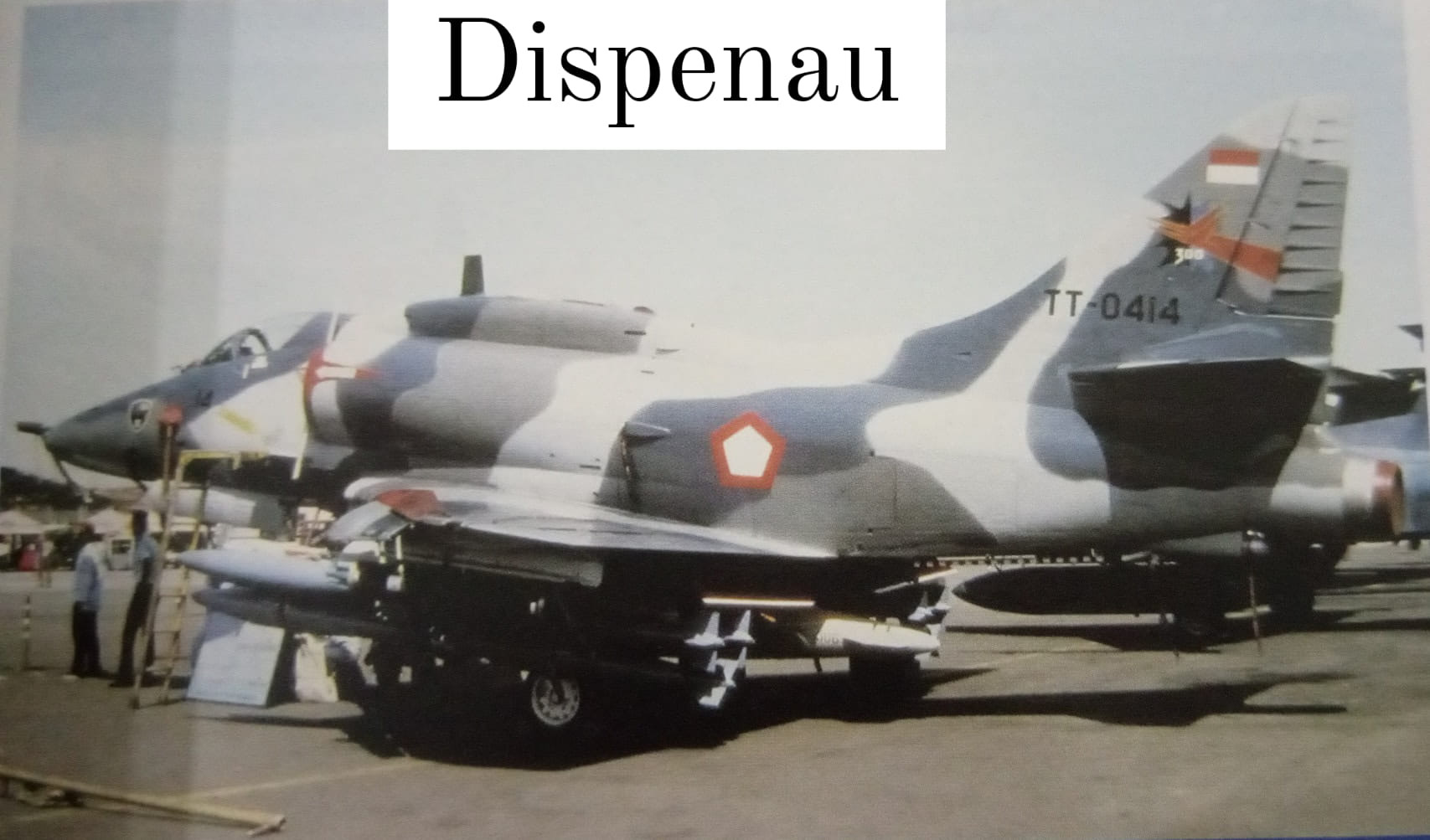
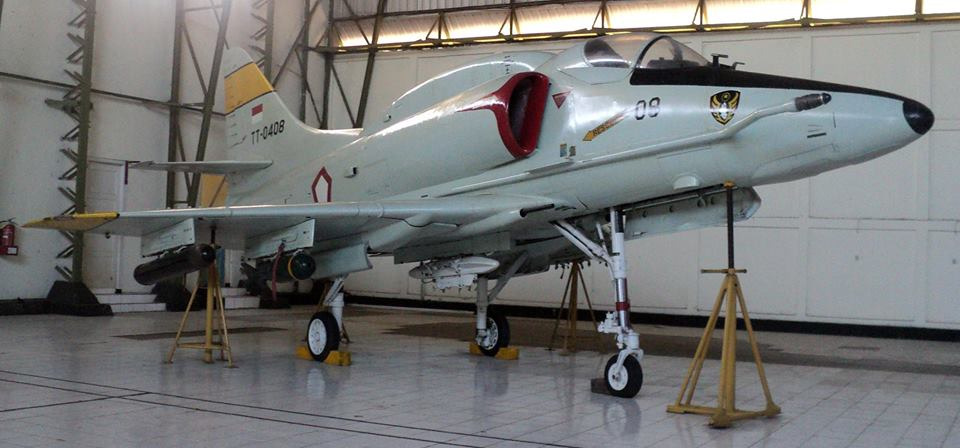
Second-hand Skyhawk with Israeli modifications. Modifications include an extended engine pipe as well as a hump behind the cockpit for avionics, as well as being armed with the 30mm DEFAS instead of the 20mm
RANK VII
–=FIGHTER AIRCRAFT=–
⬠ F-5E
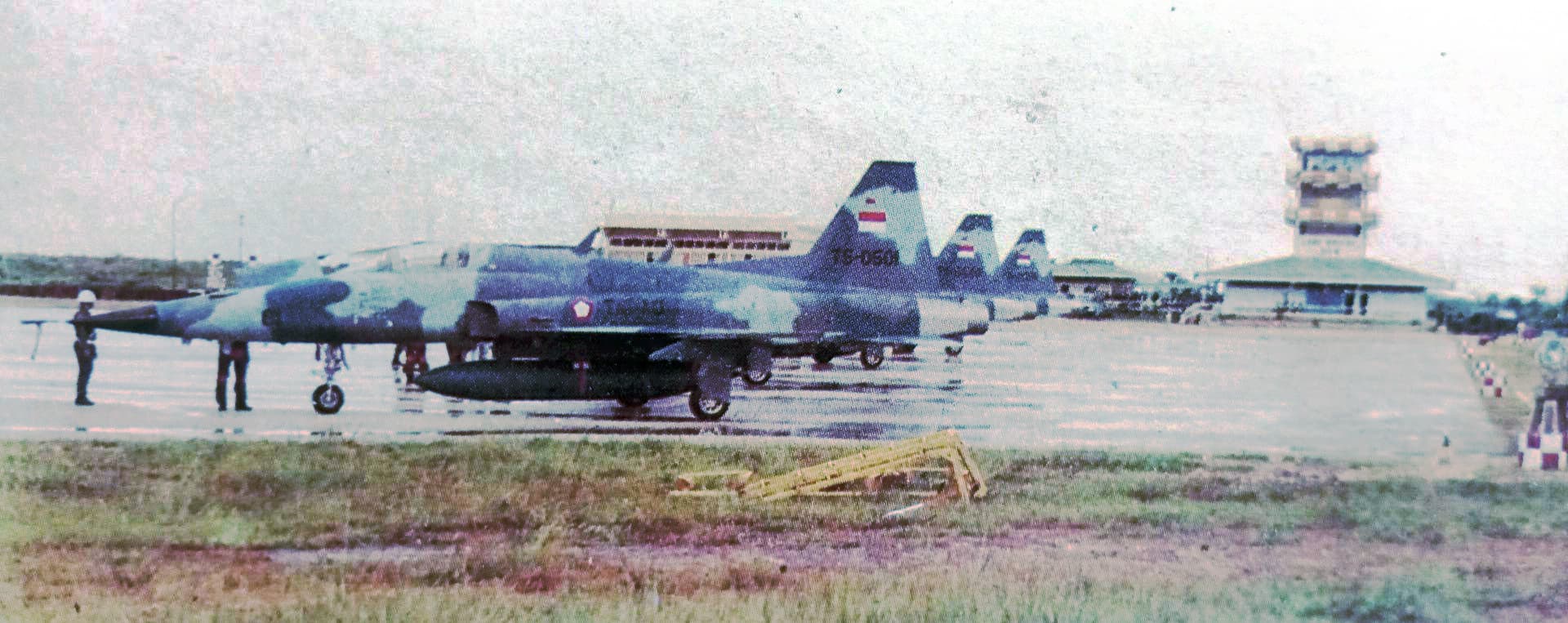
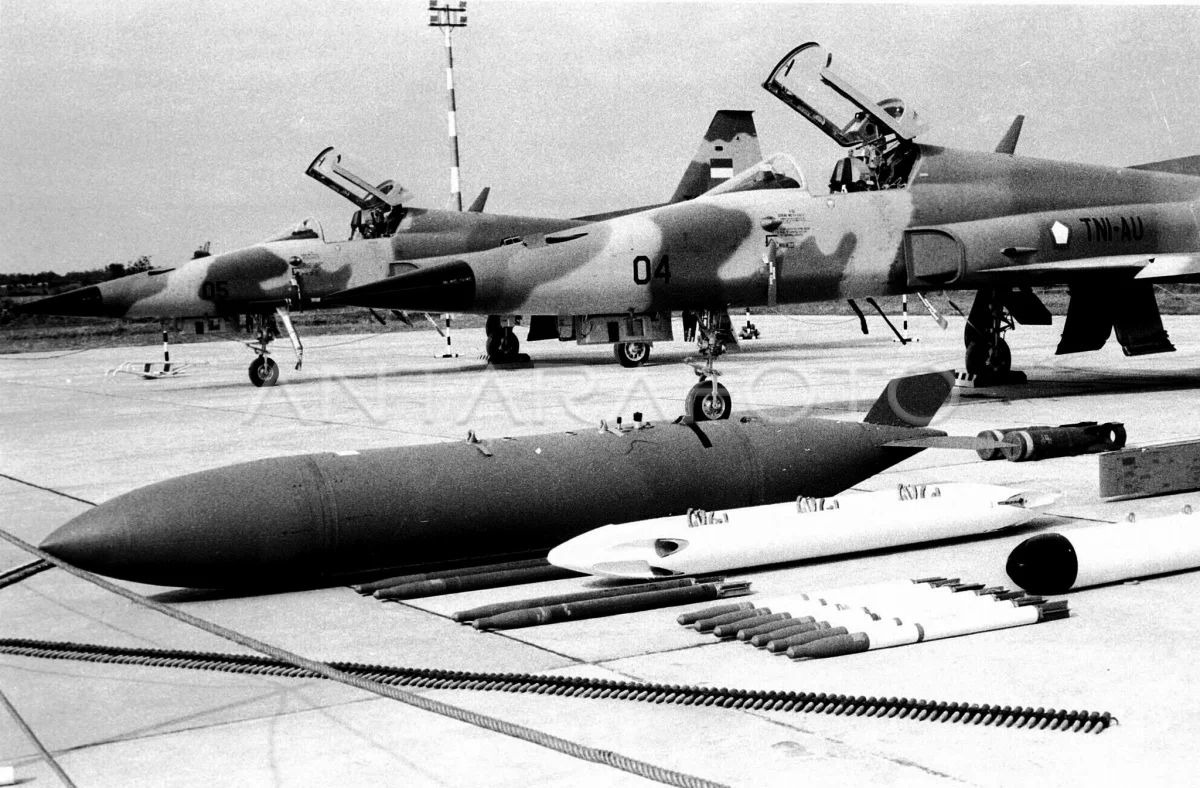
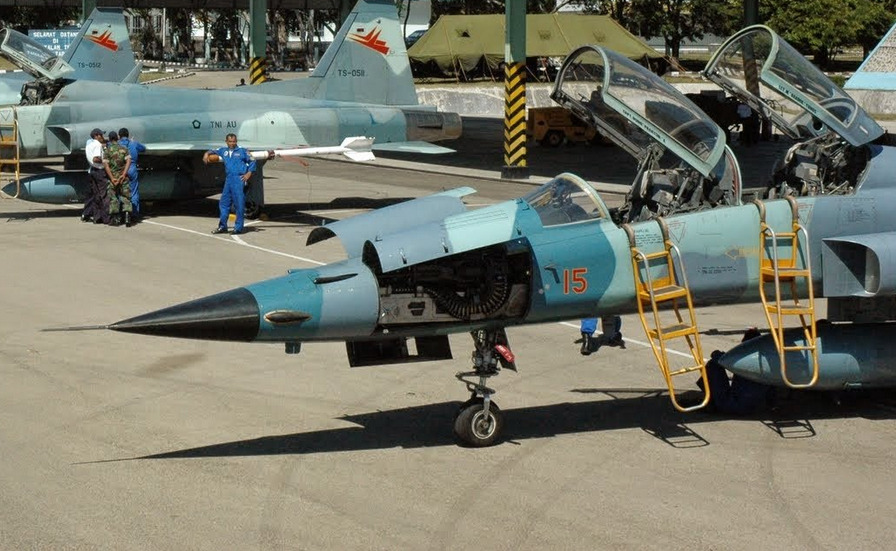
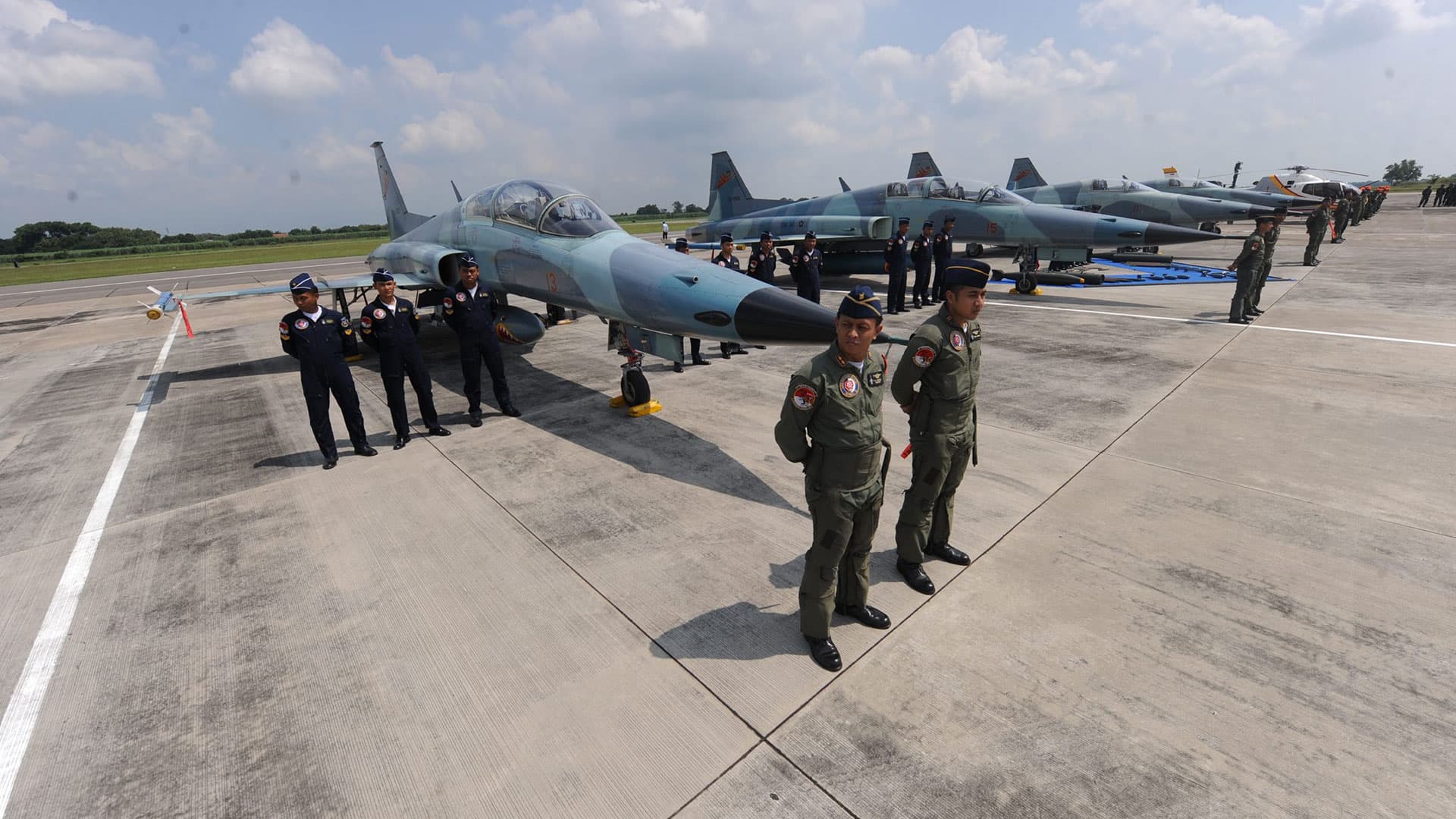
Standard F-5E. Indonesia’s version has the extended leading edge extension (can be seen from the base of the vertical stab to the main fuselage. Equipped with the AIM-9P sidewinder.
⬠ F-5F
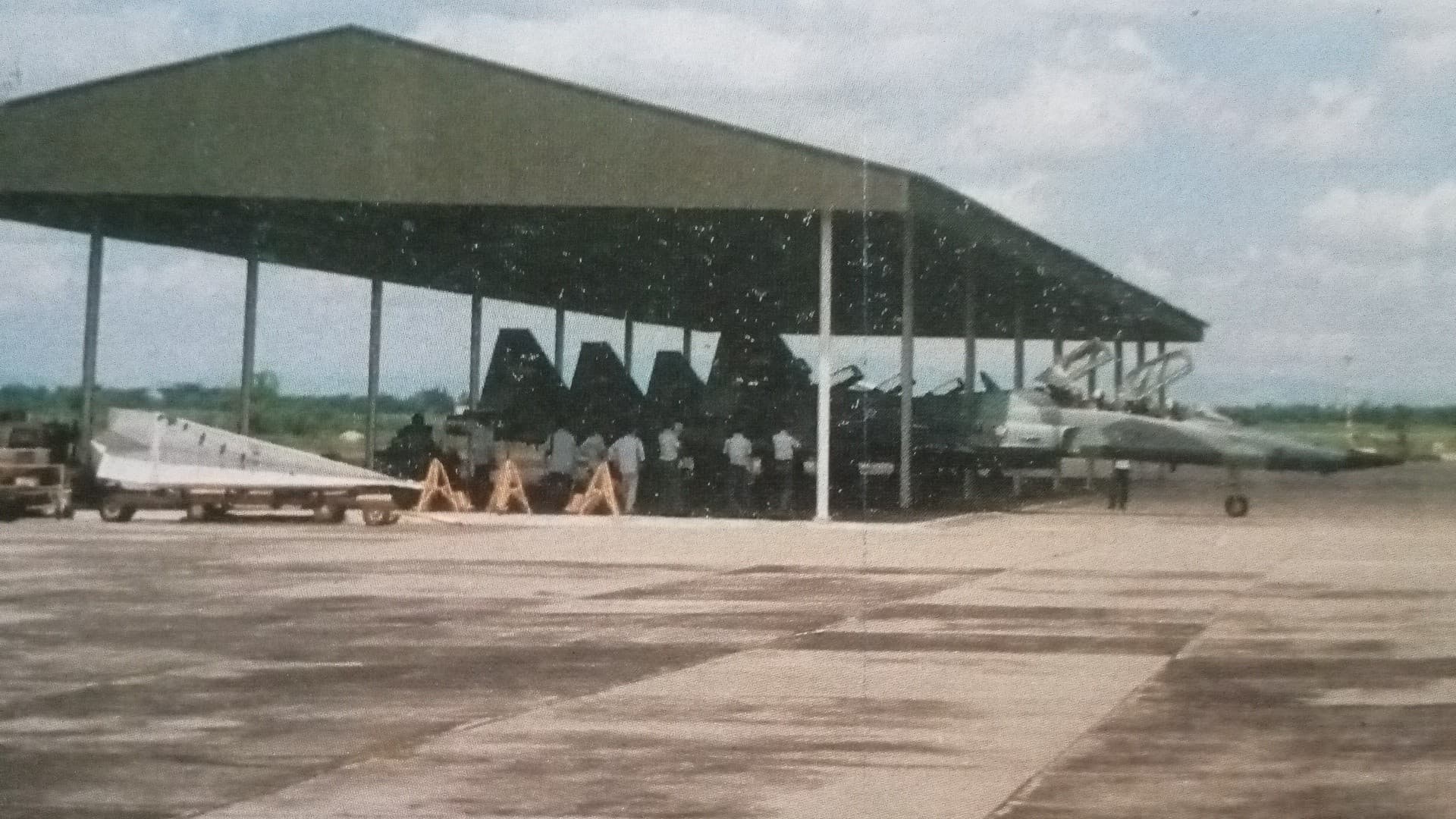
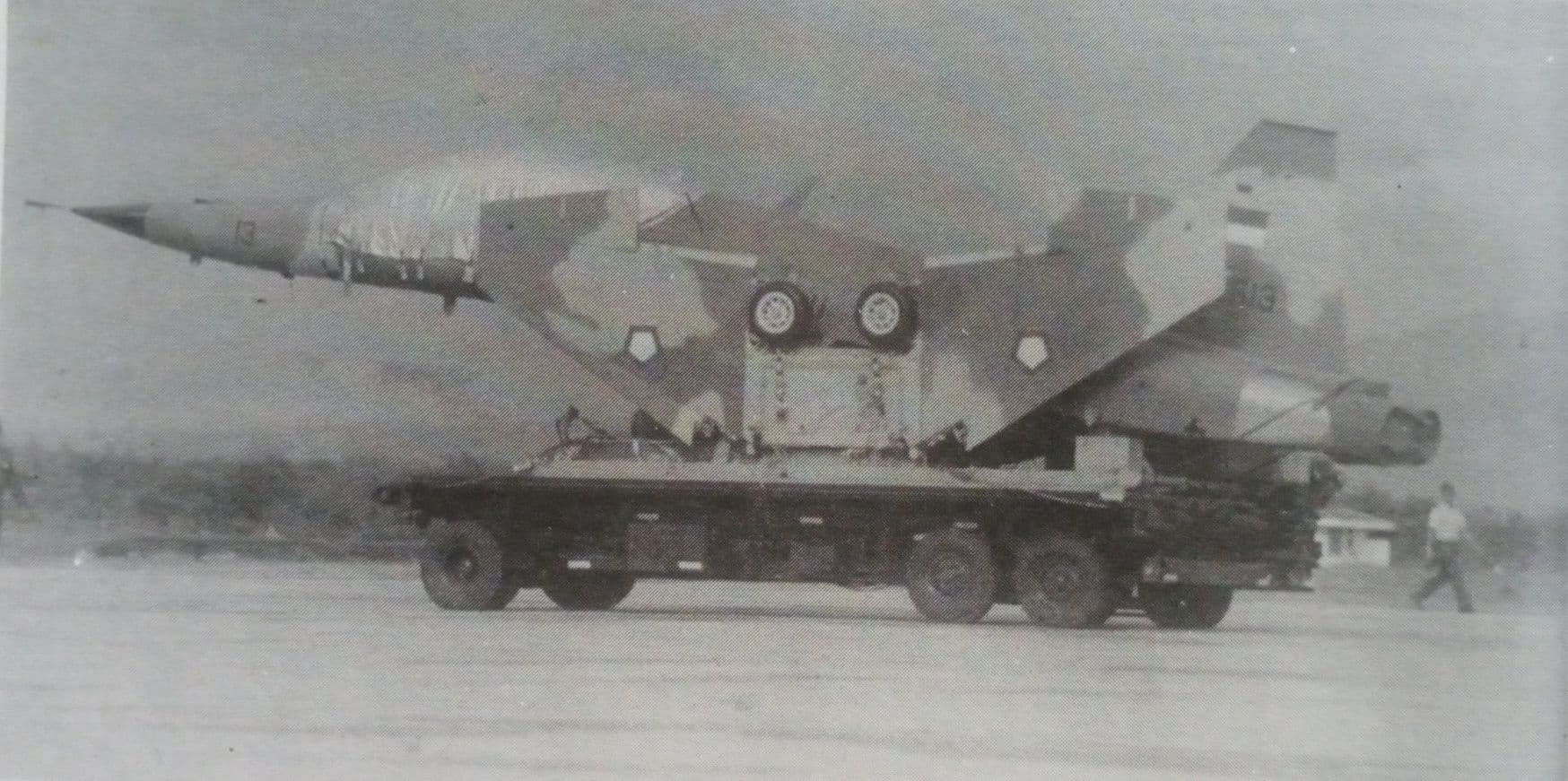
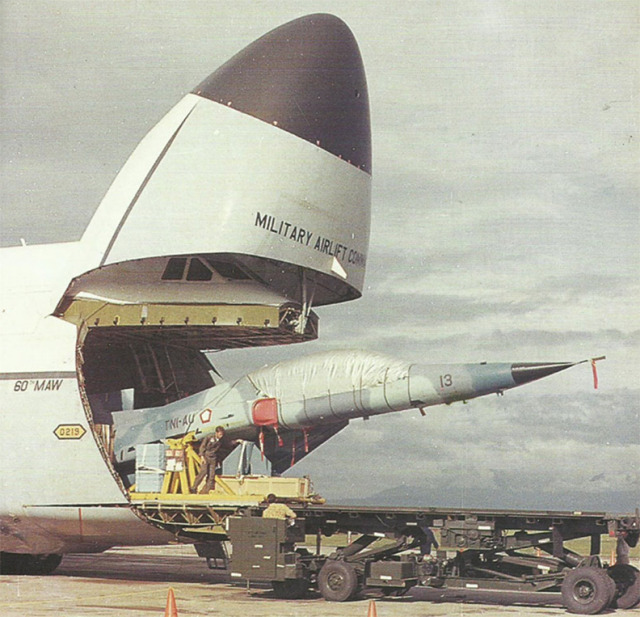
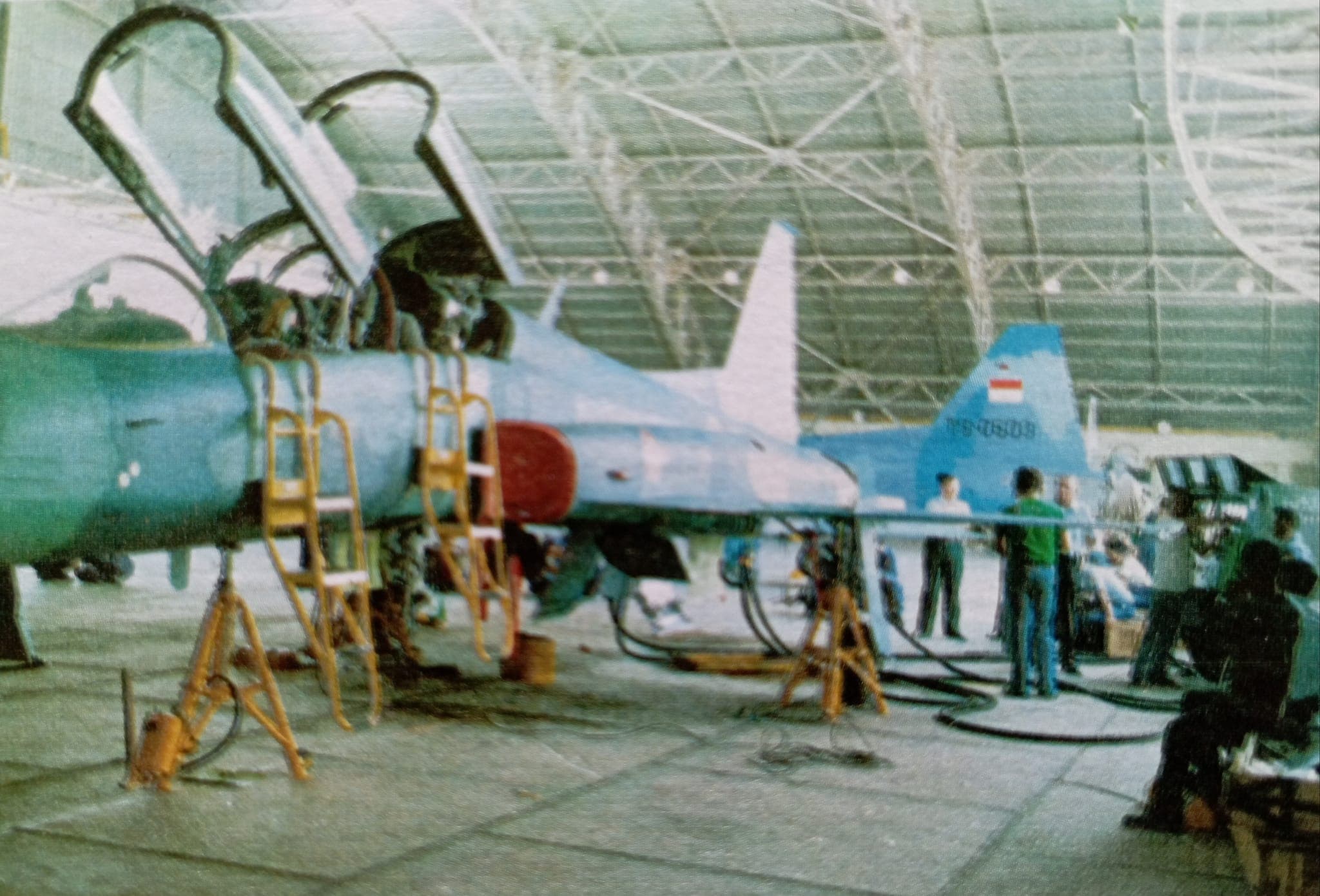
Dual-seat trainer version of the F-5E. Virtually identical to the F-5E just with added weight.
F-5E MACAN
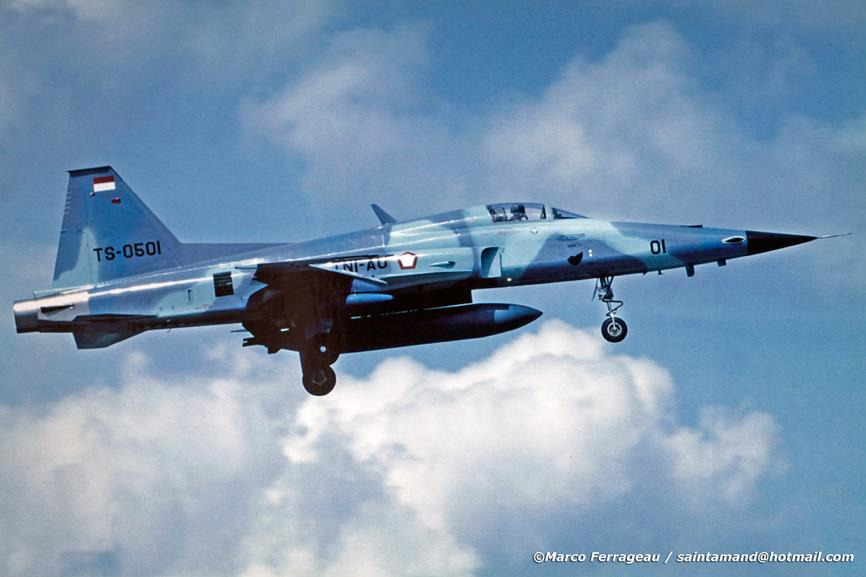
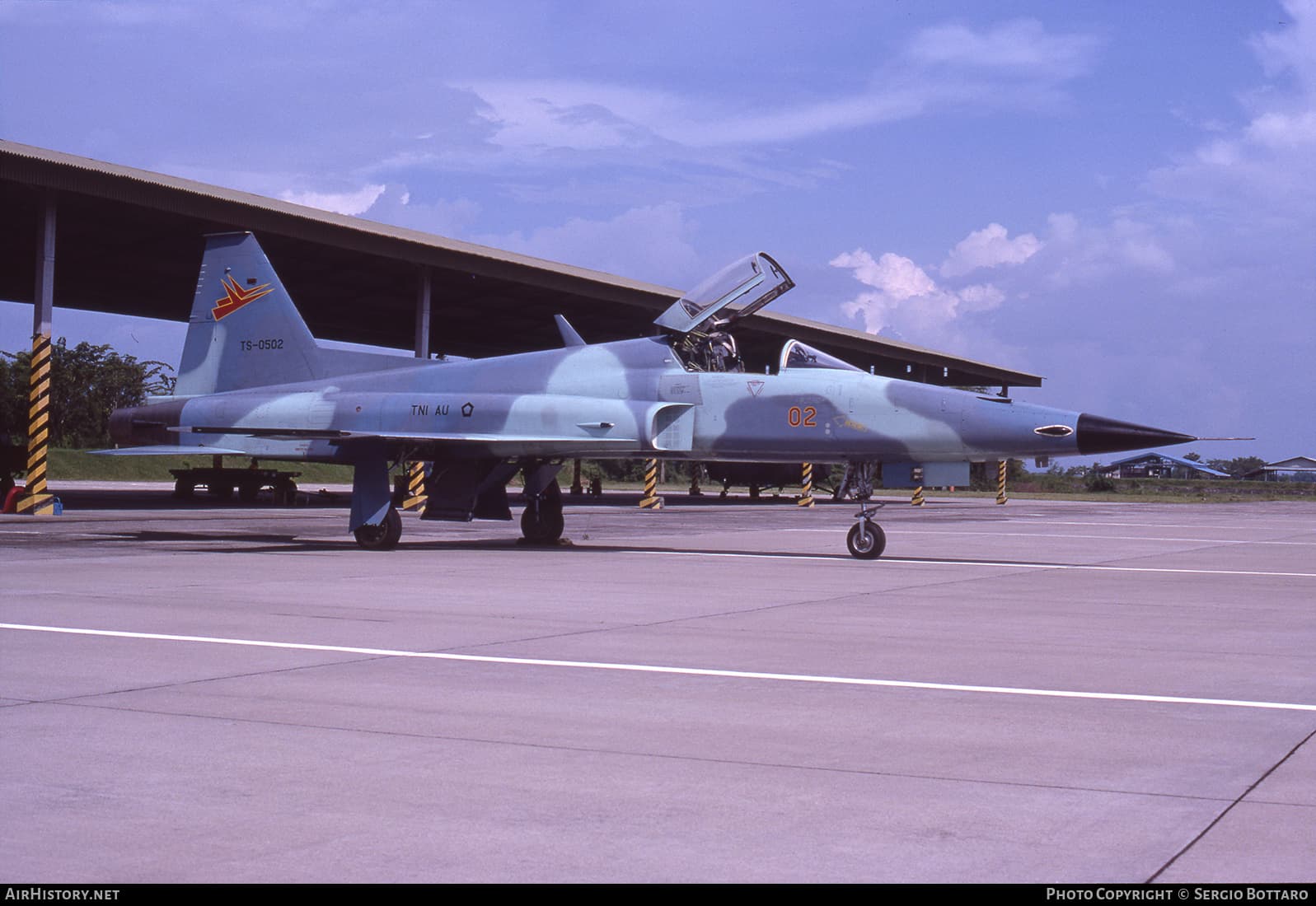
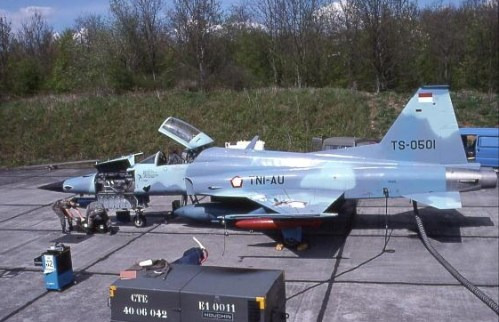
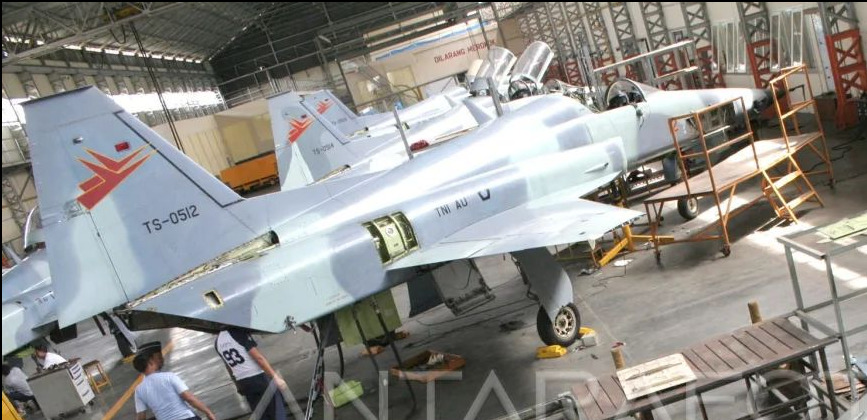
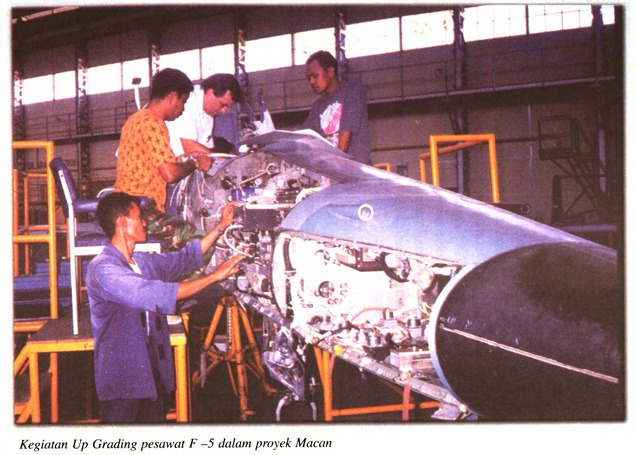
Collaboration upgrade program with Belgium’s SABCA. a couple of units was modified at SABCA’s factory in Belgium, whereas the rest are modified by the Indonesians with SABCA’s guidance. Upgrade includes the RWR, INS, Pilot Display Unit & Airborne Video Camera Recorder. Conflicting reports on the radar, one older source mentions it to be ESCO’s AN-APG 59 (V) 5, whereas a more recent one suggests its the AN-APG 159 V3. The RWR is also conflicting, one source mentions it to be the SkyGuardian 200 by GEC-Marconi whereas the new source mentions it as the ALR-91(V)3. Equipped with the AIM-9P-2 sidewinder.
- https://web.archive.org/web/20241014022547/https://www.flightglobal.com/sabca-chosen-to-carry-out-indonesian-f-5-upgrade/13057.article
- https://interaktif.kompas.id/baca/hari-bakti-tni/
- F-5E FIRST TEST FLIGHT | Indonesian Air Force’s Instagram
- https://www.indomiliter.com/f-5e-f-tiger-ii-tni-au-punya-avionik-setara-f-16-c-d-fighting-falcon-tapi/
F-5F MACAN
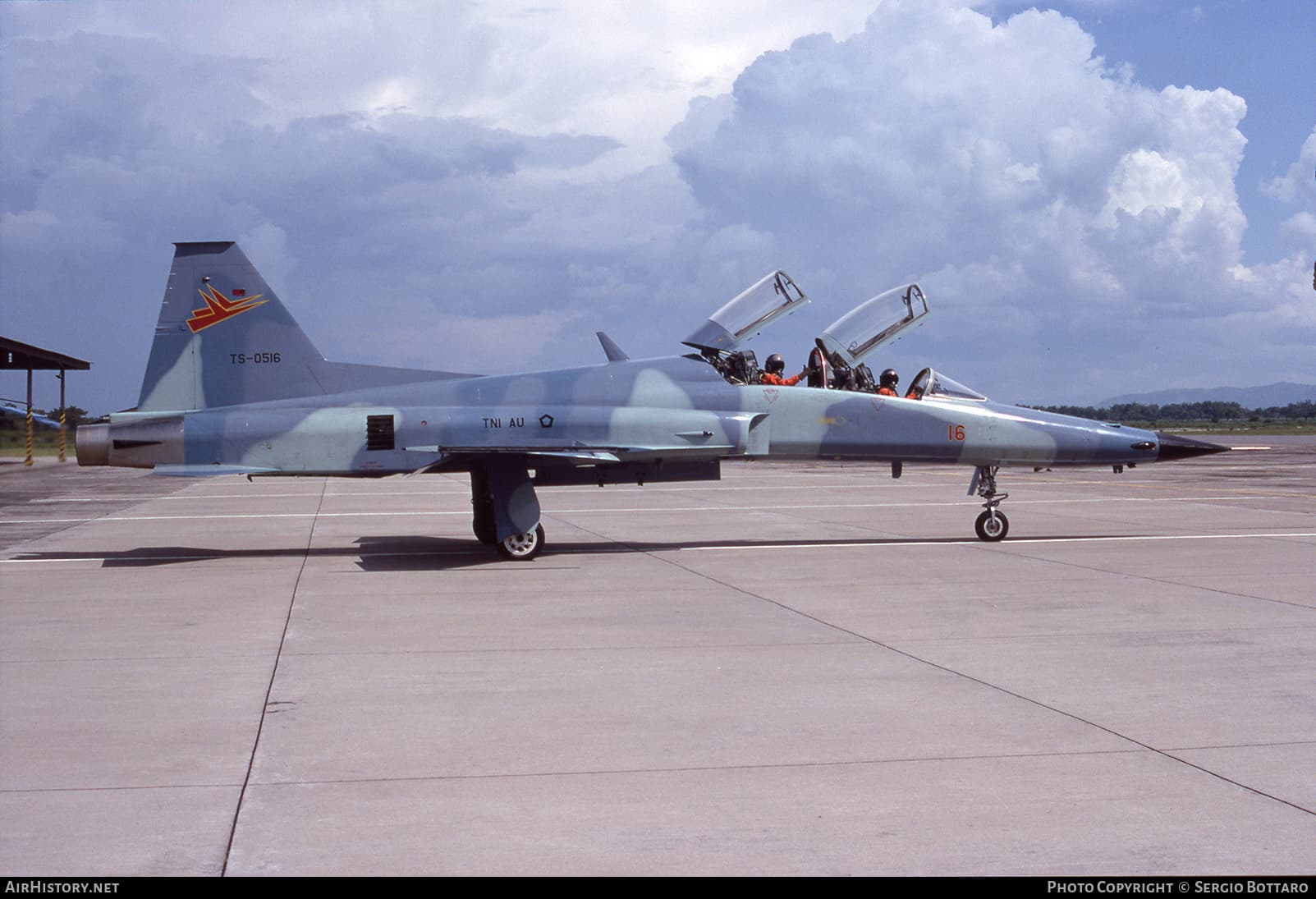
Collaboration upgrade program with Belgium’s SABCA. Same upgrade package as the F-5E but for the twin-seater variant.
- https://web.archive.org/web/20241014022547/https://www.flightglobal.com/sabca-chosen-to-carry-out-indonesian-f-5-upgrade/13057.article
- https://www.indomiliter.com/radar-anapq-159-teknologi-dibalik-kemampuan-penciuman-si-macan-f-5-ef-tiger-ii-tni-au/
- F-5E FIRST TEST FLIGHT | Indonesian Air Force’s Instagram
–=STRIKE AIRCRAFT=–
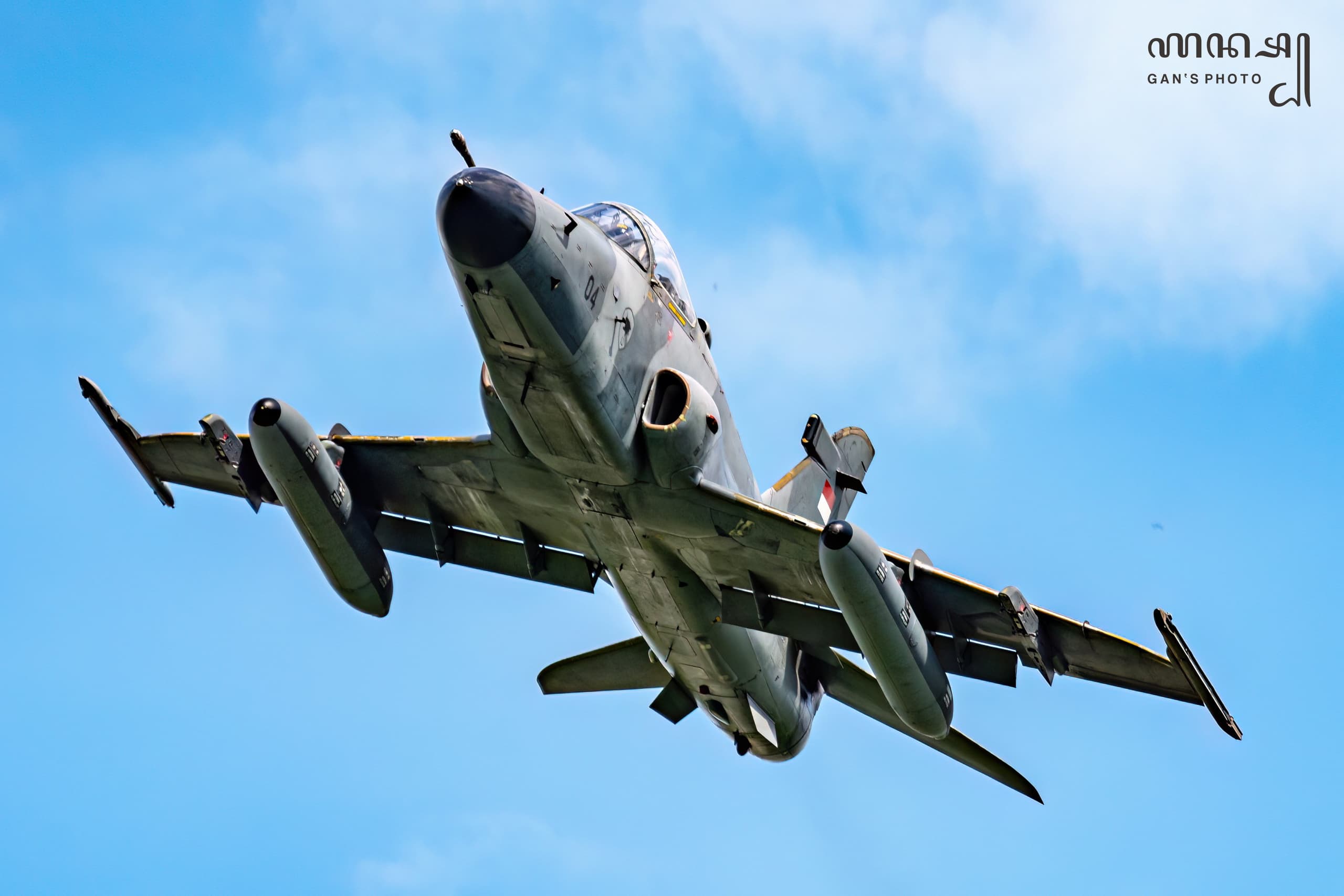
Hawk 109 (Early)
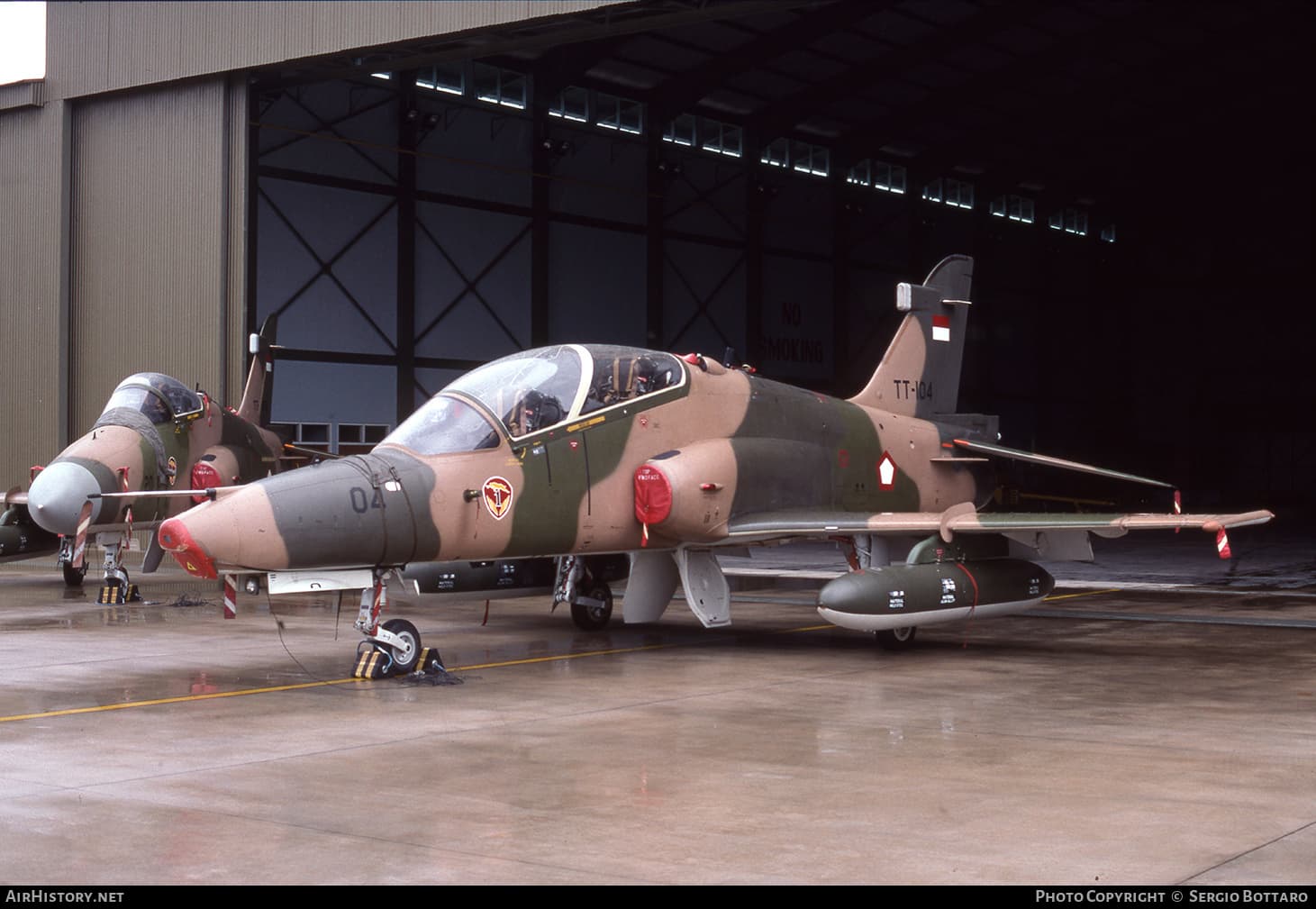
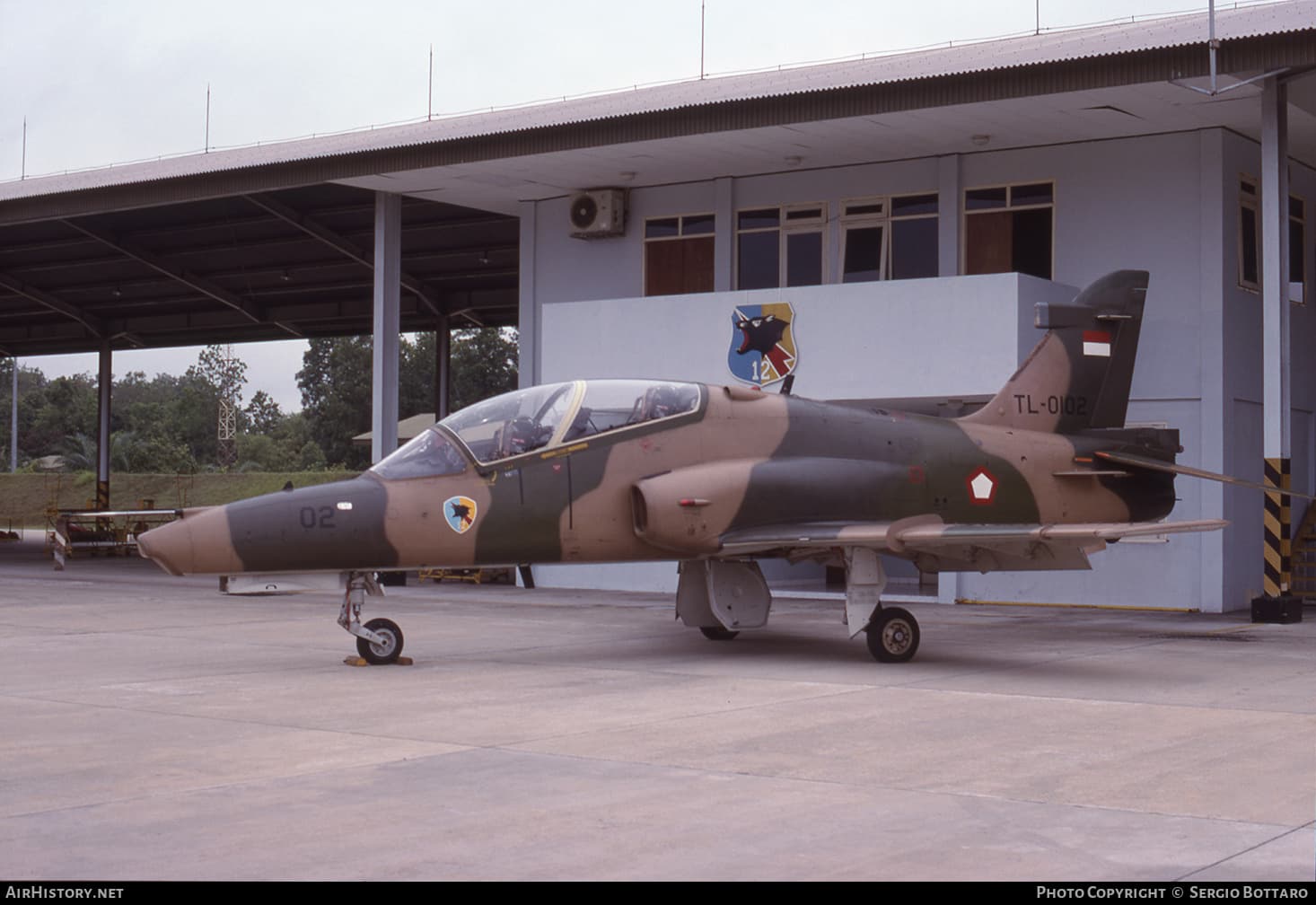
Early twin-seater variant of the Hawk 109. The early variant doesn’t have the wingtip rails for AIM-9 Sidewinders
Hawk 109 (Late)
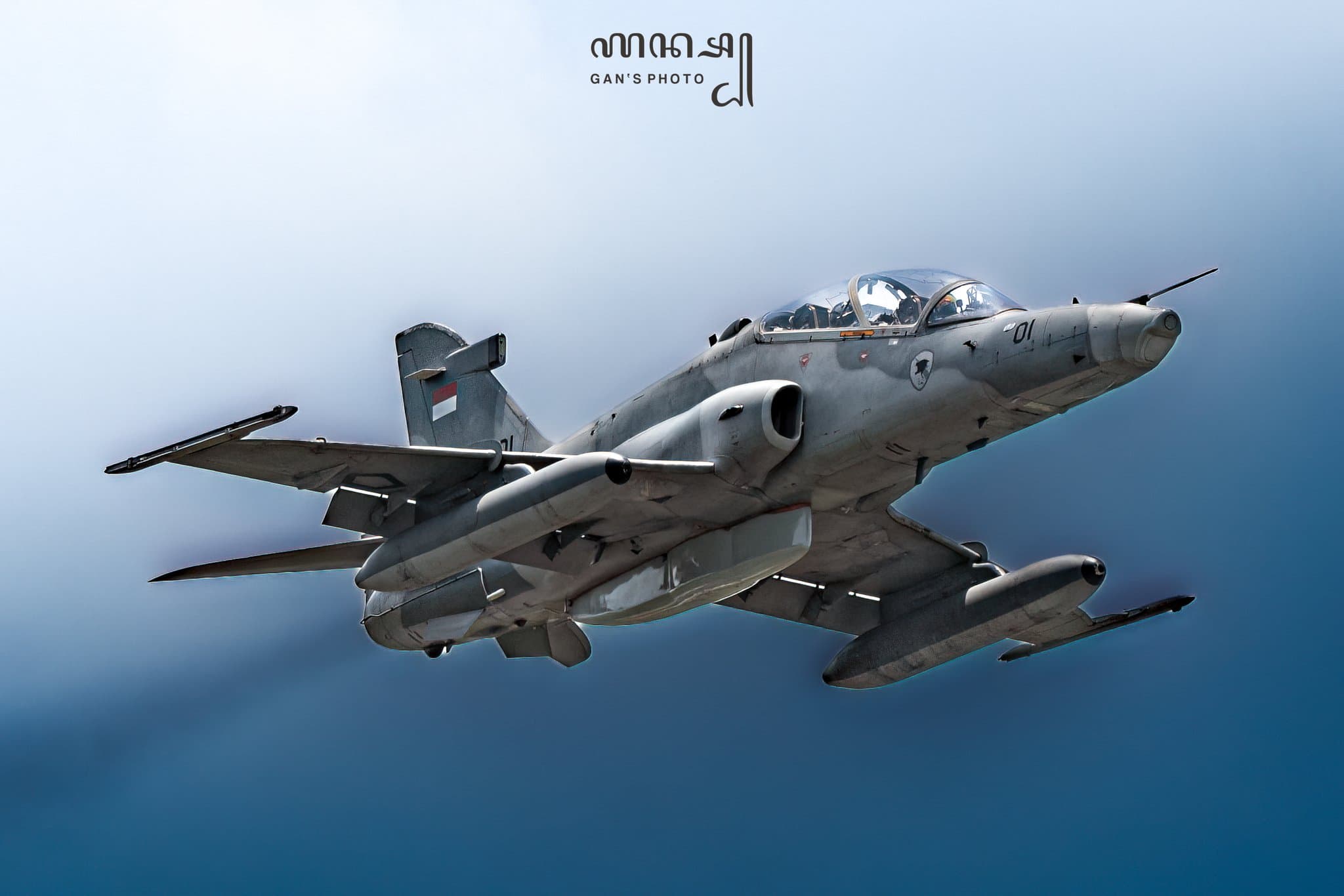
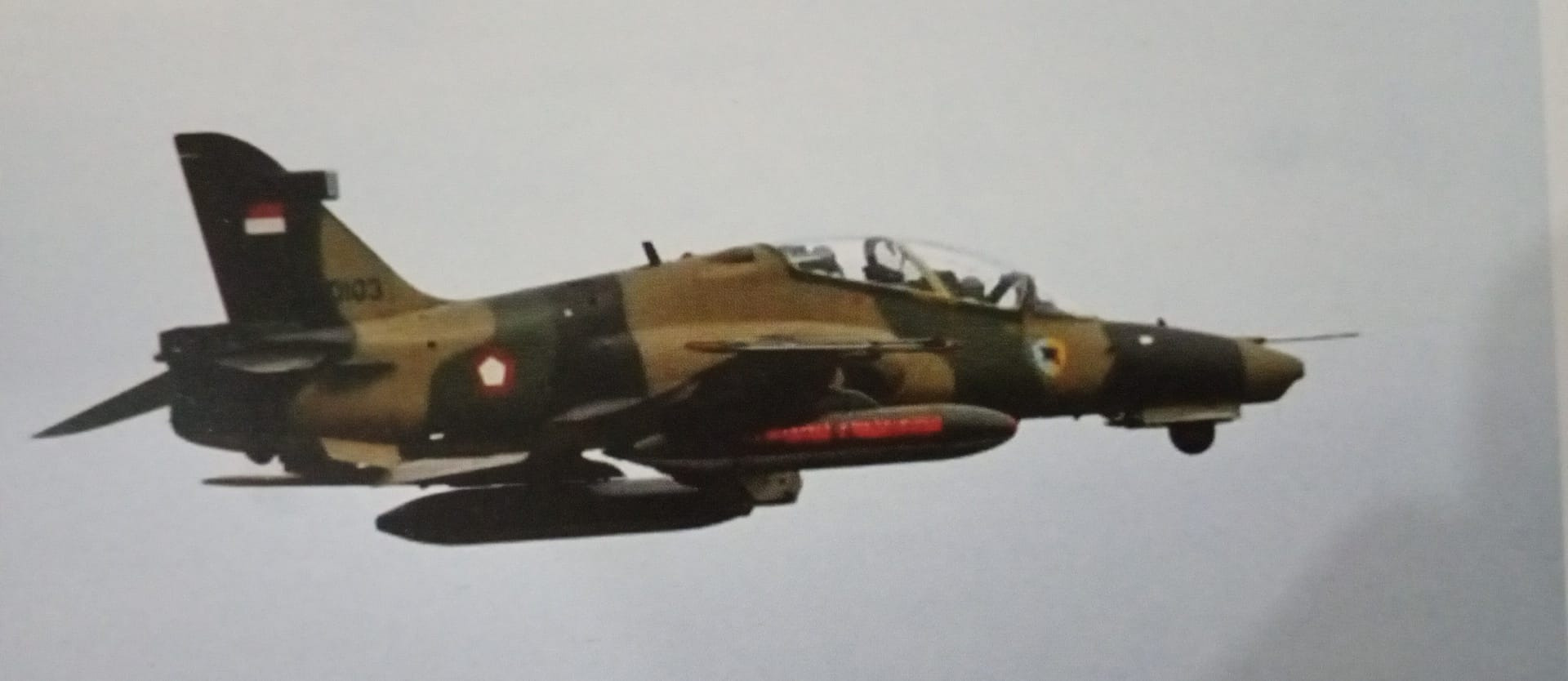
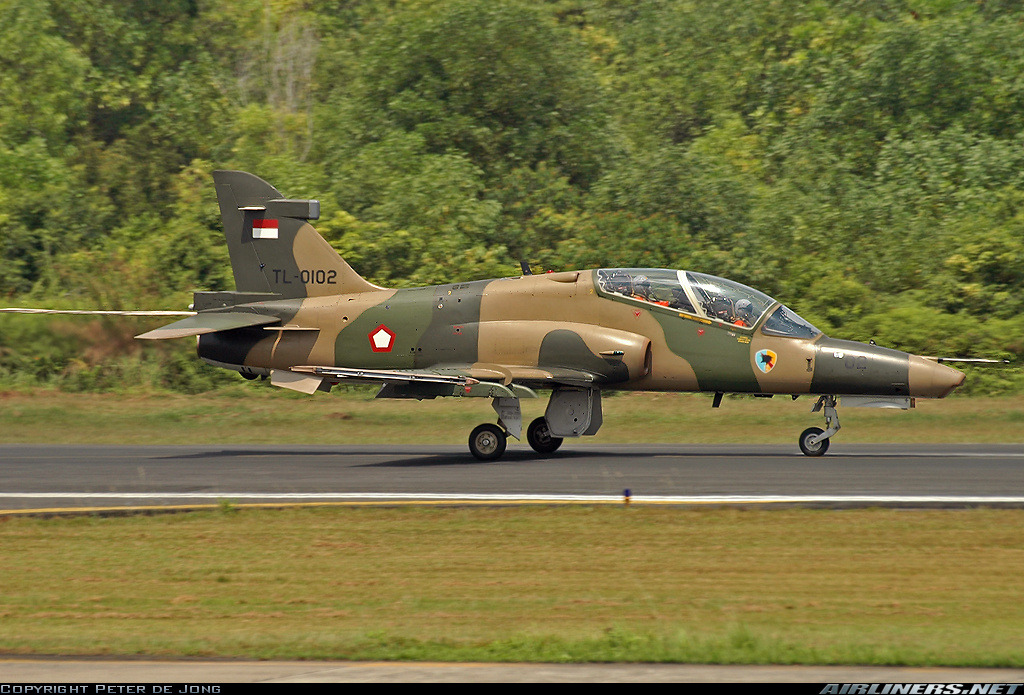
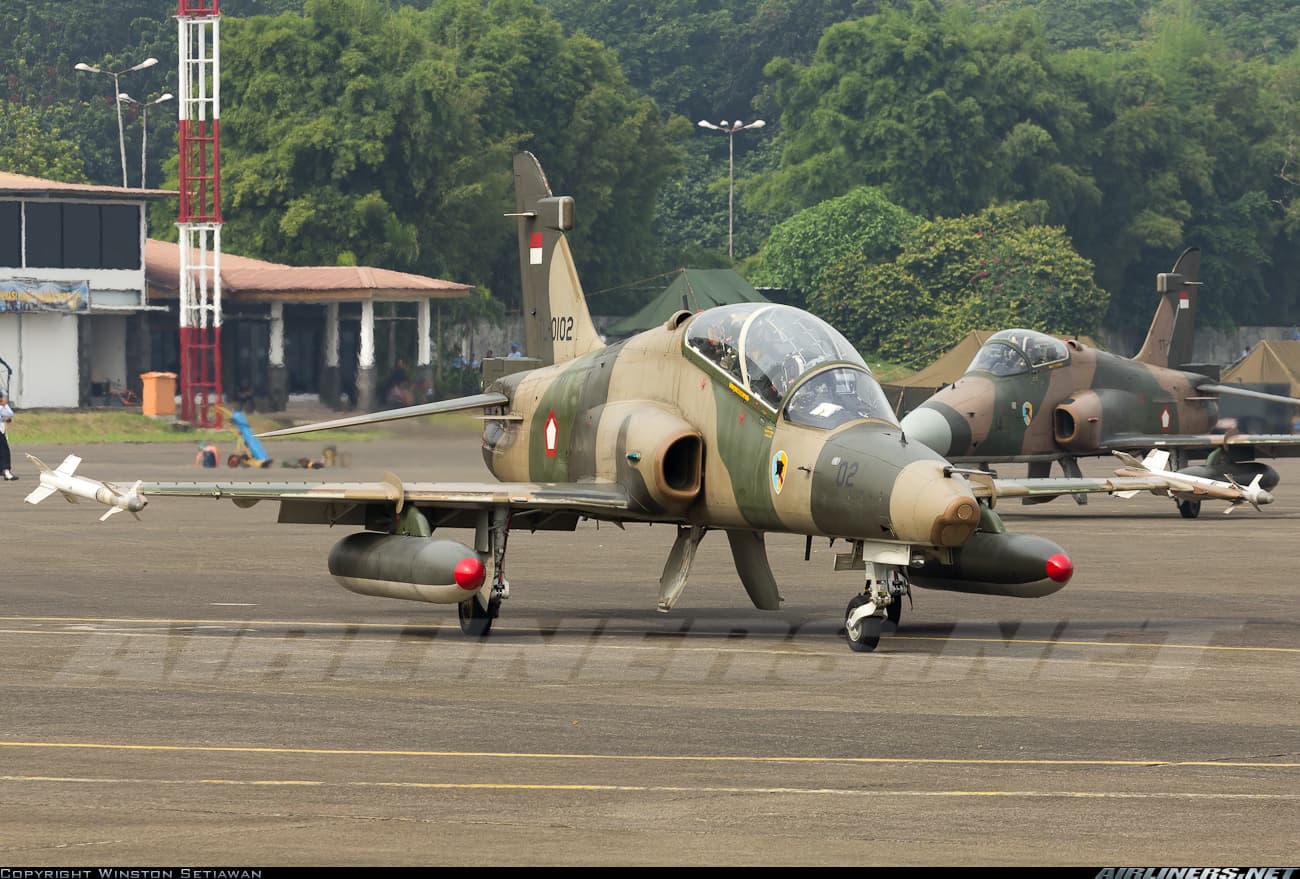
Late Twin-seater variant of the Hawk 109, notably without radar as in its place is a laser rangefinder as well as a FLIR device. Just like the Hawk 209 it uses a domestically made cockpit by InfoGlobal. Only the 209 series received the upgraded RWR. Compared to the early version the Late has the wingtip rail mount for AIM-9 Sidewinders.
Hawk 209 (Early)
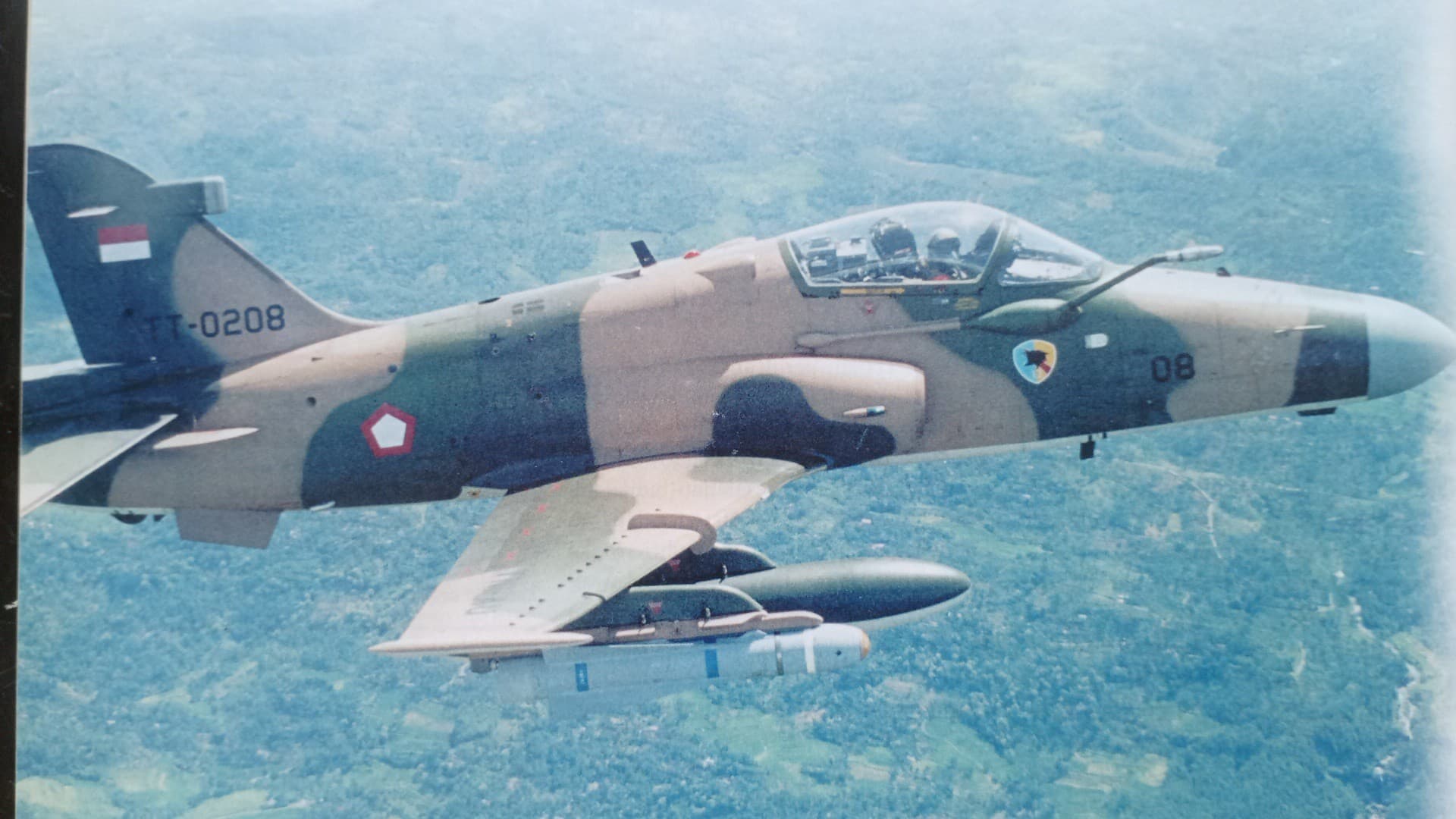
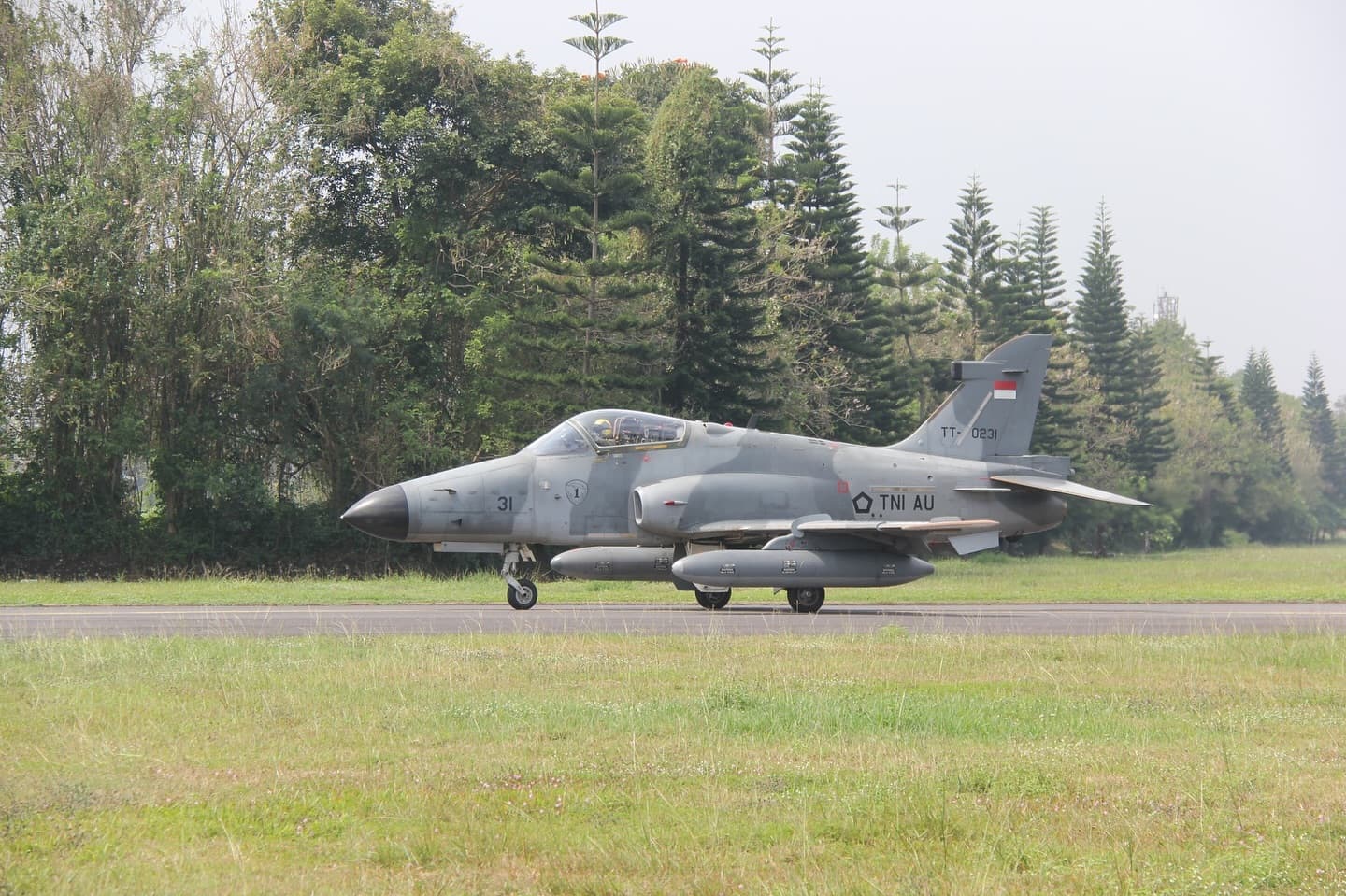
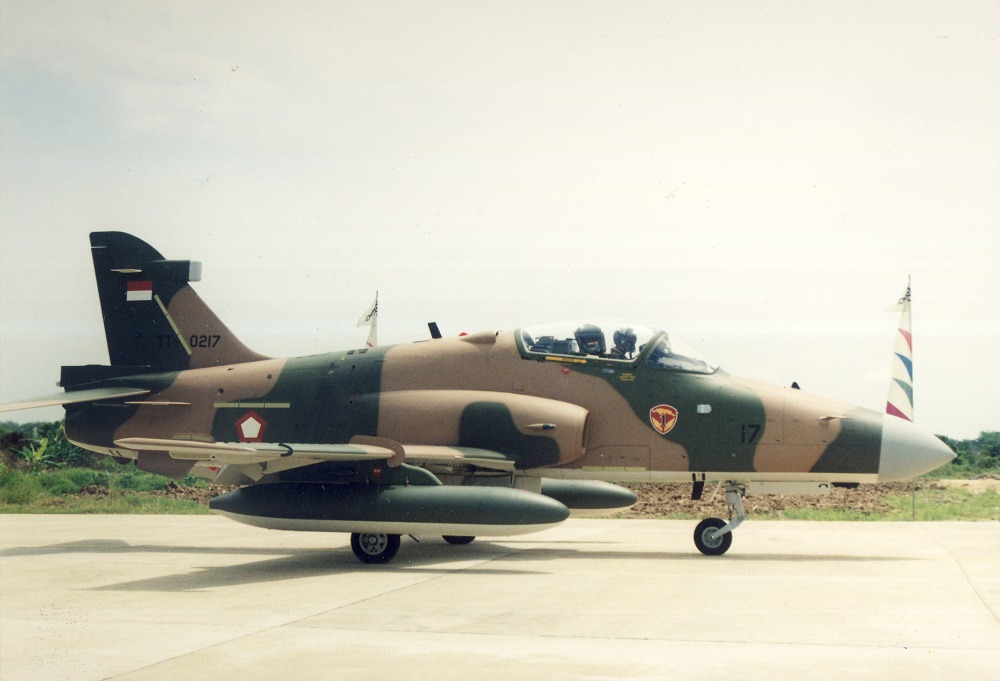
Early Indonesian export version of the Hawk 209 notably using domestically made cockpit by InfoGlobal. Can also be equipped with refueling probe. The early variant doesnt have the wingtip rail mount for AIM-9 Sidewinders
- https://web.facebook.com/keris.reborn/posts/pfbid02iFKTYsCGmq4DF39JwM7mcw7M5pRnfyyDLc4vCVfPLDg97MKGMXYrMmecbuLaNsCUl
- https://web.facebook.com/keris.reborn/posts/pfbid02Sfc6H2QLMWSY1atJKe15GNiUxqsQPPzYoDGRF93TEPB7F83QHF7EFcCEhpTPsbkgl
- https://web.facebook.com/pustaka.combat/posts/pfbid0pKddP8WUy3wNRMBbm2ArWH1fcj7wfRjEv7ZWwx5d8yRySDDUxFtSnbQQGnkX5oWUl
Hawk 209 (Late)
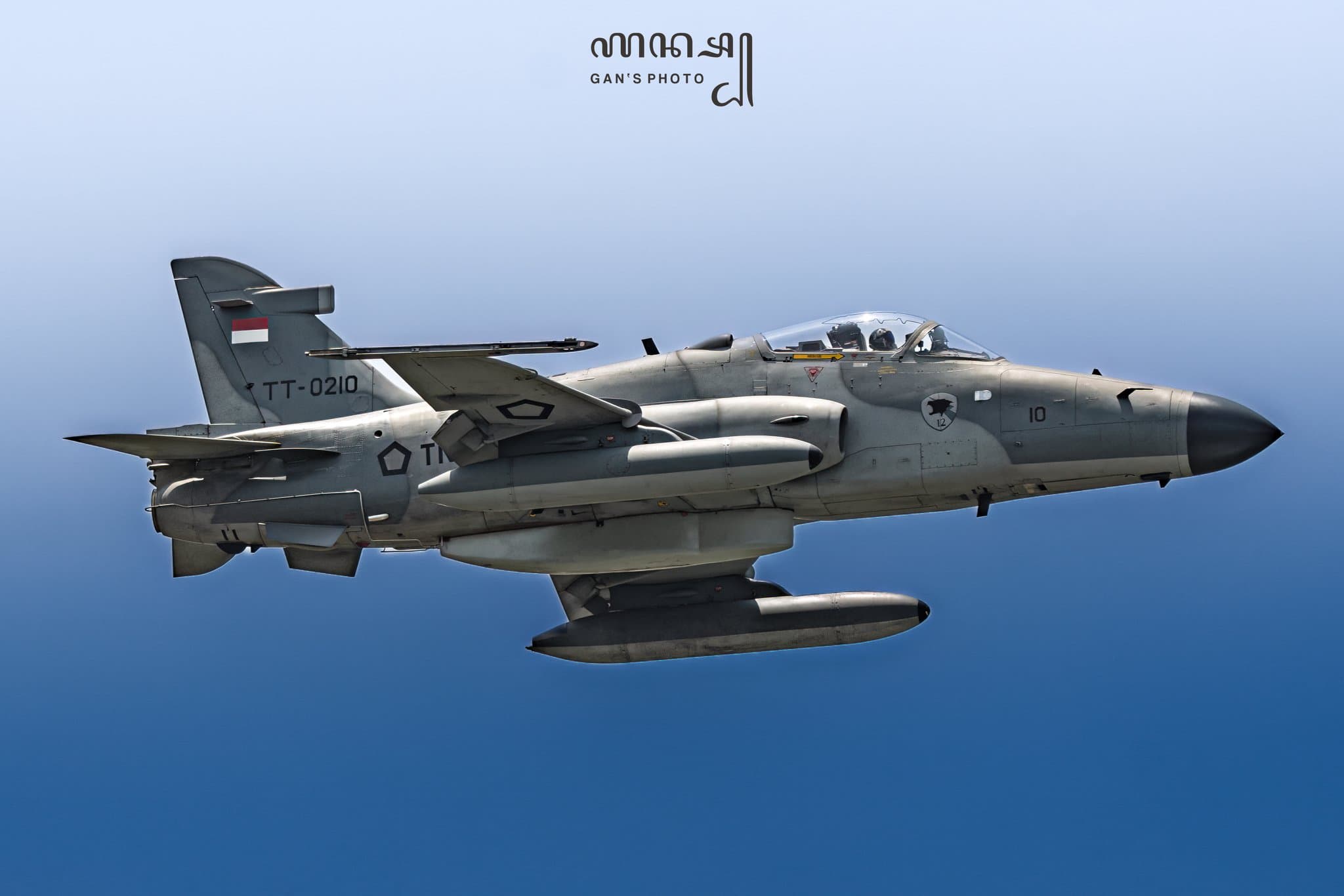
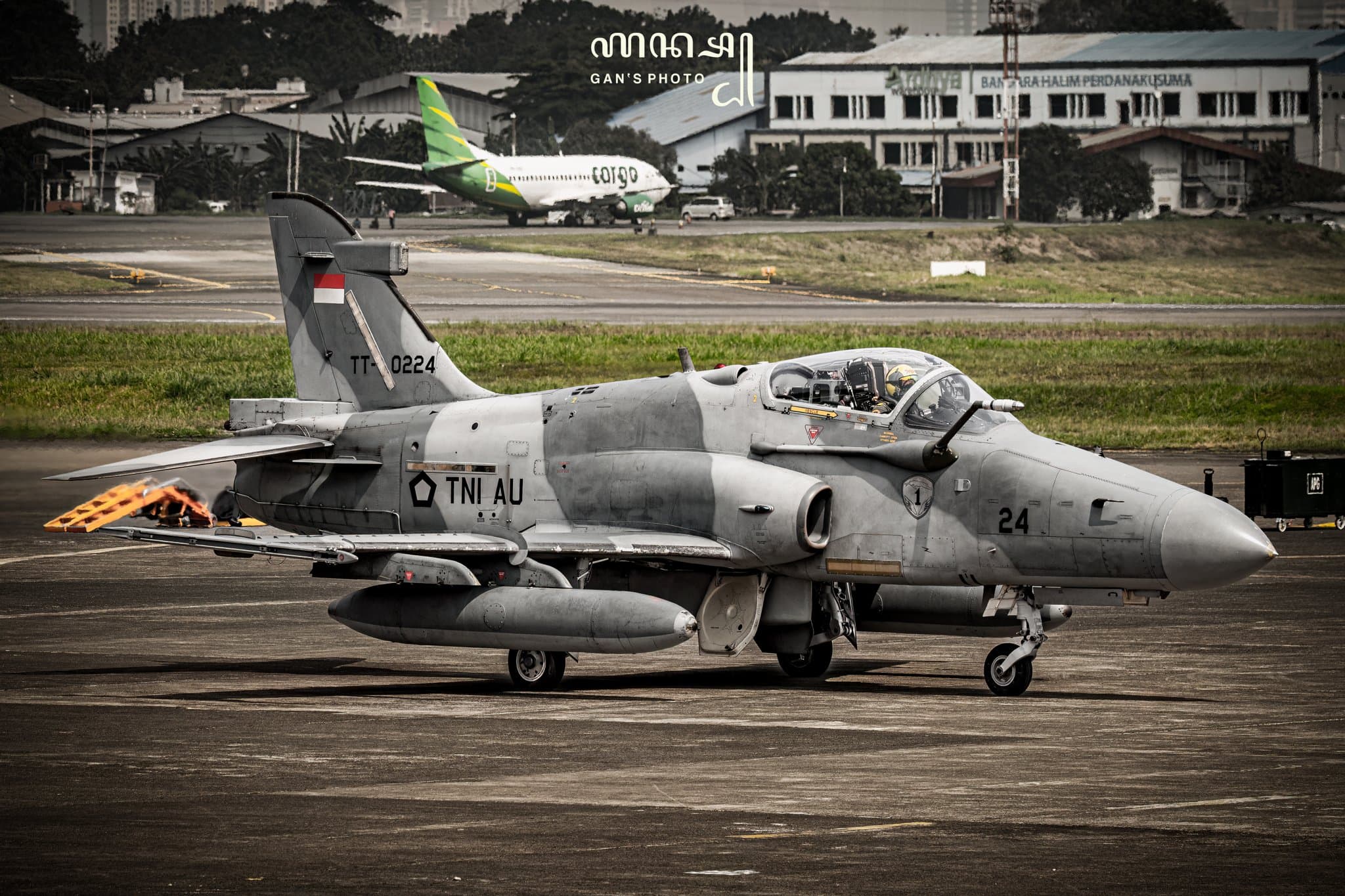
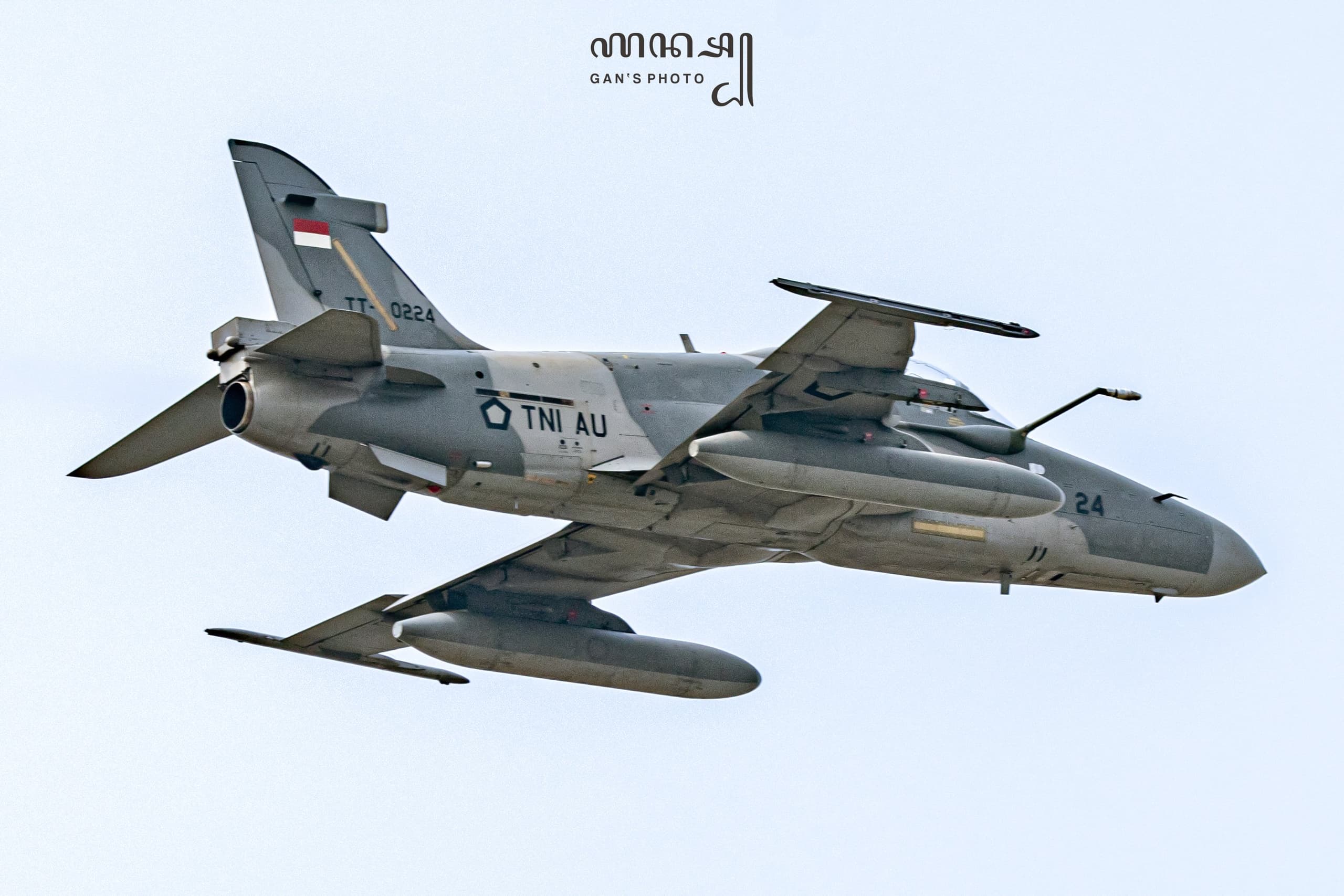
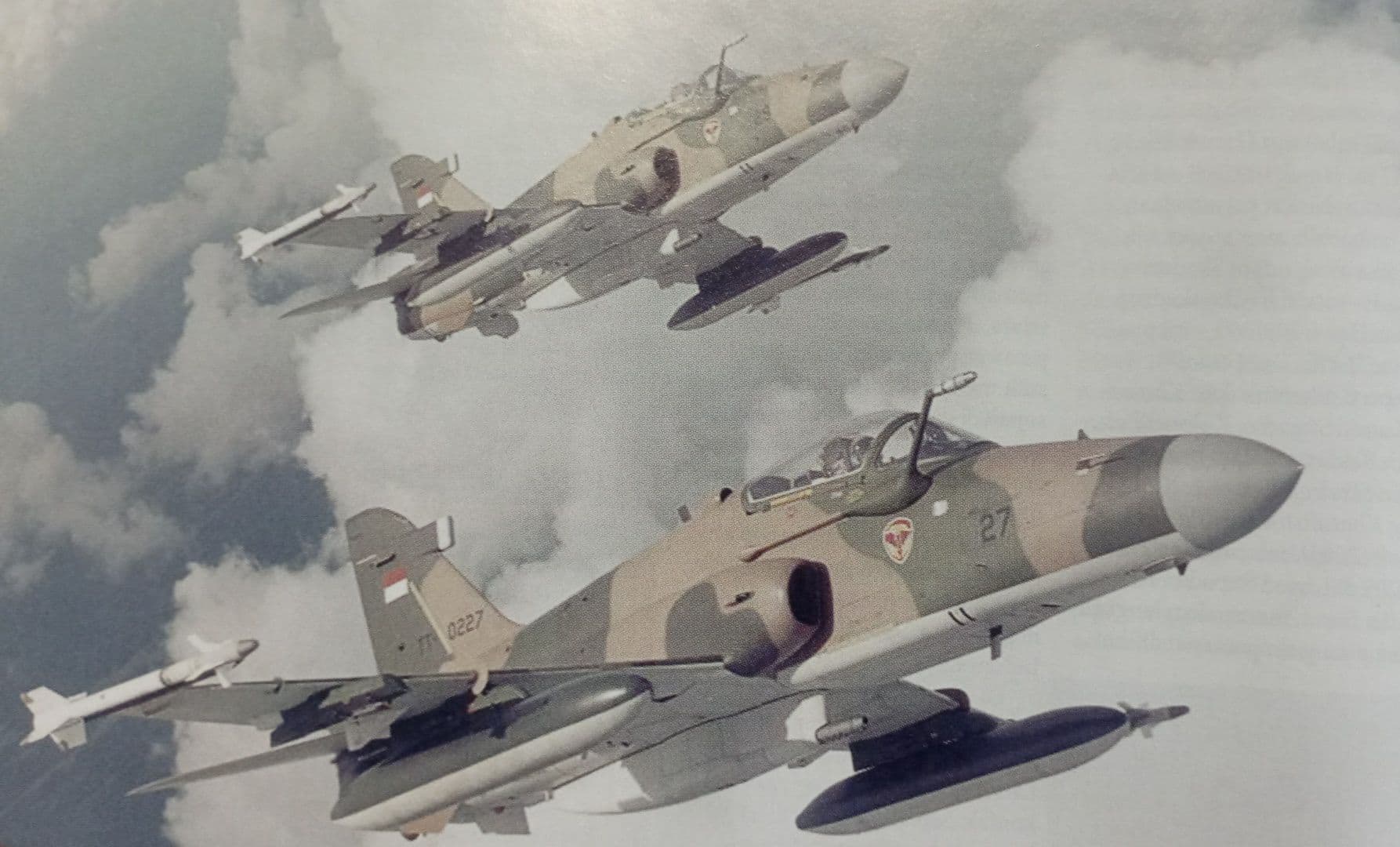
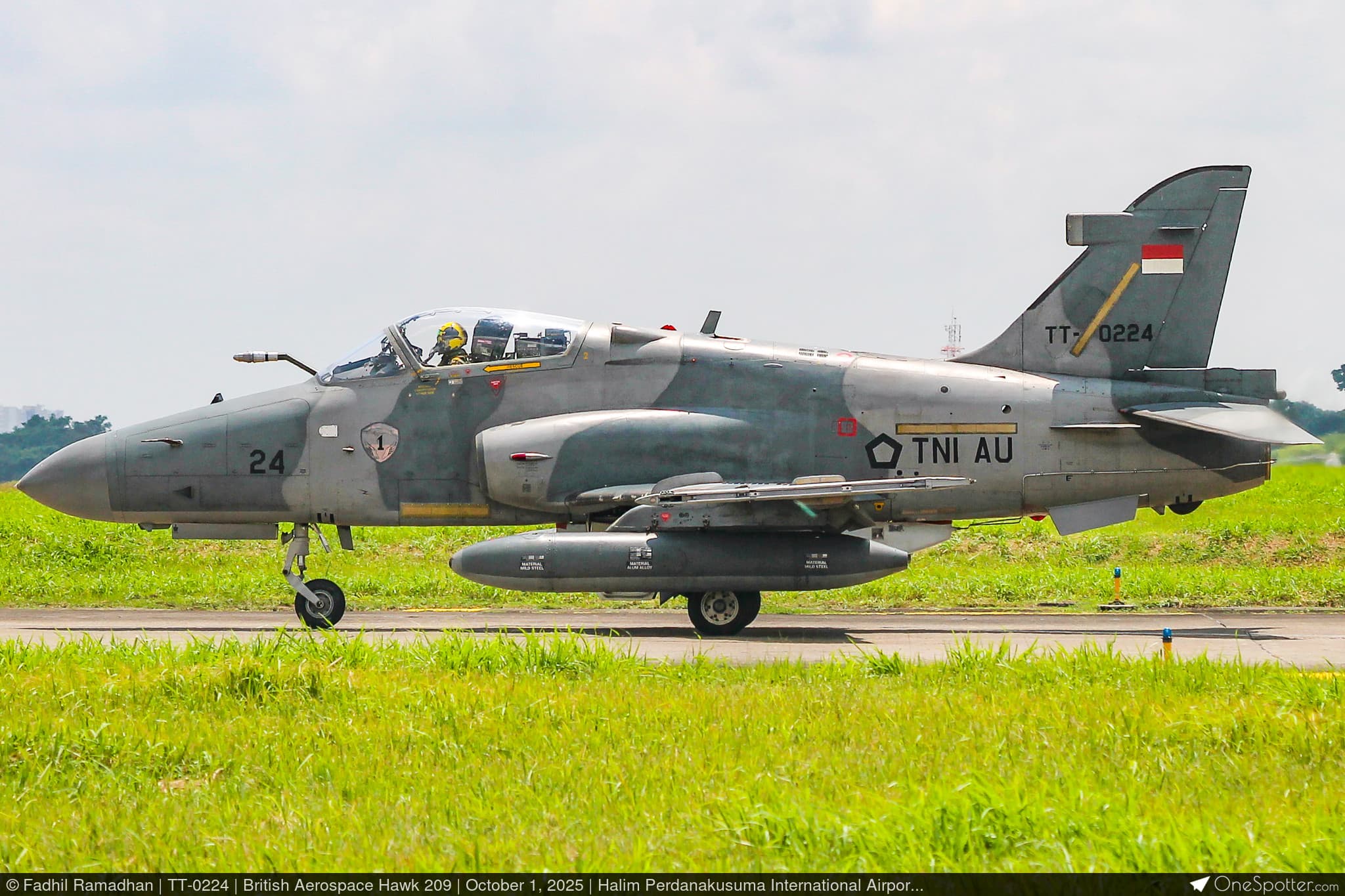
Late Indonesian export version of the Hawk 209 notably using domestically made cockpit by InfoGlobal. Can also be equipped with refueling probe. Some units’ RWR was upgraded to the SEER RWR (SG-200D) from its older SkyGuardian 200. The Late version has the wingtip rail mount for AIM-9 Sidewinders
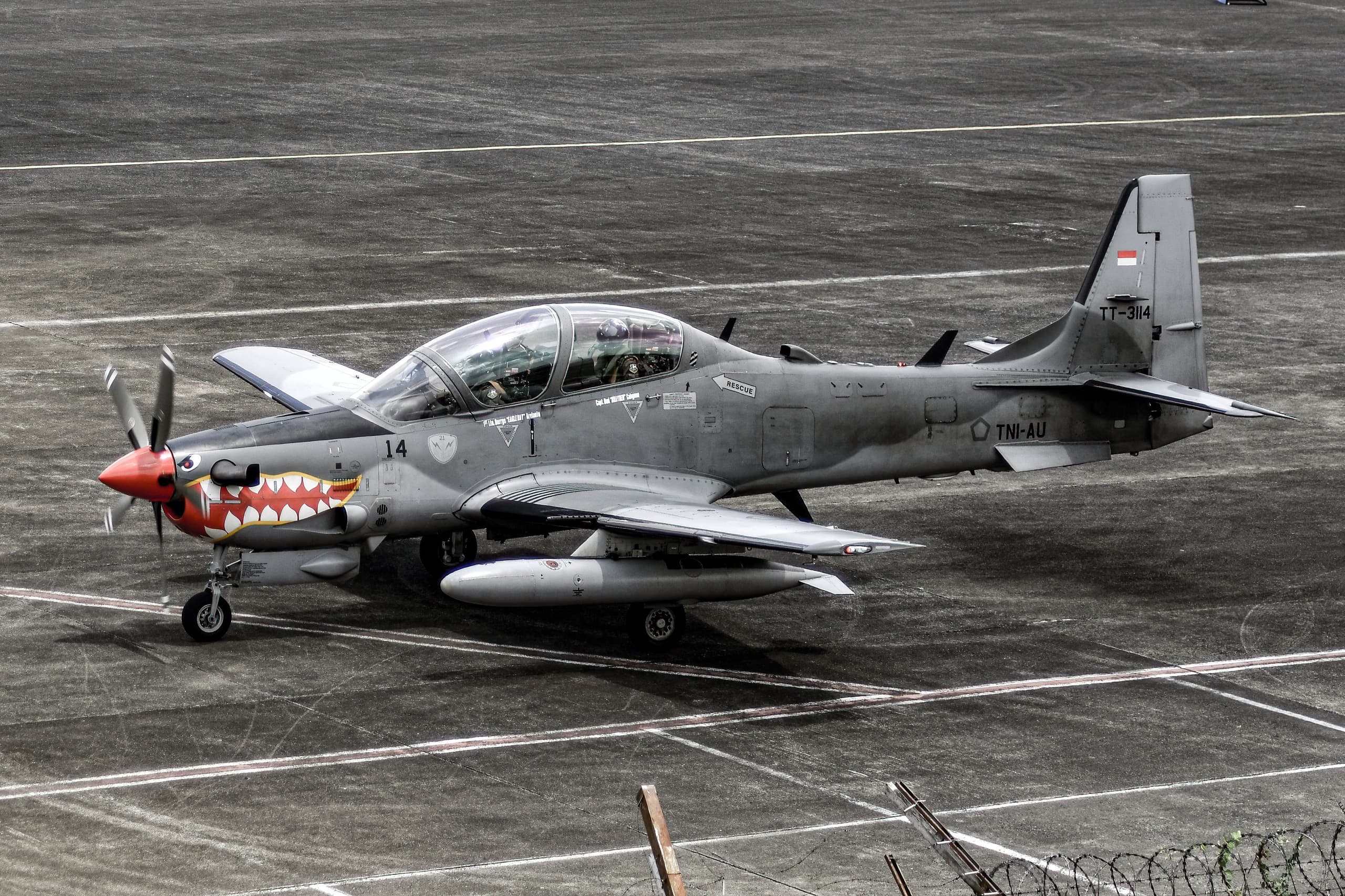
⬠ EMB-314 Super Tucano
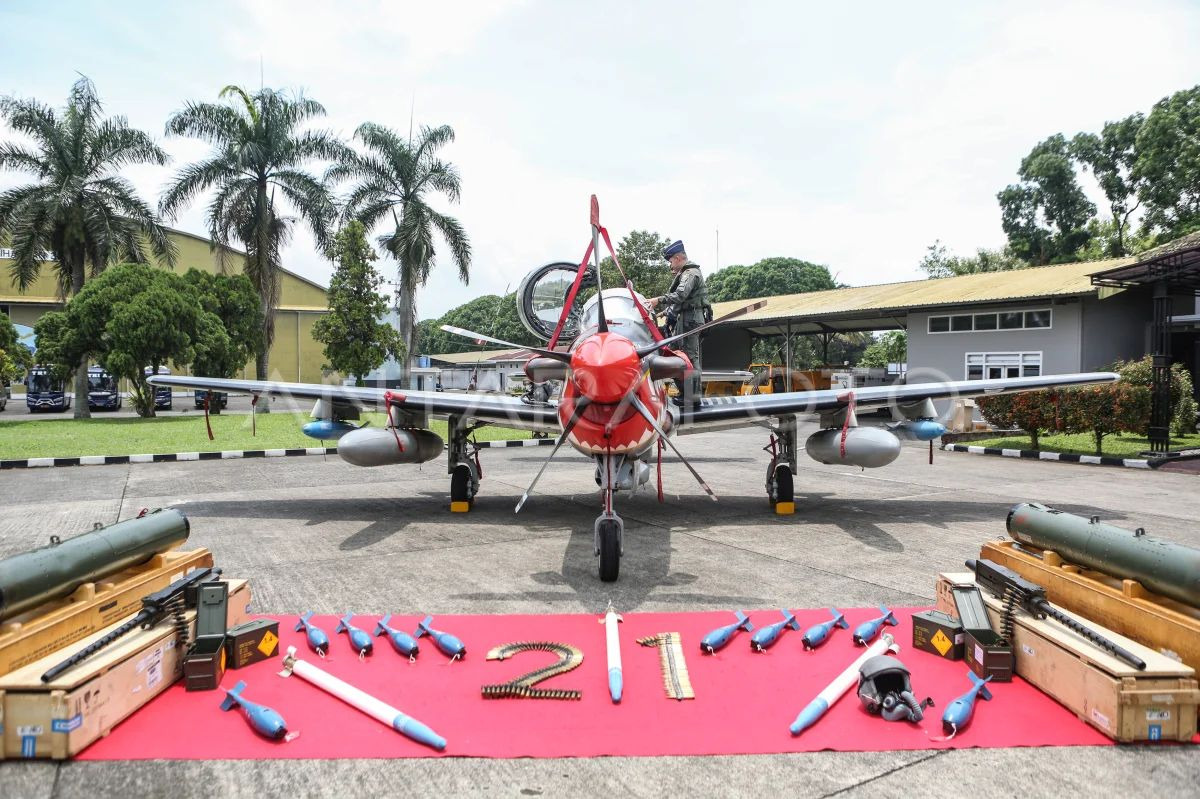
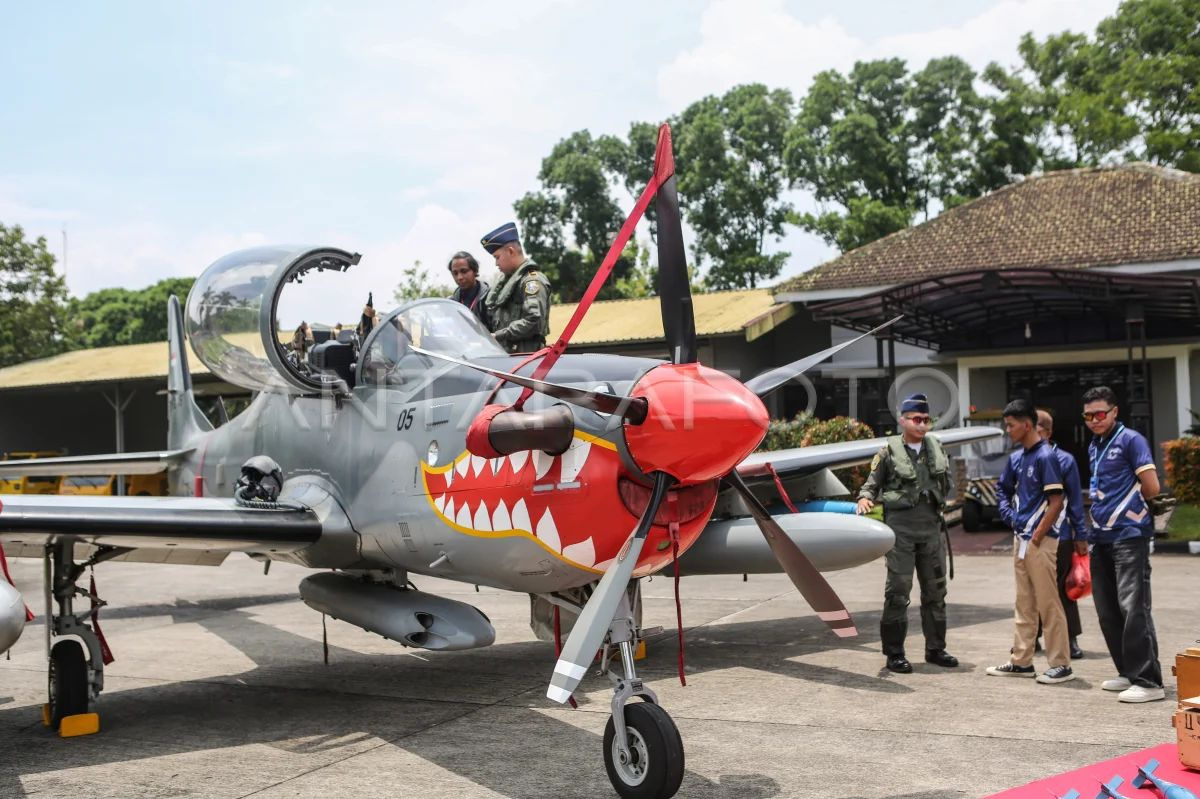
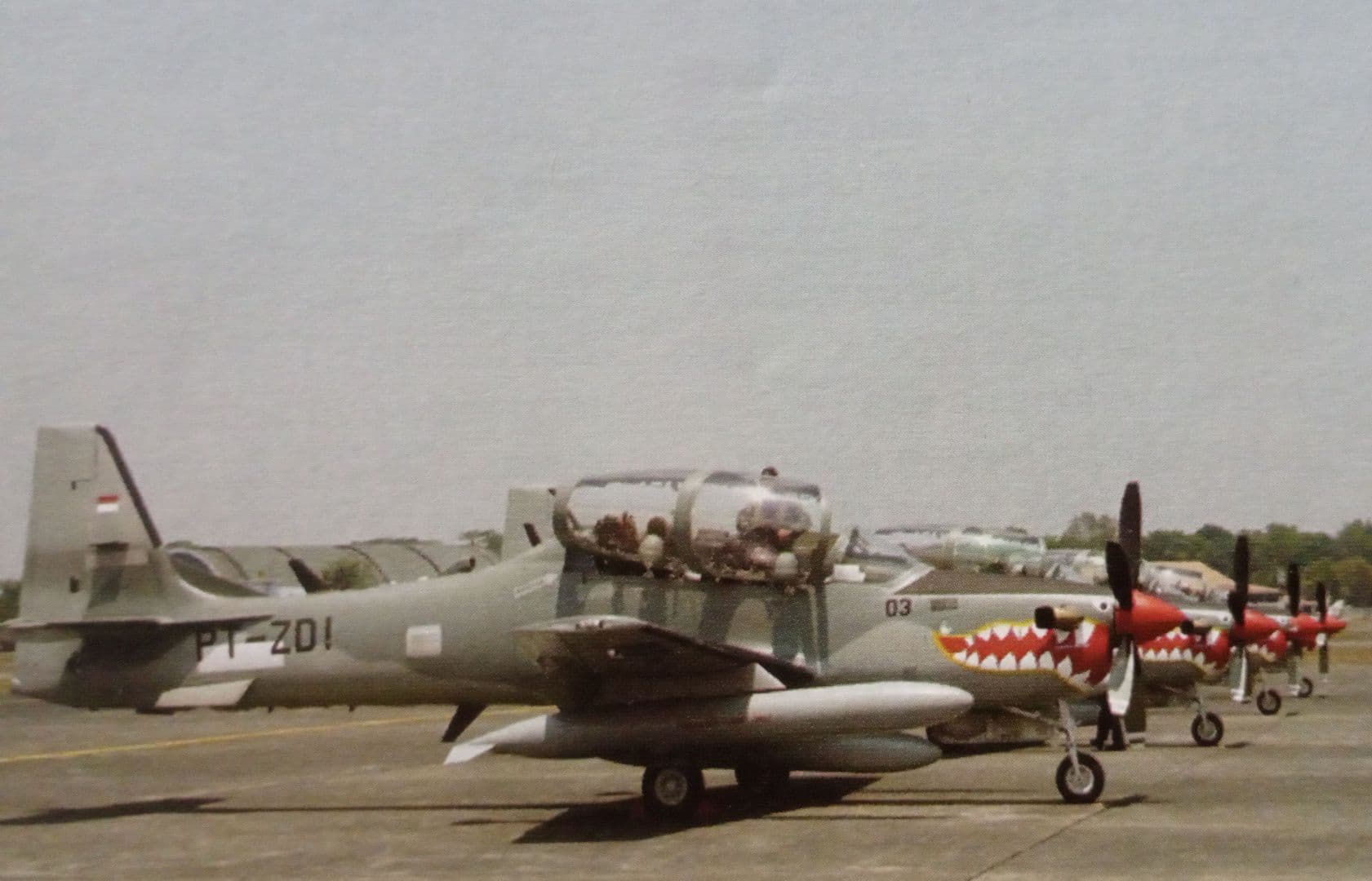
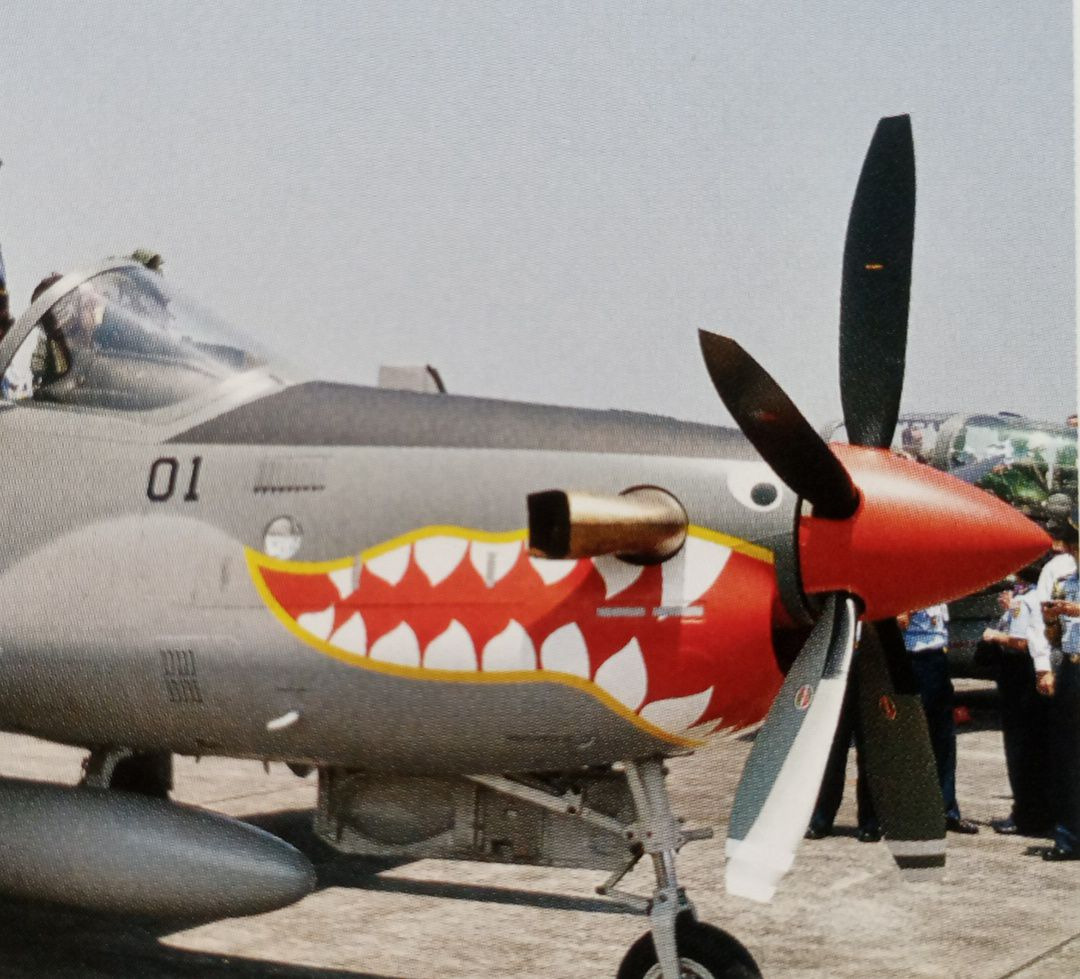
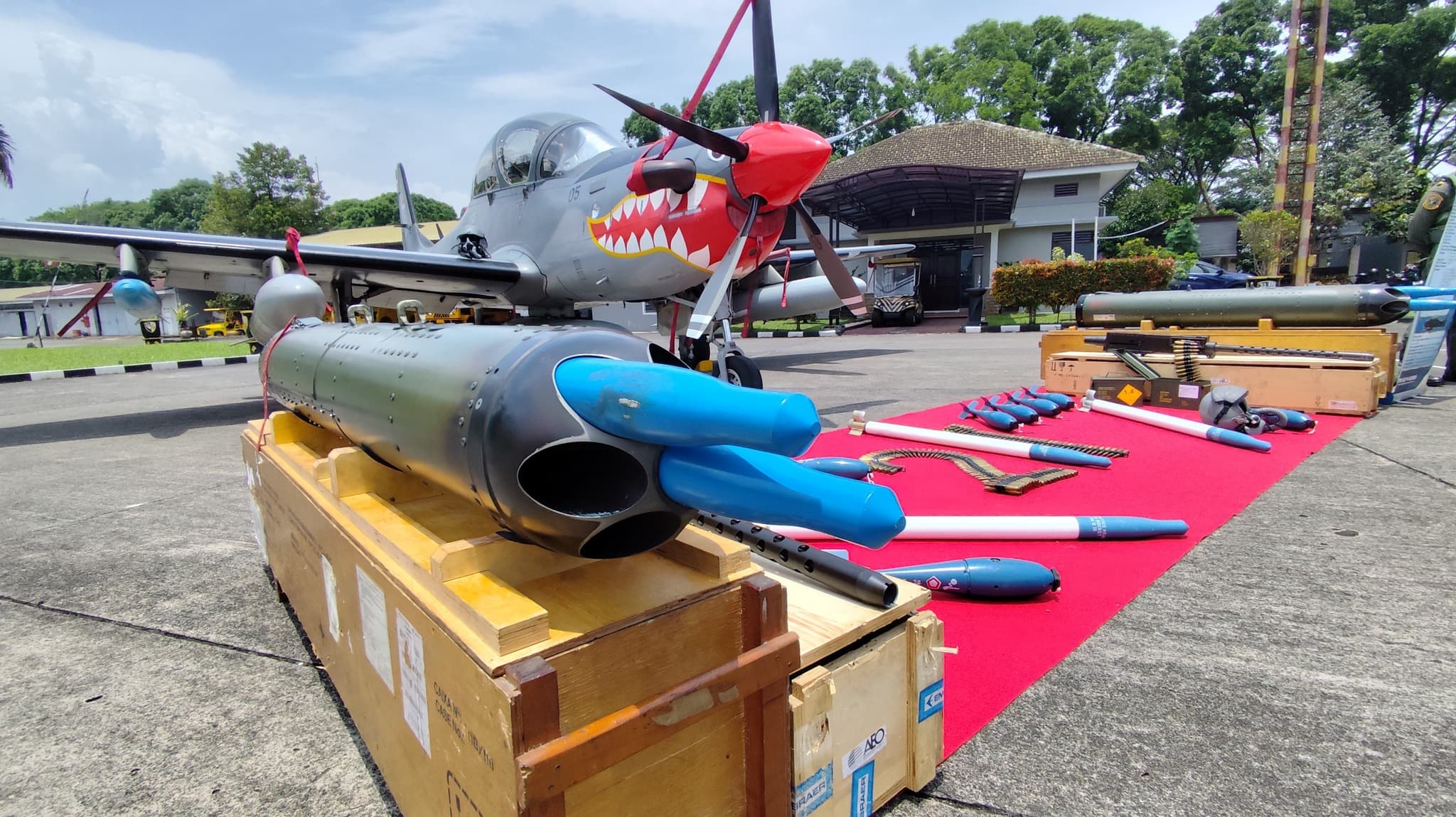
Propeller aircraft specifically designed for COIN purposes. Though there was originally plans to acquire the piranha missiles, its unknown whether it was actually purchased, as it has never been photographed to have graced the Indonesian Super Tucanos. Very hard to rank, so the ranking here isnt set in stone.
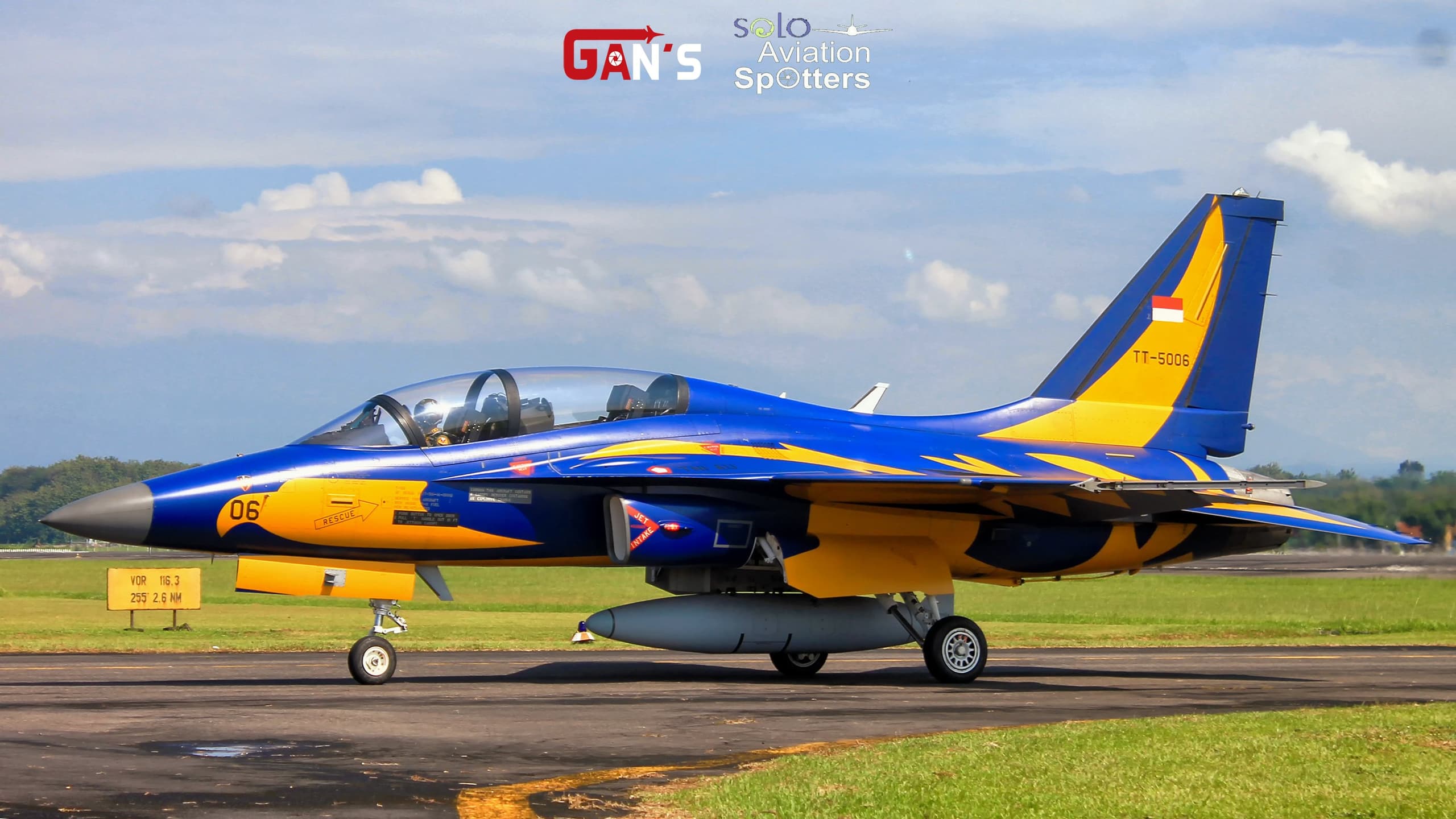
T-50i
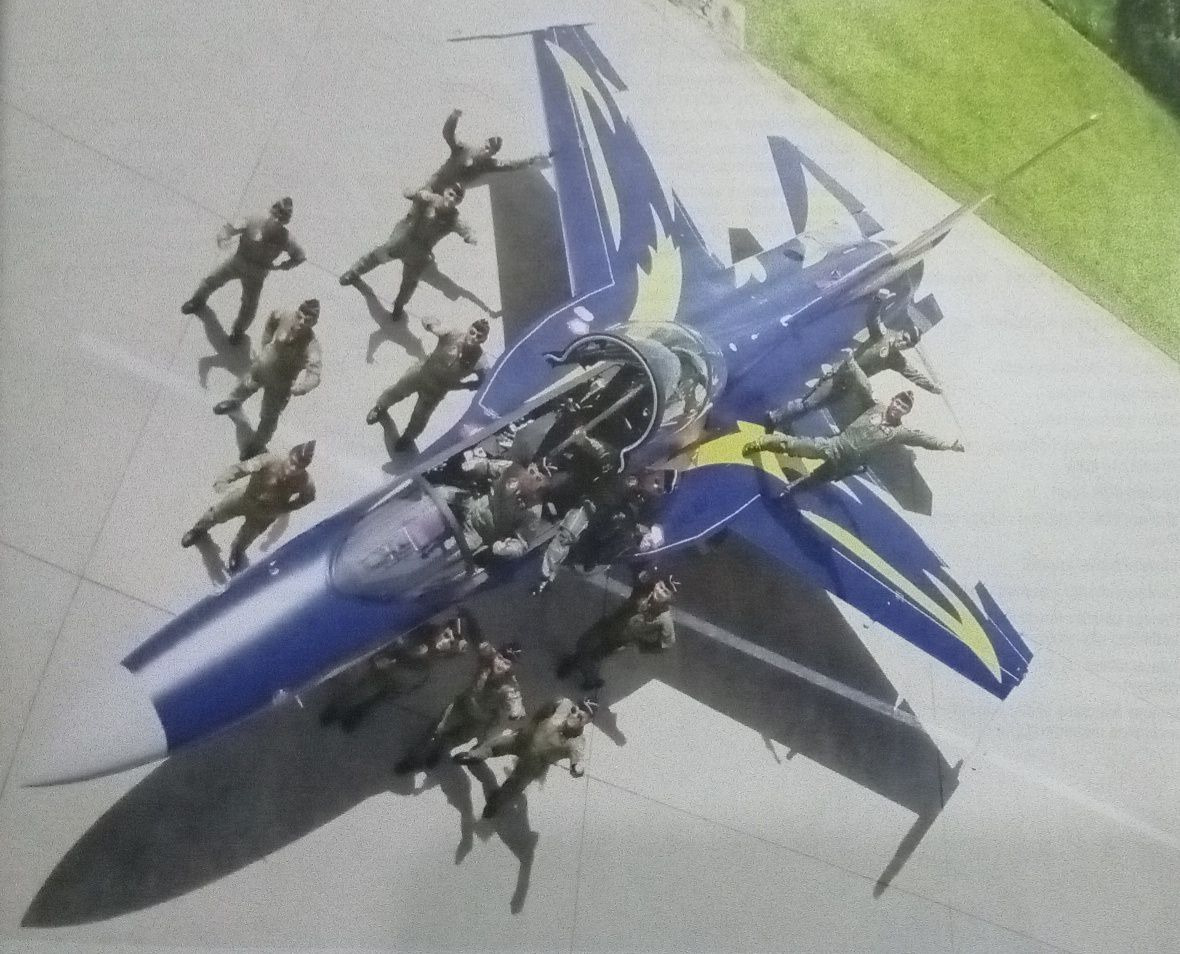
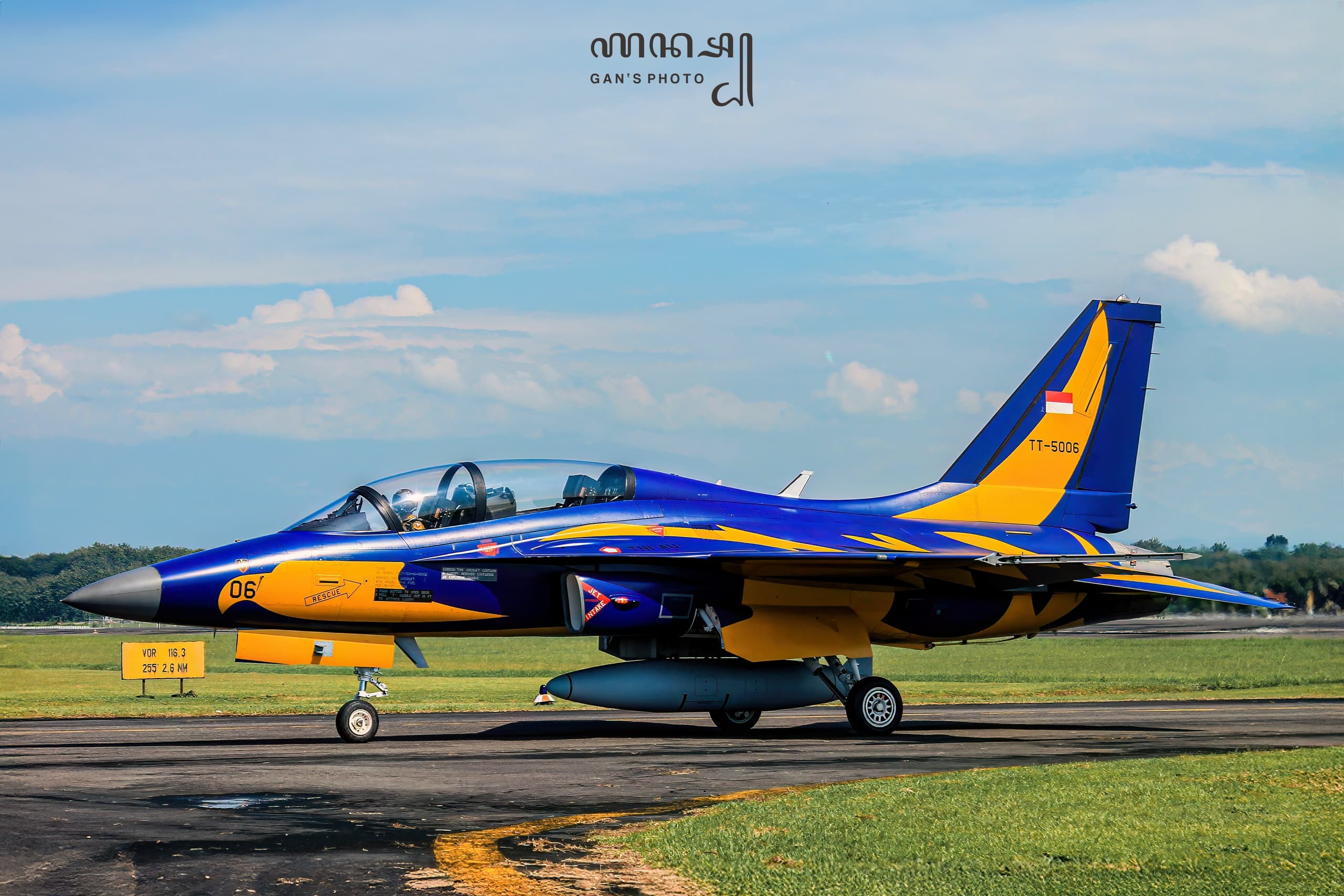
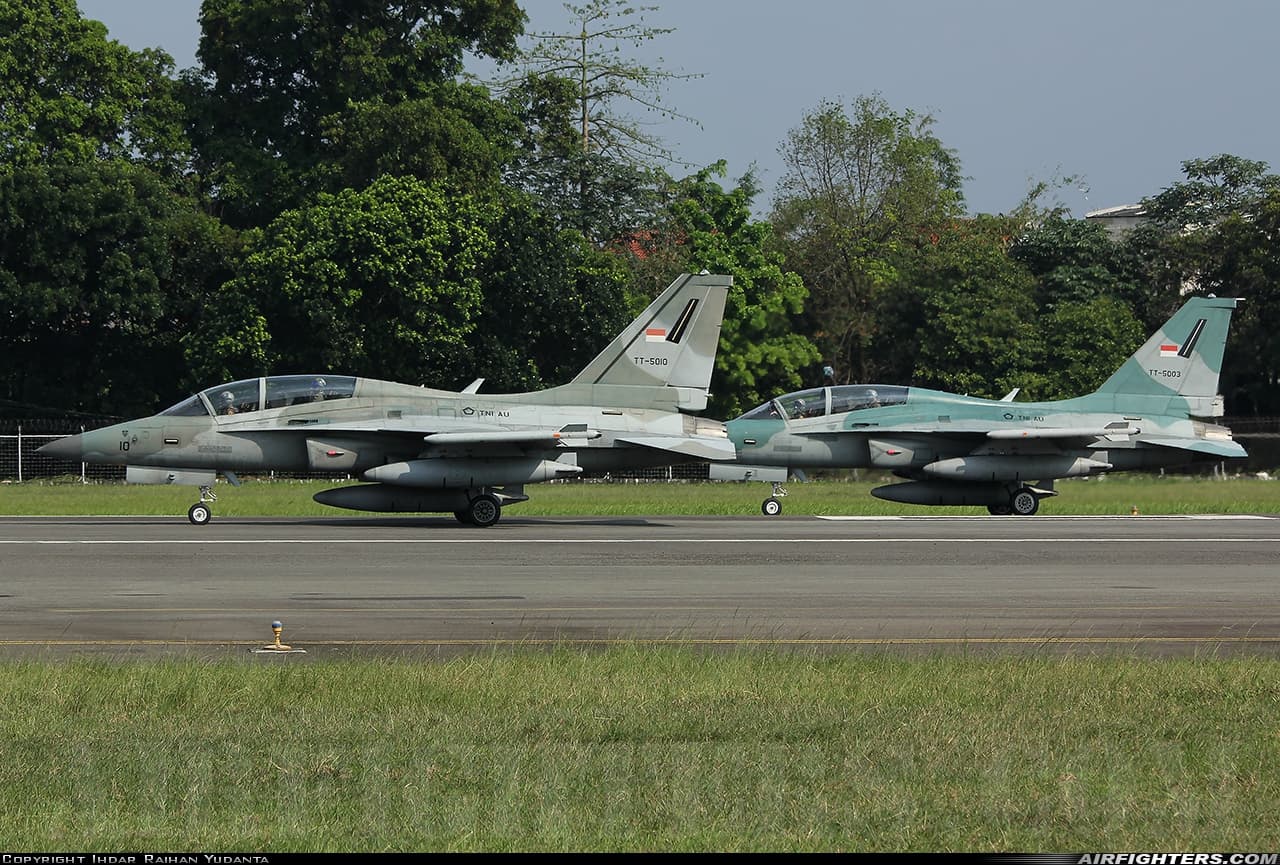
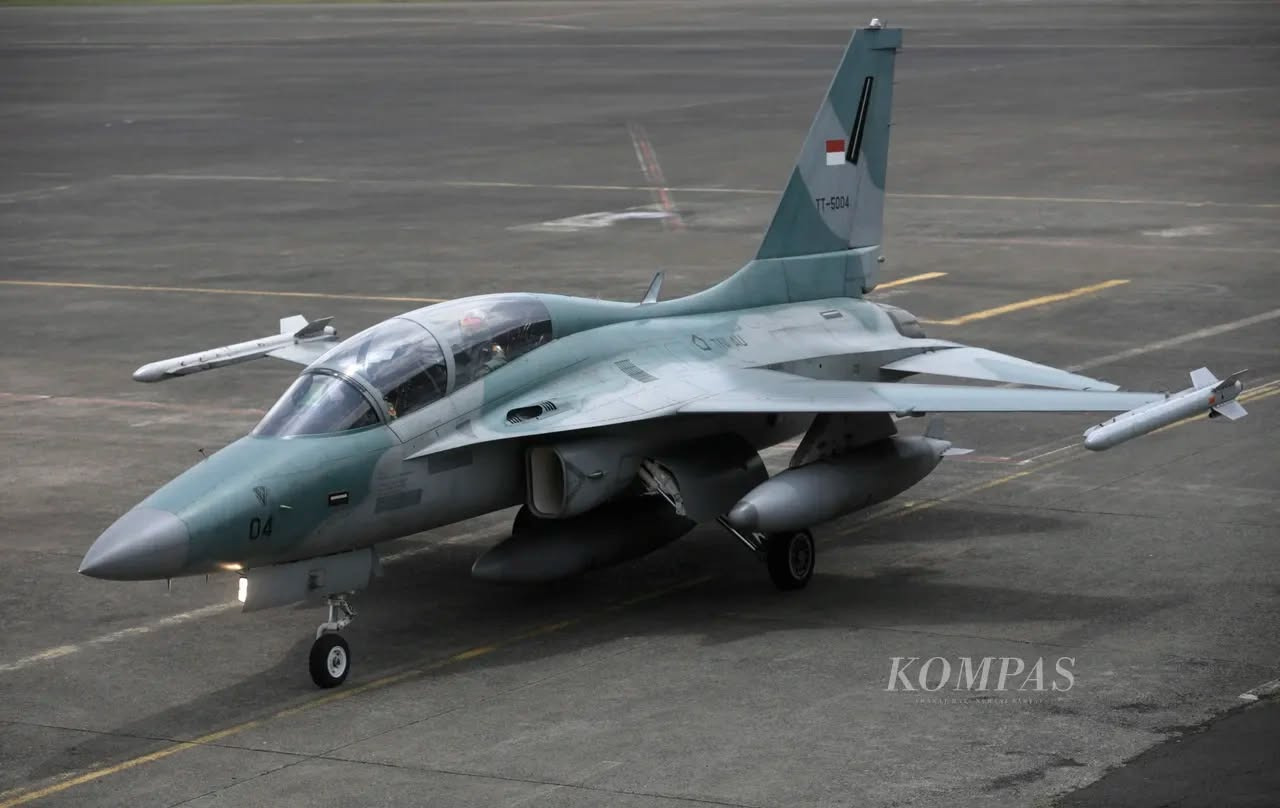
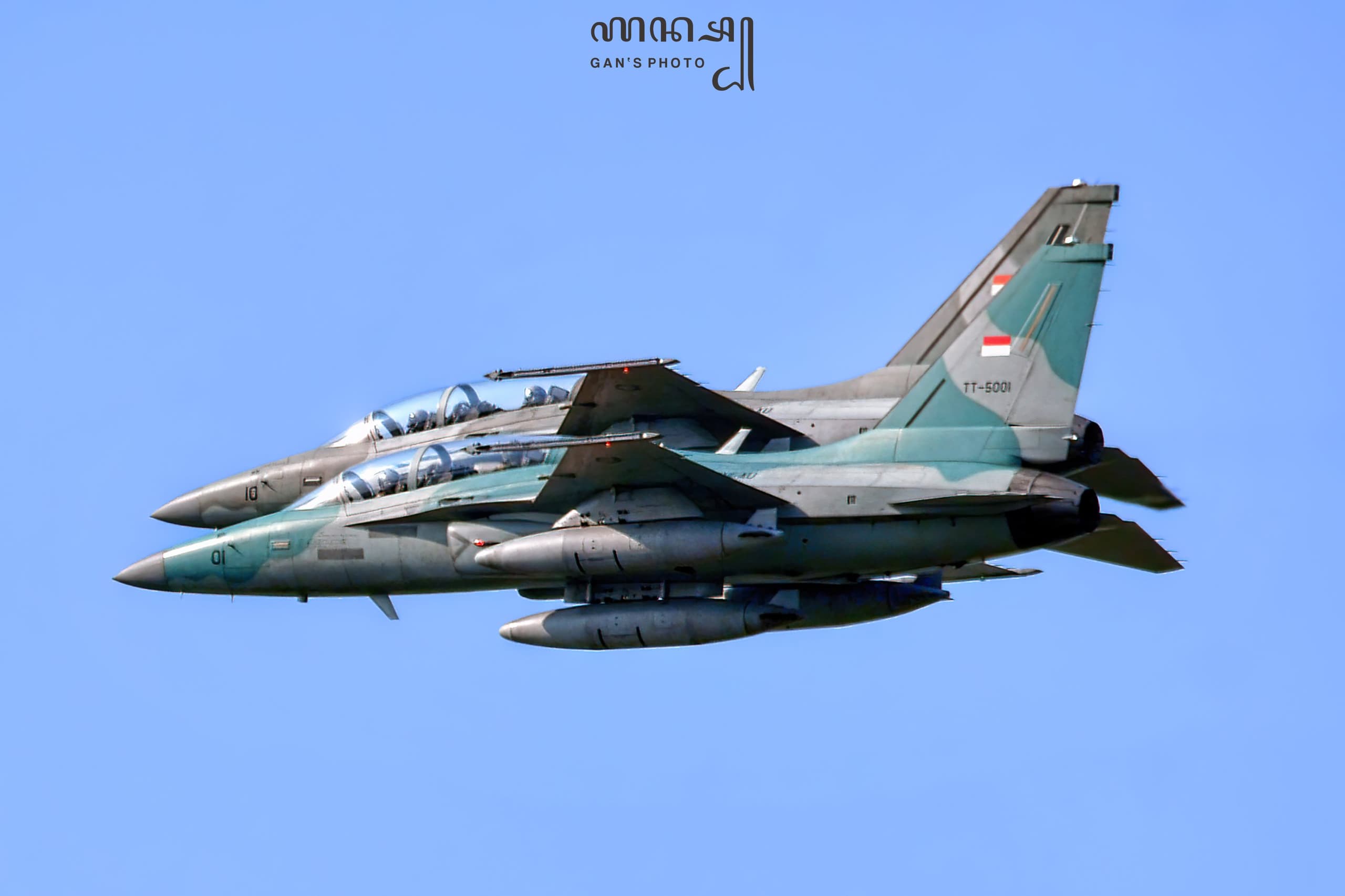
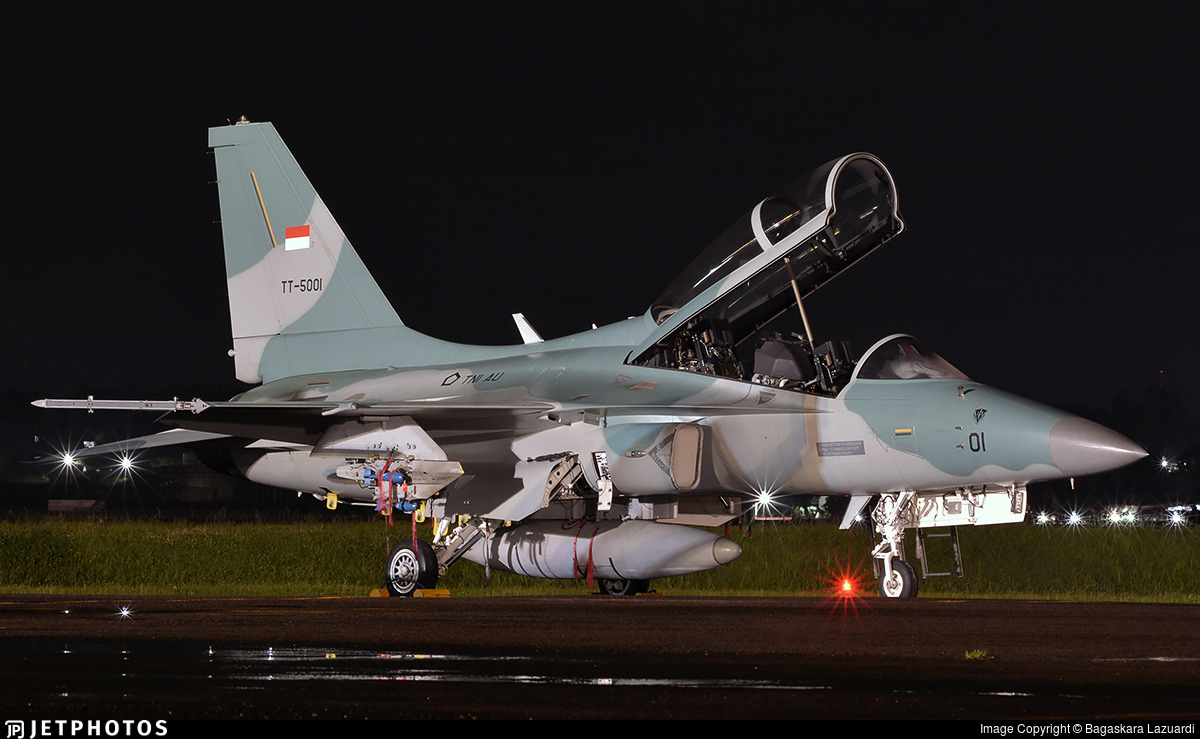
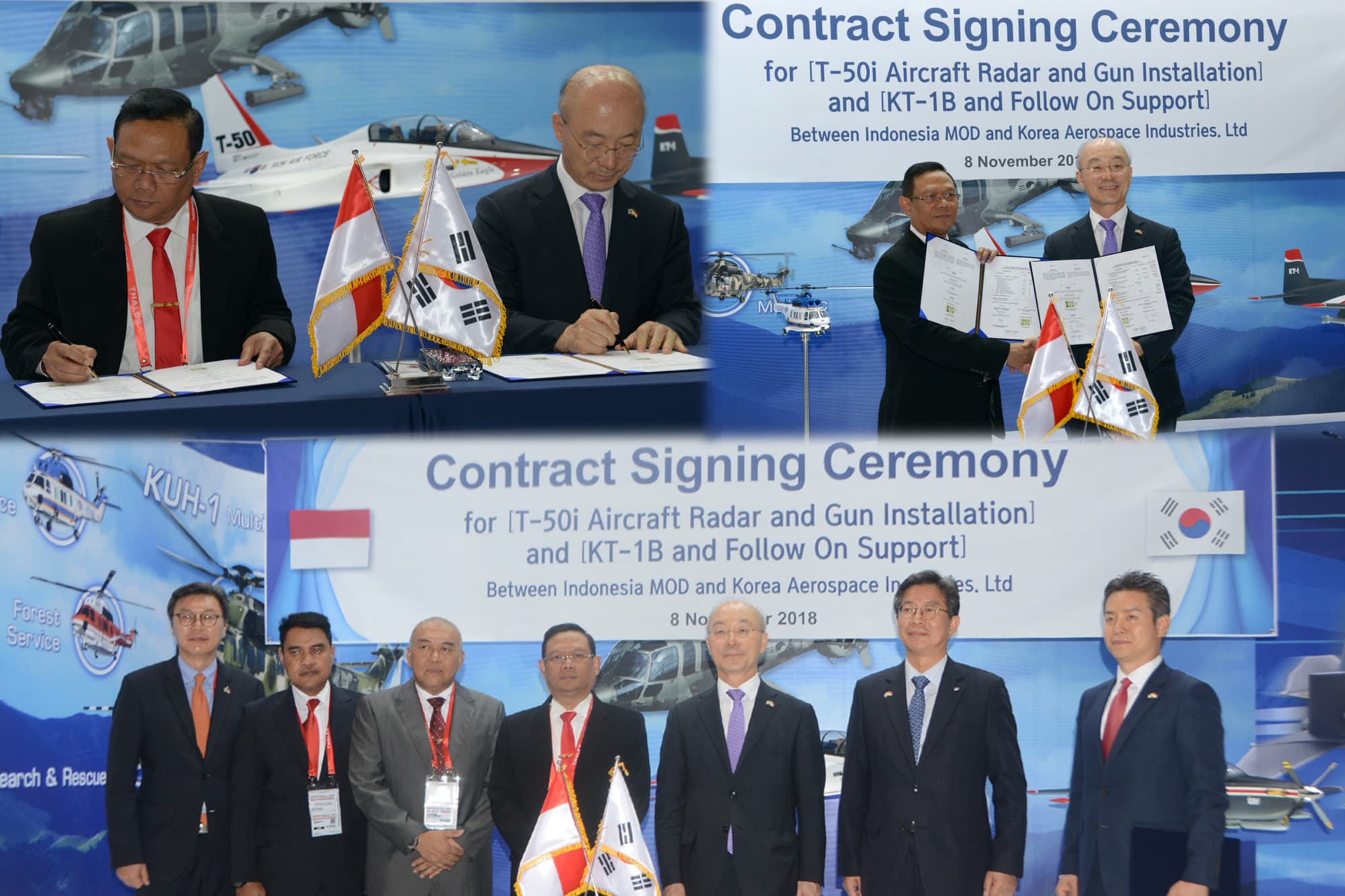
Indonesian variant of the Trainer T-50 Golden Eagle. Indonesia is the first export country of the jet. They were originally arrived without internal gun and radar but that was changed in 2018.
- https://www.historia.id/article/lika-liku-pesawat-t-50-dwrql
- https://web.archive.org/web/20190120152411/http://www.koreaaero.com/english/pr_center/cpr_view.asp?pg=1&gubun=v&seq=57174&bbs=10
- https://web.archive.org/web/20230618050519/https://www.kemhan.go.id/baranahan/2018/11/09/penandatanganan-kontrak-kerjasama-kemhan-dengan-kai.html
RANK VIII
–=FIGHTER AIRCRAFT=–
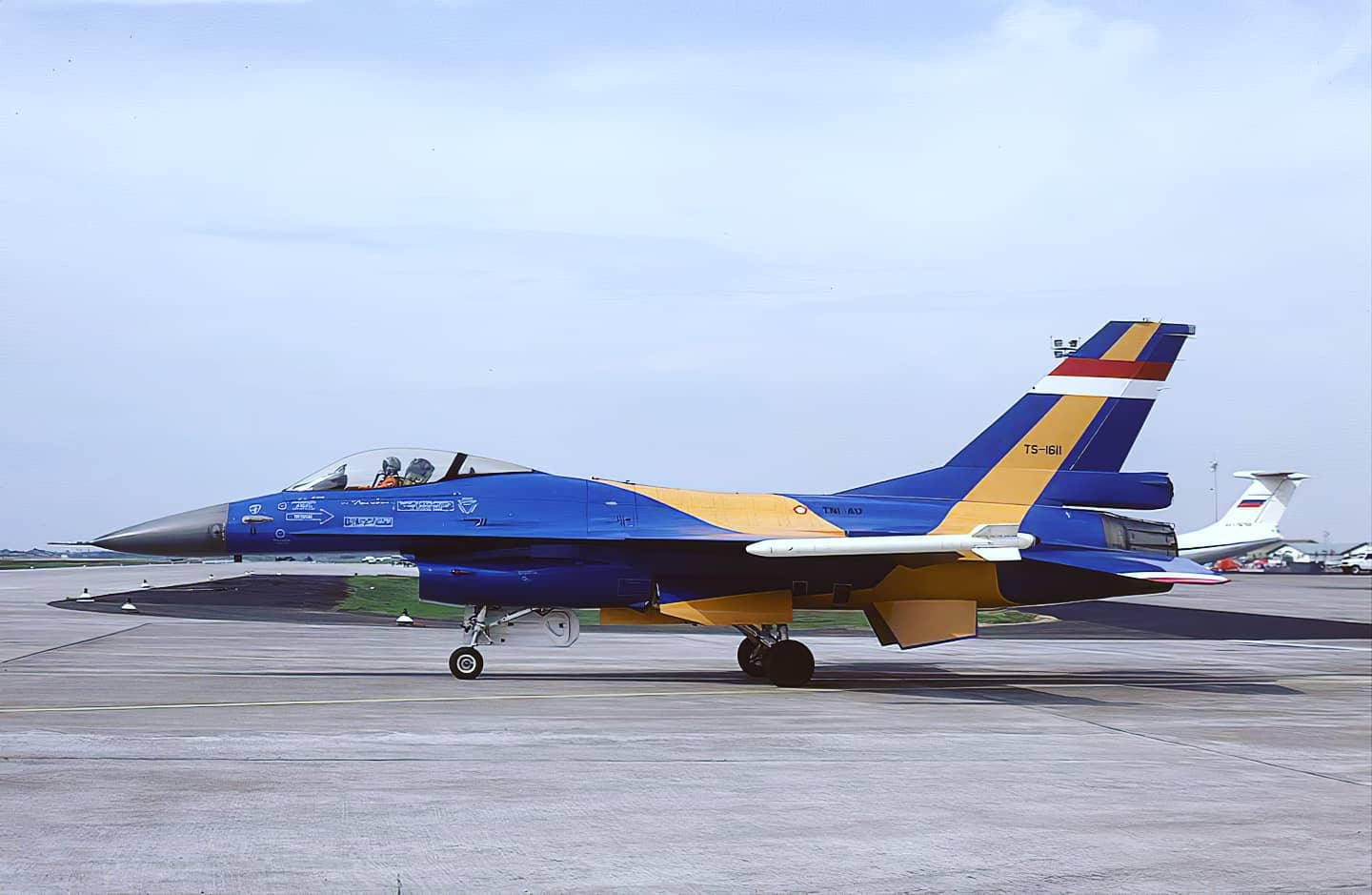
⬠ F-16A Block 15 OCU
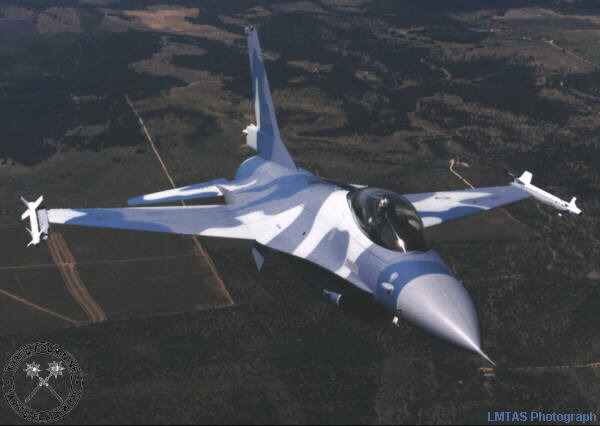
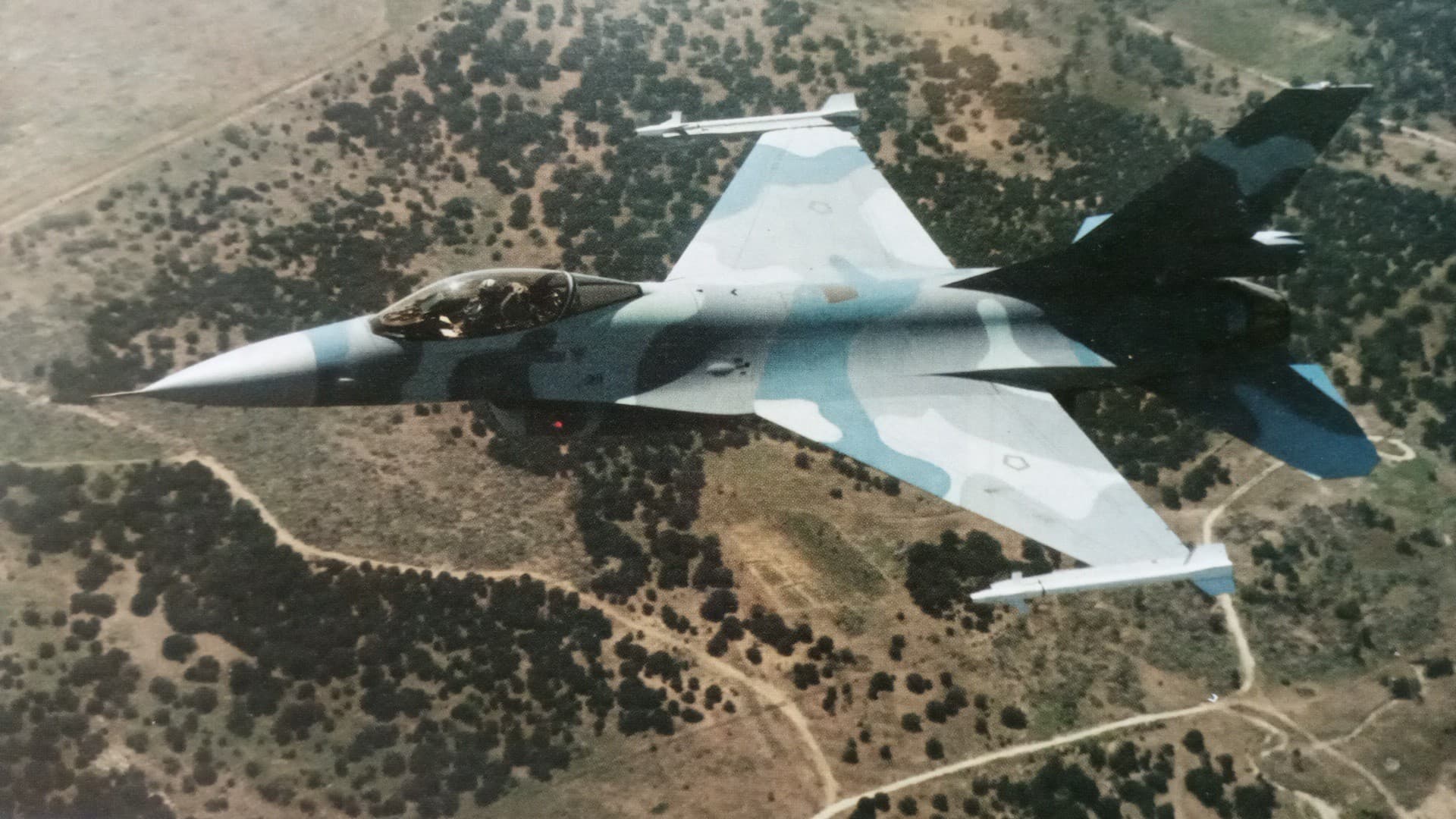
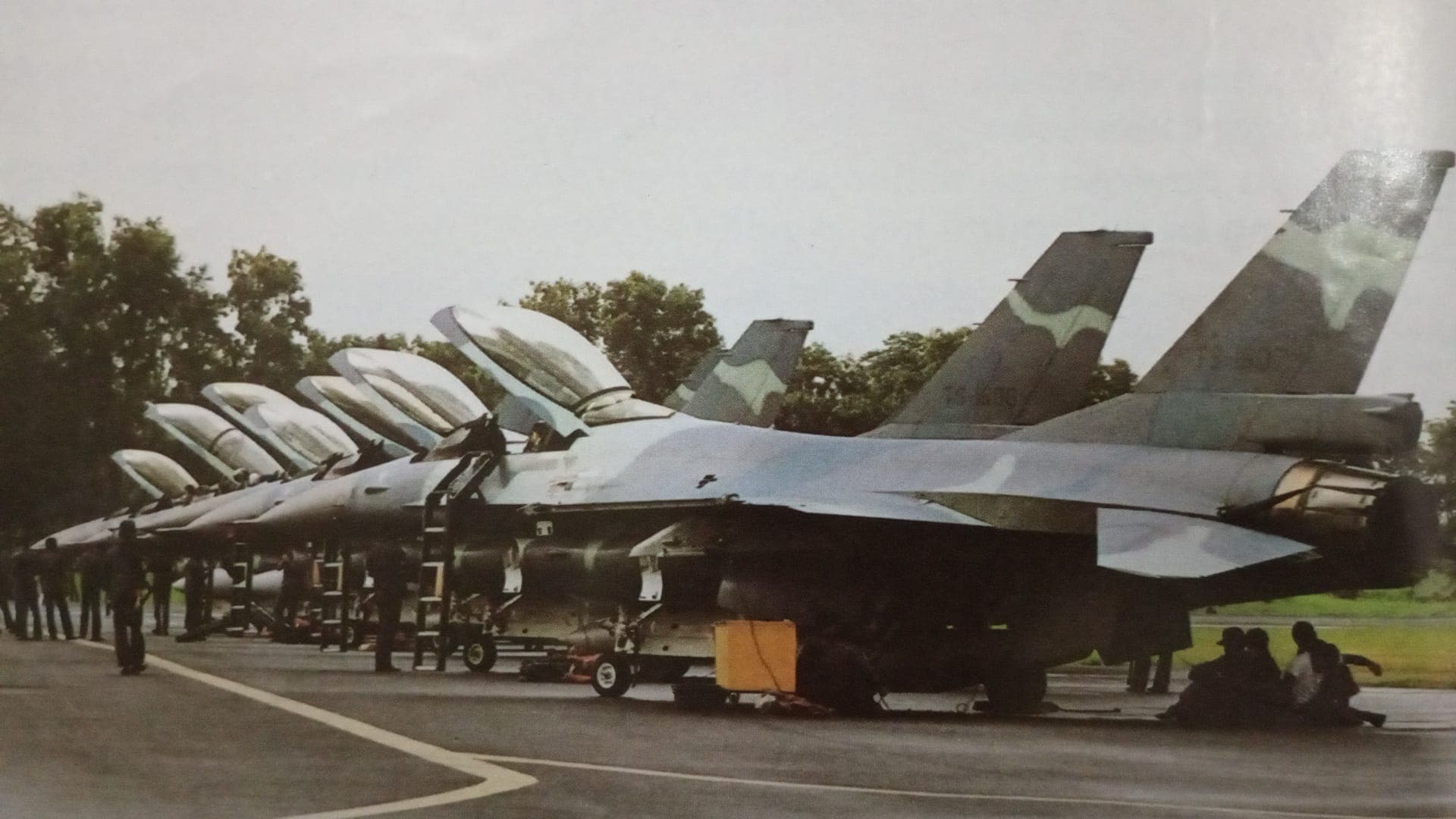
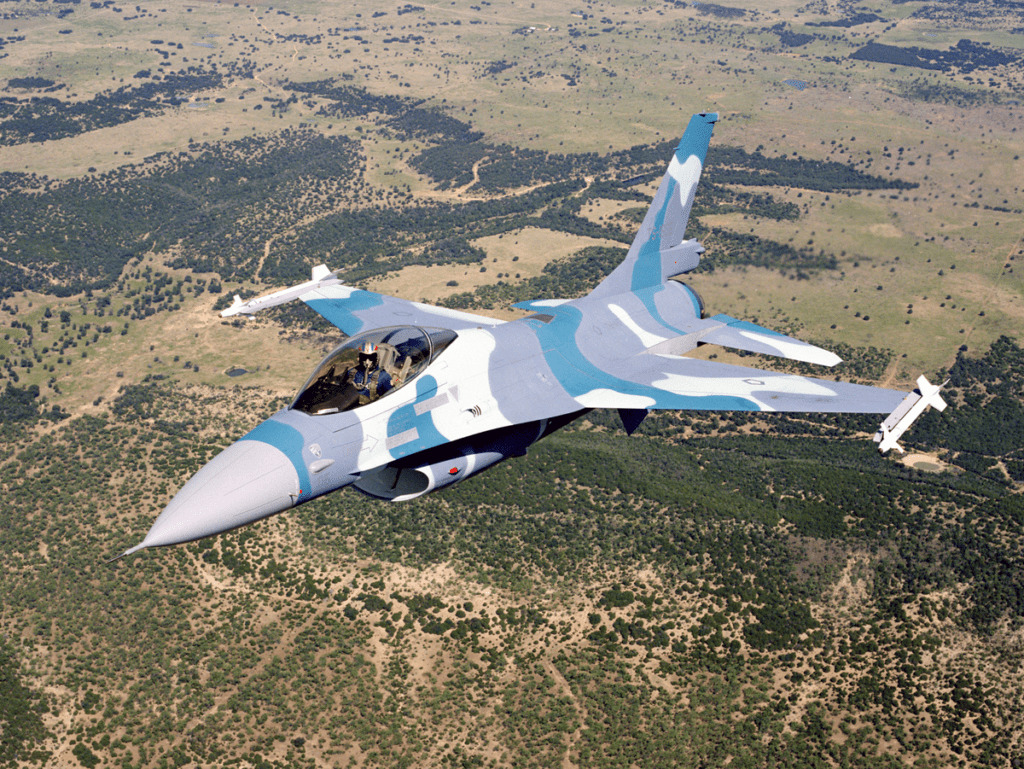
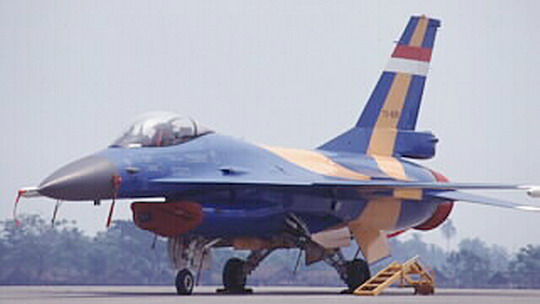
The earliest variant of the F-16 that Indonesia operated. 12 F-16A/B were purchased in 1986. 35% of the components are domestically made by IPTN. They were repainted the same paint scheme as the C/D, so an easy way to tell the difference is that the A/B’s vertical stabilizer base is slim, whereas the C/D is thicker.
⬠ F-16B Block 15 OCU
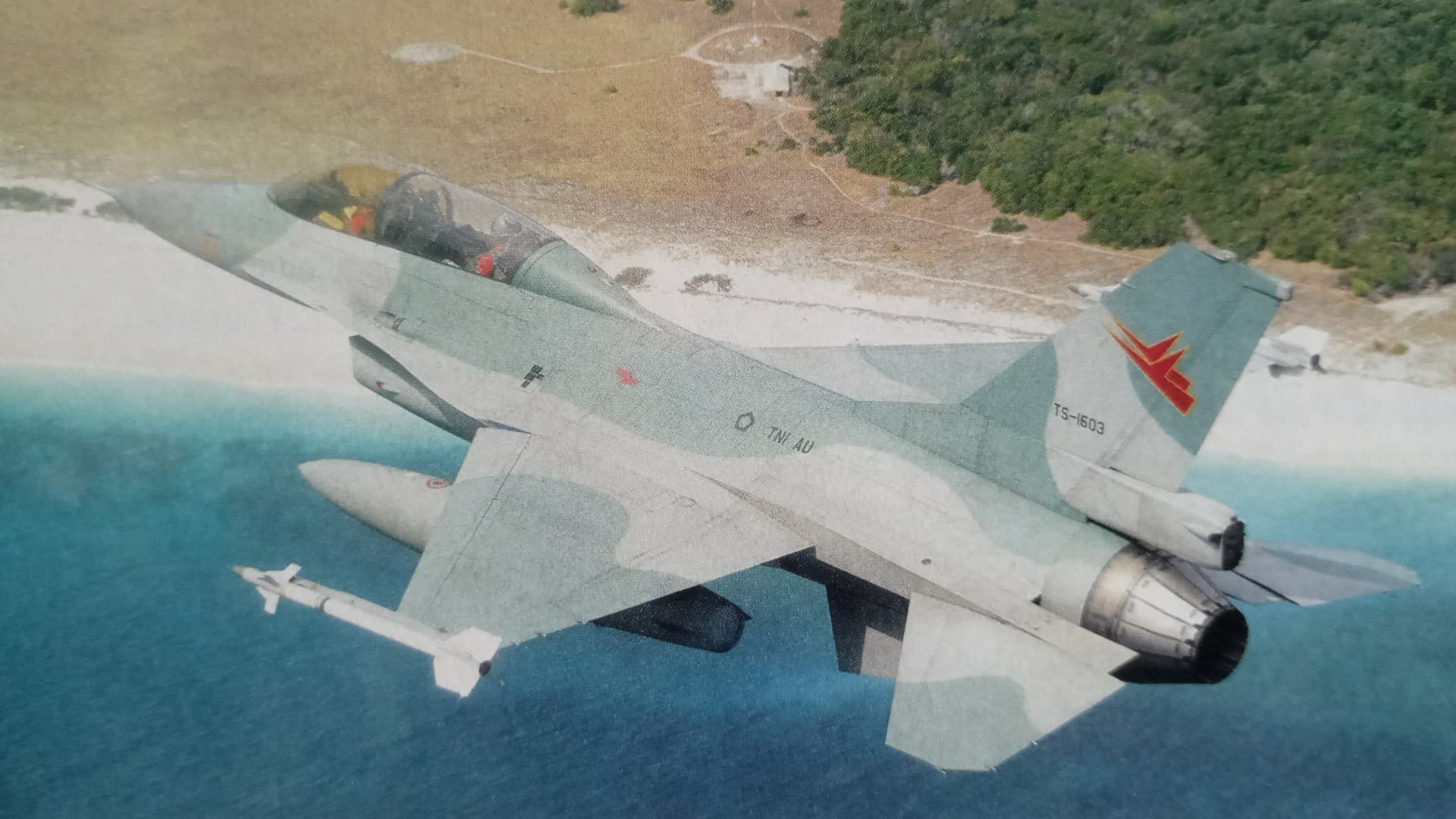
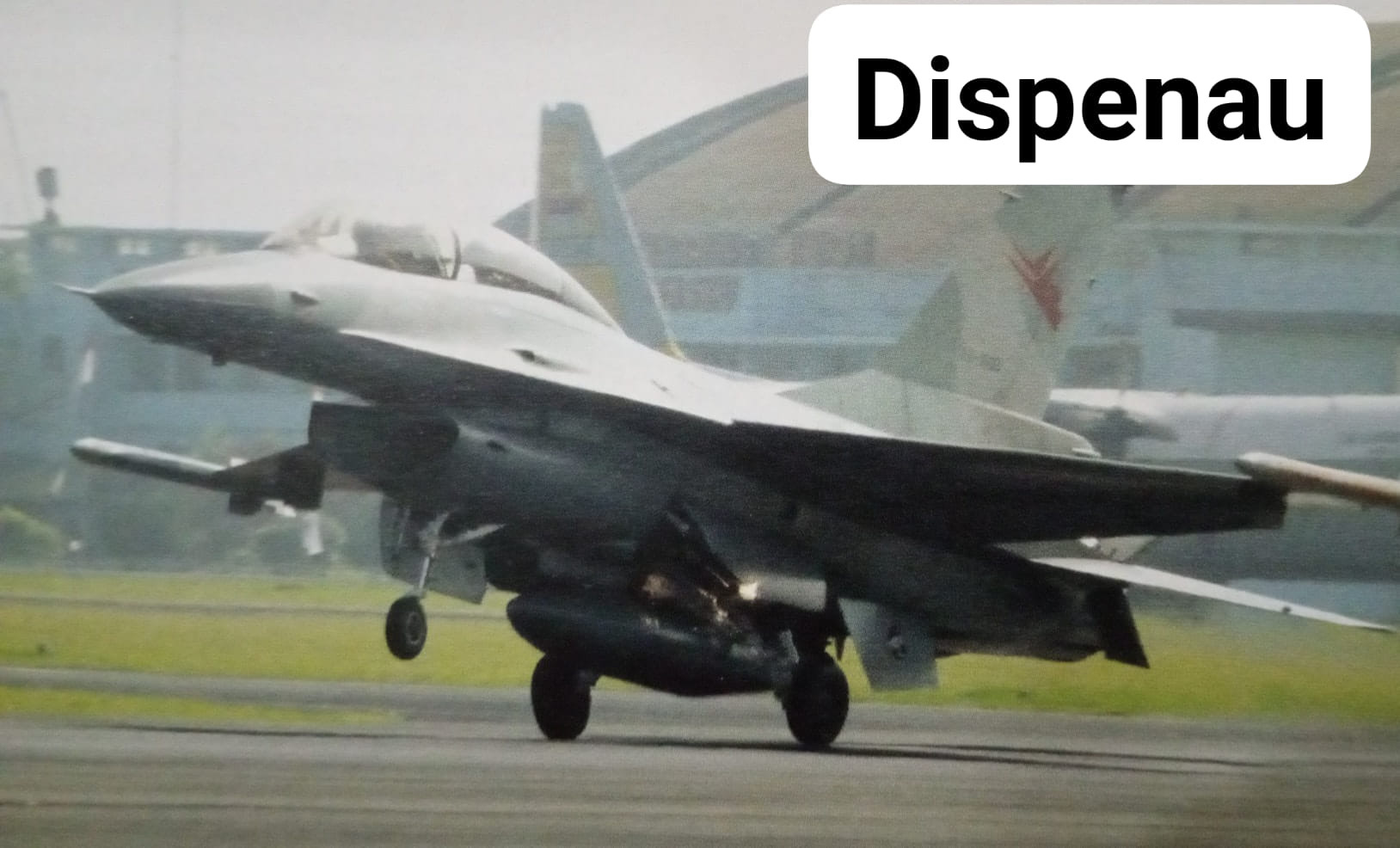
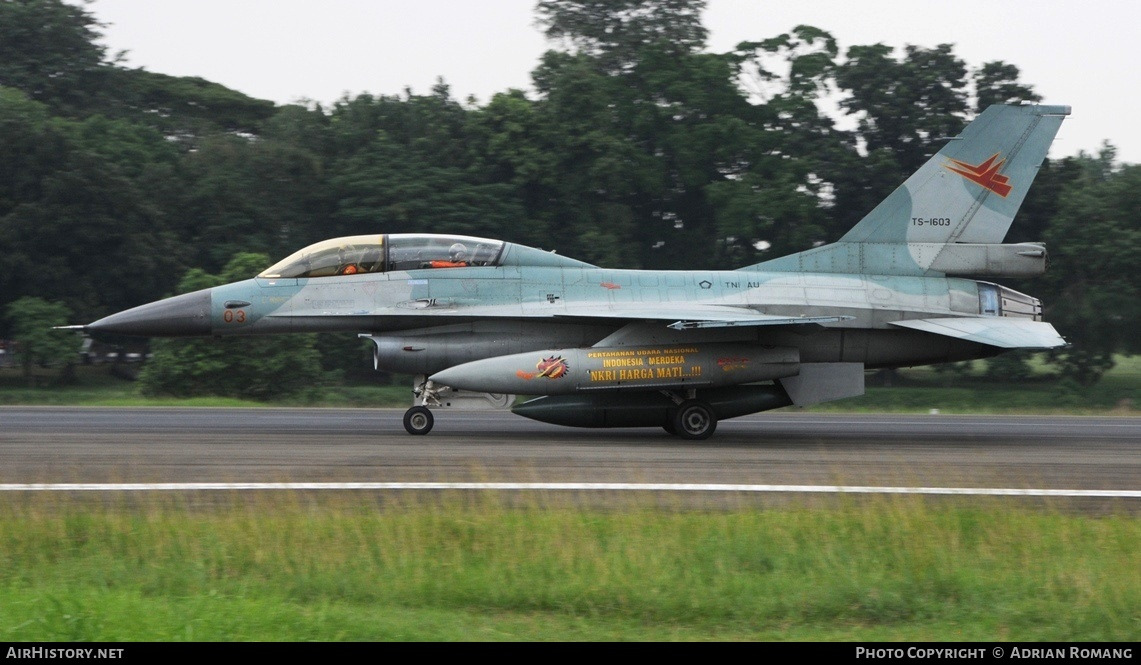
Twin-seat variant of the F-16A block 15 OCU. performs very similarly to the F-16A but with a slightly heavier airframe because of the added seat.
F-16C Block 52ID
Suggestion Page: F-16C Block 52ID - Legacy Wings With a Lethal Upgrade
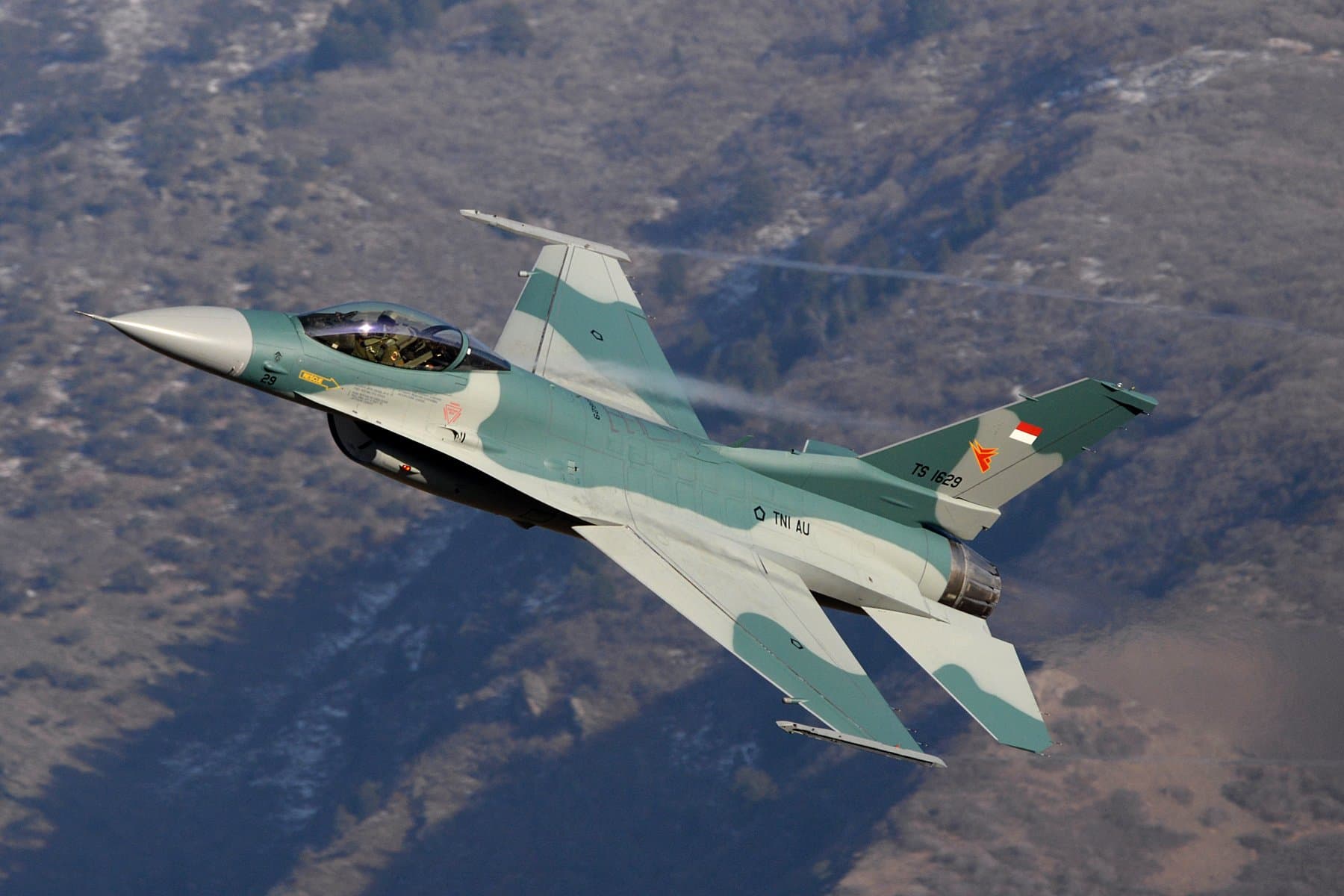
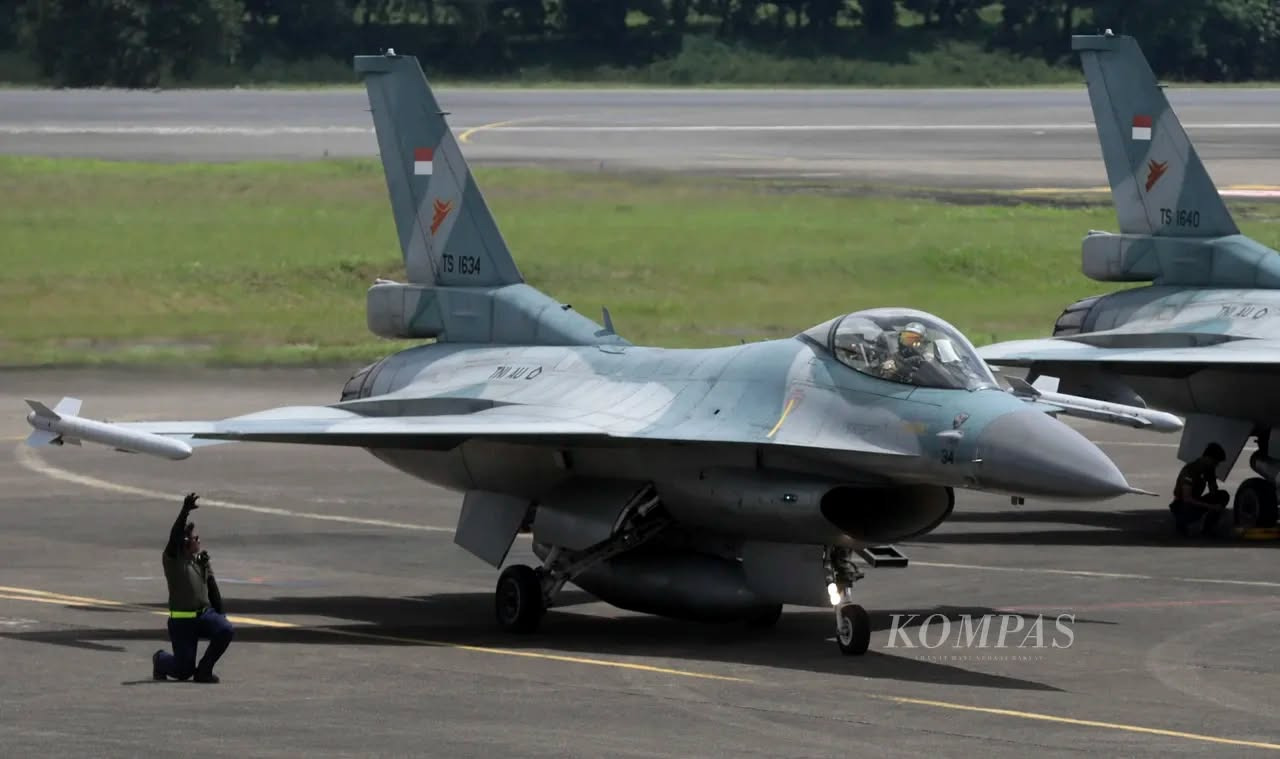
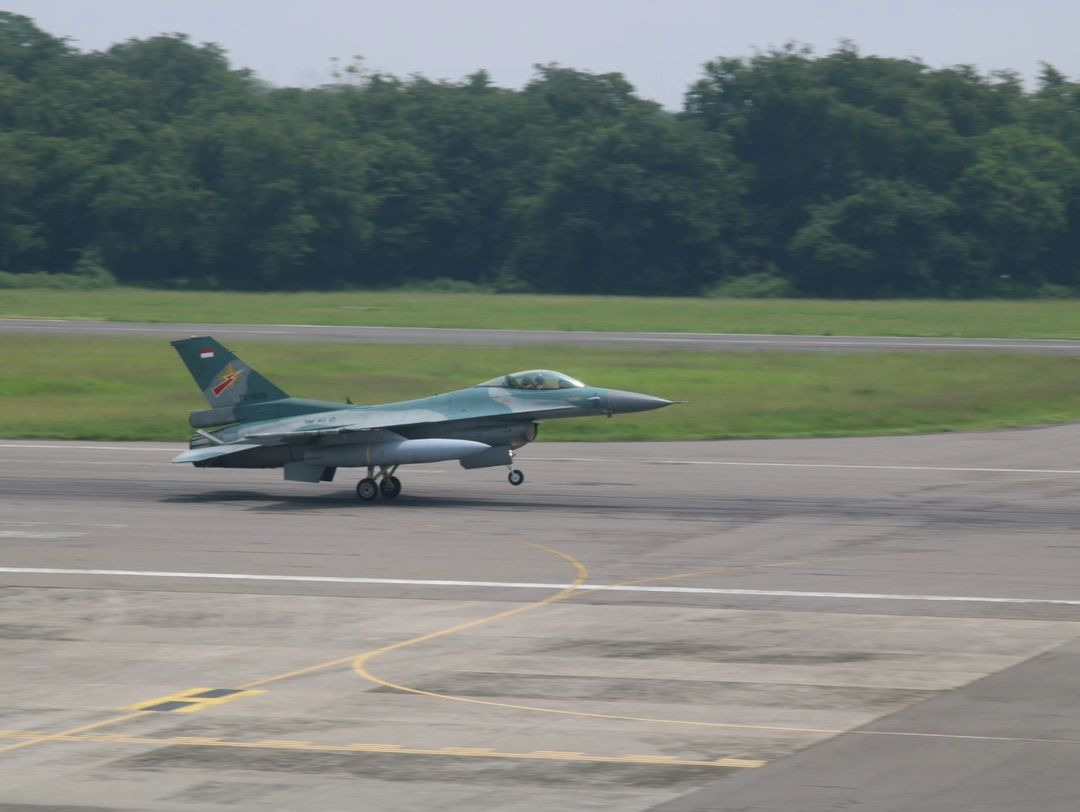
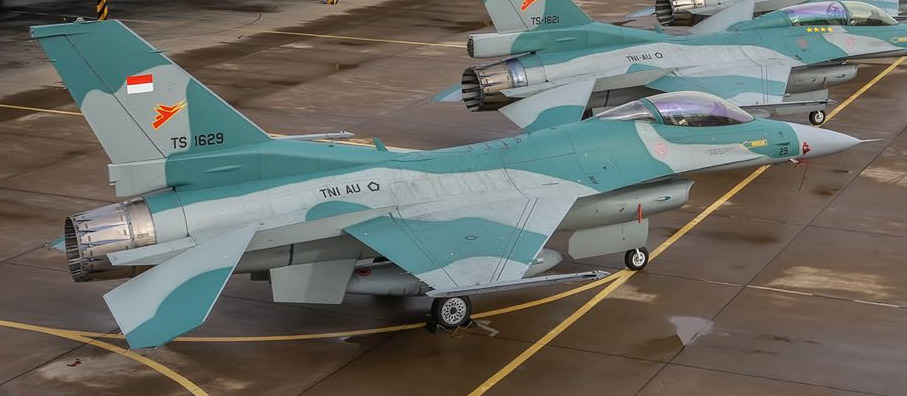
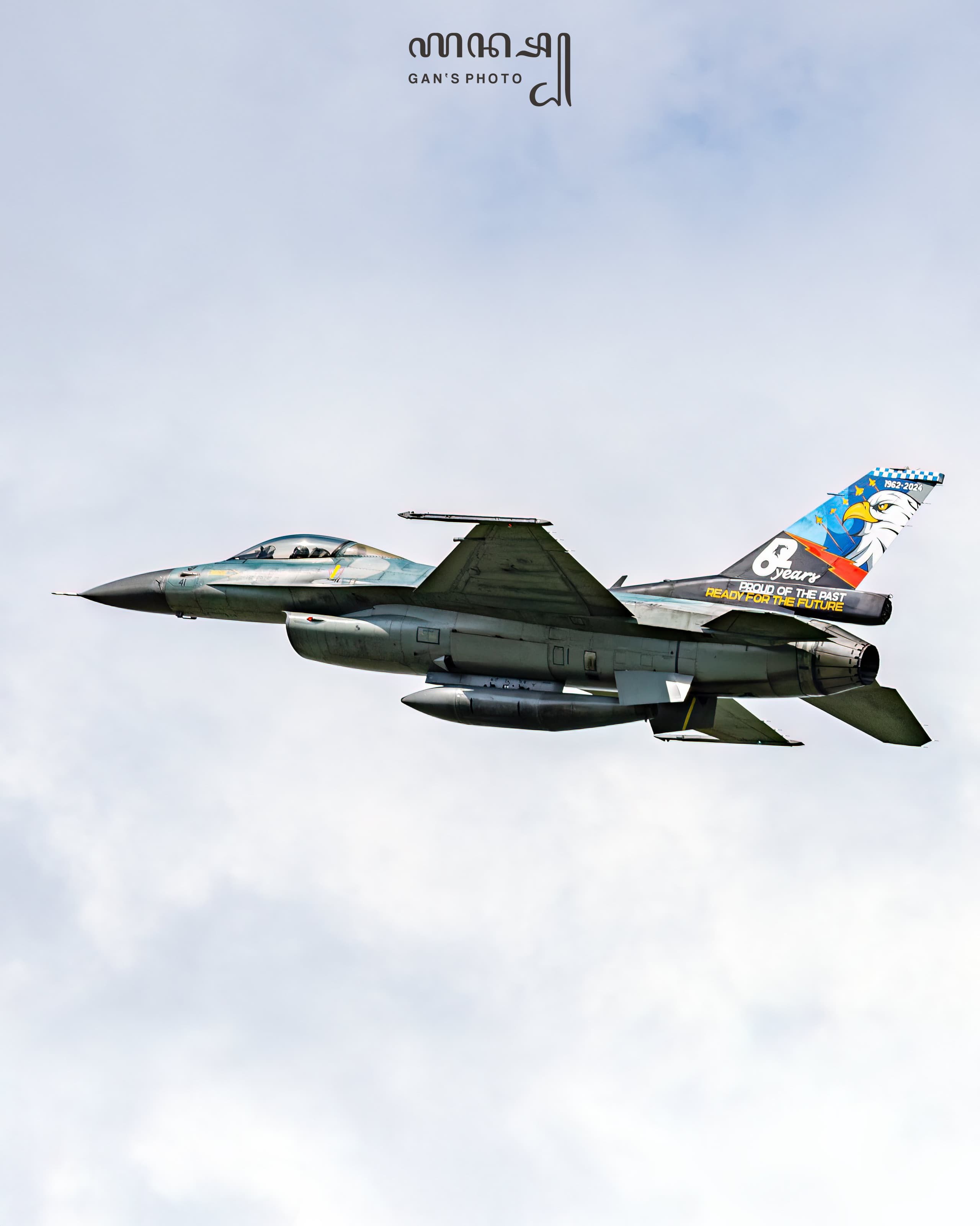
24 units of F-16C/D were obtained in the early 2010s. These airframes were originally of second-hand Block 25s. They were refurbished and upgraded from the Block 25 to be equal to the Block 52. To tell the C/D apart compared to the A/AM/B/BM is that the C/D has a much thicker vertical stabilizer base compared to the other variants.
F-16D Block 52ID
Suggestion Page: F-16D Block 52ID - Twin-Seat Variant of the 52ID
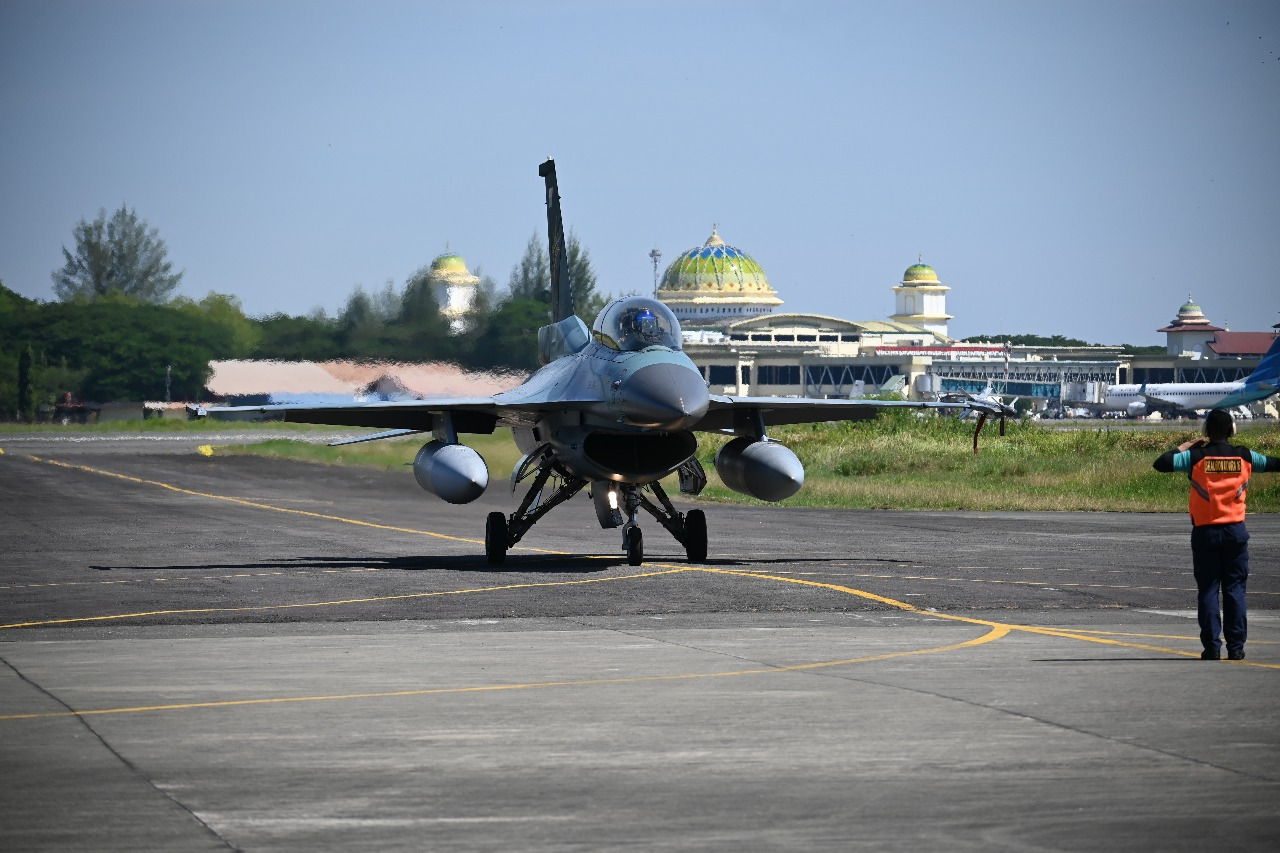
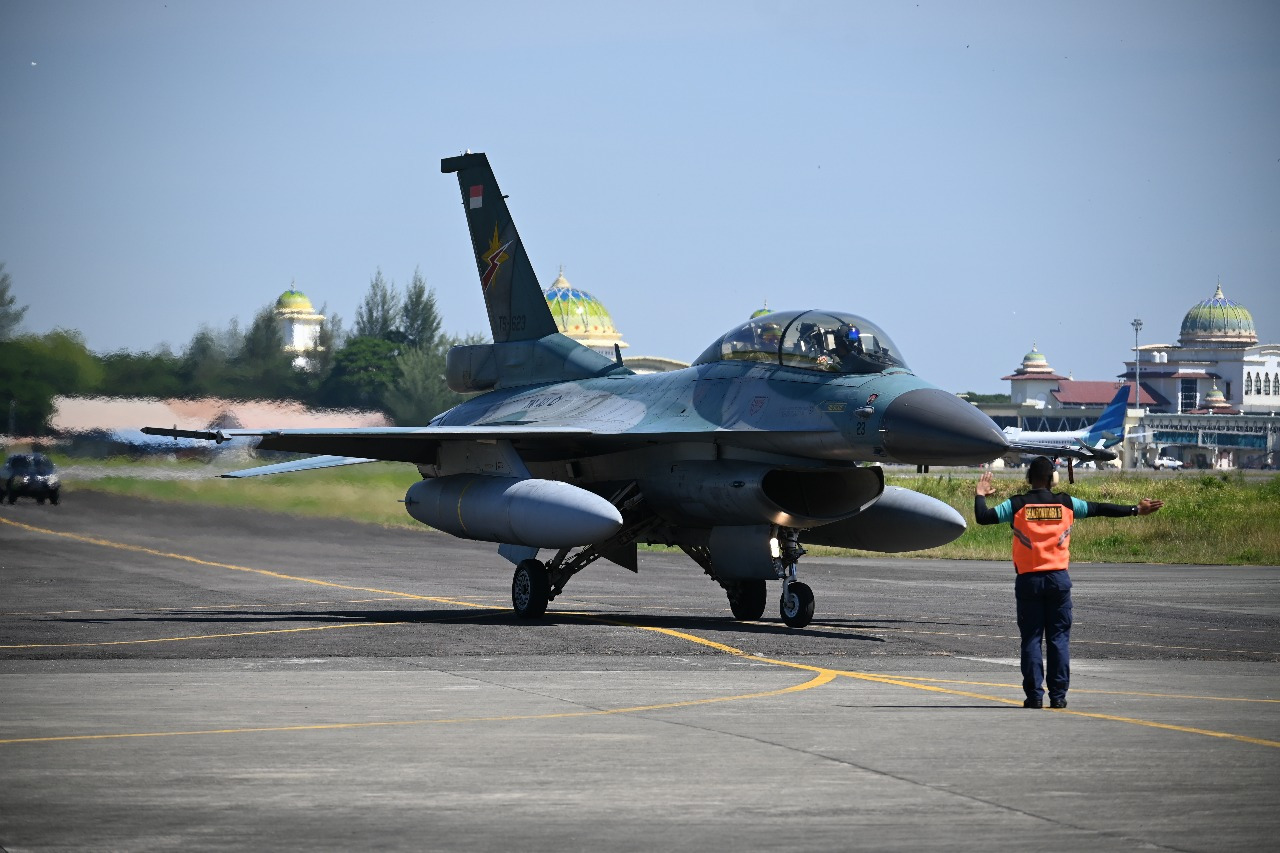
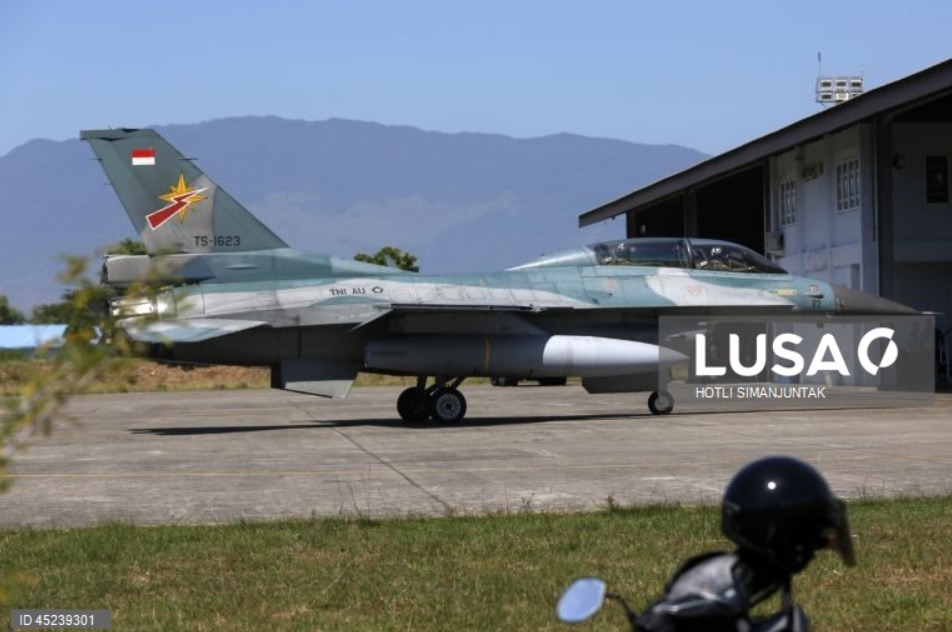
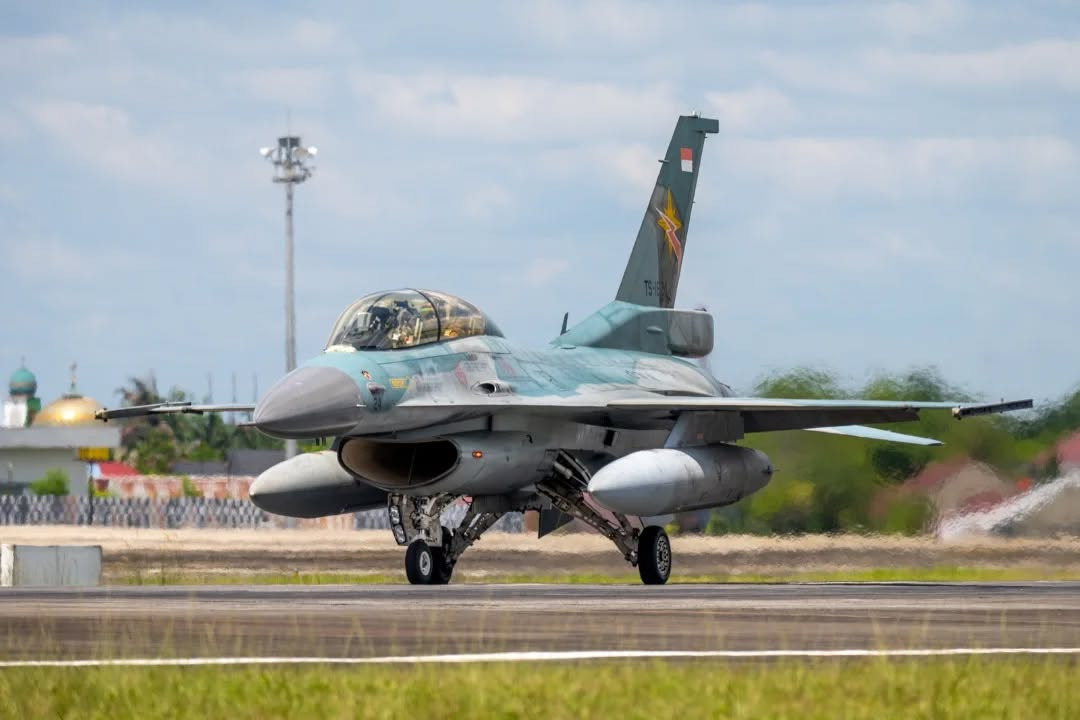
Twin-seater variant of the F-16C Block 52ID. virtually identical to the F-16C, with the same caveat as the F-16B
⬠ F-16AM Falcon Star eMLU
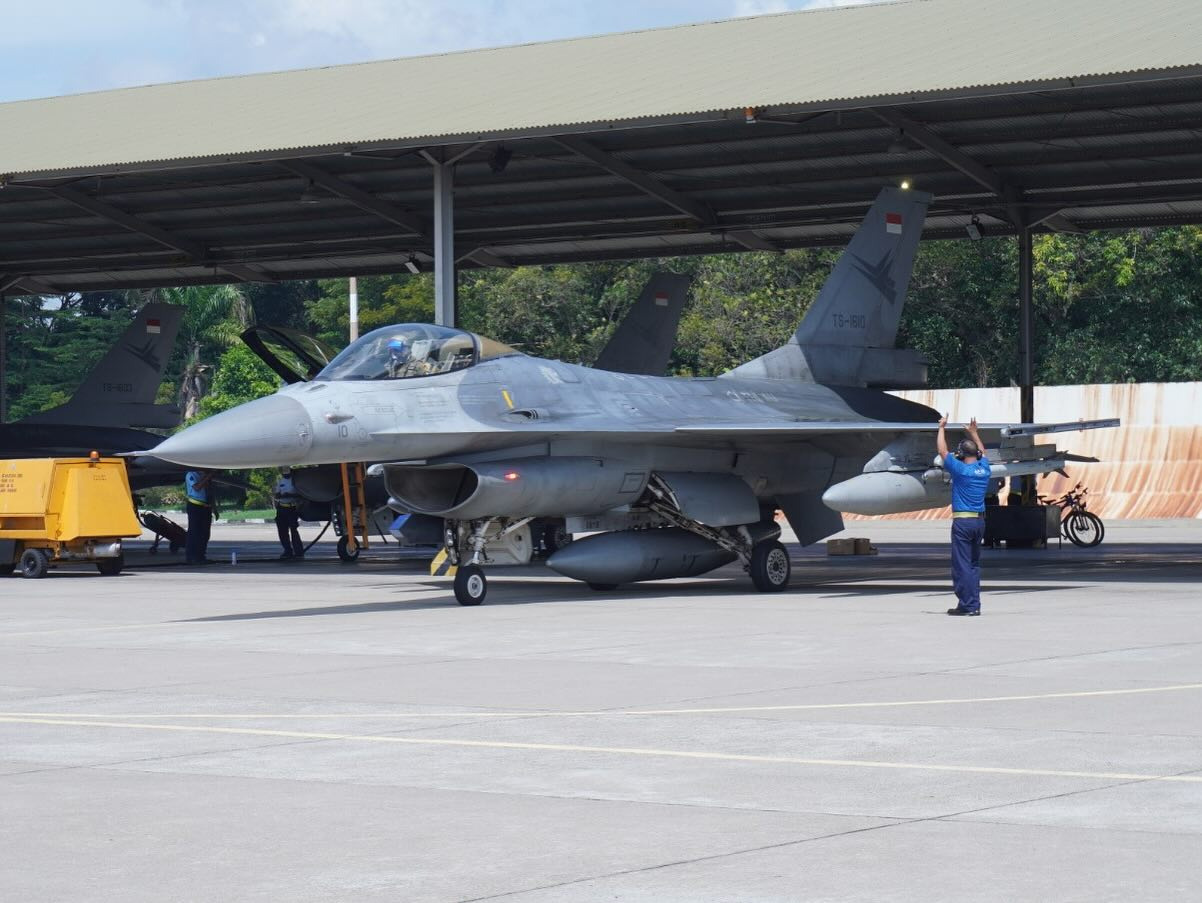
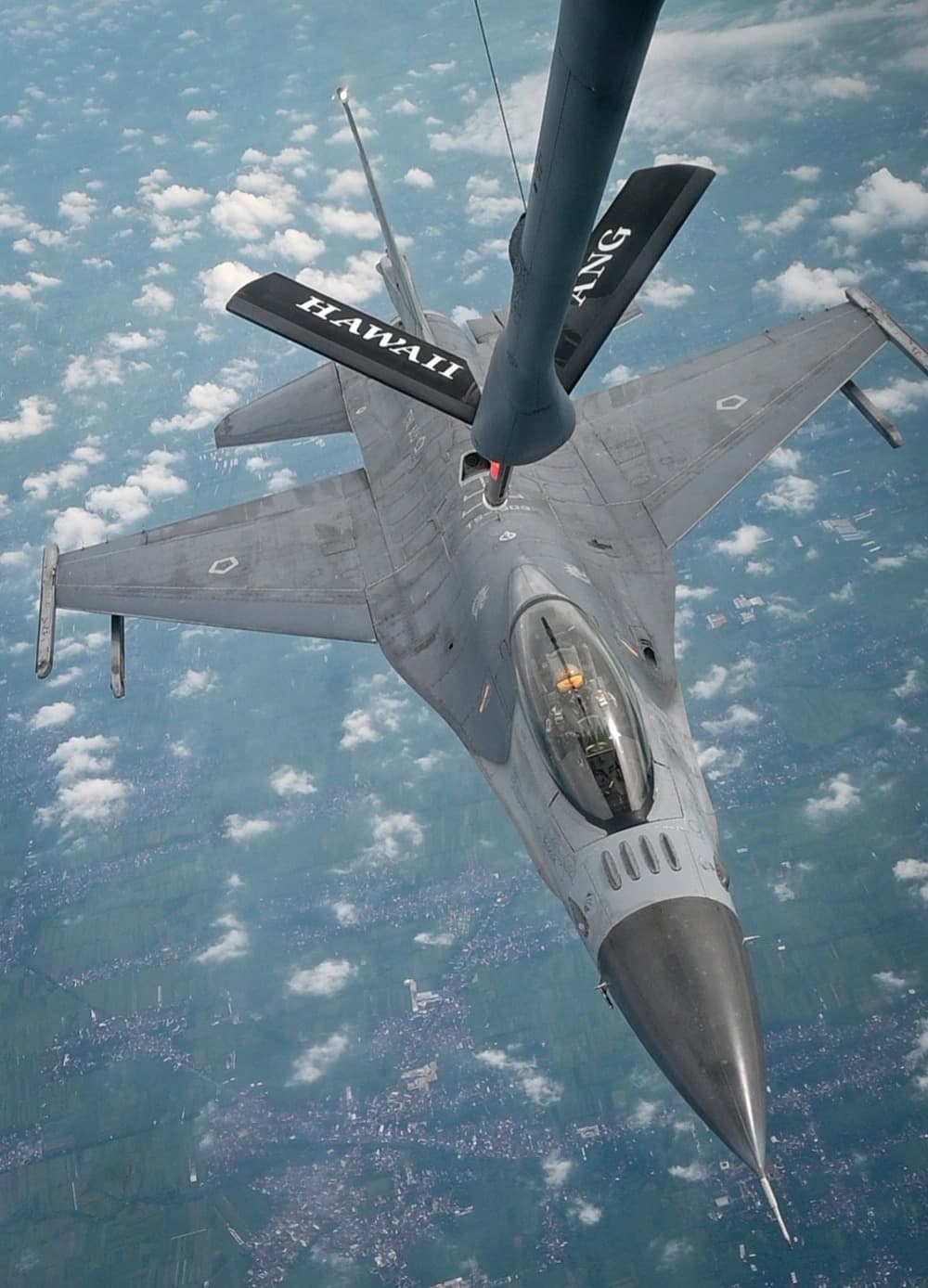
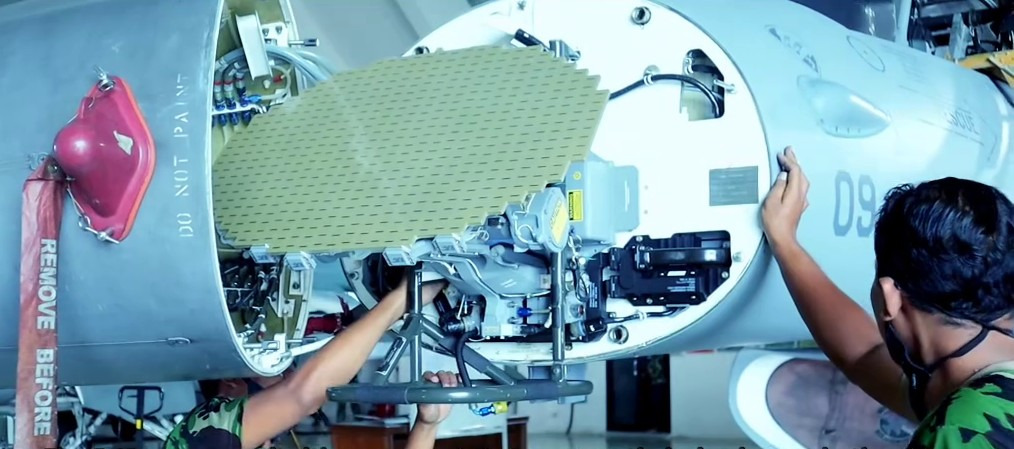
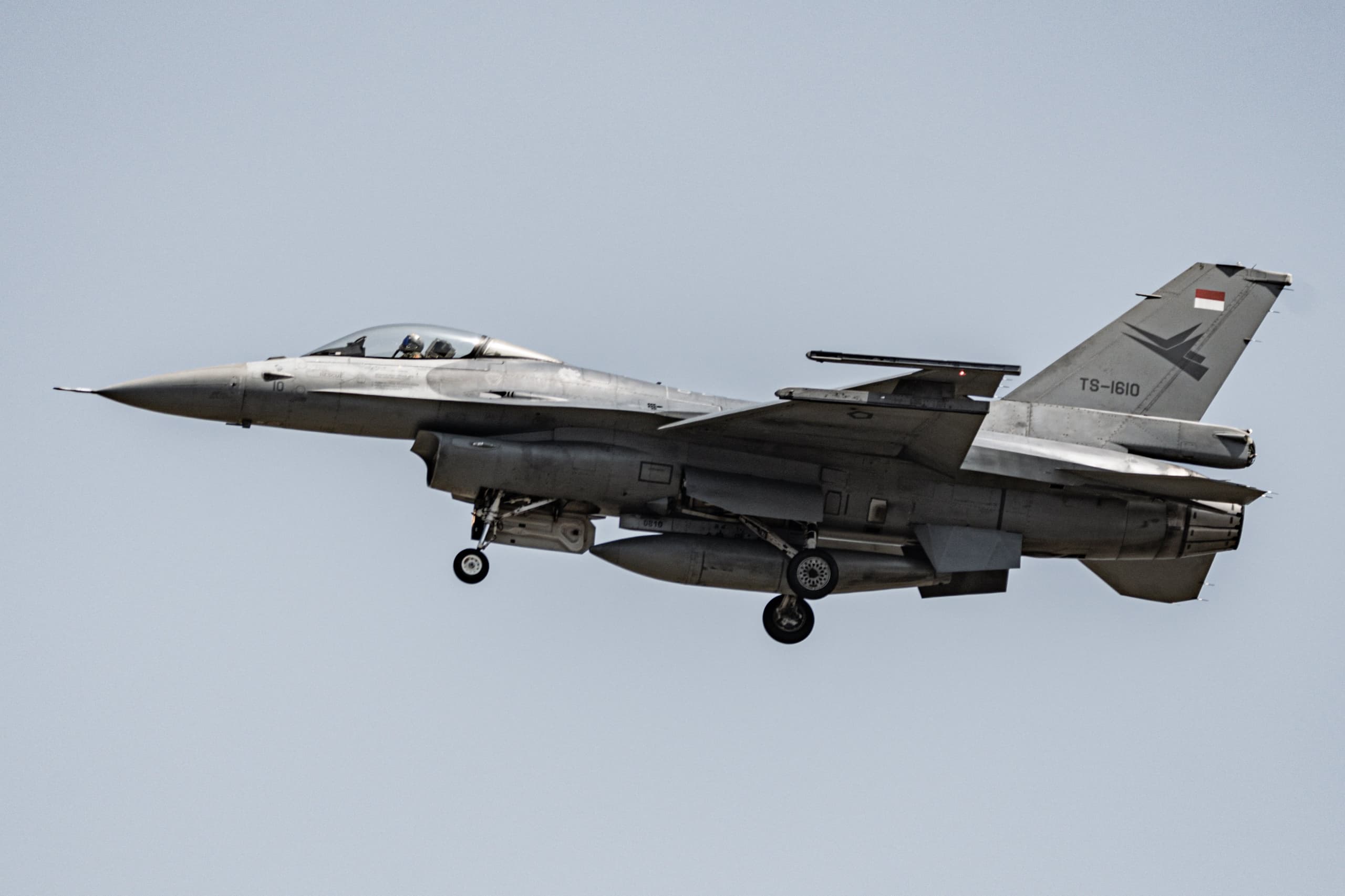
All of the F-16A/B has been upgraded to the AM/BM via the Falcon Star eMLU. These variants can be spotted with their distinctive gunship grey camo & the “Bird Slicer” IFF in front of the canopy (notably lacking on the A/B/C/D model).
⬠ F-16BM Falcon Star eMLU
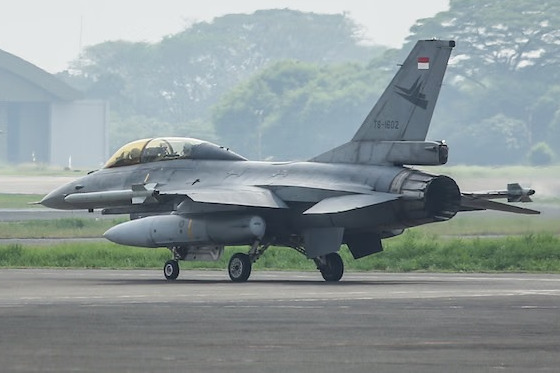
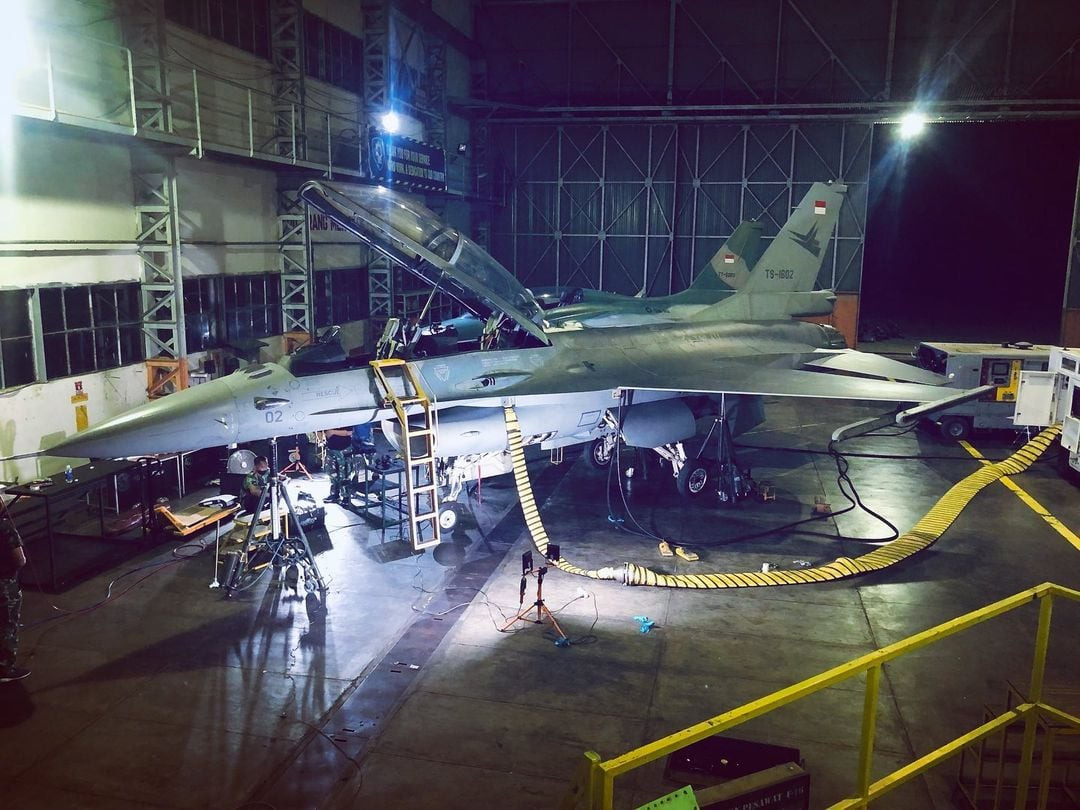
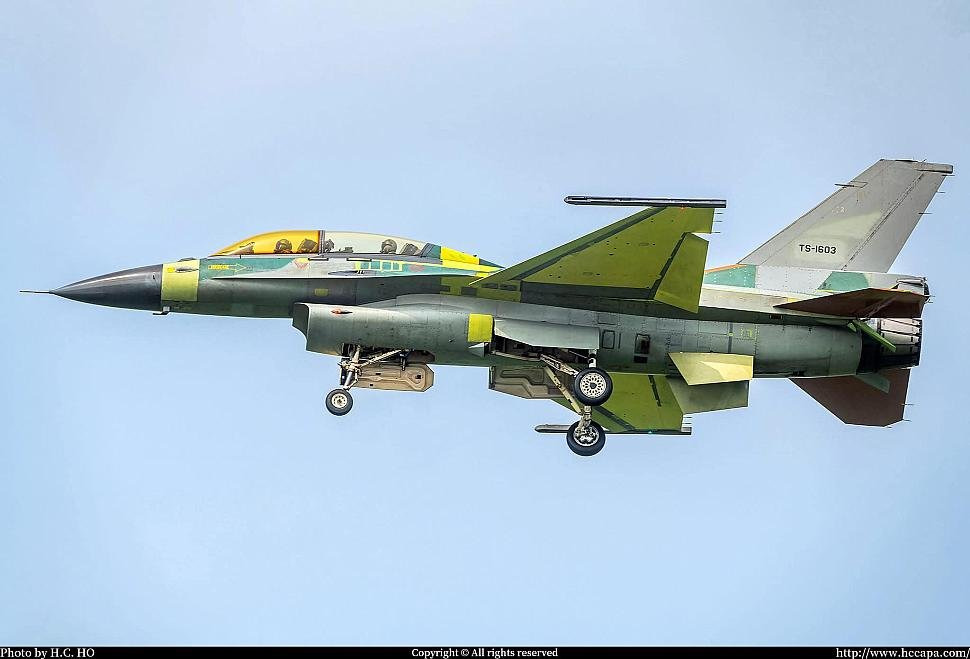
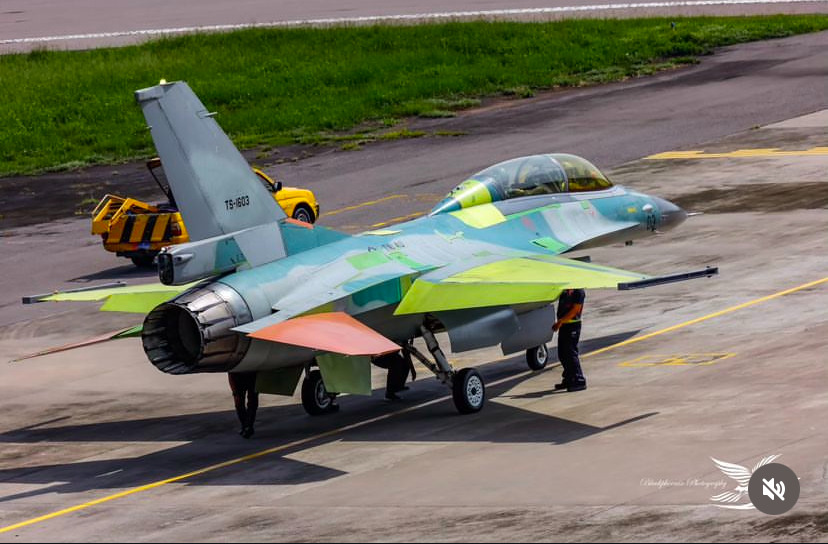
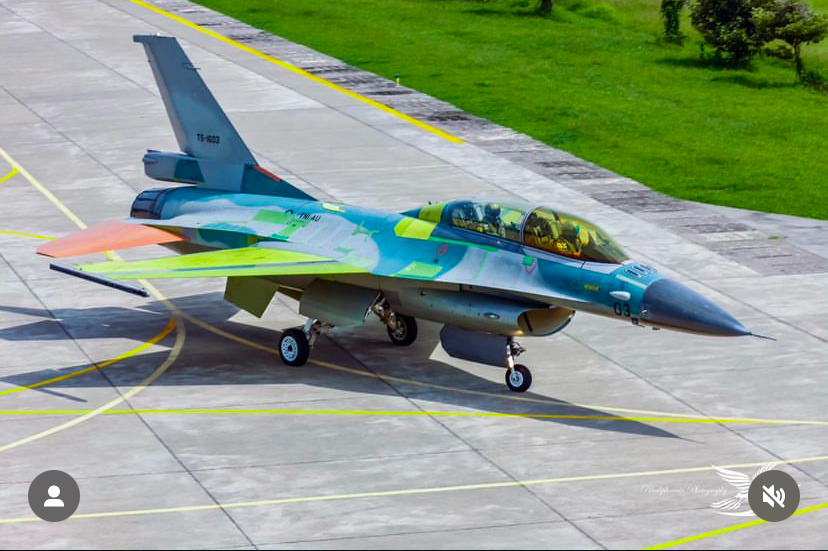
Twin seater variant of the F-16AM.
⬠ Su-27SK
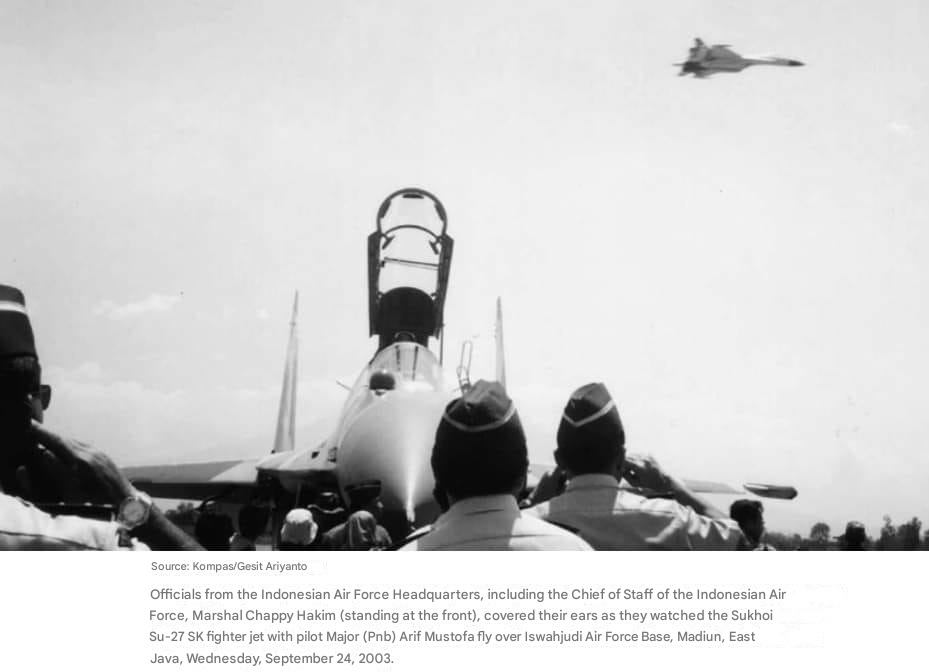
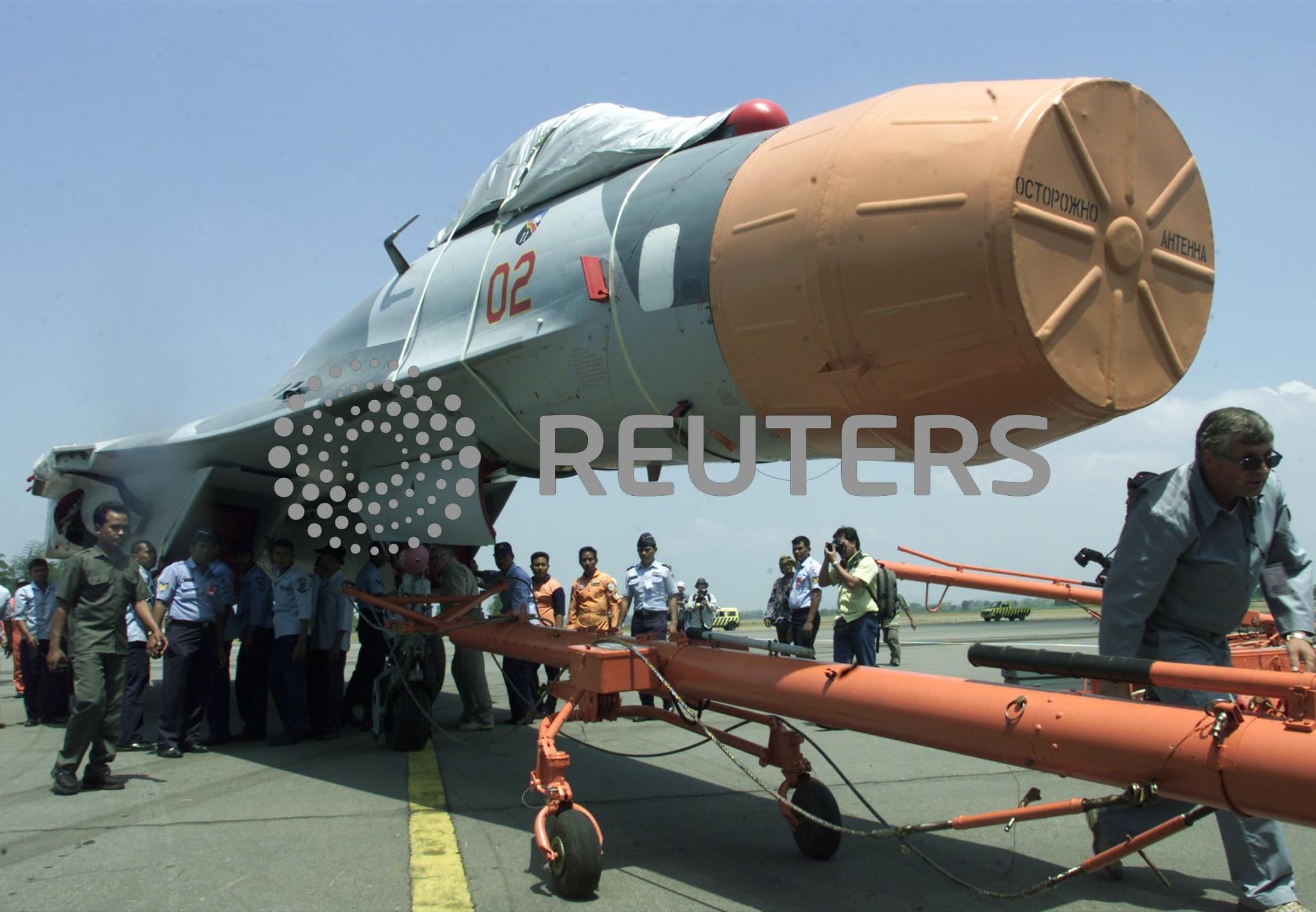
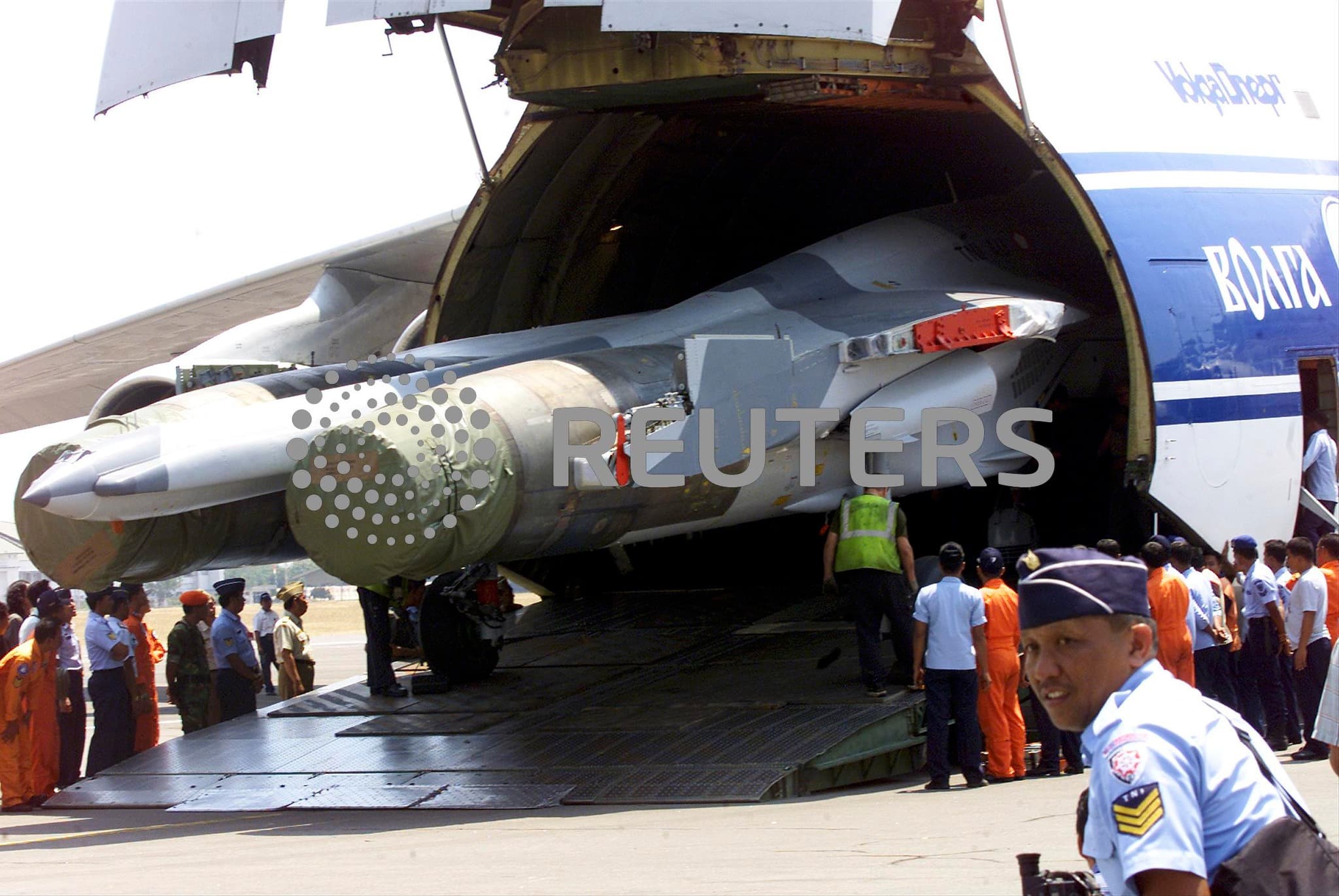
Export variant of the Su-27S. Only two units were of the SK variant. These units would then be upgraded to the SKM standard in Belarus. All Sukhoi fighters jets can carry the domestically made PT. Sari Bahari’s P-series (100/250/500) as well as PT. PINDAD’s BTN-250 dumb bombs. The Su-27s can also carry the Veresk Active Jammer pod (different to the talisman ADS found on the Su-30s)
⬠ Su-27SKM
Suggestion Page: (ID) Sukhoi TNI-AU Su-27SKM: The Java sea flanker
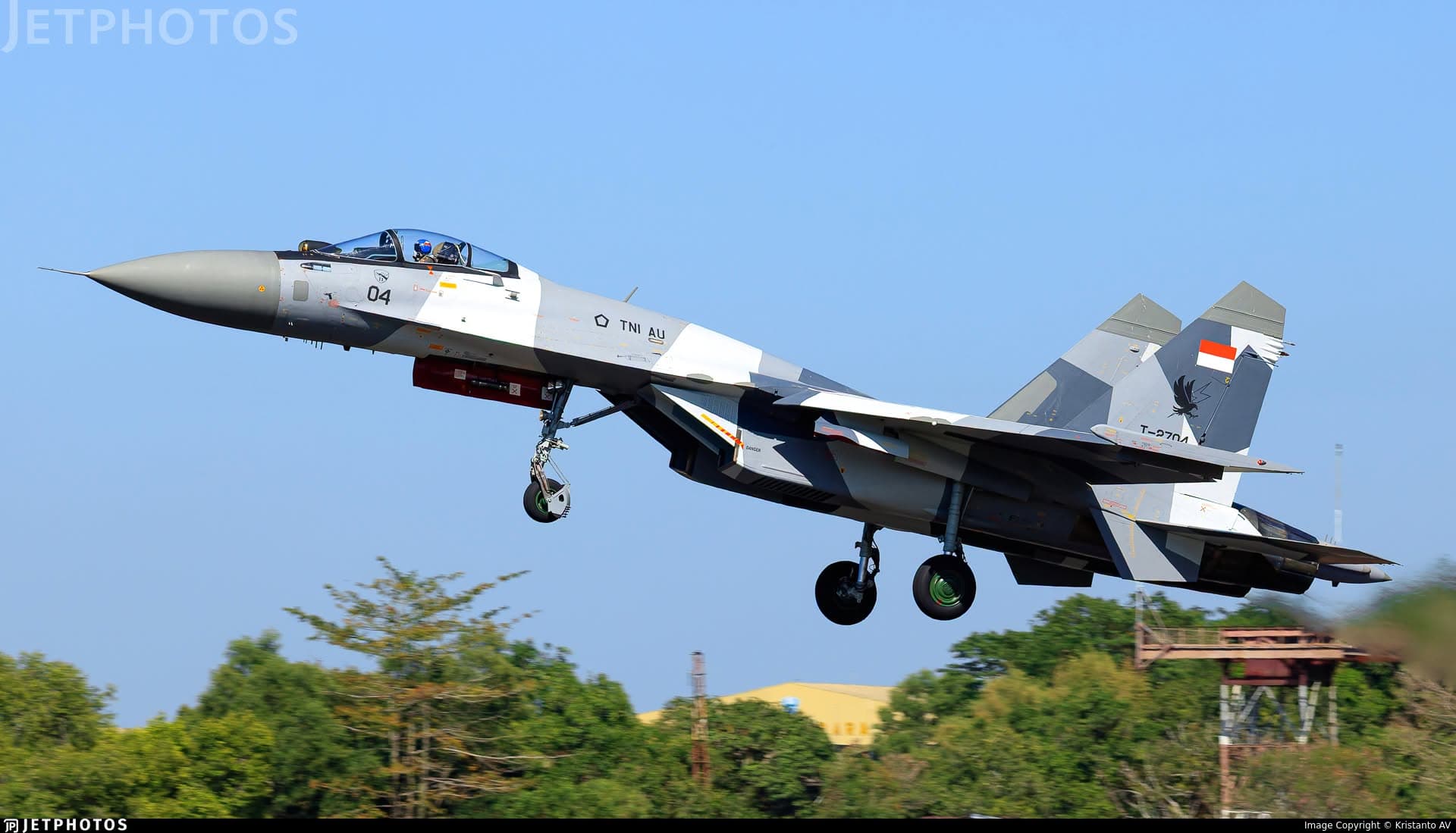
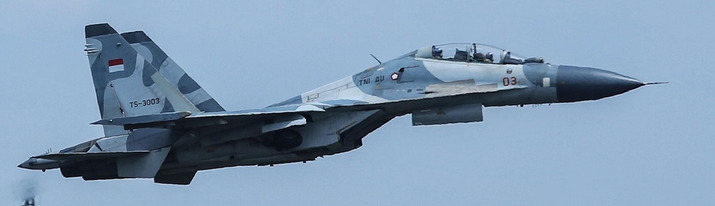
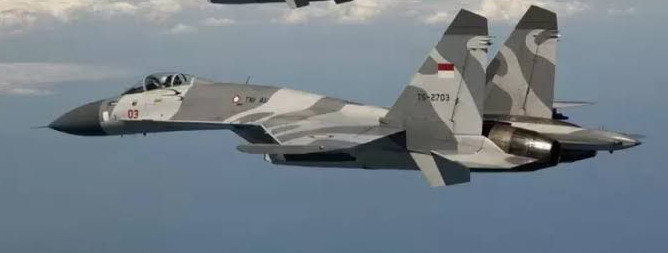
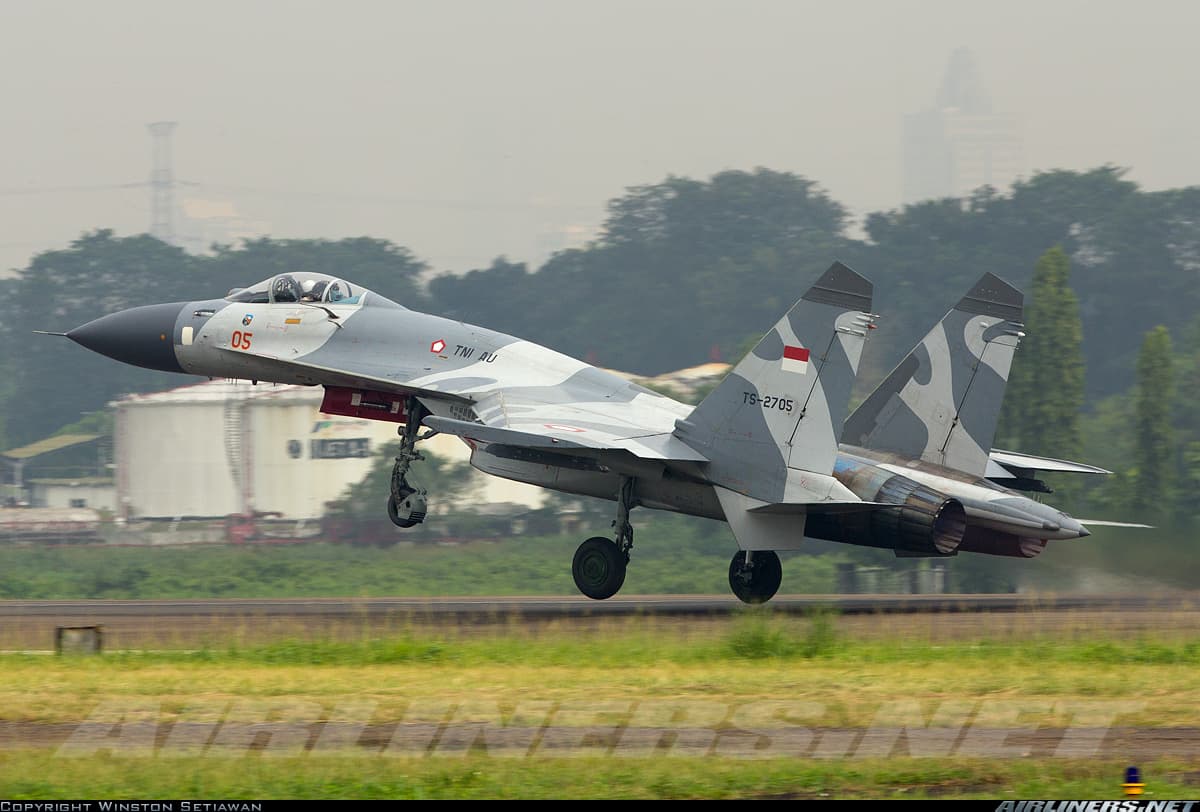
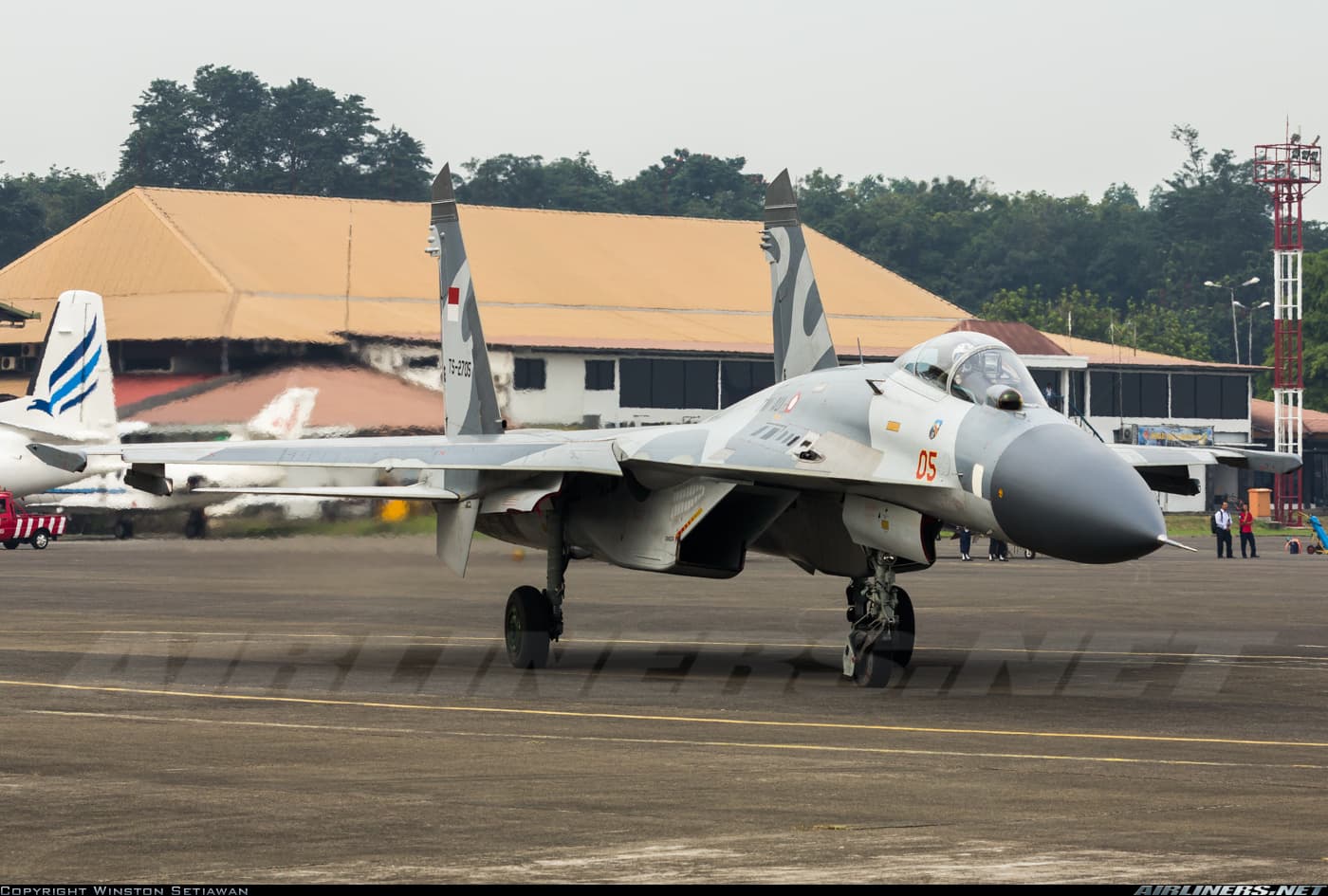
Export variant of the Su-27SM, upgraded models of the Su-27SK. All Sukhoi fighters jets can carry the domestically made PT. Sari Bahari’s P-series (100/250/500) as well as PT. PINDAD’s BTN-250 dumb bombs
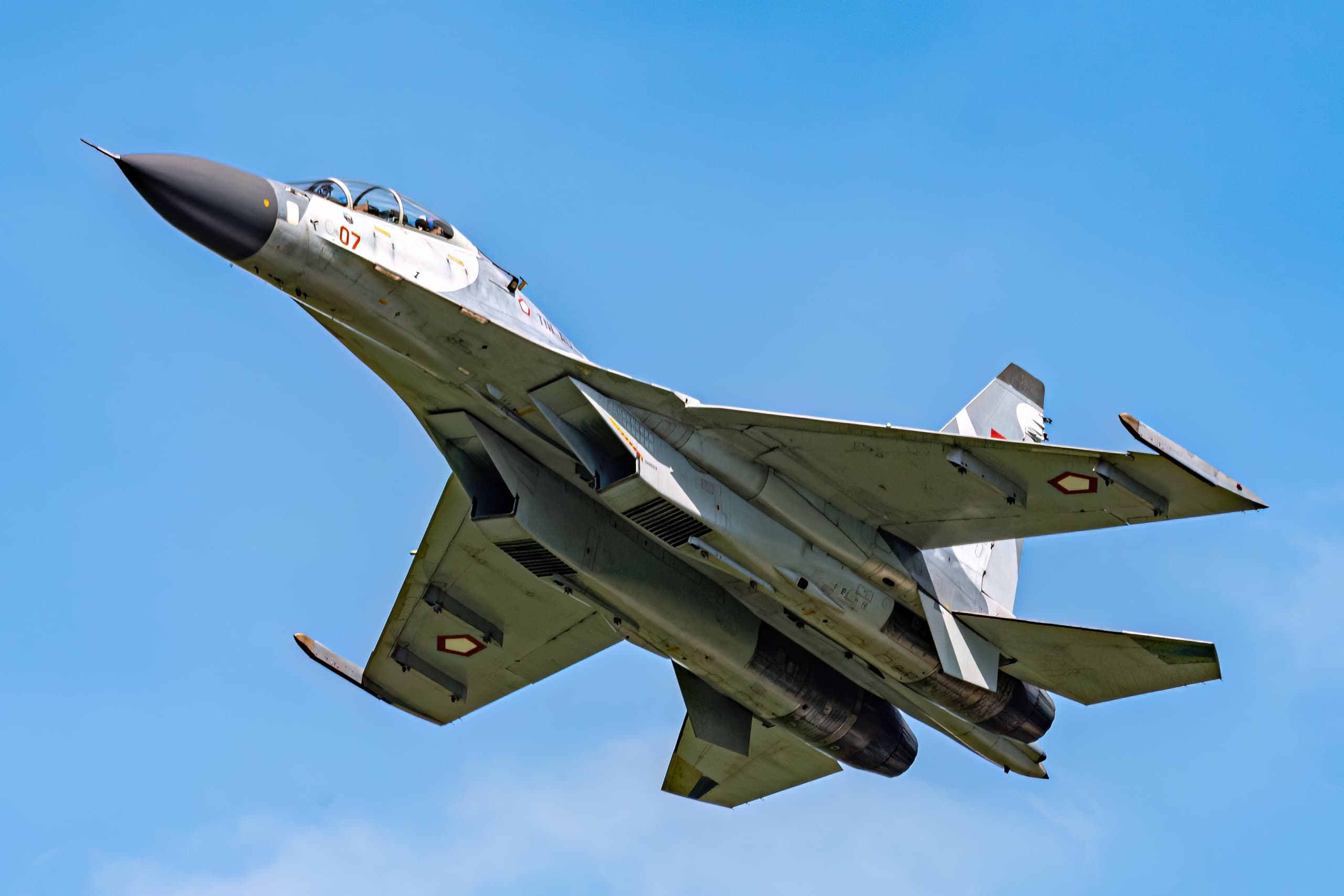
⬠ Su-30MK
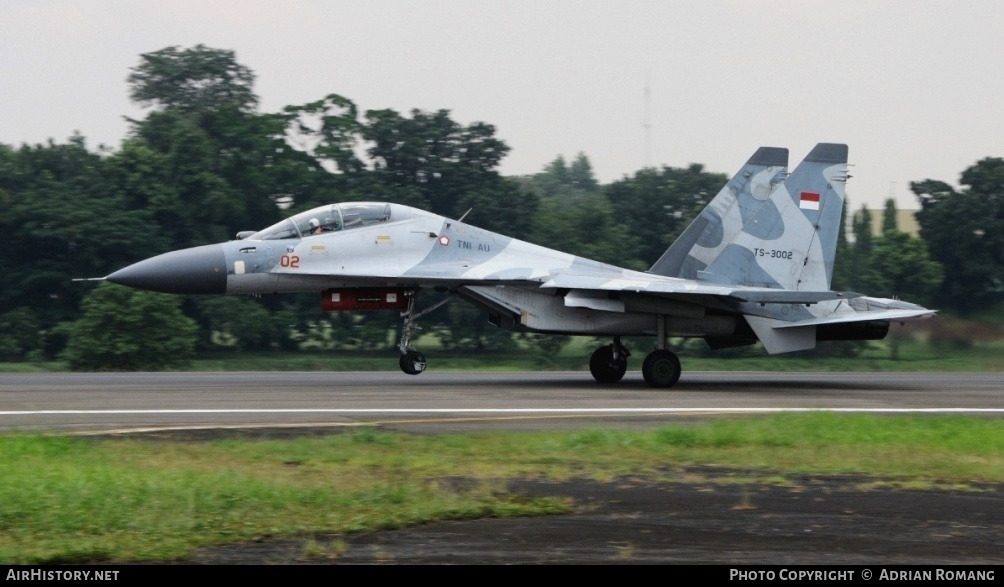
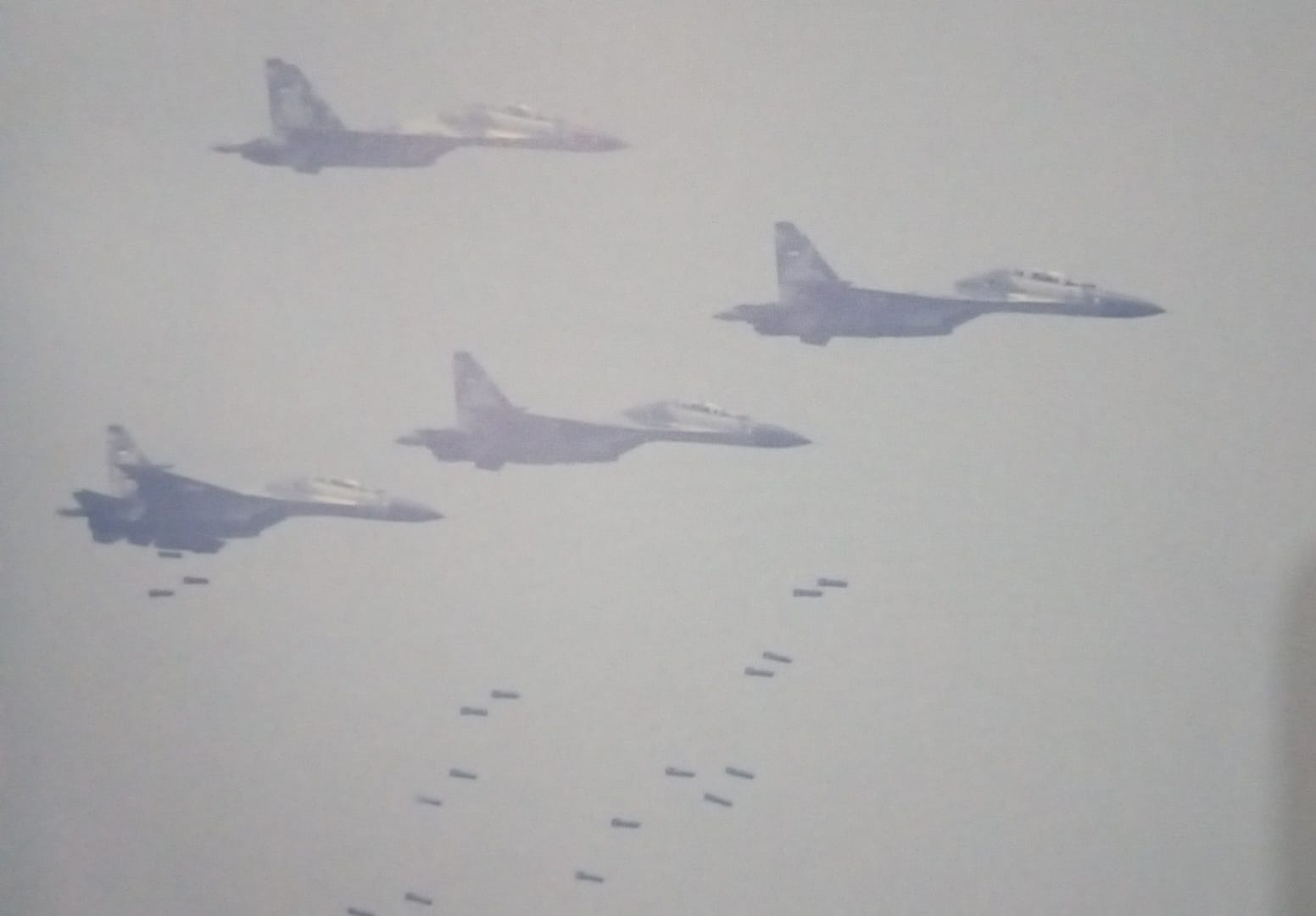
2 Su-30MKs were purchased in the early 2000s. These were of the Chinese variant (MKK) because the Su-30MKI standard was unavailable at the time. These Su-30s are powered with the AL-31F by UMPO. All Sukhoi fighters jets can carry the domestically made PT. Sari Bahari’s P-series (100/250/500) as well as PT. PINDAD’s BTN-250 dumb bombs. Additionally the Su-30s can carry the Belarusian Talisman ADS ECM jammer pod. This jammer can mount more pylons under it, so it doesnt take up an armament slot. The older Su-30MKKs were then upgraded to MK2 standard later on.
⬠ Su-30MK2
Suggestion Page: (ID) Sukhoi TNI-AU Su-30MK2 Flanker-G: Thunder squadrons maritime strike jet
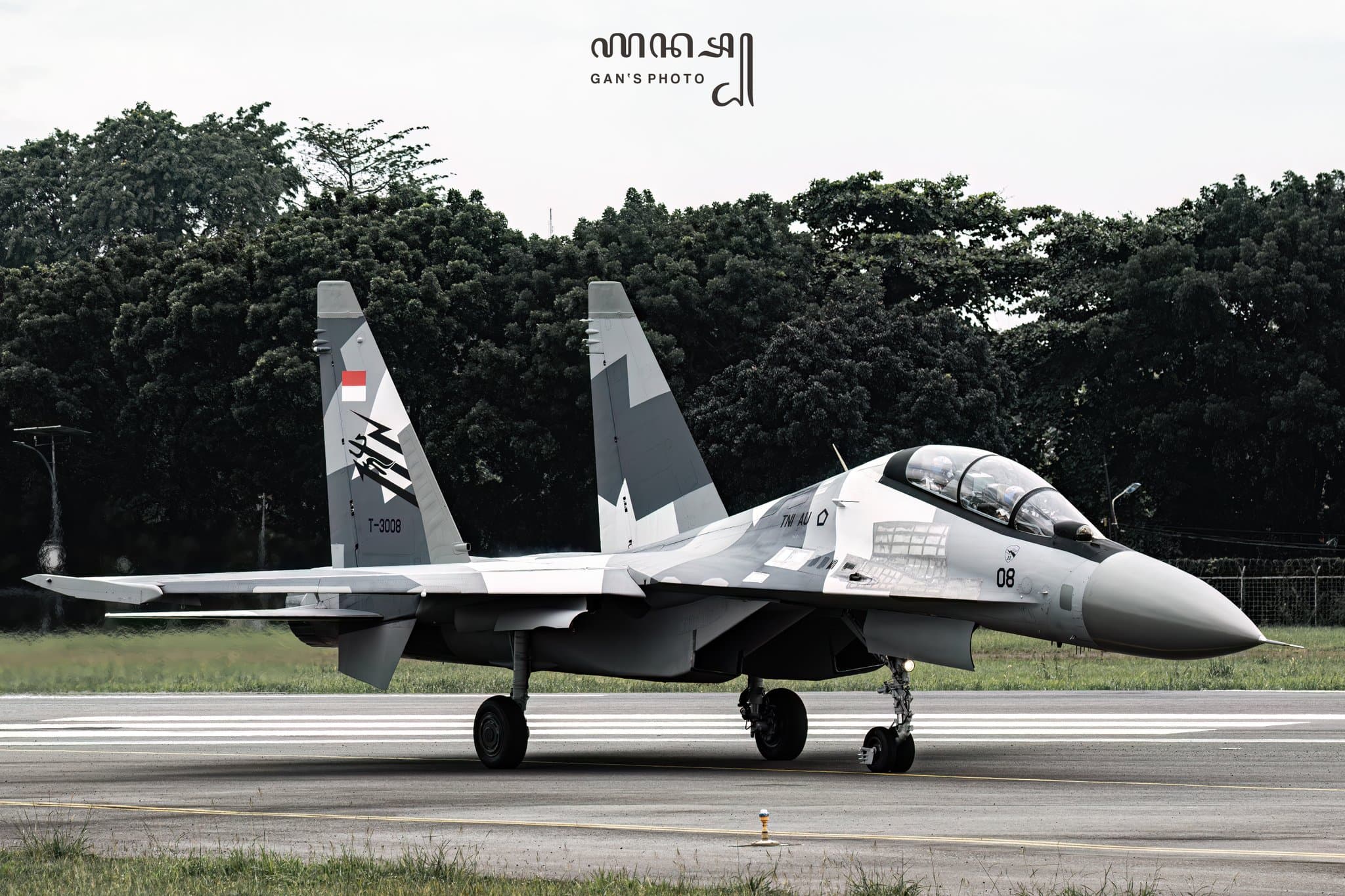
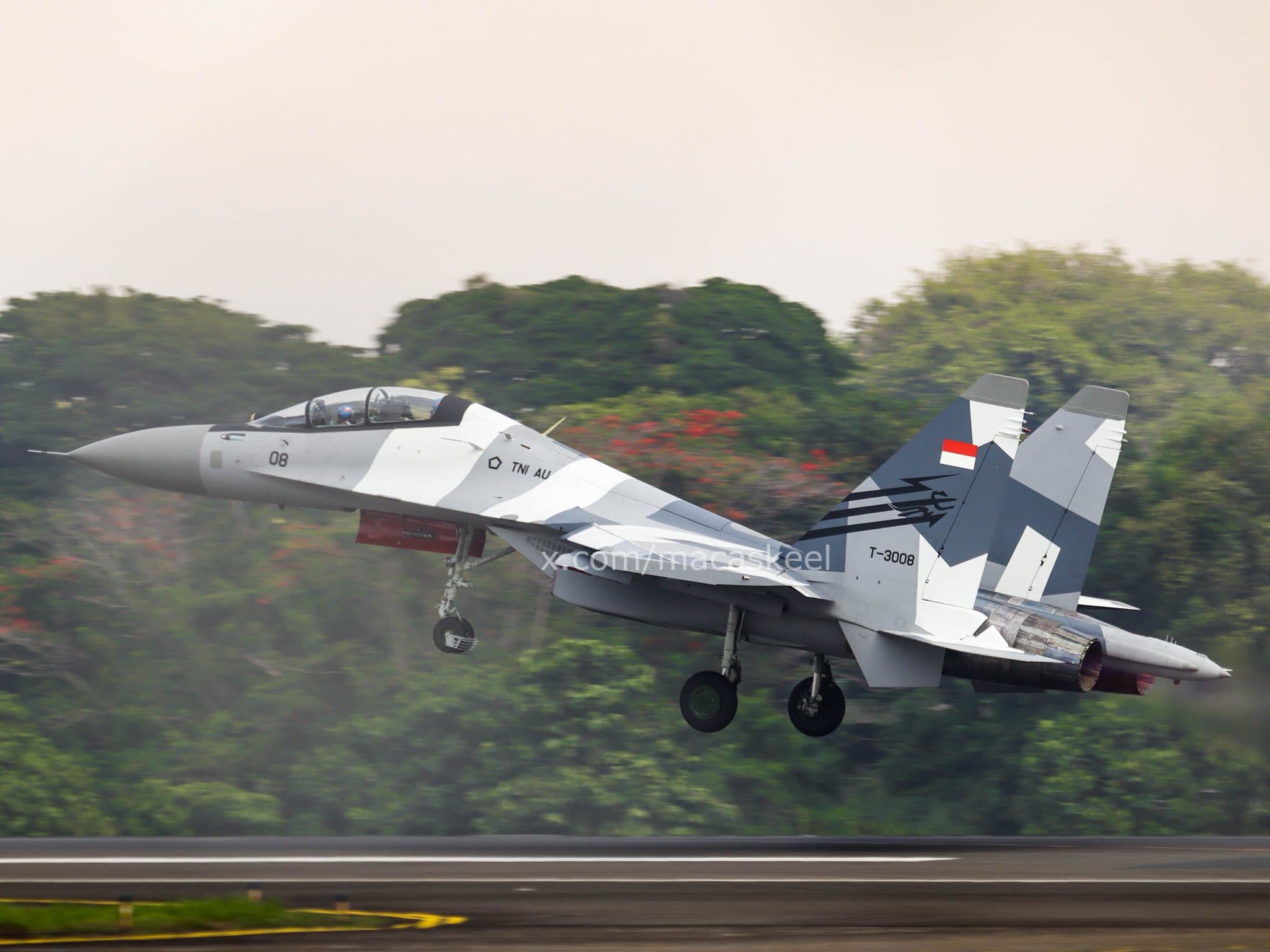
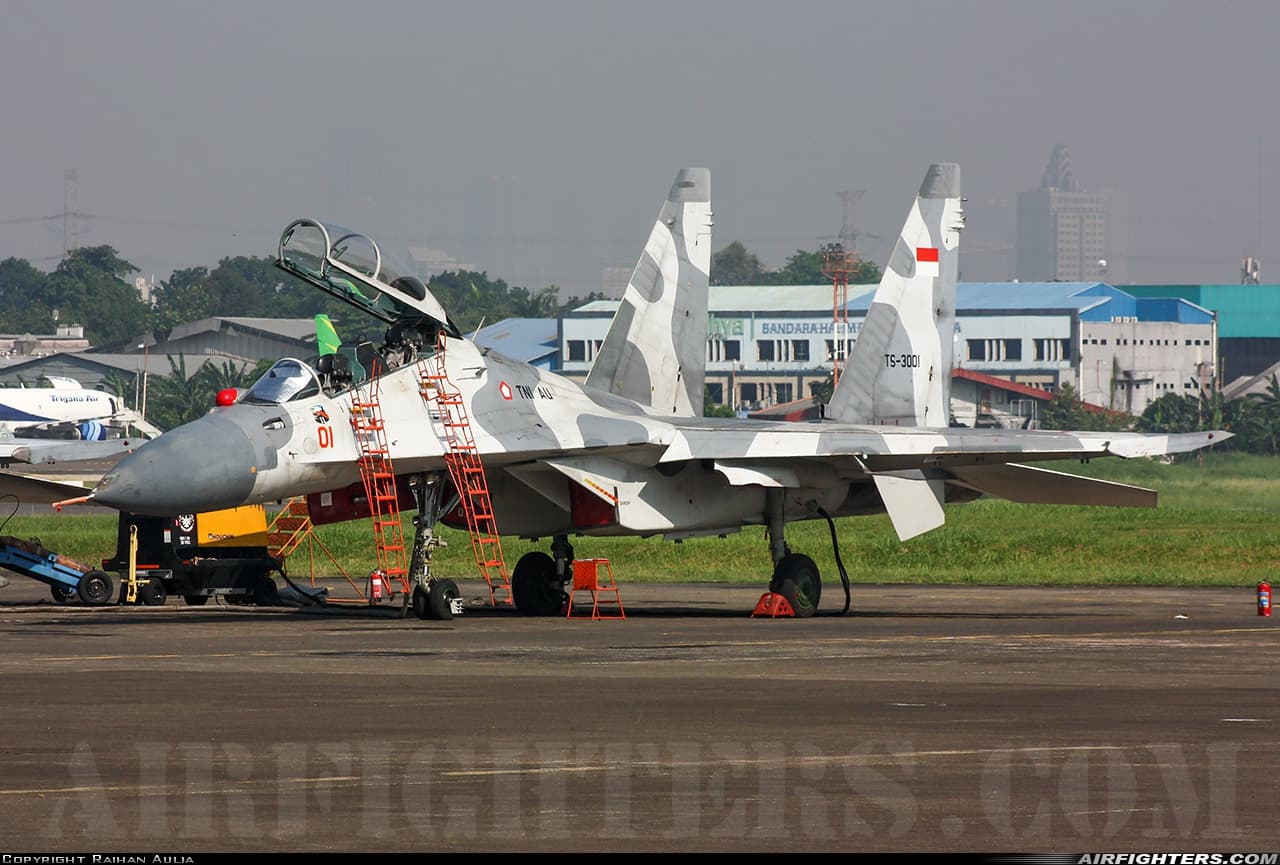
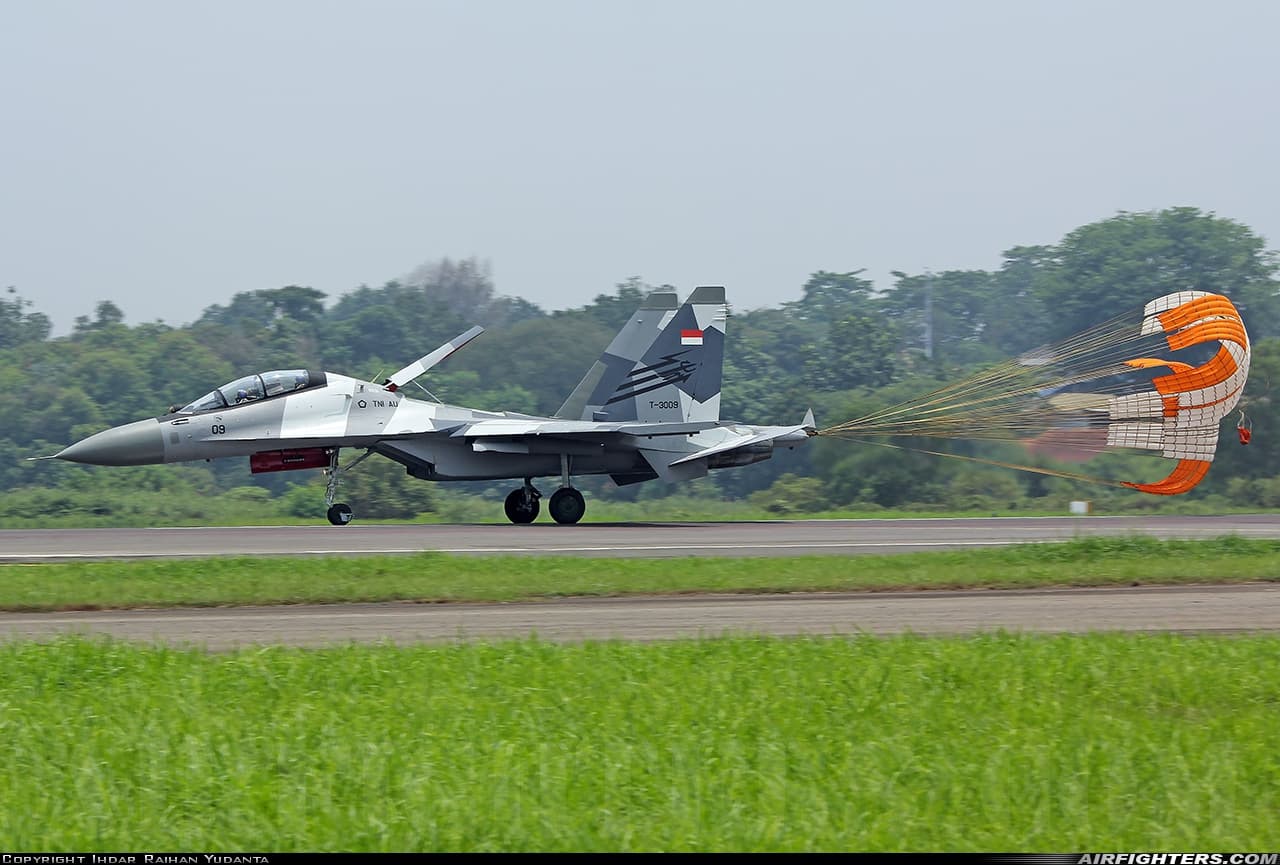
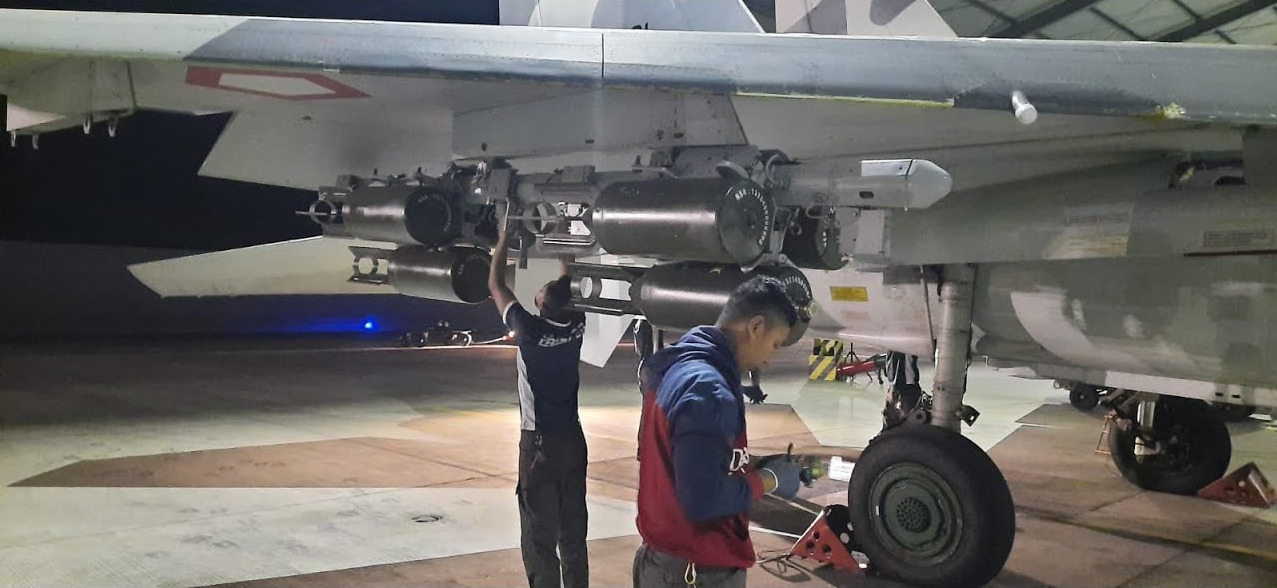
Total of 11 Su-30MK2s. In 2017 some of the original & older MKs were then upgraded to the MK2 standard in the 558th Air Repair Plant in Belarus. All Sukhoi fighters jets can carry the domestically made PT. Sari Bahari’s P-series (100/250/500) as well as PT. PINDAD’s BTN-250 dumb bombs
RANK IX
–=FIGHTER AIRCRAFT=–
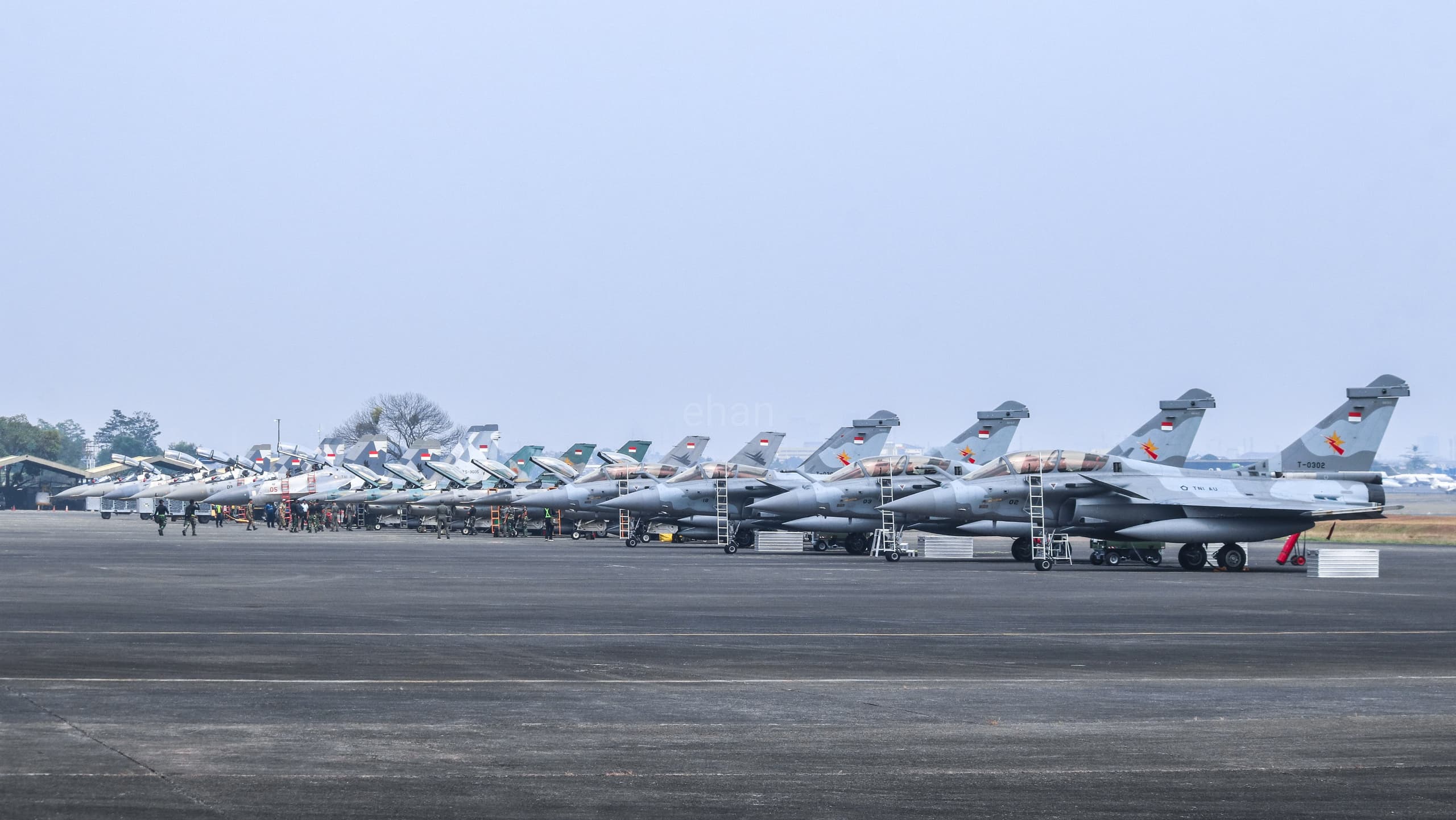
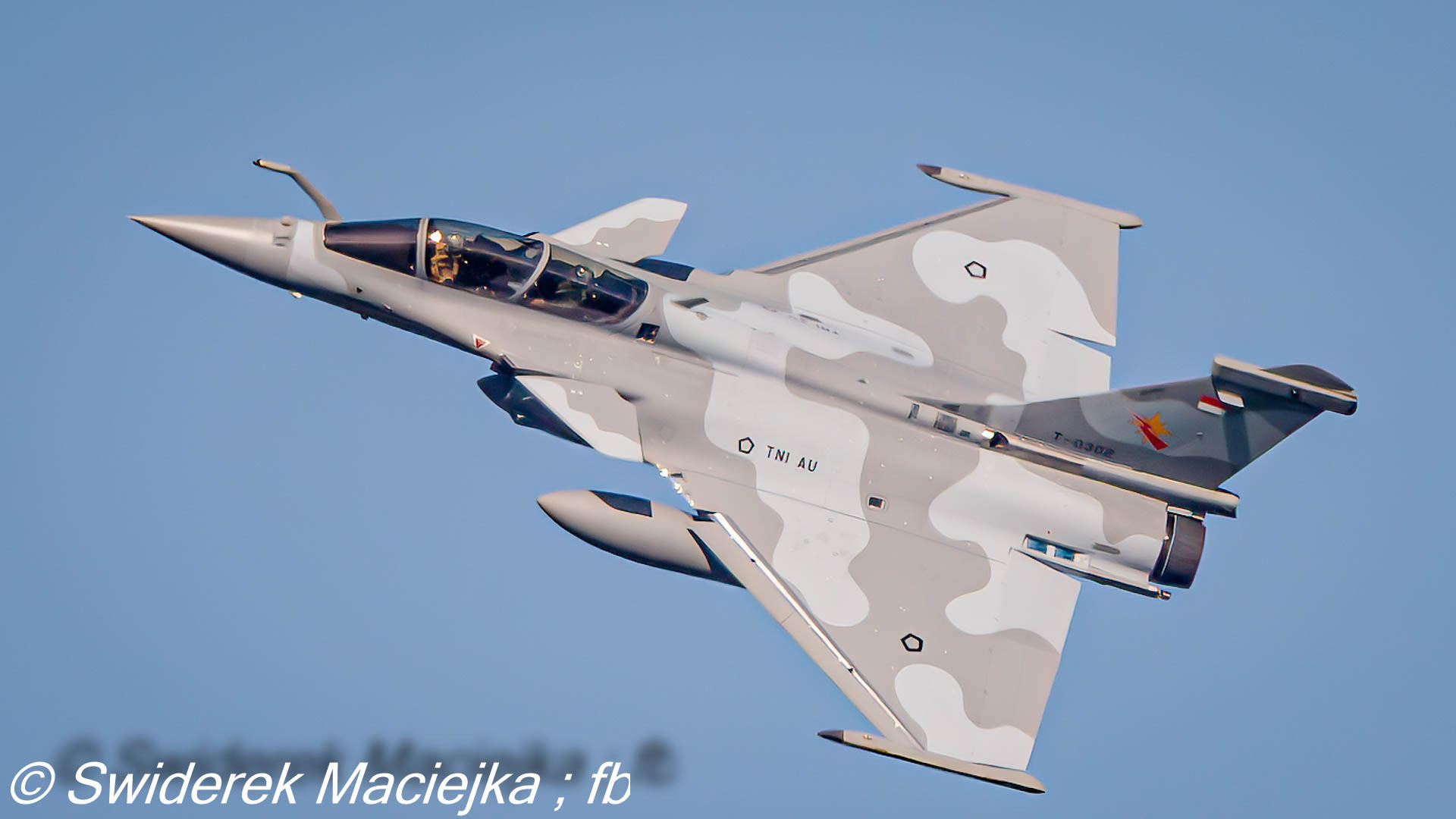
Rafale EI F4.1
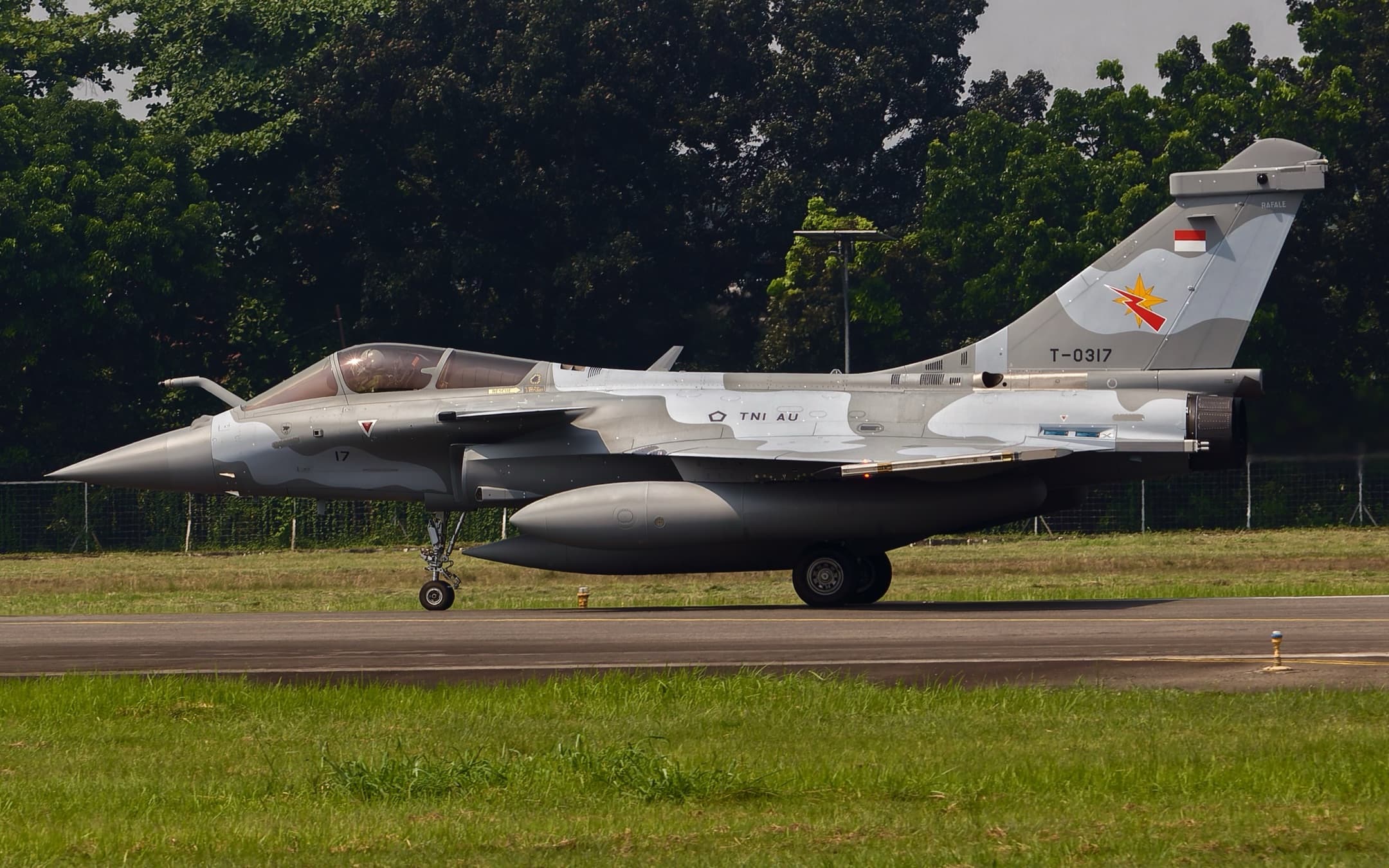
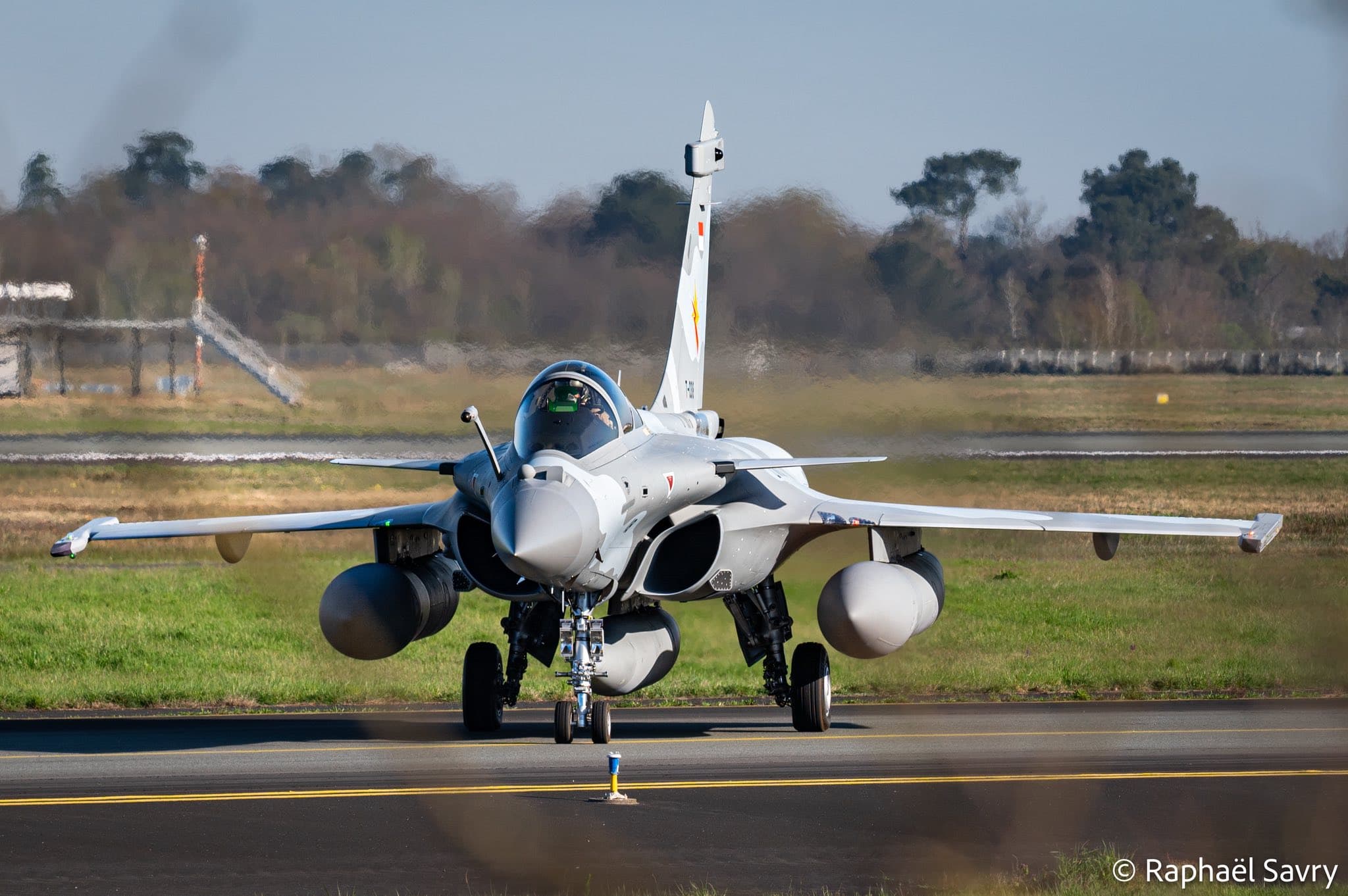
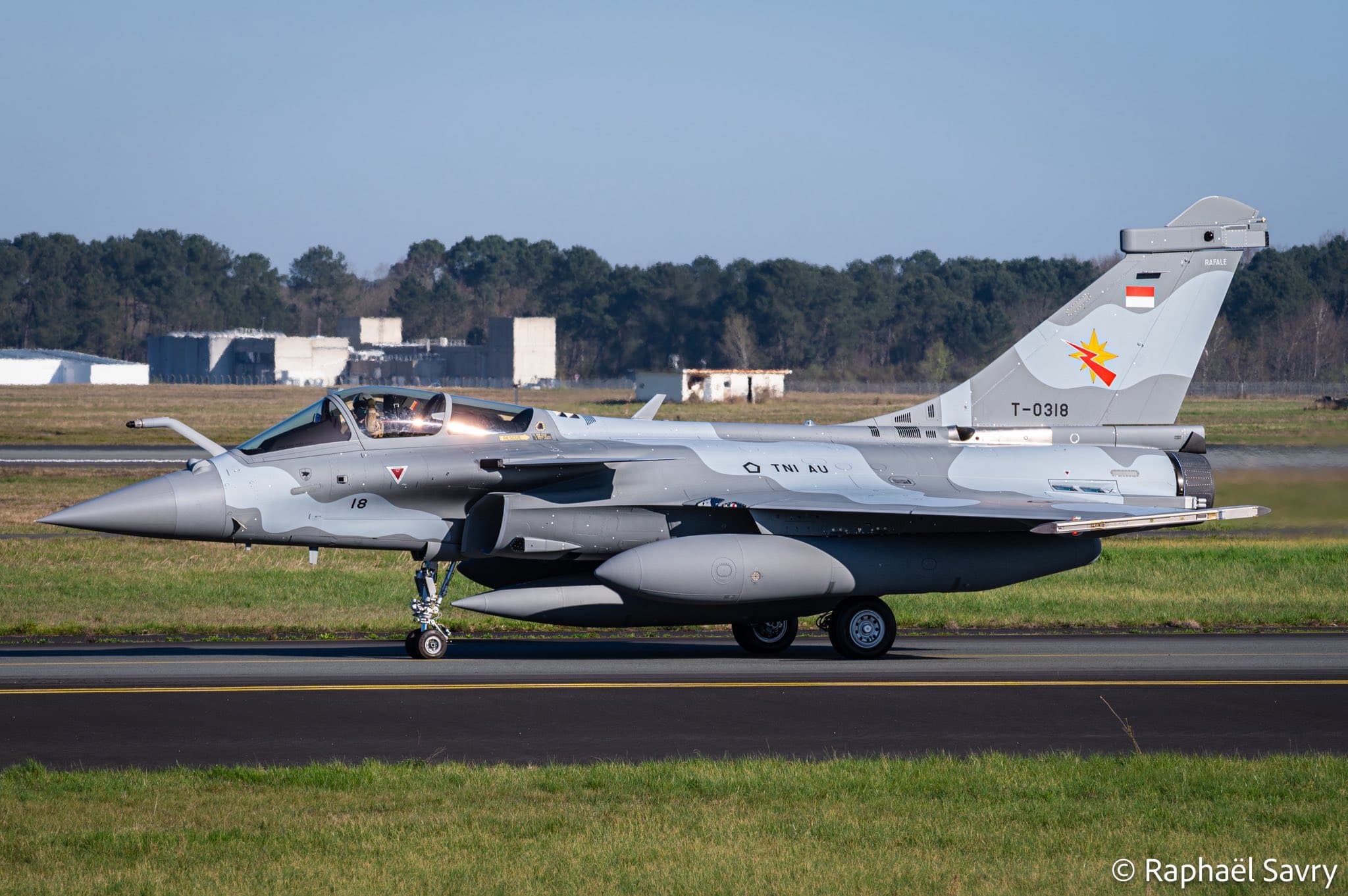
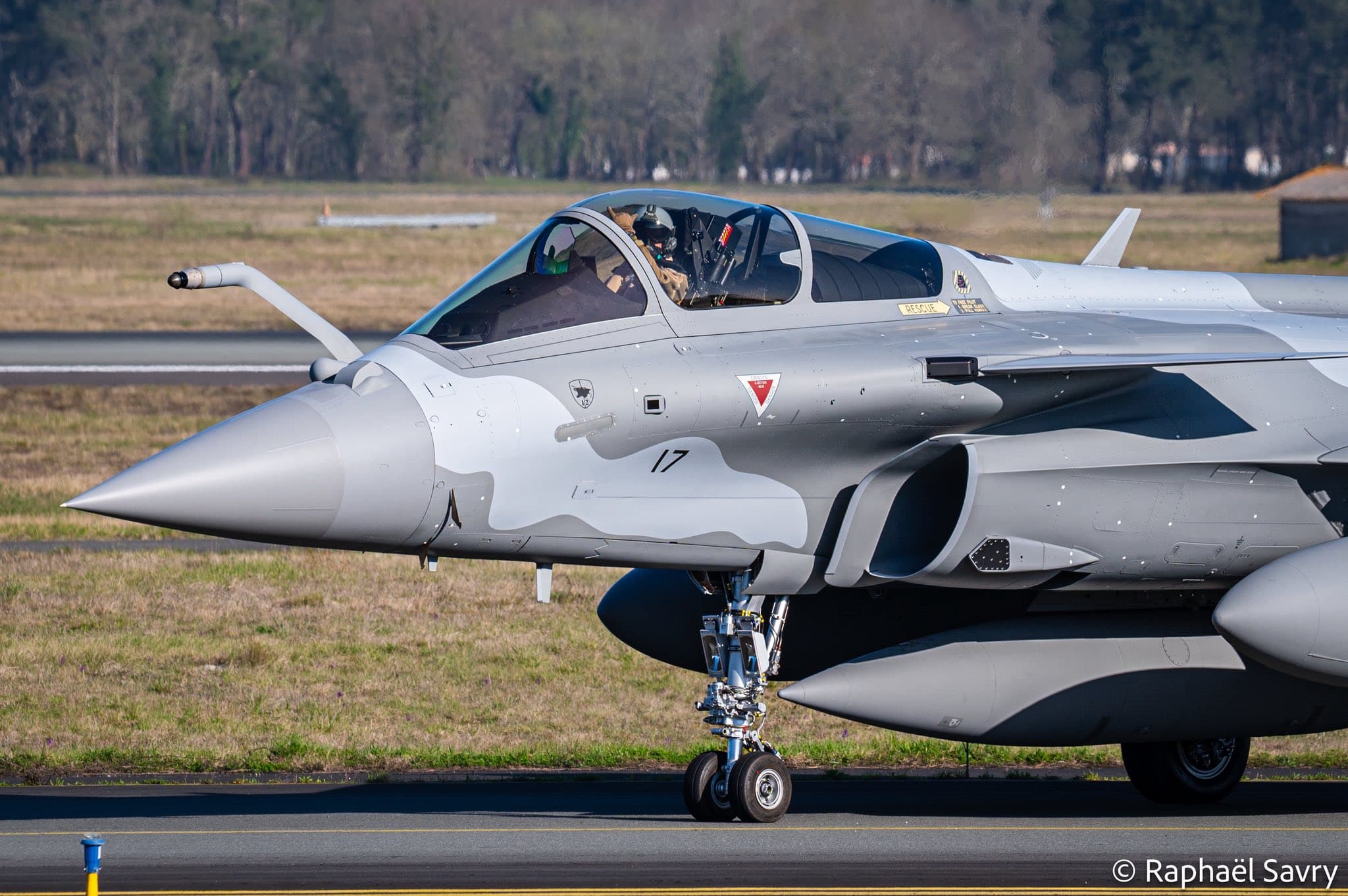
Future fleet of Indonesian fighters. 42 unit of Rafale EI/DI (C/B) is to be delivered with 16 Rafale DIs & 26 Rafale EIs. two (2) Rafale EIs have been delivered earlier in the year and has been put into active service.
- https://www.airspace-review.com/2025/12/18/rafale-c-kursi-tunggal-tulang-punggung-baru-kekuatan-udara-indonesia-unit-t-0317-sudah-terlihat-penampakannya/
- https://omnirole-rafale.com/exportation-rafale/rafale-egypte-qatar-inde/indonesian-air-force-rafale/
- https://web.facebook.com/reel/2061207391460149
Rafale DI F4.1
Suggestion Page: Dassault Rafale DI (F.4.1) #T-0301 - First Angel in South-East-Asia
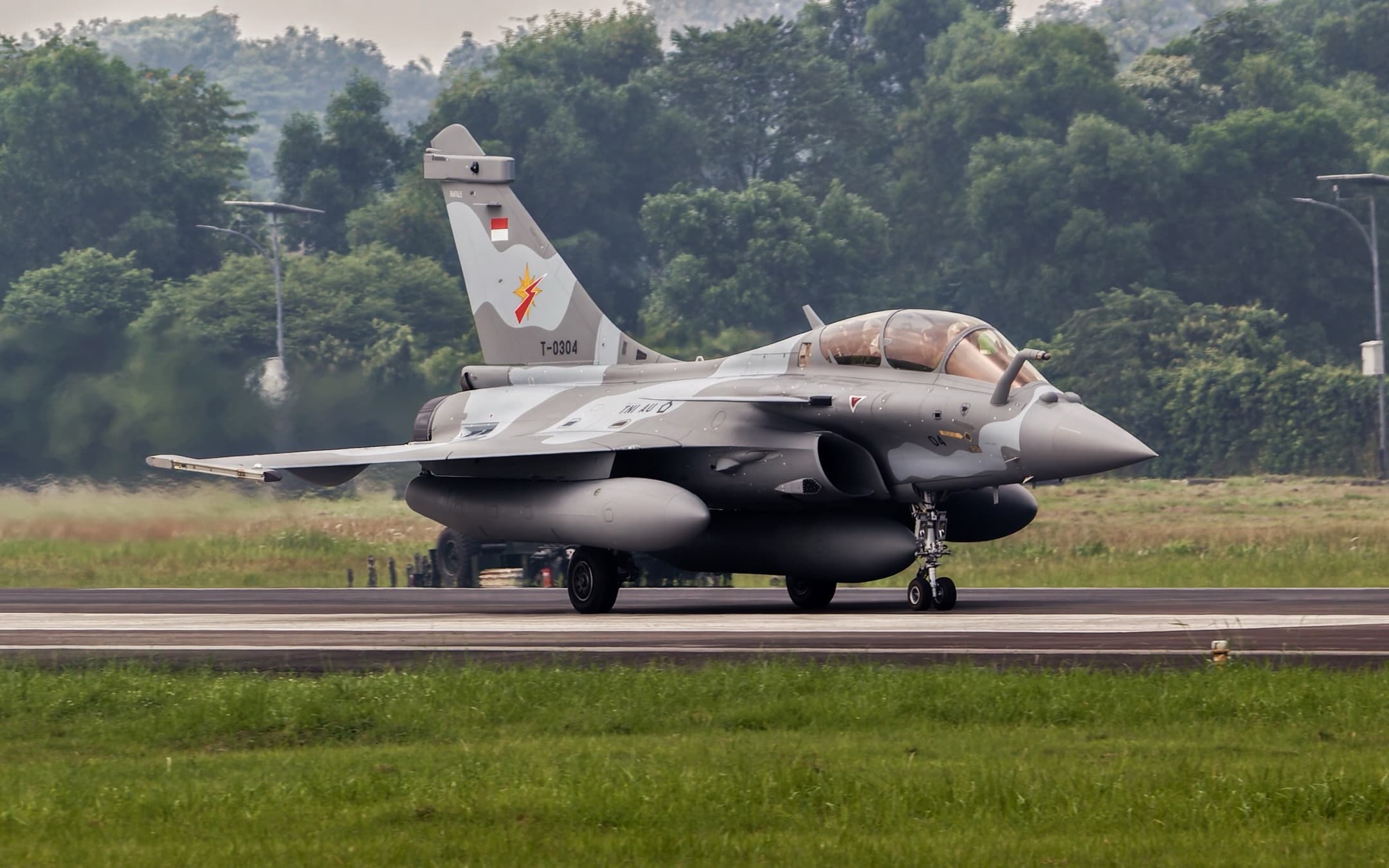
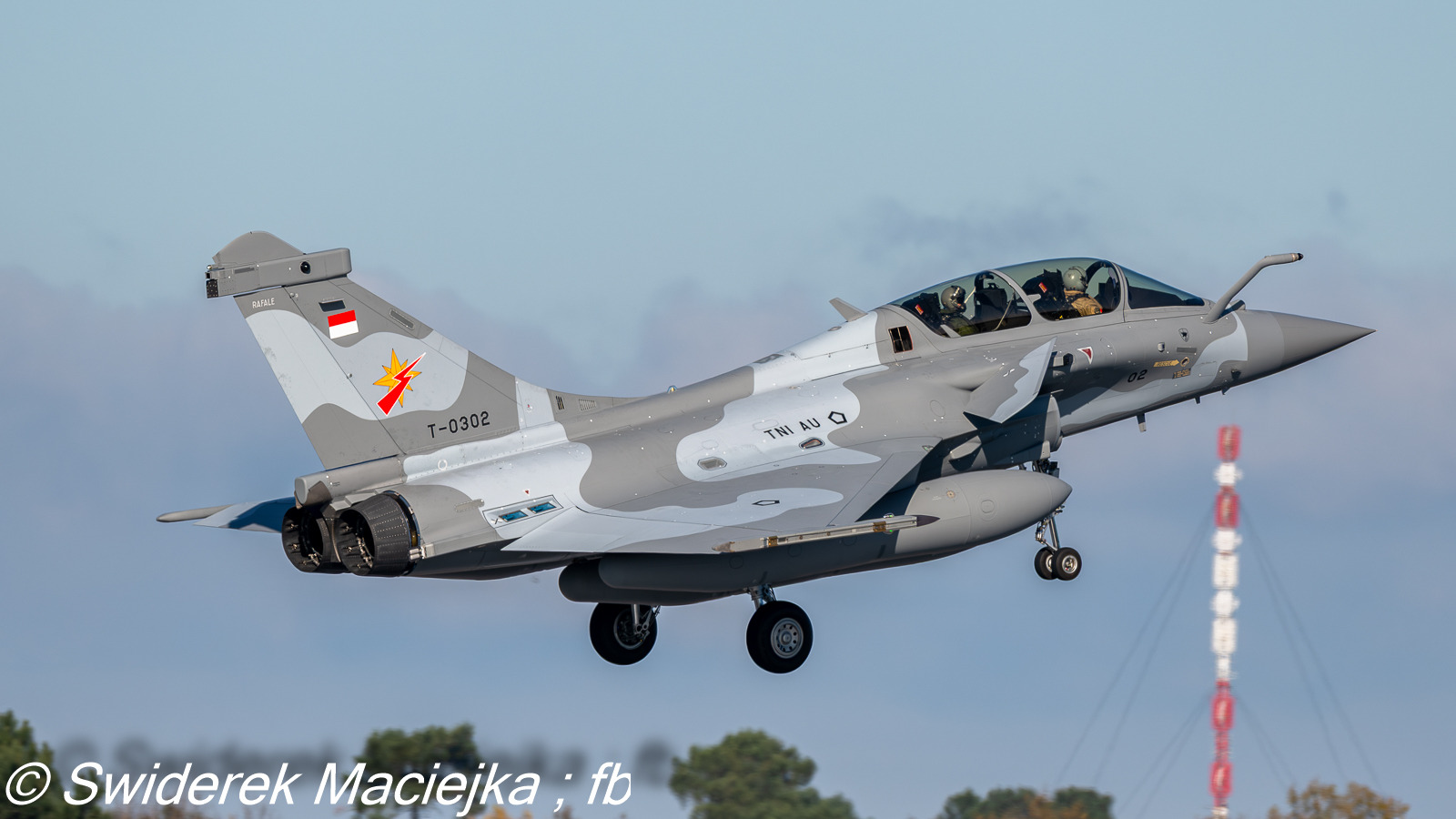
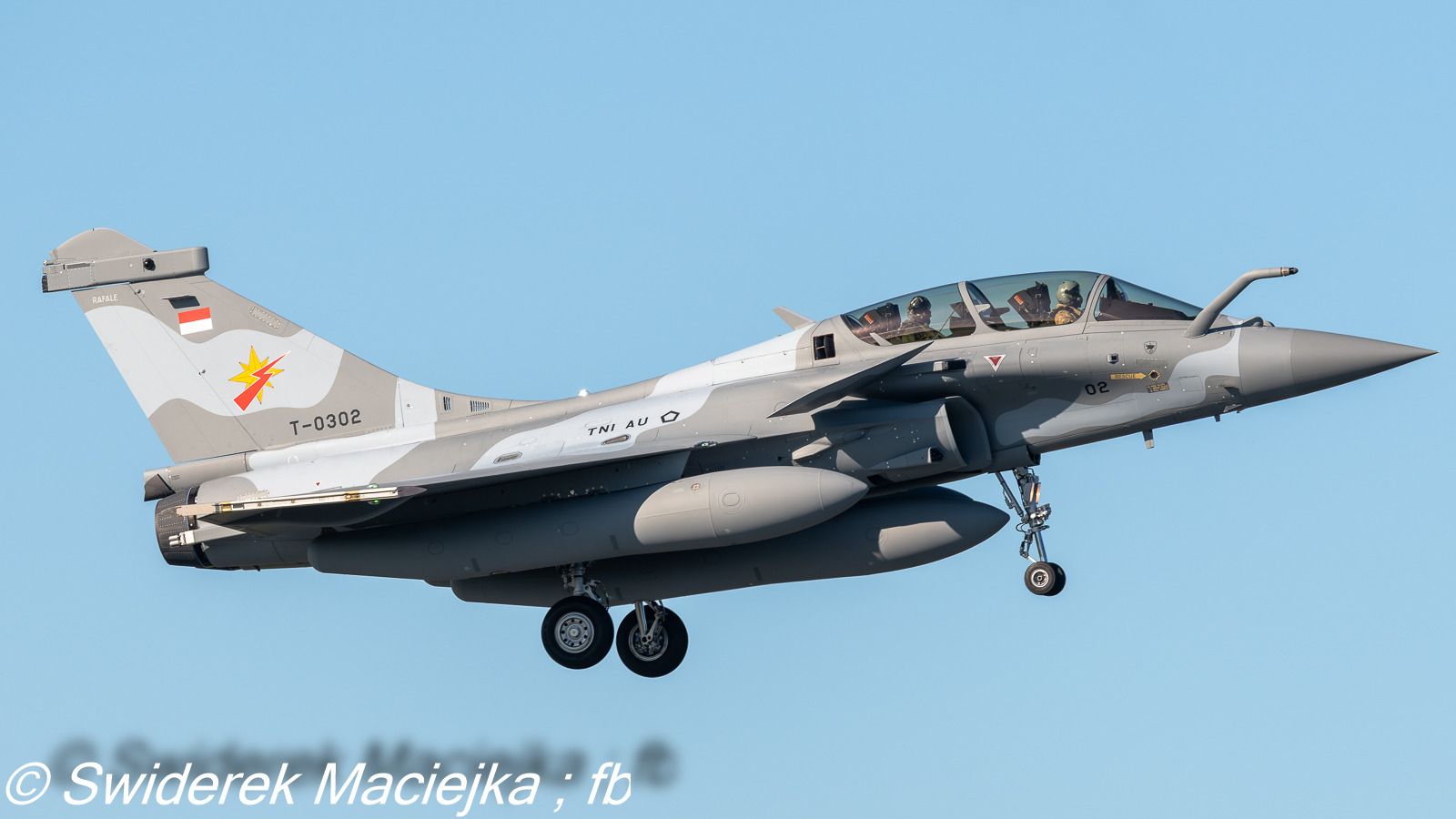
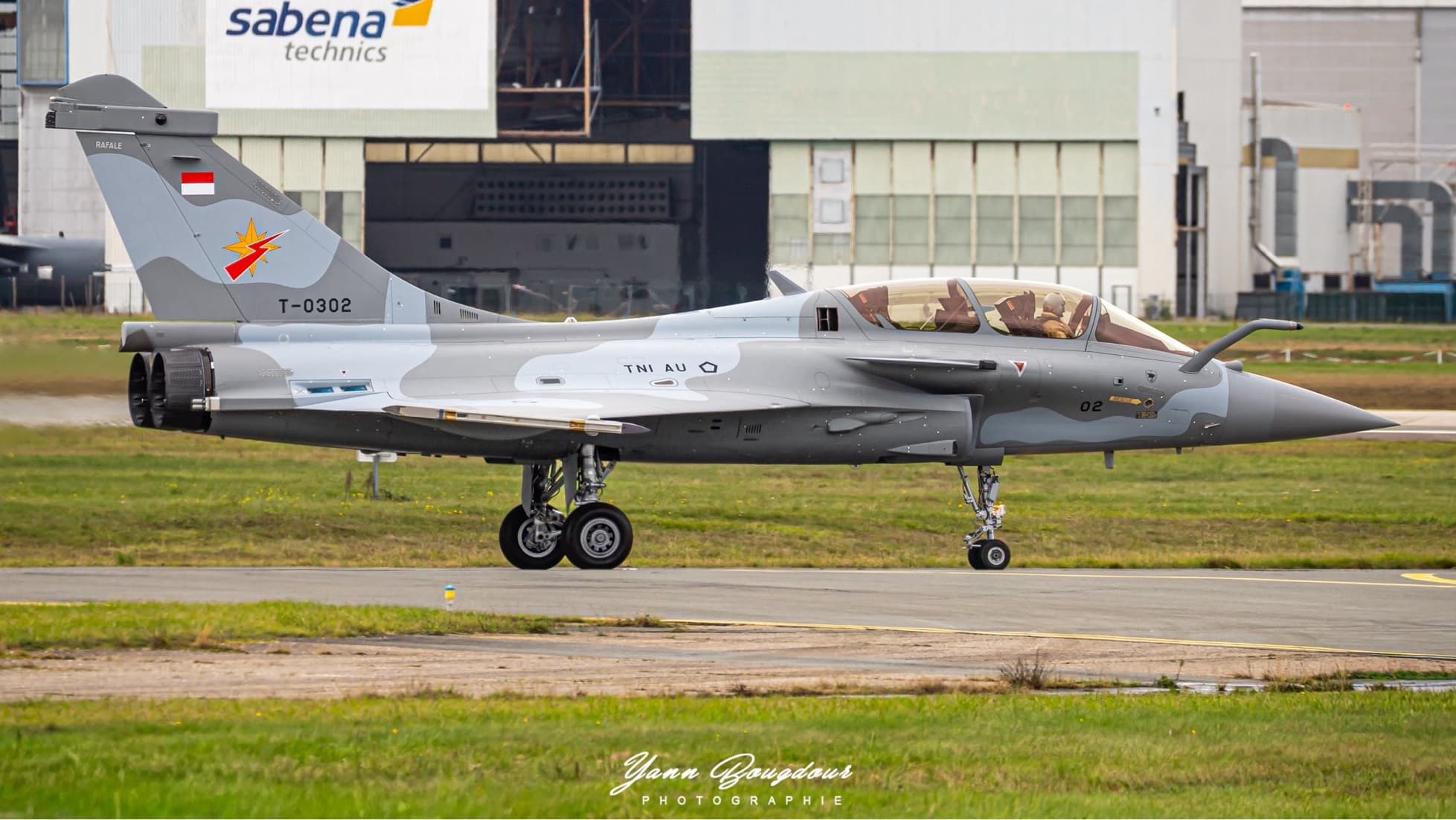
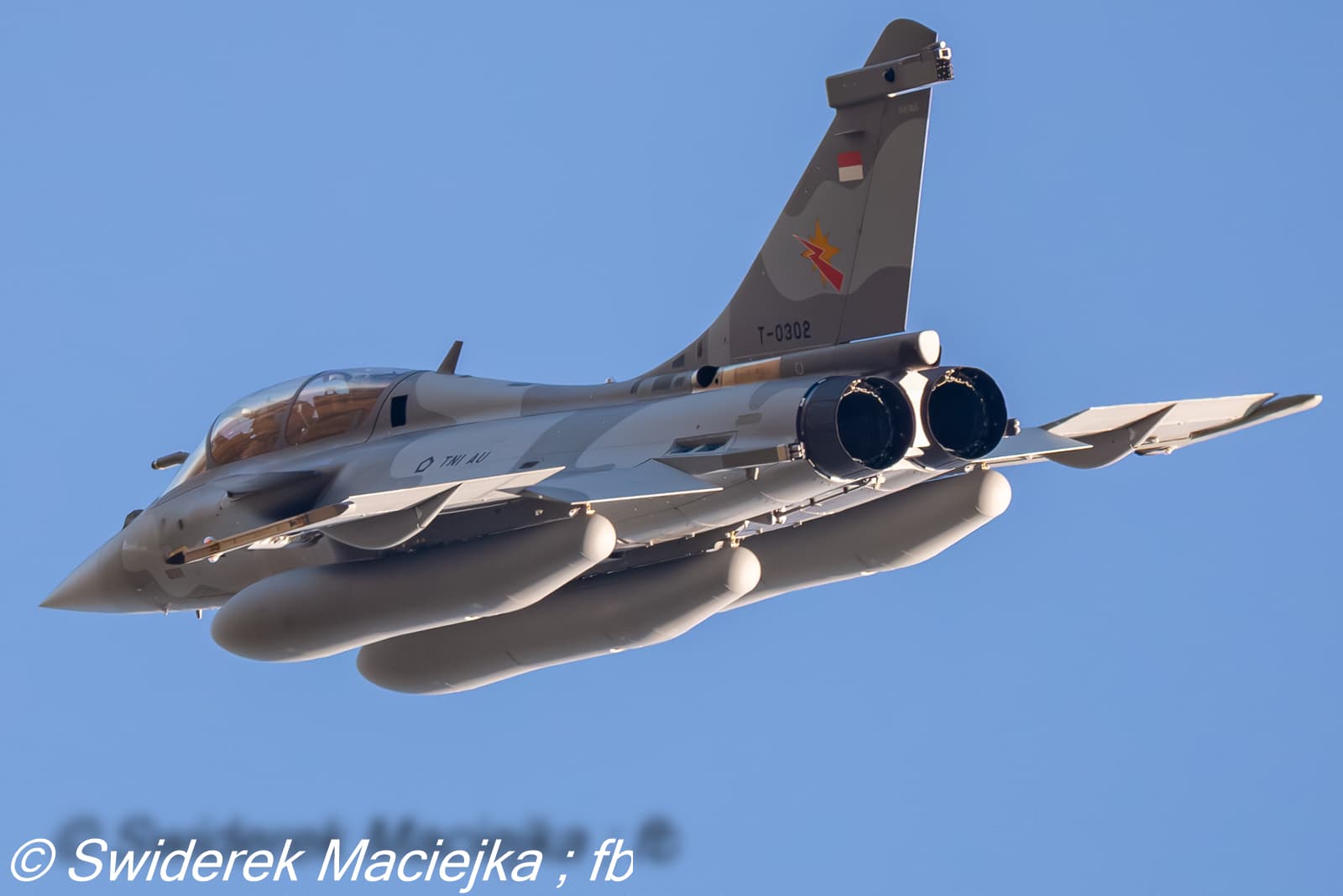
Twin-seat trainer variant of the Rafale EI. four (4) Rafale DIs had been delivered and are in active service
- https://www.indomiliter.com/rafale-b-f4-t-0301-pesanan-indonesia-sukses-uji-terbang-perdana-dari-bordeaux/
- https://www.reuters.com/world/asia-pacific/indonesia-receives-first-rafale-advanced-fighter-jets-france-official-says-2026-01-26/
- Deputy Chief of Staff of the IdAF Attends the Acceptance Ceremony for the Indonesian Air Force’s First Batch of Rafale Jets
Trialed Aircraft
–=RANK VI=–
⬠ MiG-21FL
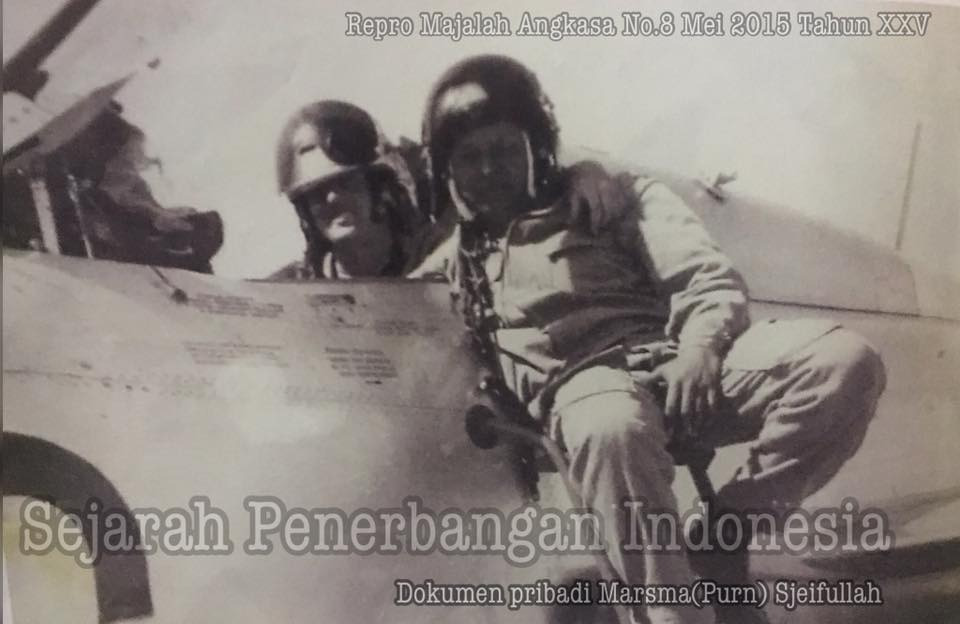
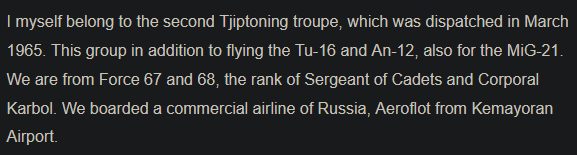
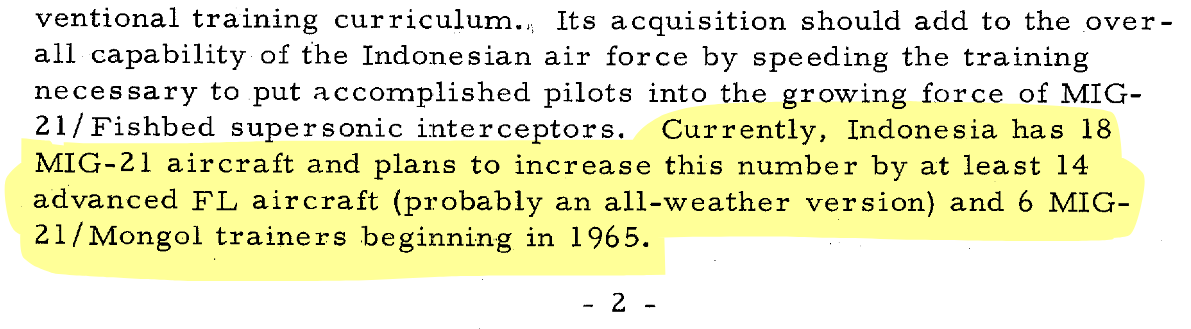
Indonesia planned on purchasing 14 MiG-21FL (lower-rated export version of the MiG-21PF) as well as 6 MiG-21U in 1965. Under the program called Tjiptoning (I, II, & III) in 1965 - 1968 Indonesian cadets were sent over to the Soviet Union to undergo training for the future aircrafts. The first program (Tjiptoning I) was primarily conducted by the cadets of Air Force Academy (AFA) 66 & 67. These were primarily for Tu-16 Badgers & An-12 Cubs. During Tjiptoning II & III, cadets from the AFA 67 & 68 trained on Tu-16s, An-12s, and the new MiG-21s. One pilot is First Air Marshall Sjeifullah, in Angkasa Magazine (May, 2015) he mentioned that he took part in Tjiptoning III & trained using the MiG-21FL (he can be seen in the image above). Another pilot named Irawan Saleh shared in Angkasa Magazine (July, 2014) that he also trained using the MiG-21FL during Tjiptoning II. The reasoning for a lack of image was that the cadets were explicitly forbidden to take any photographs during their visit & training abroad. Of course the aircraft was never purchased by Indonesia, as the country had a transition from an Eastern-leaning to the Western-leaning New Order government after the 30th September Movement.
- https://www.facebook.com/groups/aviahistoria/permalink/1708135599268324/
- https://nationalgeographic.grid.id/read/13292159/ketika-para-pilot-tni-au-batal-terbangkan-pesawat-karena-persoalan-politik
- https://www.cia.gov/readingroom/document/cia-rdp79t01003a002200090001-7
- (2014, July). Angkasa Magazine no.10. “Flight Cancelled due to Politics”
- (2015, Mei). Angkasa Magazine no.8. “Nearly Ejected from a Russian Mig-21”
–=RANK VII=–
⬠ AMX
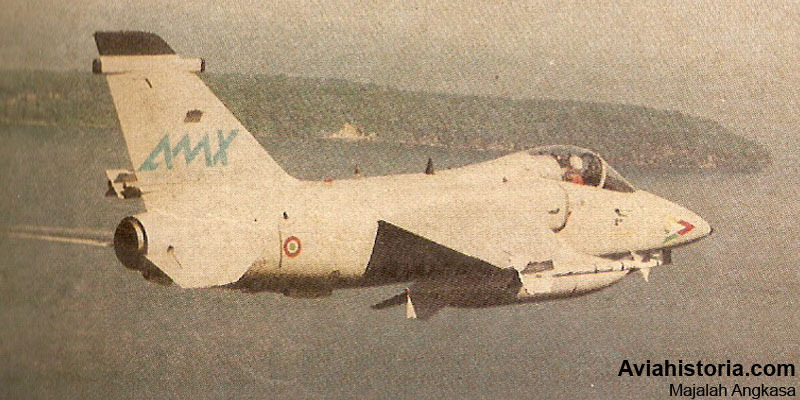
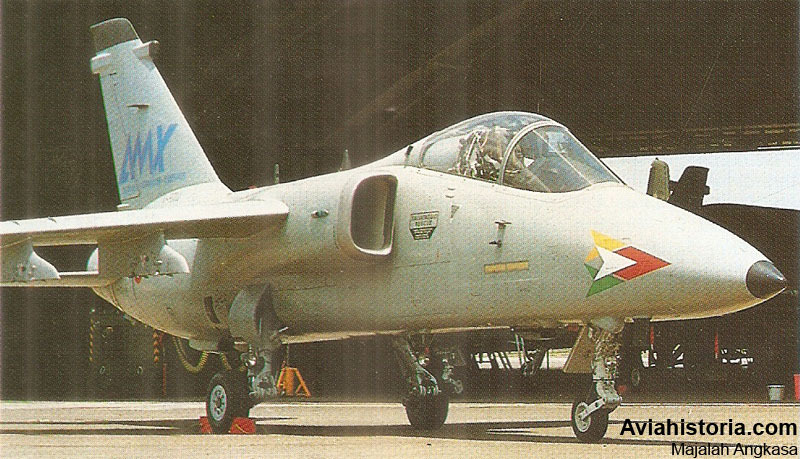
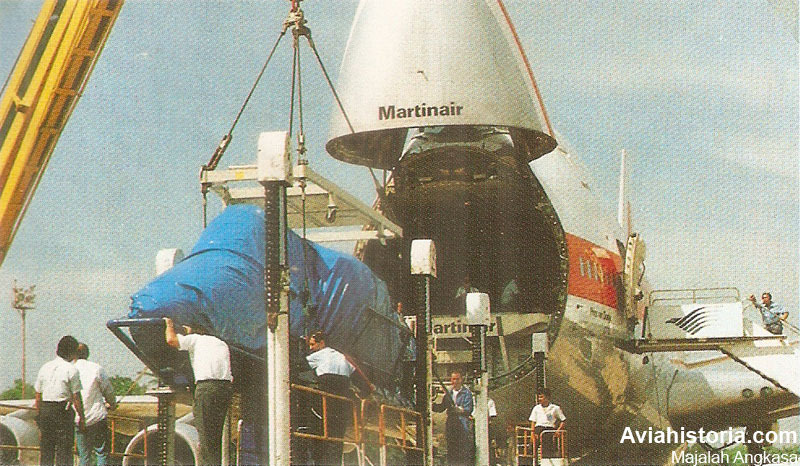
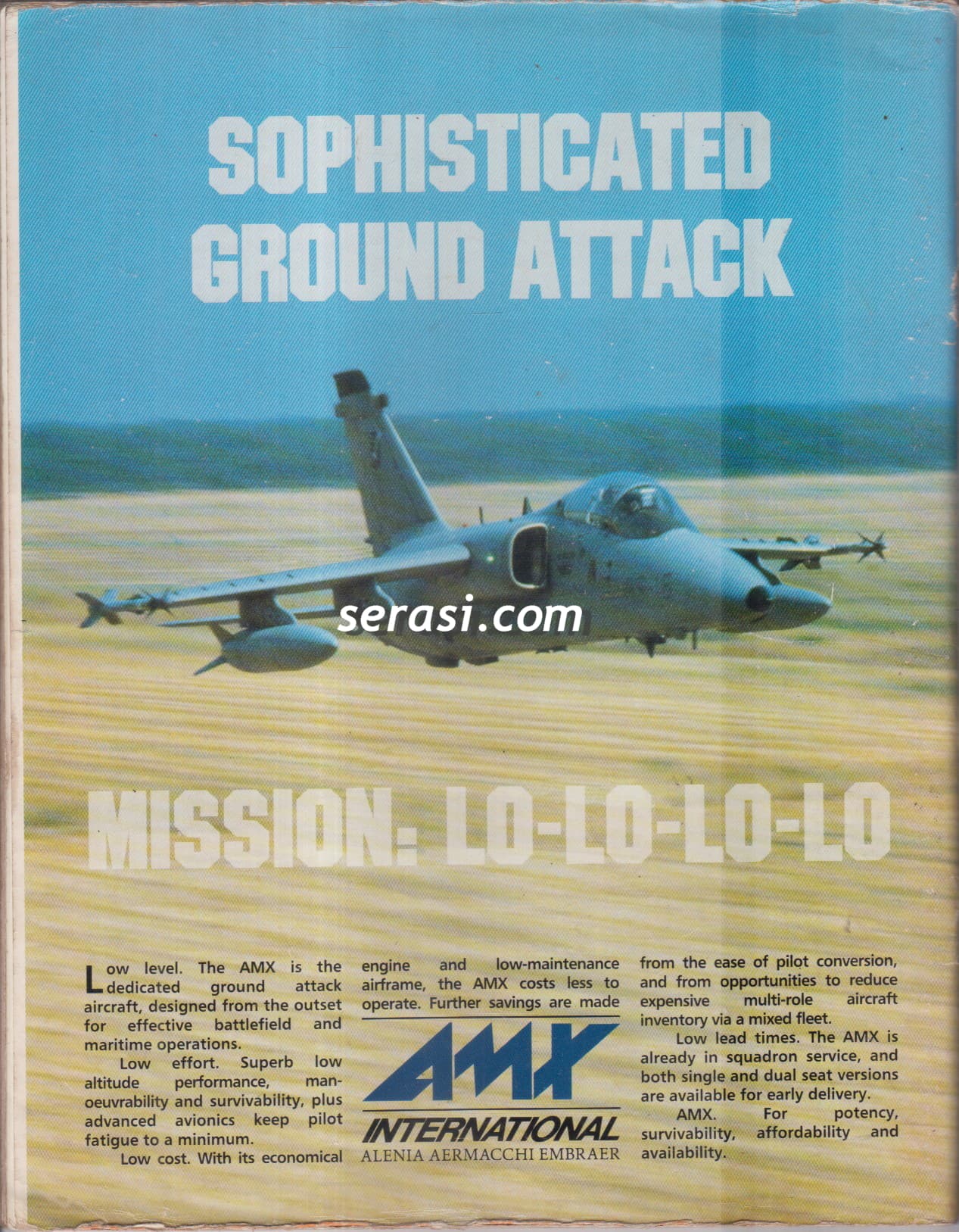
On the 22-23rd of November 1990, Indonesian pilots flew the AMX jet to test & give feedback on the performance. The jets was sent using a Boeing 747 and was then assembled in the Engineering Squadron 021 Hangar. The plane flew around the Java Sea, notably flying above the Krakatoa. The AMX was competing with the Hawk 100/200 series to replace the aging A-4H skyhawks. But due to the engines, the Hawk series was chosen instead.
⬠ AMX-T
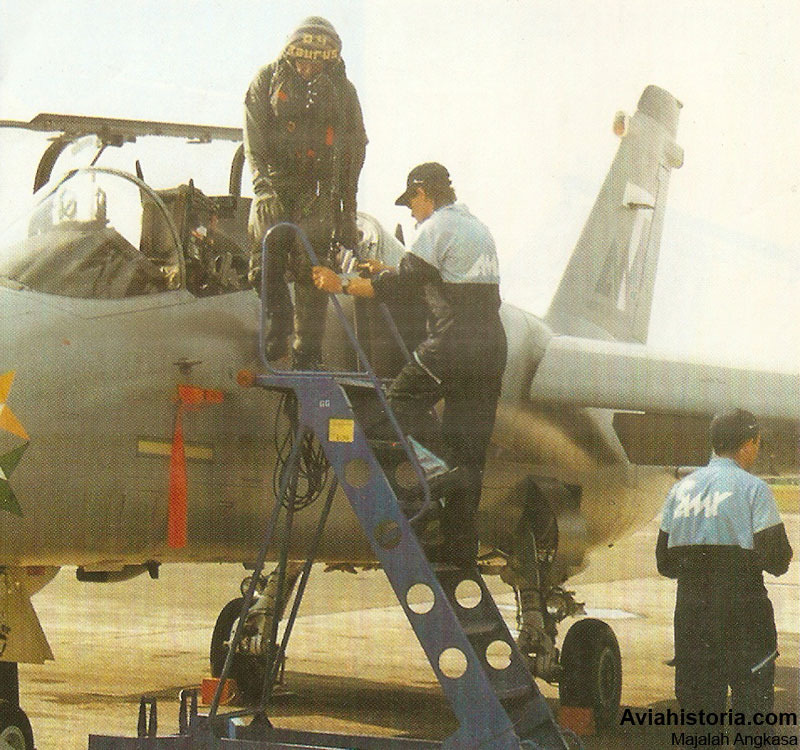
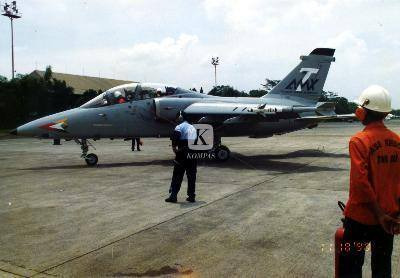
Two-seater trainer variant of the AMX jet, both variant was tested in 1990. Second Flight lieutenant Fachri “Taurus” Amady can be seen embarking in the image above
–=RANK VIII=–
⬠ Mirage-2000 B-01
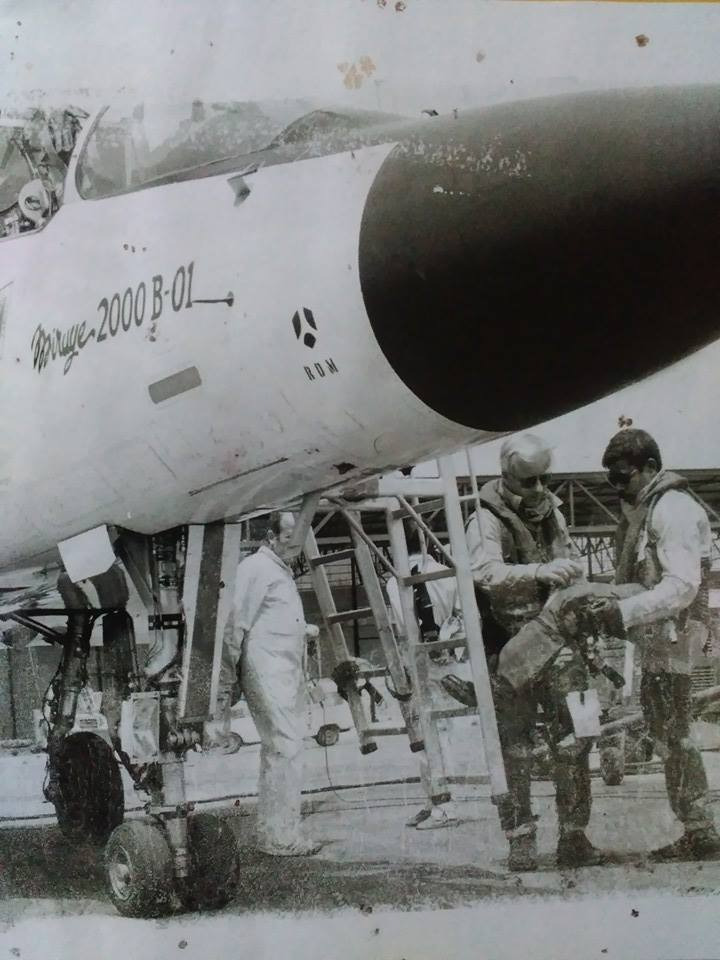
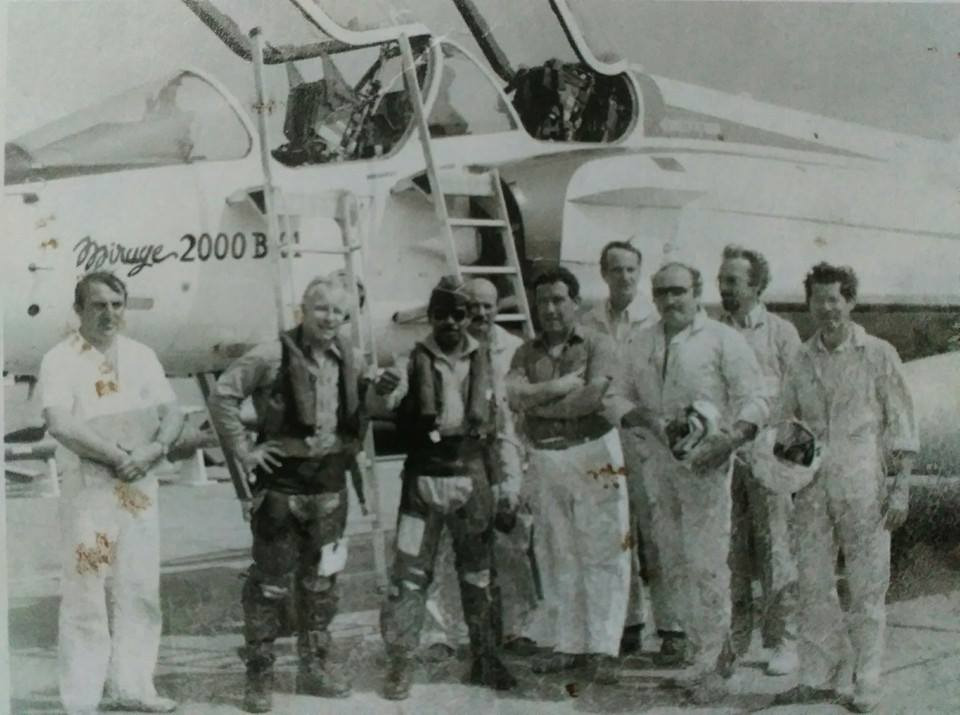
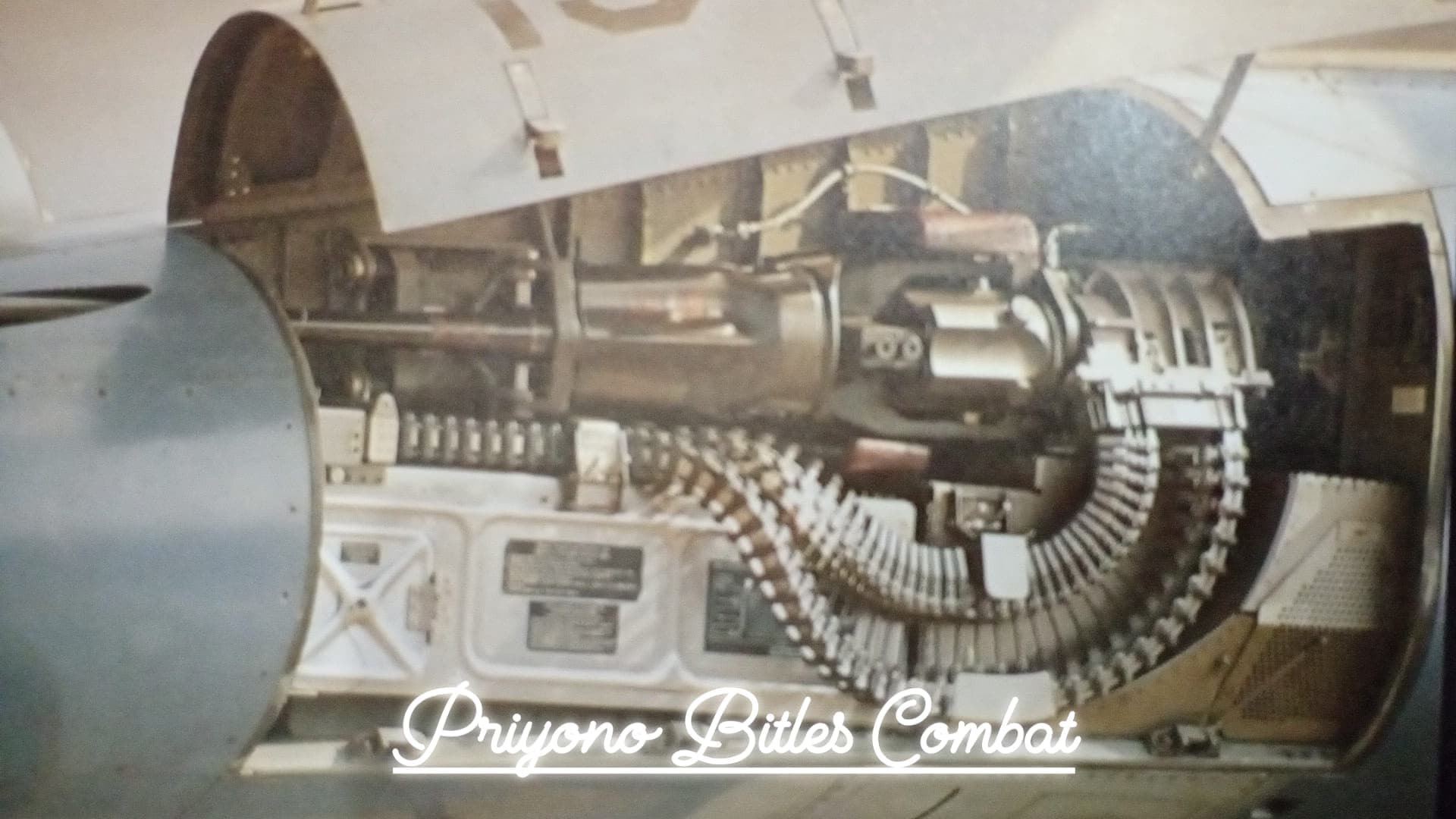
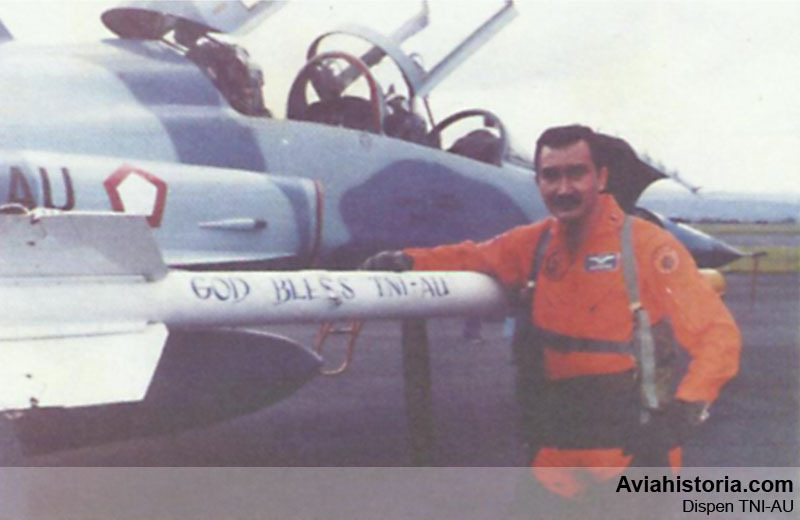
In 1984, the newly unveiled Mirage 2000s was considered as a potential future fighter jet for the Indonesians Air Force. The vehicle was competing with the F-16A Block 15 OCU that was also being offered. Indonesia sent 5 senior officers & 2 pilots to France in order to observe, test & fly the jet. The pilots were flight lieutenant Colonel Holki BK (F-5 Pilot) & Flight Major Djoko Poerwoko (A-4 Pilot). Poerwoko can be seen in the two images above. For two weeks on June 1984 the team conducted flight testing in one of France’s Southern military base near St. Tropies. Originally there was plans to order 12 units, but that decision was cancelled due to political factors. Eventually the Indonesian Air Force decided to order the F-16A/B instead. Dassault then offered the Super Etendard in 1988, but that didnt go anywhere and was not tested.
- https://www.airspace-review.com/2021/02/12/bak-sinetron-ikatan-cinta-perancis-indonesia-perjuangan-dassault-di-indonesia/
- https://www.indomiliter.com/hari-ini-39-tahun-lalu-nyaris-milik-tni-au-mirage-2000-pernah-meliuk-di-langit-kemayoran/
- https://weaponstechnology.blogspot.com/2015/09/mirage-2000-pesawat-impian-tni-au-yang.html
Future Aircraft
–=Fighter Aircraft=–
J-10B+

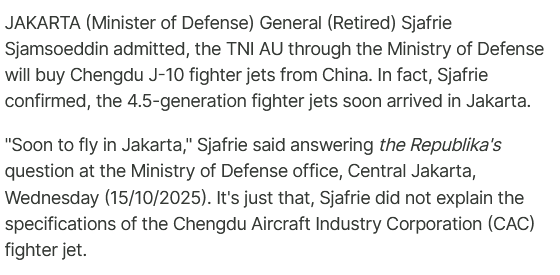
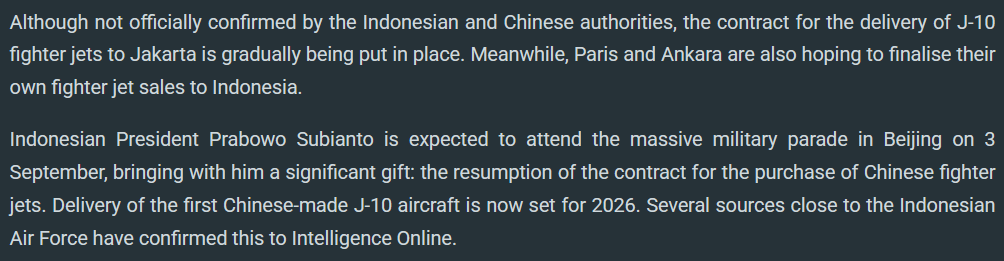
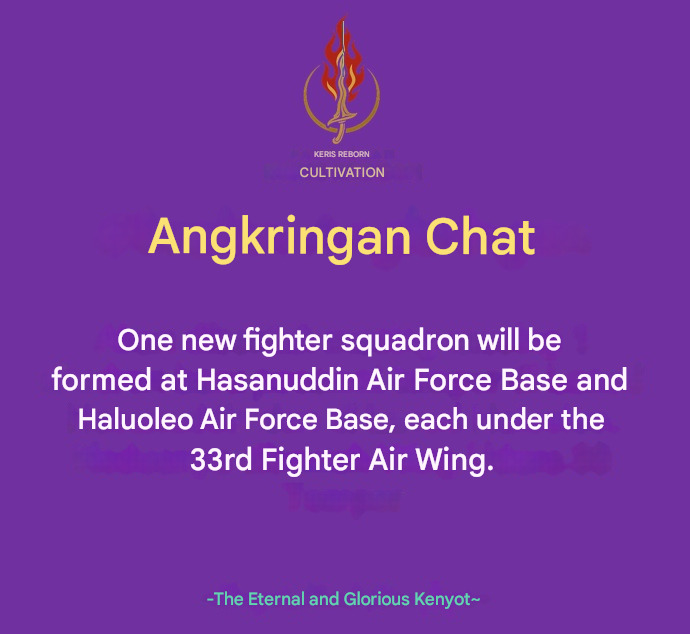
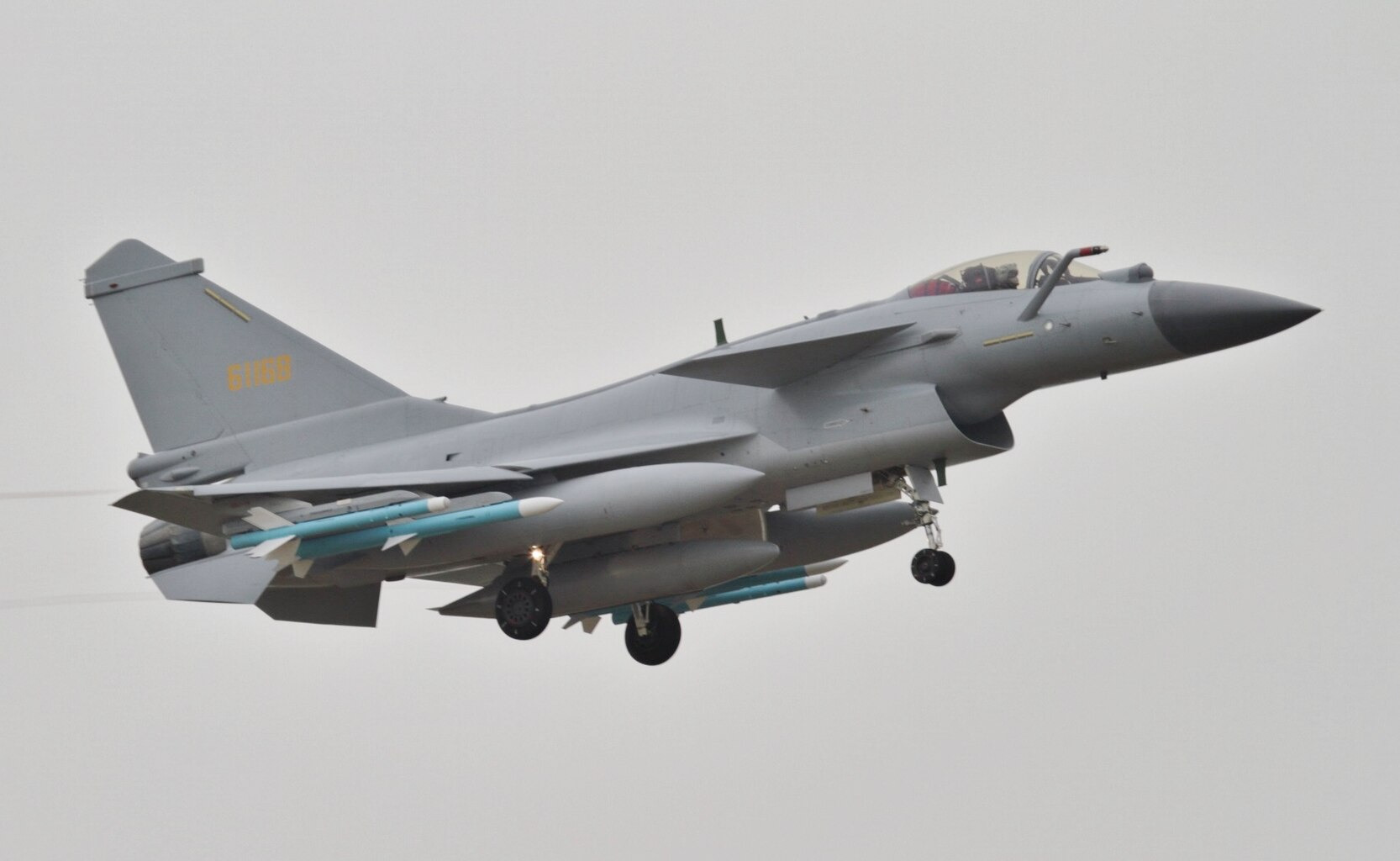
Used PLAAF J-10Bs, most sources generally agree that the variant is used and/or refurbished J-10B. The deal, due to its controversial nature is being kept secret, with reports flip-flopping between we’re close to getting it and we’re not. But KERIS mentions that Haluoleo AFB is the base for the J-10s. Additionally, airfield preparations had been conducted in Haluoleo Air Force Base in preparation of new fighter jets, with the image of the J-10 slapped in front of a presentation as posted by the AFB themselves. This post has since been removed from their Instagram(again due to the secrecy of the deal).
- https://www.intelligenceonline.com/asia-pacific/2025/09/02/chinese-fighter-jets-ready-to-land-in-jakarta,110516731-art
- https://www.facebook.com/keris.reborn/posts/pfbid0wrf5zdRayYiJ76XEKncaHuqErsYs1JNV2jFroNqKpdkGgqG9c83HB3cYiRXVgY3Rl
- https://news.republika.co.id/berita/t45pgc484/menhan-sjafrie-chengdu-j10-sebentar-lagi-terbang-di-jakarta-part2
- https://www-cnbcindonesia-com.translate.goog/opini/20260105111921-14-699659/meninjau-program-akuisisi-jet-tempur-indonesia-tahun-2026?_x_tr_sl=id&_x_tr_tl=en&_x_tr_hl=en&_x_tr_pto=wapp
⬠ Su-35
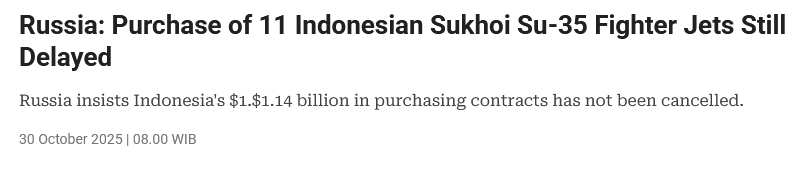

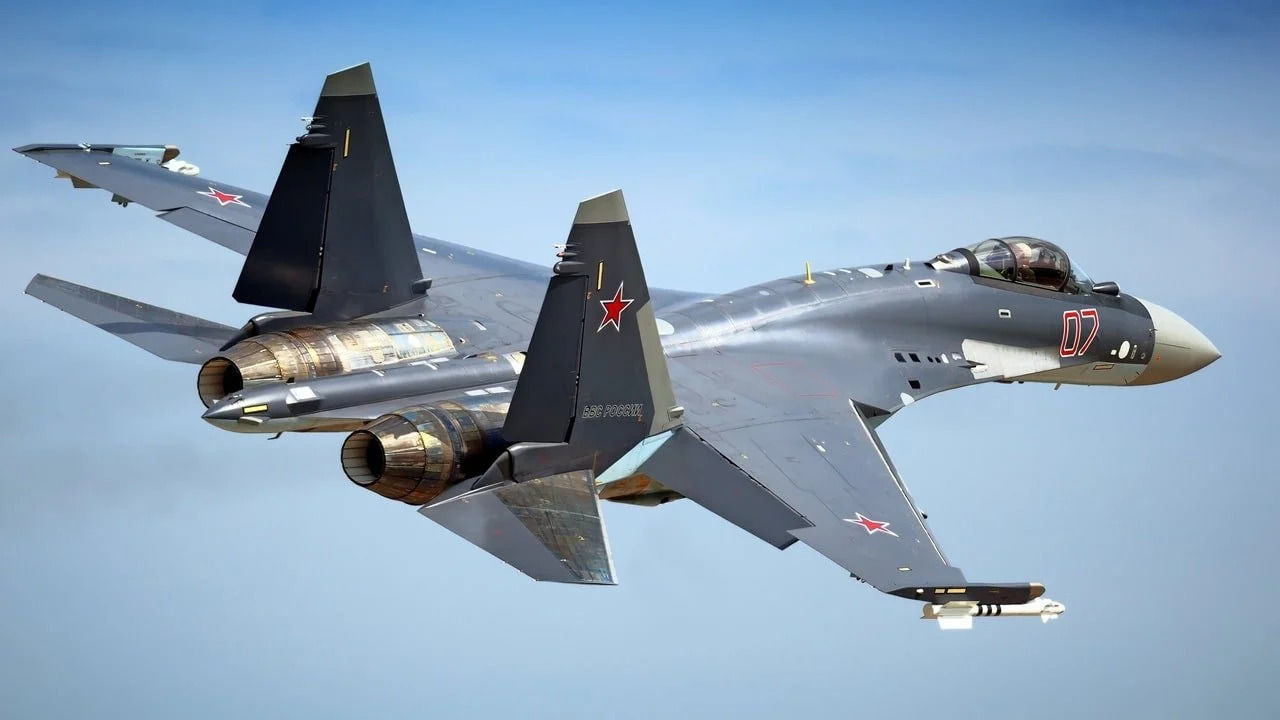
11 units of Su-35 from Russia. This deal has been frozen for some time (originally planned in 2017), but it has not been cancelled. Rather it seems that its just being put on the shelf, with recent reports confirming that its still ongoing and has been activated in 2025
- https://www-cnbcindonesia-com.translate.goog/opini/20260105111921-14-699659/meninjau-program-akuisisi-jet-tempur-indonesia-tahun-2026?_x_tr_sl=id&_x_tr_tl=en&_x_tr_hl=en&_x_tr_pto=wapp
- https://www.tempo.co/internasional/rusia-pembelian-11-jet-tempur-sukhoi-su-35-indonesia-masih-tertunda-2084572
- https://www.facebook.com/keris.reborn/posts/pfbid022xwkyhfFUtdRNdePXqkHoEh7eH2FmKvyoPQVABxoGujMmVwyskmhxLVR18Y6pB9Jl
–=Strike Aircraft=–
M-346FI Block 20
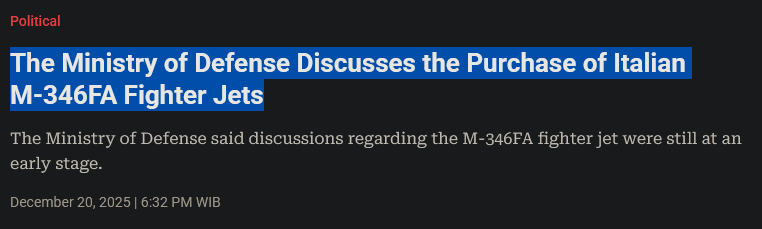
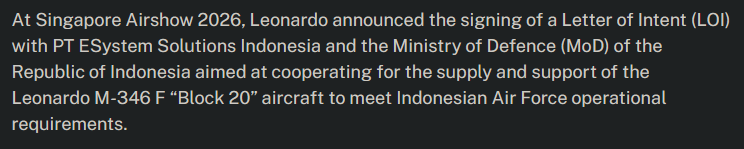
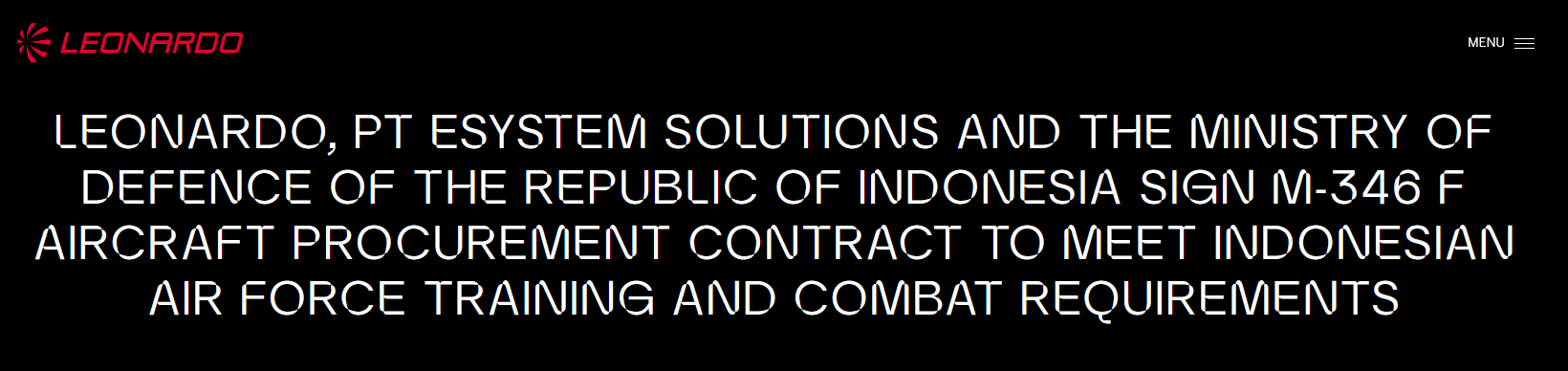
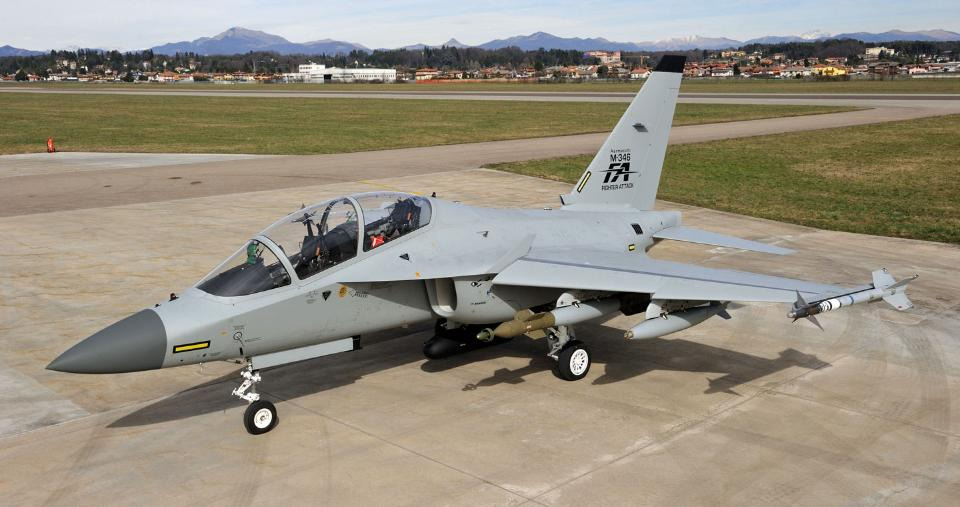
12x Units of the M-346FA Block 20. Deliveries starting in 2030. The jet would be modified to fit ID’s operational requirements. Installment of IRIS-T and cruise missile
- https://www.tempo.co/politik/kemhan-bahas-pembelian-jet-tempur-m-346fa-asal-italia-2100816
- https://www.leonardo.com/en/press-release-detail/-/detail/21-07-2026-leonardo-pt-esystem-solutions-and-the-ministry-of-defence-of-the-republic-of-indonesia-sign-m-346-f-aircraft-procurement-contract-to-meet-indonesian-air-force-training-and-combat-requirements
- https://www.leonardo.com/en/press-release-detail/-/detail/04-02-2026-leonardo-pt-esystem-solutions-and-the-ministry-of-defence-of-the-republic-of-indonesia-sign-m-346-f-aircraft-letter-of-intent-to-meet-indonesian-air-force-training-and-combat-requirements
–=Next-Gen Aircraft=–
⬠ KF-21
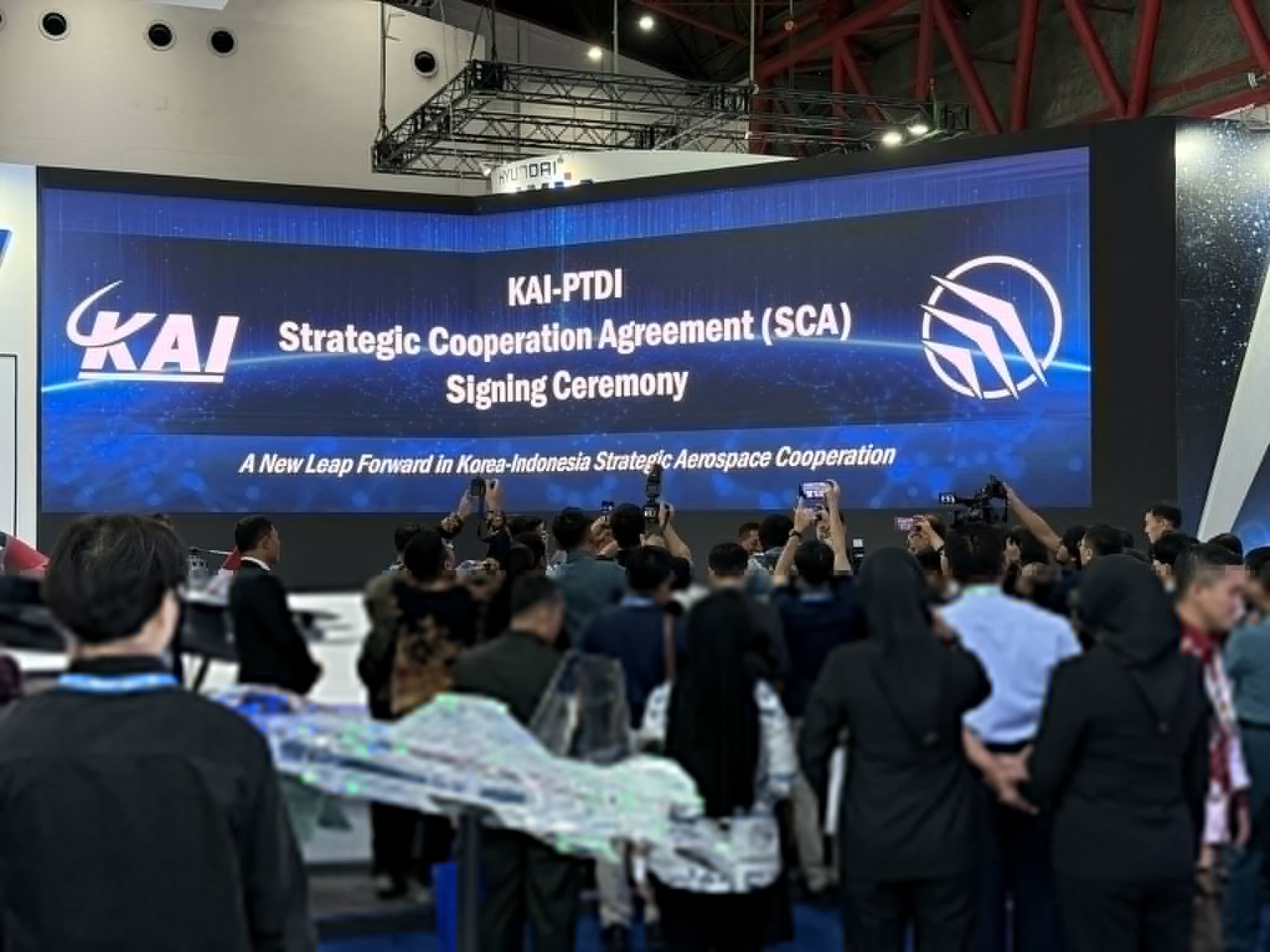
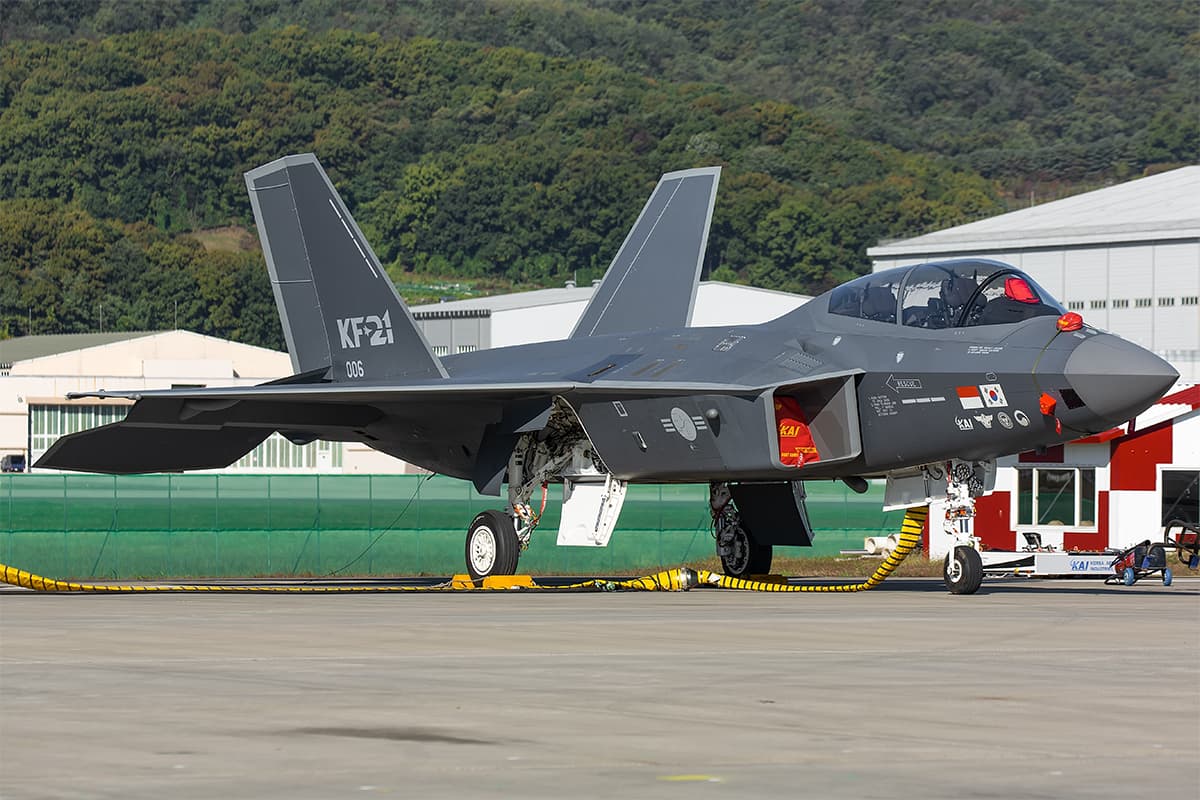
Jointly developed 4.5th gen aircraft between Indonesia & South Korea. Complicated history up to this point but Indonesia has given assurance to purchase 48 KF-21s with PT. Dirgantara Indonesia still onboard with the project. Indonesia reportedly wanted to obtain the Block II variant with Air-to-Ground capabilities.
- https://www.armyrecognition.com/news/aerospace-news/2025/indodefense-2025-indonesia-and-south-korea-sign-new-deal-for-delivery-of-48-kf-21-jets-and-preservation-of-joint-production
- https://www-cnbcindonesia-com.translate.goog/opini/20260105111921-14-699659/meninjau-program-akuisisi-jet-tempur-indonesia-tahun-2026?_x_tr_sl=id&_x_tr_tl=en&_x_tr_hl=en&_x_tr_pto=wapp
⬠ KAAN
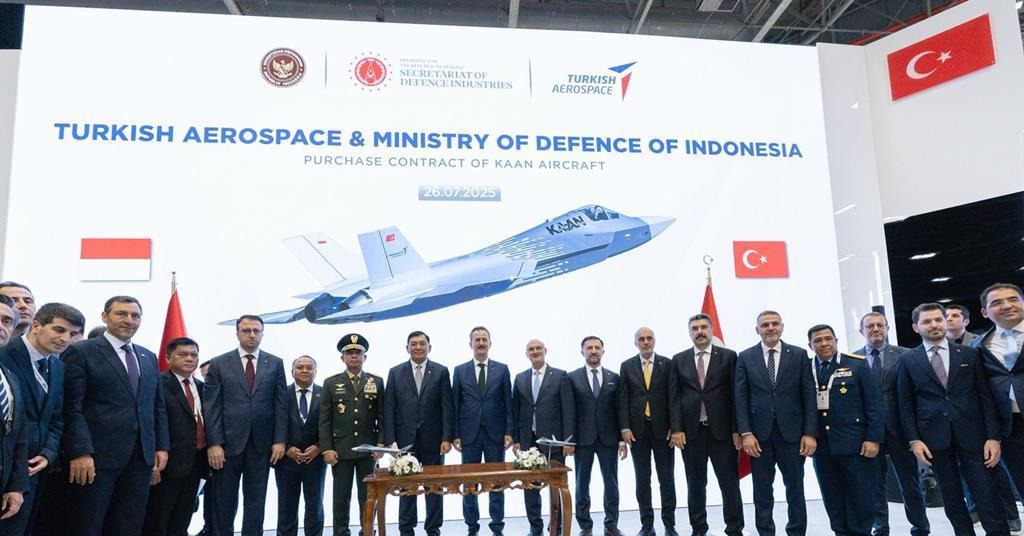
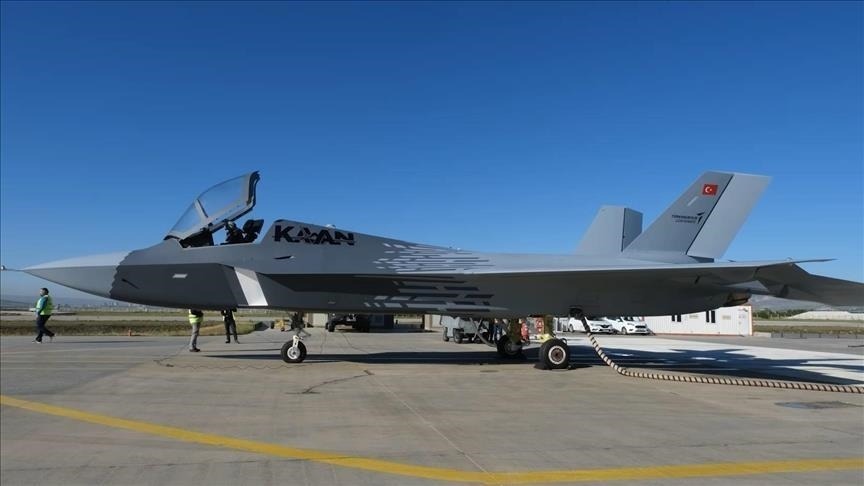
Turkish-made next gen stealth jet. Contract was signed during IDEF 2025 for the purchase of 48 KAAN jets. PT. Dirgantara Indonesia will be responsible for the final assembly of some of the airframes & technology transfers with Turkish Aerospace Industries.
2.) Helicopters
RANK IV
⬠ Wasp HAS.1
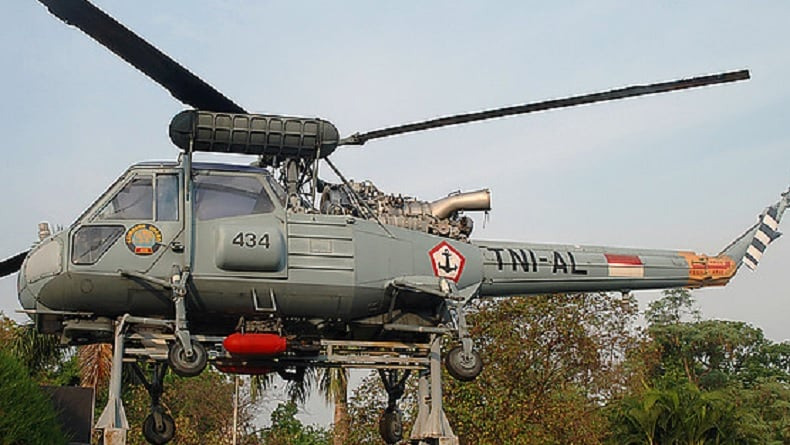
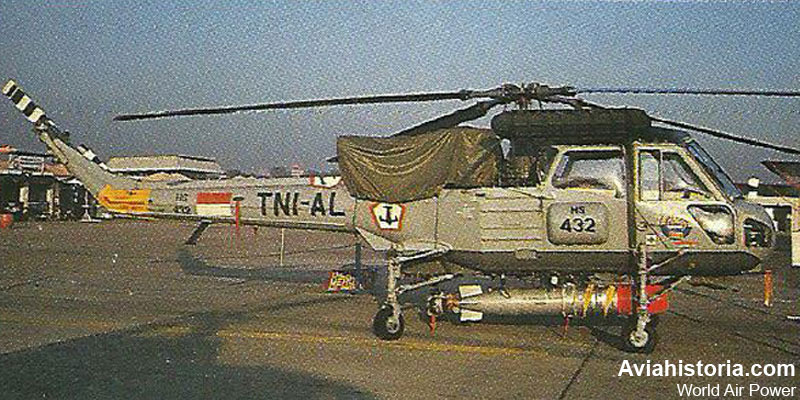

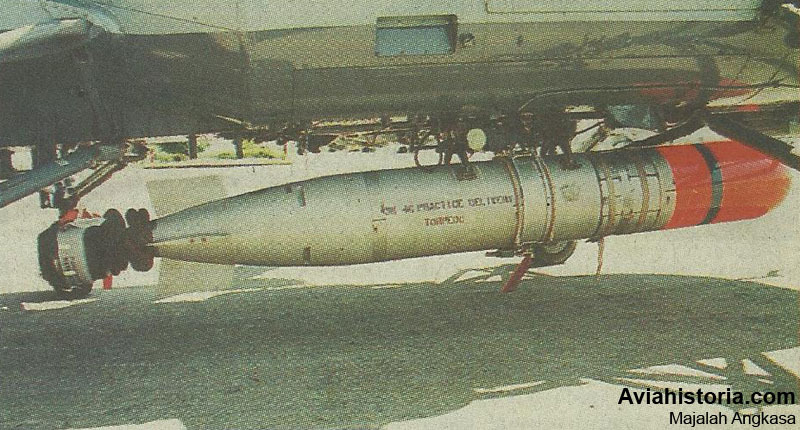
British-Made Westland Wasp HAS.mk1. Originally belongs to the Dutch Navy but was transferred over to the Indonesians. Only used as an ASW platform, can carry 2x bombs, 2x Mk.44 or 1x Mk.46 Torpedo(es).
⬠ AS 565 Panther

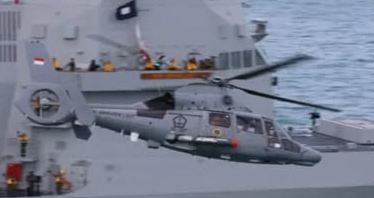
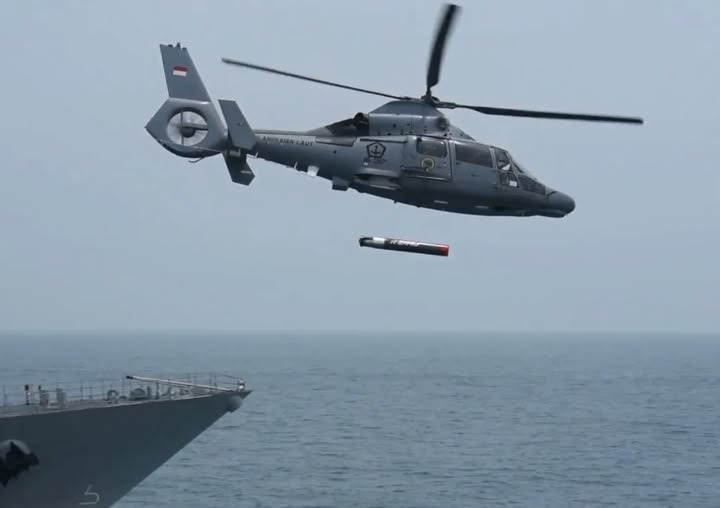
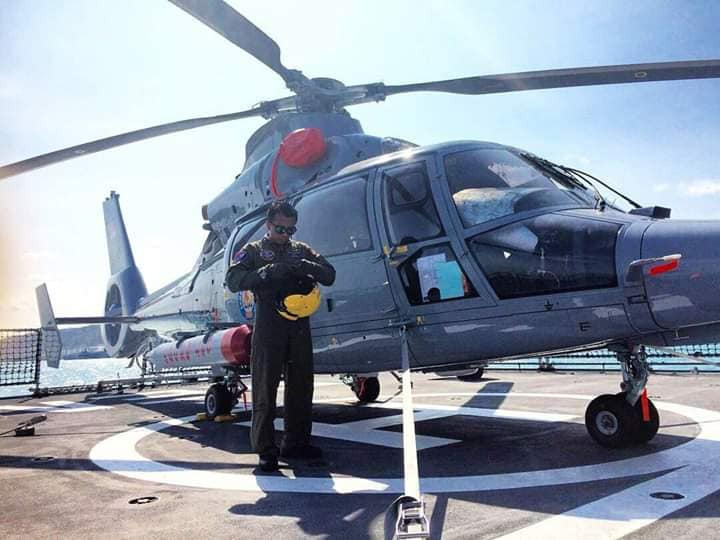
Airbus AS 565 Panther helicopter, was assembled in Indonesia. Can be equipped with either the Honeywell Mk.46 or the Leonardo A244/S Mod.3 Torpedoes
- https://www.indomiliter.com/setelah-lama-dinanti-pt-di-resmi-serahkan-dua-unit-as565-mbe-panther-aks-dan-satu-unit-cn-235-220-mpa-full-mission/
- https://www.indomiliter.com/dikerahkan-ke-ambalat-tni-al-operasikan-helikopter-as565-mbe-panther-full-aks/
- https://airplane-modelkit.blogspot.com/2015/05/eurocopter-as-565-panther.html
- https://www.indomiliter.com/honeywell-mk46-jejak-sejarah-torpedo-ringan-andalan-2-jenis-kapal-perang-tni-al/
- https://www.indomiliter.com/leonardo-a244-s-mod-3-torpedo-canggih-untuk-helikopter-aks-as565-mbe-panther-tni-al/
RANK V
NBO 105 CB
Suggestion Page: NBO 105 CB - The Workhorse of the Indonesian Military
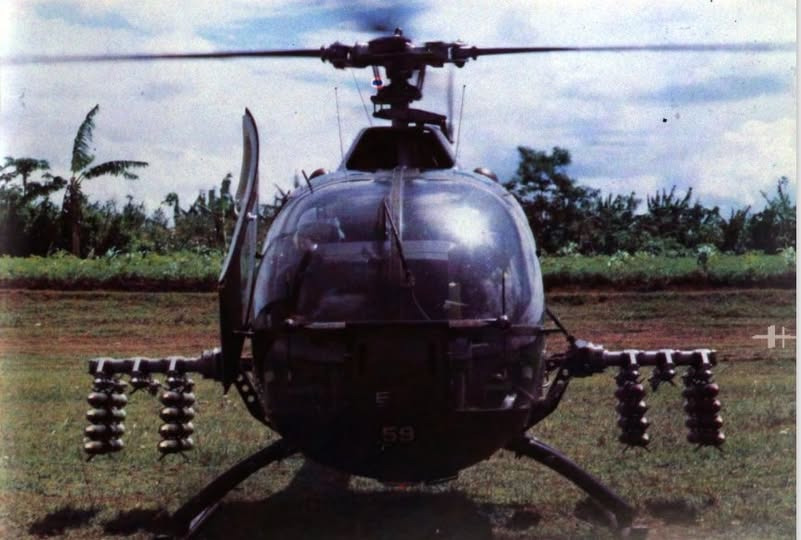

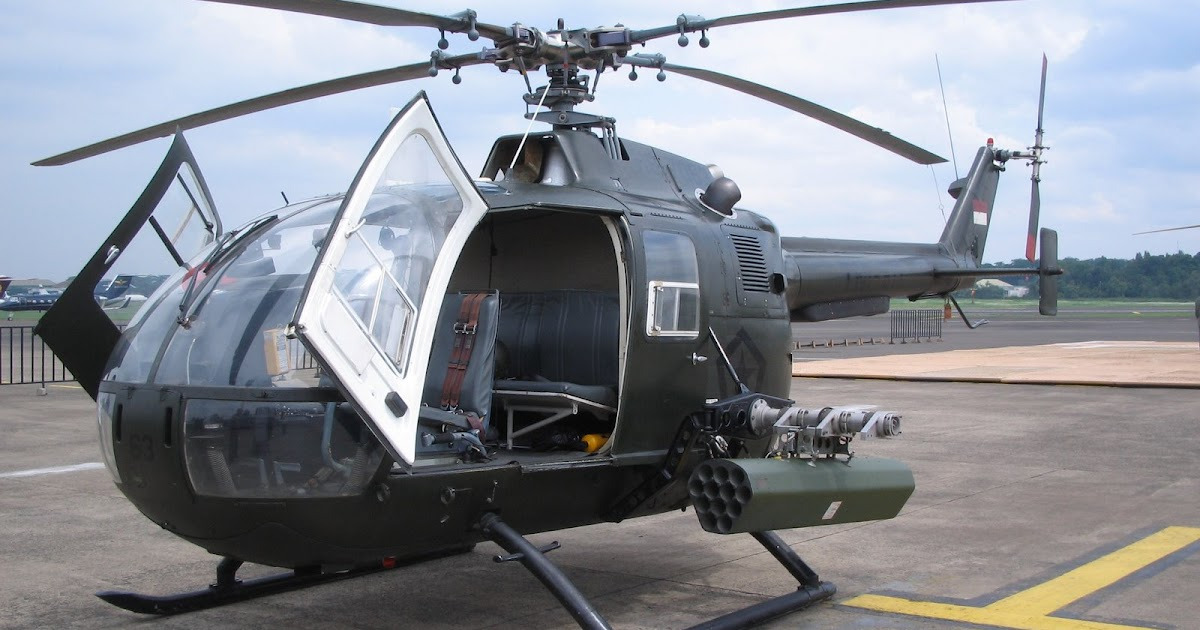
Domestically produced variant of the civilian Bo-105 CB. Was modified to be an Close-in attack helicopter with the addition of Gunpods, FFAR rocket pods, & 80mm Sura-D rockets
- https://www.historia.id/article/cerita-di-balik-helikopter-nbo-105-6lgQo
- https://www-indomiliter-com.translate.goog/roket-oerlikon-sura-d-pernah-digunakan-di-helikopter-nbo-105-puspenerbad/?_x_tr_sl=id&_x_tr_tl=en&_x_tr_hl=en&_x_tr_pto=wapp
- https://www-indomiliter-com.translate.goog/nbo-105-pernah-jadi-heli-serang-utama-tni-ad/?_x_tr_sl=id&_x_tr_tl=en&_x_tr_hl=en&_x_tr_pto=wapp
⬠ Bell 204B
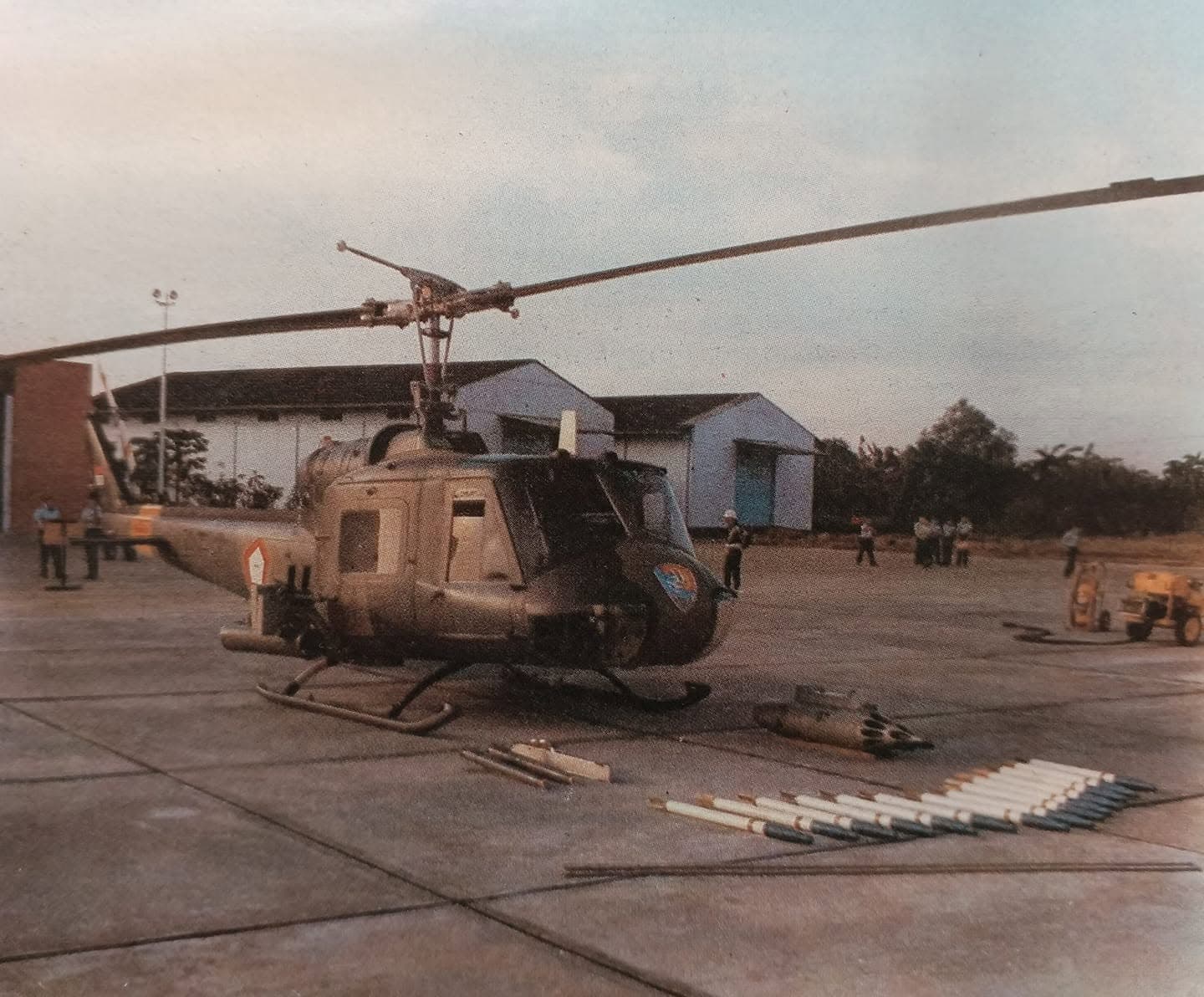
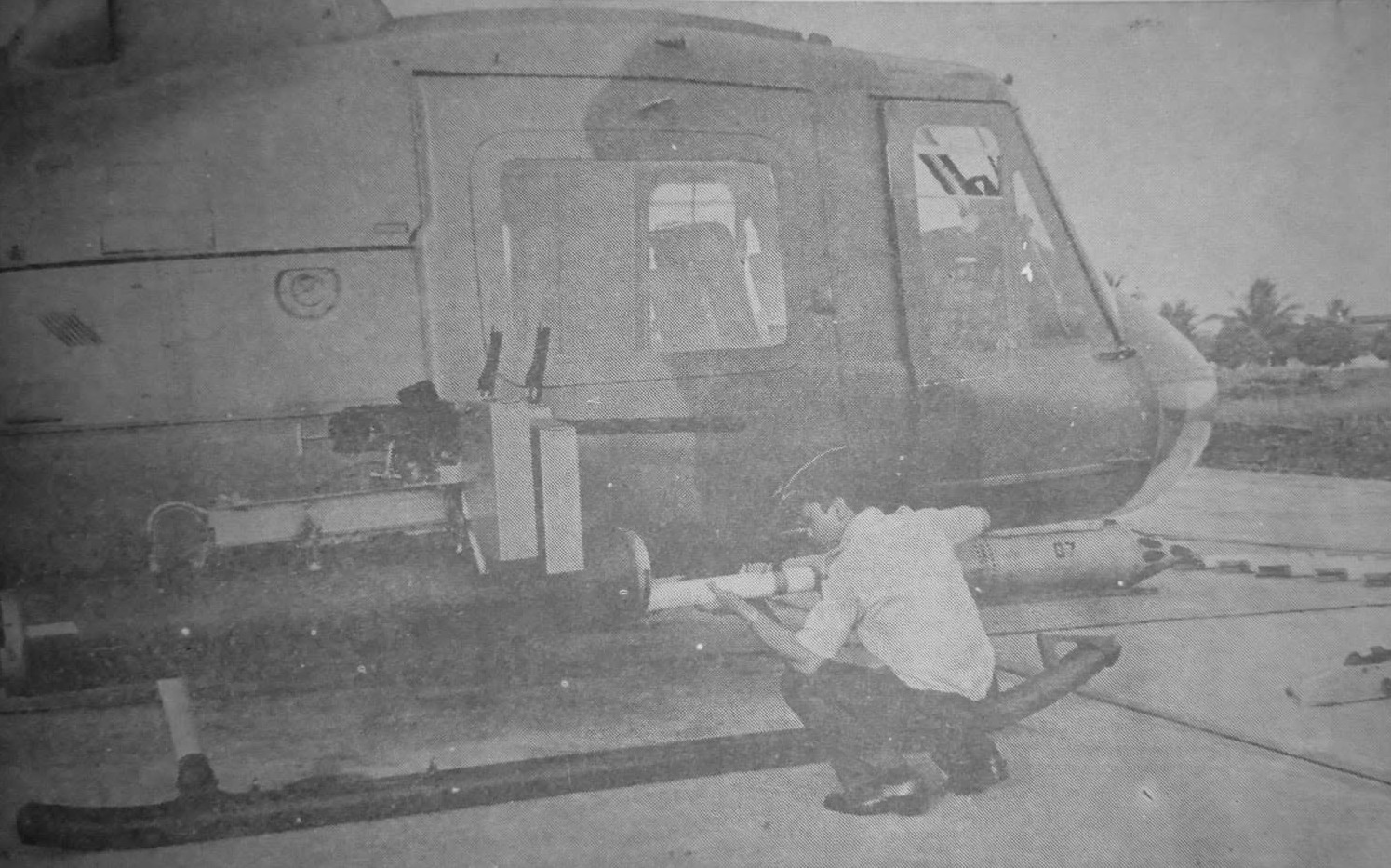
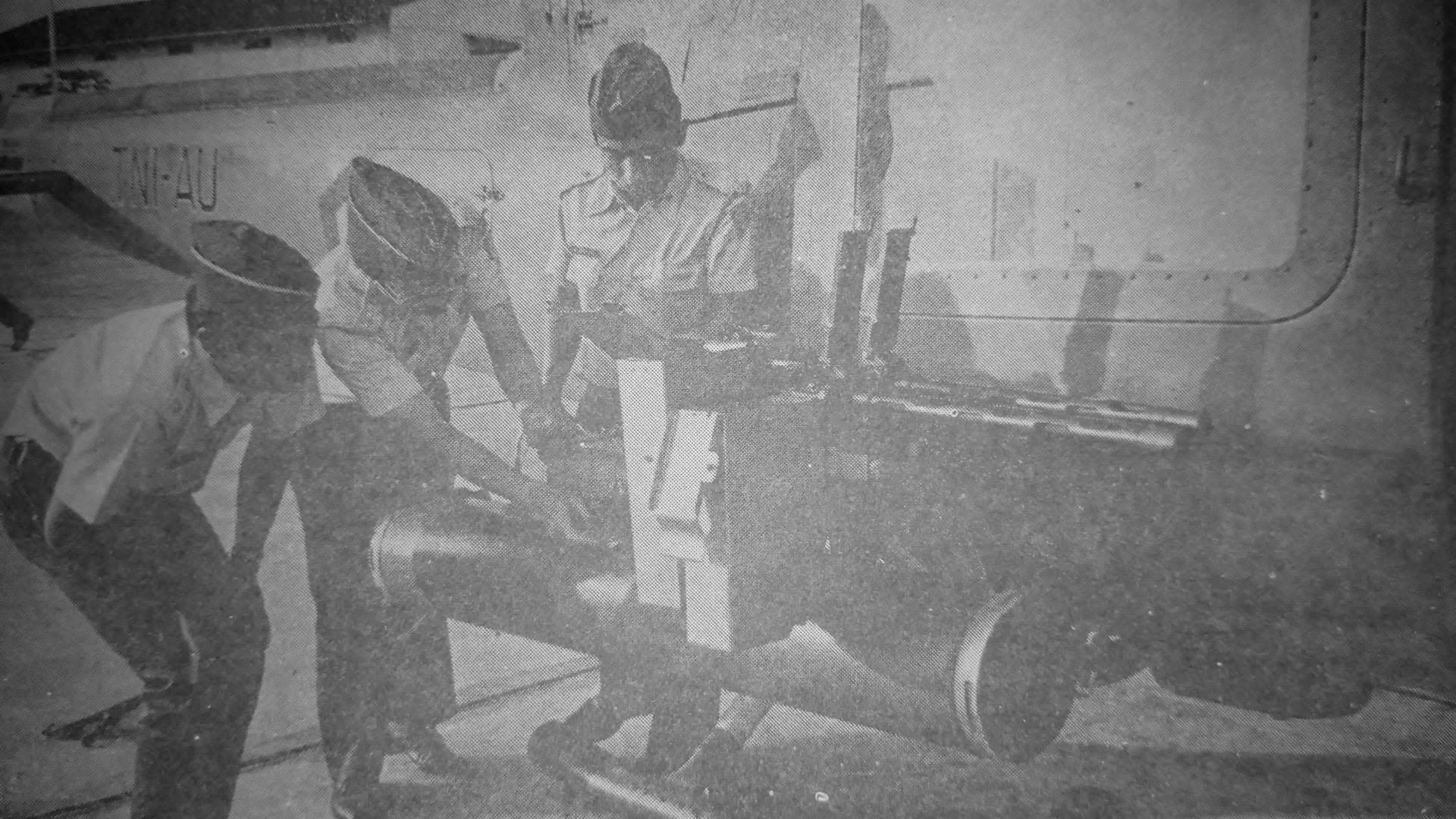
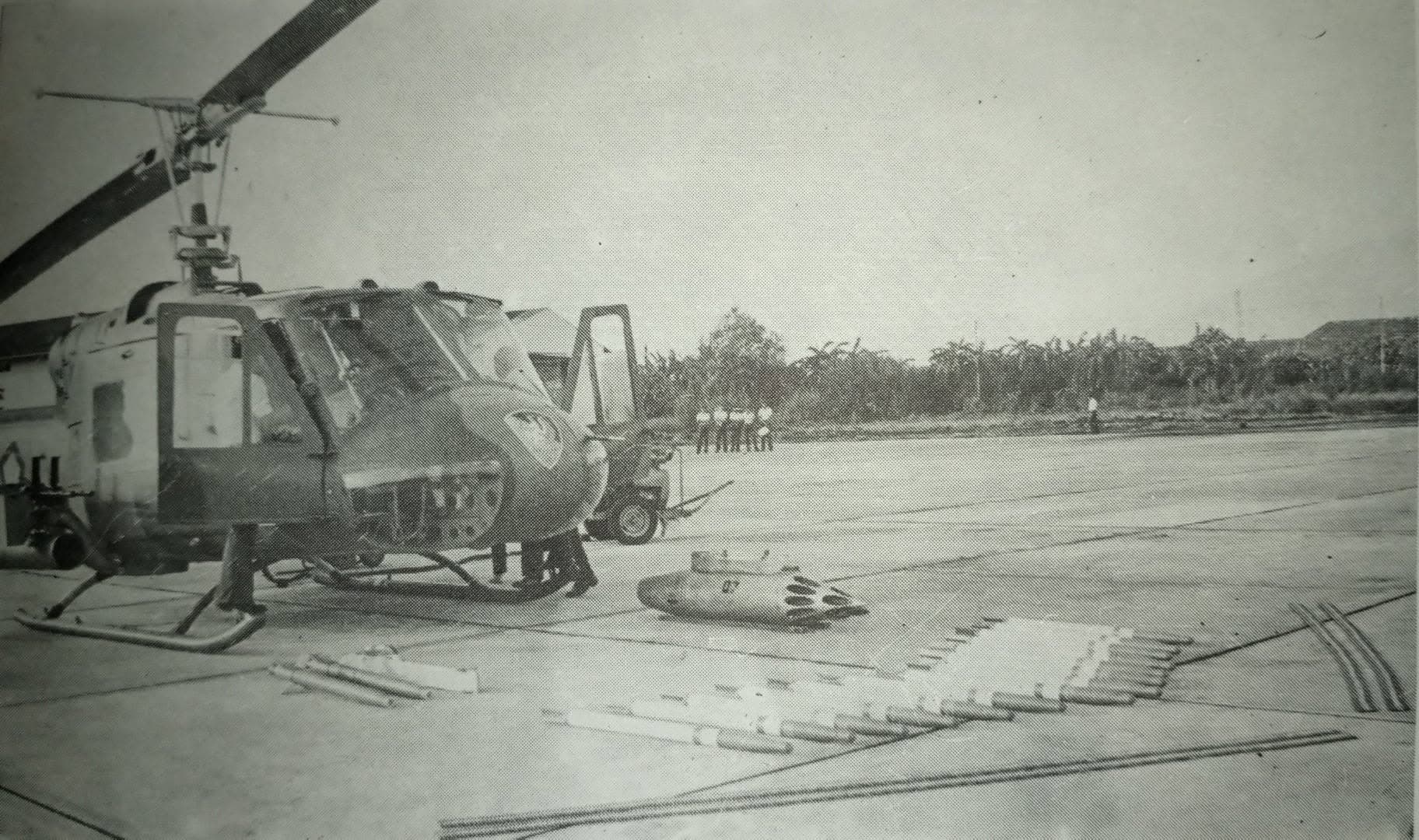
Indonesian modification to the civilian Bell 204 (UH-1B) in the late 70s. Including dual 7.7mm Machine gun racks, FFAR rocket pods, as well as the Soviet S-5K rockets mounted on the UB-16-57. Another rocket launcher was displayed but its unclear what exactly it is (presumably the SURA-D)
- https://aviahistoria.com/2021/08/14/bell-204-iroquis-h-268-museum-satria-mandala/
- https://web.facebook.com/pustaka.combat/posts/pfbid02UVD6qvFZFk2kLTHoyqPnb2LjGoGbqUeEQaeWvuptMrwvQsis8cK1fwMHGArn3JmHl
- https://web.facebook.com/pustaka.combat/posts/pfbid0324SjiFeW9tEKJeRTWW1NTyM9wgTGJVGnfUy81965FgryjjrfXv9Bp37no5F1RC7ml
- https://web.facebook.com/pustaka.combat/posts/pfbid0Yka6NBdFSiF6HNnS4BzQ22jK192pcnCBnqL2umz7MGegdHzYccq8q2MSvkDmVq2Yl
⬠ EC 725 Caracal
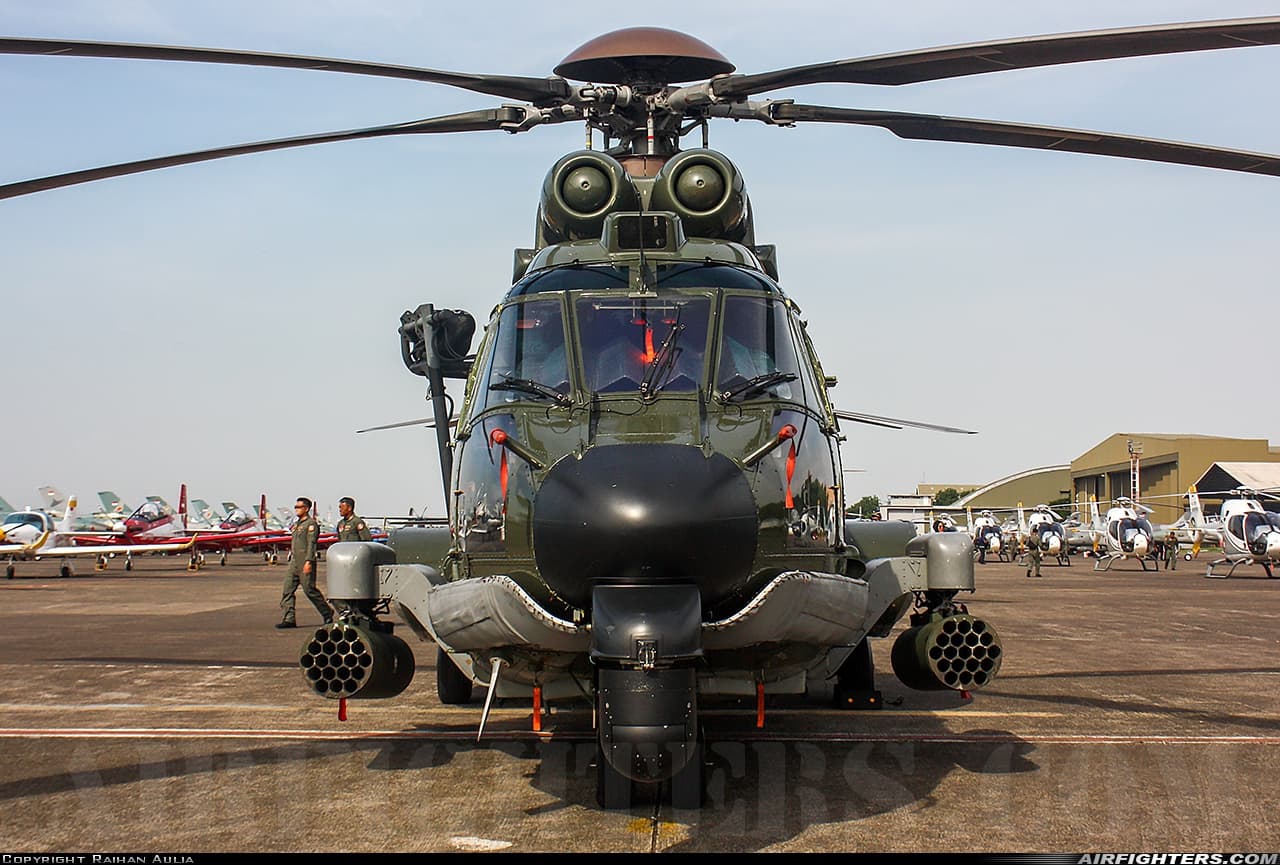
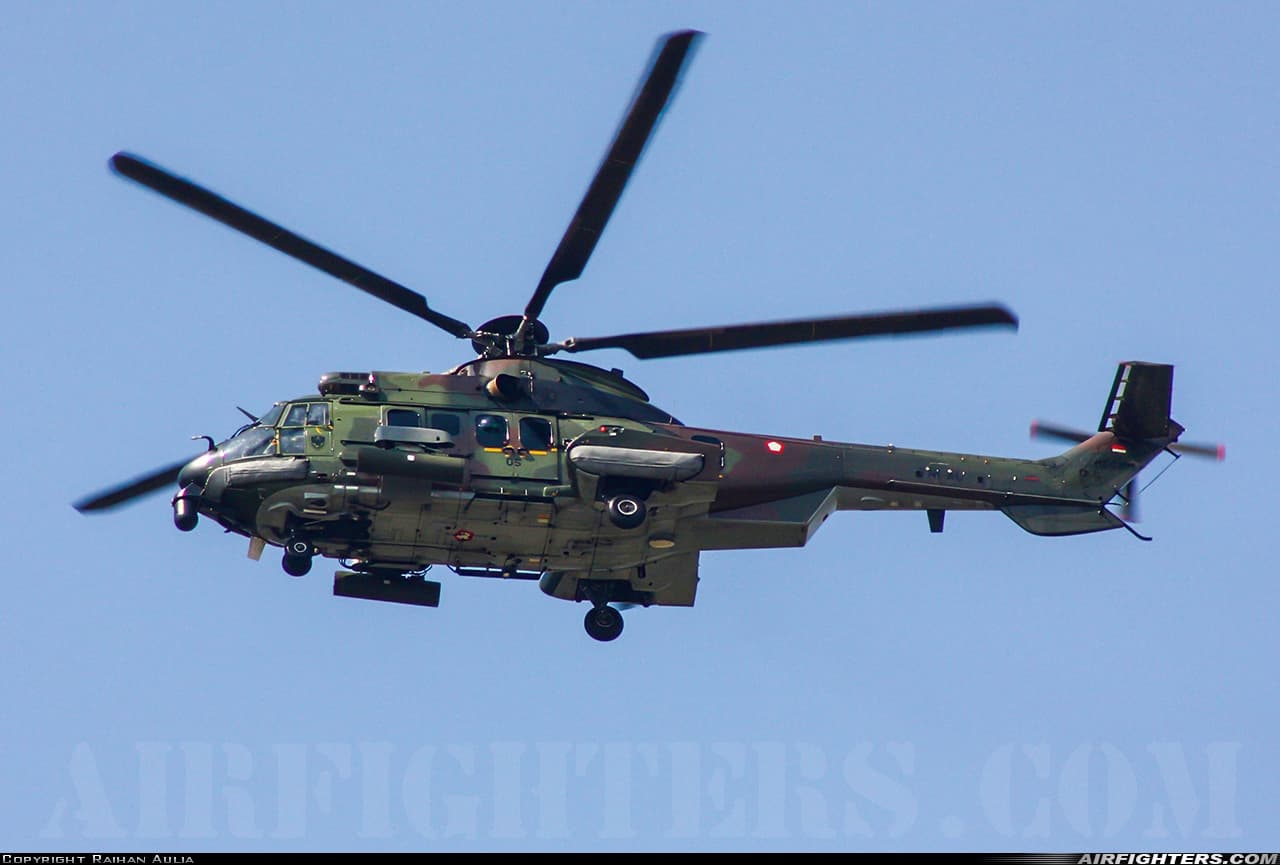
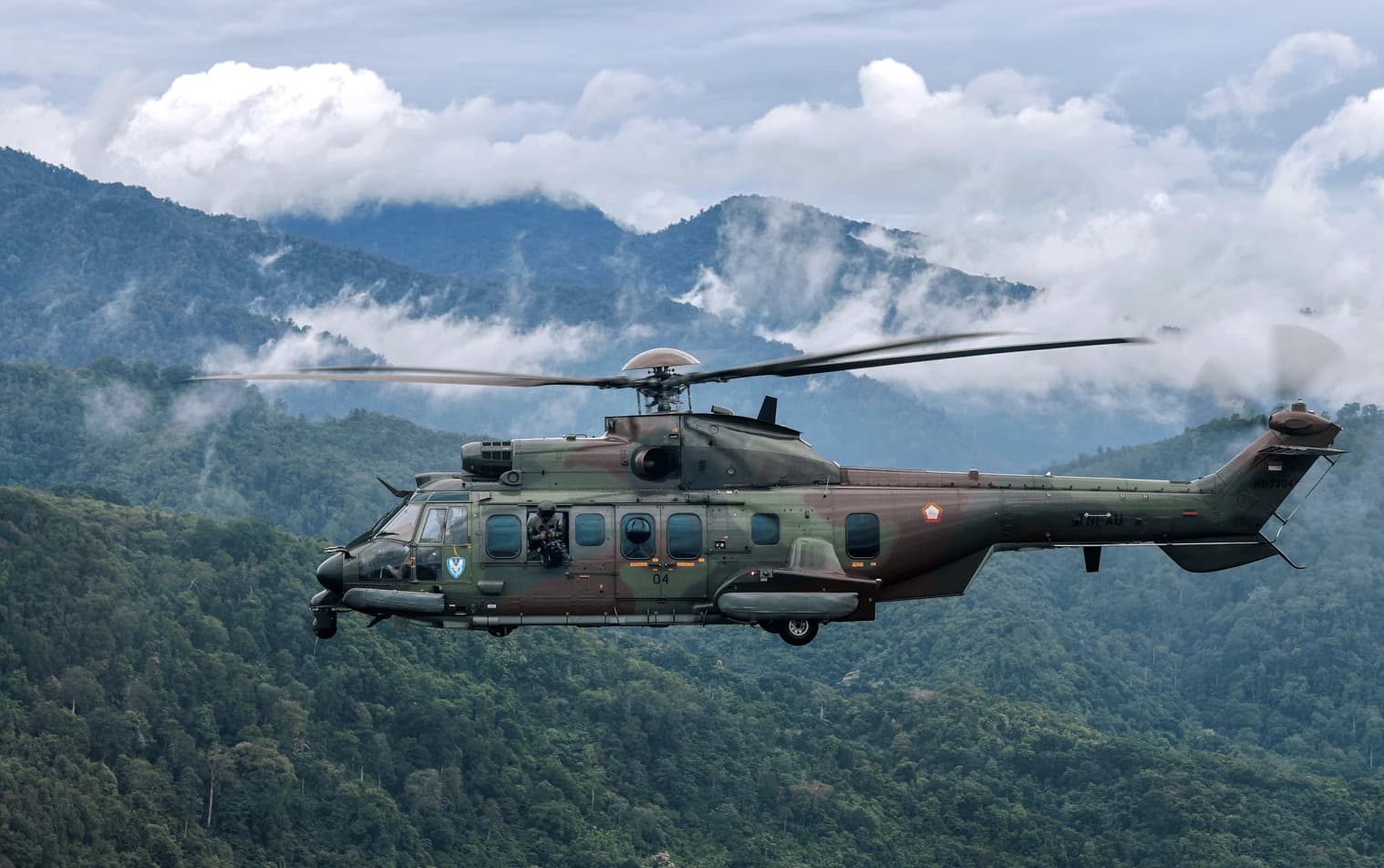
Utility helicopter with the ability to carry FFAR rocket pods & machine guns on the side windows (HMG / LMG)
⬠ AS 550 Fennec
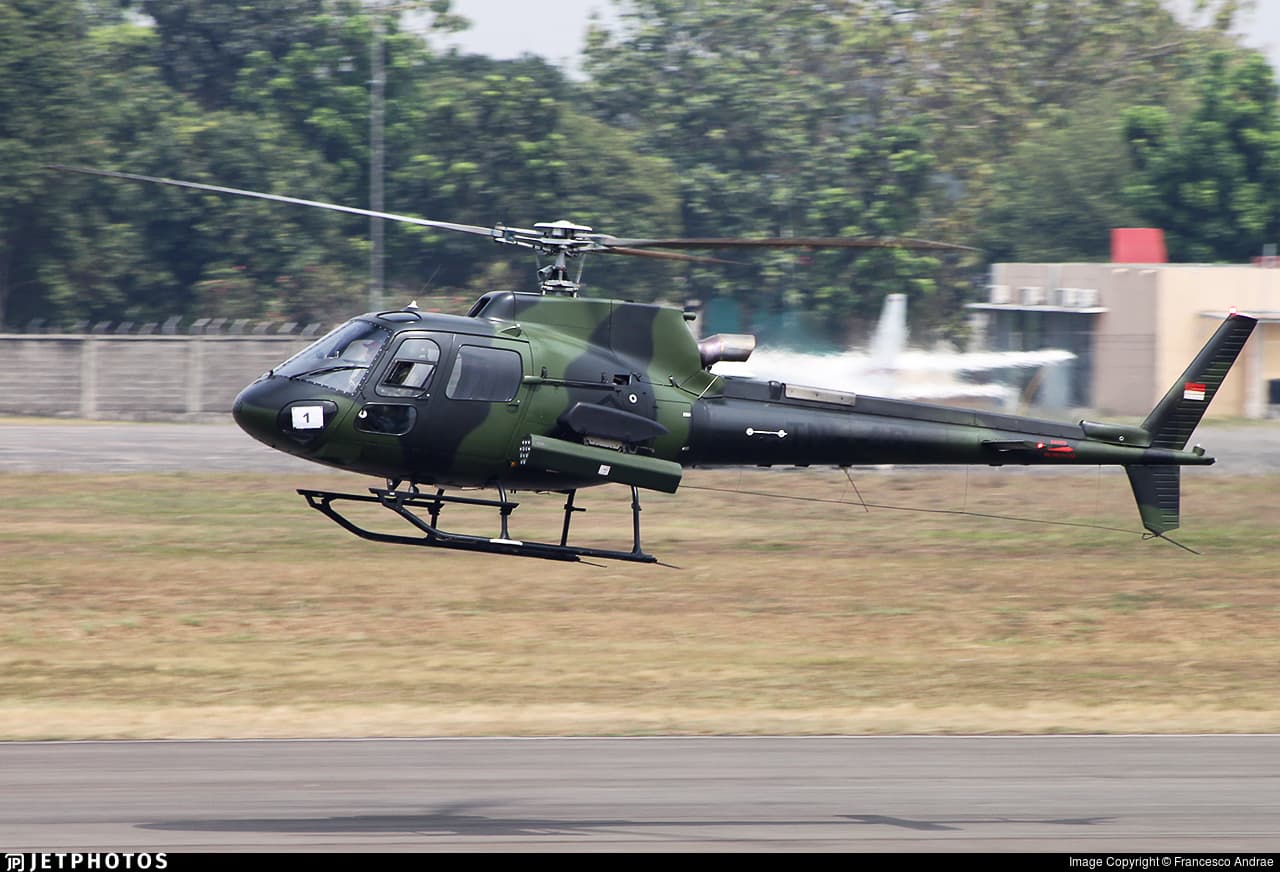
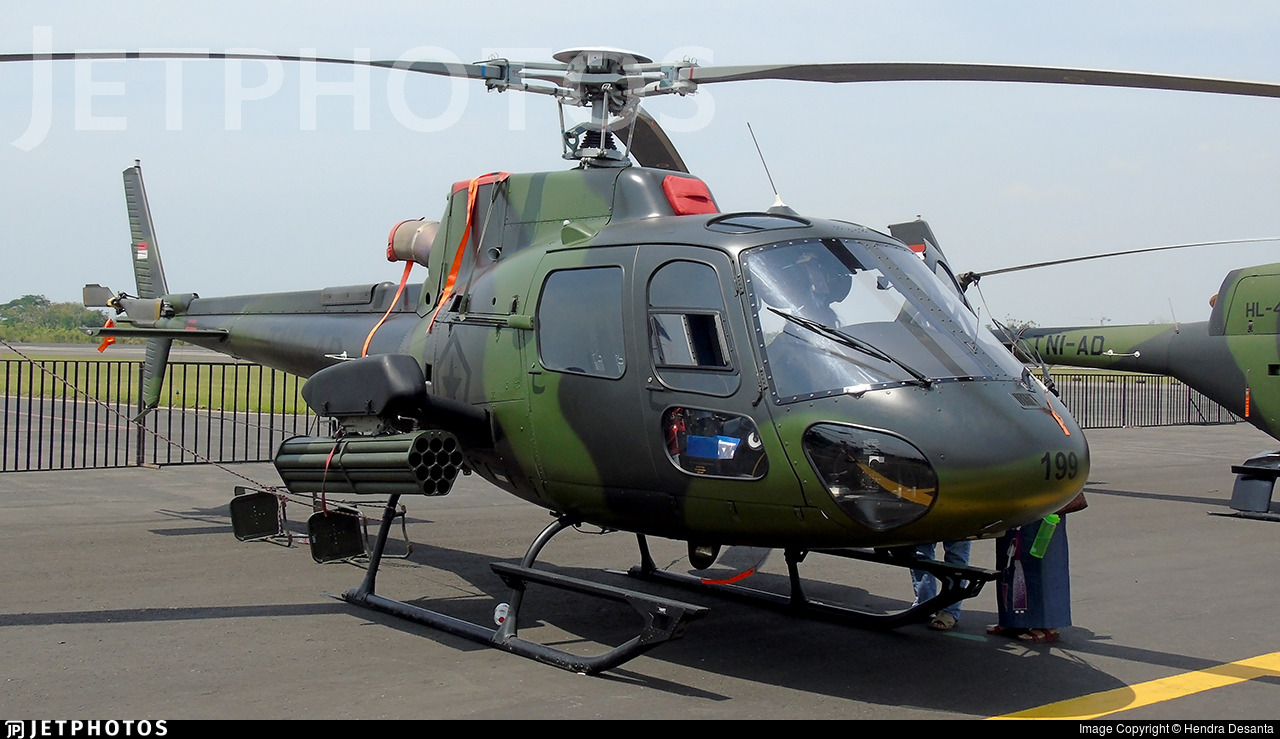
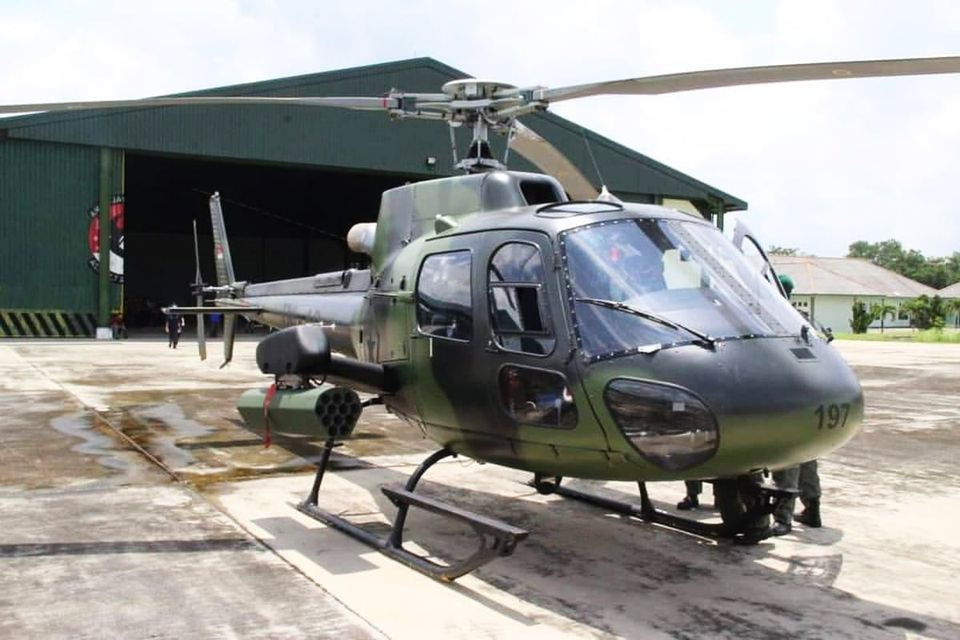
Introduced in 2016. Assembled locally by PTDI, AS 550 is single-engined Turbomeca Arriel 2D, which can be spotted from the single extended exhaust to the rear of the propellers. Can be armed with FFAR rockets or HM250 Gunpods. A couple of units is also equipped with FLIR, but not all of them has one.
⬠ AS 555 Fennec
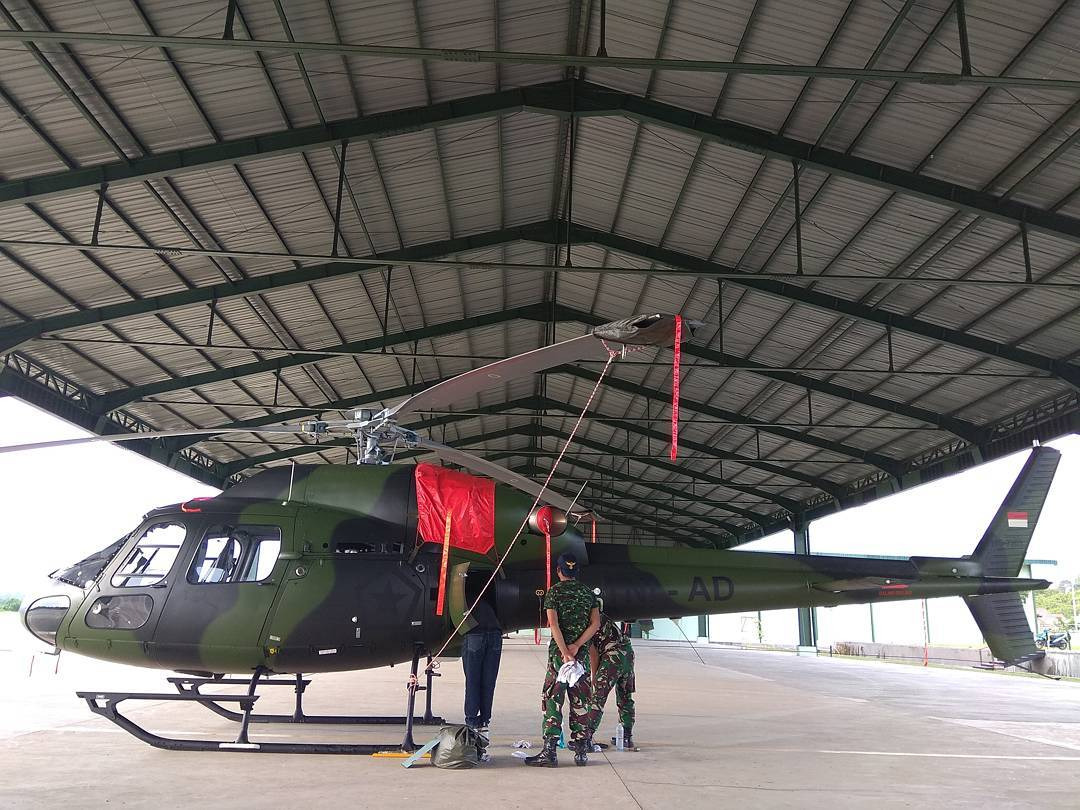
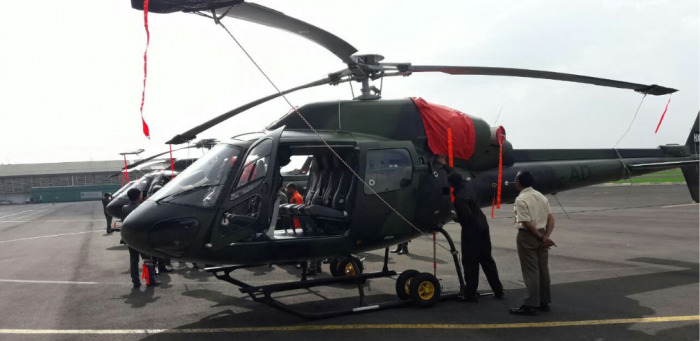
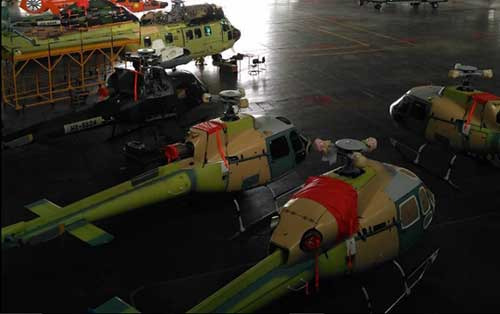
Virtually Identical to the AS 550 Fennec, but the 555 is a twin-engined variant with the Turbomeca Arrius 1A turboshaft engine.
RANK VI
⬠ Mi-35P
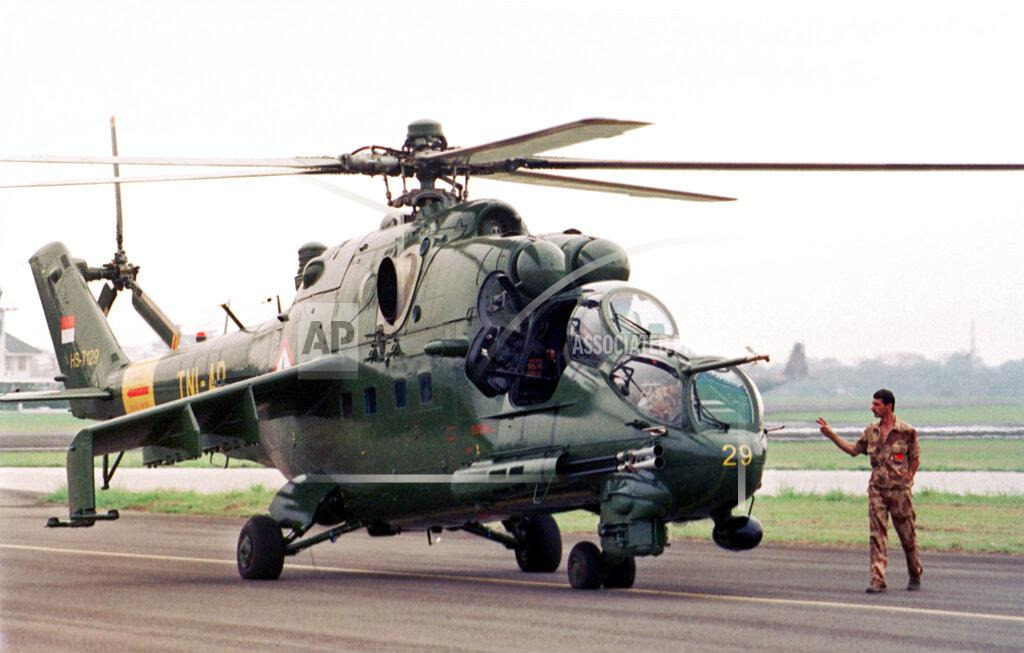
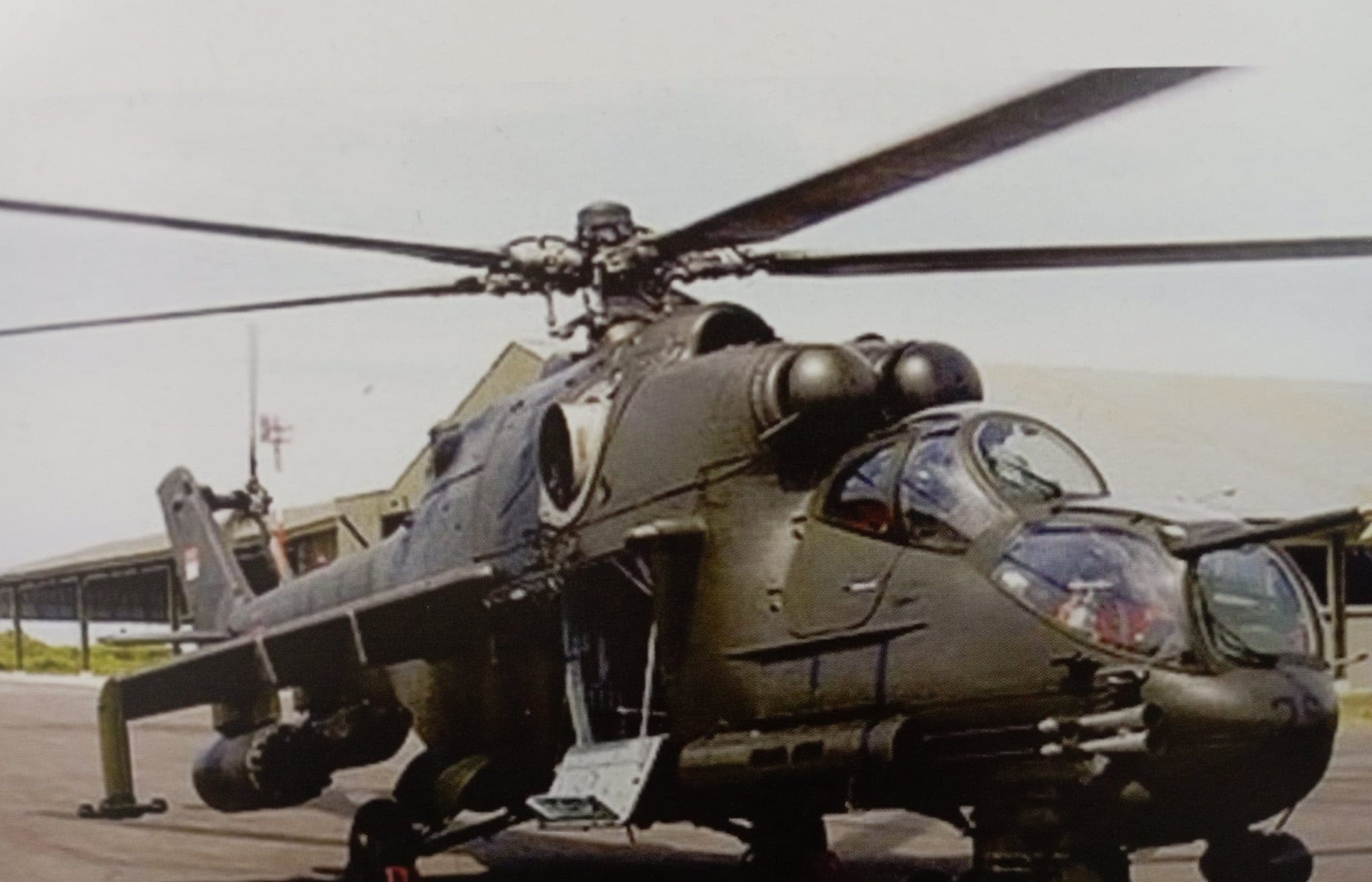
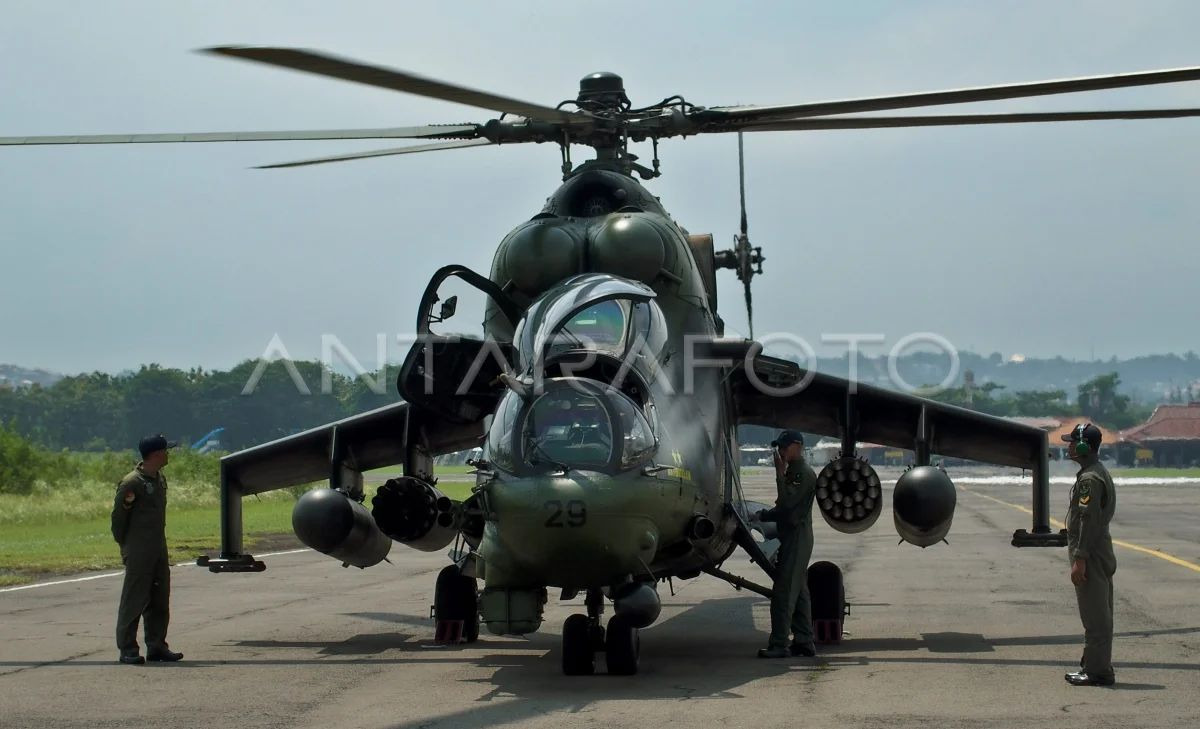
Export version of the Mi-24P. Domestically modified to carry FFAR rocket pods
⬠ Mi-35M
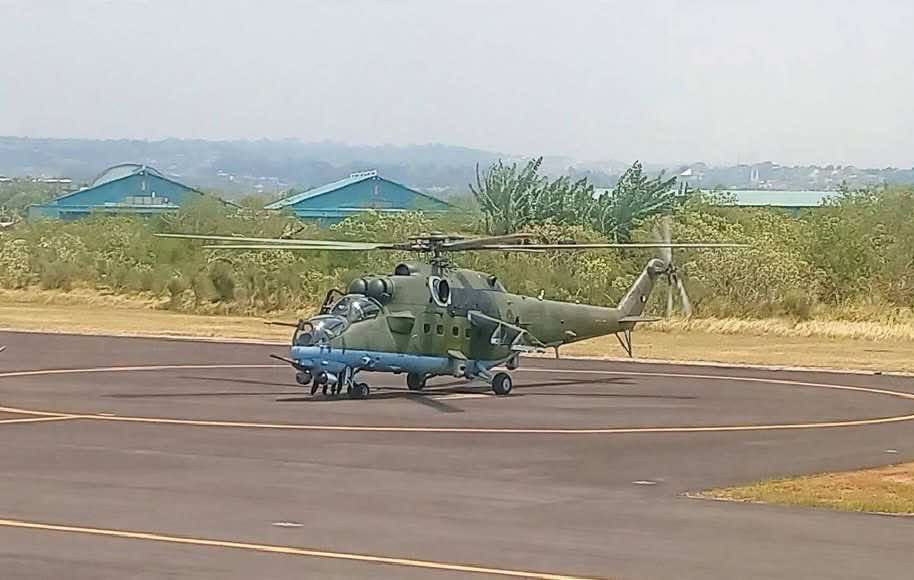
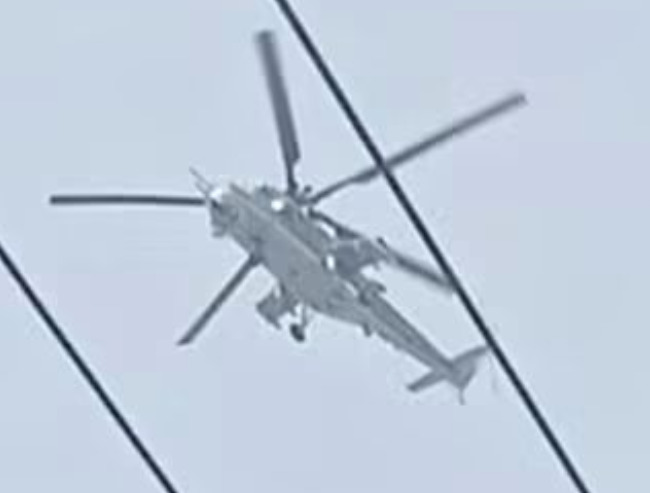

Recently Indonesia purchases a number of helicopter for the President’s “200-helicopter plan” for disaster relief operations through E-System Solution FZ (UAE-based but primarily deals with Eastern bloc equipment for Indonesia). However one source states that apparently a number of said support helicopters were in actually Hinds, specifically the Mi-35M. In September a new helicopter was spotted bearing the characteristics of the Mi-35M, notably a shorter wing, fixed landing gear, and an under-mounted Machine Gun turret instead of the fixed cannons on the side. The Heli is also equipped with the President-S (Vitebsk) Countermeasure System.
- https://x.com/LembagaKERIS/status/2000912739922010425
- https://www.facebook.com/keris.reborn/posts/pfbid0KiU9SDL5YJGoEMNPcXNr8QH2N4iZ9iJ7yaUHywSB4E7jvWUJZgC4zmXxmmJZG3rTl
- https://web.facebook.com/keris.reborn/posts/pfbid02Tag5vrBrUJgxM5k7MWda3oxqHYbB2erKAt4frmgXqrGVWrGpCyCTPEddNucFrJKql
- https://web.facebook.com/photo/?fbid=1066981399481635&set=p.1066981399481635
RANK VII
⬠ AH-64E
Suggestion Page: Indonesian Army AH-64E
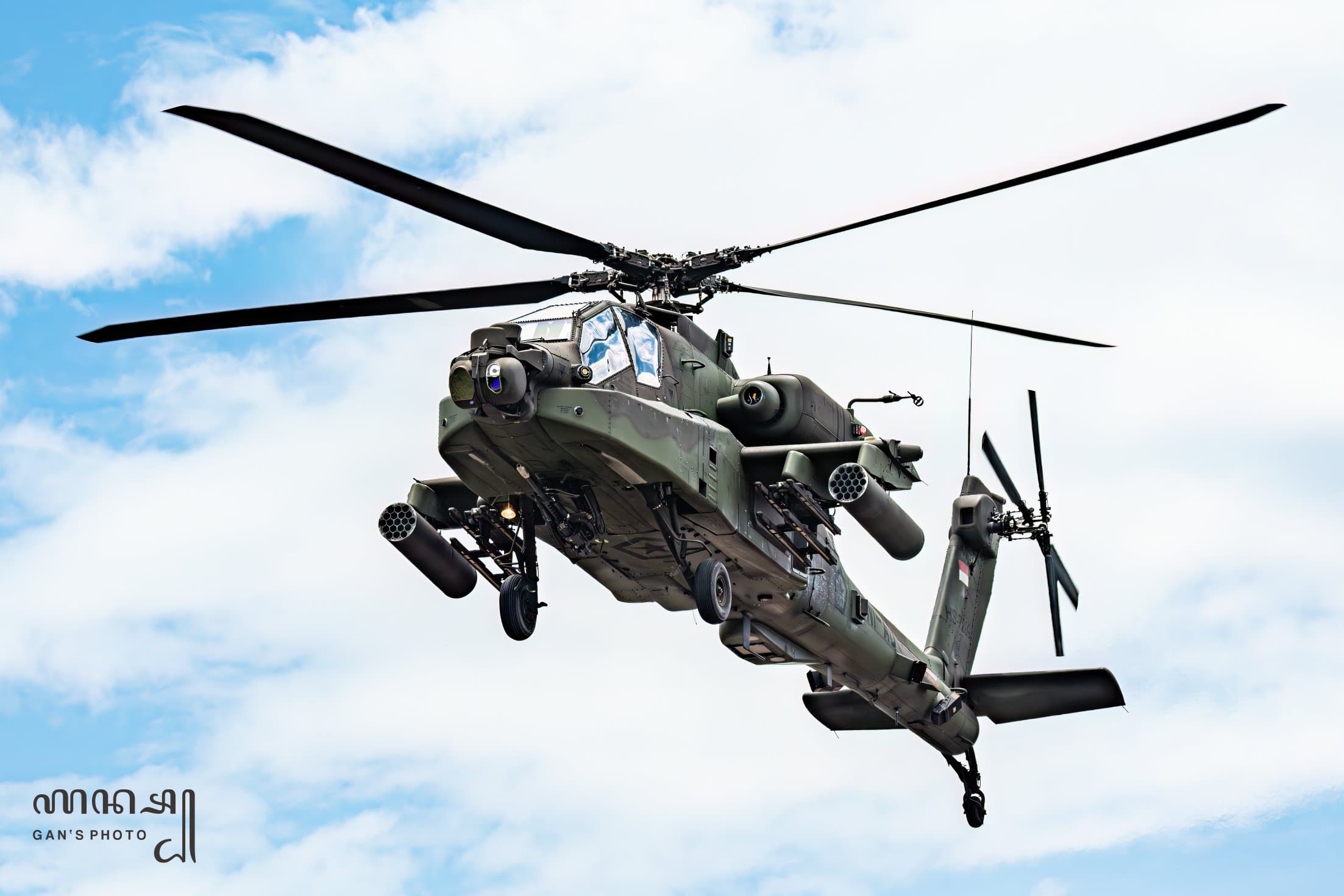
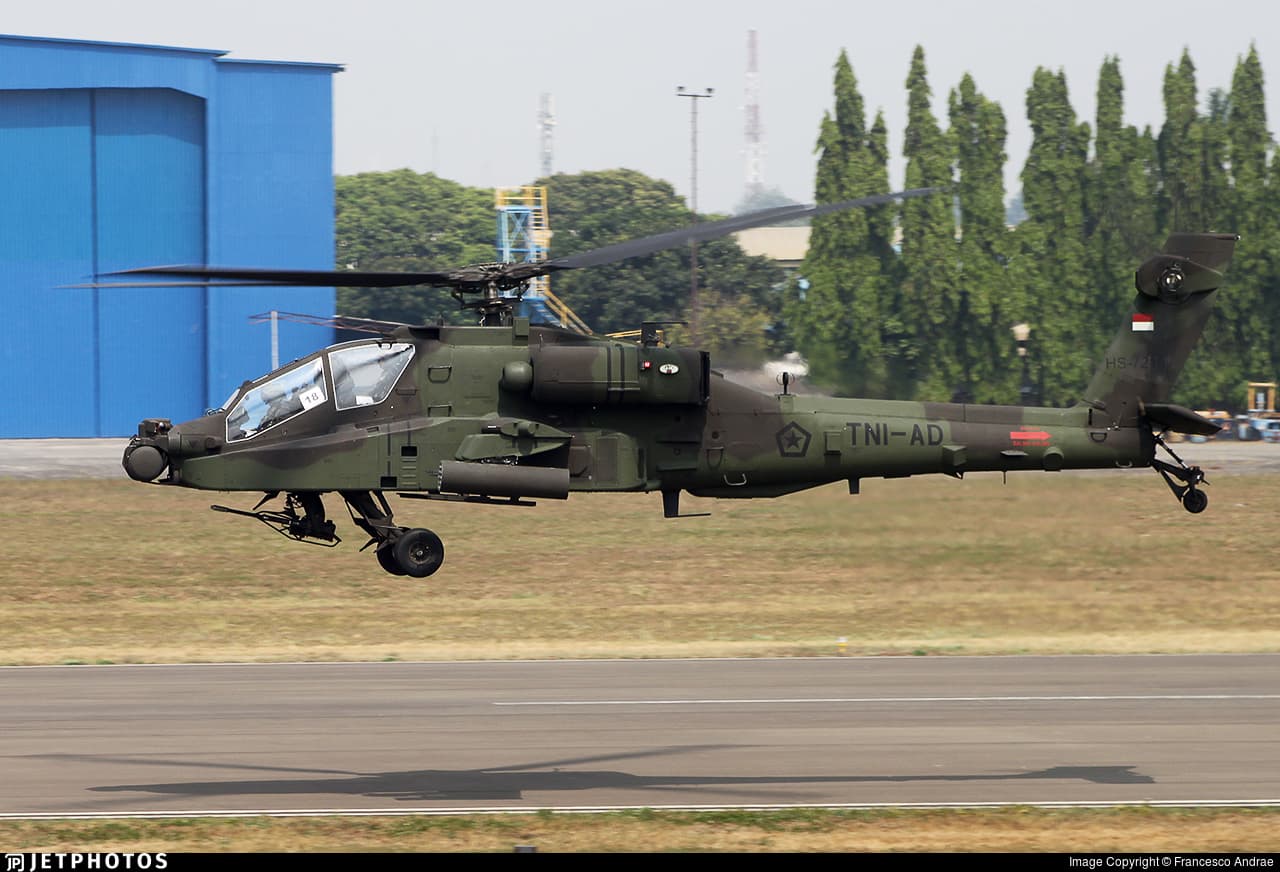

Standard AH-64E. Indonesian Army uses the AGM-114R3 Variant of the Hellfire
Future Heli
⬠ T-129 ATAK
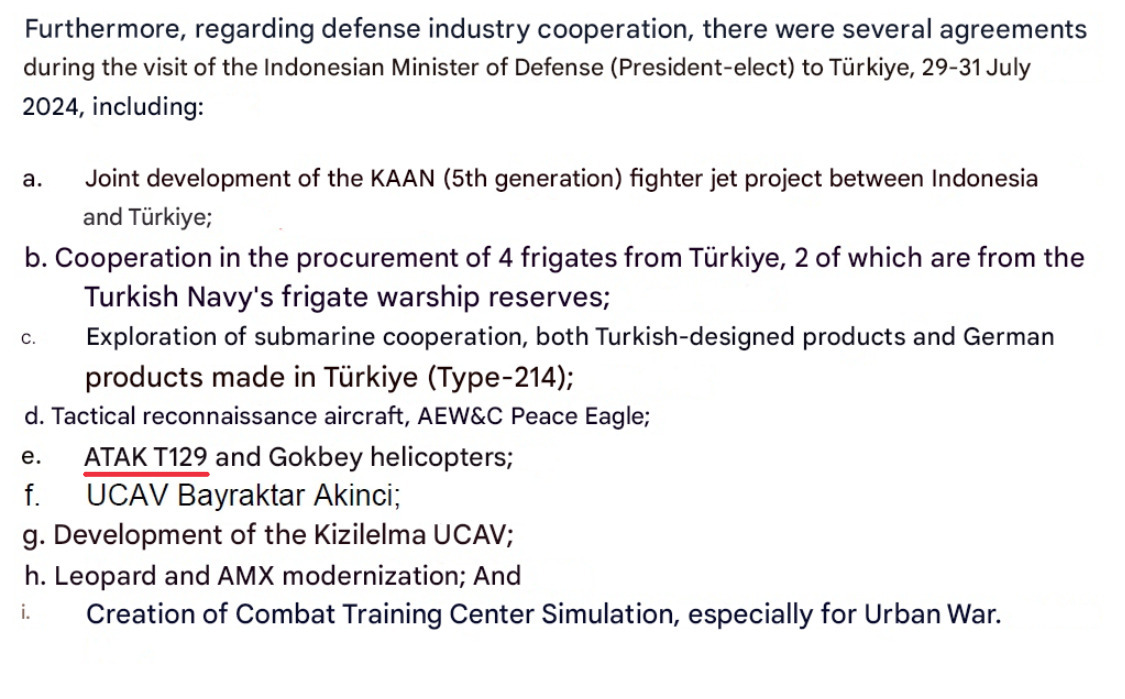
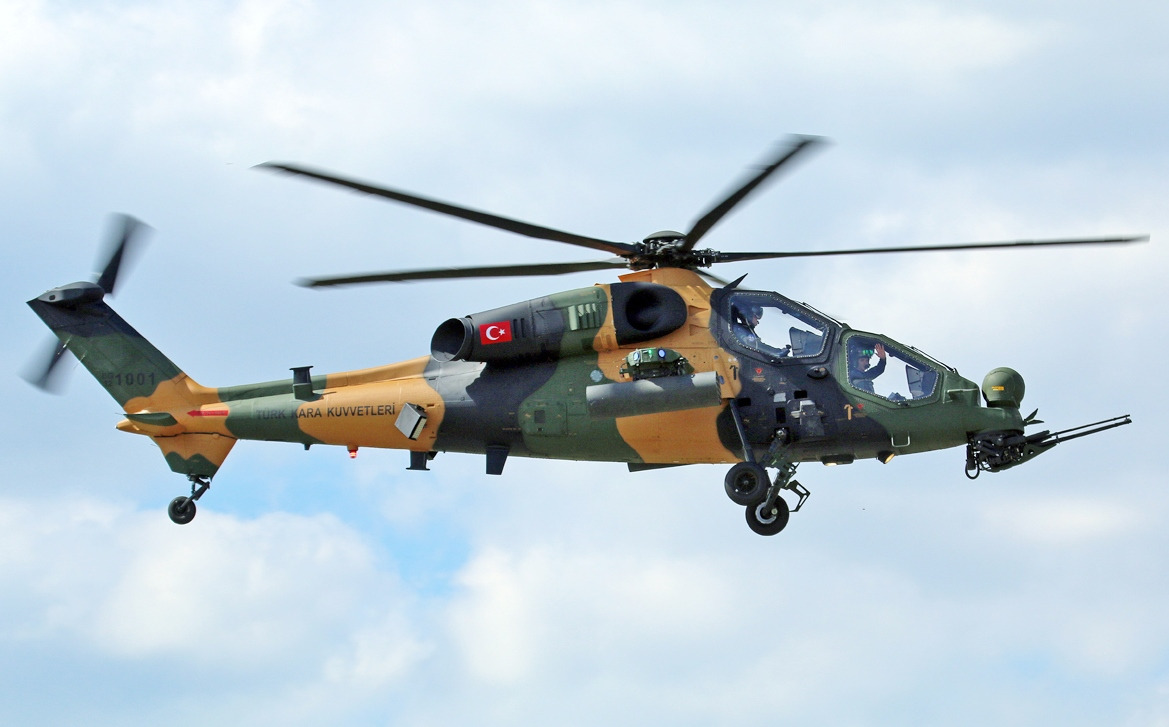
Was mentioned that the deal alongside other Turkish designs was agreed during the Then-Minister of Defence (Now-President) visit to Turkiye in July of 2024. However there hasn’t been any mention nor movement of the vehicle’s deal recently.
3.) Attack Drones
RANK VII
⬠ Anka-S
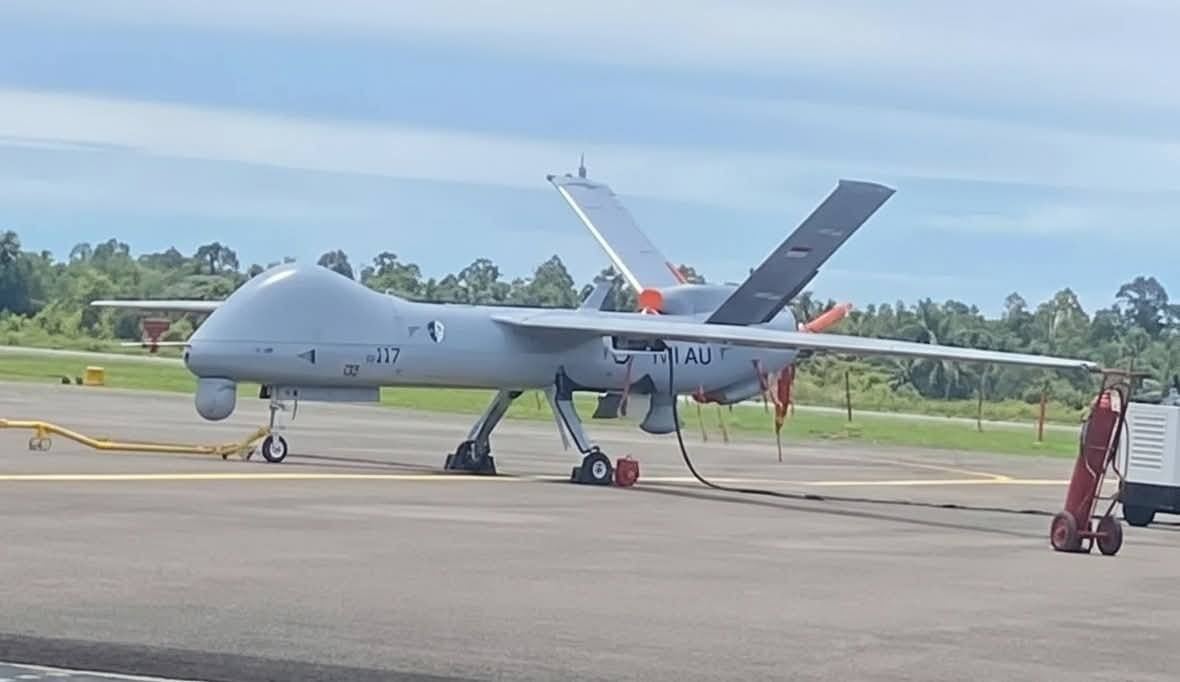

Turkish-made Anka-S UCAV drone. The aircraft was first spotted in September of this year (2025), as such details surrounding the vehicle is a bit foggy. While the vehicle is technically already in Active service, its still in its testing phase, as in conducting flight tests and the like. Currently unknown armament (assumed to be the MAM series)
- https://nasional.kompas.com/read/2025/09/27/20173111/spesifikasi-anka-s-drone-asal-trkiye-yang-siap-gantikan-ch4-di-natuna
- https://www.idnfinancials.com/id/news/57581/indonesia-terima-drone-tempur-anka-s-pertama-dari-turki
- https://yoursay.suara.com/ulasan/2024/03/18/194057/akan-dilisensi-oleh-indonesia-ini-profil-rudal-mam-l-buatan-turki
⬠ CH-4B Rainbow
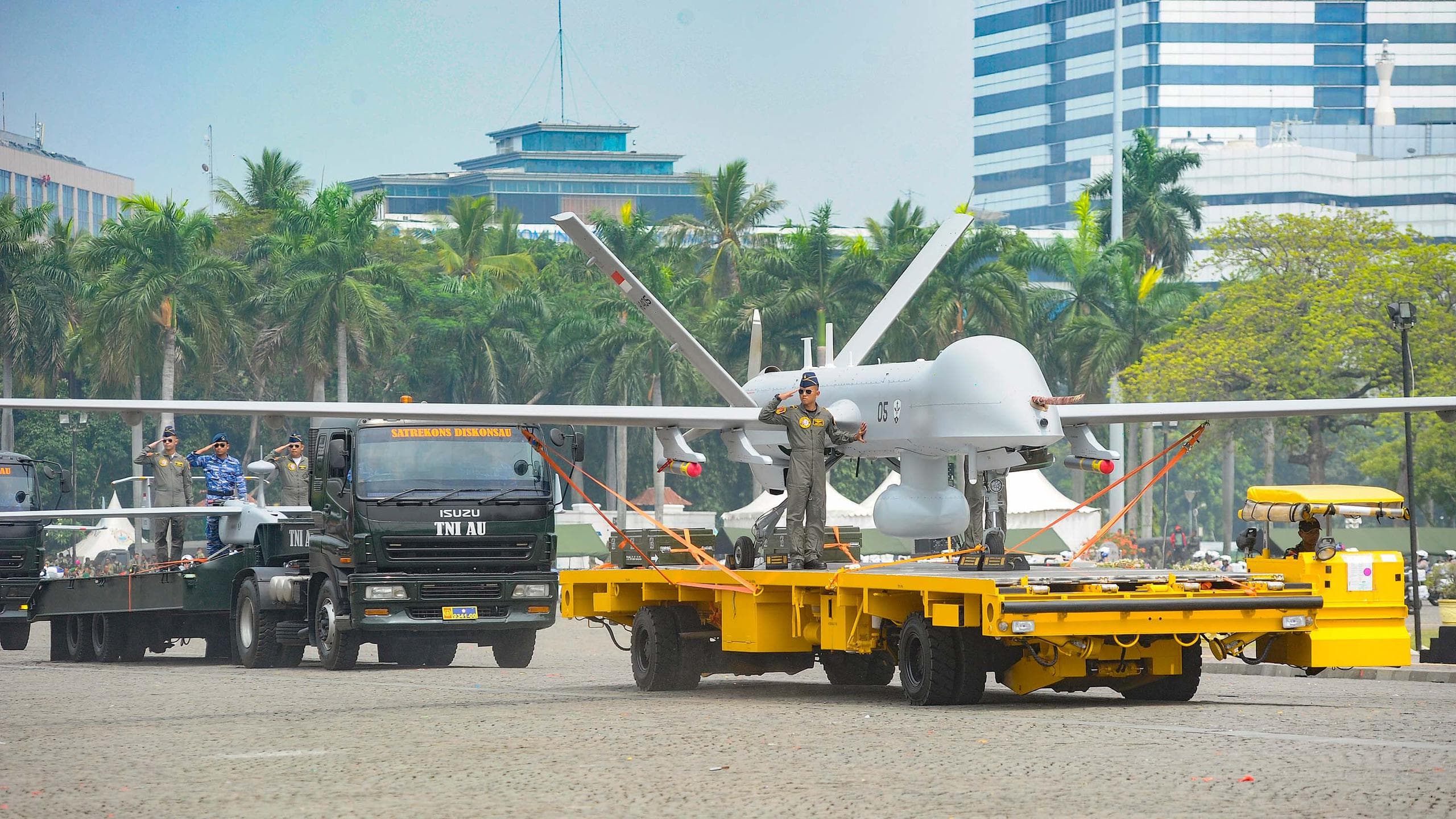
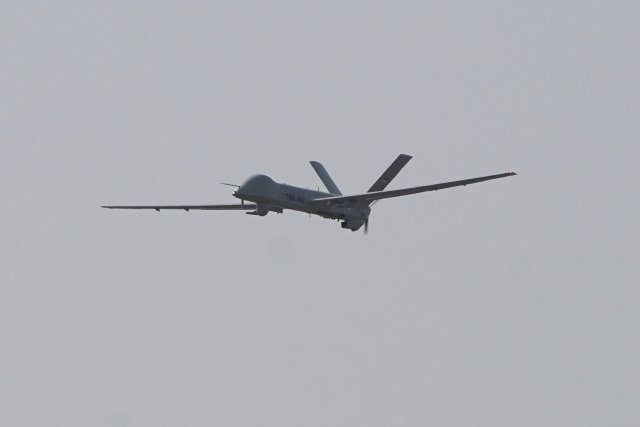
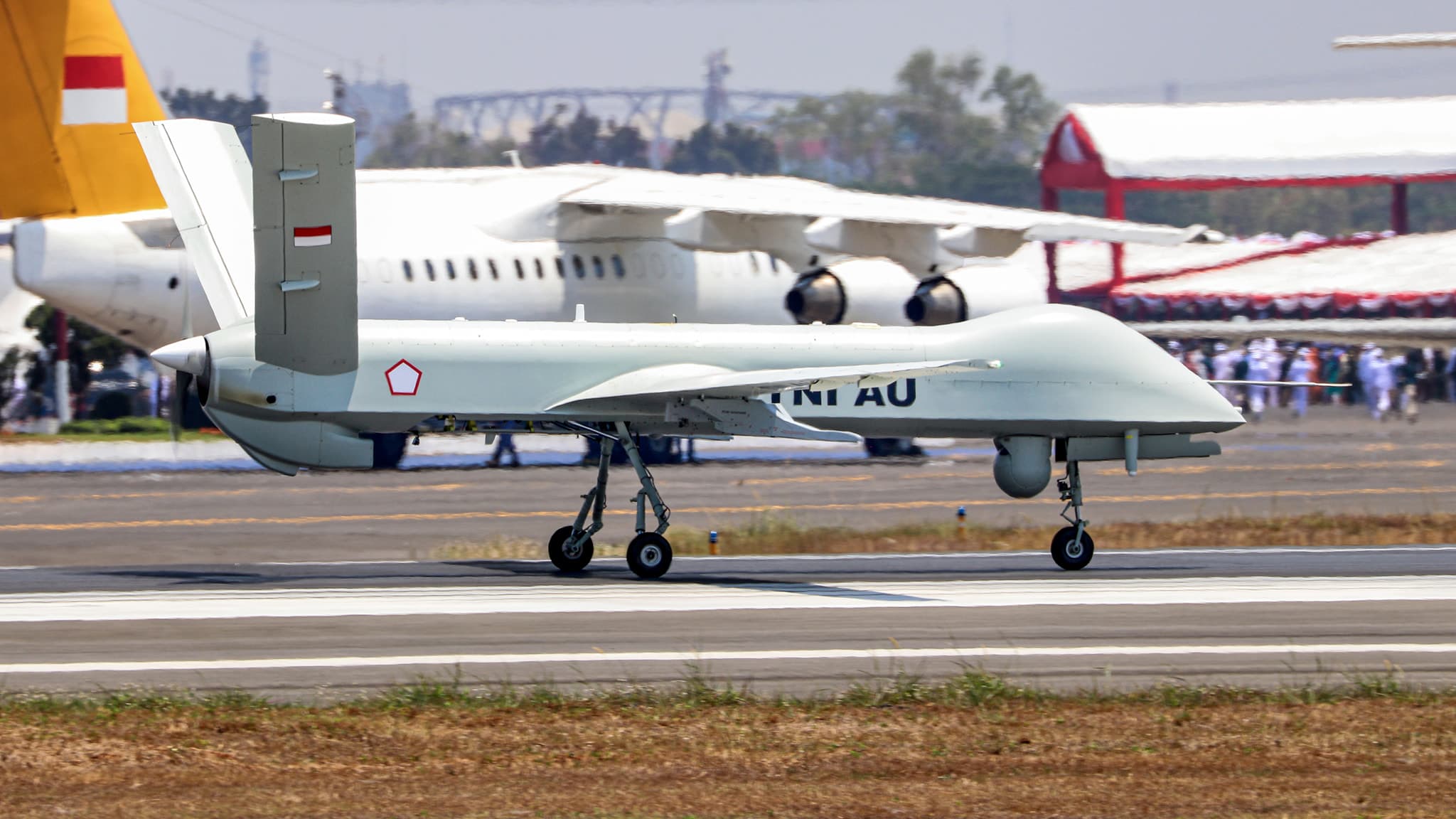
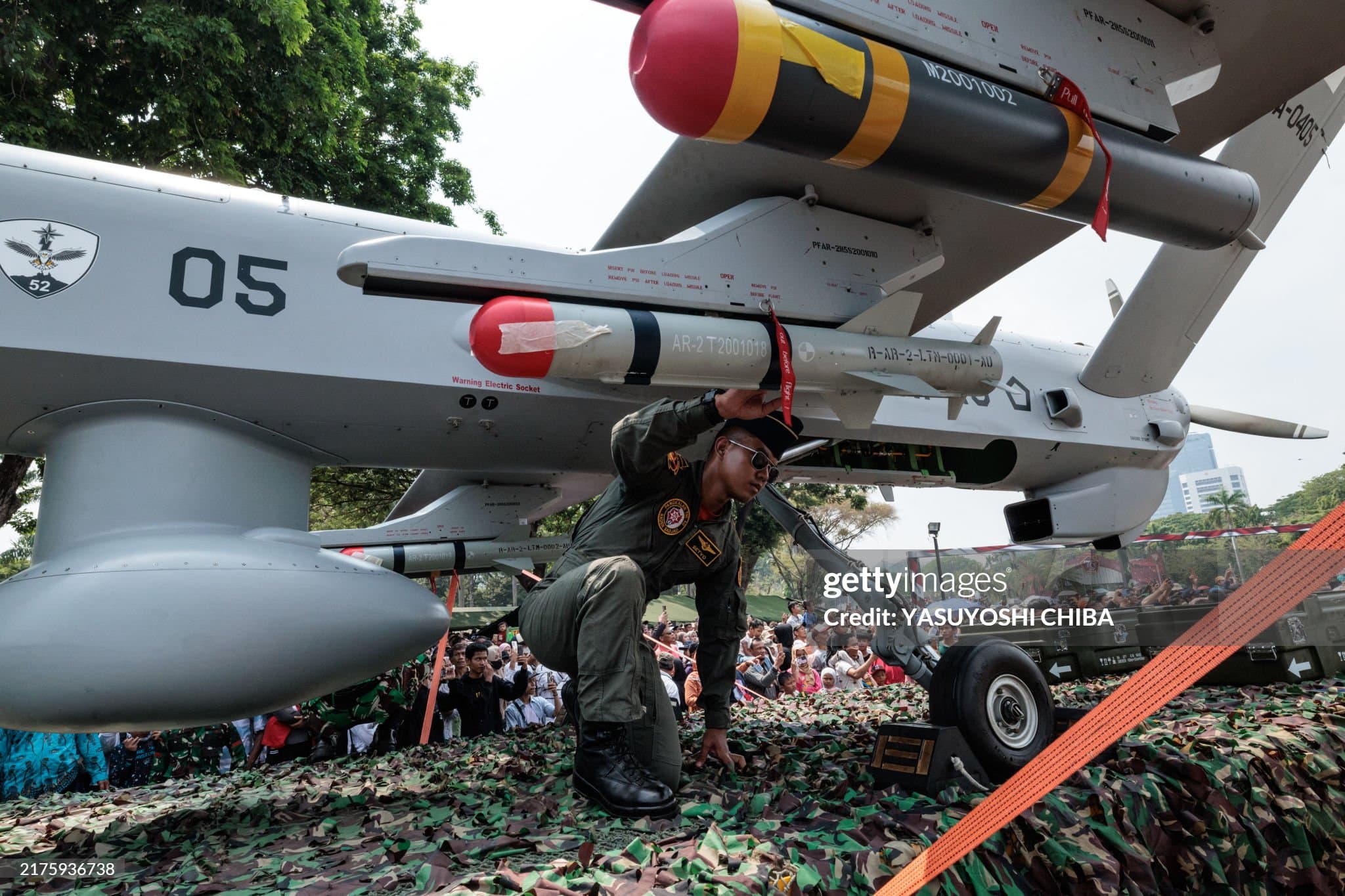
Chinese-made CH-4B UCAV Drone. Equipped with the AR-2 semi active laser homing missile
- https://www.indomiliter.com/drone-ch-4-tni-au-dilengkapi-rudal-ar-2-punya-kemampuan-setara-hellfire-dengan-harga-lebih-murah/
- https://www.airspace-review.com/2021/04/19/rudal-udara-ke-darat-diameter-kecil-ar-2-lengkapi-drone-ch-4b-tni-au/
- https://www.indomiliter.com/panglima-tni-indonesia-akan-datangkan-enam-unit-drone-kombatan-male-ch-4-rainbow/
Future Combat Drones
⬠ Akıncı
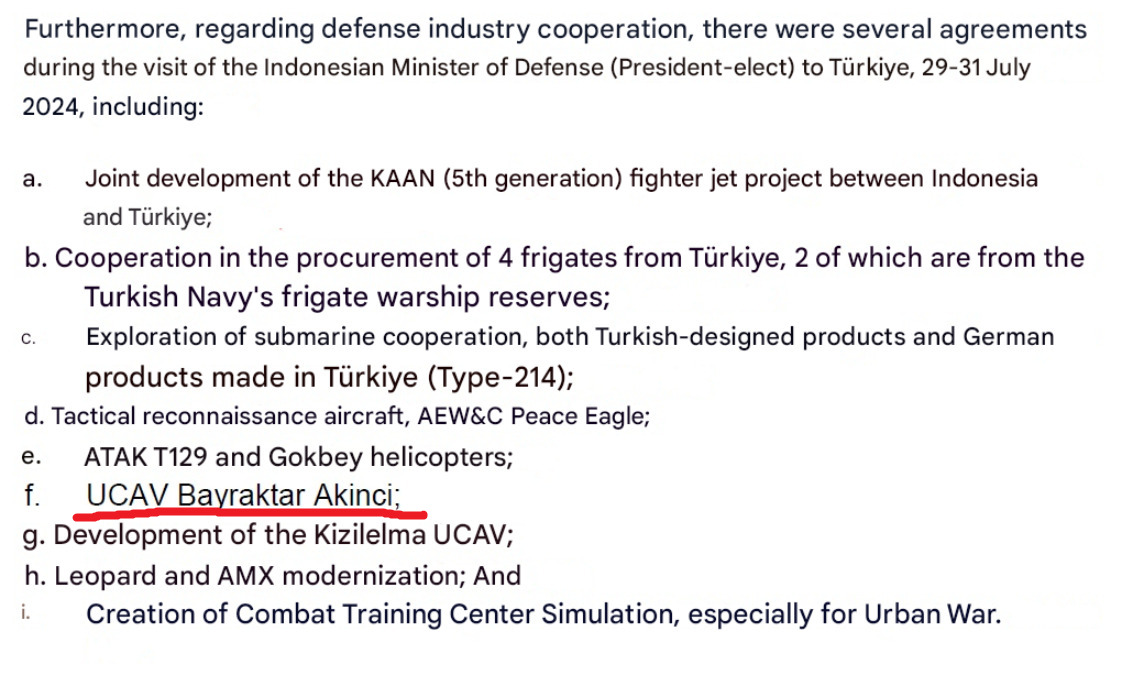

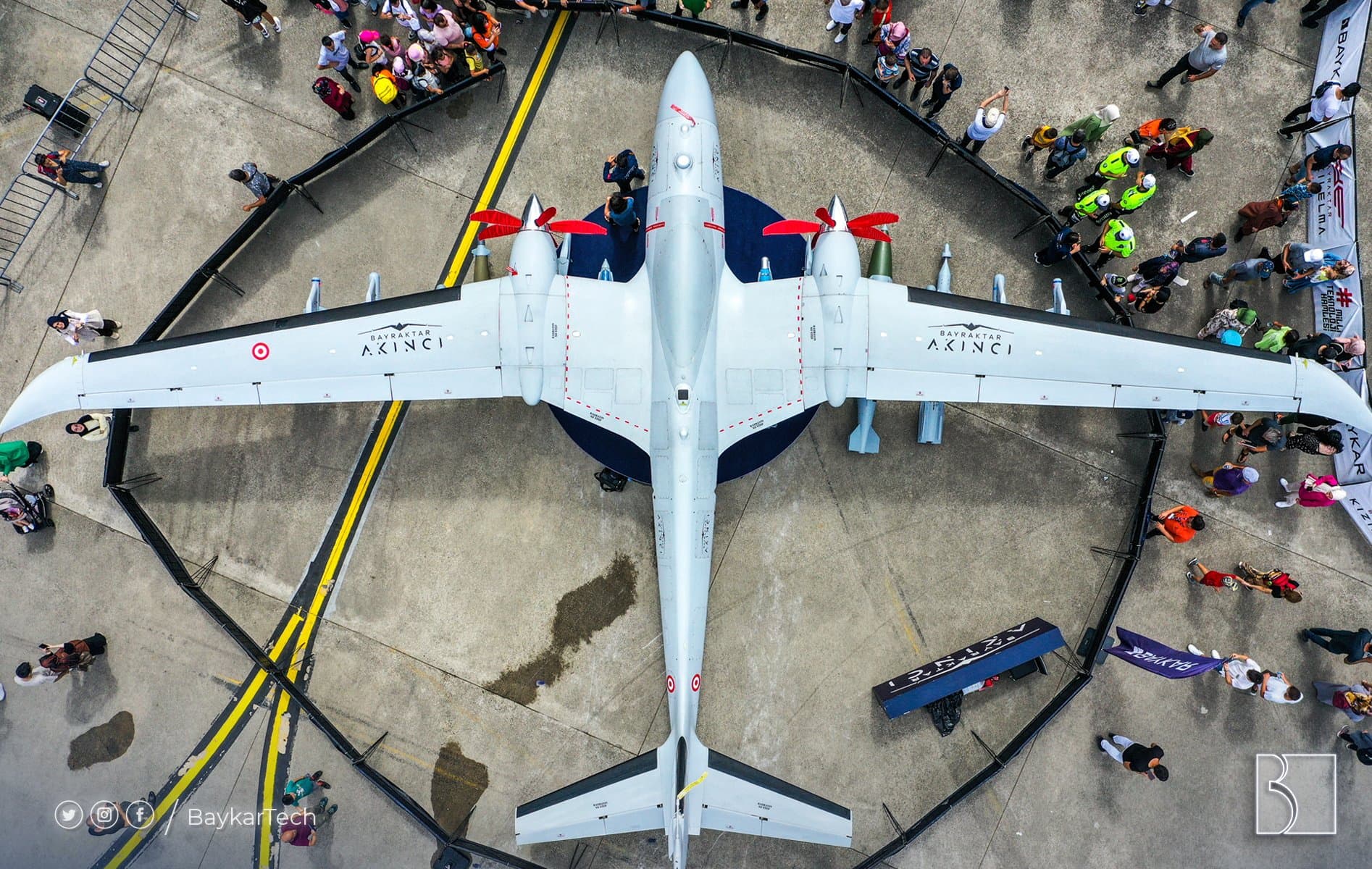
9 Bayraktar Akıncı to be purchased. The deal was concluded by Baykar (Turkey) & Republikorp (Indonesia)
⬠ Bayraktar TB3
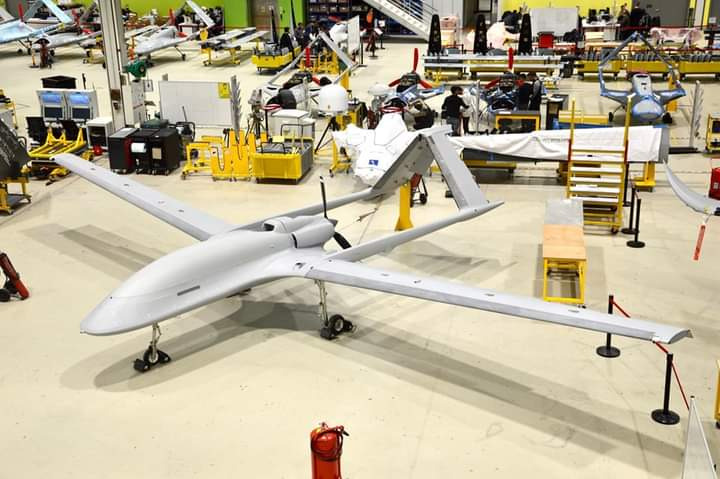
60 Bayraktar TB3 to be purchased. The deal was concluded by Baykar (Turkey) & Republikorp (Indonesia)
⬠ Bayraktar Kızılelma
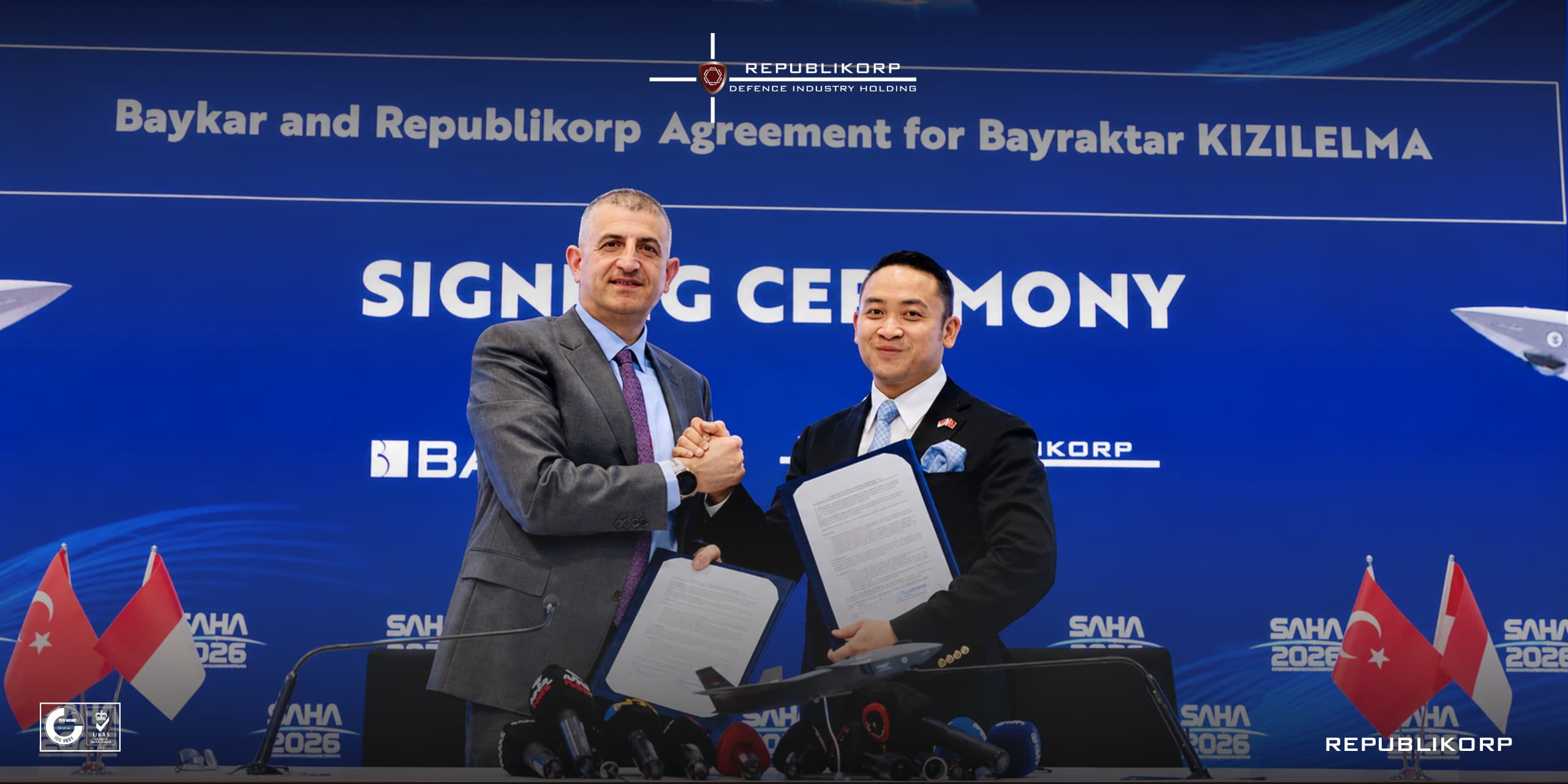
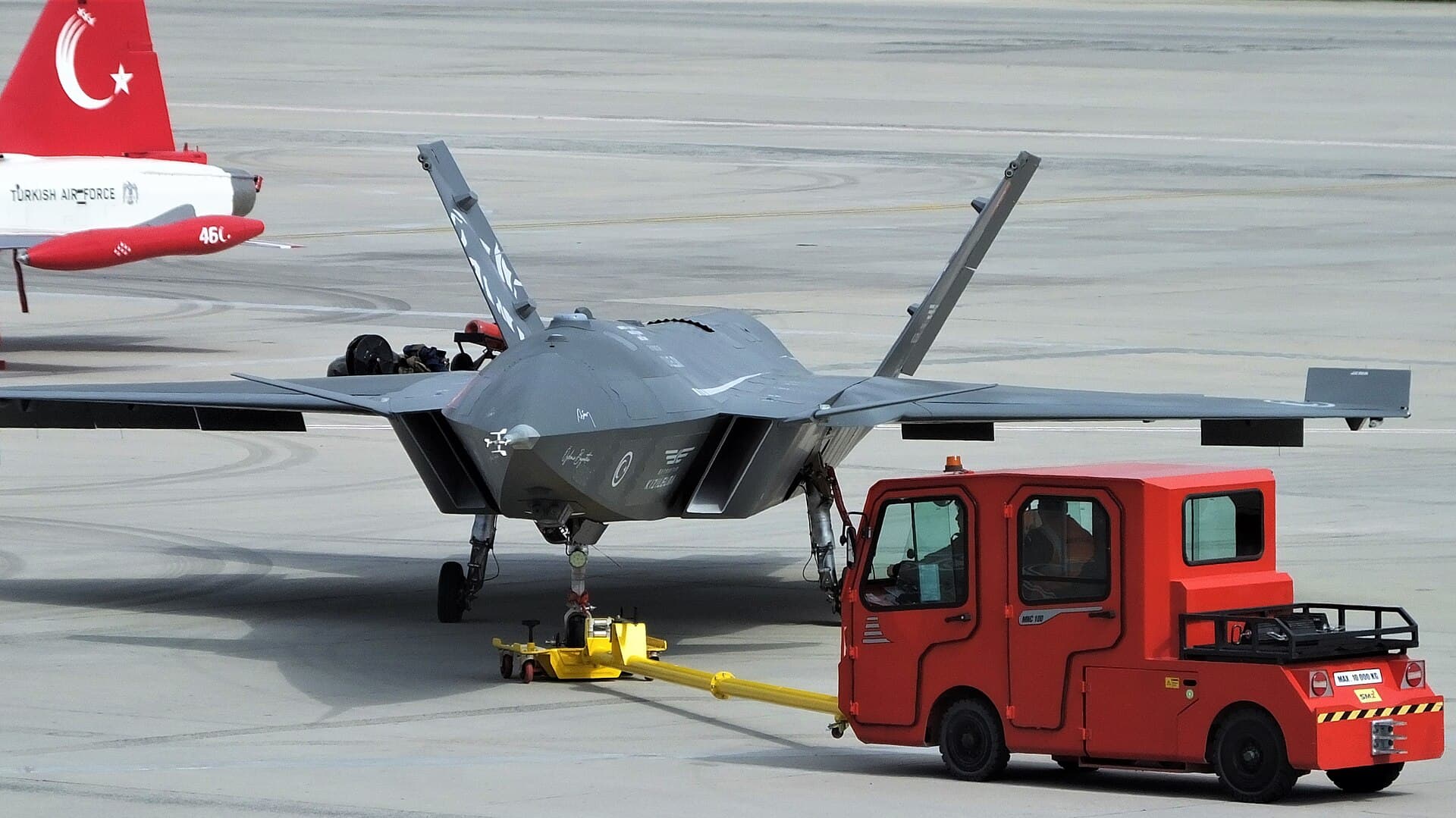
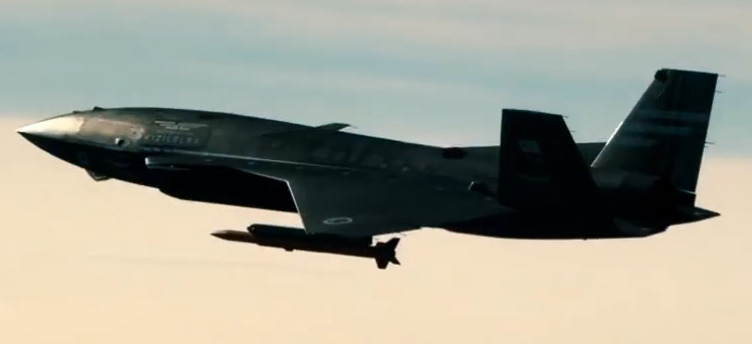
12 Bayraktar Kızılelma to be purchased with an option of 48 more units. Agreement was signed between Baykar & Republikorp for the local production of the drone.
- https://www.republikorp.com/news/republikorp-dan-baykar-lanjutkan-kemitraan-strategis-melalui-penandatanganan-kerja-sama-bayraktar-kizilelma
- https://www.turkiyetoday.com/nation/baykar-signs-first-kizilelma-export-deal-with-indonesia-3219480?s=1
- https://www.aa.com.tr/en/science-technology/baykar-signs-first-export-deal-for-fighter-drone-with-indonesia/3928960
Elang Hitam (Black Eagle)
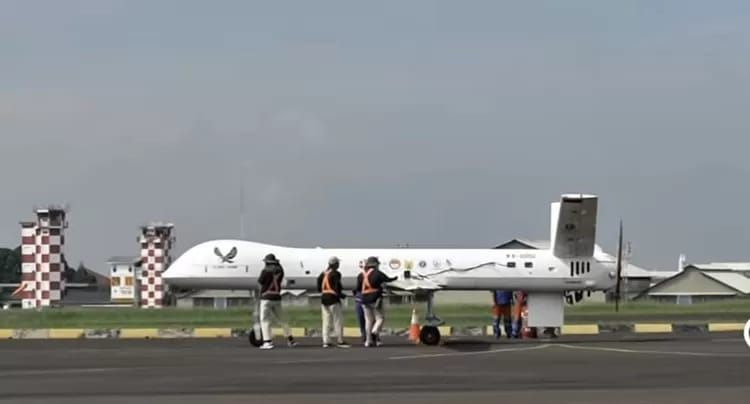
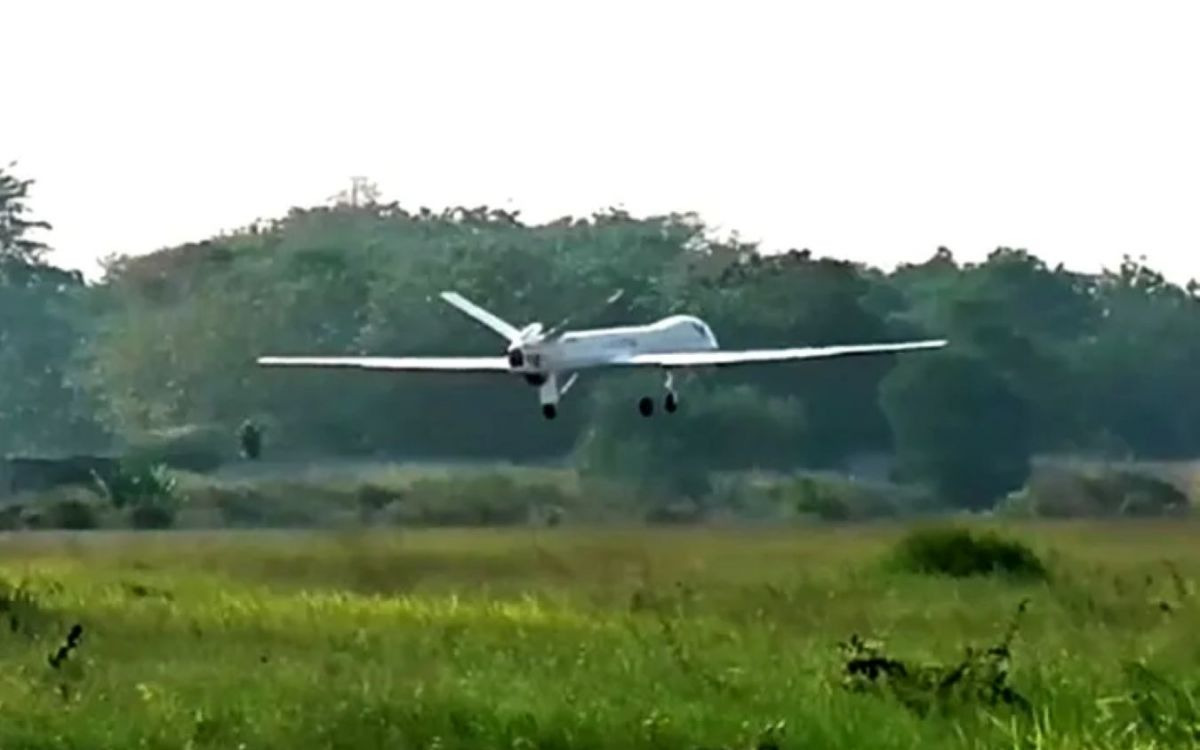
Future domestic Indonesian MALE UCAV Drone. Project has seen its ups and downs since 2015, but has taken its maiden flight this year. In 2022 the drone is to be used as a civilian only platform, but that decision changed in 2024 where it reverted back to a UCAV. Presumably will be fitted with Turkish missiles.
- https://www.antaranews.com/berita/4704045/ksau-tinjau-proses-pengembangan-drone-elang-hitam-di-pt-di
- https://www.indomiliter.com/setelah-lama-dinanti-drone-male-elang-hitam-akhirnya-uji-terbang-perdana-dari-bandara-kertajati/
- https://www.indomiliter.com/jelang-penerbangan-perdana-drone-tempur-ucav-elang-hitam-uji-low-speed-taxii/
- https://www.kkip.go.id/2020/07/06/indonesia-mampu-membuat-drone/
- https://en.wikipedia.org/wiki/Indonesian_Aerospace_Elang_Hitam
4.) Omitted Vehicles
Honorable mentions of some vehicles which has a direct link to Indonesia, but not included in the primary list due to a variety of reasons
Honorable Mention(s)
Sansikisin
Reasoning for non-inclusion: While it was noted to have been flown, the exact variant which was used is not known, and as such is only speculations. Additionally only textual records of existance, no photographs.
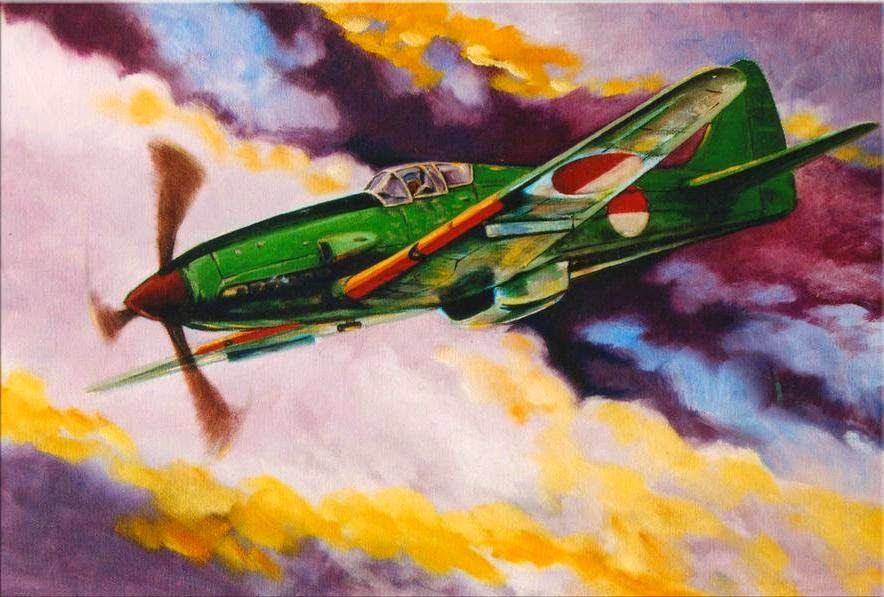
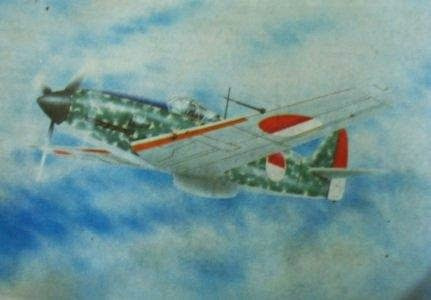
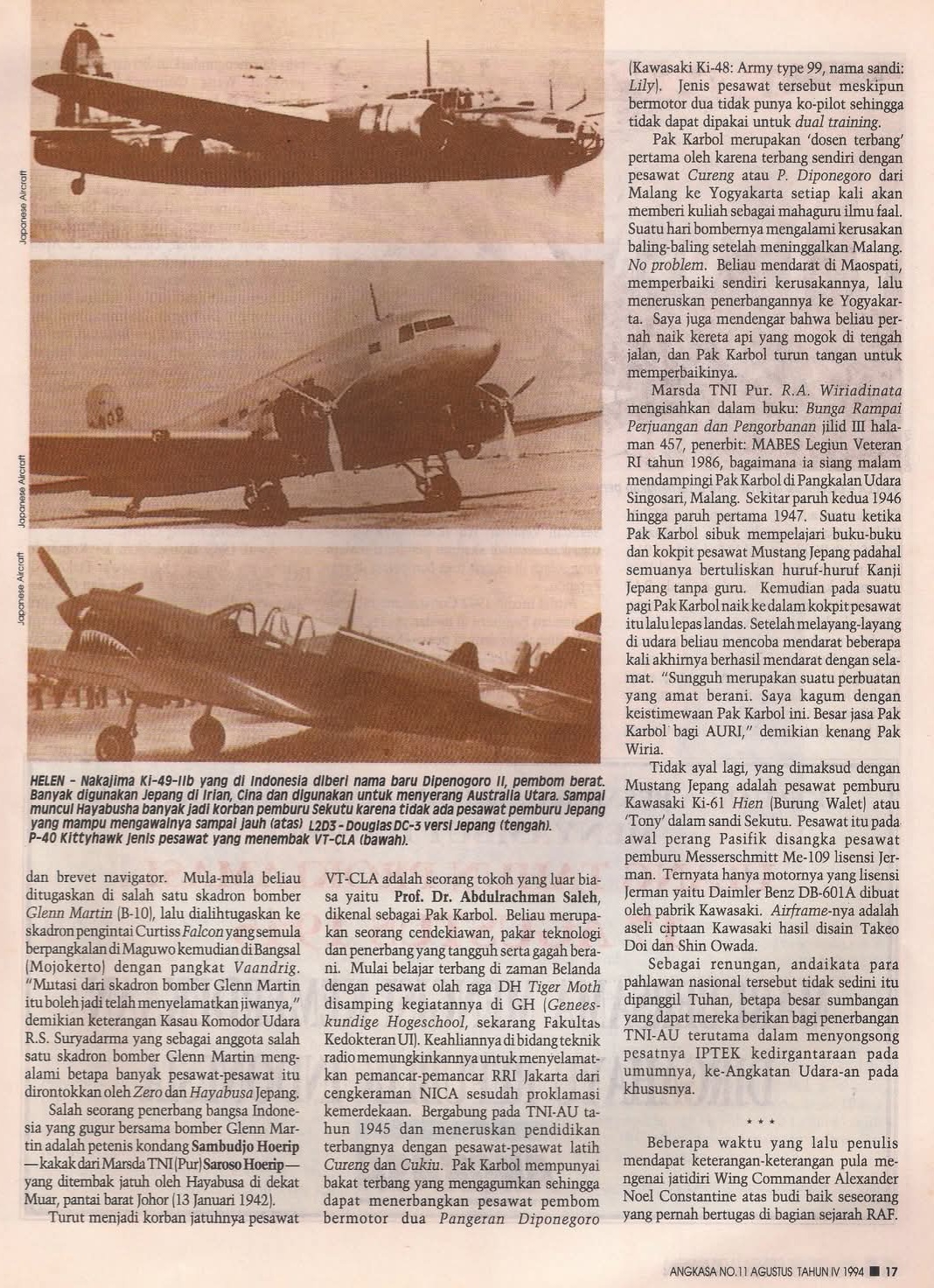
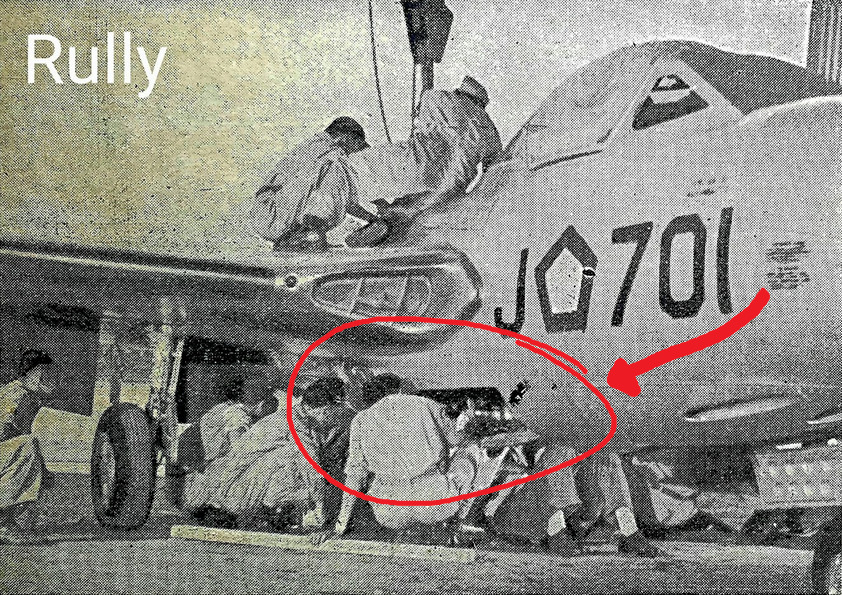
Presumed to be the Ki-61 Tony. There are zero photographical evidence of the aircraft ever being operated by the Indonesian Air Force. However it was recorded by the official Diswatpersau Dispenau in the “History of the Indonesian Air Force Volume 1 (1945 - 1949)” that 4 vehicle of unspecified type that was called the Sansikisin was obtained by the Air Force. The Sansikisin name is presumably from the IJAAF Ki-61 Designation (San-shiki-sentohki). It’s worth nothing that no other aircraft uses the Sansikisin moniker. Another source mentions that around 6 ki-61s were stationed in Java in August 1945. 1 was at Andir Airbase & 5 at Malang. It’s likely that yes the Air Force obtained some units, but it was not entirely operable, because of its uncertainty it’s being marked as an honorable mention.
NAS 332 Super Puma
Reasoning for non-inclusion: Missiles were only a mockup.

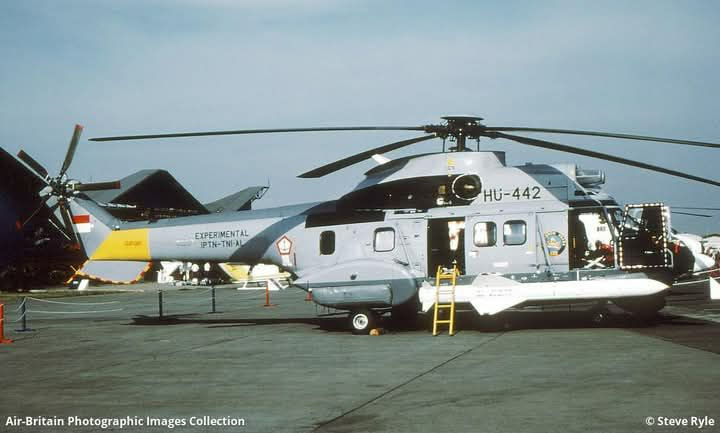
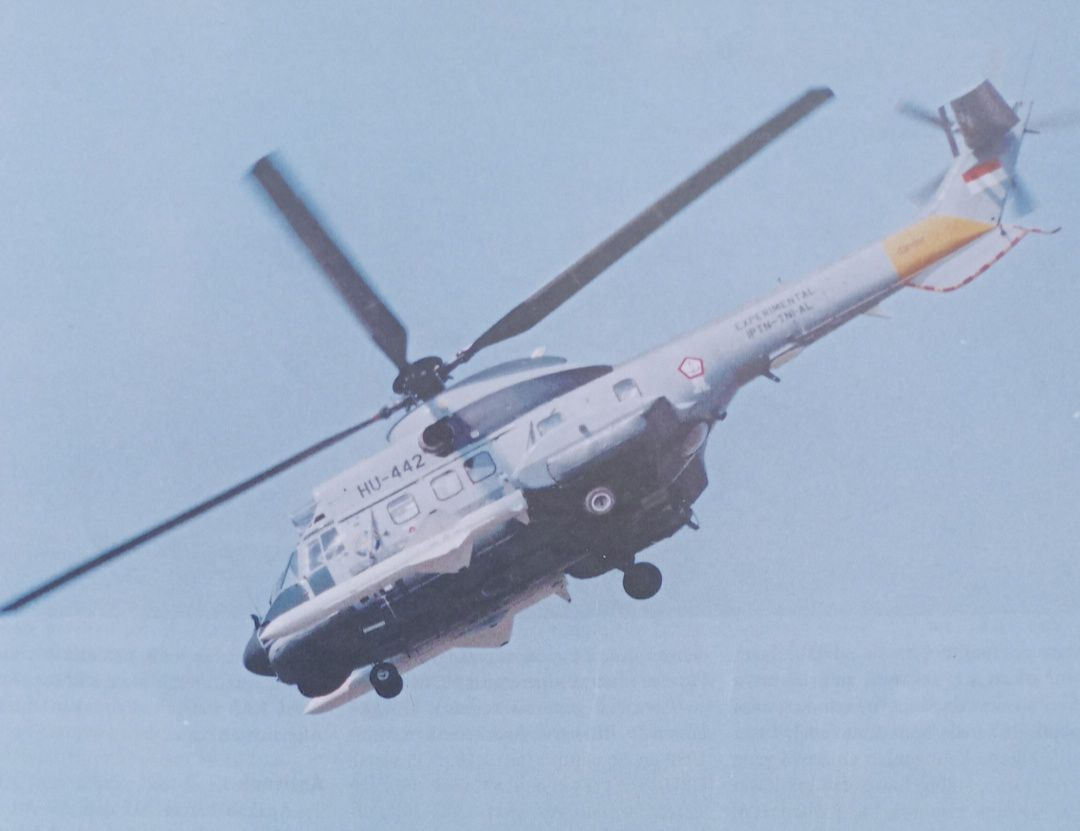
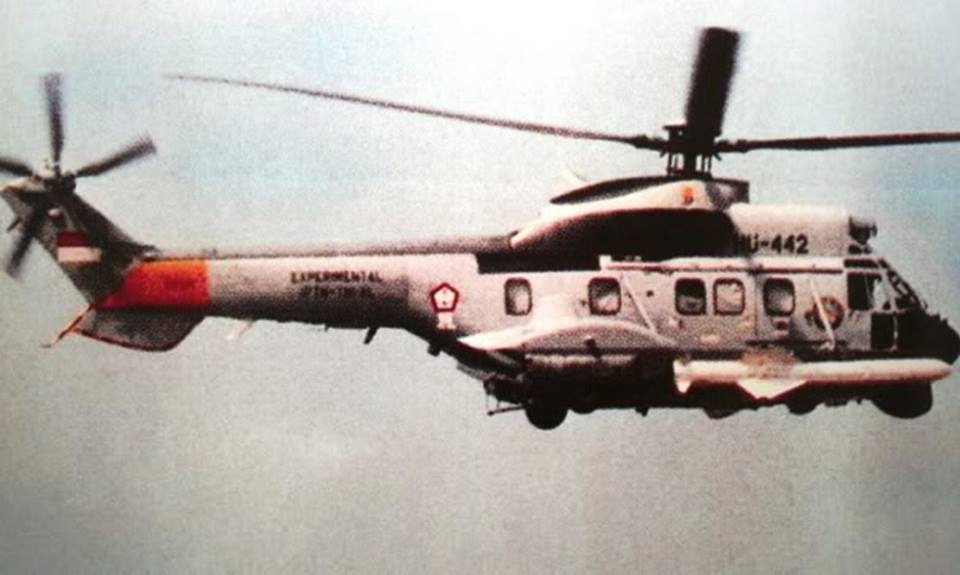
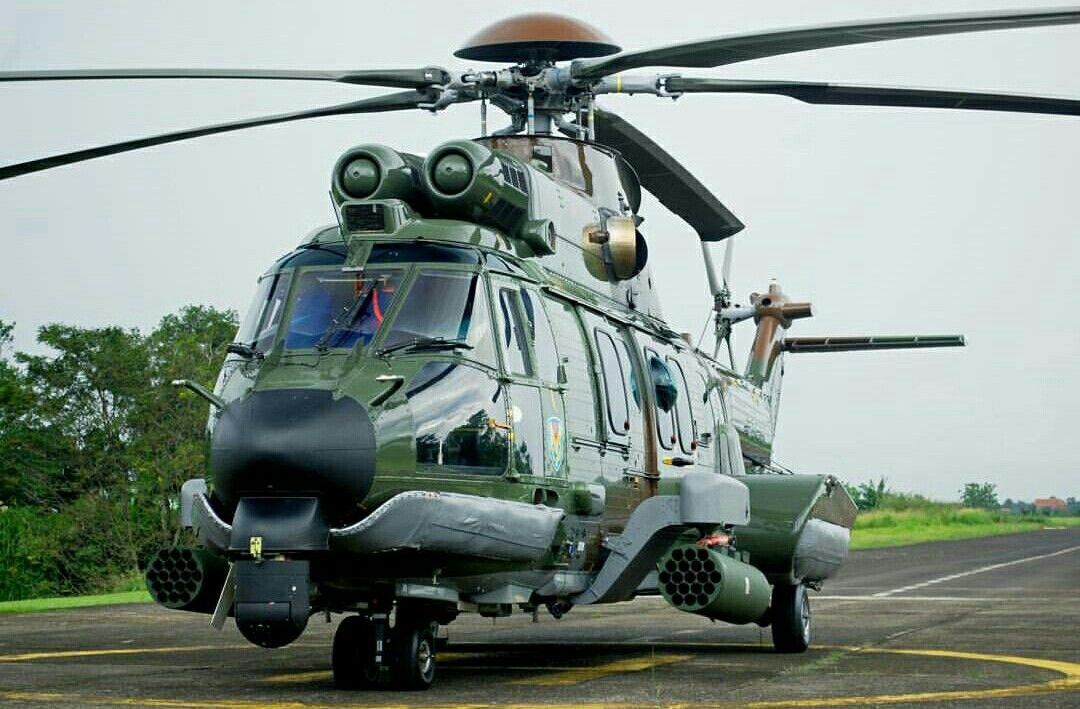
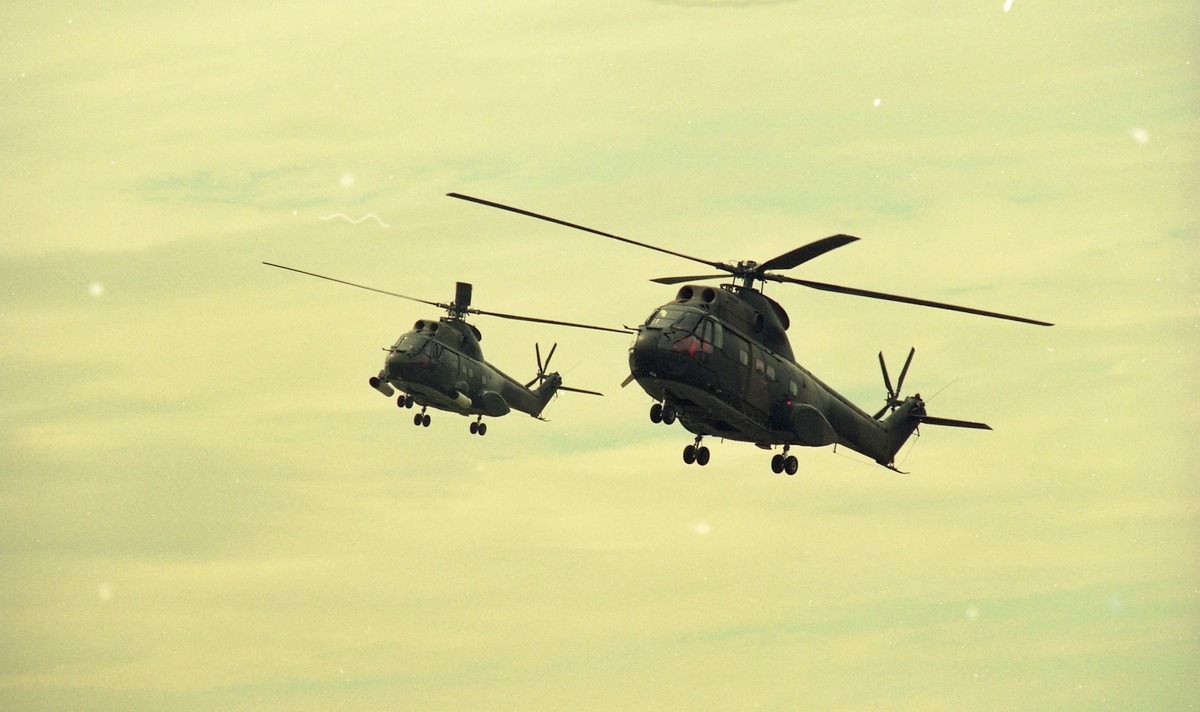
Domestically manufactured version of the AS 332 Super Puma license-built by IPTN (Now-PTDI). Other than the FFAR rocket pods it can carry, the vehicle was tested with two mockup Exocet missiles. While the addition of the heli with the Exocet is unlikely (due to it being a mockup), its still an interesting vehicle and an interesting part of Indonesian Aviation, which earns its spot in the list as an honorable mention.
Combat Aircraft with some links to Indonesia, but less tangible in their relations which resulted in them being separated
Miscellaneous Aircraft
⬠ Mirage 2000-5DDA
Reasoning for non-inclusion: Trialed but not fully flown, as ID pilots only sit at the rear rather than flying it themselves. Purchase plans were also cancelled.
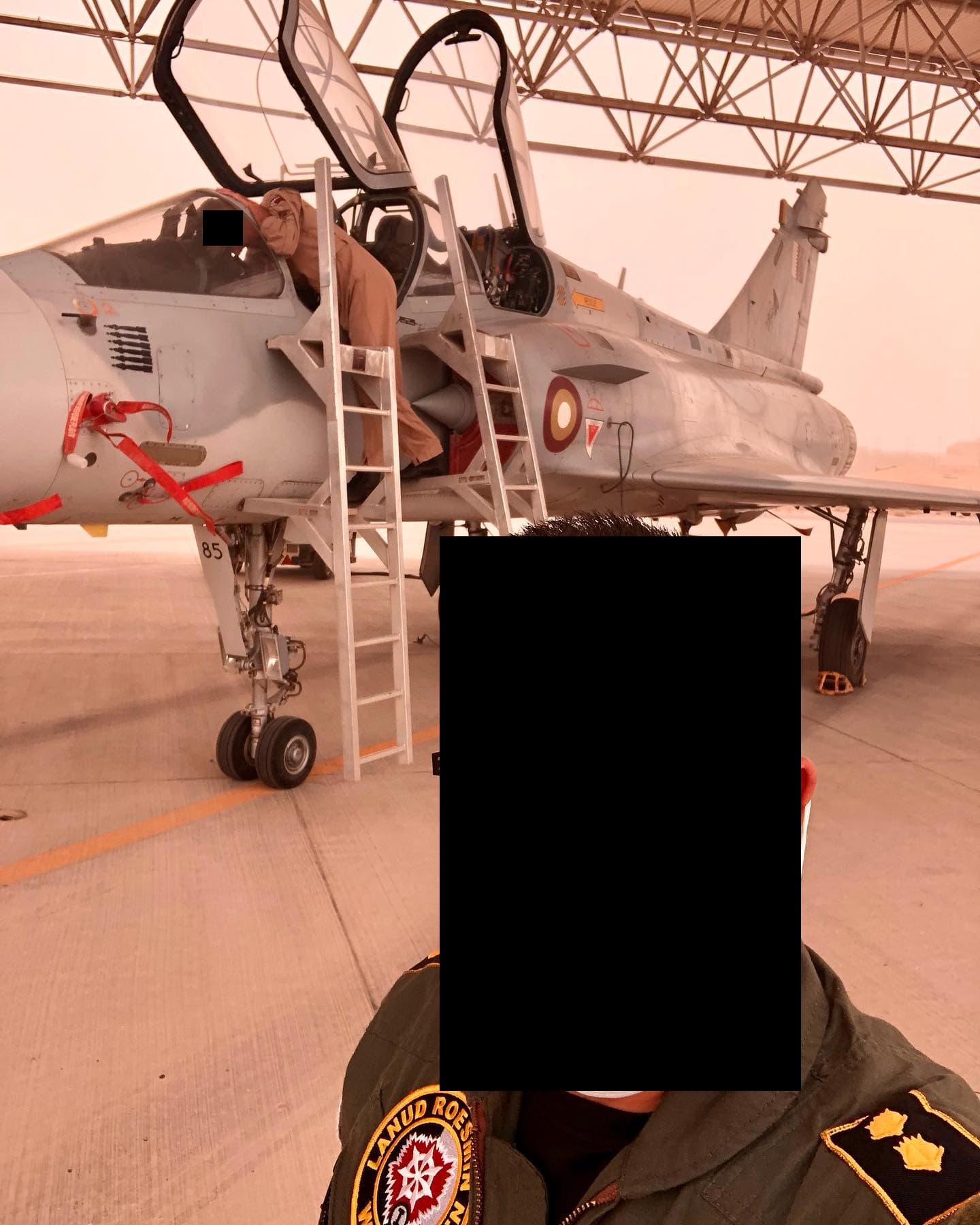
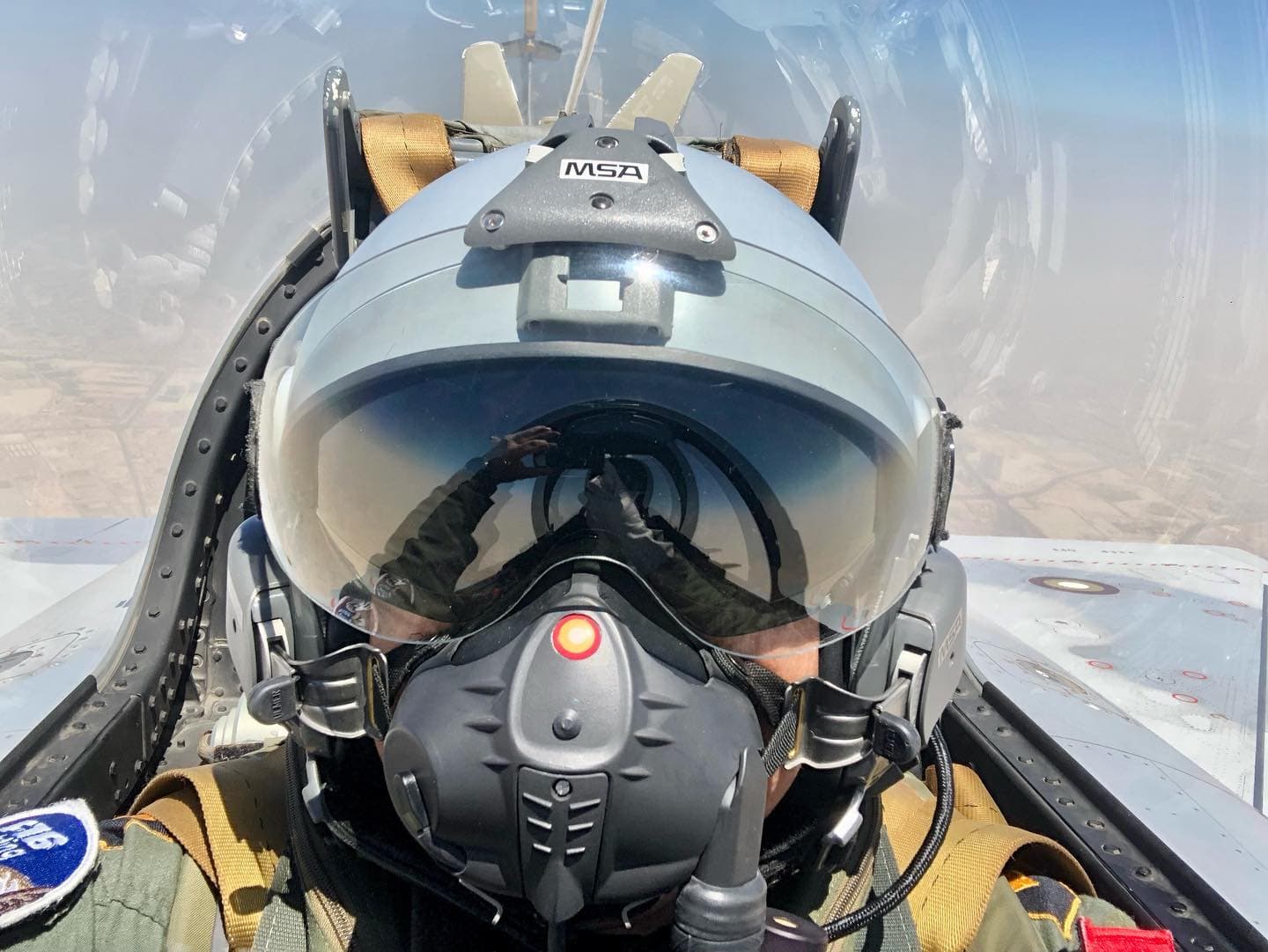
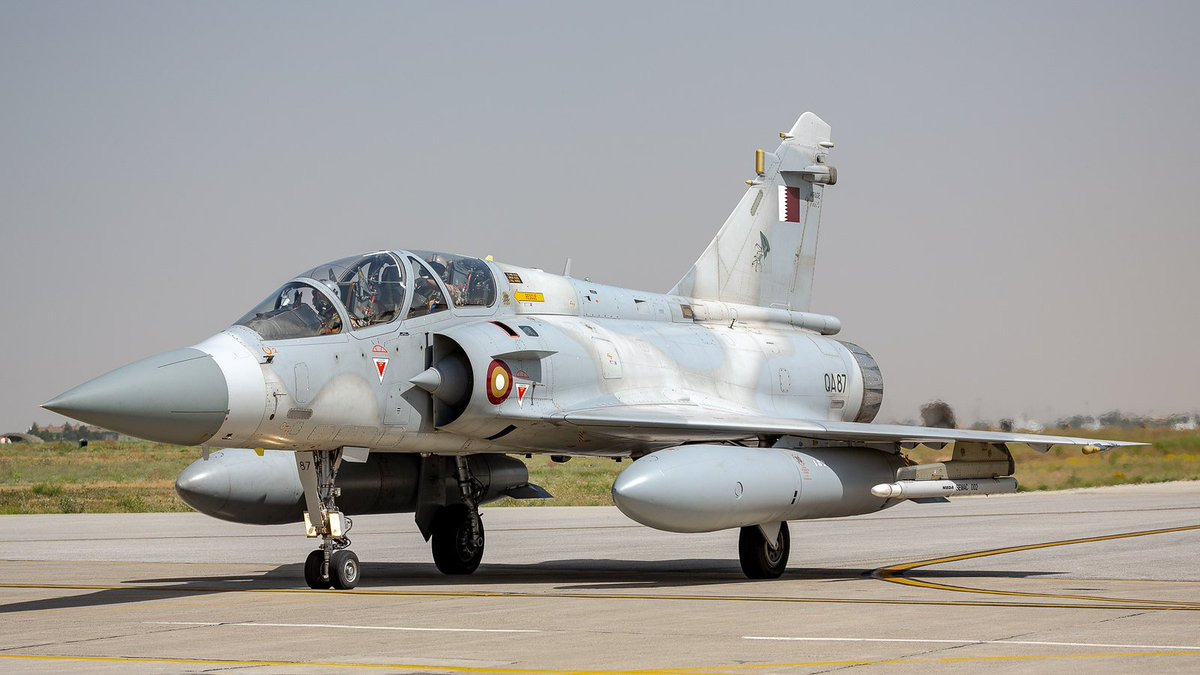
In 2022, Indonesia wanted to obtain 12 Mirage 2000-5s of the Qatari Air Force (9X EDA & DDA) as a stop-gap solution to the retired F-5E/Fs and aging Hawk 100/200 series of jets. During the same year Indonesia sent officers/pilots over to Doha in order to evaluate the aircraft. We’ve only know that the ID pilots only flew as a passenger and not piloting the jet themselves. This deal was approved and a contract was signed in 2023, with the Czech company Excalibur International which was supposed to act as the middleman between the two government. The contract would Include 14 engines & three year of support and maintenance.
However in 2024 it was confirmed by a spokesperson of the defence ministry that the deal has been cancelled. The deal was primarily cancelled due to fiscal constraints as well as many oppositions within the House of Representatives members.
⬠ F-20 Tigershark
Reasoning for non-inclusion: Unclear whether actually trialed by ID pilots or not. Purchase plans were also cancelled.
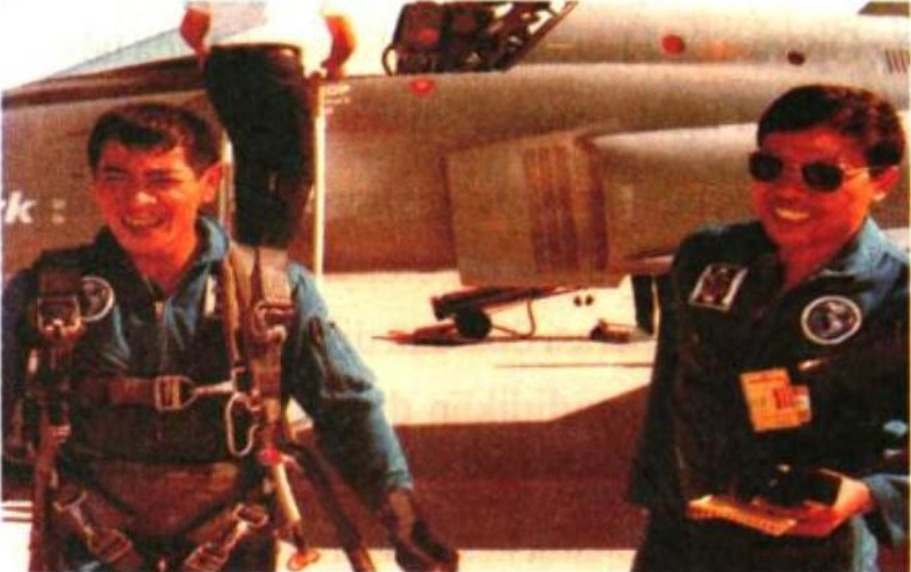
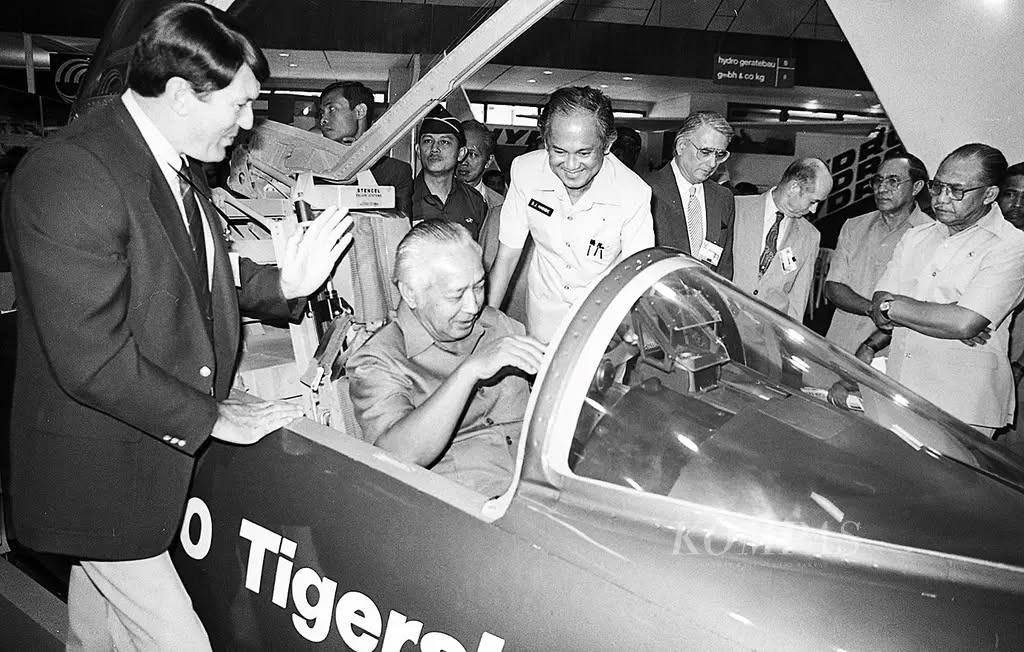
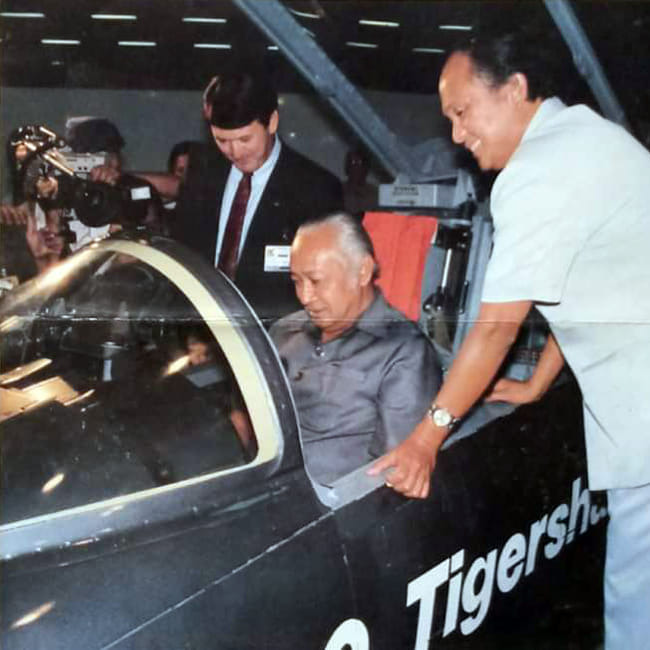
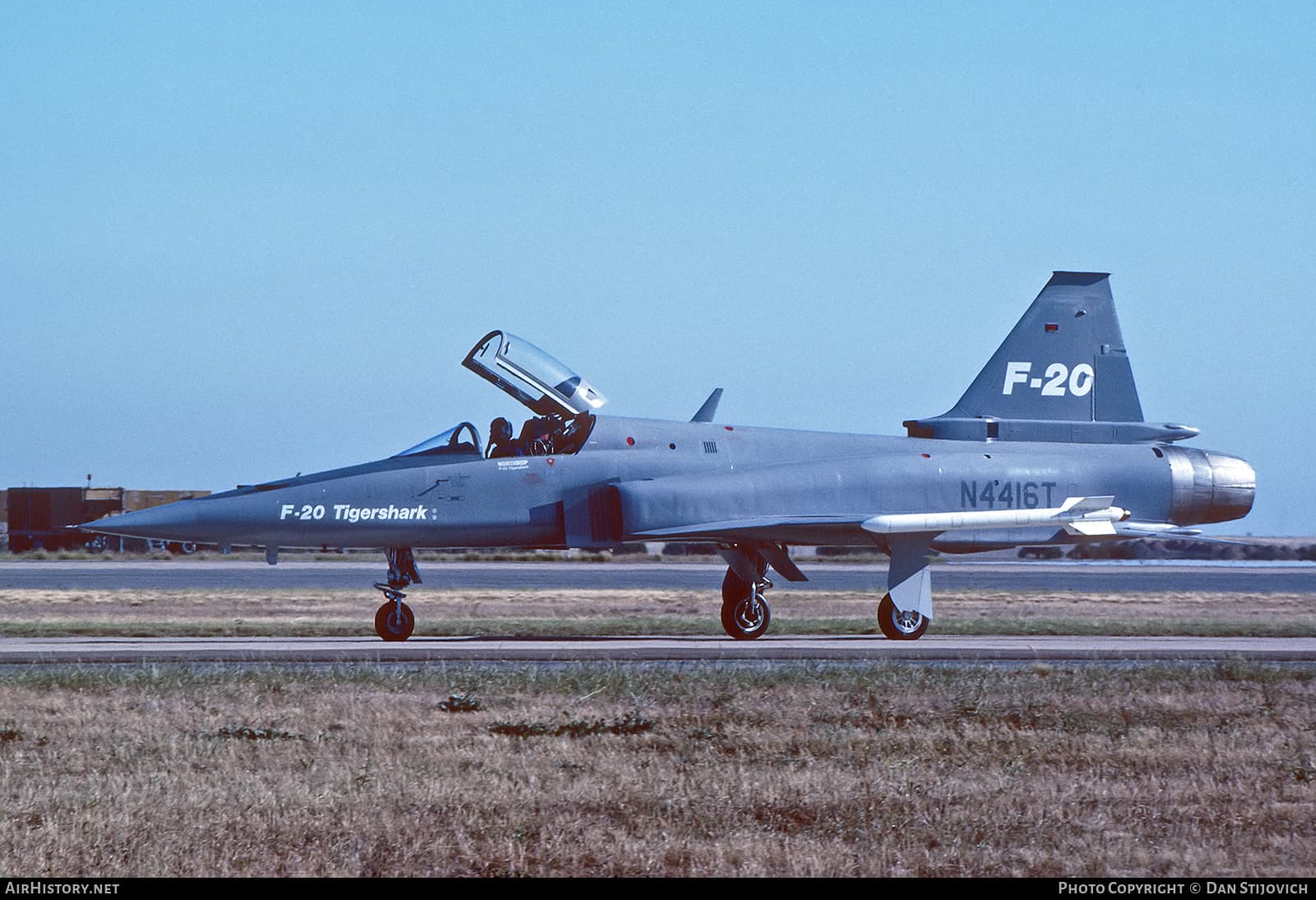
Comparison between 1st image & Actual Tigershark GG1001 (N4416T)
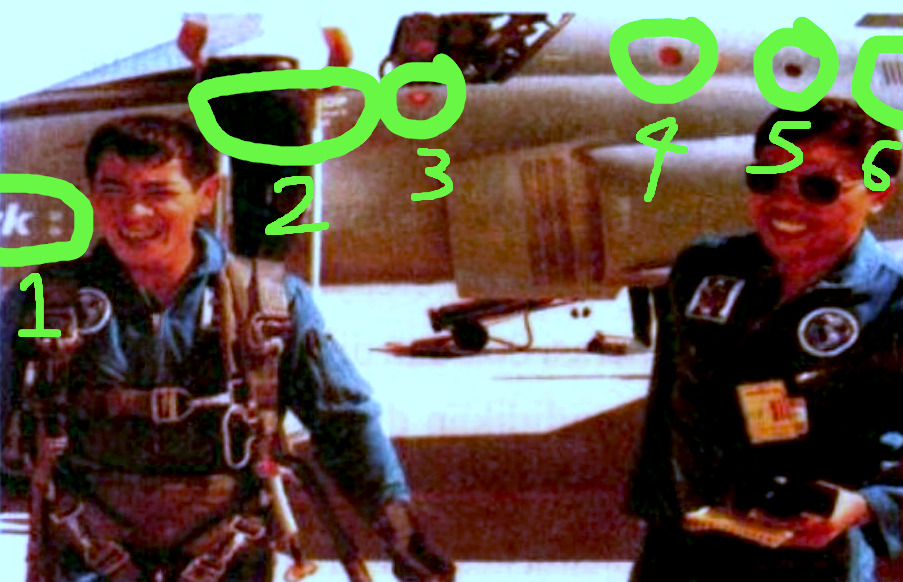
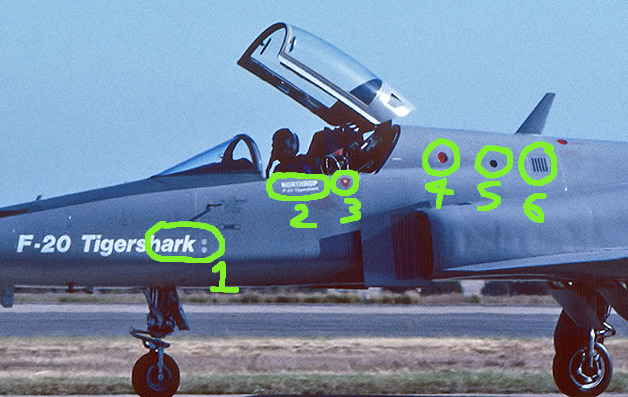
In 1984, the Tigershark appears in a demonstration at Halim Perdanakusuma AFB in Indonesia. The higher-ups of the ministry of defence approved of the jet, and because of that they were interested in buying it, but they decided to wait untill after the USAF choose either the F-20 or the F-16 . This deal was headed by PT Sunda Karya, which was a representative of Northrop tasked with selling the jet to the Indonesian Air Force. Unfortunately after a series of crashes, the F-16 was chosen, and as such the Indonesians eventually went with the Falcon.
Whether or not it was tested is unconfirmed. What is known is that first image above showcasing then-flight lieutenant Colonel Holki BK, an F-5 pilot who also trialed the Mirage 2000 B-01 prototype in France. To the right is then-flight lieutenant Colonel Wartoyo. Wartoyo would eventually fly out the F-16 once it was purchased. Considering that Holki is the trial pilot sent to test out future IdAF jets, him using a flight suit which bears a striking resemblance to other F-20 pilots, as well as him posing right in front of said F-20, leads me to believe that yes Holki did trial the plane, but due to a lack of proper references for it, I’m not confident in including it to the trialed aircraft section.
- https://www.merdeka.com/histori/kisah-di-balik-batalnya-indonesia-beli-jet-tempur-canggih-f-20-tigershark.html
- https://web.facebook.com/keris.reborn/posts/pfbid031NaWdbuzhehRjbsFBj4ZKjqQdNCvhP8giHqGVivyCS3VruTz6KL7Q1fY3D5FiA1Pl
- https://x.com/Macaskeel/status/1778642479459500274
- https://x.com/Macaskeel/status/1779864284354457797
Su-30KI
Reasoning for non-inclusion: Specifically made/marketed for Indonesia but never bought/trialed. Only showcased and the deal eventually cancelled.
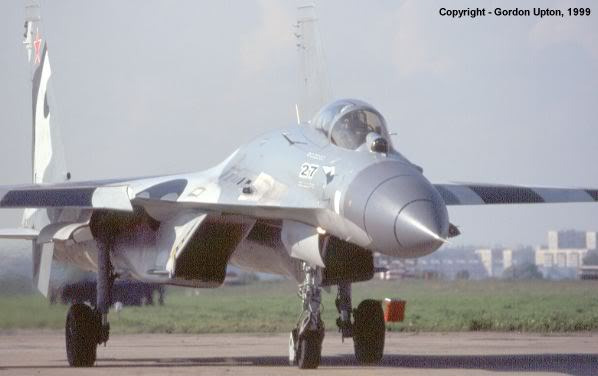
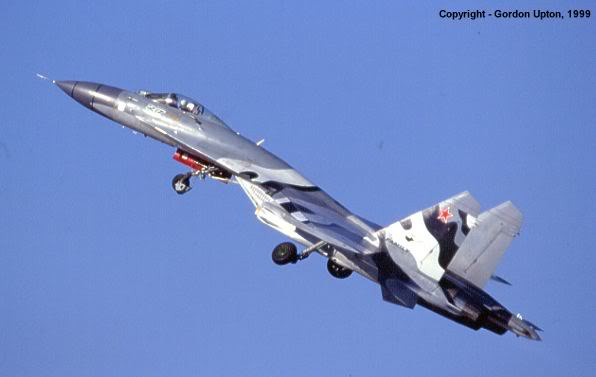
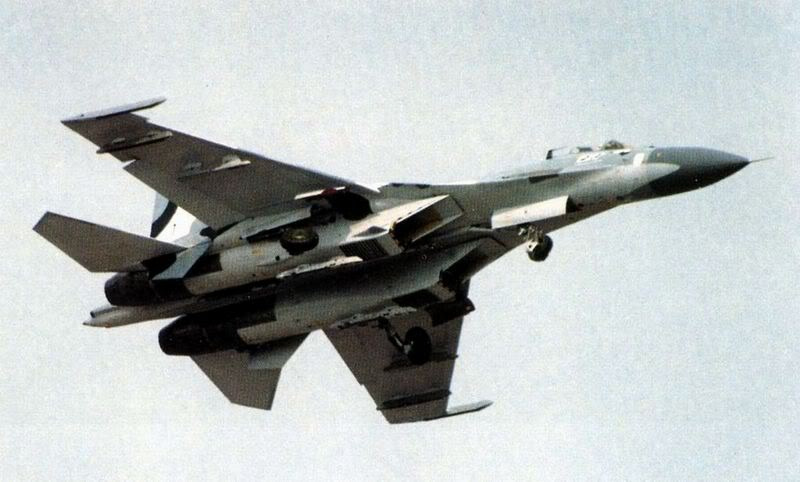


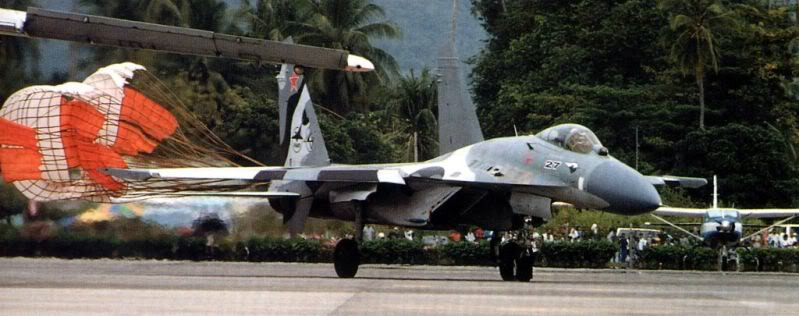
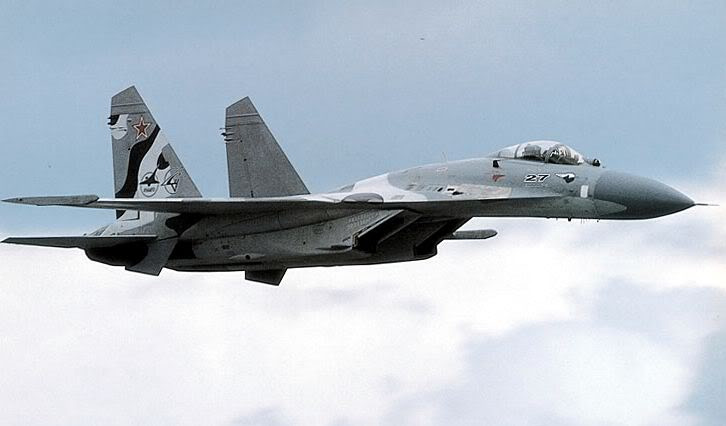
In 1996 Indonesia wanted to buy 9 F-16 destined for Pakistan but was blocked due to an embargo, that deal for Indonesia was also blocked but by the US congress due to Human Rights concerns, as such Indonesia pivoted away towards Sukhoi, namely for a new Su-27 Jet. This interest stems from when a Su-27M (No.709) was demonstrated during Indonesian Air Show in June of the same year.
Because of Indonesia’s interest, Sukhoi converted a Su-27SK (SN 40-02) with Chinese-type upgrade kit Su-27SK dubbing it the Su-30KI (K for commercial & I for Indonesian). As such the Su-30 is merely a name, not the aircraft itself, since its different to the rest of the Su-30 fleet. The Jet (no.27) conducted its first flight in June 1998. But due to the Asian Financial Crisis in 1997/98, the deal was cancelled by Indonesia. After that the jet was unsuccessfully offered to India, Vietnam & Malaysia. Eventually in 2002 the vehicle would be rebuilt and changed to the Su-27SM (Su-27SKM for export). Indonesia now operates the SKM version.
⬠ Eurofighter Typhoon
Reasoning for non-inclusion: Vehicle was only a fully-built mockup (non-flying condition).
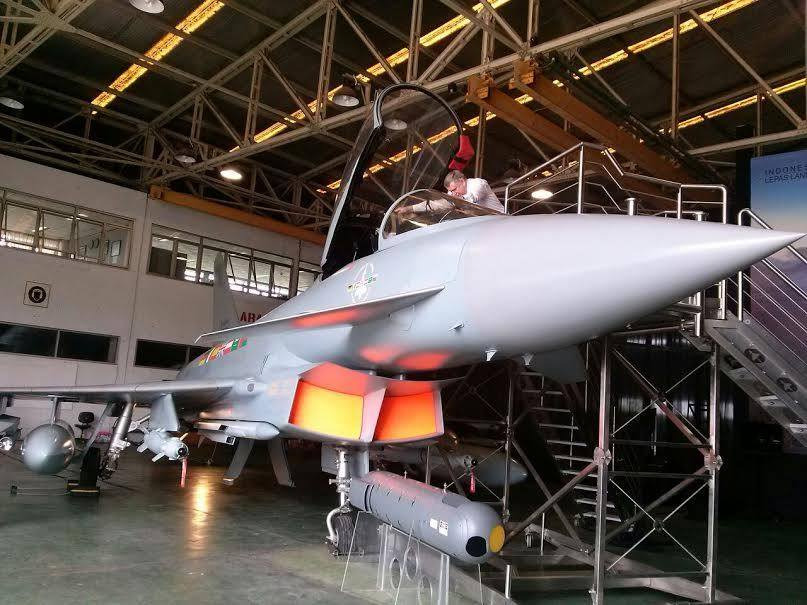
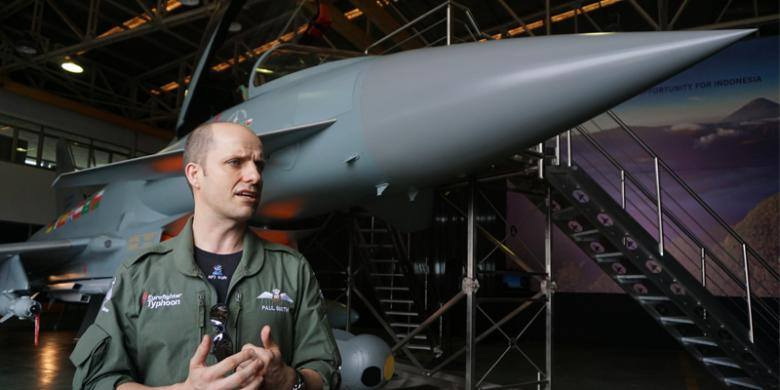

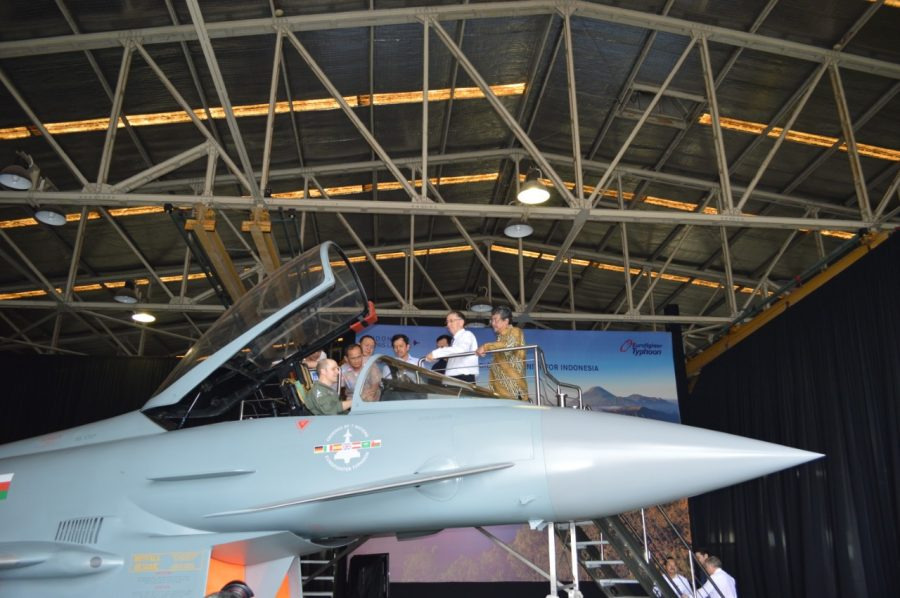
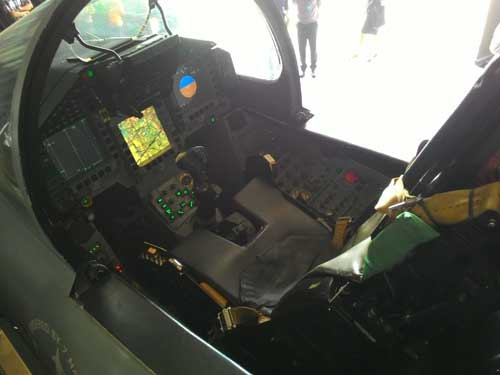
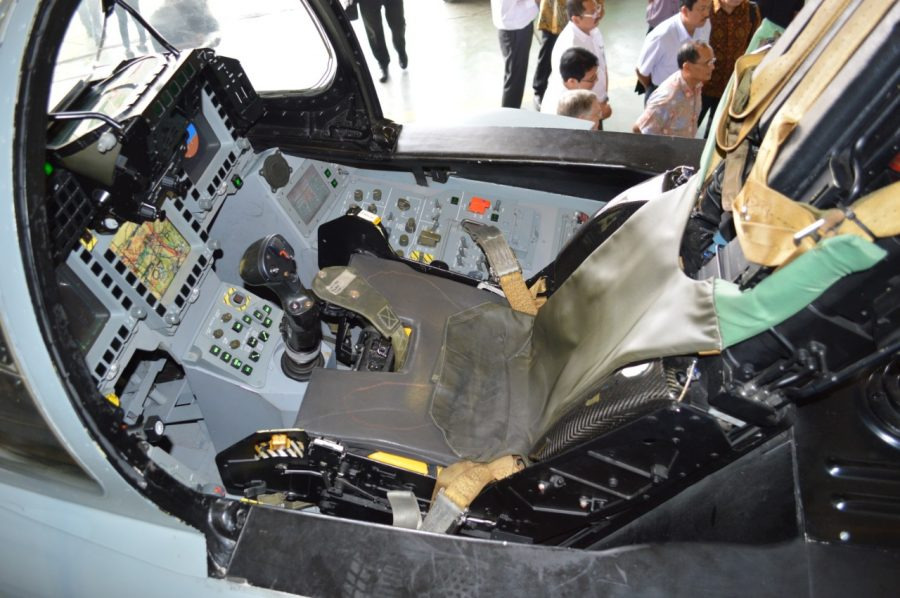
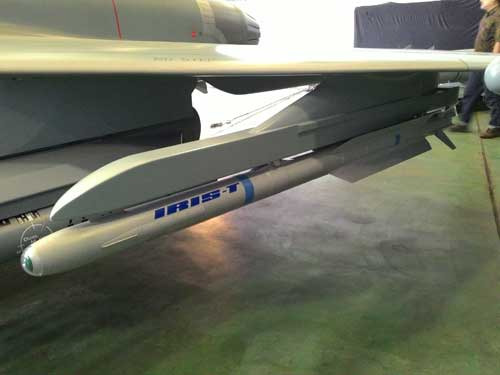
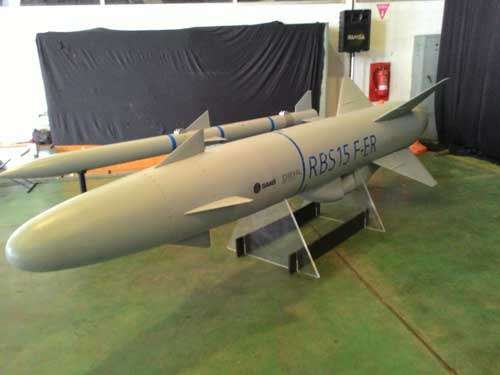
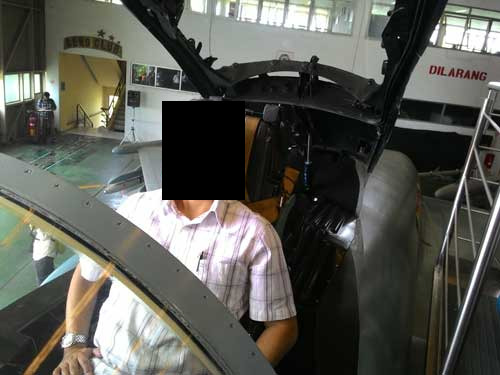
in April 2015 the Eurofighter Consortium came to Jakarta to offer many different deals for Indonesia. One of which is a fully-scale model of a Eurofighter Typhoon housed in a PT Dirgantara Mandala (PTDI) Hangar in Bandung to be shown for 3 weeks. With Journalists and executives given a chance to sit in the vehicle’s actual proper cockpit. The presentation was mainly conducted by its test pilot & flight instructor, Paul Smith. The Consortium offered Indonesia a full assembly of the jet, with Indonesia given the opportunity to produce the CFTs for future Typhoon units.
Of course this deal didn’t happen, as Indonesia eventually went with the Dassault Rafale, which also competes with Eurofighter for Indonesia during the same time. While it was offered & brought to the country, the displayed aircraft is only a mockup (albeit with an actual cockpit), as such doesn’t really fit with the main criteria of the list which is why they’re grouped separately here.
- https://www.indomiliter.com/jelang-babak-akhir-kompetisi-eurofighter-typhoon-hadirkan-full-mockup-di-pt-dirgantara-indonesia/
- https://www.airspace-review.com/2020/12/06/5-tahun-lalu-eurofighter-nyatakan-typhoon-siap-dirakit-di-bandung/
- https://finance.detik.com/industri/d-2887612/ri-bakal-jadi-basis-produksi-jet-tempur-typhoon-setelah-eropa?page=1
- https://www.indomiliter.com/gripen-dan-typhoon-siap-unjuk-kebolehan-cockpit-demonstrator-di-indo-defence-2014/
Primary Image Sources:
For other Southeast Asian Nations, Feel free to check out the ASEAN Founders Air Suggestion here:
https://forum.warthunder.com/t/asean-founders-aviation-sub-tree/186996/
or the General Asean Vehicles discussion here:
https://forum.warthunder.com/t/southeast-asian-asean-machinery-of-war-discussion-thread/139002
EDIT:
- V9
❌ (F-15IDN) ➡️ Removed- V10
✅ (J-10B+) & (Su-35) ➡️ Future- V11
✅ (MiG-21FL) ➡️ Trial- V12
✅ (T-34C-1)➡️Main List
🔄 (Rafale B) Future ➡️ Main List
🔄 (Lim-6) ➡️ (Lim-6bis)
🔄 (M-346FA) ➡️ (M-346FI Blk.20)- V13
🔄 (Hawk 109/209)🔀 (Early & Late)- V14
✅ (Misc Section)
✅ (HD IMG) addition
🔄(NAS PUMA) Main ➡️ Misc- V15 :
✅ (Bayraktar Kızılelma) ➡️Future
🔄 (Rafale C) Future ➡️ Main List
🔄 (Rafale C/B F4) ➡️ (Rafale EI/DI F4.1)
🔄(Sansikisin) Main ➡️ Misc
🔄(Misc Section) ➡️ (Ommited section)
🔄(Ommited section) 🔀 (Honorable Mentions & Miscellaneous)- V16 :
🔄 (Mi-35M) Future ➡️ Main List
✅ (Bell 204B)➡️Main List