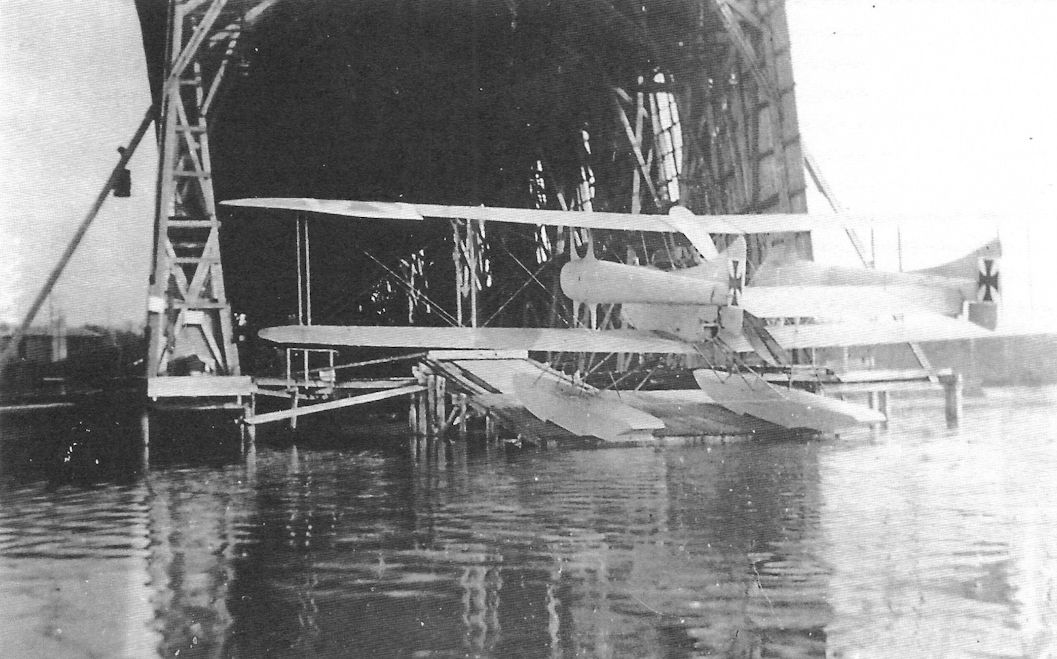
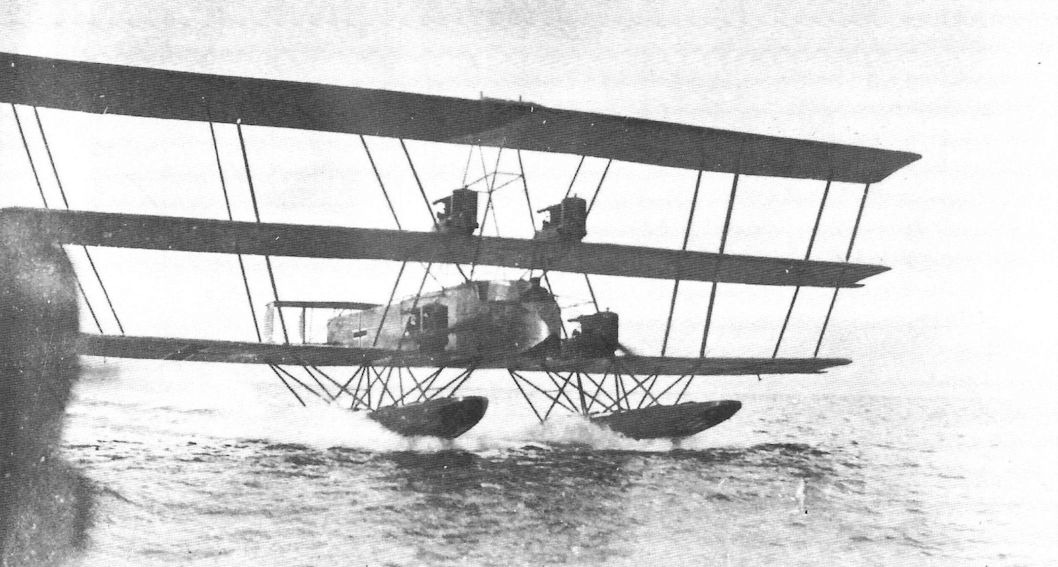
World War One is a considered to be a major turning point in the way wars are fought, it pioneered the use of new technologies and tactics that still influence conflicts in the current day. The War to End All Wars ravaged mainland Europe, parts of Africa, and the Middle East through the years of 1914 to 1918. It saw the introduction of many new technologies such as machine guns, chemical warfare, tanks, and the topic of this suggestion - combat aircraft. At the start of the war aircraft served as only spotters for directing artillery barrages and as reconnaissance scouts, but as the war raged on the idea of using aircraft shifted towards combat, and thus the fighter planes were born and so was the idea of aerial warfare.
This suggestion is a proposal of introducing WW1 aircraft to the Tech Trees of various nations, this one being about Germany.
There are a few ways World War One aircraft can be brought to the German Tech Tree:
Option 1 - Replacing Reserve Tier
The first option would be to push everything in the tech tree up in rank and battle rating so that WW1 aircraft can fit with proper spacing for balancing. Whilst this could work it would have a few issues such as forcing new players to have to play through these aircraft whilst not being interested. It could also have problems with actually moving the existing tech tree around to accommodate the addition.
Option 2 - Rank 0
Similar to option 1, this would have the addition of Rank 0 below the current start of the tech tree. It would be placed below reserve aircraft and be optional for players to research and play. It would have battle ratings from 0.0-0.7. I think this would be the most promising personally as again it would be completely optional as some players may not be interested in this era of aircraft. However a problem this would have is the battle ratings would be quite compressed as these aircraft would be limited to a 0.0-0.7 BR range as they are simply leagues behind even the worse reserve aircraft in-game. This however could be solved by introducing aircraft from after the war to bridge the gap in capabilities.
Option 3 - Separate Tech Tree
This option is similar to how naval vehicles are split between Bluewater and Coastal. Whilst both share the same matchmaking they are in separate tech trees and thus require you to play the same type of vehicle to progress in that tree. With the slight change of a separate matchmakers this may be preferable for some as it could allow for less compression but with the caveat of making it harder to progress as the RP and SL cost would be far higher unless it would be changed to reflect the aircraft themselves.
Now onto the aircraft themselves, there’s loads to choose from so in the effort of making it easy to see I have made a custom tech tree as an example of what could be added. This is in the form of what Option 2 from above would look like however it could be easily adapted to fit the other options:
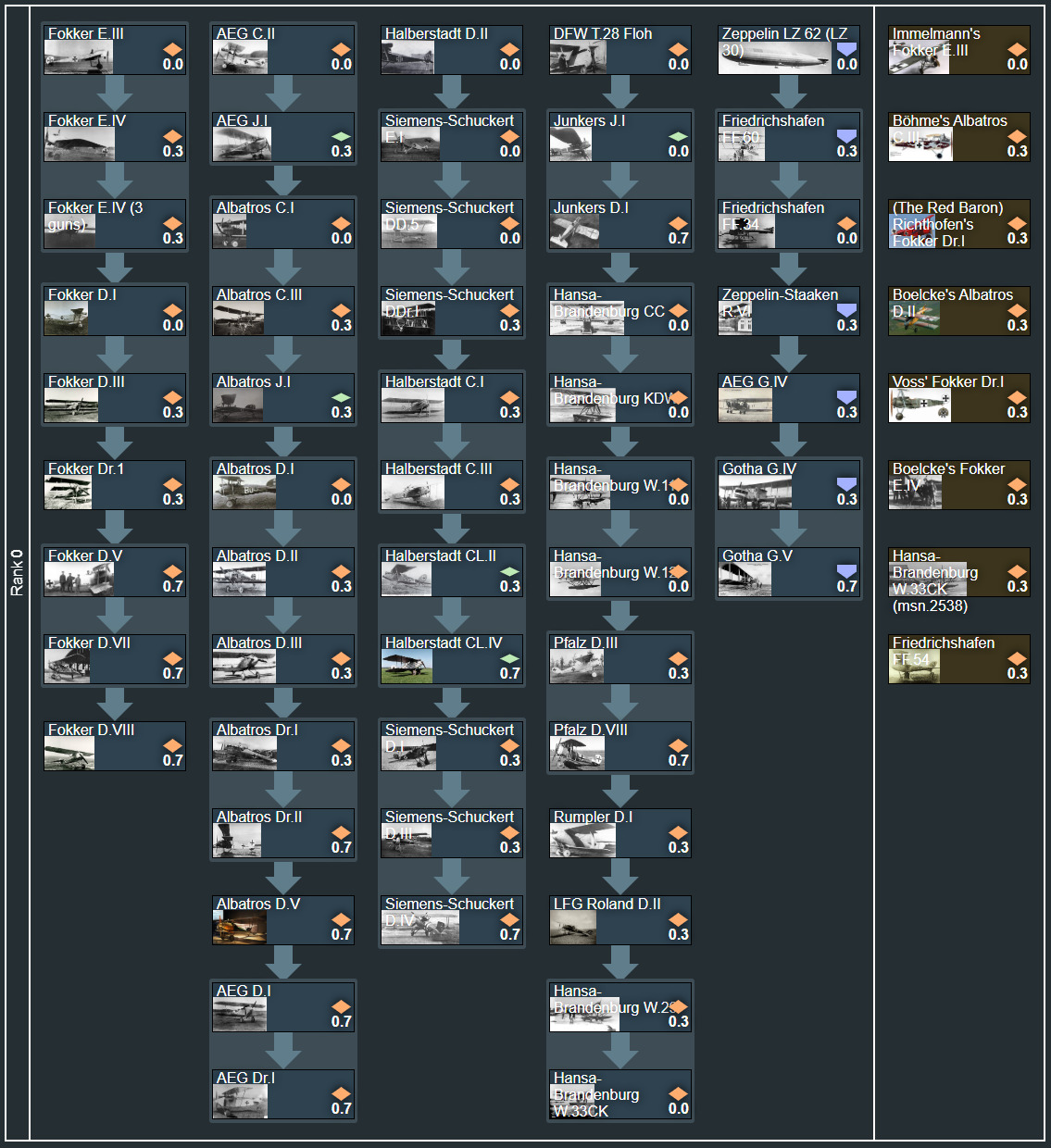
Line 1
Fokker E.III
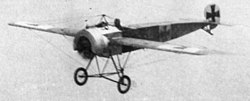
The Fokker E.III “Eindecker” was a single seat fighter that entered service in December of 1915. The Eindecker was a very deadly aircraft at the time and it helped Germany take control of the skies over the Western Front, the Allies called it the Fokker Scourge. However with the introduction of newer allied aircraft such as the Airco DH.2 and Nieuport II fighters the Eindeckers reign of terror would come to an end. It was flown by many famous German aces such as Max Immelmann and Oswald Boelcke, two men that defined aerial combat and who’s teachings and brilliance can still be found in todays modern aerial tactics. The Fokker E.III had a top speed of 140kph ad was armed with a single 7.92mm LMG 08/15 machine gun. You can read a bit more about it from this suggestion - Fokker-Flugzeugwerke - Fokker E.III Eindecker: The Fokker Scourge
Fokker E.IV
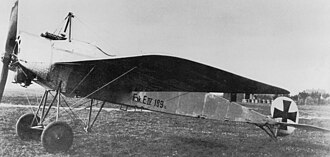
The Fokker E.IV was the final variant of the Fokker E series which proved vital during the beginning of the war. It was in service from October 1915 with the Imperial German Air Service on the Western Front. It was powered by the Orberursel U.III 14-cylinder engine providing 160hp giving it a top speed of 170kph. It was armed with 2 x 7.92mm LMG 08/15 Spandau machine guns.
Fokker E.IV (3 guns)
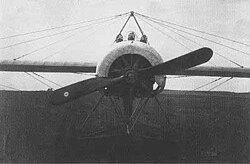
The Fokker E.IV (3 guns) was a Fokker E.IV but with the originally planned 3 x LMG 08/15 Spandau machine guns mounted on the nose. This was planned to be the standard but it’s believed that German ace Oswald Boelcke pioneered the removal of the 3rd gun so that a simple synchroniser could be used.
Fokker D.1
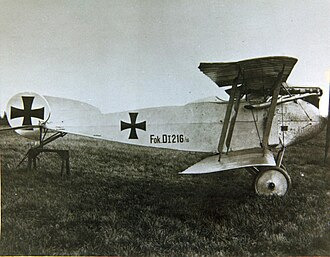
The Fokker D.1 was a single seat biplane fighter introduced in July 1916. It was powered by the Mercedes D.II 6-cylinder engine which outputted 119hp and gave it a top speed of 150kph. It was armed with a single 7.92mm LMG 08/15 machine gun.
Fokker D.III

The Fokker D.III was a single seat biplane fighter that was developed from the Fokker D.I. It was introduced in August 1916. It was powered by the Oberursel U.III engine with 160hp which gave it a top speed of 160kph. It was armed with twin 7.92mm LMG 08/15 Spandau machine guns.
Fokker Dr.1
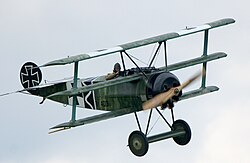
The Fokker Dr.1 was a single seat triplane fighter introduced in July 1917. It is one of the most famous aircraft of the war due to it’s presence in media and also due to the aces that flew it, the most notable being Manfred von Richthofen, The Red Baron. The Dr.1 was powered by the Oberursel Ur.II 9-cylinder engine with 110hp giving it a top speed of 180kph. It was armed with twin 7.92mm LMG 08/15 Spandau machine guns. You can read some more on the Dr.1 in this suggestion - Fokker-Flugzeugwerke - Fokker Dr.1: King of the Sky, A Legend will Never Die.
Fokker D.V
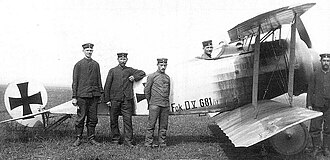
The Fokker D.V was a single seat biplane fighter introduced in January 1917. It was armed with a single 7.92mm LMG 08/15 machine gun and was powered by the Oberursel U.I engine that produced 110hp and gave it a top speed of 170kph.
Fokker D.VII
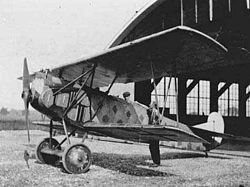
The Fokker D.VII entered service in May 1918 with Jasta 10. It was powered by the Mercedes D.III 6-cylinder engine with 160hp that gave it a top speed of 189kph. It was armed with twin 7.92mm LMG 08/15 Spandau machine guns.
Fokker D.VIII
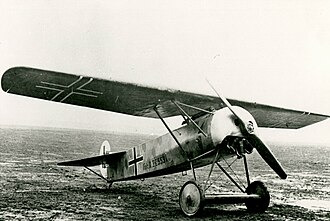
The Fokker D.VIII or E.V was a monoplane fighter that first flew in May 1918 and entered service shortly after. It was powered by the Oberursel UR.II 9-cylinder engine producing 110hp giving it a top speed of 204kph. It was armed with a pair of 7.92mm LMG 08/15 Spandau machine guns.
Line 2
AEG C.II
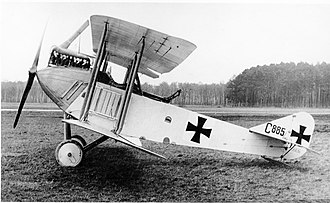
The AEG C.II was a twin seat reconnaissance aircraft that entered service in 1915. It was used to scout enemy locations and also drop bombs against targets however it would quickly be overpowered by Allied designs so it was transferred out of the front lines and placed into a training roll. It was powered by the Benz Bz.III engine that gave it 150hp and a top speed of 128kph. It was armed with a single 7.92mm Parabellum MG 14 machine gun in the rear and it could carry 4 x 10kg bombs.
AEG J.I
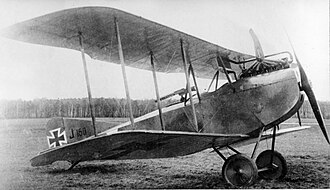
The AEG J.I was a biplane ground attacker introduced in 1917. It’s main purpose was to engage ground targets, usually making attack runs against allied trenches. It was powered by the Benz Bz.IV with 200hp and a top speed of 150kph. It was armed with 2 7.92mm LMG 08/15 Spandau machine guns (could have up to 6 but standard fit was 2) and a single 7.92mm Parabellum MG14 in the rear.
Albatros C.I
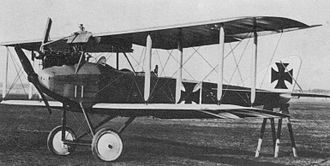
The Albatros C.I was a twin seat reconnaissance fighter that entered service in 1915. It was powered by the Mercedes D.III 6-cylinder engine with 160hp which gave it a top speed of 132kph. It was armed with a single 7.92mm Parabellum MG14 machine gun in the rear.
Albatros C.III

The Albatros C.III was a twin seat fighter introduced in 1915. It was powered by the Argus As.III 6-cylunder engine producing 180hp with gave it a top speed of 145kph. It was armed with 1 forward facing 7.92mm LMG 08/15 and a rear facing 7.92mm Parabellum MG14 machine gun, it also carried up to 91kg of bombs. It was flown by many aces, most notably by Erwin Böhme. You can read more about the C.III from the suggestion - Albatros Flugzeugwerke - Albatros C.III.
Albatros J.I

The Albatros J.I was a twin seat ground attack plane introduced in 1917, armed with twin downward facing 7.92mm LMG 08/15 Spandau machine guns and a single 7.92mm Parabellum MG14 machine gun in the rear for the observer. It was powered by the Benz Bz.IV producing 200hp which gave it a top speed of 140pkh. It was also one of the first aircraft to feature an armoured fuselage made up of several 5mm thick chrome-nickel steel plates on both sides and the bottom of the fuselage which provided protection for the crew from ground fire during attack runs.
Albatros D.I
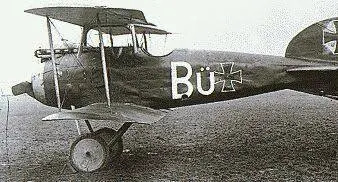
The Albatros D.I was a single seat fighter introduced in August 1916. It was powered by the Benz Bz.III 6-cylinder engine producing 150hp which gave it a top speed of 175kph. It was armed with a single 7.92mm LMG 08/15 machine gun in the nose.
Albatros D.II
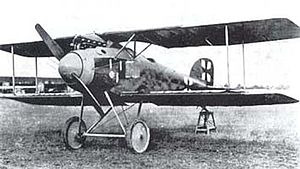
The Albatros D.II was a single seat fighter that entered service in September 1916. It was powered by the Austro-Daimler 6-cylinder engine producing 185hp which have it a top speed of 170kph. It was armed with a pair of 8mm Schwarzlose machine guns. It was flown by numerous aces, most notably by Oswald Boelcke who flew it while writing his eight rules of aerial combat, the Dicta Boelcke. Boelcke would fly the D.II making the final 13 of his 40 aerial victories. You can read more about the D.II from this suggestion - Albatros Flugzeugwerke - Albatros D.II.
Albatros D.III
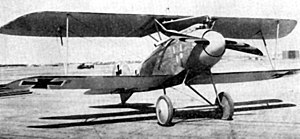
The Albatros D.III was a development of the Albatros D.II and entered service in December 1916. It was powered by the Mercedes D.IIIa 6-cylinder engine which produced 175hp and gave it a top speed of 175kph. It was armed with a pair of 7.92mm LMG 08/15 Spandau machine guns. the D.III was flown by numerous German aces including Karl Emil Schafer, Wilhelm Frankl, Kurt Wolff, and the legendary Manfred von Richthofen who would earn his more famous name, The Red Baron, whilst flying the D.III after he painted his aircraft the famous scarlet red after earning the Blue Max when he achieved his 16th aerial victory. You can read more about the D.II from this suggestion - Albatros Flugzeugwerke - Albatros D.III
Albatros Dr.I
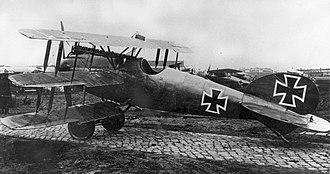
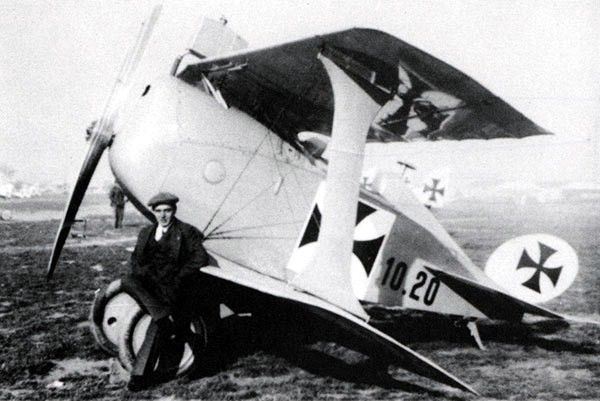
The Albatros Dr.I was a prototype tri-plane built by Albatros Flugzeugwerke in the summer of 1917. It was derived from the Albatros D.V and competed against it in a set of trials to determine an advantage for the extra wing but as there was no noticeable advantage the development was stopped. It was powered by the Mercedes D.III 6-cylinder engine producing 160hp, it’s top speed is unknown but presumed to be around 170kph. It was armed with a pair of 7.92mm LMG 08/15 Spandau machine guns.
Albatros Dr.II
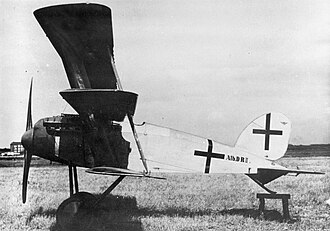
The Albatros Dr.II was another prototype tri-plane built by Albatros Flugzeugwerke in the spring of 1918. It was powered by the Benz Bz.IIIbo V-8 engine producing 194hp. It’s top speed is unknown but given that the design is similar to the Fokker Dr.I and it has a more powerful engine it could be around 200kph. It was armed with twin 7.92mm LMG 08/15 Spandau machine guns.
Albatros D.V
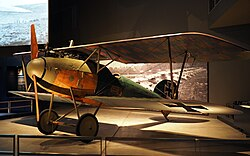
The Albatros D.V was a single seat fighter introduced in mid 1917. It was powered by the Mercedes D.IIIaü engine producing 200hp which gave it a top speed of 186kph. It was armed with a pare of 7.92mm LMG 08/15 Spandau machine guns.
AEG D.I
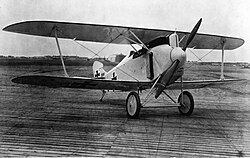
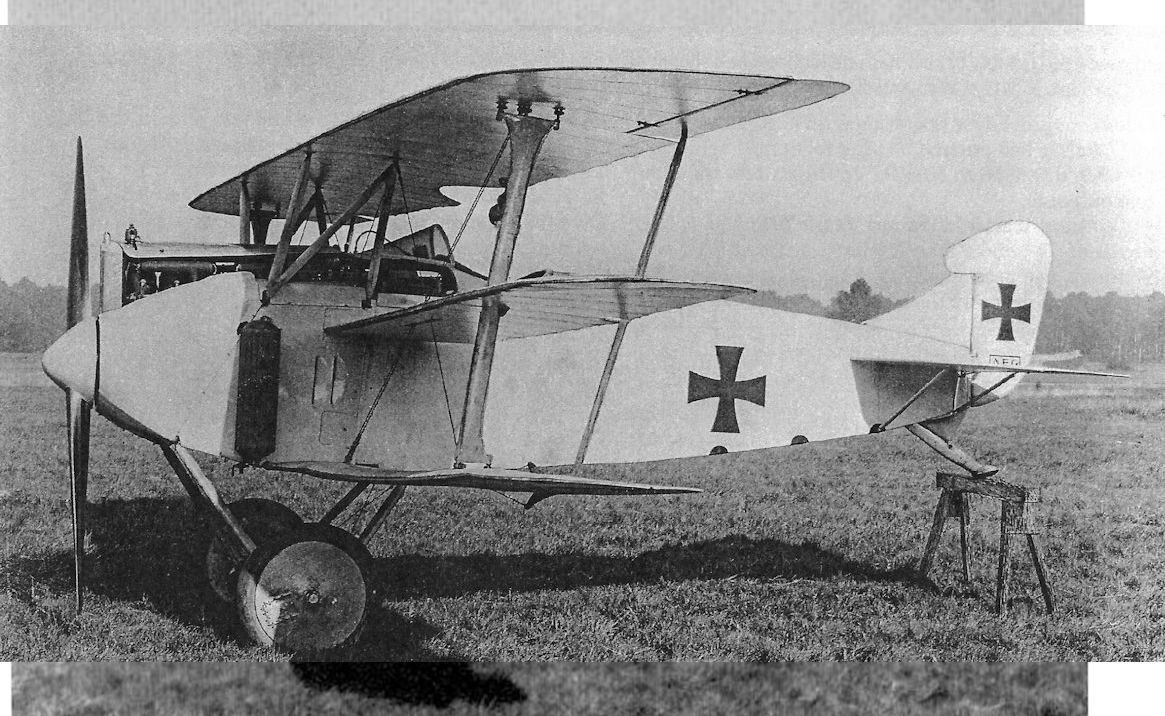
The AEG D.I was a prototype biplane fighter built in early 1917. It was armed with a pair of 7.92mm LMG 08/15 machine guns and was powered by the Mercedes D.IIIa straight-six engine producing 160hp which gave it a top speed of 140kph.
Line 3
Halberstadt D.II
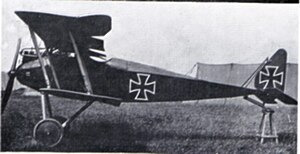
The Halberstadt D.II was Germany’s first biplane fighter of the war. It entered service in the beginning of 1916. It was powered by the Mercedes D.II 6-cylinder engine which produced 120hp and gave it a top speed of 150kph. It was armed with a single 7.92mm LMG 08/15 Spandau machine gun. You can read more on the D.II in this suggestion - Halberstädter Flugzeugwerke - Halberstadt D.II.
Siemens-Schuckert E.I
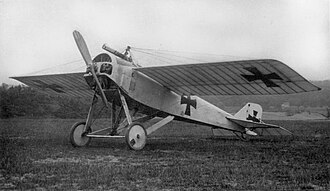
The Siemens-Schuckert E.I was a monoplane fighter built in late 1915, it was armed with a single 7.92mm LMG 08/15 machine gun and was powered by the Siemens-Halske Sh.I engine producing 100hp giving it a top speed of around 130kph.
Siemens-Schuckert DD.5
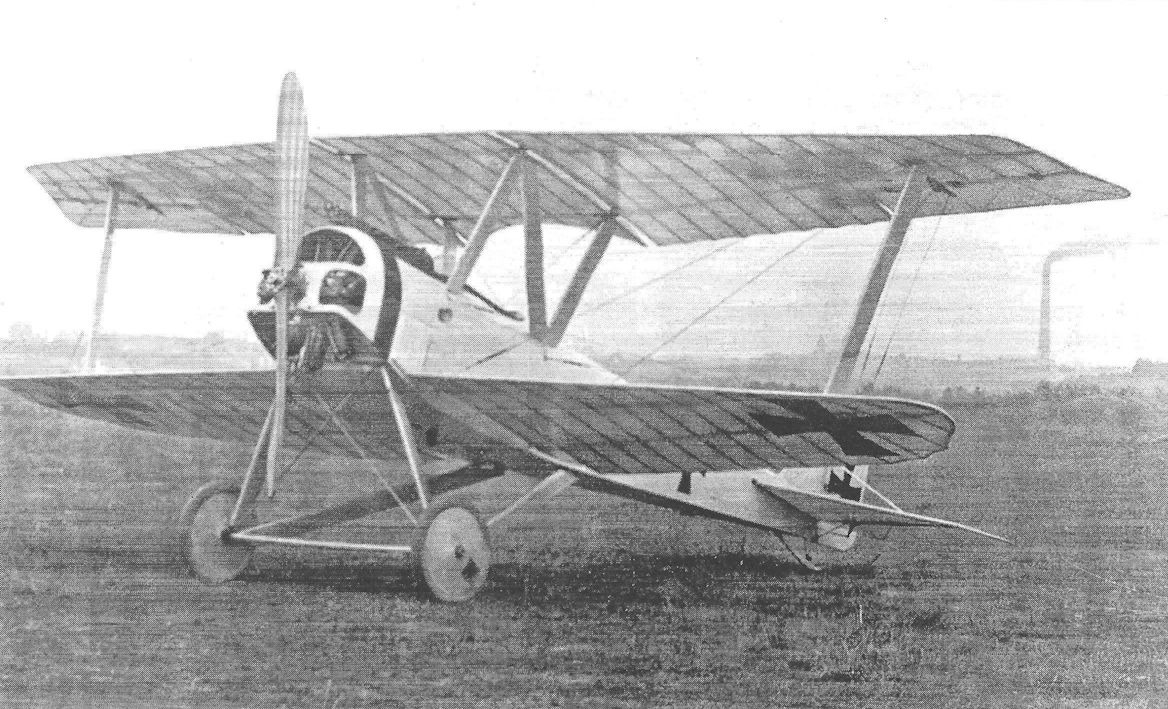
The Siemens-Schuckert DD.5 was a prototype biplane fighter built in early 1916. It was powered by the Siemens-Halske Sh.I engine producing 110hp giving it a top speed of around 140kph. It was armed with a single 7.92mm LMG 08/15 Spandau machine gun.
Siemens-Schuckert DDr.I
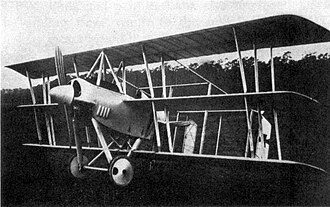
The Siemens-Schuckert DDr.I was a prototype push-pull triplane fighter built in late 1917. It was powered by a pair of Siemens-Halske Sh.I engines producing 110hp each giving it a top speed of around 155kph. It was armed with a pair of 7.92mm LMG 08/15 Spandau machine guns.
Halberstadt C.I
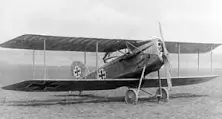
The Halberstadt C.I was a twin seat fighter introduced in late 1917. It was powered by the Oberursel U.I engine producing 110hp with a top speed of 165kph. It was armed with a pair of 7.92mm LMG 08/15 Spandau machine guns facing forward and a single 7.92mm Parabellum machine gun facing backwards for the observer to fire.
Halberstadt C.III
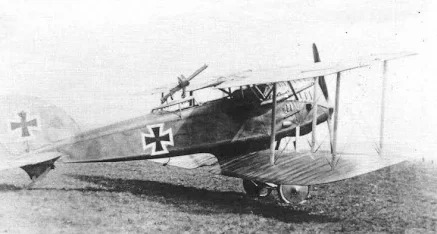
The Halberstadt C.III was a development from the C.I and entered service near the end of 1917. It was powered by the Benz Bz.IV 6-cylinder engine which produced 200hp and gave it a top speed of 165kph. It was armed with a single forward facing 7.92mm LMG 08/15 Spandau machine gun, a single rear facing 9.72mm Parabellum MG14 machine gun, and could carry 4 x 10kg bombs.
Halberstadt CL.II
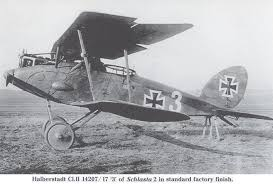
The Halberstadt CL.II was a twin seat fighter and ground attack plane which entered service in August 1917. It was powered by the MErcedes D.III 6-cylinder engine producing 160hp giving it a top speed of 165kph. It was armed with a single forward facing 7.92mm LMG 08/15 Spandau machine gun and a rear mounted 7.92mm Parabellum MG14 machine gun for the observer. You can read some more on the Halberstadt CL.II in this suggestion - Halberstädter Flugzeugwerke - Halberstadt CL.II
Halberstadt CL.IV
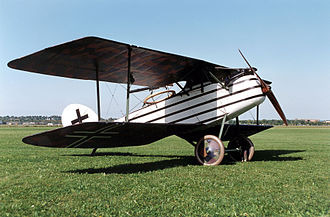
The Halberstadt CL.IV was a ground attack plane developed from the Halberstadt CL.II and was introduced into service towards the end of the war in 1918. It was powered by the Mercedes D.III 6-cylinder engine producing 160hp which gave it a top speed of 165pkh. It was armed with a pair of 7.92mm LMG 08/15 Spandau machine guns, a rear mounted 7.92mm Parabellum MG14 machine gun, and could carry 5 x 10kg bombs and numerous grenades. It was regarded as one of the most effective ground attack aircraft of the war.
Siemens-Schuckert D.I
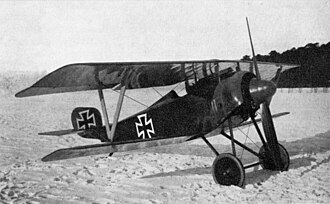
The Siemens-Schuckert D.I was a single seat biplane fighter built in late 1916 and entered service in early 1917. It was a copy of the French Nieuport 17 fighter and served as an advanced trainer. It was powered by a Siemens-Halske Sh.I 9-cylinder engine producing 110hp giving it a top speed of around 155kph.
Siemens-Schuckert D.III
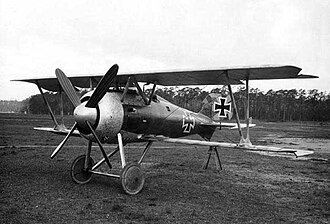
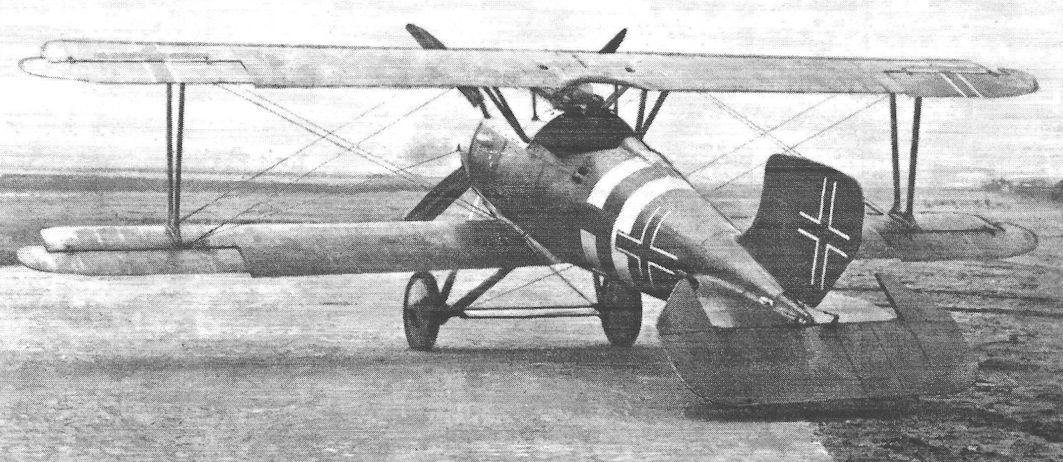
The Siemens-Schuckert D.III was a single seat fighter built in late 1917. It was based off of the French Nieuport 17 but notably with a 4-bladed propeller. It was powered by the Siemens-Halske Sh.IIIa 11-cylinder engine producing 210hp giving it a top speed of around 177kph. It was armed with a pair of 7.92mm LMG 08/15 Spandau machine guns.
Line 4
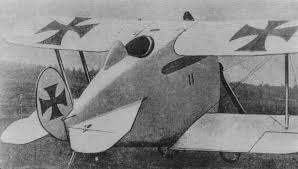
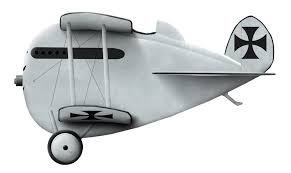
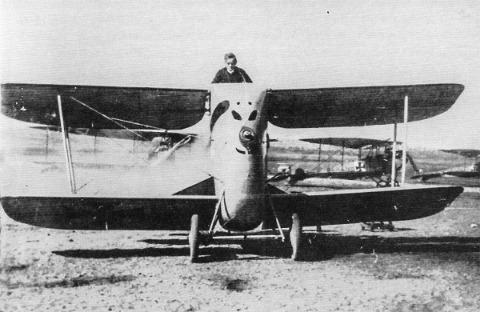
DFW T.28 Floh
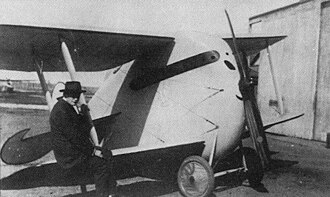
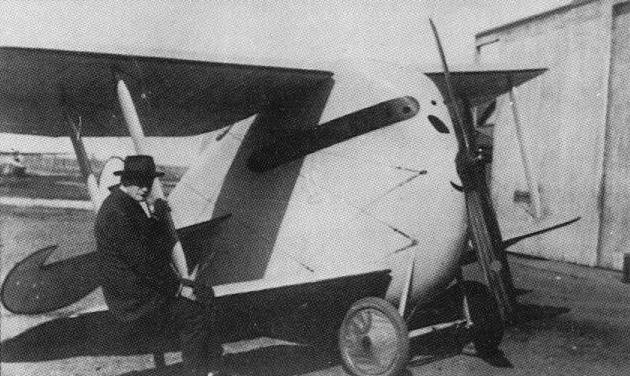
The DFW T.28 Floh was a prototype biplane fighter designed by Hermann Dorner in 1915. It was designed as a high speed fighter but suffered from very poor forward visibility and was difficult to land due to it’s narrow landing gear. Development was cancelled after the only prototype crashed during a test flight. It was powered by the Mercedes D.I engine producing 100hp which gave it a top speed of 180kph. It was armed with a single 7.92 LMG 08/15 Spandau machine gun.
Junkers J.I
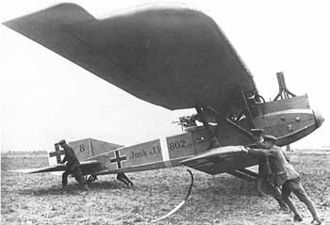
The Junker J.I was an armoured ground attack plane introduced in 1917. It was notable for being the first all-metal aircraft ever to enter mass production. It was powered by the Benz Bz.IV engine producing 200hp and giving it a top speed of 155kph. It was armed with a single 7.92mm Parabellum MG14 machine gun in the observer seat.
Junkers D.I
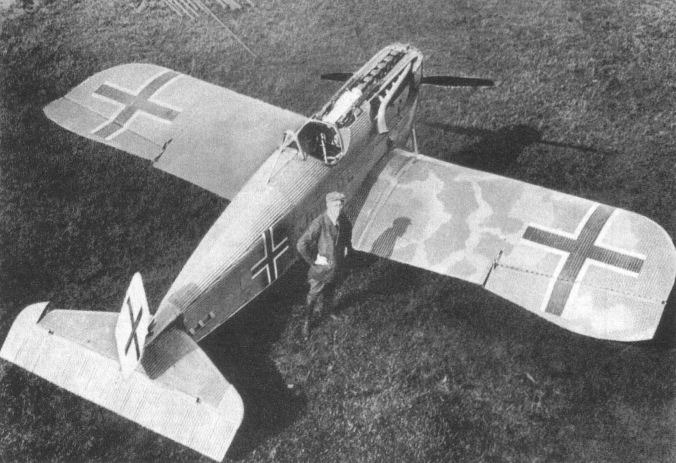
The Junkers D.I was a full metal monoplane fighter that entered service in September 1918. It was armed with a pair of Spandau machine guns and was powered by the BMW IIIa 6-cylinder engine producing 185hp giving it a top speed of 176kph.
Hansa-Brandenburg CC
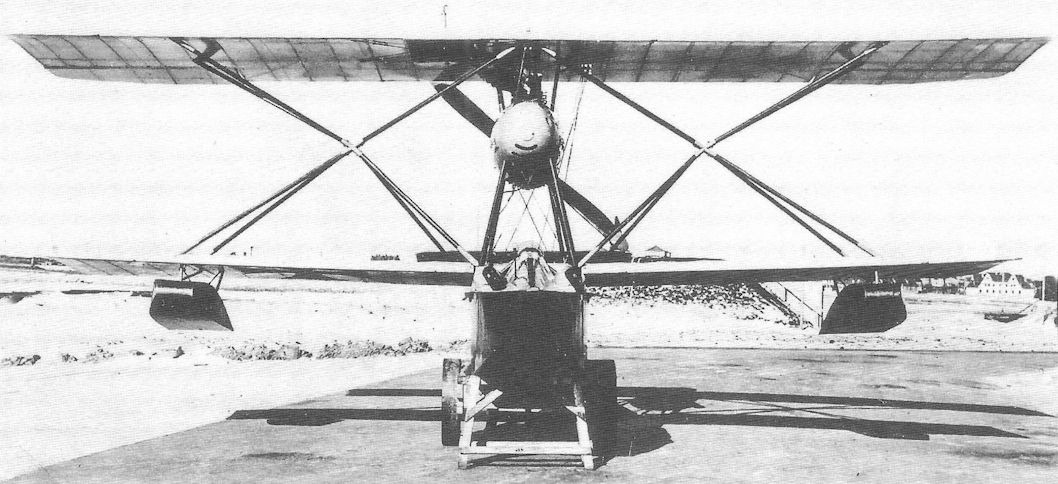
The Hansa-Brandenburg CC was a single-seat flying boat fighter that first flew in 1916 for the Imperial German Navy. It was powered by the Benz Bz.III 6-cylinder engine producing 150hp which gave it a top speed of 175kph. It was armed with up to 2 7.92mm LMG 08/15 machine guns.
Hansa-Brandenburg KDW
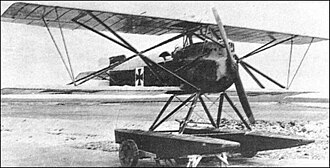
The Hansa-Brandenburg KDW was a single seat floatplane fighter used by the Imperial German Navy from mid 1916 to the end of the war. It was powered by the Benz Bz.III engine producing 150hp giving it a top speed of 172kph and was armed with up to 2 x 7.92mm machine guns.
Hansa-Brandenburg W.11
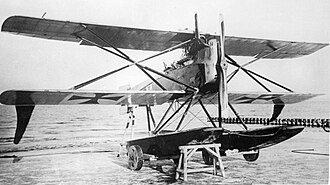
The Hansa-Brandenburg W.11 was a prototype floatplane fighter built in 1917. It was powered by the Benz Bz.IV 220hp engine giving it a top speed of 176kph and armed with 2 x 7.92mm LMG 08/15 machine guns.
Hansa-Brandenburg W.12
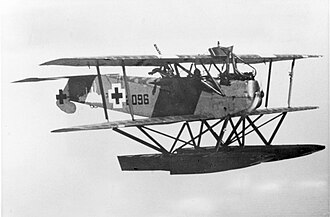
The Hansa-Brandenburg W.12 was a twin seat biplane floatplane fighter that entered service in early 1917 with the Imperial German Navy. It was powered by the Mercedes D.III 160hp engine giving it a top speed of 160kph. It was armed with 2 x 7.92mm LMG 08/15 machine guns and a single 7.92mm Parabellum MG14 machine gun on a flexible mount in the rear cockpit.
Pfalz D.III
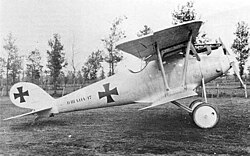
The Pfalz D.III was a single seat fighter that entered service in April 1917. It was powered by the Mercedes D.IIIa 6-cylinder engine producing 180hp resulting in a top speed of 165kph. It was armed with a pair of 7.92mm LMH 08/15 Spandau machine guns.
Pfalz D.VIIII
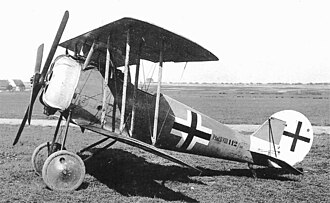
The Pfalz D.VIII was a single seat fighter which was completed before the end of the war. 40 units were finished however none saw combat, they were instead kept for evaluation. It was powered by the Siemens-Halske Sh.III 11-cylinder engine which produced 160hp and gave it a top speed of 190kph. It was armed with a pair of 7.92mm LMG 08/15 Spandau machine guns.
Rumpler D.I
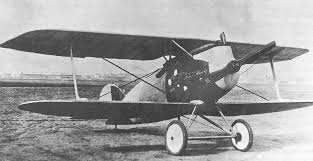
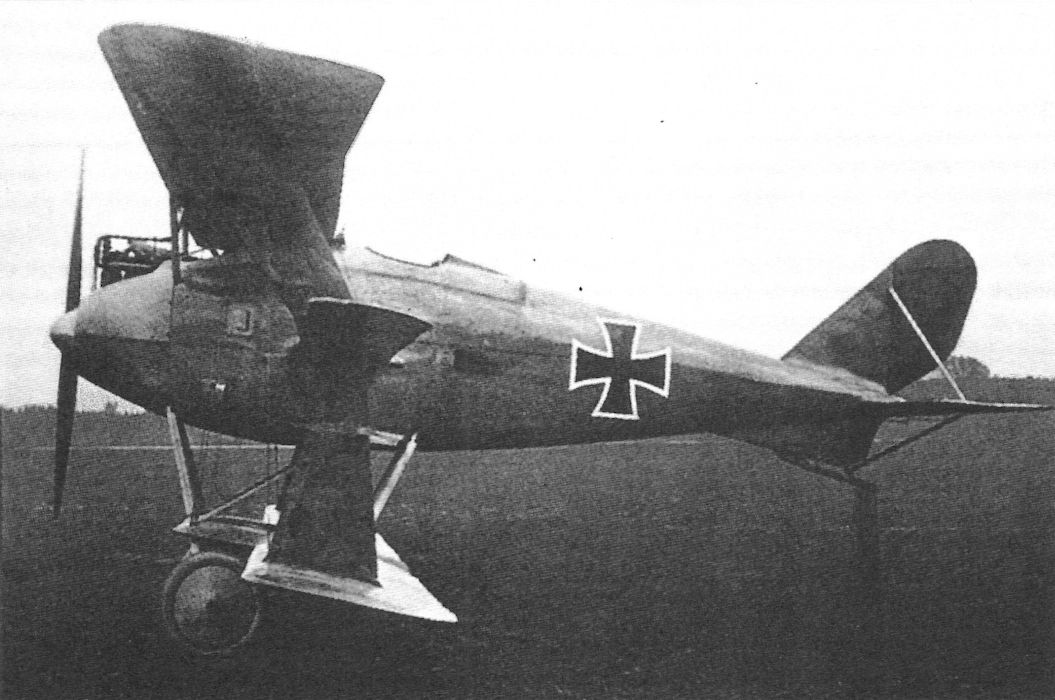
The Rumpler D.I was a single seat fighter which was produced very late into the war which left it never to see operational service however at least 6 units were completed. It was powered by the Mercedes D.III 6-cylinder engine producing 160hp giving it a top speed of 180kph. It was armed with a pair of forward facing 7.92mm LMG 08/15 Spandau machine guns.
LFG Roland D.II
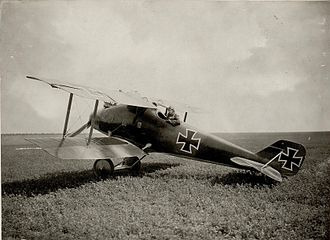
The LFG Roland D.II was a single seat fighter introduced in early 1917. It was powered by the Mercedes D.III 6-cylinder engine producing 160hp and giving it a top sped of 180kph. It was armed with a pair of 7.92mm LMG 08/15 Spandau machine guns.
Hansa-Brandenburg W.29
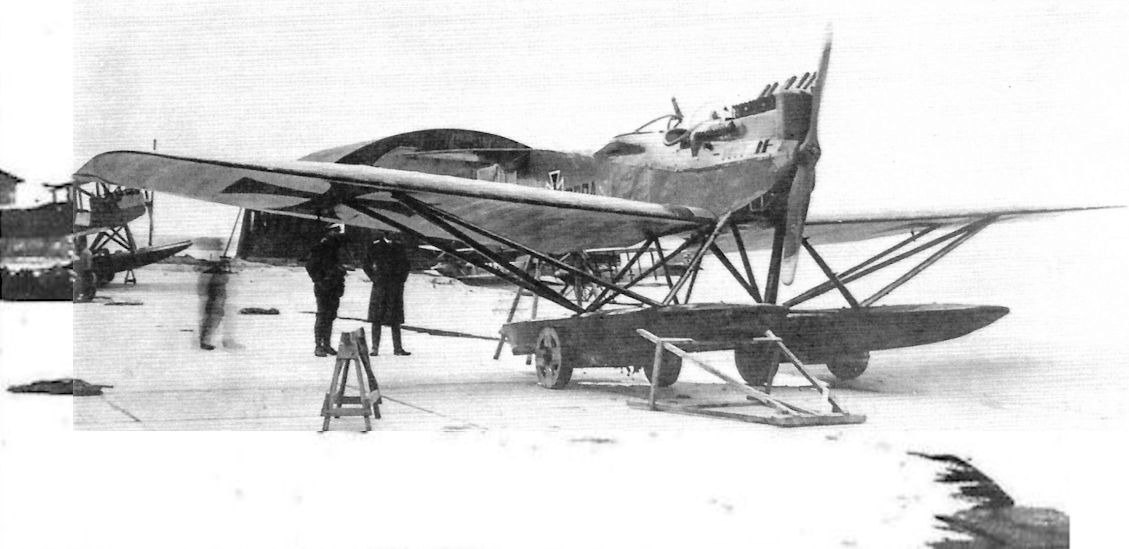
The Hansa-Brandenburg W.29 was a twin seat floatplane fighter used by the German Imperial Navy in mid-1918. It was powered by the Benz Bz.III 6-cylinder engine producing 150hp giving it a top speed of 175kph. It was armed with up to 2 x 7.92mm LMG 08/15 machine guns in the nose and a single 7.92mm Parabellum MG14 in the rear cockpit.
Hansa-Brandenburg W.33CK
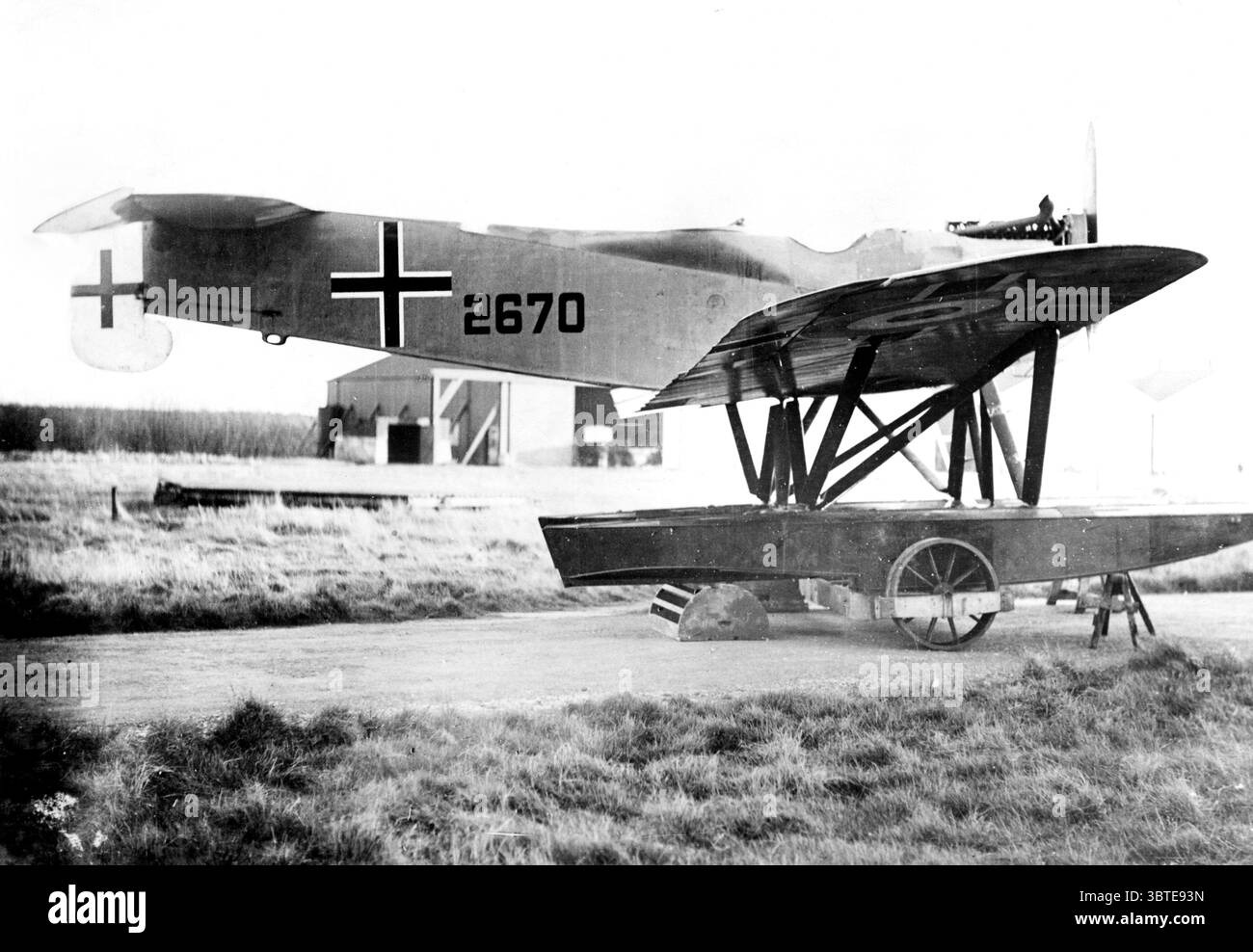
The Hansa-Brandenburg W.33CK was a twin seat floatplane fighter used by the Imperial German Navy from mid 1918. It was powered by the Maybach Mb.IVa engine producing 245hp giving it a top speed of 170kph and was armed with a pair of 7.92mm machine guns fixed forward and a mounted machine gun in the rear cockpit.
Line 5
Zeppelin LZ 62 (LZ 30)
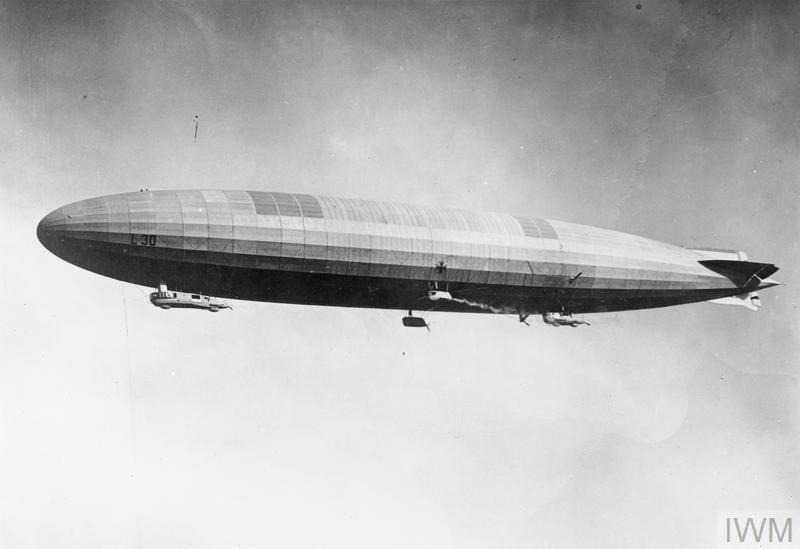
The Zeppelin LZ 62 was the first of the R-Class Zeppelins which was first developed in 1915. It would see service during the war however be removed from service in November of 1917. It had a crew of 17 and was powered by 6 Maybach HSLu engines which produced 240hp each, resulting in a combined 1440hp and a top speed of 103kph. It was armed with 10 7.92mm LMG 08/15 Spandau machine guns and could carry up to 7,600kg of bombs.
Friedrichshafen FF.60
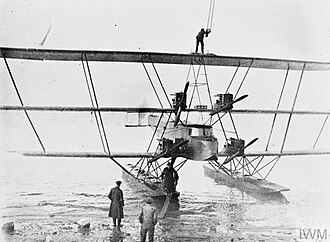
The Friedrichshafen FF.60 was a prototype long-range maritime patrol plane built in late 1918 for use by the Naval Air Service of the Imperial German Navy. It was powered by 4 x Mercedes D.IIIa 6-cylinder engines which produced 170hp each giving it a top speed of 140kph. It was armed with 3 x 7.92mm Parabellum MG14 machine guns and could carry up to 1,000kg of bombs.
Friedrichshafen FF.34
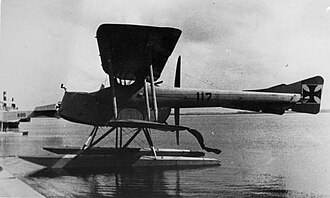
The Friedrichshafen FF.34 was an experimental twin-seat maritime reconnaissance floatplane built in 1916. It took part in competitions to test the suitability of the pusher configuration for use in maritime missions however it was deemed obsolete and was ultimately cancelled after a single unit was built. It was powered by the Maybach Mb.IV engine producing 240hp which gave it a top speed of around 145kph. It was armed with a single 7.92mm Parabellum MG14 machine gun in the rear observer’s cockpit.
Zeppelin-Staaken R.VI
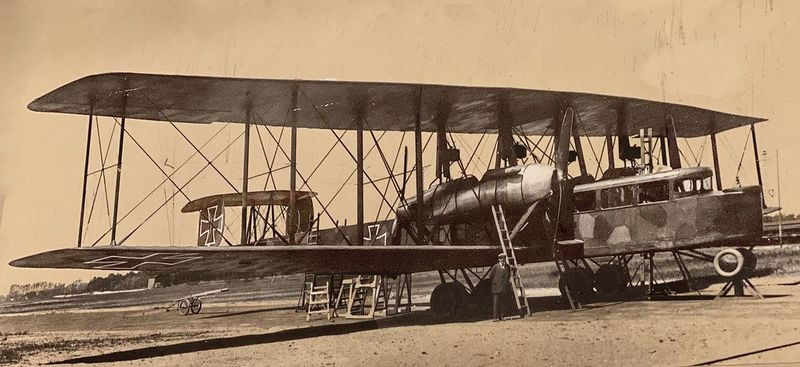
The Zeppelin-Staaken R.VI was a heavy bomber introduced in 1917. It was powered by 4 Mercedes D.IVa 6-cylinder engines producing 260hp each resulting in a combined 1,040hp and a top speed of 135kph. It had a crew of 10 and was armed with 4 7.92mm Parabellum MG14 machine guns.
AEG G.IV
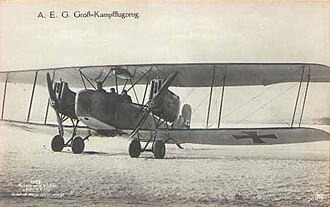
The AEG G.IV was a bomber introduced in 1916. It was powered by 2 Mercedes D.IV 6-cylinder engines which produced 260hp each resulting in a combined 520hp which gave it a top speed of 165kph. It had a crew of 3 and was armed with 2 7.92mm Parabellum MG14 machine guns and could carry 400kg of bombs.
Gotha G.IV
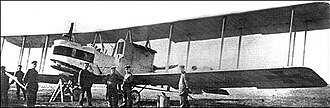
The Gotha G.IV was a heavy bomber introduced in March 1917. It was powered by 2 Mercedes D.IVa 6-cylinder engines which produced 260hp each resulting in a combined 520hp which gave it a top speed of 165kph. It had a crew of 3 and was armed with 2 7.92mm Parabellum MG14 machine guns and up to 500kg of bombs.
Gotha G.V
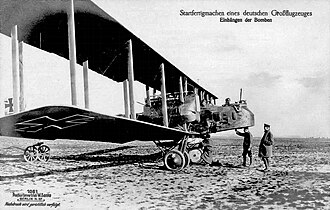
The Gotha G.V was a development of the Gotha G.IV heavy bomber and was introduced in August of 1917. It was powered by 2 Mercedes D.IVa 6-cylinder engines which produced 260hp each resulting in a combined 520hp which gave it a top speed of 165kph. It had a crew of 3 and was armed with 2 7.92mm Parabellum MG14 machine guns and could carry up to 680kg of bombs, however it’s standard load was either 1 x 300kg bomb or 4 x 100kg
Premiums
Immelmann's Fokker E.III
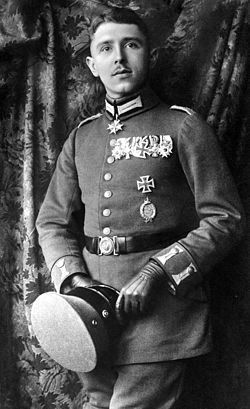
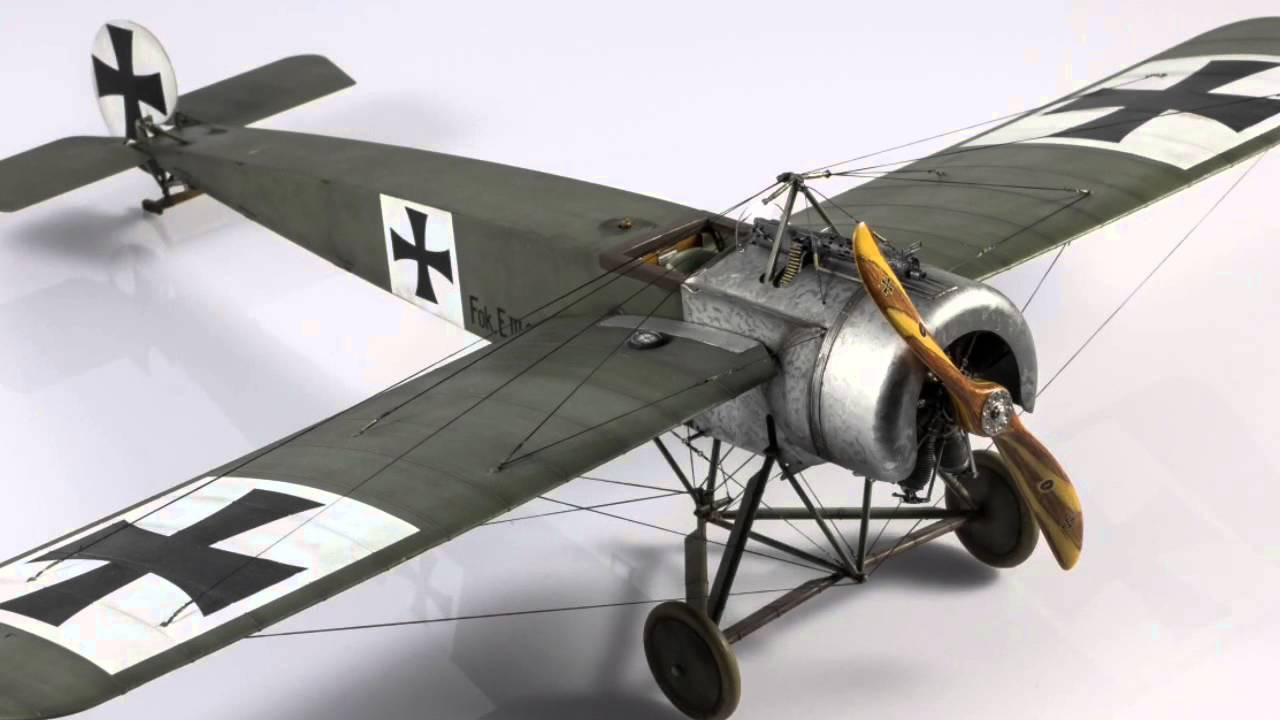
Max Immelmann, born 21st of September 1890, was a German fighter ace during WW1 with 15 aerial victories. He came up with various aerial tactics, most notably the:
Immelmann Turn
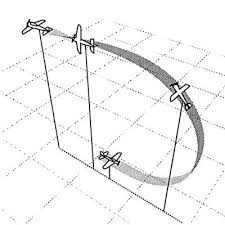
Immelmann was the first pilot to earn the Blue Max. On the 18th of June 1916 Immelmann would encounter a flight of 8 F.E.2b fighters of the No.25 RFC squadron over Sallaumines in northern France, near Arras. During the engagement Immelmann would shoot down 1 aircraft making it his 16th victory however it would go unconfirmed. Later in the evening he would encounter No.25 squadron again near the village of Lens. He shot down another F.E.2b making his 17th victory claim however fellow pilot Max Mulzer. He then engaged a second F.E.2b piloted by Second Lieutenant G.R. McCubbin and gunner J.H. Waller however in McCubbin’s and Waller’s report it was said that Immelmann performed an Immelmann when they dived down onto the Immelmann and opened fire resulting in his propeller being damaged and leading to him crashing.
Böhme's Albatros C.III
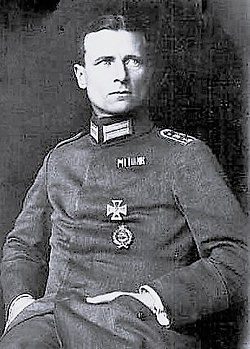
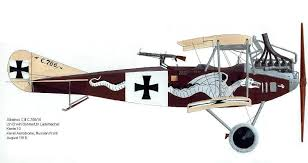
Erwin Böhme , born 29th of July 1879, was an ace with 24 aerial victories. He would fly alongside fellow ace and friend Oswald Boelcke. On the 29th of November 1917, Böhme would fly his second patrol of the day when he would spot an Armstrong Whitworth F.K.8 reconnaissance plane from No.10 RFC squadron. During his attack the pilot John Arthur Pattern performed a split S manoeuvre and made Böhme fly out infront where he would then fire a 2 second burst directly hitting Böhme’s aircraft which crashed in a field near Zonnebeke, Belgium.
(The Red Baron) Richthofen's Fokker Dr.1
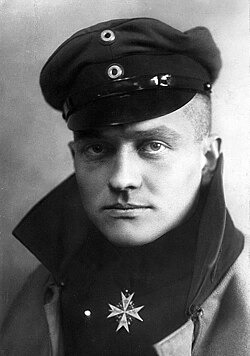
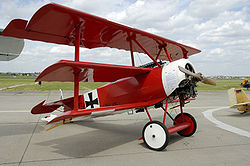
Manfred Albrecht Freiherr von Richthofen, known as Der Rote Kampffleiger to his nation, or as he was known to his foes, The Red Baron was the highest scoring ace of WW1 with 80 confirmed victories. His final 19 victories flying his famous scarlet red Fokker Dr.1. He would fly alongside several famous German aces such as Oswald Boelck and Erwin Böhme. In January 1917, Richthofen would receive the Blue Max medal for his flying skills and soon after be given command of his own squadron, Jasta 11 which would follow suit in his flamboyantly painted aircraft which alongside their tents they would bring when setting up their airfields would give the squadron the nickname of The Flying Circus. Richthofen and his Jasta 11 would make themselves known during Bloody April, where he himself would claim 13 victories. On the 21st of April 1918 while flying over Morlancourt Ridge near the Somme River he would pursue a Sopwith Camel piloted by Wilfrid Reid “Wop” May of No. 209 RFC squadron. During the pursuit Captain Arthur “Roy” Brown would engage Richthofen and fired several shots. He would later be officially credited with shooting down Richthofen however some accounts state that Richthofen was hit by machine gun fire from the 14th Field Artiller Brigade of the Royal Australian Artillery.
Boelcke's Albatros D.II
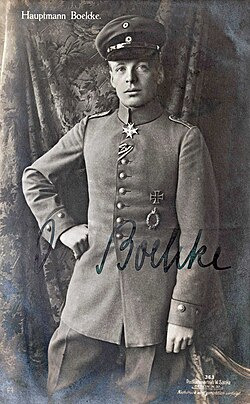
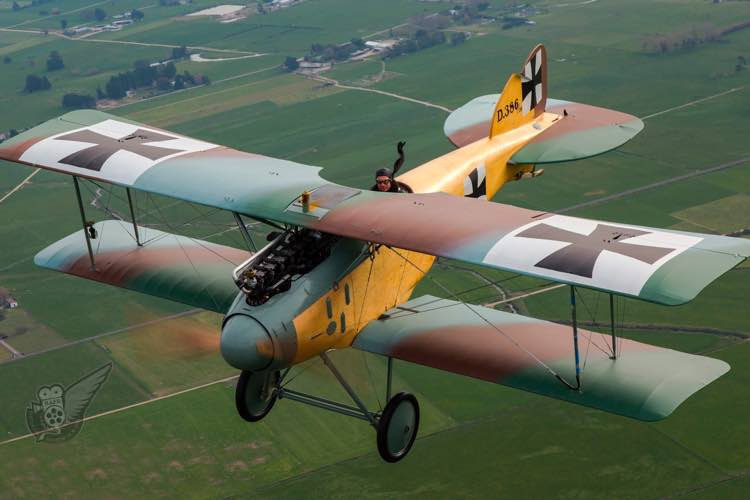
Oswald Boelcke was a German Ace with 40 aerial victories. He is most known for being a pioneer in aerial combat tactics and is considered to be the Father of Aerial Warfare. He would create the first Jagdstaffel squadrons and command his own, Jadgstaffel 2. Here he would pioneer aerial tactics, eventually writing the Dicta Boelcke, a manual for fighter tactics which he would teach extensively to the pilots under his command. The many tactics Boelcke came up with can still be found influencing modern aerial combat techniques to this day. On the 28th of October Boelcke led several combat patrols over the village of Bapaume with fellow aces Erwin Böhme and Manfred von Richthofen, and 3 other pilots would encounter a pair of Airco DH.2 fighters flown by No. 24 RFC squadron. Boelcke and his wingman Böhme would pursue one fighter, piloted by Captain Arthur Knight, during the engagement Boelcke found himself bellow Böhme when the other DH.2, piloted by Captain Alfred McKay, being pursued by Richthofen evaded his fired by cutting behind Knight which forced both Boelcke and Böhme to pull up sharply to avoid a collision with Richthofen, however Boelcke would hit the undercarriage of Böhme’s plane with his upper left wing which ripped off the fabric causing him to lose lift and crash. Throughout his time in the war he would earn the Pour le Mérite, the Royal House Order of Hohenzollern, the Knight’s Cross with Swords, the Iron Cross, First and Second Class Lifesaving medal, and 8 more lesser awards.
Voss' Fokker Dr.I
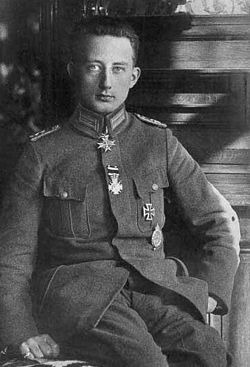
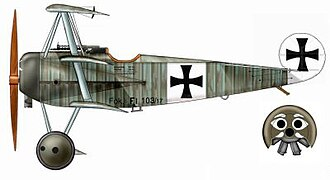
Werner Voss was an ace with 48 aerial victories. Voss would be given command of Jasta 10 on the 30th of July 1917 where he would first pilot the Fokker Dr.I. On the 23rd of September 1917 over West Flanders Voss would engage 8 British aces in his silver-blue painted Dr.1. During the fight Voss would score hits on nearly all of the British aces, however he would be shot down by Arthur Rhys-Davids. Another British ace involved in Voss’ last stand , James McCudden, would describe his actions during the fight as “A dazzling display of aerobatics and gunnery” and that he was “The bravest German airman”.
Boelcke's Fokker E.IV
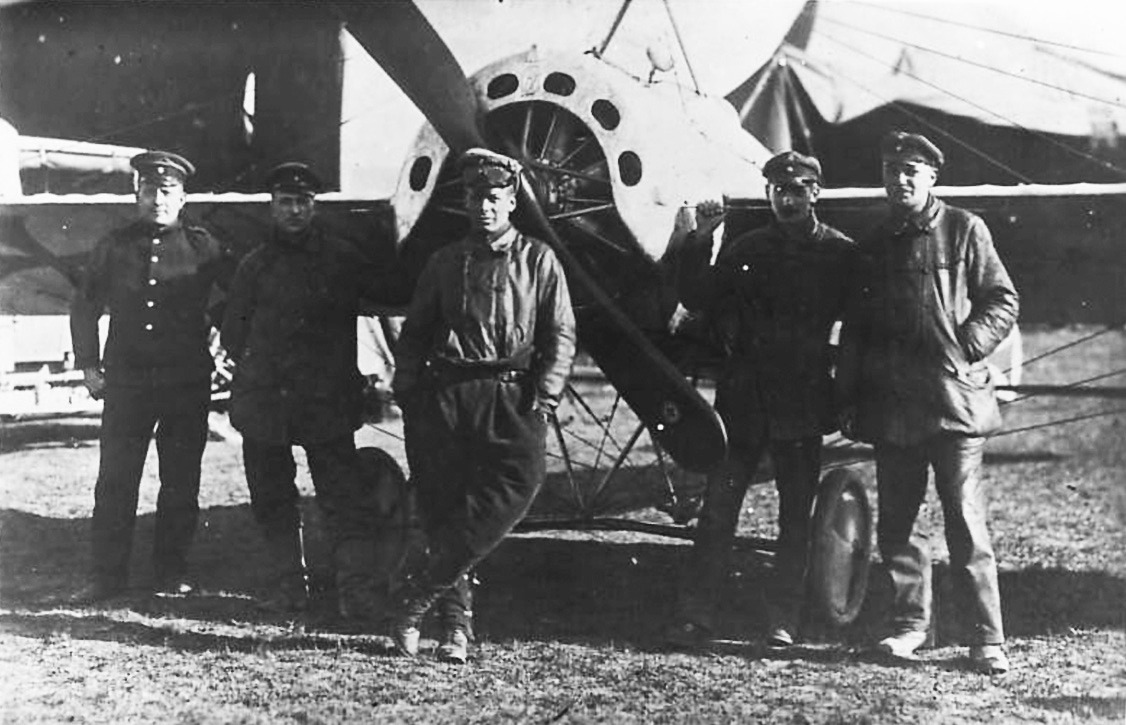
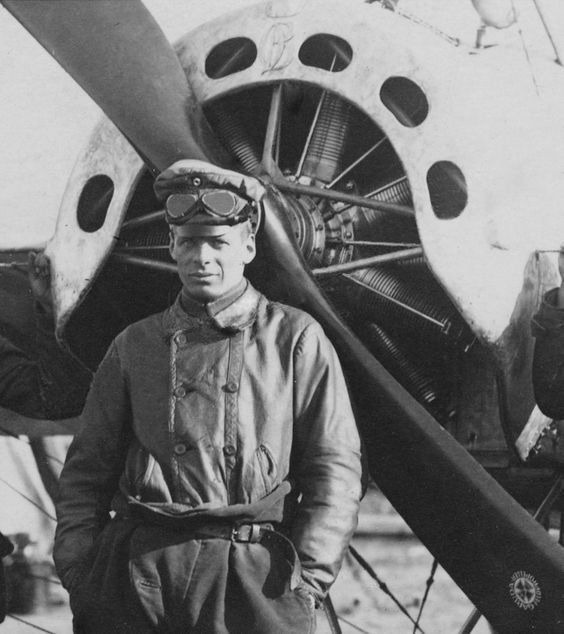
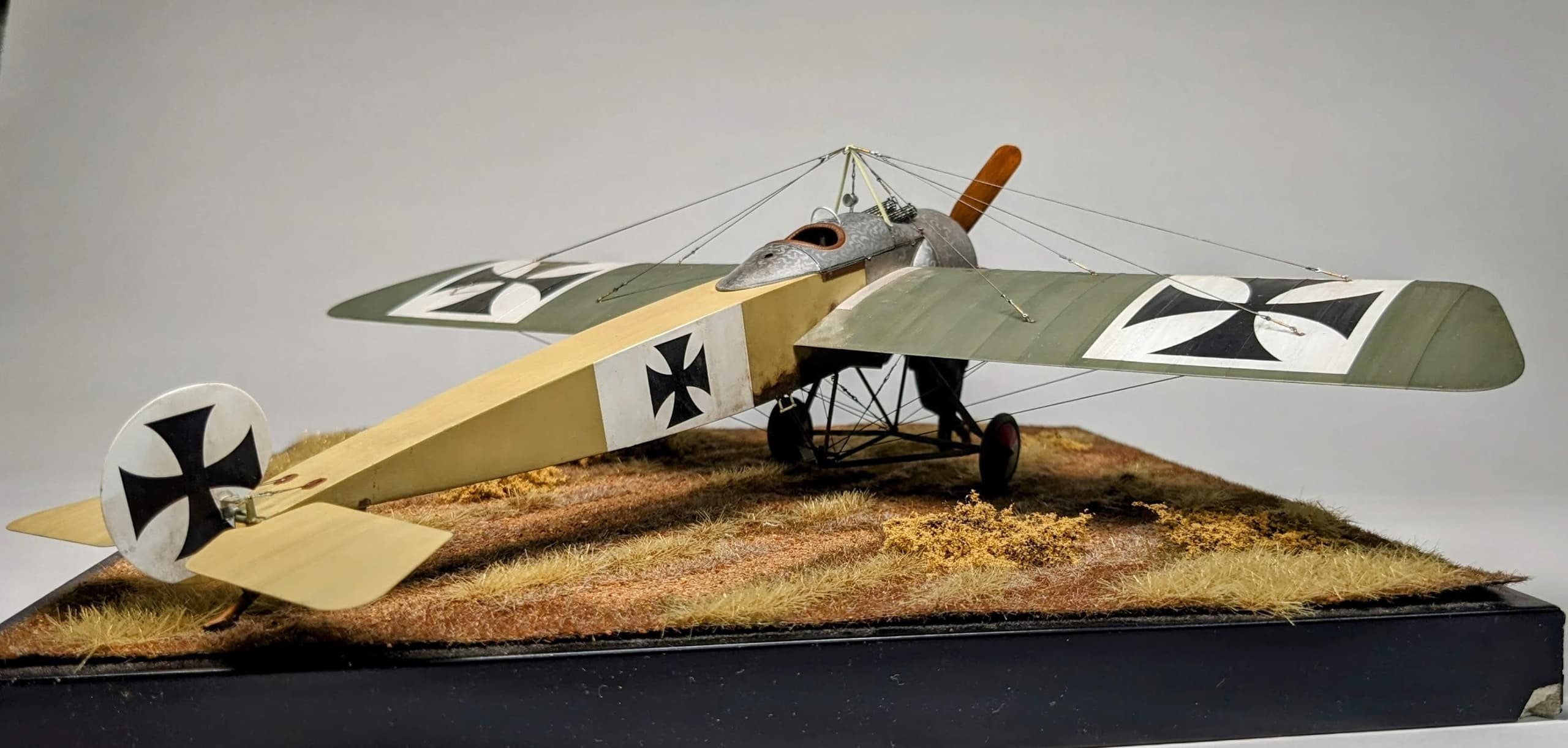
Oswald Boelcke’s Fokker E.IV is his E.IV which he used to pioneer the removal of the 3rd LMG 08/15 machine gun. Original plans for the Fokker E.IV called for a 3 gun setup but Boelcke removed the left side gun so that a simpler synchroniser could be installed for the remaining 2. After this Fokker decided to ditch the 3 gun setup and remove the middle gun for the final productions.
Hansa-Brandenburg W.33CK (msn.2538)
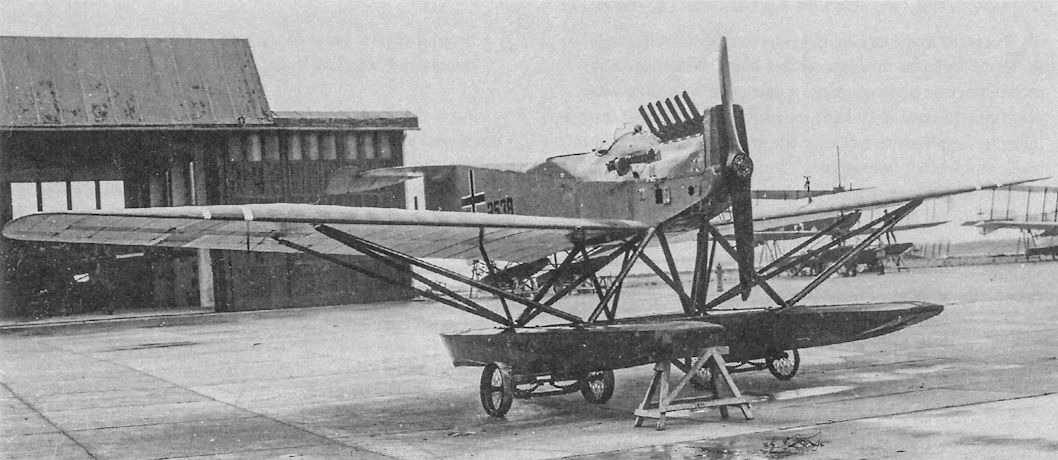
The Hansa-Brandenburg W.33CK (msn.2538) was a prototype variant of the W.33CK with an experimental armament of 2 x 7.92mm machine guns fixed forward and a 20mm Becker Type M2 cannon on a flexible mount in the rear cockpit. It was powered by the Maybach Mb.IVa engine producing 245hp giving it a top speed of 170kph.
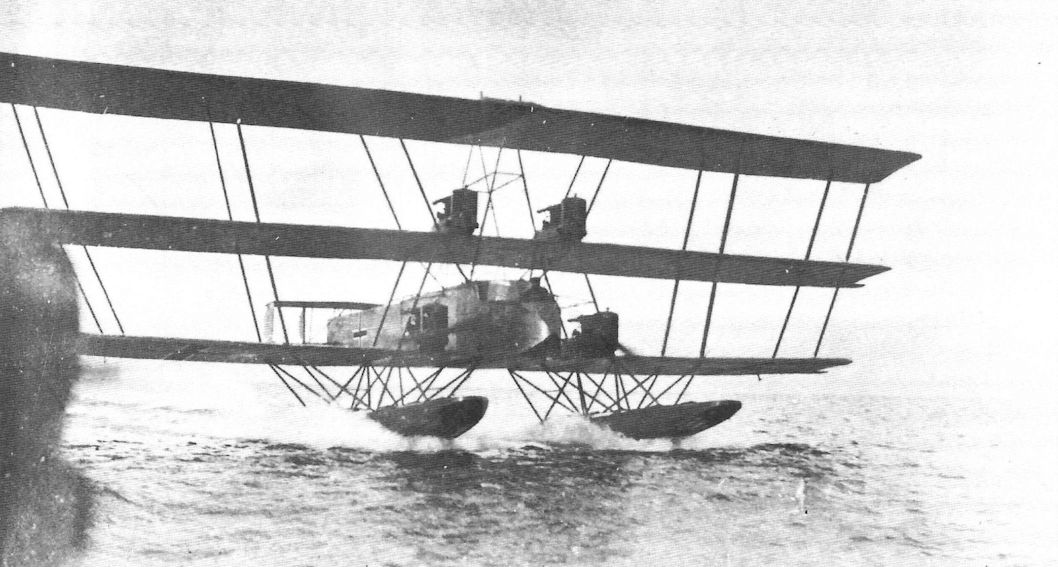
Friedrichshafen FF.54
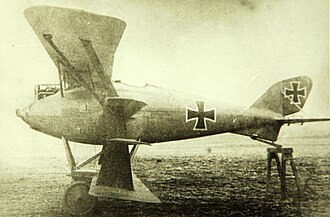
The Friedrichshafen FF.54 was an experimental quadruplane developed in 1917, the design was cancelled in 1918 after it was converted into a triplane and subsequently crashed. It was armed with a a pair of 7.92mm LMG 08/15 machine guns and was powered by the Mercedes D.IIIa straight-six engine producing 170hp. Top speed is unknown as no records are surviving with that information.
These are some of the aircraft I believe could work work if added to War Thunder. If you have any suggestions for other aircraft that could be added or ideas on how WW1 aircraft can be implemented feel free to comment below.
Although WW1 might not be a popular choice if added I believe it still has a place in a game as extensive as War Thunder, it’s such an important time period which shaped all aspects of military engagements, tactics, and doctrine to come that it definitely deserves a place in War Thunder.
- Yes
- No
- Option 1 - Replace reserve tier
- Option 2 - Rank 0
- Option 3 - Separate Tech Tree
- Your own idea/One I missed
- I said no
Sources
Wikipedia - Fokker E.III
Wikipedia - Fokker E.IV
Wikipedia - Fokker D.I
Fokker History - The Fokker D.III
Planes of Fame Air Museum - Fokker Dr.1 ‘Dreidecker’
Fokker History - The Fokker DV
RAF Museum - Fokker D.VII
Wikipedia - AEG C.II
Wikipedia - AEG J.I
Military Factory - Albatros C.I
The Aerodrome - Albatros C.III
Military Factory - Albatros J.I
Wikipedia - Albatros D.I
Military Factory - Albatros D.II
The Aerodrome - Albatros D.III
Wikipedia - Albatros Dr.I
Wikipedia - Albatros Dr.II
National Air and Space Museum - Albatros D.Va
The Aerodrome - Albatros D.II
Wikipedia - Halberstadt C.I
Wikipedia - Halberstadt C.III
Military Factory - Halberstadt CL.II
National Museum of the United States Air Force - Halberstadt CL IV
Wikipedia - DFW T.28 Floh
Wikipedia - Junker J.I
Wikipedia - Pfalz D.III
Wikipedia - Pfalz D.VIII
Military Factory - Rumpler D.I
The Aerodrome - L.F.G. Roland D.II
Wikipedia - Zeppelin L 30
Friedrichshafen FF.60
Their Flying Machines - Friedrichshafen FF34
Wikipedia - Zeppelin-Staaken R.VI
Aces Flying High - The Survivors: Imperial German A.E.G. G.IV Bomber
Wikipedia - Gotha G.IV
The Military Factor - Gotha G.V
The Aerodrome - Max Immelmann
The Aerodrome - Erwin Böhme
The Aerodrome - Manfred von Richthofen
The Aerodrome - Oswald Boelcke
The Aerodrome - Werner Voss