World War One is seen by many as the first modern war bringing in a new age of the ways wars are fought with a multitude of technological advancements such as chemical and automatic weapons, tanks, and most importantly for this suggestion combat aircraft. This suggestion is for the introduction of World War 1 aircraft to the Russian air tech tree.
The Russian Empire entered the war as part of the Triple Entente on the 1st of August 1914 and fought until the 15th of December 1917 following the Bolshevik Revolution and the Russian Civil War.
There’s a few ways in which WW1 aircraft could be added to the Russian tech tree:
Option 1 - Replacing reserve tier
The first idea would be to push everything in the tech tree up in rank and battle rating so that WW1 aircraft can fit with proper spacing for balancing. Whilst this could work it would have a few issues such as forcing new players to have to play through these aircraft whilst not being interested. It could also have problems with actually moving the existing tech tree around to accommodate the addition.
Option 2 - Rank 0
Similar to idea 1, this would have the addition of Rank 0 below the current start of the tech tree. It would be placed below reserve aircraft and be optional for players to research and play. It would have battle ratings from 0.0-0.7. I think this would be the most promising personally as again it would be completely optional as some players may not be interested in this era of aircraft. However a problem this would have is the battle ratings would be quite compressed as these aircraft would be limited to a 0.0-0.7 BR range as they are simply leagues behind even the worse reserve aircraft in-game.
Option 3 - Separate Tech Tree
This idea is similar to how Naval vehicles are split between Bluewater and Coastal. Whilst both share the same match maker they are in separate tech trees and thus require you to play the same type of vehicle to progress in that tree. With the slight change of a separate matchmakers this may be preferable for some as it could allow for less compression but with the caveat of making it harder to progress as the RP and SL cost would be far higher unless it would be changed to reflect the aircraft themselves.
With both options 1 and 2 there would be issues with the gap in capabilities between the late WW1 aircraft and current reserve aircraft, but I believe the answer to this problem would be to add more post 1918 and early interwar aircraft to minimise this gap.
Now onto the aircraft themselves, to show what aircraft could be added I have made a custom tech tree in the form of option 2 for the ease of view:
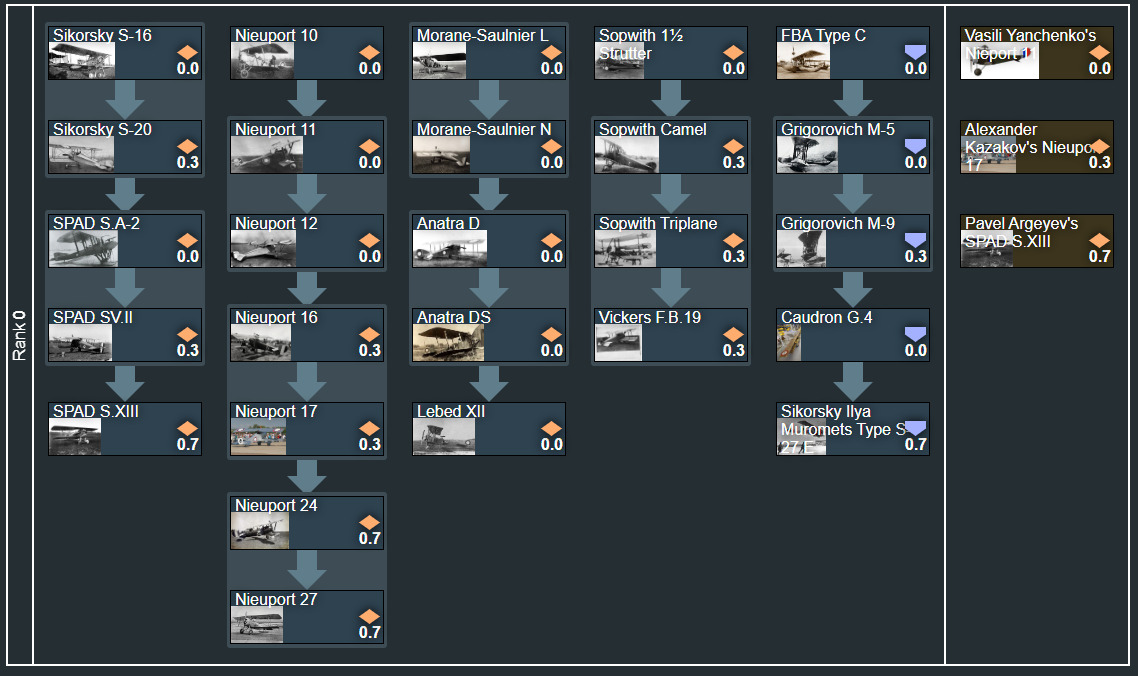
*Note the BR’s of the aircraft would be subject to change if ever implemented, they are simply a guess based on armament, top speed, and date of introduction.
Line 1
Sikorsky S-16
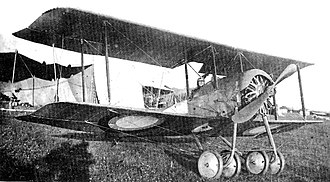
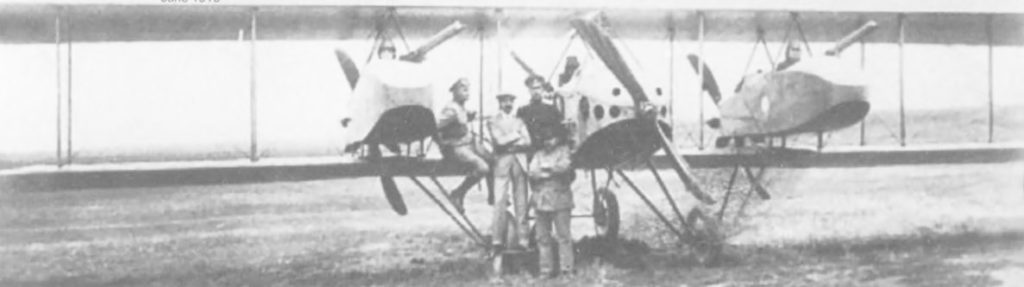
The Sikorsky S-16 was a twin-seat fighter built to provide an escort to the Ilya Muromets heavy bomber however due to it’s insufficient engine power it never saw widespread service with only a small batch finishing production. It was powered by the Le Rhône 9J 9-cylinder engine producing 100hp which gave it a top speed of 120kph. It was armed with either a single 7.7mm Lavrov machine gun or 7.7mm Vickers machine gun.
Sikorsky S-20
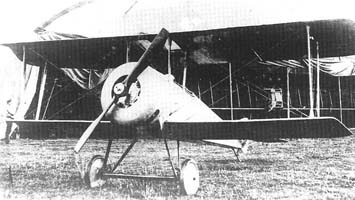
The Sikorsky S-20 was a single-seat fighter built in an attempt to improve on the earlier S-16 fighter however it would never go into serial production with only 5 ever being built. It was powered by the Le Rhône 9Jb 9-cylinder engine producing 120hp which gave it a top speed of 180kph. It was armed with a single 7.7mm Lavrov machine gun.
SPAD S.A-2
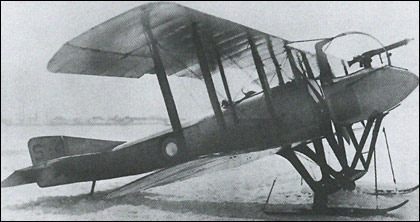
The SPAD S.A-2 was originally built by France but sold to Russia and used by the Russian Imperial Air Service. During the winter months they would be fitted with ski’s in order to take off and land on ice and snow runways. It was powered by the Le Rhône 9J 9-cylinder engine which produced 110hp which gave it a top speed of 140kph. It was armed with a single 7.7mm machine gun being either the Lewis, Colt, Hotchkiss, or Madsen.
SPAD S.VII
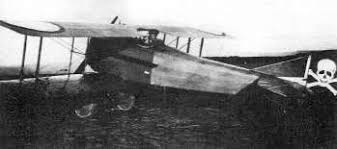
The SPAD S.VII was a single-seat fighter built by France and bought by Russia in 1917 and then produced under license by the Dux factory. It was powered by the Hispano-Suiza 8Aa V-8 engine with 150hp which gave it a top speed of 193kph. It was armed with a single 7.7mm Vickers machine gun.
SPAD S.XIII

The SPAD S.XIII was a single seat fighter built by France and bought by Russia in mid 1917. It was powered by the Hispano-Suiza 8Ba engine with 200hp which gave it a top speed of 211kph. It was armed with a pair of 7.7mm Vickers machine guns and could carry 4 x 11kg Cooper bombs.
Line 2
Nieuport 10
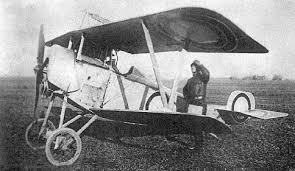
The Nieuport 10 was a French twin-seat fighter which was bought by Russia in late 1915 and then built under license. It was powered by the Le Rhône 9C 9-cylinder engine producing 80hp which gave it a top speed of 140kph. It was armed with either a 7.7mm Lewis gun or Hotchkiss gun mounted on the top wing.
Nieuport 11
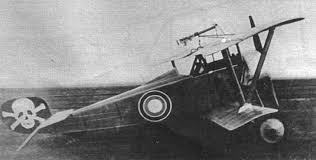
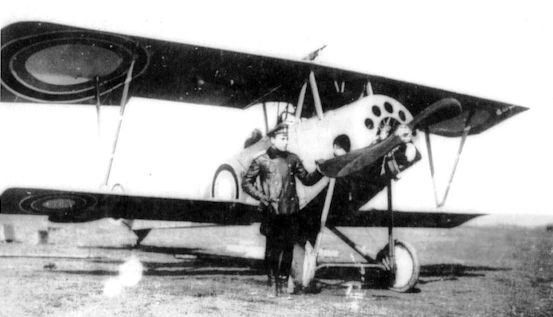
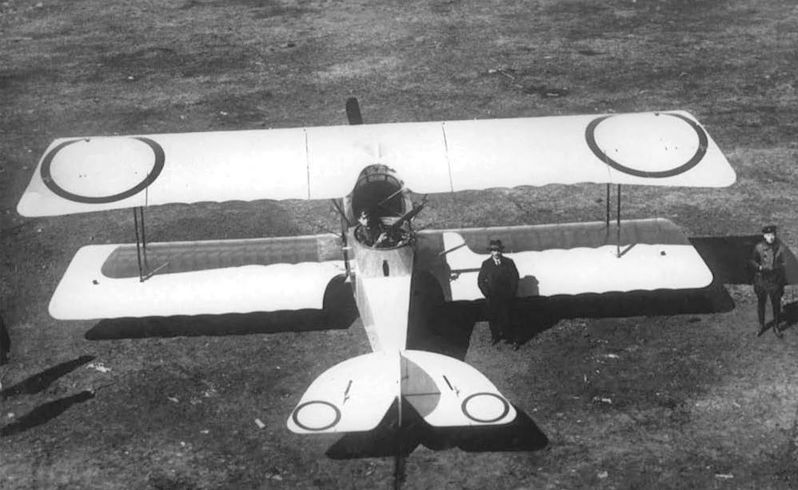
The Nieuport 11 was a single-seat fighter built by France and then purchased and built under license by Russia sometime in 1916. It was powered by the Le Rhône 9C 9-cylinder engine producing 80hp which gave it a top speed of 162kph. It was armed with either a 7.7mm Lewis gun or Hotchkiss gun.
Nieuport 12
The Nieuport 12 was a twin seat fighter/trainer developed from the Nieuport 10. It was powered by the Clerget 9Z 9-cylinder engine producing 110hp which gave it a top speed of 146kph. It was armed with a single 7.7mm Lewis gun in the rear cockpit but was seen on occasion with a second Lewis gun mounted on the top wing facing forward.
Nieuport 16
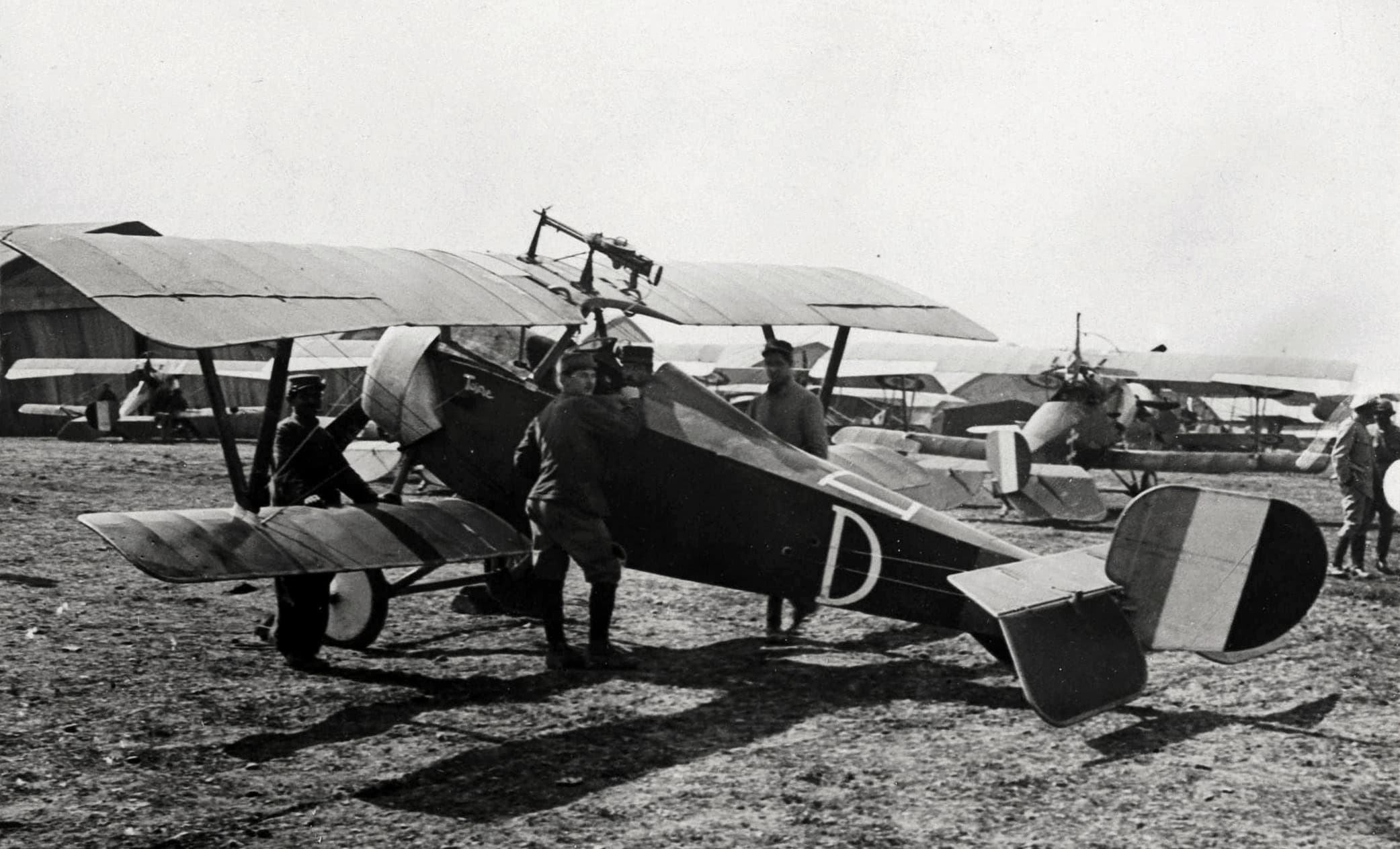
The Nieuport 16 was a single-seat fighter built by France and bought by Russia in around mid 1916. It was powered by the Le Rhône 9J 9-cylinder engine with 110hp which gave it a top speed of 165kph. It was armed with either the 7.7mm Lewis gun or Vickers machine gun.
Nieuport 17
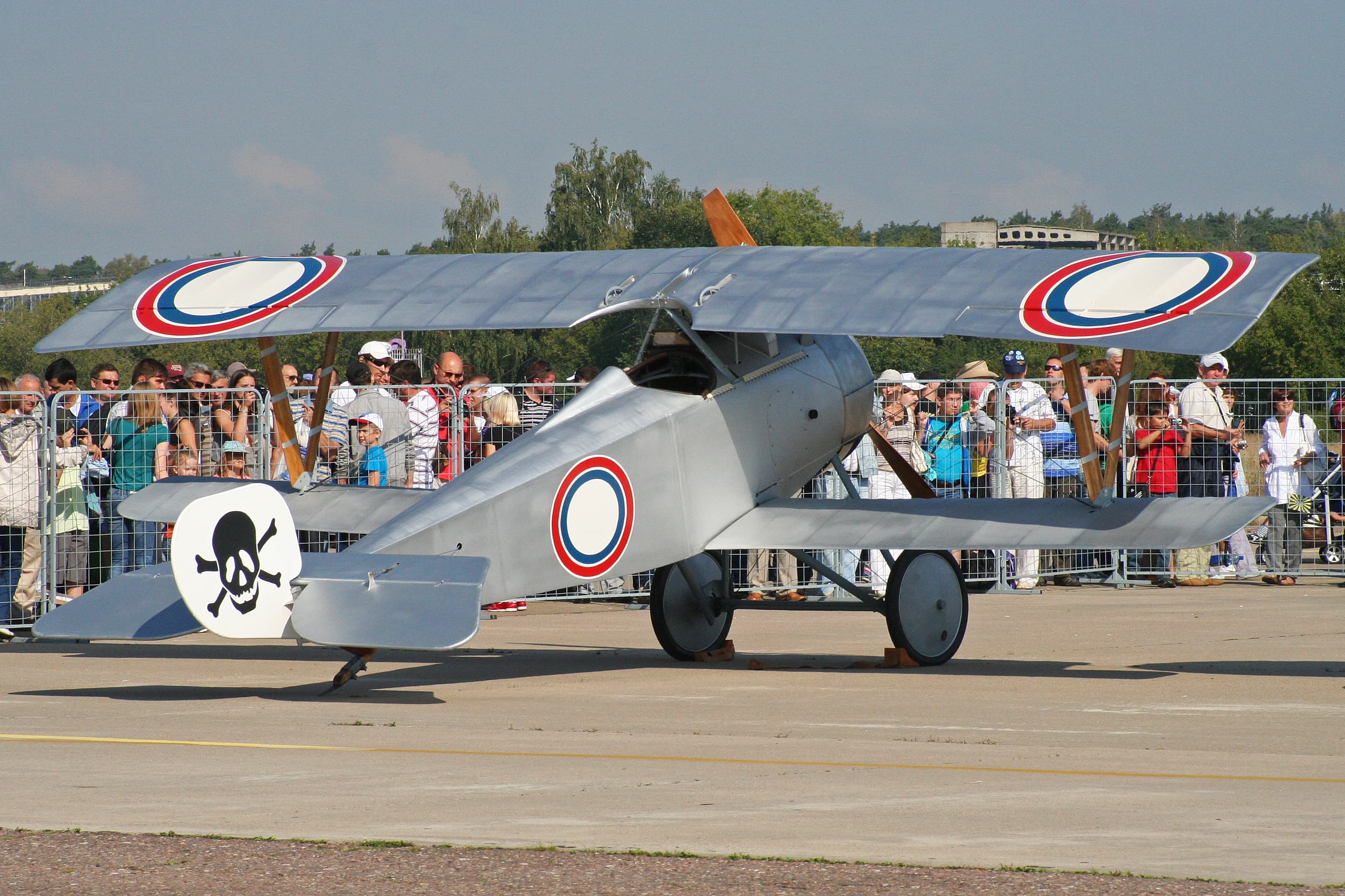
The Nieuport 17 was a single-seat fighter bought by Russia with a few built under license. It was powered by the Le Rhône 9Ja 9-cylinder engine with 110hp which gave it a top speed of 170kph. It was armed with a 7.7mm Vickers machine gun synchronised to fire through the propeller and could also be fitted with a 7.7mm Lewis gun mounted on the top of the wing.
Nieuport 24
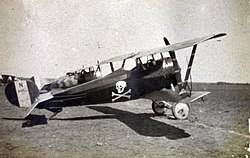
The Nieuport 24 was bought and built under license by Russia from early 1917. It was powered by the Le Rhône 9Jb engine with 130hp which gave it a top speed of 176kph. It was armed with a synchronised 7.7mm Vickers machine gun and an optional 7.7mm Lewis gun mounted on top of the wing.
Nieuport 27
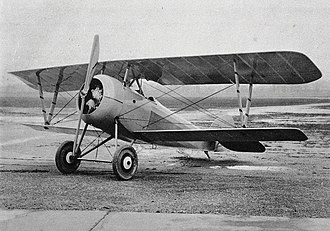
The Nieuport 27 was bought and used by both the White and Red Armies during the Russian Civil War and eventually in the Soviet Air Force after the Communist part took over. It was powered by the Le Rhône 9Jb engine with 130hp giving it a top speed of 172kph. It was armed with a synchronised 7.7mm Vickers machine gun and an optional 7.7mm Lewis gun mounted on top of the wing.
Line 3
Morane-Saulnier L
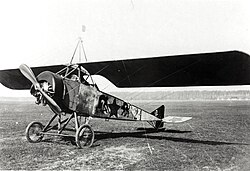
The Morane-Saulnier L was a single-seat fighter built by France and bought by Russia during the early stages of the war. They remained in service throughout the war and even stayed in use with the Soviet Air Force for a little bit. It was powered by the Le Rhône 9C 9-cylinder engine with 80hp which gave it a top speed of 125kph. It was armed with a single 7.7mm Lewis gun.
Morane-Saulnier N
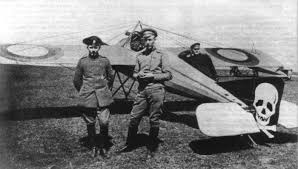
The Morane-Saulnier N was built by France in 1915 and bought by Russia shortly after. It was powered by the Le Rhône 9C 9-cylinder engine producing 90hp which gave it a top speed of 144kph. It was armed with either a single 7.7mm Vickers machine gun or Hotchkiss machine gun.
Anatra D
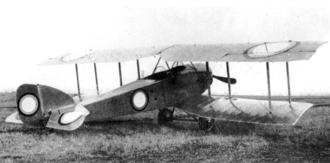
The Anatra D was a twin-seat reconnaissance aircraft which was one of the few domestic designs built by Russia during the war. It was powered by the Gnôme Monosoupape engine producing 100hp which gave it a top speed of 132kph. It was armed with either a single 7.7mm Vickers machine gun or 7.62mm Madsen machine gun in the observers cockpit and could carry up to 30kg of bombs.
Anatra DS
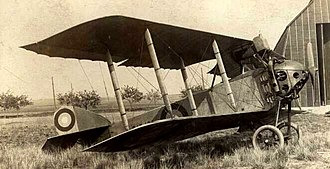
The Anatra DS was a continuation of the Anatra D. It featured a more powerful engine, the Salmson 9R radial engine which produced 150hp and gave it a top speed of 144kph. It was armed with a forward firing 7.7mm Vickers machine and and a 7.7mm Lewis gun in the observers cockpit. It could also carry up to 50kg of bombs.
Lebed XII
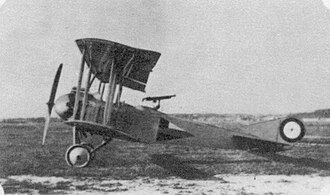
The Lebed XII was a twin-seat reconnaissance aircraft developed by Russia in 1915. It was powered by Salmson 9R radial engine which produced 150hp and gave it a top speed of 135kph and was armed with a single 7.7mm machine gun in the observers cockpit.
Line 4
Sopwith 1½ Strutter
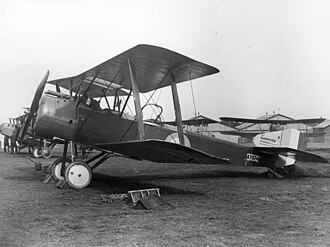
The Sopwith 1½ Strutter was built by Great Britain and bought by Russia with over 100 aircraft also built under license by the Duks and Lebedev factories. It was powered by the Clerget 9B 9-cylinder air cooled rotary piston engine generating 130hp which gave it a top speed of 160kph. It was fitted with a forward firing 7.7mm synchronised Vickers machine gun and a 7.7mm Lewis gun in the observers cockpit.
Sopwith Camel
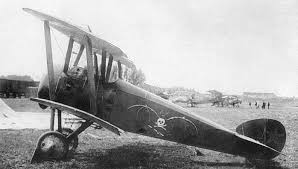
The Sopwith Camel was a British built fighter made in 1917. It was bought by the Russians and used during the Russian Civil War. It was powered by a Clerget 9B 9-cylinder air-cooled rotary piston engine with 130hp which gave it a top speed of 182kph and featured 2 forward facing 7.7mm Vickers machine guns.
Sopwith Triplane
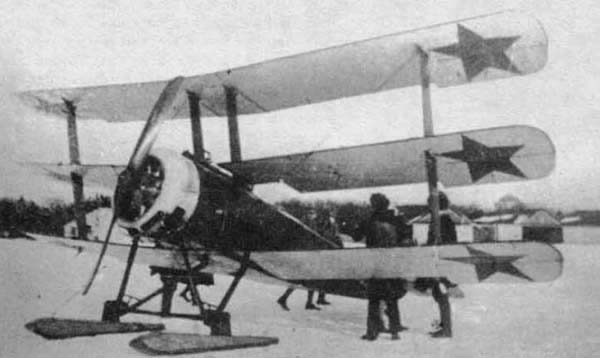
The Sopwith Triplane was a British fighter plane built in 1916. It was offered to Russia and a single unit was delivered for testing where it would be outfitted with skis in order to allow it to take off and land on ice and snow runways. It was powered by the Clerget 9B 9-cylinder air-cooled rotary piston engine with 130hp. It had a top speed of 188kph and was armed with a single 7.7mm Vickers machine gun.
Vickers F.B.19
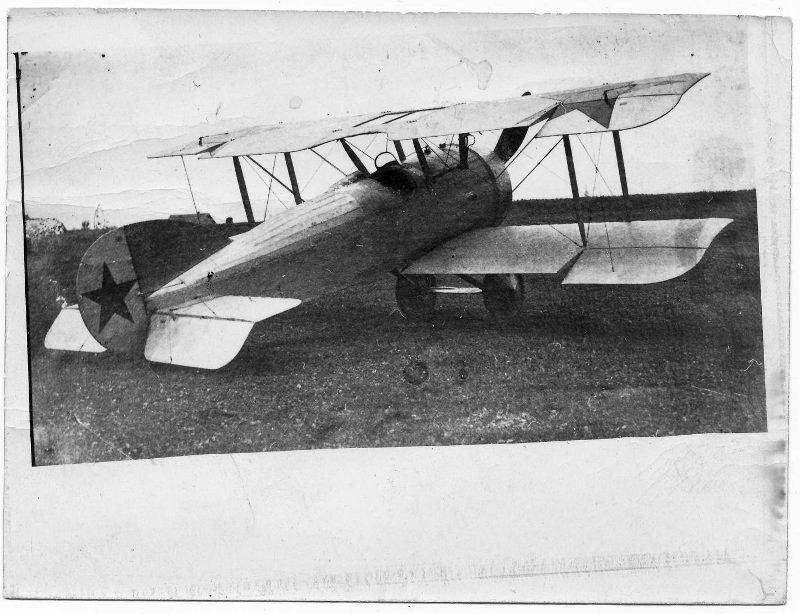
The Vickers F.B.19 was a British built fighter which found more favour in Russian service. It was armed with a single 7.7mm Vickers machine gun and powered by 130hp Clerget engine giving it a top speed of 164kph.
Line 5
FBA Type C
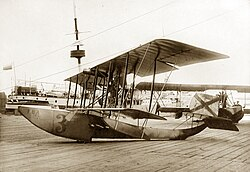
The FBA Type C was a reconnaissance flying boat built by France and sold to Russia before the start of the war and served with the Imperial Russian Air Service and the Imperial Russian Navy. It was powered by the Clerget 9B 9-cylinder engine producing 130hp giving it a top speed of 110kph. It was armed with a single 7.7mm machine gun and could carry 2 x 11kg bombs.
Grigorovich M-5
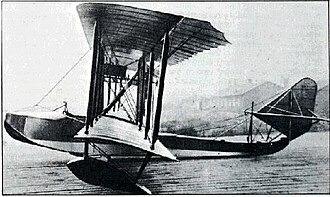
The Grigorovich M-5 was a flying boat which entered service in 1915. It was powered by the Gnome Monosoupape 9 Type B-2 9-cylinder engine producing 101hp which gave it a top speed of 105kph. It was armed with a single 7.7mm Vickers machine gun and
Grigorovich M-9
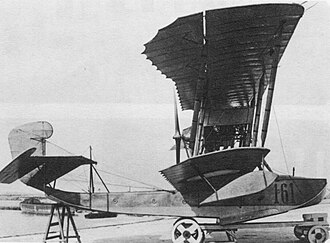
The Grigorovich M-9 was a flying boat bomber that entered service at the start of 1916. It was armed with the Salmson P9 9-cylinder engine producing 150hp which gave it a top speed of 110kph. It was armed with either 1 x 7.7mm machine gun, 1 x 7.5mm machine gun, 1 x 20mm cannon or 1 x 37mm cannon and up to 100kg of bombs or flechettes.
Caudron G.4
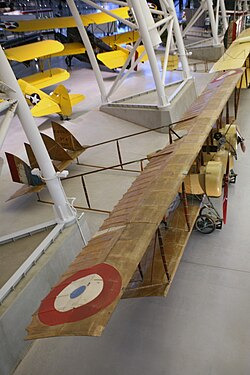
The Caudron G.4 was a French twin-engine bomber bought by Russia from 1915. It was powered by a pair of Le Rhône 9C 9-cylinder engines producing 80hp each which gave it a top speed of 124kph. it was armed with a single 7.7mm machine gun and up to 115kg of various bombs.
Sikorsky Ilya Muromets Type S-27 E
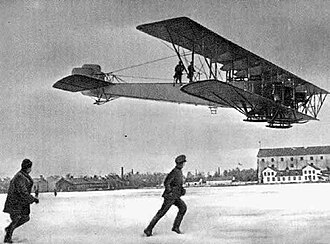
The Sikorsky Ilya Muromets (named after a hero in Slavic Mythology) was a 4-engine heavy bomber which saw service throughout the war. It was powered by 4 x Renault 12F V-12 water-cooled piston engines producing 220hp per engine giving it a top speed of 130hph. It was armed with 8 x 7.7mm machine guns and up to 800kg of bombs.
Premiums
Vasili Yanchenko's Nieport 11
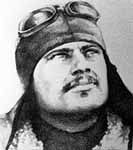
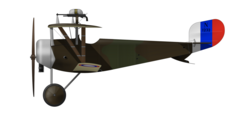
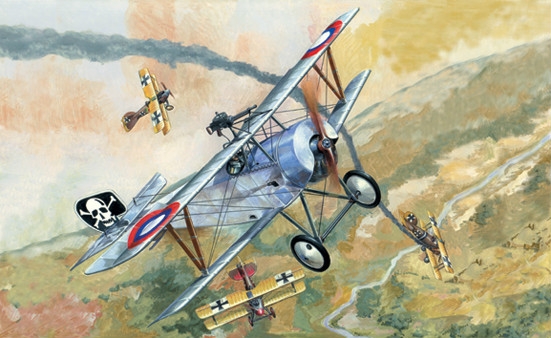
Vasili Yanchenko was a flying ace with 16 confirmed aerial victories. He most notably flew the Nieuport 11 in which he would score 11 out of 16 of his confirmed victories. He would fly during the Russian Civil War for the White Army. After their defeat he would make his way to the United States and become a design engineer whilst living in New York. After his retirement he would move to Florida where he would pass in 1959.
Alexander Kazakov's Nieuport 17
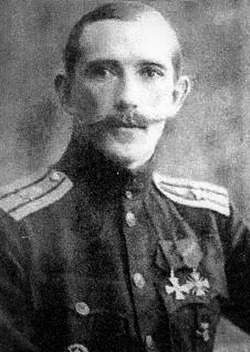
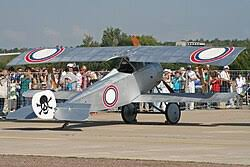
Alexander Kazakov was Russia’s top fighter ace during the war with 20 confirmed aerial victories. He would fly his Nieuport 17 from 1915 to 1918 where he would resign after the Bolshevik Revolution. Later that year he would become a major in the Royal Air Force until he died in a plane crash during an air show on the 1st of August 1919 whilst trying to boost the morale of the Russian anti-Bolshevik troops in attendance. Most witnesses of the crash believed the crash was no accident and that Kazakov intentionally crashed his plane.
Pavel Argeyev's SPAD S.XIII
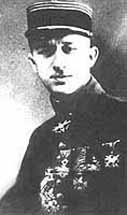
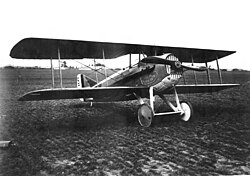
Pavel Argeyev was Russia’s 3rd highest scoring ace with 15 confirmed aerial victories. He scored 9 of his 15 victories whilst flying his SPAD S.XIII between the 1st of June 1918 and the 30th of October 1918 but in service of France due to the hostilities from the Bolsheviks against Tsar officers. After WW1 and the rise of the Soviet Union he would become a test pilot however he would die in a crash on the 30th of October 1922 whilst flying a prototype Potez aircraft over Czechoslavakia.
These were the aircraft I though would be the most suitable to be added into War Thunder. If you have any suggestions for other aircraft that could fit then please feel free to reply below.
I believe that WW1 aviation should be represented in-game as it’s the very beginning of combat aircraft. It might not be fun or interesting for everyone but it’s certainly something I would love to see.
- Yes
- No
- Option 1 - Replace reserve tier
- Option 2 - Rank 0
- Option 3 - Separate Tech Tree
- Your own idea/One I missed
- I said no
Sources
The Aviation History Online Museum - Sikorsky S-16
Wikipedia - Sikorsky S-20
Military Matters - SPAD S.A
Their Flying Machines - SPAD S.VII
Military Factory - SPAD S.XIII
Wikipedia - Nieuport 10
Wikipedia - Nieuport 11
The Aerodrome - Nieuport 12
The Aerodrome - Nieuport 16
Their Flying Machines - Nieuport 17
Wikipedia - Nieuport 24
Military Factory - Nieuport 27
The Aerodrome - Morane-Saulnier L
Wikipedia - Morane-Saulnier N
Wikipedia - Anatra D
The Aerodrome - Anatra DS
Wikipedia - Lebed XII
Their Flying Machines - Sopwith 1½ Strutter
Their Flying Machines - Sopwith Camel
Wikipedia - Sopwith Triplane
Aviastar - Vickers F.B.19
Wikipedia - FBA Type A B C
Naval Encyclopedia - Grigorovitch M5
Bromley Historical Times - Grigorovich M-9
National Air and Space Museum - Caudron G.4
Sikorsky Archives - Sikorsky Ilya Muromets
The Aerodrome - Vasili Yanchenko
Wikipedia - Alexander Kazakov
The Aerodrome - Pavel Argeyev