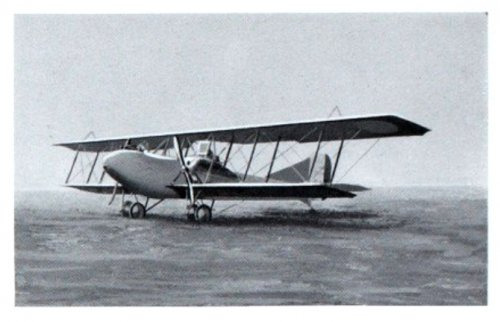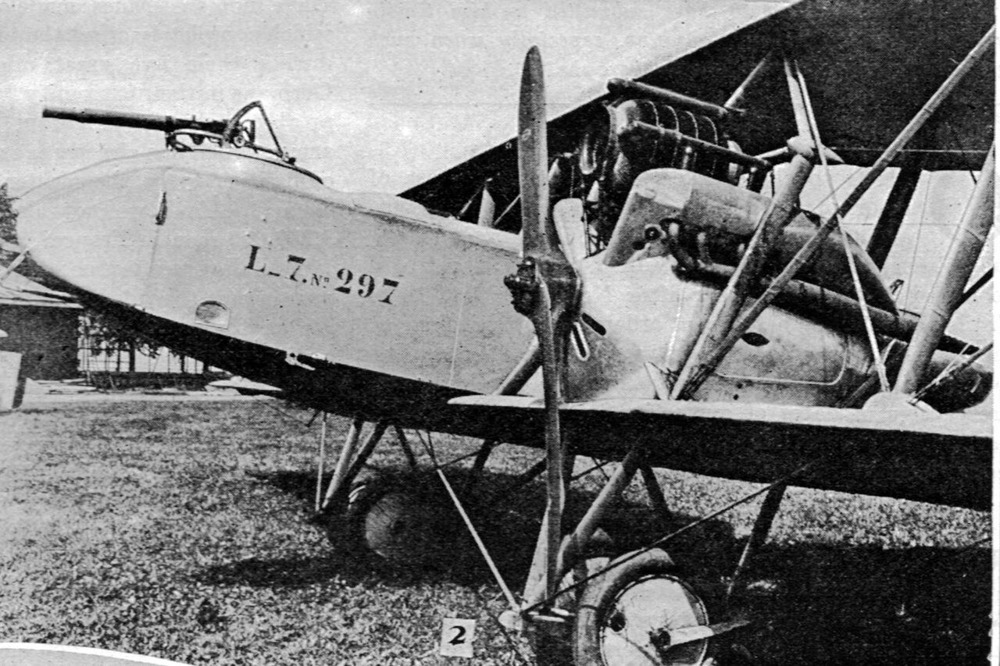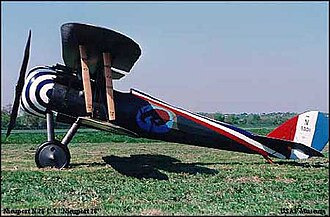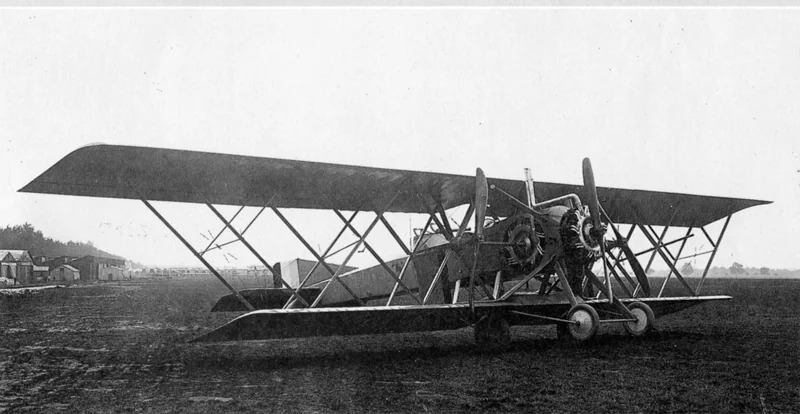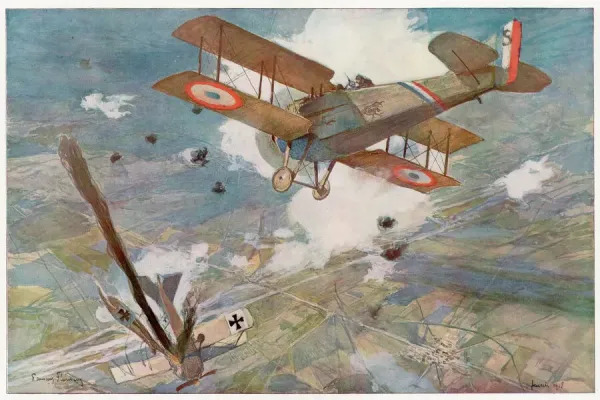
World War One is seen as the first modern war, consuming the majority of mainland Europe it raged on from 1914 to 1918. With it bringing new technologies that would change how battles and wars would be fought forever. One such technology was the development of combat aircraft and aerial warfare. This is a suggestion for the introduction of WW1 aircraft to the French air tech tree.
There a a few ways in which this expansion could be added:
Option 1 - Replacing Reserve Tier
Option 1 would be to push everything in the tech tree up in rank and battle rating so that WW1 aircraft can fit with proper spacing for balancing. Whilst this could work it would have a few issues such as forcing new players to have to play through these aircraft whilst not being interested. It could also have problems with actually moving the existing tech tree around to accommodate the addition.
Option 2 - Rank 0
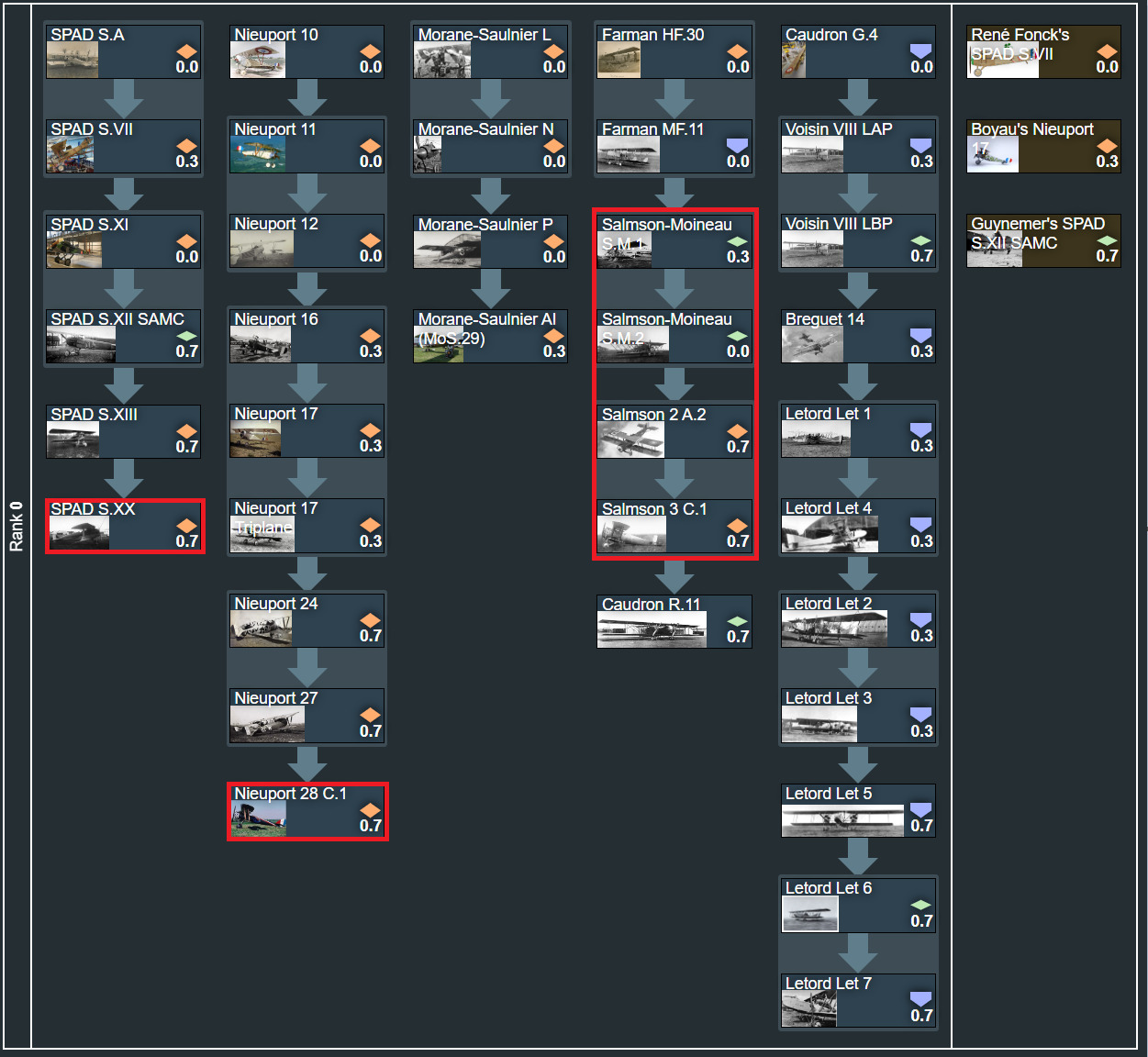
Similar to option 1, this would have the addition of Rank 0 below the current start of the tech tree. It would be placed below reserve aircraft and be optional for players to research and play. It would have battle ratings from 0.0-0.7. I think this would be the most promising personally as again it would be completely optional as some players may not be interested in this era of aircraft. However a problem this would have is the battle ratings would be quite compressed as these aircraft would be limited to a 0.0-0.7 BR range as they are simply leagues behind even the worse reserve aircraft in-game. But this could be solved by adding 1919 and more interwar aircraft to bridge the gap in capabilities.
Option 3 - Separate Tech Tree
This option is similar to how Naval vehicles are split between Bluewater and Coastal. Whilst both share the same match maker they are in separate tech trees and thus require you to play the same type of vehicle to progress in that tree. With the slight change of a separate matchmakers this may be preferable for some as it could allow for less compression but with the caveat of making it harder to progress as the RP and SL cost would be far higher unless it would be changed to reflect the aircraft themselves.
Now for the aircraft themselves. France was one of the major users of aircraft during the war and developed many great designs such as the SPAD and Nieuport series of aircraft. I have compiled a list of aircraft I think would be most suitable to be added, I have done this in the form of Option 2 - Rank 0 for ease of view:

(Note all BR’s are just guesses based off of armament, top speed, and the date of when it was in service. If this suggestion was ever to be implemented in-game in this way then BR’s would almost certainly be different.)
Line 1
SPAD S.A
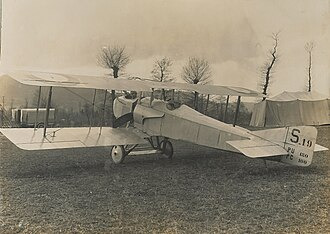
The SPAD S.A was a twin-seat fighter which first saw service in 1915. It was powered by the Le Rhône 9J 9-cylinder rotary engine with 110hp which gave it a top speed of 140kph. It was armed with a single 7.7mm light machine gun of various types such as the Lewis gun, Colt M1895, and Hotchkiss M1909.
SPAD S.VII
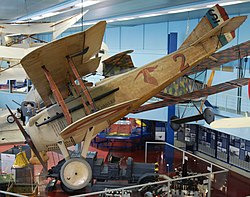
The SPAD S.VII was the first of the SPAD series to be a dedicated fighter. It was introduced in August of 1916. It was powered by the Hispano-Suiza 8Aa V-8 engine with 150hp which gave it a top speed of 193kph. It was armed with a single 7.7mm Vickers machine gun.
SPAD S.XI
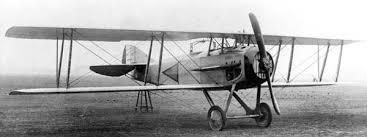
The SPAD S.XI was a twin seat fighter/reconnaissance aircraft. It was powered by the Hispano-Suiza 8Bc V-8 engine with 220hp which gave it a top speed of 180kph. It was armed with 1 forward firing 7.7mm Vickers machine gun and 1 7.7mm Lewis gun in the observers seat.
SPAD S.XII SAMC
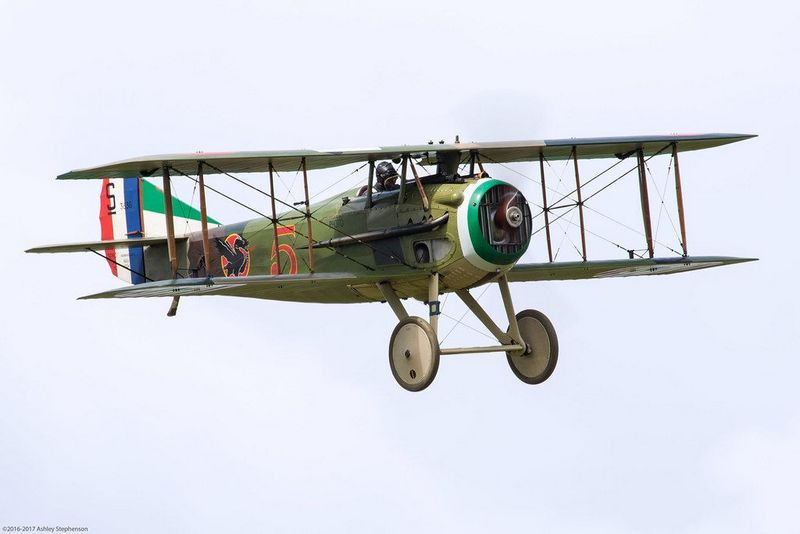
The SPAD S.XII was a single seat fighter introduced in mid 1917. It’s notable for being armed with the 37mm Puteaux Semi Automatique Moteur Canon (SAMC) and a single 7.7mm Vickers machine gun. It was powered by the Hispano-Suiza 8Cb V-8 engine with 220hp which gave it a top speed of 203kph.
SPAD S.XIII
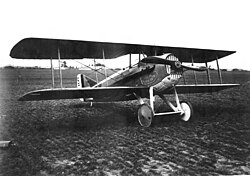
The SPAD S.XIII was introduced in mid 1917. It was powered by the Hispano-Suiza 8Ba engine with 200hp which gave it a top speed of 211kph. It was armed with a pair of 7.7mm Vickers machine guns and could carry 4 x 11kg Cooper bombs.
SPAD S.XX
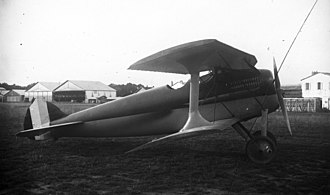
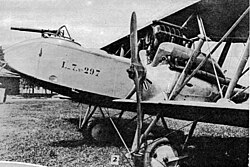
The SPAD S.XX was a twin-seat fighter built in 1918 but entered service just after the end of the war. It was powered by the Hispano-Suiza 8Fb producing 300hp giving it a top speed of 217kph. It was armed with a 2 x forward firing 7.7mm Vickers machine guns and single 7.7mm Lewis gun in the rear.
Line 2
Nieuport 10
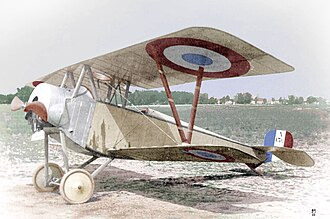
The Nieuport 10 was a single seat fighter introduced in 1915. It was powered by the Le Rhône 9C 9-cylinder engine producing 80hp which gave it a top speed of 140kph. It was armed with either a 7.7mm Lewis gun or Hotchkiss gun mounted on the top wing.
Nieuport 11
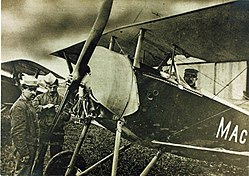
The Nieuport 11 was introduced in early 1916. It was powered by the Le Rhône 9C 9-cylinder engine producing 80hp which gave it a top speed of 162kph. It was armed with either a 7.7mm Lewis gun or Hotchkiss gun and 8 Le Prieur air to air rockets used for shooting down observation balloons.
Nieuport 12
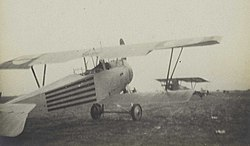
The Nieuport 12 was a twin seat fighter/trainer developed from the Nieuport 10. It was powered by the Clerget 9Z 9-cylinder engine producing 110hp which gave it a top speed of 146kph. It was armed with a single 7.7mm Lewis gun in the rear cockpit but was seen on occasion with a second Lewis gun mounted on the top wing facing forward.
Nieuport 16
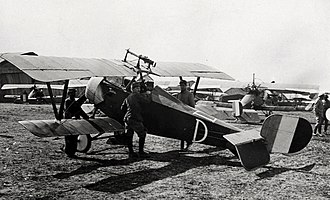
The Nieuport 16 was a development of the Nieuport 11 and was introduced in March 1916. It was powered by the Le Rhône 9J 9-cylinder engine with 110hp which gave it a top speed of 165kph. It was armed with either the 7.7mm Lewis gun or Vickers machine gun and could carry 8 La Prieur air to air rockets.
Nieuport 17
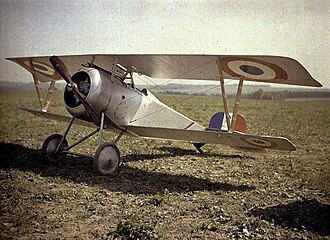
The Nieuport 17 was a further development of the Nieuport 11. It was powered by the Le Rhône 9Ja 9-cylinder engine with 110hp which gave it a top speed of 170kph. It was armed with a 7.7mm Vickers machine gun synchronised to fire through the propeller and could also be fitted with a 7.7mm Lewis gun mounted on the top of the wing. It could also carry 8 La Prieur rockets.
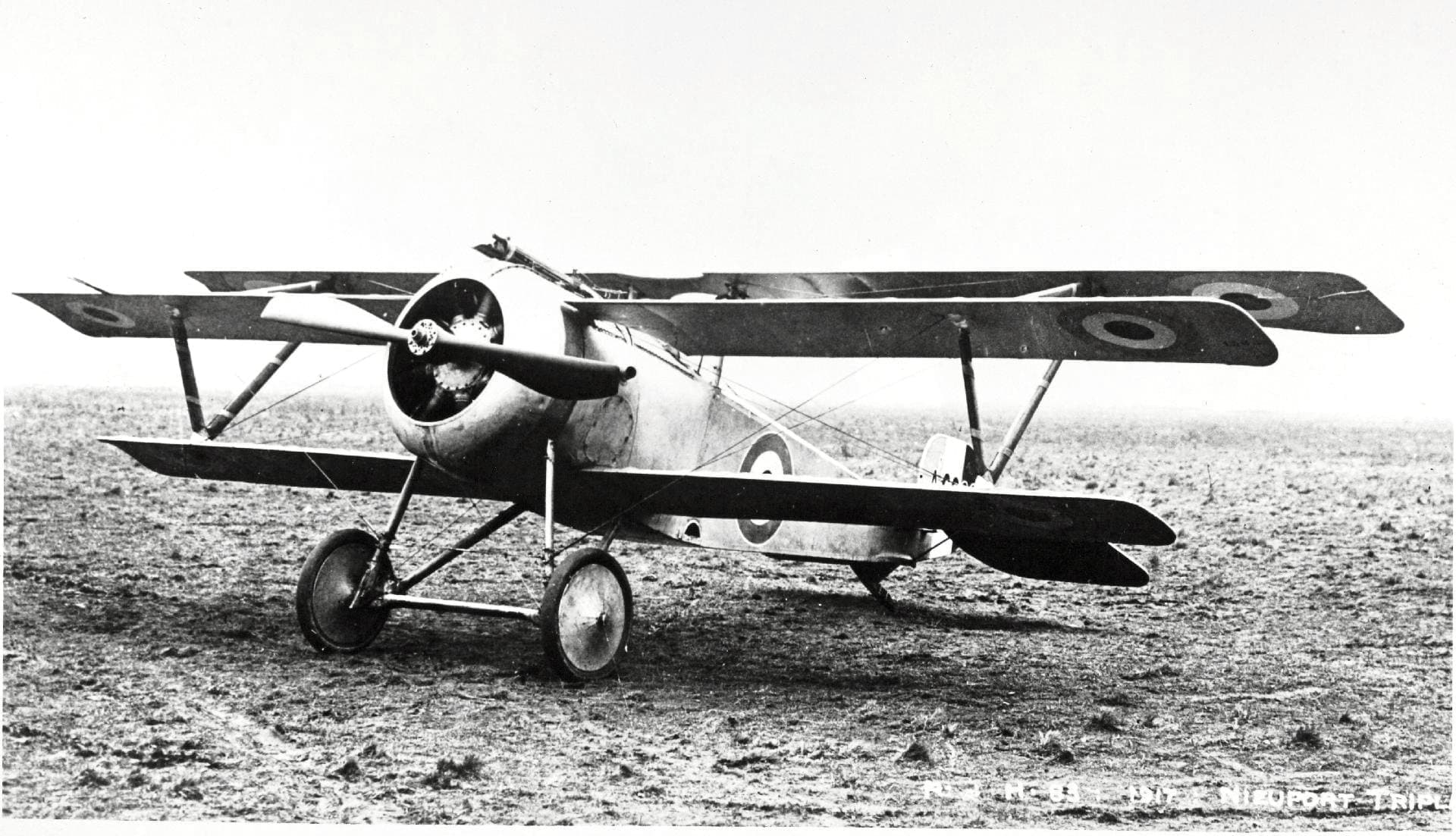
Nieuport 17 Triplane
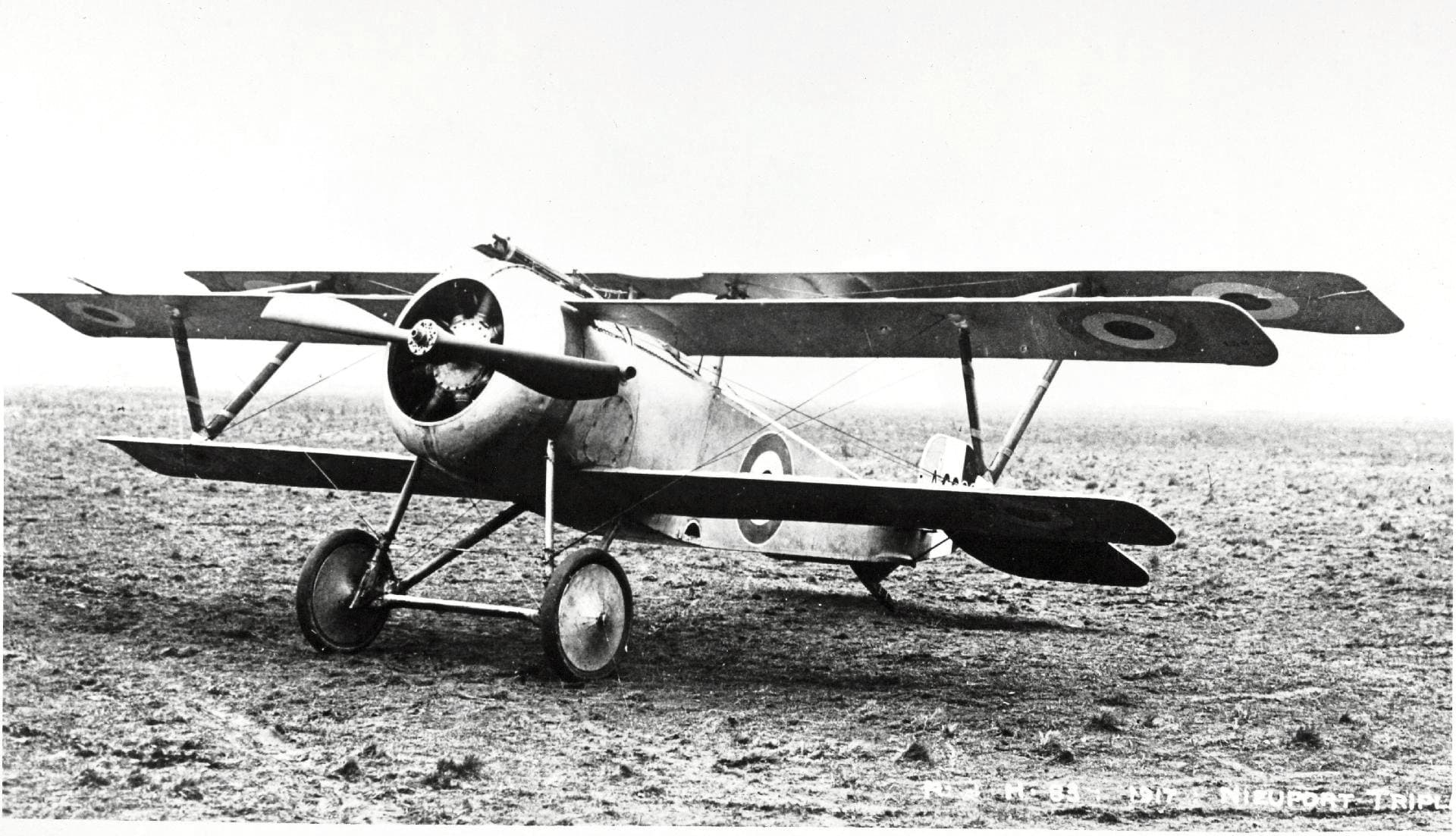
The Nieuport 17 Triplane was an experimental triplane variant of the Nieuport 17 fighter that was being trialled by France and then later trialled by the British Royal Flying Corps. It was powered by the Le Rhône 9J engine producing 110hp giving it a top speed of 176kph and was armed with a single 7.7mm Lewis gun.
Nieuport 24
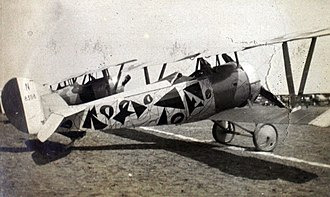
The Nieuport 24 was a development of the Nieuport 17 and was introduced in early 1917. It was powered by the Le Rhône 9Jb engine with 130hp which gave it a top speed of 176kph. It was armed with a synchronised 7.7mm Vickers machine gun and an optional 7.7mm Lewis gun mounted on top of the wing.
Nieuport 27
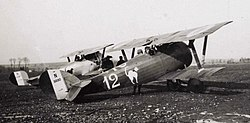
The Nieuport 27 was the last of the Nieuport series built for the war. It was powered by the Le Rhône 9Jb engine with 130hp giving it a top speed of 172kph. It was armed with a synchronised 7.7mm Vickers machine gun and an optional 7.7mm Lewis gun mounted on top of the wing.
Nieuport 28 C.1
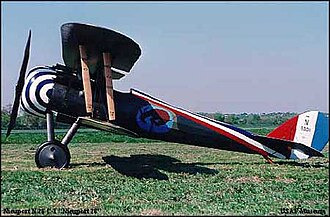
The Nieuport 28 C.1 was a single seat fighter that entered service in March of 1918. It was powered by the Gnome Monosoupape 9N engine producing 160hp which gave it a top speed of 196kph. It was armed with a pair of 7.7mm Vickers machine guns.
Line 3
Moraine-Saulnier L
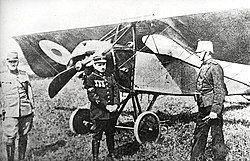
The Morain-Saulnier L was a single seat fighter introduced in 1914. It was powered by the Le Rhône 9C 9-cylinder engine with 80hp which gave it a top speed of 125kph. It was armed with a single 7.7mm Lewis gun.
Moraine-Saulnier N
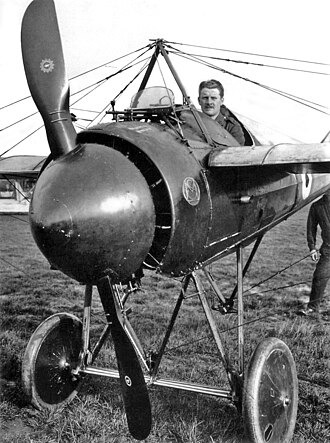
The Moraine-Saulnier N was a monoplane fighter that entered service in 1915. It was powered by the Le Rhône 9C 9-cylinder engine producing 90hp which gave it a top speed of 144kph. It was armed with either a single 7.7mm Vickers machine gun or Hotchkiss machine gun.
Moraine-Saulnier P
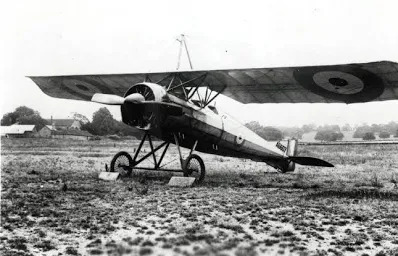
The Moraine-Saulnier P was a twin seat fighter primarily used for reconnaissance flights. It was powered by the Le Rhône 9J 9-cylinder engine producing 110hp which gave it a top speed of 156kph. It was armed with either 1 x 7.7mm Vickers machine gun and 1 x 7.7mm Lewis guns or with 2 x 7.7mm Lewis guns.
Moraine-Saulnier AI (MoS.29
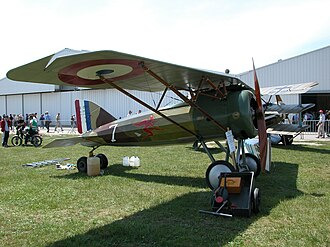
The Moraine-Saulnier AI was a single seat fighter developed of the previous Moraine-Saulnier designs. It was powered by the Gnome Monosoupape 9N engine producing 150hp which gave it a top speed of 225kph. It was armed with a single 7.7mm Vickers machine gun.
Line 4
Farman HF 30
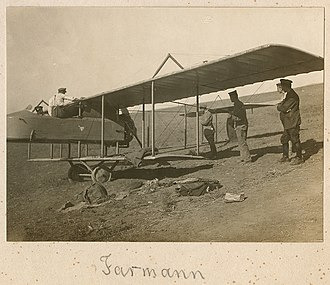
The Farman HF 30 was a twin seat fighter introduced in 1915. It was powered by the Canton Unné X-9 9-cylinder engine with 160hp. It was armed with either the 7.62mm Colt, Hotchkiss, or Maxim machine guns.
Farman MF 11
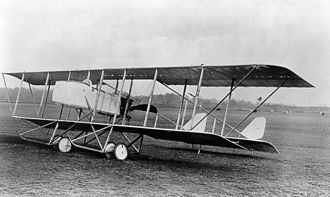
The Farman MF 11 was a reconnaissance/light bomber introduced in May 1914. It was powered by the Renault 80hp engine which gave it a top speed of 116kph. It was armed with a single 7.7mm machine gun and various small yield bombs.
Salmson-Moineau S.M.1
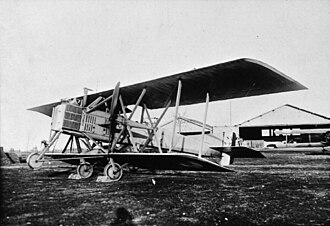
The Salmson-Moineau S.M.1 was a 3-seat long range reconnaissance aircraft that entered service in 1916. It was powered by the Salmson 9A2c engine producing 240hp giving it a top speed of 135kph. It was armed with 2 x 37mm APX cannons, one of a forward flexible mount and one in the rear.
Salmson-Moineau S.M.2
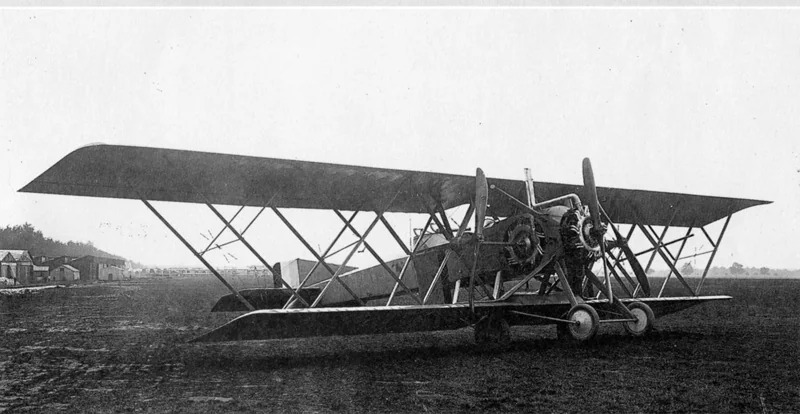
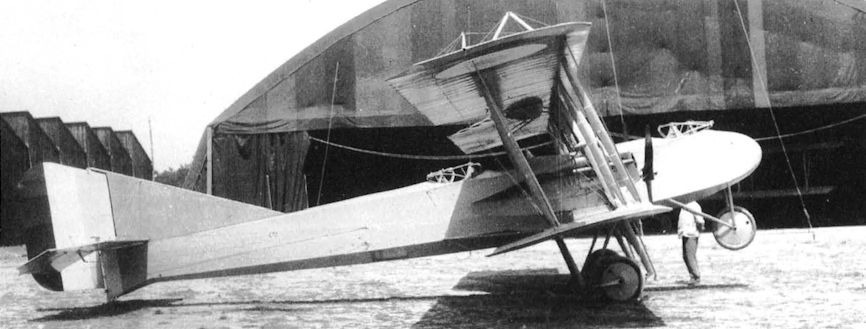
The Salmson-Moineau S.M.2 was a modified version of the S.M.1 but featured a second Salmson 9A2c engine fitted in the front of the fuselage replacing the forward gunner seat to drive a propeller mounted to the front. Due to the weight of the second engine it’s performance gained by it’s addition was negligible with it’s top speed now being somewhere around 140kph. Due to the front gunner being removed it’s armament consisted of a single 37mm APX cannon in the rear.
Salmson 2 A.2
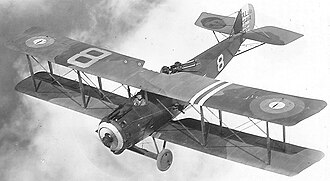
The Salmson 2 A.2 was a twin-seat fighter that entered service in 1917. It was powered by the Salmson 9Za engine producing 231hp which gave it a top speed of 188kph. It was armed with a forward firing 7.7mm Vickers machine gun and a pair of 7.7mm Vickers machine guns in a ring mount in the rear.
Salmson 3 C.1
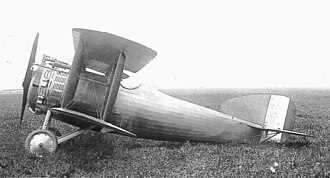
The Salmson 3 C.1 was a prototype single seat fighter based on the twin seat Salmson 2 A.2. 1 unit was built but it lost to the SPAD X.III and Moraine-Saulnier AI. It was powered by the Salmson 9Zm engine producing 260hp which gave it a top speed of 215kph. It was armed with a pair of 7.7mm Vickers machine guns.
Caudron R 11
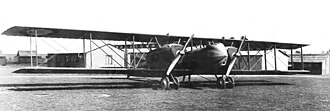
The Caudron R 11 was a long range heavy fighter introduced in mid 1918. It was powered by a pair of Hispano-Suiza 8Bda V-8 engines producing 215hp each which gave it a top speed of 190kph. It was armed with 5 x 7.7mm Lewis machine guns and could also carry up to 129kg of bombs.
Line 5
Caudron G.4
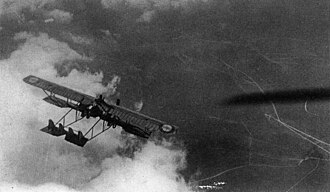
The Caudron G.4 was a twin-engine bomber that entered service in 1915. It was powered by a pair of Le Rhône 9C 9-cylinder engines producing 80hp each which gave it a top speed of 124kph. it was armed with a single 7.7mm machine gun and up to 115kg of various bombs.
Voisin VIII LAP
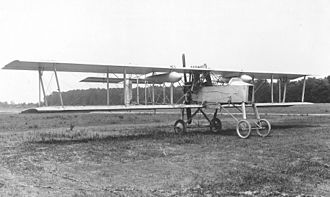
The Voisin VIII LAP was a single-engine night bomber introduced in November 1916. It was powered by the Peugeot 8Aa V-8 engine producing 220hp which gave it a top speed of 118kph. It was armed with a single 7.7mm machine gun and could carry 180kg of bombs.
Voisin VIII LBP
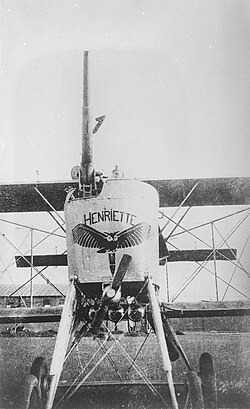
The Voisin VIII LBP was a modification of the night bomber LAP variant. Instead of carrying bombs it was fitted with a 37mm Hotchkiss cannon for hitting ground targets. It was powered by the Peugeot 8Aa V-8 engine producing 220hp which gave it a top speed of 118kph.
Breguet 14
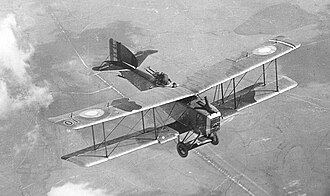
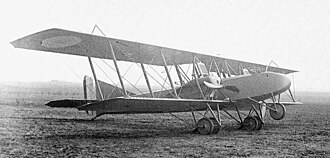
The Breguet 14 was a light bomber/reconnaissance plane that entered service in May 1917. It was powered by the Renault 12Fcx V-12 engine producing 300hp which gave it a top speed of 195kph. It was armed with 1 fixed 7.7mm Vickers machine gun and twin 7.7mm Lewis guns on a flexible mount in the observers seat.
Letord Let 1
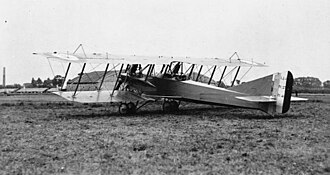
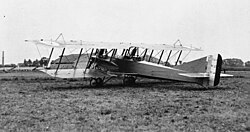
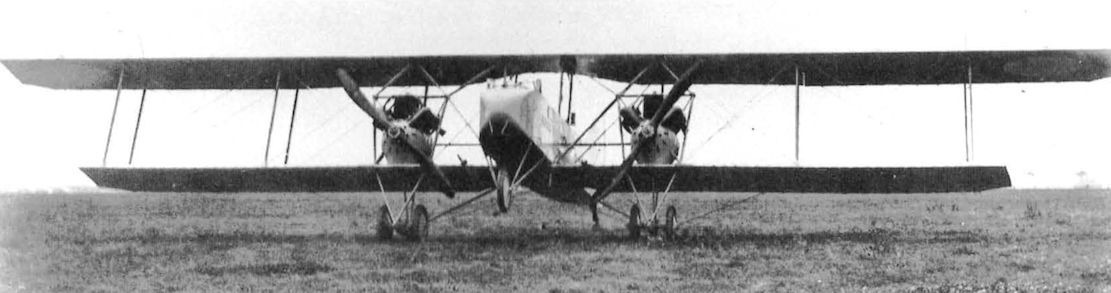
The Letord Let 1 was a twin engine reconnaissance bomber that entered service in early 1917. It was powered by a pair of Hispano-Suiza 8A engines each producing 150hp which gave it a top speed of 150kph. It was armed with up to 4 x 7.7mm Lewis guns split between two mounts (one front and one back) and could carry up to 130kg of bombs.
Letord Let 4
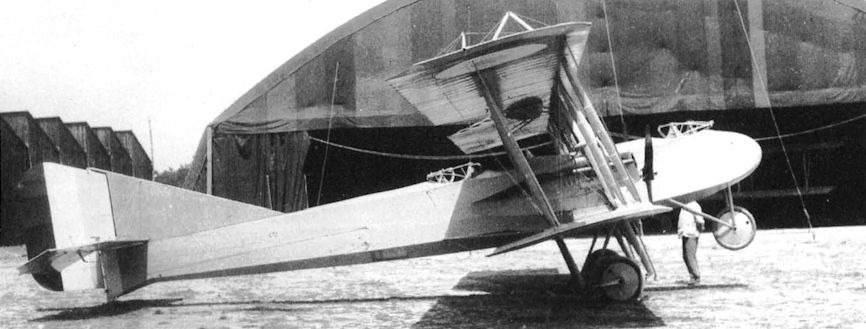
The Letord Let 4 was designed from the Letord Let 1 but with a pair of 160hp Lorraine-Dietrich 8A engines which only gave it a top speed of 140kph. It carried the same armament of up to 4 x 7.7mm Lewis guns split between two mounts (one front and one back) and could carry up to 130kg of bombs.
Letord Let 2
The Letord Let 2 was the predecessor of the Letord Let 1 and entered service not long after in August 1917. It was powered by a pair of Hispano-Suiza 8Ba engines producing 200hp each giving it a top speed of 157kph. It was armed with up to 4 x 7.7mm Lewis machine guns split between two mounts (one front and one back) and could carry up to around 130kg of bombs.
Letord Let 3
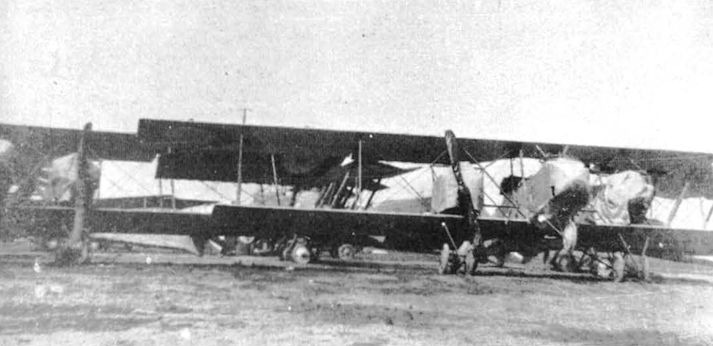
The Letord Let 3 was a night bomber variant of the previous Letord Let 2. It was powered by a pair of Hispano-Suiza 8Ba engines producing 200hp each giving it a top speed of 157kph. It was armed with up to 4 x 7.7mm Lewis machine guns split between two mounts (one front and one back) and could carry up to around 130kg of bombs.
Letord Let 5
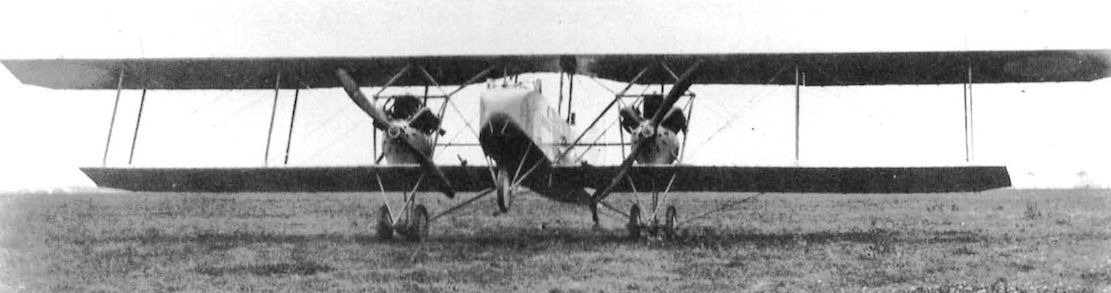
The Letord Let 5 was a continuation of the Letord Let family of reconnaissance bombers. It was powered by a pair of Lorraine-Dietrich 8Fb engines producing 240hp each which gave it a top speed of 170kph. It was armed with up to 4 x 7.7mm Lewis machine guns split between two mounts (one front and one back) and up to 150kg of bombs.
Letord Let 6
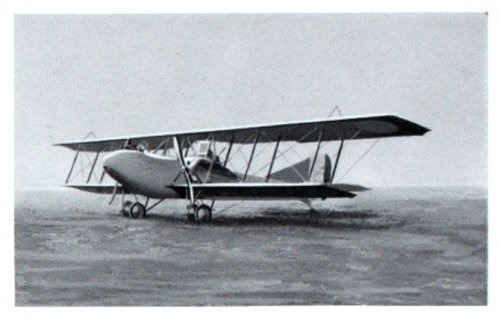
The Letord Let 6 was an escort fighter variant of the Letord Let family based on the Letord Let 3 night bomber. It was powered by a pair of Hispano-Suiza 8Be engines producing 220hp giving it a top speed of around 160kph. It was armed with up to 2 x 7.7mm Lewis guns on a rear mount and a single 37mm cannon in the front.
Letord Let 7
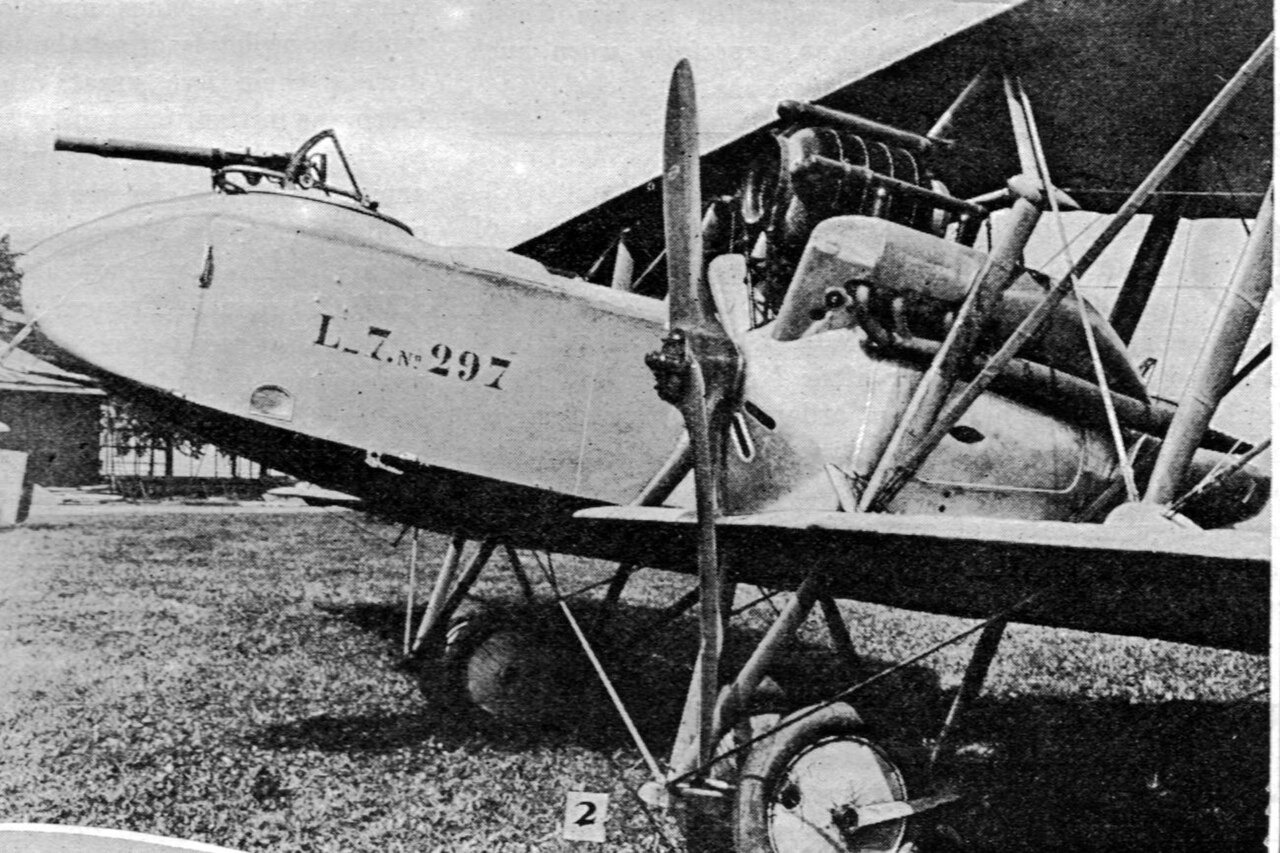
The Letord Let 7 was a continuation of the Letord Let family of bombers. It was powered by a pair of Lorraine-Dietrich engines producing 275hp giving it a top speed of around 180kph. It was armed with a pair of 7.7mm Lewis guns in a rear mount and a 37mm cannon in the front. It could carry up to around 150kg of bombs.
Premiums
René Fonck's SPAD S.VII

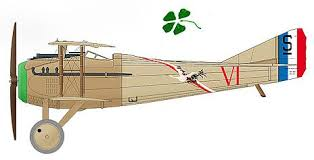
René Paul Fonck was the highest scoring ace for the Triple Entente with 75 aerial victories but the second highest scoring ace of the war, that title belonging to Manfred von Richthofen (The Red Baron).
Boyau's Nieuport 17
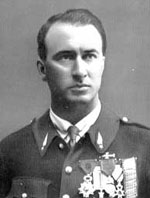
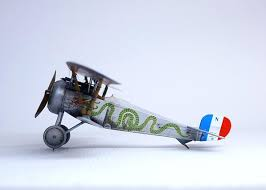
Maurice Jean-Paul Boyau was a French aerial ace with 35 aerial victories. He flew with Escadrille 77 during his combat career. On the 16th of September 1918 he would be shot down whilst attacking German observation balloons by the defending German fighters.
Guynemer's SPAD S.XII SAMC
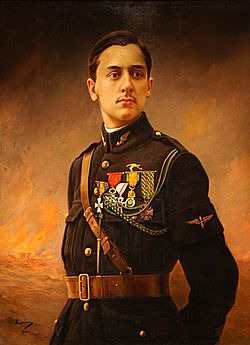
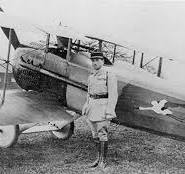
Georges Guynemer was the second highest scoring French ace of the war with 54 confirmed aerial victories. He was influential in the design of the French fighter design. With said influence he would get the 37mm Puteaux Semi Automatique Moteur Canon to be mounted into the SPAD S.XII which he would then successfully fly. He was confirmed as Missing in Action after he failed to return from a combat mission on the 11th of September 1917, he was last seen chasing a German twin-seat reconnaissance plane.
These were some of the more notable and suitable aircraft I believe could work well if added to War Thunder. If you have any suggestions for other aircraft that could be added feel free to add them below.
I believe that WW1 aviation should have a place in a game like War Thunder. While it’s addition wouldn’t be as popular as the most modern additions there are still a few that would love to see this.
- Yes
- No
- Option 1 - Replace reserve tier
- Option 2 - Rank 0
- Option 3 - Separate Tech Tree
- Your own idea/One I missed
- I said no
Sources
Wikipedia - SPAD S.A
The Aerodrome - SPAD S.VII
Military Factory - SPAD S.XI
Let Let Let Warplanes - S.P.A.D XII
Wikipedia - SPAD S.XIII
Wikipedia - Nieuport 10
The Vintage Aviator - Nieuport 11
History of War - Nieuport 12
The Aerodrome - Nieuport 16
WW1 Aviation Heritage Trust - Nieuport 17
Wikipedia - Nieuport 24
Military Factory - Nieuport 27
Morane-Saulnier LThe Aerodrome - Morane Saulnier L
The Aerodrome - Moraine-Saulnier N
The Aerodrome - Moraine-Saulnier P
Old Rhinebeck Aerodrome - Moraine-Saulnier AI
Wikipedia - Farman HF.30
Wikipedia - Farman MF.11
Military Factory - Caudron R.11
National Air and Space Museum - Caudron G.4
Wikipedia - Voisin VIII LAP / LBP
Wikipedia - Breguet 14
The Aerodrome - René Fonck
The Aerodrome - Maurice Boyau
Wikipedia - Georges Guynemer