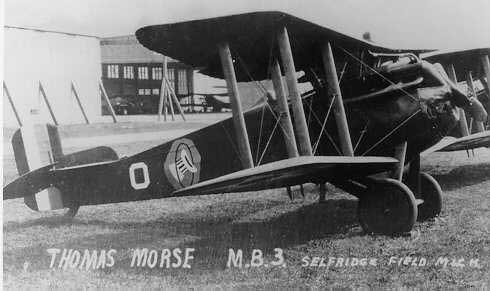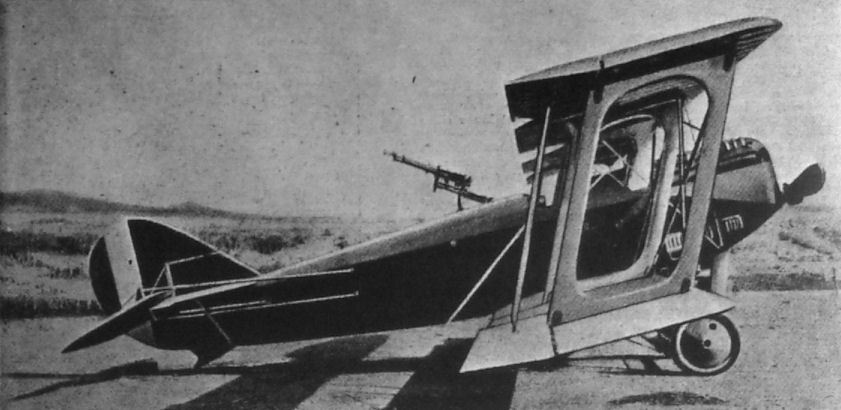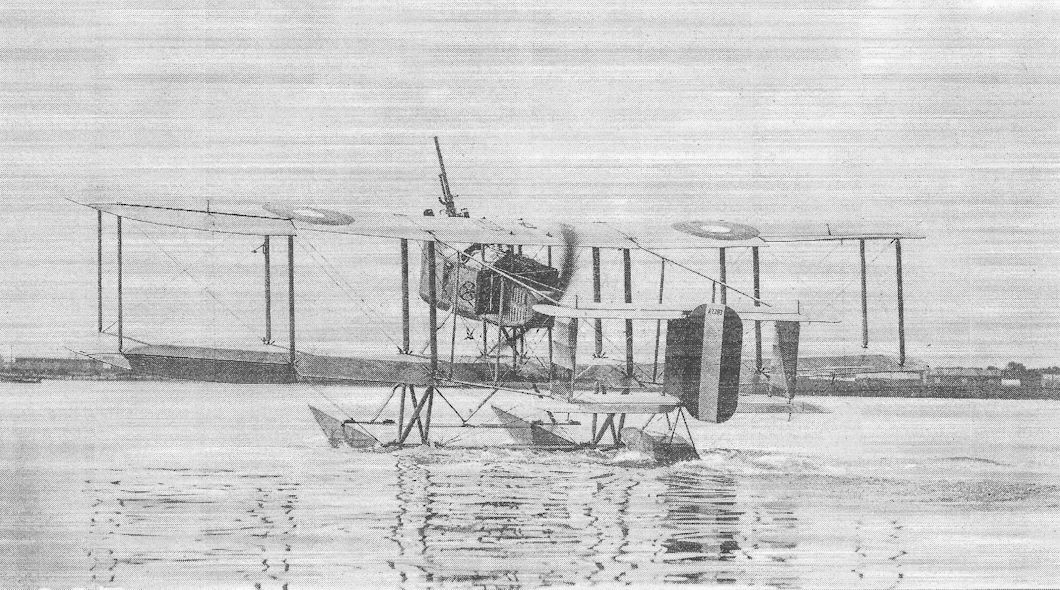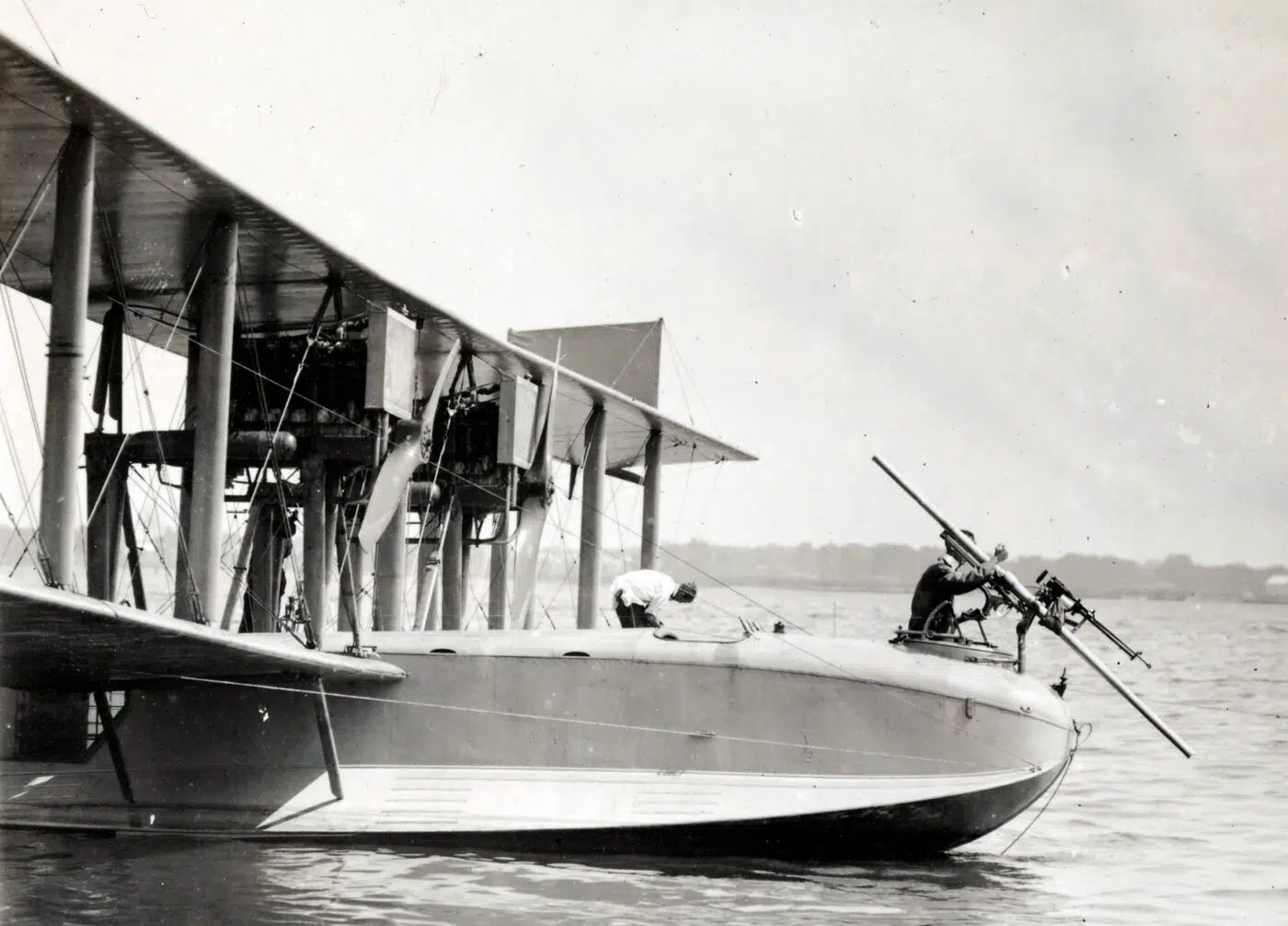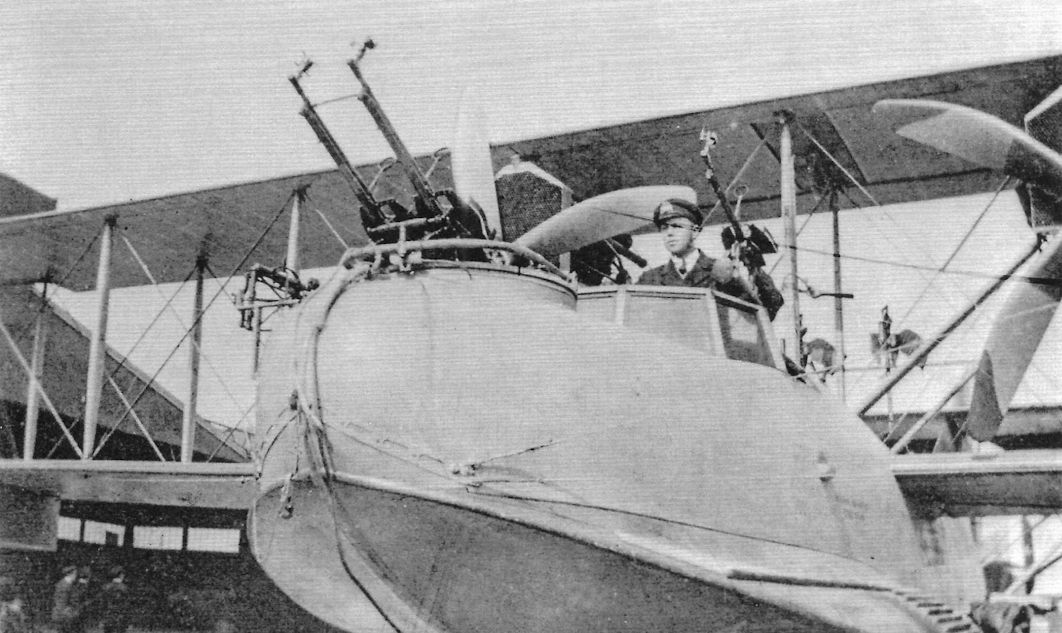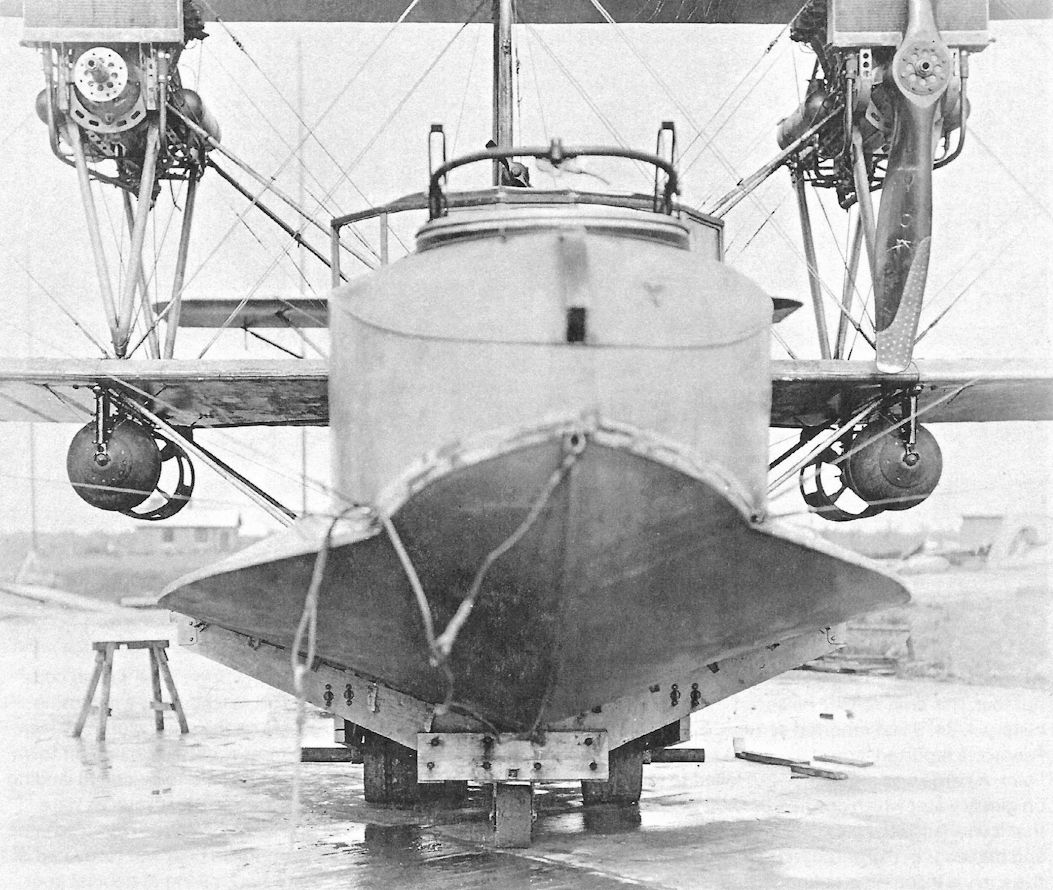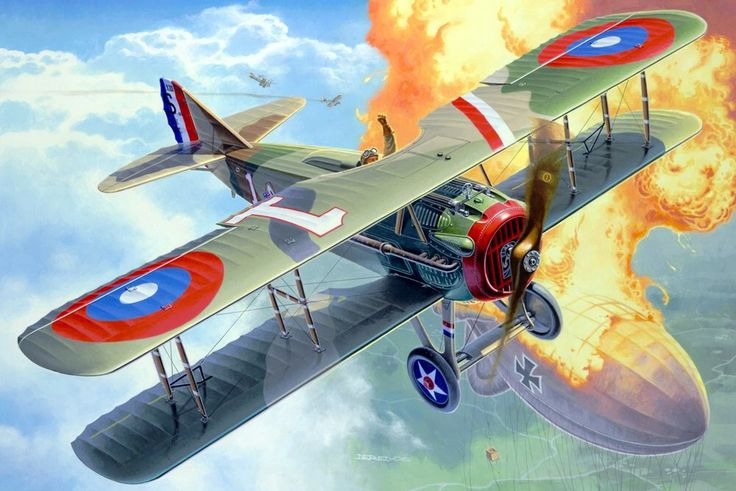
As The Great War consumed Europe one powerful nation sat on the side lines waiting to join and in April 1917 the United States of America would enter the War to End All War as part of the Triple Entente.
World War One is considered by many to be the first “modern war”. Ravaging mainland Europe, parts of Africa and South East Asia the War to End All War brought about new age of warfare and along with it new technologies in which to wage it. One of the most impactful new technologies was combat aircraft and aerial warfare. Not bound by the mud of No Man’s Land planes could effortlessly scout out the enemy trenches and direct artillery fire. But they evolved into more than just scouts, they would start dropping bombs on enemy targets and shoot at each other. World War One would see the birth of aerial combat as we know it.
I am proposing we go back in time before the earliest aircraft in game and introduce WW1 aviation to the tech trees, this suggestion focusing on the USA. Here’s a few ways it can be added:
Option 1 - Replacing Reserve Tier
The first option would be to push everything in the tech tree up in rank and battle rating so that WW1 aircraft can fit with proper spacing for balancing. Whilst this could work it would have a few issues such as forcing new players to have to play through these aircraft whilst not being interested. It could also have problems with actually moving the existing tech tree around to accommodate the addition.
Option 2 - Rank 0
Similar to option 1, this would have the addition of Rank 0 below the current start of the tech tree. It would be placed below reserve aircraft and be optional for players to research and play. It would have battle ratings from 0.0-0.7. I think this would be the most promising personally as again it would be completely optional as some players may not be interested in this era of aircraft. However a problem this would have is the battle ratings would be quite compressed as these aircraft would be limited to a 0.0-0.7 BR range as they are simply leagues behind even the worse reserve aircraft in-game. But this could be solved by adding 1919 and more interwar aircraft to bridge the gap in capabilities.
Option 3 - Separate Tech Tree
This option is similar to how Naval vehicles are split between Bluewater and Coastal. Whilst both share the same match maker they are in separate tech trees and thus require you to play the same type of vehicle to progress in that tree. With the slight change of a separate matchmakers this may be preferable for some as it could allow for less compression but with the caveat of making it harder to progress as the RP and SL cost would be far higher unless it would be changed to reflect the aircraft themselves.
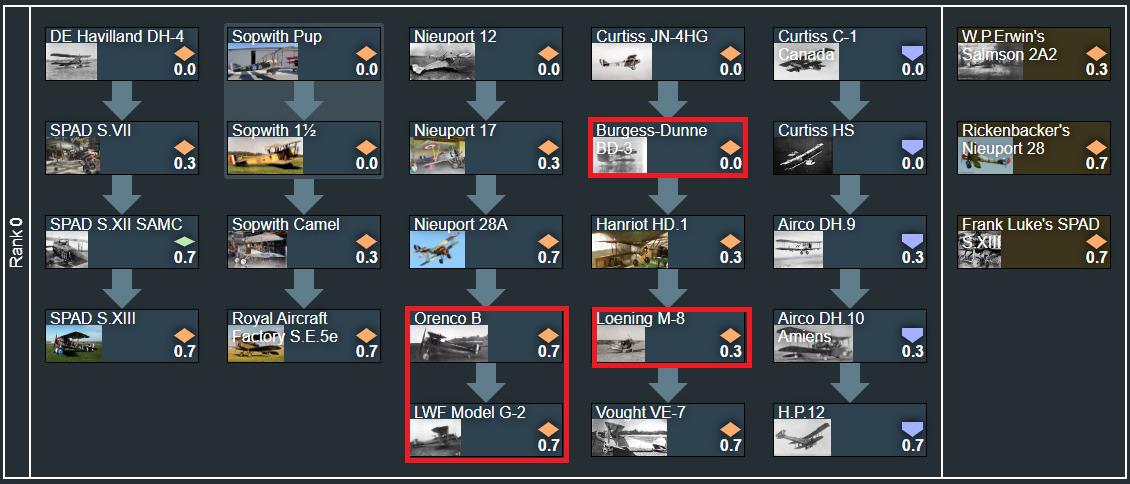
Now for the aircraft themselves. The USA relied mostly on exported aircraft bought from Great Britain and France, the few domestic designs they did make either never entered service or were unarmed however they did have a few designs with armaments. So here’s what additions they could get, I have made an example of Option 2 for simplicity and ease of view:
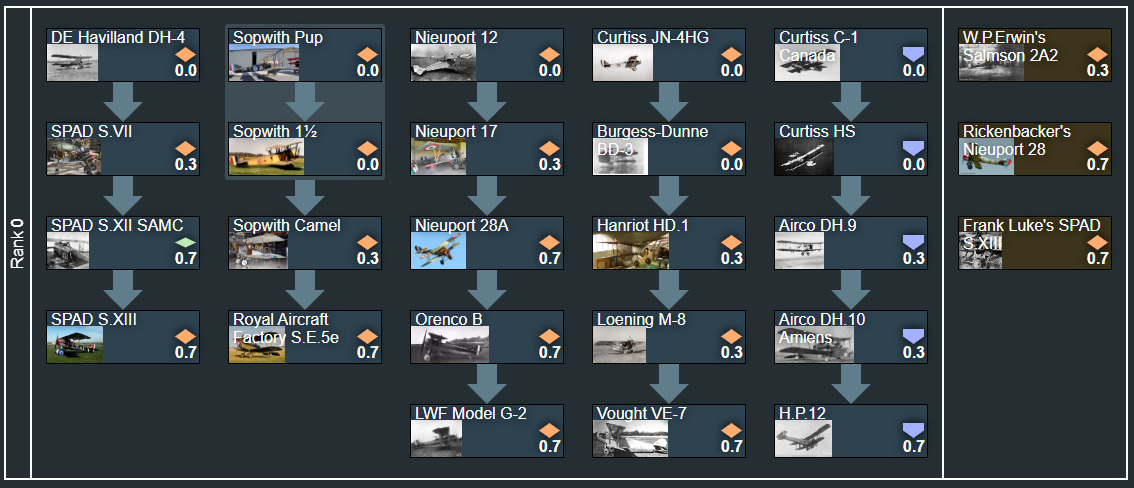
As a quick disclaimer the BR’s chosen are just guesses based off of engine performance, armament, and introduction date and would very well likely be different if they were ever introduced into the game.
Line 1
De Havilland DH-4
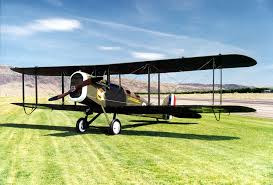
The De Havilland DH-4 was an Airco DH-4 bought from Great Britain and used in US service. It was powered by the Rolls-Royce Eagle VIII water-cooled V12 engine giving out 375hp which gave it a top speed of 230kph. It was fitted with a forward firing 7.7mm Vickers machine gun and either 1 or 2 7.7mm Lewis Guns on a Scarff ring for the observer to fire.
SPAD S.VII
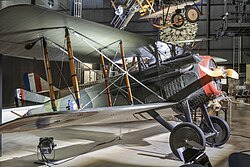
The SPAD S.VII was bought from France to be used by the United States Army Air Service of the American Expeditionary Force, the first of such aircraft were delivered in December 1917. Whilst most were used as advanced trainers some did see frontline service. It was powered by the Hispano-Suiza 8Aa V-8 engine with 150ph which gave it a top speed of 193kph. It was armed with a single 7.7mm Vickers machine gun.
SPAD S.XII SAMC
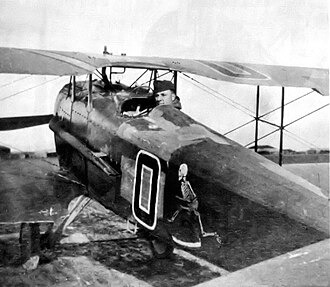
The SPAD S.XII SAMC was a single seat fighter that saw limited service, in US service only one aircraft was used, this was with the 13th Aero Squadron of the American Expeditionary Force. It was powered by the Hispano-Suiza 8Cb V-8 engine with 220hp which gave it a top speed of 203kph. It was armed with a single 37mm Puteaux single shot cannon and a single 7.7mm Vickers machine gun.
SPAD S.XIII
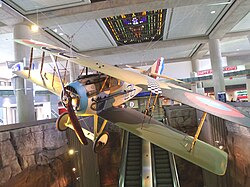
The SPAD S.XIII were bought from France and used by numerous squadrons during the war. They were powered by the Hispano-Suiza 8Ba engine producing 200hp which gave it a top speed of 211kph. It was armed with twin Marlin M1917 or M1918 machine guns and could carry 4 11kg Cooper Bombs.
Line 2
Sopwith Pup
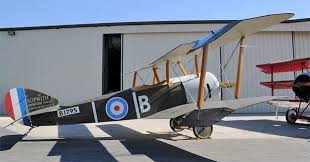
The Sopwith Pup was bought from Great Britain and used in service with the US Navy during the time of the war. It was powered by a Le Rhone 9C 9-cylinder rotary piston engine generating 80hp which gave it a top speed of 180kph. It was armed with a single 7.7mm Vickers machine gun that fired through the propeller with the use of a gun synchroniser.
Sopwith 1½ Strutter
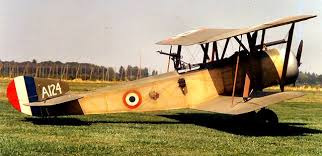
The Sopwith 1½ Strutter was used by the American Expeditionary Force which purchased 384 units. It was powered by the Clerget 9B 9-cylinder air cooled rotary piston engine generating 130hp which gave it a top speed of 160kph. It was fitted with a forward firing 7.7mm synchronised Vickers machine gun and a 7.7mm Lewis gun in the observers cockpit.
Sopwith Camel
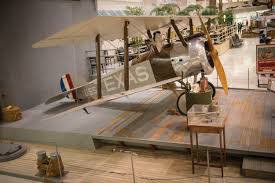
The Sopwith Camel was bought from Great Britain and saw service with several of the United States Army Air Service squadrons. It was powered by a Clerget 9B 9-cylinder air-cooled rotary piston engine with 130hp which gave it a top speed of 182kph and featured 2 forward facing 7.7mm Vickers machine guns
Royal Aircraft Factory S.E.5e
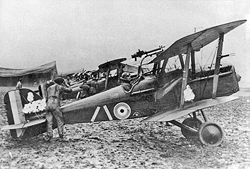
The Royal Aircraft Factory S.E.5e entered service with the United states Army Air Service right at the very end of the war in November 1918. It was powered by either the Hispano-Suiza 8 or the Wolsely Viper water-cooled V8 engine, of which generated 150hp which gave it a top speed of 222kph and was armed with a forward firing 7.7mm Vickers machine gun and a 7.7mm Lewis gun on the upper wing in a Foster mounting. It was also able to carry 4 11kg Cooper bombs.
Line 3
Nieuport 12
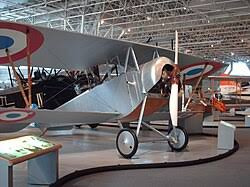
The Nieuport 12 was bought from France and used by the American Expeditionary Force. It was powered by the Clerget 9Z 9-cylinder air-cooled rotary engine with 110hp which gave it a top speed of 146kph. It was armed with a synchronised 7.7mm Vickers machine gun
Nieuport 17
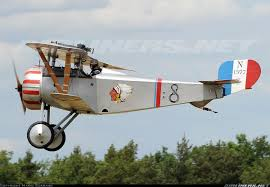
The Nieuport 17 was bought from France for use in the American Expeditionary Force as trainer aircraft. It was powered by the Le Rhone 9J 9-cylinder rotary engine with 110hp. It had a top speed of 165kph and was armed with either the 7.7mm Lewis Gun or 7.7mm Vickers machine gun and Le Prieur rockets for use against observation balloons.
Nieuport 28A
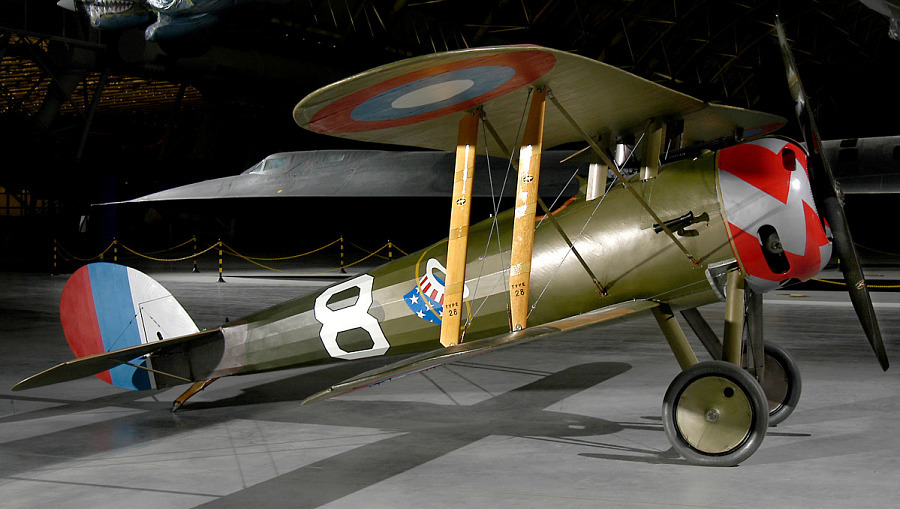
The Nieuport 28A was bought by the US when their first choice of fighter, the SPAD S.XIII was unavailable due to a shortage of engines. It started service with four squadrons when it was received in March 1918. It was powered by the Gnome Monosoupape 9N 9-cylinder piston engine producing 160hp giving it a top speed of 196kph. It was armed with a pair of M1917 machine guns.
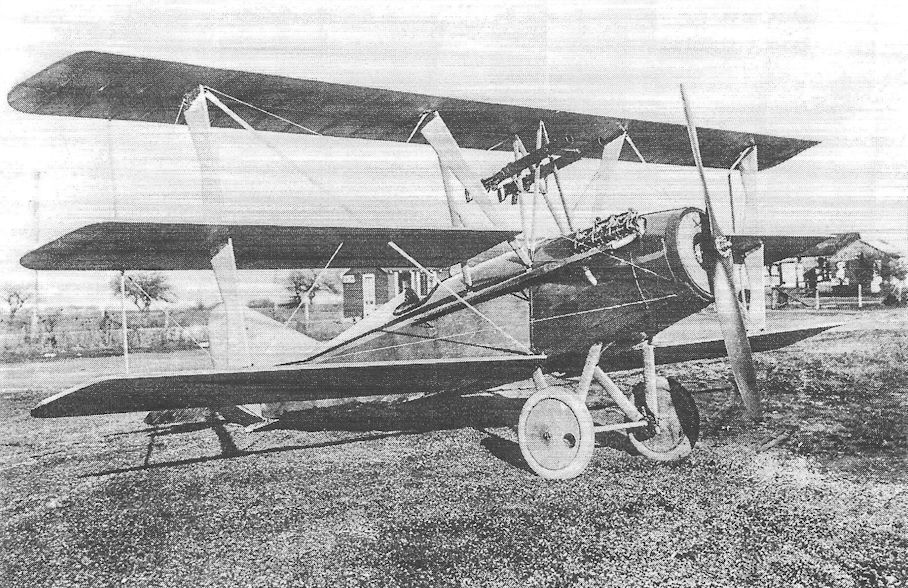
Orenco B
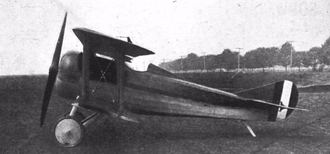
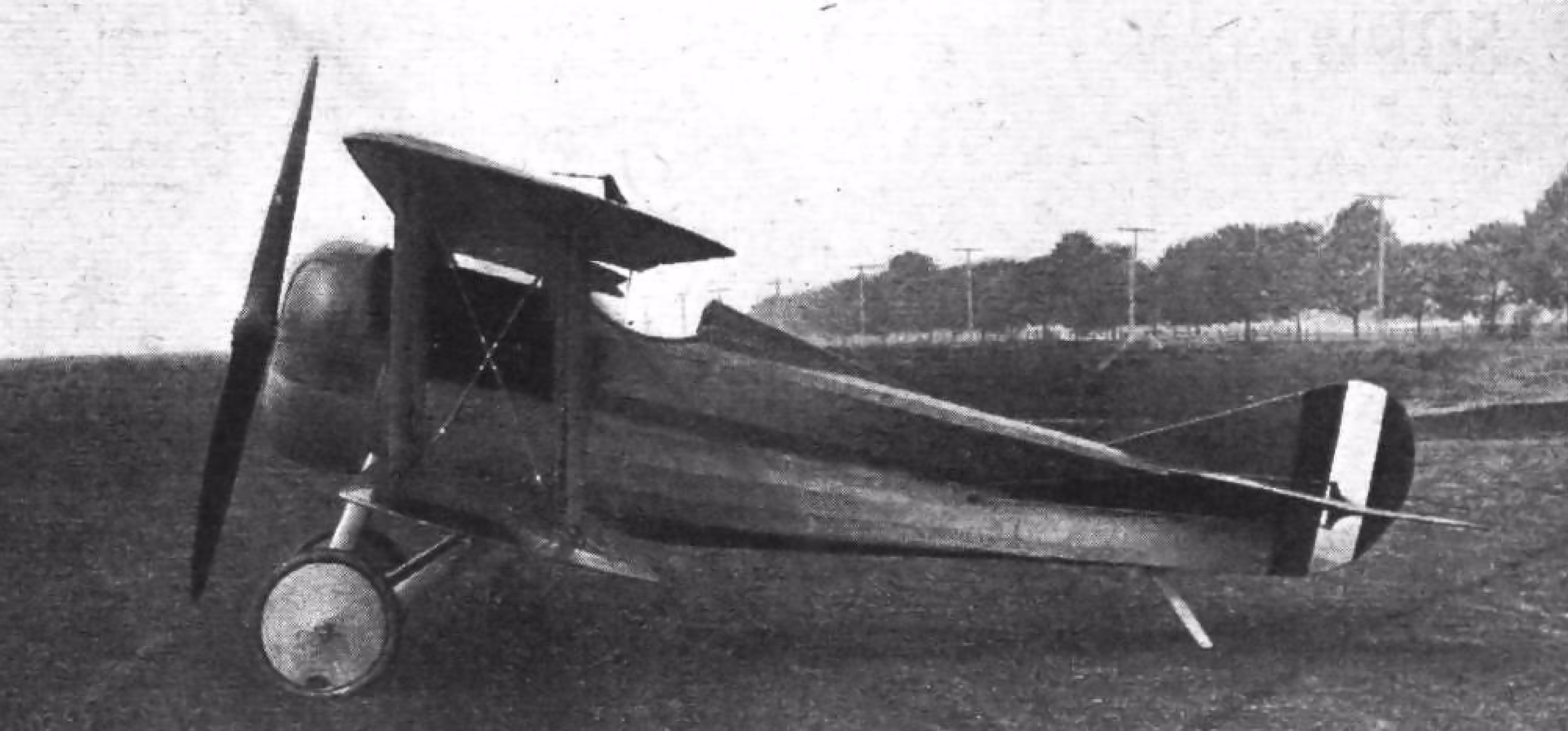
The Orenco B was a prototype fighter built in 1918 that never saw mass production. It was powered by the Gnome Monosoupape 9N engine producing 150hp giving it a top speed of 217kph. It was armed with 3 x Fiat-Revelli Modello M1914 machine guns.
LWF Model G-2
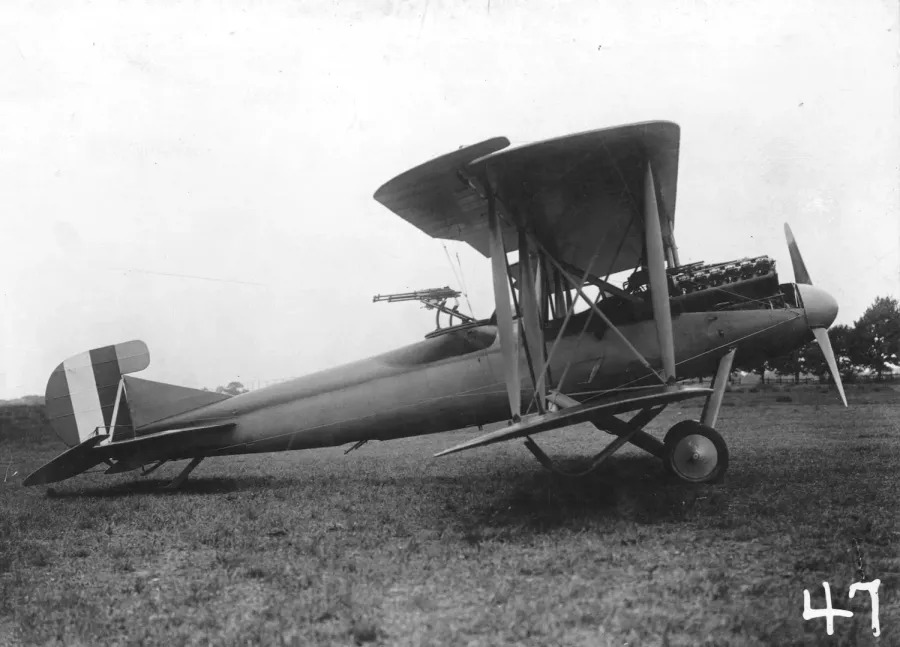
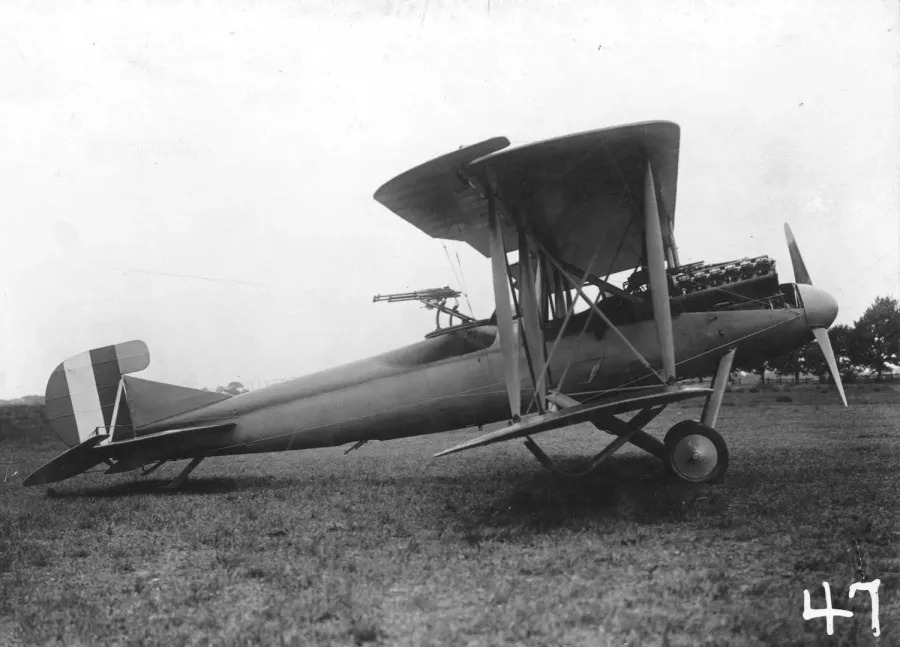
The LWF Model G-2 was a prototype twin seat fighter built in 1918. It was powered by the Liberty 12 435hp engine giving it a top speed of 222kph. It was armed with 4 x 7.76mm Marlin machine guns mounted in the nose and 1 x 7.62mm Marlin machine gun and 2 x 7.76mm Lewis machine guns mounted on a flexible ring in the rear cockpit.
Line 4
Curtiss JN-4HG
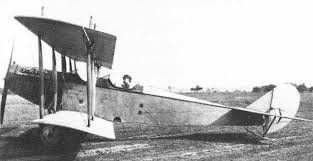
The Curtiss JN-4HG was a variant of the Curtiss JN-4 “Jenny” which was specifically meant for gunnery and bombing training. It was usually unarmed but it could be fitted with forward firing Marlin machine gun and a Lewis gun fitted on a flexible mount for the observer in the rear cockpit to fire. It could also be fitted with bomb racks for practicing dropping small yield bombs. It was powered by the Hispano-Suiza 8 V-8 engine with a top speed of 120kph.
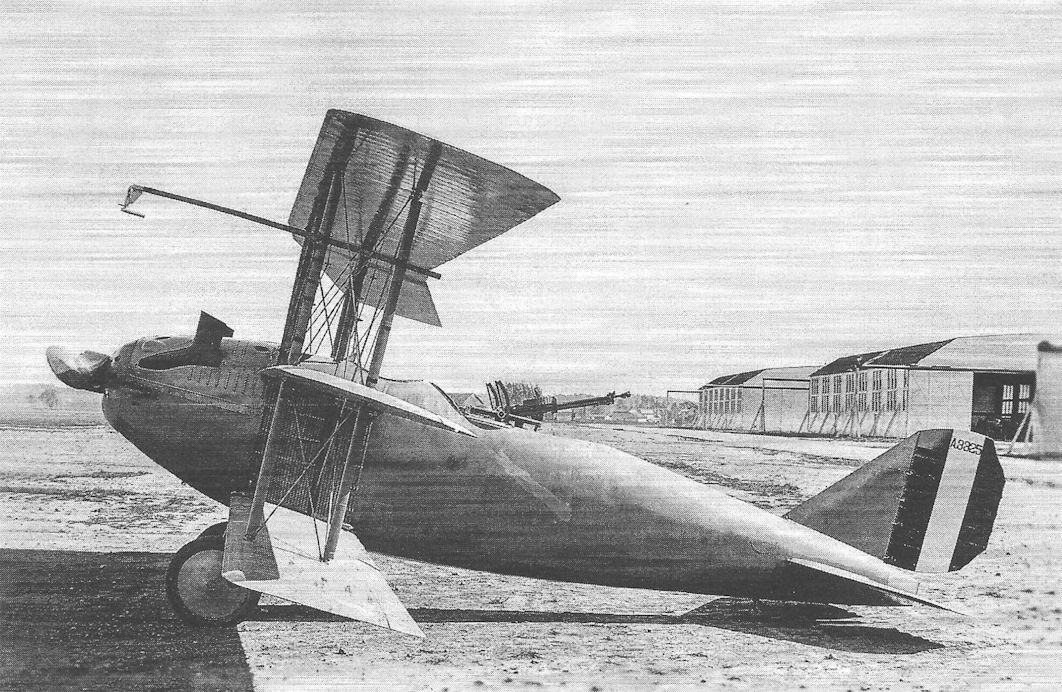
Burgess-Dunne BD-3
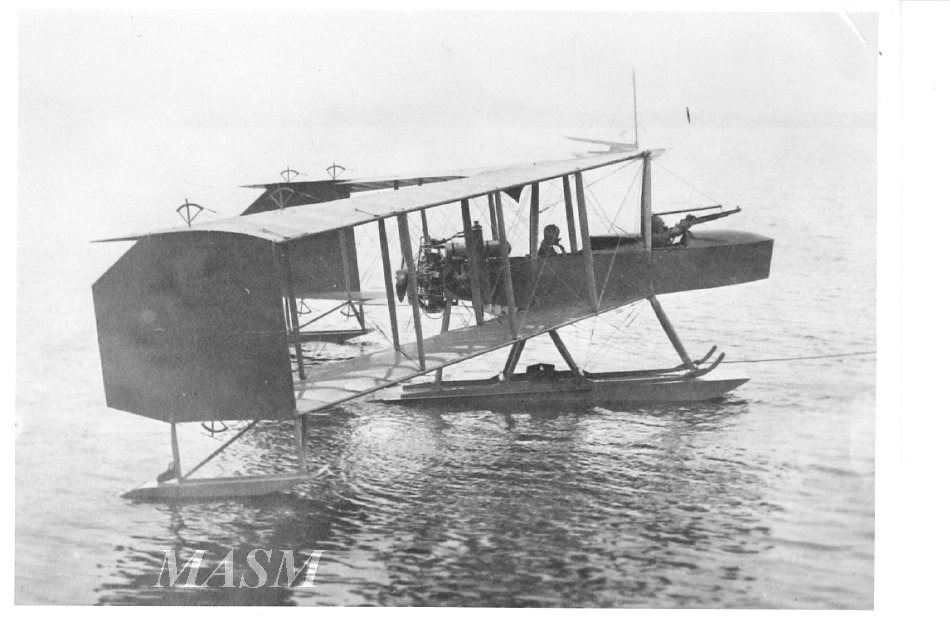
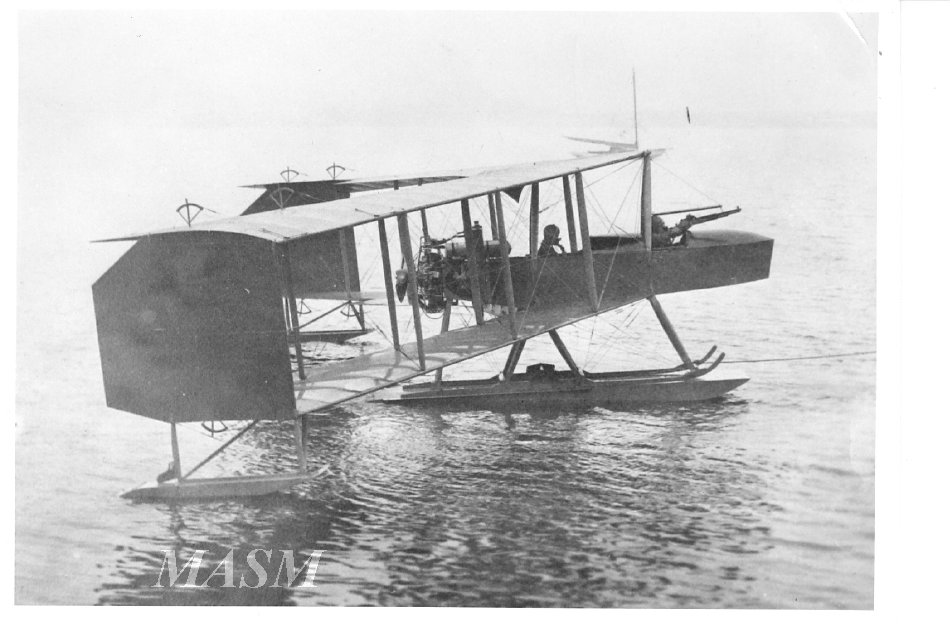
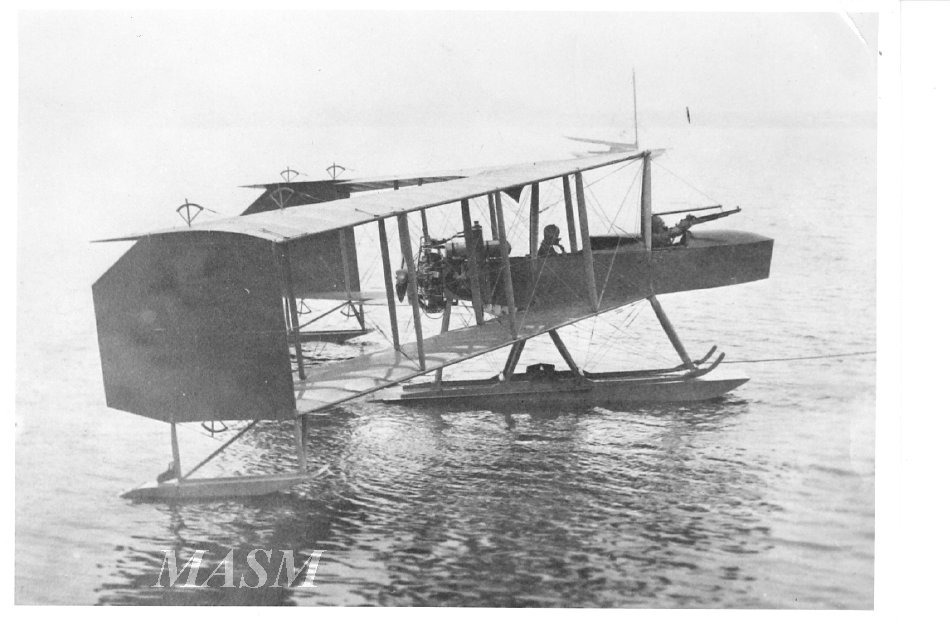
The Burgess-Dunne DB-3 was a experimental biplane pusher tailless sweptwing reconnaissance fighter built in 1914. It was powered by the Salmson M-9 radial engine producing 135hp which gave it a top speed of around 89kph. It was armed with a single 7.7mm machine gun mounted in the observers cockpit.
Hanriot HD.1
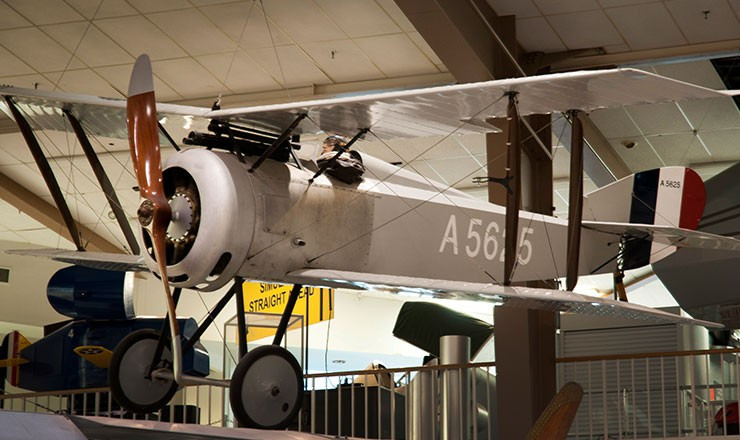
The Hanriot HD.1 was bought for service with the US Navy from France after it was rejected for service in favour of the SPAD S.VII. It was powered by the Le Rhone 9J 9-cylinder engine producing 109hp and giving it a top speed of 184kph. It was armed with a single 7.7mm Vickers machine gun.
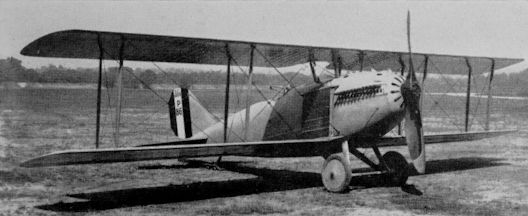
Loening M-8
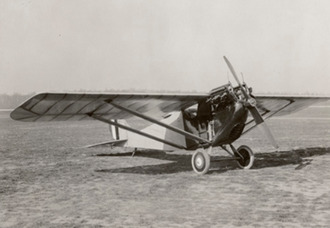
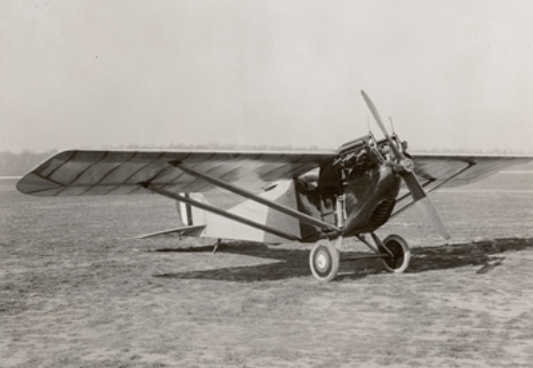
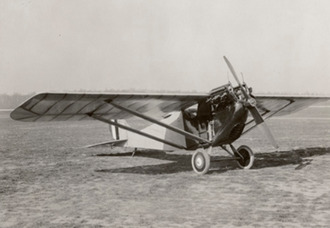
The Loening M-8 was a monoplane fighter built by Loening Aeronautical Engineering Company for the United States Army Air Corps in late 1918 but ultimately mass production was cancelled due to the end of the war. It was powered by the Wright-Hisso H-3 V-8 engine producing 300hp which gave it a top speed of 233kph. It was armed with a pair of 7.62mm Lewis machine guns mounted on a scarf ring in the rear cockpit.
Vought VE-7
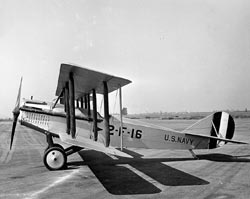
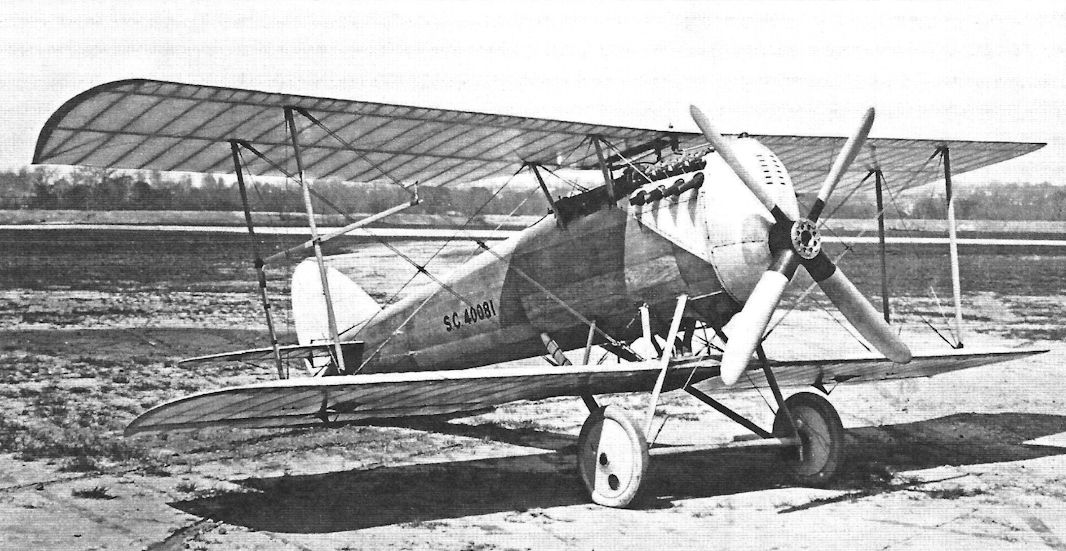
The Vought VE-7 entered service in mid 1918 with the US Army Air Service. It was powered by the Wright-Hispano E-3 V-8 engine which produced 180hp and gave it a top speed of 171kph. It was armed with a single Vickers machine gun.
Line 5
Curtiss C-1 Canada
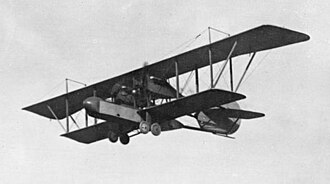
The Curtiss C-1 Canada was a twin-engine bomber built by Curtiss of America to be used by the Royal Naval Air Service and Royal Flying Corps however they were rejected in favour of the Handley Page O/100. It was powered by a pair of Curtiss V-X inline engines with 160hp each which gave it a top speed of 140kph. It was armed with 2 7.7mm Lewis guns and was fitted to carry an unknown number of bombs.
Curtiss HS
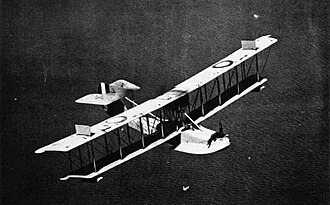
The Curtiss HS was a single-engine flying boat bomber which saw service in early 1918 with the US Navy. It was powered by a single Liberty L-12 V-12 engine providing 360hp with a top speed of 132kph. It was armed with a 7.7mm Lewis gun and could carry 2 x 100kg bombs or depth charges under the wings.
Airco DH.9
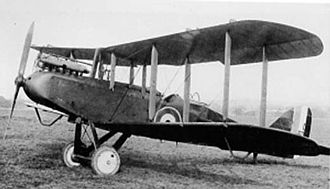
The Airco DH.9 was a light bomber used by the American Expeditionary Force Air Service. It was powered by the Armstrong Siddeley Puma 6-cylinder in-line piston engine providing 230hp which gave it a top speed of 182kph. It was armed with a forward firing 7.7mm Vickers machine gun and either 1 or 2 7.7mm Lewis guns on a Scarff ring in the rear seat. It also could carry up to 210kg of various bombs.
Airco DH.10 Amiens
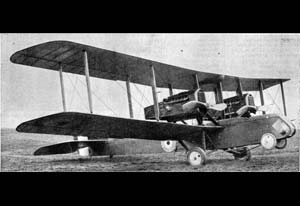
The Airco DH.10 Amiens was a twin-engine heavy bomber that was powered by 2 Liberty 12 water-cooled V12 engines with an output of 400hp each, this gave it a make speed of 200kph. It was fitted with 2 7.7mm Lewis guns at the nose and at the rear seat. It carried up to 420kg of bombs in an internal bomb bay.
H.P.12
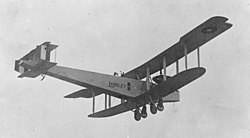
The Handley Page Type O/400 or H.P.12 was a heavy bomber first designed by the British but bought and used by the United States Army Air Service. It carried up to 910kg of bombs and was armed with 5 7.7mm Lewis guns. It was powered by 2 Rolls-Royce Eagle VIII V12 water-cooled piston engines with 360hp each, it had a top speed of 156kph.
Premiums
W.P. Erwin's Salmson 2A2
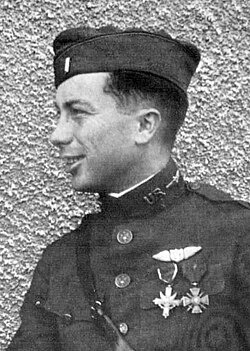
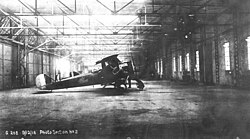
William Portwood Erwin was an American fighter ace who served with the 1st Aero Squadron of the United States Army Air Service. He was credited with 8 aerial victories in his Salmson 2A2. He survived the war and started his own flying school in Dallas, Texas. In 1927 he and his wife planned to fly to Hong Kong, along the way he participated in the Dole Air Race to fly from California to Hawaii however after experiencing mechanical problems he would take part in a search for two competitors who were missing but he never returned. It is hypothesised that he experienced more mechanical issues mid-search and crash landed into the sea, his body was never recovered.
Frank Luke's SPAD S.XIII
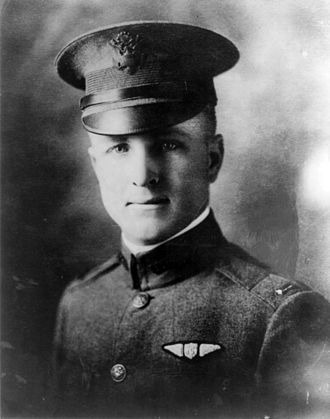
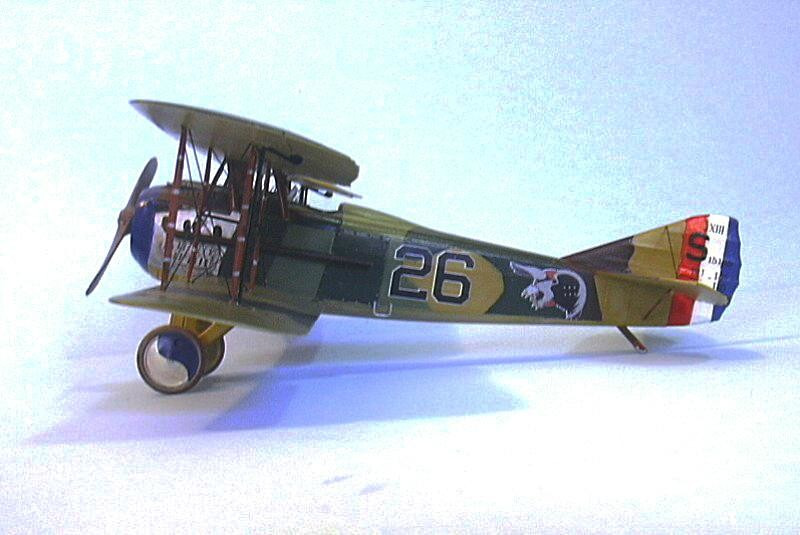
Frank Luke Jr was an American fighter ace with 19 aerial victories. He had the nickname of “The Arizona Balloon Buster” after he shot down 14 German spotting balloons and 4 enemy aircraft in just eight days. His 19th victory would be achieved on the 28th of September 1918 when flying near Dun-sur-Meuse which was 10km behind the German lines. During this flight after achieving his 19th victory he would be hit in the chest by a single machine gun round fired from a hilltop above him. After making a crash landing he would try and reach the Ruisseau de Bradon stream where he would finally collapse. He would be approached by German soldiers however he fired at his attackers before he died. When his body was found he had a bullet hole in his chest and nearby was the 7 dead Germans that approached him.
Rickenbacker's Nieuport 28
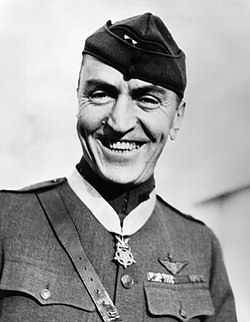
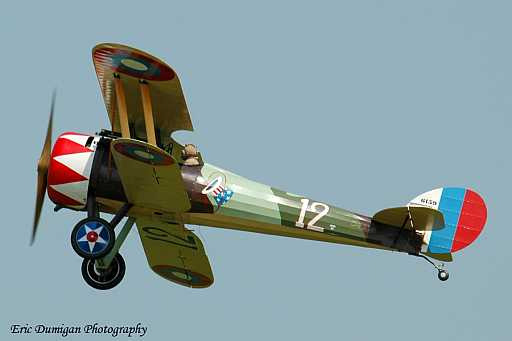
Eddie Rickenbacker was the highest scoring American ace during WW1 with 26 aerial victories. He would fly the Nieuport 28 before transitioning to the SPAD S.XIII when they became available after a shortage of engines. On the 11th of November at 11am he would fly over the trenches to observe the ceasefire, he would later write - “I was the only audience for the greatest show ever presented. On both sides of no man’s land, the trenches erupted. Brown-uniformed men poured out of the American trenches, gray-green uniforms out of the German. From my observer’s seat overhead, I watched them throw their helmets in the air, discard their guns, wave their hands.”
These were some of the aircraft I thought would be the most suitable if we ever see War Thunder expand to WW1 aviation. If you have any suggestions for aircraft please comment them below.
I believe that a time in military aviation history as important as WW1 definitely deserves to be represented in a game as comprehensive as War Thunder. Whilst it wouldn’t be loved by everyone there’s definitely a place in-game.
- Yes
- No
- Option 1 - Replace Reserve Tier
- Option 2 - Rank 0
- Option 3 - Separate Tech Tree
- Your own idea/One I missed
- I said no
Sources
Wikipedia - Airco DH-4
Military Factory - SPAD S.VII
National Museum of The United States Air Force - SPAD XIII C.1
The Aerodrome - SPAD S.XII
Wikipedia - Sopwith Pup
Military Aviation Museum - Sopwith 1½ Strutter
National Museum of the United States Air Force - Sopwith F-1 Camel
RAF Museum - Royal Aircraft Factory SE5
Wikipedia - Nieuport 12
Military Aviation Museum - Nieuport 17
American Heritage Museum - 1918 Nieuport 28
Wikipedia - Curtiss JN Jenny
Wikipedia - Hanriot HD.1
National Naval Aviation Museum - VE-7 Bluebird
Pioneers of Aviation - Curtiss C-1 Canada Twin-Engine Bomber
Flying Machines - Curtiss HS
Wikipedia - Airco DH.9
Wikipedia - Airco DH.10 Amiens
Aviastar - Handley Page H.P.12
Wikipedia - William Portwood Erwin
Wikipedia - Frank Luke
Auburn University Special Collections and Archives - Eddie Rickenbacker Papers, RG 101 Edward Vernon “Eddie” Rickenbacker