Hello there ^^
This thread is about the Mitsubishi 5th gen F-X project and todays 6th gen GCAP from the Japanese perspective.
I want to summarize the previous / future developments, public knowledge rumours, as well as you to share knowledge, informations and some sources with each other.
This thread is also part and run by the JP / ASEAN / SK Research Group, but since we do not want to share all sources and information (for various reasons) this thread will summarize the most important things and be continuously updated with public information.
Special thanks to @Xeno_quaza @MAUSWAFFE @Fireraid233 and @UnHolySausage
Last Update : 22nd Feb. 2025
I’ll say it before it happens; I’ve an eye on this thread and wont hesitate to inform the Forum Moderation, if the discussion leads to the same result as in the EFT / Rafale threads.
Keep your insults and personal problems in the DMs or elsewhere, this forum is not the place for that.
Other related Threads:
The X-2 Shinshin Demonstrator and 2xDMU Series Development
The development of the DMU series is a short highlight of Japan’s long standing desire for truly next generation domestic aircraft. While it more closely follows the success of the X-2 “Shinshin” (ATD-X), the program’s roots go back much further then the initial 2009 development of said airframe. As far back as the early 90s, with the development of the F-2, Japan looked into the potential development of a stealth platform using their domestic design technologies from the F-2 program.
The main units of this research was:
“Research and Prototype of Major Components of Future Aircraft” from 1991 to 1993
“Research and Prototype of Stealth and High Maneuverability Aircraft Simulator” from 1996 to 2001
“Research and Prototype of High Maneuverability Flight Control System” from 2000 to 2007
Which were conducted with some help from the United States, however Japan remained firm in their desire for a domestic built design.
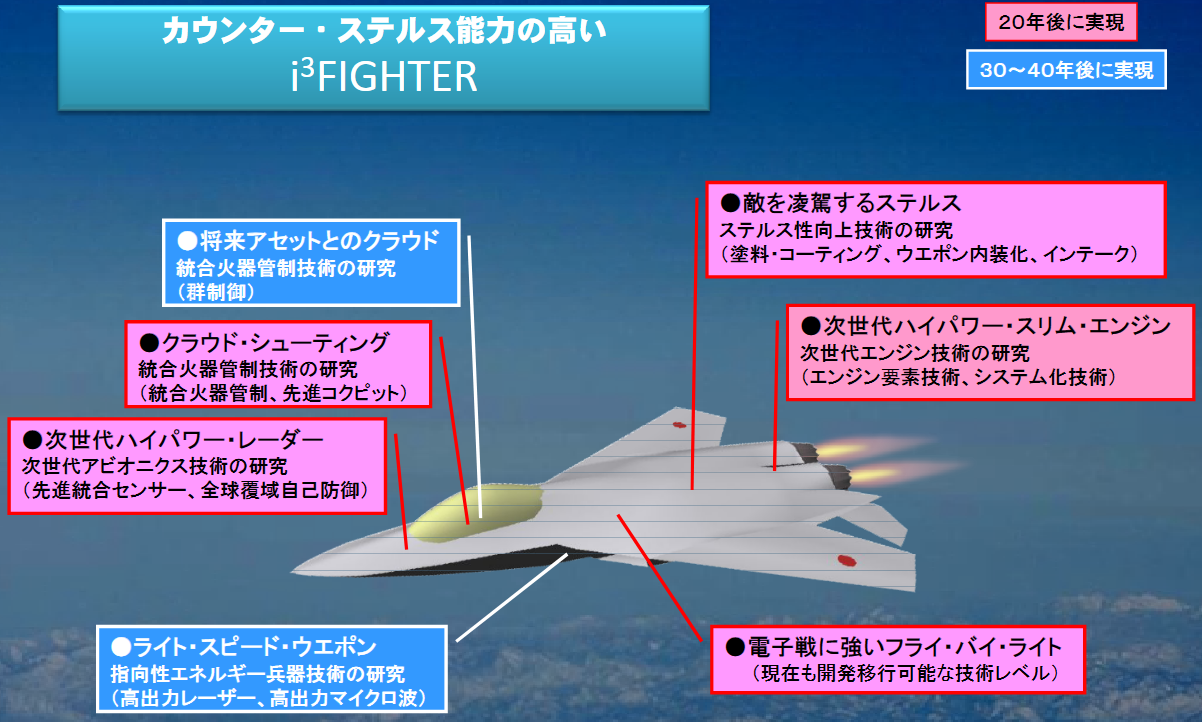
While these planted the seeds of what japan wanted, It wasn’t until the 5th F-X program in which serious development of an actual design began. Among the foreign options, such as the F-2 Super Kai, further F-15J upgrades, the Eurofighter, and the F-35, which was eventually chose; there was a desire for a domestic proposal. This want became a research study, which became the ATD-X “Shinshin”. Although the project was never going to meet the deadline for the 5th F-X program, development continued, with further refinements of what Japan wanted for this new fighter with their i³ concept, although even for the time this was a bit to ambitious to truly be flushed out in the design.
The X-2 Shinshin Demonstrator

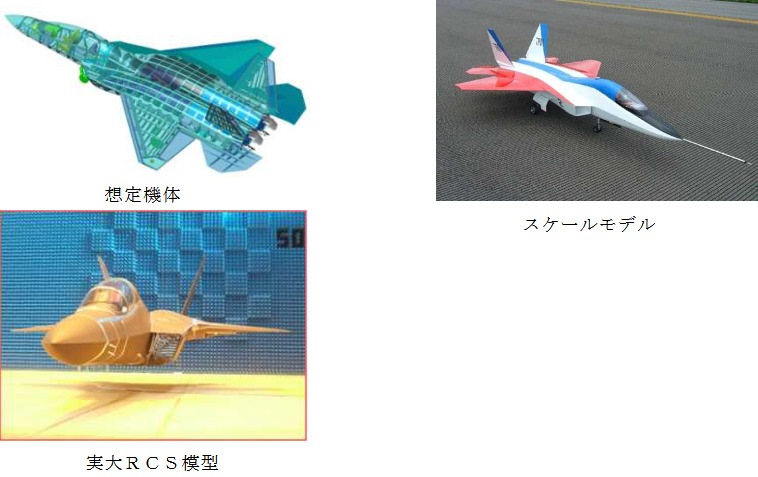
The X-2 “Shinshin” is a Japanese technology demonstration aircraft developed by the Japanese Ministry of Defense in cooperation with Mitsubishi Heavy Industries. The aim of the project was to test key technologies for a future indigenous stealth fighter aircraft. The demonstrator was equipped with a variety of measures to reduce the radar signature (Radar Cross Section, RCS). These include outwardly inclined vertical stabilizers, so-called chines on the nose of the aircraft and a surface coating of radar-absorbing material based on ceramic and silicon carbide. Complex curved intake ducts and the use of additional absorbing materials in the air intakes also help to minimize radar echo. According to tests conducted by the French Defense Agency in 2005, the aircraft generates a radar signal smaller than that of a medium-sized bird (<0.01 m²).
Development of the X-2 officially began in 2009, with a scaled-down unmanned model made of carbon fiber already being used from 2006. This completed over 40 test flights, including to test autonomous flight functions and a self-healing control system in the event of system anomalies. The data obtained from this was incorporated directly into the design of the ATD-X, later named X-2, Prototype.
To save costs, various components were taken from existing aircraft, such as the seats and canopy from the T-4 and the landing gear from the T-2. The wings and tail unit were manufactured by Fuji Heavy Industries, the flight controls were supplied by Nabtesco and the RAM material by Ube Industries. The control system is based on a modern fly-by-wire system, which even uses fly-by-light technology for certain elements such as the leading edge flaps. In addition, IFPC (Integrated Flight and Propulsion Control) technology has been integrated, which enables precise control even in extreme flight situations such as stalls.
The cockpit is equipped with two multifunctional displays and a head-up display and also uses components from the T-4. The canopy has an additional radar-absorbing coating. The project costs amounted to around 39.4 billion yen. Although series development was originally expected as early as 2008, full implementation of the technology did not begin until later. Finally, 22.8 billion yen was approved for the 2010 financial year and the project was completed in the 2017 financial year.
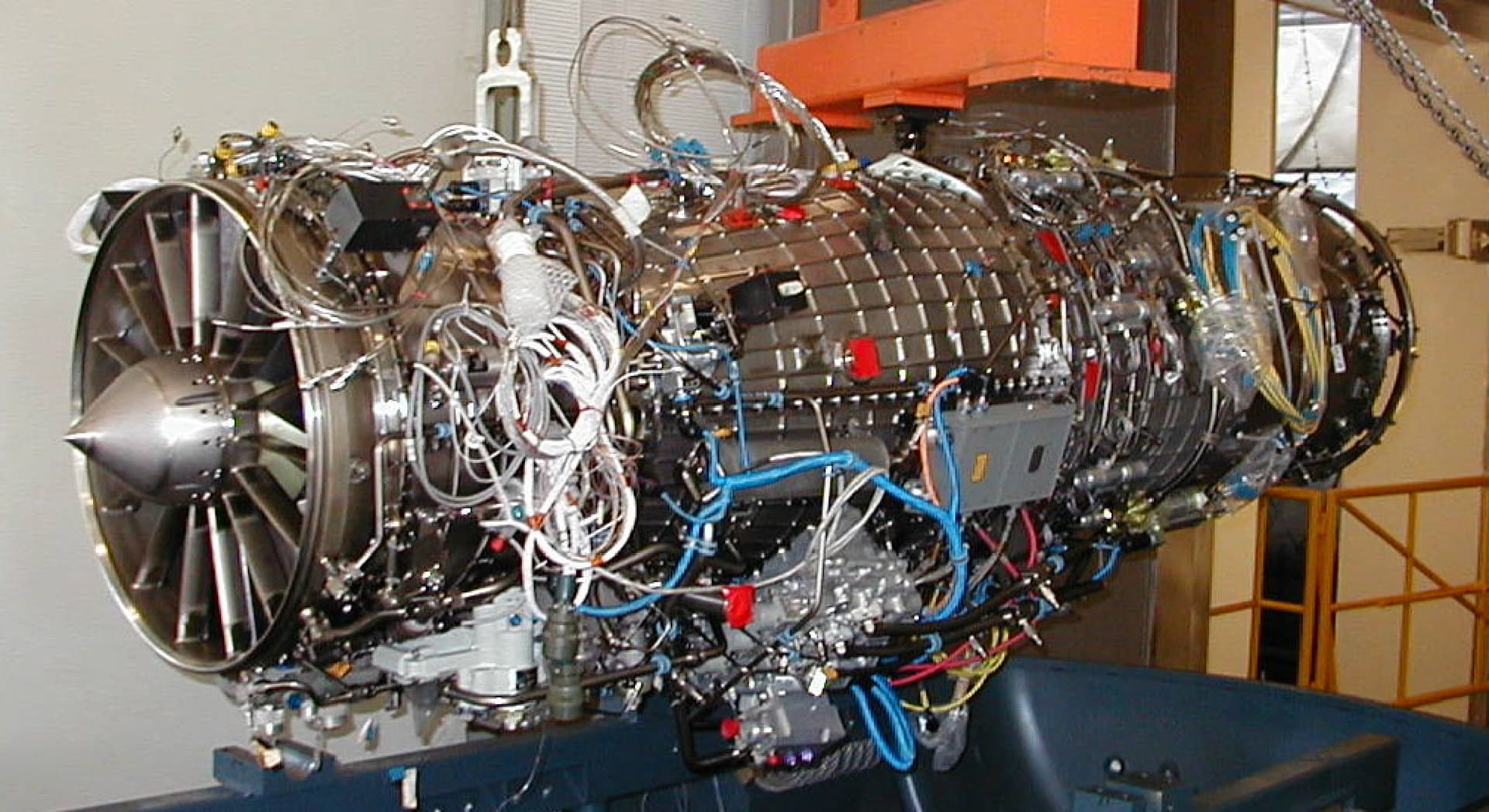
The XF5-1 was developed as part of the research project conducted by the Japanese Defense Technology and Procurement Agency (ATLA). The main contractor was the Japanese engine manufacturer IHI Corporation. The aim of this project was to create the technological basis for a future domestic engine.
The development of the XF5-1 began in 1995 and was divided into five phases. The entire project was financed with a budget of 14.7 billion yen. The prototype and research phase ran until 2000, while the internal testing phase lasted from 1997 to 2008. A total of four engine prototypes were built. The first unit was delivered to the technical center in June 1998, the last by March 2001.
The engine is characterized by a thrust-to-weight ratio of around 8 (with two engines installed) and a total thrust of around 10 tonnes (5 tons each). It was deliberately designed to meet the requirements of future fighter aircraft, particularly in the areas of stealth and maneuverability.
The 2xDMU Development
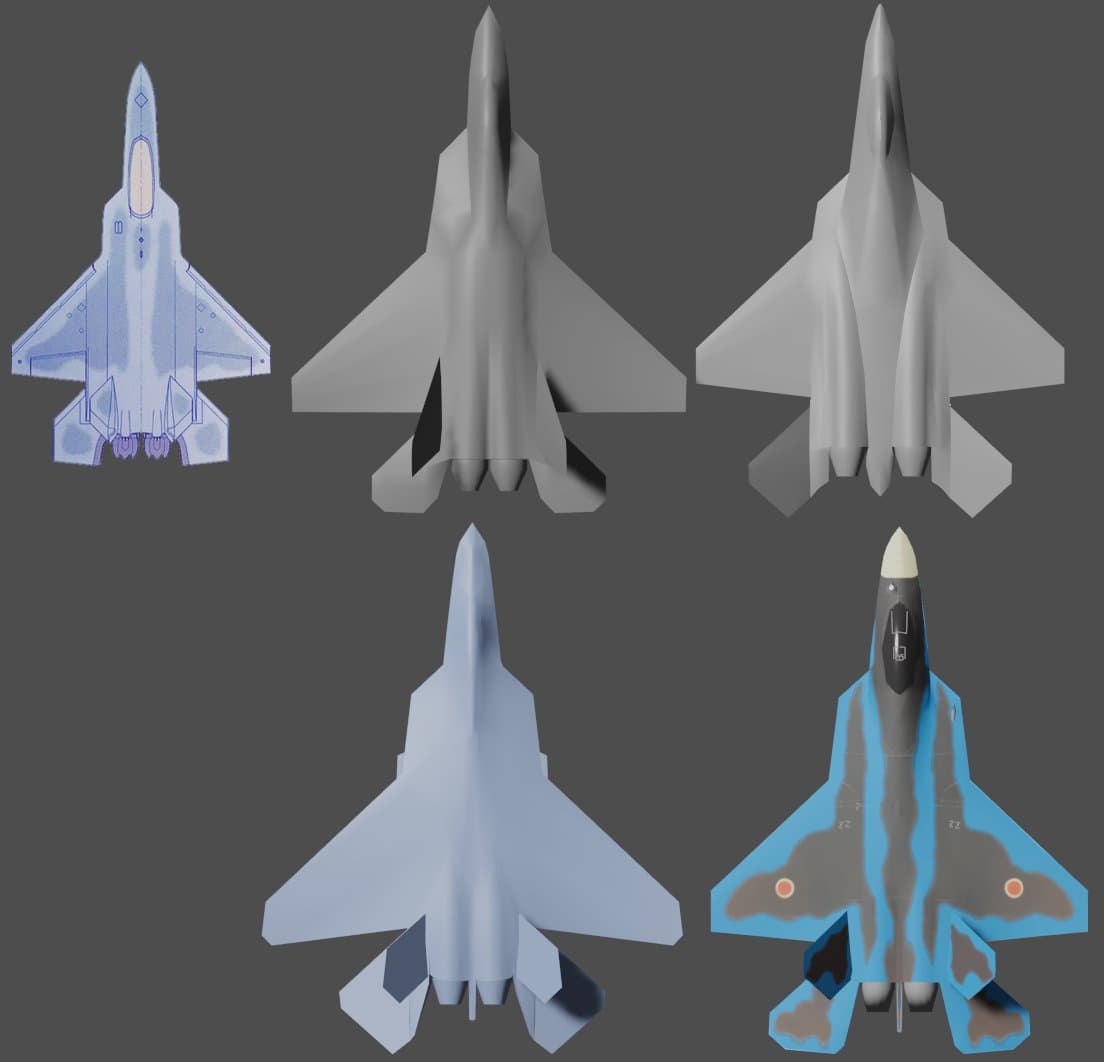
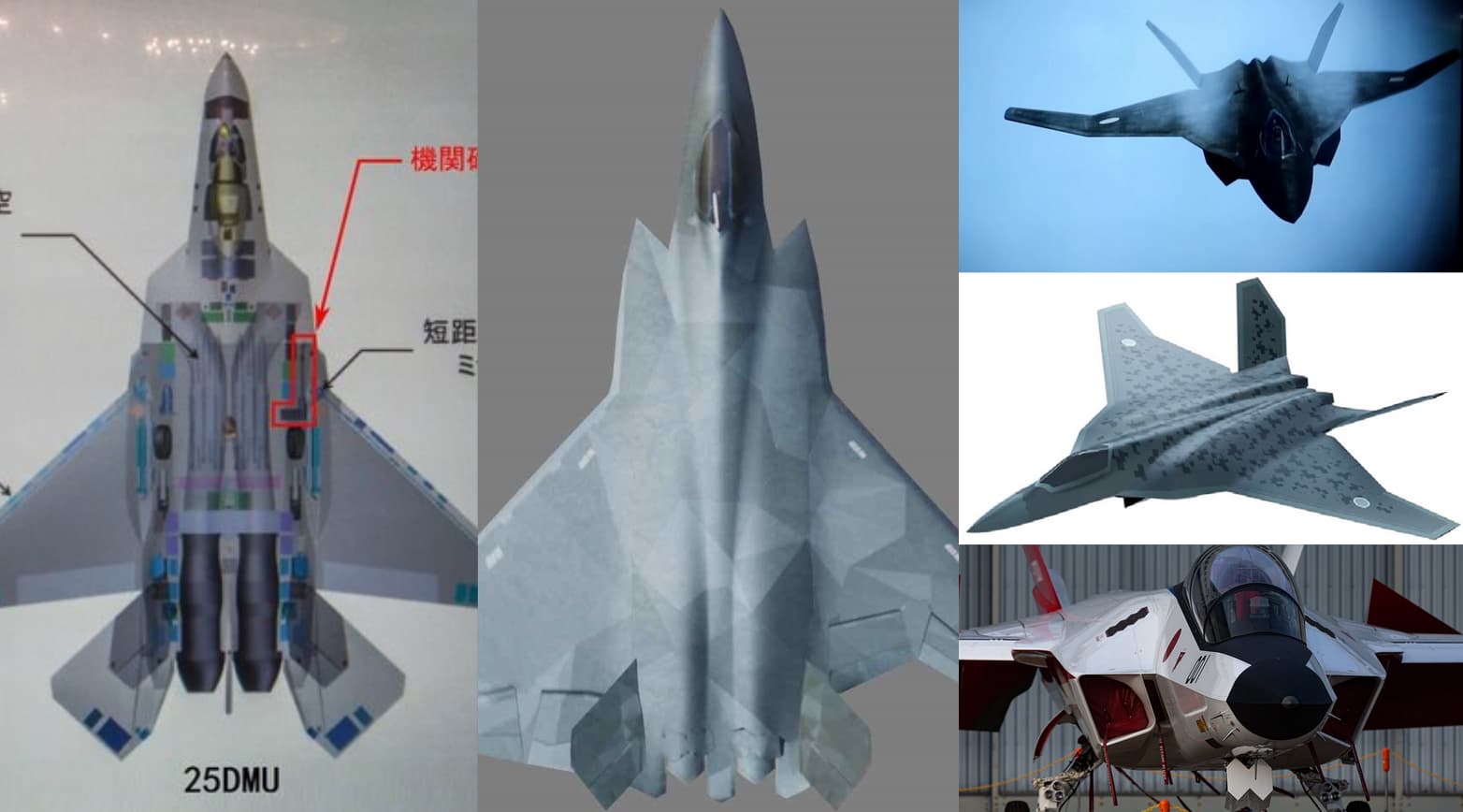
Following the successful test flights of the ATD-X, later named X-2 Shinshin, further research was done into the topic. While the X-2 was never intended to feature armaments, it showed Mitsubishi, and Japan as a whole, had what it take to design aircraft with adequate stealth performance. Taking what was learned from the X-2, improving upon it, and trying to fit the technology into a combat ready system, lead to the DMU design series. The further evolution of the ATD-X, and the closest japan got to a truly domestic fighter. There are 4 known designs in the DMU series, following the ATD-X, ranging in designations from 23 to 26DMU - around that time, mentions of key features of late 5th and 6th gens, such as networked electronic warfare were in the discussion. Around the time it shifted over to a 6th gen project around 2017/2018, with works on DMU designs stopping.
23DMU
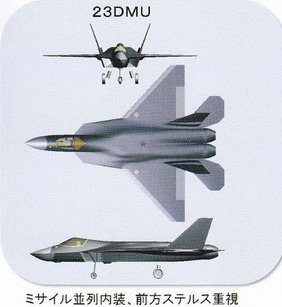
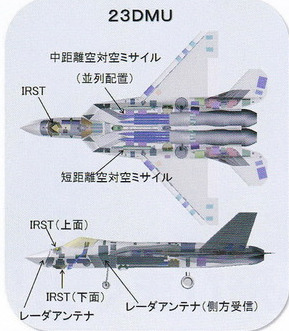
Each of them had some unique traits, the 23DMU was the closest to the X-2 design wise, being very visually similar, and a decent amount smaller then the others.
24DMU
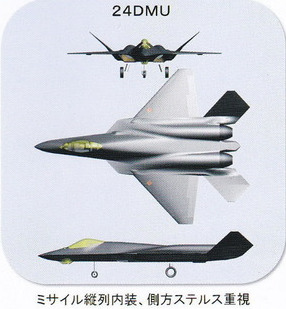
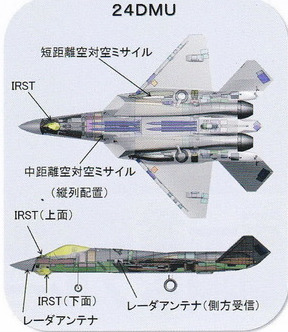
The 24DMU was the largest departure, featuring a V-tail design, very similar to the YF-23, and what likely lead to some of the false rumors that japan was looking into buying said prototype.
25DMU
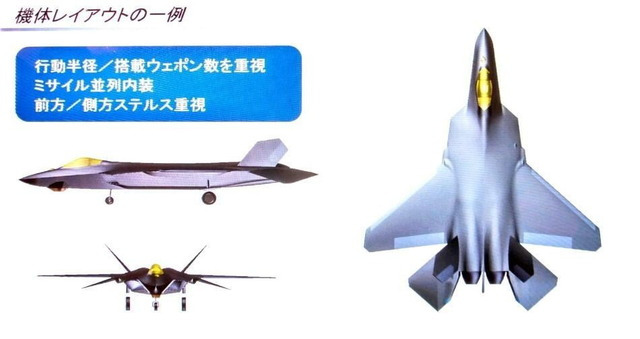
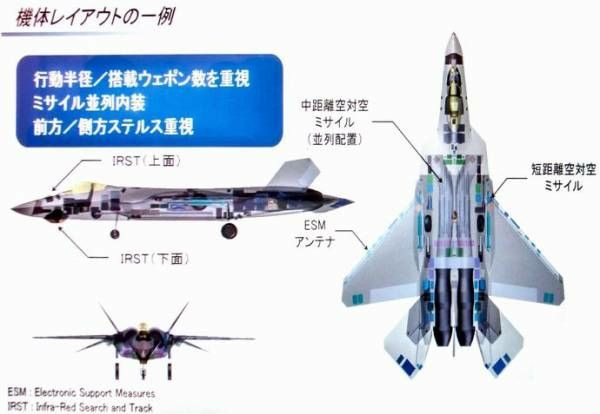
The 25DMU meanwhile returned to a more conventional, F-22 like design, but with noticable aerodynamic improvements, before finally leading us to the 26DMU, a marginal change in design over the 25DMU, with many components such as the fusalage being shared between the designs.
26DMU
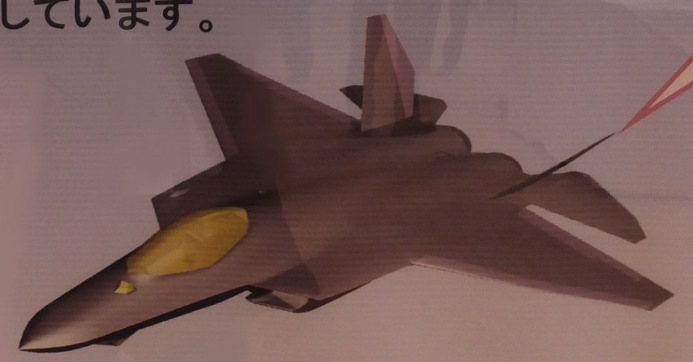
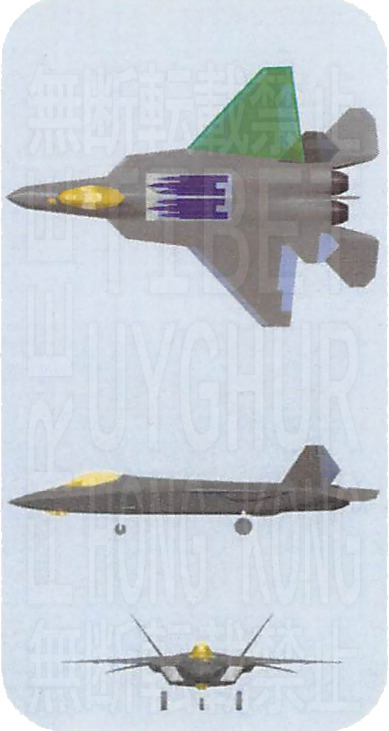
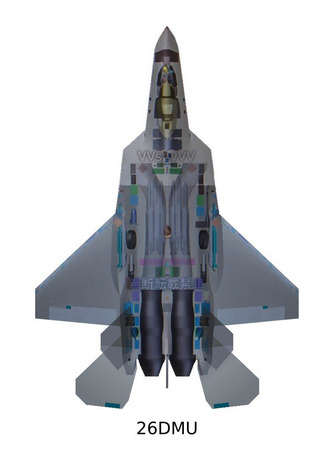
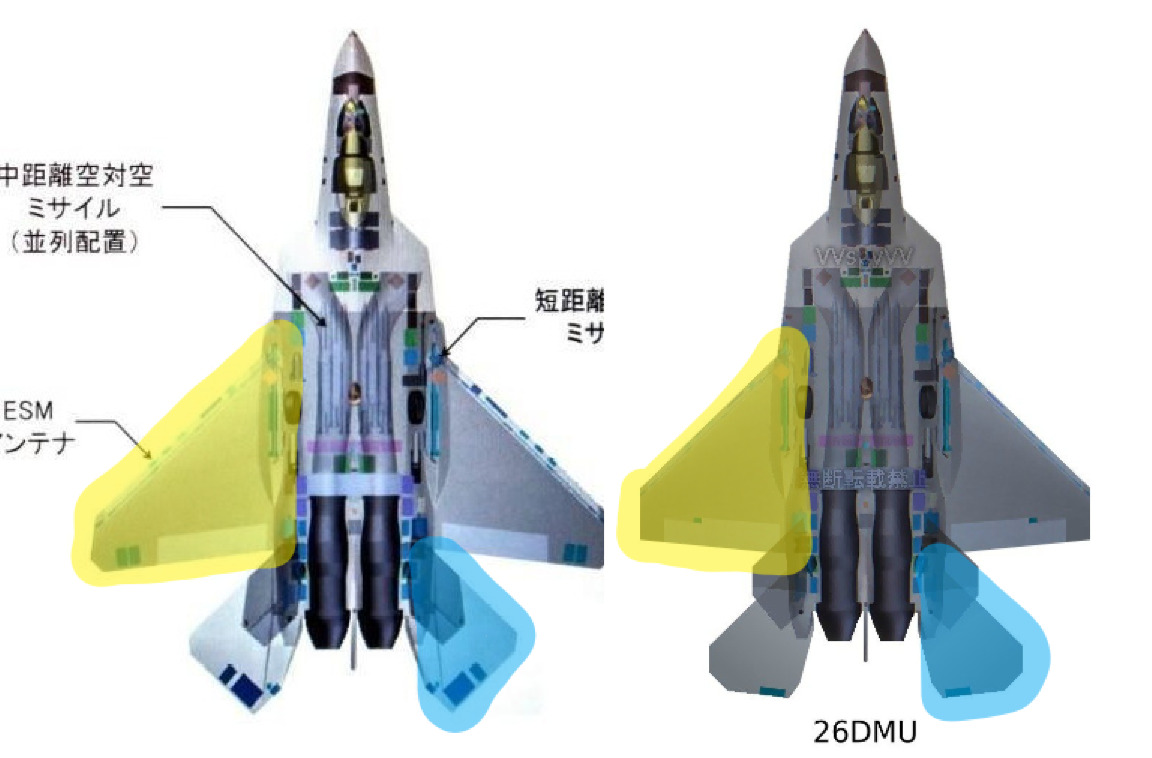
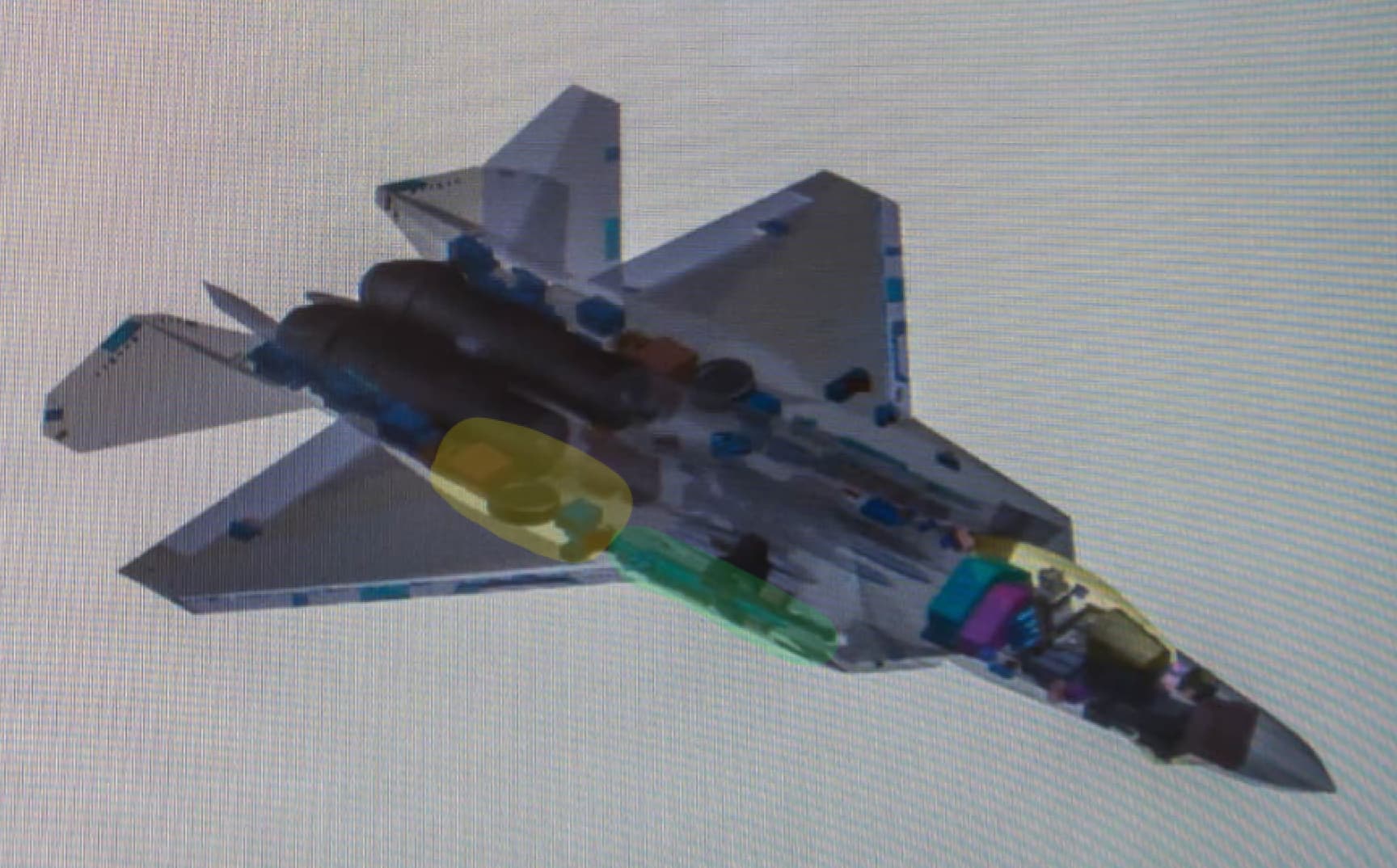
This isn’t to say they lacked similarities though, all designed with a dual IR system giving 360 degree coverage, a powerful AESA (more below), the same internal weapons bays, 2 large ones capable of carrying up to 6x JNAAMs (cancelled variant of MBDA Meteor with AAM-4B seeker head) total, and 2 smalls ones, for an armament of an AAM-5/B each, along with an internal gun mounted on the right hand side. And the same twin XF9-1 engine with XVN3-1 thrust vectoring nozzles setup.
The planned Radar developed for the planned F-X fighter aircraft platform (design 25/26DMU) would have operated in X-band (5 GHz) and combines mechanical and electric beam steering. Mechanically, the radar would’ve been capable of scanning in an azimuth angle of ±60 degrees and in elevation of ±30 degrees. The additional electronic beam steering extends the total detection range to ±120 degrees in azimuth and ±90 degrees in elevation.
It was planned with high-resolution and sensitive enough to detect targets with a very low radar cross section (RCS) of only 0.01 m² at a distance of up to ~46 km – even with atmospheric attenuation of 0.01 m²·k/m.
In addition, the radar would’ve been capable of engaging up to four targets simultaneously at least.
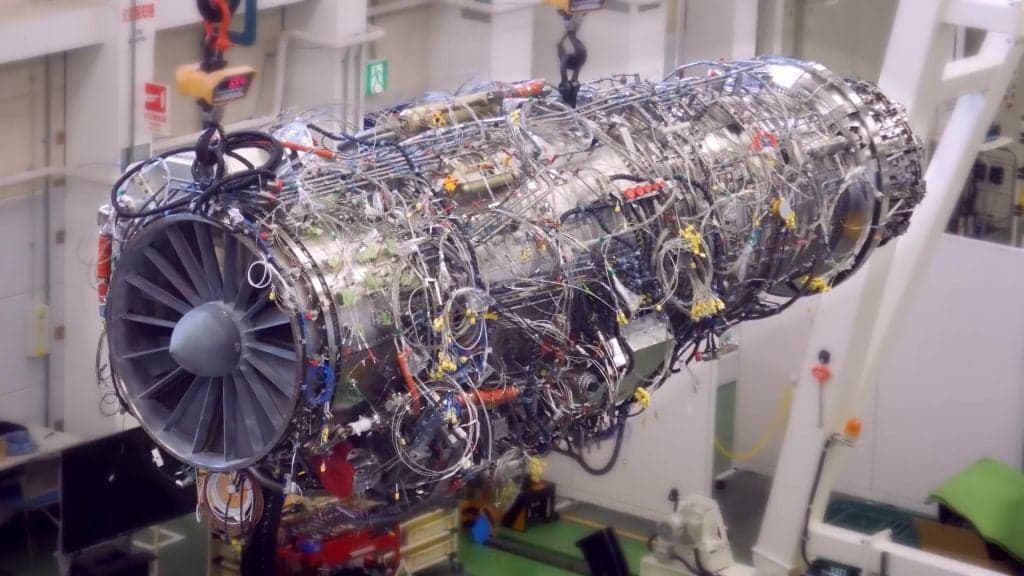
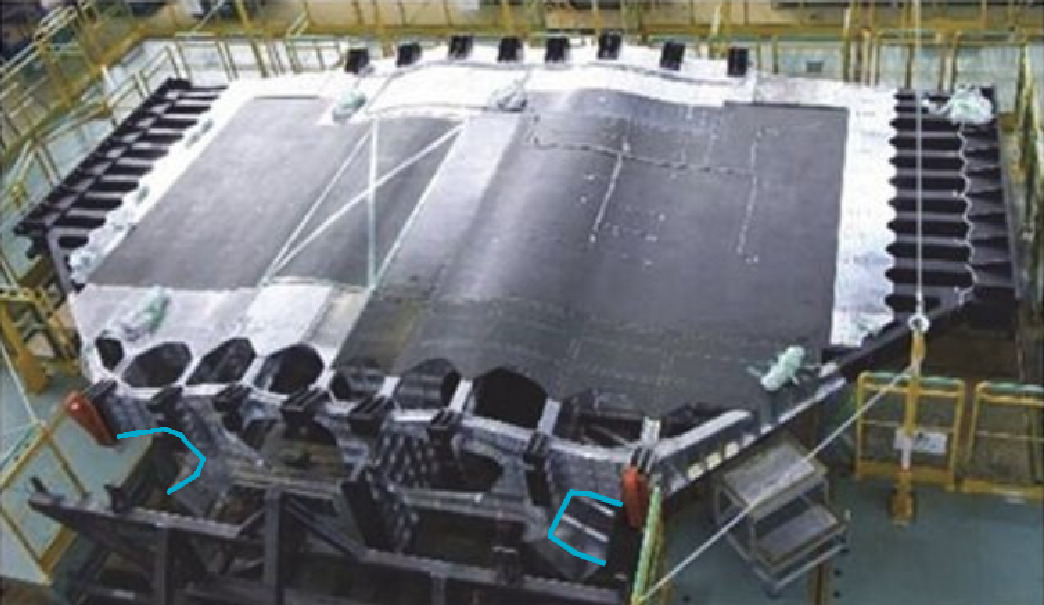
What sets these apart from the many, many 5th gen design studies however, is that several components were actually produced. Several fusalage components were completed for structural testing, internal weapons bays were designed and tested, with their footage even being used up till now in showcases relating to GCAP. An unnamed derivative of the J/APG-2 was tested for research into a future high power model for it. The XF9- engines have continued development up until now, with a planned afterburner thrust of up to 190 kN, currently having 150 kN of (static) afterburner thrust.
Stealth Materials
Another interesting development is the composite-bonded structure; practically entire airframe components made of highly resilient and temperature-resistant composite materials. This offers many advantages; fastener-less, light weight and yet high-strength and high-toughness. And even features such as it’s next generation RAM were fully developed, a compound design using layered alloys to diffract a wide rangeband of frequencies. With research done into a water cooling method to allow the RAM to maintain full effectiveness even in sustained supersonic flight, something current generation RAM is not capable of - which may find its way into the Mitsubishi F-3 (GCAP).
The Global Combat Air Programme (GCAP) (WIP)
After it became clear that Japan would not be able to develop and finance a next-generation fighter jet entirely on its own and in series production, and that the United Kingdom was also looking for suitable partners for such a project together with Italy, the three countries decided in 2022 to establish the Global Combat Air Programme (GCAP). The aim of this programme is to develop a state-of-the-art sixth-generation fighter aircraft through shared development costs, the consolidation of existing technologies and close, binding cooperation.
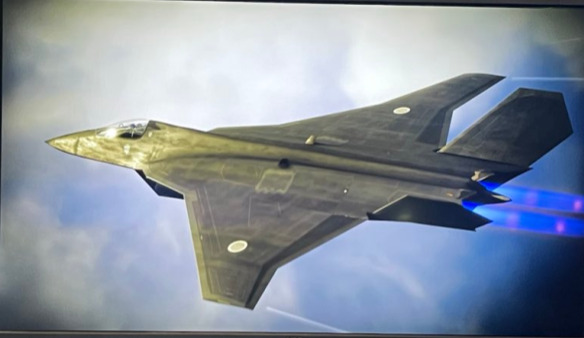 - IHI F-X Engine Demo
In December 2022, the heads of government of Japan, the United Kingdom and Italy officially announced the joint project. The result of this cooperation is to be a latest-generation air superiority fighter, which is expected to be operational by 2035. As early as September 2023, three of the leading defence companies in the participating countries – BAE Systems (UK), Leonardo (Italy) and Mitsubishi Heavy Industries (Japan) – entered into a trilateral cooperation agreement. In December of the same year, the GCAP International Government Organisation (GIGO) was founded, a joint government agency tasked with coordinating the programme and ensuring that the development goals set are achieved on schedule.
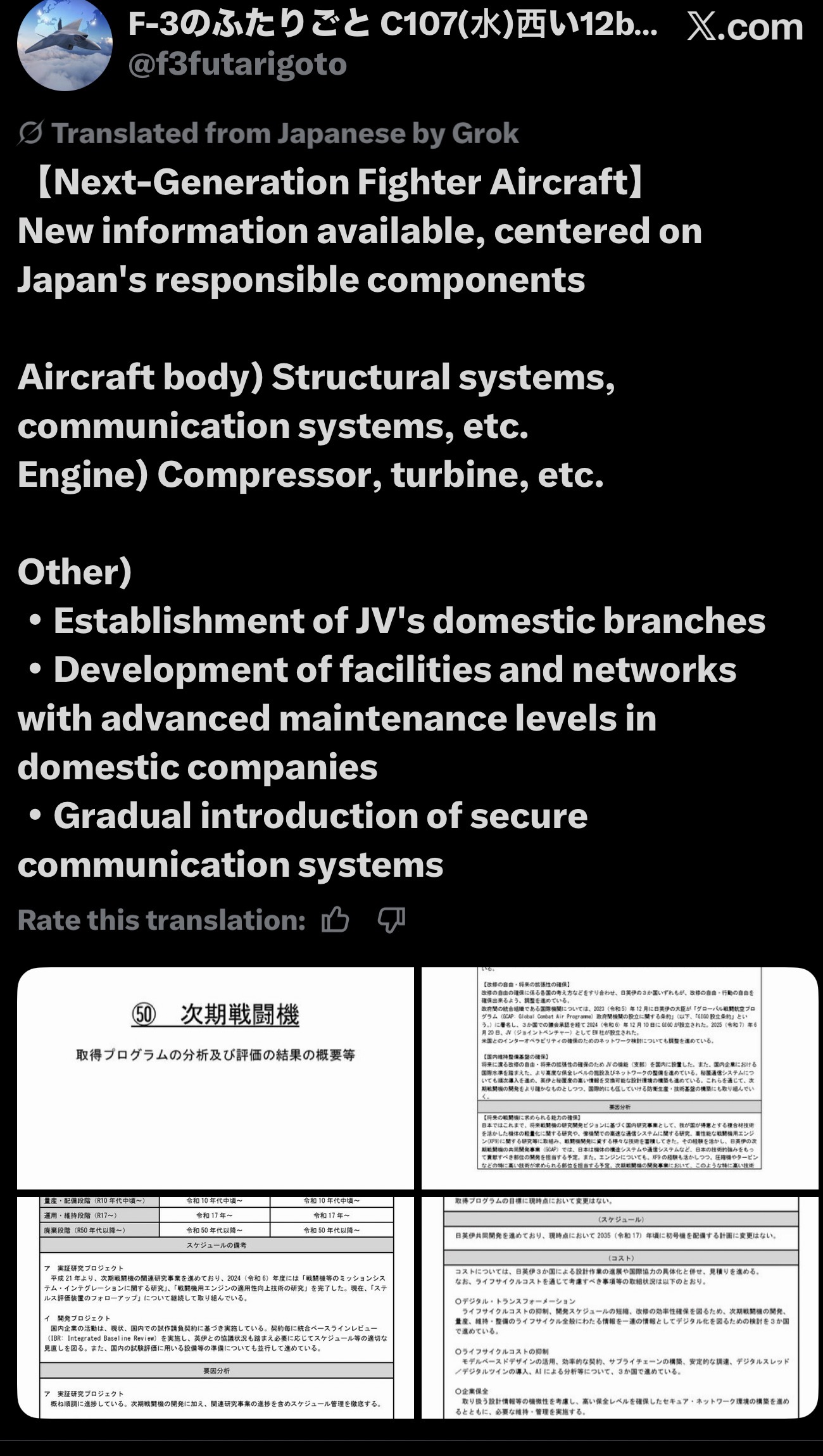
In December 2024, BAE Systems, Leonardo and Japan Aircraft Industrial Enhancement announced their intention to establish a joint venture. This agreement was officially implemented in June 2025 with the founding of Edgewing Company. Edgewing is to act as the industrial backbone of the programme and bundle the technological and organisational implementation of the GCAP specifications.
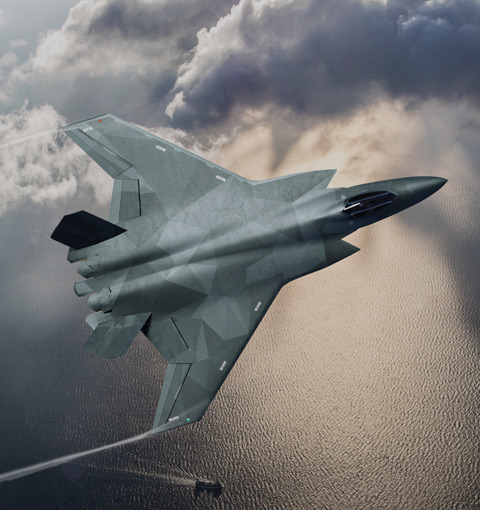
Basic Concept Design Evolution
A very early concept for the Japanese sixth-generation F-X fighter aircraft, probably developed before the official founding of the GCAP (Global Combat Air Programme), featured striking design characteristics: widely spaced double canard wings, a strikingly sharp ‘back’ and adjustable vertical stabilisers. A render image of this design was later used by IHI for a digital engine demonstration, even after the official merger of the GCAP partners, underscoring its continuing relevance.
One of the first official design concepts within the GCAP likely based on this original F-X design. This was particularly evident in the arrangement of the wings, cockpit, fuselage spine and engines. Nevertheless, there were also striking differences: the wings of the new design were reduced in span but extended further rearward. The air intakes were more reminiscent of those of the F-35A – they were now positioned on the sides and clearly visible from above.
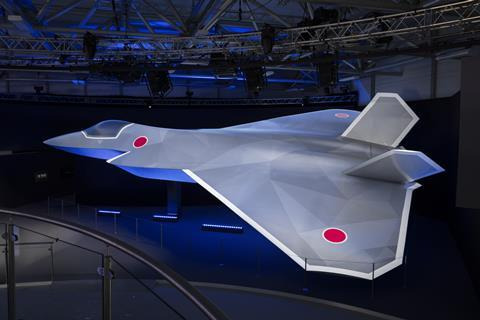
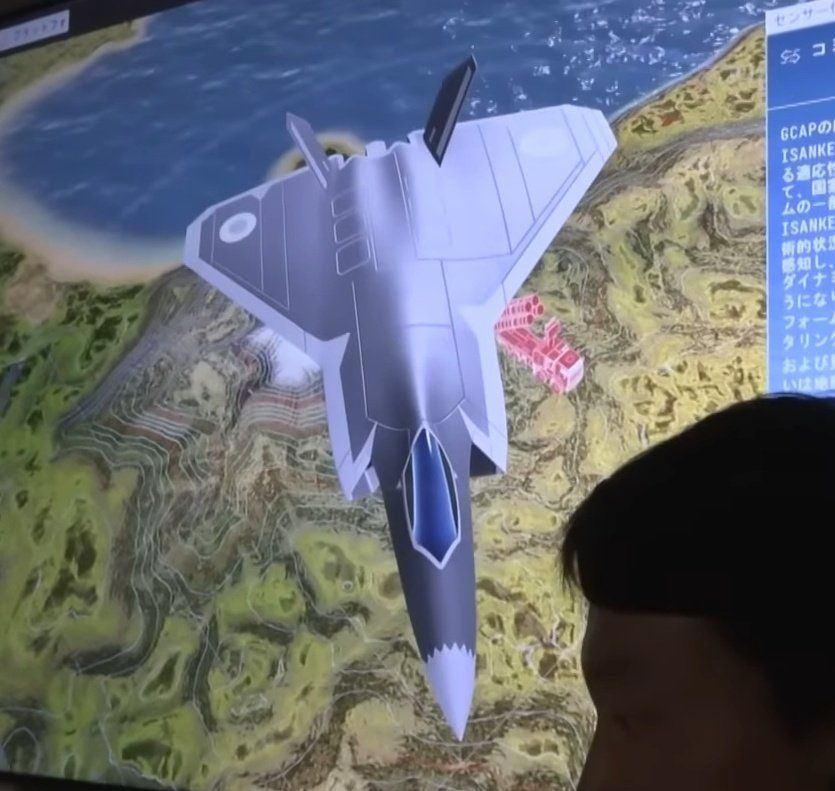
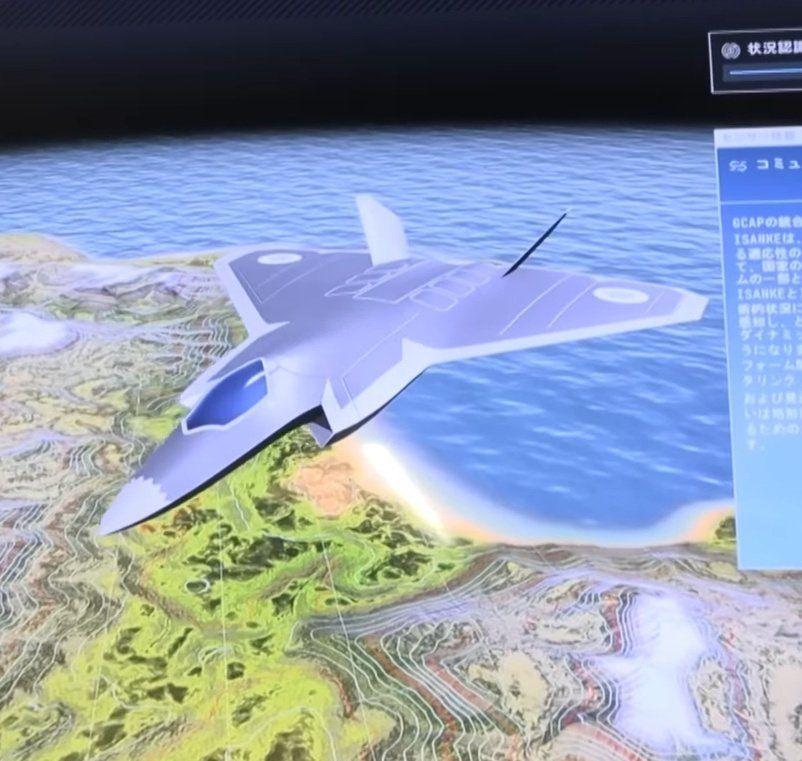
Many details in the official render image, which was supplemented shortly afterwards by small physical models, gave the impression that this was already the near-final design, which would only need to be refined in the following months. In mid-2024, however, it turned out that this was not the case. A new concept design was presented that differed significantly from the previous one: a large delta wing design with two vertical stabilisers, but with the same engine layout and similar air intakes.
In mid-2025, the first records appeared showing a much more detailed model of the new design and an early cockpit concept. However, as I am not aware of whether the recordings were made legally, I will not comment further on this and will wait for new official/public information on this matter.
A so-called ‘wingman drone’ is also already in development. It is intended to accompany the GCAP fighter aircraft and can be controlled directly by the pilot. It is not yet known whether Japan will also introduce this drone.
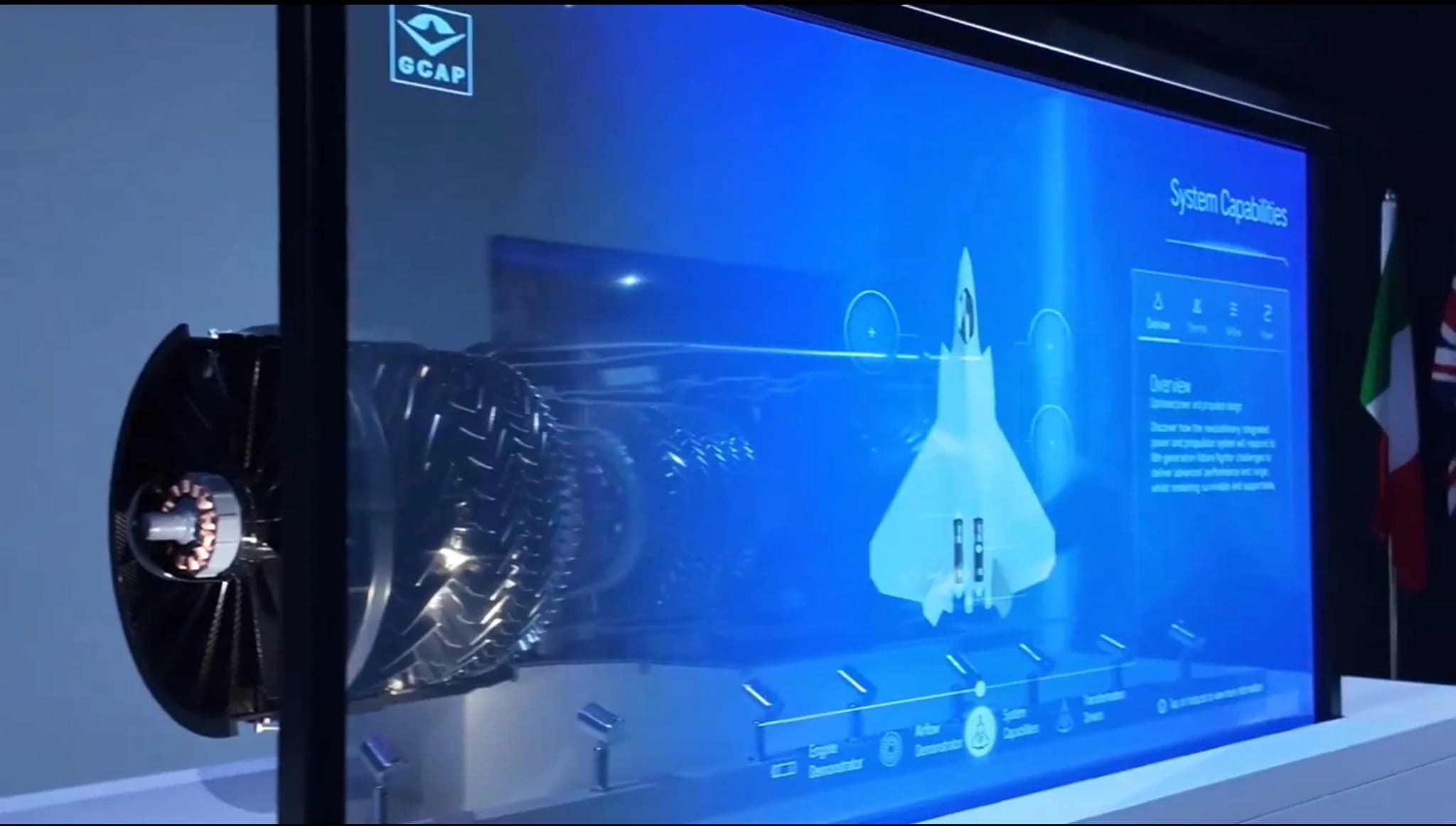
As far as the GCAP engines are concerned, there are currently many indications that the Japanese company IHI has been playing a key role in their development from the outset, based on the already well-advanced XF9-1. Initial renderings and now also a scale models of the planned engine suggest that it is a further developed or modified version of the XF9-1, on which both Rolls-Royce and IHI are working together. The similarities with the Japanese prototype suggest that it could be a variant of the XF9-1 - as already planned by Japan previously, with an afterburner thrust target of around 190 kN (static) - possibly further developed along with Rolls-Royce to meet the requirements of the joint GCAP program.
Final Words
As with many other things, circumstances can change and new information can come to light at any time. This is a brief summary of what we have been able to find out so far on this page of the project (legal) – how the project will develop further remains to be seen.
Contrary to a few media reports, however, it is safe to say that GCAP is progressing well and that a first demonstrator is already under construction, as well as rumours of a Japanese prototype by 2029.
I personally believe that 2035 is a realistic date, considering that nothing will stand in the way of the project.