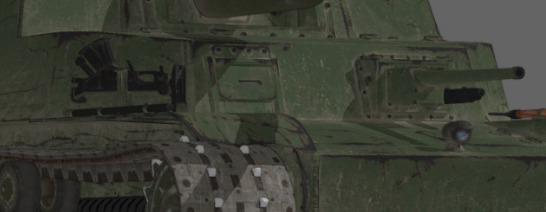
- Yes
- No
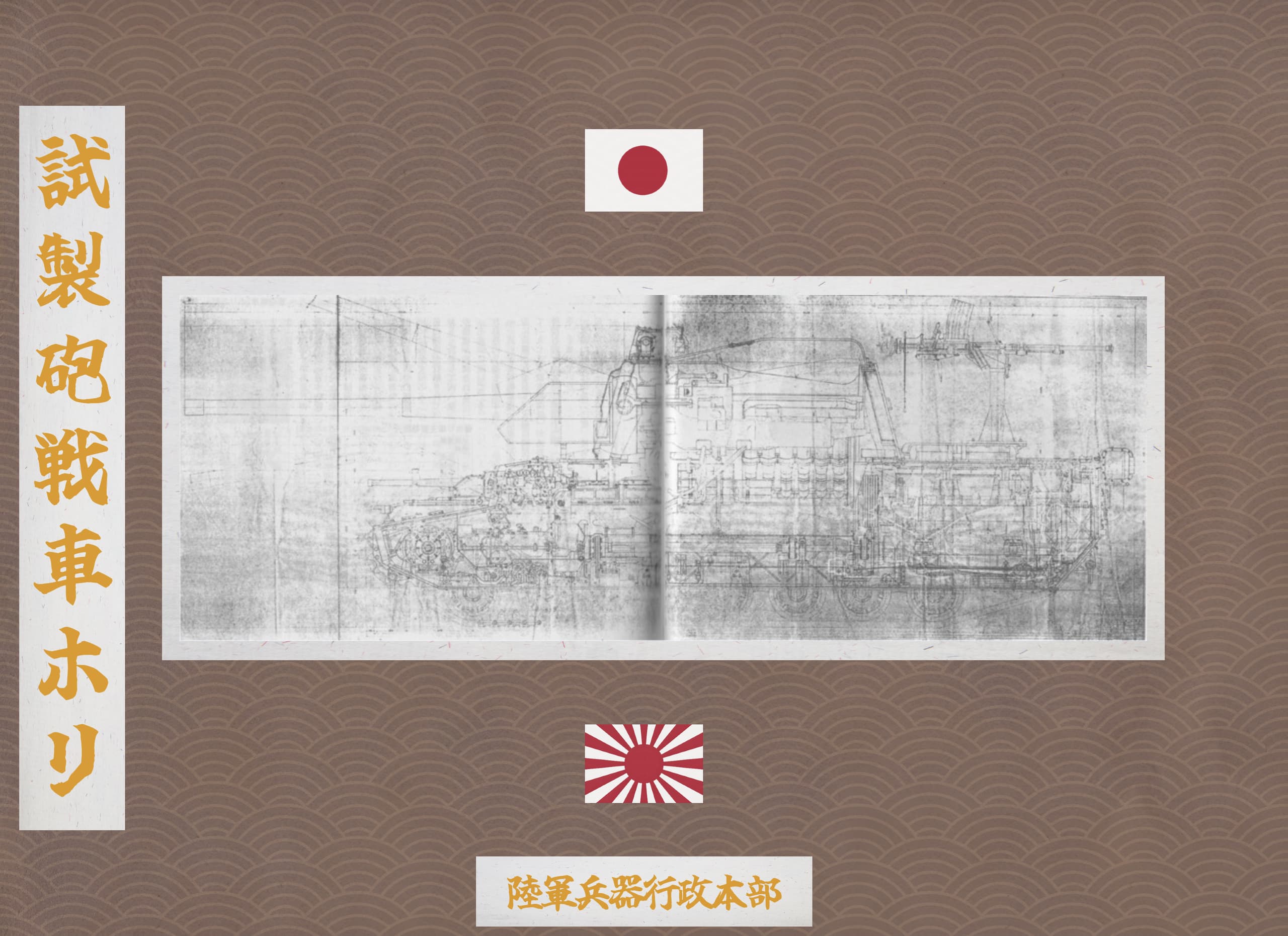
Development
On June 30, 1943, the Executive Committee of the Army Munitions Council discussed the newest developments in armor from Germany and the Soviet Union. The war had accelerated the nations’ armored vehicles in leaps and bounds, while, concerningly for the Imperial Japanese Army, their own tanks were looking increasingly obsolete. Despite their infamous reputation, the famous Ha-Go and Chi-Ha were perfectly adequate for a time, especially when introduced. They were indeed effective infantry tanks instrumental in the rapid expansion of the Japanese forces in the early stages of the Pacific War. Nonetheless, the advances in firepower and armor couldn’t be ignored, especially as American medium tanks proved an overmatch for the light armor and firepower of Japanese tanks. Even more troubling was the introduction of new Soviet heavy tanks, bearing armor that could withstand much of their current arsenal. While the Type 97 ShinHōtō Chi-Ha (Chi-Ha Kai) entered service the previous year with a newer gun, the Type 1 47 mm tank gun, it was an understatement to say that an improvement in firepower was necessary. As such, existing plans, such as the 57 mm anti-tank gun, were cancelled as they were only incremental improvements. The Executive Committee of the Army Munitions Council thus called for the adoption of a 75 mm tank gun and a larger 105 mm tank gun.
A month later, on July 22, it was decided to develop a vehicle capable of utilizing this 105 mm gun. Two gun variants were proposed, the Experimental 10 cm Tank Gun (Long) and the Experimental 10cm Anti-Tank Gun. The latter was to be used on an open-topped tracked carrier, analogous to the Type 5 Na-To, named the Ka-To. The former proposal, the focus of this suggestion, was to be used on a casemate chassis. It was to have thick frontal armor to withstand enemy firepower, ostensibly future Soviet designs that were fielding increasingly more powerful guns. This tank destroyer was to play a decisive role in destroying enemy tank formations and supporting the Type 5 Chi-Ri, allowing it and infantry to move closer to enemy lines. Following the Iroha naming scheme of the IJA, this vehicle would receive the designation Ho-Ri
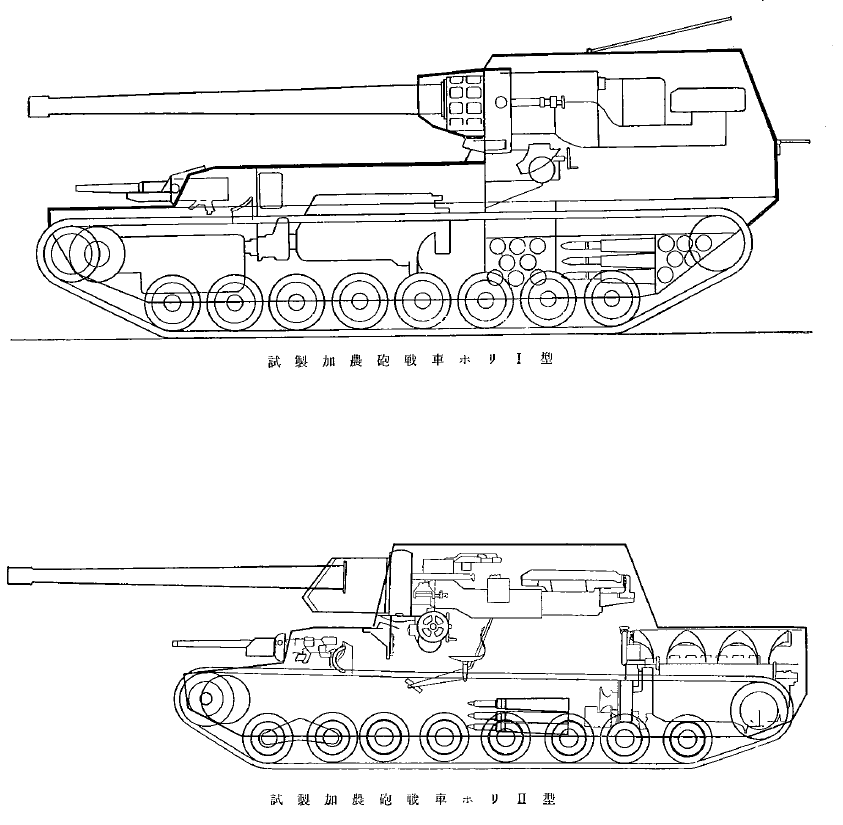
As with the gun, the design of the chassis would evolve several times throughout the development of the Ho-Ri. Of the Experimental 10 cm Tank Gun (Long), two variants were proposed and designed between August 1943 and February 1944. Gun I, utilizing a shorter loading tray for a purported rear-mounted casemate design, and Gun II, utilizing a longer loading tray. Gun II would come to be used on a center-mounted casemate design after a different rear-mounted casemate design with sloped armor was briefly considered. These two designs are popularly known as Ho-Ri I and Ho-Ri II, respectively, reflecting not the guns used, but rather the engine layout. Ho-Ri I uses a mid-engine layout, whereas Ho-Ri II mounts the engine in the rear. It should be noted that these are not official designations, but rather postwar designations popularized by Akira Takeuchi in the book Nihon no Sensha to differentiate the Ho-Ri designs. While the IJA likely saw the development of the Ho-Ri as fairly linear, with one design ultimately favored, I will retain these names for the sake of clarity.
Page 165 from Tomio Hara and Akira Takeuchi's book Nihon no Sensha
Note that in the book, the infamous sloped Ho-Ri, which uses a mid-engine layout, is termed Ho-Ri I. This sloped variant will be discussed in detail below.
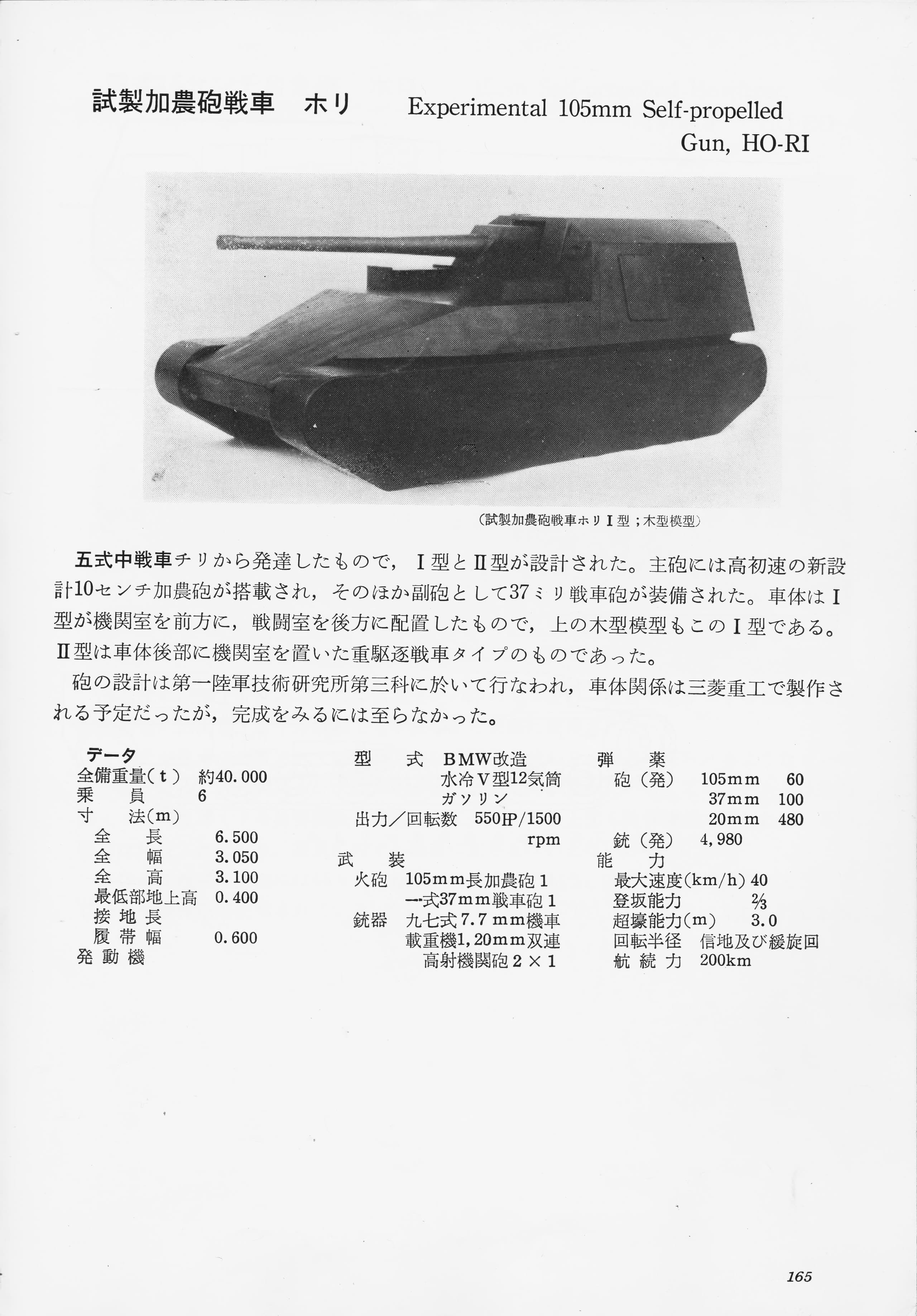
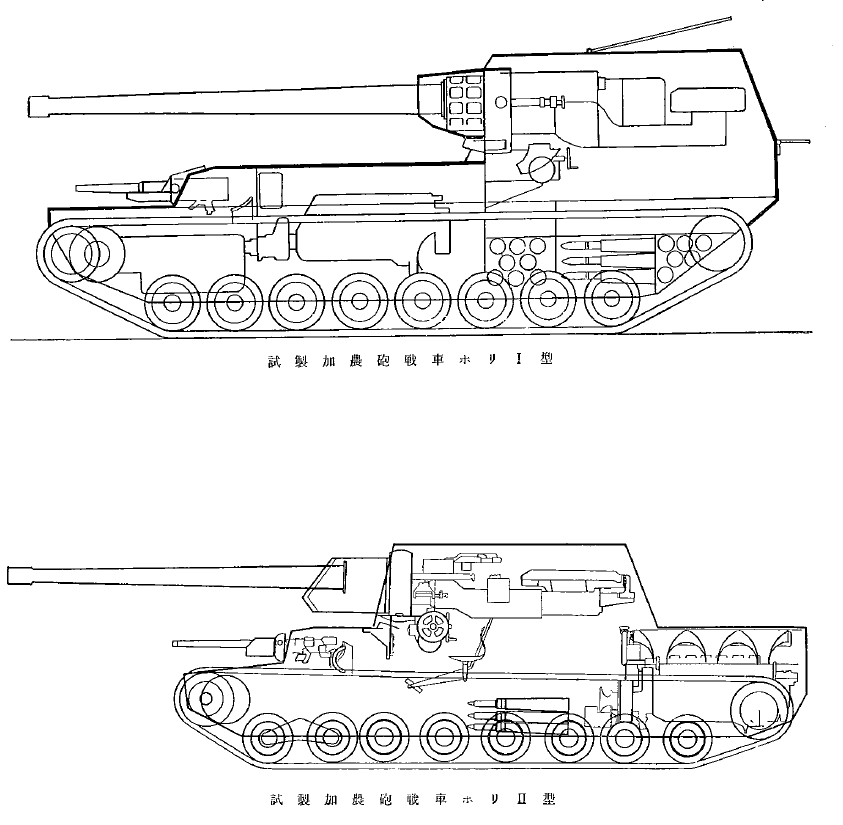
Ho-Ri II, the center-mounted casemate design using Gun II, was likely the variant ultimately selected for mass production. It is also with this gun that a particular wooden model appeared early in the development of the Ho-Ri II. The rationale for why the Ho-Ri II was likely intended for mass production, as well as why the infamous sloped design wasn’t, is explained below in the overview of the Experimental 10 cm Tank Gun (Long) development.
Development of the Experimental 10 cm Tank Gun (Long) Project
Early on, between August 1943 and February 1944, the Gun II design was chosen over the Gun I design. While the reasons for this decision are unclear, it’s possible that the shorter loading mechanism of Gun I, in addition to the rather beefy breech, limited the operation of the gun. It also seems likely that Gun II was more seriously considered early in the development process.
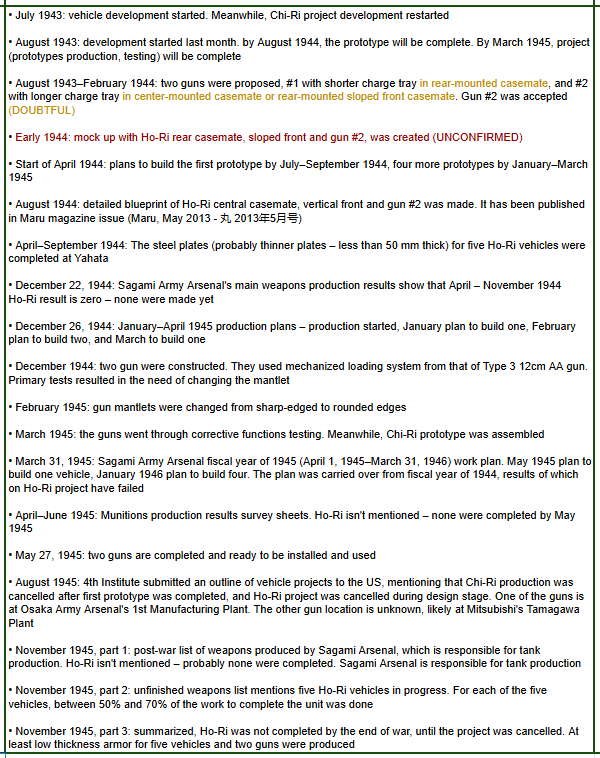
A timeline of the development of the Experimental 10 cm Gun Tank (Long), authored by @SiberianSnakeSIB, can be seen below
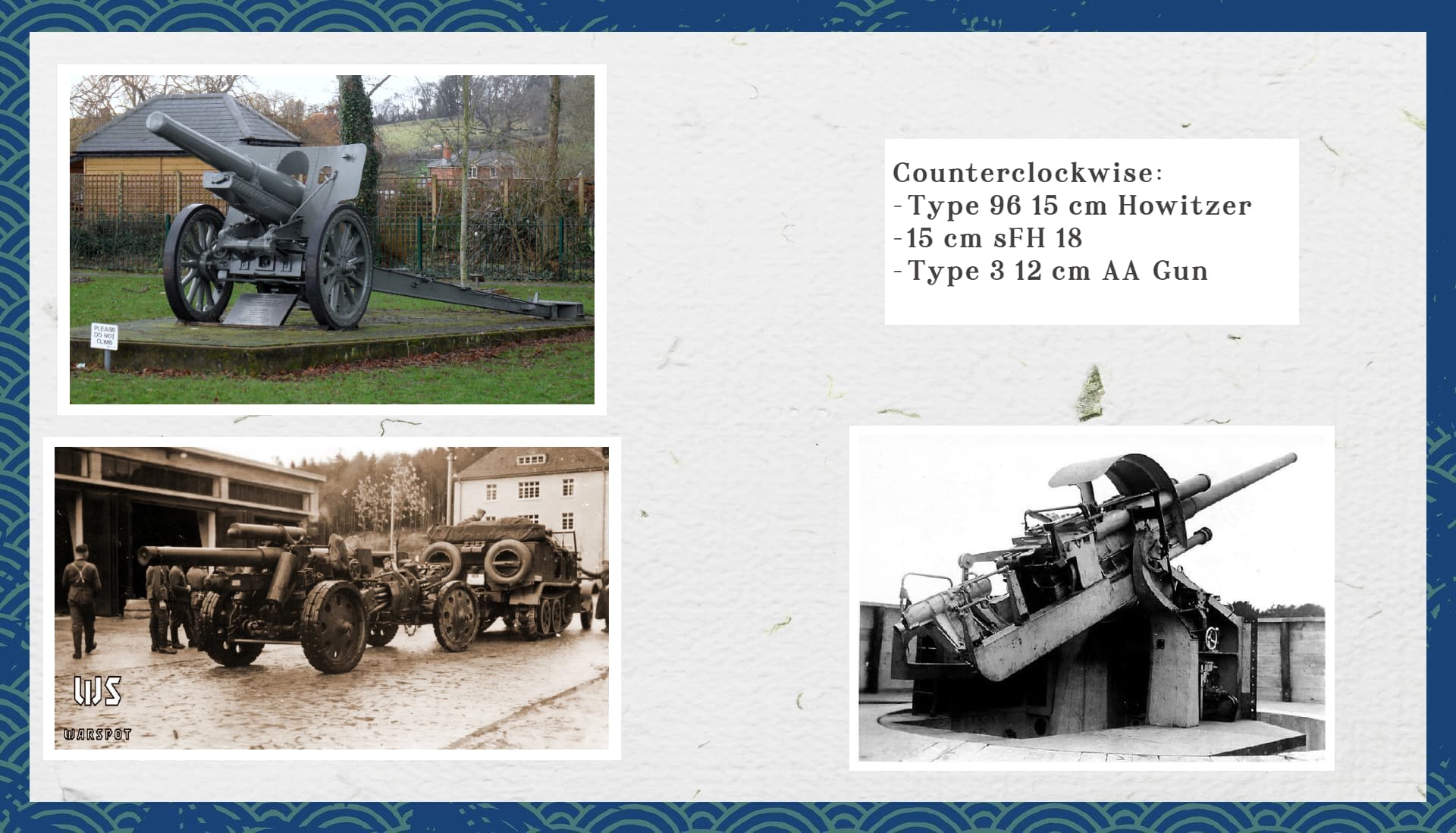
In order to speed up the design and construction of Gun II, it incorporated components from other artillery weapons. It should be noted that this was not an ad-hoc solution, but rather something planned from the start:
- The recoil buffer was taken from the Type 96 15 cm howitzer.
- The recuperator cylinder from a captured 15 cm sFH 18 was installed
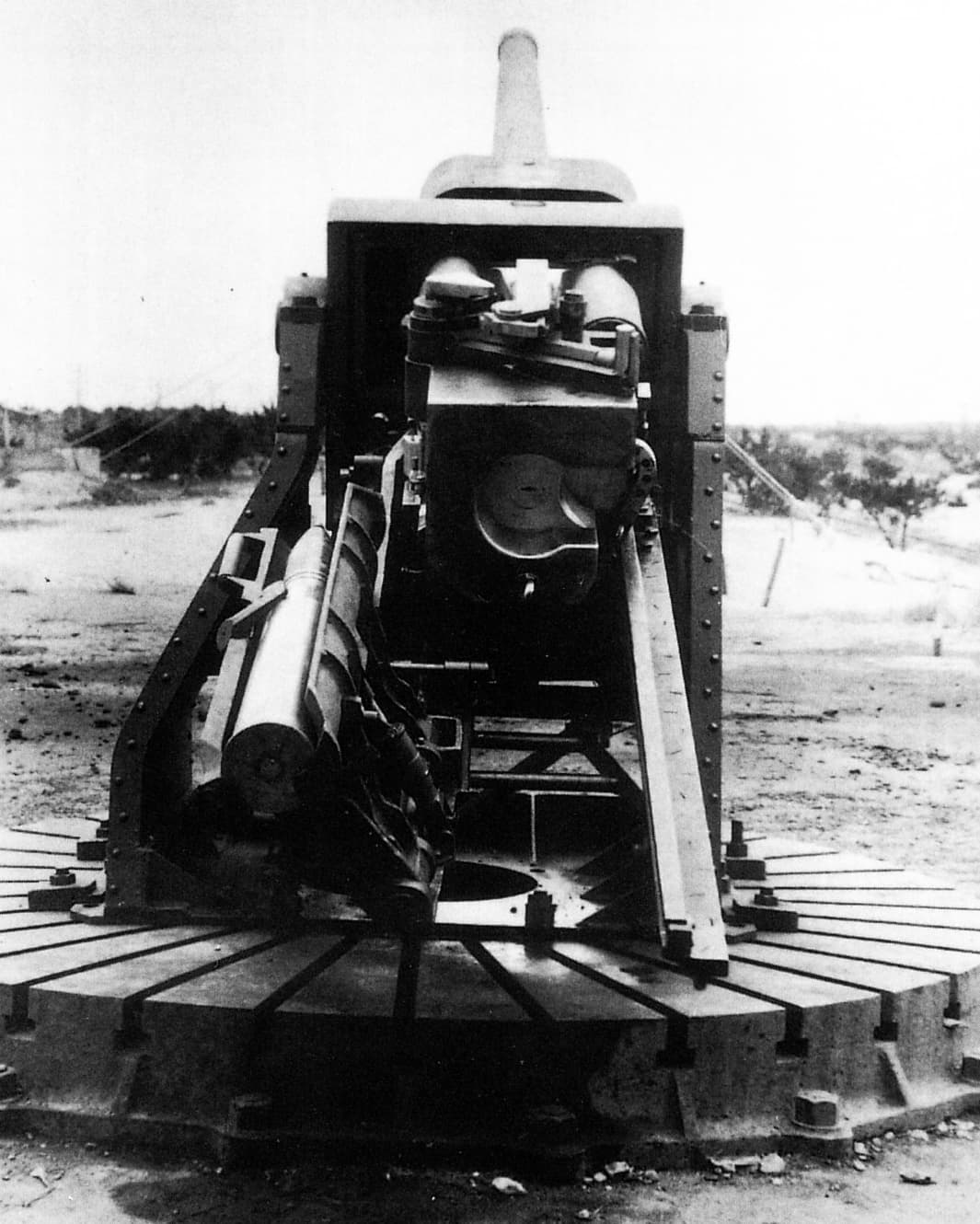
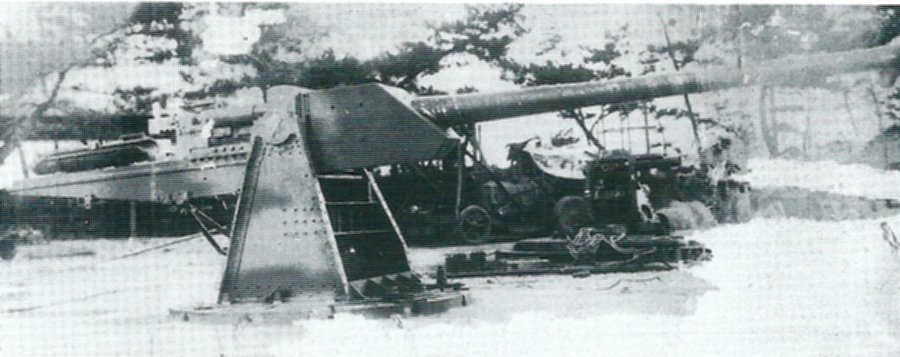
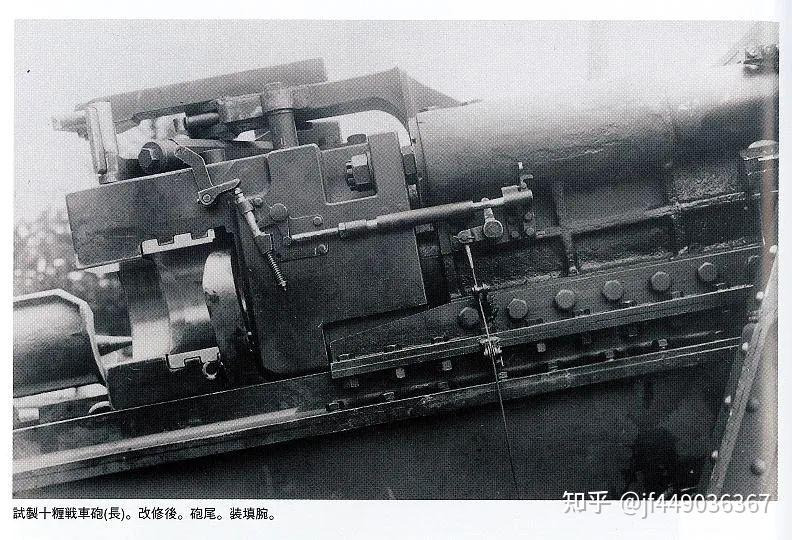
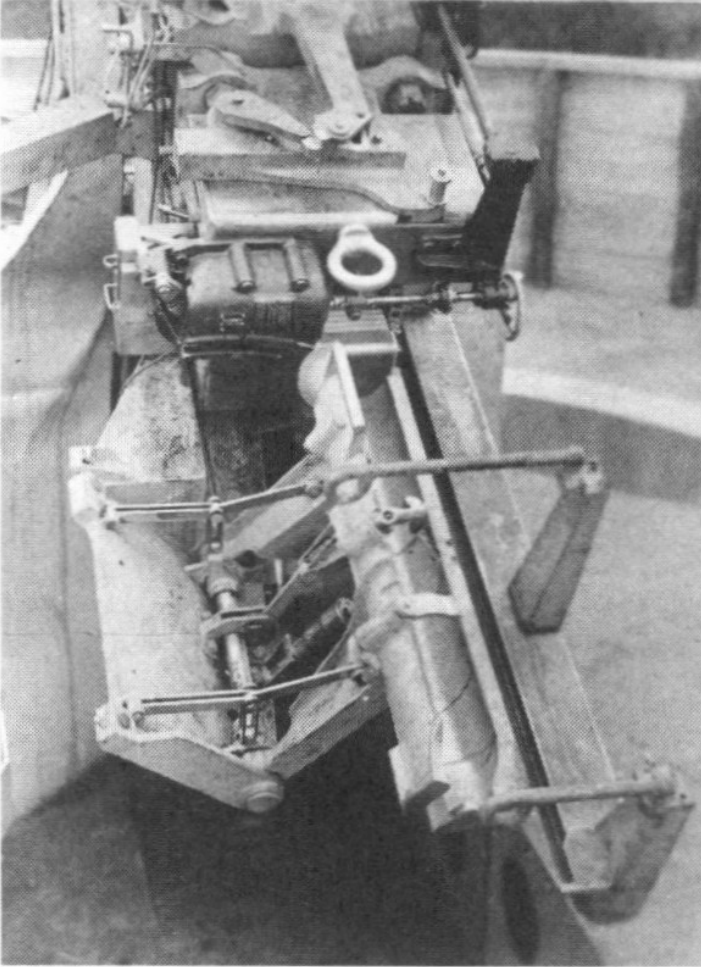
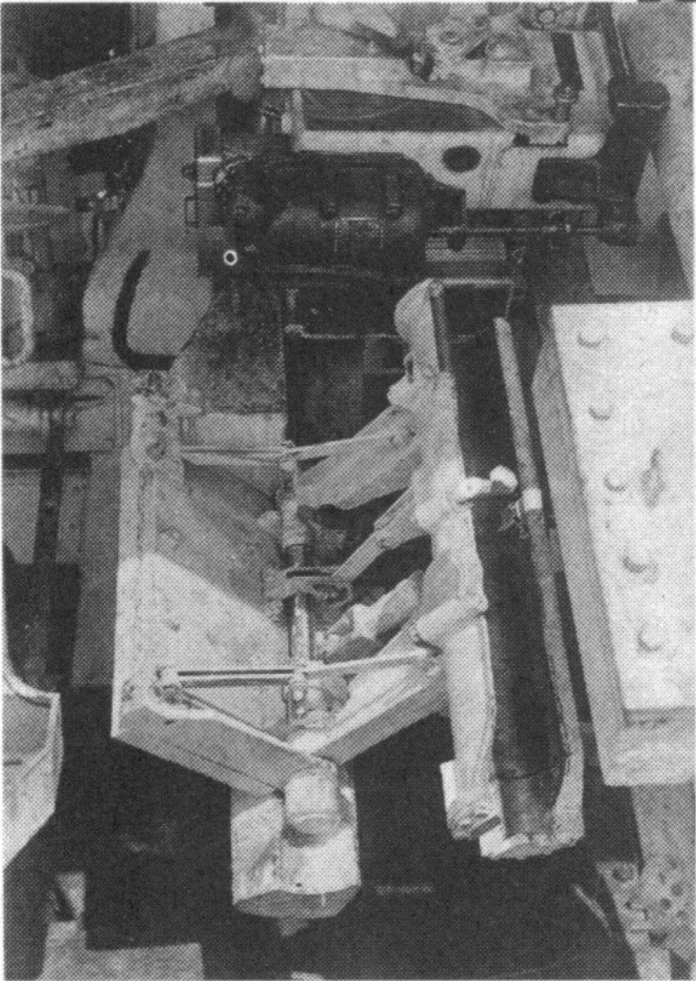
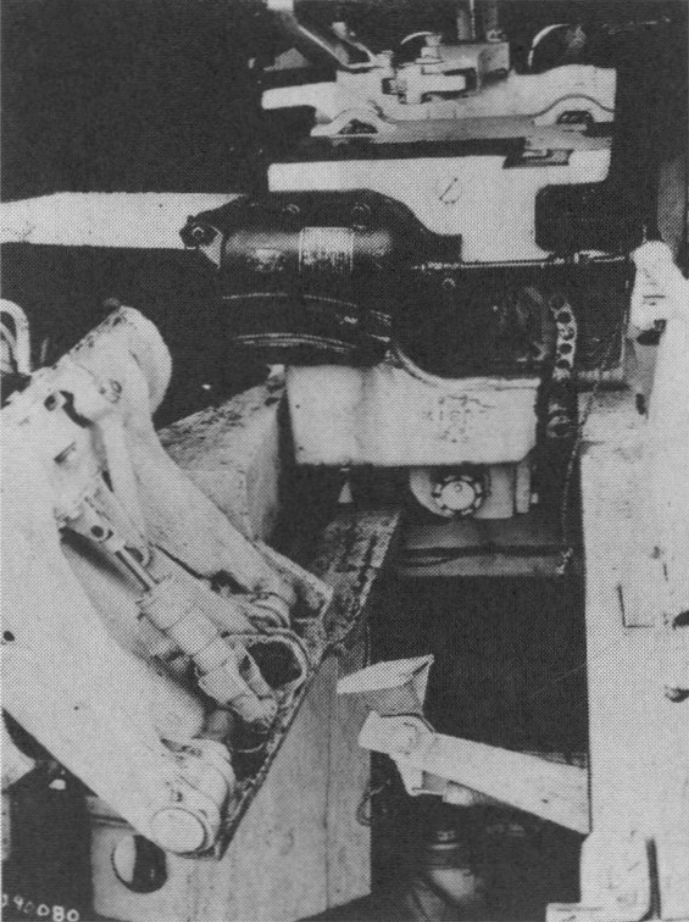
- The loading mechanism from the Type 3 12 cm AA gun was used on the Ho-Ri. The loading process wasn’t fully automatic, as the loader had to manually tilt the tray into position after ensuring the spent case was ejected from the breech. After this was done, the cartridge would be rammed into position, and the tray would return to the loading position automatically. As an aside, attempts to fully automate the loading tray had caused considerable grief in the Chi-Ri’s 75 mm gun development, as many times the spent case hadn’t ejected properly. Thus, a similar process on the 105 mm gun was probably out of the question. More images of the Type 3 loading mechanism can be found below under “Additional Images”.
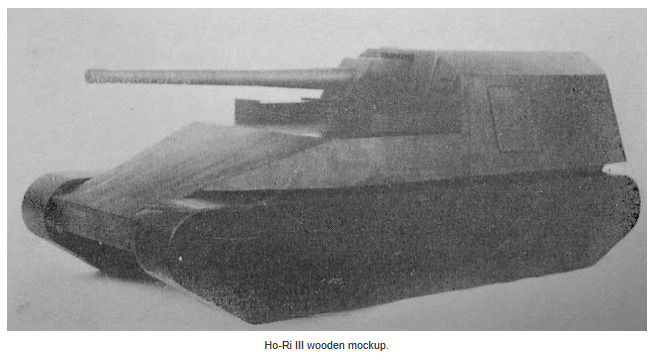
It was likely somewhere early in the development of the Ho-Ri II, after the Ho-Ri I (and Gun I) was dropped, that a rear-mounted casemate design housing Gun II was considered. This is reflected by the famous (or infamous, depending on who you’re asking) wooden model of the Ho-Ri. For the sake of clarity, I will be referring to this design as the Ho-Ri I (Inclined Armor Type)
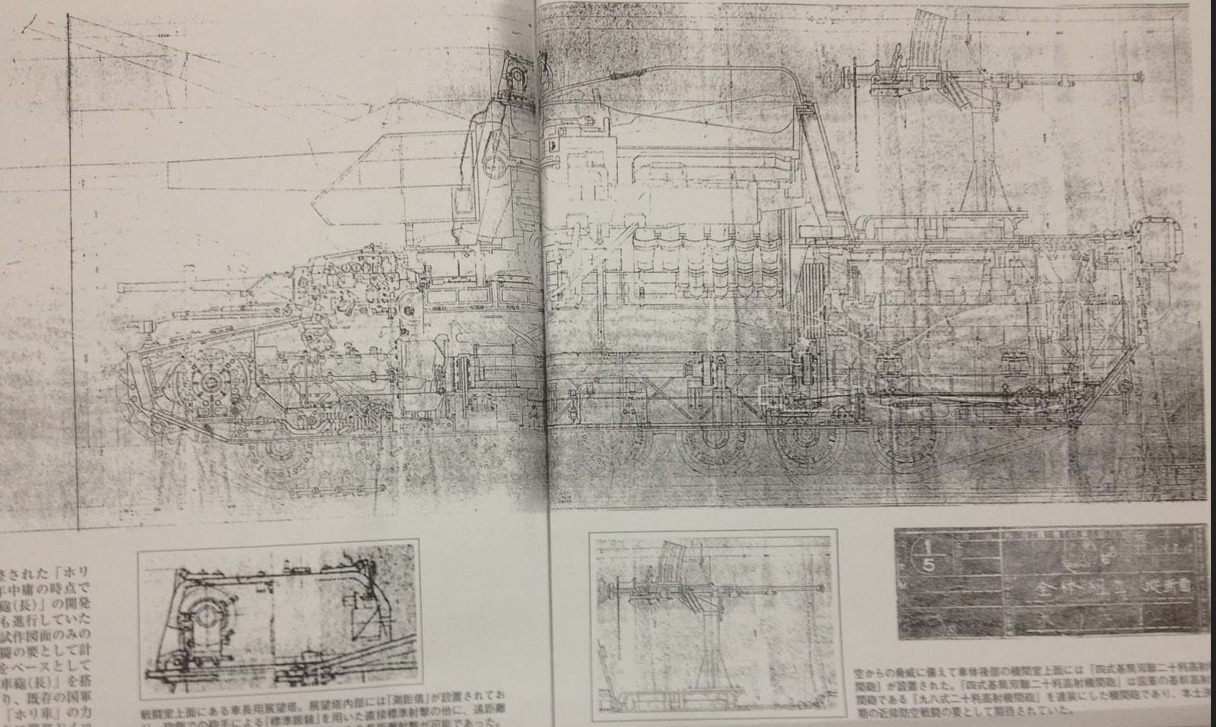
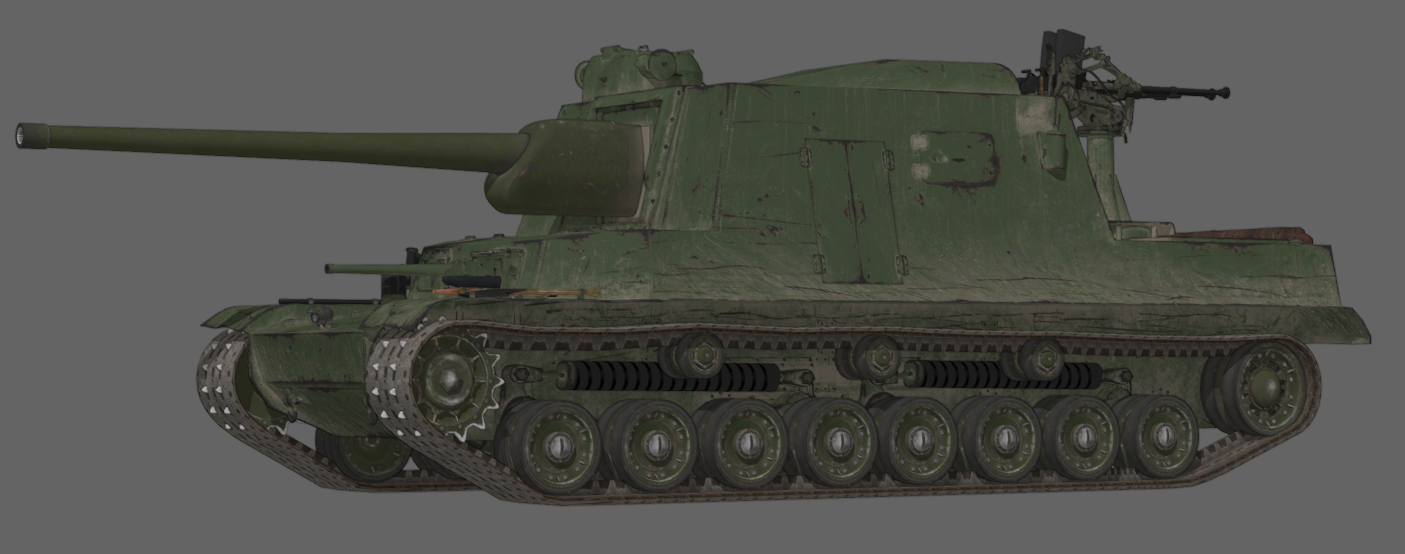
We know that this utilized Gun II due to the shape of the gun mantlet on the model, as it has the extended angular design. As this model appeared early in the Ho-Ri project development, it can be presumed that there was still some interest in a rear-mounted casemate design. A rear-mounted casemate design is technically more space-efficient than a center-mounted one, as such a superstructure could house the entirety of the gun crew and the ammunition. It would also shorten the distance between the engine and the front-mounted transmission. Furthermore, the sloped upper front plate of the Ho-Ri I (Inclined Armor Type) would offer superior protection to the flat plate of the Ho-Ri II, while sacrificing the Type 1 37 mm secondary. However, this idea never went further than a simple wooden model. This is evidenced by the lack of features that the Ho-Ri II would go on to receive, as seen below, such as the AA guns and the coincidence rangefinder. It’s also reasonable to assume that the Ho-Ri I (Inclined Armor Type) simply wasn’t efficient for Japanese manufacturing at the time, due to war shortages and increasing B-29 raids. The Ho-Ri II, in its intended form with a center-mounted casemate and rear-mounted engine, requires the least modification from the Chi-Ri chassis, retaining its width of 3.05 meters while only being lengthened to accommodate the sizable gun and loading mechanism.The Ho-Ri II continued to be further refined throughout 1944, and by August of that year, detailed blueprints of the vehicle were completed. This design had progressed considerably, featuring a coincidence rangefinder installed on the commander’s cupola, a raised roof bump to facilitate gun depression, and the famous twin AA autocannons on the engine deck. The more detailed blueprint, seen below, adds further credence to the Ho-Ri II being destined for production.
From Maru magazine, May 2013 issue
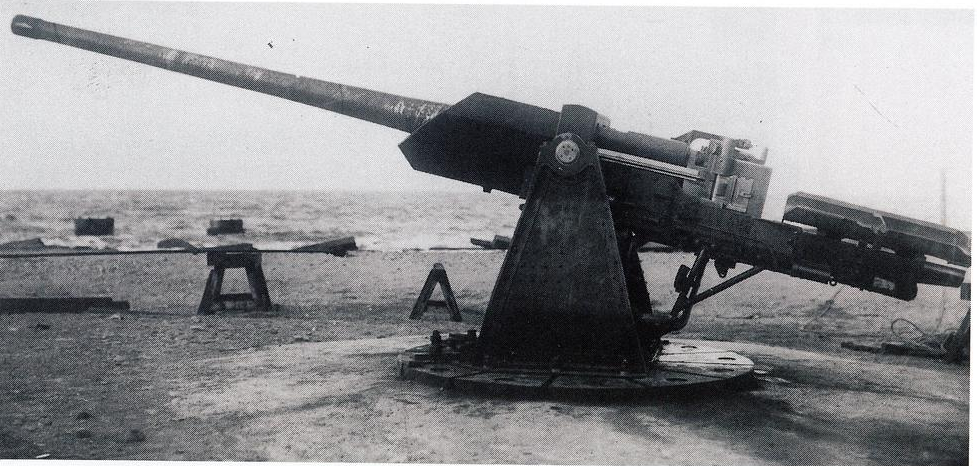
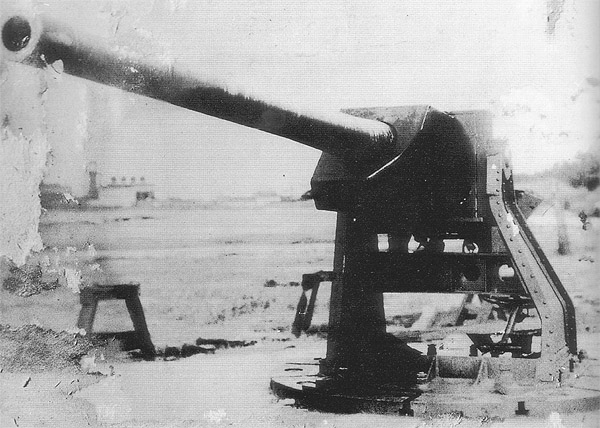
As Gun I had long been discarded at this point in the development of the Ho-Ri and was never even prototyped, Gun II will now be referred to as the Experimental 10 cm Tank Gun (Long) or 10 cm Tank Gun for brevity. Simply put, Gun II is the Experimental 10 cm Tank Gun (Long). This gun, like the chassis, underwent further development, of which two were constructed and tested by December 1944. One example was completed as early as October 13, 1944, according to a record.
Experimental 10 cm Tank Gun (Long) undergoing testing. Note the angular mantlet and the long loading tray derived from the Type 3 12 cm AA gunIn early 1945, for unclear reasons, it was decided that the shape of the mantlet needed changing, thus becoming more rounded. This modification was completed in February of that year, as part of a period of corrective functions tests that took place between February 27 and March 7 at Osaka Arsenal and Ōtsugawa Range. For the sake of clarity, the earlier angular mantlet design will be referred to as “10 cm Tank Gun Early” and the later rounded mantlet design “10 cm Tank Gun Late”; note that these are also unofficial designations. As the development of the guns far outpaced the construction of the vehicle itself, any Ho-Ri that would’ve been produced would’ve featured the improvements of the Gun II Late, whether it was the initial prototype or a mass-produced example.
Experimental 10 cm Tank Gun (Long) Late undergoing testing. Note the rounded mantlet, as well as the shell in the loading mechanism
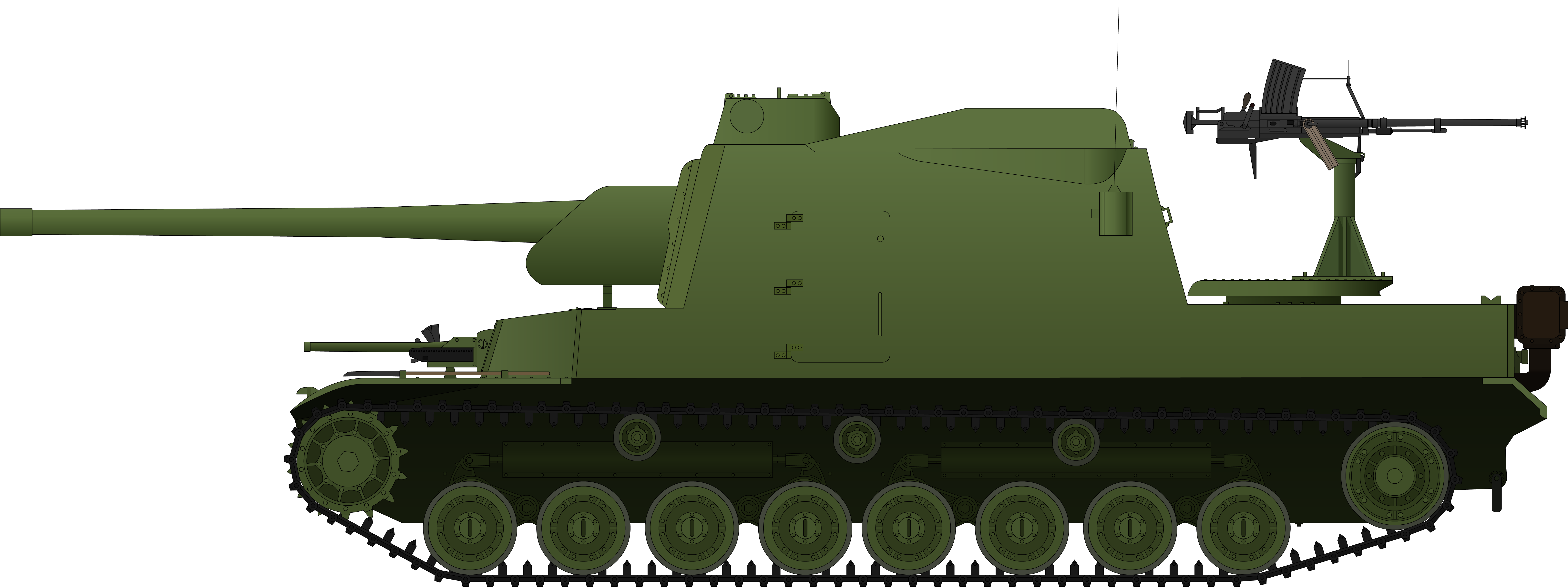
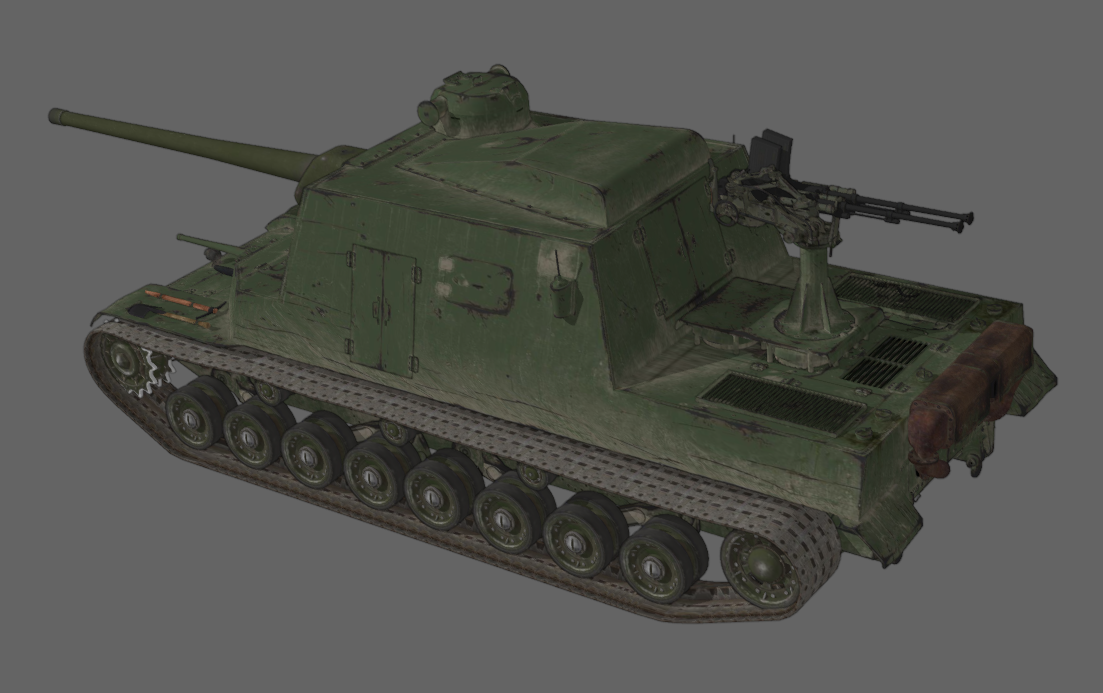
The guns would continue to receive further improvements, and were essentially completed by the beginning of June 1945. Thus, should the Ho-Ri II appear in War Thunder, it should utilize the Experimental 10 cm Tank Gun (Long) Late. Below is a rendition of how the Ho-Ri II would appear had it been produced.At this point in the development of Ho-Ri II, the war was going disastrously for Japan. The recent surrender of Japan’s key ally, Germany, added to the increasing burden on its military planners. Factories continued to be bombed nearly unopposed, and there were shortages of nearly all materials. For the first time in its history, Japan faced imminent invasion. As such, priority was given to weapons that its crumbling infrastructure could build quickly. Neither the Ho-Ri II nor the tank from which it shared development, the Chi-Ri, met these new priorities. As such, both the Chi-Ri and the Ho-Ri were not carried over as requirements by the Army into FY1945, which began in April of that year. However, it should be noted that Sagami Arsenal planned to finish the five vehicles that it had started in FY1944, but had failed to complete, most likely due to the numerous design changes. In Sagami’s FY1945 report, there was a plan to construct one vehicle by May 1945, and four by January 1946. However, due to the protracted development of the guns and aforementioned difficulties from war shortages and air raids, no vehicles were completed by May 1945, as the guns were only just completed and ready to be installed by the 27th of that month. In August, after the surrender of Japan to the United States, Shiken (the 4th Technical Research Institute) submitted a report to US authorities outlining armored developments. The Ho-Ri program was effectively cancelled during the design stage, with the Chi-Ri cancelled after the completion of a single prototype. However, a separate November 1945 report submitted by Sagami Army Arsenal itself reveals that the five Ho-Ri vehicles were indeed in construction. It is stated that 50-70% of the work necessary to complete the Ho-Ri vehicles was completed. This likely refers to work involved in gathering parts and materials, but were not yet assembled to complete an example, which explains why there have been no photographs of a surviving chassis.
Sagami's FY1945 Report
Ho-Ri is ホリ, second column, 5th row down.


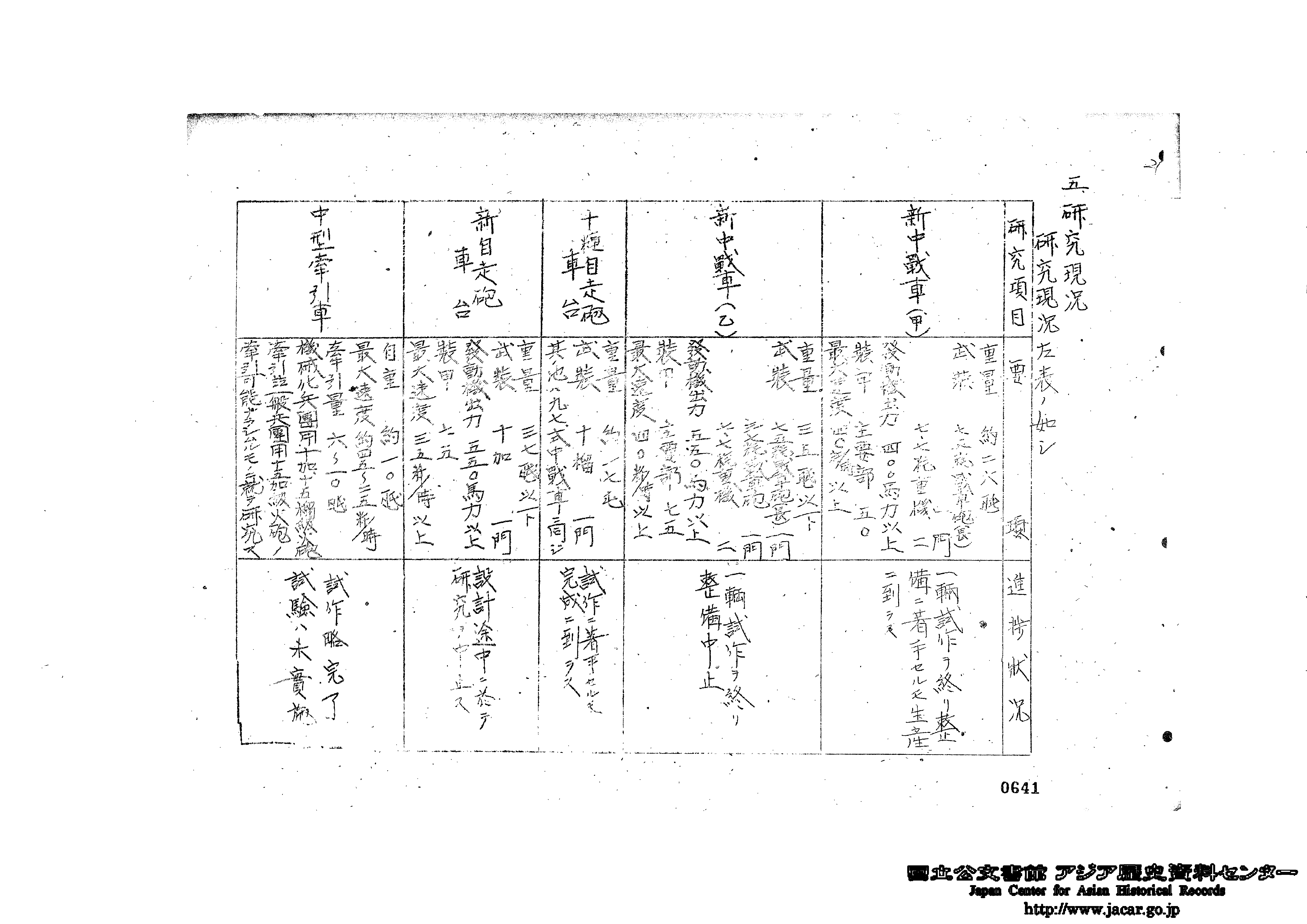
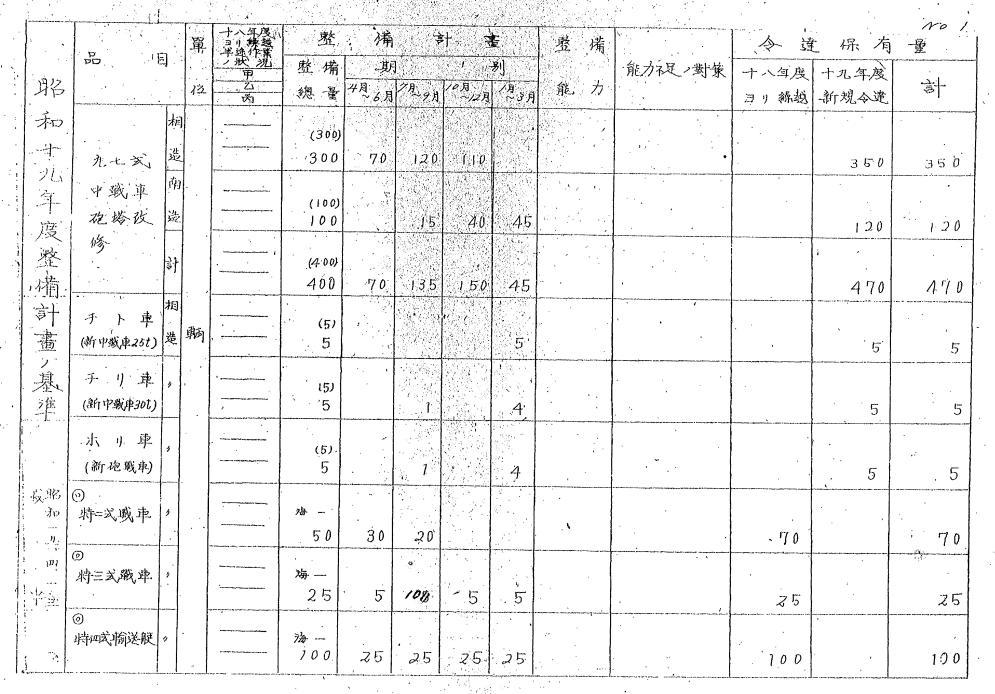
While the Ho-Ri II never saw the completion of even a single prototype, we can state that the addition of this vehicle to War Thunder would be more grounded in reality and history than the current two Ho-Ri vehicles in the game. Both the Ho-Ri Production and the Ho-Ri Prototype, despite popular misconception, are ahistorical, being falsehoods that have gone on to regrettably further muddle the development history of this fascinating tank destroyer. As such, I have dedicated a section below to dispel much of the misinformation regarding the Ho-Ri project.
Clearing the Air: The Ho-Ri, Fact vs. Fiction
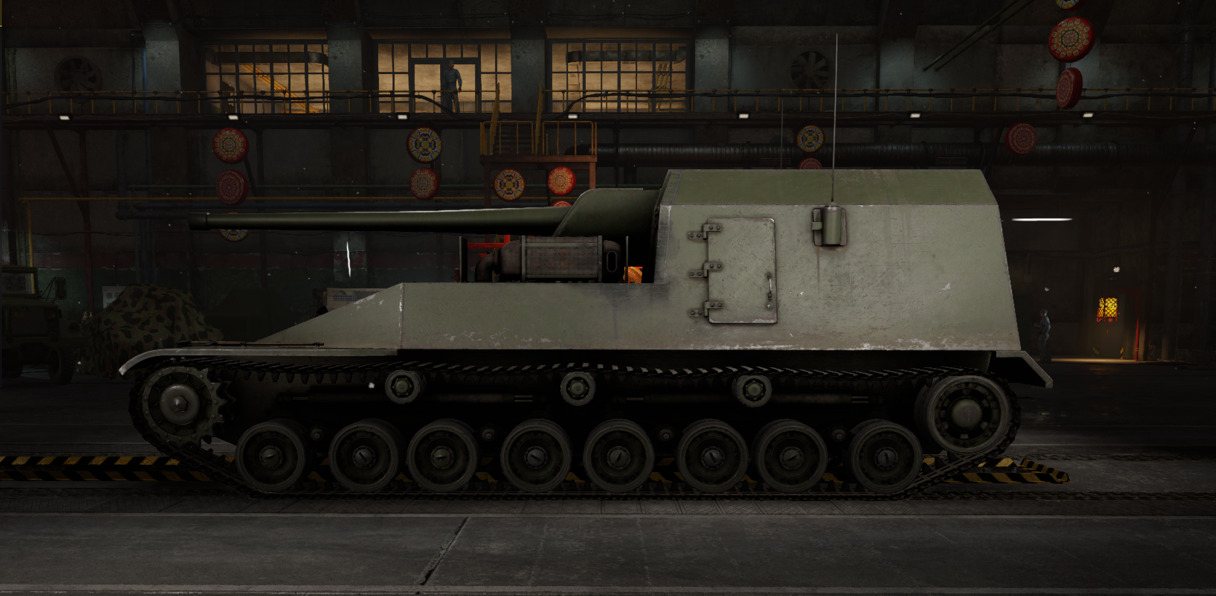
First and foremost, yes, the Ho-Ri II, as here suggested, is historical. It just simply wasn’t completed, although its guns were built and tested. But as I have argued before, the addition of this vehicle would be far more historical than what currently exists in War Thunder. The so-called “Ho-Ri Production” and even the “Ho-Ri Prototype” are indeed both fake. They are unfortunate, ahistorical abominations that have been amalgamated from half-truths and different stages of the Ho-Ri design. The sloped design we have in War Thunder shouldn’t even be termed “Ho-Ri III”, as some websites have noted. Simply put, what we have in War Thunder would have never appeared in reality, under any circumstance.
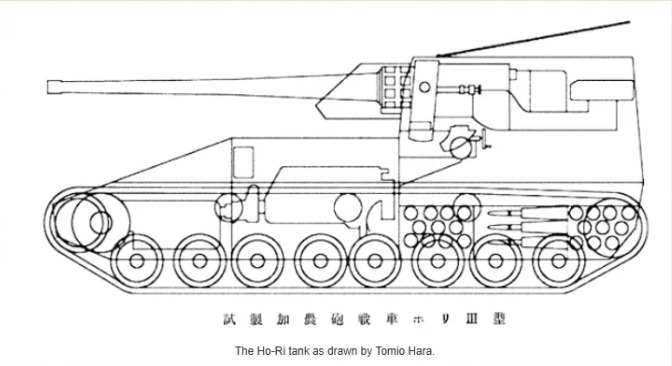
The above sketch is a manufactured hybrid of the two Ho-Ri variants that were in Akira Takeuchi Tomio Hara’s 1978 book. For convenience, I have added the image below:
The Actual Drawings
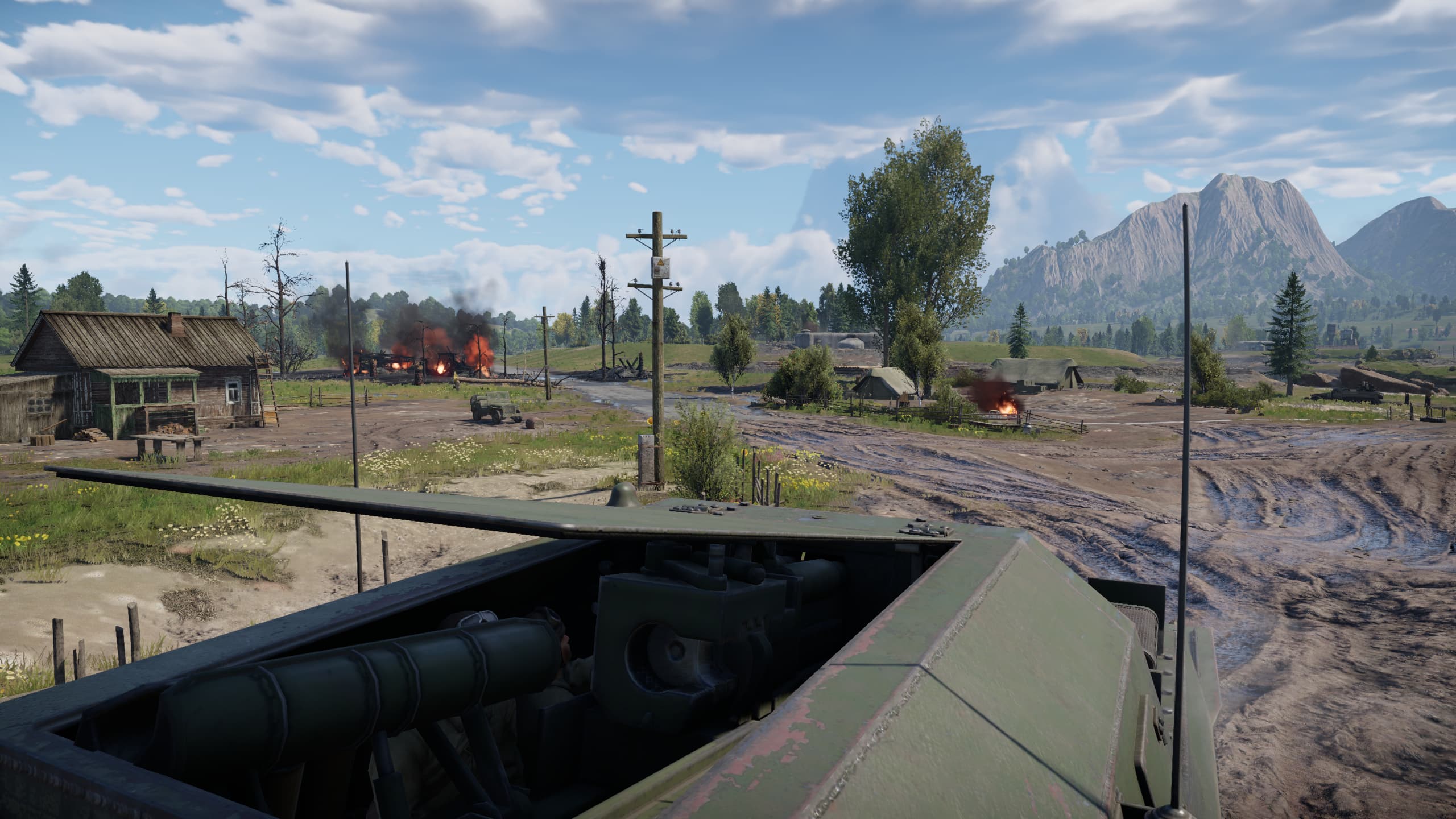
This drawing supposedly shows the Ho-Ri as it would’ve been built, but image doctoring aside, this supposition is completely at odds with how the Ho-Ri came to be developed. Note that the angular mantlet from Ho-Ri II has been transplanted over the breech of Gun I. This drawing also retains Gun I’s shorter loading mechanism, which is not at all what was built; instead, the longer loading mechanism derived from the Type 3 12 cm AA gun was used. Furthermore, the drawing incorporates an artificially lengthened hinged roof plate from Ho-Ri I, and also, for some weird reason, shortens the superstructure considerably. With how close the back of the casemate is to the loading mechanism, it would be impossible to operate. In War Thunder, it’s clipping into the superstructure itself:
With that matter aside, we can now discuss the erroneous features of the Ho-Ri tank destroyers featured in War Thunder. I welcome any input that will add to this list:
1. The names themselves are wrong. There is no such thing as a Ho-Ri “Prototype” and Production, as there were instead three proposals that differed quite strongly from the design that was likely to be constructed. The words “Prototype” and “Production” imply that the Ho-Ri I (Inclined Armor Type) was the intended design from start to finish, incorporating improvements as it went along its development cycle. As I discussed above, this was never the case; the design proposed by the wooden model was dropped early in the Ho-Ri’s development. Considering the Ho-Ri was never actually completed, the names are just irrespective of reality. The door is open for Gaijin to implement the Ho-Ri I (Inclined Armor Type) correctly, but that will have to be another suggestion, albeit with significant guesswork.
2. The armor is completely wrong for both vehicles. Utilizing calculations done by @_qaz , we are able to state with reasonable confidence the correct values of the Ho-Ri II:
- Superstructure Front: 125 mm,
- Superstructure Sides: 25 mm,
- Hull Front: 75 mm
- Hull Sides: 25 mm
- Gun Trunnion: 250 mm
- Armor Type: Class III (surface-quenched armor)
The hull front plate is a known value, as it was of the same thickness as the Chi-Ri from which it was derived; thus, a value of 125 mm for the superstructure front plate was calculated.
3. The engine is wrong. A value of 1,100 hp for the Ho-Ri production is completely ahistorical. It should instead parallel the values of the Type 5 Chi-Ri engine. Below are the correct engine values:
- Engine: BMW Modified Water-Cooled V12 Gasoline
- Cylinder volume: 160x170
- Gross power output: 700 PS at 1800 RPM
- Net power output: 550 PS at 1800 RPM
4. The gun mantlets for the Ho-Ri Prototype and Production are swapped and have fake barrels. The most important part of the tank destroyers, the guns, are modelled incorrectly. “Production” implies that it is the final state of the vehicle, but in War Thunder, the Ho-Ri Production incorrectly features the Experimental 10 cm Tank Gun (Long) Early, as evidenced by the angular mantlet. Likewise, the Ho-Ri Prototype incorrectly features the Experimental 10 cm Tank Gun (Long) Late, seen by the rounded mantlet. The length of the barrels is not correct, either, as will be demonstrated by the next point.
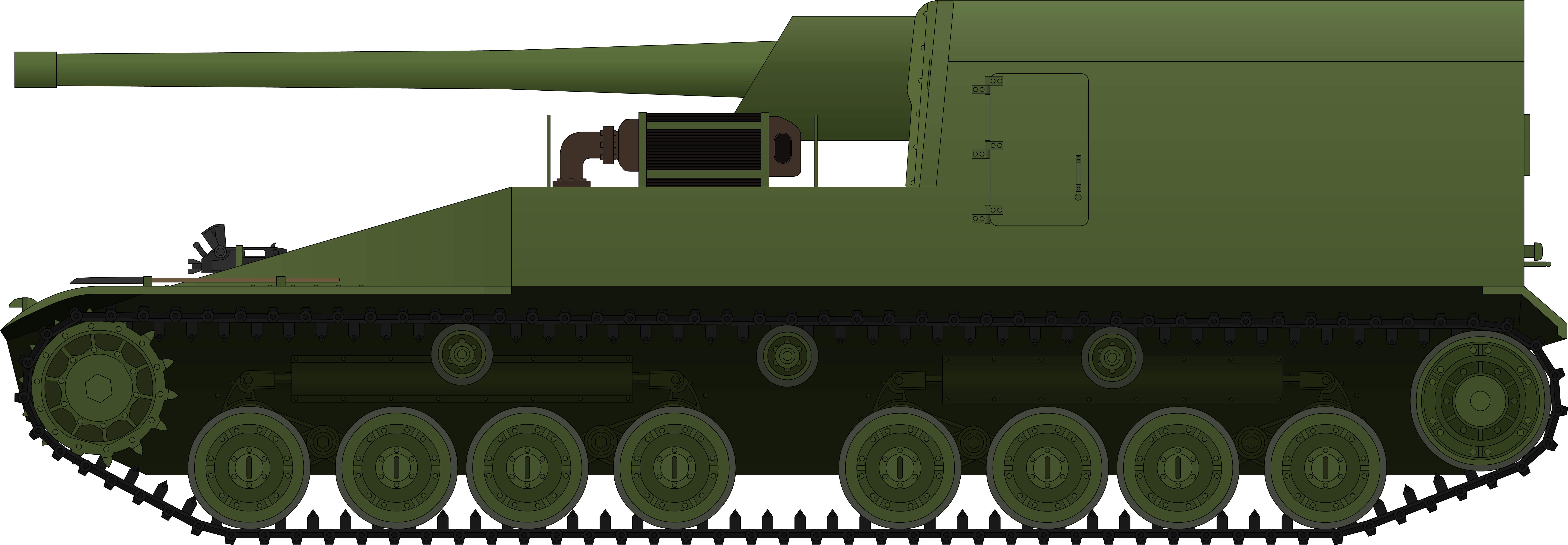
5. The chassis of both vehicles is too short. To further compound the unhistoricity of the Ho-Ri Prototype and Production, the chassis themselves are too short. Taking into account that the Ho-Ri I (Inclined Armor Type) would’ve actually used Gun II, its casemate would’ve required significantly more space to operate the gun and loading mechanism. The drawing below by @Davidnjk is a much more faithful recreation of what the Ho-Ri I (Inclined Armor Type) would actually look like. Comparing it to War Thunder’s model, we can see just how stunted the superstructure is. Furthermore, you can see just how short the gun is, compared to what it should look like.
6. The crew layout is incorrect The Ho-Ri I (Inclined Armor Type) would’ve featured all its crew in the superstructure. Looking at the wooden model, there is a complete lack of optics for the driver, as well as hatches for entering and exiting the vehicle. For the sloped Ho-Ri to actually have two crew compartments and to have a middle-mounted engine, it would need to be significantly lengthened.
Capabilities
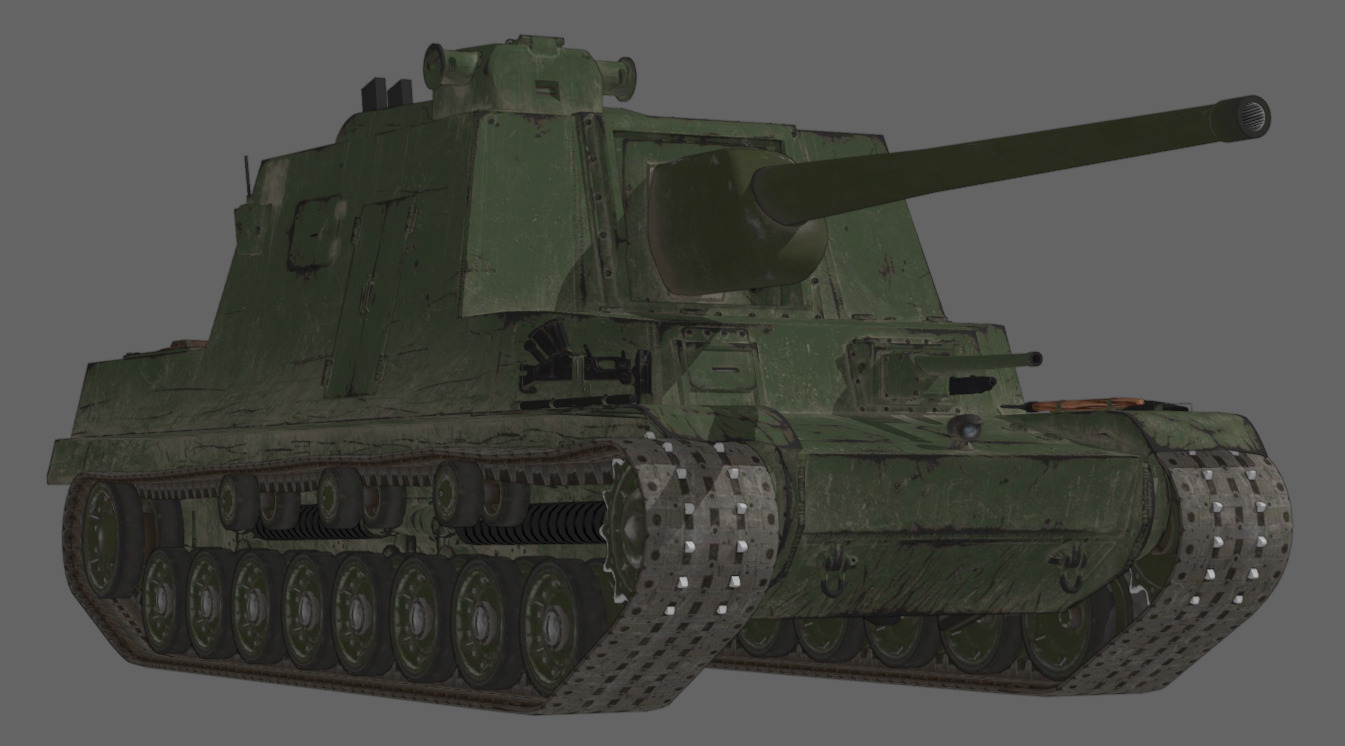
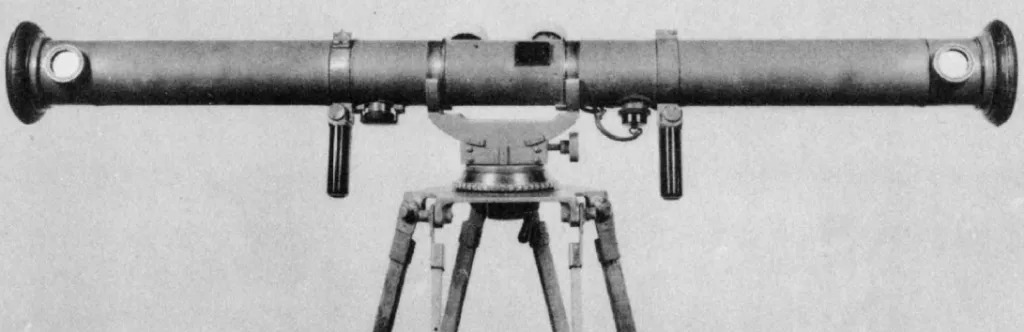
The Ho-Ri II is a tank destroyer featuring much more comprehensive capabilities. First and foremost is its gun, the 10cm Tank Gun (Long), possessing a caliber of 105 mm and a muzzle velocity of approximately 900 m/s. Weighing in at approximately 4.7 metric tons, it has an elevation range of -10° to +20° and can traverse to 10° left and right. It is capable of penetrating 205 mm of armor at 500 meters with the Type 2 APHE shell, according to the formula used by War Thunder. Furthermore, thanks to its loading mechanism, it is capable of firing 10-12 rounds per minute! Accuracy at extended ranges is facilitated by a coincidence rangefinder mounted to the commander’s cupola, likely the Type 93 Field Light Rangefinder.

Type 93 Field Light Rangefinder
For those interested, more information on the Type 93 can be found here
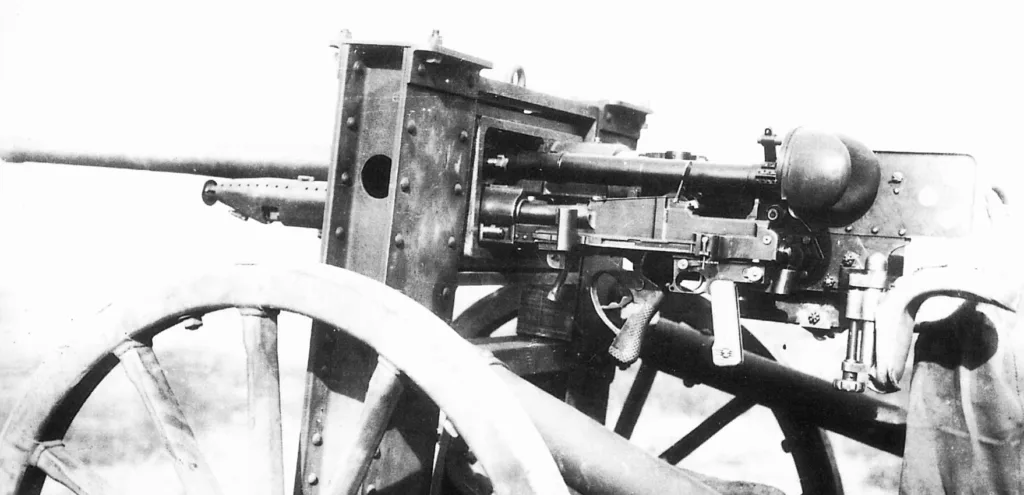
The main gun is supported by a dual-mounted Type 1 37 mm tank gun and a Type 97 machine gun at the front of the hull. This may sound familiar, and indeed, this dual setup is already featured in War Thunder as seen on the Type 2 Ka-Mi and Type 5 Chi-Ri. The Type 97 fires 7.7x58 mm Arisaka at 500 rpm, whereas the larger Type 1 37 mm tank gun has a fire rate of approximately 15-20 rpm, boasting APHE ammunition.
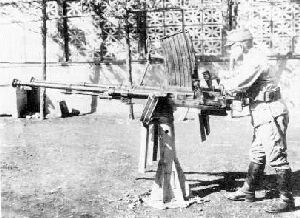
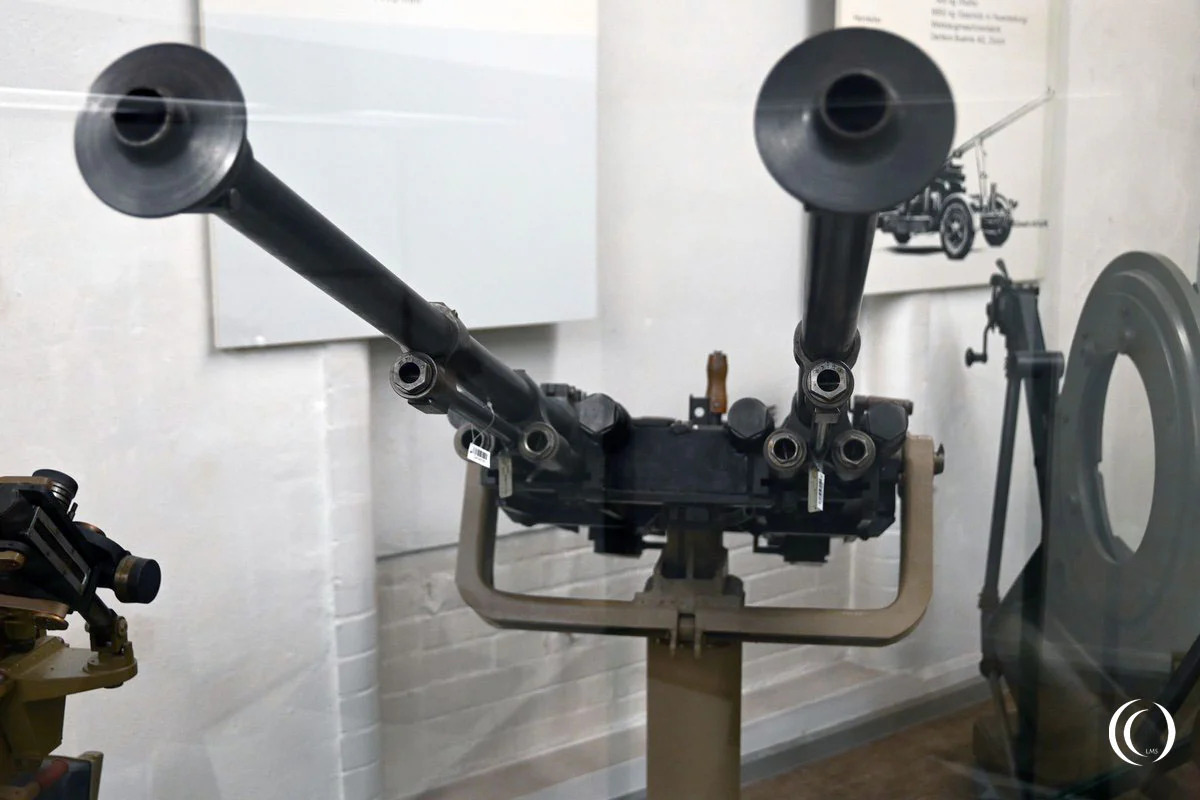
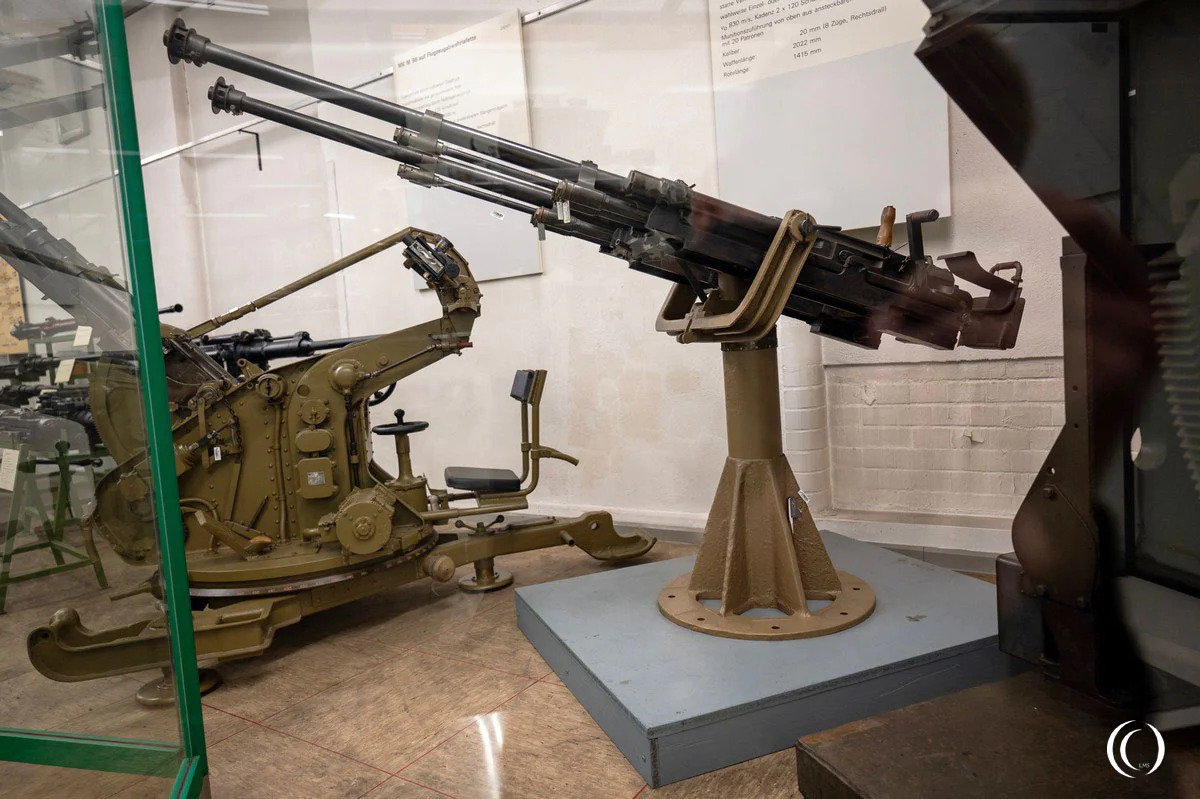
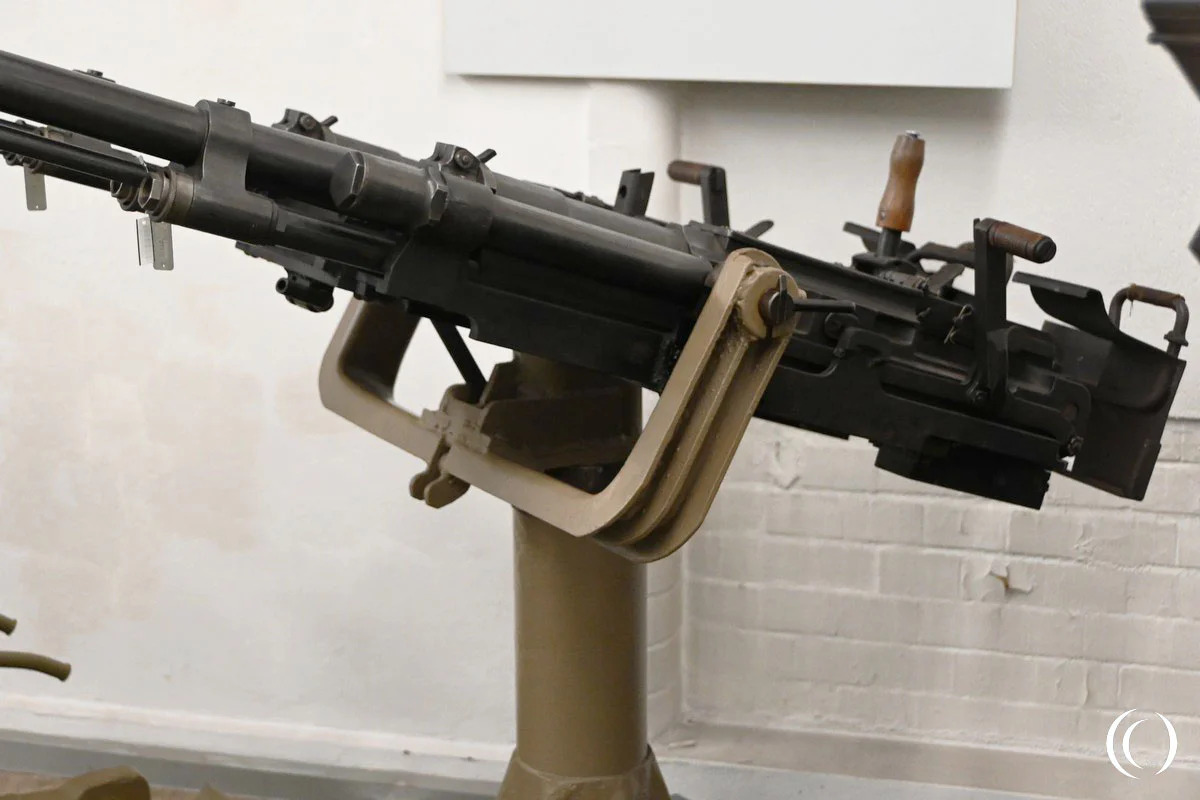
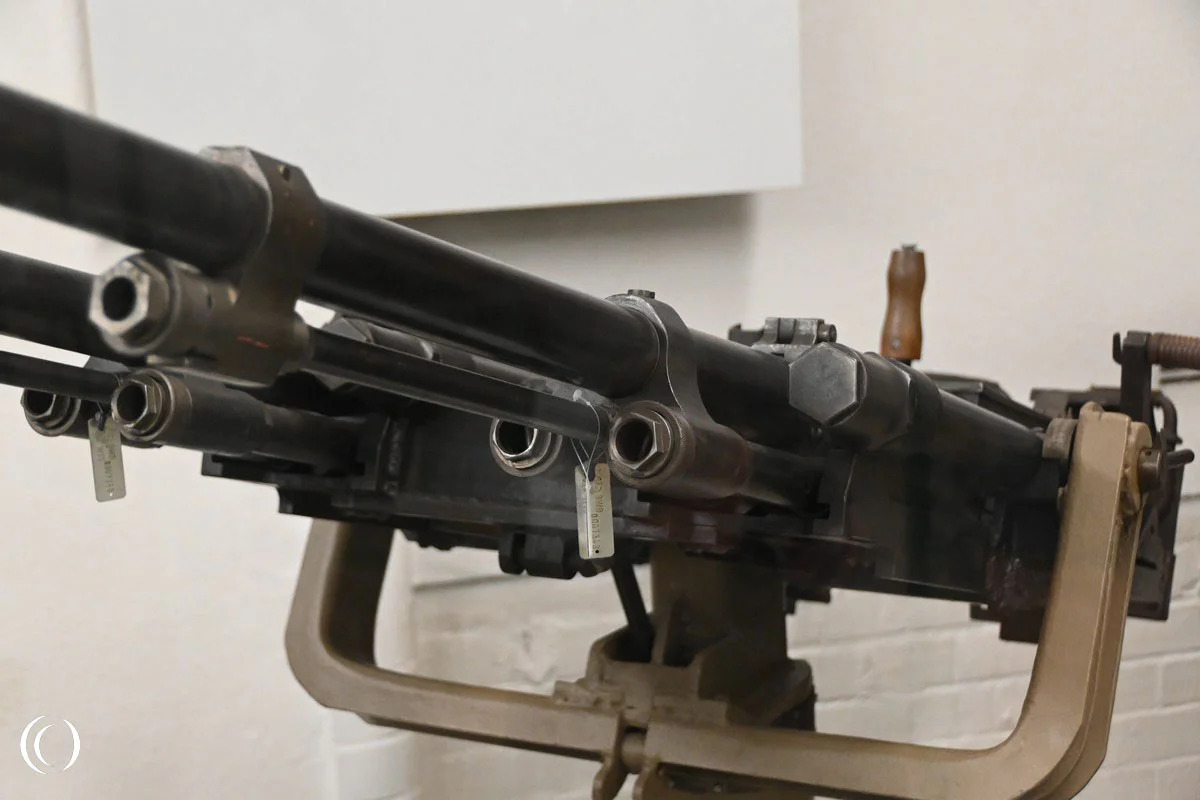
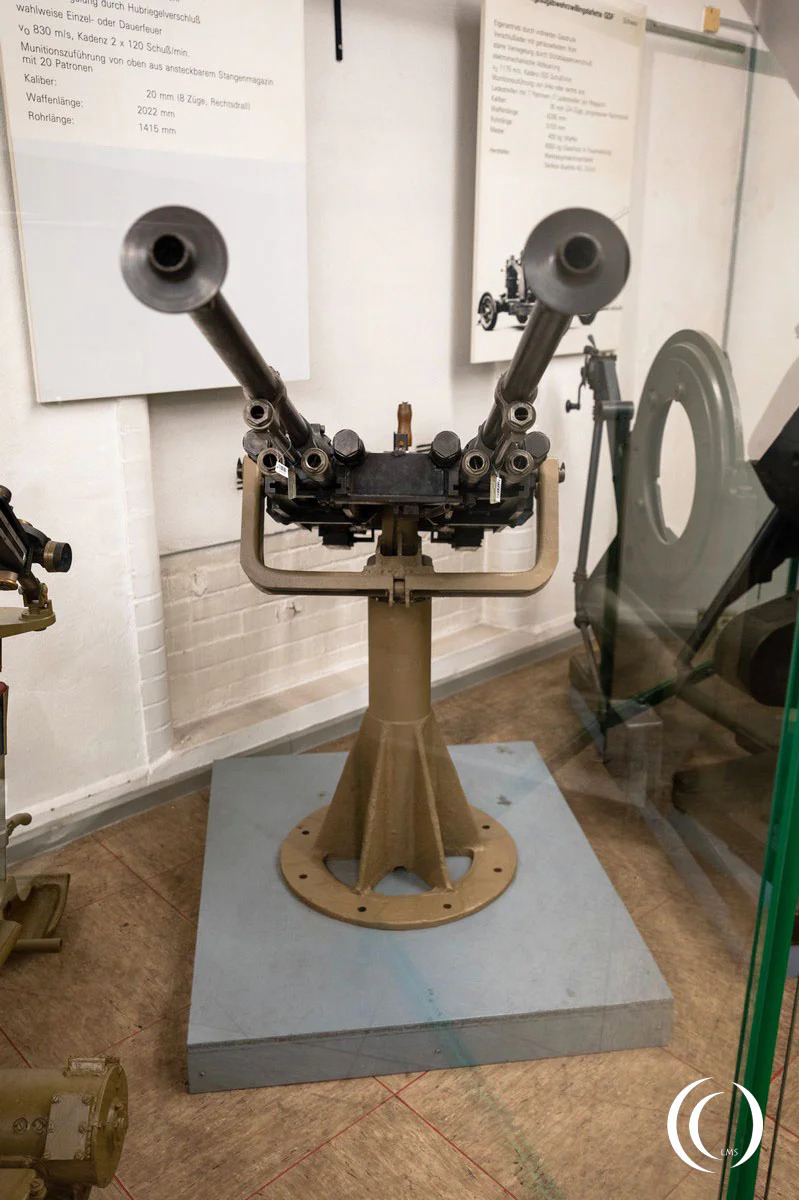
The Ho-Ri II also, quite famously, mounts twin 20 mm autocannons on the engine deck. This is the Type 4 Twin-Barreled 20mm Anti-Aircraft Machine Gun, which has a maximum fire rate of 600 rpm.
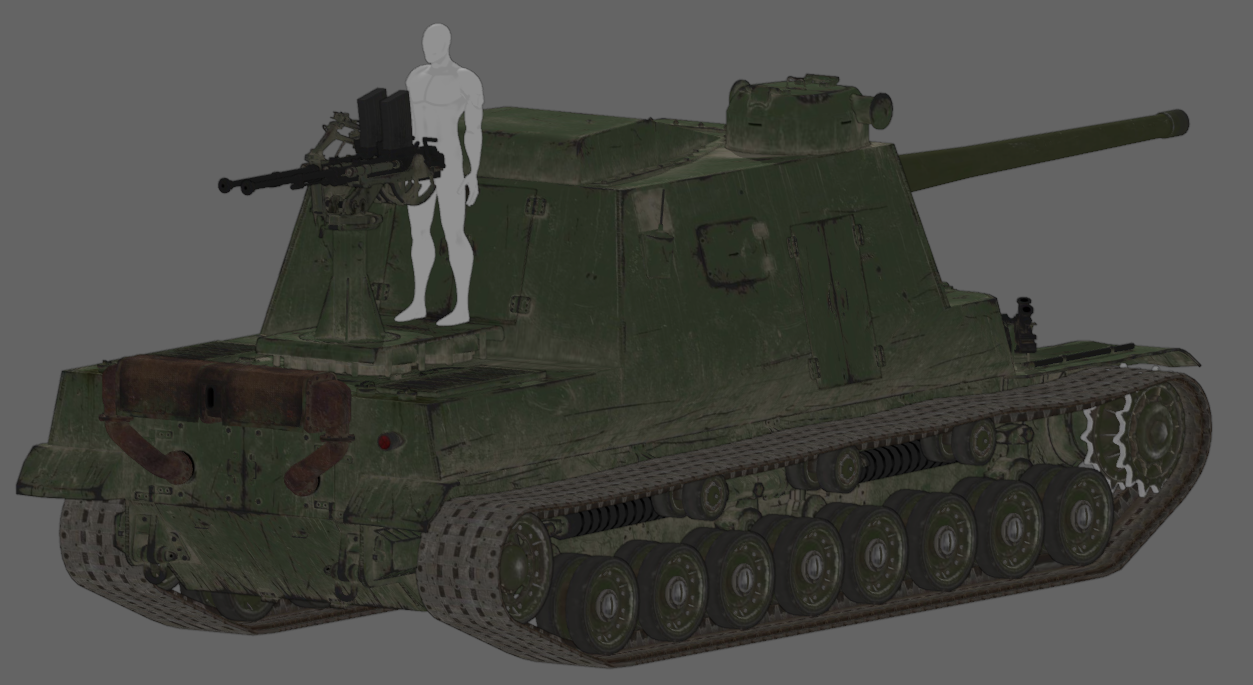
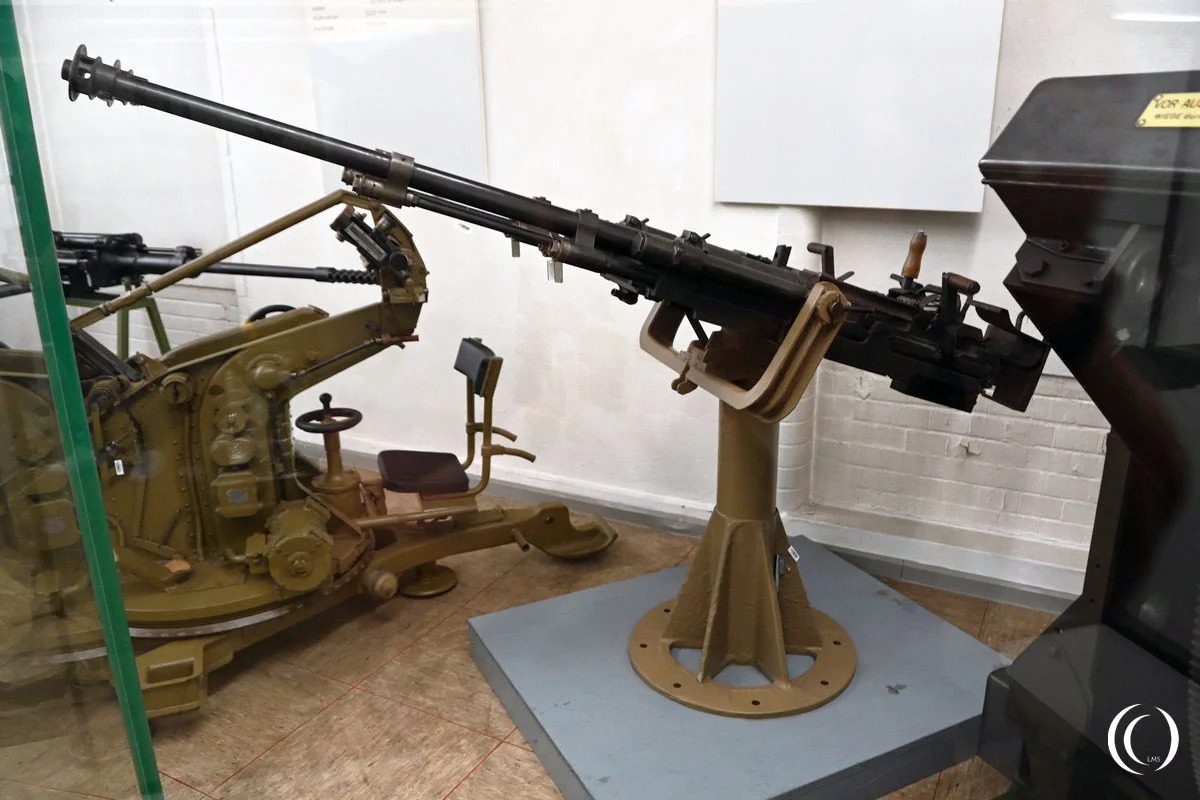
The vehicle features thick armor across the face of its superstructure, at 125 mm, and 75 mm at the front of its chassis. The armor on its sides, conversely, is quite thin, being 25 mm all around. The Ho-Ri II weighs in at 40 metric tons and is propelled to a respectable 42 kph thanks to its V12 engine.
In War Thunder
- 6.7
- 7.0
- 7.3
- I don’t want it
- TT
- Premium
- Squadron
- Event
- I don’t want it
First and foremost, the addition of the Ho-Ri II would be a much-needed correction to the completely ahistorical Ho-Ri Production and Prototype in the game. It would be a much more real and faithful recreation of Ho-Ri as intended, doing justice to the admirable efforts of Japanese armor developments in WW2. It goes beyond just this game; many should recognize the influence of War Thunder in unfortunately perpetuating myths and unhistorical vehicles. Additionally, the Ho-Ri II is not a paper vehicle. While the vehicle itself was never completed, the armor plates and other vehicle parts were assembled. More importantly, the gun around which the Ho-Ri II was to be built is unique, being of a completely different design from Gun I of the Ho-Ri I and the Ka-To’s gun, and was fully built and tested.
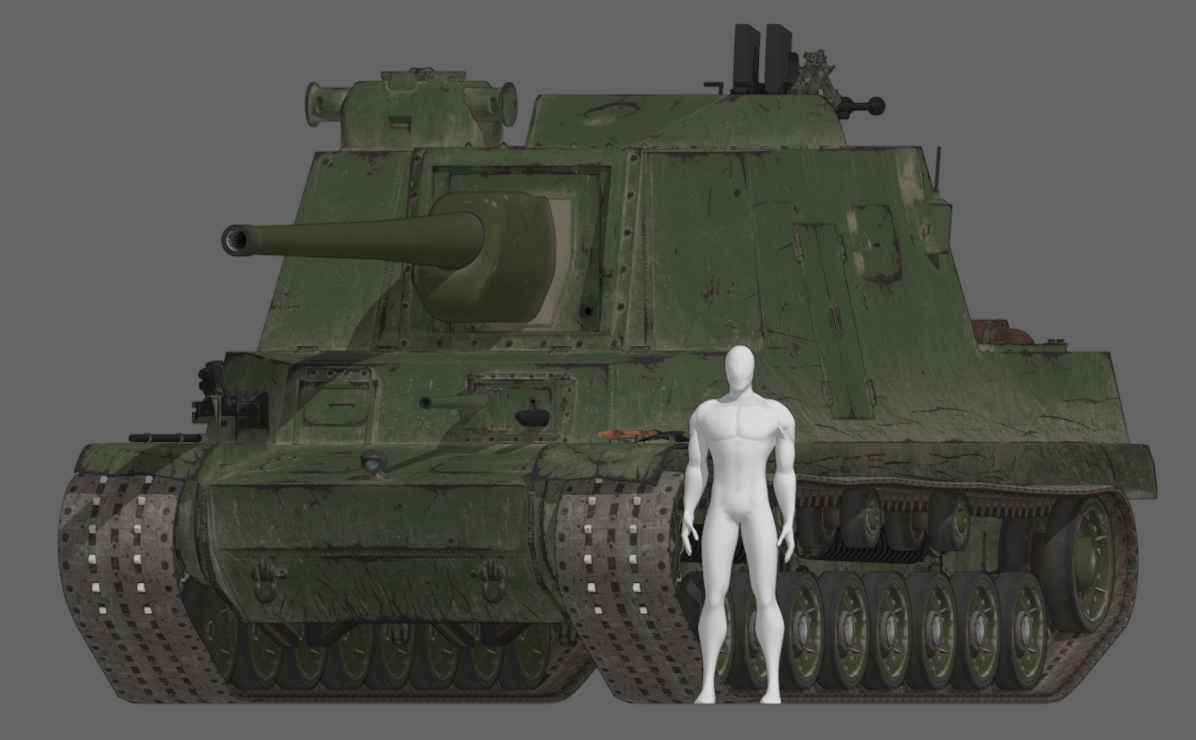
As for the vehicle itself, the Ho-Ri II would function as the perfect sniper vehicle, especially with the addition of the rangefinder. The raised compartment for the gun allows for a decent depression of -10°, equal to the depression of the Ho-Ri Prototype and Production. However, the protrusion on the roof is a much better alternative to the hinged panel currently featured on both Ho-Ri vehicles. It would do wonders in better sheltering the crew against artillery fragments and strafing aircraft. The addition of the Type 1 37 mm tank gun, while probably useless for killing most tanks at its BR, could be useful in disabling tracks and knocking out lighter-armored vehicles. The Type 4 Twin 20 mm guns would offer a lot of flexibility to players, being a potent weapon against aircraft and vehicles. I’d imagine the twin autocannons to be a nasty surprise for rat vehicles attempting to destroy the Ho-Ri from behind. In my personal opinion, the Ho-Ri II should be placed at the BR of 7.0, due to its lower speed and weaker armor compared to its fictional counterparts in the game. However, the powerful gun, now boosted by its loading mechanism, would probably prevent it from going to 6.7 as with the much more powerful, but slower Jagdtiger. If you have your own thoughts, feel free to make them in the comments below!
Type 5 Ho-Ri II Specifications
- Armament: Experimental 10cm Tank Gun (Long)
- Secondary Armament:
- Type 1 37 mm tank gun
- Type 4 Twin-Barreled 20mm Anti-Aircraft Machine Gun
- Type 97 Vehicle-Mounted HMG (coaxial, hull-mounted with the Type 1 37 mm tank gun)
- Armor:
- Superstructure Front: 125 mm
- Superstructure Sides: 25 mm
- Hull Front: 75 mm
- Hull Sides: 25 mm
- Gun Trunnion: 250 mm
- Dimensions:
- Length: 8.03 m
- Width: 3.05 m
- Height: 3.10 m
- Weight: 40 metric tonnes
- Crew: : 6
- Maximum Speed: 42 kph
- Engine: BMW Modified Water-Cooled V12 Gasoline
- Net power output: 550 PS at 1800 RPM
- Gross power output: 700 PS at 1800 RPM
Lastly, I want to note that I am aware of the controversy this suggestion may stir up. It is unfortunate that I have to put this in words, but this suggestion is not an invitation for anyone to attack the original creator (MaiWaffentrager) of the “Ho-Ri Prototype” or “Ho-Ri Production”. Their work for Japanese military vehicles goes beyond just these vehicles, and they should be recognized for the work they did in bringing more appreciation to Japanese military vehicles, regardless of any mistakes made within the philosophy War Thunder had at the time towards military vehicles.
Special thank you to @_qaz @SiberianSnakeSIB @skultew1234 @B000B @Davidnjk @shlee2393 for the provision of essential documents, images, and of their expert opinions.
Shoutout to @Grzegames and @Teh0 for reminding me to finish this suggestion, which I started a year ago.
Additional Images
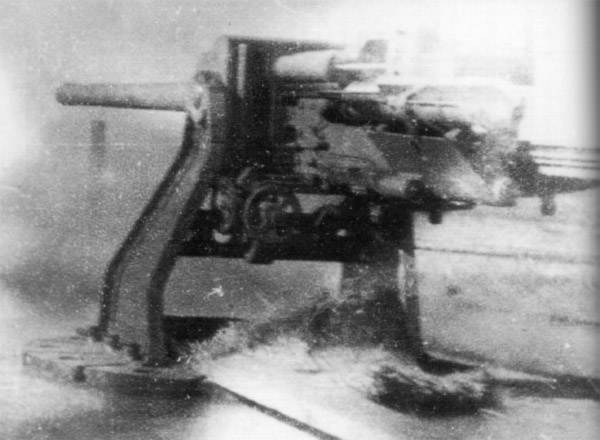
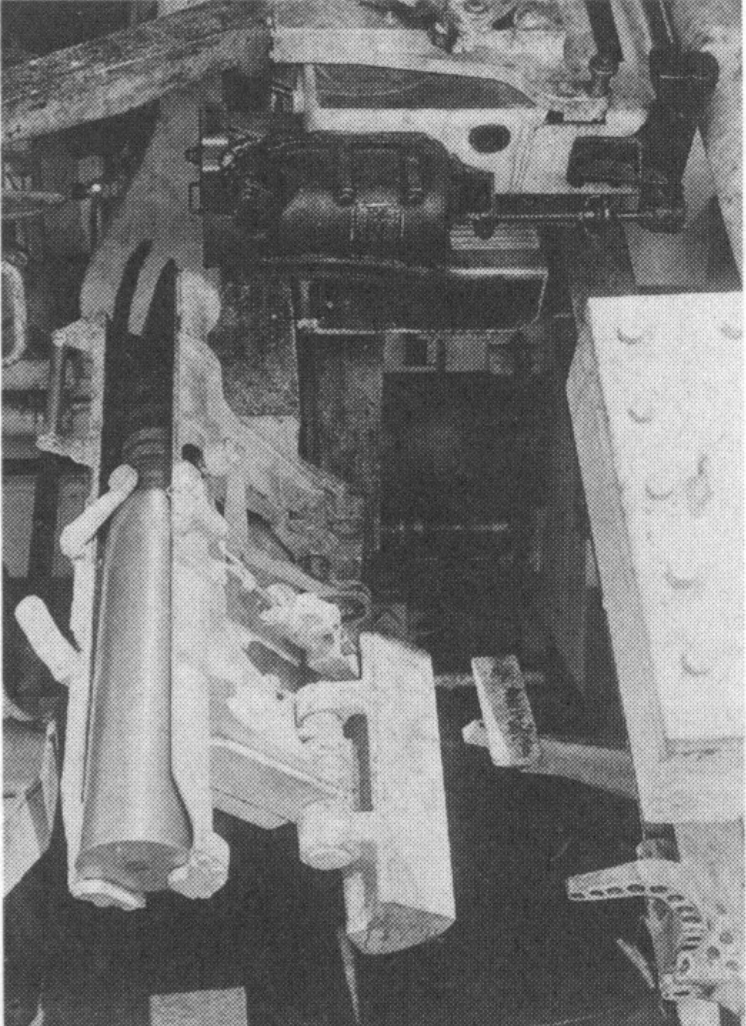
More images of the Experimental 10 cm Tank Gun (Long)
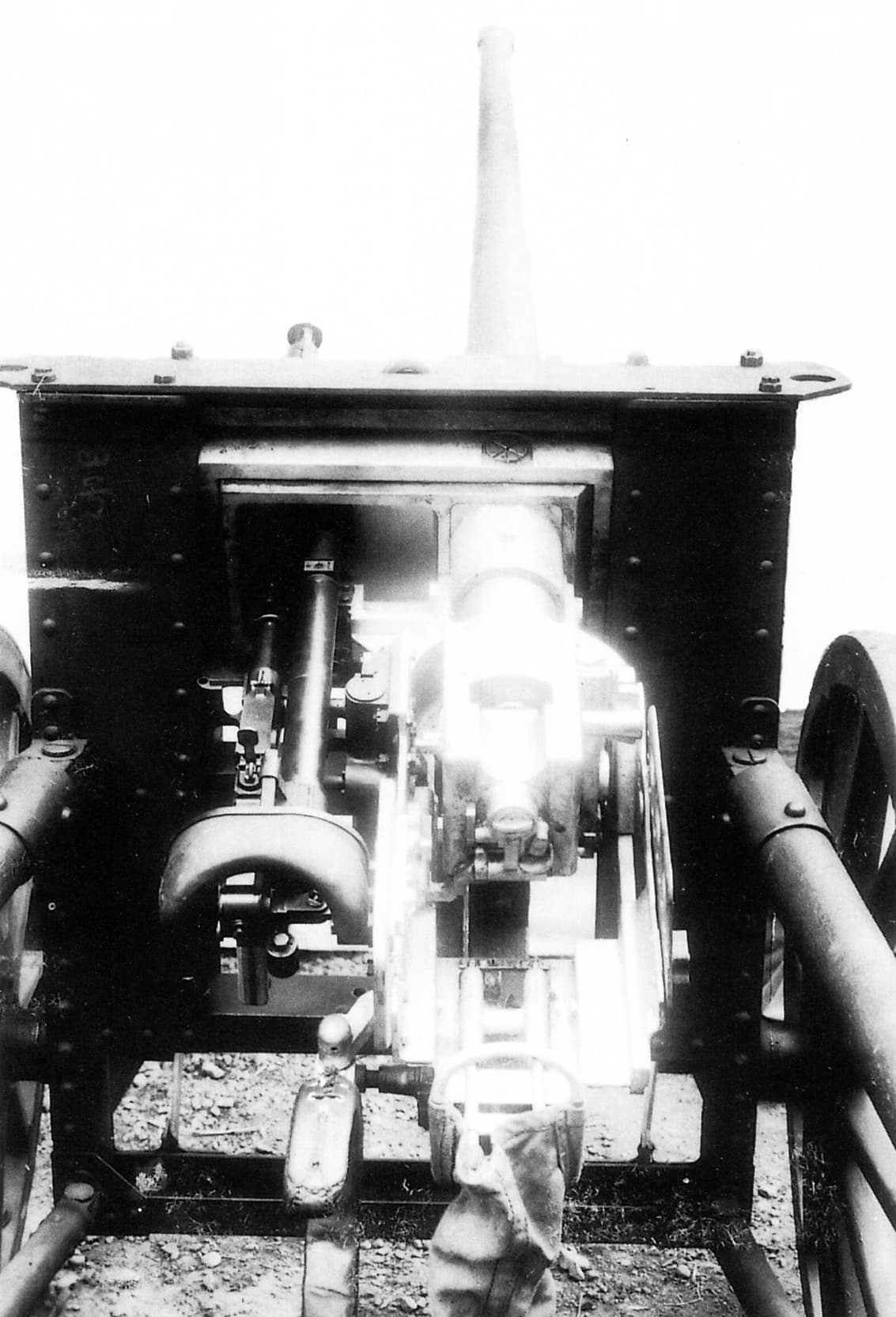
Rear view of the Type 1 37 mm tank gun/Type 97 heavy tank machine gun coaxial setup.


Sources
Note that not all the information from these sources are accurate; some were just used for images, as in the case of the SENSHA blogspot post and Tank Archives
試製五式砲戦車 - Wikipedia
The Japanese Ho-Ri SPG project – full technical and historical analysis (spreadsheet)
What Exactly Went Wrong with Ho-Ri Production 6 years ago? : r/Warthunder
New Experimental Gun-Tank (Ko), Ho-Ri : Japanese Jagdtiger - Passed for Consideration - War Thunder - Official Forum
Item 2
SENSHA: Type5 Ho-Ri : The Japanese Ferdinand
五式中戦車 - Wikipedia
Type 4 20 mm twin AA machine cannon - Wikipedia
Type 4 – Japanese 20 mm Twin light Anti-Aircraft Cannon | LandmarkScout
Tank Archives: Schwere Feldhaubitze 18: Heavyweight Senior
Chi-Ri Incorrect Engine Power // Gaijin.net // Issues