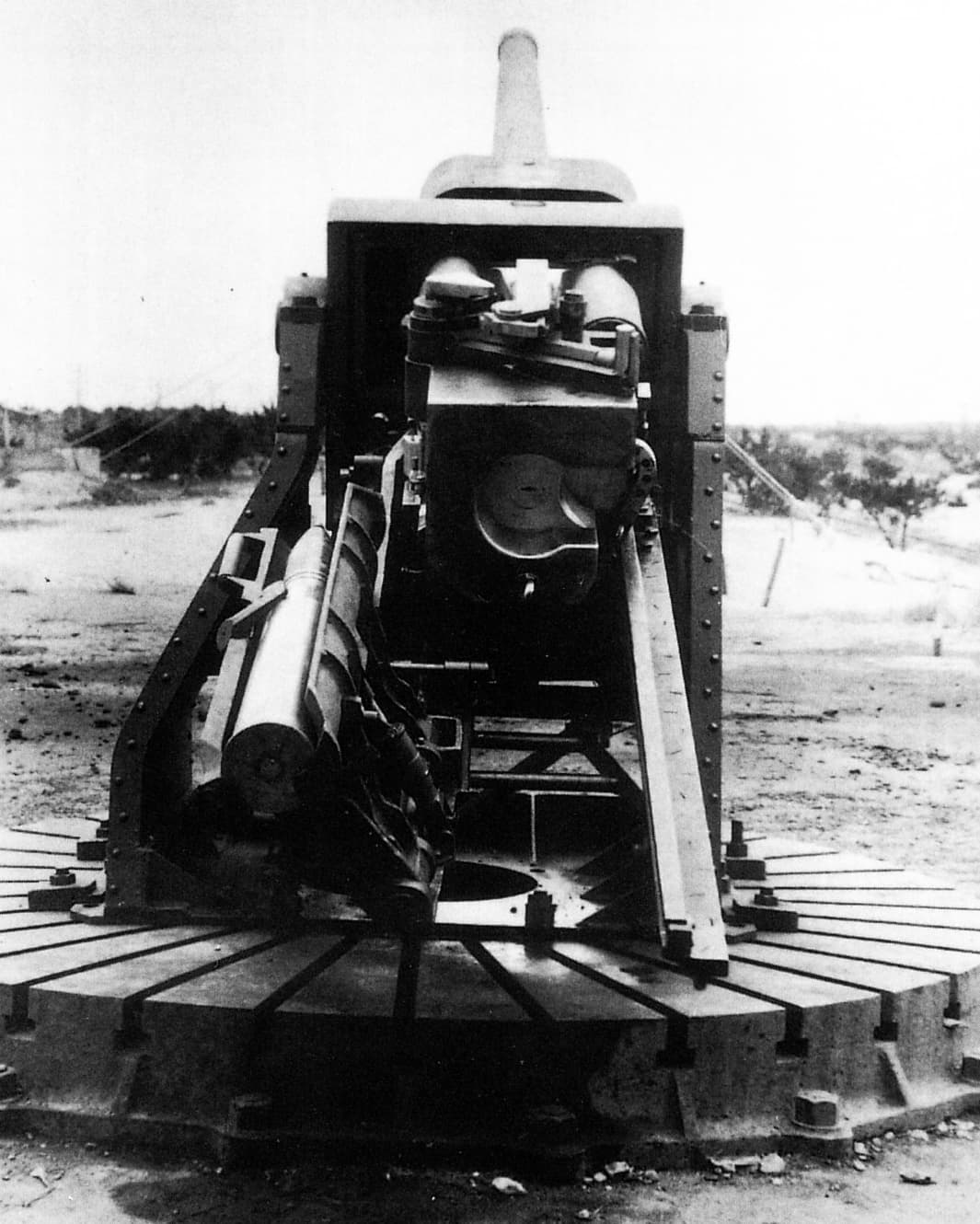
Image, for those interested. The handle for the manually-operated tray is visible on the left
2 Likes
Suggestion submitted.
That was probably the hardest suggestion of my life LOL (I’ve only written 5 but whatever)
6 Likes
「日本陸軍 試製五式砲戦車[ホリII] 」入荷 | メディオ!情報
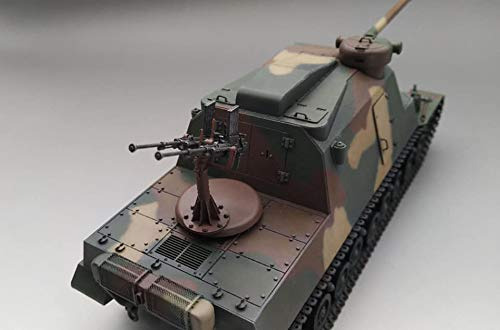
Pretty cool model. One thing I’m unsure of is the shape of the platform for the AA gun
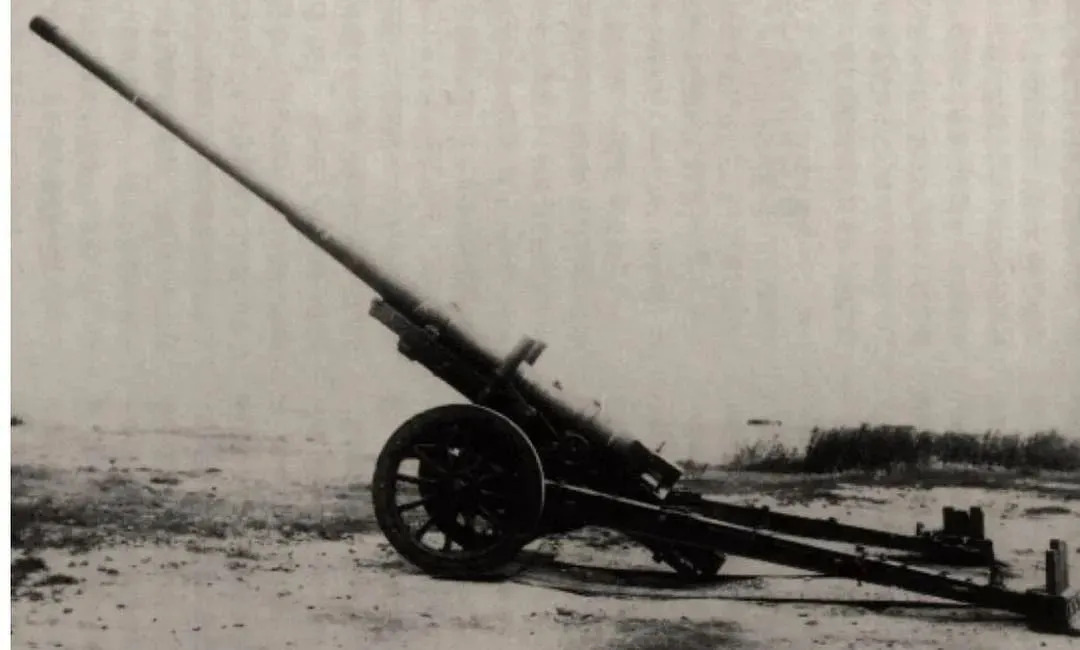
@shlee2393 Do you know if this Experimental gun is actually tied to the Ho-Ri development at all?
3 Likes
The High-Power 10 cm Cannon (大威力十糎加農砲) was an attempt to develop a gun with mobility similar to the Type 92 Cannon, but with greater firepower. Development began in July 1941, and only one prototype was completed before the project was abandoned in August 1943.
After that, the two barrel materials that had originally been at Japan Steel Works for this gun were reassigned: one to the Ho-Ri gun and the other to the Ka-To gun. However, this gun was not designed as an anti-tank weapon, and more importantly, the barrel, projectile, and cartridge case designs of the Ho-Ri and Ka-To were newly designed for those guns. So it would be hard to say that this gun directly influenced the development of the Ho-Ri. That being said, it does occasionally appear as a reference value in the Ho-Ri and Ka-To research notes. Also, during the December Ho-Ri gun test, the originally planned propellant charge was not prepared, so a charge intended for the High-Power Cannon was used instead.
4 Likes
I’ve put together a brief summary of the Ho-Ri’s shell types, so I’m sharing it here. This includes both the shells that were planned in the early stage and those that were actually fired by the Ho-Ri gun, from its first firing test on December 20, 1944, to its last recorded firing on June 27, 1945.
For reference, the original drawings for the Ho-Ri’s HE and AP shells come from the Ka-To research notes. According to Ka-To research notes, the Ka-To and Ho-Ri used exactly the same shell designs.
1. Type 91 Pointed Shell (modified driving band) (HE)
九二式十加九一式尖鋭弾 (弾帶改修セルモノ)
Weight: 15.760 kg
Explosive filler: 2.520 kg
Fuze: Type 88 instantaneous fuze, Type 88 short-delay fuze
Muzzle velocity:
667.2 m/s (propellant charge: 5.000 kg)
848.7 m/s (propellant charge: 6.400 kg)
912.8 m/s (propellant charge: 6.800 kg)
Firing period: December, March, May
Number fired: 86
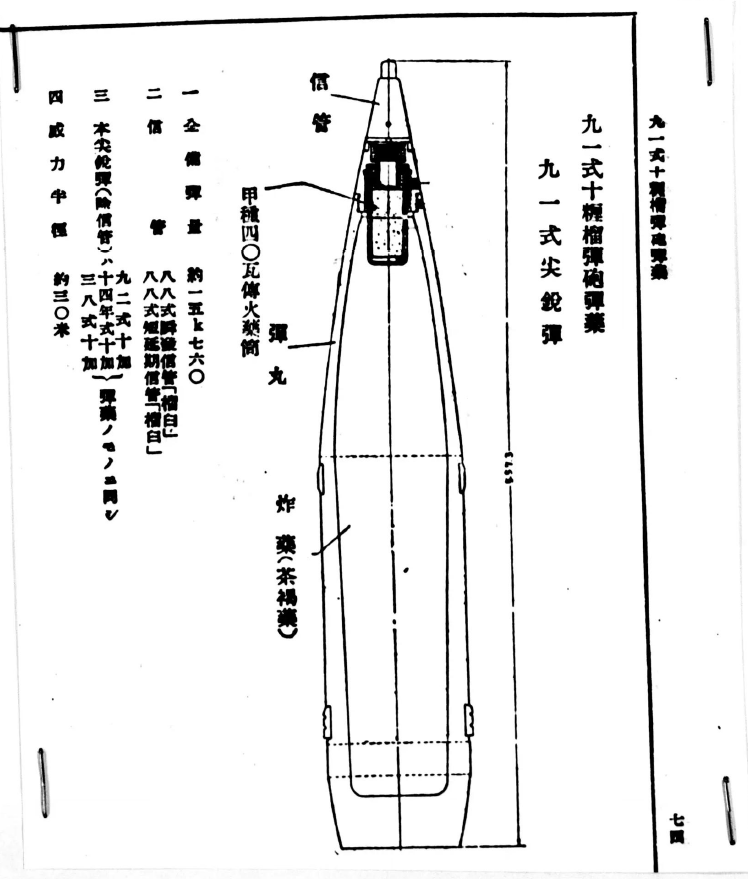
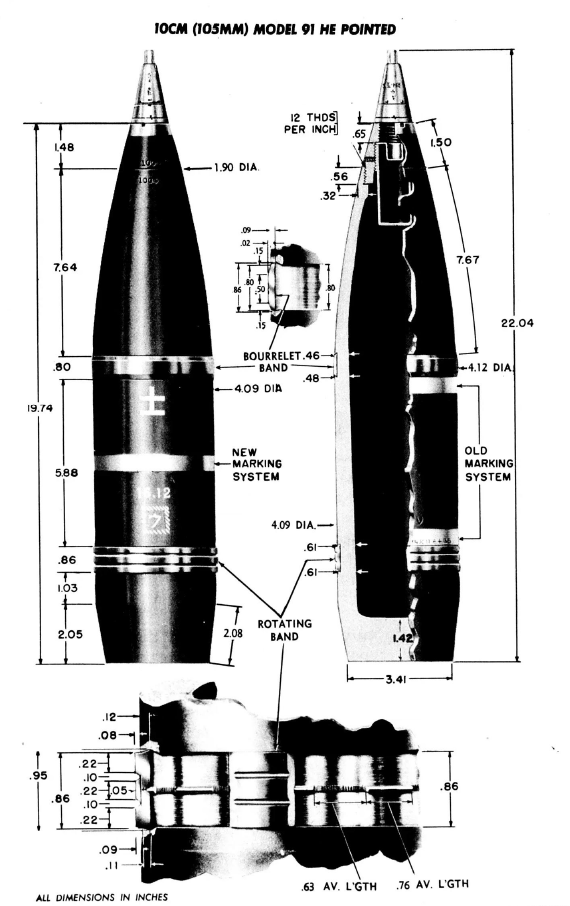
While the projectile itself was identical to that used in the Type 92 cannon, it was fired as a complete round rather than as separate-loading ammunition. In addition, its single driving band was modified into a double-band configuration before use.
Since the standard propellant charge had not yet been fixed at the time, it was tested with several different charge weights.
2. Experimental high-power 10 cm cannon cylindrical shell
試製大威力十加円壔弾
Weight: 16 kg
Explosive filler: unknown (filled with sand during testing)
Muzzle velocity: not measured
Firing period: March, May
Number fired: 86
This was a test shell originally used for the high-power 10 cm cannon that predated the Ho-Ri gun’s development. Detailed information is unknown, but from the context, it appears to have been a cylindrical projectile intended to verify internal ballistic performance.
3. Experimental pointed shell (HE)
試製尖鋭弾
Design weight: 15.76 kg
Test weight: 15.650 kg
Explosive filler: 2.52 kg
Fuze: Type 88 instantaneous fuze, Type 88 short-delay fuze
Muzzle velocity: 715.9 m/s (propellant charge: 5.1 kg)
Firing period: June
Number fired: 69
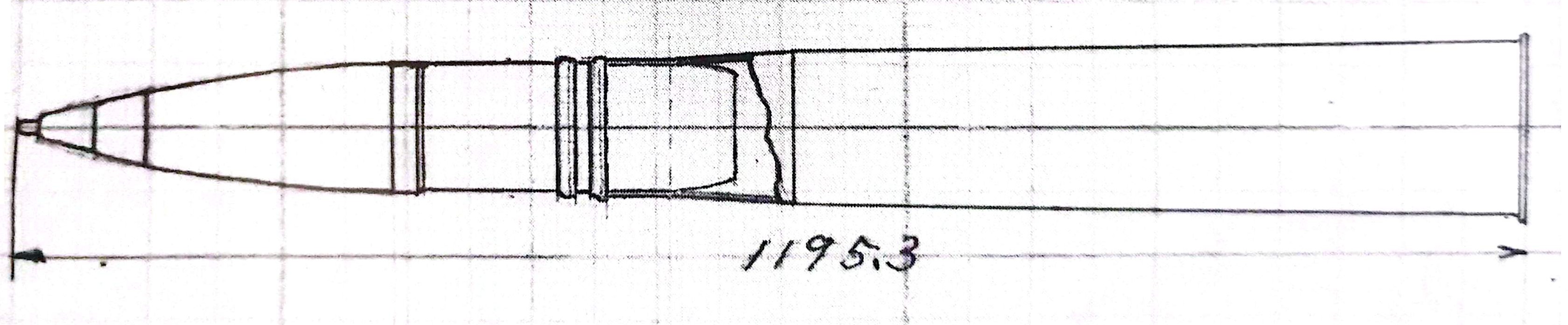
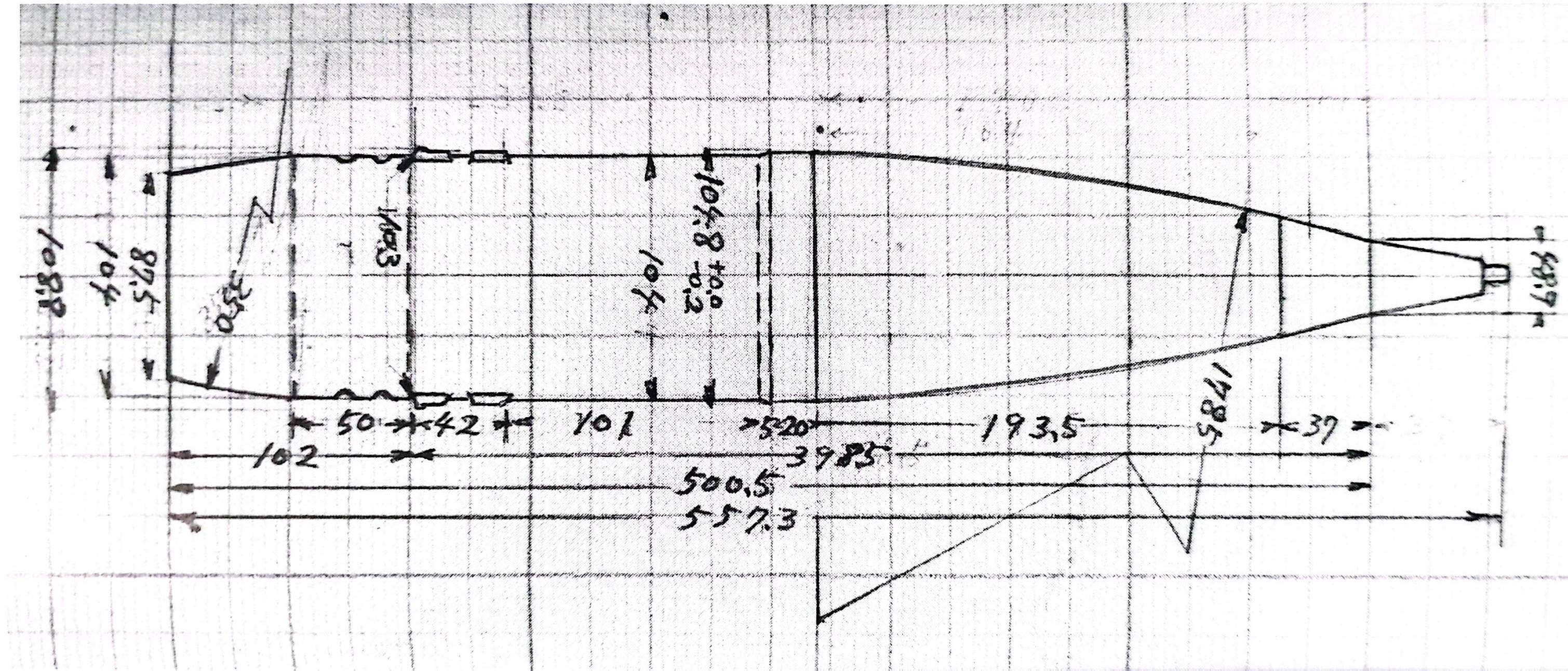
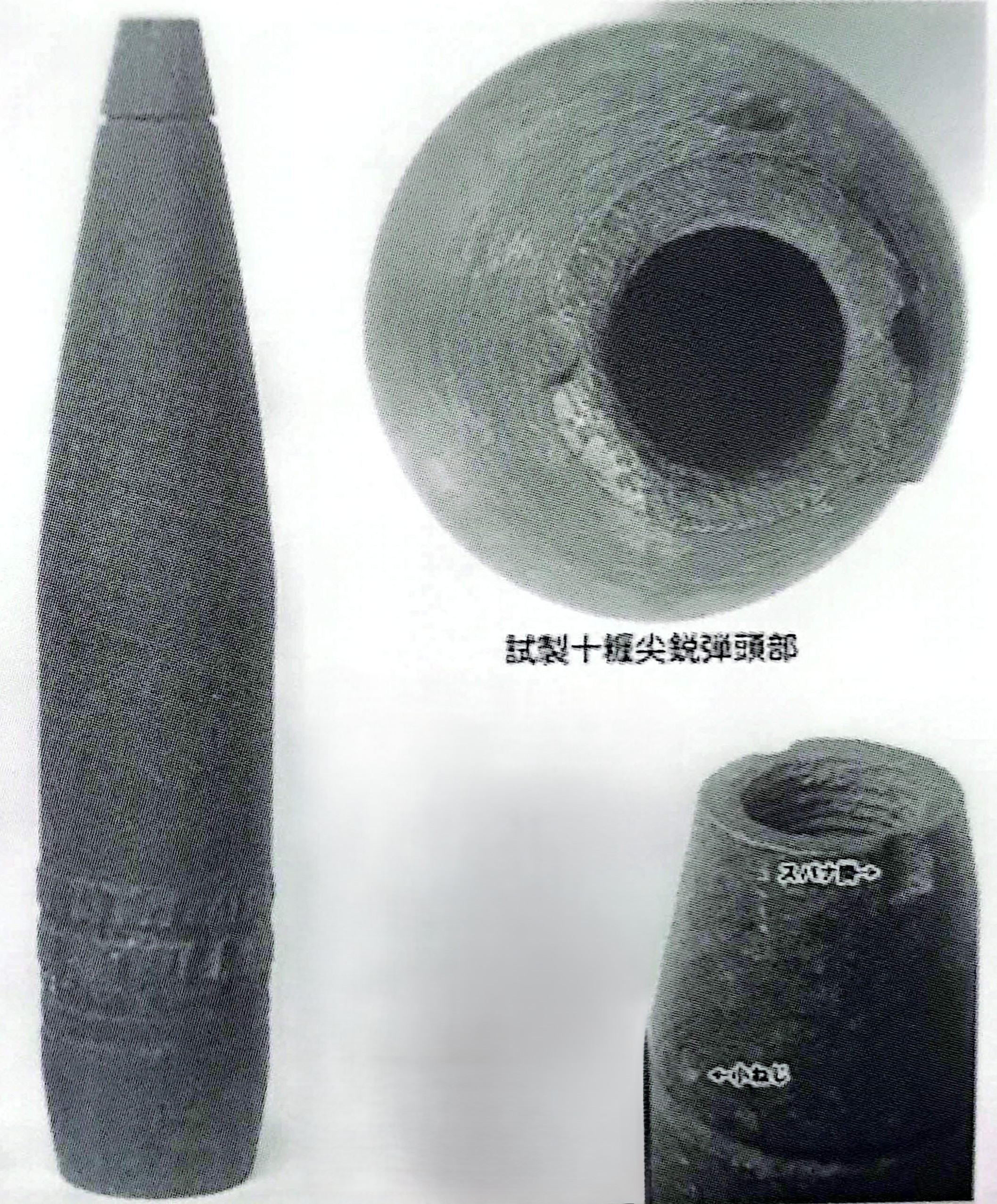
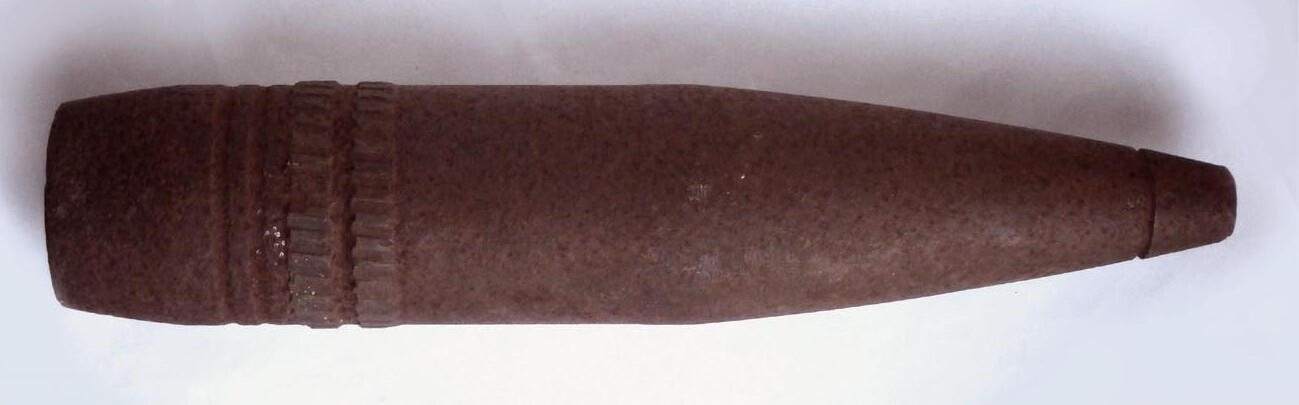
This shell was built to a design almost identical to the Type 91 HE shell, and it is currently the only surviving physical Ho-Ri projectile.
4. Experimental (Type 4) armor-piercing shell (AP)
試製(四式)徹甲弾
Design weight: 16.000 kg
Test weight: 15.640-16.240 kg (average: 16.022 kg)
Explosive filler: none
Muzzle velocity: 907.9 m/s (propellant charge: 6.45 kg)
Firing period: June
Number fired: 56
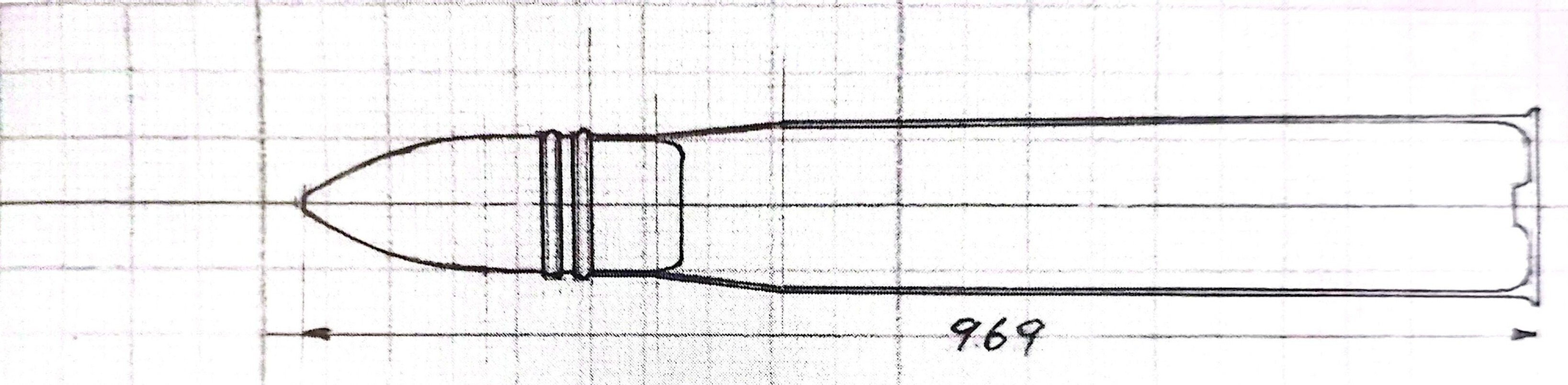
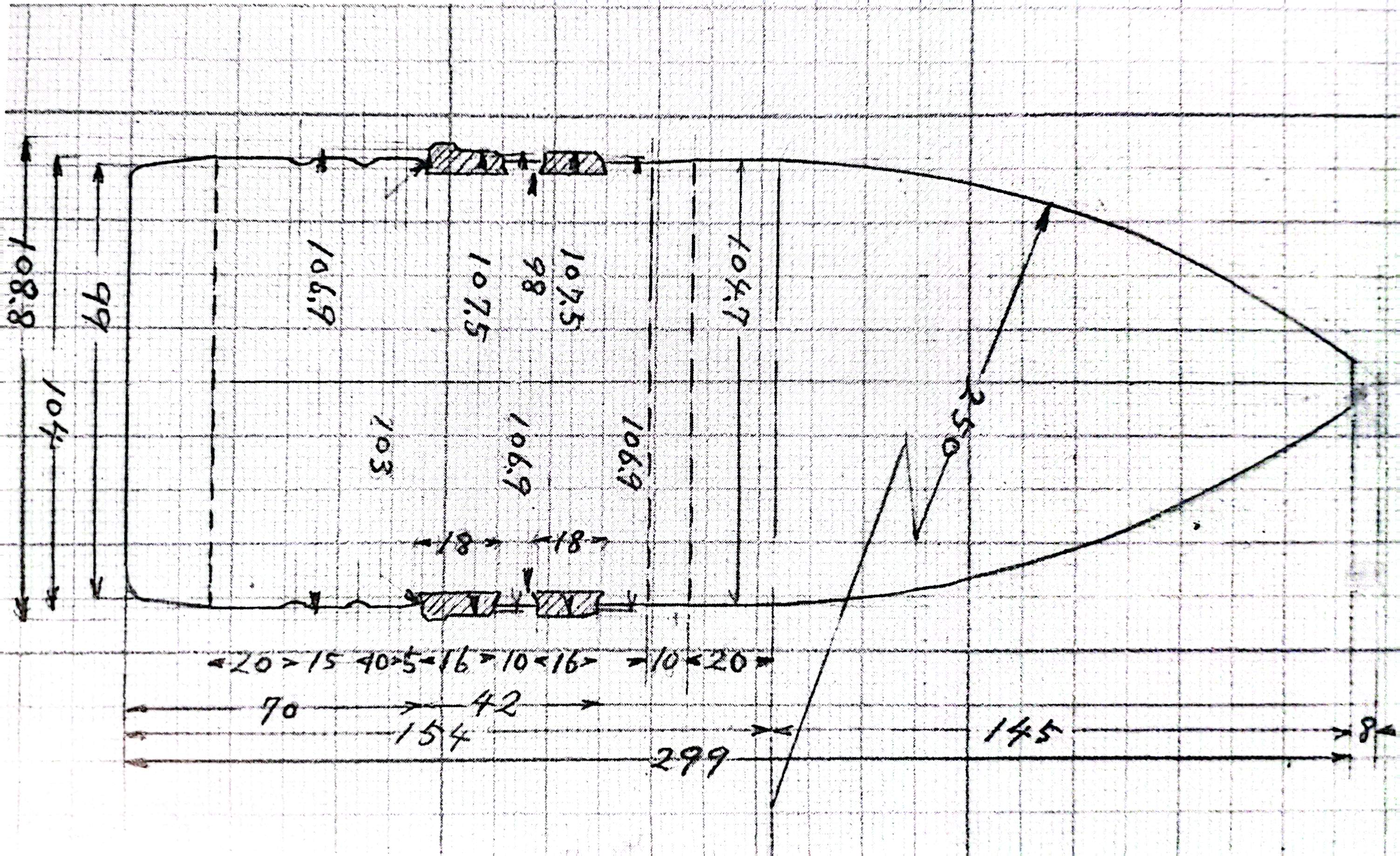
Like the other Type 4 AP shells, this was a solid AP round without explosive filler. The designation “Type 4” does not actually appear in the Ho-Ri research notes, where it is simply called an experimental AP. I borrowed the “Type 4” designation from the Ka-To research notes.
5. Substitute shell
代用弾
Weight: 16 kg
It was planned in the early design stage, but does not appear to have ever been produced. It was supposed to be based on the Type 14 substitute shell.
6. Armor-piercing shell (APHE)
徹甲弾
Weight: 16 kg
Explosive filler: unknown
Fuze: Experimental Type 1 armor-piercing medium Mk.3 base fuse
Ogive radius: 200 mm
Projectile length: 315 mm
This is the shell commonly known as the Type 2 APHE. In fact, this AP shell was not used during the Ho-Ri gun tests. The original Experimental Type 2 AP shell (試製二式徹甲弾) had been developed for the Type 92 Cannon, and the Ho-Ri’s APHE was originally supposed to be made on the basis of that shell, but it seems to have been postponed or canceled at some point.
That said, I’m still not sure whether the Ho-Ri using Type 2 APHE in WT should necessarily be considered an error. The Type 92 shells were essentially compatible with the Ho-Ri gun, and adapting them only required the simple modification of adding one more driving band and fitting them into cartridge cases.
13 Likes
Suggestion is out!
4 Likes
What’s the source giving the cupola a rangefinder?
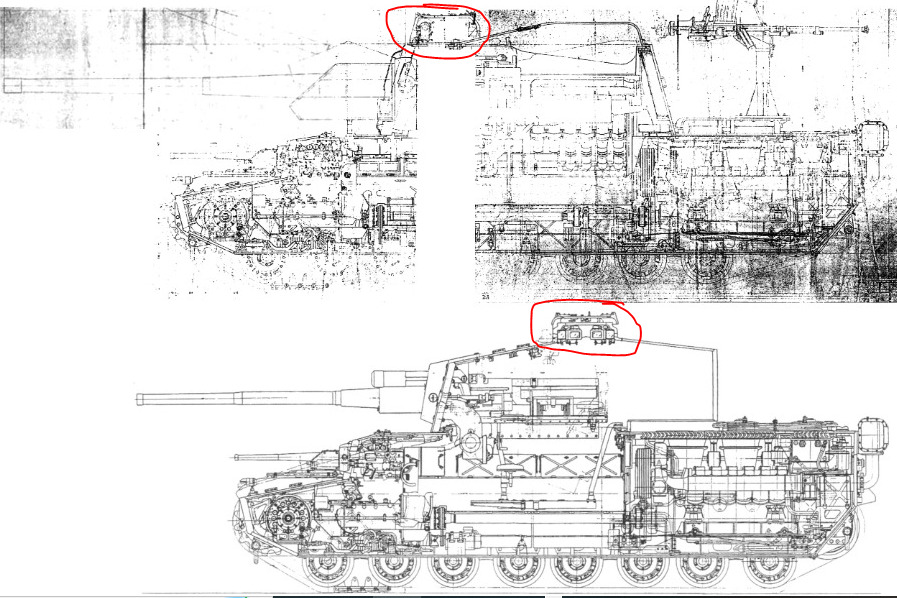
Just looks like a fairly standard cupola to me.
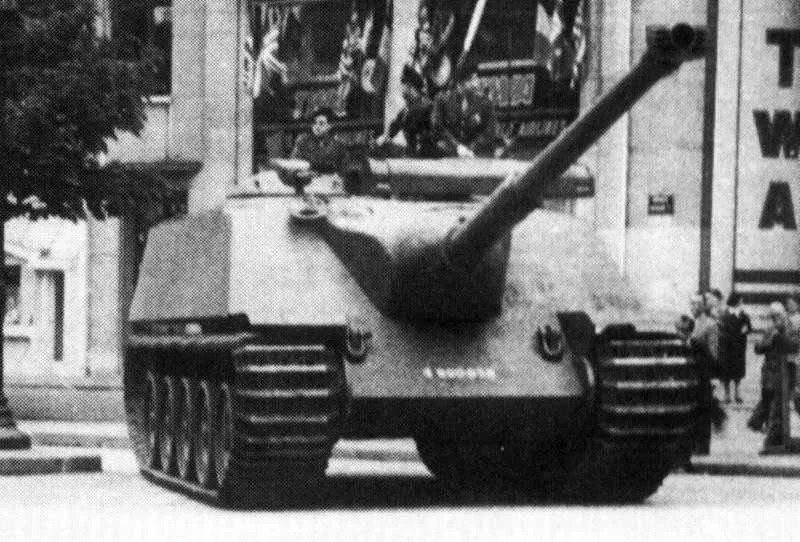
Like here’s the Foch for example and look how large its range finder is and this is the 1952.
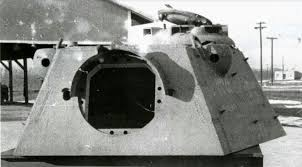
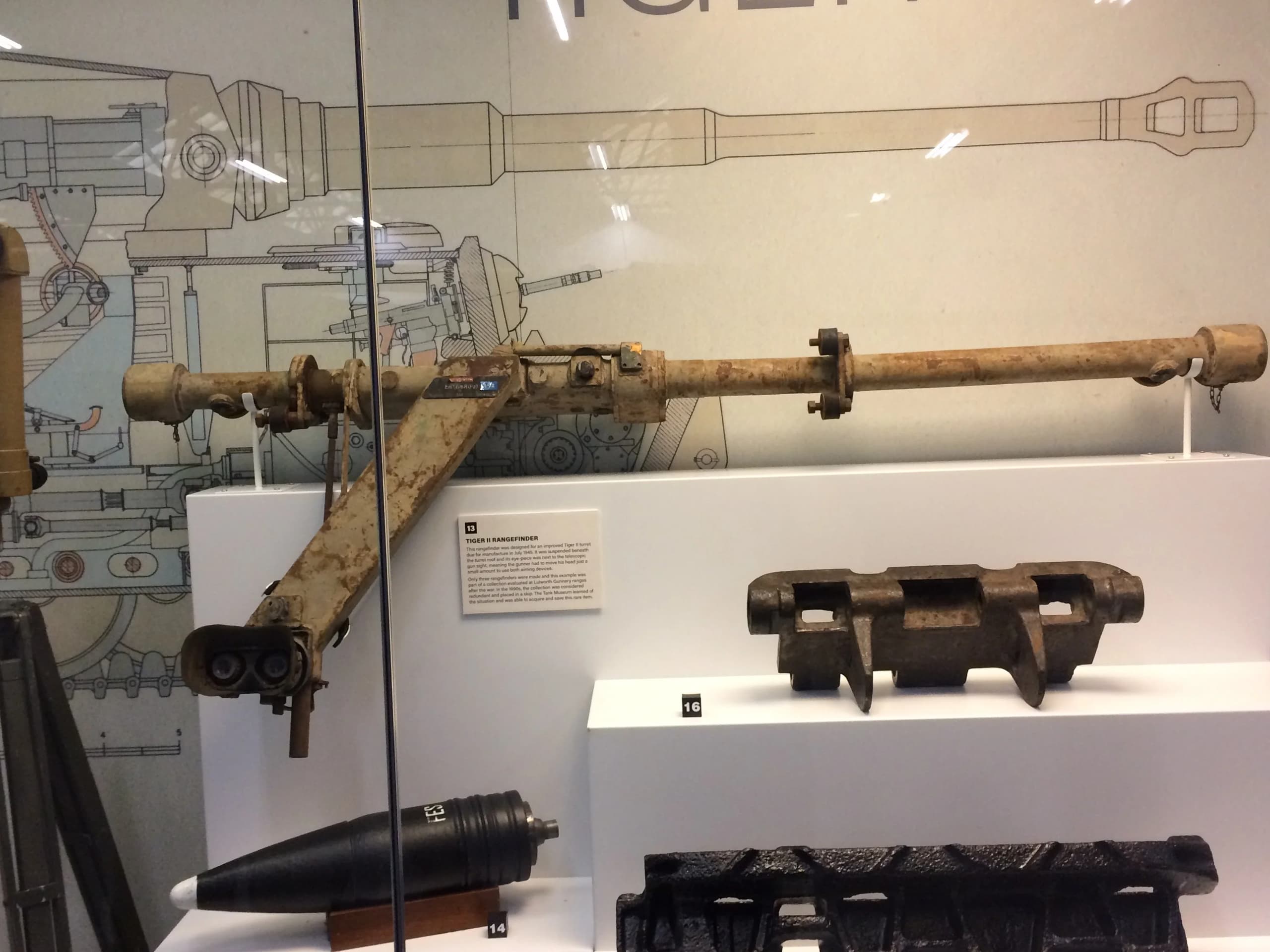
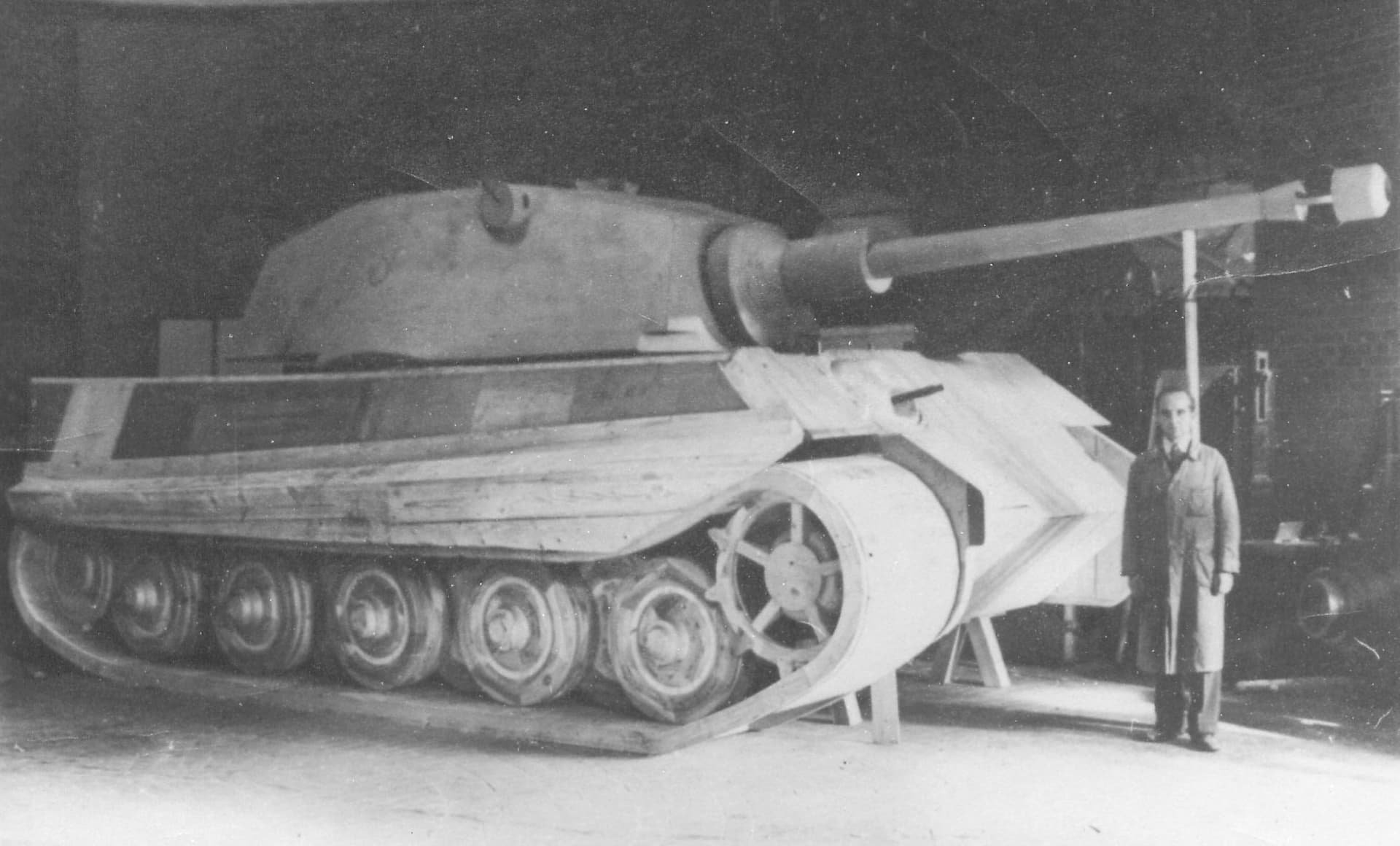
Look at the Panther and Tiger II their rangefinders extend to either side of the turret.
Just seems far too small to be a rangefinder. Edit: Perhaps I stand corrected.

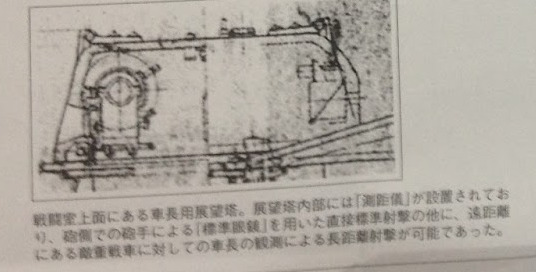
I’m not sure where this source comes from, but Google translate tells me its got a rangefinder. Though I would think a front on drawing of the vehicle might be useful, as I said, some of the 3D drawings look a bit small for the mid-1940’s.
2 Likes
No such thing as too small for a rangefinder. As long as there is any sort of parallax between the 2 optic ports, then it can be used as a stereoscopic rangefinder.
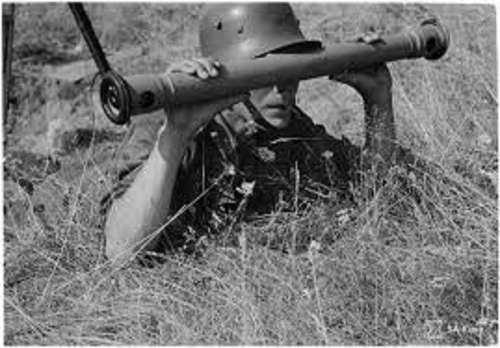
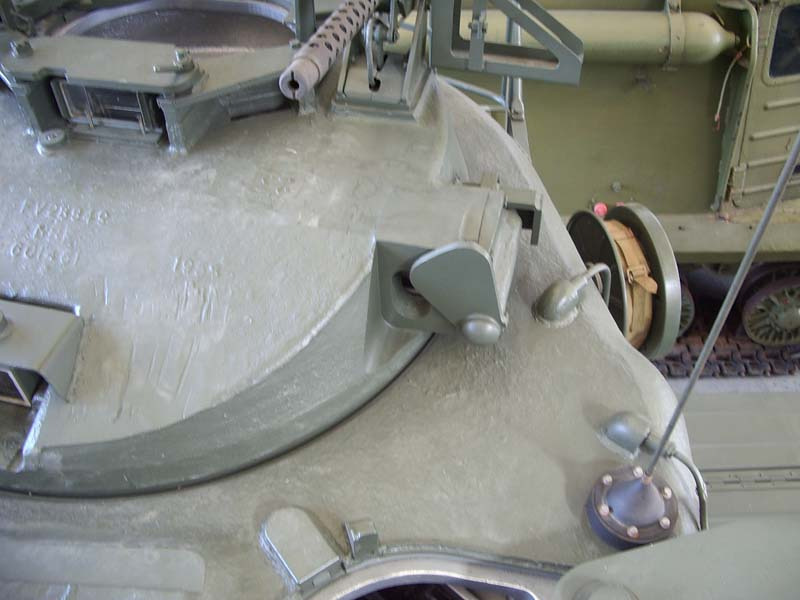
You get much more accurate readings the farther apart the 2 are, which is why you typically get those massive ones on tanks that don’t have to worry about weight, but when space is an issue, then you can go for a smaller system than none at all. The Conqueror also mounts it’s rangefinder in the cupola rather than spanning the whole turret.
5 Likes
Conqueror is a bad example and is from the mid-50’s, which is why I neglected to add it. We’re talking about a vehicle from 1945. The Conqueror also has a coincidence rangefinder, not stereoscopic which is why it’s much smaller.
The problem with smaller stereoscopic rangefinders is that the smaller they are the less accurate they are.
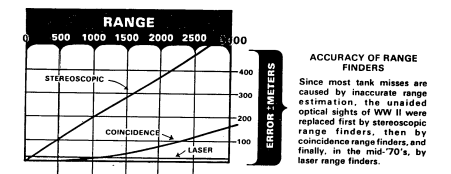
Stereoscopic is really something you want as large as possible to get the most accuracy for your weapons effective range, here it is compared to other systems.
1 Like
smallest range finder is mark 01 human eyeball.
Imagine if we GMO humans with Hammerhead shark we wont need a range finder anymore!
[quote=“Jarms, post:40, topic:304419, full:true”]
What’s the source giving the cupola a rangefinder?
I read somewhere (but I don’t remember where) that the Japanese wanted to install a rangefinder Type 93. I can’t find this rangefinder right now, but I’ve only found a similar one “Nippon ko: gaku” 75 cm.
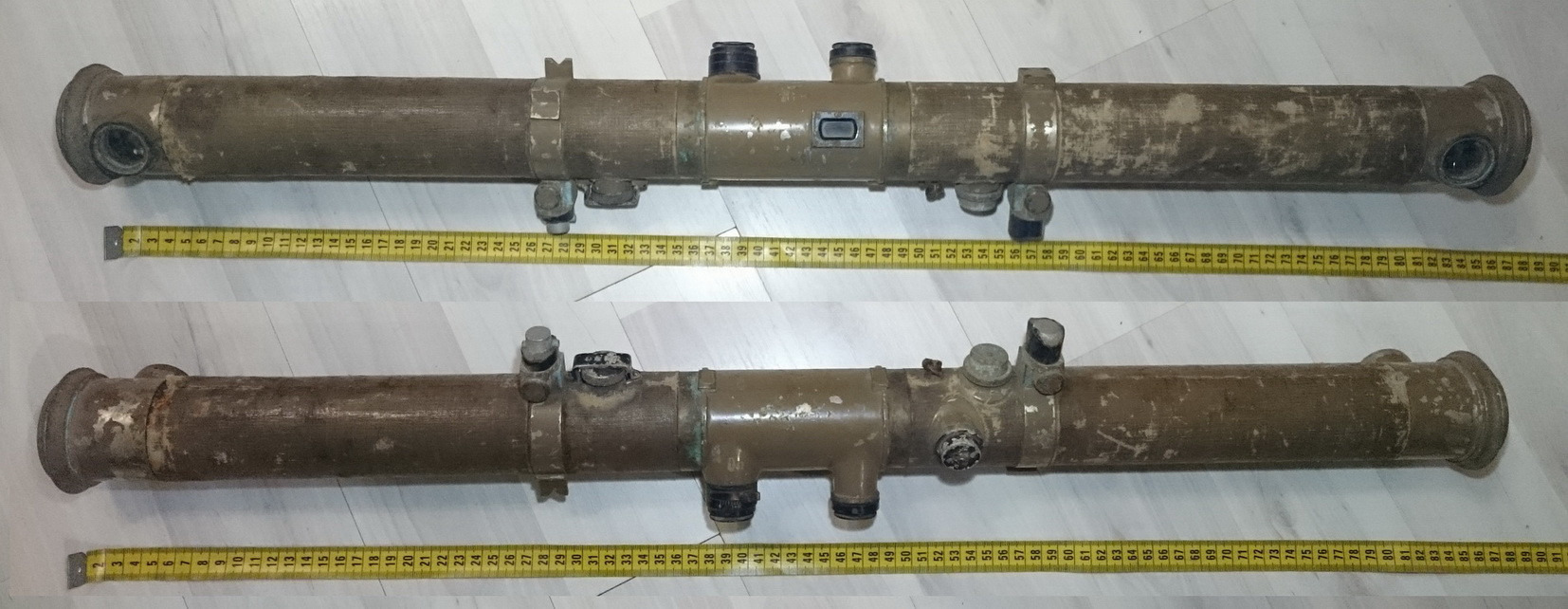
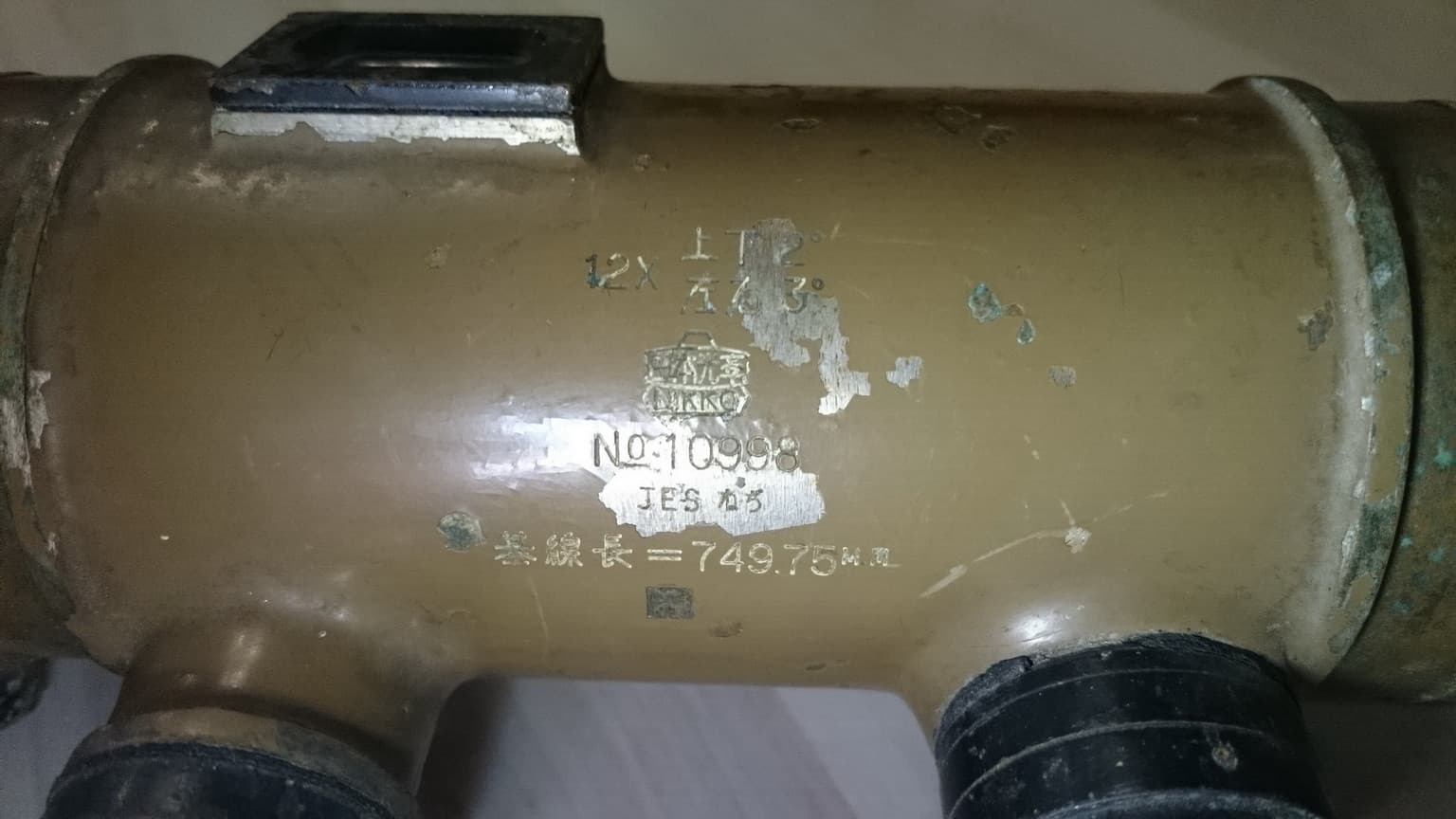
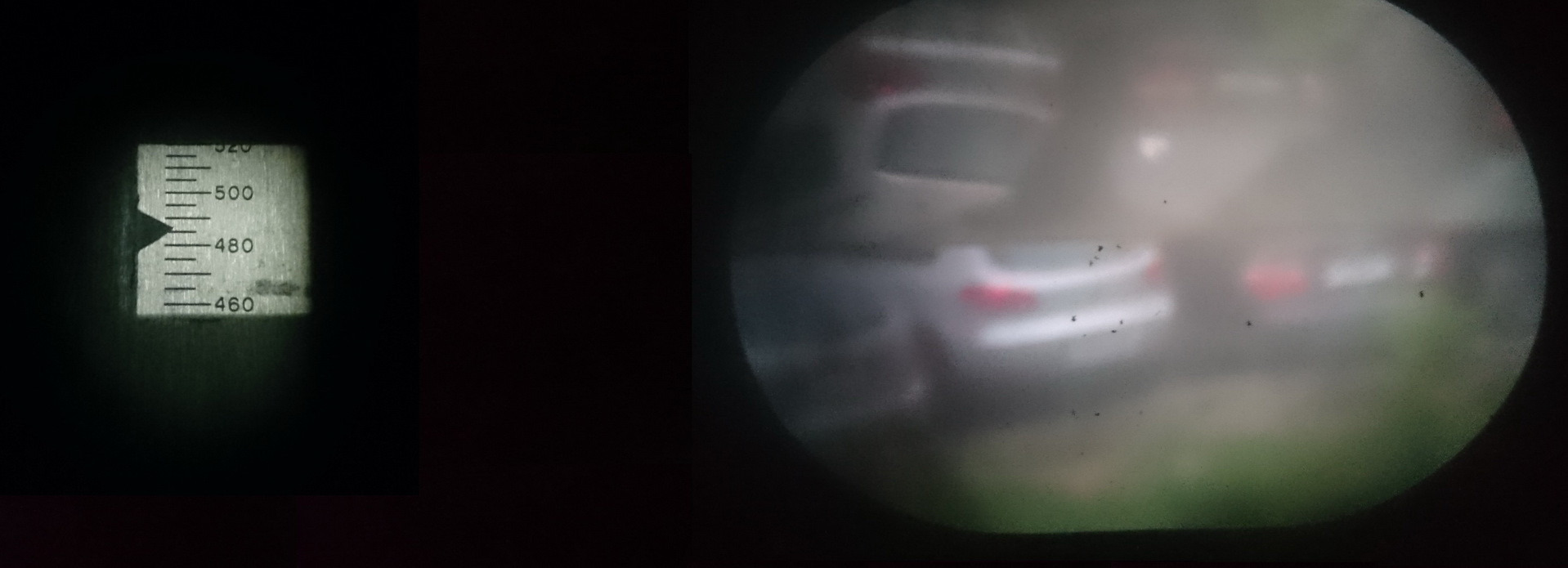
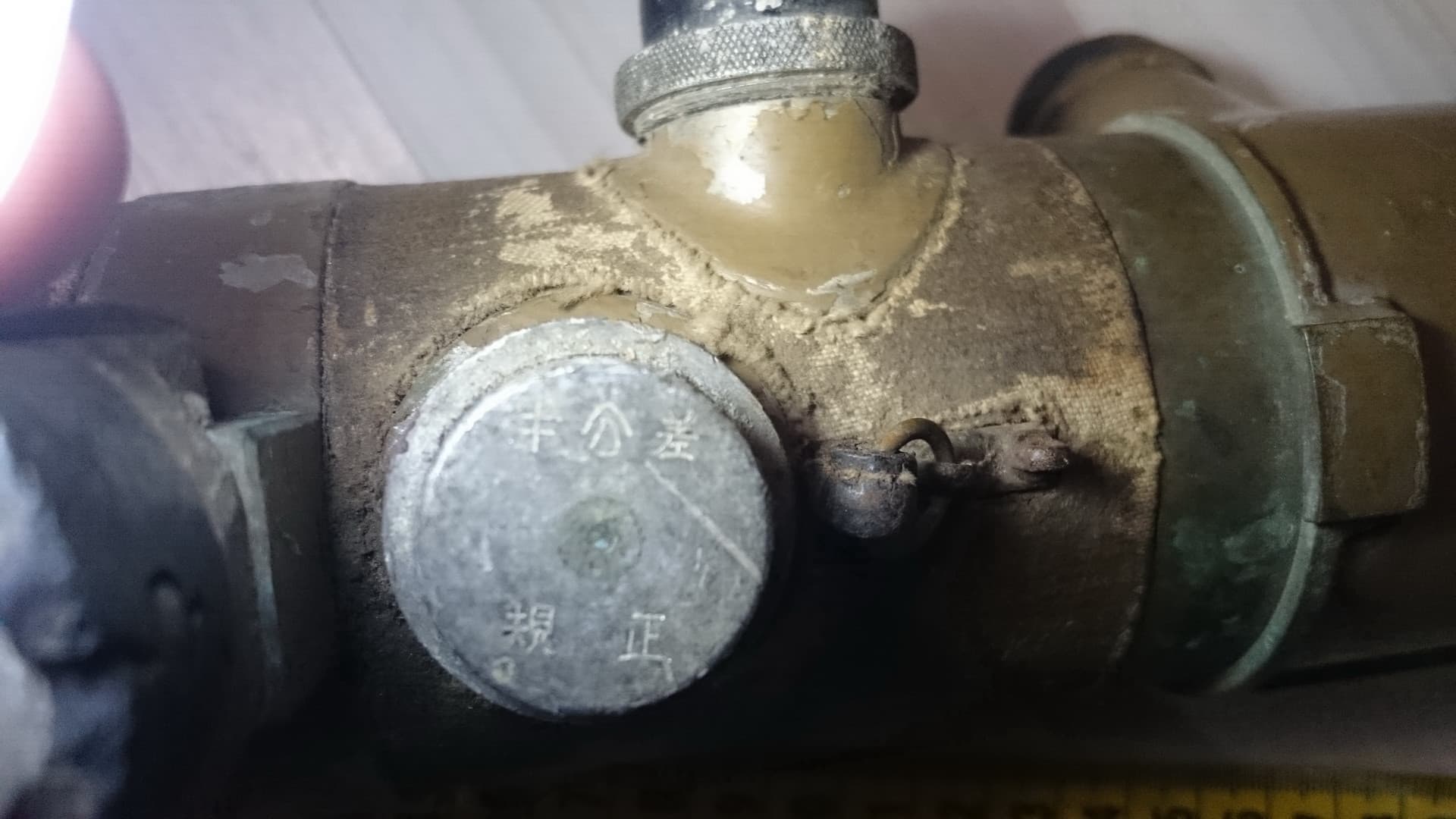

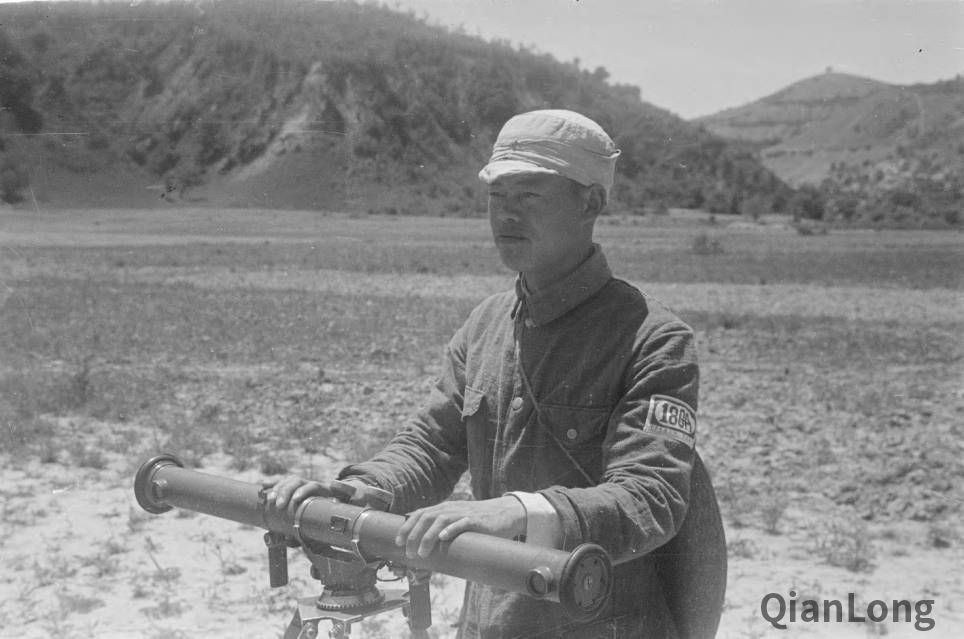
There is also a slightly similar rangefinder. " 2-meter-base height and range finder.*
Spoiler
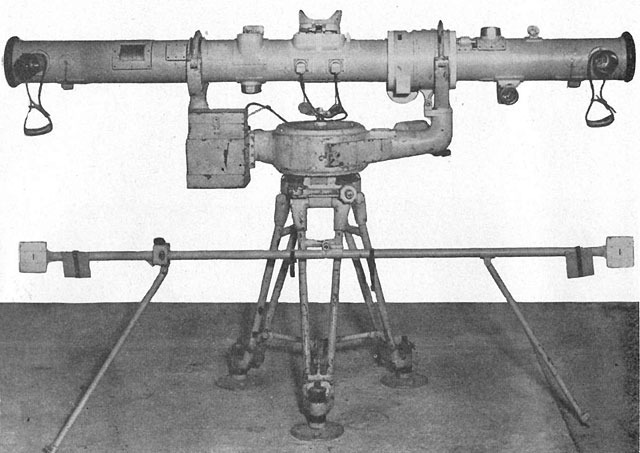
If I made a mistake somewhere, I apologize for my errors, as the topic of the Ho-Ri tank is quite difficult in itself.
5 Likes
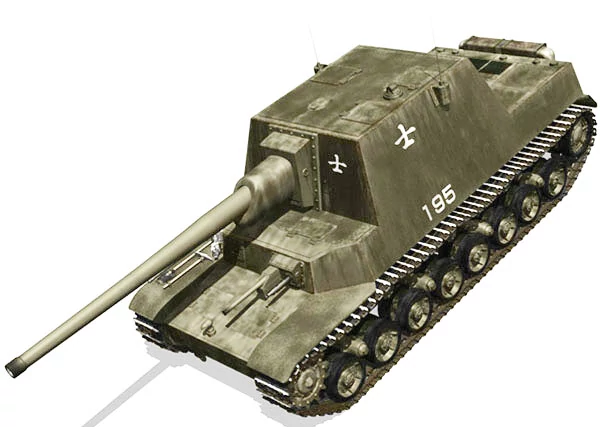

Still my personal 2 pictures I stumbled upon a while back and kept in my downloads. This would also be a good way to give the vehicle camouflage for the different markings as depicted.
5 Likes
I’ve also read that the Type 93 Field Light Rangefinder was considered :) Read my suggestion if you haven’t already
1 Like
Oh, thank you, I thought I looked like a fool
There is nothing foolish about trying to find a reasonable answer to something not well-understood :)
1 Like

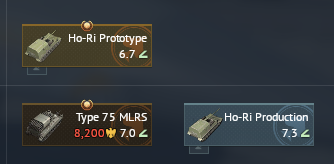
Both Ho-Ri vehicles will be gone by September 1st!! If you still want them, now is the time to grind
7 Likes
And so they are gone… and replaced by nothing. Leaving a giant gap in how Japan plays later on.
Going from being able to spearhead a formation to needing to run the hell away.
1 Like
This post was flagged by the community and is temporarily hidden.
cope
I don’t care you have it, but nobody else is getting it now, one way or another there will be fewer hori scrubs