- Yes
- No
Introduction
The story of Sweden’s Leopards begins in the aftermath of the Cold War, when the Swedish Army sought a modern replacement for its legacy Centurion & Stridsvagn 103 tank fleet. After evaluating several candidates, Sweden selected the German Leopard 2 and initially acquired the Leopard 2A4 as the Stridsvagn 121, as an interim while developing the more advanced Stridsvagn 122 (Strv 122) in cooperation with German industry. Introduced in the late 1990s, the Strv 122 was based on the Leopard 2A5 but incorporated a range of uniquely Swedish enhancements, including improved armour protection and adaptations for Nordic operating conditions. The result was one of the most capable Leopard variants in service and a cornerstone of Swedish armoured forces for more than two decades.
Over the years, the Strv 122 proved highly successful, but the rapid evolution of battlefield technology and Sweden’s accession to NATO created a need for a more comprehensive modernisation. Lessons from recent conflicts, particularly in Ukraine, underscored the importance of improved sensors, digital protection systems, and interoperability with allied forces. In response, the Swedish Defence Materiel Administration (FMV) launched the largest armoured modernisation effort undertaken by Sweden since the Cold War, partnering with KNDS to upgrade the existing Strv 122 fleet while also procuring new Leopard 2A8 tanks. The program aims to support the expansion of the Swedish Army to four mechanized brigades and strengthen the defence of strategically important areas such as Gotland.
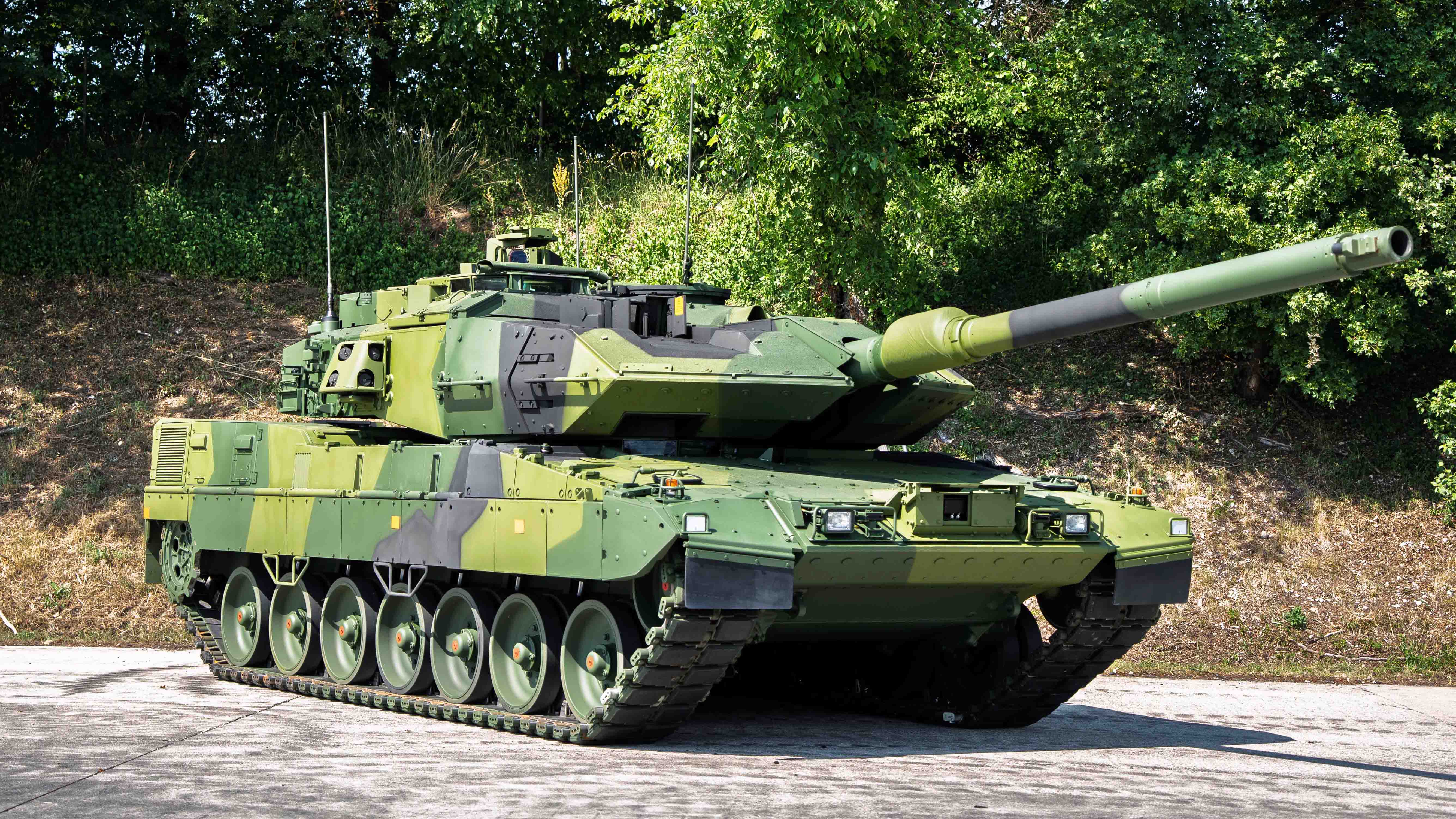
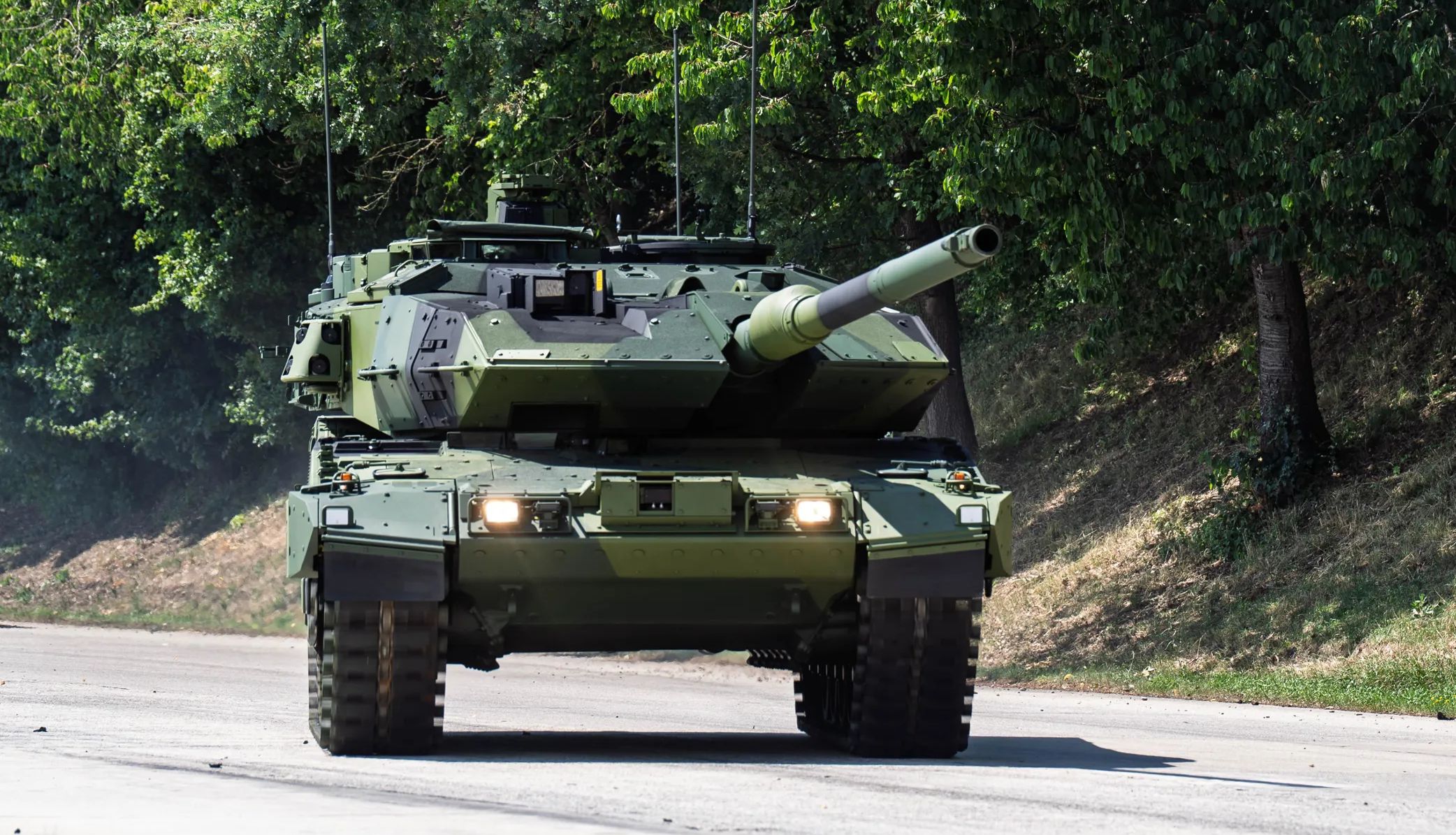
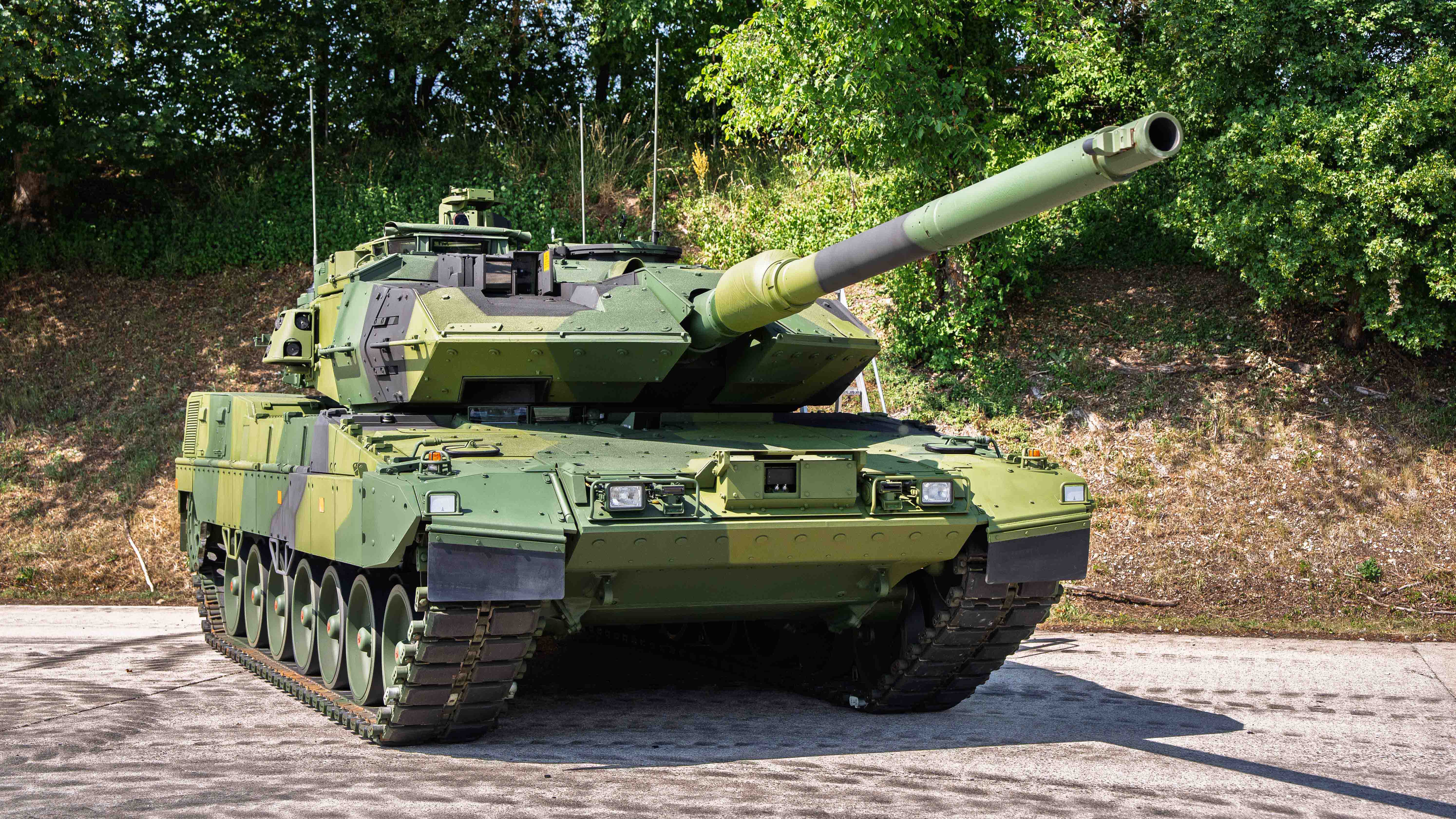
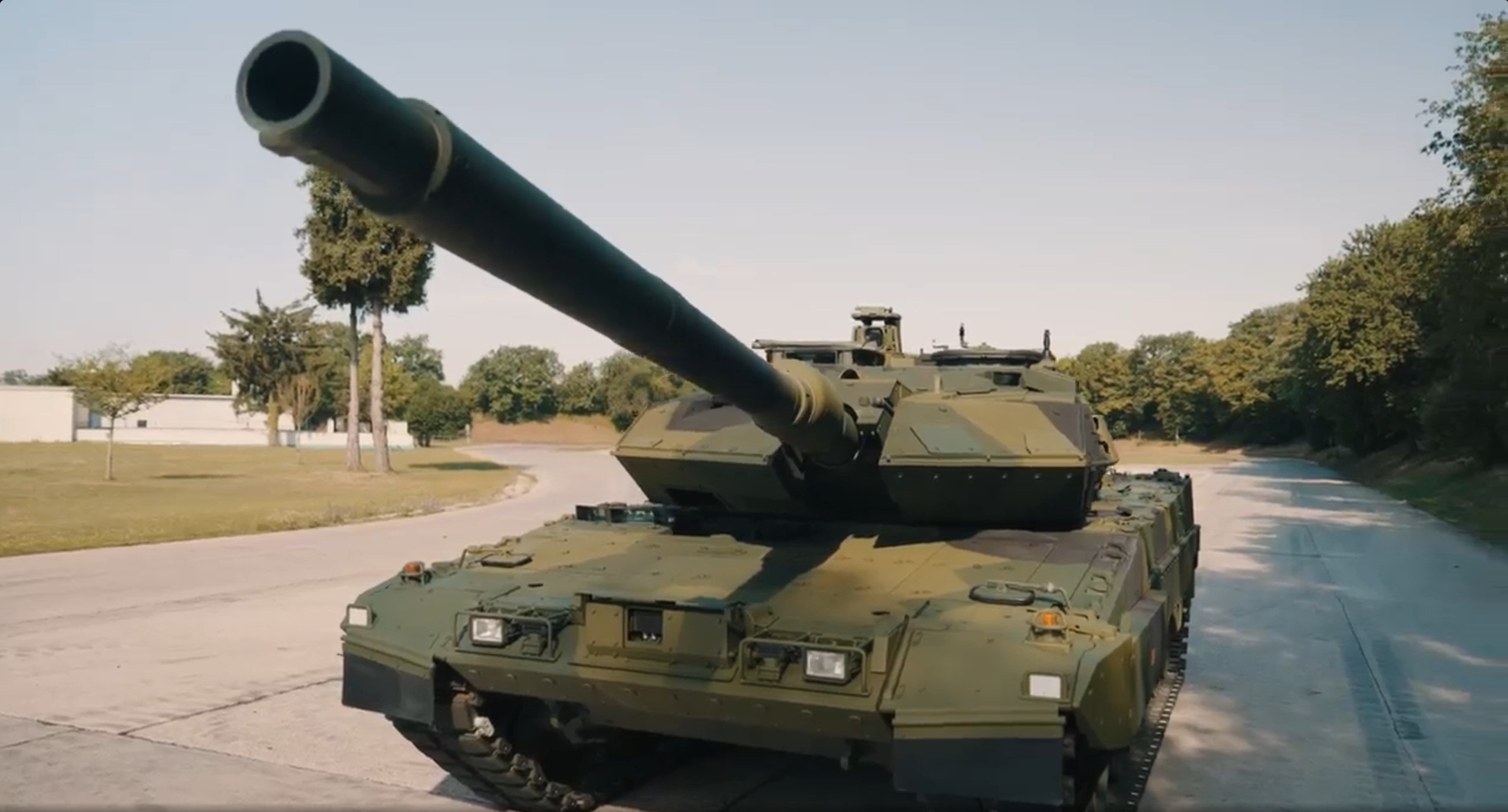
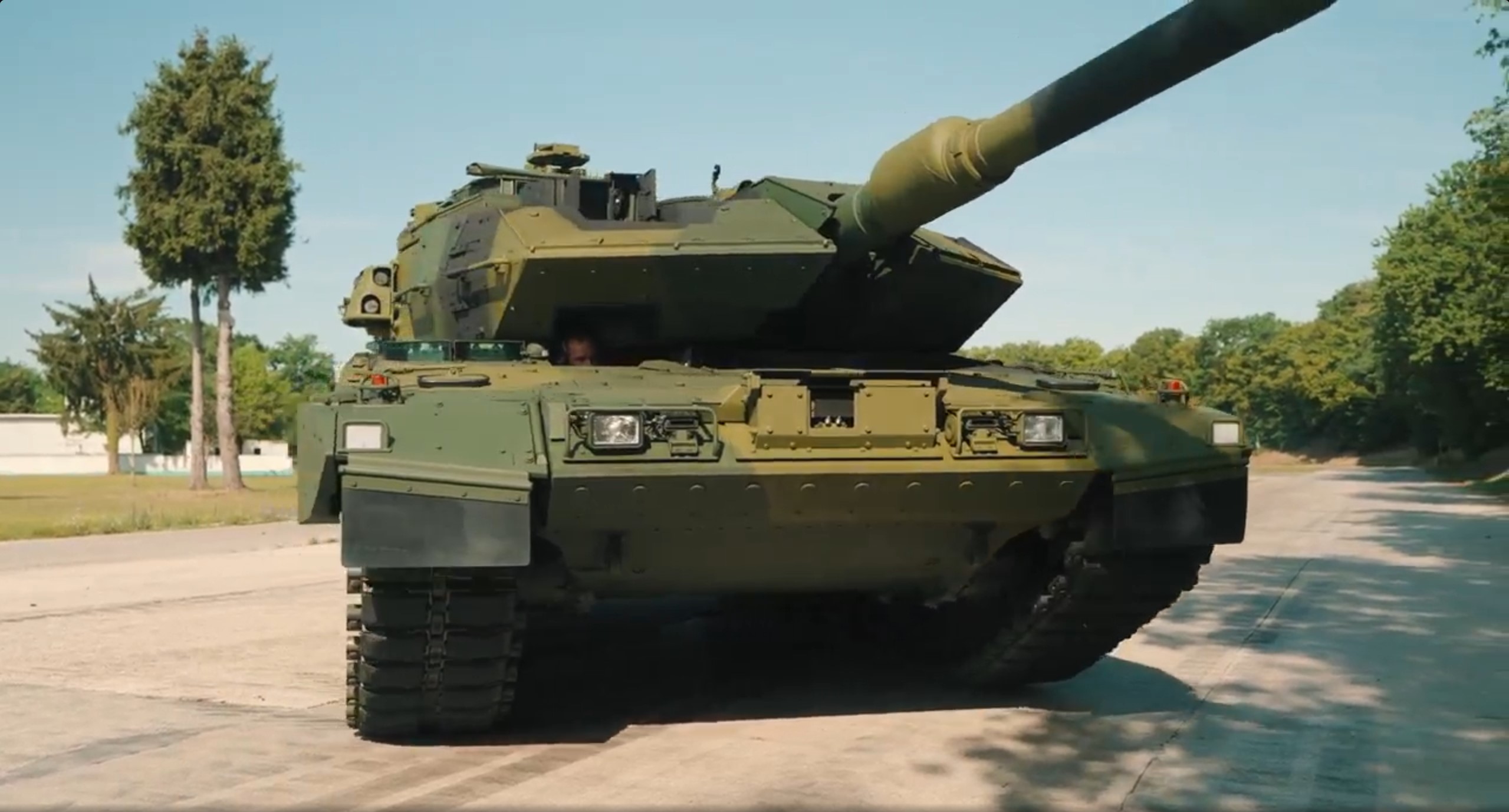
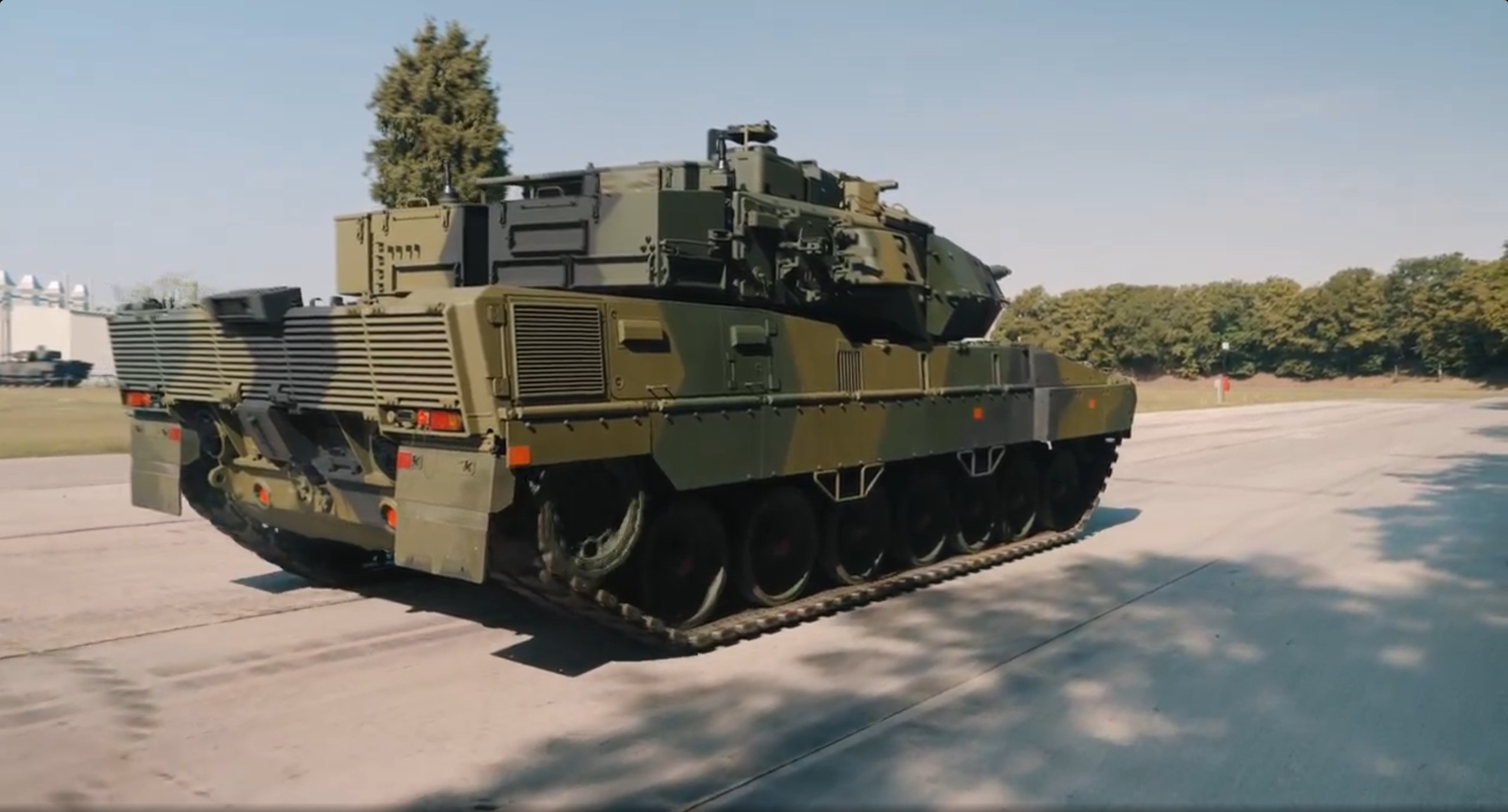
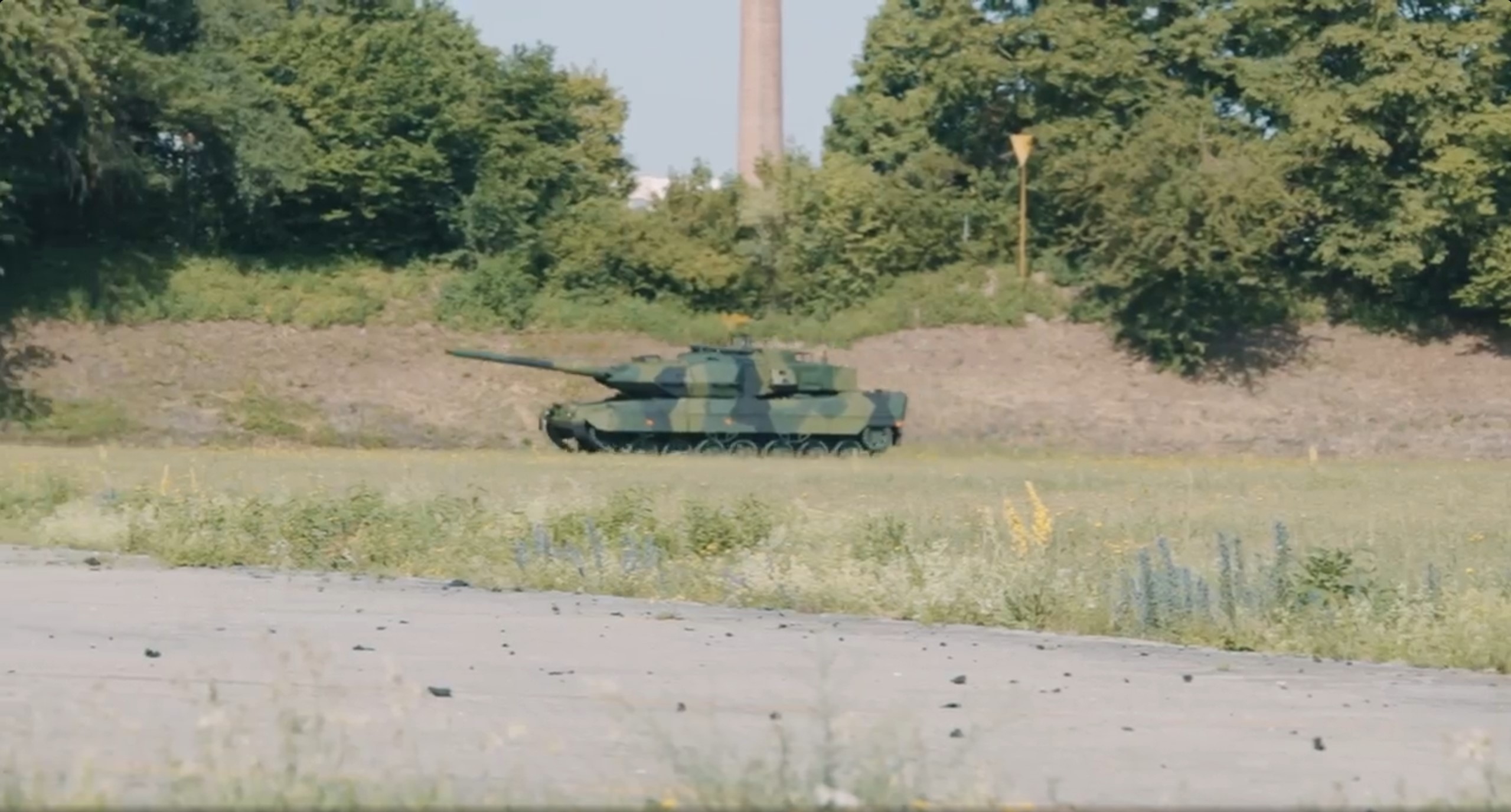
The centrepiece of this effort is the Stridsvagn 123A (Strv 123A), an extensively modernised version of the Strv 122. While retaining the proven chassis, engine, and drivetrain of the earlier vehicle, the upgrade introduces a new 120 mm L55A1 cannon capable of firing programmable ammunition, upgraded thermal sights and night-vision systems, enhanced protection, new tracks and running gear, and a near-complete replacement of onboard electronics. These changes align the vehicle with the latest Leopard 2 standards and provide compatibility with the systems being fielded by other NATO operators. Sweden plans to upgrade 110 existing tanks to the Strv 123A configuration, while an additional 44 newly built Leopard 2A8s will enter service as the Strv 123B, creating a future fleet of 154 modern tanks.
A significant milestone was reached with KNDS’s delivery of the first Strv 123A. Speaking at the rollout ceremony in Munich, KNDS Deutschland CEO Florian Hohenwarter emphasized that the vehicle was developed together with Sweden, describing the Swedish customer as a partner that continually pushed the program to new limits. He noted that many of the technologies incorporated into the Strv 123A are also found in the latest Leopard 2A8 tanks currently being produced for Germany and Norway. For Sweden, the delivery of the first Strv 123A marks both the continuation of a long line of Leopards, and the beginning of a new era in armoured warfare capability.
Specifications
Spoiler
| Specifications | |
|---|---|
| Crew | 4 (Commander, Gunner, Loader, Driver) |
| Main Armament | 120 mm Rheinmetall L55A1 smoothbore gun |
| Ammunition | NATO-standard ammunition, including programmable rounds |
| Secondary Armament | 2 × 7.62 mm Ksp 94 machine guns (coaxial and anti-aircraft) |
| Combat Weight | Approx. 66–67 tonnes |
| Engine | MTU MB 873 Ka-501 diesel |
| Engine Power | 1,500 hp (1,103 kW) |
| Maximum Speed | Approx. 70 km/h |
| Suspension | Torsion bar |
| Fire Control | Modernized digital fire-control architecture |
| Night Fighting Capability | New commander and gunner thermal sights; driver night-driving camera |
Images
Sources


