- Yes
- No
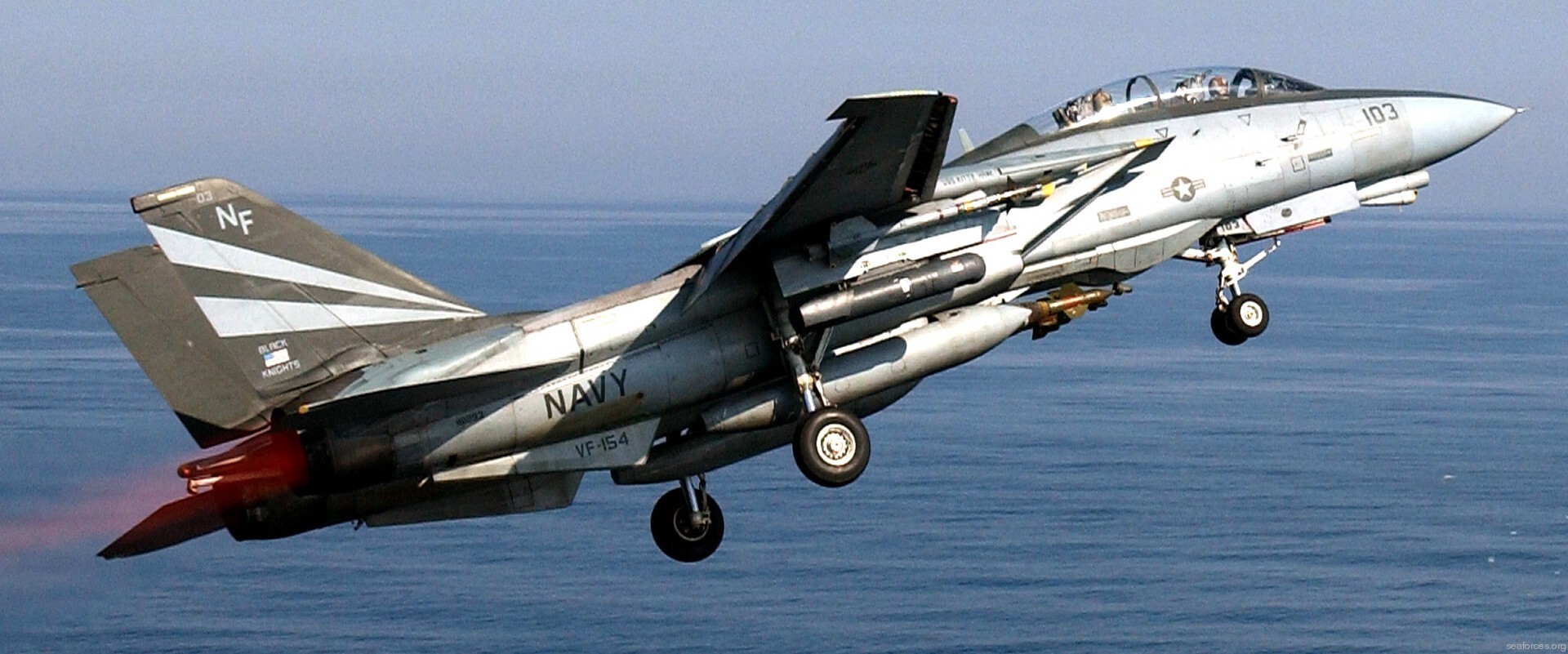
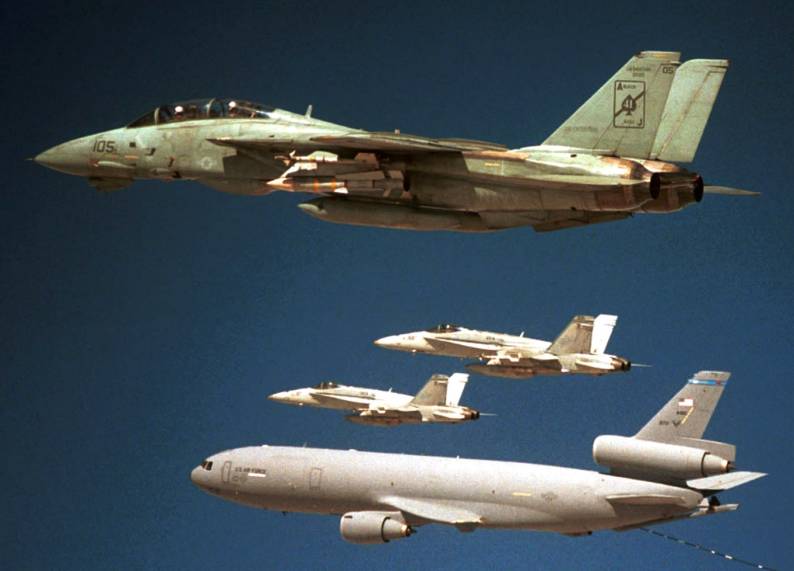
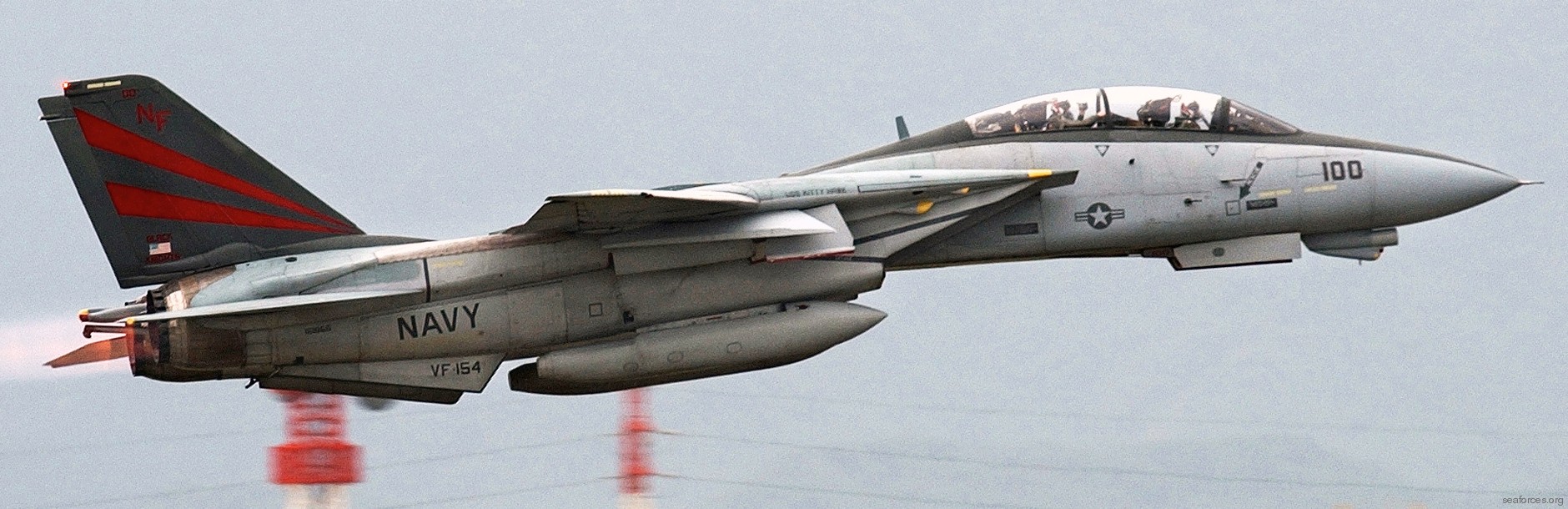
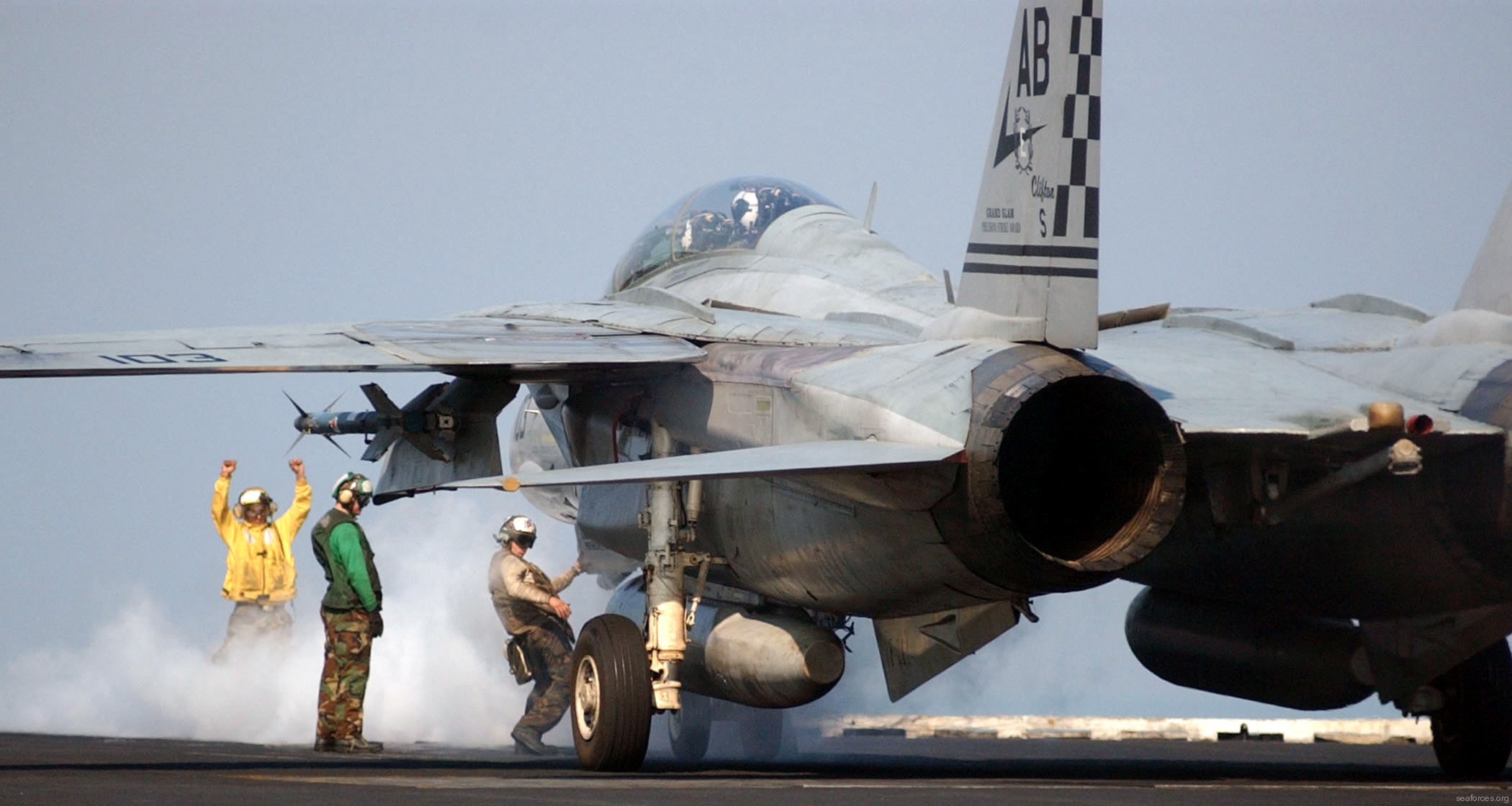
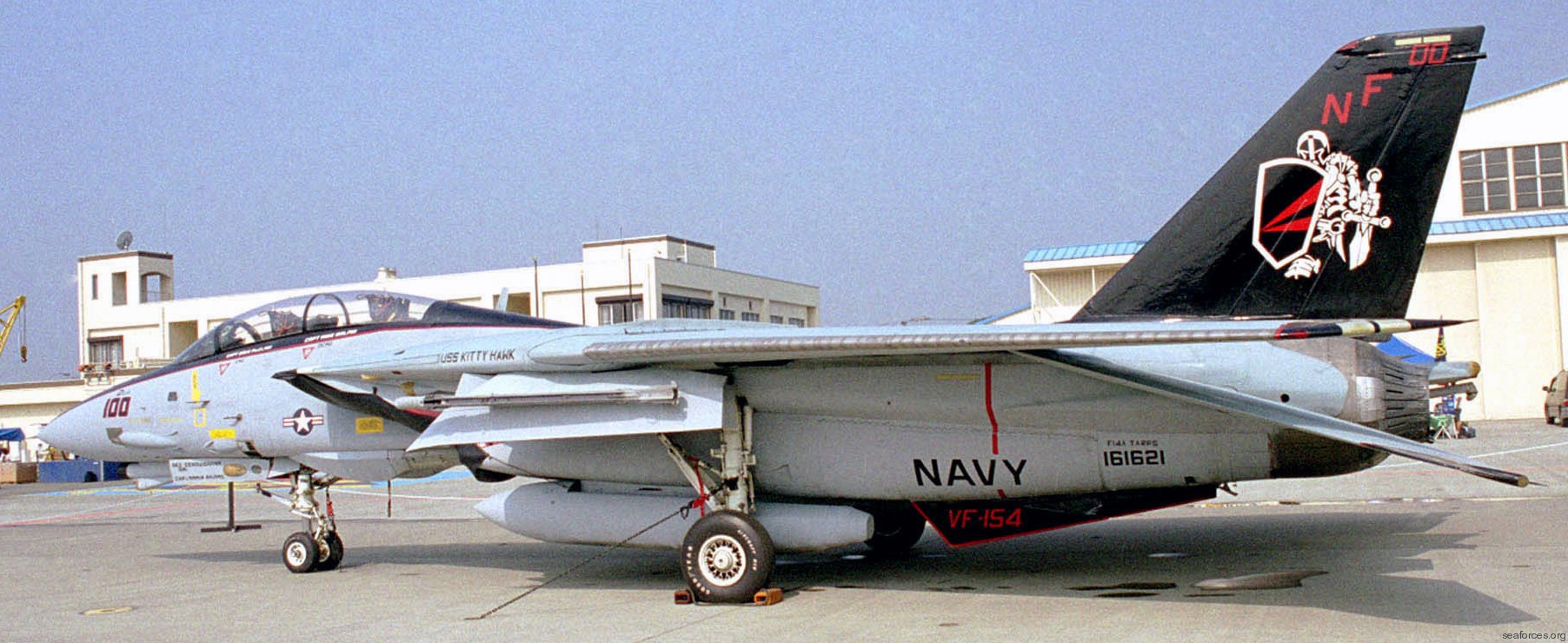
This suggestion is for a “late service” F-14A, representing the aircraft as it was configured just before its retirement from the U.S. Navy.
A significant step up from the existing early F-14A, this variant boasts upgraded avionics and enhanced multirole capabilities, making it a strong contender against modern jets. While it lacks the engine power of the F-14B, its lighter airframe offers superior handling in one-circle engagements. Additionally, its higher top speed compared to the B/D models would make it a formidable BVR platform in Simulator Battles (SB).

Spoiler
From the mid-1980s to the early 1990s, the U.S. Navy’s F-14A fleet began to show its age. Compared to the F/A-18A/C Legacy Hornet and the newer F-14A+/B, the original F-14A had limitations in multi-role capabilities, particularly in ground attack missions.
To address these shortcomings, the aircraft first received an upgrade to its Electronic Countermeasures (ECM) suite. The AN/ALQ-126 ECM system was initially installed on an F-14A (BuNo. 161168) assigned to VF-154 ‘Black Knights’ in April 1984. This system subsequently became standard on all new-production and refurbished aircraft through 1987.
Later, in the 1990s, an upgrade program integrated the LANTIRN pod, evolving the F-14A into the ‘Bombcat’ and granting it precision-strike capabilities. This modification introduced the Programmable Tactical Information Display (PTID), significantly enhancing cockpit situational awareness and providing pilots with improved targeting data visualization. The upgrade also involved replacing the older AN/ALR-45/50 Radar Warning Receiver (RWR) with the newer AN/ALR-67.
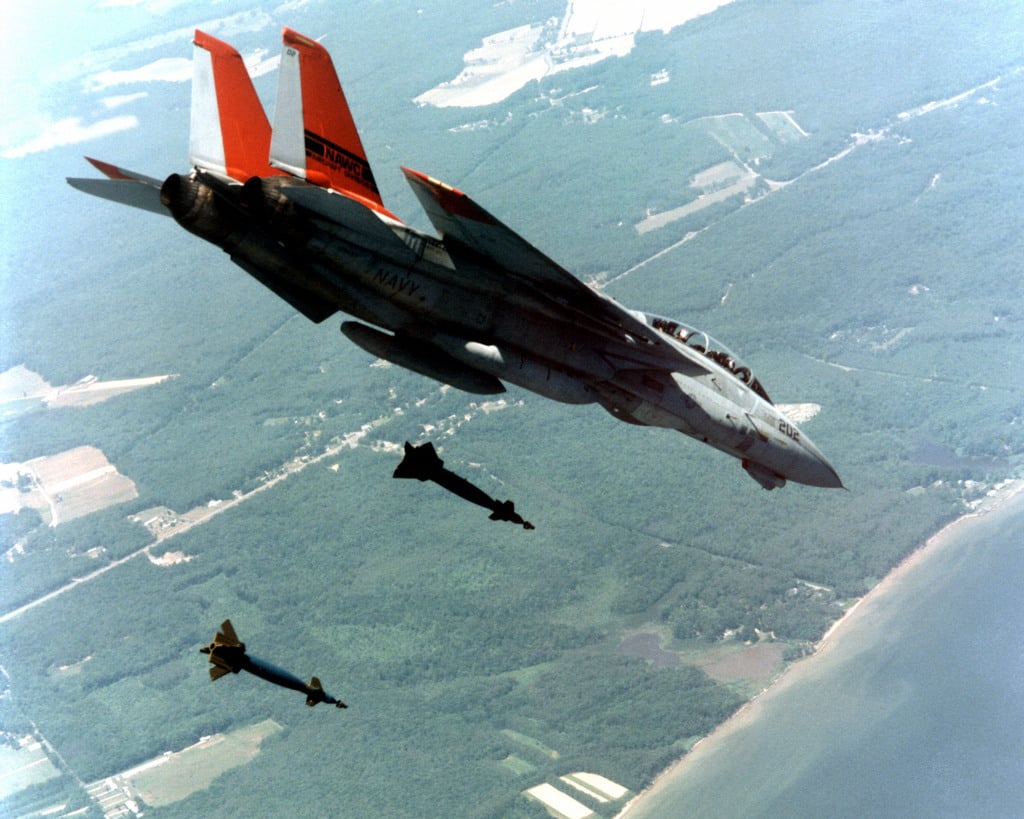


In another critical upgrade, all F-14 variants, including the F-14A, received the Digital Flight Control System (DFCS). Replacing the legacy Automatic Flight Control System (AFCS), the DFCS effectively resolved the notorious flat-spin issues that had long plagued the F-14A remarkably achieving this without the need for engine replacement. The system further enhanced safety by preventing departure from controlled flight and substantially reduced pilot workload during complex operations. Funding for this vital $80 million program was secured through budget reprogramming in Fiscal Year 1996.
Thanks to these modernizations, the upgraded F-14As proved their enduring combat effectiveness. These aircraft saw action in the 1999 Kosovo conflict, operations in Afghanistan (striking Al Qaeda and Taliban targets), and the 2003 Iraq War, where they continued to execute front-line strike missions.
Approximately 60 F-14As received these upgrades and were assigned to squadrons stationed at NAS Oceana and NAF Atsugi:
- VF-14 Tophatters (1973-2001)
- VF-41 Black Aces (1976-2001)
- VF-154 Black Knights (1984-2003)
- VF-211 Fighting Checkmates (1975-2004)
- VF-101 Grim Reapers (1976-2005): As the Fleet Replacement Squadron (FRS), this unit operated all Tomcat variants.
In 2001, the F-14As of VF-14 “Tophatters” and VF-41 “Black Aces” embarked on their final cruise with the Tomcat aboard the USS Enterprise (CVN-65). Positioned as the closest carrier to Afghanistan, they were among the first aircraft deployed in Operation Enduring Freedom (OEF), preceding even the arrival of the F-14Ds of VF-213 “Black Lions” aboard the USS Carl Vinson (CVN-70).
At the time, aircraft carriers were the only means of projecting tactical air power into Afghanistan. Tomcat, Hornet, and Prowler units carried out missions ranging from six to ten hours in duration, flying over 700 miles (1,126 km) from their carrier to their targets.

The F-14A was retired in 2004, preceding the F-14B and F-14D variants by several years. The final U.S. Navy F-14A to fly was Bureau Number (BuNo) 158632, assigned to VF-211 “Fighting Checkmates.” Flying under the call sign “NICKEL 103,” it completed its last journey on September 13, 2004.
Spoiler
The refurbishment of the F-14A was marked by a lack of standardization. The process often involved retrofitting older airframes, including surviving examples from early production runs. Crucially, these upgrades were not applied according to a consistent, systematic modernization plan.
As a result, configuration differences were prevalent, often finding significant variations in avionics and systems within a single squadron. This makes it difficult to establish a “standard” configuration for the late-service F-14A.
Crew
- 2 (Pilot and Radar Intercept Officer)
Powerplant
- 2 × Pratt & Whitney TF30-P-414A turbofan engines - Thrust: 20,900 lbf each (with afterburner)
Dimensions
- Wingspan (fully spread): 64 ft 1 in (19.53 m)
- Wingspan (fully swept): 48 ft 2 in (14.68 m)
- Wingspan (overswept): 33 ft 3 in (10.13 m)
- Wing Area: 565 sq ft (52.5 m²)
Weight
- Empty Weight: 40,104 lb (18,193 kg)
Performance
- Maximum Speed: 1,544 mph (Mach 2.34 at altitude)
- Rate of Climb: 30,000 ft/min (152.4 m/s)
Radar
- AN/AWG-9 Pulse Doppler Radar
Aircraft Fire Control System
- AN/AWG-15
Radar Warning Receiver
- AN/ALR-45 (1974-1998/1999)
- AN/ALR-67 (1998-2004)
Electronic Countermeasures
- AN/ALQ-126
Loadout(As of August, 2004):
Internal Cannon
- 1 × M61A1 Vulcan 20 mm rotary cannon (675 rounds)
AIM-9 Sidewinder
- AIM-9M-1
- AIM-9M-4
- AIM-9M-6
- AIM-9M-8
- AIM-9M-10
AIM-54 Phoenix
- AIM-54A
- AIM-54C
- AIM-54C+: ECCM Sealed cooling unit
AIM-7 Sparrow
- AIM-7M
- AIM-7M(H): Improved GCS
- AIM-7P: Improved low altitude capability
Practice Bomb
- BDU-33 & Mk.76
- BDU-48 & Mk.106
- BDU-59 & -60
Unguided Bomb
- Mk 82 or BLU-111
- Mk 82 or BLU-111 + BSU-86 : Low/HIGH-Drag
- Mk 83 or BLU-110
- Mk 83 or BLU-110 + BSU-85 : Low/HIGH-Drag
- Mk 84 or BLU-117
Gator & Rockeye II Cluster Bomb
- CBU-78 & Mk.20
- CBU-99 & Mk.20
- CBU-100 & Mk.20
Paveway II Laser Guided Bomb
- GBU-10
- GBU-12
- GBU-16
- GBU-24
Other
- LA-610 TARPS
- LUU-2 & LUU-19 Parachute flares
- Mk.58 Marine Location Marker
- MK.62 OA 09 + BSU-86 fin Quickstrike Mine (HIGH-Drag ONLY)
- TDU-32 Tow Banner
- ADM-141 TALD
Additional Pod
- AN/ALQ-167 ECM Pod
- AN/AAQ-25 LANTIRN
- AN/ARQ- & ASQ- Instrument Sys Pods
Drop Tank
- 267-gal. Fuel Tank
Spoiler
The late 90s/early 2000s F-14A is effectively an F-14B airframe retaining the TF-30 engines. Far from being a “worse” model, its lighter weight offers unique handling characteristics compared to the B variant.
F-14A late introduction would be a great addition to the game, giving players a choice between power (F-14B) and agility (F-14A) depending on their playstyle. To set it apart, it should be armed with the AIM-9M and AIM-54C. While the Phoenix missile physics still need addressing, the inclusion of the AIM-9M would ensure the aircraft remains balanced and effective.
With these capabilities, the late F-14A would stand as a strong rival to the F-15C MSIP II, modern F-16 variants, MiG-29SMT, and Su-27SM.
Spoiler


Spoiler
- Jon Lake (ed.). F-14 Tomcat Shipborne Superfighter. (London, England: Aerospace Publishing, Ltd., 1998), 83, 196.
- National Naval Aviation Museum
- SeaForce-online This website really helped to find late F-14A photos!
- The retire of F-14A from The Aviation Geek Club
- HOME OF M.A.T.S
- TOMCAT ALLEY
- The Aviationist
- VF-14 Tophatters Command History 1998-1999