- Yes
- No
- Tec Tree
- Event
- Premium
- Battlepass
- No
History and development :
Spoiler
the Focke-Wulf Fw 190, designed by Kurt Tank in the late 1930s, was one of Germany’s premier single-seat fighter aircraft during World War II, known for its robustness, firepower, and versatility. Early models, particularly the A-series powered by the air-cooled BMW 801 radial engine, excelled at low-to-medium altitudes but suffered performance degradation above approximately 6,000 meters (20,000 feet) due to the engine’s limitations. To address this, especially against high-flying Allied bombers like the B-17 and B-24, development shifted toward high-altitude variants starting in 1941. This led to experimental B and C models with turbosupercharged engines, but these faced reliability issues. The D-series (“Dora” or “Long-Nose Dora”) emerged as a more practical solution, incorporating a liquid-cooled inline engine and an extended fuselage to maintain balance, entering service in September 1944 with the D-9 as the primary production model.
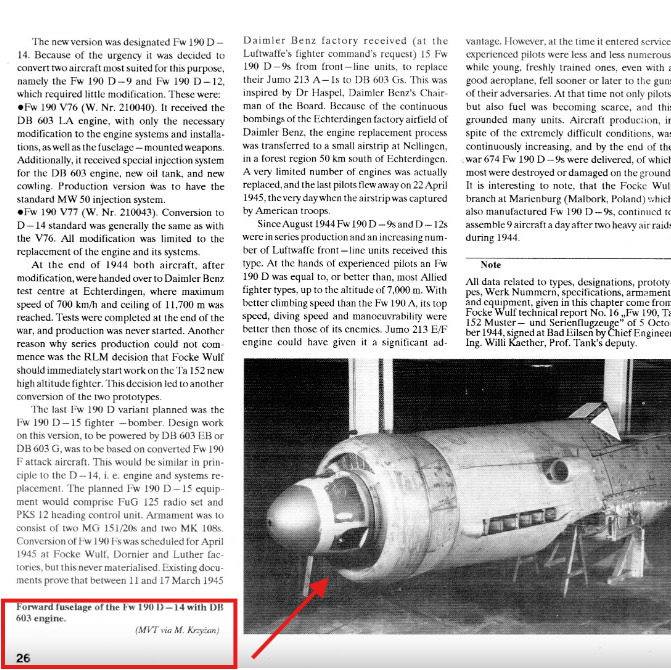
The Fw 190 D-14 was one of the final planned high-performance evolutions of the Focke-Wulf Fw 190 “Dora” (Langnasen) family during late 1944–early 1945. It aimed to install the more powerful Daimler-Benz DB 603 inverted V-12 engine (instead of the Jumo 213 series used in production D-9 through D-13 variants) to improve high-altitude performance, speed, and overall capability against high-flying Allied bombers and escort fighters. The project ran parallel to similar efforts but was quickly superseded.Development Background and TimelineBy mid-1944, the Luftwaffe urgently needed better high-altitude fighters. The standard Fw 190 D-9 (Jumo 213A) performed well at medium altitudes but struggled higher up. The D-11/D-12/D-13 introduced the improved Jumo 213F/E with MW 50 boost and heavier armament options (e.g., MK 108 or MG 151/20 cannon layouts). The D-14 represented the next logical step: swapping to the DB 603 family, which offered superior power at altitude (around 1,750 hp base, with variants like DB 603E/EB/LA reaching higher outputs via injection systems or supercharging).
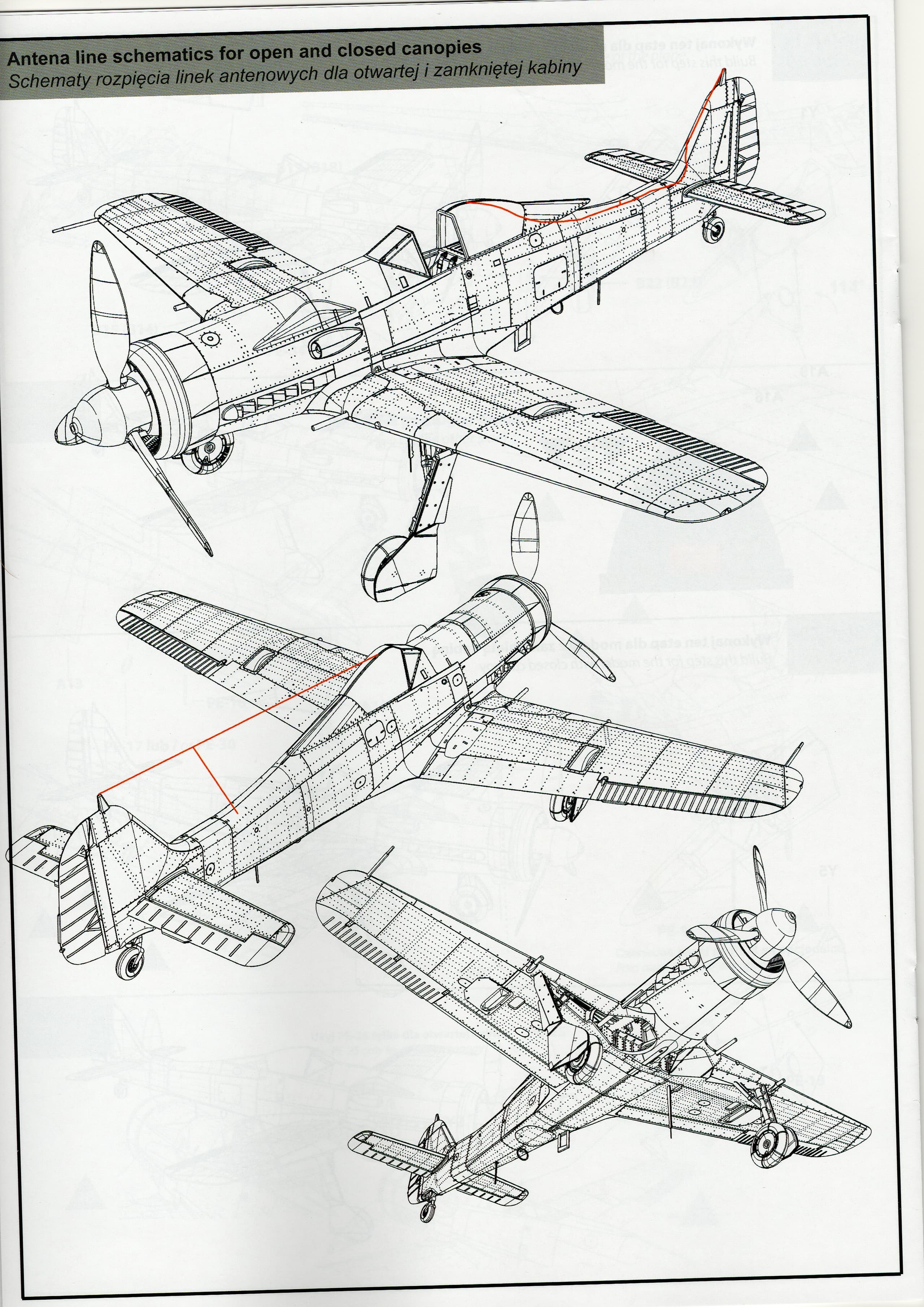
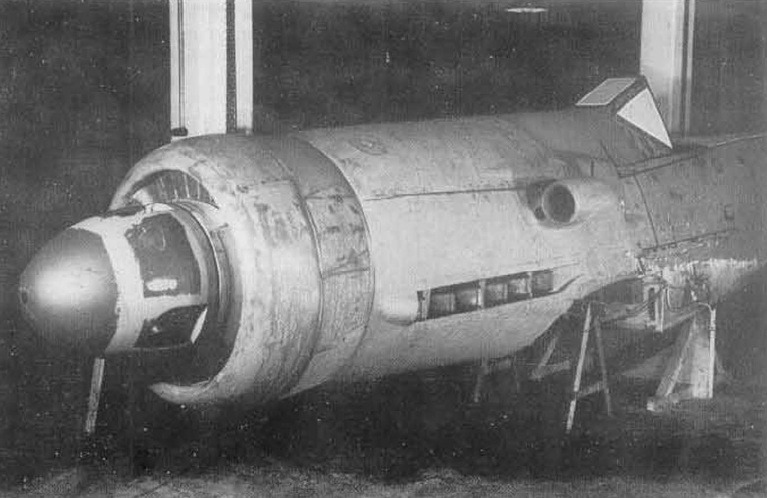
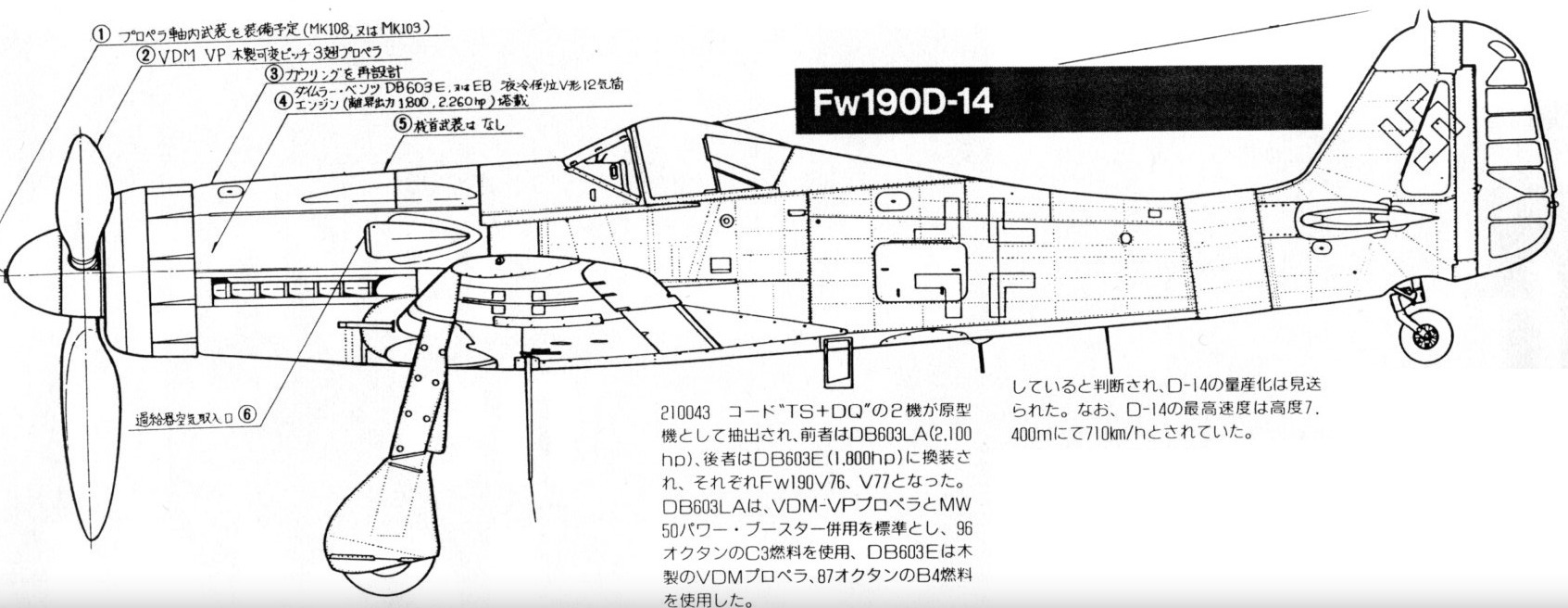
The D-14 was essentially a Fw 190 D-9 or D-12 airframe conversion with minimal structural changes beyond engine mounting, cowling, exhaust, and intake adjustments (including a potential chin or annular radiator setup in some drawings).
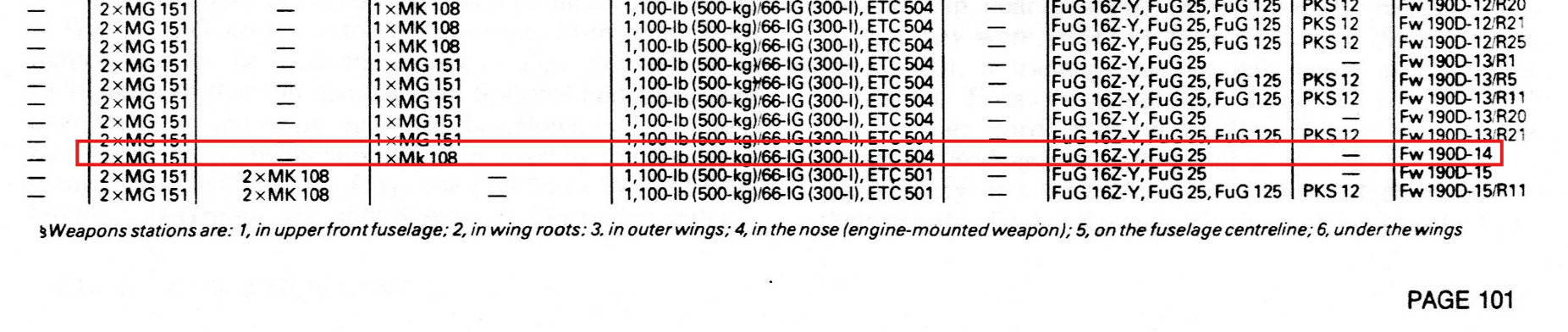
Planned armament mirrored late-Dora standards: typically 2 × MG 151/20 cannon in the wing roots + 1 × central motorkanone (often MK 108 for anti-bomber work, as in the D-12).
External changes included narrower cockpit side panels (for better visibility or weight) and updated 300-litre drop tank shapes, as seen on some late D-9s and referenced on the original Polish document excerpts.Development focused on two known prototypes (development machines rather than full dedicated airframes):
Fw 190 V76 (Werk-Nr. 210040): Converted from a Fw 190 D-9. First flight with DB 603 engine on 20 November 1944. Initially tested with DB 603E, later possibly re-engined to DB 603LA for comparison.
Fw 190 V77 (Werk-Nr. 210043): Converted from a Fw 190 D-12 airframe. Seen as the closer “prototype” for the D-14 configuration in some accounts.These flew in comparative tests against Jumo 213-equipped machines, where the DB 603 generally showed better altitude performance. Some sources note the program advanced to limited testing by late 1944, but no evidence confirms armament installation or combat readiness on these airframes.Cancellation and FateThe D-14 program was officially cancelled on 31 January 1945 in favor of the Fw 190 D-15, which combined the DB 603 with elements of the Ta 152 (e.g., longer tail for CG balance, potentially other refinements). The D-15 itself saw very limited progress—possibly one prototype conversion (e.g., from D-9, Werk-Nr. around 601286 in speculation)—but likewise never reached production.Reasons for cancellation included:
Engine supply shortages (DB 603 prioritized for other types like Me 410, He 219, or Ta 152).
Allied bombing disrupting Focke-Wulf factories (e.g., Marienburg/Malbork planned parallel production never materialized).
Rapid collapse of German industry in spring 1945.
Shift in priorities to Ta 152 family or simpler conversions.
Extra History from other sources about the Fw 190 D-14 :
Spoiler
The Focke-Wulf Fw 190 D-14 (often called the “Dora” series, part of the “long-nose” Fw 190D family) was a late-World War II experimental/development variant of the famous German fighter. It never reached production or operational service due to the war’s end and shifting priorities.
By late 1944, the Luftwaffe urgently needed fighters capable of operating at high altitude to counter advanced Allied aircraft such as the P‑51H Mustang and Spitfire Mk.21. The Fw 190A series, powered by BMW 801 radial engines, was excellent at low and medium altitudes but struggled above 8,000 m.
The “Dora” series was introduced with inline Jumo 213 engines to improve performance. The Fw 190 D‑9 entered service in autumn 1944 and proved highly effective, but the Reichsluftfahrtministerium (RLM) demanded even greater altitude capability.
Thus, the Fw 190 D‑14 was conceived as a transitional prototype, bridging the gap between the D‑9 and the advanced Ta 152H. It was intended to mount the Daimler‑Benz DB 603E/LA engine, offering superior high‑altitude performance.
Development/ Prototypes:
The V76 and V77 Prototypes
Two existing D-9 airframes were selected for conversion:
Fw 190 V76 (W.Nr. 210040)
Fw 190 V77 (W.Nr. 210043)Both received the DB 603LA, along with a redesigned cowling, new oil tank, and a specialized injection system. The production version was to include MW 50 methanol-water boost, but this was not installed on the prototypes.
Testing at Daimler-Benz’s Echterdingen facility showed promising results:
Top speed: 700 km/h
Ceiling: 11,700 m
Climb rate: ~600 m/minThese figures exceeded the D-9’s performance and rivaled early Ta 152 prototypes.
Why It Was Cancelled :
Spoiler
Despite successful tests, the D-14 never entered series production. Several factors contributed to its cancellation:
The RLM redirected Focke-Wulf’s resources to the Ta 152 program, which offered even greater altitude performance and long-range capability.
Allied bombing raids* disrupted Daimler-Benz’s engine conversion facilities at Echterdingen, forcing operations to relocate to a forest strip at Nelligen.
Germany’s strategic collapse in early 1945 made prototype development unsustainable.By April 1945, only two D-14 conversions had flown. No further airframes were completed, and the D-14 was quietly shelved in favor of the Ta 152H and Fw 190 D-15.
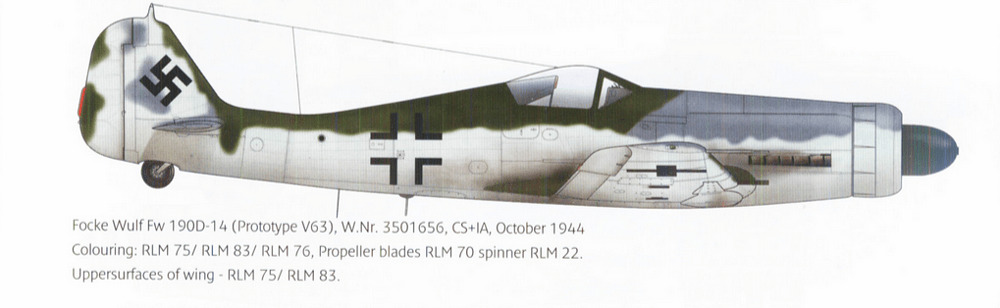
Art about the Fw 190 D-14:

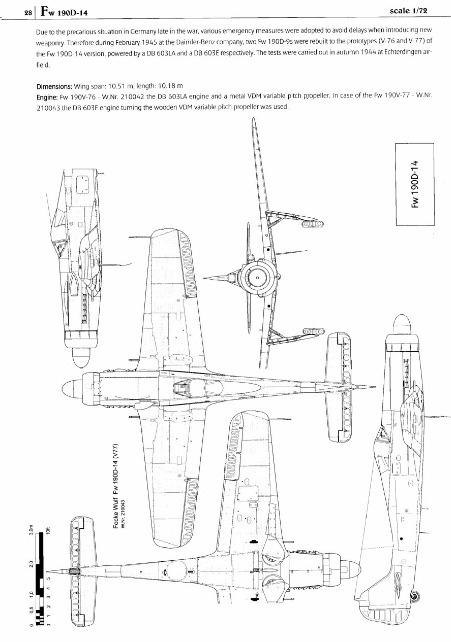
SPECIFICATIONS
General characteristics :
Spoiler
- Crew: 1
- Length: 10.19 m (33 ft 5½ in)
- Wingspan: 10.50 m (34 ft 5½ in)
- Height: 3.58 m (11 ft 9 in)
- Wing area: 18.3 m² (197 sq ft)
- Airfoil root: uknow tip: uknown
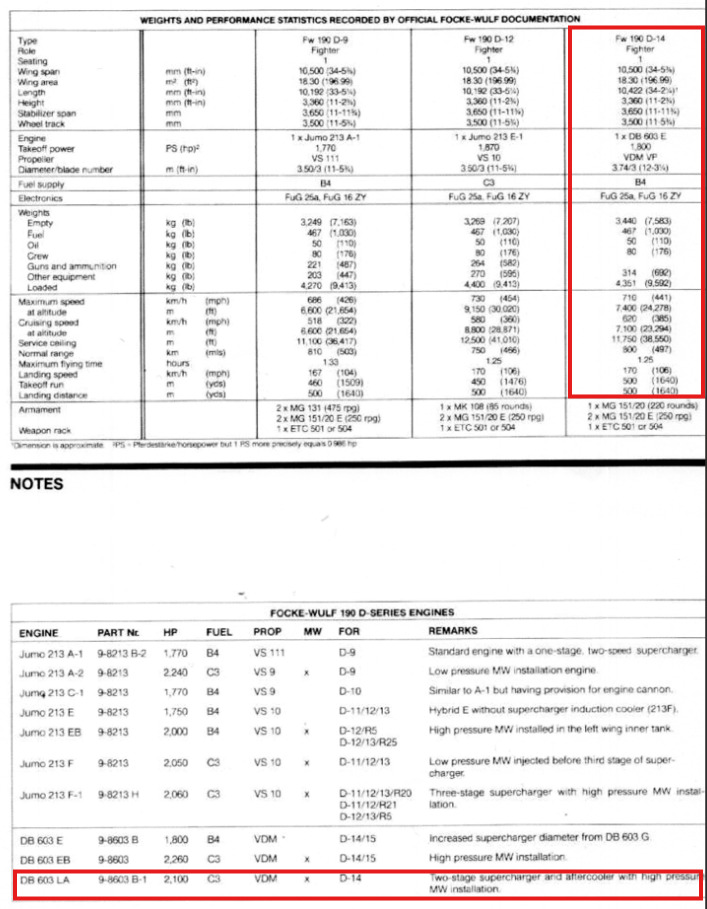
- Empty weight: 3,440 kg (7,583 lb)
- Maximum loaded weight: 4,337 kg (9,561 lb)
- Powerplant: : Daimler-Benz DB 603 LA liquid-cooled V-12 engine
- Airframe Base: Modified Fw 190 D‑9
Performance:
- Maximum speed: 725 km/h (450 mph) at optimal altitude
- Cruise speed: 640 km/h (398 mph)
- Range: Uknown
- Service ceiling: 12,800 m (41,984 ft)
- Rate of climb: 600 m/min (1,968 ft/min)
Planned ARMAMENT :
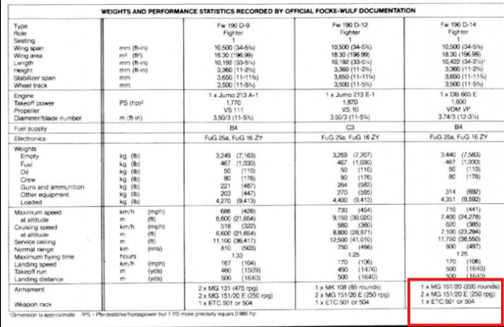
2x Mg-151/20
2x Mg-151/20E
4x Mg-151/20, likely set-up like a D-11 with the Mk-108s replaced by the Mg-151/20Es
or A copy of the D-12 set-up
Wing Roots:
2 × MG 151/20 E (20 mm cannons, 250 rpg)
Nose (optional):
1 × MK 108 (30 mm cannon)
Bomb Racks:
ETC 501 or ETC 504 (up to 500 kg bomb)
Weapon Stations:
1: Upper front fuselage
2: Wing roots
4: Nose-mounted cannon
5: Fuselage centerline
6: Underwing hardpoints
Sources:
Spoiler
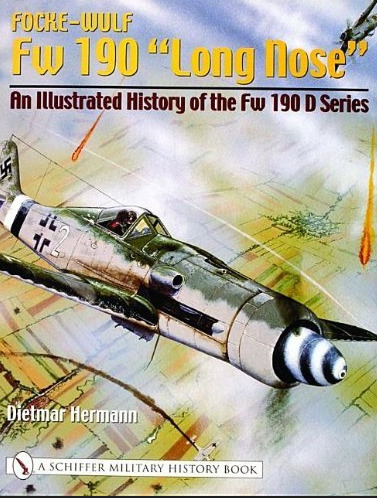
Dietmar Hermann – Focke-Wulf Fw 190 “Long Nose” Dora (Schiffer Military History, 2003)
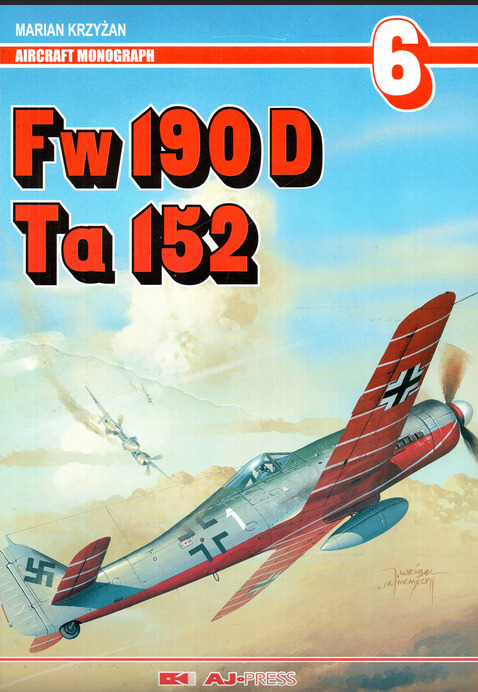
J. Richard Smith & Eddie J. Creek – Fw 190D and Ta 152 (Classic Publications)
William Green – Warplanes of the Third Reich (1970s editions)
Focke-Wulf Technical Report No. 16 (5 October 1944)
Fw 190 / Ta 152
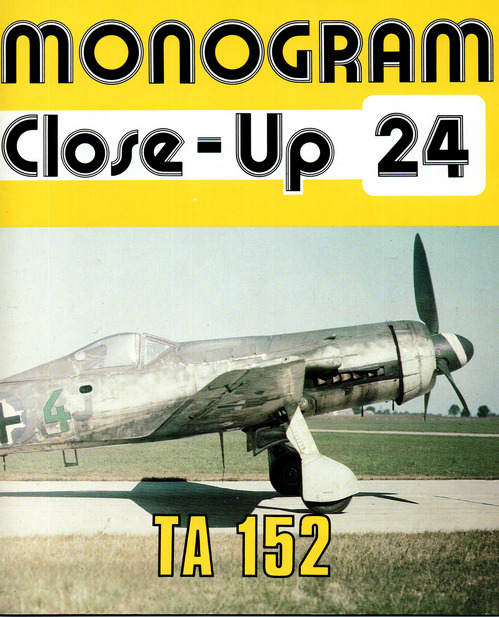
Mongram close up 24
Thanks for reading !