That added range comes from the dual-pulse motor.
Which makes it far less impressive, considering that other dual-pulse ARHs have double the range.
And all the more funny that the single-pulse R-77-1 with no sustainer has the same range.
Well yes.
Coping hard?
lmao get a load of this guy
1 Like
keep in mind PL-15 weighs about twice as much, MICA-NG performance is largely comparable given smaller size and more focus on close range
1 Like
It also sacrifices the warhead for a worse one.
Though I’d guess that a longer range version of the MICA could exceed the weight even of the PL-15, due to the need in bulkier TVC actuators, to adjust to the added fuel weight.
Not to mention the possible need in new pylons.
Which is probably why they kept the MICA almost as is.
more advanced and modern warheads can be as effective in a smaller size.
they have Meteor for their longer range requirements already
1 Like
I’m not the wisest and don’t necessarily know how to use this graph the best so I may be wrong but did they not just kill the AAM-4?
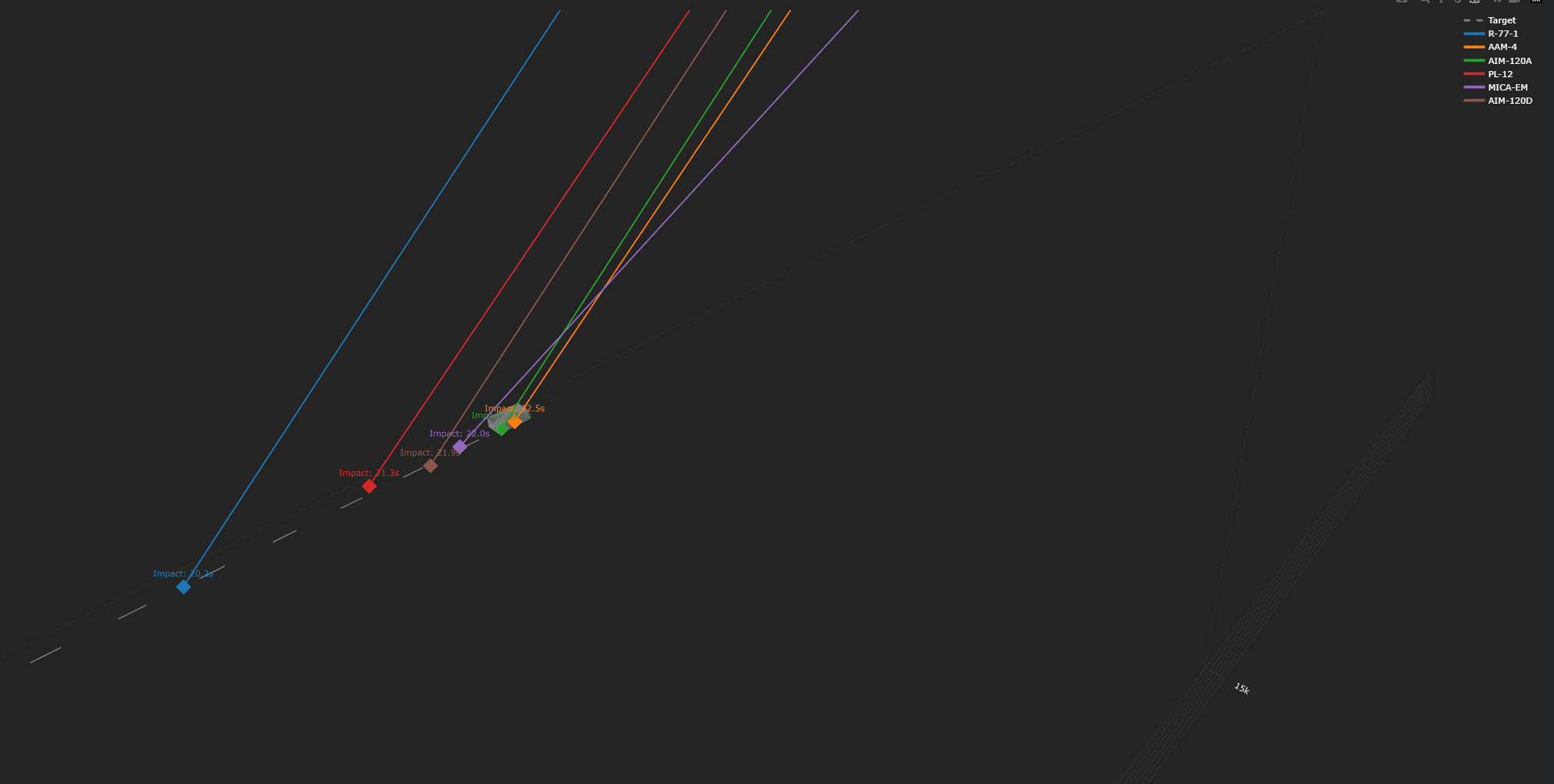
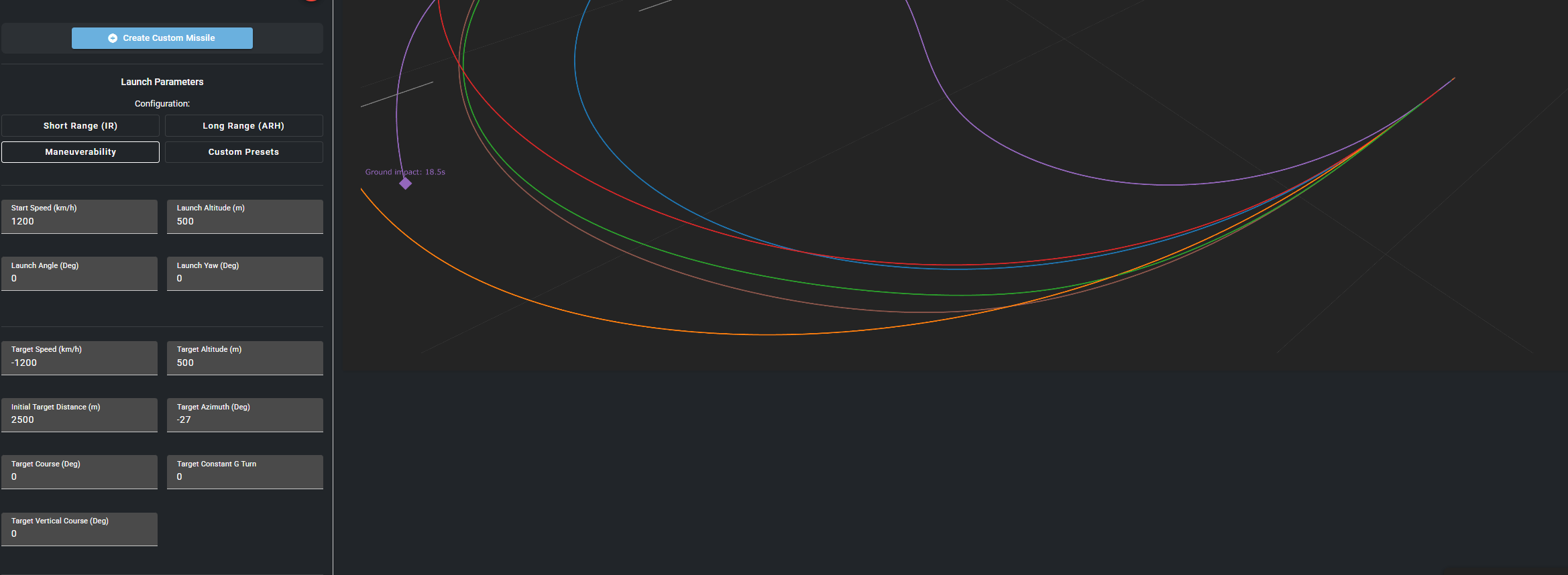
Like its getting dogged on here by everything else I believe lol even the 120a.
Perhaps, but bigger warhead still gives bigger boom.
Yeah, but the meteor itself is a compromise, mainly in terms of its performance at high altitudes
To be more precise, it comes from having more powder
It being dual pulse also probably helps, but MICA NG without dual pulse would have been >80km either way, most likely around 90-100 at least
Then again i don’t see how it being dual pulse changes anything.
The missile gets a better ballistic coefficient in the end dive due to the unburnt second stage, and it regains speed even at ranges a target would normally be safe facing a classic missile, so that’s a win in my book
At this point (and except for Meteor) everyone is moving to dual or even triple stage missiles (PL-15 as you mentionned, MICA NG, most likely AIM-260 too).
Regarding how advanced a missile is, a km/kg ratio seems like a better indication, especially when comparing missiles of the same class (napkin math i know, but you get the idea) :
R-77-1 would be 120/190 => 0.63 (mid 2010s)
MICA would be 80/112 => 0.71 (mid to late 1990s)
MICA NG would be 110/112 => 0.98 (late 2020s)
AIM120D would be 180/162 => 1.11 (mid 2010s)
PL-15 would be ~250/210 => 1.19 (mid to late 2010s)
Bigger boom = big target = tanker, awacs, etc… = meteor target, not MICA’s (4.5 kg of TNT in a tanker or AWACs would at least result in a mission kill either way, if a MICA can get to it)
regarding high altitudes on Meteor, unless someone plans to fly above 25km in its Awacs, tanker or jet fighter, that should not be a problem. Note the the ramjet may not work above 25km, but if the missile has enough energy it should also fly like any burnt out missiles at these altitudes, so it’s not like it can’t go there. Planes (well mainly Mig-31 / 25 in this game’s context) up there also tend to be sitting ducks, they may go fast but they can’t turn much. A meteor taking up speed at 18km and then climbing 12 km to reach 30km altitude, even not propelled would very much be dangerous (or dare i say unavoidable if not evaded in time)
Look I can understand the not wanting to trust statshark I don’t particularly trust it either, but I do hope you’ll understand I’m more willing to trust it then somebodies personal experience.
idk felt like the 120a fired off better to me at like a 3 mile side shot granted I had to use the f2 for the AAM4 shot as I never bothered to spade the F15JM.
its a missile extremely optimized for engaging fighters, the warhead it has is more than enough to achieve that.
exactly they have pretty much replace the magic 2 with the mica ir + they want to have a fully french missile for their sam.
Well, that doesn’t actually tell the whole story. For instance, MICA EM was recently buffed from using MICA VL performance criteria. The same should happen with MICA NG EM.
MICA VL was 20km max range, MICA NG VL is 40km max range, that is double the range in vertical launch. This performance should be putting it around AMRAAM-ER/IRIS-T SLM/Derby-ER area and more kinetic range than AIM-120C/AIM-120D which are 30km in ground launch. AIM-120D might have more overall launch range in air though just because of its battery limit.
i wonder how much AoA difference does A/B have compared to C and D. I haven’t done a side by side comparison but the difference feels almost non existent in the current patch, which is strange since its got more fin area and this was represented well before the update.
Almost feels like every missile can push themselves so hard that they start to flatspin
VL is pretty different from fighter launch though
You’re right yes, because VL actually looks at the actual kinetic range in equal conditions as opposed to fighter launch, so it matters more to compare VL metrics. That’s why the MICA is much better compared to what it was before because the VL metric reports improved the air-launched kinematics.
Whereas AIM-120D’s “increased range” over the AIM-120C in air launch was used to increase just the battery time.
VL = kinematics
Air-launch = Battery plays a big portion in range.
With dual pulse couldn’t they optimize the trajectory more than a regular missile in ground launch though?
Yes normally the trajectory would be more optimized so dual-pulse kicks in around the loft area, but trajectory optimizing can only help so much since most modern missiles already have good loft trajectory, the missile’s kinematics still has to carry it 40km from the launcher as opposed to air launch where the missile can continue to just glide further.
Comparing missiles with vertical launch performance matters a lot more than air launch because you can see the raw kinematics there whereas air launched ranges are very dependent on battery time and different launch speed and altitudes. Vertical launch just controls so much more variables.
Noooooooooooooooooooooooooooooooo