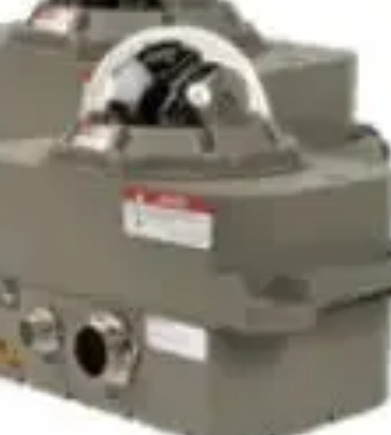
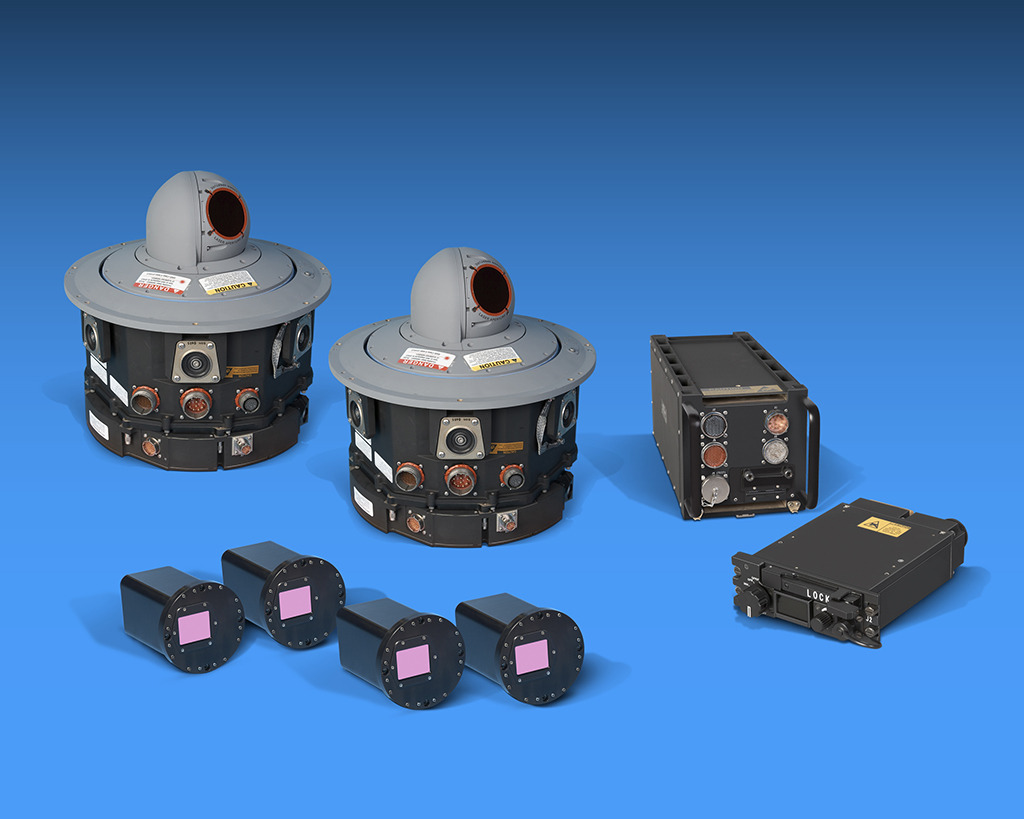
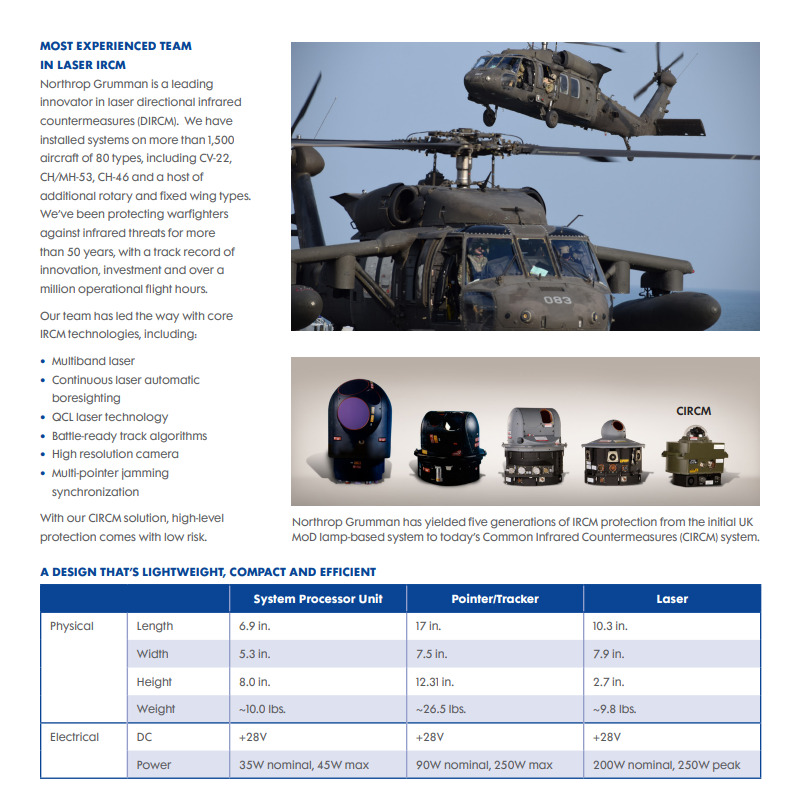
The MI28NM problem

that image makes it hard to tell if it can gimble that far or not

but think of it like this, what design constraints would prevent them from allowing the system to gimble far enough to cover direct front

because there isnt any good reasons for them to not be capable of doing so

1 Like

plus for all i know, it could turn out to be a CM dispenser

image

image

this is it here

image
as we can see, the max depression from the normal appears to be 90 degrees

SS from

image

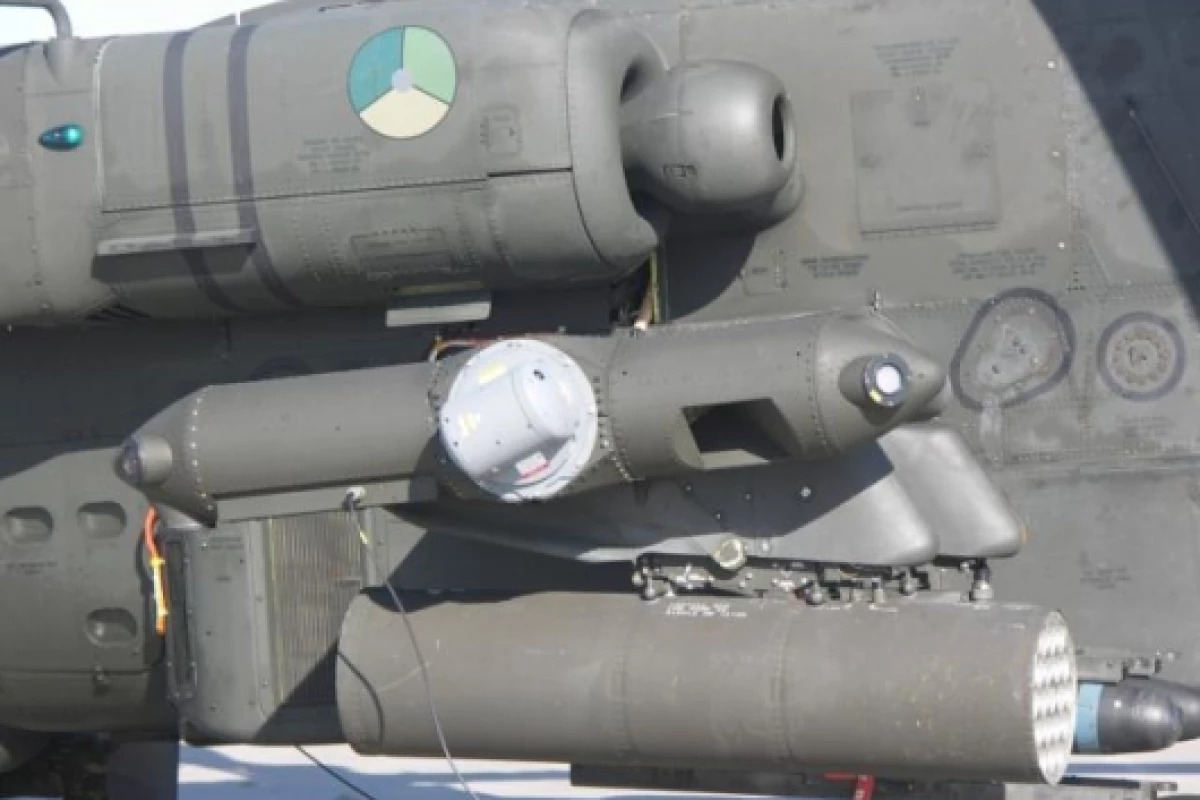
turns out this is a normal DIRCM. not a laser based one

oh and its dutch

that shows it can angle past 90 degrees? with potentially somewhat reduced effectiveness

look at the axis of rotation and the edge of the housing

some of the lens might be blocked by part of the laser should still be visible well past 90 degrees

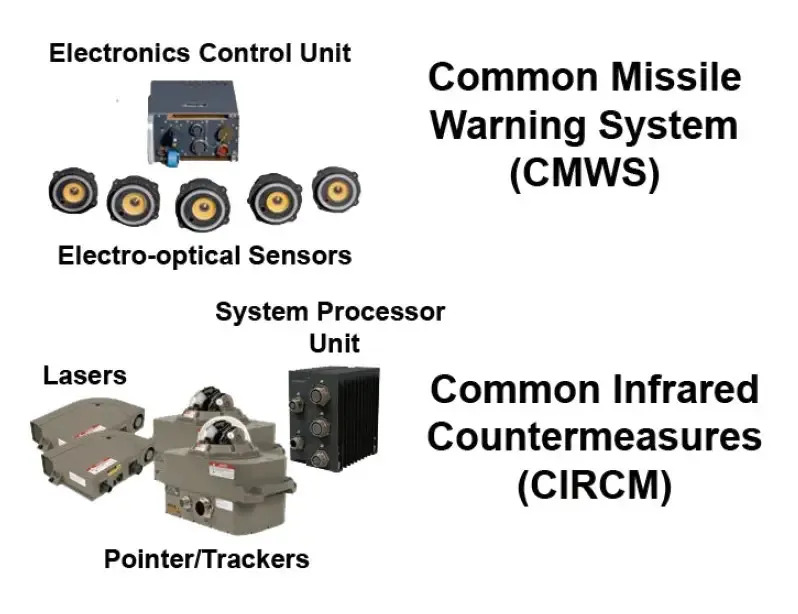
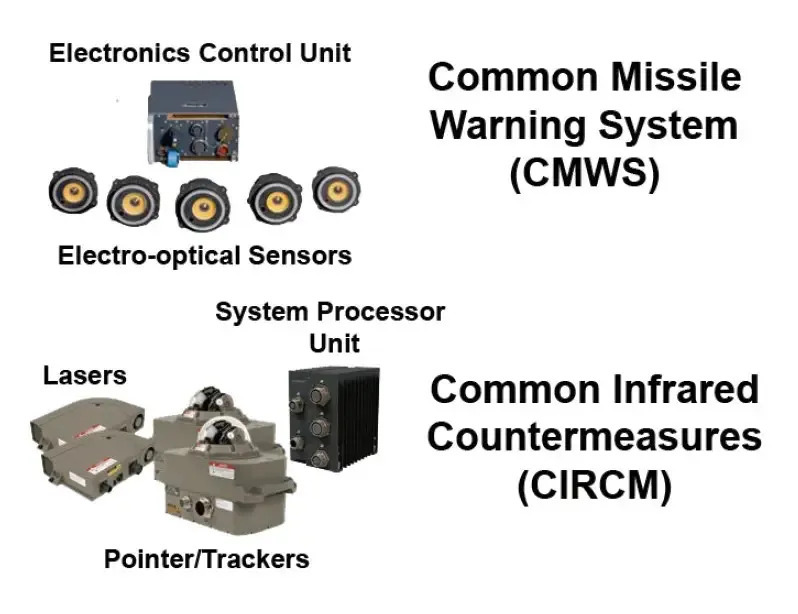
no the CIRCM is the laser one

But yeah, all in all, the only thing that’s needed is for the system to rotate 90° and then the eye to provide 1 more degree for it to be see at 150m frontally which is well within engagement range for these systems. Seems logical enough with the information we have that it has overlapping bubble front and back.

yes i meant this


is a DIRCM

while this

image
is an LDIRCM

even if true, still wont protect against IRIS-T since it has HoJ capabilities so

1 Like

To get the bubble down, how does it work? Does the entire sphere inside rotate to make the block moving +/- 90° face downward-upward? Cause if there’s no rotation of that type, the coverage would be worse at the bottom and up despite providing full frontal/backward protection.

same with like all modern IIR missiles

we all know that LDIRCM is overpreforming in game

the issue is that due to how strong SLM is gaijin had to add it at this level to make helicopters usable

there is not exactly a sphere inside.
think of it as a tank turret with seperate horizontal and vertical drives
just as in tanks, the gun cannot depress into the physical body of the tank

the issue with this is that, contrary to even my understanding a few moments ago, the laser is not emitted from the turrets
it is merely directed. the emitters are actually deeper inside the fuselage as it isnt possible to generate such level of intense lasers in such a small aperture like area

there is another system by northrop grumman on other AH-64Es which employs a different design

this might have more than 90degrees of elevation, but this is called the LAIRCM
while the CIRCM of the current Apache E is not so capable in traverse

the laser seems to have a max output of 250W
image

with that and the inverse square law you can calculate how much power the laser loses over distance

and that is ignoring atmospheric conditions

1 Like

again you showed an image that would indicate CIRCM can get ~50% of its energy on target at ~95 degrees gimble

and in a lot of that direct front/back band it could get both emiters onto a target so it probably is roughly the same effectiveness

Sphere was the wrong word, I should have said flat spheroid but yeah, that answers my question. It rotates 360°, then the little block on which the eye itself is mounted can rotate +/- 90° on the other axis to provide the necessary gimbal to counter the threat.

So as long as the eye can see 1 more degree than the block on which it is mounted, a 360° sphere is correct for it.
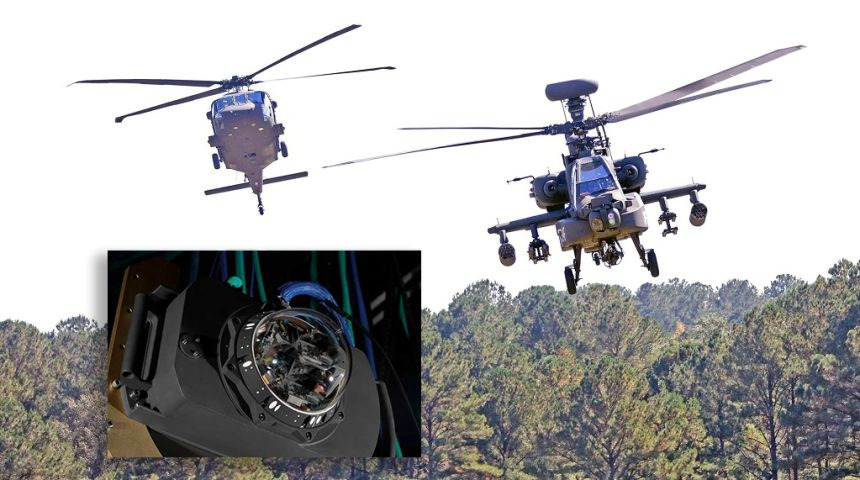
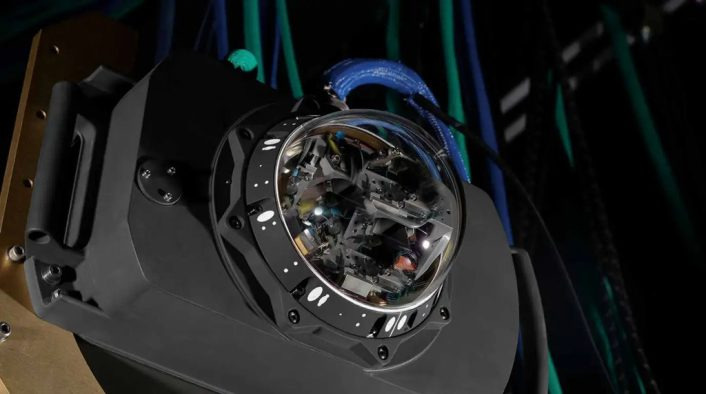
that would be 100W to 125W

ignoring power loss due to the Inverse square law and atmospheric conditions

also only having half of the laser beam will make it scatter

youre ignoring reflection capability of the turret
you cant really go over 90 and still expect the laser to go outwards rather than inwards

no it isnt

DIRCM range apparently:

I don’t see the problem if they overlap at 150m