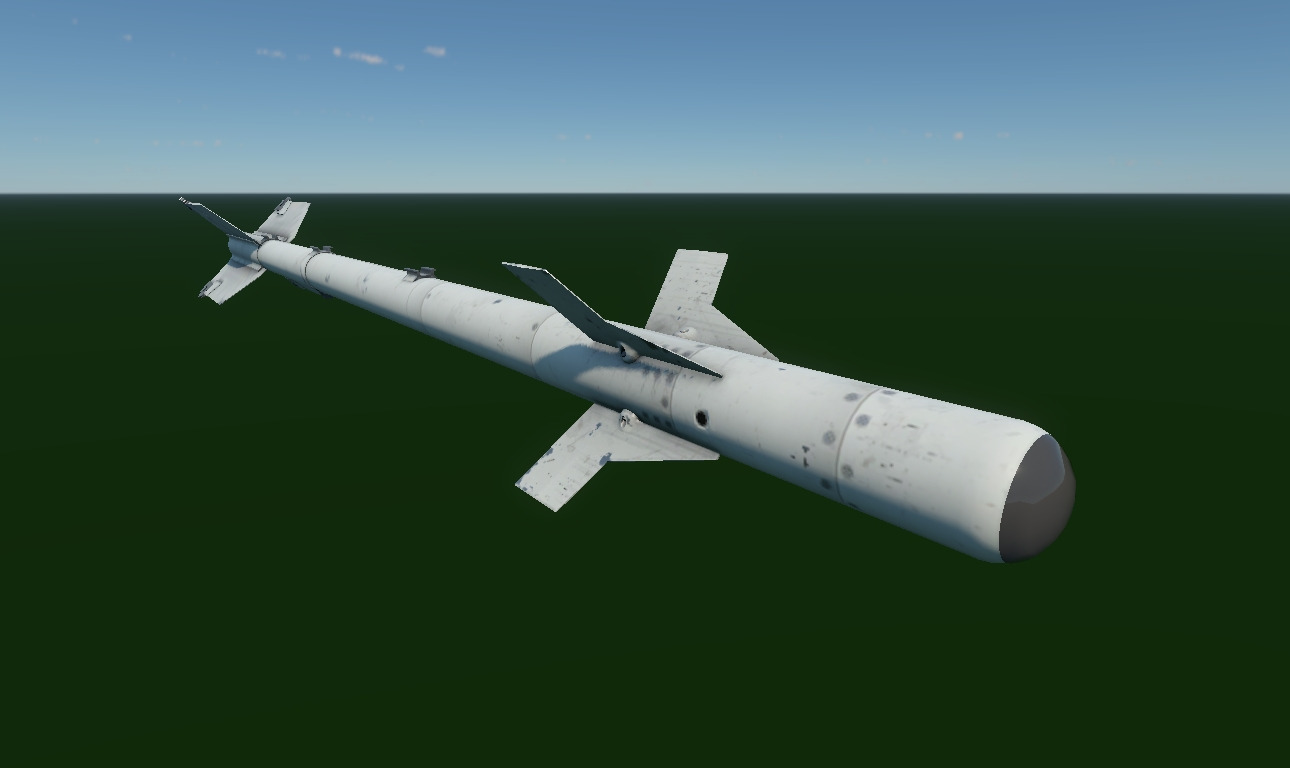
Can someone explain the reasoning behind this BR difference in Air RB?
The F-14A IRIAF sits at 13.7, while the Su-30MK2 AMV sits at 13.3 with access to six RVV-AE/R-77 active radar missiles, R-73Es and a helmet-mounted sight. Why is the Iranian Tomcat considered the more capable overall package?
I understand that the Fakour-90’s long-range capability is a major advantage, and that weapons have to count toward BR. But the aircraft carrying those missiles is still an F-14A. In my view, the underlying airframe and the rest of its equipment feel much closer to 13.0 than 13.7. Its AIM-9Ps and older supporting missile options make that especially noticeable once the opening BVR engagement is over.
There have also been discussions about Fakour-90 nerfs. Can anyone clarify exactly what changed in actual missile performance, rather than just the stat card? If its effectiveness has been reduced, has that been considered when reviewing the aircraft’s BR?
The R-77 and Fakour-90 fill different roles, so missile count alone doesn’t settle the comparison. But the Su-30 has dangerous medium-range ARH missiles and strong close-range weapons at a lower BR. Does the Fakour’s long-range advantage really outweigh that versatility enough to justify placing the IRIAF higher?
I’d like to see the IRIAF reviewed for 13.0–13.3 based on its current capabilities. What specifically makes it a 13.7 aircraft today, and why does the same balancing standard leave the Su-30MK2 AMV at 13.3?
what i think is it needs all aspect ir missiles, i don’t know if it can get access to the aim9p-4 missile or aim9L. i have seen posts saying it could get r73 but apparently the computer systems don’t really work for the missile but apparently it shouldn’t be able to fire r27 missiles either so who knows
This jet was straight up killed off as a potential jet to play just because a giant percentage of the playerbase was too simple minded to figure out how to defeat fakours. It should be 13.3 max.
It’s less that (but it is an issue unfortunately) and more that fakours give you so little time to dodge, it’s not possible, or way more difficult in a lot of cases. It’s a mix of them being stupidly fast, and only alerting your rwr incredibly late compared to everything.
Anyways I think 13.3 is acceptable for it, and 13.0 could be better if the above issue is fixed.
Nope. Always a skill issue. Do you think you flying directly at the obvious enemy F14s is not you making a mistake even before the RWR goes off? Did somebody else fly the plane before that? Precranking is not hard to do and 100% breaks fakours or phoenixes as viable weapons
See, im not against the IRIAF going to a lower BR per se. I think 13.7 is stupid when pretty much the only thing it has going for it are the Fakours.
But, pardon my tone, if the above issue is fixed ?
Sure, if their speed is actually bug-reportable, then by all means, fix it. As for the late RWR warning, im not even sure thats something that can be fixed in the first place.
But as things stand, the main reason Fakours are so effective is precisely because people keep flying straight into them.
And there isnt really anything to “fix” about that beside putting IQ requirement to launch the game.
This is not fixable. Its seeker pitbulls at shorter distances than typical arhs. This trait is shared with some other missiles like pl-12s, but those are nowhere near as fast as fakour. This reduced pitbull range + speed is what yields the late warn time.
(Edit: Apparently while it shares many common stats with 54A seeker, it does not share the pitbull range, being at 16km instead of 18.5)
This also does mean you can break the DL at any time during fakour launch and it won’t hit you, but WT players iykyk
I mean they basically made the MiG 35M a complete fabrication using a Radar it never had/has and questionable engines.
F-14IRAF could be a really interesting alternative to the F-14B if it had some better missiles and Radar. Alternatively remove the Fakours and make it F-14A level with a mix of “interesting” missiles.
Exactly point is they have exaggerated performance to make it viable. it has KH-38s (Which it has never carried) They extend these courtesies when they want to.
They could make the F-14 IR a cool event reward instead of food for wallet warrior Su-30 cucks
I’m not getting into if Kh-38 is real we know it is, Gaijins implementation is the real issue.
It’s IR tracking is far too good and sources show that against moving targets the manufacturer recommends the ML Laser version or the mmW seeker version.