- Yes
- No
- Benelux
- France
- Other / Don’t know
- I said no
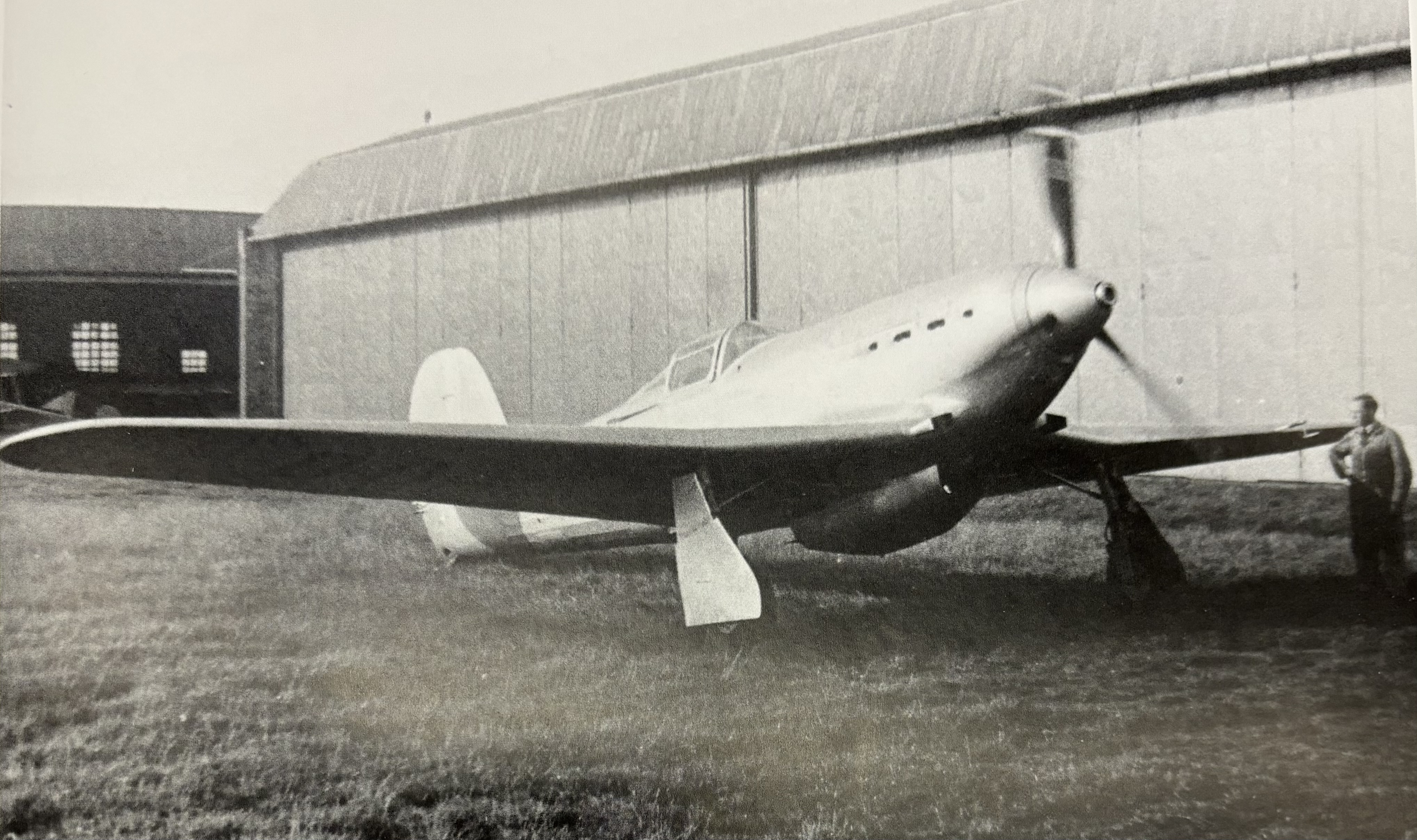
In late 1936, Alfred Renard started working on a new fighter for the Belgian Air Force, which was still equipped with obsolete biplanes such as the Fairey Firefly IIM or the Fairey Fox IIIC.
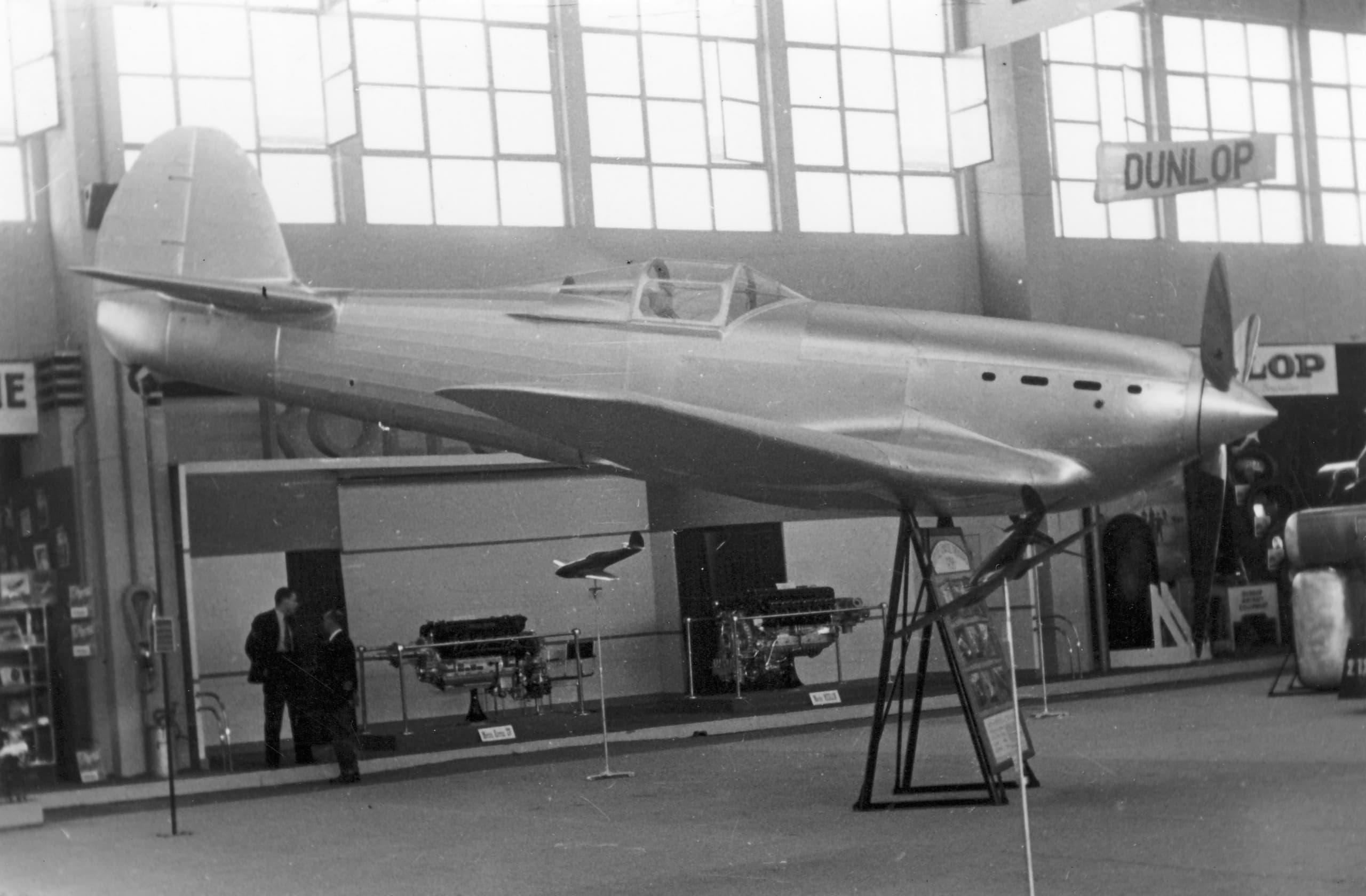
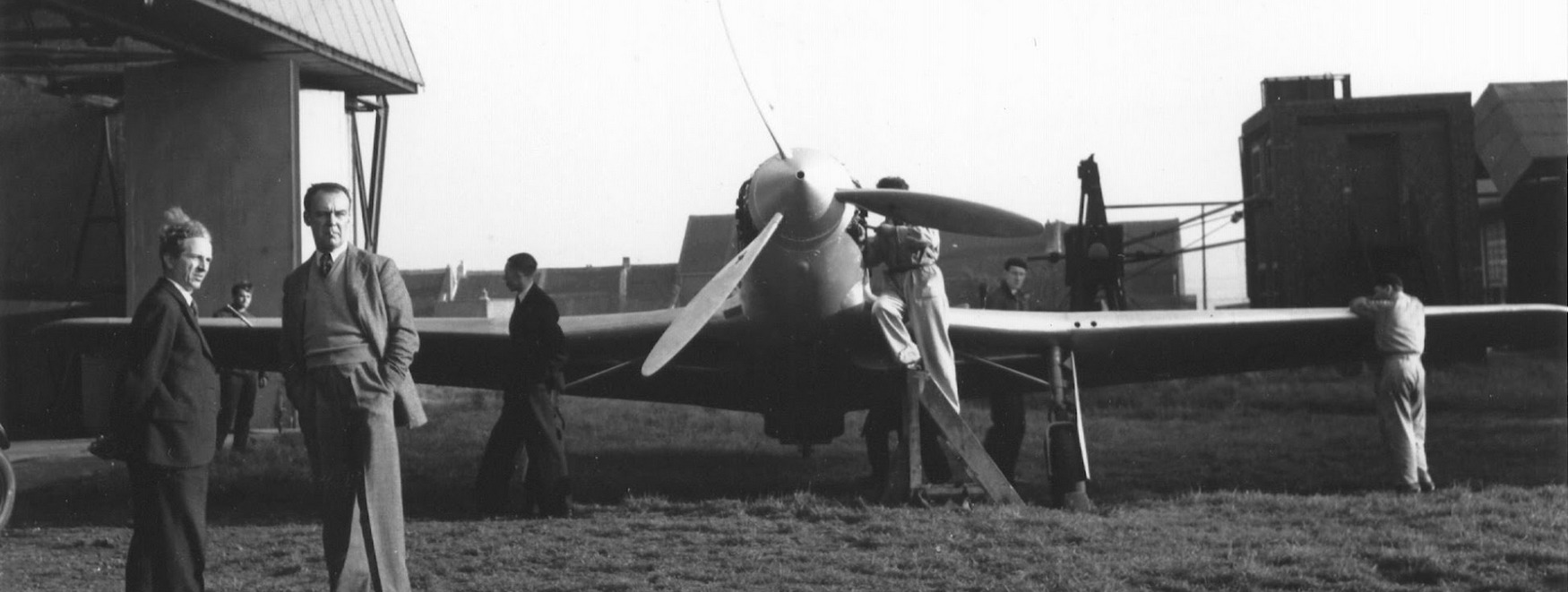
Construction of his fighter prototype began in early 1937 and was almost completed by the summer, when the R.36 was exposed at the Heysel Air Show, but it was missing critical components in the cooling system, landing gear and the cockpit.
The prototype was finished shortly thereafter, however it couldn’t fly just yet as Renard had to finish all the calculations and documents in order to submit the aircraft to the authorities in order to get the flight certificate.
The Renard R.36 first flew on November 5, 1937 at the hands of test pilot Georges Van Damme, who was thoroughly pleased with the aircraft’s handling. It was extremely maneuverable, easy to fly and easy to land. He did however point out a few faults with the aircraft’s centering, which was too far aft and caused some stability issues, especially in tight turns.
Van Damme also pointed out a few issues with the glycol cooling system, which couldn’t cool the engine enough in a climb and cooled it down too much in a dive, but more on the cooling system later in the Design section.
Apart from these few issues, his impressions were generally very positive, and this, coupled with the estimated performances which were quite good; a top speed of 505 km/h and a climb to 4000 m in 4’56" put French fighters of the time to shame, brought great interest from the media and abroad to the R.36.
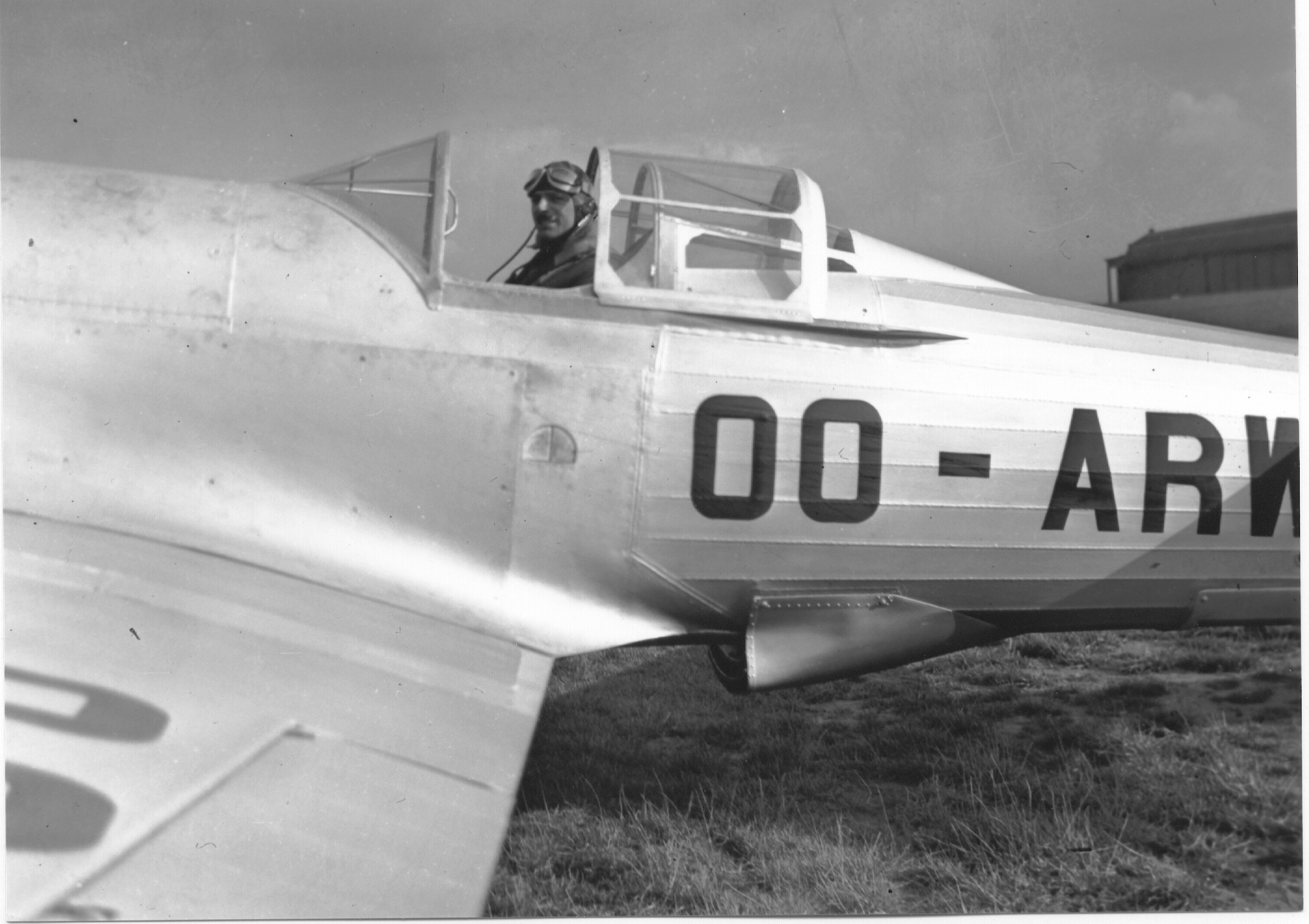
Testing therefore continued, and a few modifications were brought to the prototype; the rudder was enlarged for better torque compensation and ground handling, the cooling system was replaced in March 1938 for a water-based one, the radiator was replaced and moved from behind the pilot seat to below the fuel tank, which caused some additional drag but also moved the center of gravity forwards, improving handling. Later on, the ground-adjustable Ratier propeller was replaced by a two-pitch propeller.
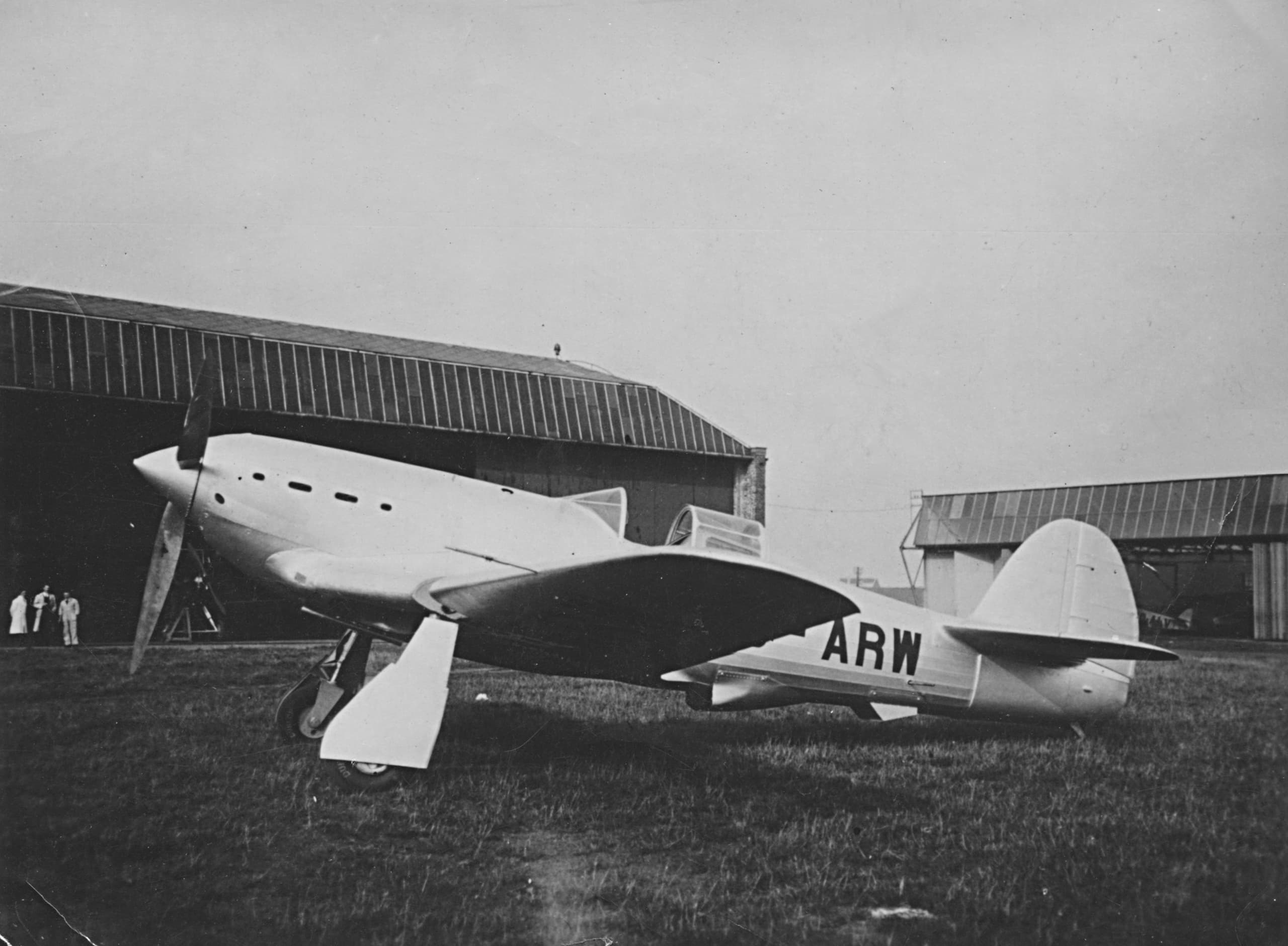
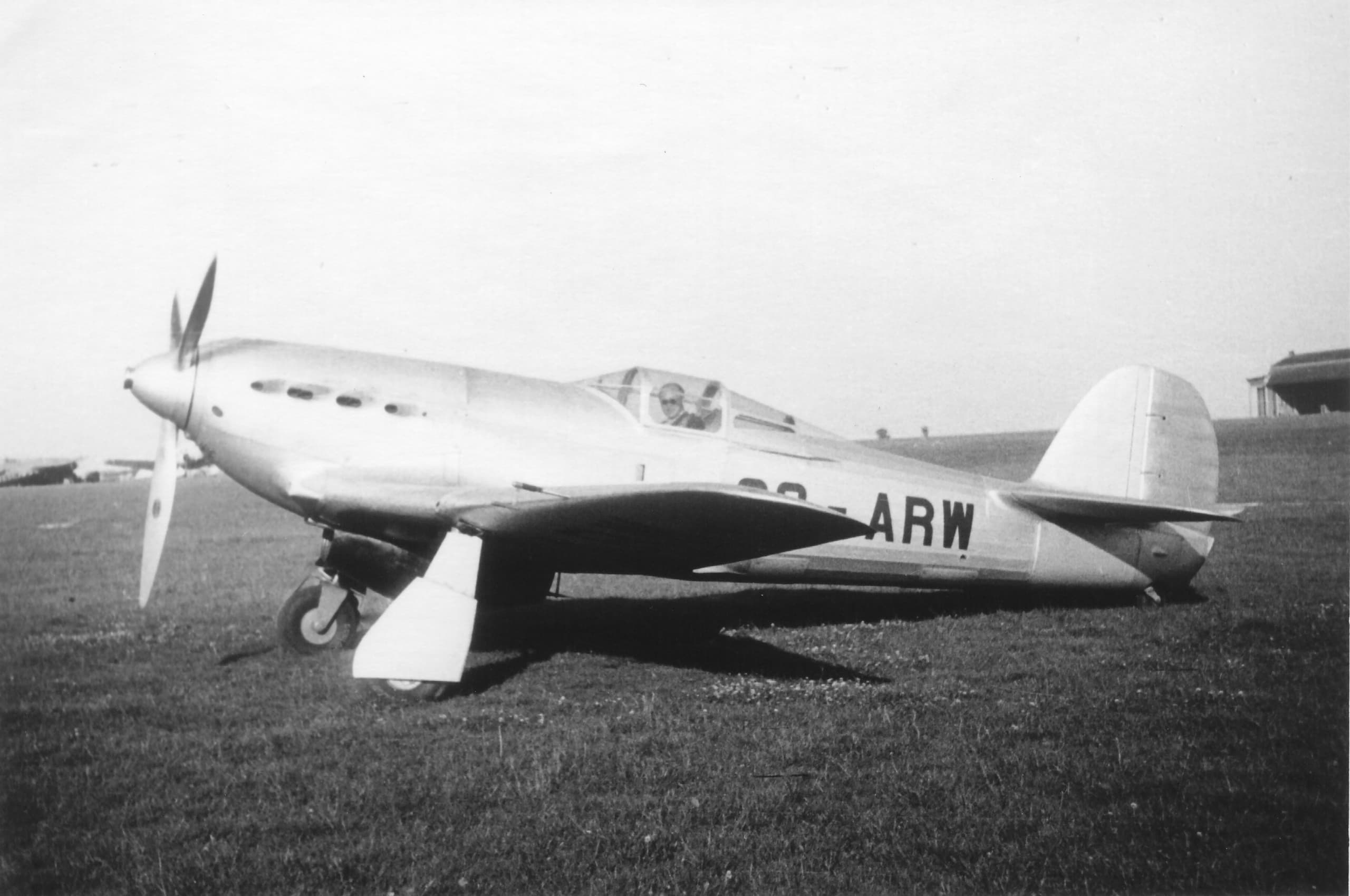
However, testing abruptly stopped in April 1938 when test pilot Van Damme sadly took his life in an accident while flying another prototype from Renard, the R.35, a trimotor passenger aircraft, the first pressurised airliner in the world. We don’t know for sure what caused the crash, but as weather conditions were poor, only a taxi run was planned that day, but Van Damme decided to take off and, perhaps unfamiliar with the controls of a heavy trimotor, which he hasn’t been trained on, couldn’t recover from a loss of control.
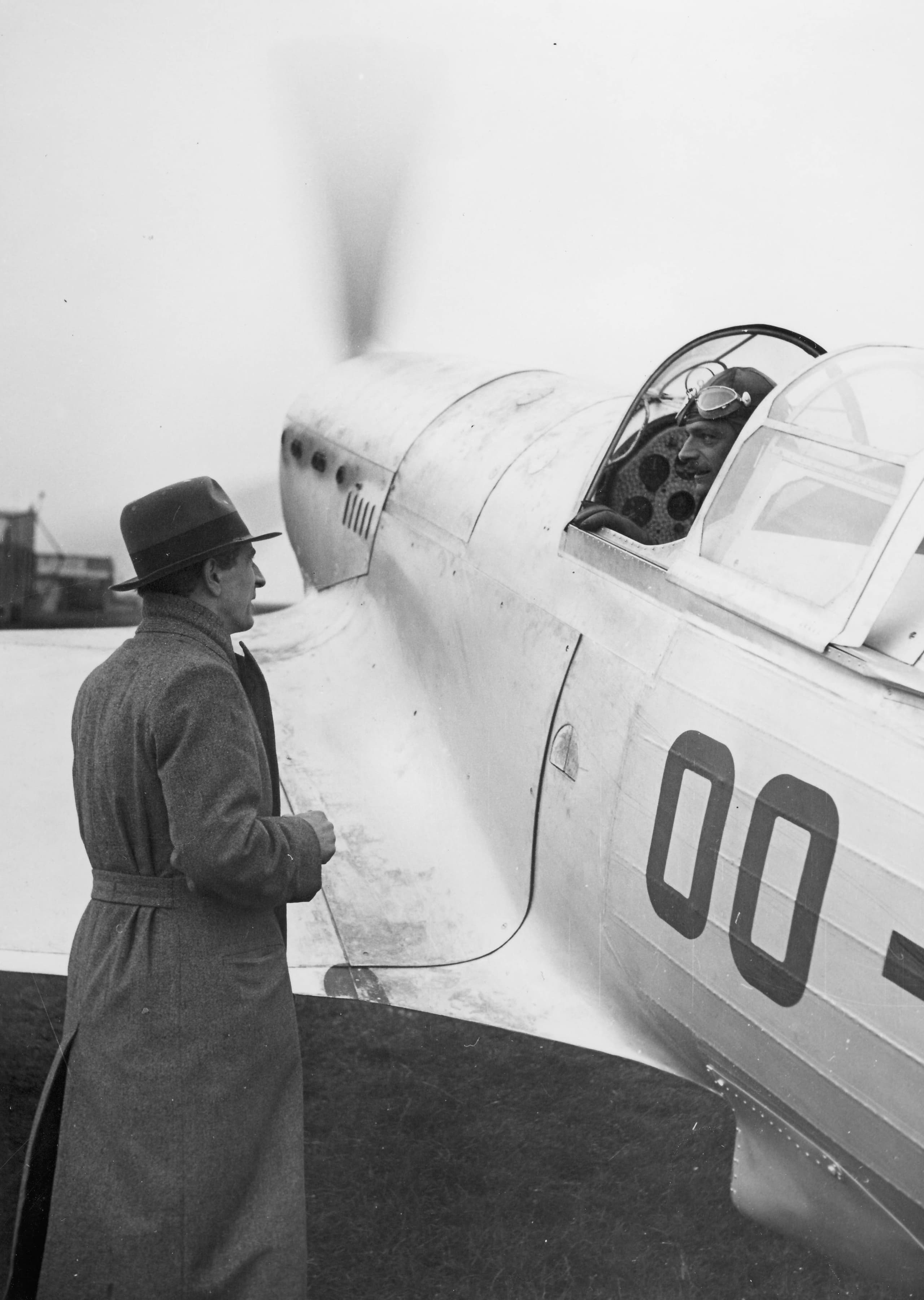
Test pilot Renaud De Vinck de Winnezeele then took his place and he reported great flying characteristics and maneuverability. During spin tests, he noted that the R.36 exited spins very easily and that the plane only entered spins when commanded so, rudder input being required for spins to occur. However, he also pointed out a few flaws, such as poor torque compensation in climb, as well as bad cockpit ventilation. The latter point would prove crucial later on.
As time passed and different test pilots flew the plane and gave their impressions, the R.36 was progressively modified and improved;
During the summer of 1938, Lieutenant Éric de Spoelbergh tested the R.36 as test pilot for the military. His report, while generally positive, was the most critical; he also noted mediocre torque compensation during climbs, and he pointed out that during very tight turns below 220 km/h, pulling on the stick too hard would result in a loss of elevator effectiveness and a nose drop - which seems a lot better than a tip stall resulting in a spin but De Spoelbergh still noted it as a flaw.
The aircraft was then modified according to his remarks, a ground-adjustable rudder trim was added, the propeller was replaced as noted above, along with a few other tweaks. After this was done, the R.36 was greatly improved; “It gained 300%!”, said de Spoelbergh.
A few more modifications were done after the military testing, the propeller was again replaced by a constant speed propeller, and a trim tab was added to the rudder.
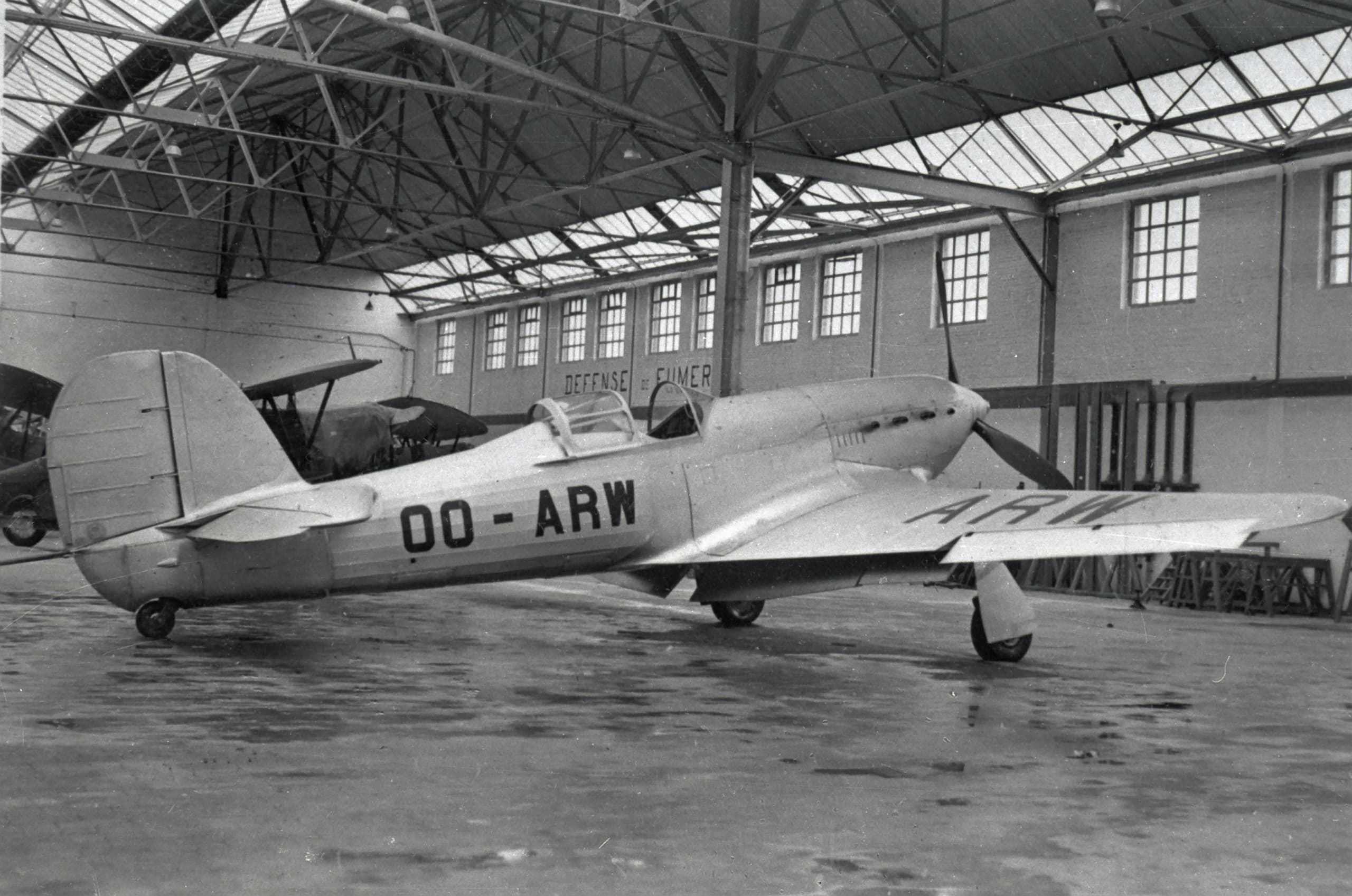
By September 1938, the prototyping stage was basically done. However, the Belgian Air Force still didn’t issue any orders for the R.36, which was very problematic for Renard, since foreign orders would not come either if there wasn’t a national order to guarantee production.
It was also very problematic for Belgium itself, which still had old biplanes to defend itself during the Munich crisis, which was a wake-up call for everyone in the Air Force as newspapers reminded the public opinion of the disastrous state of the Air Force.
Finally, at the end of 1938, the Air Force placed an order for 40 R.36s, and all seemed good and well.
Until it wasn’t.
On January 17, 1939, the R.36 was conducting an exercise in front of the high command, when it stalled in a low-speed tight turn to the left, dived to the ground and seemed to be recovering when it rolled to the right and plunged into the ground, killing the pilot, Éric de Spoelbergh.
The order was cancelled almost instantly, even before the judiciary report on the crash was made public, which concluded that there was absolutely no question of a flaw in the airframe or aerodynamics, but that the accident could have been caused either by a jamming of the elevator controls by a loose radio set, or by the incapacitation of the pilot, probably by exhaust gases flooding the poorly ventilated cockpit.
The Defence minister instead decided to buy Hawker Hurricanes, a decision that was in the works even before the fatal crash! A decision that was incomprehensible, as prototype crashes were not uncommon, especially in the 1930s. A decision that was ridiculous, as the Hurricane was worse than the R.36 and more expensive.
A decision that killed off the remaining chances of developing a strong aviation industry in Belgium, a decision that was possibly motivated by British lobbying, and almost certainly motivated by the anglophilic high command and an unfounded distrust towards Belgian designs, which were seen as unreliable and generally worse than British designs.
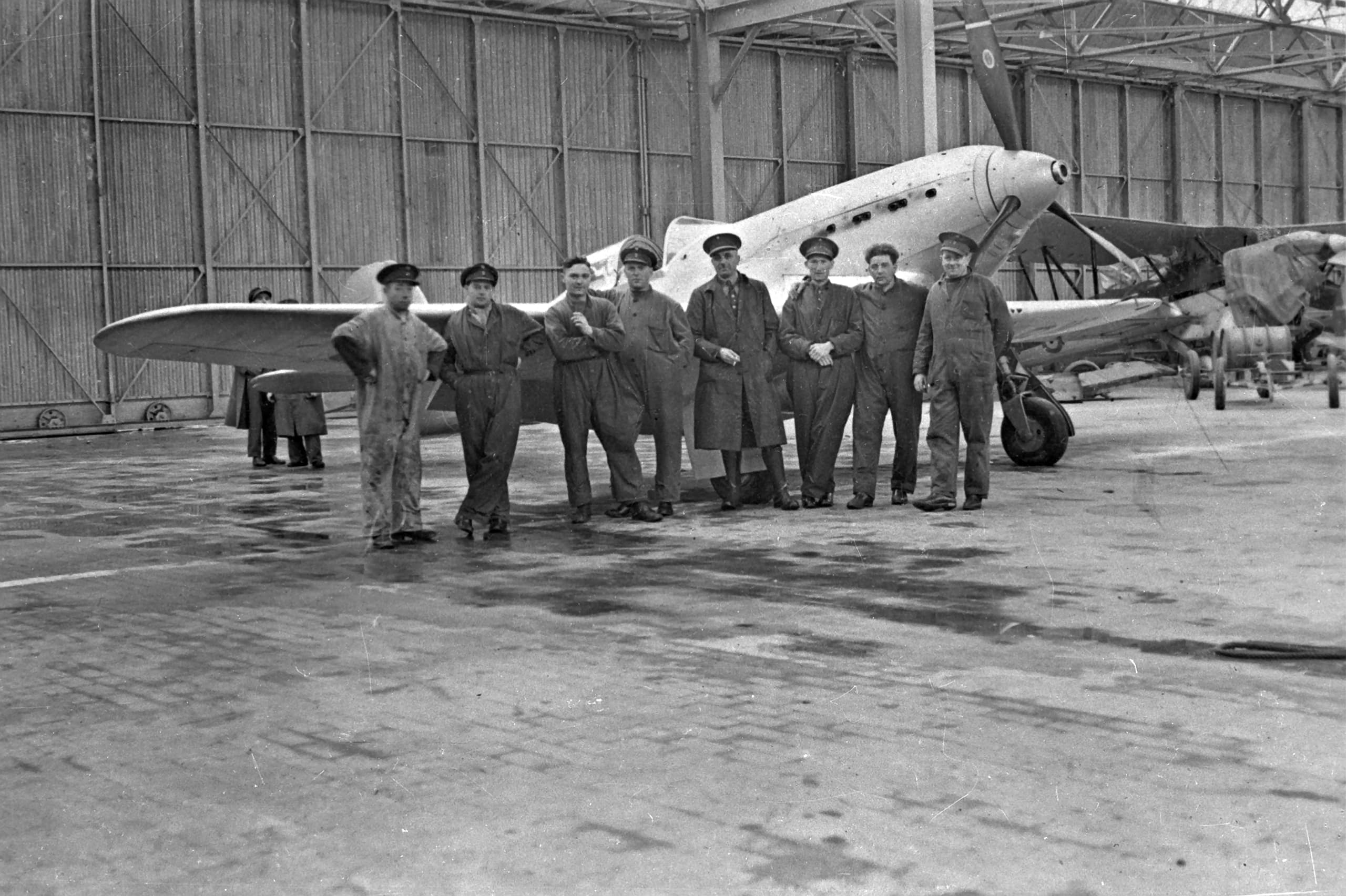
Although Renard would build two more prototypes based on the R.36 with different engines, the R.37 with a Gnome-Rhône radial and the R.38 with a Merlin engine, which greatly improved performances (and for which I made suggestions as well ;) ), the Belgian government wouldn’t show much more interest, and the German invasion came before anything could come out of it.

Almost all-metal except for the aft fuselage, with a retractable undercarriage, enclosed cockpit and a cannon firing through the propeller hub, the R.36 was one of the very best fighter aircraft of its time, only surpassed by the Spitfire in pure speed, yet remains almost unknown today.
Its armament comprised one 20 mm Hispano-Suiza cannon firing through the propeller hub, and four wing-mounted FN-Browning 7.7 mm machine guns with an average 350 rounds of ammunition per gun.
While the overall ammunition capacity isn’t great, with only 60 cannon rounds and 1400 machine gun rounds, this preset does pack quite a punch and is similar with French fighters such as the D.520 or VG.33, but the FN-Brownings have slightly better ammunition.
The fuel tank was placed between the cockpit and the engine at the center of mass, separated by bulkheads, but was not self-sealing. The fuel capacity is difficult to establish since primary sources disagree, but it was in the ballbark of 450 liters of octane 87 fuel. Renard estimated the range to be almost 1000 km, but this seems rather high, even at cruise power.
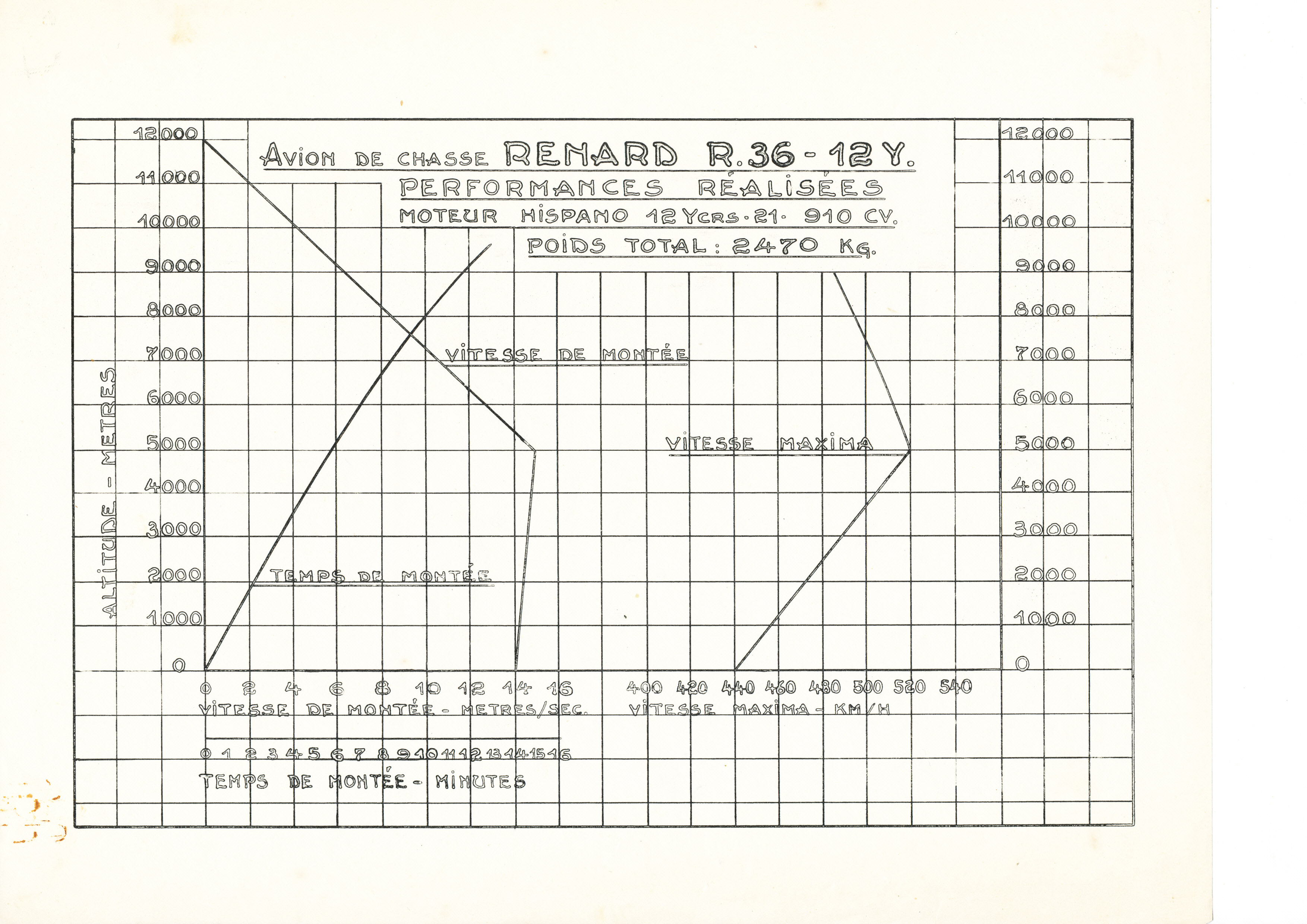
Performance was decent enough, inital estimations stated a top speed of 505 km/h at 4000 m with an average climb rate of around 13.5 m/s, but a later performance graph shows a top speed of 520 km/h at 5000 m with a remarkable climb rate of 15 m/s, maybe caused by the switch to a constant speed propeller around August 1938.
The engine was, in the beginning, cooled by glycol via a radiator behind the pilot seat which was fed air via a small, low-drag air scoop below the cockpit. This was however replaced with a more conservative water-based radiator due to hydraulic shocks in the pipes and cooling issues. The new radiator was bigger, but it worked better.
Maneuverability is where the Renard shines, as the test reports, the low wing loading and stall speeds (~125 km/h clean, ~105 km/h dirty) all point towards exceptional turn performance, with a turning radius equivalent to the Spitfire Mk I.
Roll rate was adequate, and the rudder was okay.
Test reports indicated no noteworthy compression at high speeds, apart from a slight stiffening of the rudder in one direction but nothing too bad.
Maximum dive speed was calculated to be 750 km/h, but here again, the aircraft exceeded expectations and testing on the R.38, which had the same airframe, showed that it could exceed 800 km/h in a dive. In the same vein, the structural G limit was designed to be 12 G, but static tests in December 1938 showed the structure could bear loads of 13.5 G.
However, some tradeoffs were made, and while the R.36’s low weight allowed it great maneuverability, it is also a consequence of a total lack of armor and self-sealing fuel tanks. Just don’t get hit and you’ll be fine.
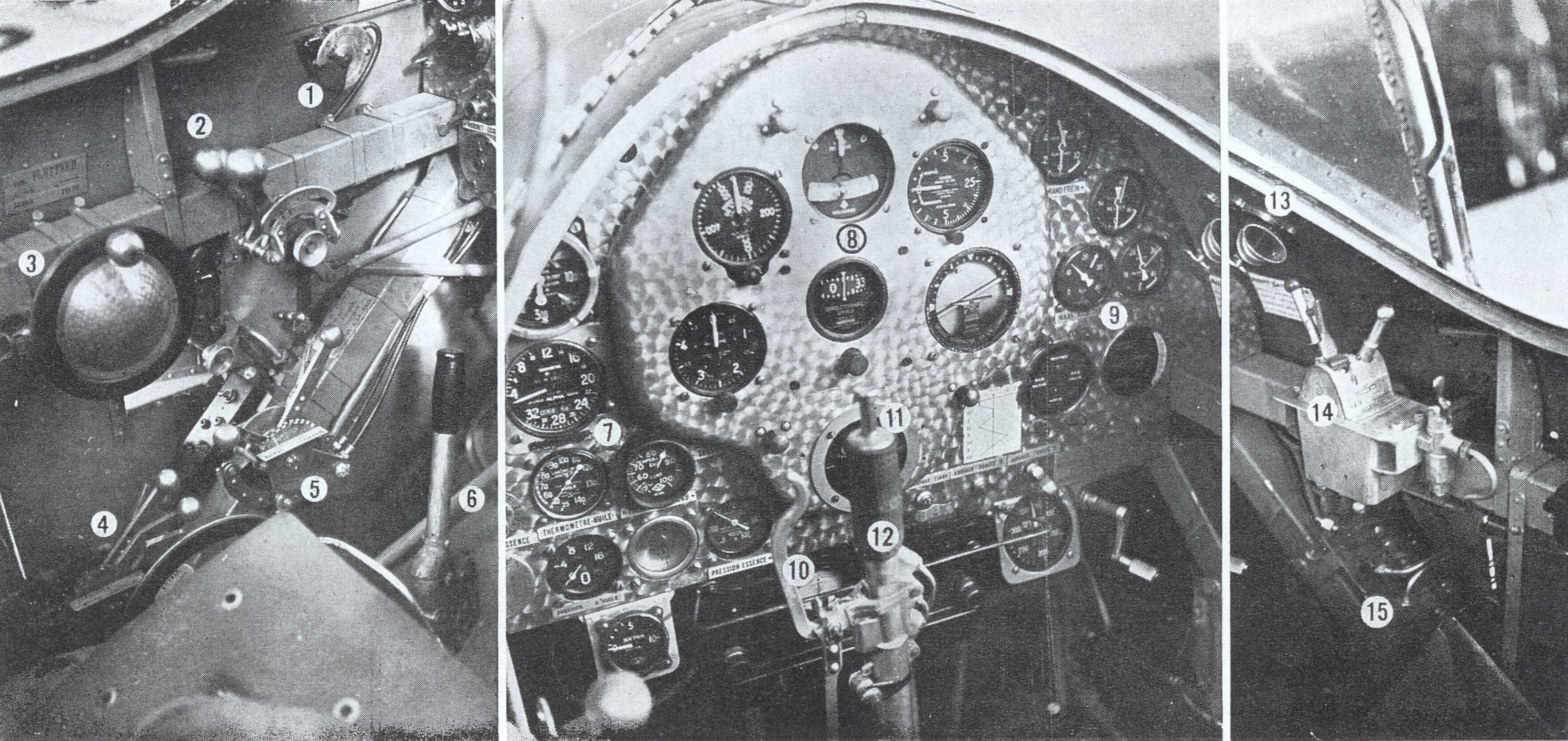
For simulator players, the R.36 should be an awesome pick, with great visibility from the cockpit including towards the rear, great handling with no risk of spinning in tight turns, and good stall characteristics. Even if you do get yourself into a spin, they are very quickly stopped.
The only drawbacks are an average ammunition count, as well as a very basic gunsight.

Engine: Hispano-Suiza 12Ycrs (910 hp)
Wingspan: 11.64 m
Length: 8.54 m
Height: 2.9 m
Wing area: 20 m²
Empty weight: 1770 kg
Loaded weight: 2470 kg
Wing loading: 123.5 kg/m² - Est. Turn time: 15 s
Max speed: 520 km/h at 5000 m
Never exceed speed: >800 km/h
Armament: 4 × 7.7 mm FN-Browning machine guns (ammo: 1400) and 1 × 20 mm HS 404 cannon (ammo: 60)
Payload: 8 × 10 kg bombs + 1 grenade launcher with 30 grenades
Climb rate: 15 m/s at 5000 m
Service ceiling: 12000 m
Range: 1000 km
Renard R-36/37/38 & 40, Nicolas Godfurnon
Documents and photographs from Fonds National Alfred Renard.