My research

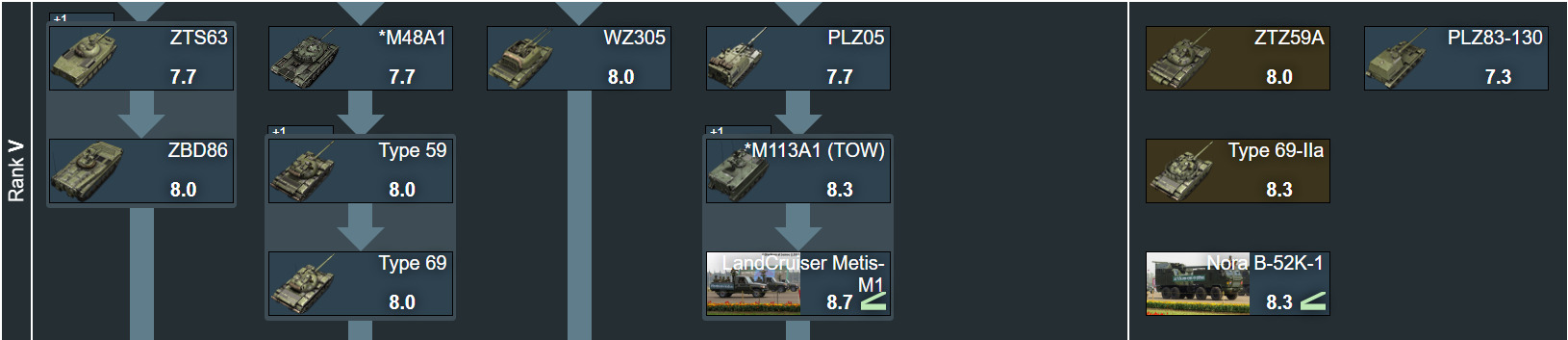
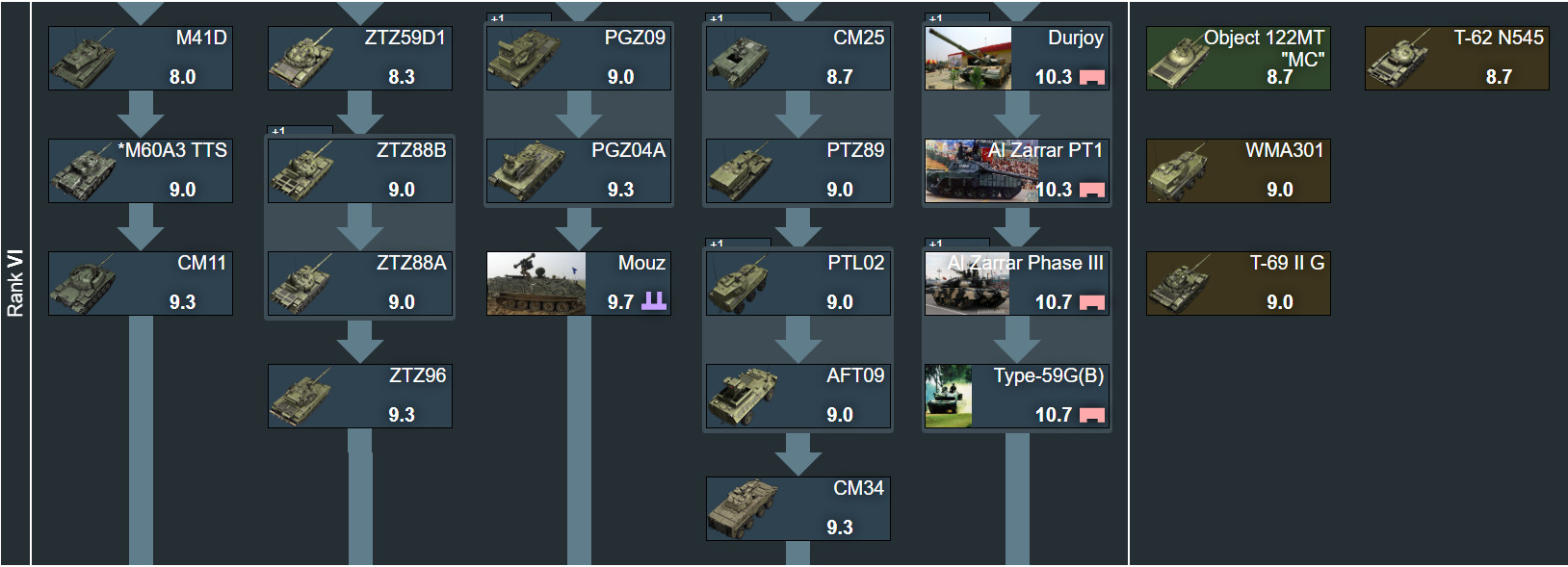
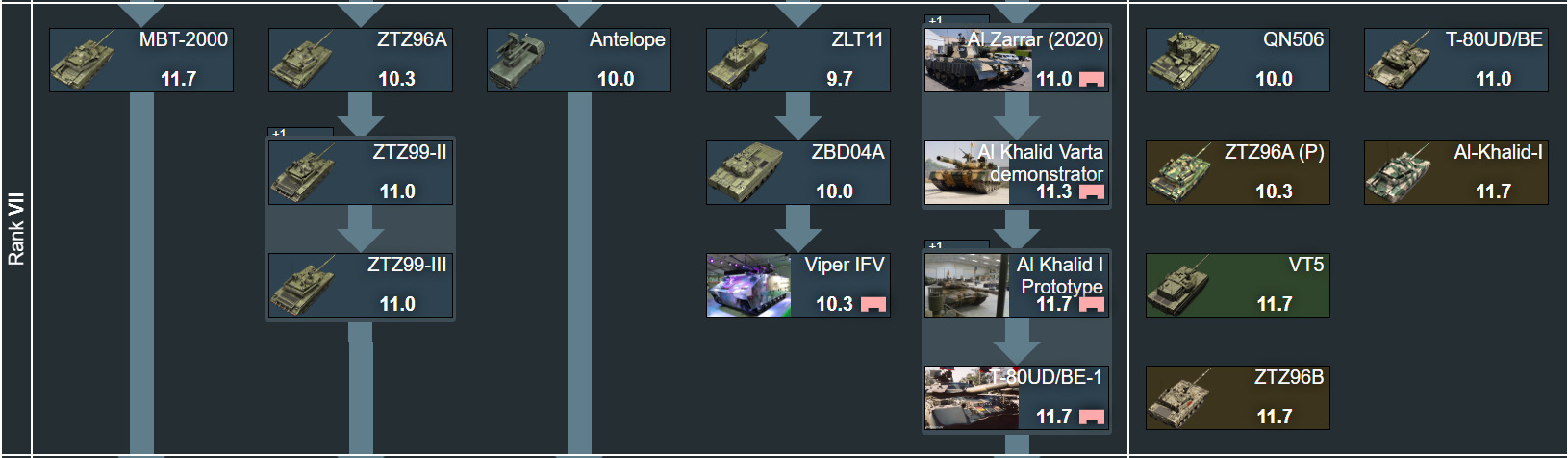
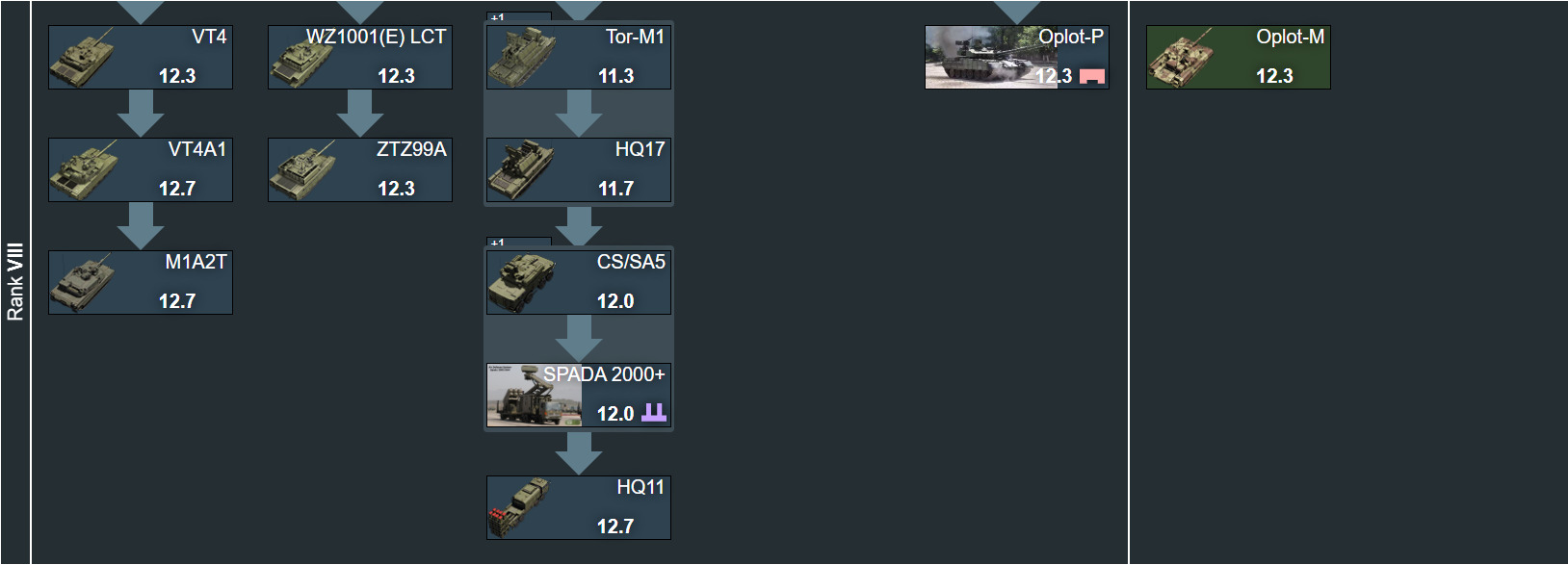
Pakistan & Bangladesh Ground forces subtree

image
image


Would you like to see this subtree?
  • Yes
  • No
0 voters

History and Introduction

There have been hard times between our nations, but at our core, we are brothers in more ways than most. This relationship runs deep and has steadily begun to heal. As such, this suggestion is made by both a Pakistani and a Bangladeshi who both love their nation and view the other as brothers.

The Sub tree

The vehicles below with real images are those included in this sub tree suggestion.

A deeper look into the vehicles

T-80UD/BE-1 (6TD-II)

T-80UD/BE with new welded turret as on T-84. All vehicles come with TVD and some were given 6TD-II engine


Pakistani T-80UD(6DT-2E) - Improved excellence

Armed with a (now) HIT 125mm tank cannon, Ukrainian 6TD-II engine and the same transmission as the Al Khalid, the T-80UDBE-1 will prove a challenging opponent on par with the T-80UE-1 (but even better).

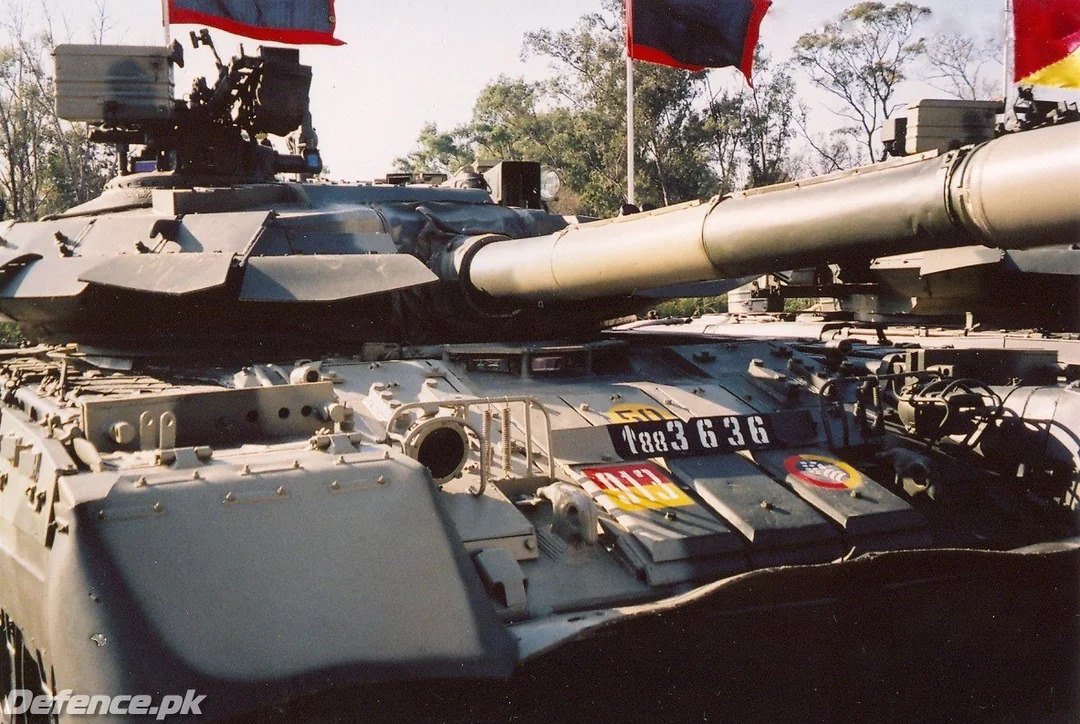
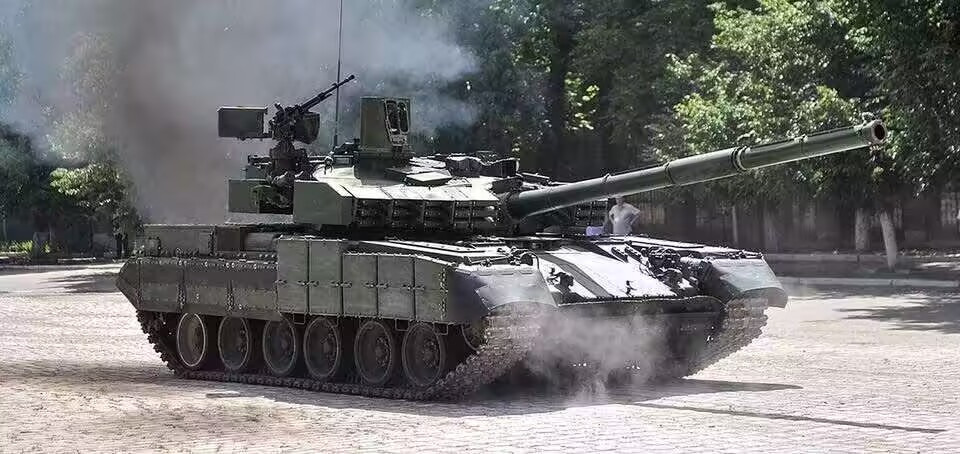
T-84 Oplot-P

image

T-84 BM Oplot-P: Just as my nation, I was built for a purpose

Brief intro

Specifications

  • Armament
    • Main:
    • Secondary:
  • Mobility
    • Engine:
    • Transmission:
    • Suspension:
    • Top Speed:
    • Horsepower-Per-Ton:
  • Protection
    • Armor:
    • Smoke Grenades:
    • Active/Passive Protection System:
  • Accessories
    • Night Sight
    • Thermal Sight
    • Laser Warning System
    • Laser Range Finder
    • Dual-Axis Stabilization
    • Automatic Target Tracking
    • Fire On-the-Move Capability

Estimated Battle Rating: X.XBR

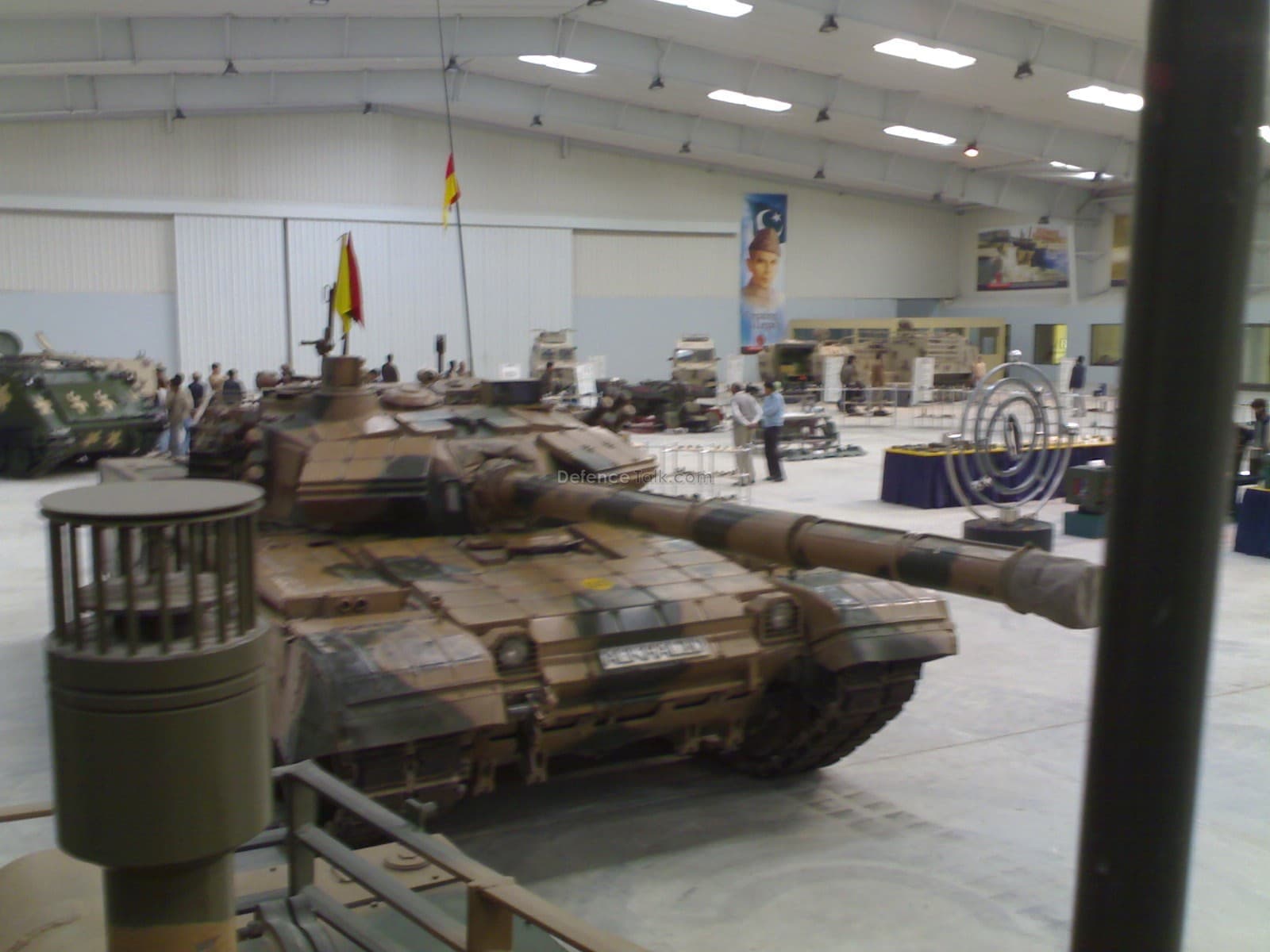
Al Khalid I Prototype

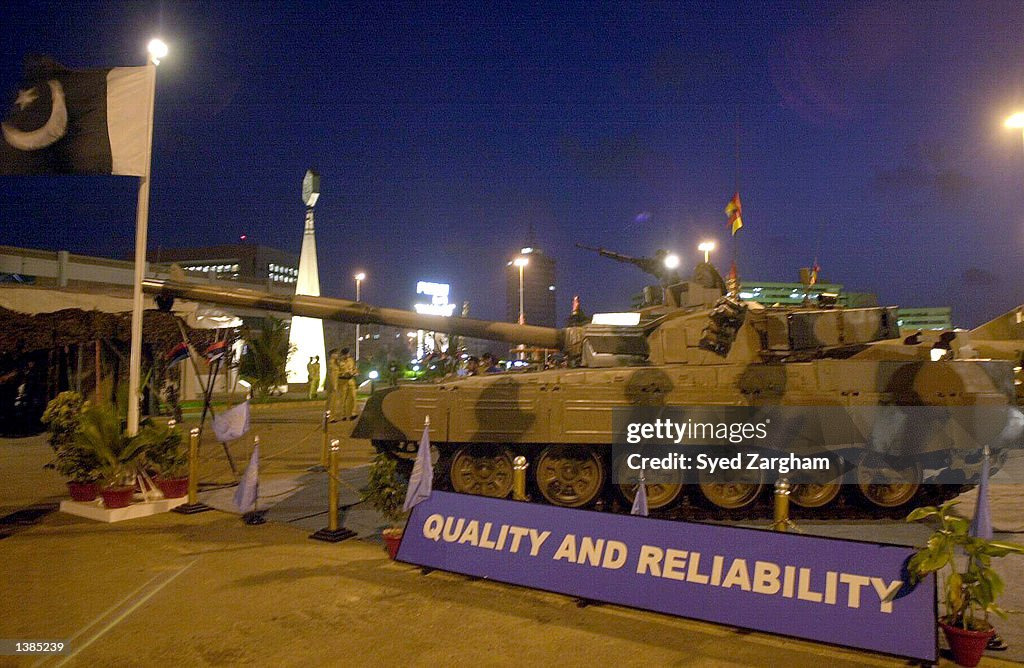
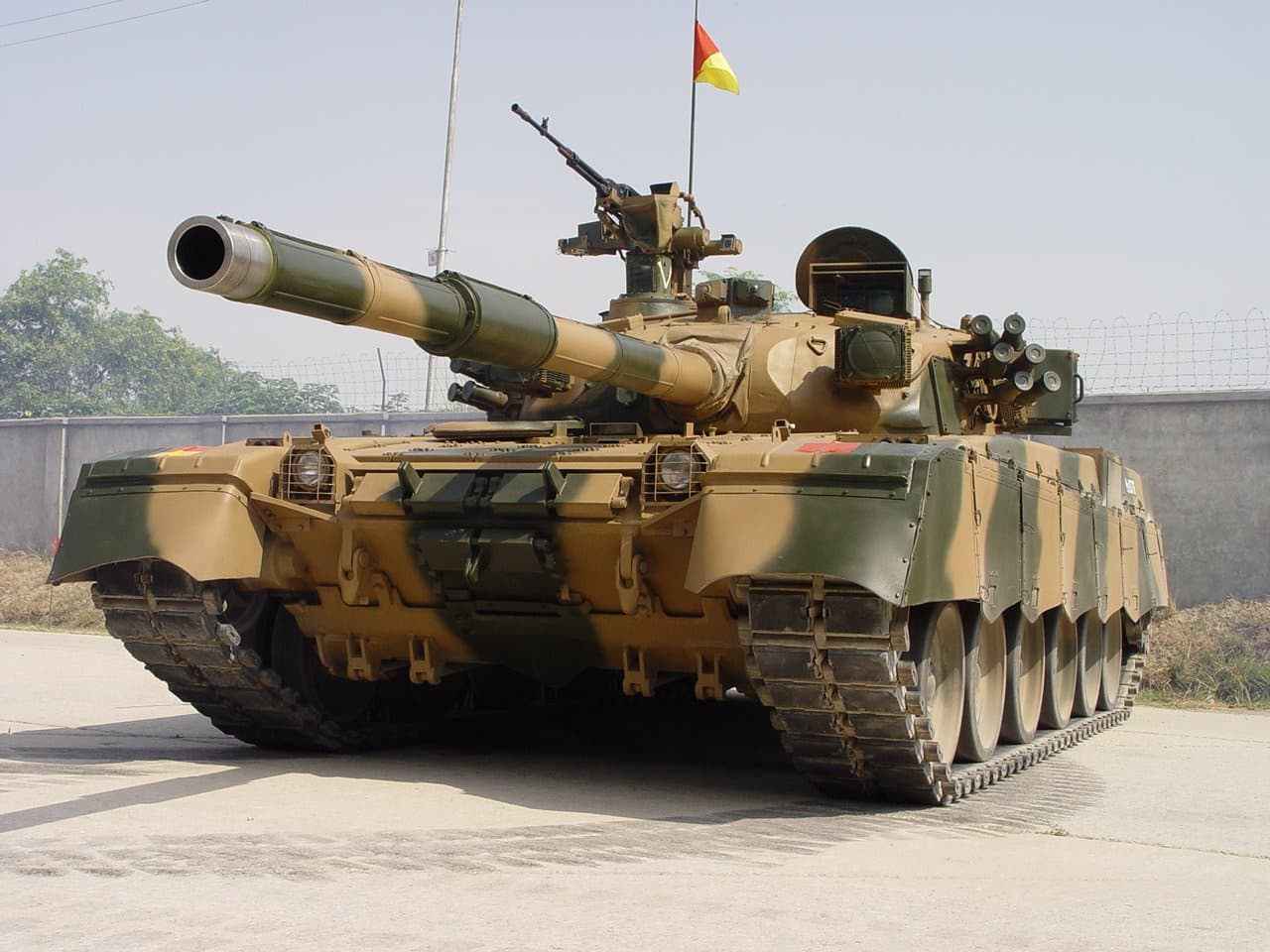
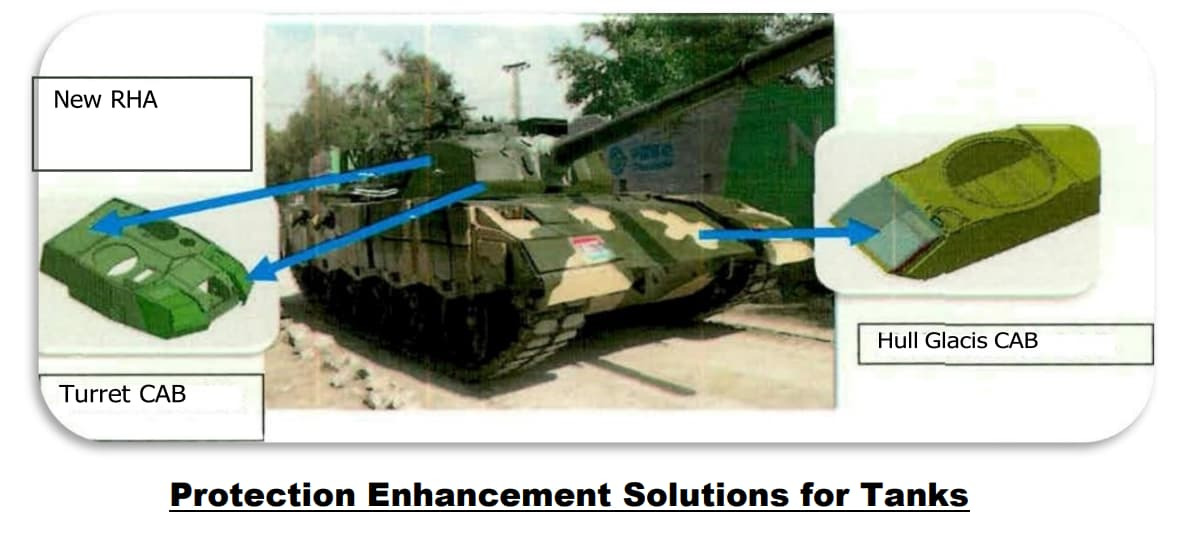
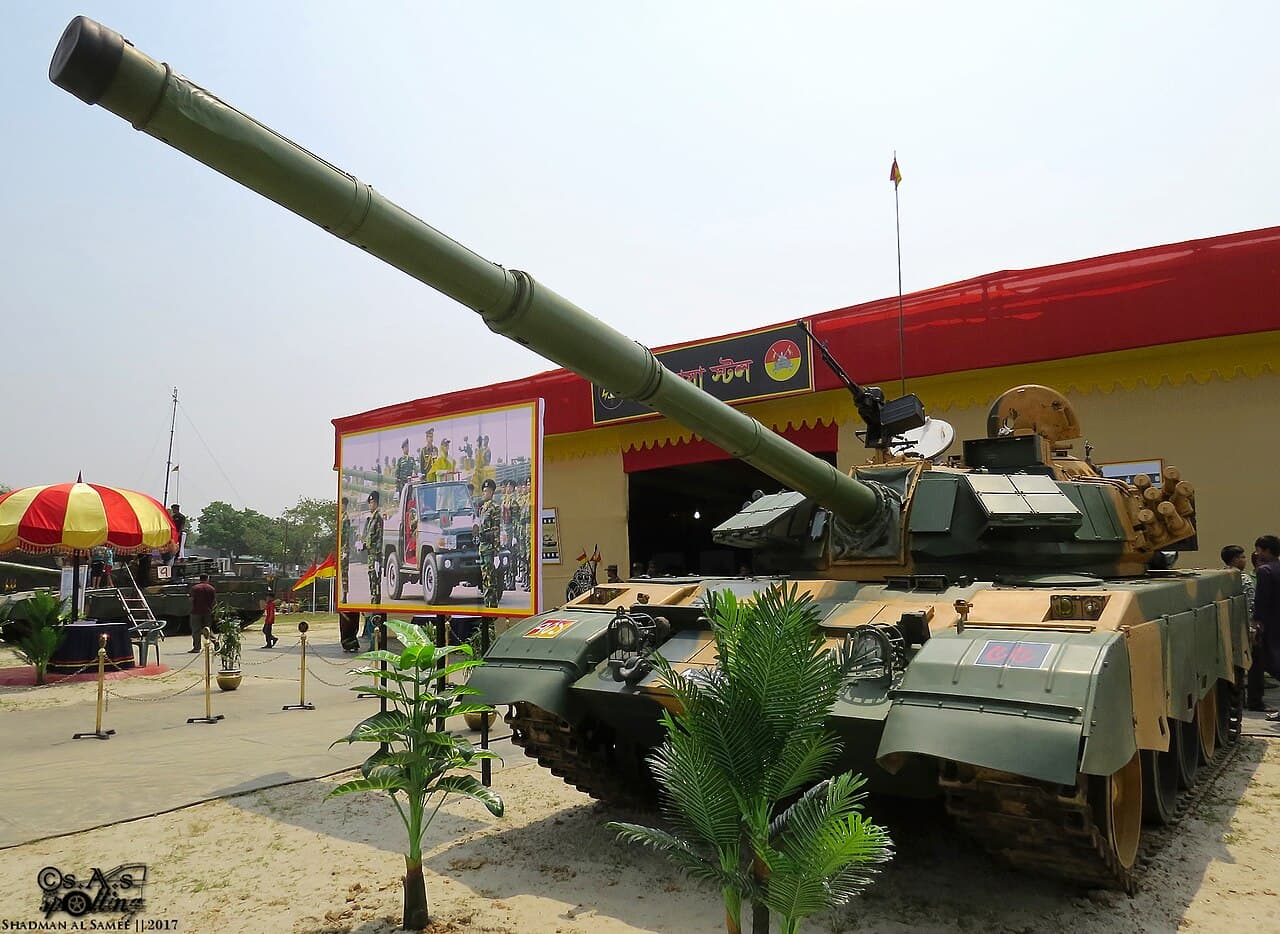
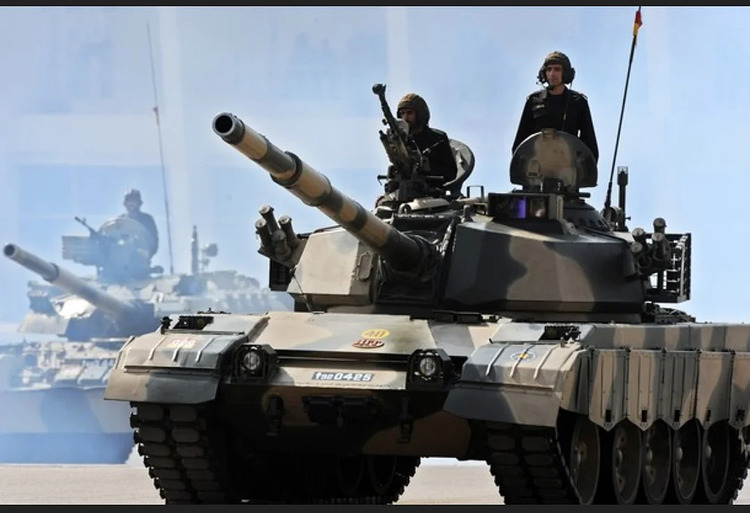
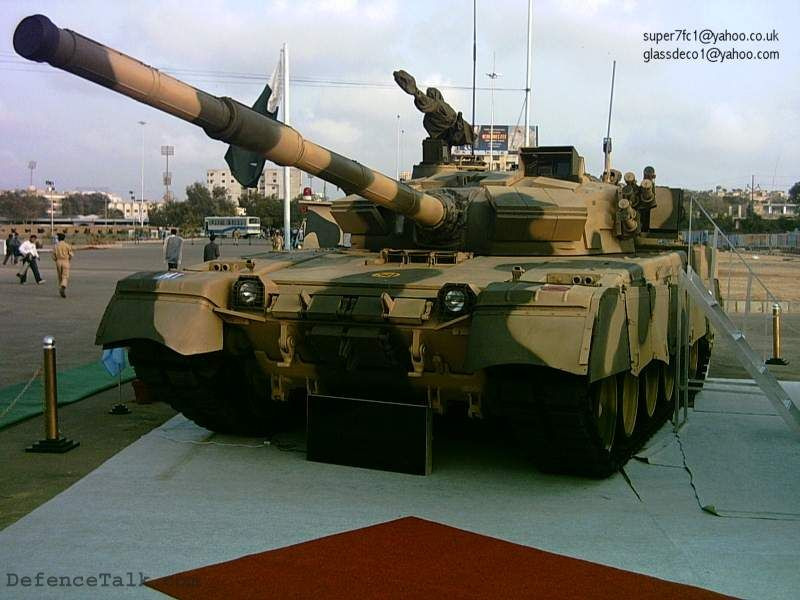
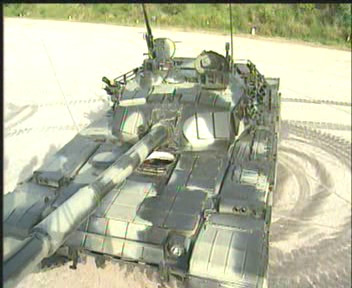
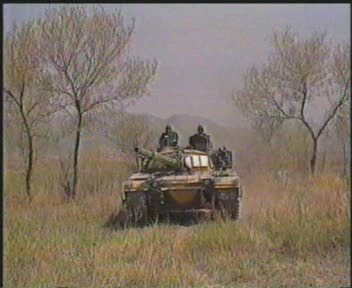
This vehicle seems to predate the 2021 Al Khalid I and features increased ERA coverage but also an older configuration as can be seen with a vent on the roof reminiscent of T-54/55 tanks. The hull is also sporting the older side skirts but, again, better ERA coverage.

Al Khalid Varta & LWS demonstrator


This is very special version of the Al Khalid as this prototyped the Varta softkill active protection system in tandem with laser warning receivers as seen on the Oplot as well as a more modern under armour controlled commander machine gun with its own sighting optics. While sacrificing ERA coverage on the front of the turret, it mounts some extra blocks on the roof and sides which are rare to see.

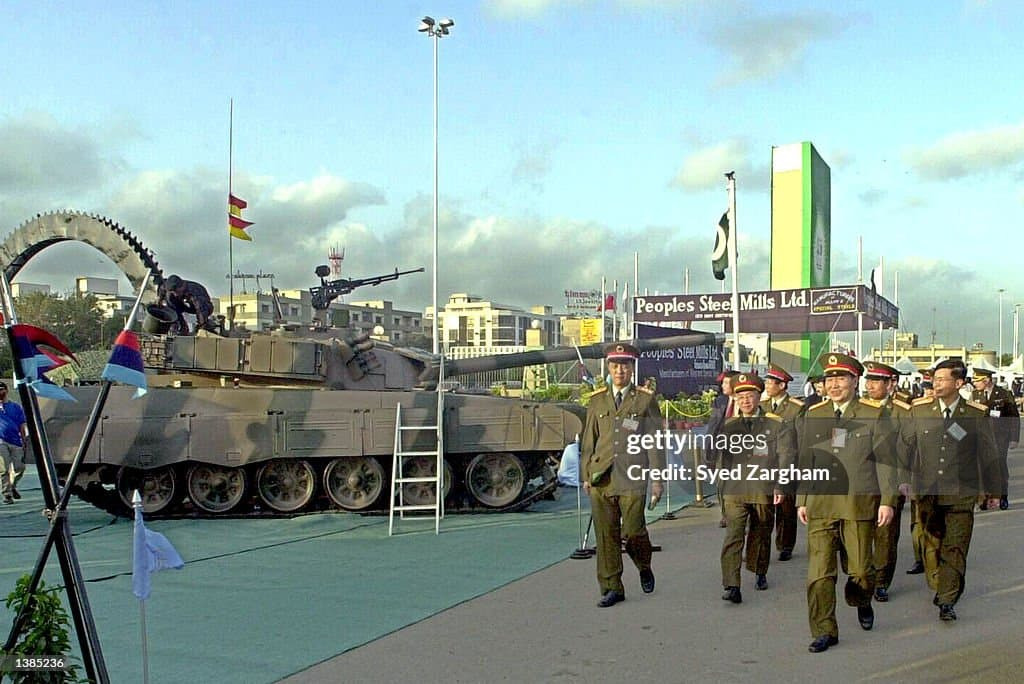
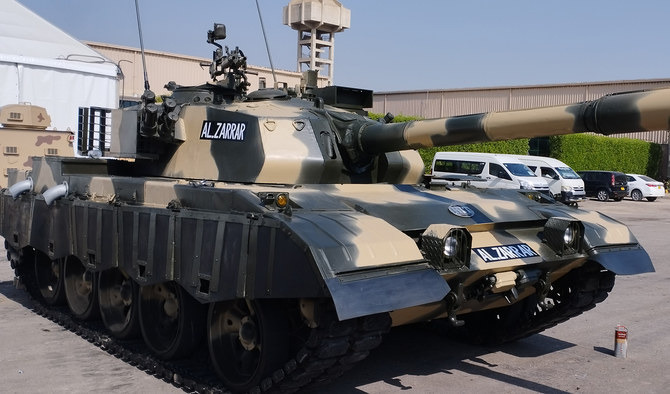
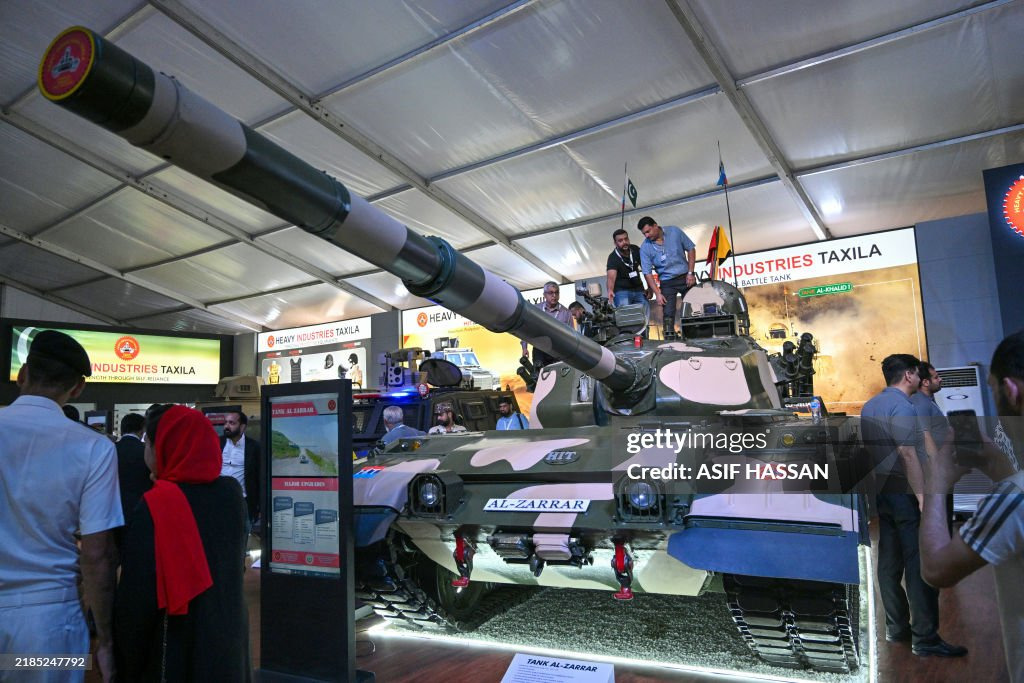
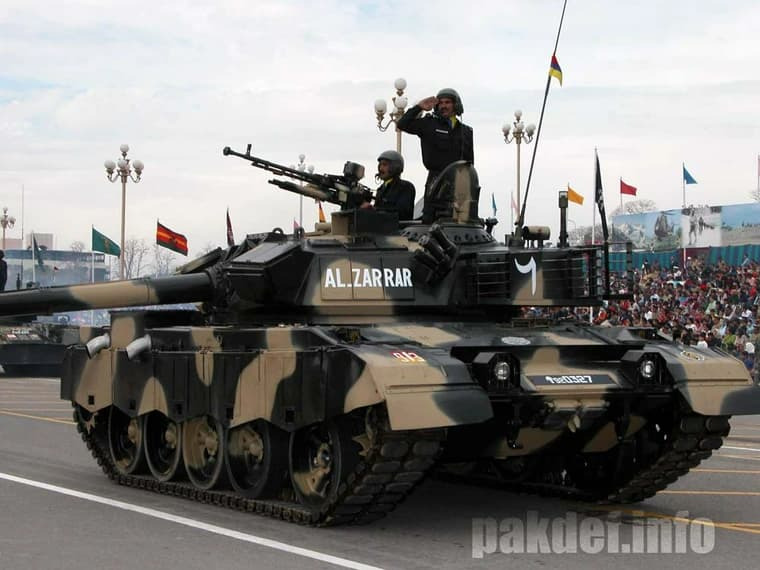
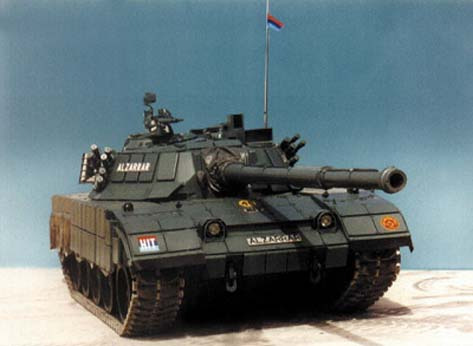
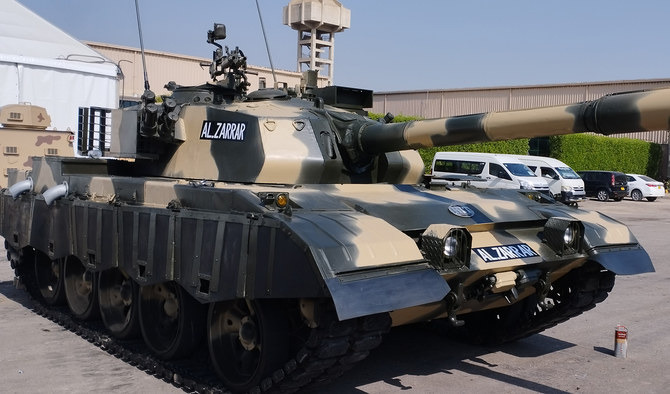
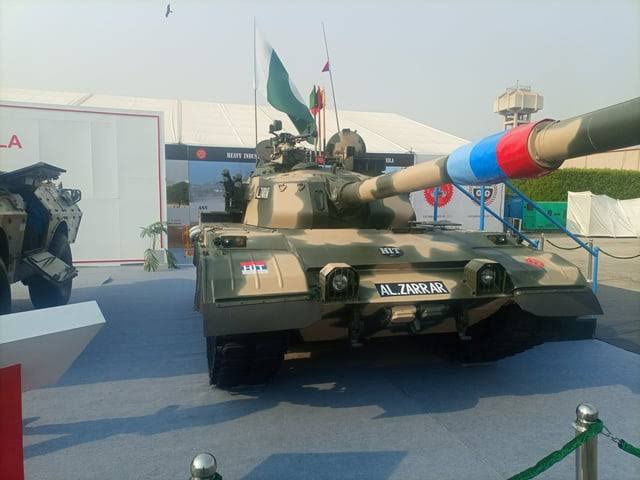
Al Zarrar (2020)

https://www.youtube.com/shorts/wUqeQNINVRw

T-59 Durjoy

Type-59G(B)

image

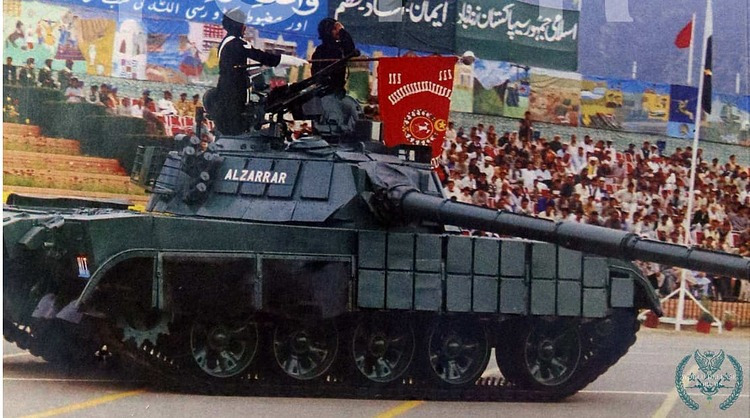
Al Zarrar Phase III

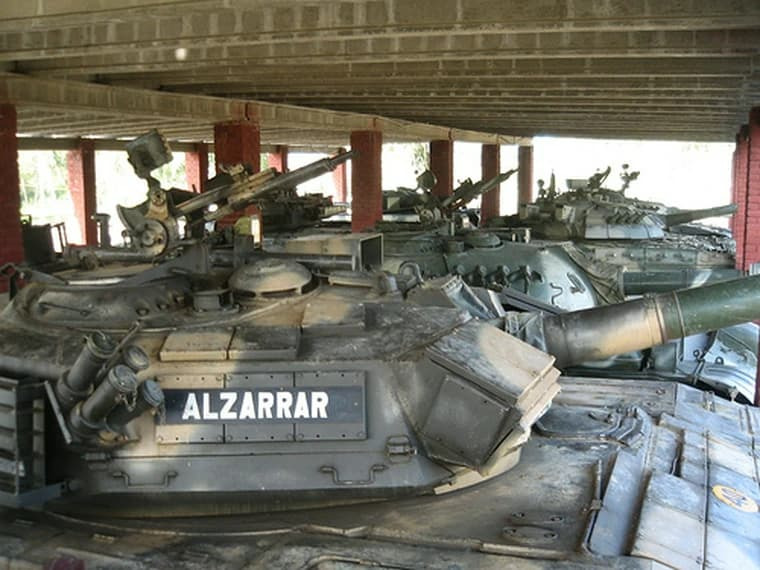
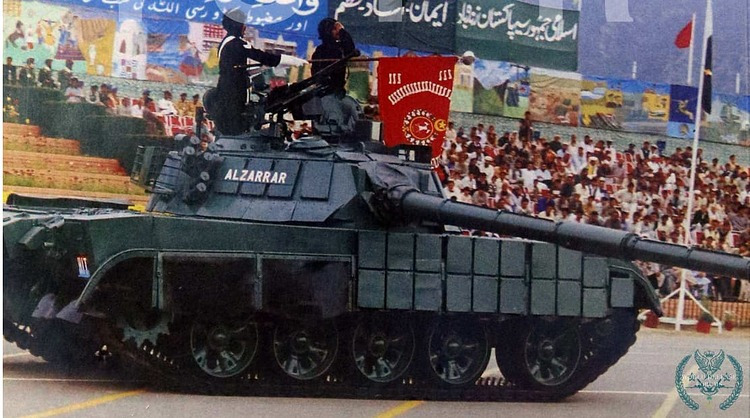
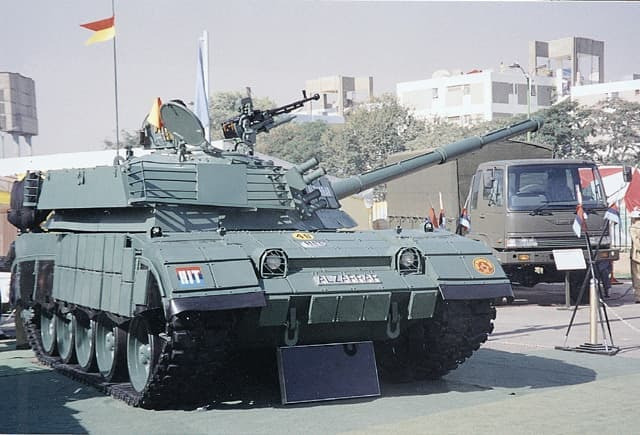
Al-Zarrar MBT (Pakistan)

image
image
image
image

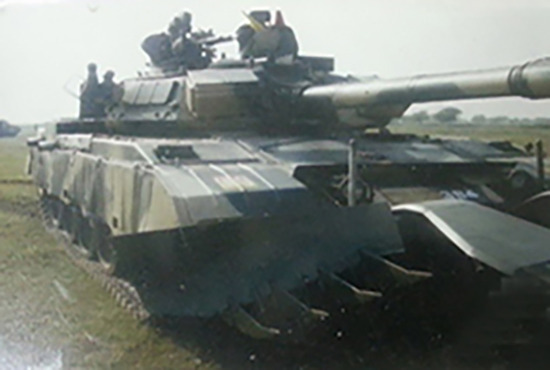
Al Zarrar PT1

image
image

Nora B52-K1

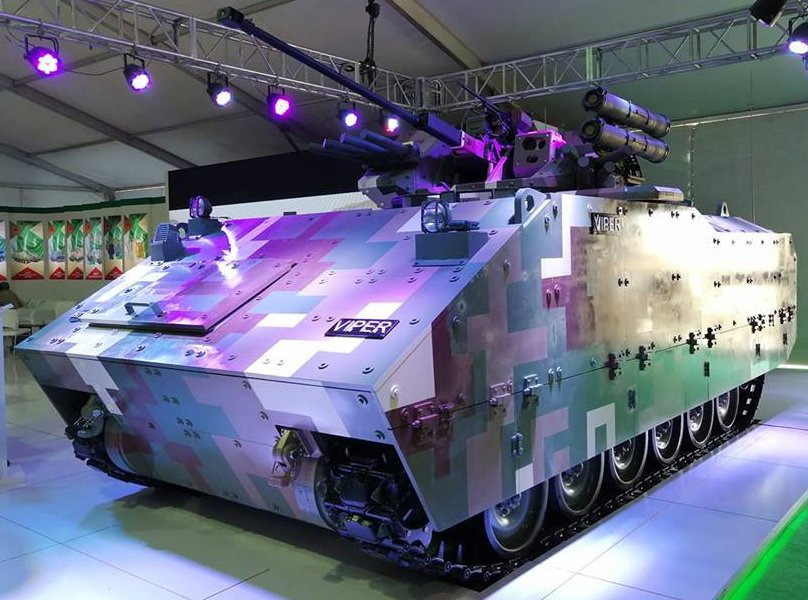
Viper IFV

image

Viper IFV Prototype: Pakistani Lancer

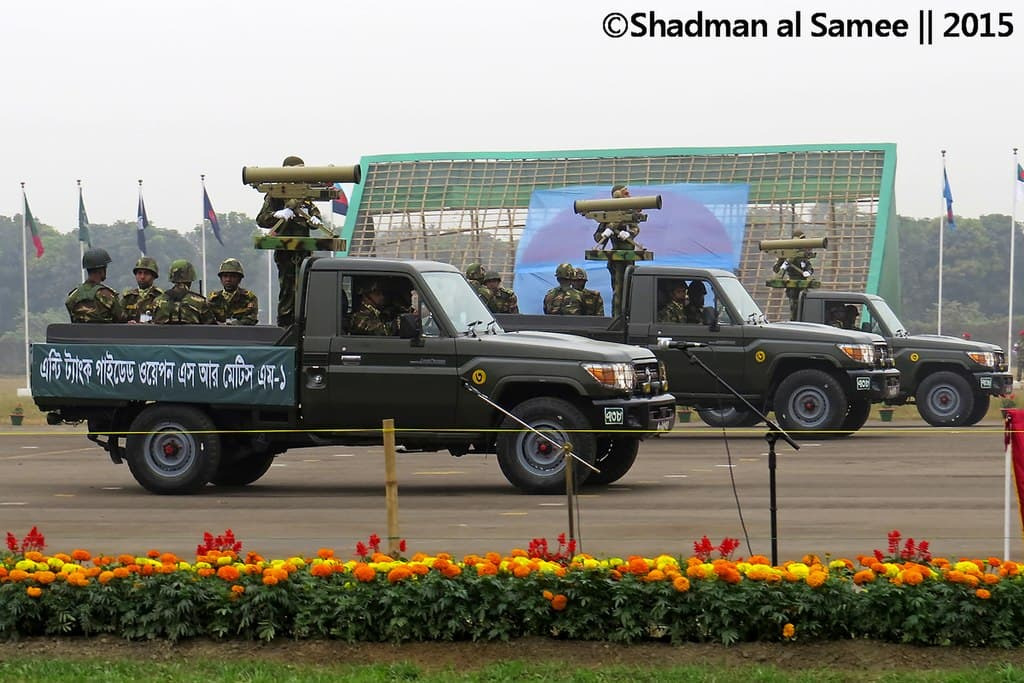
Landcruiser Metis M1

SPADA 2000+

image

Mouz

image

Conclusion

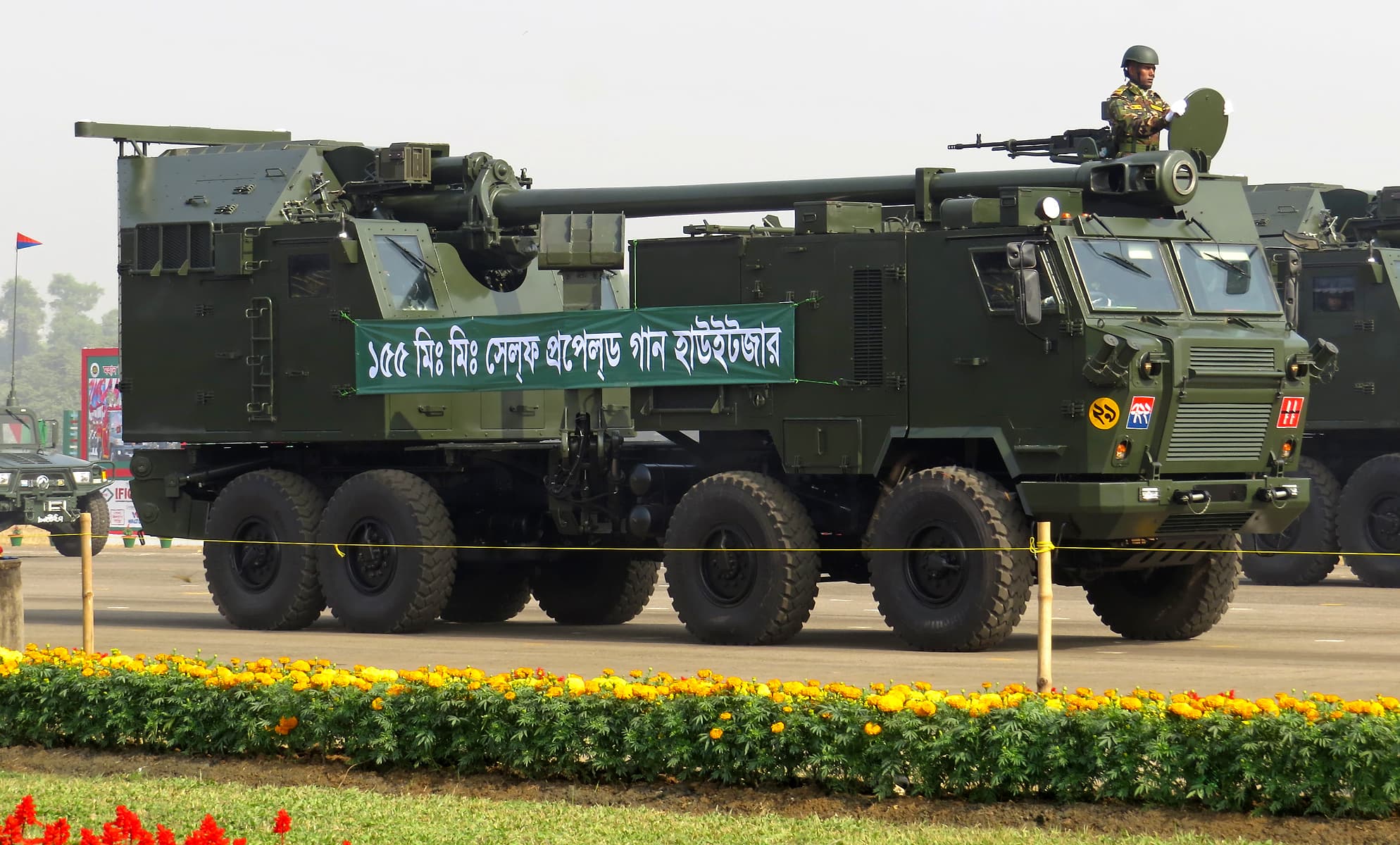
China is one of those nations that have so much potential, and the space in their tech tree to have it implemented. This is why utilising the 5th line in the tree for the subtree branch is so appealing. It provides the tree with not just more vehicles, but more diversity in playstyles as well as bolstering lineups with very competitive vehicles. Gaps in lineups can also be filled with Pakistani SPAA, Bangladeshi MBTs and the special Viper IFV, and even a deadly autoloading SPH. To top it all off, we have the very much anticipated Oplot-P! I hope this would make it a sub tree worth taking time to research and experience!

Sources
4 Likes

Leopard 2 140 (PT4/PT19)


Who needs armour anyway? I’ve got Mjolnir

History & Introduction

German prototype Leopard 2 turret on a Prototype Leopard 2 hull (PT4). The Versuchsträger Mit Turm T19. From what I have been able to find it was a modified 2AV turret used as a testbed for a bustle auto loader. The 120mm gun is missing the thermal sleeve and fume extractor.

The KWS III program was conceived as the third phase of the Leopard 2 tanks modernization initiative. KWS I involved upgrading the L44 120 mm cannon to a 55-caliber model, while KWS II resulted in the Leopard 2A5 modernization. KWS III aimed to develop a new turret with a 140 mm smoothbore weapon system and an automatic loader, reducing the crew size to three soldiers.
In the final design, the main gun was moved to the left turret side, and a lateral loading mechanism was incorporated. The main gun had an ammunition load of 32 rounds, stored in a large ammunition bunker at the turret rear. This relocation of ammunition from the crew’s compartment increased survivability in case of penetration. The intended protection level was on par with or better than the Leopard 2A5. Additionally, the tank’s command and control were set to improve through the implementation of the latest version of the ISIS system.
Despite the promising features, the KWS III program was not adopted at the time. Nevertheless, development of the 140 mm weapon system continued with Rheinmetall collaborating with Royal Ordnance from the UK and GIAT from France. To assess the weapon’s capabilities, the 140 mm gun was mounted on a Leopard 2 tank. This experimental tank lacked the new turret armor and automatic loader planned for the KWS III program and still utilized an electro-hydraulic turret drive. To handle the added weight of the main gun, counterweights were added to the turret rear. The tests yielded partial success, demonstrating the gun’s superior penetration power but also revealing some handling difficulties.


Test vehicle with turret T 19 (Leopard 2 AV), in which the Rheinmetall/Wegmann & Co compact loader for dynamic tests was installed. Circa 1983. (Photo: Wegmann & Co)

KWS I focused on the installation of a 120mm L/55 gun and the use of new, advanced ammunition (with muzzle velocity of up to 1800 m/s)
KWS II focused on additional armour (both turret and hull), crew protection systems and advanced battlefield electronics
KWS III focused on the then-developed 140mm gun to replace the 120mm Rheinmetall smoothbore and the integration of the IFIS system from the Leopard 2 IVT phase

Sources

image1


image

Motorbuch Verlag - KPz Heute und Morgen Konzepte - Systeme - Technologien - by Rolf Hilmes (GER/2007)

image
image
image
image
image
image
image
image

  • Gesamtwerk Leopard 2 (2022) By Frank Lobitz; ISBN: 3936519532
  • Kampfpanzer.DE By Stefan Liess
Soldat und technik 1994/08


https://cloud.mail.ru/public/9dEX/djuwzbp4V/Soldat%20und%20Technik/1994%20not%20renamed/08/нечётные/

Mil Tech 1992/08


https://cloud.mail.ru/public/9dEX/djuwzbp4V/Military%20Technology/1992/08

MILTECH 1994/10


1 Like
full tech tree pk&bd

Pakistan & Bangladesh

Ground Forces Independent Tech Tree


image
image


History and Introduction

There have been hard times between our nations, but at our core, we are brothers in more ways than most. This relationship runs deep and has steadily begun to heal. As such, this suggestion is made by both a Pakistani and a Bangladeshi who both love their nation and view the other as brothers.

The Tech Tree

The vehicles below with real images are those included in this sub tree suggestion.

A deeper look into the vehicles

T-80UD/BE-1 (6TD-II)

T-80UD/BE with new welded turret as on T-84. All vehicles come with TVD and some were given 6TD-II engine


Pakistani T-80UD(6DT-2E) - Improved excellence

Armed with a (now) HIT 125mm tank cannon, Ukrainian 6TD-II engine and the same transmission as the Al Khalid, the T-80UDBE-1 will prove a challenging opponent on par with the T-80UE-1 (but even better).

T-84 Oplot-P

image

T-84 BM Oplot-P: Just as my nation, I was built for a purpose

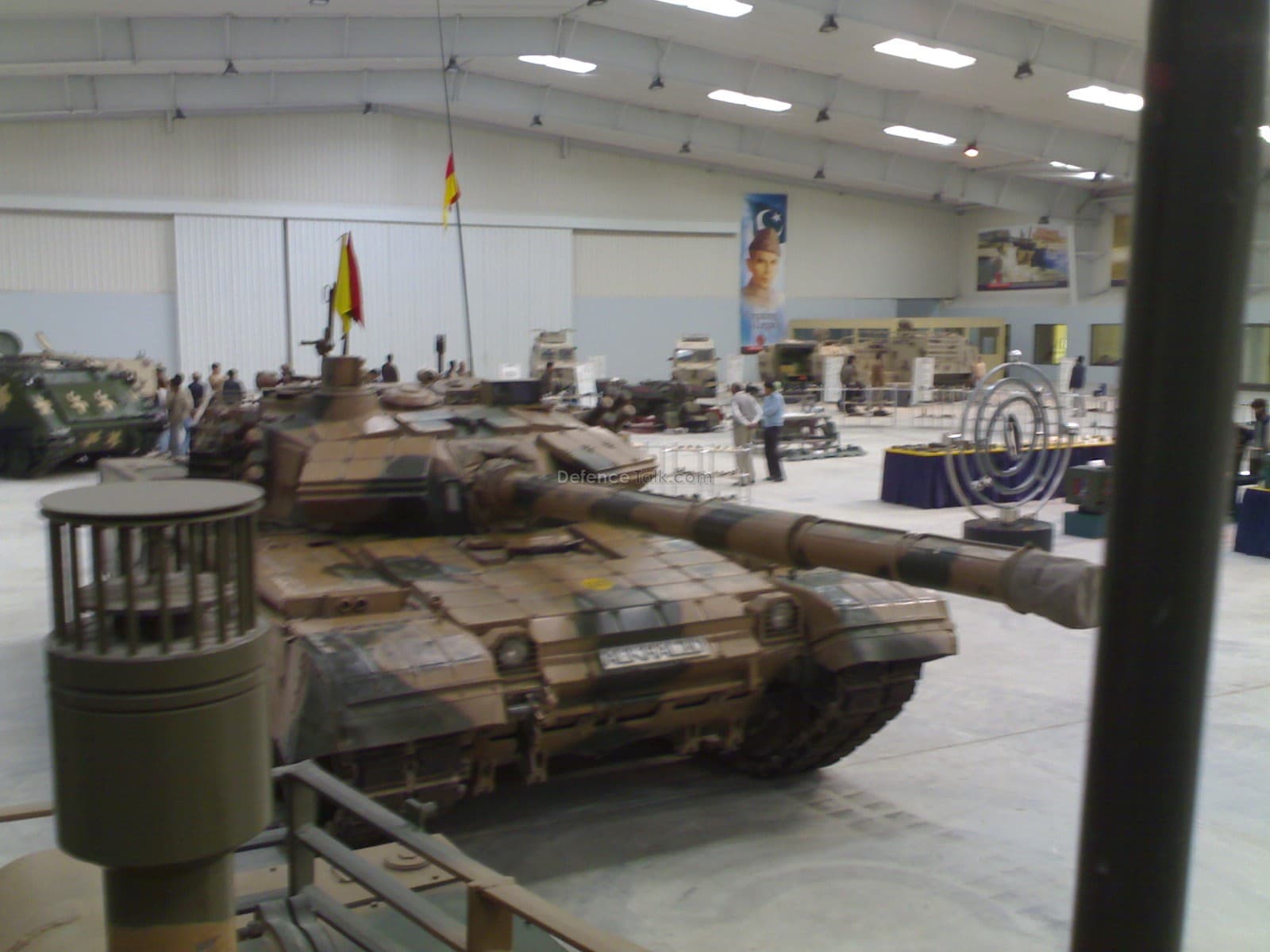
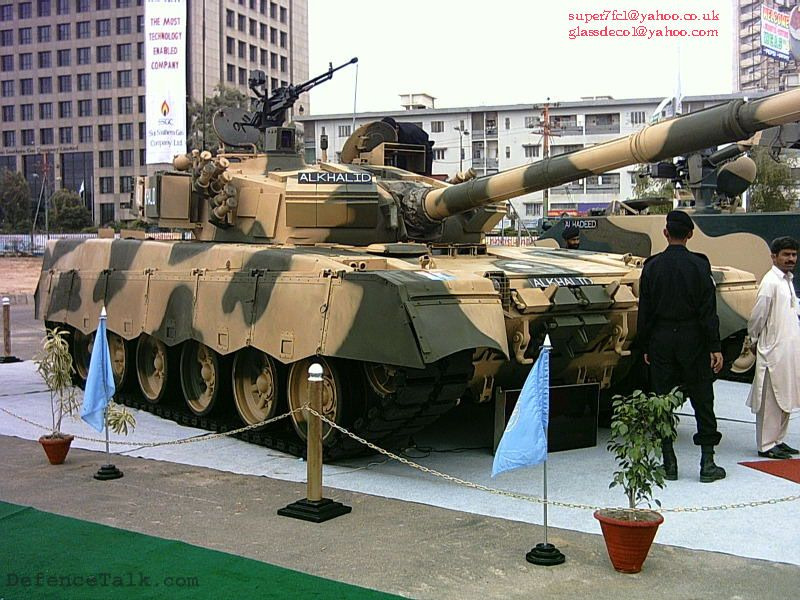
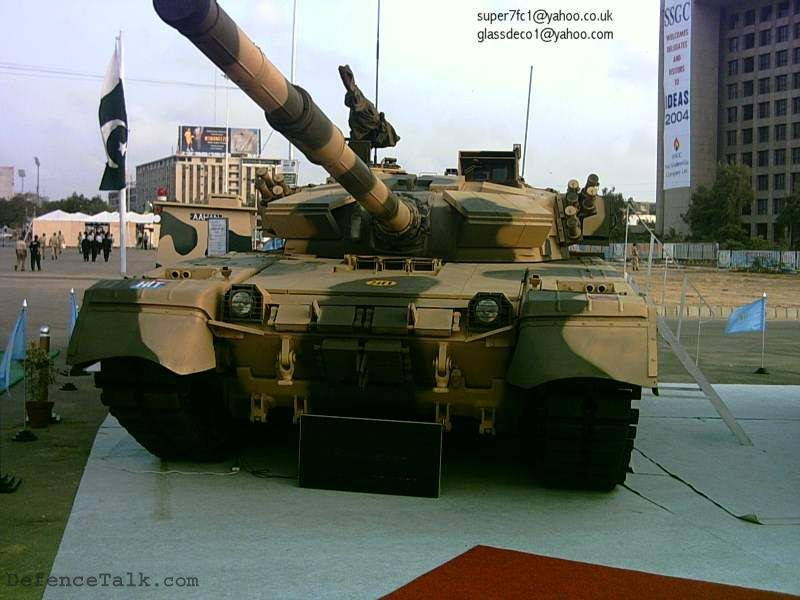
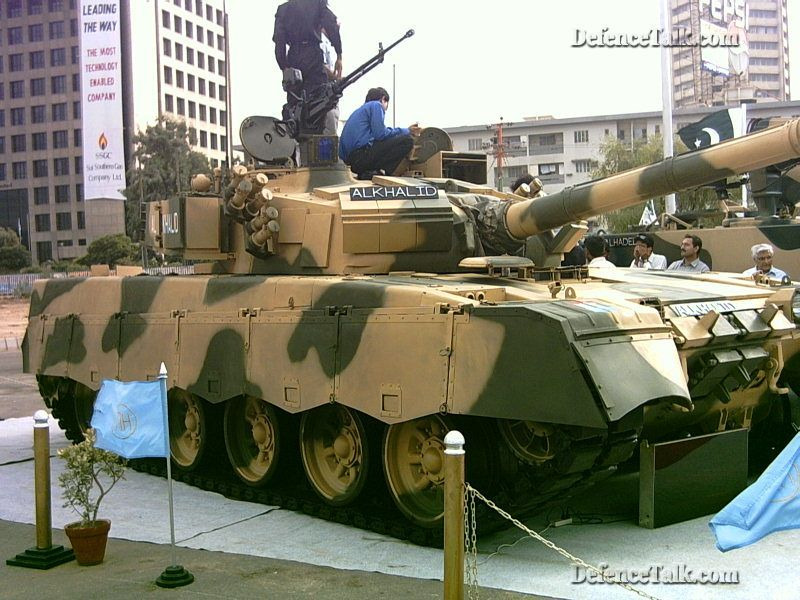
Al Khalid I Prototype

This vehicle seems to predate the 2021 Al Khalid I and features increased ERA coverage but also an older configuration as can be seen with a vent on the roof reminiscent of T-54/55 tanks. The hull is also sporting the older side skirts but, again, better ERA coverage.

Al Khalid Varta & LWS demonstrator


This is very special version of the Al Khalid as this prototyped the Varta softkill active protection system in tandem with laser warning receivers as seen on the Oplot as well as a more modern under armour controlled commander machine gun with its own sighting optics. While sacrificing ERA coverage on the front of the turret, it mounts some extra blocks on the roof and sides which are rare to see.

Al Zarrar (2020)

https://www.youtube.com/shorts/wUqeQNINVRw

T-59 Durjoy

Type-59G(B)

image

Al Zarrar Phase III

Al-Zarrar MBT (Pakistan)

image
image
image
image

Al Zarrar PT1

image
image

Nora B52-K1

Viper IFV

image

Viper IFV Prototype: Pakistani Lancer

Landcruiser Metis M1

SPADA 2000+

image

Mouz

image

Conclusion

China is one of those nations that have so much potential, and the space in their tech tree to have it implemented. This is why utilising the 5th line in the tree for the subtree branch is so appealing. It provides the tree with not just more vehicles, but more diversity in playstyles as well as bolstering lineups with very competitive vehicles. Gaps in lineups can also be filled with Pakistani SPAA, Bangladeshi MBTs and the special Viper IFV, and even a deadly premium autoloading SPH. top top it all off, we have the very desired Oplot-P. I hope this would make it a sub tree worth taking time to research and experience!

Sources

[poll type=regular results=always public=true chartType=pie]
  • Yes
  • No
[/- [poll ]

Pakistani Vehicles

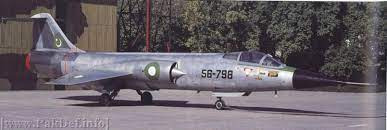
F-104A

image
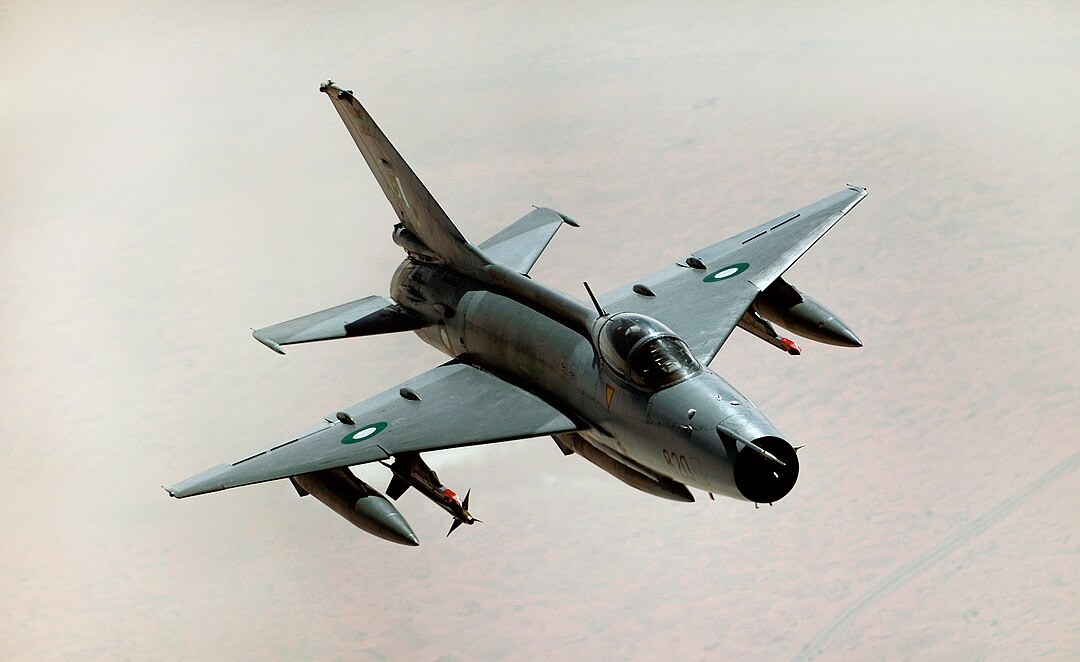
The Pakistani F-104As were fitted with more powerful J-79-11A engines.

Defected AAF Su-22M4

(Afghan Air Force)
image
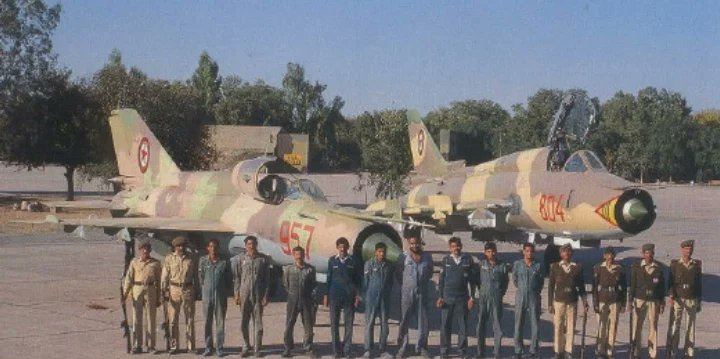
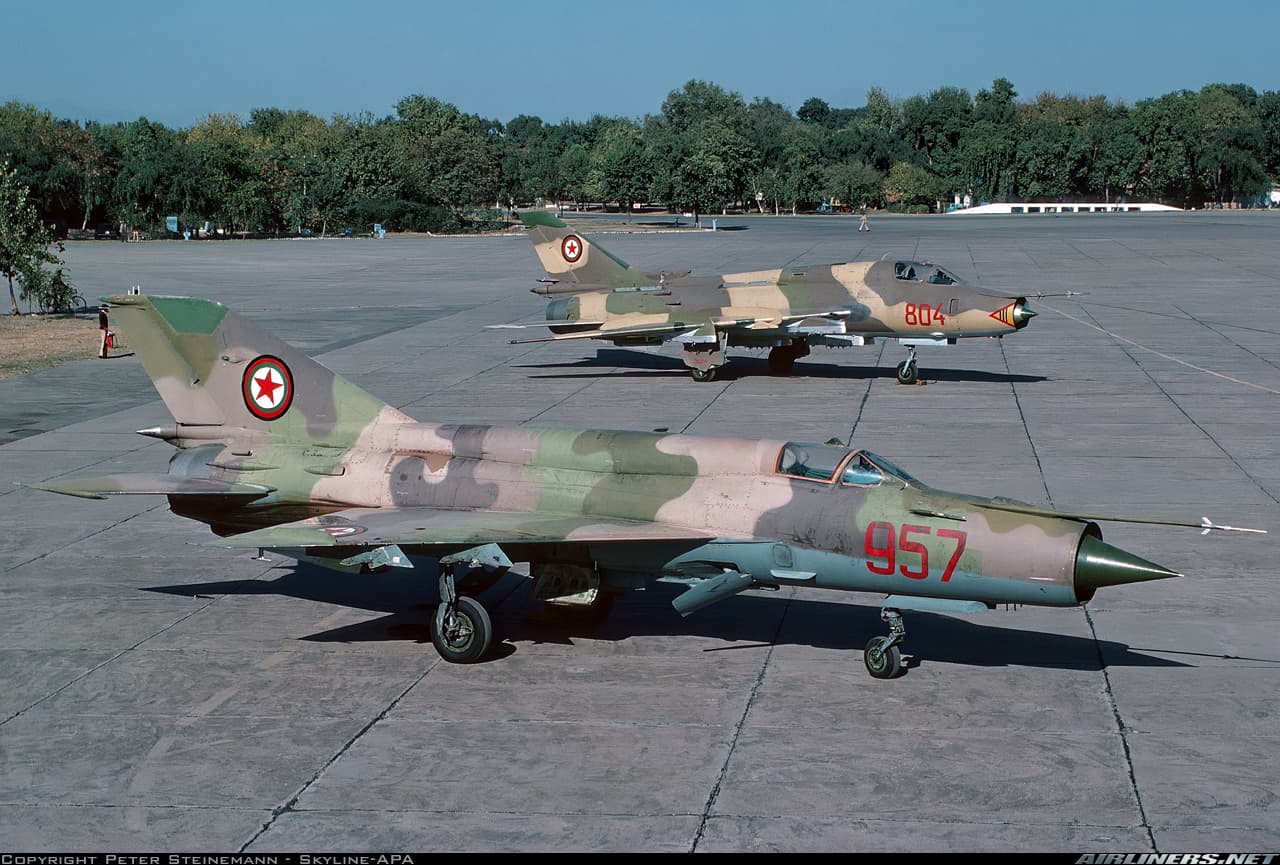
A MiG-21 and Su-22 of the Afghan Air Force standing at a Pakistani Airbase after its pilots defected to Pakistan.

image
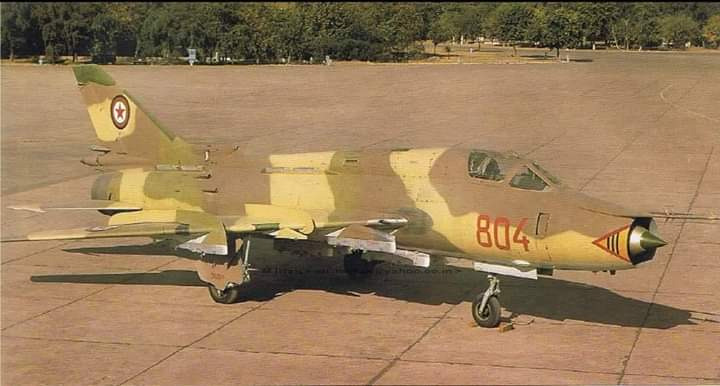
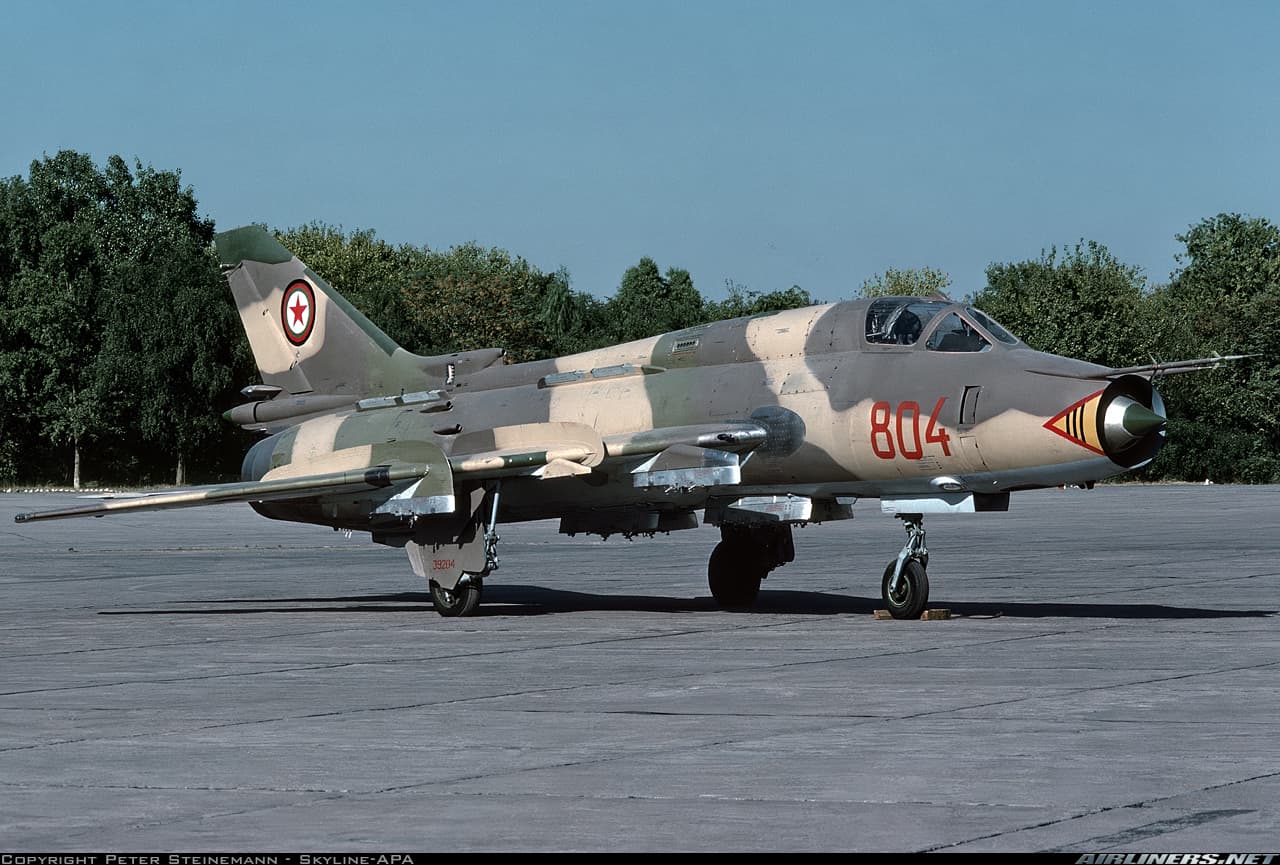
Another Afghan Aircraft that defected to Pakistan during the Afghan Crisis was Su-22M4 “804” in 1989.


A defecting Afghan pilot landed 804 at Peshawar on 6 July 1989.

A defecting Afghan pilot landed 957 at Peshawar on 20 October 1989. The aircraft is now displayed at the PAF Museum in Karachi (Faisal AB)

A defecting Afghan pilot landed 804 at Peshawar on 6 July 1989.

The MiG-21 is kept at a PAF museum in karachi, however the fate of the fitter is less clear.

RB-57F

image
image
image

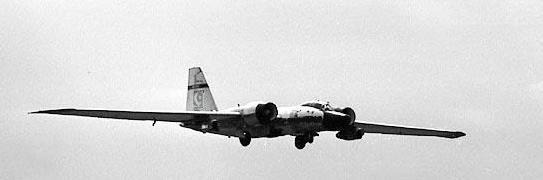
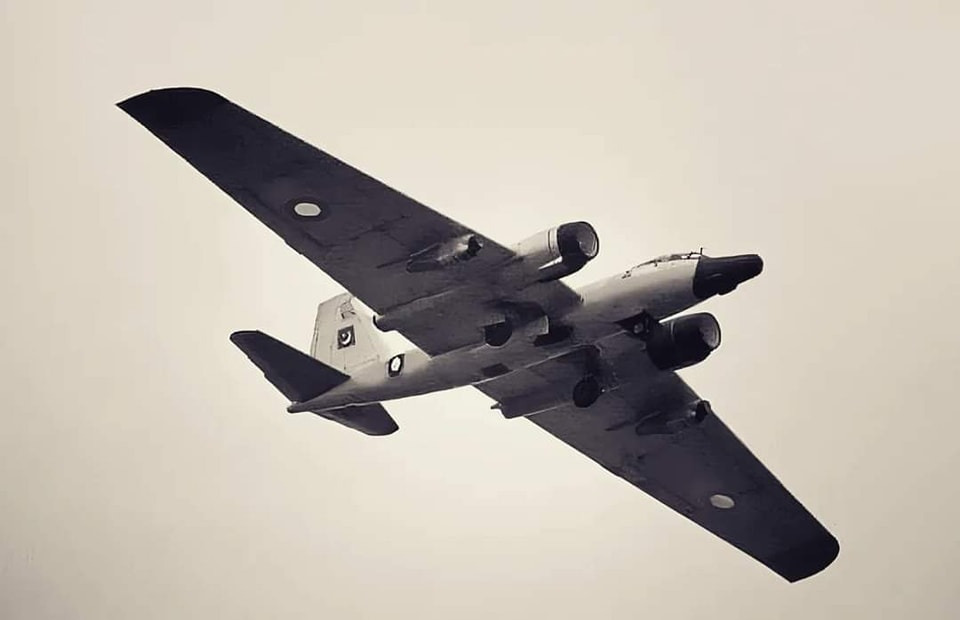
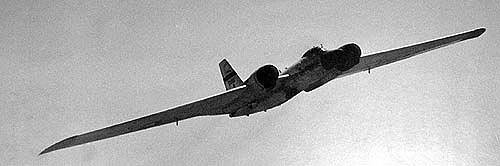
The replacement of the Wright J65 turbojets with Pratt & Whitney TF33-P-11 turbofan engines. The TF33s gave the aircraft more than double the thrust of the B model. The RB-57F was also fitted with two detachable Pratt & Whitney J60-P-9 turbojets mounted in pods attached to the wings outboard of the main engines. These auxiliary engines were air-started and only for use at altitude in flight. At altitudes above 40,000 feet (12,000 m), the J60s generated about 3,300 pounds-force (15 kN) of thrust each and increased the maximum altitude of the RB-57F by 2,000–3,000 feet (610–910 m)

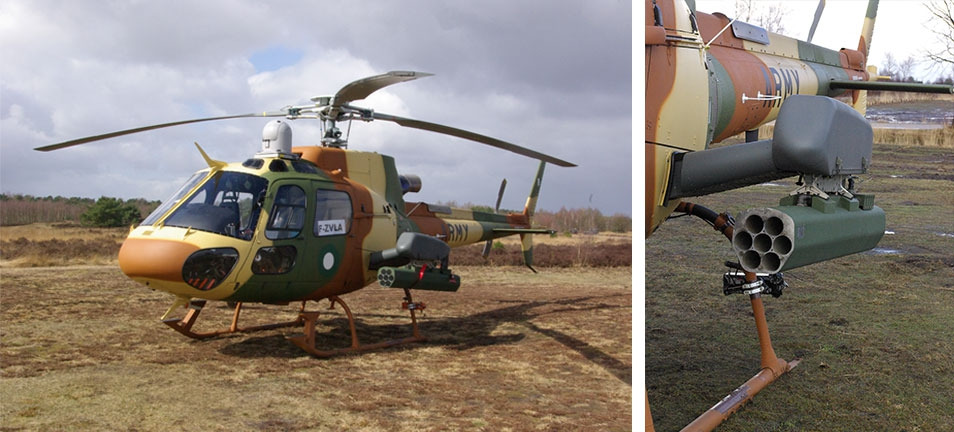
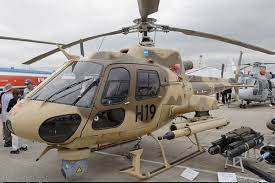
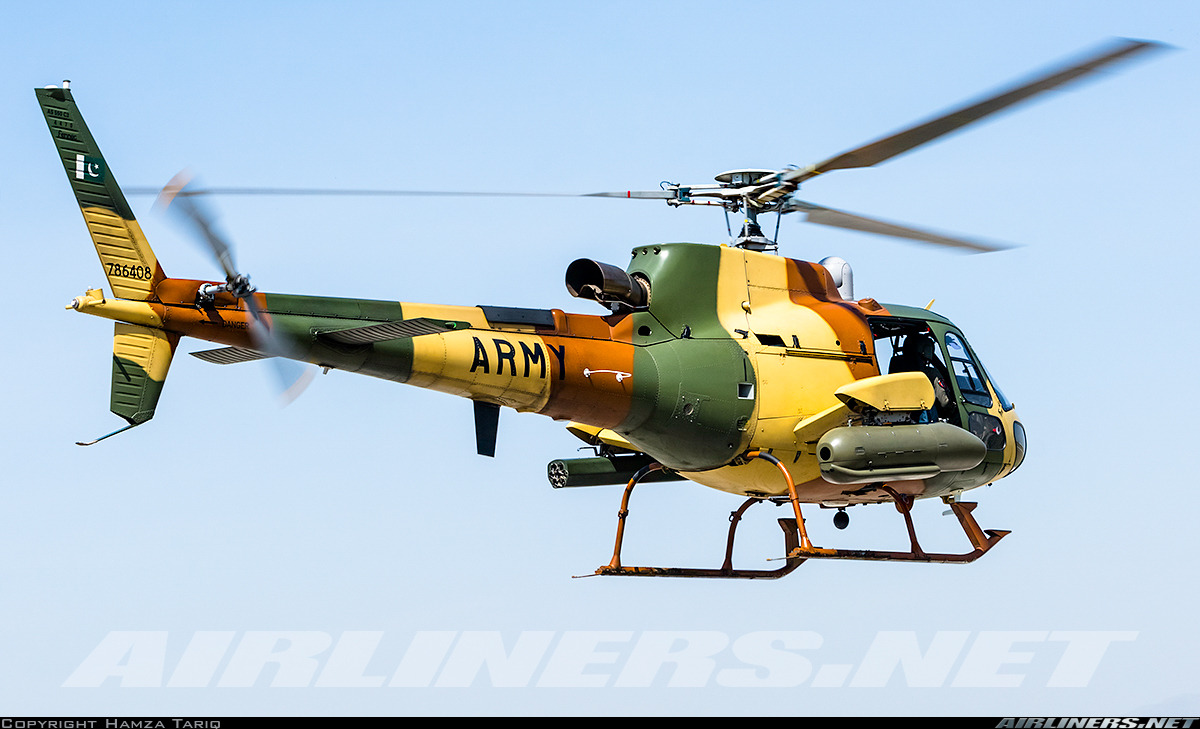
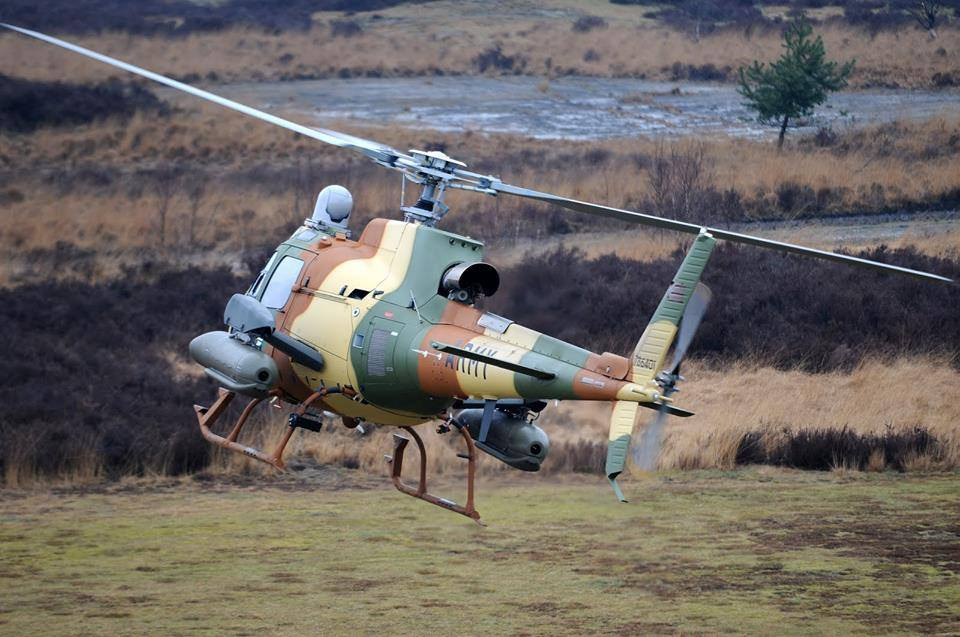
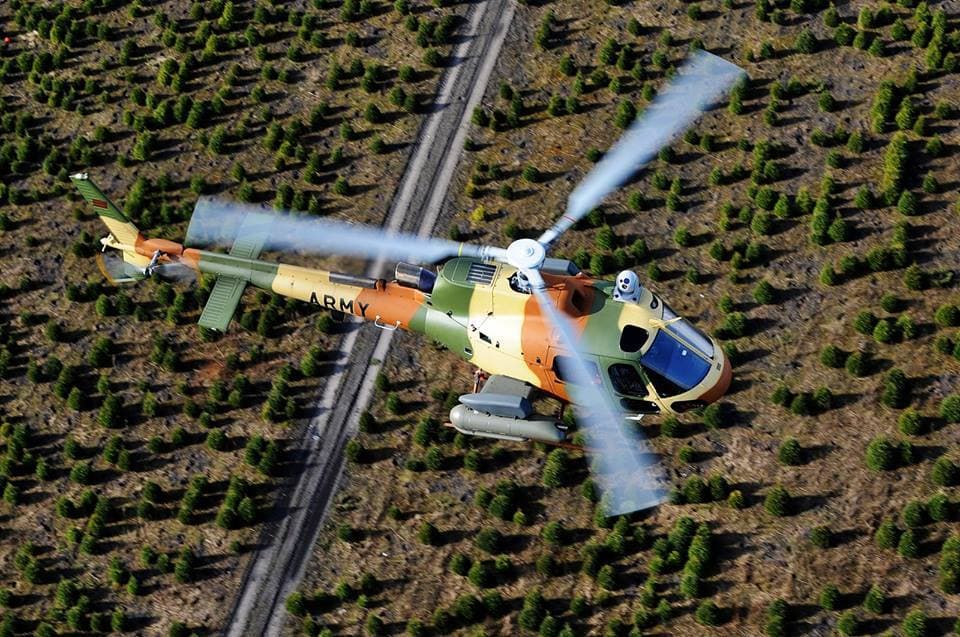
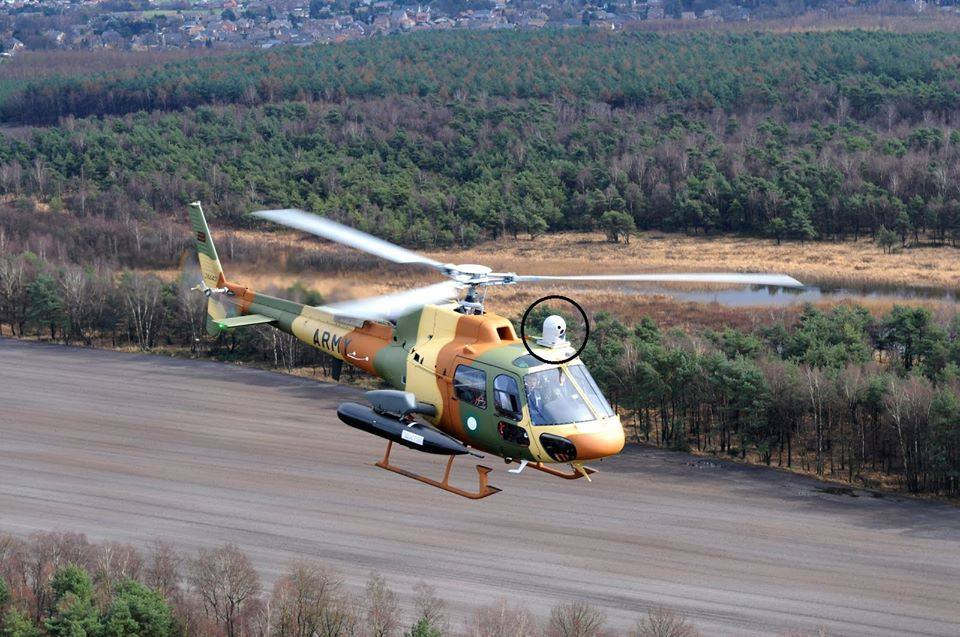
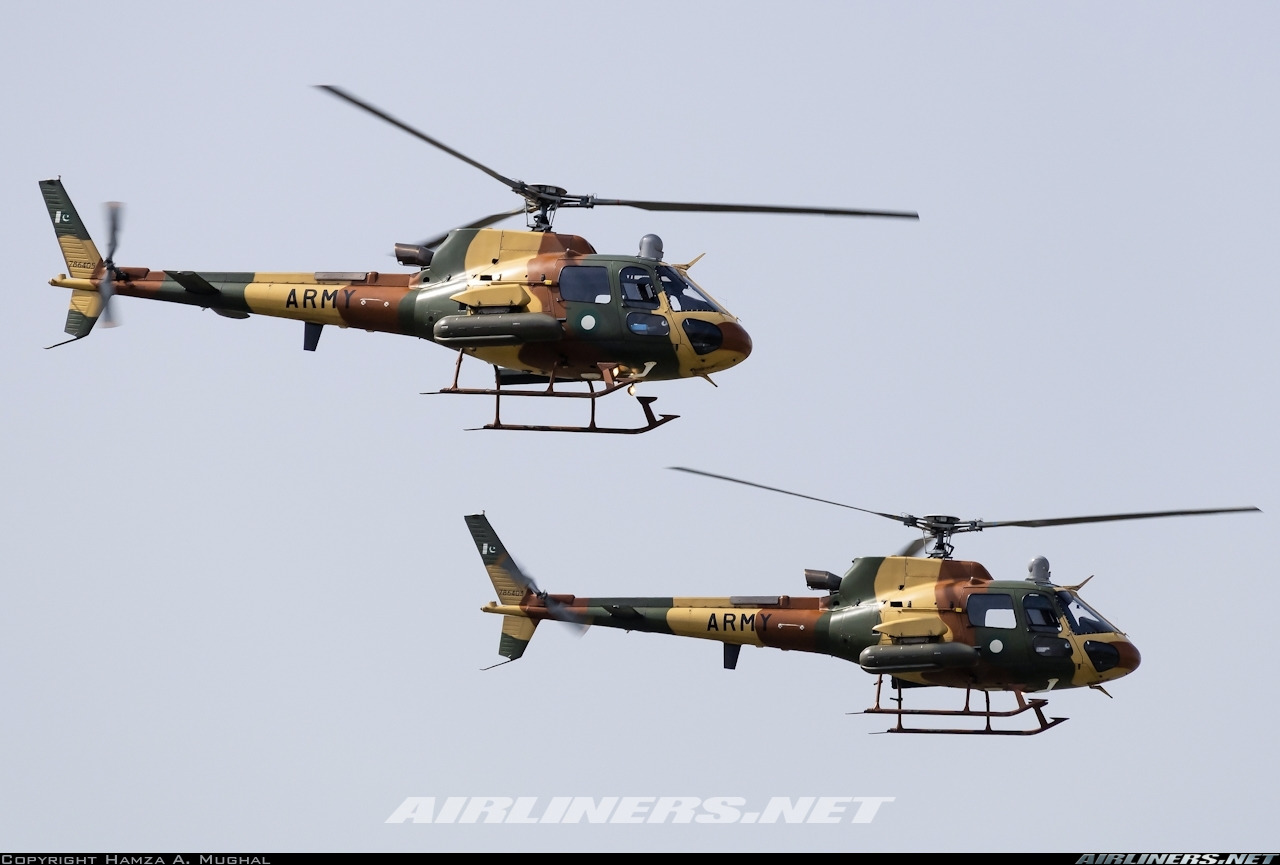
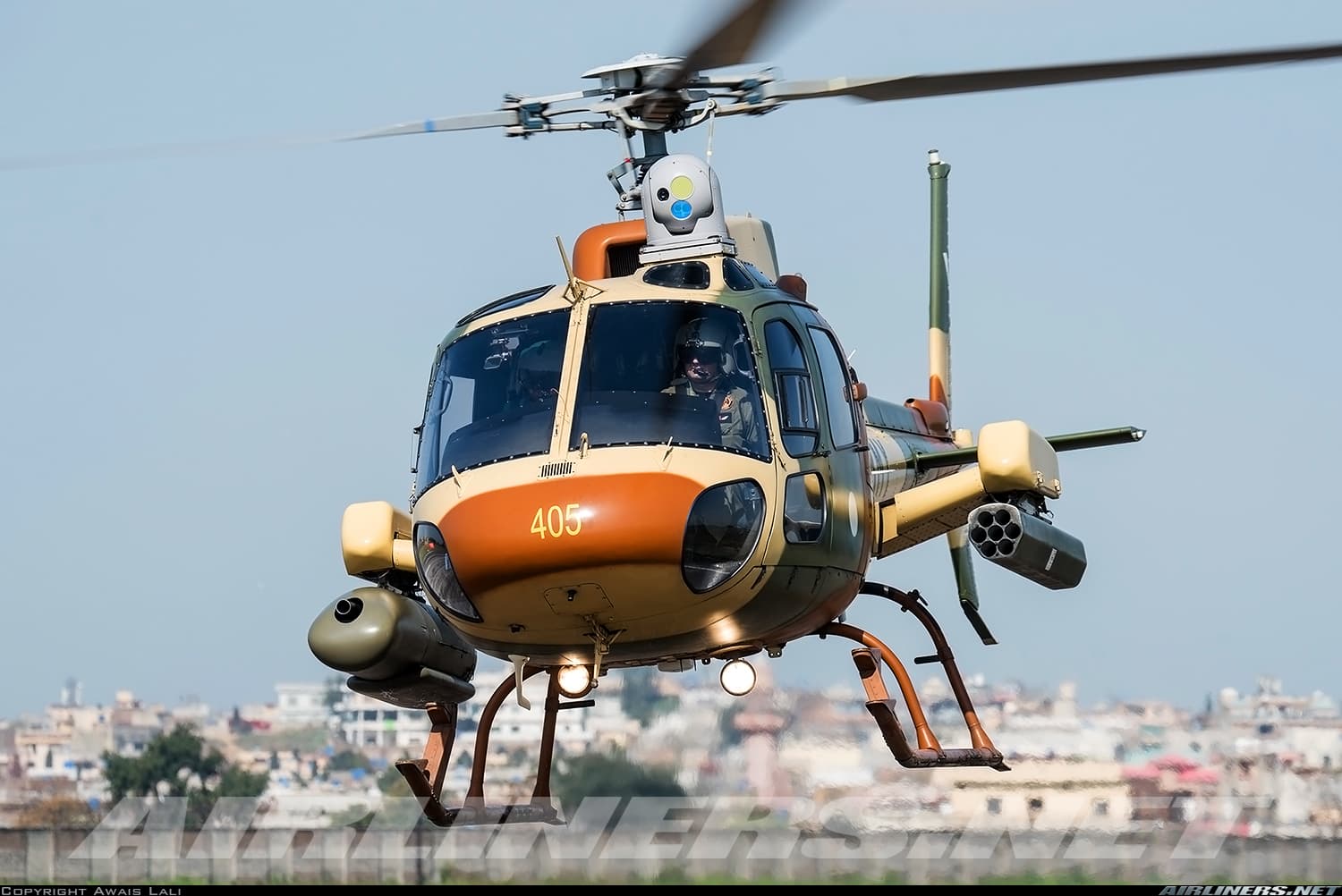
EC AS550 C3

https://youtu.be/deSpPu78bt0

SPADA 2000 Plus

image

Discord

Pakistan SPADA 2000 system:
Target intercept Range: 20-25km
Guidance method: SARH
Missiles ready to launch: 6

Al Zarrar Prototype 1

MAIN BATTLE TANKS IN ASIA | Asian Defence News Articles | Defence Review Asia

image
image

Al Zarrar III

MAIN BATTLE TANKS IN ASIA | Asian Defence News Articles | Defence Review Asia

image
image

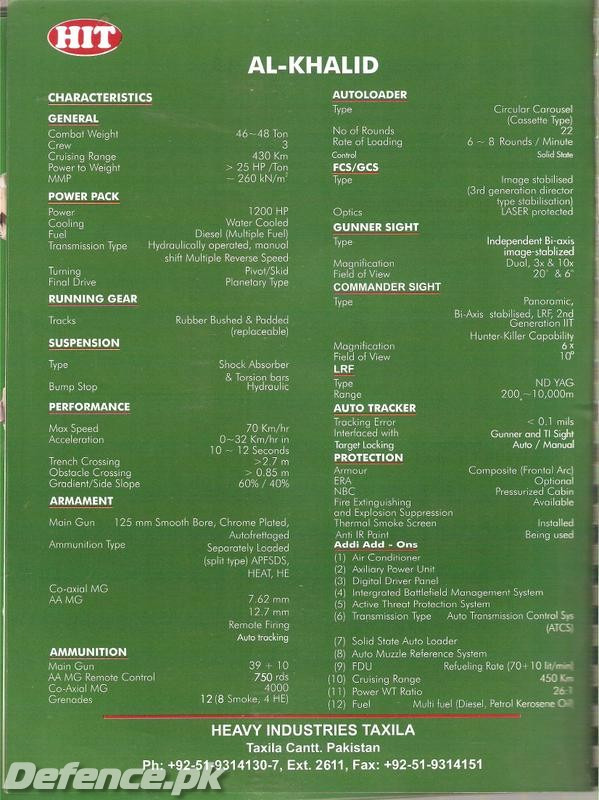
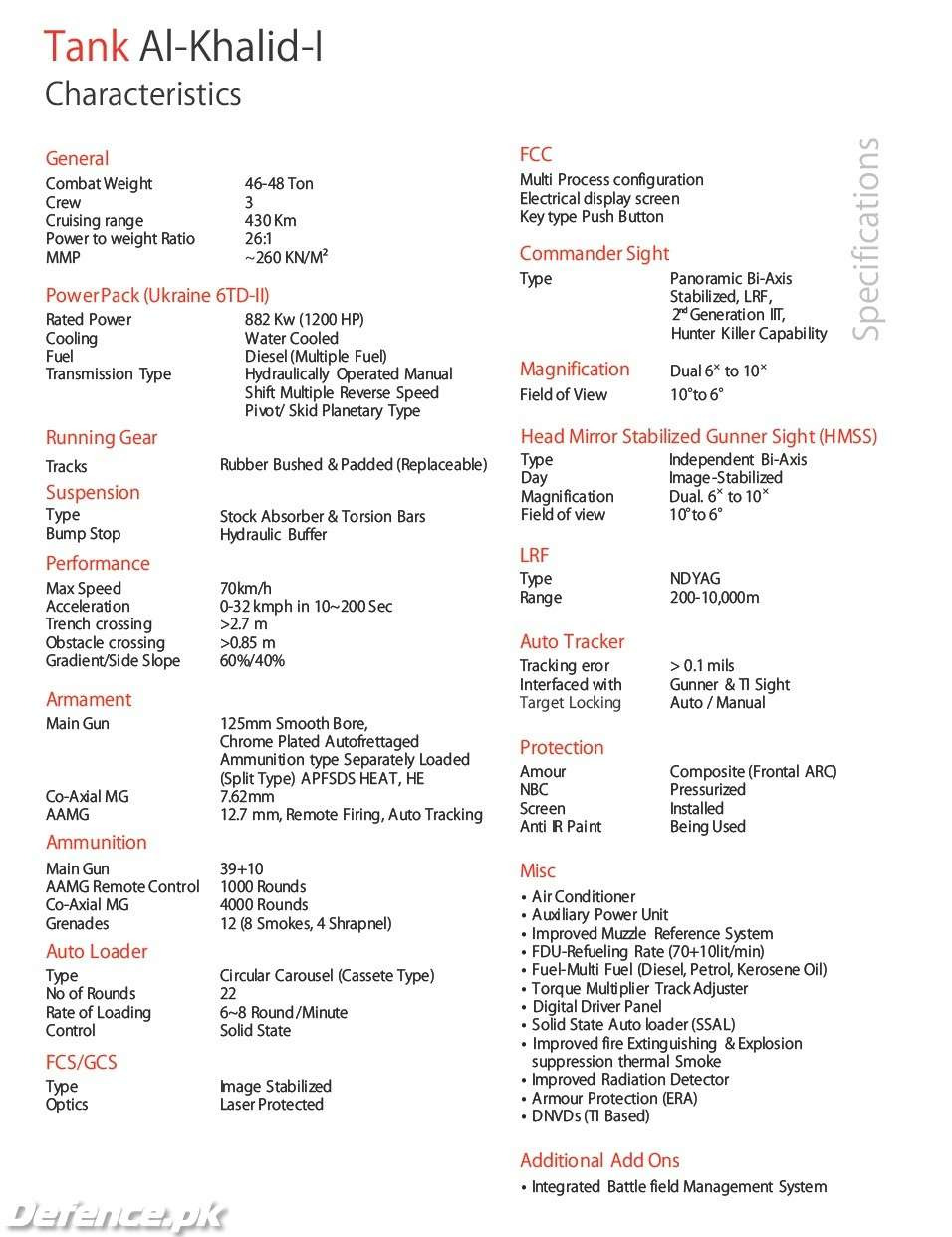
https://depo.gov.pk/download/catalogue/public/HIT.pdf
ffffffforum.warthunder.com/t/al-zarrar-mbt-pakistan/45324

Al Khalid II

MAIN BATTLE TANKS IN ASIA | Asian Defence News Articles | Defence Review Asia

An Al-Khalid II is in early developmental stages as well, with redesigned turret, modular armour and 1,500hp power pack. Approximately 50 Chinese engineers are now in Pakistan working with HIT on various projects. The Al-Khalid is a license-built version of the Chinese MBT-2000, but HIT has been annoyed that China is marketing it without Pakistani permission. Thus, HIT signed a memorandum of understanding (MoU) with Norinco at IDEAS 2012 in Karachi on 8 November regarding Al-Khalid exports. This MoU arranges for joint marketing, profit sharing and ongoing technology transfer. A HIT spokesman said potential Al-Khalid export markets are Bangladesh, Bhutan, Sri Lanka and the Middle East. However, the company acknowledged sales in a competitive international arena are a very difficult prospect.

VT-4/Al Haider style Turret face ERA blocks, 6TD-III 1500hp engine, (assumed → ) new ammo, better ERA coverage on turret roof and UFP.


Researching all Al-Khalid variants ever made
KMDB - Tank Power Pack with 6TD-2 Engine
Overview: Al-Khalid 2 main battle tank program - Quwa
Discord

Al Khalid I (M)

Heavy Idustries Taxila Al Khalid I (M)

image

Champion of a nation

History and Introduction

The Al-Khalid Main Battle Tank is a joint development of Pakistan and China, stemming from the older Type-90-II Project which yeilded 4 prototypes. There is uncertainty about whether Pakistan and China had access to the same 4 prototypes or they had their own pack of 4, however the major details are similar enough for this story to be told.


image

“The Dark Knight”

As you may take note, the front “beak” of the Hull is also equipped with ERA, increasing the protection standard all throughout the frontal arc.


Photo Gallery ERA configuration

Also images of similar Hull ERA config on older prototypes:

image
image
image
image
image
image
image


Sources
F-7PG

F-7PG

image

Fearless Knight

image

Strong enough to keep up with the best

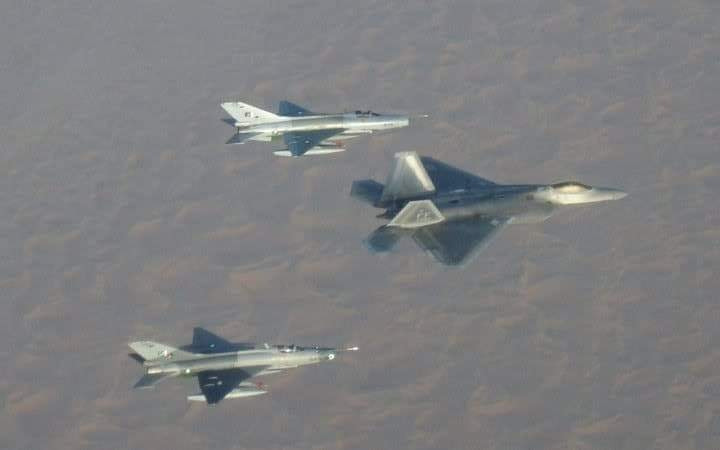
F-7s went up against f-22s and amreekis were legitimately impressed they didnt die immediately
Discord

AH-1F

German Vehicles

Jagdtiger Gasturbine

Gas Turbine Jagdtiger - The Tank Museum

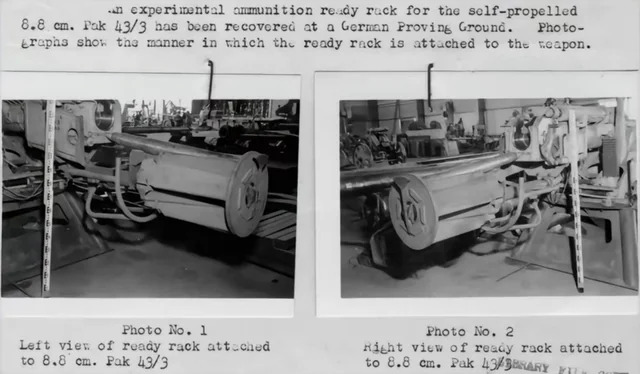
Jagdpanther 88mm(with 3-round ready rack/ram-loader mechanism)

image

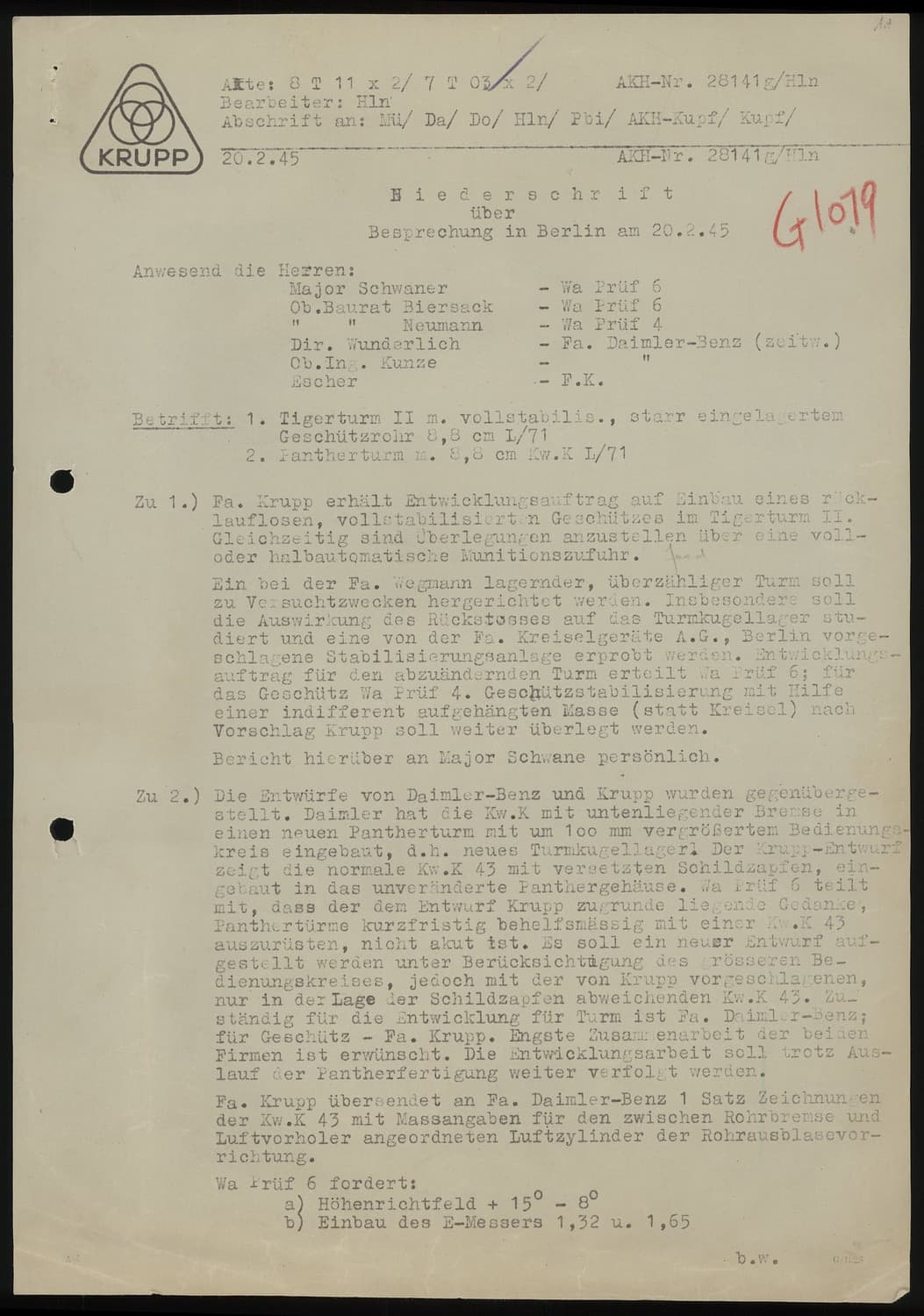
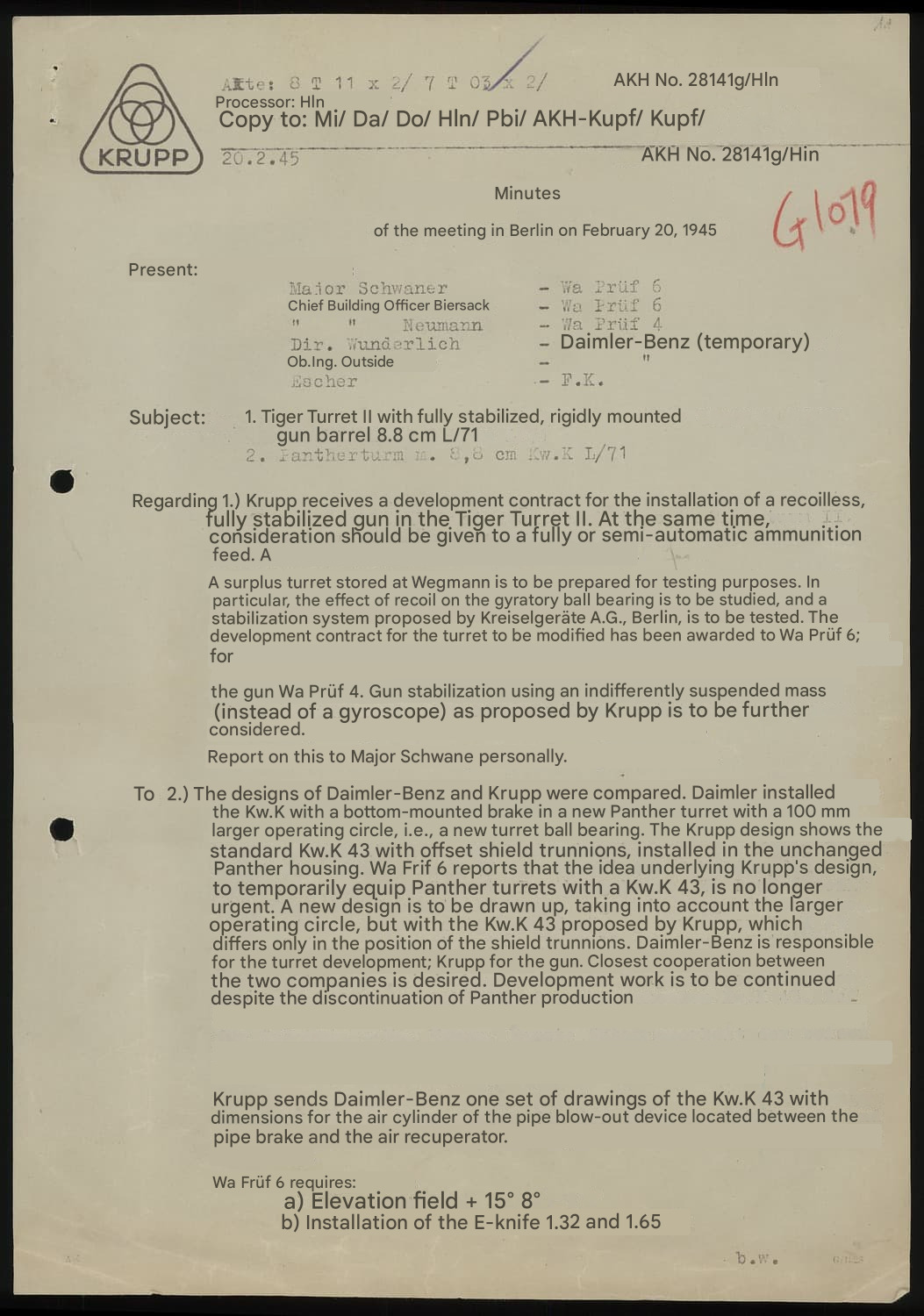
Tiger II Stabiliser Modification

https://invenio.bundesarchiv.de/invenio/direktlink/cca280d2-8b48-49f8-aa86-17c47b77b1ed


file:///C:/Users/DELL/Desktop/Hobbies/WTTTM/PDFs/Doyle,%20Jentz,%20Speilberger/Germanys%20Tiger%20Tanks%20VK45.02%20to%20TIGER%20II.%20Design,%20Production%20%20Modifications.pdf (pg 141)

M-48 mit Leopard 2 turm

image
image
image

F/GVT-02

The Cold War JagdTiger

image

Images
Leo 3 program


many tanks have been put up for the leopard 3 title, even the KF-51 Panther, whether officially by the companies or by news outlets, calling many a tank the successor of the famed leopard 2, but as of now, no one solution has taken the name for sure. hopes lie on the MGCS for now. lets see what becomes of that, however, lets introduce a competitor who lost the title for Leopard 3.

text from post 0

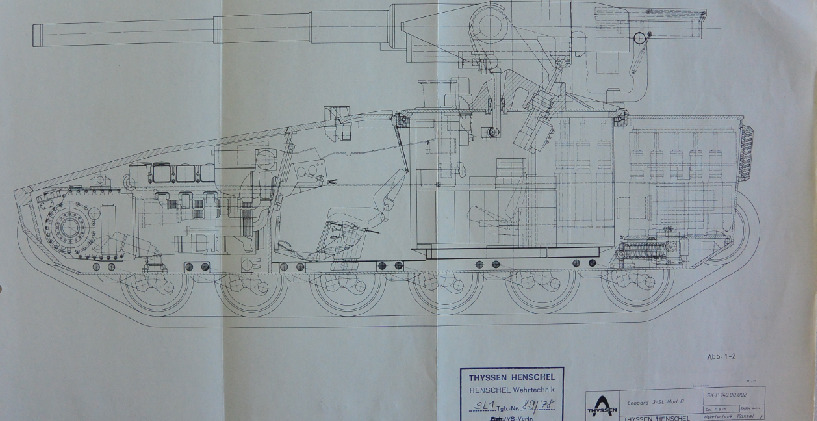
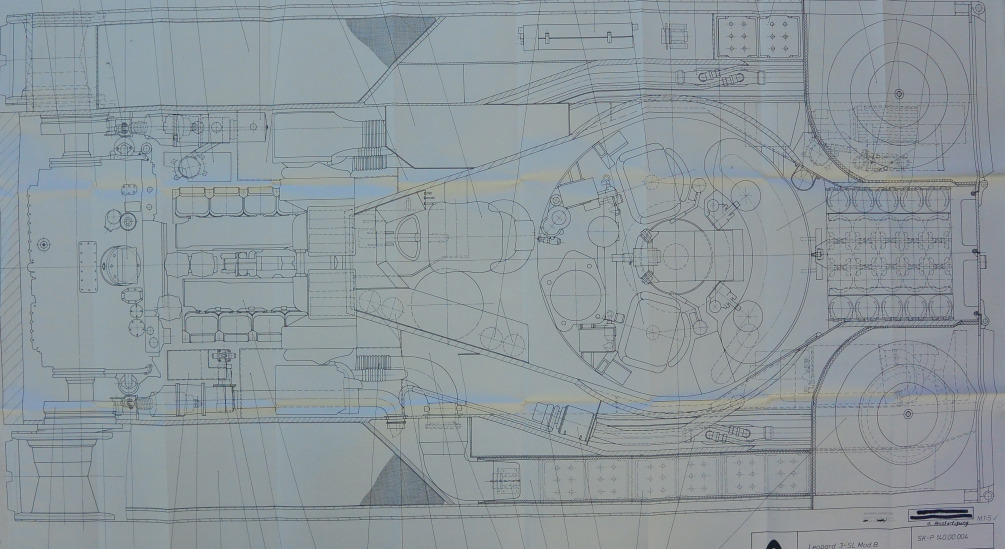
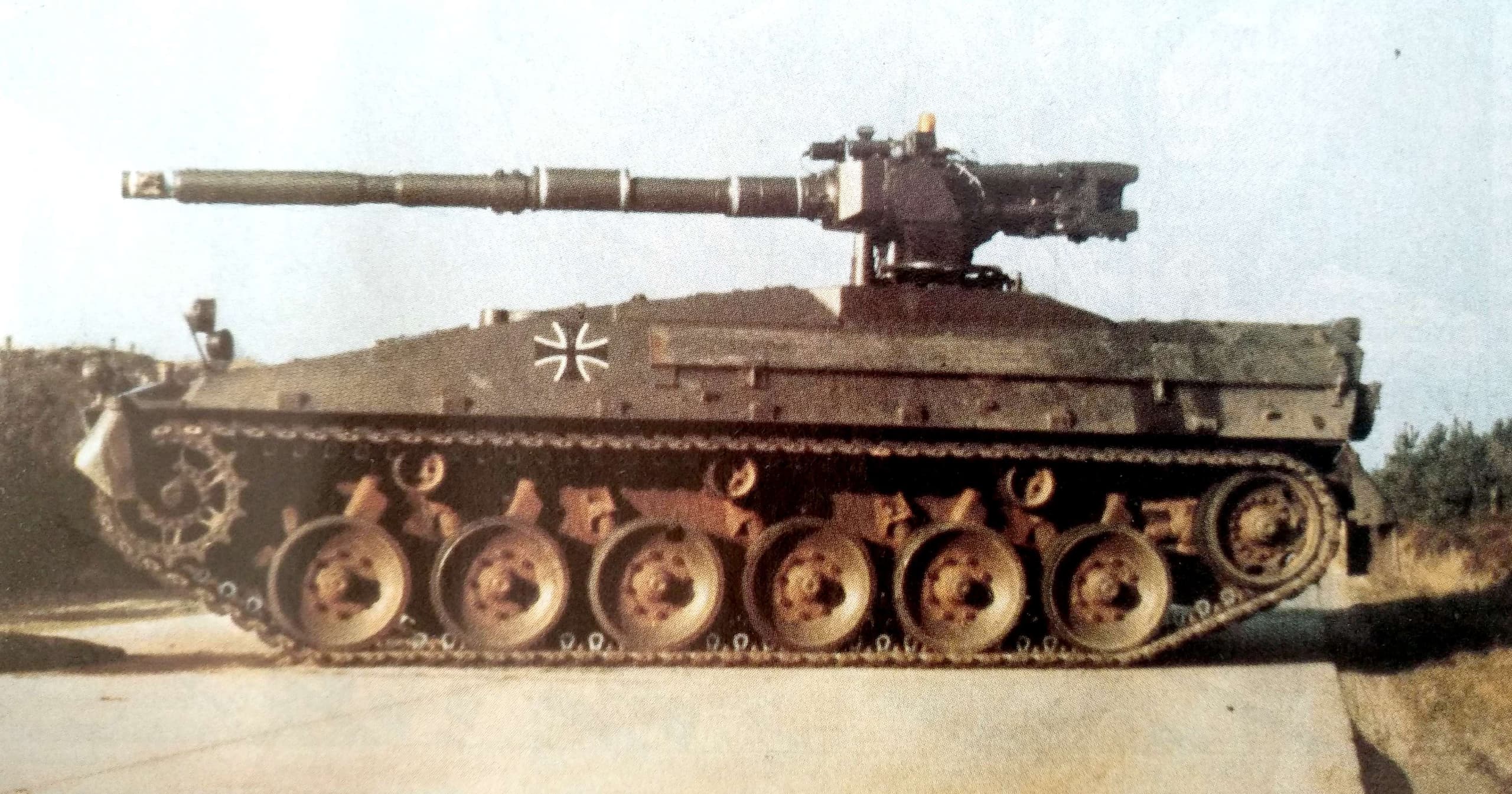
The tank, which was supposed to replace the Leopard 2. The tank had two versions - VT-1-1 (photo 3-4) (with two 105mm guns) and VT-1-2 (photo 1-2) (with two 120mm guns), and the VT-1-1 had both barrels automatically loaded, while the VT-1-2 had one gun loaded manually. The tanks also differed in engine power - the VT-1-1 had a 2000 hp engine, and the VT-1-2 had a 2200 hp engine.

text from post 1

Today we will talk about completely perverted German fantasies, namely about the VT1-1 and VT1-2 tanks, or as they were also called “Leopard 3” (not to be confused with the future MBT). It was in the early 70s, with the MBT-70 project things somehow did not work out right away, they did not share the gun, engine and other units. But a new main battle tank was still needed. And it was very necessary, since tankers somehow did not particularly show a desire to fight on spotted cats 1 against the new-fangled Soviet T-64. All Western military personnel were shocked by the sixty-fours.

As a result, the Germans continued working on a new tank with a standard layout. But there were some particularly clever ones, like engineer Wolfgang Matos, who headed his own project for a new tank. He considered the standard layout to be obsolete and did not particularly believe in the prospects of the Leopard being developed in a neighboring project. As a result, they developed a new tank with a turretless layout. And apparently they thought then that one gun is good, but two are better. Therefore, they stuffed two guns into both prototypes, on the left and right sides of the vehicle. The guns were aimed vertically using a drive, and horizontally by turning the hull. At a range of 1.5 km, the axes of the guns intersected.

The first prototype VT1-1 was equipped with two well-known English L7 guns. Each gun was equipped with an automatic loading system, a trend of the time, and still cool today. The second prototype VT1-2 was even more terrifying: it carried two 120mm Rh 120 guns, one with automatic loading, the second with manual, because the gloomy genius was unable to make a mirror copy of the AZ. Both vehicles were equipped with a PERI R12 sight, which was borrowed from a neighboring project. When firing while standing, the vehicle showed better results compared to turret tanks. But firing on the move became a problem, although this was clear even at the sketch stage. The tank could not aim normally on the move in the horizontal plane, when firing, the vehicle rocked and skidded strongly, the trajectory of movement changed, it was difficult for the driver to control the equipment in such conditions.

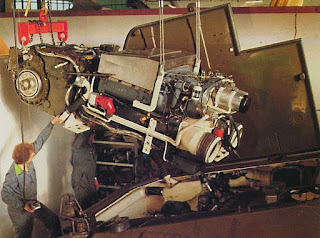
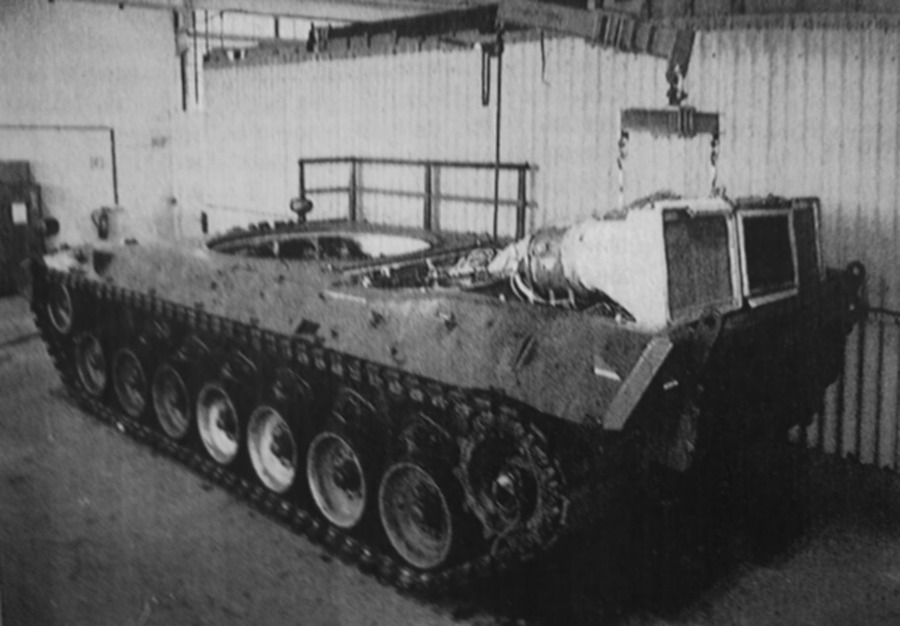
In terms of mobility, everything was fine. The vehicles inherited the chassis from the KPz-70 with hydropneumatic suspension, but the hull was shortened and one support roller was removed. A 1,500-horsepower engine was used as a power plant, yes, again taken from a neighboring project. The engine was initially boosted to 2,000 hp and installed on the VT1-1. And on the VT1-2 it was boosted even more, reaching a power of 2,200 hp. The mass of the vehicle was 38-40 tons, which, combined with such powerful engines, gave an incredible 53 hp/t. Modern MBTs, and what’s more, even light tanks smoke on the sidelines. Therefore, the vehicle was very mobile.

The crew consisted of 3 people: commander, gunner and driver. The driver was located in the center at the front of the hull. Behind him were the commander and gunner, to the left of the tank’s axis. The armor was not seriously considered, the Germans still believed that “barnya nenadka!” and relied on firepower and mobility, let me remind you, 2 guns with an automatic loader and 53 horses per ton. Experimental models were made of regular steel, not armored steel, which saved weight. A real tank would have weighed 2-4 tons more. After a lull, in the 80s the project was revisited and several more GVT prototypes were made, on which the guns were moved closer to the center and the internal layout was changed, on some variants the chassis was lengthened.

From 1972 to 1976, the VT1 underwent a test cycle. During this time, they drove many kilometers, fired a lot of shots, etc. As a result, it was impossible to shoot normally on the move, the layout was strange, the neighboring project showed good results. Later, the spotted cat two was born, and the military came to the conclusion that why the hell do we need this, it is better to modernize the Leopard 2. Therefore, the Leopard 3 project was abandoned. In the 80s, they returned to the project again, tested the GVT and eventually closed the project completely and decided to improve the Leopard 2, and thank God. But the double-barreled tank was developed as a promising replacement for the Leopard 2.

text from post 2

Experimental two-gun tank VT1

In the early 1970s, the MaK (Maschinenbau Kiel) company began to consider the prospects of modern tanks on its own initiative. It was assumed that the vehicle being developed, designated VT1 (German: Versuchstrager 1 - test model), would be ready by the time its “peer” Leopard 2 began to become obsolete.

During the analysis of the existing designs, MaK analysts and engineers came to the conclusion that the existing tank layout with a rotating turret and only one gun was no longer capable of providing the necessary firepower. In addition, the success of the Swedish turretless Strv 103 tank, which managed to combine sufficient firepower (105-mm gun) with good performance, maneuverability and protection, had an effect.

True, the rigid fastening of the gun required a significantly more complicated suspension: vertical aiming was carried out by skewing the entire hull. German engineers decided to adopt the idea of ​​a tank without a turret, but at the same time not to be clever with the aiming of the gun. At the same time, a group of engineers led by Wolfgang Matos came to the conclusion that it was necessary to install two guns on the prospective tank at once. According to the designers, it was not possible to achieve a significant increase in combat qualities by other means.

The experimental MBT-70 tank was chosen as the basis for the new experimental design. This armored vehicle was not suitable for serial production, but was attractive for use in experimental work on the VT1 topic. In accordance with the turretless layout of the future tank, the chassis was shortened, due to which instead of six road wheels per side there were only five.

The hydropneumatic suspension was modified accordingly. The MBT-70 tank’s native Continental AVCR-1100-3 diesel engine was replaced by an MB 873 Ra-500 diesel engine. The new engine could operate continuously, producing one and a half thousand horsepower, and “accelerate” to 2175 hp in a short time.

At the same time, in emergency mode, the 38-ton tank had a specific power of over 50 hp per ton of weight. This is approximately twice as high as most modern tanks. One of the reasons for the high specific power was the comparatively low weight of the structure. Given the experimental nature of the project, MaK engineers made experimental tanks not from special armor steel, but from lighter “regular” grades. In this way, about 2-4 tons of weight were saved. An armored cabin was installed on the modified chassis of the MBT-70 tank. It is noteworthy that with a comparatively large internal volume, it did not have very large dimensions. The overall height of the VT1 was slightly more than two meters, which was more than 80 centimeters less than the original MBT-70.

In 1972, the assembly of the first prototypes of the VT1-1 tank was completed. The first example was equipped with two 105-mm rifled L7 guns. Both guns had automatic loaders.

The VT1-2 tank, in turn, received 120-mm smoothbore Rh-120 guns. However, only one gun was equipped with an automatic loader. The fact is that during the development of the new tank, the designers of Maschinenbau Kiel were unable to produce a mirror version of this unit. Therefore, one gun was loaded automatically, and the second was fed shells and cartridges by the crew manually. The design of the gun mounts on the VT1-1 and VT1-2 tanks is interesting. On both vehicles, the guns had the ability to only aim vertically. The guns did not move horizontally. In addition, they were installed with a small convergence angle: the aiming lines intersected at a distance of 1,500 meters.

Testing of the two prototypes continued until 1976. During this time, the tanks traveled thousands of kilometers across the testing ground and fired hundreds of shots. First of all, it became clear that the VT1-1, due to its very concept, was not capable of firing more or less accurately on the move. When firing from one gun, the recoil slightly turned the tank around the vertical axis, which had to be countered by turning the entire tank. This problem was only aggravated by the lack of sighting devices for the driver.

Only the commander and gunner had Carl Zeiss PERI R12 periscope sights. Naturally, in combination with the lack of horizontal aiming of the guns, this greatly complicated firing. In addition, the design strength limitations did not allow both guns to be fired simultaneously. Thus, the only way to somehow eliminate the tank turning during firing was “prohibited” by the design itself. It is noteworthy that on the above-mentioned Swedish Strv 103 tank, aiming was carried out by the driver. For this purpose, he had a sight and controls for the hull tilt.

Sources
[poll type=regular results=always chartType=bar]
  • Yes
  • No
[/ [poll ]
VAK-191

VAK 191B

slogan

VAK-191B

history header

Introduction
Propulsion

The propulsion was provided by a Rolls-Royce/MTU RB.193-12 swivel jet engine and two Rolls-Royce RB.162-81 lift engines. The RB.193 lift/cruise engine was a two-shaft turbofan similar to the Bristol Siddeley Pegasus of the Kestrel/Harrier. It had four rotating side nozzles, which were adjusted by a Plessey pneumatic motor via cardan shafts and chains over a swivel range of 95 degrees. The air intake was optimized for cruising at Mach 0.92, but offered an additional opening for hovering and slow flight thanks to a movable front section. The two RB.162-81 lift engines were installed at a rearward incline of 12.5 degrees. In later versions, their jets were to be deflected by fuselage flaps.

Thrust and lift

The designers were convinced that this division between lift/thrust and lift engines represented the best compromise between the required take-off power and economical fuel consumption in high-speed flight. In terms of their arrangement, they offered positive ground effects, at least compared to a design with separate lift and thrust engines.
For control and stabilization in hover and transition flight, air was taken from all engines and blown out separately via a redundant pipe system at the wing tips and at the fuselage nose and tail to generate torque. The air nozzles required for this were directly connected to the rudders.


Control

The control torques in the pitch axis were further increased by modulating the thrusts of the two lift engines. In the event of a lift engine failure, the automatic flight control system would have taken over control of the remaining lift thrust and kept the aircraft in a horizontal position to enable the pilot to eject using the Martin Baker Mk 9 ejection seat in a normal flight attitude.

The pilot’s commands on the VAK 191 B were not transmitted mechanically to the rudder servo motors, but electrically, with triple redundancy using a flight controller - known today as fly-by-wire. In the event of a total failure of the electrical flight control, the rudder servo motors could still be controlled mechanically by automatically closing a clutch. The high-pressure hydraulic system worked at 4000 psi, a value that is rarely achieved even today.

Due to the requirement With regard to the range at transonic cruising speeds close to the ground, particular attention was paid during the design to ensuring that the pilot should only be exposed to a tolerable level of acceleration in gusty weather. For this purpose, wings with a high wing loading, a small aspect ratio and a relatively large leading edge sweep were chosen, which were arranged in a high position due to the central position of the swivel jet engine and had a negative V position.

To reduce the conventional landing speed and to shorten the transition distances, the wing was equipped with trailing edge camber flaps. In addition, the ailerons could be deflected downwards in the same direction. The landing gear, fitted with low-pressure tires, had brakes in the nose and main gear and nose wheel steering. A braking parachute was provided to shorten the roll-out distance during a horizontal landing.


Compared to Harrier

image

Previously called the FW 1262

The VAK 191 B V2 is now in the Defense Technology Study Collection in Koblenz.

Armament

The cargo area under the main engine was four meters long, 88 cm wide and 60 cm high. It was to be equipped with equipment sets pre-loaded on the ground. The early brochures of the Vereinigte Flugtechnische Werke list armament alternatives such as:

  • 2 x 450 kg bombs plus 115 kg equipment
  • 4 x 225 kg bombs
  • 2 extendable rocket launchers, each with 54 x 70mm rockets.

Camera systems or on-board cannons and a 1700 l tank were also conceivable. Ultimately, however, an extensive on-board measuring and telemetry system was installed here, which made it possible to record, process, save and transmit the data generated during testing to a ground station. Of the total of 450 possible measured values, 260 could be recorded simultaneously on PCM and FM channels.

Other armament options include:

  • 2 x Kormoran Anti ship missiles

image

Technical data

Manufacturer: VFW (later VFW-Fokker), Bremen
Crew: 1 on Martin-Baker ejection seat
Engine: 1 x Rolls-Royce/MTU RB.193-12 plus 2 x Rolls-Royce RB.162-81 F 08
Thrust: 1 x 45.2 kN plus 2 x 26.65 kN
Length: 14.72 m
Height: 4.30 m
Wingspan: 6.16 m
Wing area: 12.5 m2
Empty weight: 5562 kg
Max. fuel: 2100 kg
Max. take-off weight: 8507 kg
Maximum speed: 1100 km/h
Cruising speed: 740 km/h (test flights only up to 665 km/h)
Climb rate: 36 m/s
Service ceiling: 14,500 m
Range: 370 – 400 km

Images

image

image

Videos

https://www.youtube.com/watch?v=00yHhvjrJj0
https://www.youtube.com/watch?v=q613kD_lrjo
https://www.youtube.com/watch?v=mDKEfdd8dhQ

Sources

Wehrtechnik 1972-09

Su-20

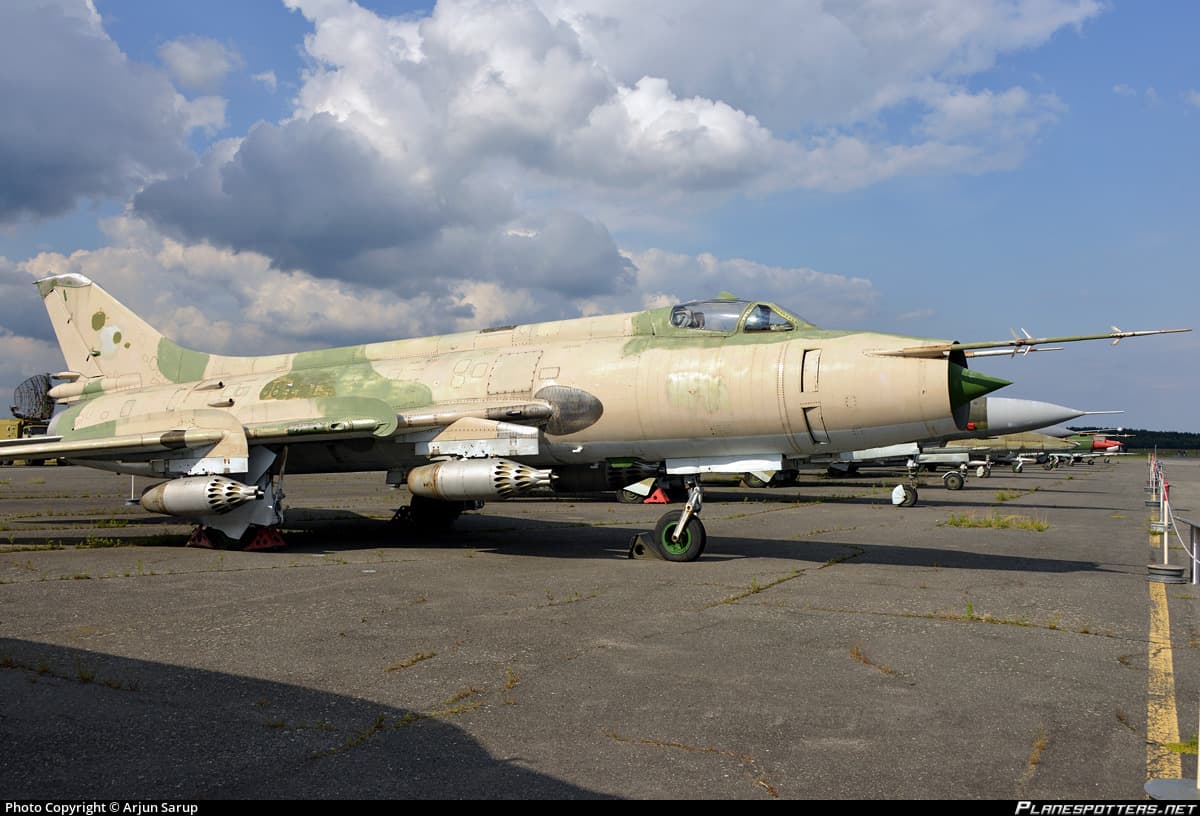
2 purchased from egypt for evaluation


Secret Su-20 Luftwaffe

Gepard '2' Prototype

Gepard ‘2’ Prototype

I believe one Gepard 1A2 was the prototype for the new sight system as can be seen below

Comparison with Gepard 1A2

Here are a two images of the standard Gepard 1A2 in comparison with the prototype. As you can see, they are not the same.

Sources

Soldat und Technik 12/1992


Jane's land-based air defence 1992

image
image
image
image


Janes Armoured Fighting Vehicle Retrofit Systems 1993-94

image


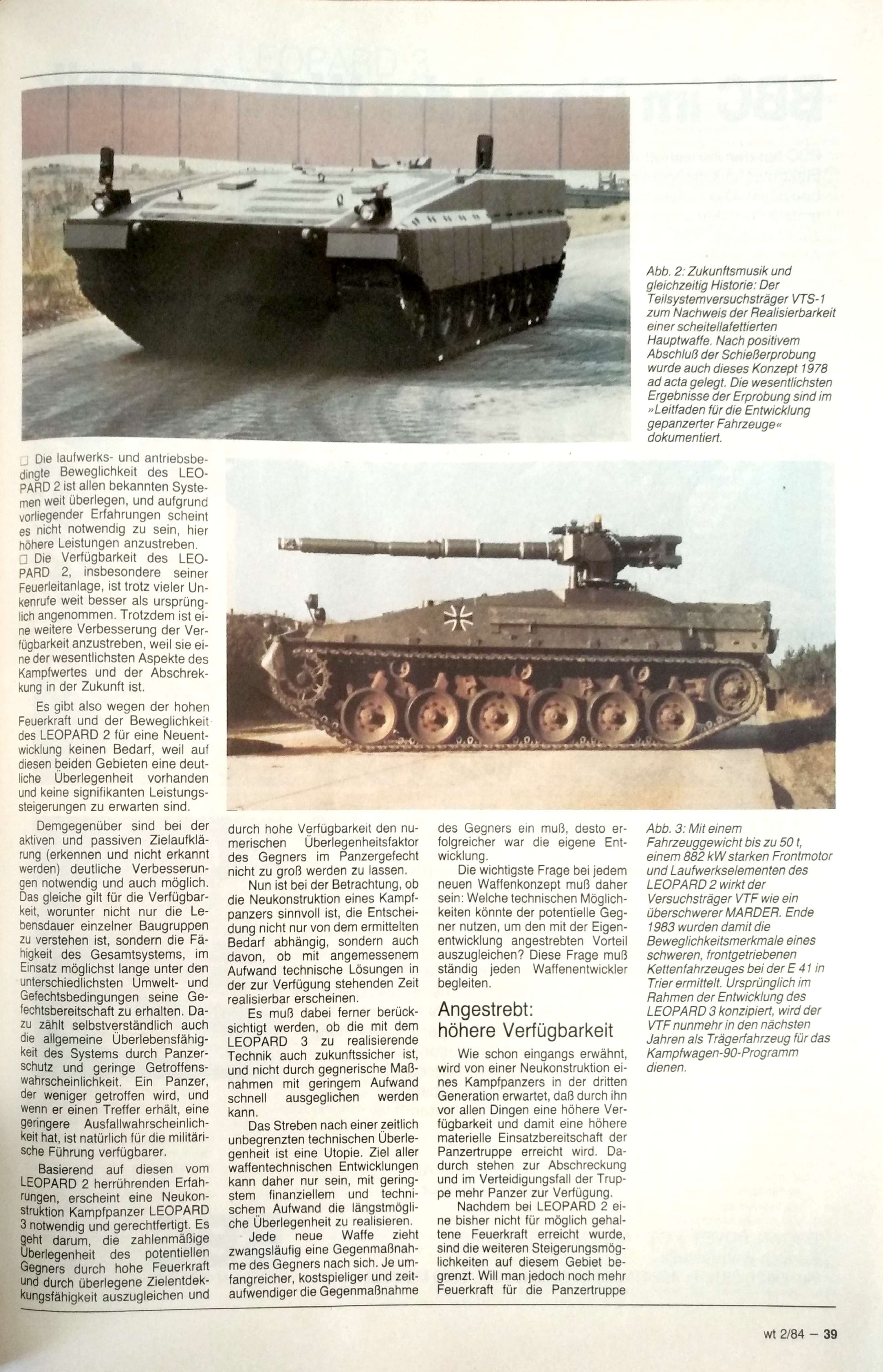
VTS-1

Panzer-Modell.de – Abschied
image


image


VTS-1 seems to have been the testbed for an externally mounted gun that would have gone onwards in the trials for the leopard 3 program.
image
https://cloud.mail.ru/public/L2RG/yVCtDzp13/tanks/Germany/Kpz3%2C%20Leo3%2C%20etc/2%20KPZ-3%20Ger%20only

GDR vehicles

T-72S

trialed and set to be inducted by NVA
image
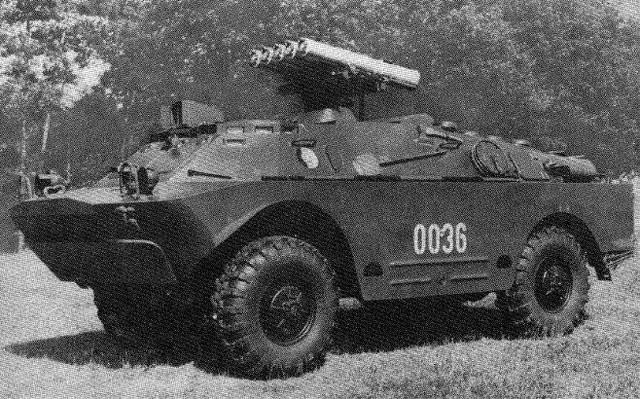
GDR was already producing the optics for the T-72S for export customers such as czekoslovakia as well as having the license to produce the 9K120/9M119 Svir/Refleks GLATGM and its tank integrated guidance system.


East Germany and the T-72 - AFV Forum - tanknet.org
Olajbúvár III. - Hárman páncélban - KatPol Blog
To GDR.zip (6.9 KB)
https://www.sipri.org/sites/default/files/SIPRI%20Yearbook%201989.pdf
T-72 operators and variants - Wikipedia

  • Deutsche Militärfahrzeuge: Bundeswehr und NVA (authored by Lutz-Reiner Gau, Jürgen Plate, and Jörg Siegert)
Startfahrzeug 9P148

image
image
image

LO 1800 (FASTA 4M)
3 Likes

bro had to put my thread at the top 😢😢

1 Like