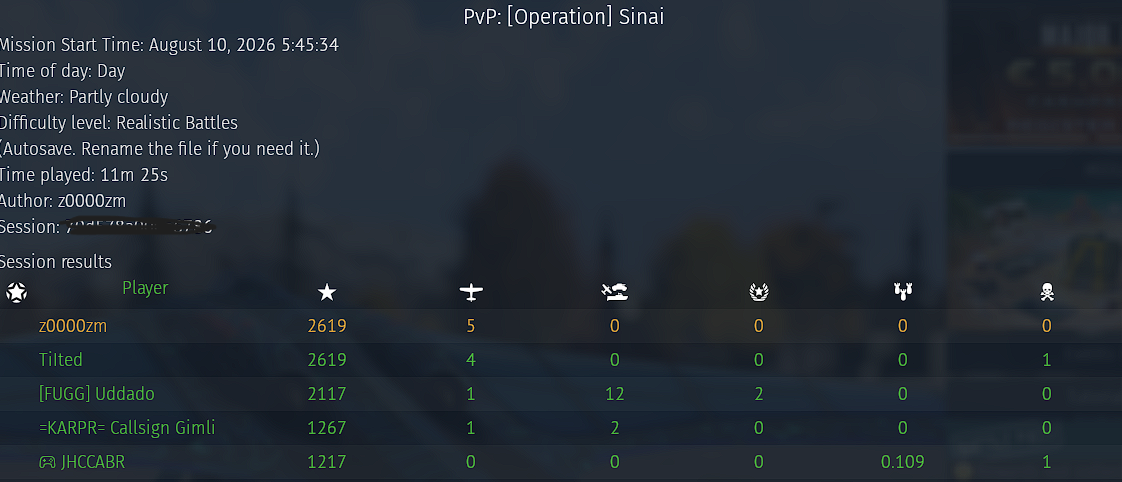
Even in 2026, when I search for genuine feedback from other players about the Ho-229, I still come across someone who once chatted with me—still stuck on his pitiful performance record with the Ho-229, bragging about it despite knowing nothing at all. So I feel compelled to supplement some original information about the Ho-229 to help more players who enjoy this aircraft. I’ll provide a more detailed explanation regarding the speed comparison between the Spitfire Mk 24 and the Ho-229, as well as the climb performance of the Ho-229. Honestly, I don’t want to wake up someone pretending to be ignorant。
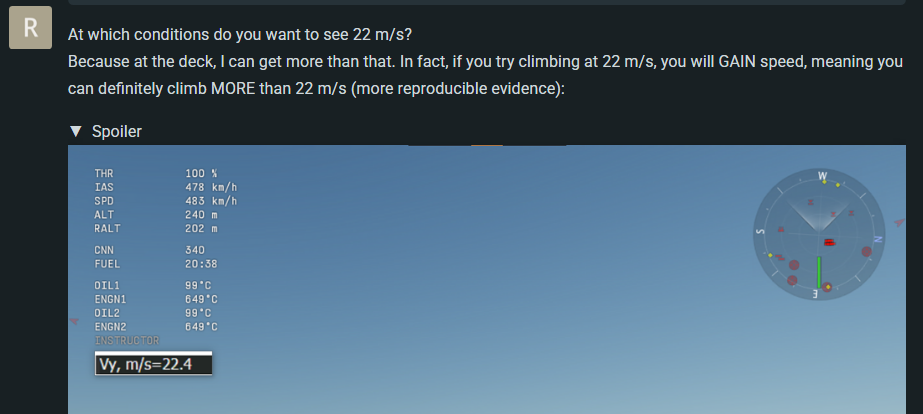
Since I don’t want to engage in any conversation with him, and his understanding of ho229 is limited to a certain stage where he’s stuck, I’ll include this person’s reply image so everyone knows which part I’m responding to. This will make it easier for people to see exactly what he said and what I replied.
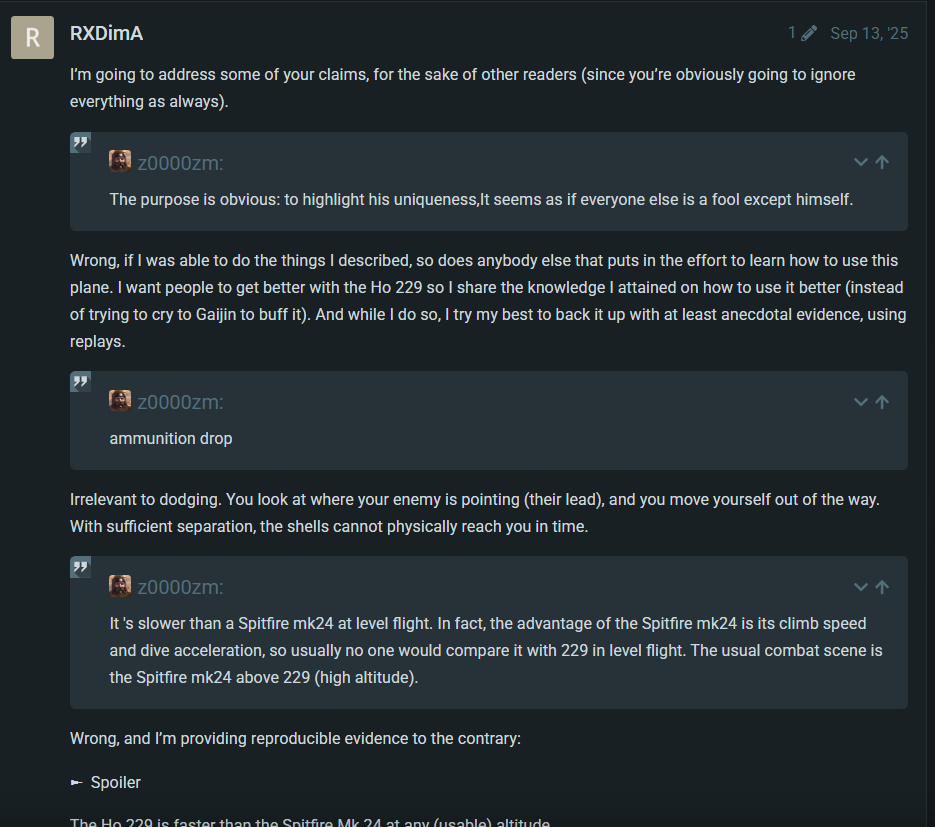

Now I will give my response:
Let me first explain why he misunderstood or even distorted what I said—because he has too little combat experience, too few battles, and insufficient data in both theory and practice. As a result, his response to the points I raised naturally became distorted. Data reflects people’s understanding of reality, yet he dismisses my data and insists he is right. There’s a term that perfectly explains his behavior: anecdotal fallacy (curious readers can look it up).
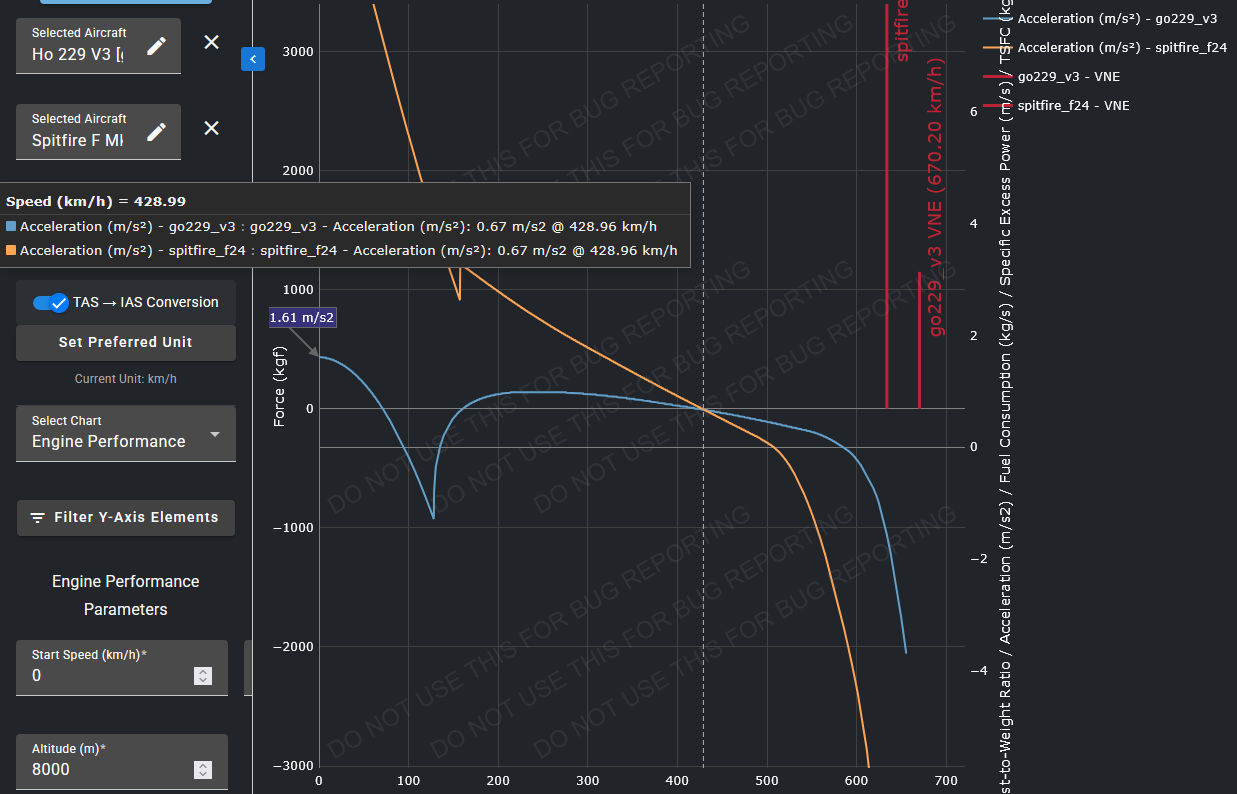
First of all, players who often play the Spitfire 24 fighter know its climbing ability. If played enough, most of the time the Spitfire 24 fighter will be at high altitude, above our heads. When attacking, it quickly converts altitude into speed advantage, which is why I mentioned that the speed (acceleration) of the Spitfire is faster than that of the HO229. Ho229 also requires slow accumulation of speed during diving, unless a large angle diving is adopted to widen the distance.
Let’s take a look at how he replied to my question. It’s ridiculous to compare the horizontal flight of the Spitfire 24 fighter jet with the HO229 fighter jet. What did I say? He doesn’t understand anything at all, that’s why I said he doesn’t understand what I’m talking about.
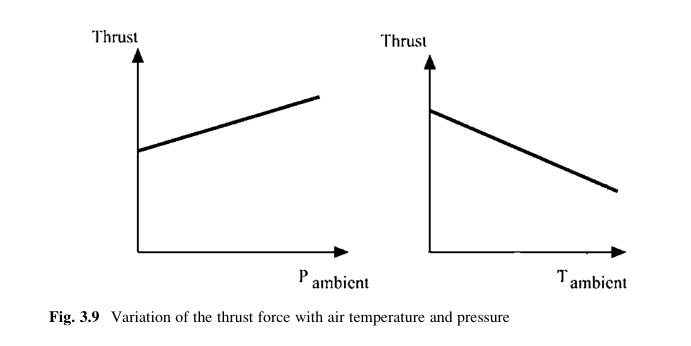
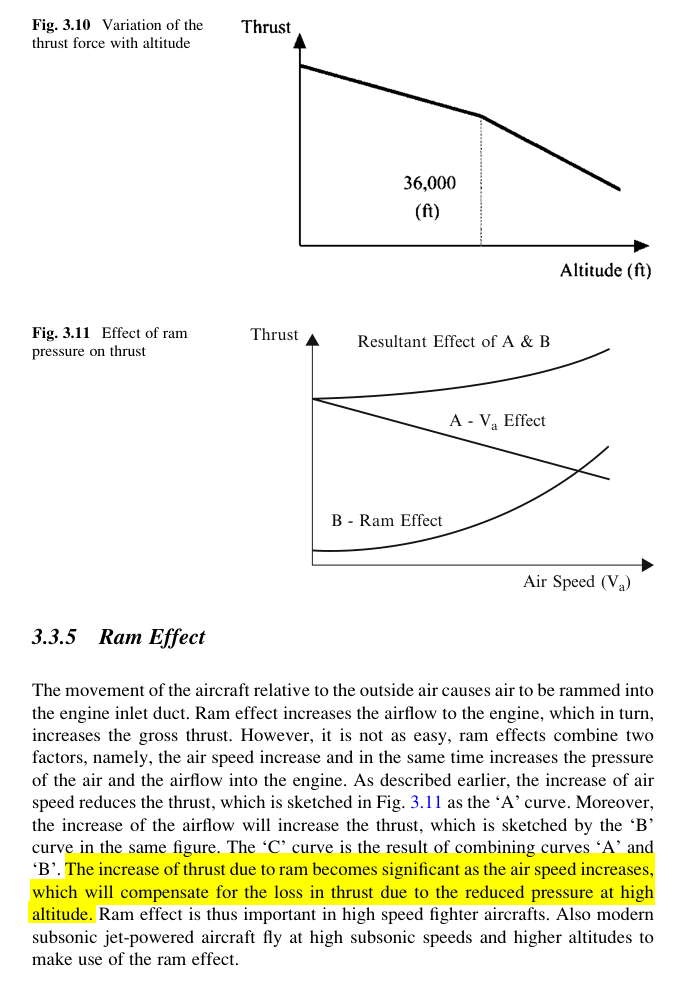
In addition, at an altitude of 8000 meters, compared to the Spitfire 24 fighter jet, when the HO229 fighter jet climbs to this altitude, a Spitfire 24 fighter jet with undamaged performance would normally be at least at a higher altitude than the HO229. Another comparison of the speed of Spitfire and HO229 fighter jets at an altitude of 8000 meters at the same altitude. The person who replied to me had no idea that the engine thrust of Jumo004D attenuates at high altitudes, and it is very severe. At the same time, there is no doubt that the Spitfire 24 fighter jet is at a higher altitude, and anyone can test it. (But please go to the game for actual combat)
The same issue applies to testing with Swedish jet fighters below. I can’t help but wonder why he always denies other people’s data and the advantages of fighter jets to discuss the HO229? Later, I figured out why he was doing this, in order to make his own theory stand firm and make those who didn’t understand think he was right. But as long as you are frequently in game rooms with weights of 7.0-8.0, you will find that the two being tested are usually at higher altitudes than ho229, and the thin air at high altitudes can allow opponents to achieve higher speeds than sea level, even if the speed is lost, as long as they are in a diving state, they are enough to catch up with ho229.
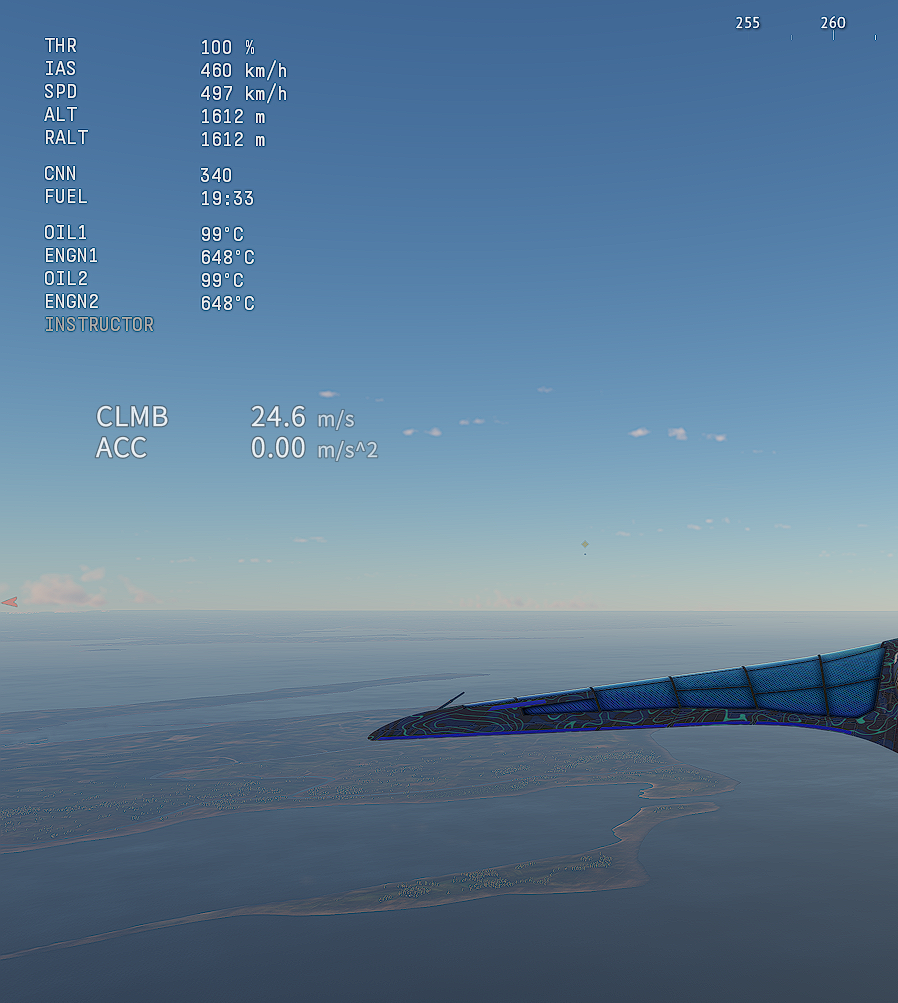
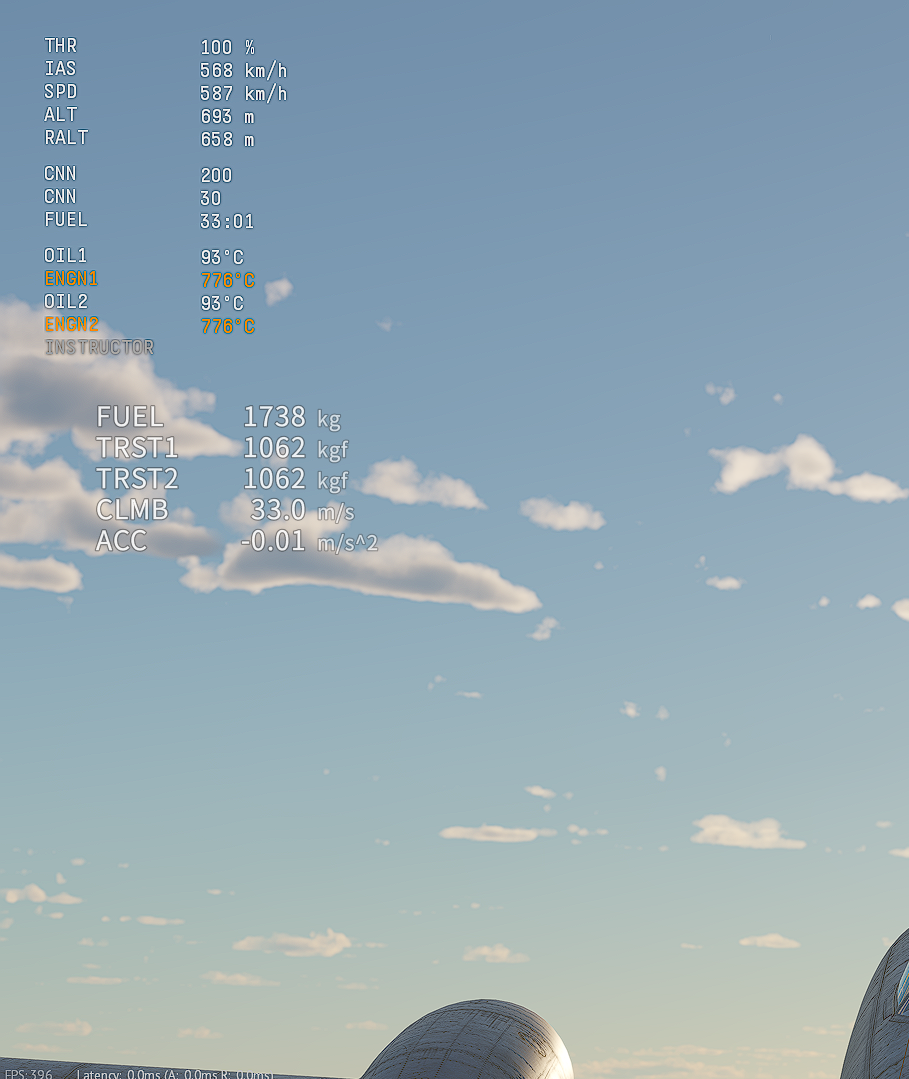
Another comparison chart of two fighter jets climbing at a low altitude of 400 meters shows that the same issue is not the difference of 1 meter per second, but rather the fact that the engine of the HO229 cannot achieve a climb rate of 24.7m/s near an altitude of 1800 meters. At this time, it is necessary to increase the climb angle to ensure the climb speed, which will result in faster speed loss. If you want to reduce speed loss, you need to lower the climb angle.
Finally, I will explain why I said the Ho 229 cannot achieve a climb rate of 22 m/s. This is based on the fact that a person has no real knowledge of the history of this fighter, so we should not expect them to have any unique insights.
I will provide historical information that can be found online. First, we need to clarify a logical point: historically, the Ho 229 used the Jumo 004B engine, which had slightly less thrust than the Jumo 004D in the game, with the Jumo 004D producing 1,050 kgf. Now, let’s look at the climb rate of the Ho 229 (Jumo 004B) in real historical tests, and compare it with the so-called enhanced Ho 229 (Jumo 004D) in the game to understand whether its climb rate is realistic.
I will provide data for the Ho 229 from both the game and historical records.
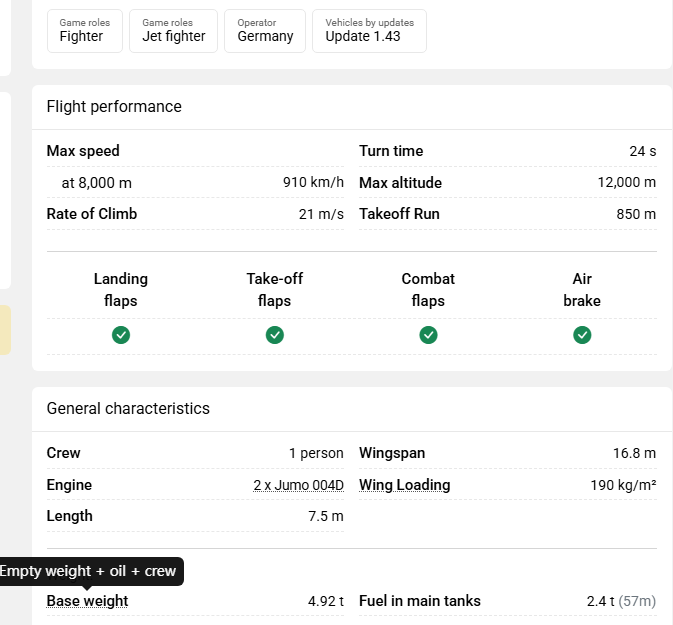
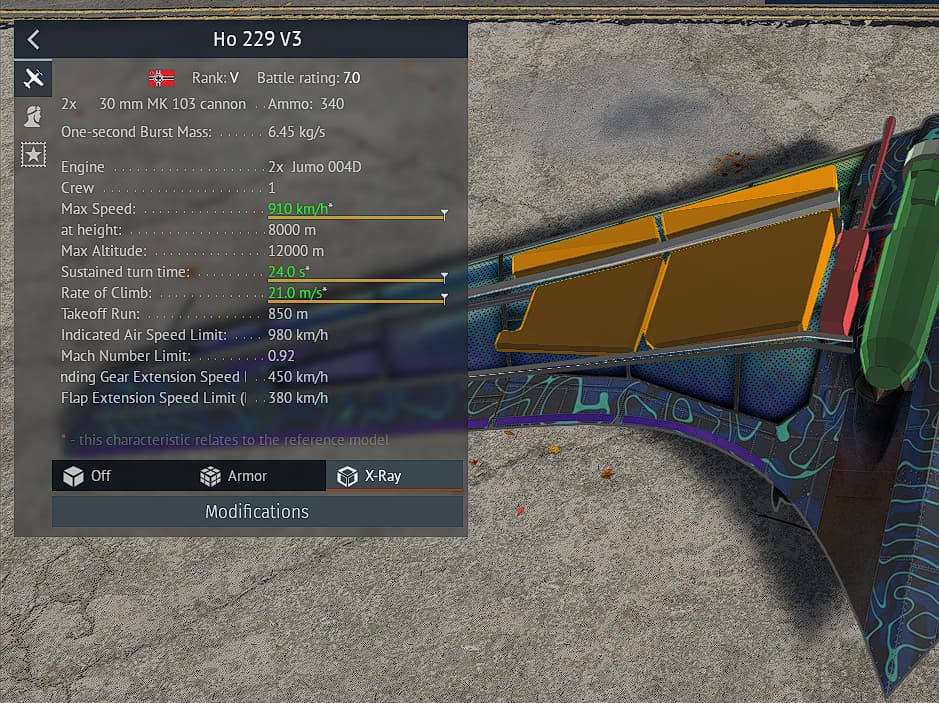
The following are data from Wikipedia as well as in-game data:
Real historical records:
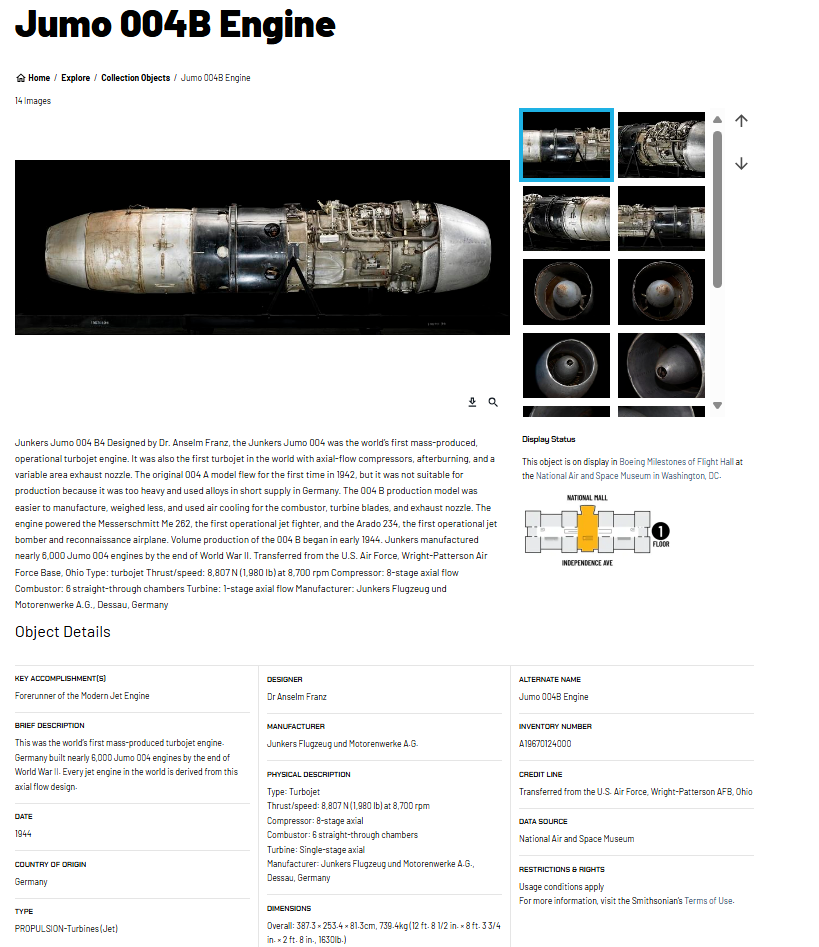
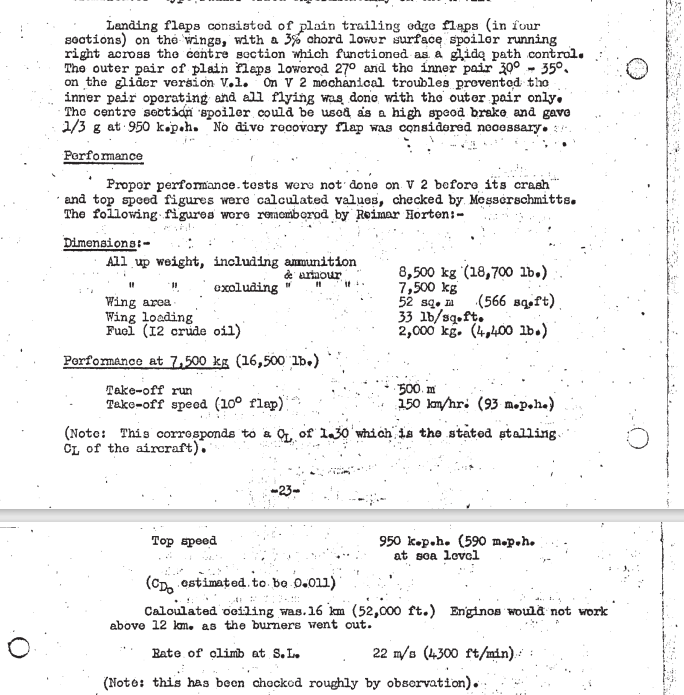
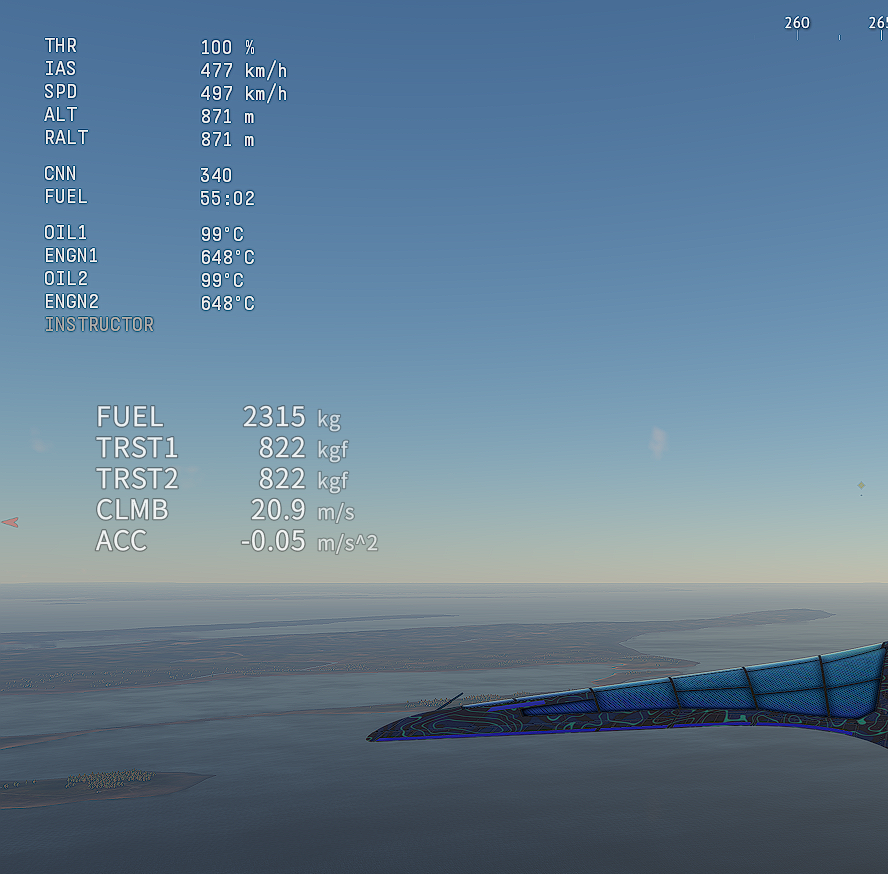
Okay, now here’s the question: What do we actually see from the data? What is the climb rate of the Ho229 in the game? What about its weight? Its thrust?
In real historical reports, the Ho229, when using the Jumo 004B engine, was heavier than in the game but could reach a climb rate of 22 m/s. Can the game achieve that?
From the wiki I mentioned above, you can see the data is the same as in the game. So, what’s the total weight when the game version is fully fueled? Base weight: 4.92 t, Fuel in main tanks: 2.4 t (57 m) = 7.32 t total.
Here’s the issue: Historically, the Ho229 was heavier and had less engine thrust than the game version, yet somehow its climb rate was better than in the game?
So I really don’t want to argue with people who only have a cursory understanding that Ho229’s engine was supposedly ‘enhanced,’ they just look at the panel stats. But the person I replied to—everyone saw it—even doesn’t understand the panel stats and doesn’t get how to compare fighters. So I’ve laid it all out here; my logic is clear, and anyone can see it. If someone could answer this question, that would be great.
Also, don’t tell me to submit a bug report or anything like that. Submitting something simple like this, all the info you can find online clearly shows Ho229’s climb rate. They want historical data, fine, I found it and submitted it—it sank like a stone into the sea.
It’s a simple logical problem: you shouldn’t be getting worse performance than the actual historical figures.
So I really don’t want any more back-and-forth with this person who only half-understands things. He’s just a quick-play gamer who likes to show off once he gets a few kills; don’t expect to have a deep discussion with someone like that. And when I see him misleading people condescendingly under other Ho229 articles, it annoys me even more. Imagine if I got arrogant and showy over a few achievements like he does—I’d be busy bragging instead of explaining all this here.
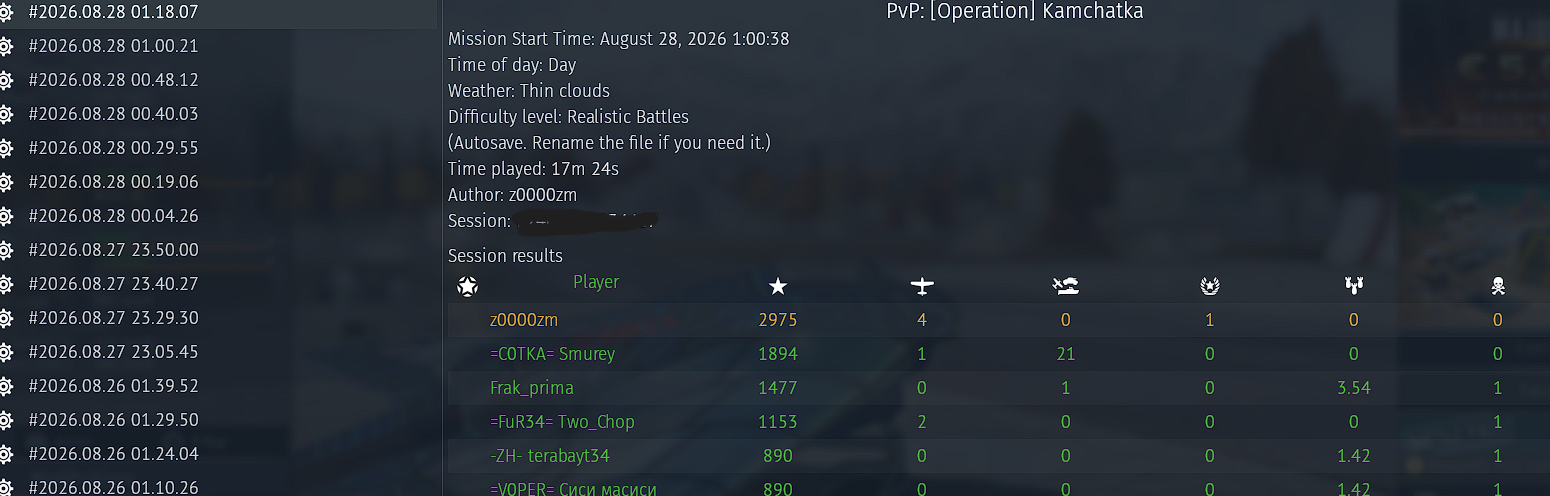
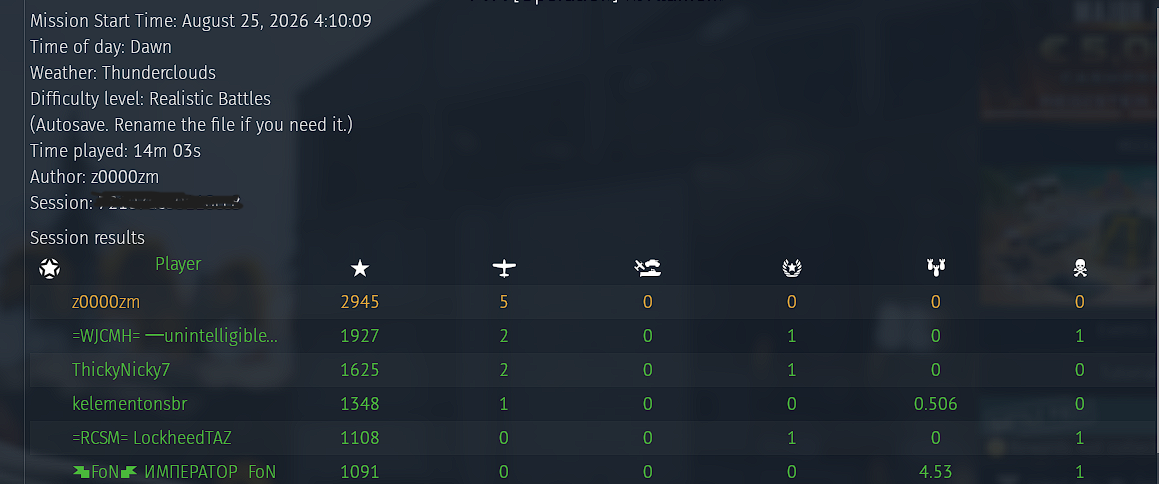
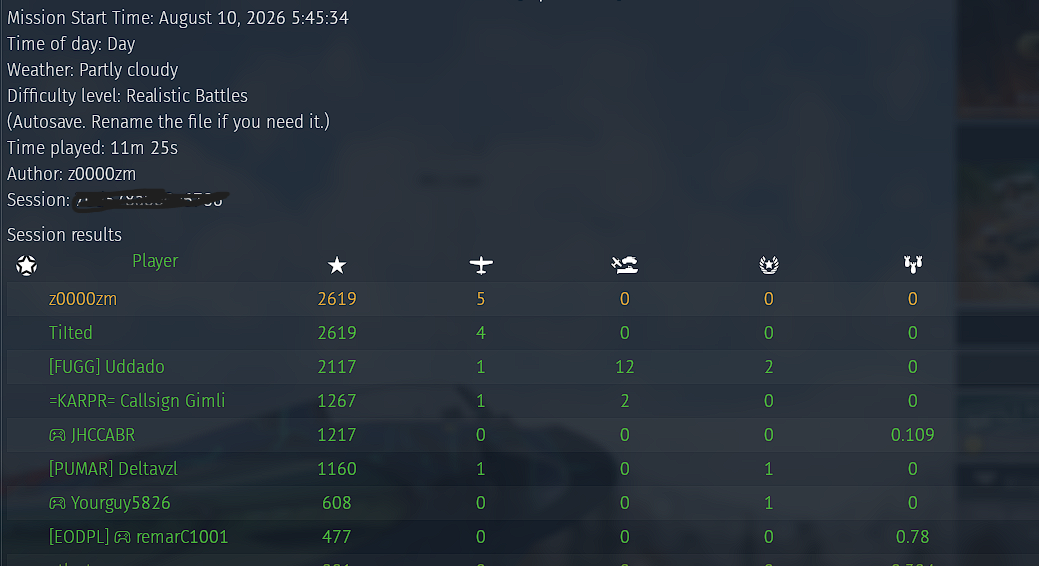
Oh, and according to his idea, all the players I’ve killed are like coughing babies, and I just hide in the high altitude until everyone else dies and then swoop down to clean up the mess to win?
He doesn’t even understand the most basic relationship between win rate, kill count, and number of engagements.