It’s the code issue where 502 was given a significantly lower overpressure code.
The turret I could imagine the same and it also pens less since it’s slower. RN it seems like it works a bit better but then still does a bit weirdly. Should have its SAPHE back.
I’m not sure about that. I think it’s just the difference between how SAPHE overpressure mechanic works, and how HE overpressure mechanic works – it’s not just a 502 issue but an issue with SAPHE / HE in general.
The kinetic penetration of LMUR and CM-502 are effectively the same, despite CM-502’s max speed being slower.
If it actually is SAPHE, I would definitely like that.
I think it’s same thing with HEAT – its ‘HE’ overpressure mechanic behaves slighlty differently than HE or SAPHE. HEAT probably being the worst out of the three.
The heat code’s main issue is that the function determining whether to overpressure or not is just lower than HE so when hitting the same spot with same explosive index, the HEAT need to be closer to the point of penetration to be able to overpressure, which makes sense since most of the explosive mass is not spread sideways, but for SAPHE this is absurd.
but i did test the cm502kg and its kind of a gamble, they will either hit the turret top to instantly kill its target, or miss/aim for a different part that doesnt do alot of damage to the vehicle
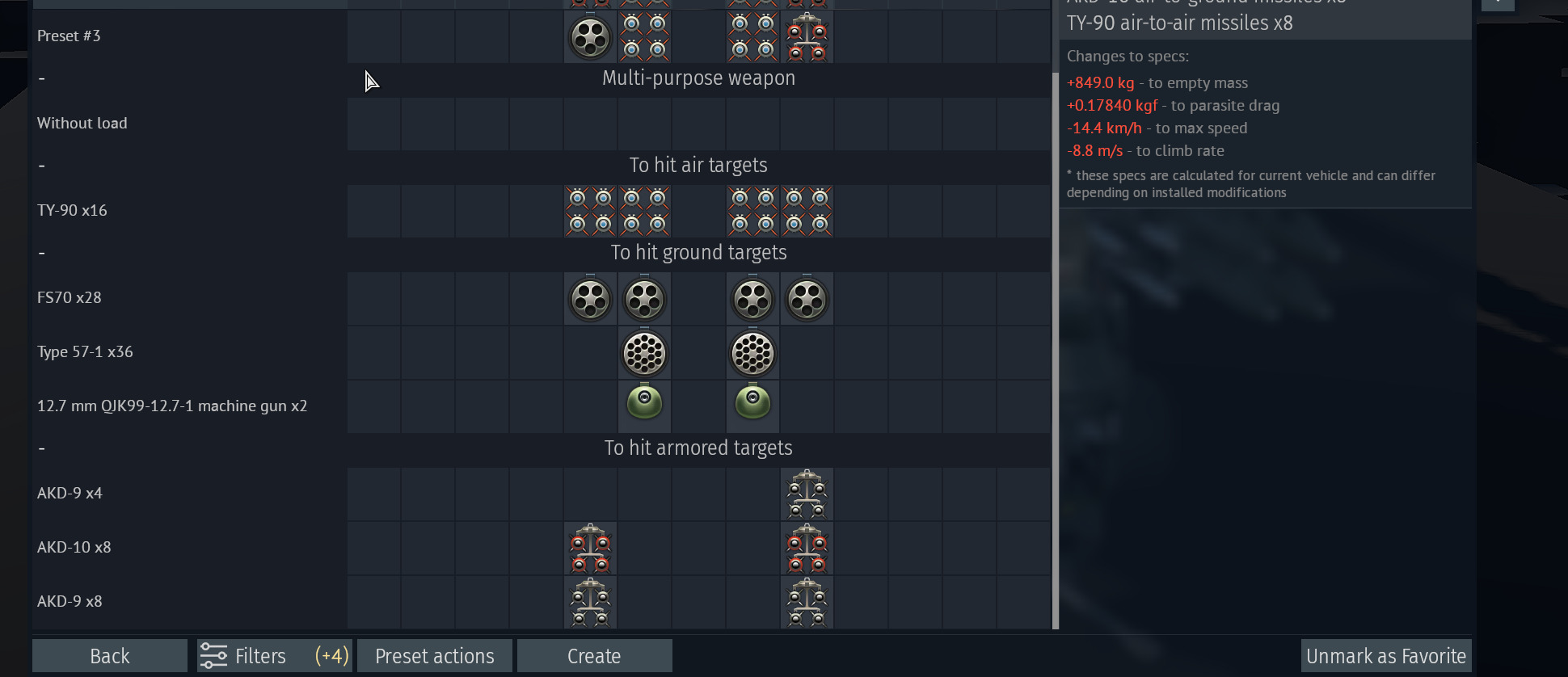
The HEAT GNSS rockets are petty nice against stationary SPAAs. If you take two racks, I believe at least one may hit, though it depends on the size and number of targets at a given area (such as multi-sams or pantsir).
I’m pretty bummed out about that. Though it may have been reasonable given its effectiveness against stationary SPAAs (which are especially common in GRB).
You can use the rockets to indirectly trough gps cluster the entire enemy spawn, then fire next volley at each enemy ping markers on the map that came trough indirect hits.
Against big spaa system that can’t really move, Yes Its Super Effective