- Yes
- No

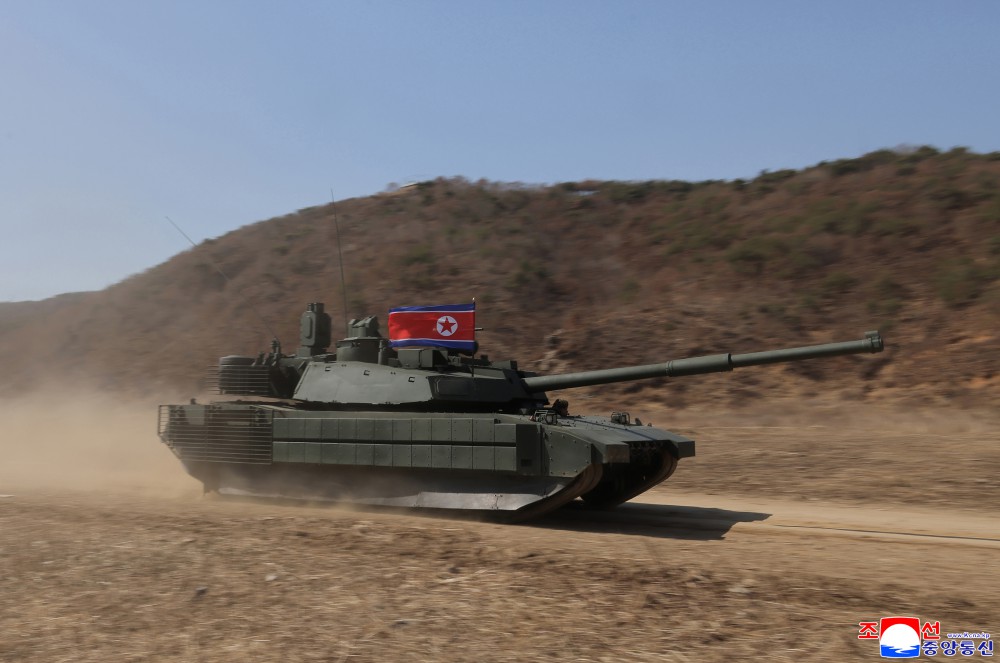
TL;DR: North Korea’s most advanced main battle tank to-date, fitted with a (likely) lengthened 115mm cannon, a dual ATGM launcher, a hard-kill active protection system, thermal sights, and a powerful engine.
Note:
This suggestion is for the production variant, first revealed in 2025. Three suggestions already exist for the earlier variants:These other suggestions are currently out-of-date and will eventually be updated.
History
North Korea, officially known as the Democratic People’s Republic of Korea (DPRK), was officially founded on September 8th, 1948, following Japan’s surrender in 1945, and the immediate Soviet occupation of the northern half of the Korean peninsula. The Korean People’s Army Ground Force, founded on August 20th, 1947, was initially equipped with Soviet arms and vehicles — namely the T-34 (both 76mm and 85mm versions) medium tanks and SU-76 self-propelled guns. These were put to good use in the early stages of the Korean War, which broke out on the 25th June, 1950, when North Korean forces launched a surprise attack across the 38th parallel.
Following the de facto end of the Korean War in 1953, North Korea began to modernise its ground forces. The heaviest vehicles in North Korean service during the war were all from WW2 (including the T-34, SU-100, and ISU-152) and were quickly out-gunned and out-armoured by their American counterparts. North Korea initially received small deliveries of early T-54 variants from the Soviet Union in the mid-to-late 1950s. These were followed by much larger deliveries of T-54s and T-55s in the 1960s, alongside hundreds of Type 59s (T-54As) from China. It is estimated that North Korea received around 1600–1800 T-54/55 variants in total.
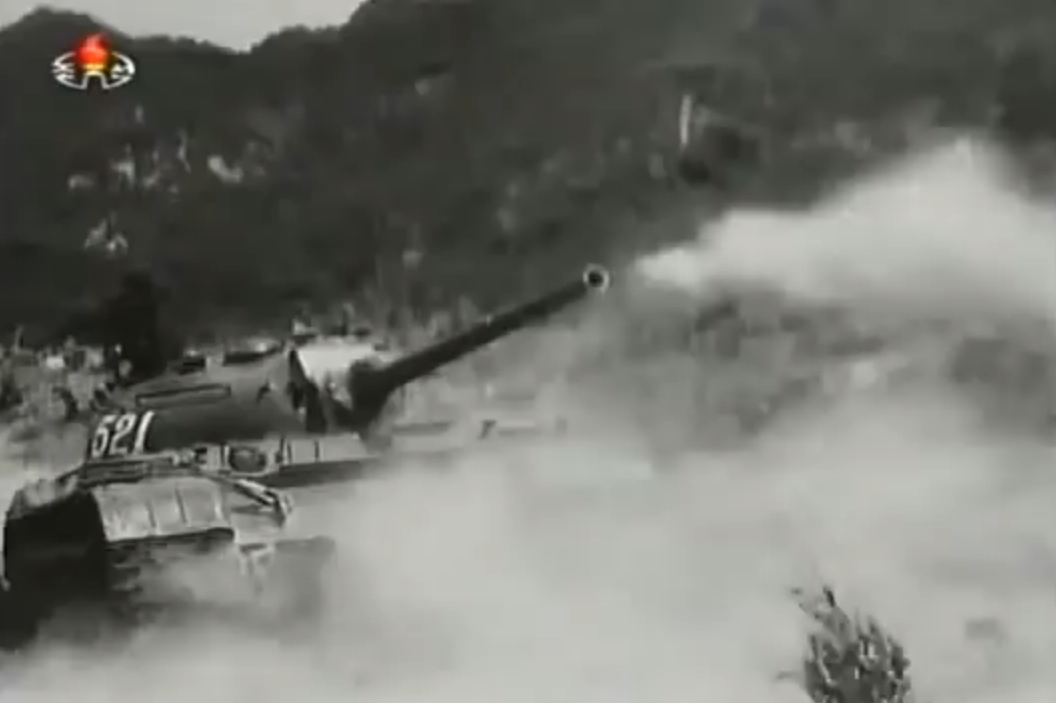

The T-54/55 formed the basis for North Korea’s first domestically-produced MBT — the 1968-model heavy tank ‘68’ (1968년식 중땅크 ≪68≫). The 68 entered production (supposedly) in 1968, and was essentially a domestically-produced Type 59, albeit with a few local modifications, most prominent of which was the replacement of the roof-mounted 12.7mm DShK with a 14.5mm KPVT. The 68 was in mass production for a relatively short time, as it was superseded relatively quickly by a more advanced vehicle — the Ch’ŏnma.
The Ch’ŏnma, officially known as the 1976-model heavy tank ‘Ch’ŏnma’ (1976년식 중땅크 ≪천마≫), entered production in 1976. Exact details surrounding this vehicle’s introduction are scarce, but it is believed that the Soviet Union initially sanctioned local production of the T-62, and may have helped set-up a production line, but after the relationship between the two countries began to sour in the 1970s, the USSR may have retracted its support. Nonetheless, North Korea pushed on, and the first locally-produced T-62 rolled off the production line in 1976. The Ch’ŏnma was initially little more than a copy of the T-62, although did have some minor differences. However, North Korea quickly began developing a series of domestic upgrades.
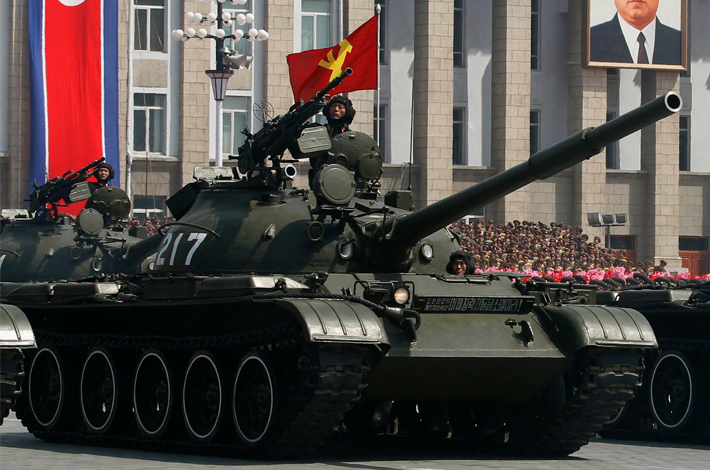
The first major upgrade after initial, small-scale upgrades in the 1970s and 1980s, consisting of fitting laser rangefinders, as well as a separate upgrade fitting turret bustles, was the Ch’ŏnma-92 (officially the 1992-model heavy tank ‘Ch’ŏnma-92’ (1992년식 중땅크 ≪천마-92≫)). This vehicle featured an all-new, welded turret, as well as domestic ERA across the hull and turret. This was followed by the Ch’ŏnma-98, Ch’ŏnma-214, Ch’ŏnma-215, and the Ch’ŏnma-216 (officially the Chuch’e 93-model heavy tank ‘Ch’ŏnma-216’ (주체93년식 중땅크 ≪천마-216≫)) — the pinnacle of the Ch’ŏnma-series, and perhaps the most advanced production variant of the T-62 in the world. The Ch’ŏnma-216 features a lengthened hull, an engine likely taken from the T-72, a significantly upgraded turret, and upgraded electronics (as well as additional secondary weaponry, including external ATGMs, on later variants).

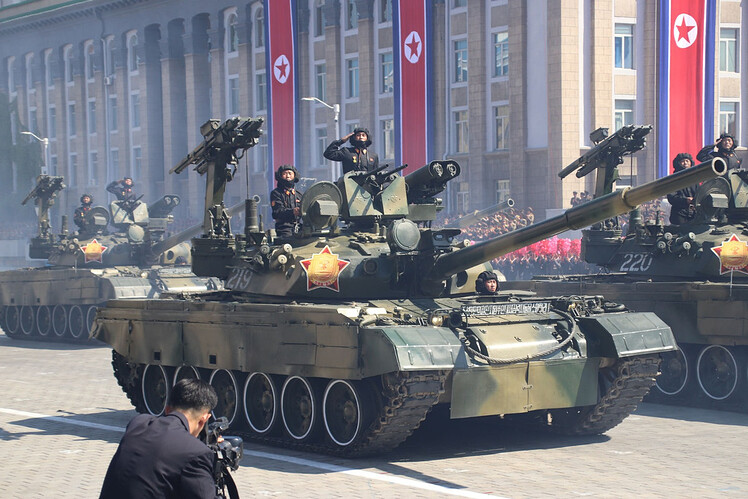
The Ch’ŏnma-216 was first revealed on October 10th, 2010, during the military parade celebrating the 65th anniversary of the founding of the predecessor to the ruling Worker’s Party of Korea, although it had been in development since at least the early 2000s (likely beginning in the mid-1990s). Alongside the Ch’ŏnma-216, a wholly new vehicle was also displayed — the Sŏn’gun-915 (officially the Chuch’e 98-model heavy tank ‘Sŏn’gun-915’ (주체98년식 중땅크 ≪선군-915≫)). This vehicle used a similar hull to the Ch’ŏnma-216, but featured an entirely new cast turret, housing a 125mm cannon, as well as a 1200hp engine. This represented what many believed would be an entirely new lineage of MBTs, which would be used alongside the T-62-derived Ch’ŏnma-series. The Sŏn’gun-915, however, has been seen less than one might imagine, possibly indicating difficulties with production, or even significant design flaws (for example, the main gun appears to be manually-loaded, unlike all Soviet or Chinese vehicles with the same 125mm cannon).

On October 10th, 2020, during the military parade celebrating Party Foundation Day, an all-new MBT was revealed. This vehicle, dubbed ‘M2020’ in the West, was a radical design shift from the Ch’ŏnma-216 and Sŏn’gun-915. It featured a new, seven-wheel chassis, a hull that appeared to have composite armour, a new angular turret reminiscent of vehicles like the M1 Abrams, with a presumed 125mm cannon, advanced sights and electronics, a dual ATGM launcher, and most impressively, a hard-kill active protection system (APS), seemingly derived from the Russian Afghanit used on the T-14 Armata.

Despite how advanced the ‘M2020’ seemed — or rather, because of it — many analysts considered it to be little more than a ‘paper tiger’. Many cast doubts on North Korea’s ability to produce effective composite armour or an advanced fire control system, especially compared to South Korea’s K2 ‘Black Panther’, not least a modern hard-kill APS, and suggested it was little more than a mock-up. It seems unlikely we will ever know how real the ‘M2020’ was, but the ensuing design changes do suggest that it wasn’t all it was cracked up to be. In 2023, North Korea unveiled an upgrade to the ‘M2020’, dubbed ‘M2023’ by Western analysts. The upgrade was relatively minor, and consisted solely of fitting ERA to the turret front and hull sides. Alongside the unveiling of the ‘M2023’, a video was shown of the Afghanit-style APS being tested, in which it destroyed an RPG-7 round. In 2024, the ‘M2023’ was shown during exercises, in which it conducted various maneouvres and showcased its firepower, alongside the Ch’ŏnma-216 and MD500 helicopters. Later, on May 29th 2024, footage was revealed of a visit Kim Jong Un made to a new mini exhibition at the Academy of Defense Development, in which a blurry sign suggested that the vehicle’s name was Ch’ŏnma-2.
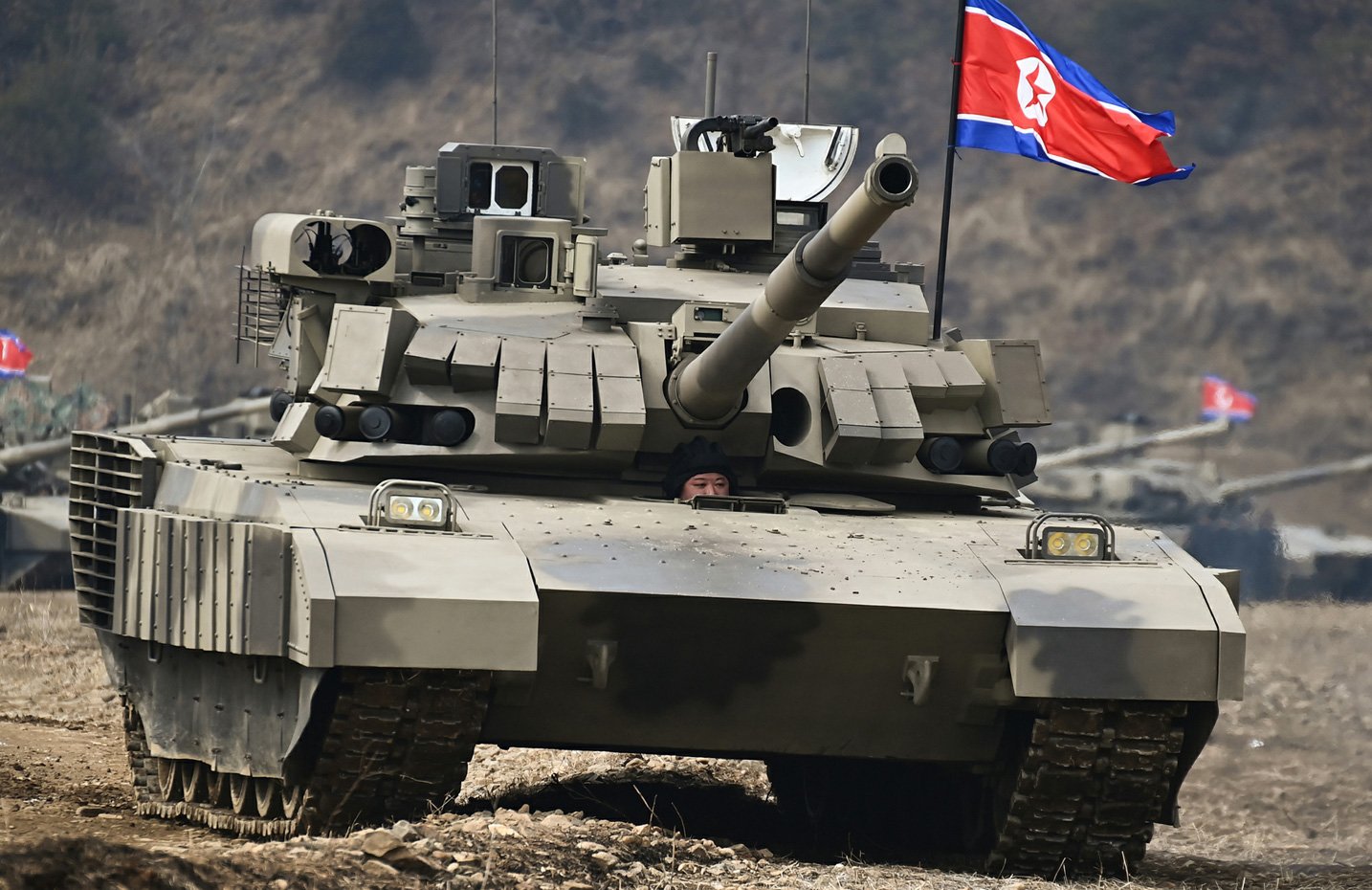
A major surprise came on November 21st, 2024, when the National Defense Development-2024 arms expo began. A massively upgraded and refined variant of the ‘M2020’ / ‘Ch’ŏnma-2’ was revealed. It featured largely the same hull, albeit with refined ERA / composite armour, but an entirely new turret much closer in design to the South Korean K2. The APS had been changed from the Afghanit-copy to an indigenous variant, similar to the Israeli Iron Fist and/or Chinese GL-6. The sights were updated and the RCWS was changed, leading the whole vehicle to appear much more refined and less like a mock-up / testbed. This variant was dubbed ‘M2024’ in the West, and was also confusingly referred to as ‘Tianma-2’ (this name is completely wrong and based on the Chinese translation of ‘Ch’ŏnma’).
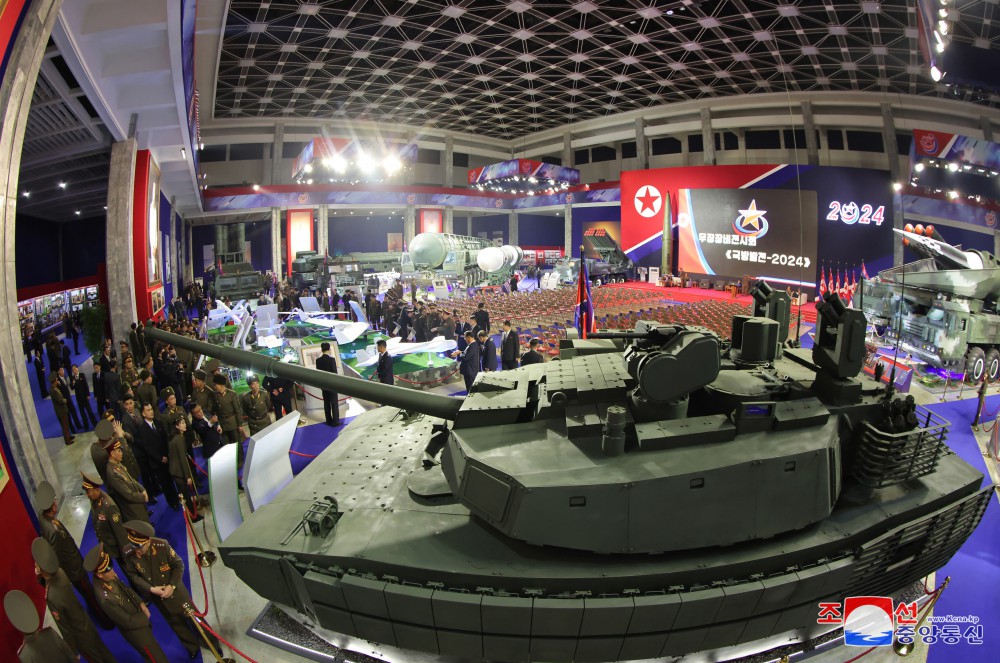
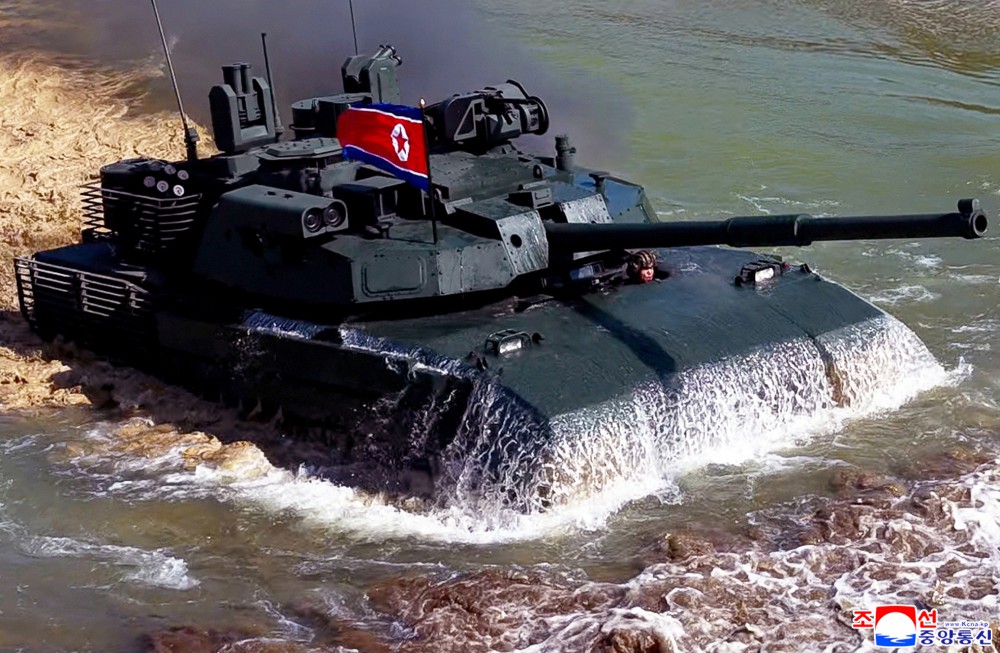
The ‘M2024’ was shown again in early 2025 at a factory, alongside the Chuch’e 107 155mm SPG, indicating that small-scale production, at least, had begun. One official image showed a few vehicles with comically long barrels — almost certainly photoshopped. On October 4th, 2025, at the National Defense Development-2025 arms expo, a slightly modified variant was seen, which was fitted with deep wading equipment, as well as a relocated driver’s position. Previously, the driver was located in the centre of the hull, much like on the Soviet T-72 — this was changed to the left side, much like on the T-62 / Ch’ŏnma-series. It is unclear why this change was made, but may have been done to make training easier for drivers already accustomed to the Ch’ŏnma. One blurry image led many to believe the name of this new variant was Ch’ŏnma-3.
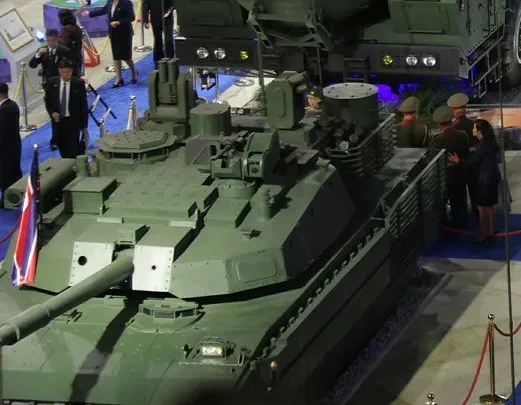
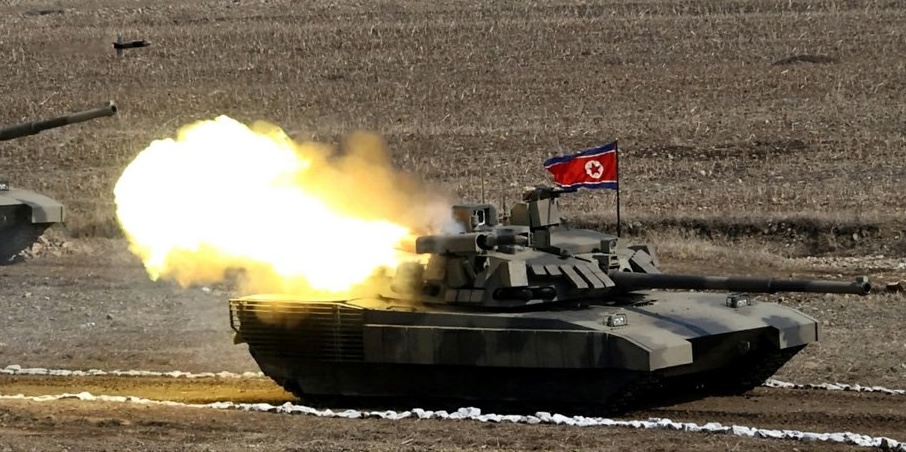
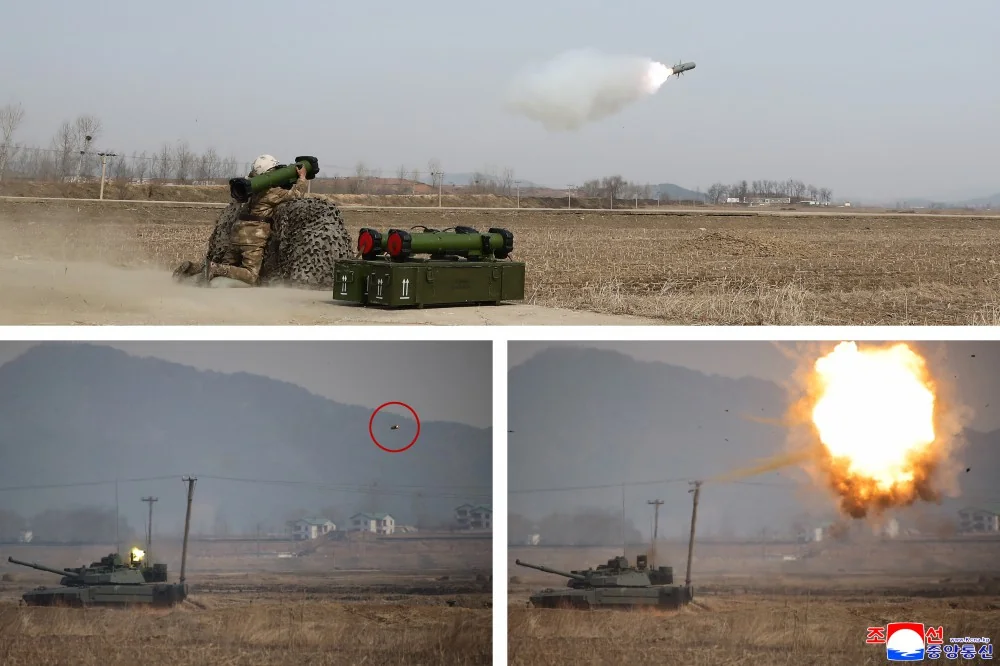
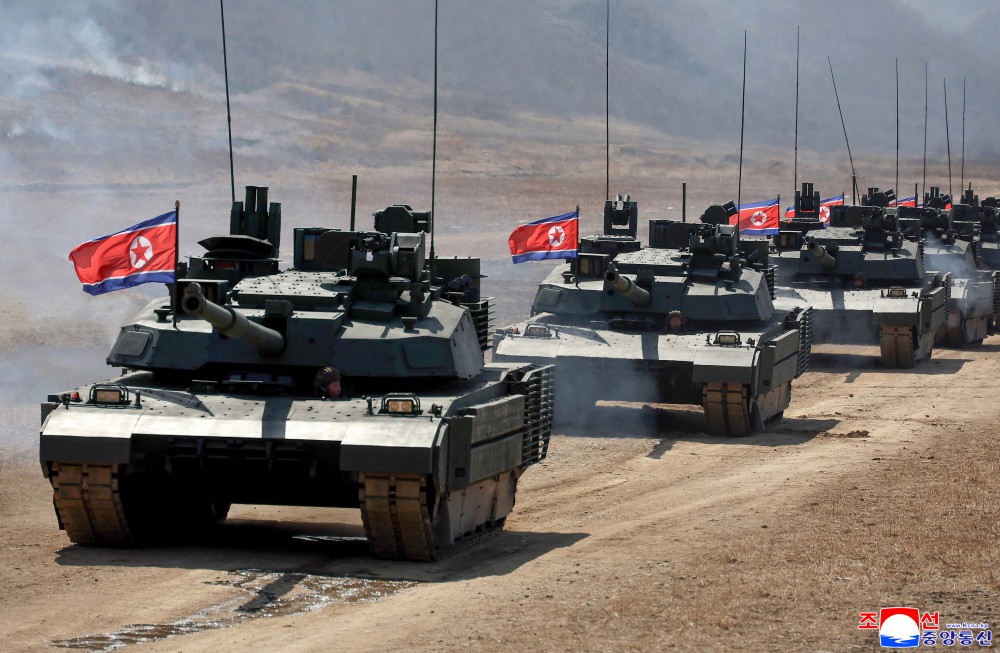
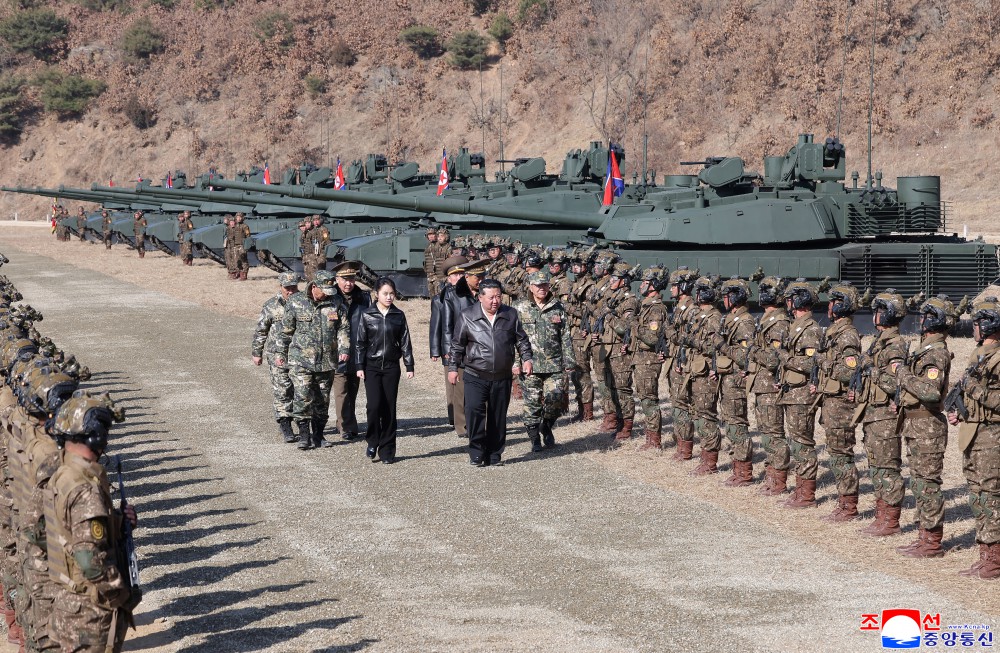
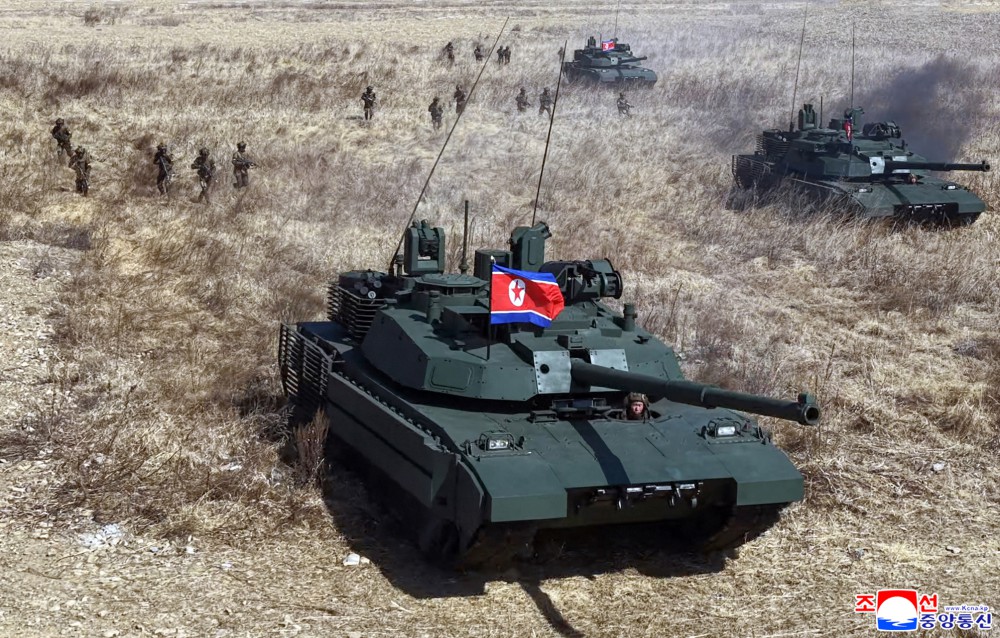
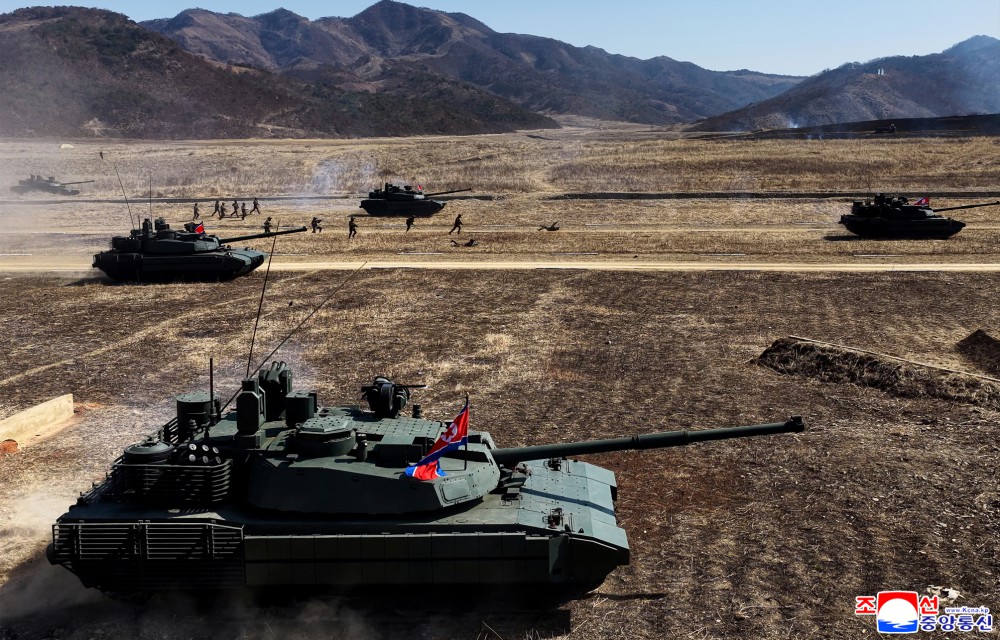
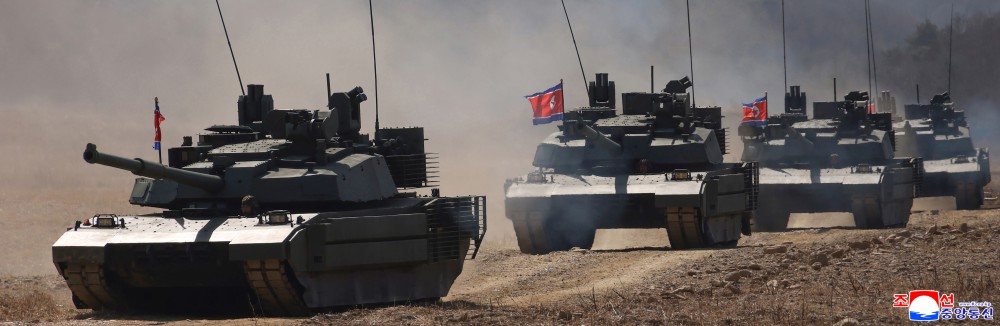
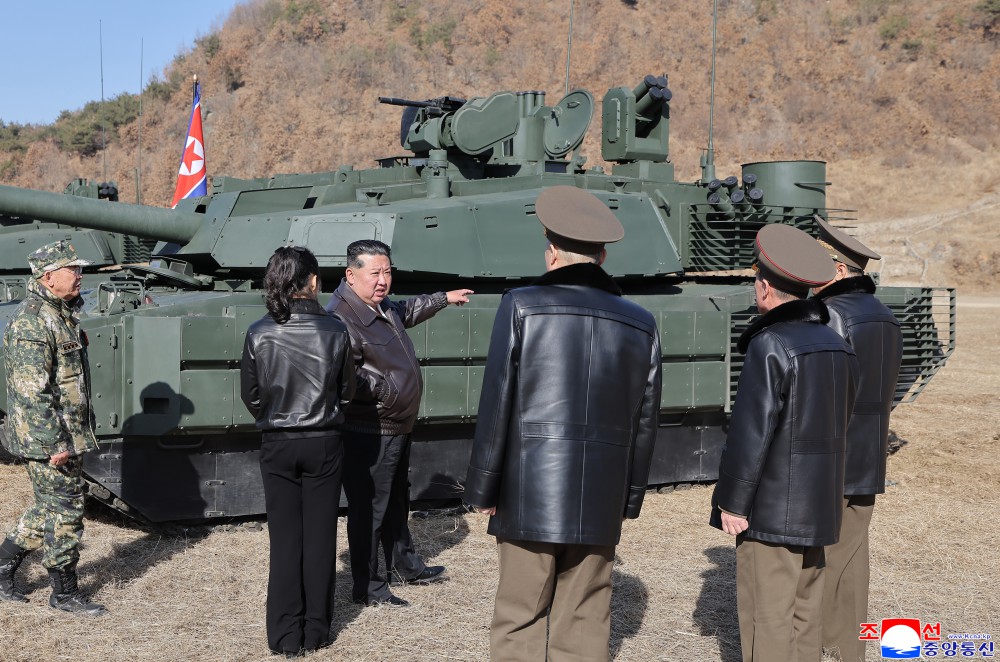
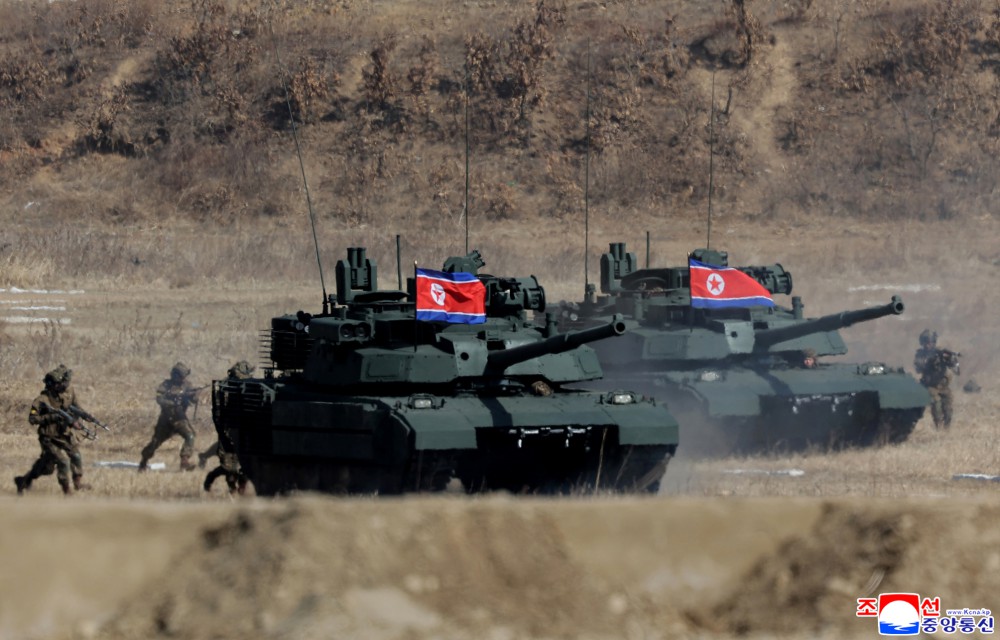
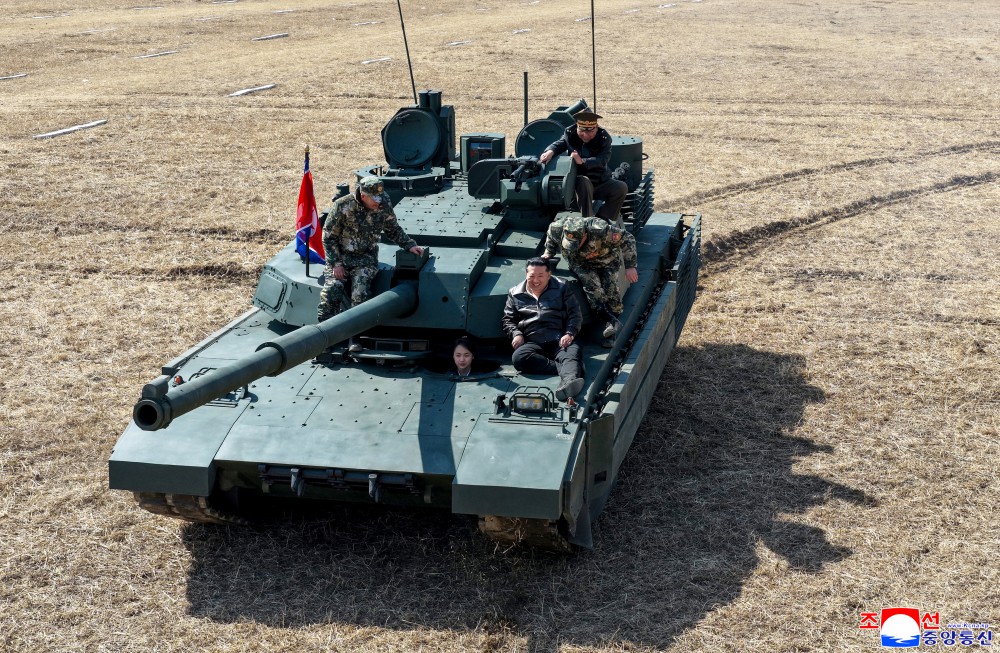
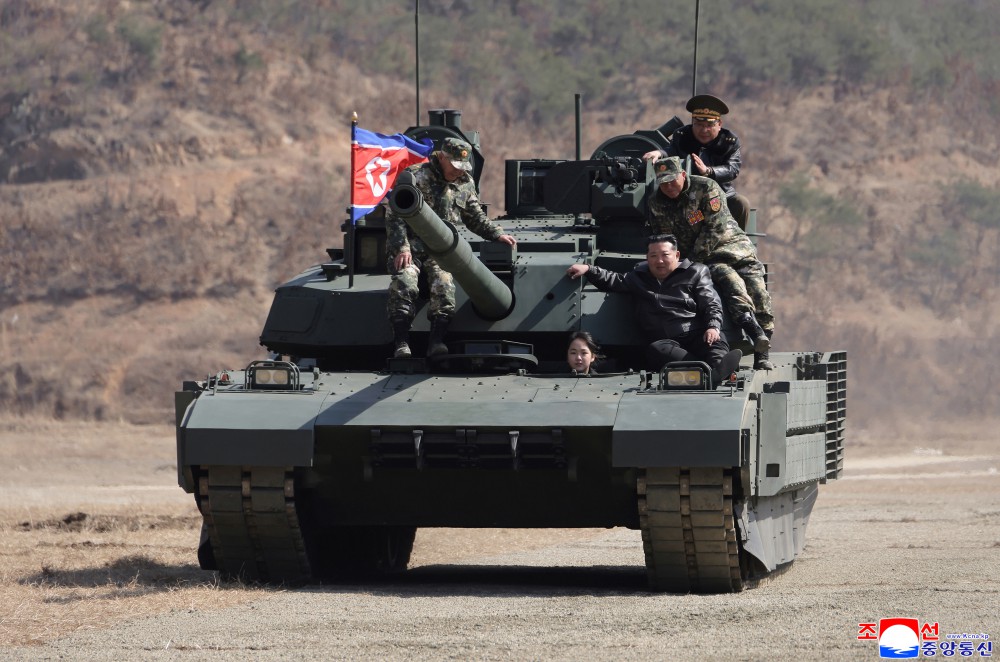
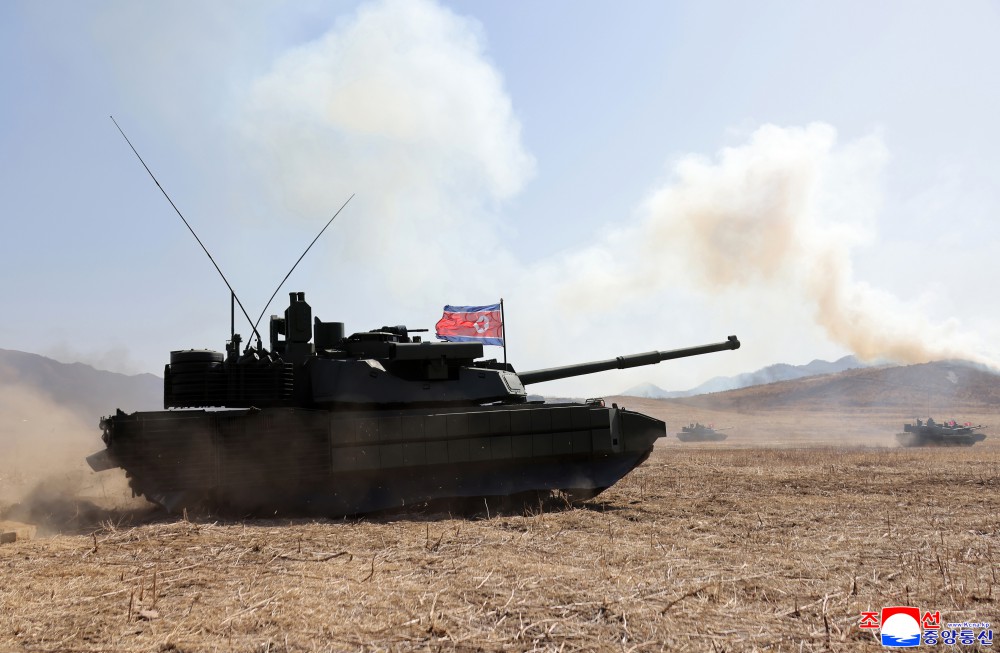
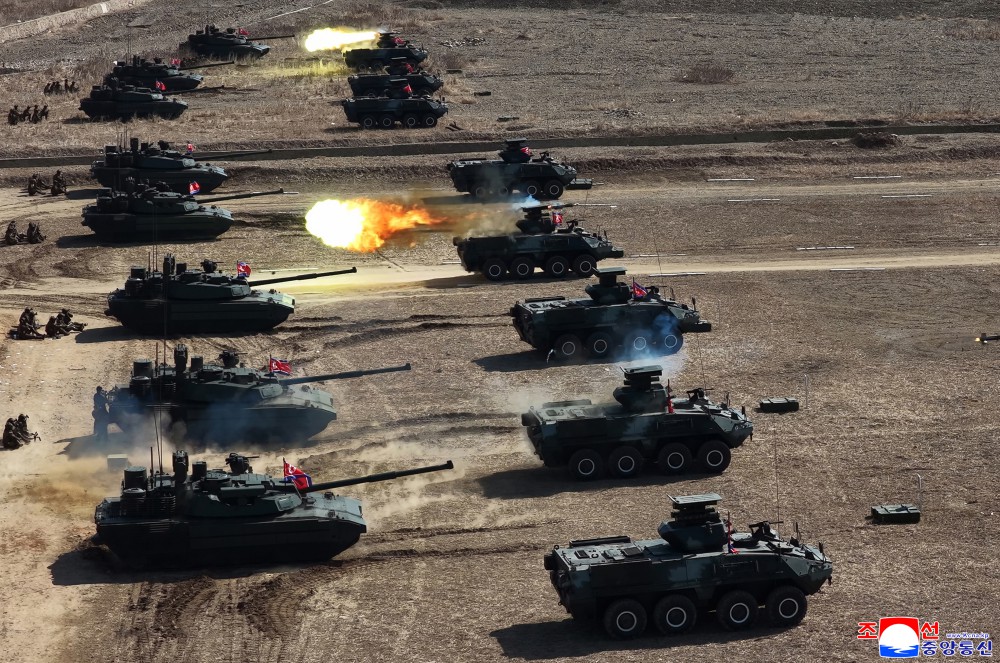
This variant was then seen on full display on the military parade held on October 10th, 2025, celebrating Party Foundation Day. Most notably, the official name was revealead — Ch’ŏnma-20 (Note: While the names of the 2020 and 2023 prototypes are not officially confirmed, it does seem likely that Ch’ŏnma-20 is the correct name for all vehicles in the family, and that Ch’ŏnma-2 was always incorrect). The Ch’ŏnma-20 was then seen in excellent detail on March 19th, 2026, when videos and images were revealed of it during training exercises. This included images of APS testing, in which the new Iron Fist-style APS successfully intercepted RPG rounds, Bulsae-5 ATGMs (locally-produced 9M133 Kornets), an NLOS ATGM believed to be derived from the Spike-NLOS and/or HJ-10 (often wrongly called ‘Bulsae-4’), and a Spike-SR copy. Interestingly, most vehicles were not fitted with the external ATGM launcher, which appears to be limited to vehicles in command roles only.

It seems likely that the Ch’ŏnma-20 has reached a stage where it is ready for, or currently beginning, mass production. It represents a huge step-up for North Korea’s ground forces, although remains to be seen just how effective it actually is.
Characteristics
The primary armament of the Ch’ŏnma-20 remains debated. There are multiple conflicting theories:
- It has a manually-loaded 125mm cannon (4 crew)
- It has an autoloaded 125mm cannon (3 crew)
- It has a manually-loaded 115mm cannon (4 crew)
- It has an autoloaded 115mm cannon (3 crew)
It is frequently stated that the Ch’ŏnma-20 has a 125mm cannon, which appeared to be common-sense, given that the Sŏn’gun-915 also has one. However, this is not confirmed, and there are a number of pieces of evidence that may suggest otherwise.
Firstly, the cannon appears to be lengthened, compared to both the 115mm 2A20 (U-5TS) on the Ch’ŏnma-216 and the 125mm derived from the 2A26M2 on the Sŏn’gun-915. The bore evacuator is located rougly in the centre on the Ch’ŏnma-20, but is further to the front on both of the other vehicles. It also lacks a thermal sleeve, which is present on the Sŏn’gun-915, and on almost all Soviet and Chinese vehicles armed with a 125mm cannon. Thirdly, the Ch’ŏnma-20 appears to have 4 crew, which almost certainly precludes the use of an autoloader (it also appears to lack an ejection port) — this does not necessarily prove it has a 115mm however, since the Sŏn’gun-915 also appears to lack an autoloader. The lack of an autoloader is also supported by the apparent presence of a turret bustle, likely housing a ready rack, with blowout panels on the roof. Fourth, a low-quality image from 2024 shows one-piece ammunition for the Ch’ŏnma-20. While some speculated that this was a sign North Korea had developed indigenous rounds for the Ch’ŏnma-20 to counteract the necessary modifications to manually load Soviet or Chinese two-piece 125mm ammunition (and decreased rate of fire), others took it to mean that it used a 115mm cannon.
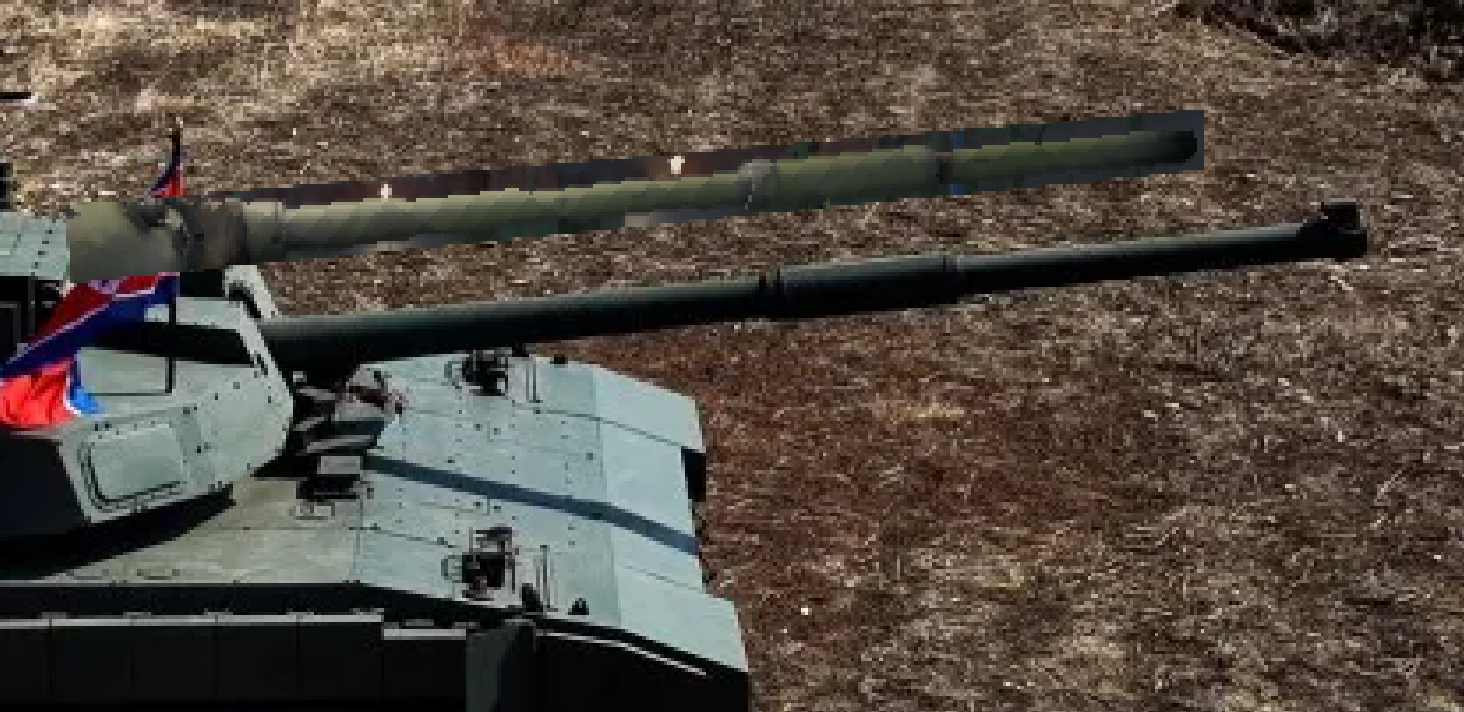
Most evidence, therefore, seems to point towards a domestic lengthened variant of the 115mm 2A20. This was likely an attempt to reach penetration levels closer to the 125mm, without having to produce a complex autoloader (given the lack of an autoloader on the Sŏn’gun-915 and its low-rate production, it seems reasonable that multiple issues were identified with the design and use of the 125mm). The 2A20 is L/49.5; as detailed above, I estimated the barrel at L/59.5. Therefore, with modern APFSDS rounds, either license-produced Russian designs or domestic designs, its firepower may only be slightly reduced when compared to modern Russian MBTs like the T-90M.
Assuming the Ch’ŏnma-20 uses a domestic lengthened variant of the 115mm 2A20 cannon, it would be able to fire a multitude of rounds, including 3BM28 APFSDS, penetrating 396mm @ 0° @ 10m, and 3BM36 APFSDS, penetrating 385mm @ 0° @ 2000m. The most modern Russian 115mm APFSDS design, 3BM21M, uses the same penetrator as 3BM60, the most modern Russian 125mm APFSDS round, inside a 115mm cartridge, providing only a slight decrease in penetration at an estimated 490–495mm @ 0° @ 2000m. It is also possible that North Korea received the design for the British BD/36-2 APFSDS round from Egypt, which penetrates 420mm @ 0° @ 100m. These penetration figures are estimates and based on the standard 2A20; an increased calibre could result in penetration up to 540–550mm @ 0° @ 0m when firing 3BM21M (based on ~527mm @ 0° @ 0m). It would also be able to fire 3BK4 HEAT-FS, penetrating 440mm @ 0°, and 3BK15M HEAT-FS, penetrating 500mm @ 0°. It is possible that, given the enlarged turret and turret bustle likely housing a ready rack, the Ch’ŏnma-20 can achieve a maximum reload rate of up to 6s.
Assuming the Ch’ŏnma-20 instead uses a domestic variant of the 125mm 2A26M2, it would be able to fire 3BM42 APFSDS, penetrating 457mm @ 10m @ 0°, 3BM60 APFSDS, penetrating 580mm @ 10m @ 0°, and 3BK18M HEAT-FS, penetrating 550mm @ 0°. Loading two-piece ammunition would require modified ammunition storage and an increased loading time, possibly >10s. In both cases, the gun is not compatible with GL-ATGMs, as evidenced by the external ATGM launchers.
The Ch’ŏnma-20 is equipped with a dual Bulsae-5 ATGM launcher, fitted on the roof to the right of the gunner’s sight. The Bulsae-5 (불새-5, 불새 literally translating to Firebird) is the name North Korea gives to their domestically-produced 9M133 Kornet. The Bulsae-5 is a 152mm-calibre beam-riding ATGM with a tandem HEAT warhead, capable of penetrating >1200mm RHA @ 0°. It can likely be fired on the move. The launcher is capable of retracting, similarly to the TOW launcher on the Bradley IFV. It should be noted that, despite all of the prototype and pre-production vehicles being fitted with the launcher, only some of the production Ch’ŏnma-20s are, possibly limited to command vehicles only. Nonetheless, there should be no reason that not all Ch’ŏnma-20s can be fitted with it as and when.
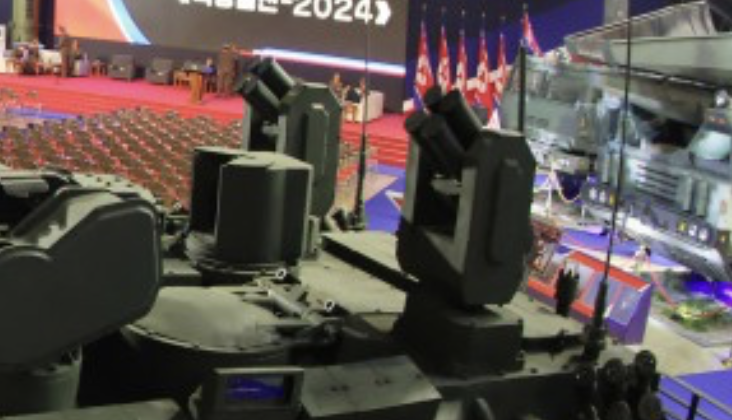
As secondary armament, the Ch’ŏnma-20 is fitted with a roof-mounted RCWS on the left-side of the turret, housing an automatic grenade launcher (AGL). Whilst this has frequently been described as an AGS-17 or AGS-30 copy / derivative, the design is quite drastically different, and at least one reputable source has theorised that it is instead a completely domestic 40mm AGL. In-game, however, the AGL wouldn’t be exceptionally useful. The Ch’ŏnma-20 also appears to have a coaxial 7.62mm, likely the domestic copy of the PKT, the Type 82, on the left-side of the turret, manned by the loader. The Ch’ŏnma-20 has two banks of six smoke grenade launchers on either side of the turret, nested within the rear turret basket.
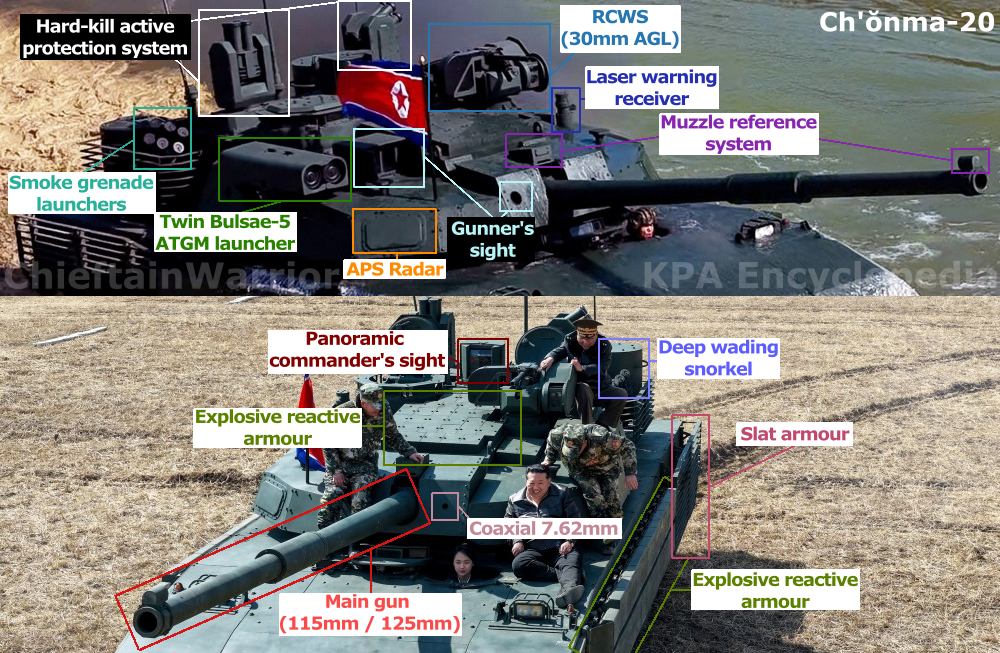
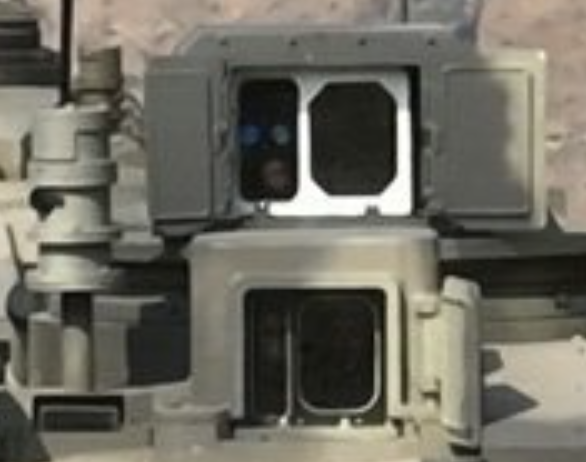
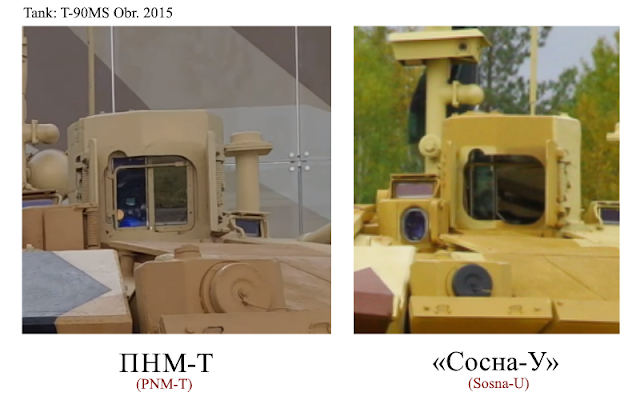
The Ch’ŏnma-20 appears to have an advanced fire control system. The gunner’s roof-mounted sight very closely resembles the Belarusian / Russian Sosna-U, or the modernised PNM-T, fitted to vehicles like the T-72B3 and T-90M. It is highly likely that Belarus or Russia assisted North Korea to some degree in the design of the Ch’ŏnma-20’s sights, and it can be reasonably assumed that the gunner’s sight has roughly the same capabilities as the Sosna-U, namely, being fitted with second-generation thermals. This makes the Ch’ŏnma-20 the first production North Korean MBT fitted with thermals. The Ch’ŏnma-20 is also fitted with a panoramic independent (likely stabilised) commander’s sight, also closely resembling the Sosna-U, fitted with thermals. Two laser warning receivers are fitted to the turret.
Perhaps the most advanced and surprising feature on the Ch’ŏnma-20 is the hard-kill active protection system. Whilst the early ‘M2020’ and ‘M2023’ prototypes incorporated an Afghanit-style APS, with launchers embedded in the turret sides, the production Ch’ŏnma-20 features a completely new system. It appears very similar to a number of foreign designs, including the Israeli Iron Fist, South Korean KAPS, and Chinese GL-6. Two launchers are situated at the rear of the turret, each housing four interceptors, allowing the system to destroy up to eight incoming projectiles. Two radars are located on the turret cheeks, with an additional two at the rear of the turret bustle. This set-up provides the Ch’ŏnma-20 with 360° of protection. The system was showcased in action alongside the March 2026 trials, in which it succesfully intercepted RPGs, drones, North Korea’s domestic NLOS ATGM, North Korea’s domestic Spike-SR, and the Bulsae-5 ATGM. It is unknown whether it would be capable of intercepting kinetic projectiles.
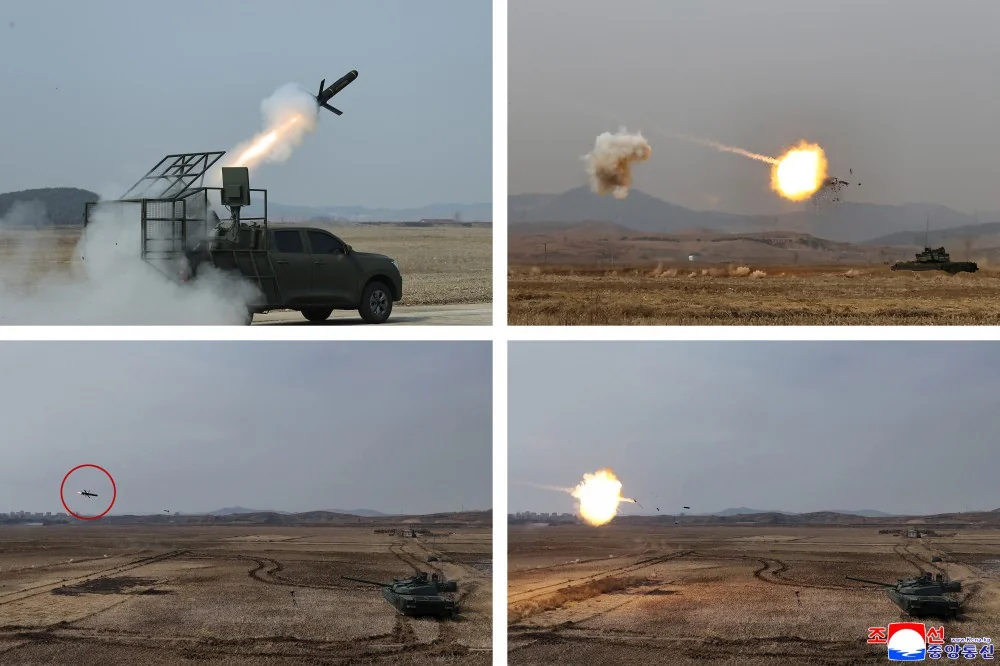
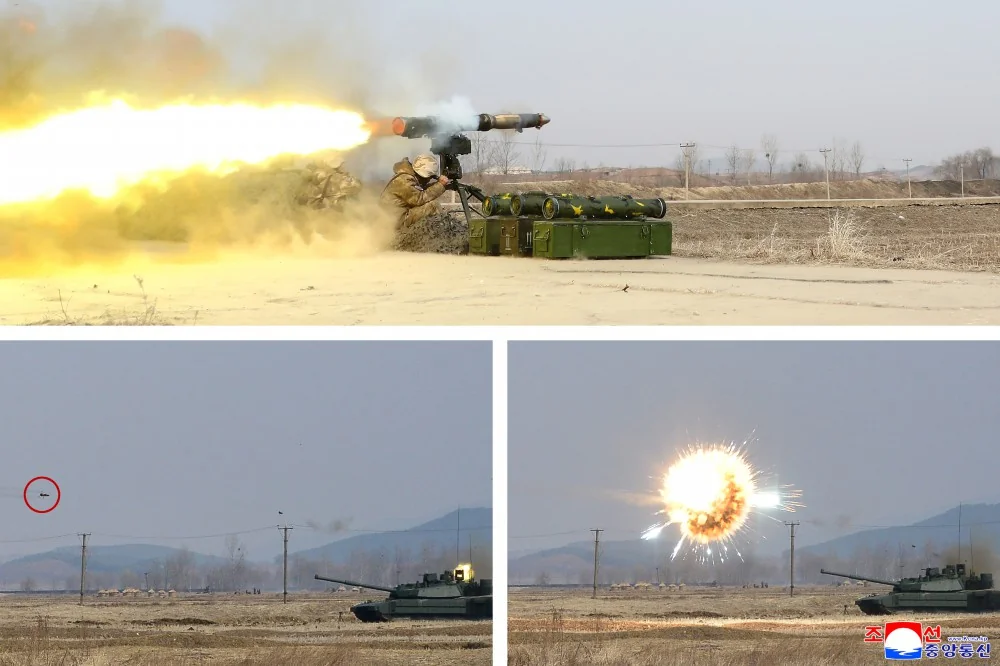
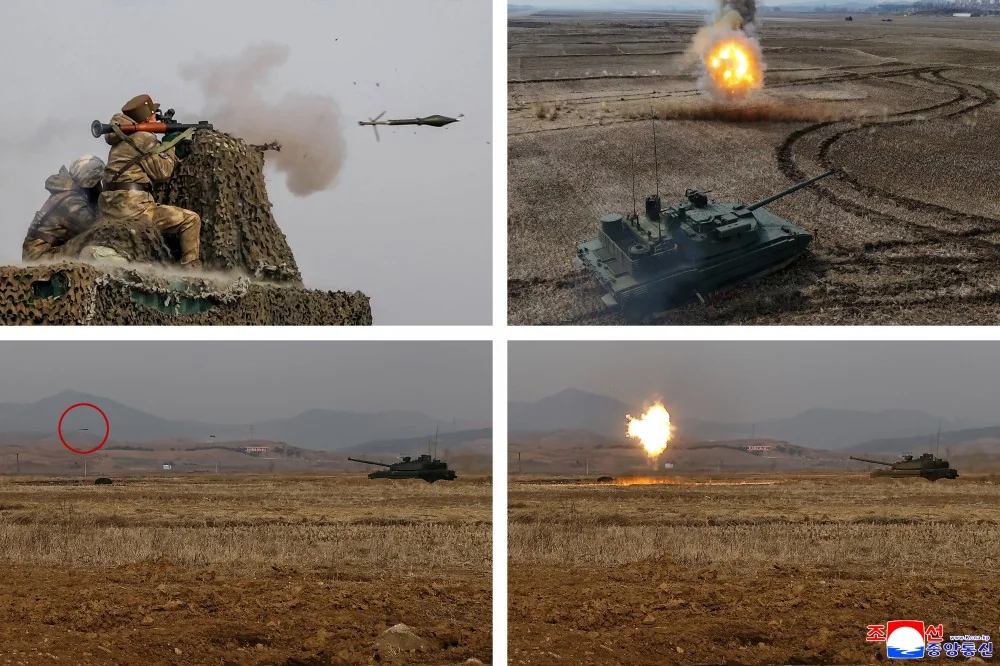
The armour of the Ch’ŏnma-20 is perhaps the least known aspect of the vehicle, and the hardest to estimate based on the little information available. Both the turret and hull almost certainly incorporate composite arrays, but their makeup, thickness, and quality are not known. The turret resembles the K2, and it is not implausible that North Korea have obtained classified documents relating to the K2’s composite arrays; it is doubtful, however, whether they could recreate said arrays domestically. Domestic explosive reactive armour, possibly similar in design to the Chinese FY-3 or FY-4, is fitted to the hull sides and turret roof. At a minimum, the ERA should be capable of resisting HEAT and tandem-warhead ATGMs. If it incorporates features from the FY-4 or Russian Kontakt-5 or Relikt, it may also provide adequate protection against kinetic projectiles, however, given its location on the vehicle (flat against the sides and flat against the roof, but not the frontal hull or turret), this is unlikely to be the case. The Ch’ŏnma-20 has slat armour along the rear hull sides and around the turret bustle as part of the turret basket.
The Ch’ŏnma-20 is believed to be fitted with a reverse-engineered MT833 / DV27K engine, which would provide it with 1500hp. It is estimated to weigh approximately 50t, which would give the vehicle a power-to-weight ratio of 30hp/t, as well as a likely top speed of 70km/h (or higher), resulting in a very nimble MBT.
| Vehicle | Ch’ŏnma-20 | ZTZ99A | T-72B3A | T-90M | Type 10 |
|---|---|---|---|---|---|
| Tree | United Korea (presumed) | China | USSR | USSR | Japan |
| Primary Armament | 115mm | 125mm Type 99A | 125mm 2A46M-5 | 125mm 2A46M-5 | 120mm TKG |
| Maximum Penetration (APFSDS @ 0° @ 0m) | ~550mm (est.) | 577mm | 580mm | 580mm | 615mm |
| Reload rate | Unknown, ~6s max (est.) (manual) | 6.7s (autoloader) | 7s (autoloader) | 7s (autoloader) | 4s (autoloader) |
| Secondary Armament | Dual Bulsae-5 (Kornet) ATGM launcher, automatic grenade launcher, 7.62mm MG | 12.7mm HMG + 5.8mm MG | 12.7mm HMG + 7.62mm MG | 12.7mm HMG + 7.62mm MG | 12.7mm HMG + 7.62mm MG |
| Armour | Unknown, possibly insignificant | Composite + ERA; minimal | Composite + Kontakt-5 ERA; adequate | Composite + Relikt ERA; strong | Composite; minimal |
| Active Protection System | Hard-kill (Iron Fist-like), 8x launchers, effective against ATGMs at least | N/A | Hard-kill (Arena-M), 12x launchers, effective against HEAT / ATGMs only | N/A | N/A |
| Engine | 1500hp (est.) | 1500hp | 1130hp | 1130hp | 1200hp |
| Weight | 50t (est.) | 55t | 47t | 51t | 44t |
| Mobility | 70km/h; 30hp/t (est.) | 75km/h; 27.3hp/t | 60km/h; 24hp/t | 60km/h; 22.2hp/t | 70km/h; 27hp/t |
| Battle Rating (Ground RB) | 12.0 (presumed) | 12.3 | 12.3 | 12.7 | 12.7 |
Conclusion
The Ch’ŏnma-20 is the pinnacle of North Korean tank design, and certainly deserves a place at the top-tier of the future United Korean tech tree. It is difficult to suggest a battle rating, due to the many unknowns of the vehicle, but assuming it has a relatively fast-firing lengthened 115mm, with a strong hard-kill APS, good thermal sights, adequate armour at best, and great mobility, it would fit excellently at 12.0, just below the top rank of MBTs which would all certainly outclass it.
Specifications
Armament
Option 1
- 115mm domestic smoothbore
- Two-plane stabiliser
- Ammunition
- 3BM28 APFSDS
- >396mm @ 0° @ 10m
- >229mm @ 60° @ 10m
- 3BM36 APFSDS
- >385mm @ 0° @ 10m
- >225mm @ 60° @ 2000m
- 3BM21M APFSDS
- >~527mm @ 0° @ 10m
- >490–495mm @ 0° @ 2000m
- >285–290mm @ 60° @ 2000m
- 3BK15M HEAT-FS
- 500mm @ 0°
- 3OF27 HE
- >40mm @ 0°
- 3BM28 APFSDS
Option 2
- 125mm domestic smoothbore
- Two-plane stabiliser
- Ammunition
- 3BM42 APFSDS
- 457mm @ 0° @ 10m
- 125-I APFSDS
- 466mm @ 0° @ 10m
- 3BM42-2 APFSDS
- 544mm @ 0° @ 10m
- 3BM60 APFSDS
- 580mm @ 0° @ 10m
- 3BK18M HEAT-FS
- 550mm @ 0°
- 3OF26 HE
- 42mm @ 0°
- 3BM42 APFSDS
- 1x dual Bulsae-5 ATGM launcher
- Bulsae-5
- Warhead: Tandem-charge HEAT
- Penetration: 1200mm @ 0°
- Range: 5500m
- Max Speed: 320m/s
- Guidance: Laser beam-riding
- Bulsae-5
- 1x 30mm or 40mm AGL (roof-mounted)
- 1x 7.62mm Type 82 (coaxial)
- AP-I/API-T belt
- 13mm @ 0° @ 10m
- AP-I/API-T belt
- Sights and FCS
- Sosna-U-type gunner sight
- Thermals (~2nd generation)
- Commander independent panoramic sight
- Thermals (~2nd generation)
- Laser rangefinder
- 2x laser warning receivers
- Sosna-U-type gunner sight
Protection
- Hull
- Unknown; likely composite array in front hull, ERA across sides, slat armour across rear sides
- Turret
- Unknown; likely composite array in front turret, ERA on roof, slat armour across rear
- Hard-kill APS
- 8x launchers
- 360° protection
Mobility
- Speed
- ~70km/h (est.)
- Weight
- ~50t (est.)
- Engine power
- 1500hp (est.), ~30hp/t
Other
- Crew
- 4 (commander, gunner, loader, driver)
- Smoke grenade launchers
- 12x
Images
Spoiler
Sources
Spoiler
Very few detailed and accurate analyses of the Ch’ŏnma-20 exist; this is, to my knowledge, one of the most detailed ones. This does mean, however, that a lot of the information presented in the text is my own speculation or estimations, with most of the below sources used for supporting information.
The Armed Forces of North Korea: On the Path of Songun (2020). Stijn Mitzer and Joost Oliemans.
The Armed Forces of North Korea Volume 1 Part 2: Tanks and Artillery (2025). Stijn Mitzer and Joost Oliemans.
Military Parade Marks 80th Founding Anniversary of WPK
Ch’ŏnma-2 (M-2020) - Tank Encyclopedia
김정은 ‘천마-20’ 주애 태운 채 “세계 최강 전차” 자랑은 뻥일까?…“폭압탄 기술등 韓 K2 흑표 능가” 주장도
https://www.youtube.com/watch?v=KGAxhnGntgU
https://www.youtube.com/watch?v=DXqg5iL4QZE