I was bored so I shot 8 Adats missiles into the same engine/wing on the IL-28 in test-drive.
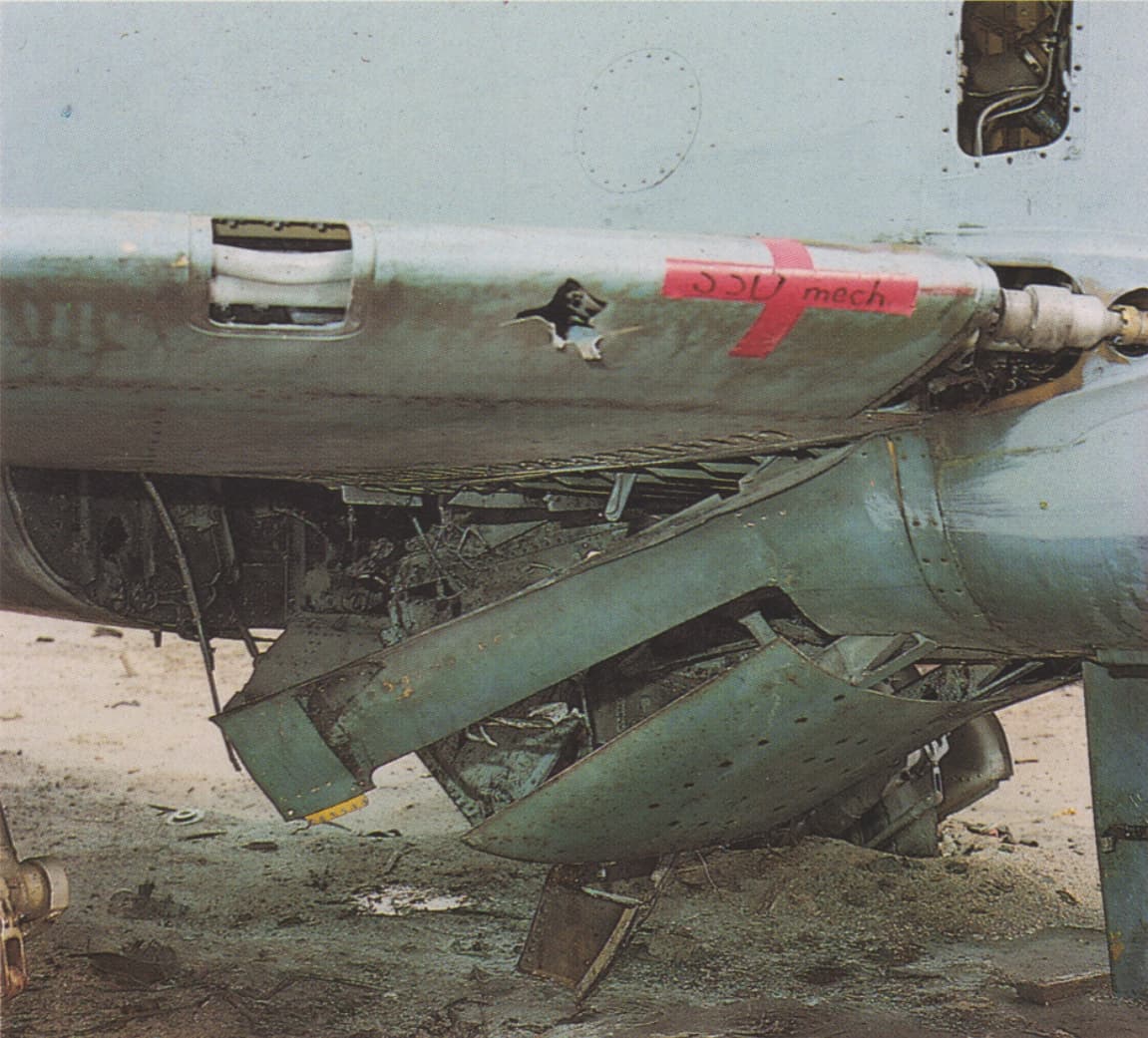
aside from a obviously destroyed engine, it was pretty much completely fine.
Spoiler: Here's what a single ADATS missile does irl btw
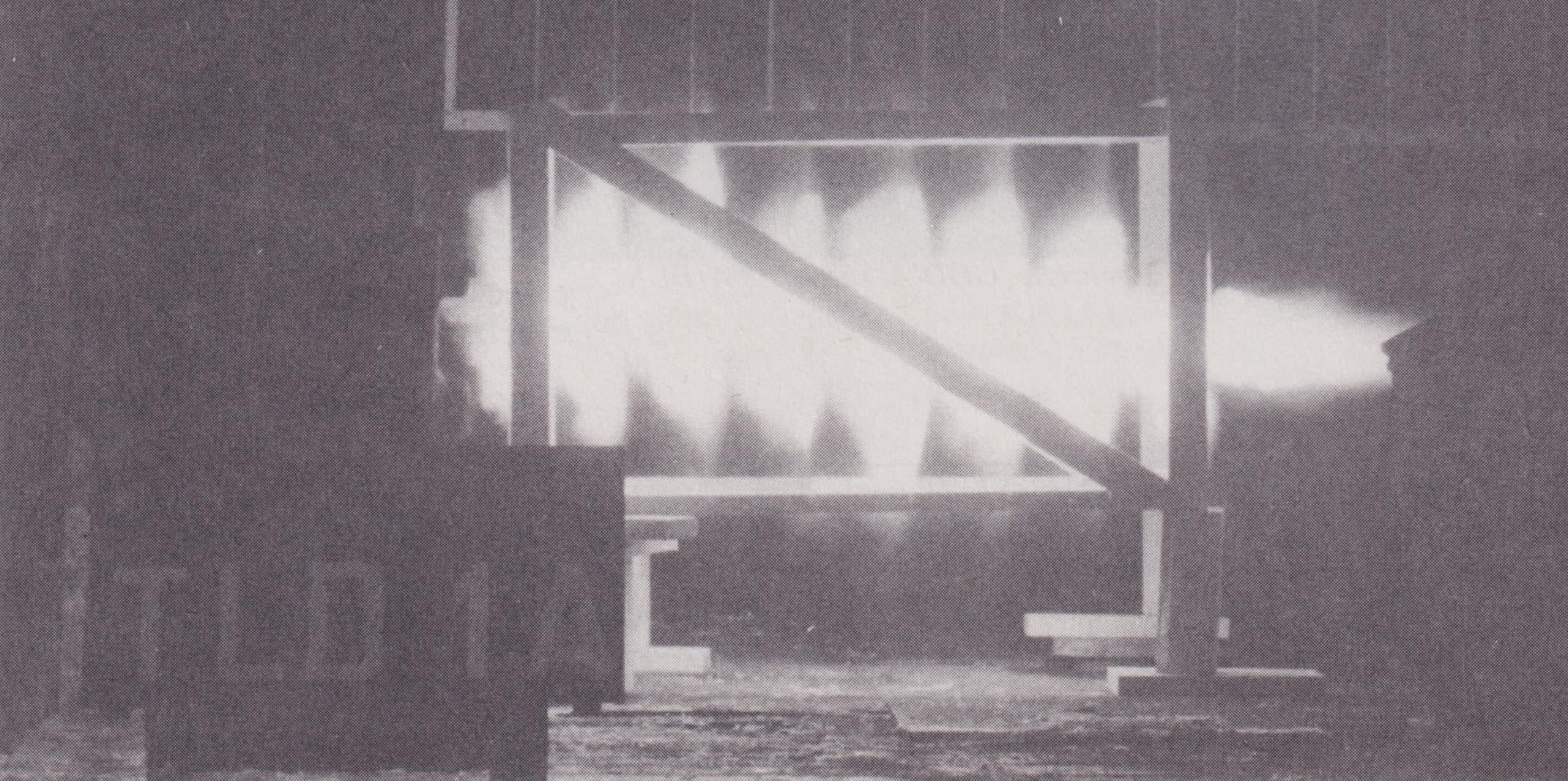
QF-86, impact with live-warhead → Deleted the thing out of the sky.
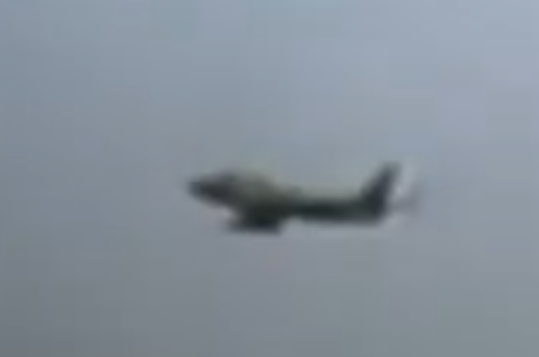
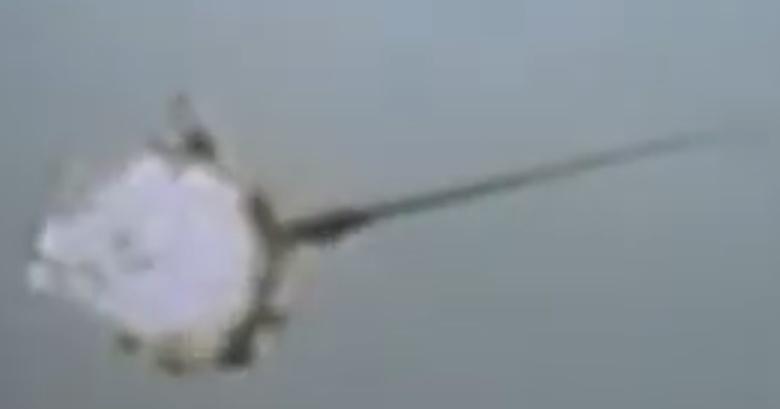
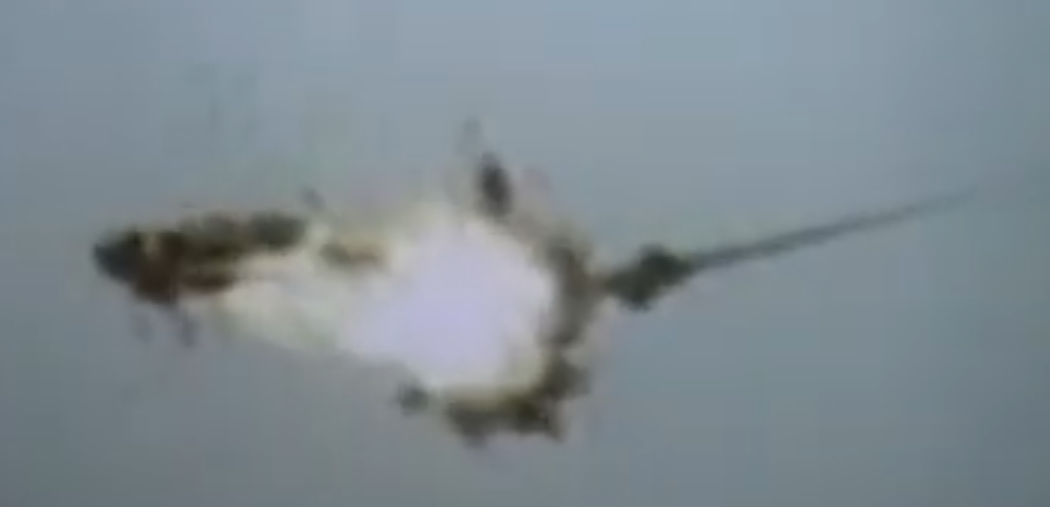
Higher res pictures of the impact:
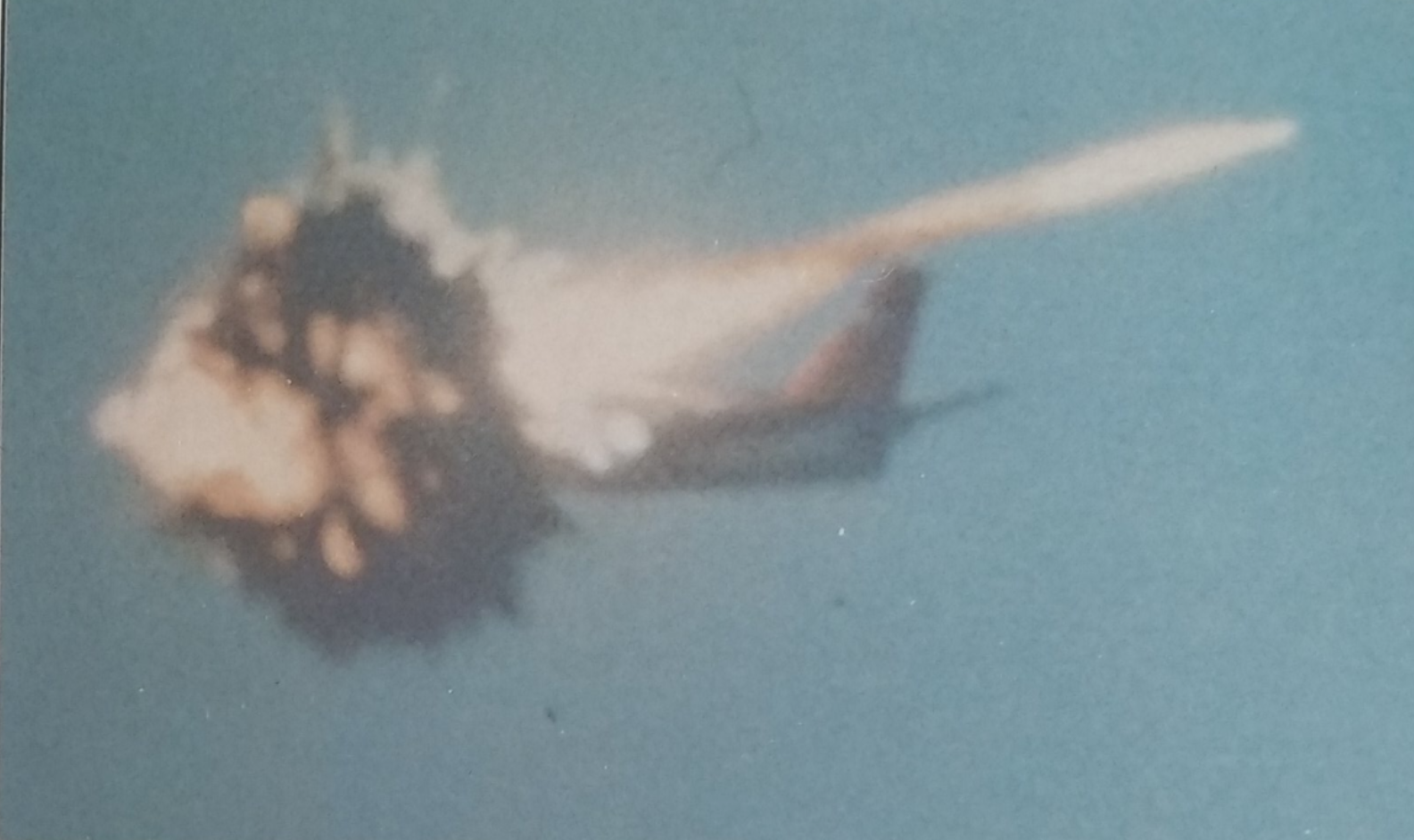
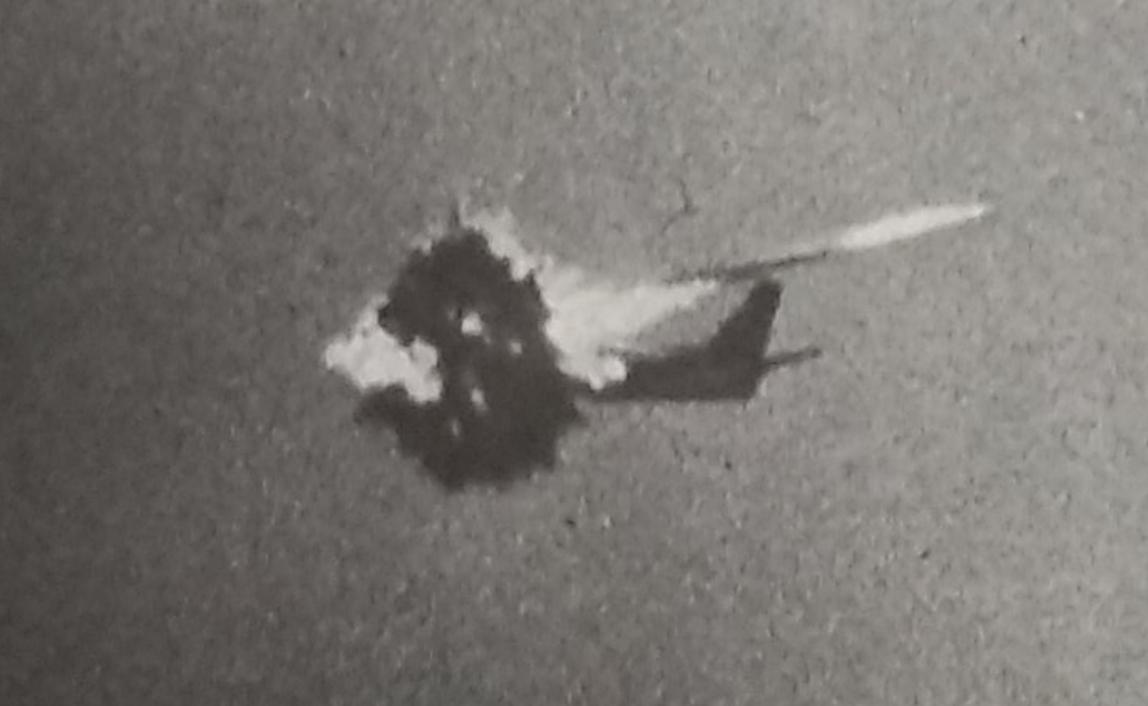
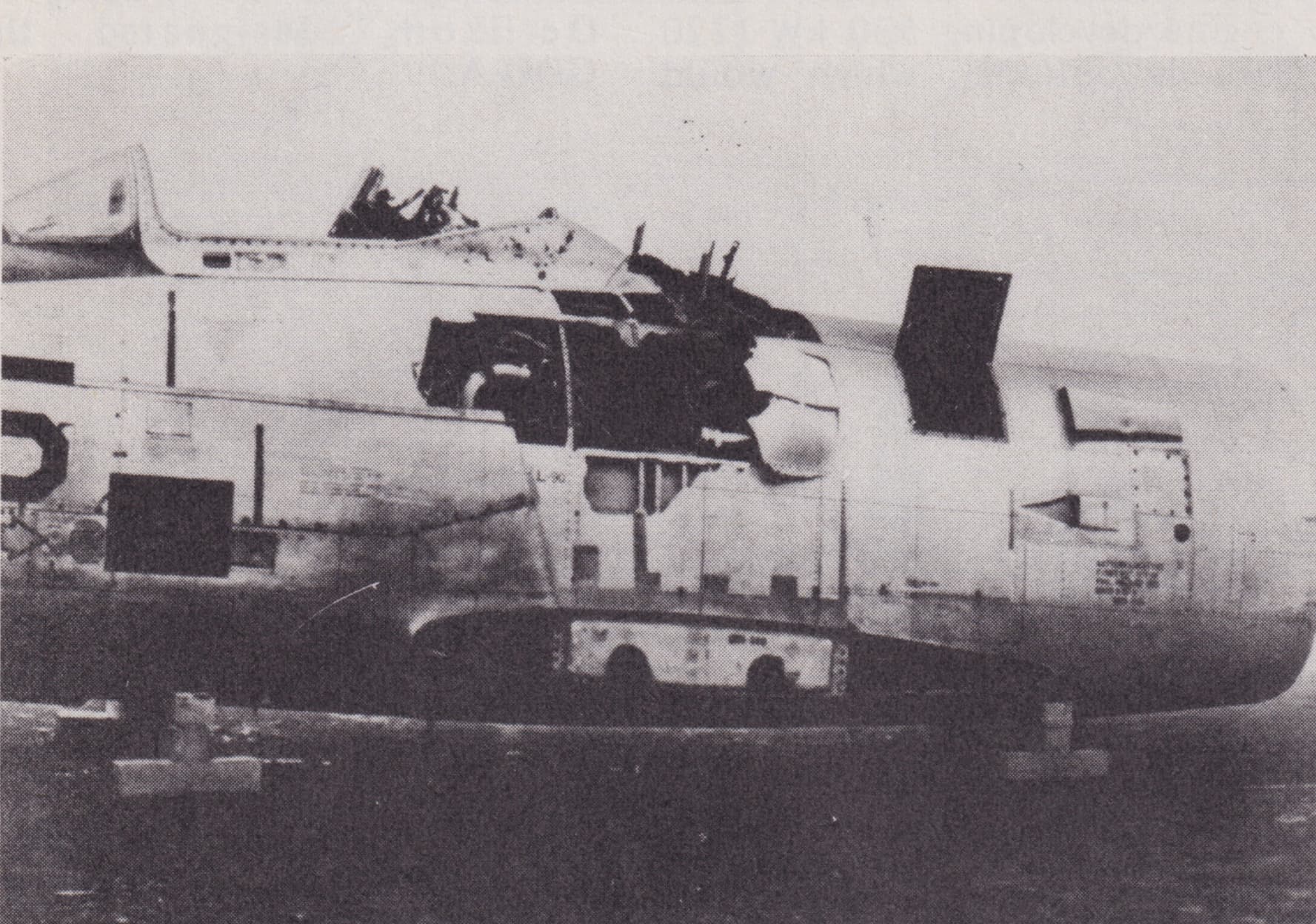
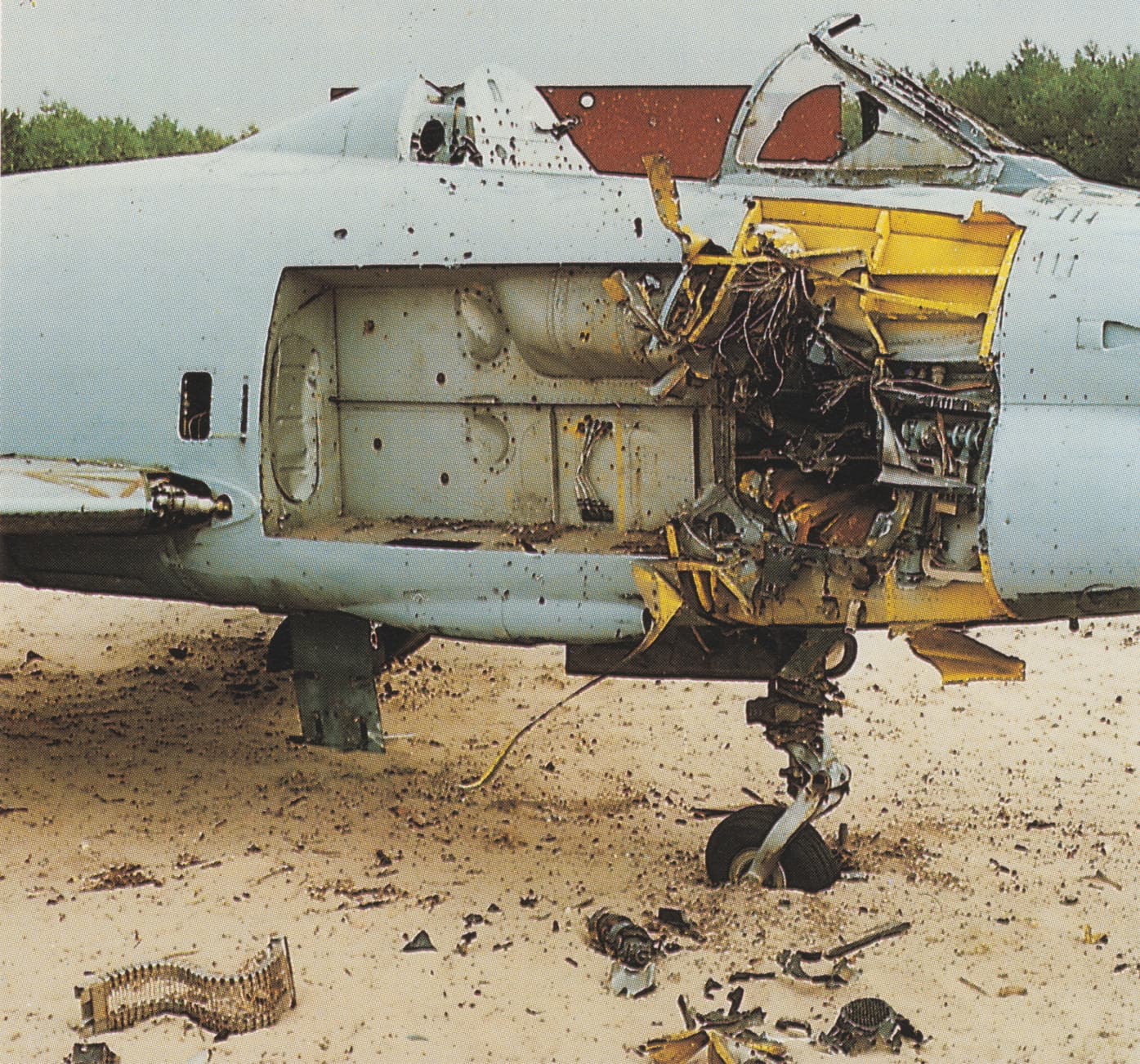
QF-86, impact with live-warhead → Separated the ENTIRE WING ASSEMBLY from the fuselage
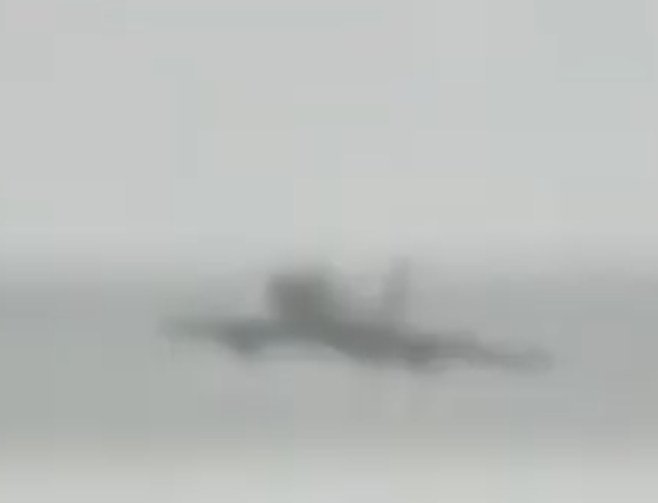
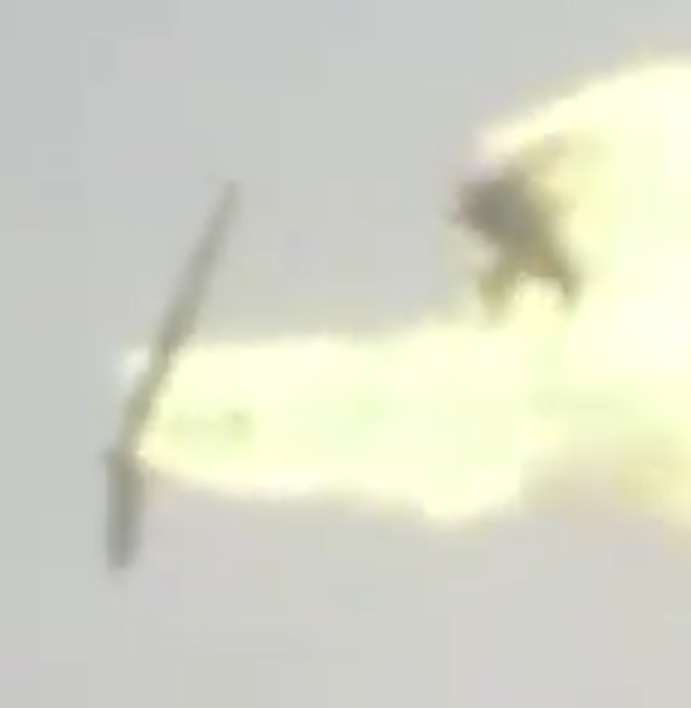
QF-86, Direct impact on wing, Warhead: Training/Dummy (no filler)
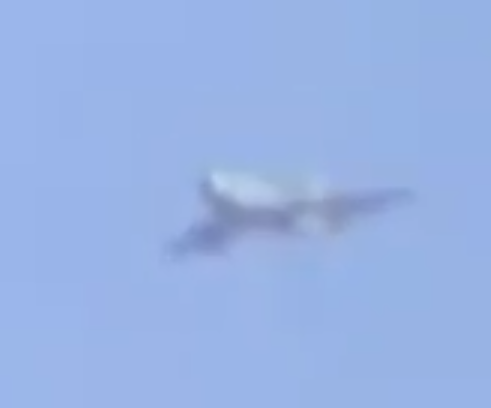
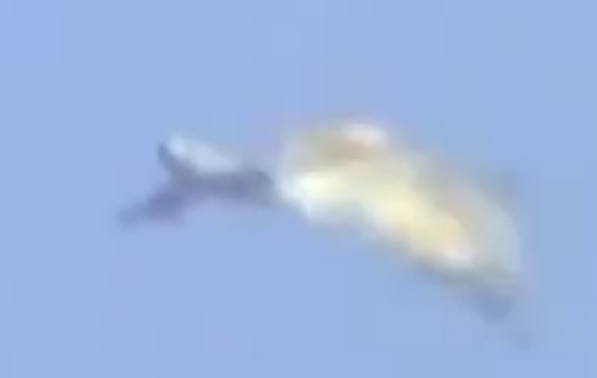
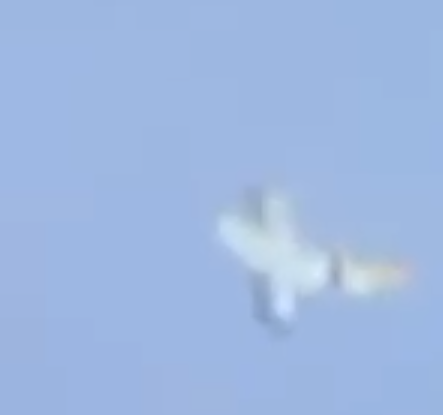
Wings’ and wing-fueltanks survivability are just absurdly overtuned, fragmentation of virtually every shell used on aircraft is insufficient to even pen the wing-fueltanks with fragments or deal damage via blast.
They also gave them what is essentially immunity against Blast-damage; as you need to deal 250 damage to EVEN QUALIFY for setting fires. 250 damage is round about 600g of TNTe btw, roughly a 75mm HE shell.
And wanna take a guess how high the fire-setting chance of a 75mm HE shell’s blast-damage is on a fuel-tank?
9%
What are we even doing man
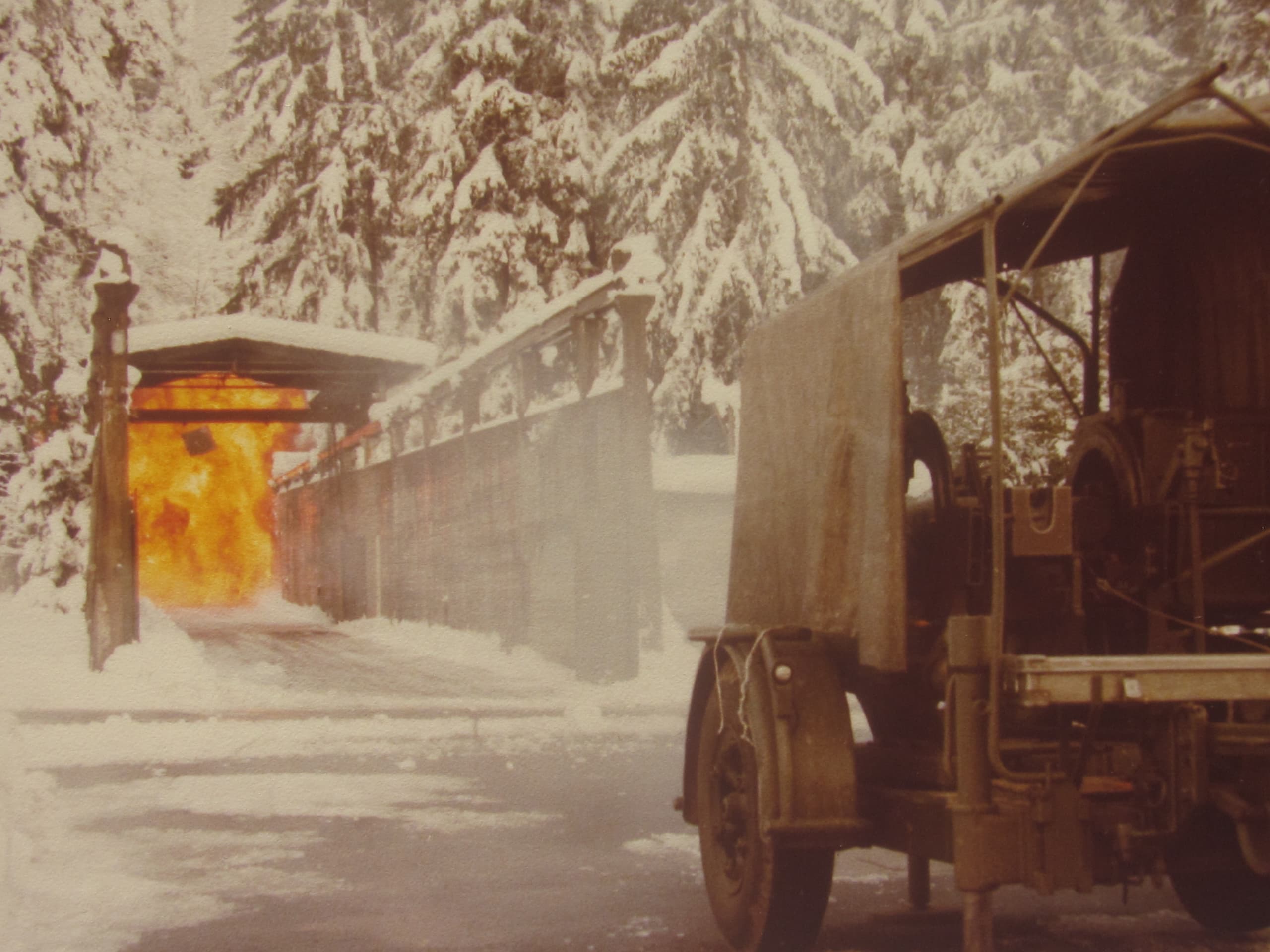
And for any shells that have insufficient tnt filler to deal blast-damage (so virtually all of them), your only way of setting fires is through shrapnel.
Now take a wild guess what they also made fuel-tanks virtually immune against.
Right, shrapnel. (B-24)
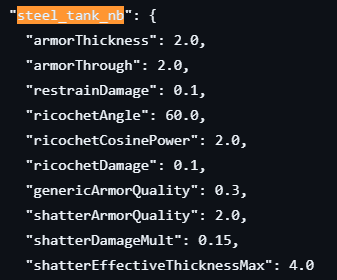
2.0x armour quality against shrapnel (shatterArmorQuality) and also conveniently reduces the damage dealt by shrapnel by 85%.
Mk 108’s, along with almost ALL other 20mm, 25mm, 30mm, etc. HE-I or HEF-I shells have insufficient fragmentation penetration for this in the first place.
Even if you do, by some miracle (faceplanting yourself into the fuel-tank at 90° impact angle or sth) hit the fuel-tank with shrapnel, your fire-chance, at best, is roughly 7.5%.
Direct-hits with non-incendiary AP shells have a whopping 0.25% fire-starting chance on fuel-tanks (much wow much fun).
Like I guess we are just ignoring kinetic energy, which by itself is more than sufficient to make the aluminium react with oxygen and turn the sorrounding air into a literal fireball. (hey, did I mention that we are hitting kerosene?)
As I kinda feared already, the fire-starting chances are just laughable.
I fully understand and support that they lowered the effect of some small-calibre (.50cals e.g.) shells on these aircraft but granting them what is essentially full immunity against >20/30mm HEI fragments and basically all aircraft-gun HEI blast-damage, aswell as non-incendiary AP shells is just demented asf.
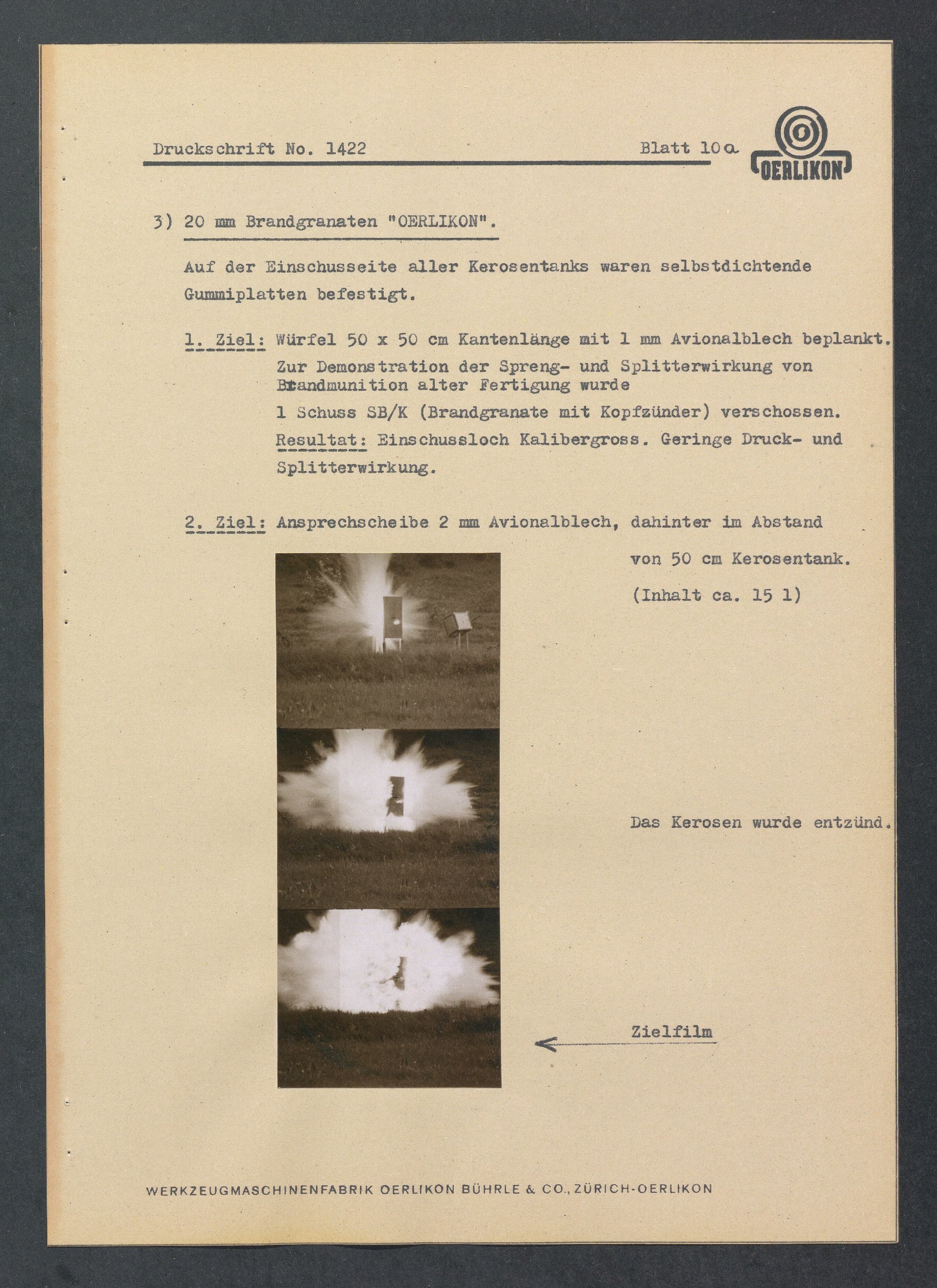
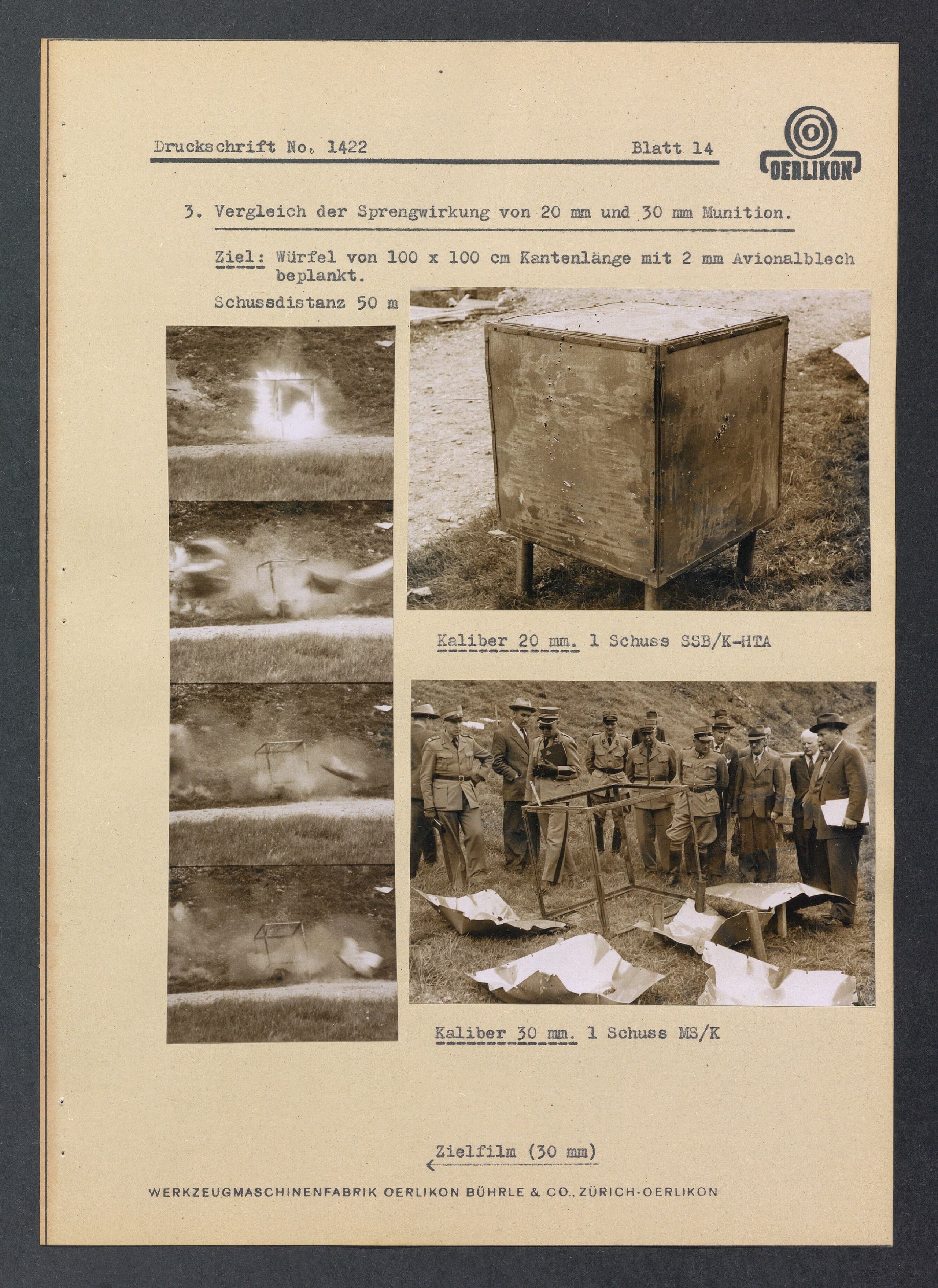
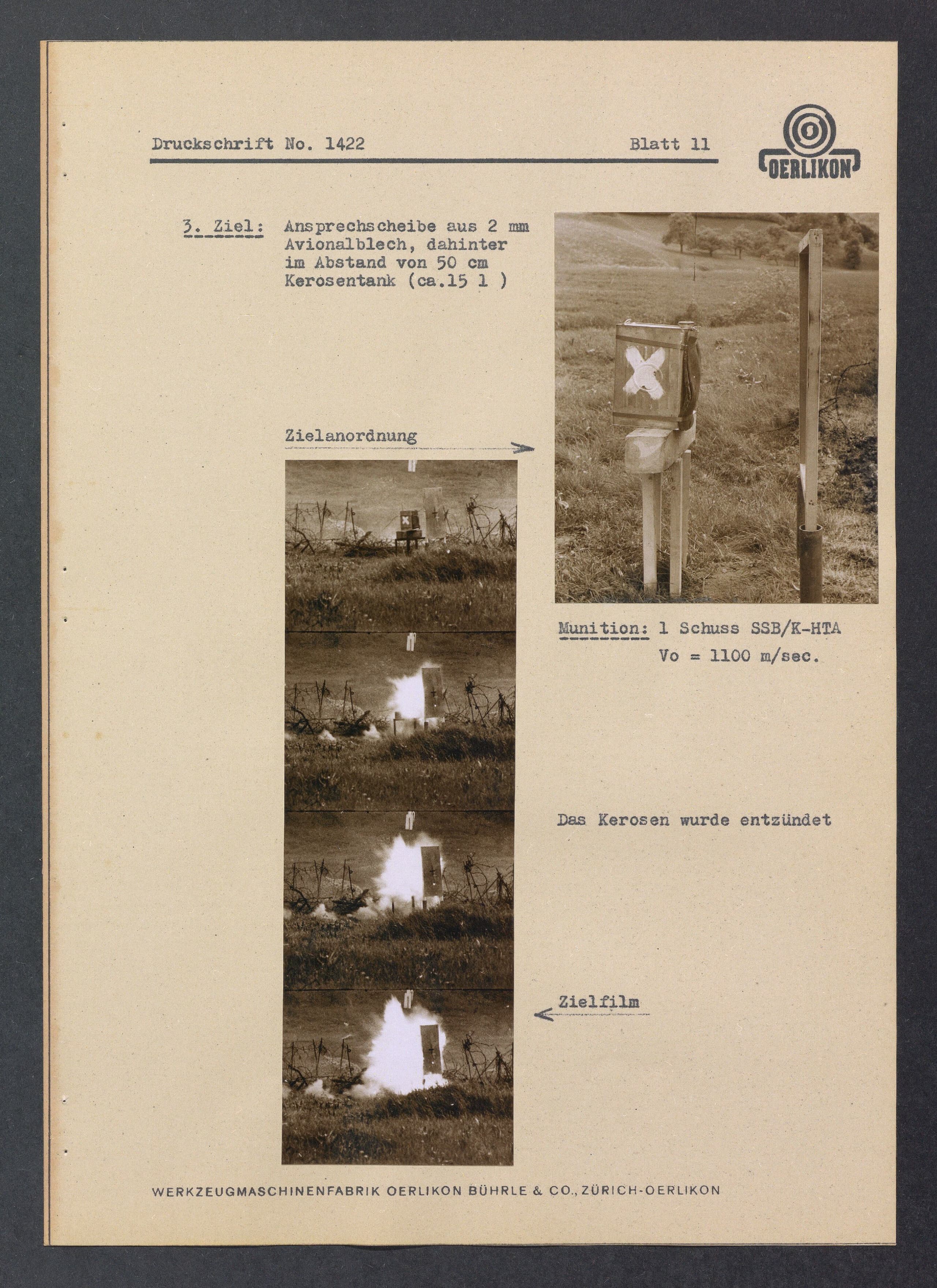
Spoiler: Bonus pictures of firing tests using various Oerlikon shells (20-35mm)
35 mm MSD-042 HEI (112g HEXAL P30), Oerlikon Cannons KD-Series (all)
**20 mm MSA HEI (10.0g HEXAL), Oerlikon Cannons Types KAD (HS 820), KAA (204GK) & KAB (5TG)
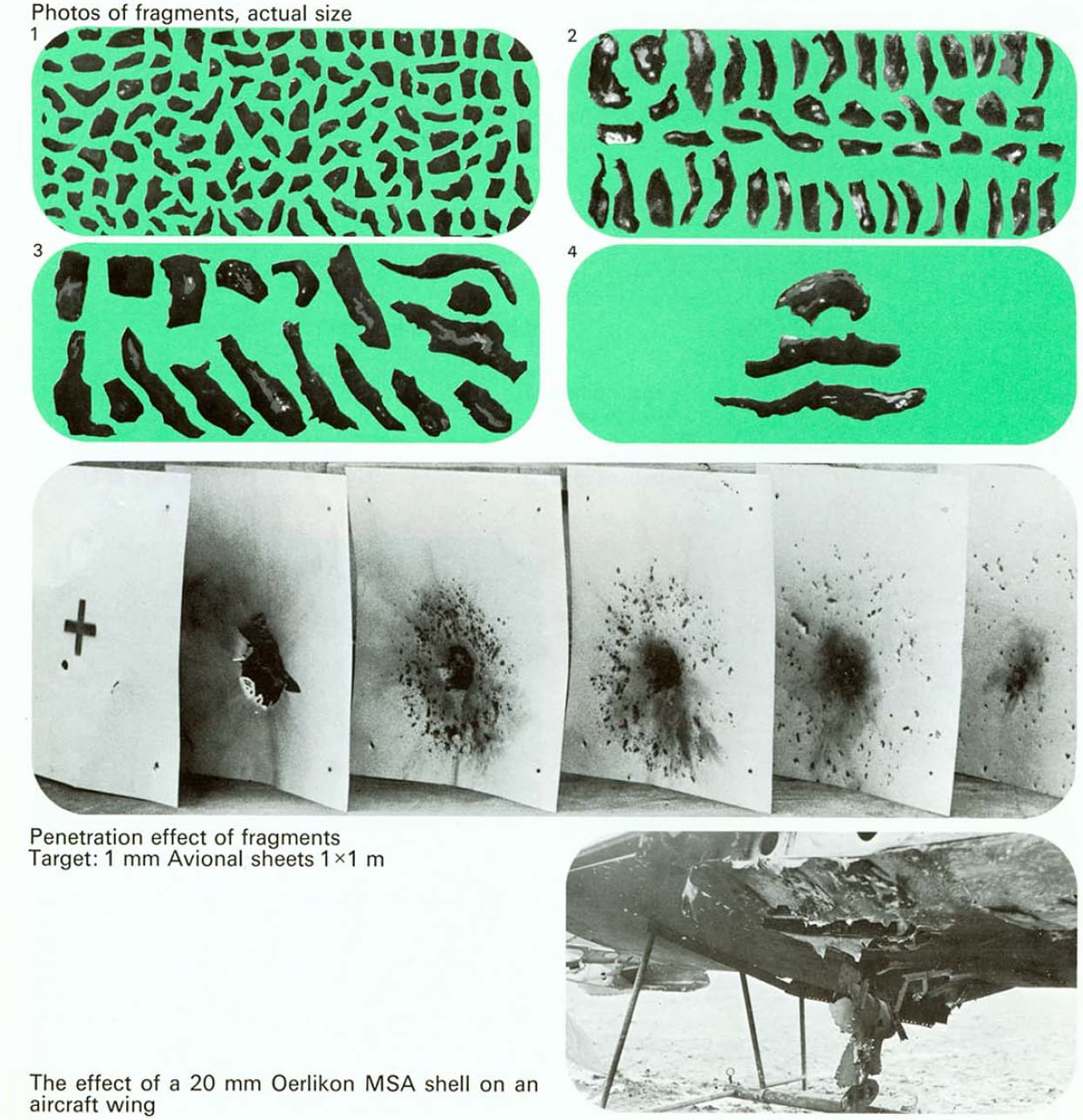
20 mm PLA APHEI-T (4.7g HEXAL), Oerlikon Cannons Types KAD (HS 820), KAA (204GK) & KAB (5TG)
Target: 20mm RHA, 60° (30° NATO)

25 mm SSB-064 HEI (base-fuze, 22g HEXAL P30), Oerlikon Cannon Type KBB
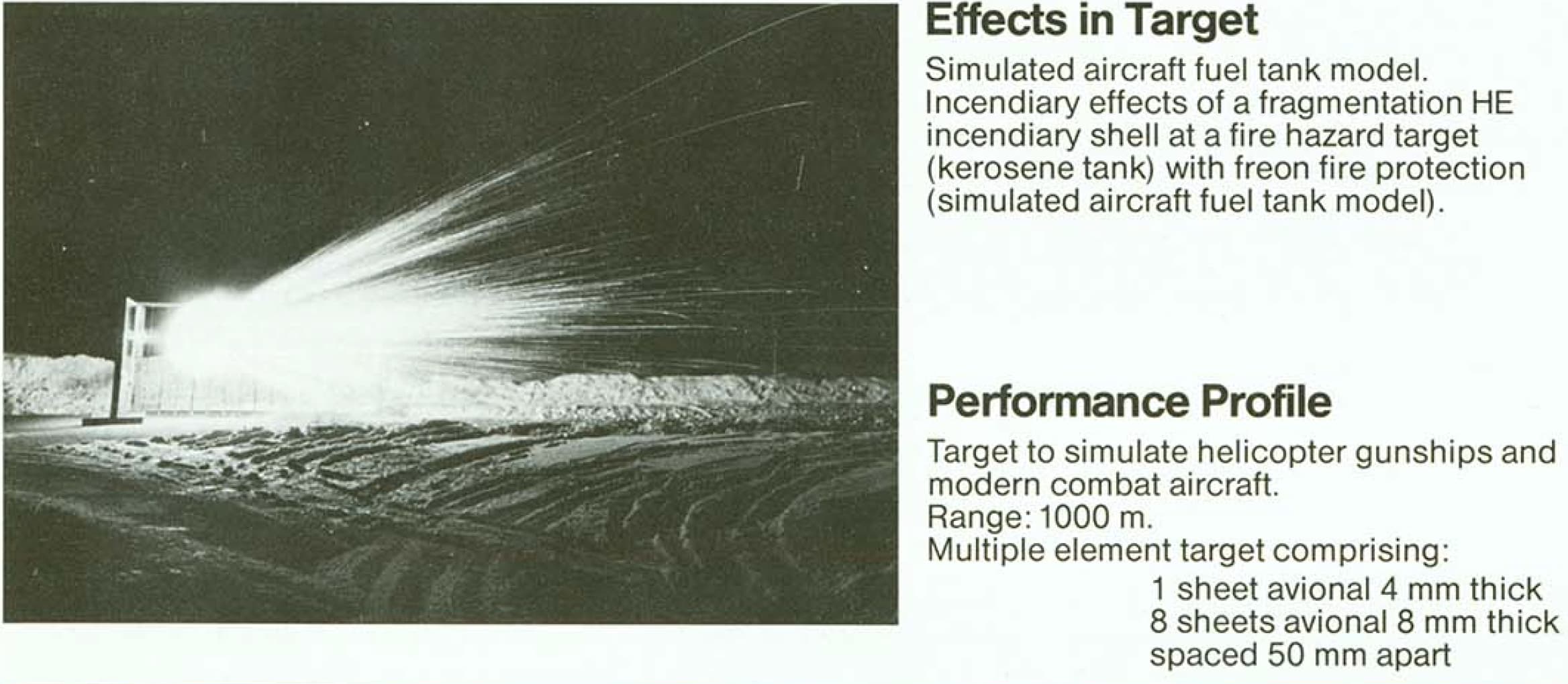
25 mm SLB-050 HEI-T (27g filler), Oerlikon Cannon Type KBA
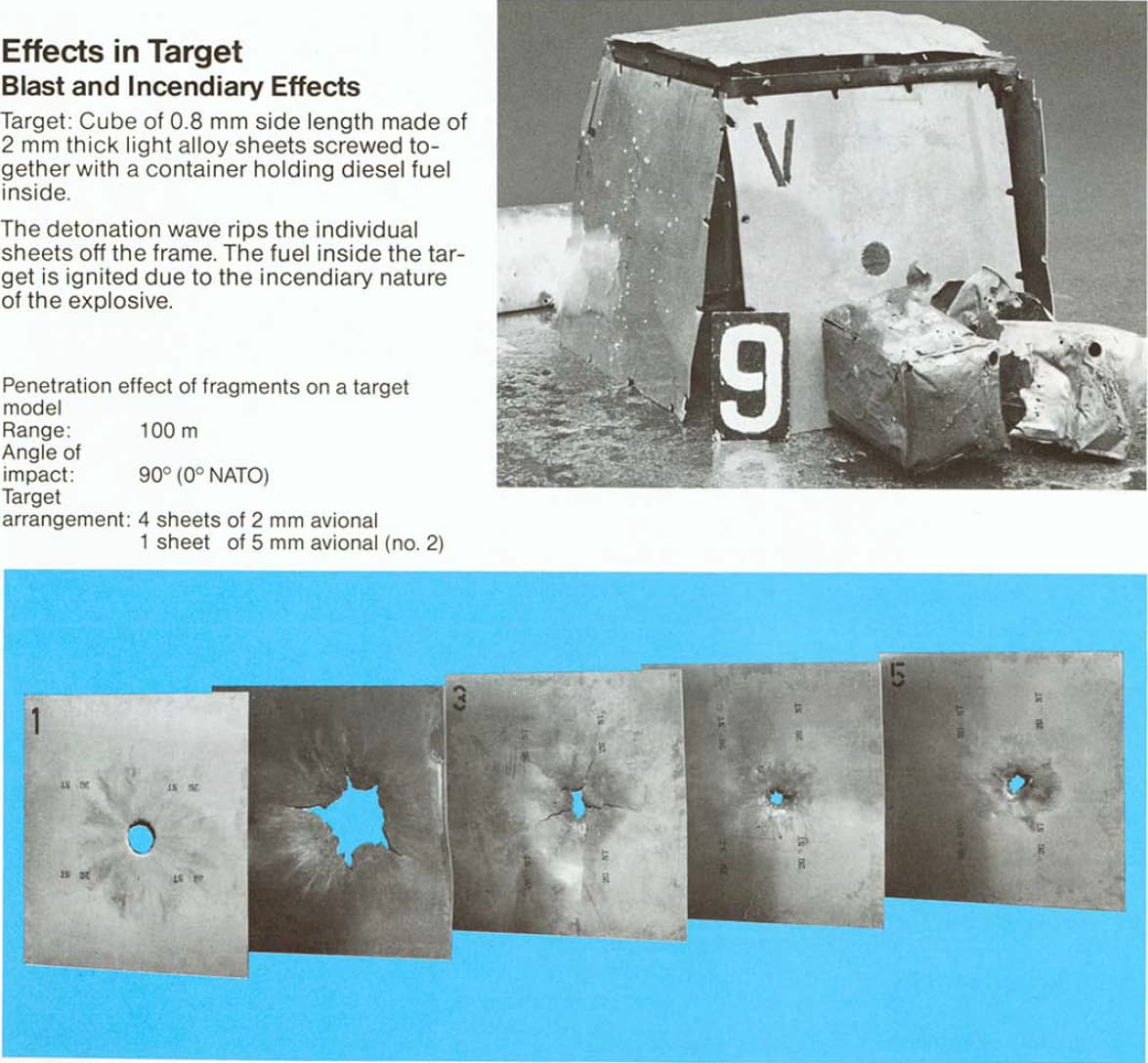
30 mm MSC HEI (36g TORPEX), Oerlikon Cannon Type KCB (HS 831-L)

And some stuff from Oerlikon 20-30mm Cannon Type 302 RK firing tests: