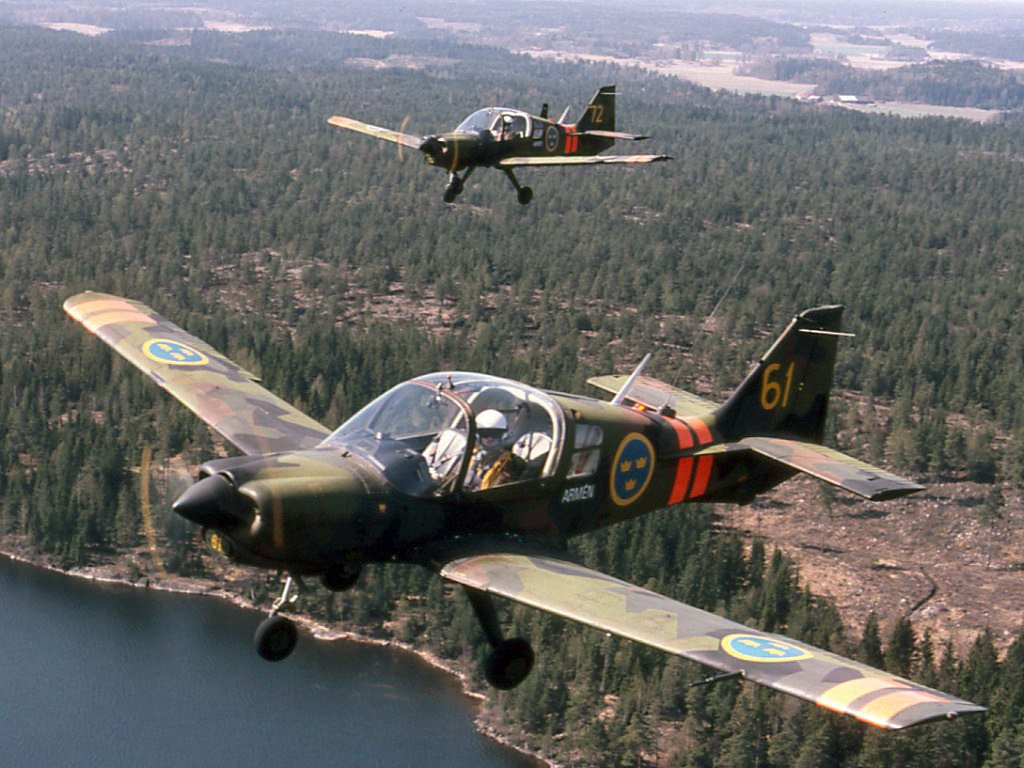
Image By: Towpilot - Own work, CC BY-SA 3.0, File:Scottish Aviation Bulldog, SK 61C.jpg - Wikimedia Commons
Sk 61 is the Swedish designation for the Scottish Aviation Bulldog, which is often recognized as a light trainer. What many people miss is the fact that Bulldogs generally, have quite a bite for the size.
A Plane With a Complex Story
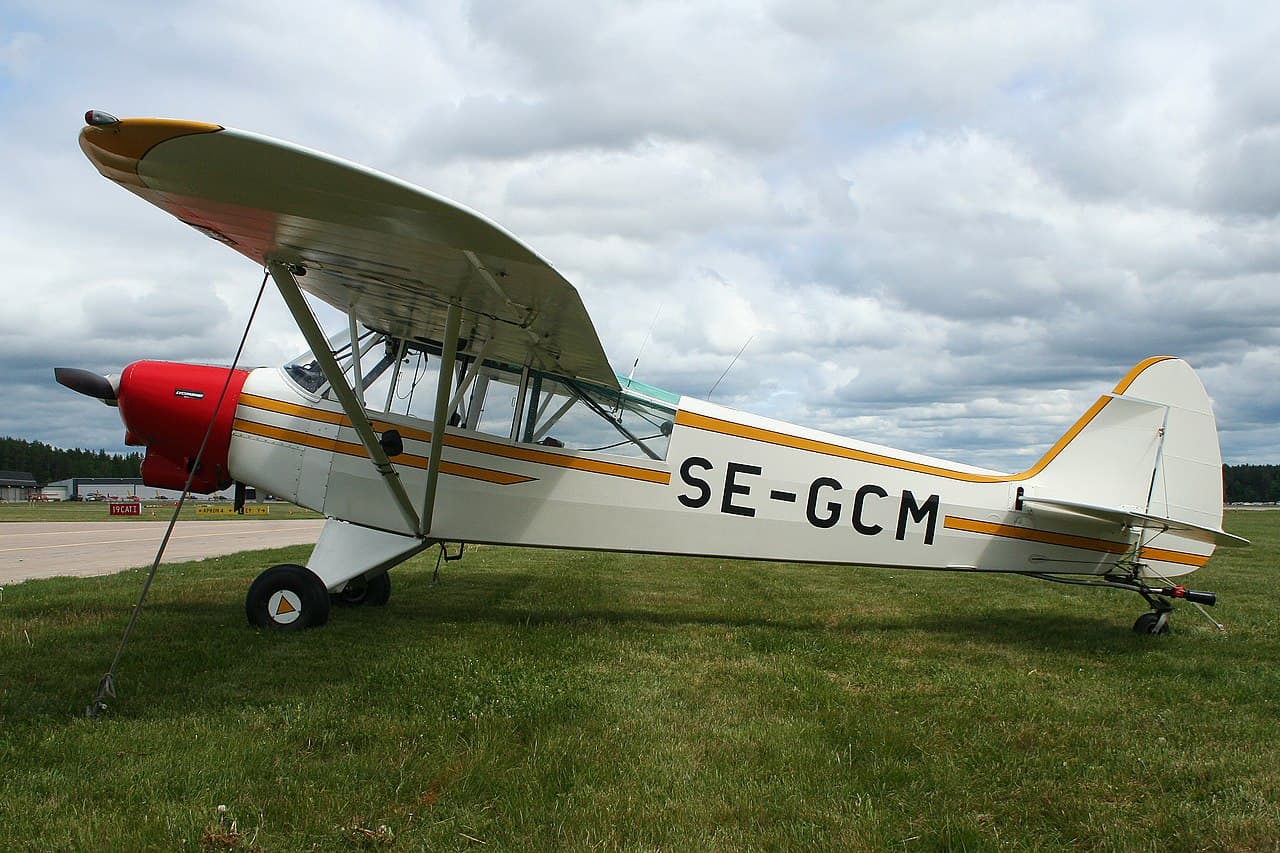
Left: Piper PA-18 Super Cub - FPL 51B
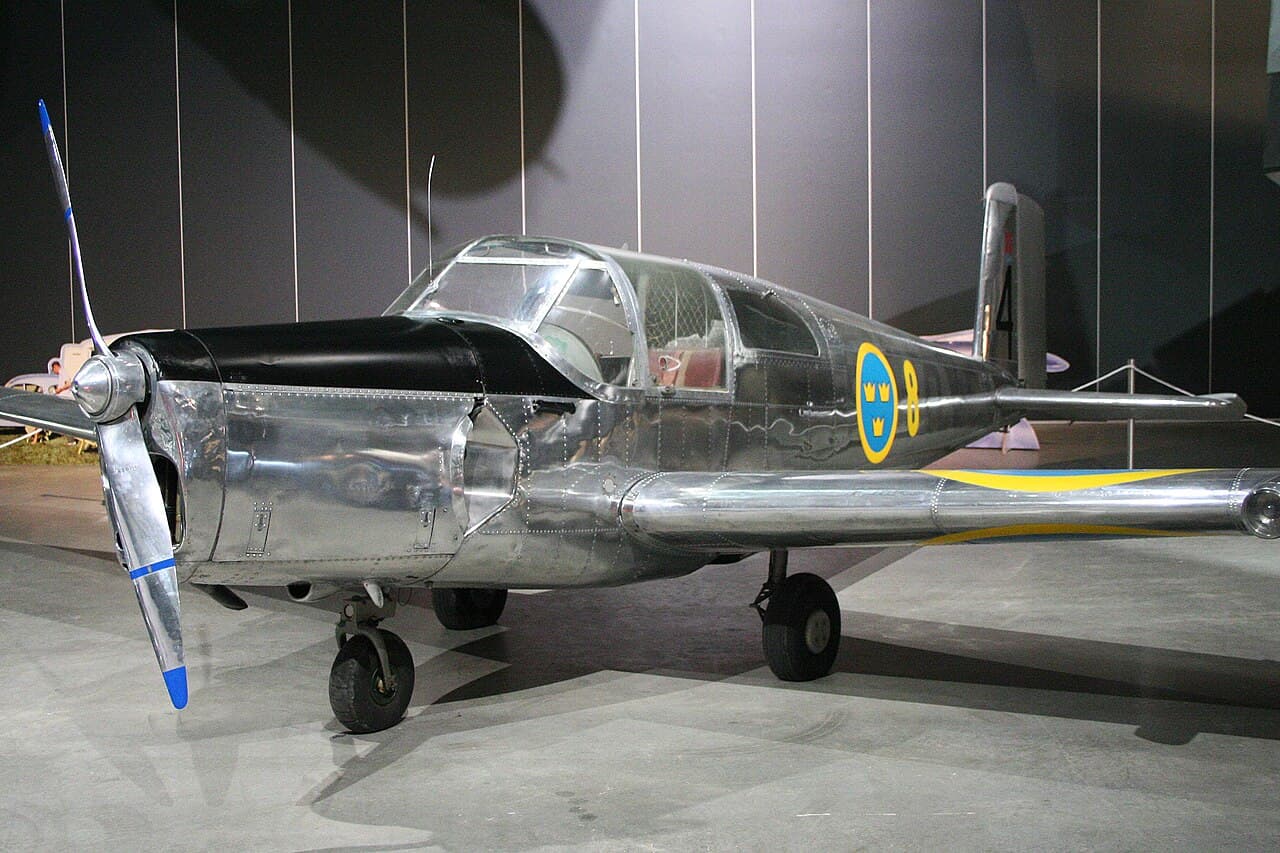
Right: Saab 91 Sk 50 Safir
Picture Credits
Picture 1L: Alan Wilson - Piper PA18-150 Super Cub ‘SE-GCM’, CC BY-SA 2.0, File:Piper PA18-150 Super Cub SE-GCM (8402795247).jpg - Wikimedia Commons
Picture 2R: Alan Wilson - Saab S.91A Safir ‘91004 / 4’ (SE-AYC), CC BY-SA 2.0, File:Saab S.91A Safir 91004 4 (SE-AYC) (8313976619).jpg - Wikimedia Commons
When the Swedish Defence Materiel Administration (FMV) announced its intention to replace the Air Force’s Sk 50 Safir trainer and the Army Aviation’s FPL 51B artillery spotting and forward air control aircraft, a flood of manufacturers responded with proposals. Once the bidding period closed, the following aircraft had been offered:
SAAB MFI 15, Beagle Aircraft B 121, SIAI Marchetti S 202, Moravan National Works ZLIN Z42, Piper Aircraft PA-28 180D, Piper Aircraft PA-28 140, Beech Aircraft Musketeer Sport, Beech Aircraft III, Cessna Aircraft FR 172E, Siebel Werke GmbH SIAT 223K, Morane-Saulnier MS 893, and Fuji Heavy Industries FA 200.
After the first eliminations had gone through, two candidates were left standing: A modified Beagle B.125 Bulldog and the Swedish MFI 15.
Generally, Sweden prioritizes Swedish alternatives for their aviation programs, but there was one problem: Flight testing and technical evaluations had only been conducted on the Beagle 150 Pup, a smaller and weaker version, and the MFI 9B, a much smaller and simpler model. What this meant, is that neither of the two finalist aircraft chosen had ever been test-flown. Even worse for the Swedish MFI was the fact that the MFI 9B was smaller, had a very cramped cockpit and differed significantly from the MFI 15, which was one of the original (never flown) two finalist aircraft. The MFI 15 was also disliked by many since it had high-mounted wings, which were deemed unsuitable for formation training - which was crucial since it would both be a trainer and actively used by the Swedish Army.
The prototype of the Beagle B.125 Bulldog had at the same time never flown. Even though this was a fact, the Swedish Defence Materiel Administration (FMV) concluded in its evaluation: “After evaluation, FMV finds that the Beagle B.125 Bulldog is technically superior to the MFI 15”.
Many observers argued that the Swedish MFI 15 was never given a fair chance in the competition. As a result, a formal complaint alleging misconduct in office was submitted to JO on 20 July 1969. Several other questionable, and at times suspicious, circumstances were also reported during the procurement process.
Pictures
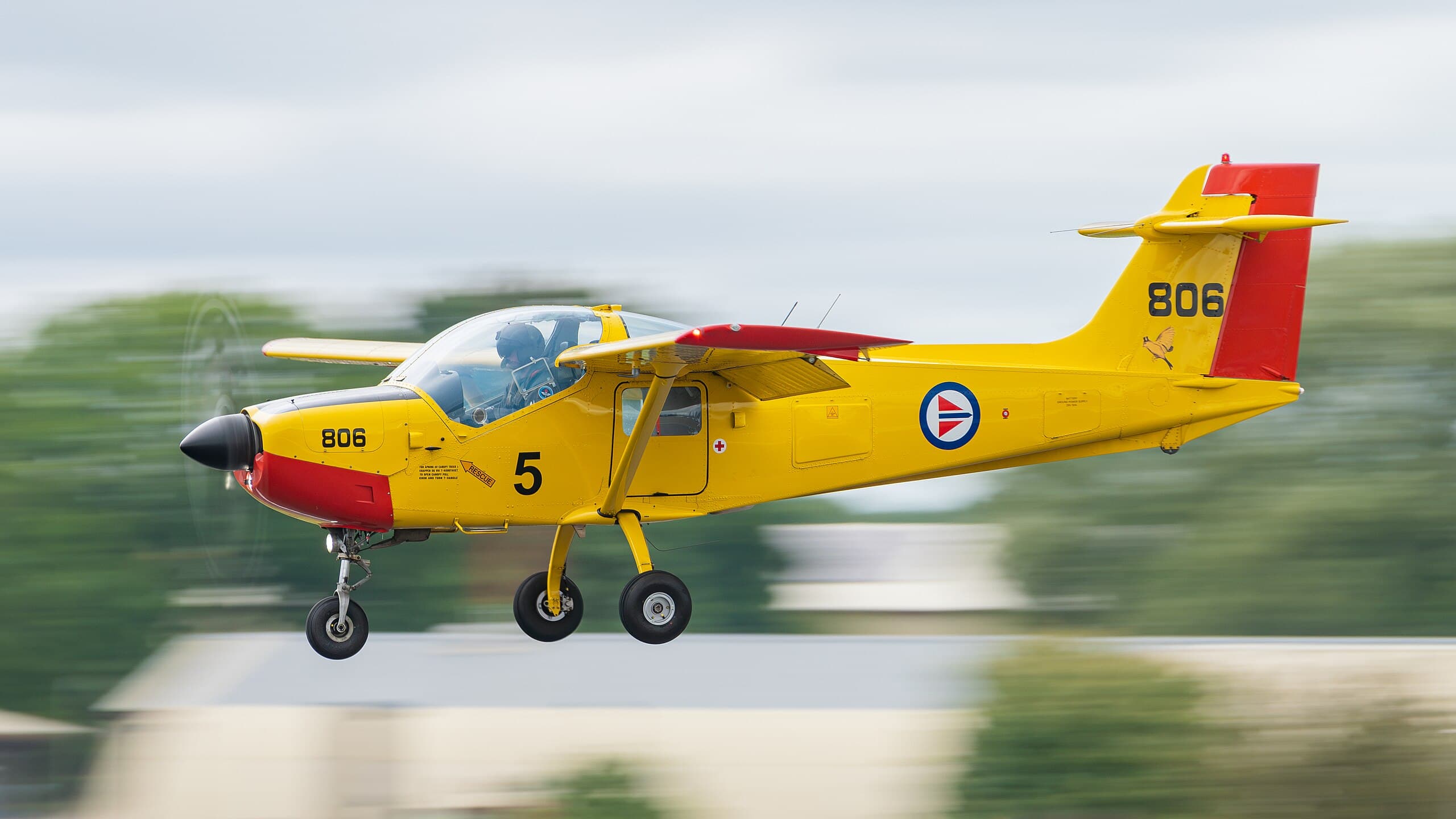
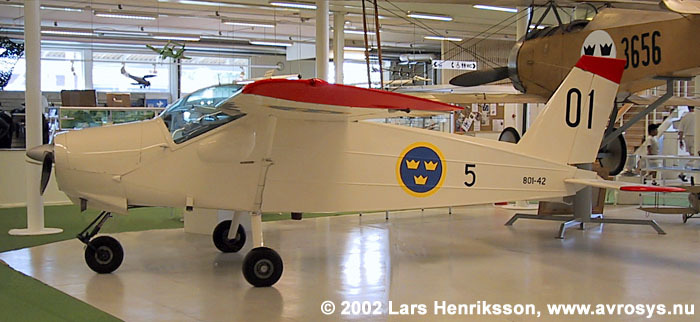
A Norwegian AF MFI-15 (top) compared to the MFI-9 (bottom)
Top pic: By Julian Herzog (Website) - Own work, CC BY 4.0, File:RNoAF Saab MFI-15 Safari 806 Royal International Air Tattoo 2024 01.jpg - Wikimedia Commons
Bottom pic: By Lars Henriksson Fpl 801 MFI-9B Militrainer
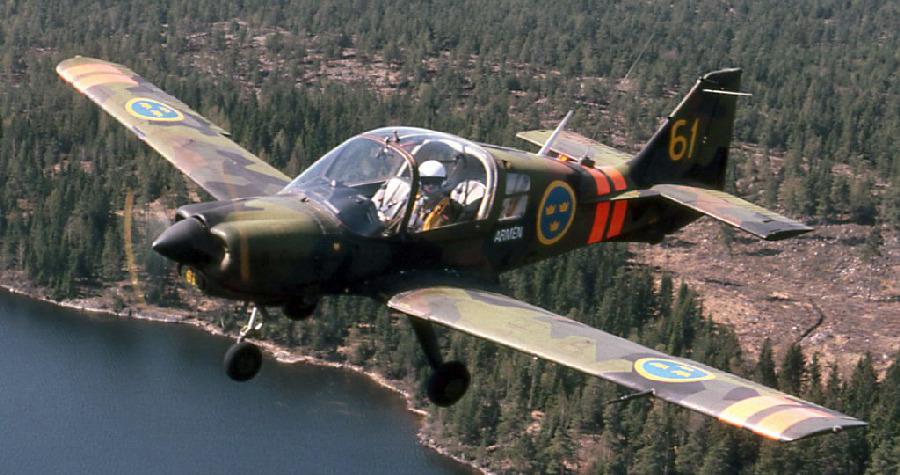
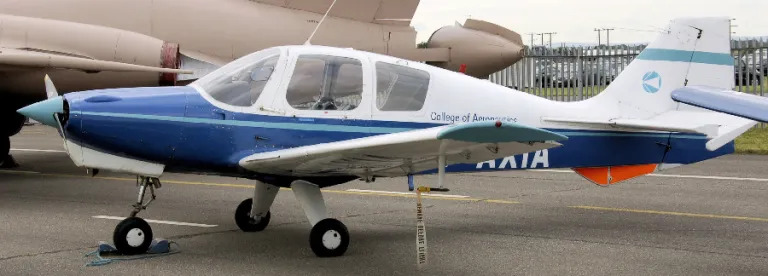
An Sk 61 (B.125 Bulldog (top)) compared to the B.100 Pup (bottom)
Top pic: Towpilot (CC BY-SA 3.0, cropped).
Bottom pic: Arpingstone (PD, Wikimedia, cropped).
The so-called Bulldog-affair wasn’t only criticized for not giving the Swedish MFI a proper chance, but also since it was a very expensive deal, which would probably have been less costly if the MFIs were chosen instead.
Nonetheless, the deal was made for 58 aircraft for the SwAF and 20 for the Army was sent five days later.
Once all the hassle regarding choices was over, five main variants were taking shape:
Sk 61A: The standard version with 58 units in service with the SwAF.
Sk 61B: The Armed version made for training Viggen pilots - 6 in service with the SwAF.
Sk 61C: The Liaison version made for artillery reconnaissance, liaison and transport. Modified with new avionics. 20 in service with the Swedish Army.
Sk 60D: The commercial aviation version, with commercial intruments and VOR.
Sk 60E: It featured VOR and DME (distance measuring equipment), an Instrument Landing System (ILS), an Automatic Direction Finder (ADF), an encoder for altitude detection and reporting, and a Marker system for pinpointing locations on the terrain.
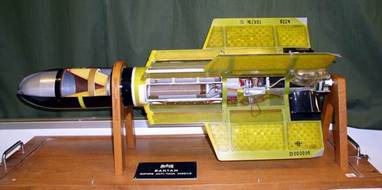
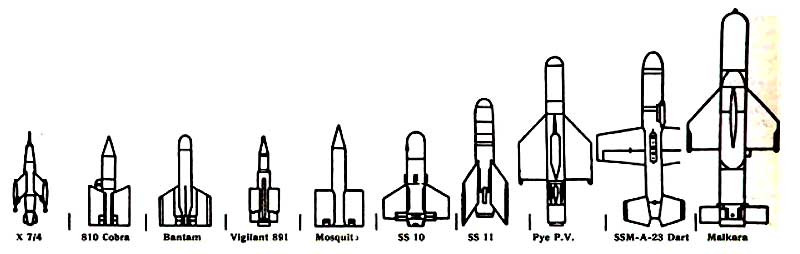
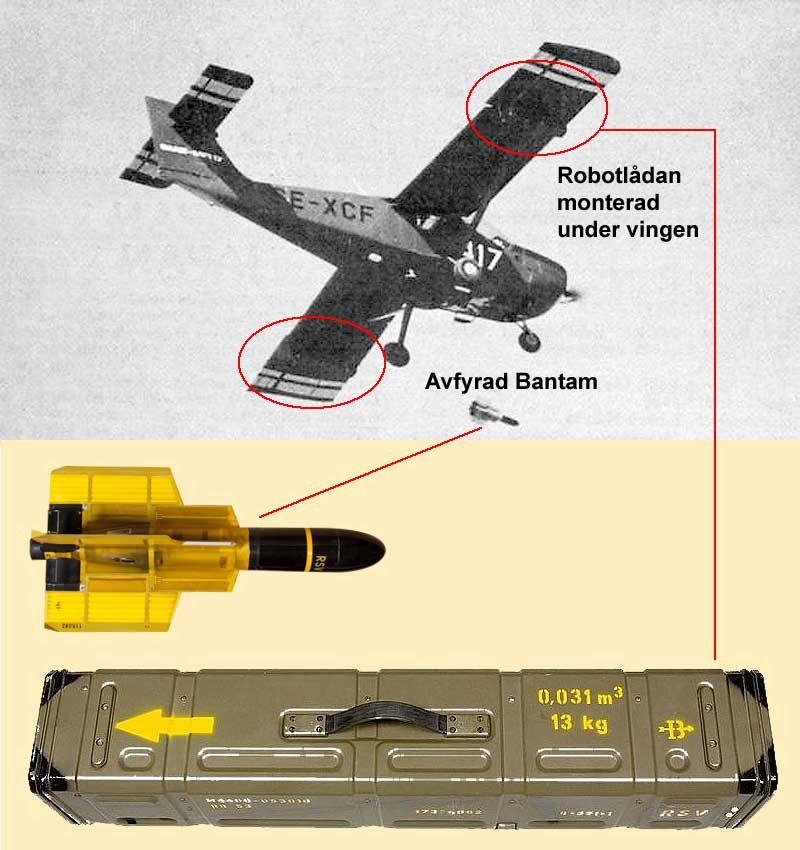
The Sk 61B was the only armed version within the Swedish Forces, mainly used for training AJ-Viggen pilots in MCLOS. Training was carried out using the Rb 53 BANTAM instead of the significantly more expensive Rb 05. The BANTAMs would typically be installed on the right wing tip and the missile would hence be controlled from the right seat. What this meant is that many AJ-Viggen pilots, were trained on at least two aircraft types (Sk 60 and Sk 61) before getting to train on the Viggen.
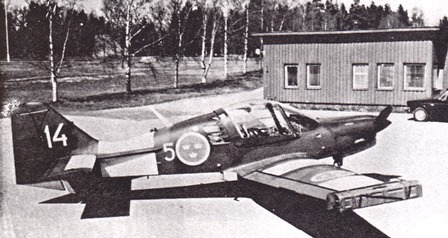
Photo: Olausson - Note the BANTAM mounted on the wing tip!
Data and armament
-
Powerplant: 1 × Lycoming IO-360-A1B6 4-cylinder air-cooled piston engine, 200 hp - 150 kW
-
Crew: 2 (up to 3) (At least a crew of 2 was needed for the Sk 61B. One Pilot, one MCLOS-guide.
-
Empty weight: 669 kg
-
Wingspan: 10.1054 m
-
Propellers: 2-bladed Hartzell constant speed propeller
-
Length: 7.0881 m
-
Wing area: 12.02 m²
-
Max takeoff weight: 1,066 kg
-
Height: 2.731 m
Performance
-
Stall speed: 100 km/h
-
Rate of climb: 5.25 m/s
-
Maximum speed: 241 km/h
-
Wing loading: 89 kg/m²
-
Service ceiling: 4,900 m
-
Never exceed speed: 343 km/h
-
Range: 540 nmi 1,000 km
-
g limits: + 6-7g | −3g
Armament (four hardpoints)
General armament - Scottish Aviation Bulldog
-
Bombs up to 290 kg
-
68mm SNEB Rocket Pods
-
80mm SURA Rockets
-
(.30 in) 7.62mm machine gun pods
-
Rb 53 BANTAM anti-tank missiles - Sk 61B only. Standard was 1 x BANTAM, but up to five extra (or more) could be mounted on the hardpoints and on the left wingtip making it a total to 6 x BANTAMs thanks to the light weight of both the container and the missile itself.
-
Additional rockets
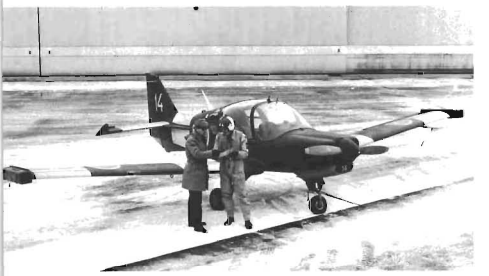
Sk 61B seen with both wingtips armed

The BANTAMs are so light (13 kg) that soldiers could carry them on their backs.
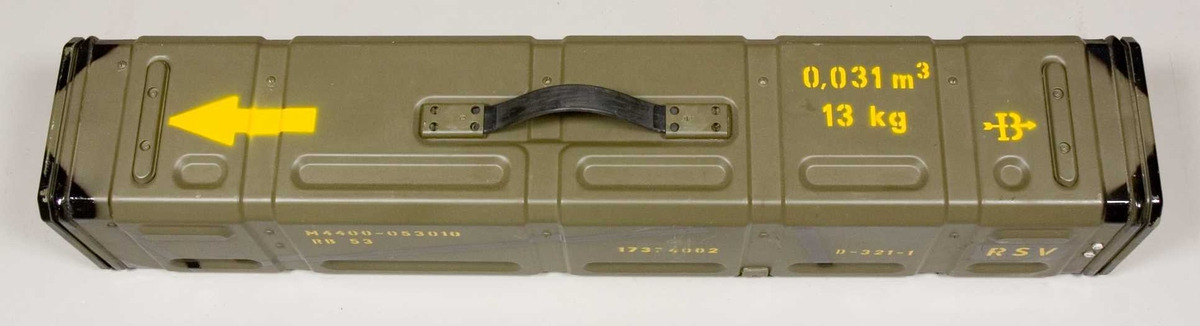
Picture: Armémuseum (Swedish Army Museum) - Robot 53 -Armémuseum / DigitaltMuseum, CC BY 4.0, File:Bofors Robot 53 (Bantam) 004.jpg - Wikimedia Commons
Fun facts:
-
The Sk 61Bs were painted in the classic “Viggen” camo, even though they were trainer aircraft - leading many to believe that it would be used in actual combat in the event of an invasion.
-
Sk 61 was sometimes fitted with snow feet instead of landing gear:
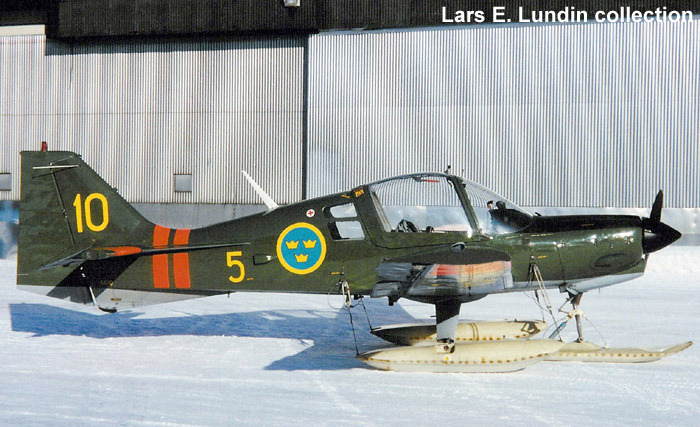
Photo: SK 61 Scottish Aviation Bulldog page 2
Sk 61B in War Thunder
Core Issue
The main issue with the aircraft is not that it is inherently overpowered or underpowered, but that its effectiveness differs massively between Air RB and Ground RB.
In air combat, the aircraft is:
-
slow
-
has poor climb performance
-
decent maneuverability
In Ground RB, however, the situation is the opposite:
-
it is a very stable firing platform
-
low speed actually improves precision
-
highly effective as a M/CAS/COIN aircraft
-
ATGMs make it potent against ground targets
Solution 1: Separate BRs for Air and Ground
This is the cleanest and most practical solution, and it is already used by Gaijin on several aircraft.
Proposed BR split:
- Air RB: ~1.3
At this BR, the aircraft faces other early, low-performance planes. It would still not dominate, but it would at least be playable instead of completely irrelevant.
- Ground RB: ~7.7
This is where the aircraft’s real strength lies. ATGMs are powerful here, but not excessive. At this BR, players already face:
-
Helicopters (with BANTAMs)
-
jet CAS
-
recon drones
Pros:
-
Minimal development effort
-
Balance based on actual gameplay role
Cons:
- Requires players to understand different BRs per game mode, which is already an established mechanic
Solution 2: Adding Two Sk 61Bs
This option is slightly heavier in terms of implementation, but extremely clear from a player perspective.
Sk 61B (non-ATGM / lightly armed)
-
BR: ~1.3
-
Role: “fighter” / light attack
-
No ATGMs
-
Naturally fits into low-BR Air RB
Sk 61B (ATGM-equipped)
-
BR: ~7.7 (folded behind Sk 60B?)
-
Dedicated M/CAS aircraft
-
ATGMs as primary armament
-
Clear and balanced role in Ground RB
Pros:
-
Very easy for players to understand
-
No BR confusion
-
Each version can be balanced independently
Cons:
-
Adds another vehicle to the tech tree
-
Slightly more work to implement
Note that the optimal thing would be to have it in the heli-tree or a seperate COIN tree/sub-tree, but since that isn’t in WT, it isn’t a solution for this suggestion currently.
What would you want?
-
Solution 1
-
Solution 2
-
No/Do not care
Do you want the Sk 61B in War Thunder?
-
Yes!
-
No.
Sources
Flygvapennytt: https://www.aef.se/Flygvapnet/Tidskrifter/FV_Nytt/Flygvapennytt_1972-2_och_3.pdf
Scottish Aviation Bulldog – Wikipedia
Scottish Aviation Bulldog - Wikipedia
https://flygplanshistorik.se/61/61tek.htm?m1=260&m2=338&hl=340#GTEM
S A Beagle Bulldog, SK 61A - Ängelholms Flygmuseum