No, HESH actually has decent penetration according to historical tests. It will readily punch through exterior armor without significant thickness. Stowage bins and sideskirts should not stop a HESH round.
1 Like
Thats beacuse it failed to fuse. In-game rounds don’t fail to fuse and have a 0.1mm fuse. So no, hesh shouldn’t really have AP properties.
If you added failing to fuse, a huge portion of APHE would just be AP. Which honestly should be in the game considering more APHE fail to fuse than APDS shatter.
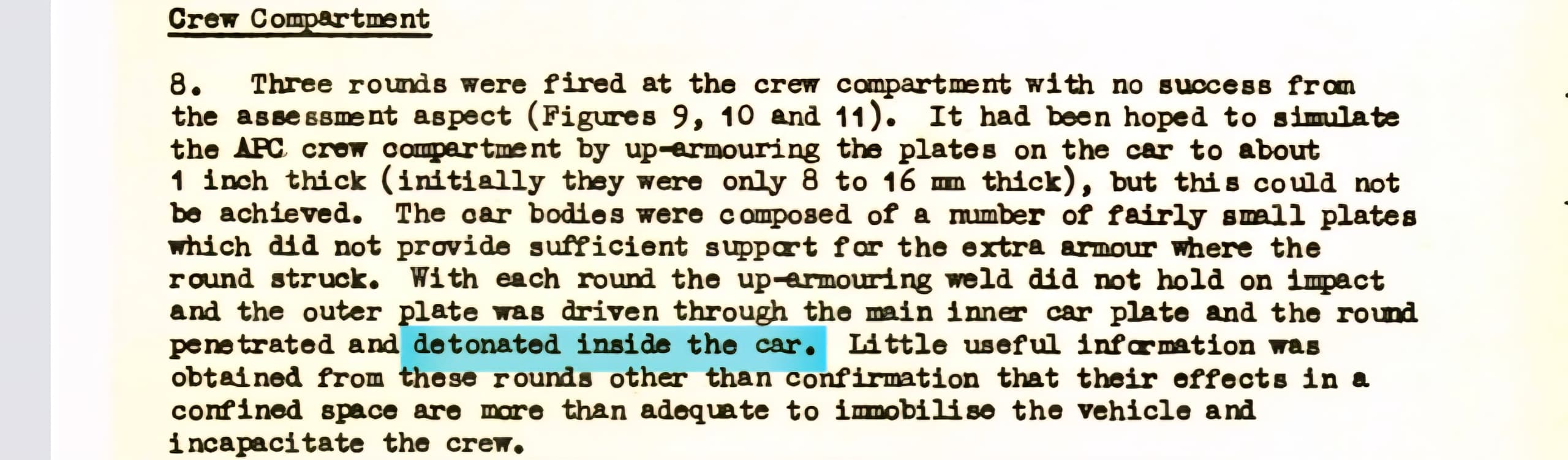
it actually acted like an APHE on that shot.
Ive used that document in a couple (ignored) bug reports.
Read the actual document properly. Its damning evidence that gaijin does hesh incredibly wrong, 76mm HESH in the real world outperforms war thunder 105mm hesh despite having 1/3 of the HE filler
6 Likes
ok, now lets walk through this. A shell wth a 0.1mm fuse hit a plate… failed to fuse… then broke through the plate and entered the tank where it then proceeded to fuse. Or did you want to go through the mental gymnastics of how it entered the tank without fusing another way.
What is your point?
You also obviously know that HESH has to hit something solid in order to “pancake” so that the fuse will then hit the obstruction - which is what this round did when it hit a solid enough obstruction.
You seem to be arguing something semantic which is not really relevant.
APHE fuse failures are, in fact, failures of the fuze to work as designed. OTOH the penetration of HESH through plate that is not solid enough to detonate it is NOT a failure of the fuze.
1 Like
Ingame the HESH rounds on vehicles such as FV4005, Chieftain, Centurion M0 10 or M48A1, all have a fuse senstivity of 4mm, with a fuse delay of 0,1m. At the same time they all have a kinetic penetration of 8mm at 0m.
What this means, that if a armour plate is thinner than 4mm, the shell will not fuse and go straight through.
If it is thinner than 8mm and at the same time thicker than 4mm, it will go through the piece of armour and detonate. This means, that if a target you hit, have armour of 6mm, they round will then go travel for 0,1m and then explode.
If the piece of armour is thicker than 8mm, the round will fail to penetrate kinetically, but it will still explode and create the spall from the HESH. Sadly at the same time, there is no HE explosion, since the round tries to penetrate the target, and will then not overpressure.
3 Likes
After a some of testing, it looks like the requirements for the HESH round to be able to overpressure, the requirements are that the plate have to be thicker than the fuse sensitivity, which makes sense.
At the same time the specific armour plate being hit have to thinner than the armour penetration cause by “High-explosive fragmentation”, the usual stat for the max armour thickness you are able to overpressure.
What this means, is that if there is a sloped plate that is 60mm thick at 50° and under it there is a 20mm thick plate, and the HESH round have 37mm HE overpressure pen, then if you hit the 60mm plate, you will not overpressure the tank, even if the bottom of the volumetric shell hits 1mm above the 20mm plate. If that round by chance hits the 20mm plate, only then the HESH round will begin to overpressure the tank.
However in comparison a HE round with 39,4mm HE overpressure pen, if it hits the 60mm plate, it will create a sphere that loses penetration by distance from the center of the explosion. If the HE explosion sphere reaches a plate where it “sees” that it have enough penetration from the explosion center to be able to penetrate, it will overpressure the tank that it hits.
HEAT behaves the same way as regular HE, in regards to the penetration sphere.
The problem is that HESH doesn’t create the same sphere as HE or HEAT does. Meaning that the plate you have to hit directly has to be thinner than the overpressure value for HESH to be able to overpressure.
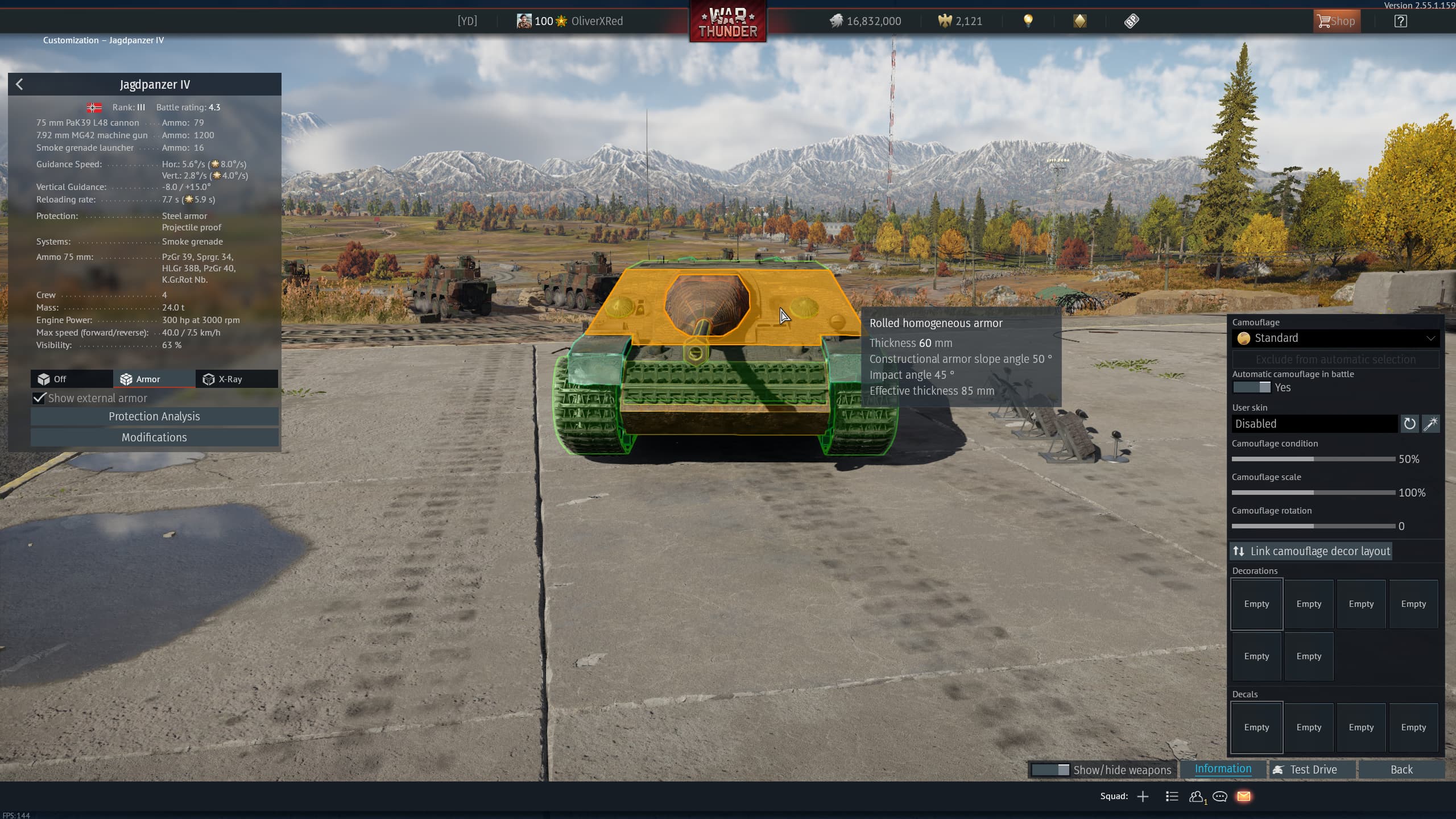

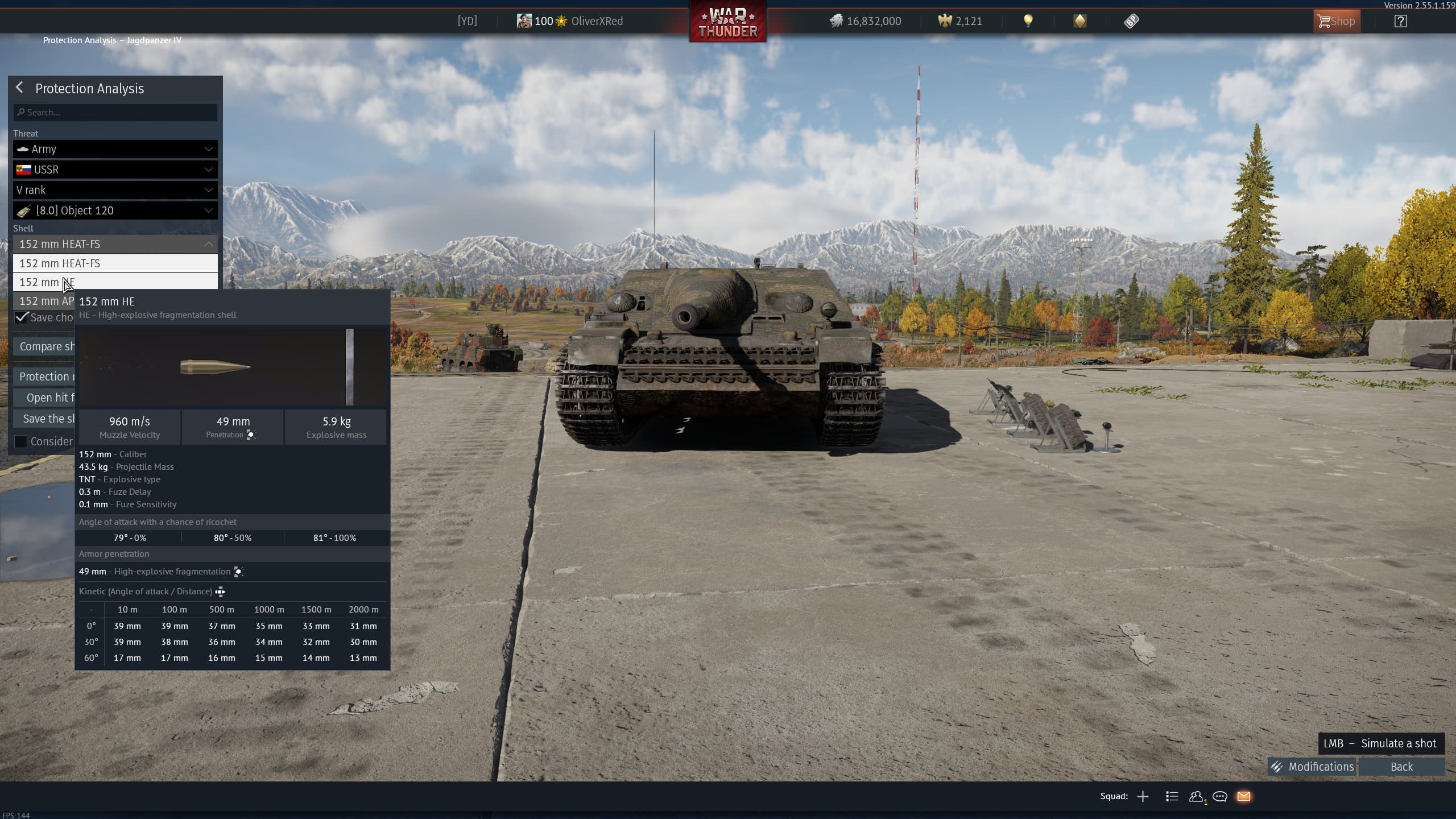

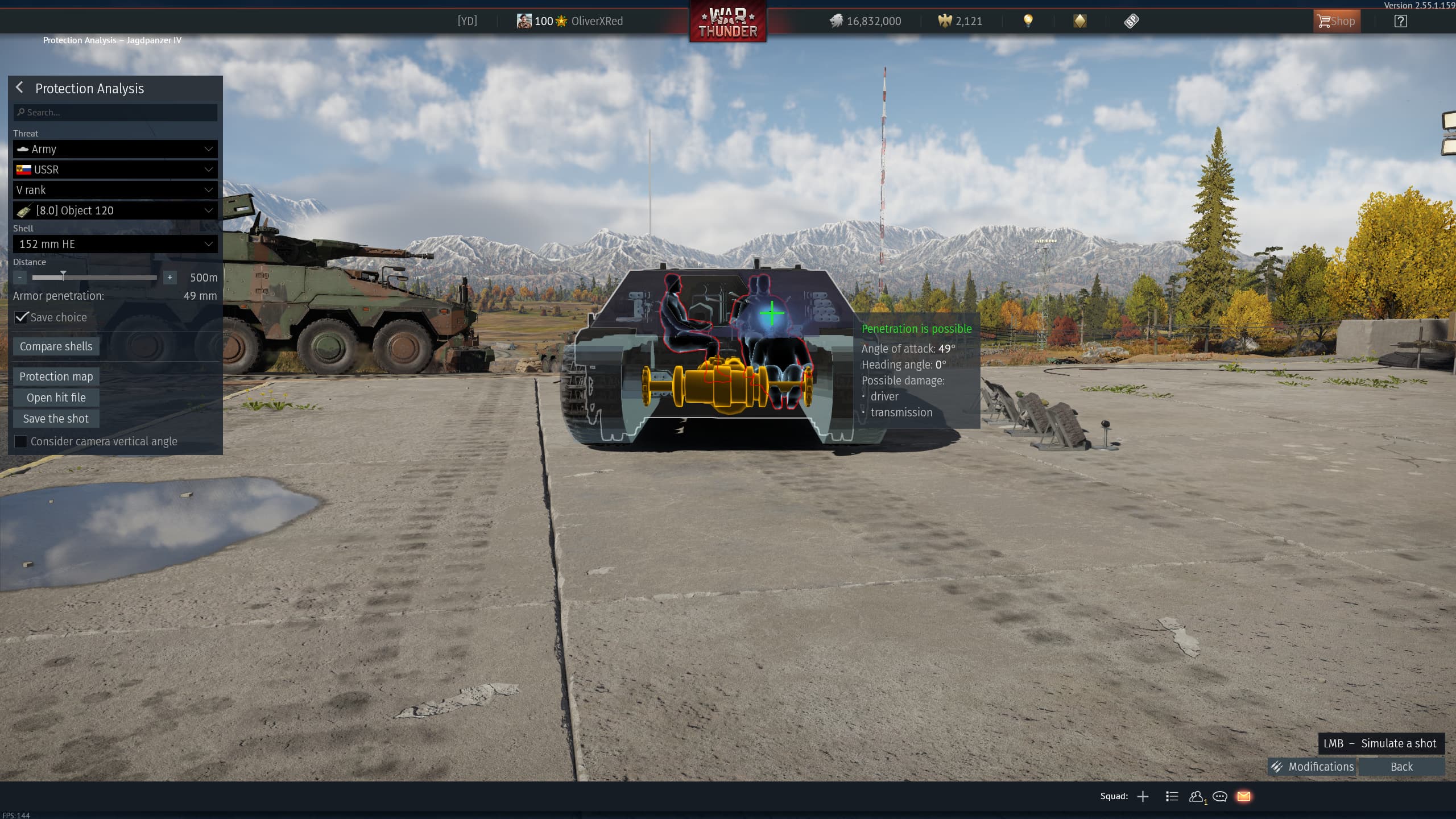
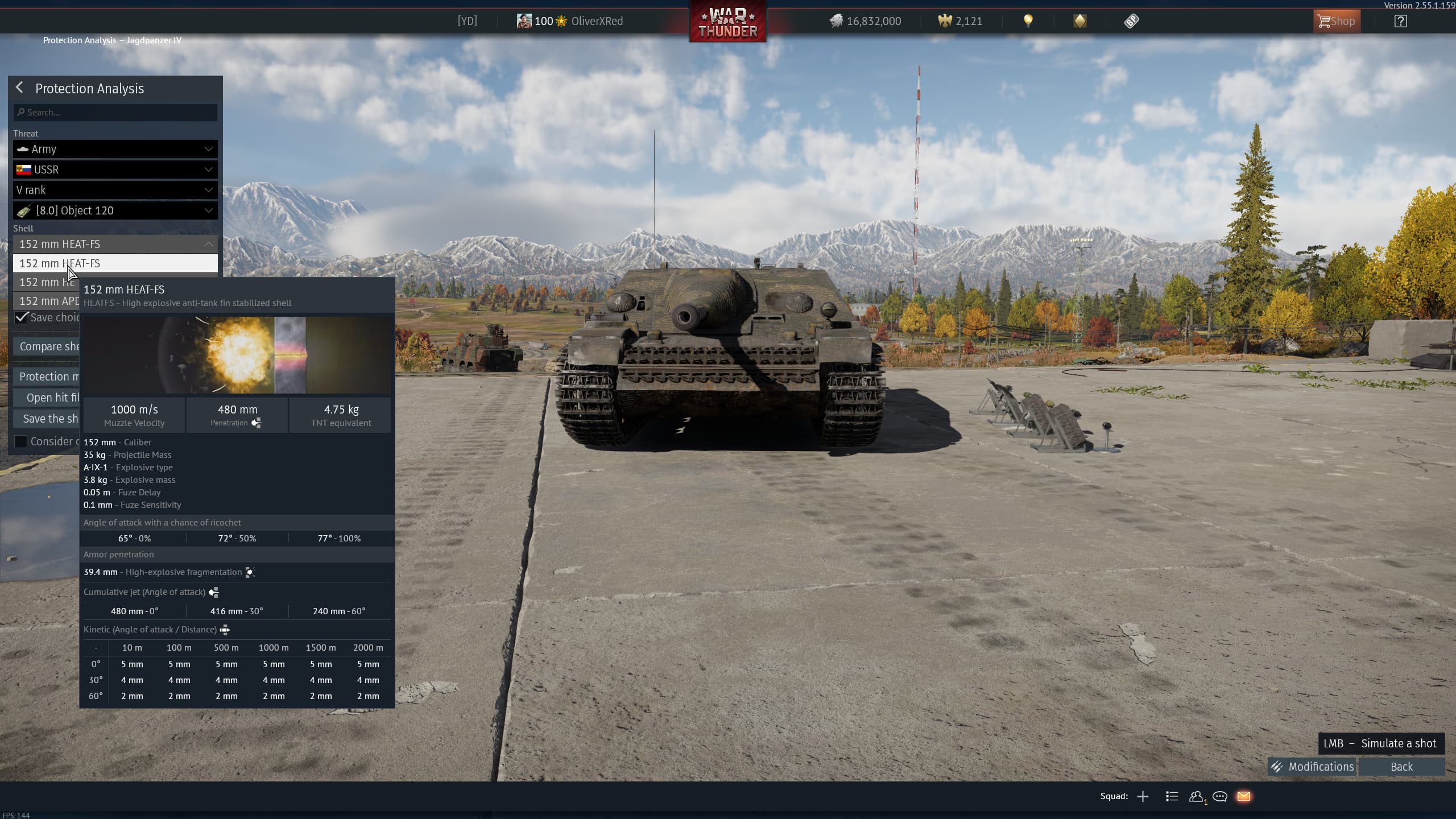

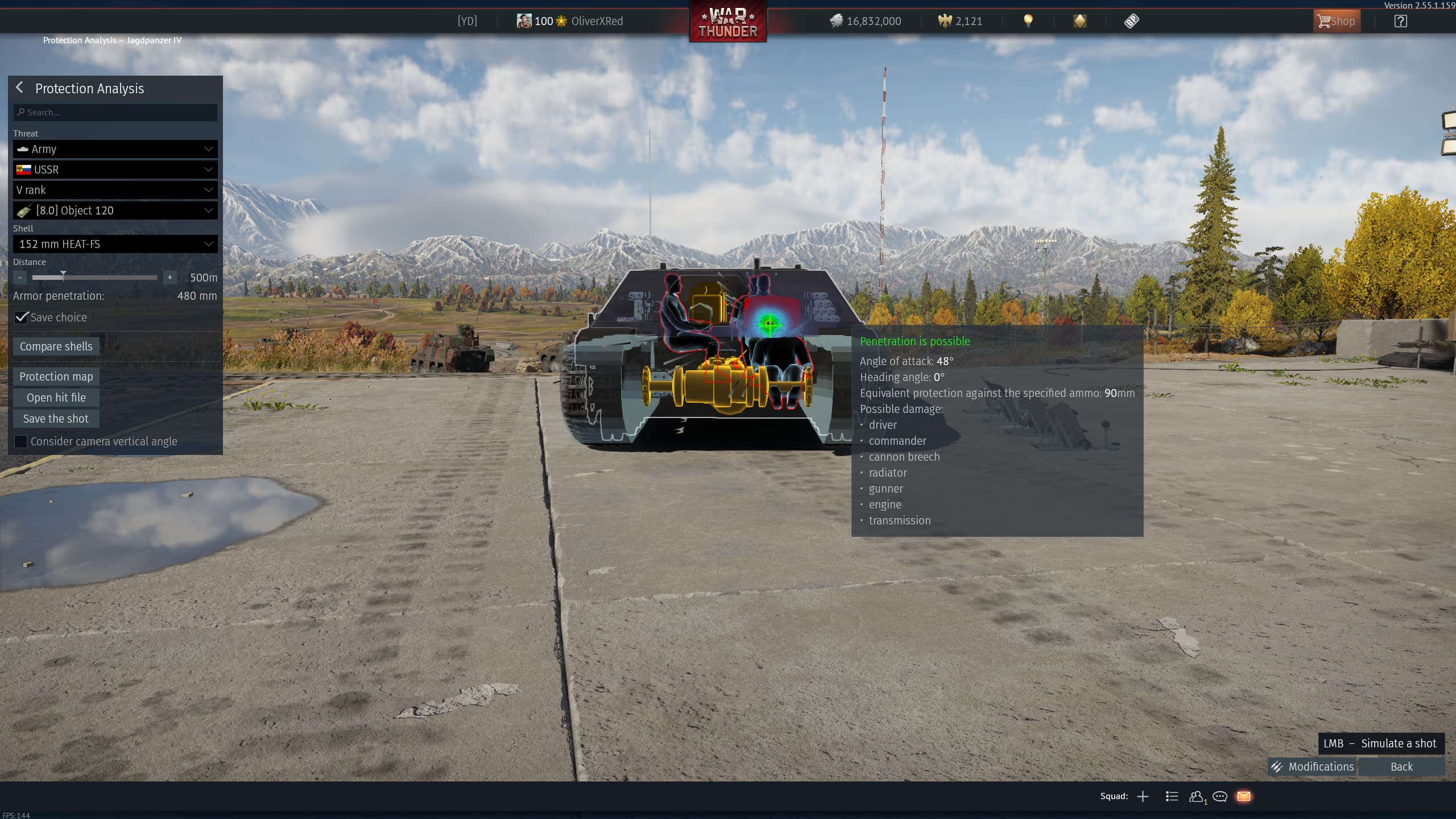


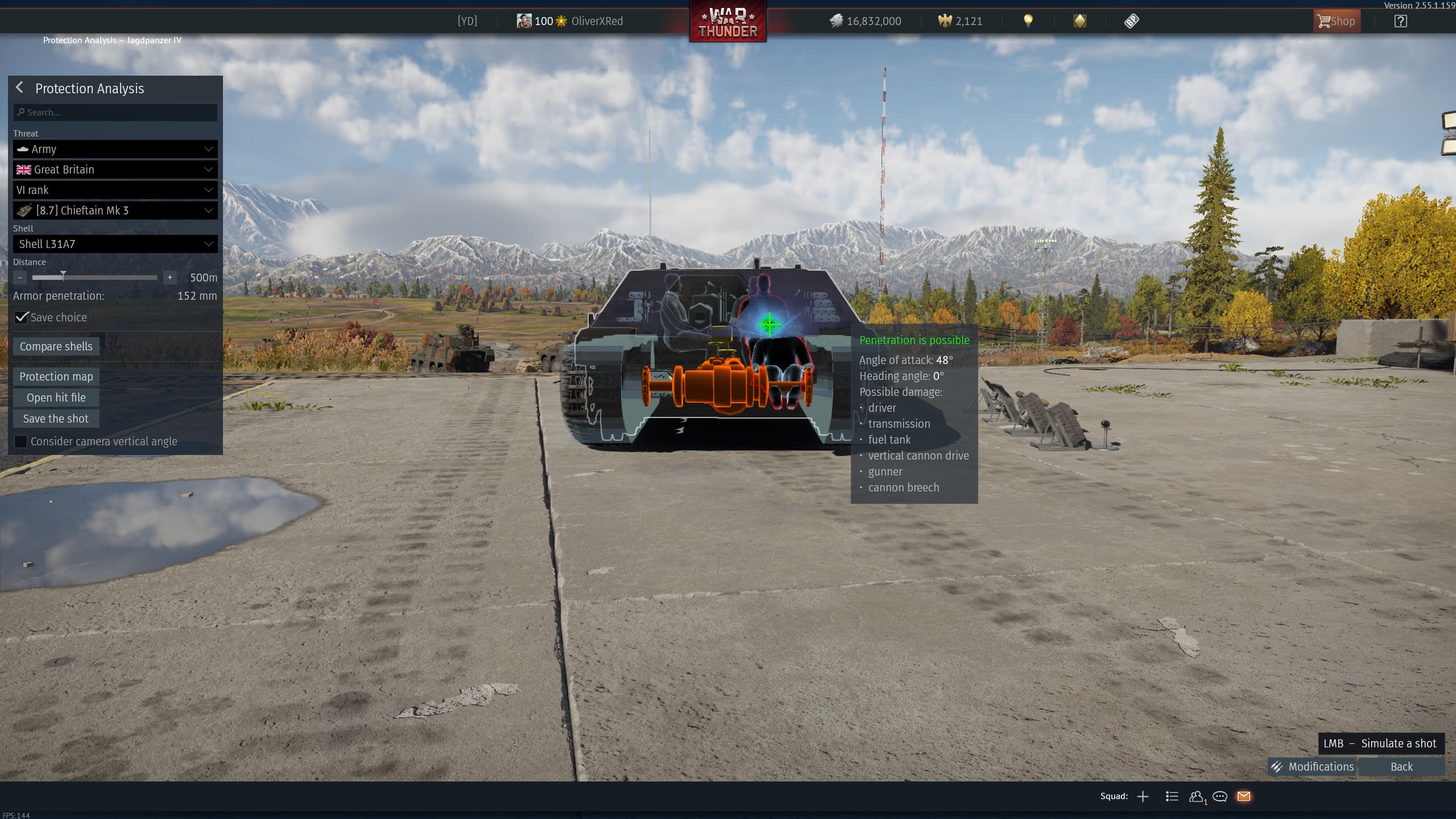
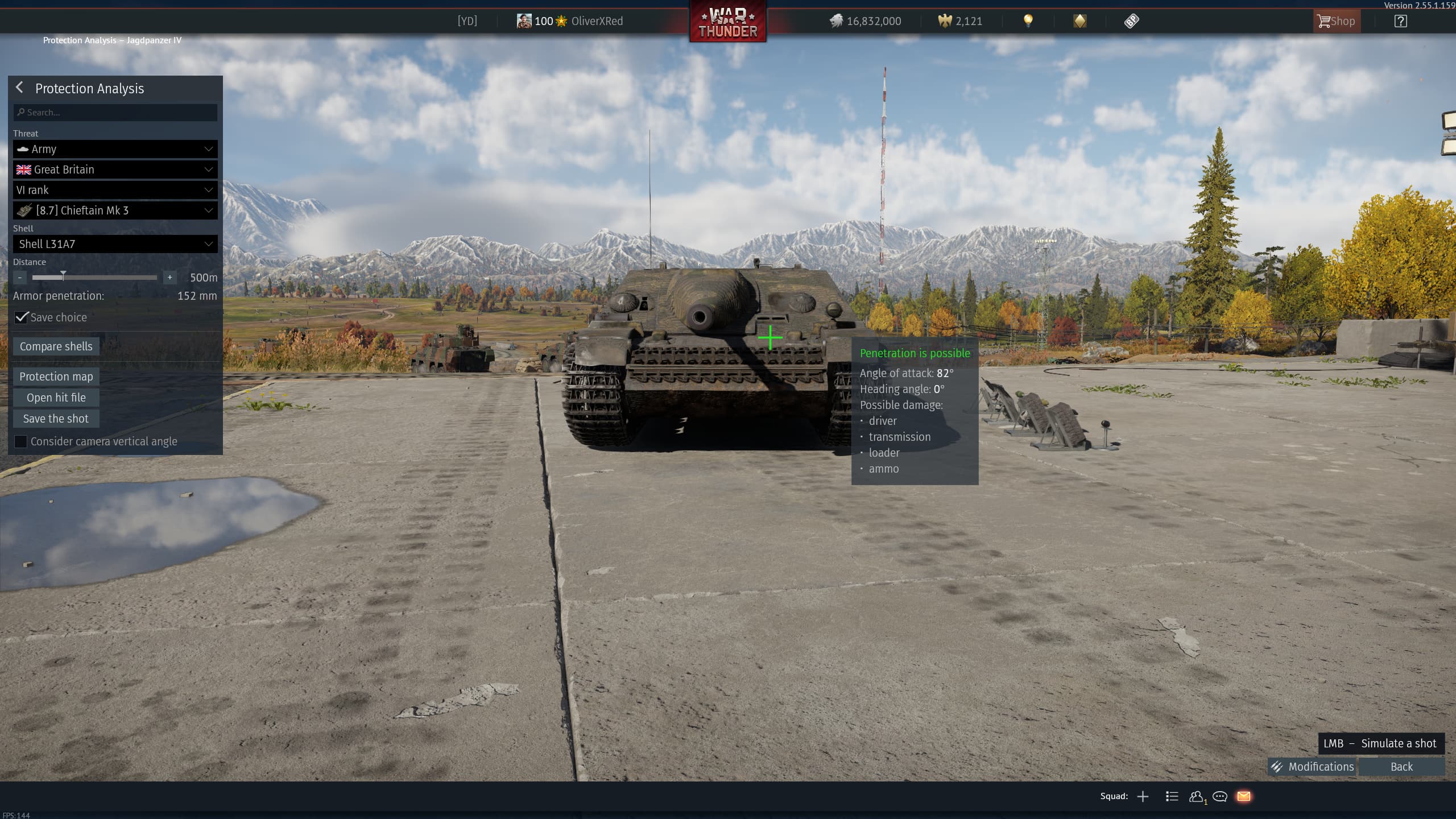

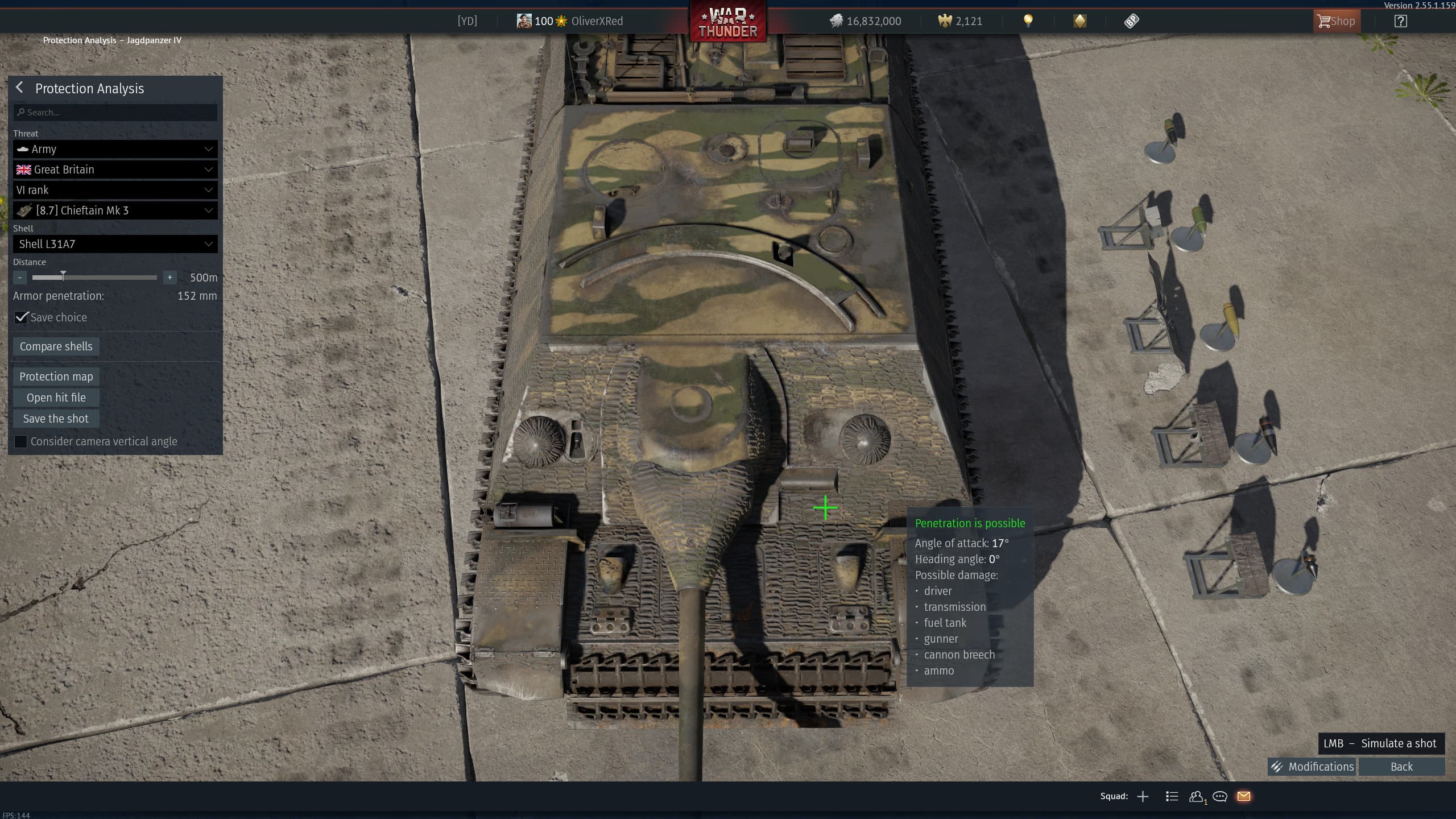
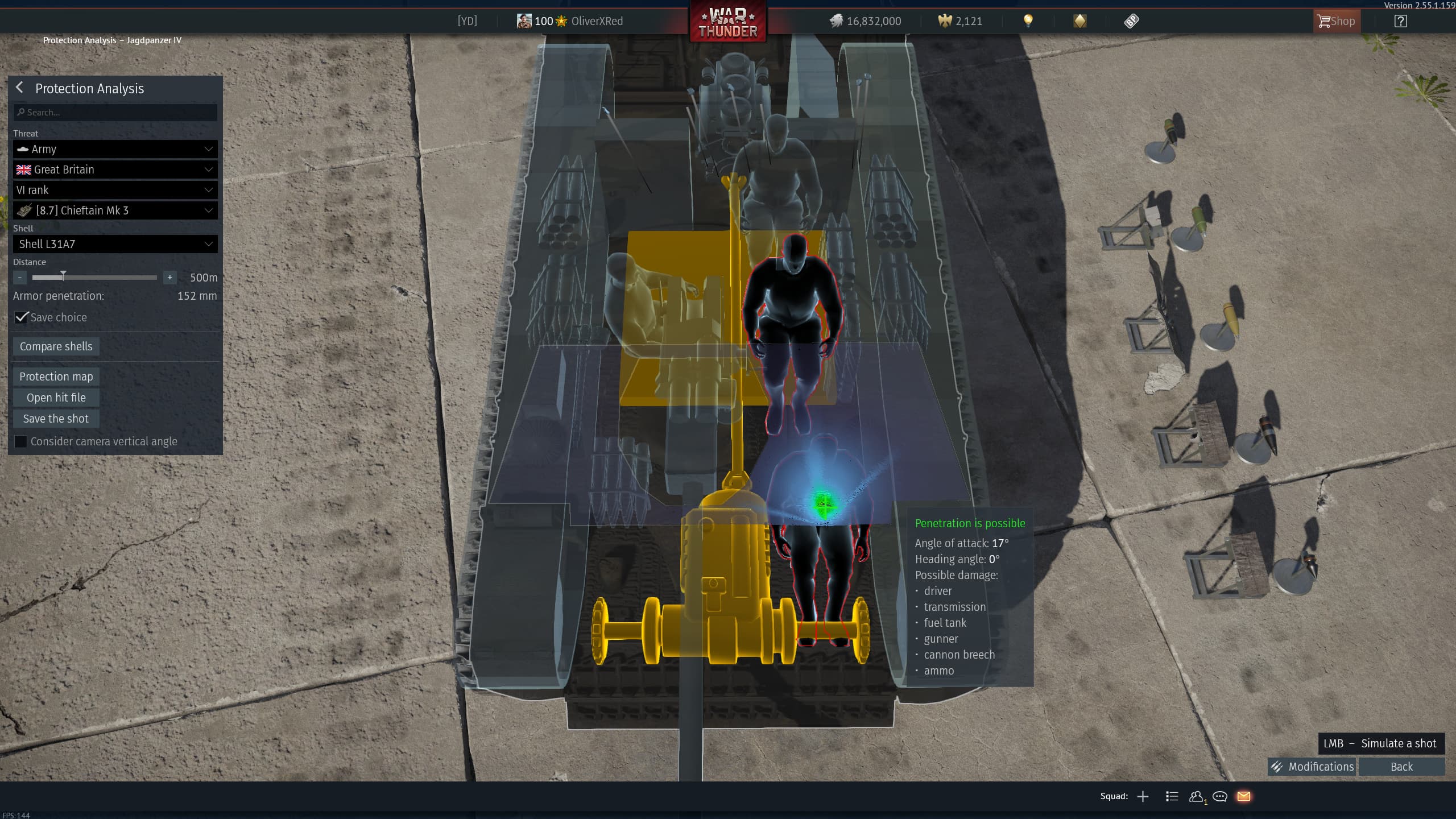
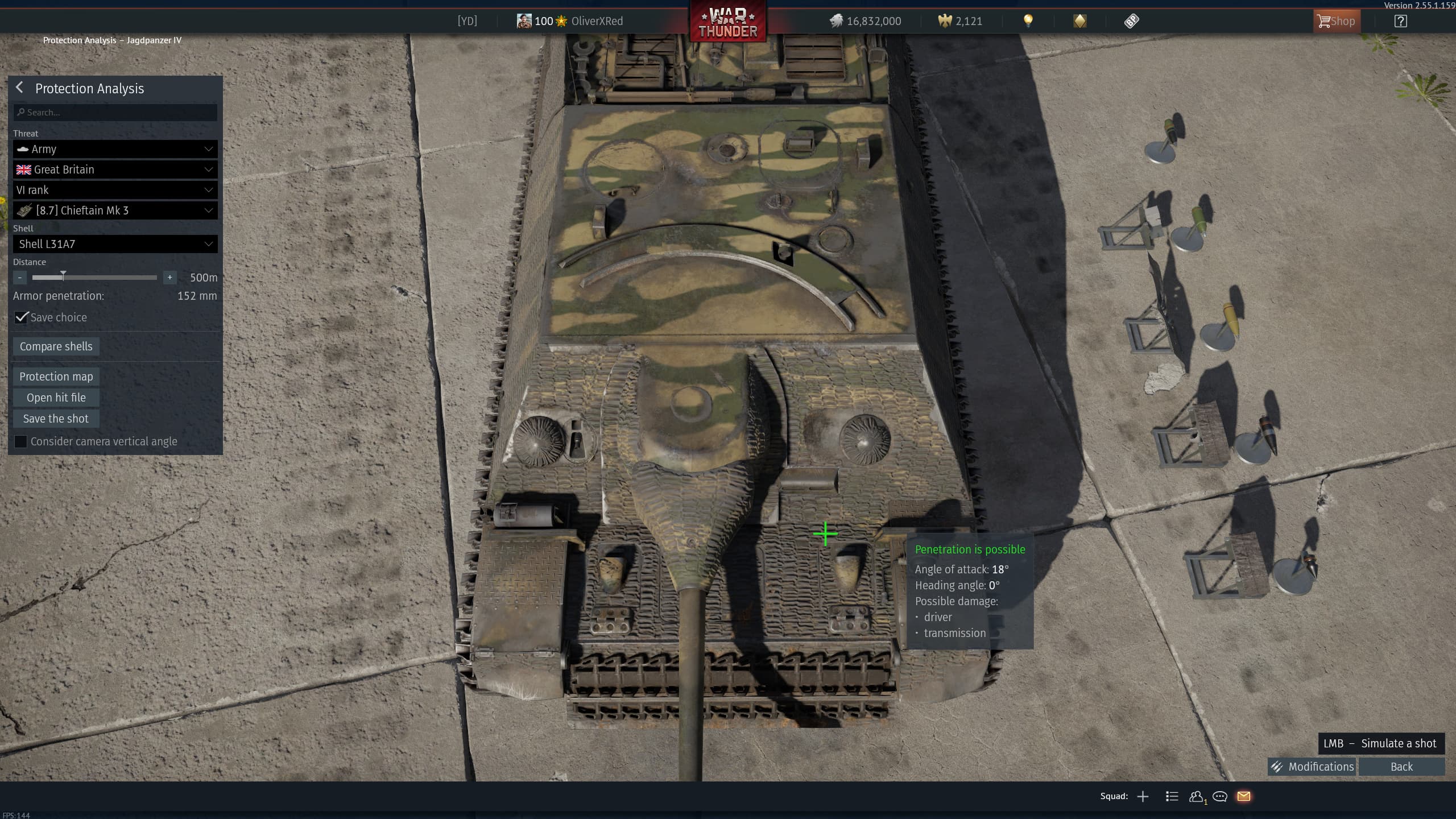
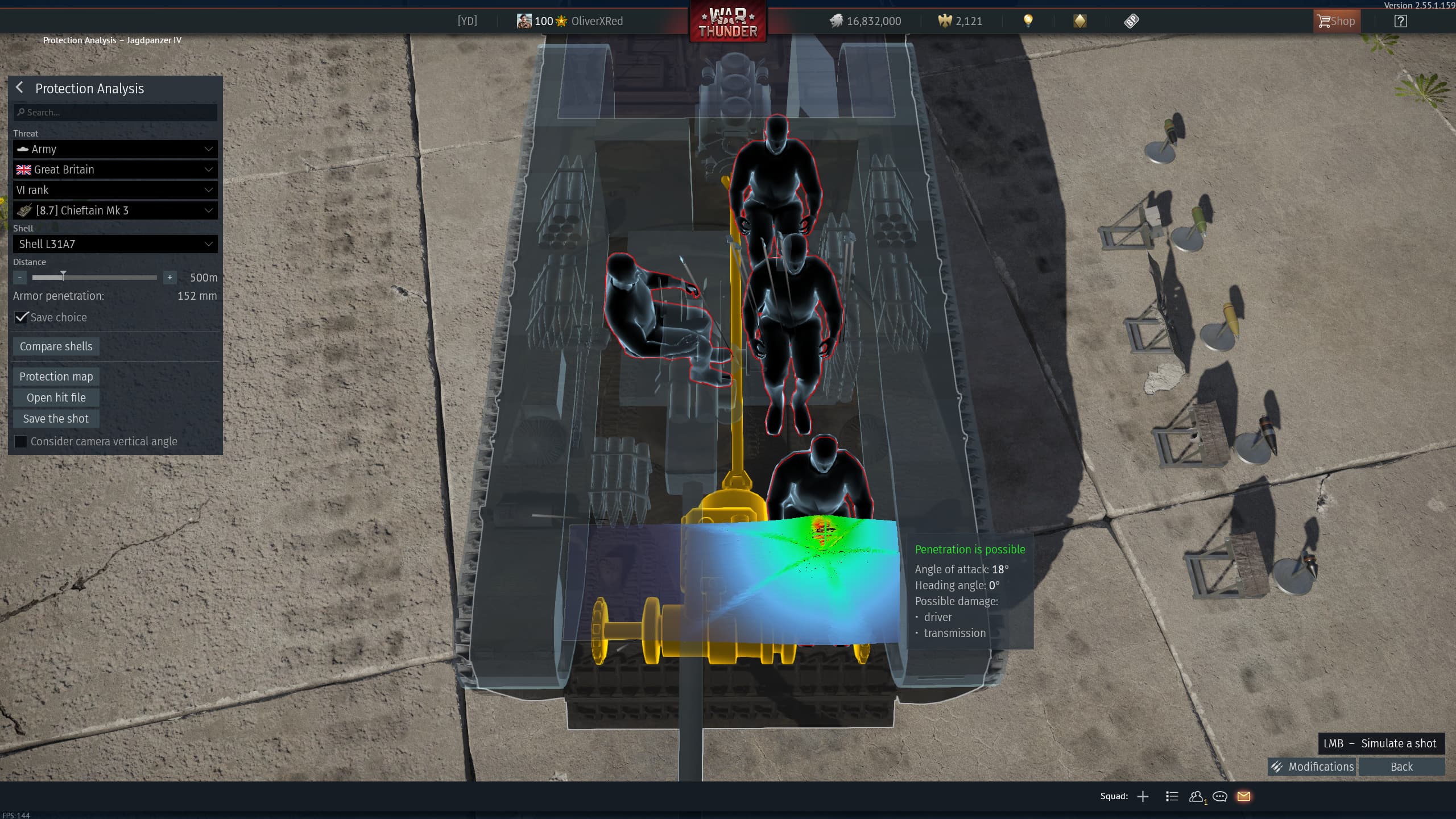
Another example for requirement of HESH to be able to overpressure, hitting the two pieces of armour at nearly the same angle
HESH hitting the 20mm plate directly:
HESH hitting the 60mm plate directly:
Where the HESH round hit on the 60mm plate visually from the front:
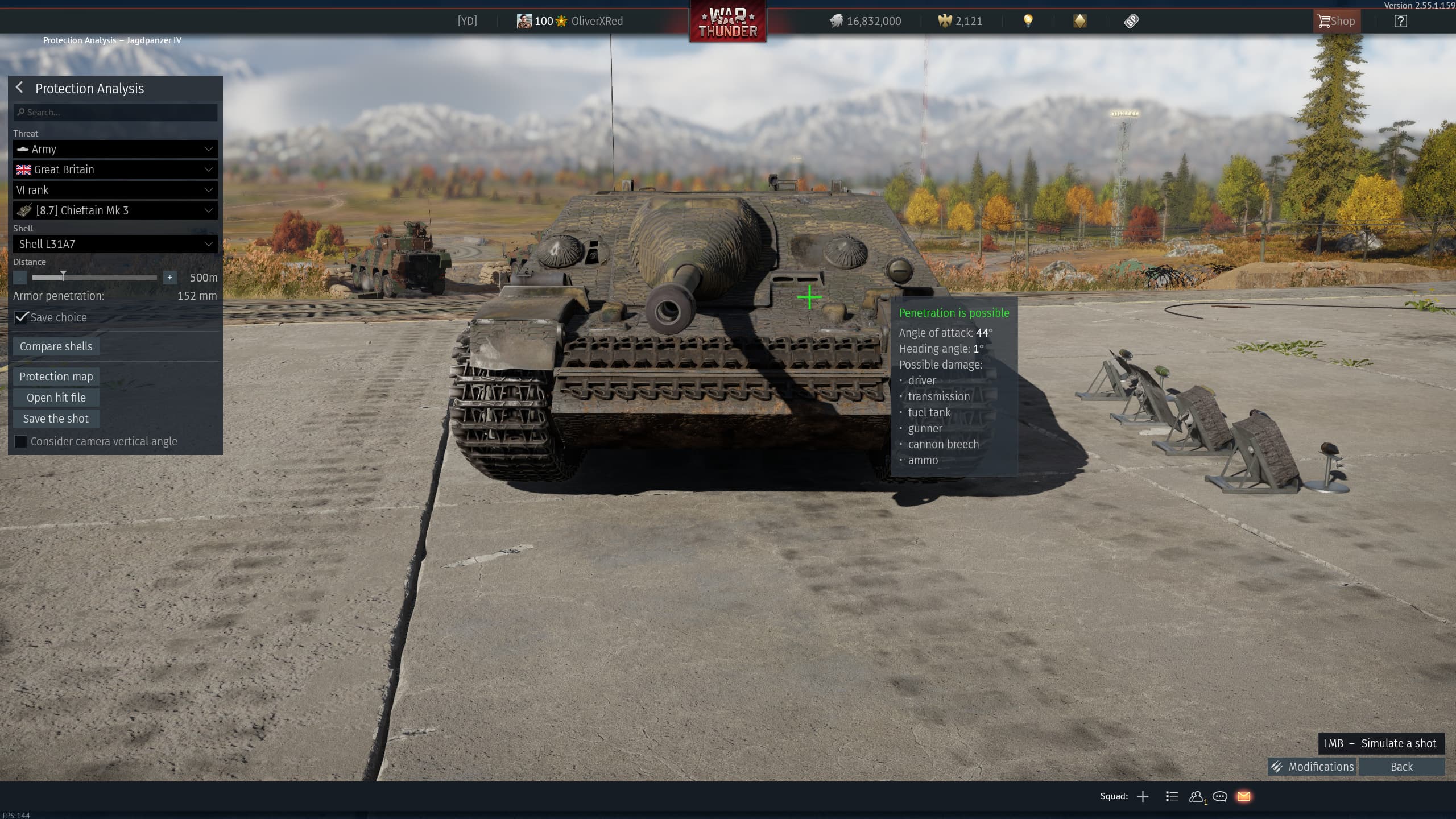
To sum it up, for HESH to be able to overpressure, it have to hit a piece of armour directly that is thinner than the overpressure penetration value.
7 Likes
This is literal proof that the HESH round in the AVRE is not functioning accurately. It’s acting as an HE shell. The mechanics of a HESH round are designed in a way that when the shell squishes against an armor plate, the explosive reaction of spalling is dictated by the angle of the armor, not the angle the shell makes contact at. It’s extremely basic physics that Gaijin has been unable to correct and stands by their lack of understanding of the round.
From Army-Guide.com:
“This is a type of anti-tank ammunition in which the explosive is contained in a thin-walled projectile which deforms on contact with the target, allowing the explosive to spread. A base fuse then detonates the explosive which sends shock waves through the armor. The shock waves are reflected from the internal face of the armor and when they meet the next incoming wave, the resulting wave front causes the armor to fracture. This type of ammunition is not velocity dependent as it relies on chemical energy to achieve its effect.”
Yet recent game master responses confirm that Gaijin has developed the round simulation for HESH entirely dependent on the rounds velocity and trajectory with game master and devs responding with the shell effecting in a direct 90 degree angle to the shells trajectory on impact. This is fundamentally incorrect. “if the projectile hits the target at a very acute angle, the explosive will not form a cohesive mass and consequently its effectiveness will be greatly reduced.” yet that is precisely how Gaijin have decided to simulate HESH rounds. @Necronomica has attached screen shots to their responses depicting exactly this impossible scenario as “the right way to use HESH.”
1 Like
It does do this in game though (angle of armor, not angle of shell at impact), so how is Gaijin modeling this wrong?
If you think the reduction the game currently has is incorrect the report it with sources.
No, 90 deg to the angle of the armor it’s hitting. Orthogonal to the armor plate at the point of impact if you will.
2 Likes
It’s still a high-velocity chunk of steel plus a massive explosion at the end of the day, on top of the dedicated HESH scabbing effect. The game’s problem is that it thinks in an either/or methodology with kinetic, explosion, or HESH pen, when they should add together.
1 Like
@Necronomica This is what you’re not modeling in the first place. It’s honestly tiring seeing how you overlook the performance of a shell despite it not being so grandiose in real life (APHE) and overlook the underperformance of a shell that is just concentrated explosive.
I’m not a developer, i don’t have contact with them and i do not know the differences between IRL and in-game performance of the shell, i have simply explained how it works in game, nothing else.
Edit:
More info here:
My newer analysis of how HESH behaves, is a bit more accurate.
The old one, I had some assumptions, that were not accurate. Such as that HESH will not overpressure if it tires to pen. Instead HESH will only overpressure if the armour plate it hits DIRECTLY is lower than the HE overpressure pen value, and it will not affect nearby thinner armour pieces in the case the HE overpressure pen value is lower than the amour plate.
Because its a british round and not russian. There a clear and obvious lack of care or bias against britain.
3 Likes
Probably some cultural thing if I had to guess, given Britain single-handedly halted all of Russia’s attempts at becoming a terrifying global empire via things like the Crimean War and North Sea Trade, nevermind of course how Britain invented the NATO-standard L7 to kill the mighty Soviet T-54 through its angled front plate from any range.
1 Like
Yep, us Anglo-Saxons have been living rent-free in the Russki consciousness since the 1600s.
The fun thing is - I sometimes am torn between finding it hilarious and/or rather sad.
I’m going with finding it very funny. Because I’m evil.
Laughs in British, sipping tea. Labrador sat besides me also laughs in British, having just chewed through his last Matyroshka.
And yet in the modern day both remnants of old empires are slowly falling apart from excessive financialization-induced infrastructure decay and societal ossification. So they’re both a pair of old men trying to whack each other with their canes at this point.
Actually they’re blowing money because they know the debris trail from apophis is gonna shotgun a good chunk of the earth in 2029.
But that ain’t any of my business.
I seriously doubt that, but I know the atmosphere absorbs space debris constantly. It has to be quite big to actually do real damage upon impact, if it even hits the ground intact and doesn’t explode in midair like that one over Russia did maybe a decade or two ago. Nevermind also the larger one detonating over the middle of Siberian taiga in 1905.