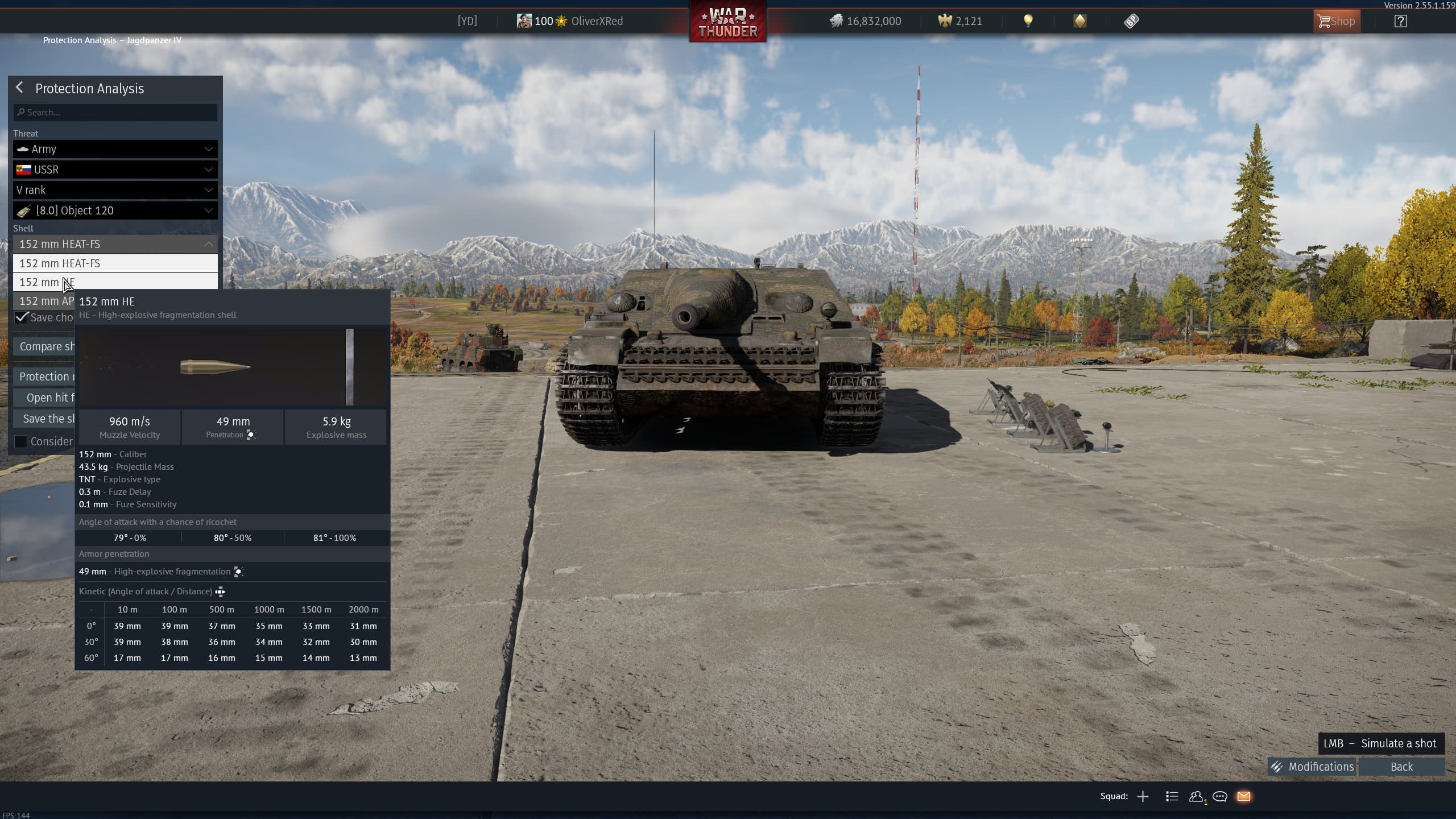
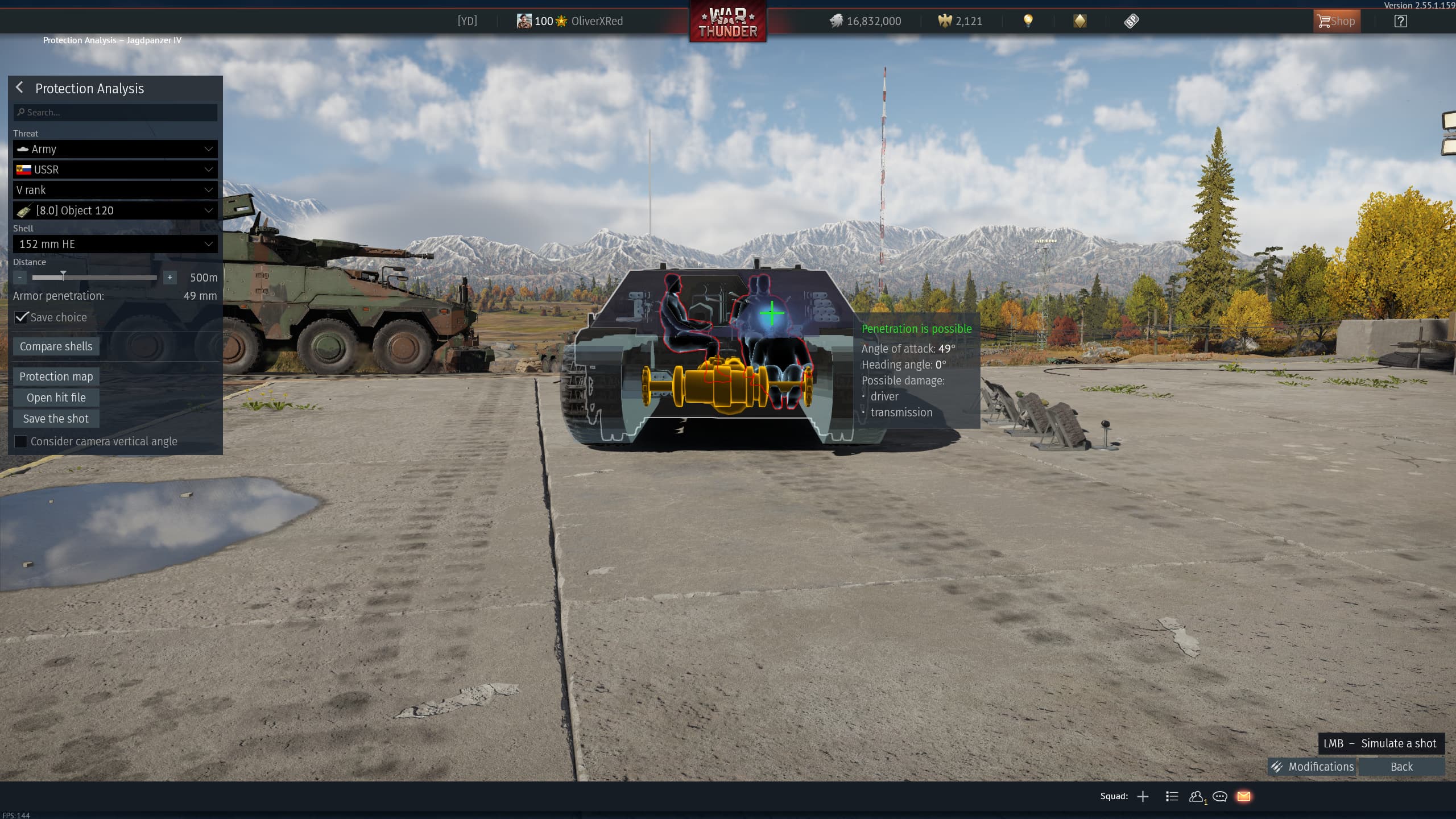
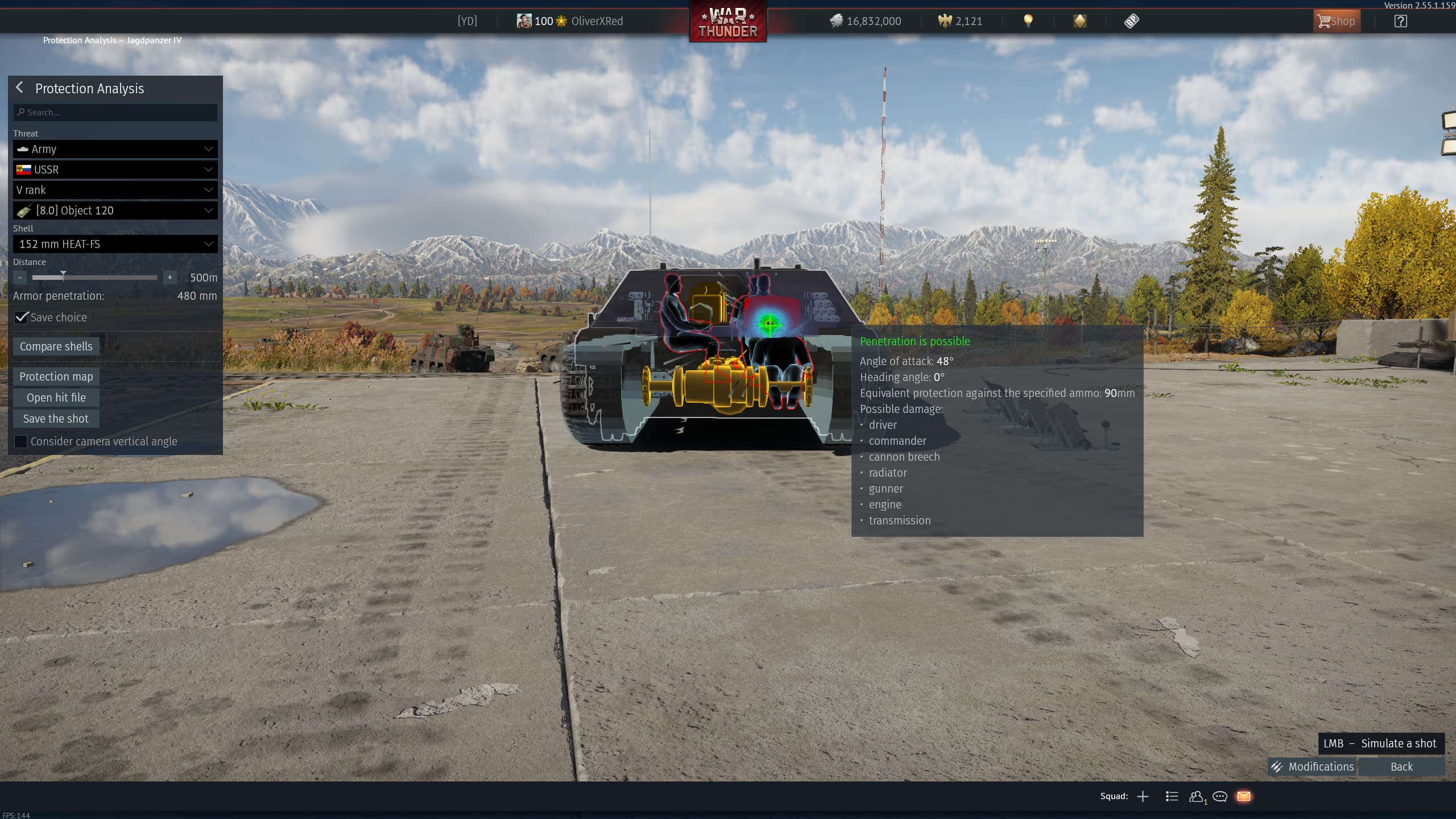
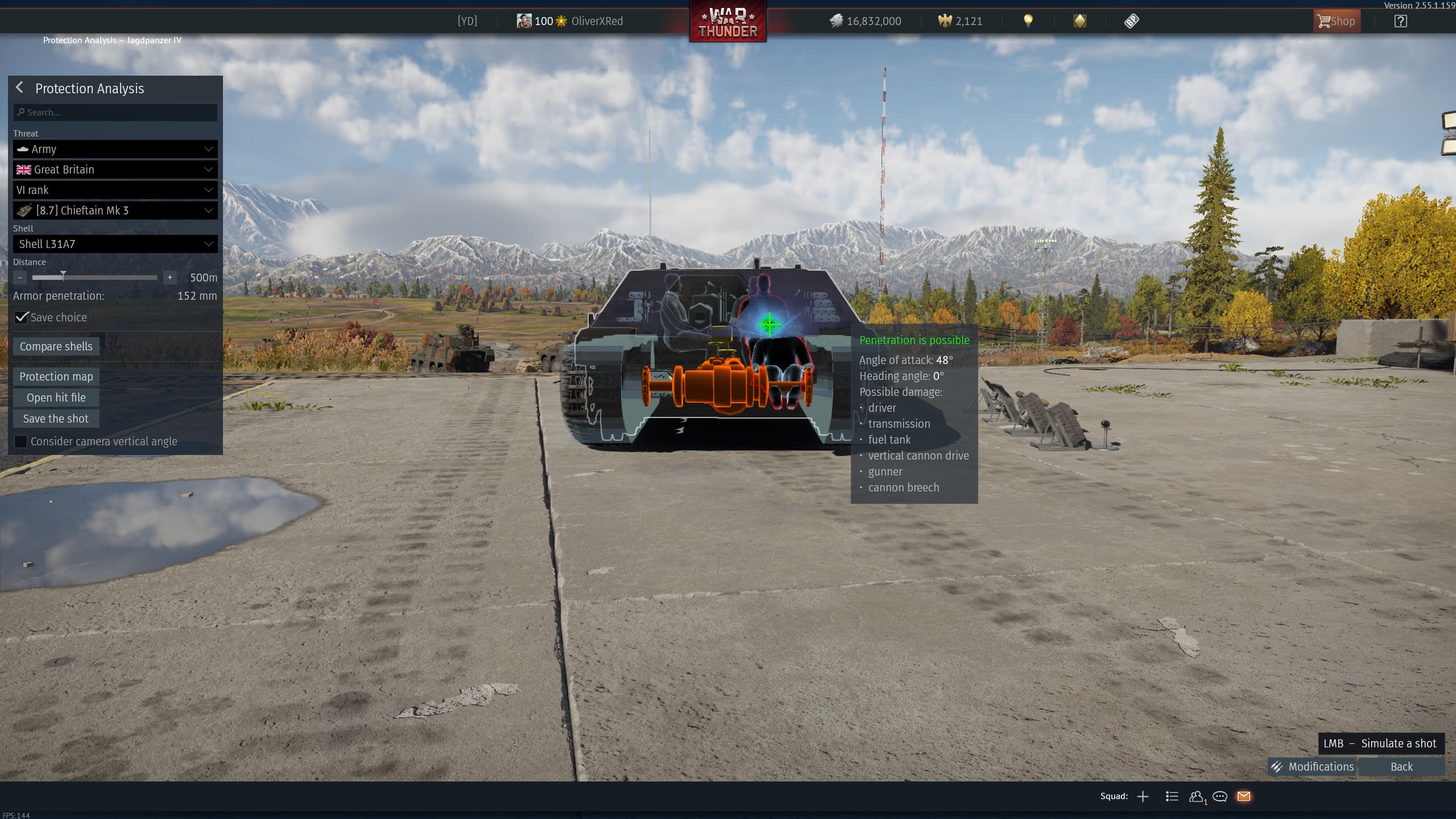
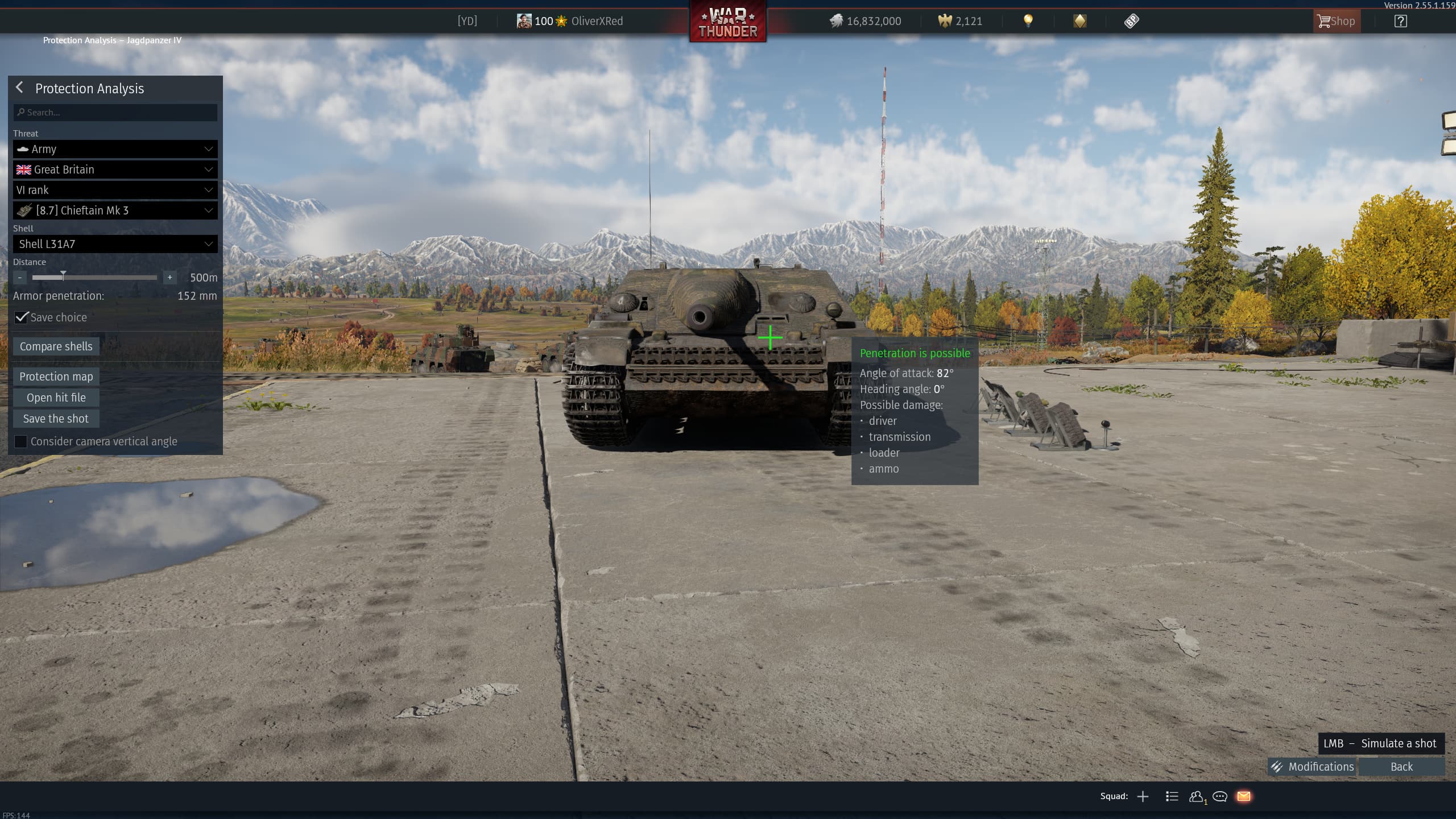
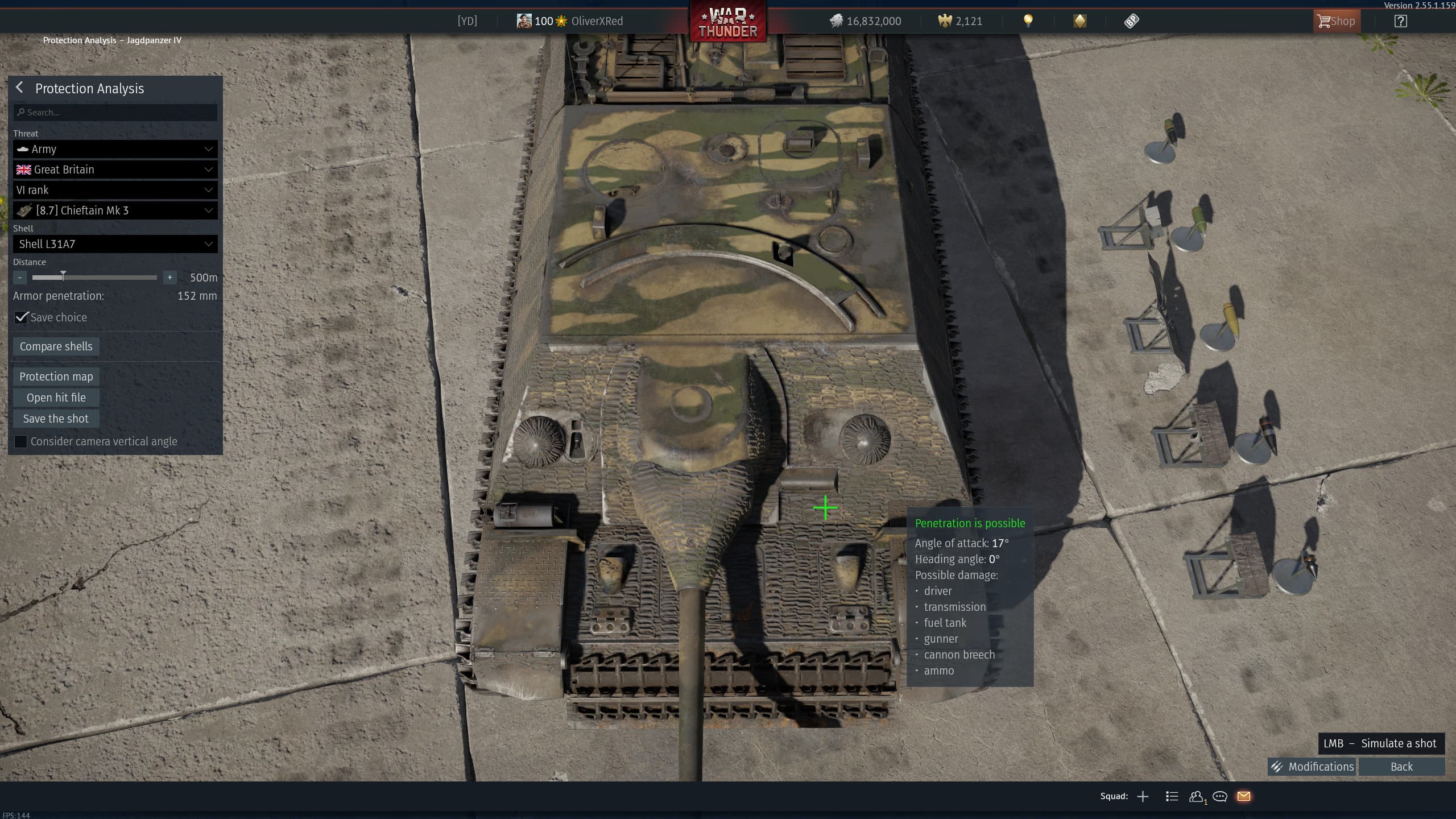
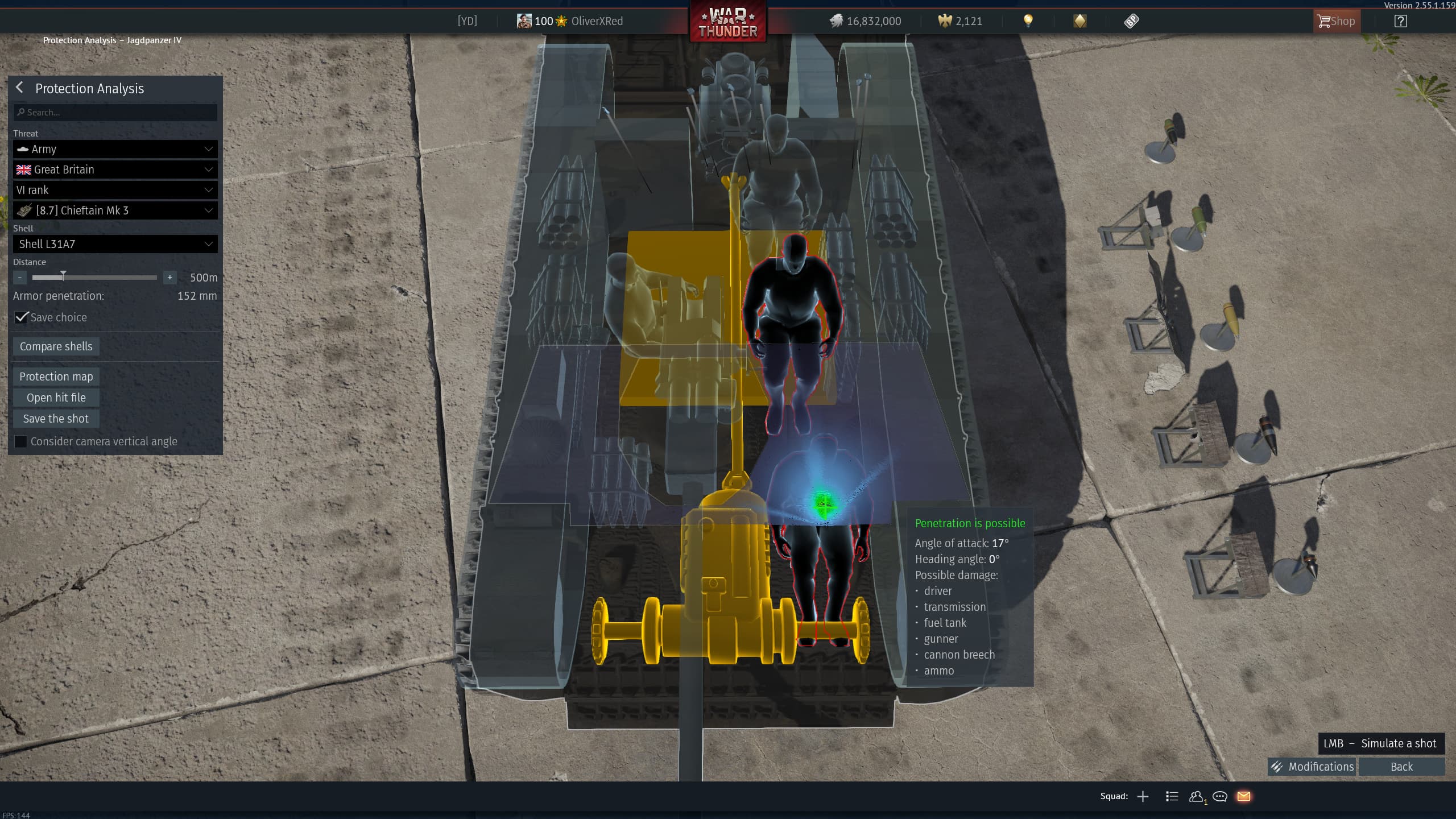
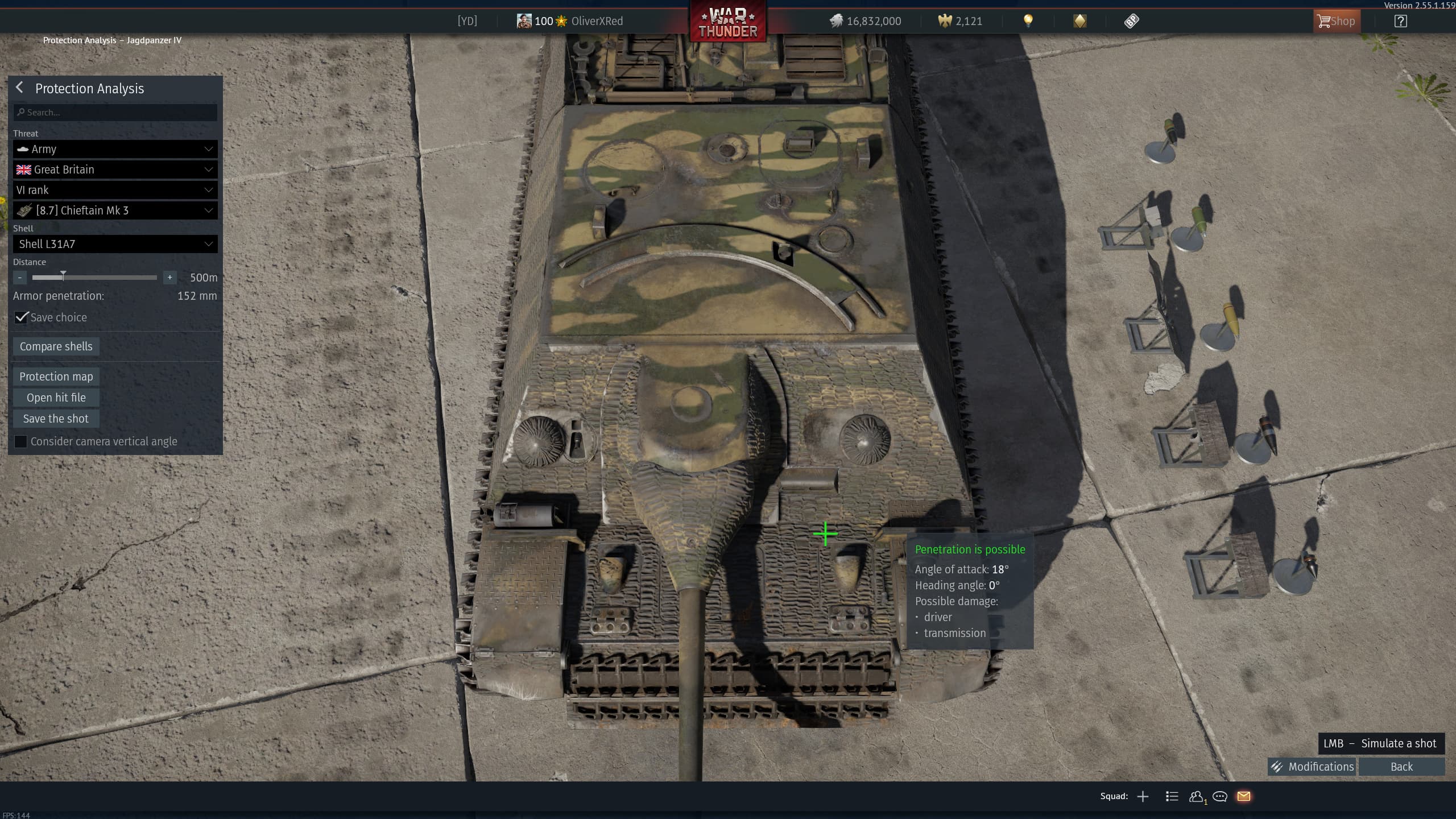
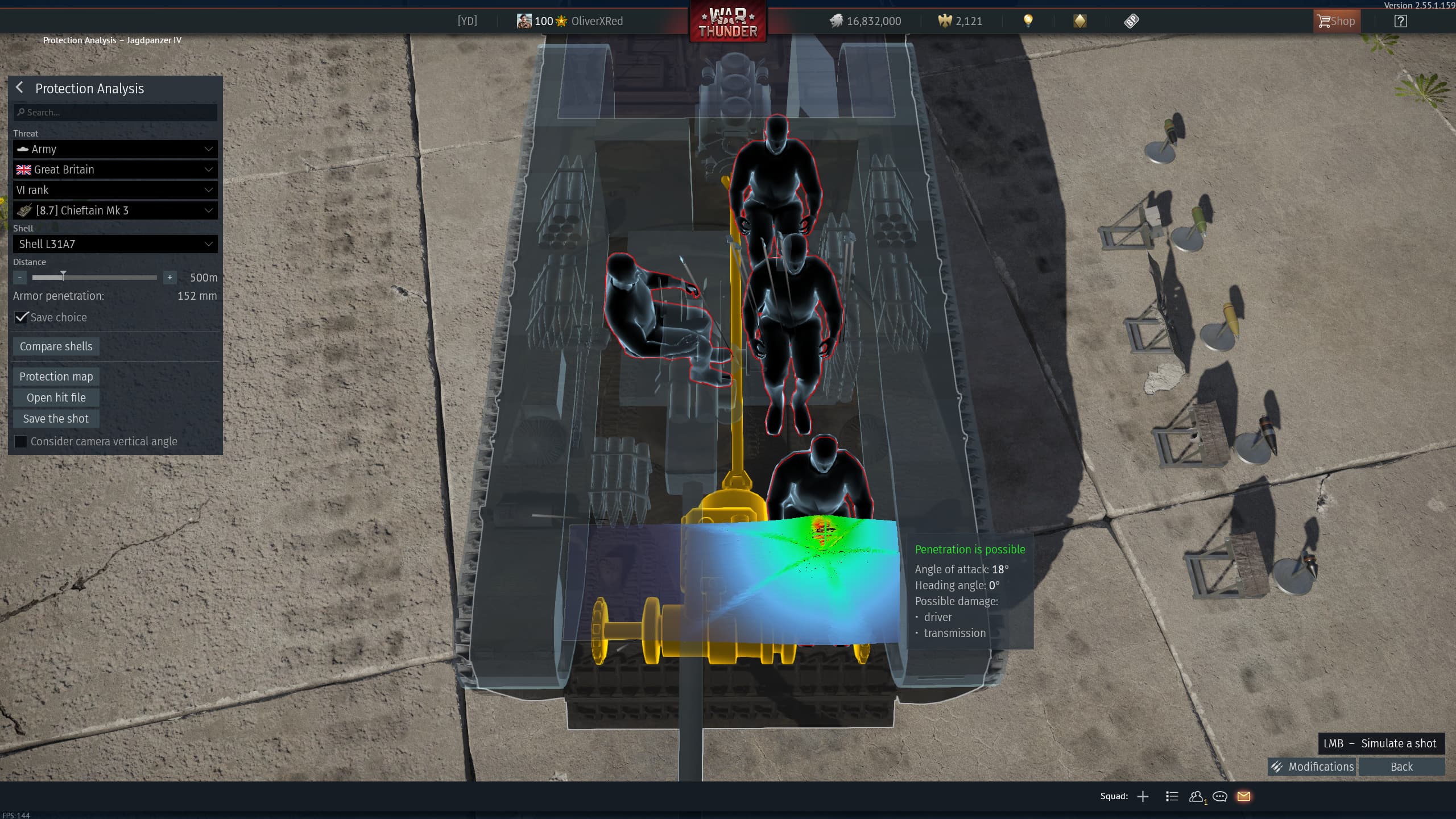
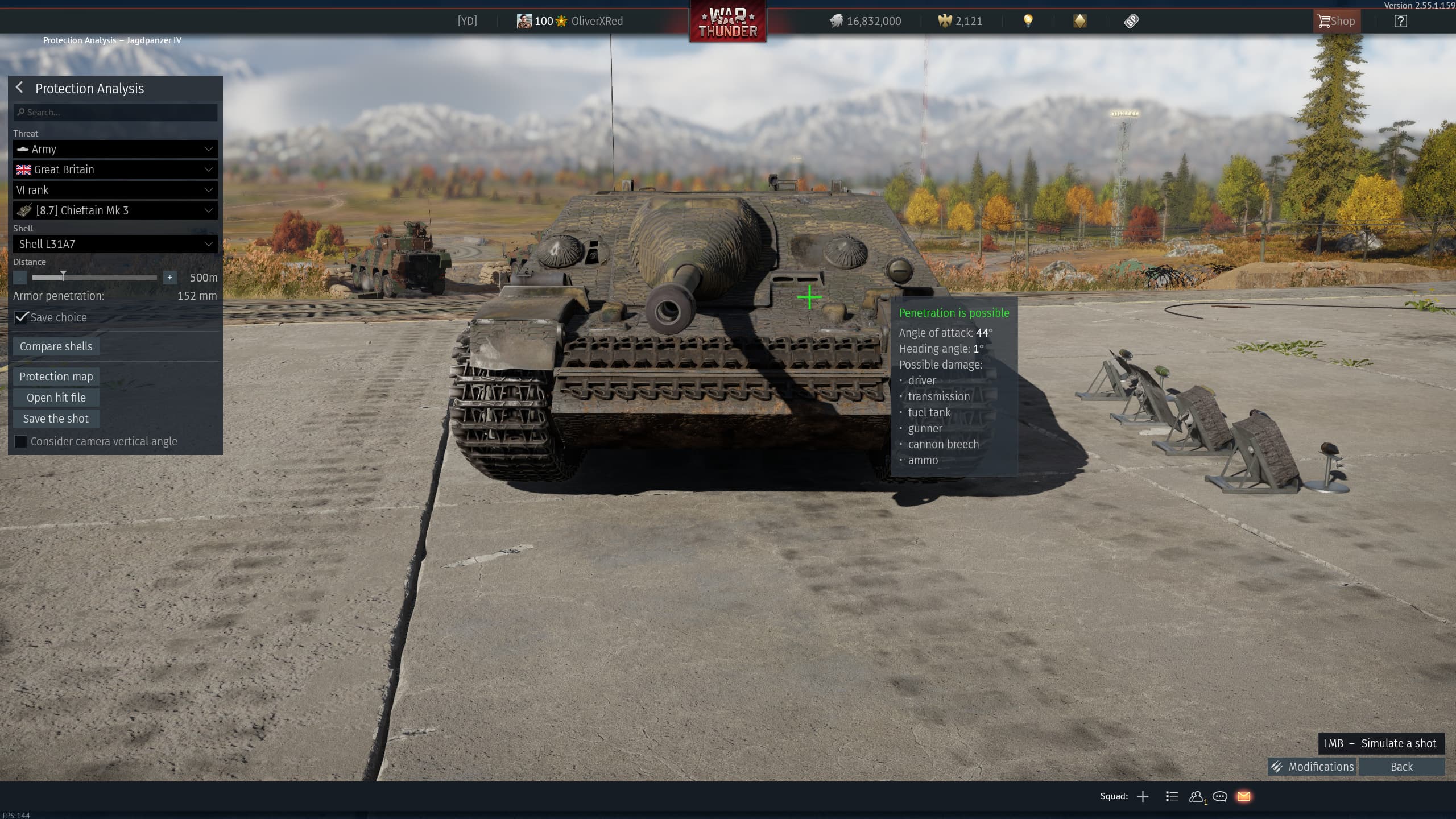
After a some of testing, it looks like the requirements for the HESH round to be able to overpressure, the requirements are that the plate have to be thicker than the fuse sensitivity, which makes sense.
At the same time the specific armour plate being hit have to thinner than the armour penetration cause by “High-explosive fragmentation”, the usual stat for the max armour thickness you are able to overpressure.
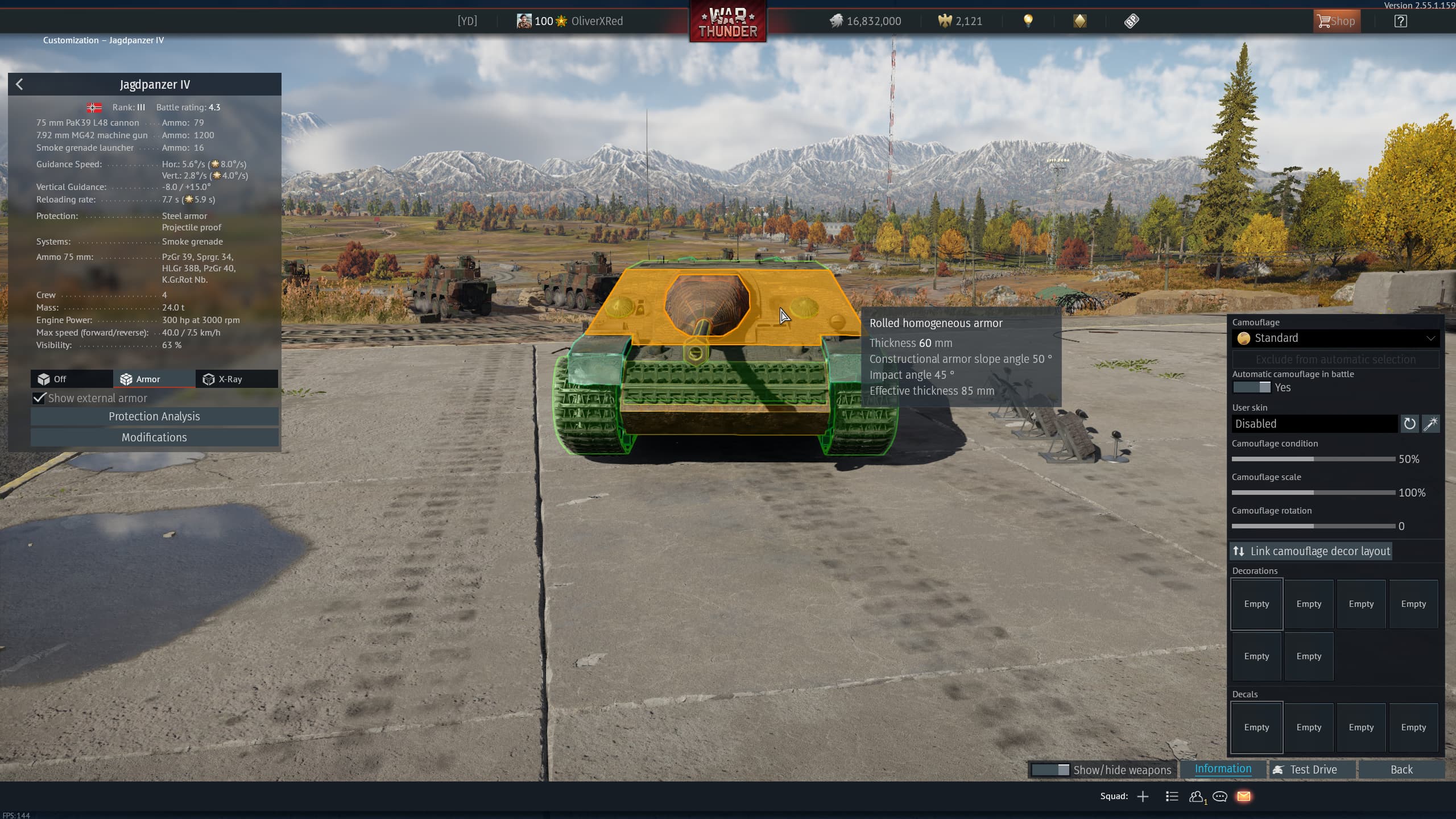
What this means, is that if there is a sloped plate that is 60mm thick at 50° and under it there is a 20mm thick plate, and the HESH round have 37mm HE overpressure pen, then if you hit the 60mm plate, you will not overpressure the tank, even if the bottom of the volumetric shell hits 1mm above the 20mm plate. If that round by chance hits the 20mm plate, only then the HESH round will begin to overpressure the tank.
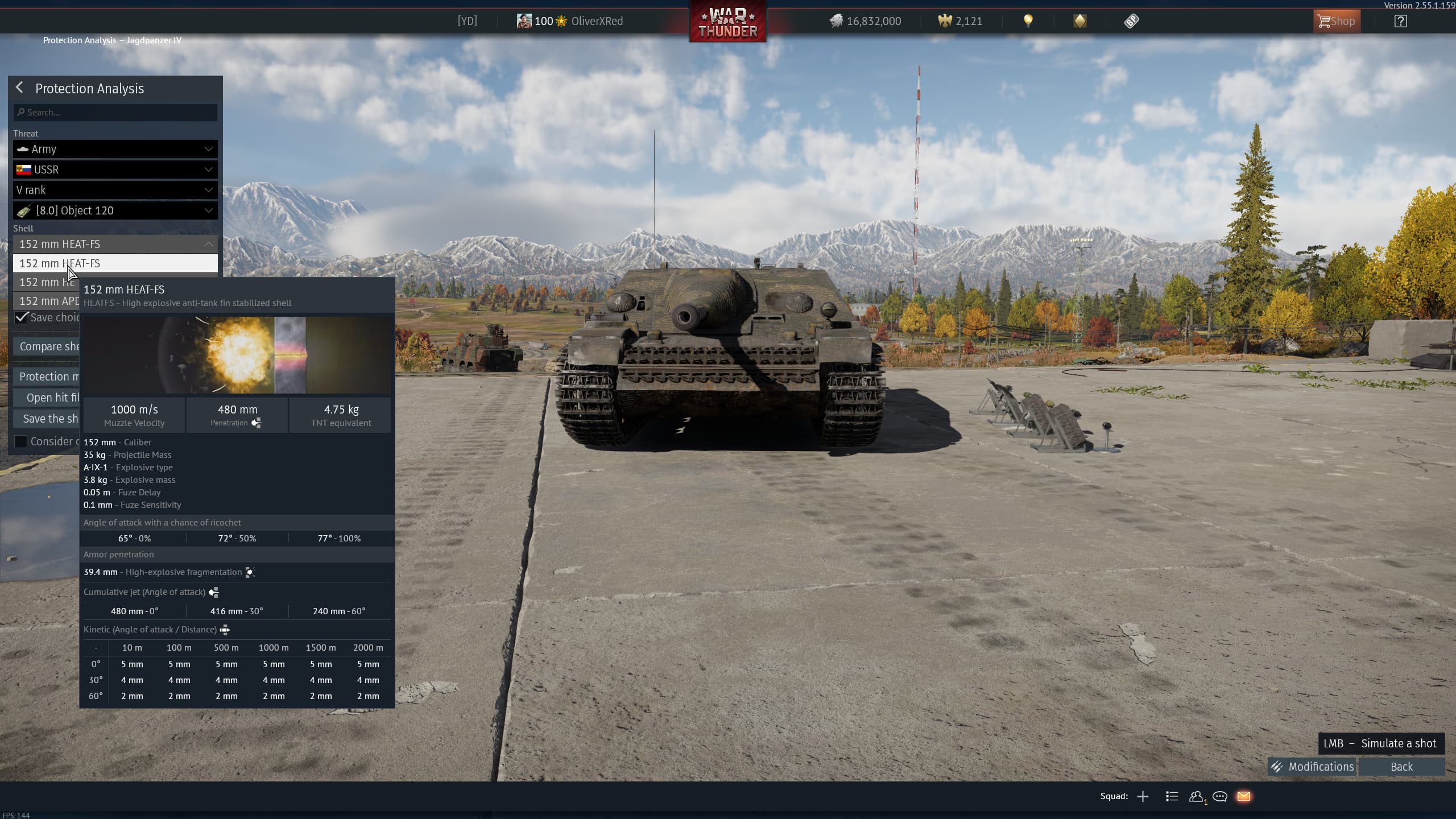
However in comparison a HE round with 39,4mm HE overpressure pen, if it hits the 60mm plate, it will create a sphere that loses penetration by distance from the center of the explosion. If the HE explosion sphere reaches a plate where it “sees” that it have enough penetration from the explosion center to be able to penetrate, it will overpressure the tank that it hits.
HEAT behaves the same way as regular HE, in regards to the penetration sphere.
The problem is that HESH doesn’t create the same sphere as HE or HEAT does. Meaning that the plate you have to hit directly has to be thinner than the overpressure value for HESH to be able to overpressure.
This is literal proof that the HESH round in the AVRE is not functioning accurately. It’s acting as an HE shell. The mechanics of a HESH round are designed in a way that when the shell squishes against an armor plate, the explosive reaction of spalling is dictated by the angle of the armor, not the angle the shell makes contact at. It’s extremely basic physics that Gaijin has been unable to correct and stands by their lack of understanding of the round.
From Army-Guide.com:
“This is a type of anti-tank ammunition in which the explosive is contained in a thin-walled projectile which deforms on contact with the target, allowing the explosive to spread. A base fuse then detonates the explosive which sends shock waves through the armor. The shock waves are reflected from the internal face of the armor and when they meet the next incoming wave, the resulting wave front causes the armor to fracture. This type of ammunition is not velocity dependent as it relies on chemical energy to achieve its effect.”
Yet recent game master responses confirm that Gaijin has developed the round simulation for HESH entirely dependent on the rounds velocity and trajectory with game master and devs responding with the shell effecting in a direct 90 degree angle to the shells trajectory on impact. This is fundamentally incorrect. “if the projectile hits the target at a very acute angle, the explosive will not form a cohesive mass and consequently its effectiveness will be greatly reduced.” yet that is precisely how Gaijin have decided to simulate HESH rounds. @Necronomica has attached screen shots to their responses depicting exactly this impossible scenario as “the right way to use HESH.”
It’s still a high-velocity chunk of steel plus a massive explosion at the end of the day, on top of the dedicated HESH scabbing effect. The game’s problem is that it thinks in an either/or methodology with kinetic, explosion, or HESH pen, when they should add together.
@Necronomica This is what you’re not modeling in the first place. It’s honestly tiring seeing how you overlook the performance of a shell despite it not being so grandiose in real life (APHE) and overlook the underperformance of a shell that is just concentrated explosive.
I’m not a developer, i don’t have contact with them and i do not know the differences between IRL and in-game performance of the shell, i have simply explained how it works in game, nothing else.
My newer analysis of how HESH behaves, is a bit more accurate.
The old one, I had some assumptions, that were not accurate. Such as that HESH will not overpressure if it tires to pen. Instead HESH will only overpressure if the armour plate it hits DIRECTLY is lower than the HE overpressure pen value, and it will not affect nearby thinner armour pieces in the case the HE overpressure pen value is lower than the amour plate.
Probably some cultural thing if I had to guess, given Britain single-handedly halted all of Russia’s attempts at becoming a terrifying global empire via things like the Crimean War and North Sea Trade, nevermind of course how Britain invented the NATO-standard L7 to kill the mighty Soviet T-54 through its angled front plate from any range.
And yet in the modern day both remnants of old empires are slowly falling apart from excessive financialization-induced infrastructure decay and societal ossification. So they’re both a pair of old men trying to whack each other with their canes at this point.
I seriously doubt that, but I know the atmosphere absorbs space debris constantly. It has to be quite big to actually do real damage upon impact, if it even hits the ground intact and doesn’t explode in midair like that one over Russia did maybe a decade or two ago. Nevermind also the larger one detonating over the middle of Siberian taiga in 1905.
I mean you also just gave them a modern jet engine that basically revived their entire aviation industry and allowed them to quickly and rapidly modernize their air force leading to them having the ability to contest the West in the air. So not really single handedly stopping them from doing anything especially given the fact they would become a Global power and arguably an Empire considering they controlled a good sphere of influence.
It’s actually somewhat simpler in my observation. Every shell with explosive filler has “HE frag” that acts as the trigger for overpressure. Basically on an enclosed tank, if a shell detonated and any of the “HE frag” hits an internal module, it’ll trigger overpressure (which is why something like Sgt. York could overpressure a T-10M for example, the cloud of HE frags simply allows it to find micro-armour holes where the frag manages to hit an internal module thus triggering overpressure damage).
Now the reason big HE is very reliable in doing overpressure damage is simply because it seemingly has a large amount of HE frag compared to other shell with HE filler. HEAT has a lot less, but HESH has almost none for whatever reason. This means that in a hit, there’s a large chance that none of the HE frag actually pens the targeted plate and hits an internal module because none of them actually head towards it (since the HE frag dispersion is basically an RNG in a spherical pattern). That’s why sometimes hitting a Tiger I’s mantlet with big HESH/HEAT could overpressure (when RNG decides to send the frag straight to the hull roof) or not ( when RNG decides to send the frag every other direction and not towards the hull roof).
The simple fix to this is to simply give HESH more HE fragments to make its overpressure more reliable or to just make overpressure mechanic rely on the overpressure sphere instead of the HE frag as the trigger for it though the latter may make micro-armour holes to trigger it even easier to find…
Even simpler - expand HESH fragmentation from the actual HESH effect back up to 1.69 levels. Then the round is actually effective at deleting Soviet (or any other angled) tanks like it should be.
Yea that as well, HESH spalling is actually very anemic nowadays compared to how it was. I remember back then I would use HESH as my primary shell on M50 Ontos because the damage was actually amazing.
Indeed, I didn’t play it back then but have seen YT clips of people who did.
I am of the opinion that if an ammo type is rendered so unreliable people won’t use it unless they have nothing else to shoot, why even add it into the game?
While yes that is true that HESH spalls perpendicular to the impacted plate, the fact that the damage is so anemic nowadays compared to the way it was should be a concern especially since there are tanks that solely rely on HESH, 2 of which are 8000 GE premiums. Buffing the HE frag (for overpressure reliability) and HESH spalling would actually make it usable again especially for CEV/AVRE’s HESH which is generally already very difficult to use (long reload, low velocity, and currently very unreliable damage for 22 kg of TNT).
If you watched a video of FV4005 from like 6-7 years ago, you’d see how old HESH shreds even in the absence of overpressure/hullbreak.