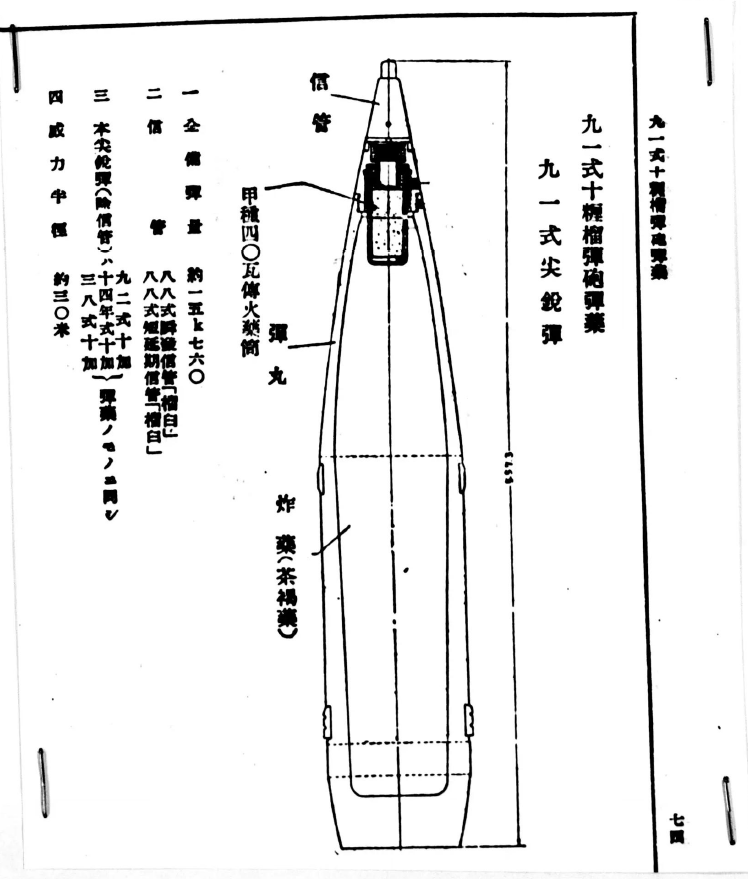
The archival identifier code is “中央-軍事行政兵器-619”, the document title is “ホリ砲竣工試験計画 他 昭和19年10月” , and the author is listed as “試験員科長陸軍大佐沼口匡隆他”. The loading time chart is on page 83 of this document.
Do you think this level of information would be sufficient to file a bug report? To be honest, consulting with NIDS about this would likely be extremely inefficient and troublesome…
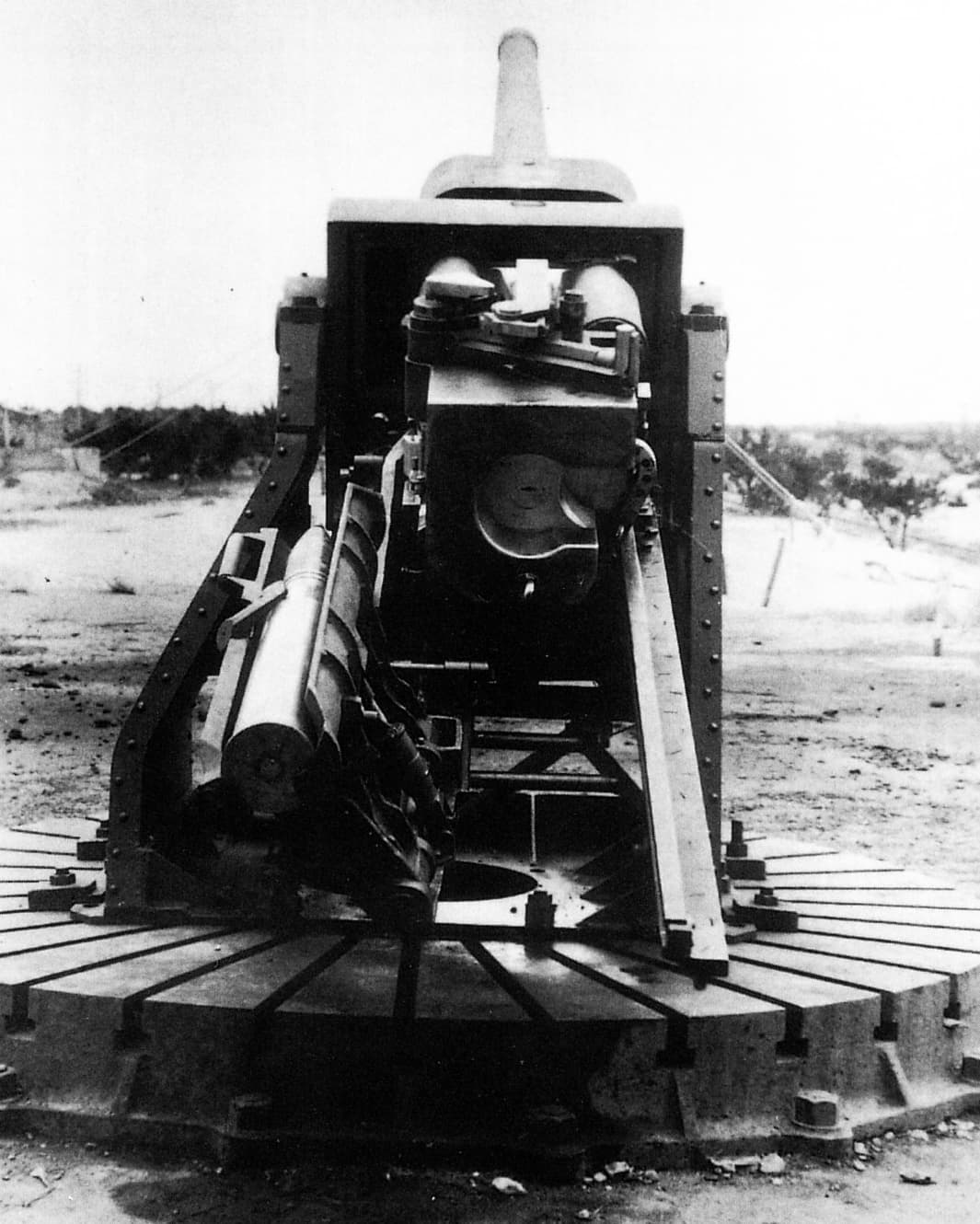
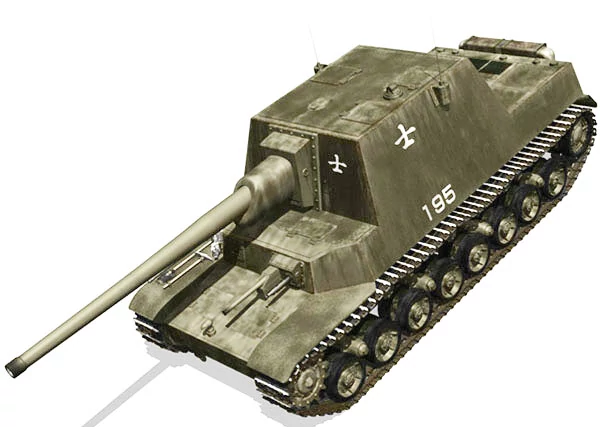
On this point, I would like to emphasize that the Ho-Ri’s reload time is not entirely clear from the test records alone. The loading tray did not move automatically. Although it was mechanically linked to the breech, this served only as a safety interlock and did not drive the tray itself. The loader first had to visually confirm that the breech had returned forward and the spent case had been ejected, then manually tilt the tray. After that, the process became automatic. And I previously suggested that the 1.5 seconds listed in the table might include the time required to move the tray, but this is uncertain. On reflection, it may simply represent the rammer’s motion alone.
In any case, this means that a great deal of “estimation” must go into determining the Ho-Ri’s practical reload time. The time needed to take a round from the ammunition rack, place it on the tray, and then move the tray itself would largely be up to Gaijin’s discretion. As a result, even if a bug report is submitted, it may not lead to any major changes—though it would likely still make the reload slightly faster.
It would have been ideal if the researchers had measured the practical reload time, but that was not their responsibility. As far as I know, such operational values were not determined during the research phase, but only later, when the gun was standardized and manuals were prepared by organizations such as the Armored Bureau. This does not apply to the Ho-Ri, as it was still at the prototype stage.