Would you like to see the Iraqi Air Force in-game?
- Yes
- No
0
voters
To what Host Nation should the Iraqi Air Force go to?
- To USSR/China
- To UK
- To Another Tree
- No, I do not want to see the Iraqi Air Force in-game
0
voters
Iraqi Air Force
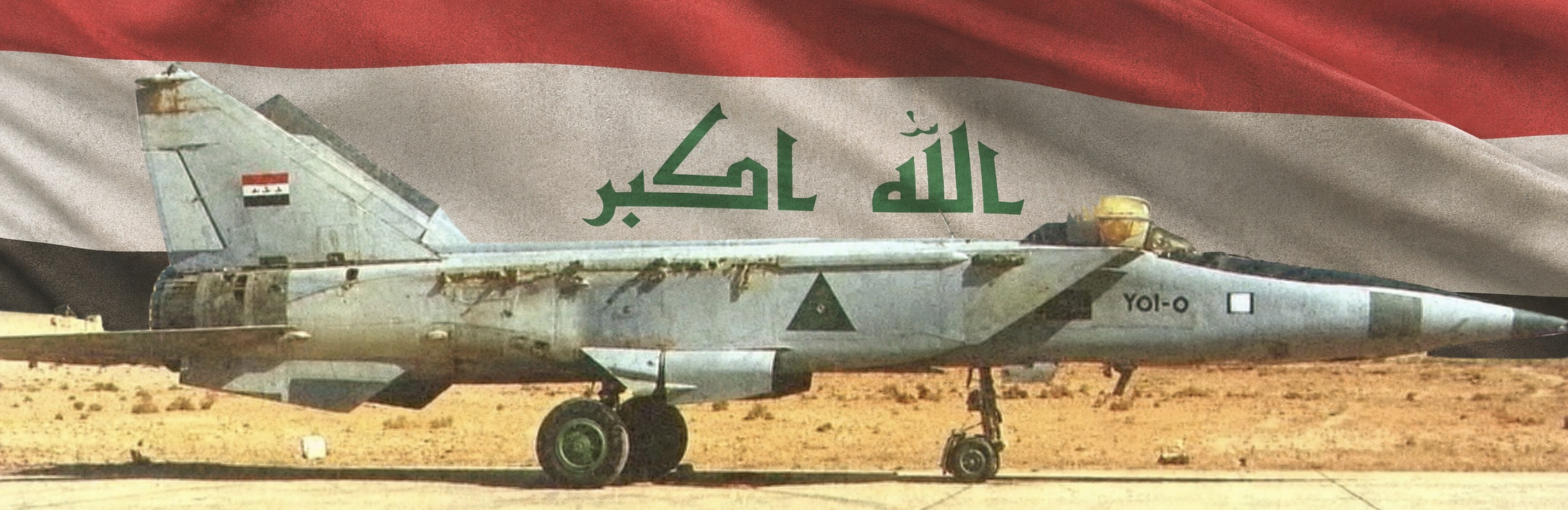
To complement my Iraqi Ground Forces sub-tree, I have created an Iraqi Air Force sub-tree. Iraq represents one of the most significant military-historical case studies not yet properly represented in War Thunder. At its height, the Iraqi military, particularly its air force, ranked among the most powerful in the Middle East. The country has fought three major conventional wars, supported Arab military operations against Israel, and played a role in the campaign against the Islamic State insurgency. Its exceptionally diverse aviation history includes aircraft acquired from at least seven different countries, offering a broad selection of fighters, strike aircraft, bombers and trainers.
Iraqi Air Sub-Tree
Unlike my Iraqi Ground Forces sub-tree, I have divided the Iraqi aviation tree into two main branches: one focused on fighters and interceptors, and the other on strike and ground-attack aircraft. A number of early attackers have been placed in the fighter branch to keep the overall layout cleaner and to avoid unnecessary gaps. The premium section is reserved for unusual or historically distinctive aircraft. It may also include aircraft that are simply notable enough to deserve separate representation without occupying a place in the main research lines.
Because of space limitations, several aircraft that served with the Iraqi Air Force have been omitted from the main tree and will instead be listed separately below it. I selected these aircraft for omission because they are either relatively unimportant or would largely duplicate aircraft already available in the tree or elsewhere in War Thunder. I have tried to minimize the use of such “copy-paste” vehicles, but some have been retained where they are necessary to fill gaps or where they played an especially important role in Iraqi aviation history, such as the Su-25K.
Important: I did not exceed the limit of three vehicles stacked vertically per rank. Some vehicles in this tree are actually +1 vehicles i.e in a folder. I would strongly recommend reading the specifications section.
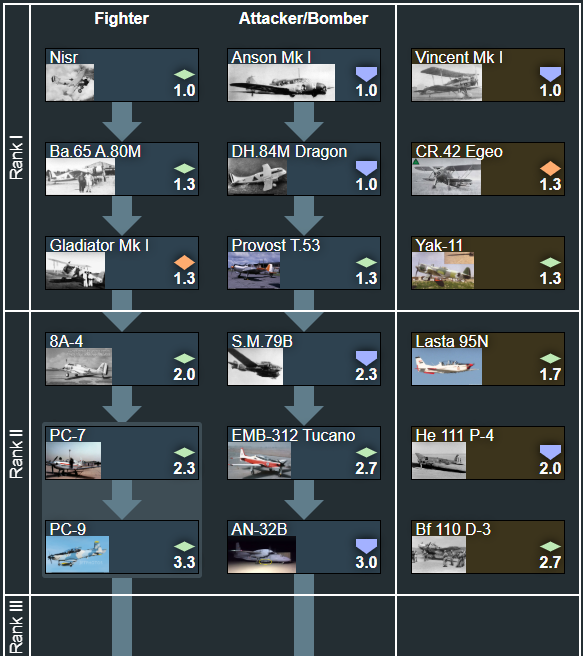
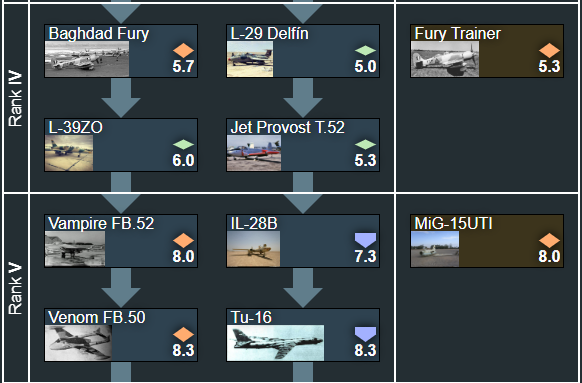
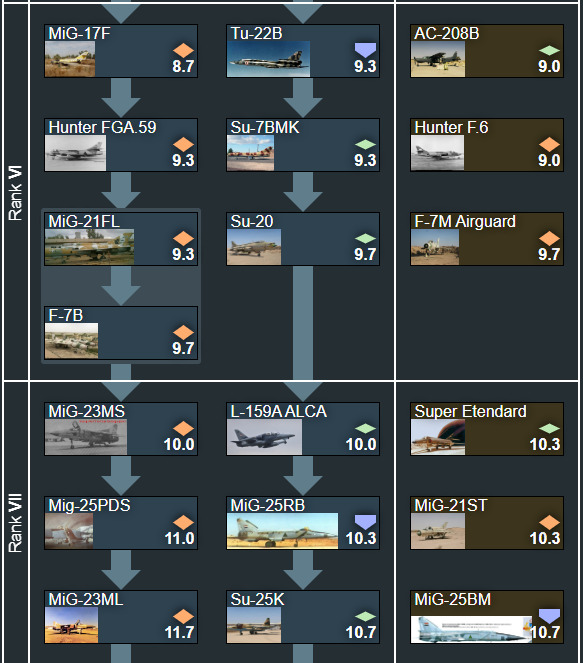
Armed aircraft that were or are in Iraqi service that I chose to omit: Dassault Falcon 50 “Yarmouk”, D.H.60M Gipsy Moth, Gladiator Mk II, T-6 Texan/Harvard (?), T-6 Texan II, Messerschmitt Bf 110 E-1, Heinkel He 111 H-6 (?), Mirage F1EQ-1, Mirage F1EQ-2, Mirage F1EQ-4, Mirage F1BQ, Mirage F1CK / F1CK-2 (captured Kuwaiti), Mirage F1BK / F1BK-2 (captured Kuwaiti), BAe Hawk T.Mk.64 (captured Kuwaiti), A-4KU/TA-4KU Skyhawk (captured Kuwaiti), Su-22M2K, Su-22M3K, Su-22M4K, Su-22U, Su-22UM3, Su-22UM3K, Su-7UMK, Su-25UBK, MiG-23MLA, MiG-23MF, MiG-23BN, MiG-23UB, MiG-21F-13, MiG-21PF, MiG-21PFM, MiG-21R, MiG-21MF, MiG-21bis, MiG-21U, MiG-21US, MiG-21UM, MiG-25P (?), MiG-25RBT (?), MiG-25RBK (?), MiG-25PD, MiG-25PU, MiG-15bis (?), MiG-17PF (?), MiG-19S, MiG-29UB (9-51), F-16D/IQ Block 52, L-159T1, F-6, FT-7BI, FT-7M Airguard, L-39C Albatros, Hunter T.69, Hunter FGA.59A, Hunter FR.59B, Tu-22U, Tu-22K, Tu-16KSR-2-11, H-6D, Il-28U, de Havilland Vampire T.55, de Havilland Venom FB.1.
What do you think?
Disclaimer: If Gaijin ever decides to add this tree to the game, they may choose, adjust, remove, or reorganize vehicles and battle ratings as they see fit. Evidence confirming that each listed vehicle was, or remains, in Iraqi service can be found in the Sources section.
History
Spoiler
Royal Iraqi Air Force, 1931–1958
The Royal Iraqi Air Force was founded on 22 April 1931, after the first group of Iraqi pilots completed training in Britain and returned with a small number of de Havilland aircraft. Its early organization, flying methods, and equipment were heavily influenced by the Royal Air Force, reflecting Britain’s political and military role in Iraq at the time. During its first years, the service was mainly used for reconnaissance, communications, cooperation with ground forces, and operations against internal revolts. In the Anglo-Iraqi War of 1941, the air force supported the nationalist government of Rashid Ali al-Gaylani, but it was quickly weakened by British attacks on its bases and aircraft. German and Italian units briefly arrived to assist Iraq, although those aircraft remained under foreign command. After the conflict, the service was rebuilt and later took part in the 1948 Arab–Israeli War, carrying out bombing, reconnaissance, and support missions with aircraft such as the Avro Anson and Hawker Fury. During the 1950s, Iraq began replacing its older piston aircraft with jets, acquiring de Havilland Vampires, Venoms, and Hawker Hunters while also expanding its transport and training fleets. By the end of the monarchy, the Royal Iraqi Air Force had become a more modern and professional organization, but it still depended strongly on British training and equipment. The royal era ended with the revolution of 14 July 1958, after which the monarchy was abolished and the air force entered a new republican period.

Ba’ath Iraqi Air Force, 1968–2003
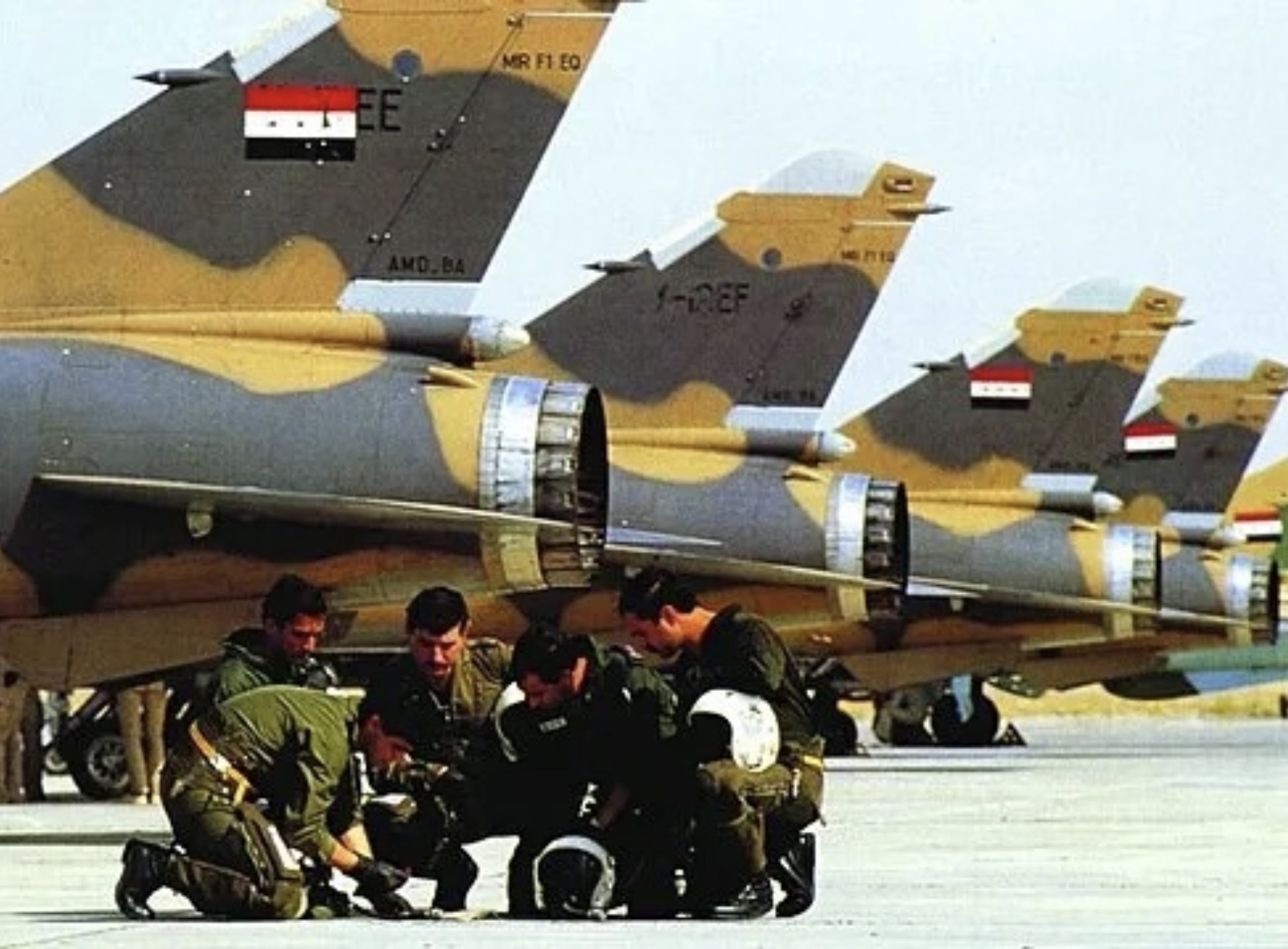
Following the overthrow of the monarchy, Iraq gradually shifted away from British influence and developed a close military relationship with the Soviet Union. This transformation accelerated after the Ba’ath Party returned to power in 1968. Over the following decades, the Iraqi Air Force expanded into one of the largest in the Middle East, operating aircraft such as the MiG-17, MiG-21, MiG-23, MiG-25, Su-7, Su-20, Su-22, Tu-16, and Tu-22. Iraq also purchased advanced French equipment, including Mirage F1 fighters, helicopters, guided weapons, and anti-ship missiles, while obtaining additional aircraft from China, Yugoslavia, and other suppliers. The service participated in operations against Kurdish insurgents and contributed aircraft to Arab conflicts with Israel, but its most important experience came during the Iran–Iraq War from 1980 to 1988. Although its opening attacks against Iranian air bases achieved limited results, the Iraqi Air Force gradually improved its tactics, training, and coordination. It conducted battlefield support, deep-strike missions, reconnaissance flights, attacks on Iranian oil facilities, and anti-shipping operations in the Persian Gulf. Mirage F1s armed with Exocet missiles became especially important in the campaign against tankers and naval targets, while MiG-25s were used for interception, high-speed reconnaissance, and long-range strikes. Iraqi aviation was also used in internal repression, including operations associated with the Anfal campaign against Kurdish populations. By the end of the 1980s, Iraq possessed a large and varied force that included MiG-29s, Su-24s, Mirage F1EQs, and numerous strike aircraft. This strength was severely reduced during the 1991 Gulf War, when coalition forces destroyed many aircraft, bases, command centres, and air-defence installations. A substantial number of Iraqi aircraft fled to Iran and were never returned. International sanctions, shortages of spare parts, repeated air strikes, and the enforcement of northern and southern no-fly zones caused the remaining fleet to decline throughout the 1990s. When the United States and its allies invaded Iraq in 2003, most surviving aircraft were unserviceable, hidden, or incapable of mounting a coordinated defence, and the Ba’ath-era air force effectively ceased to exist.
New Iraqi Air Force, 2004–Present
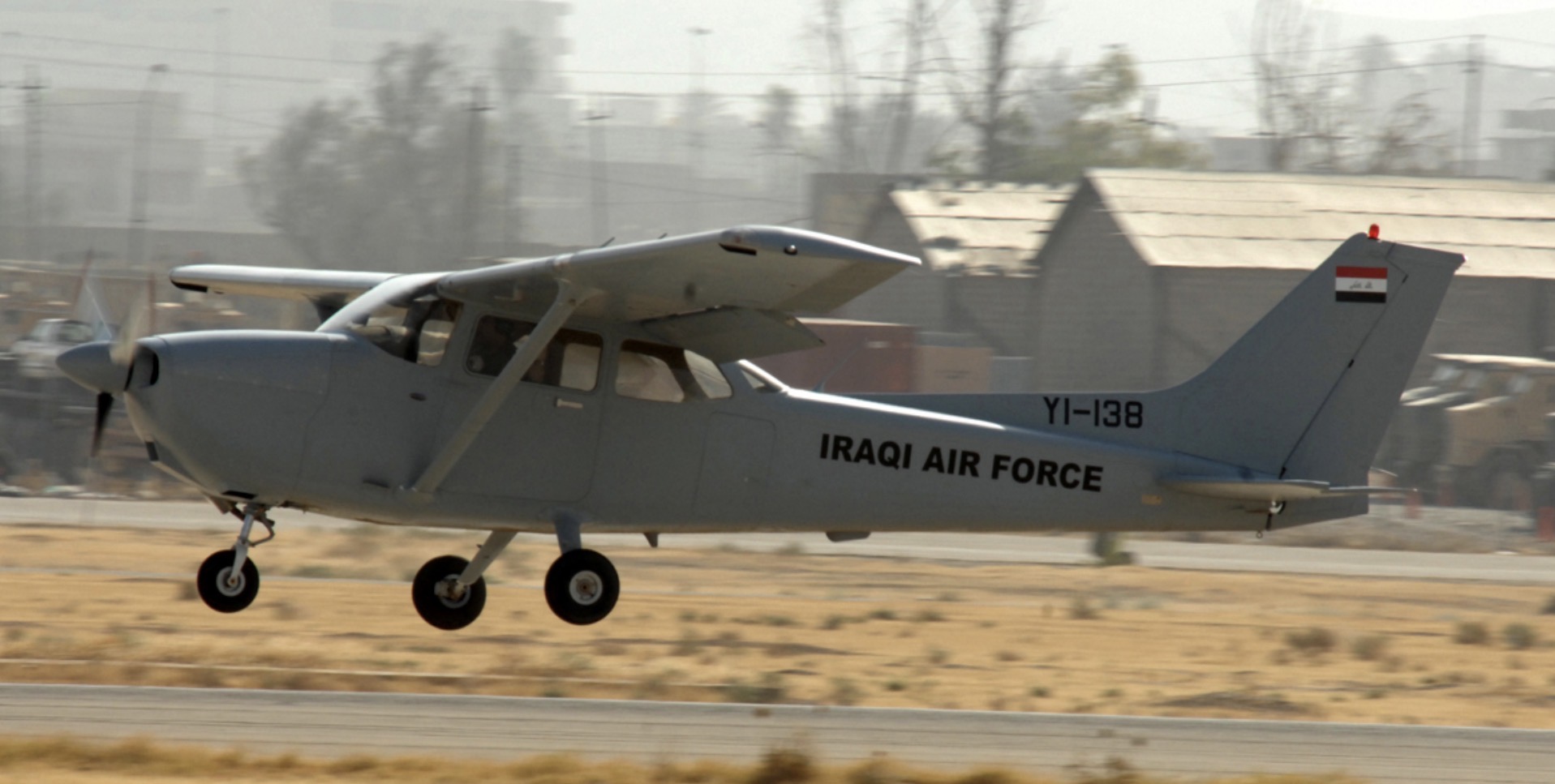
The modern Iraqi Air Force was created after 2003 as a new institution rather than a direct continuation of the previous force. Its first responsibilities were limited and focused mainly on transport, border surveillance, reconnaissance, communications, and support for security forces fighting insurgent groups. Early aircraft included light Cessnas, Comp Air patrol aircraft, and King Air surveillance platforms. Training capacity was gradually restored through aircraft such as the Cessna 172, T-6A Texan II, and Lasta 95N, while C-130 transports rebuilt Iraq’s ability to move troops and equipment around the country. The introduction of the AC-208B Combat Caravan, armed with Hellfire missiles, gave the air force a useful precision-strike capability before it possessed modern fighter aircraft. The rapid rise of the Islamic State in 2014 revealed major weaknesses in Iraq’s air power and led to urgent purchases and deliveries of combat aircraft. Iraq received Su-25 attack aircraft, Czech L-159 light fighters, F-16IQ multirole fighters, and later T-50IQ advanced trainers and light combat aircraft. These aircraft were used during the campaigns to retake cities such as Ramadi, Fallujah, and Mosul, often in cooperation with coalition forces. Iraqi Su-25s showed the highest sortie rates, meanwhile Iraqi F-16s carried out strikes against Islamic State targets outside Iraq. The present air force is built around a mixed fleet of F-16IQs, T-50IQs, L-159s, AC-208s, transports, surveillance aircraft, and several types of trainers. Its main duties include counterterrorism, reconnaissance, close support for the army, transport, border security, and the gradual restoration of Iraq’s ability to control its own airspace. Despite this progress, the service continues to face difficulties involving maintenance, spare parts, pilot training, technical expertise, and dependence on foreign assistance.
Photographs/Images
Spoiler
Rank 1
Spoiler
Nisr

Ba.65 A.80M
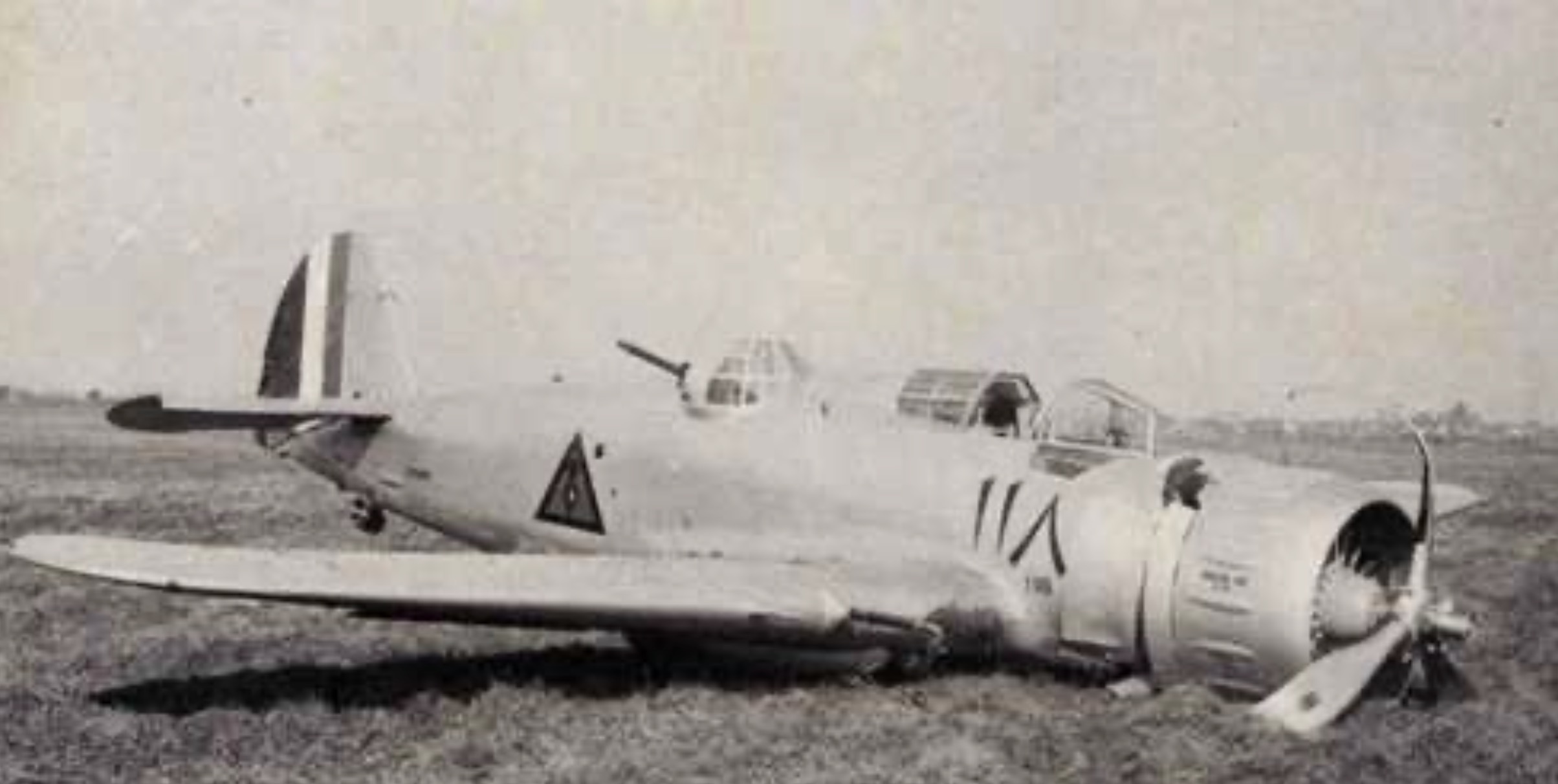
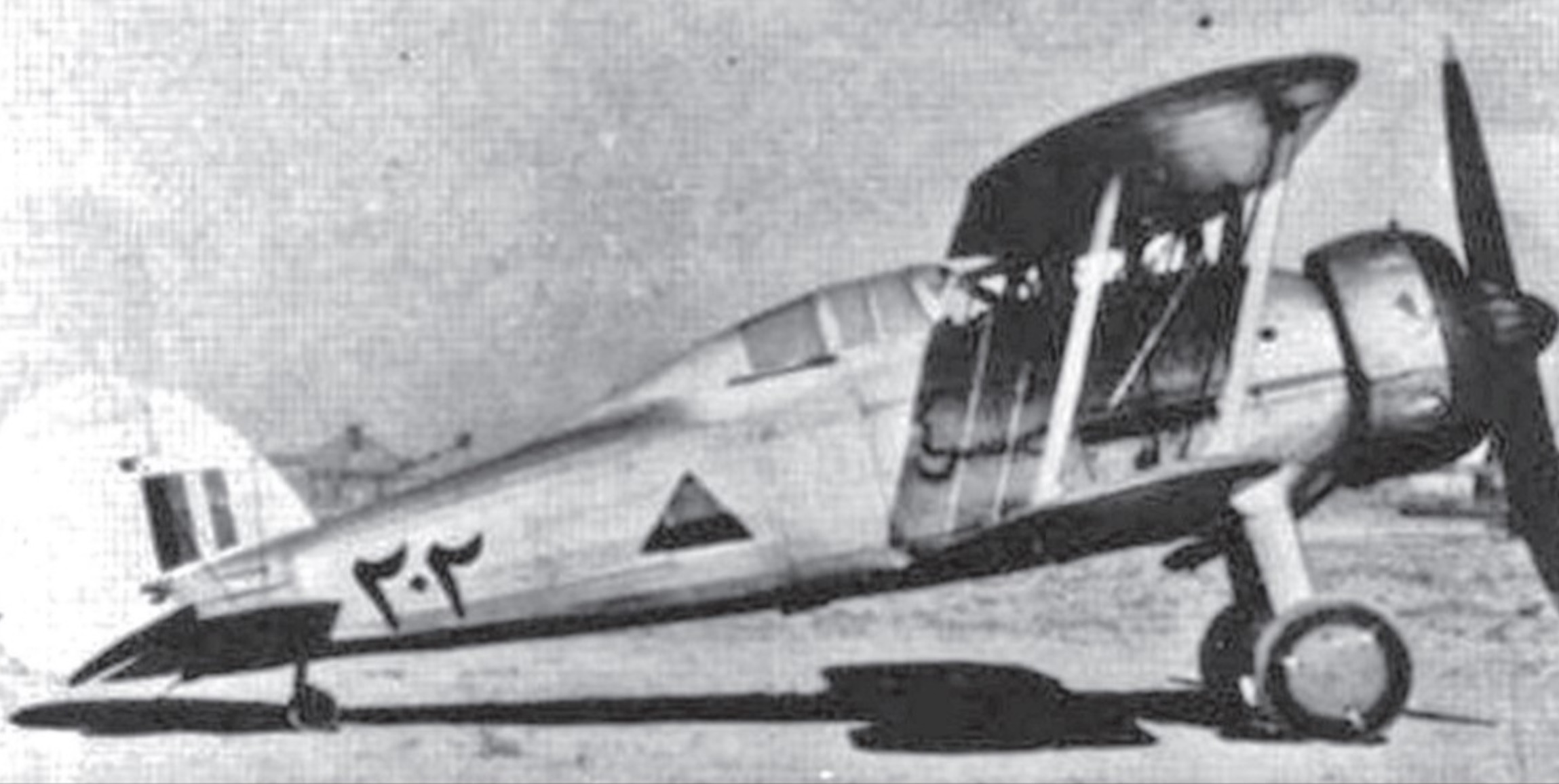
Gladiator Mk I
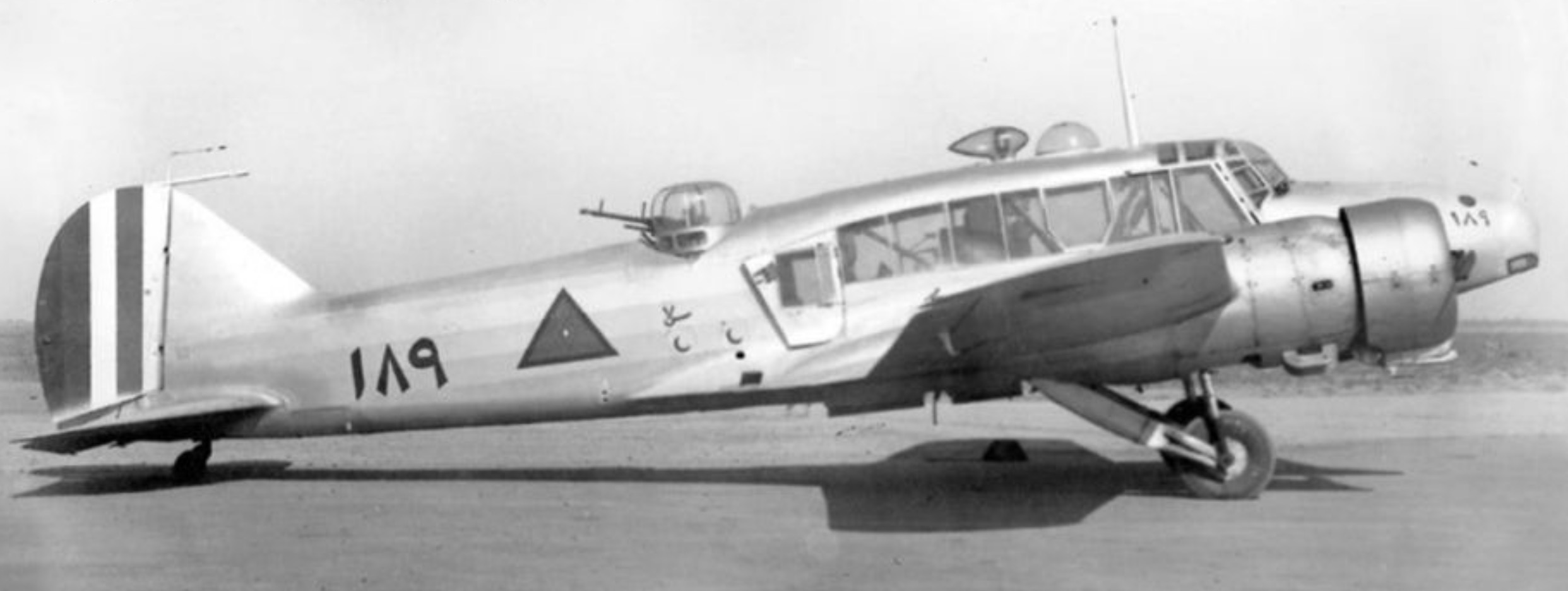
Anson Mk I
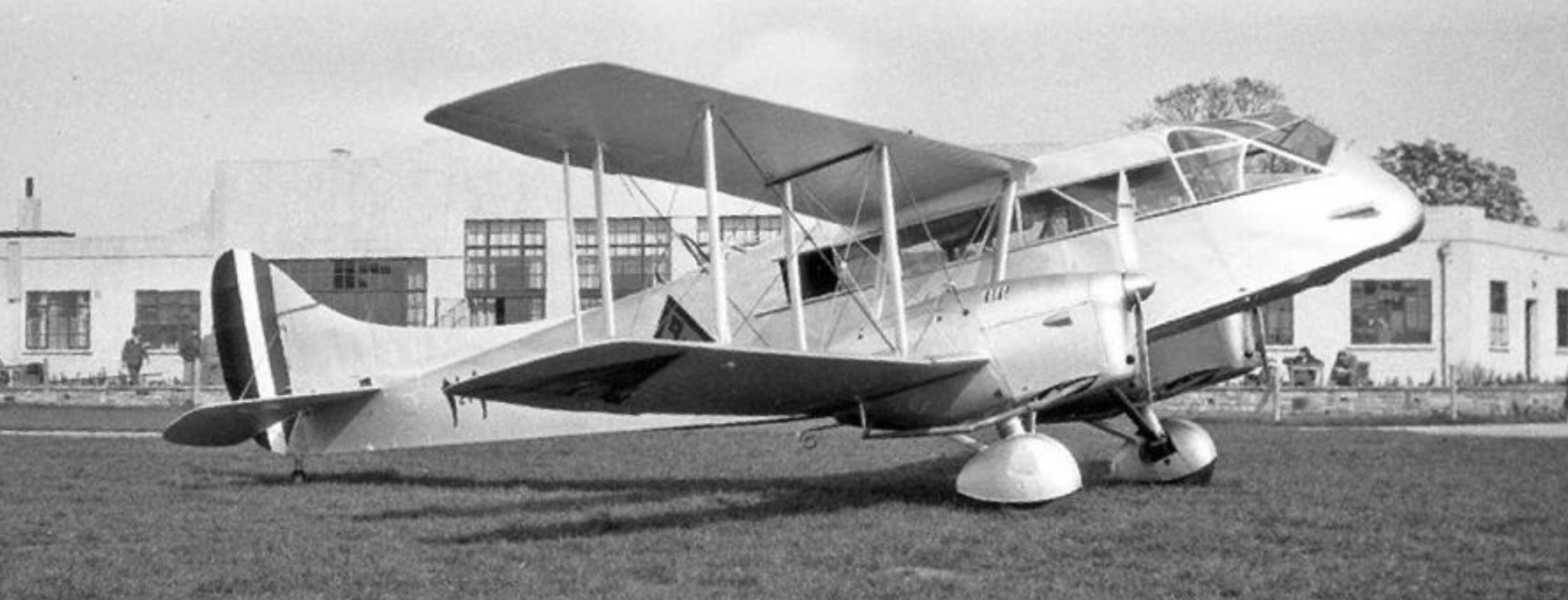
DH.84M Dragon
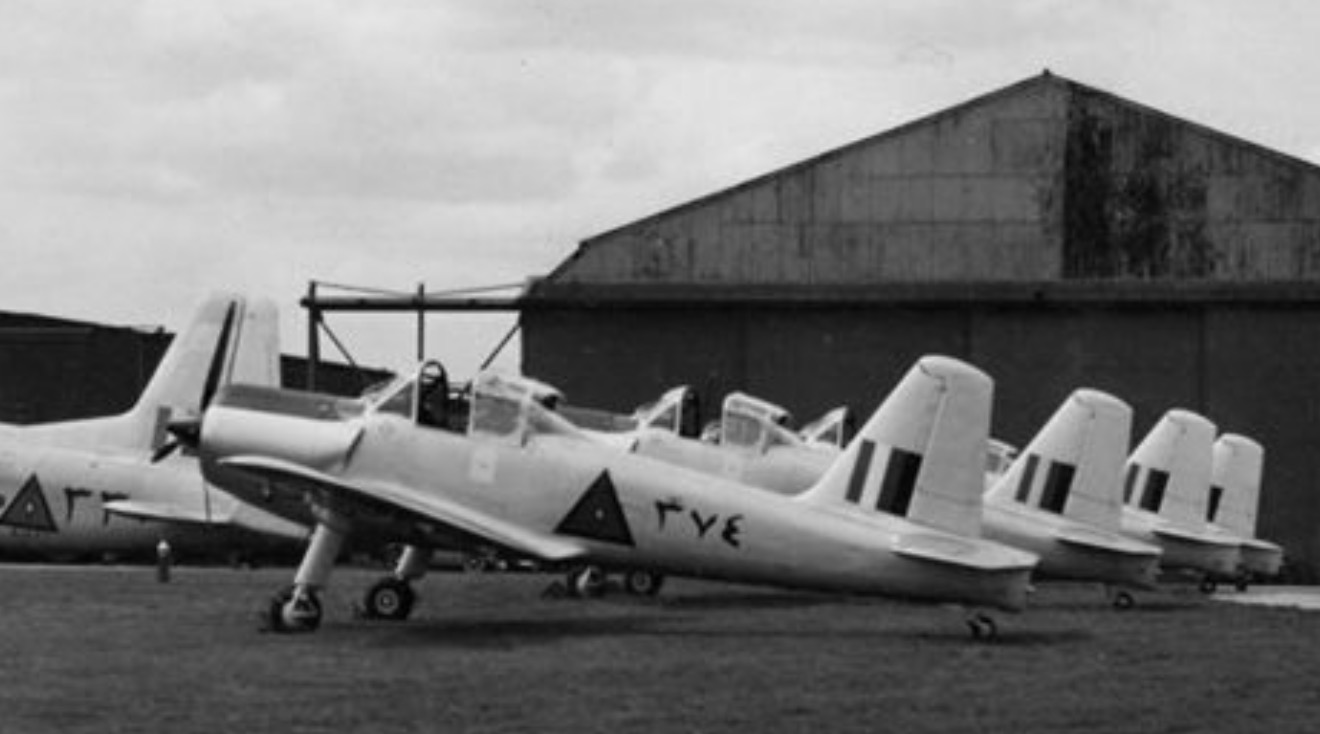
Provost T.53
Vincent Mk I
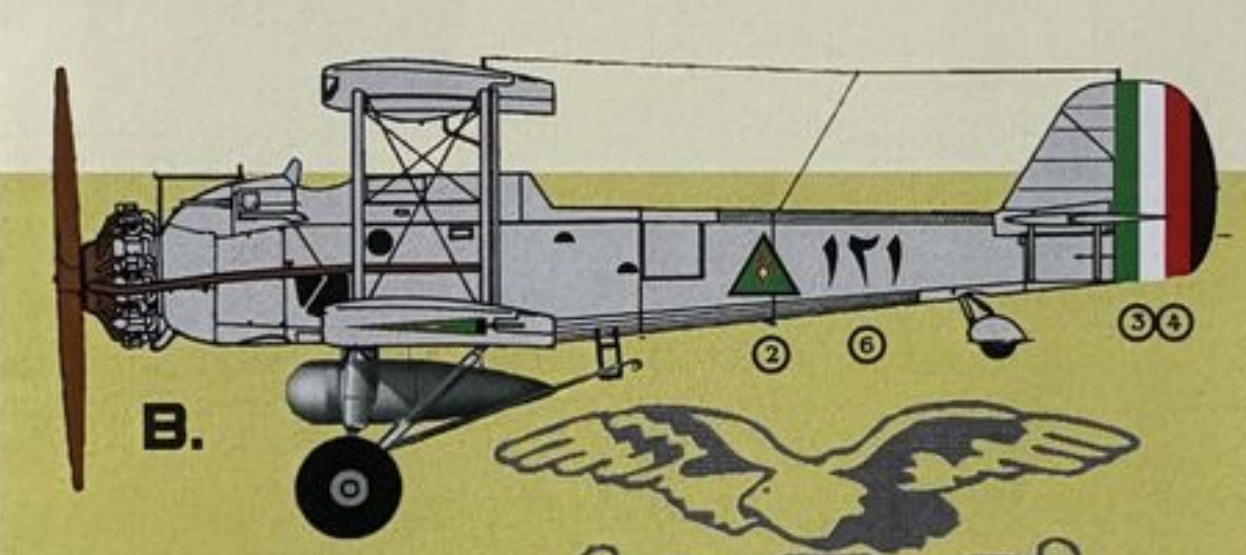
P.S. I was unable to find an authentic photograph showing this aircraft in Iraqi markings.
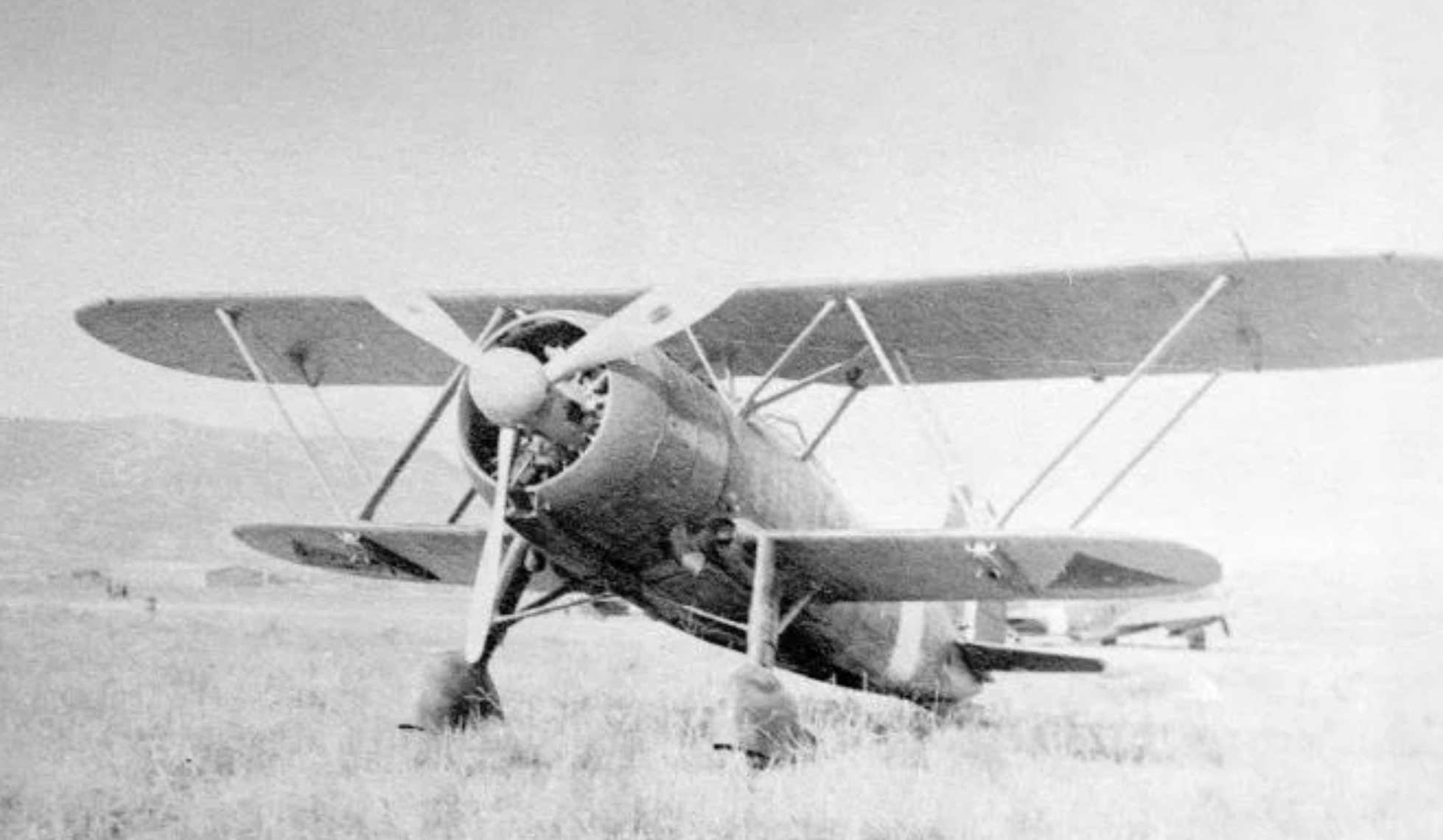
CR.42 Egeo
Yak-11
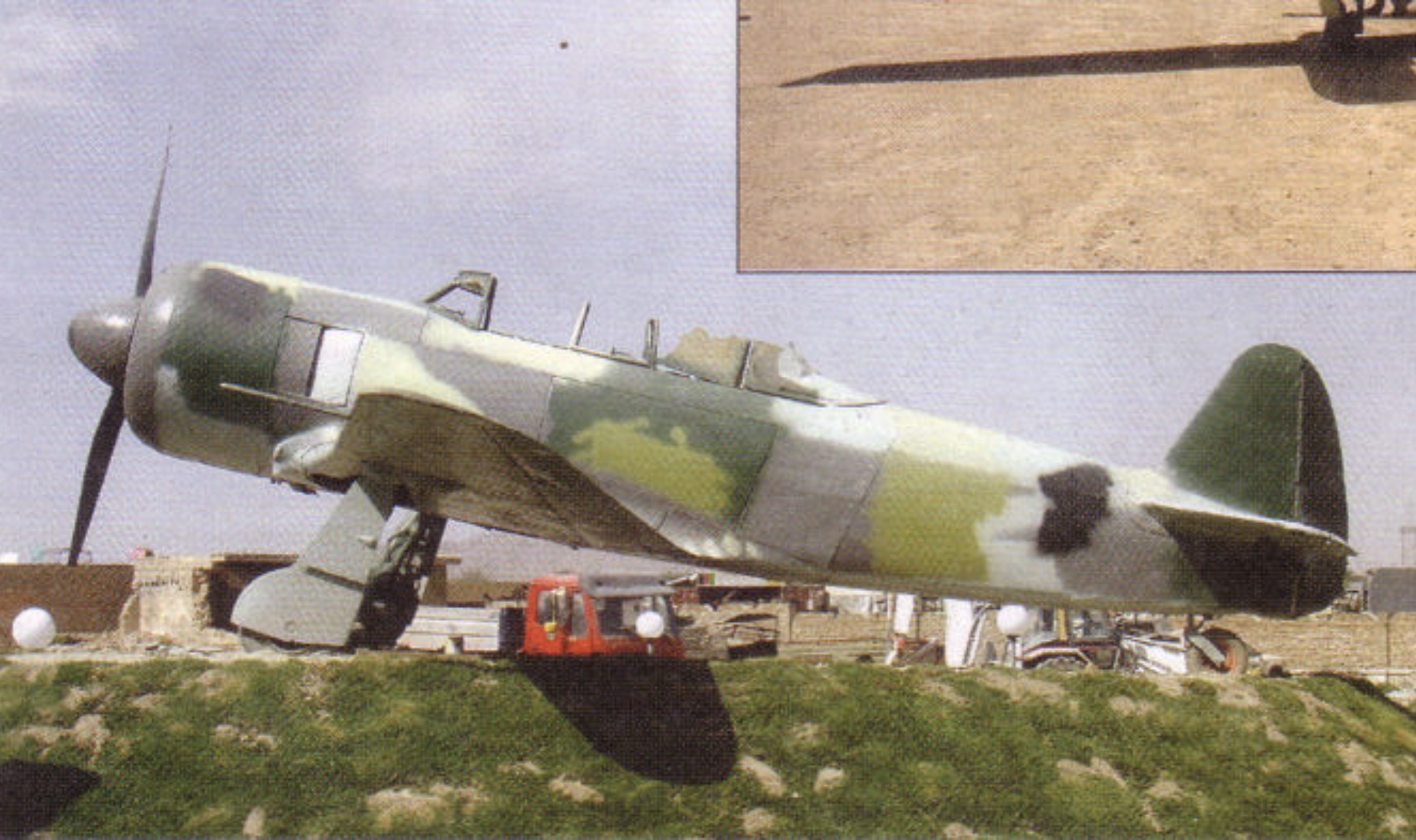
P.S. According to the source, the aircraft shown above is an Iraqi Yak-11.
Rank 2
Spoiler
8A-4
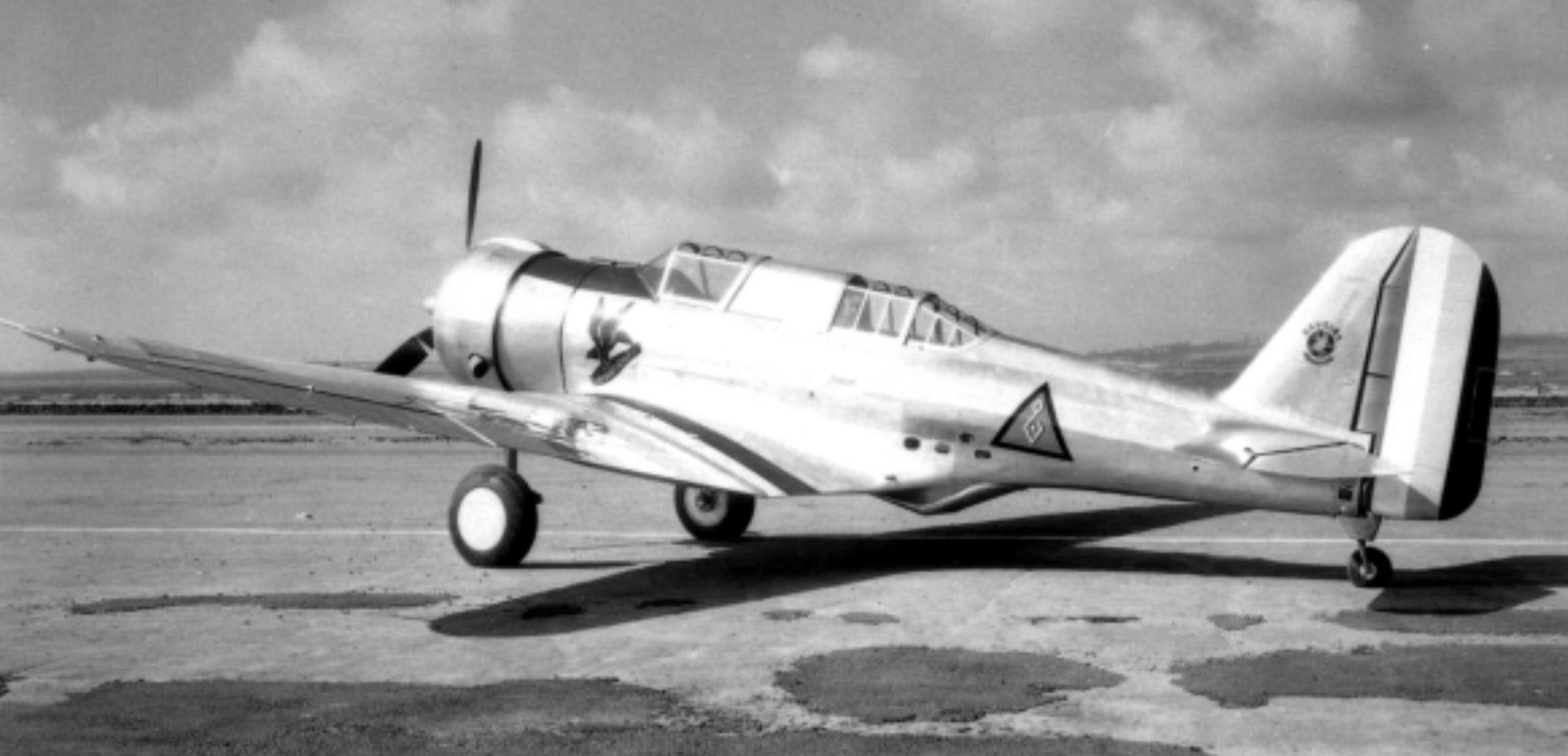
PC-7
PC-9
S.M.79B
EMB-312 Tucano

AN-32B
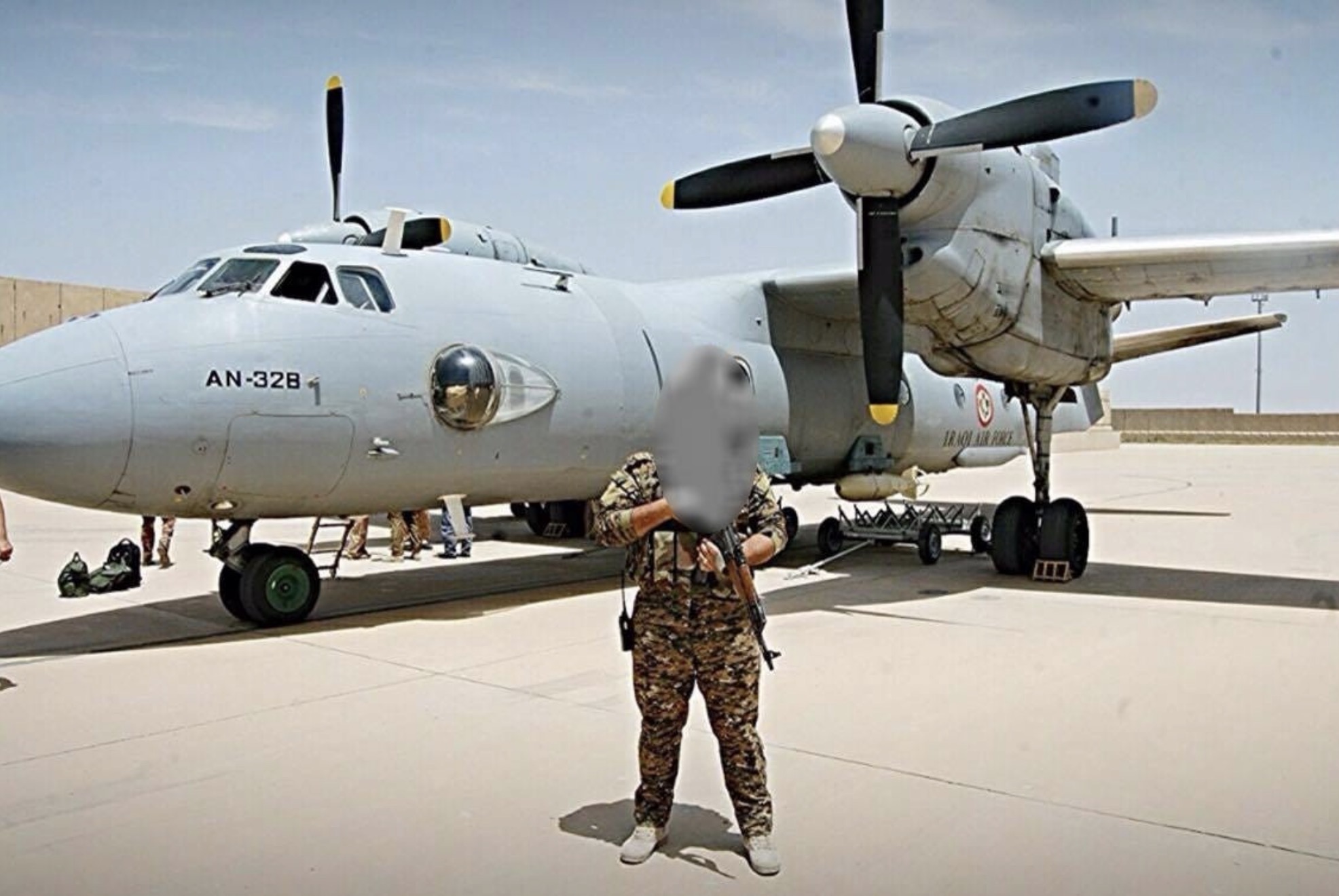
Read More: Iraqi An-32B – Strike Transport
Lasta 95N
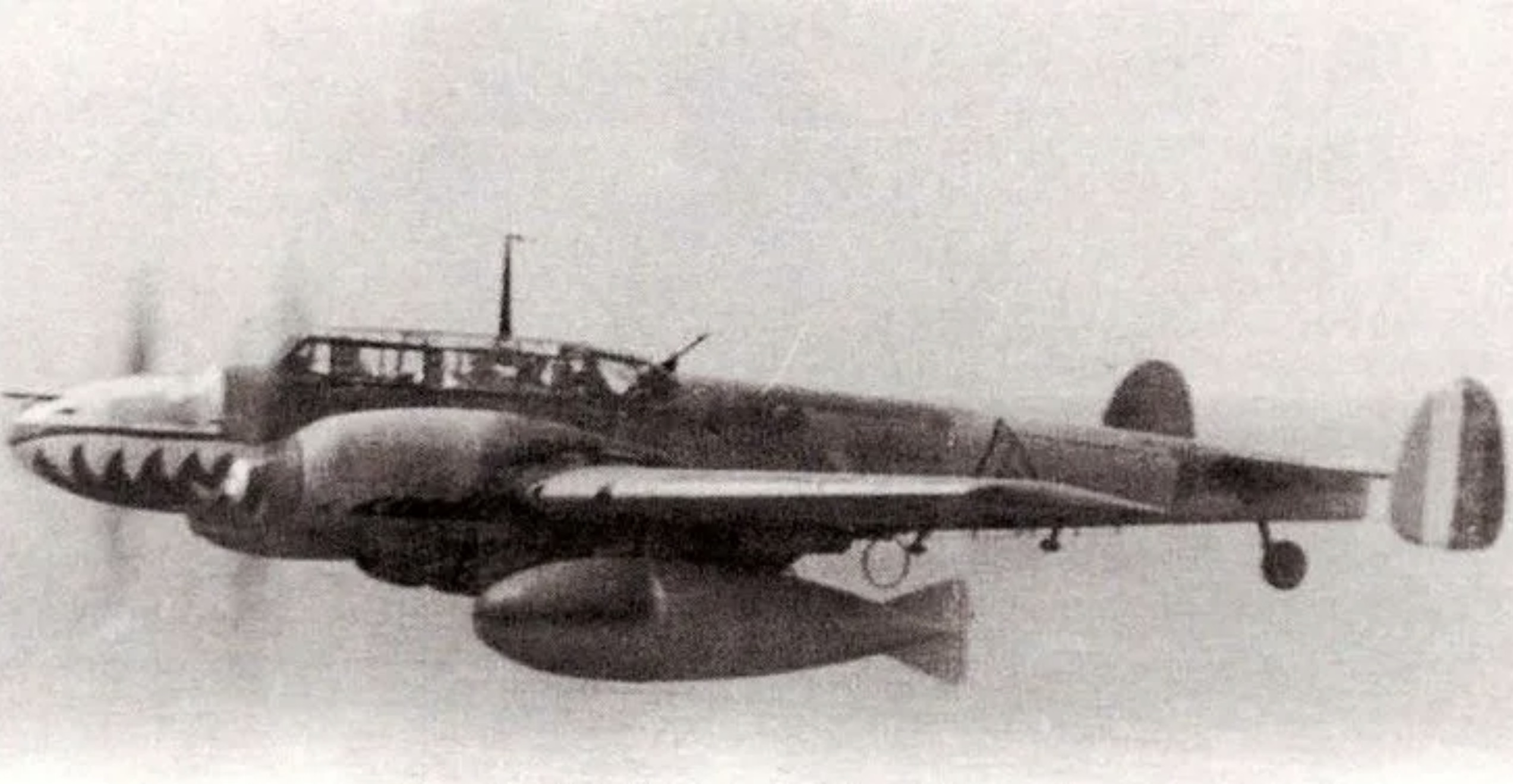
Bf 110 D-3
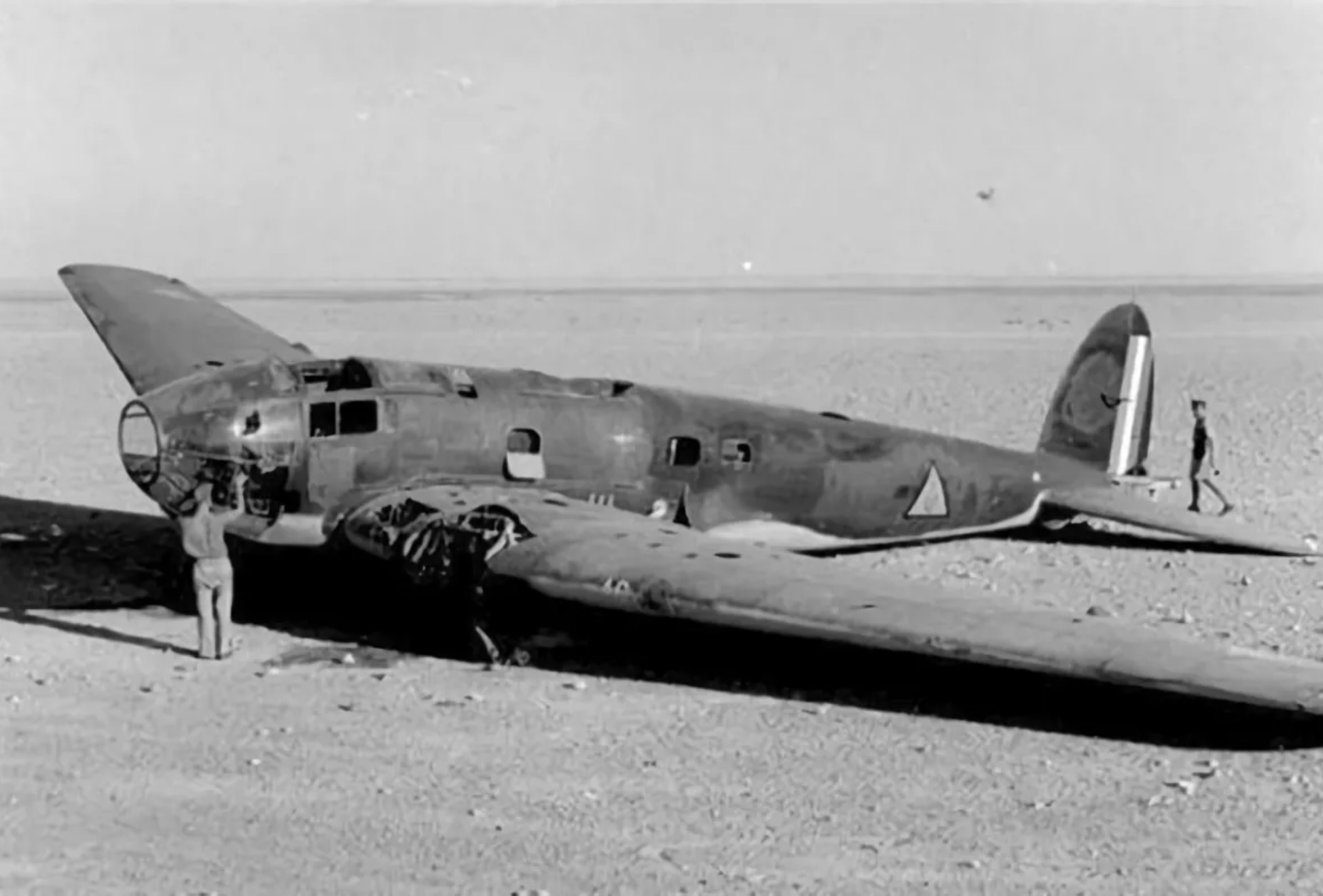
He 111 P-4
Rank 4
Spoiler
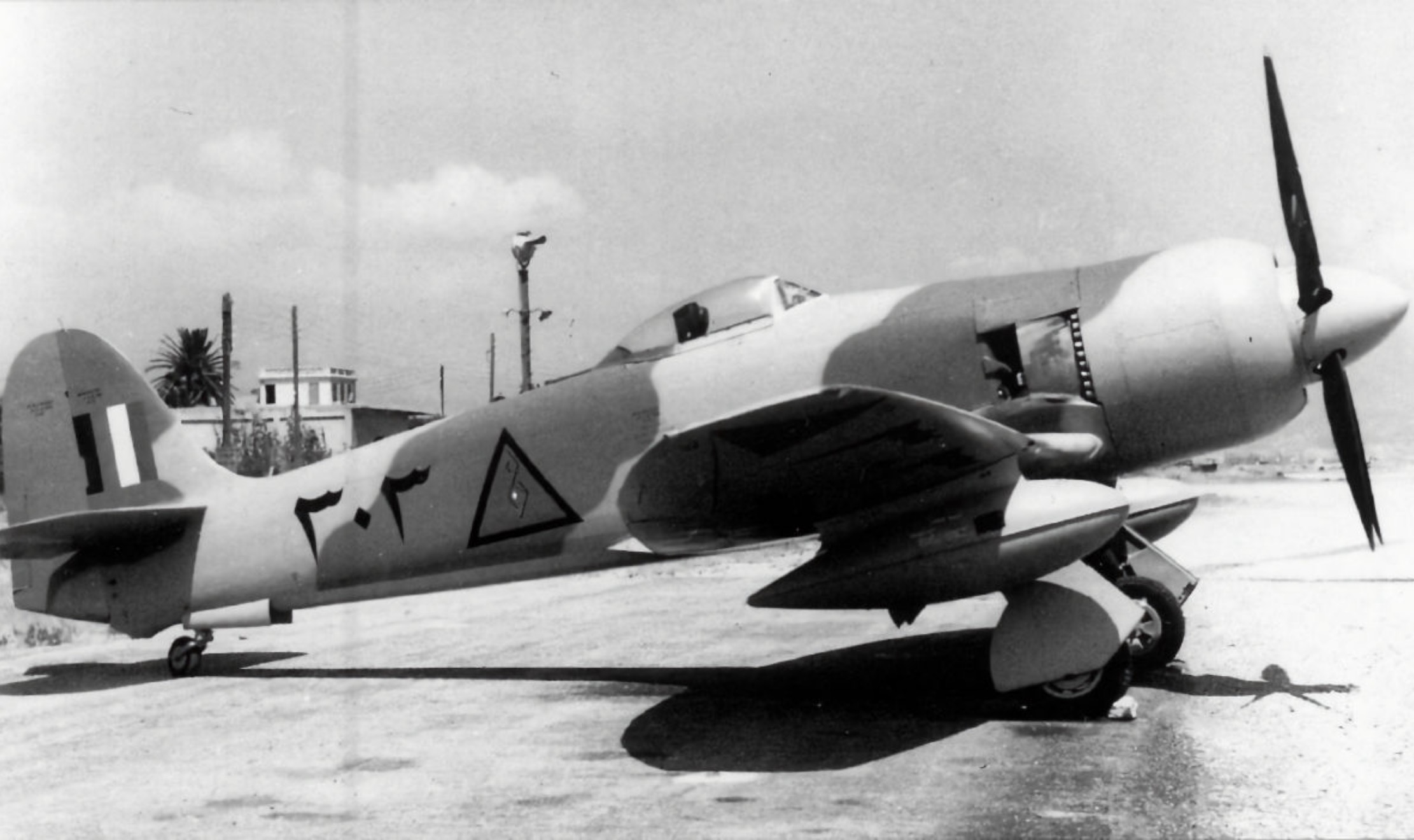
Baghdad Fury
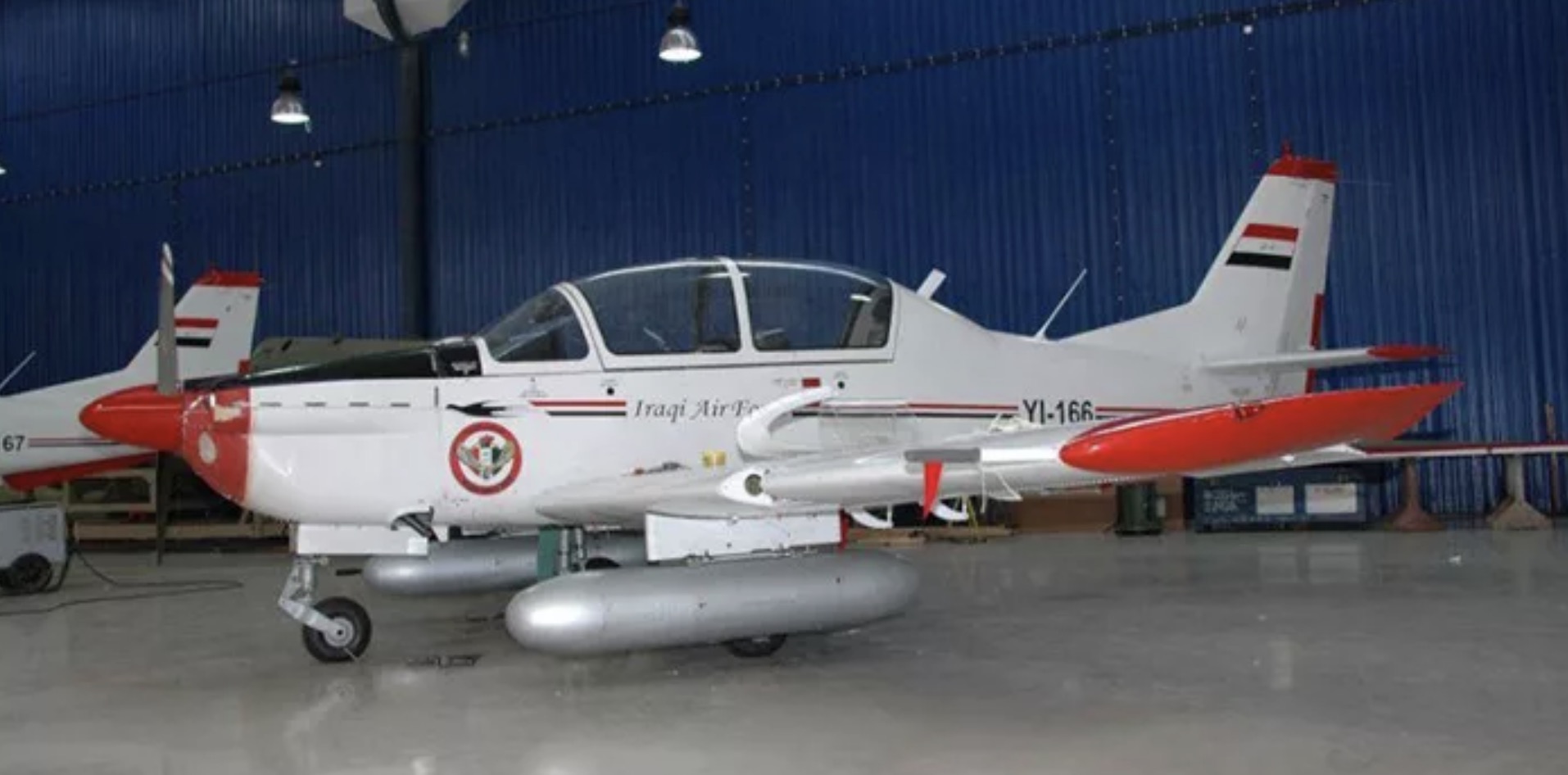
L-39ZO
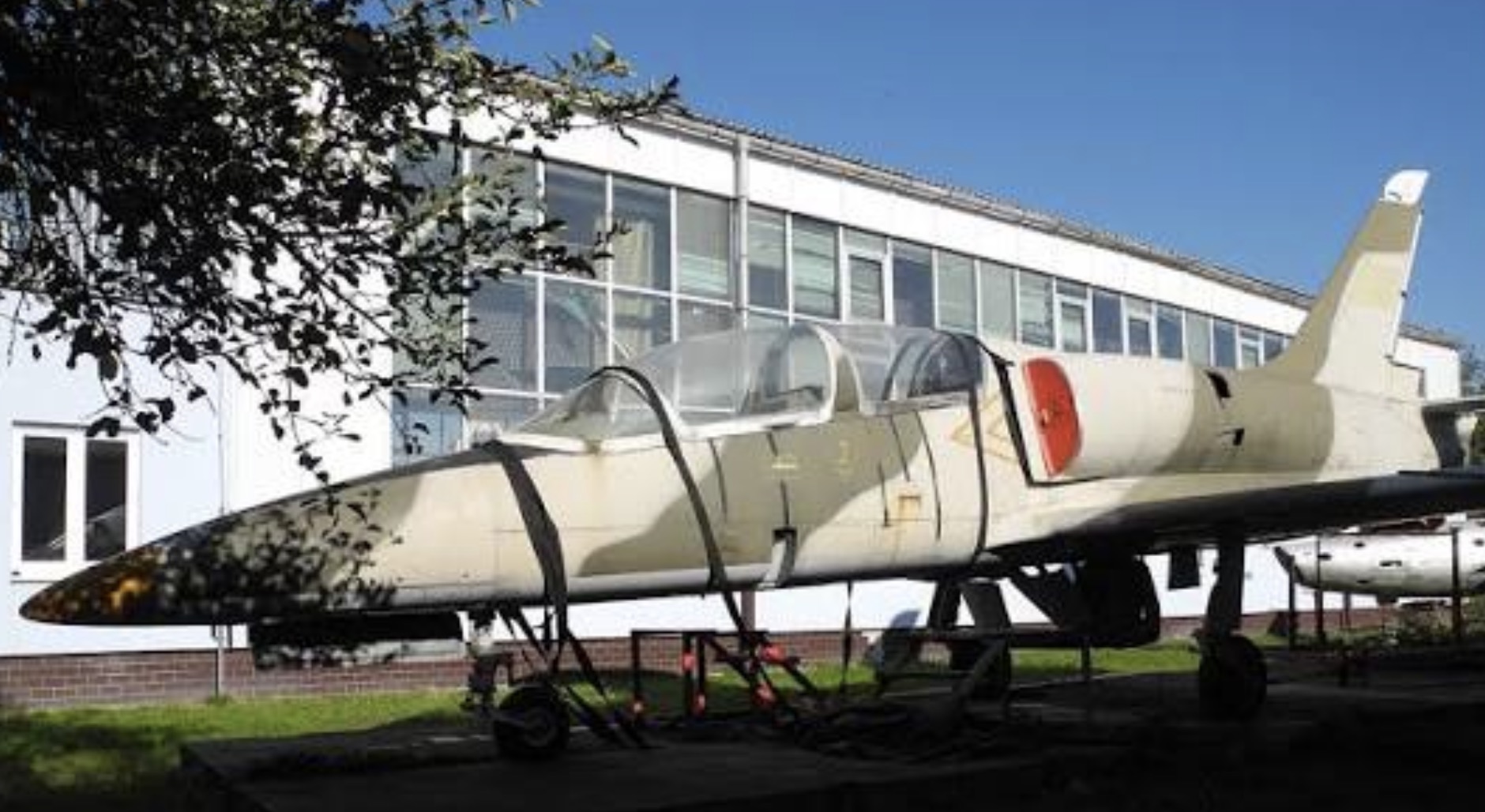
P.S According to the source, the L-39ZO shown above belonged to the Iraqi Air Force.
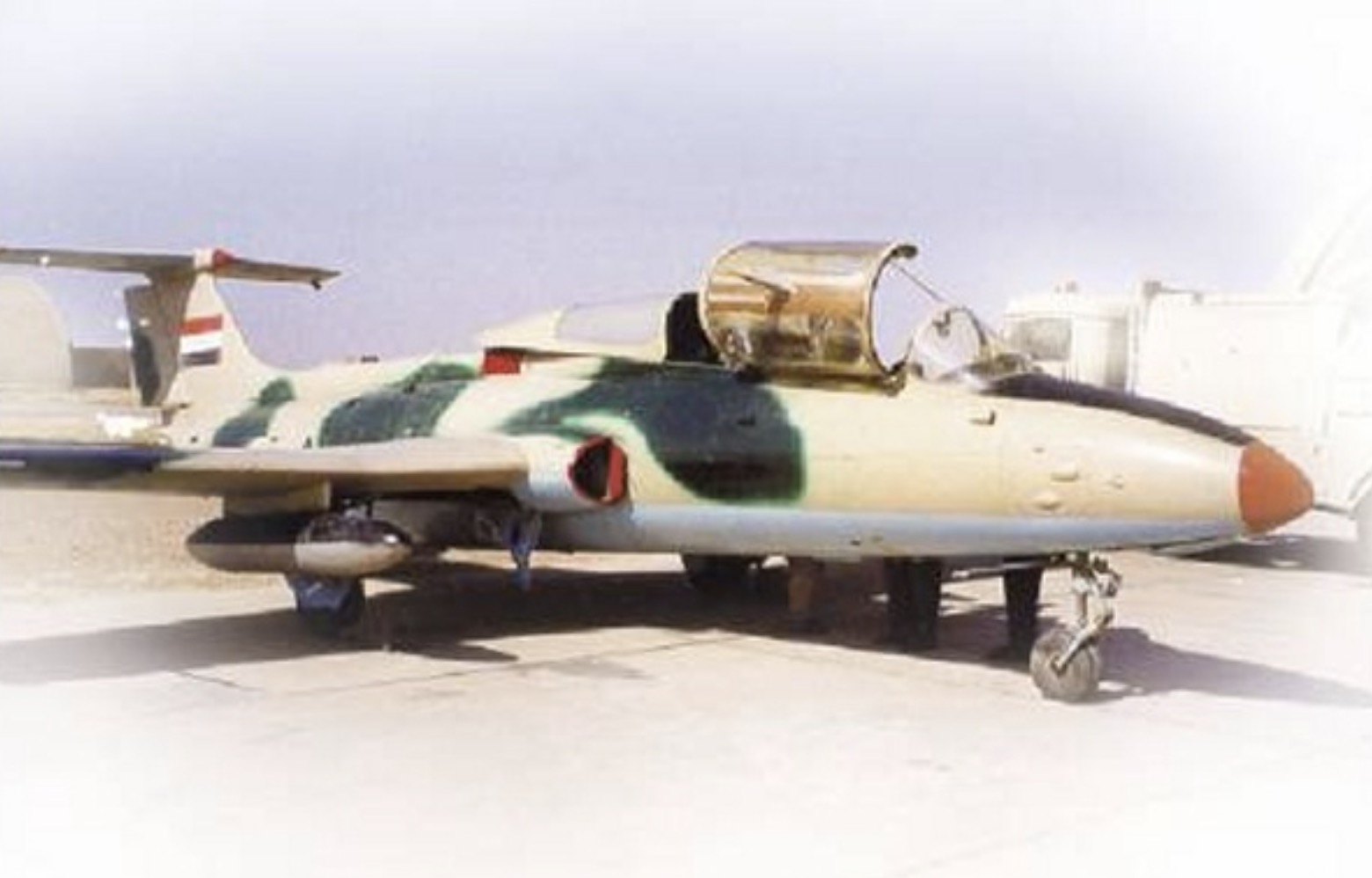
L-29 Delfín
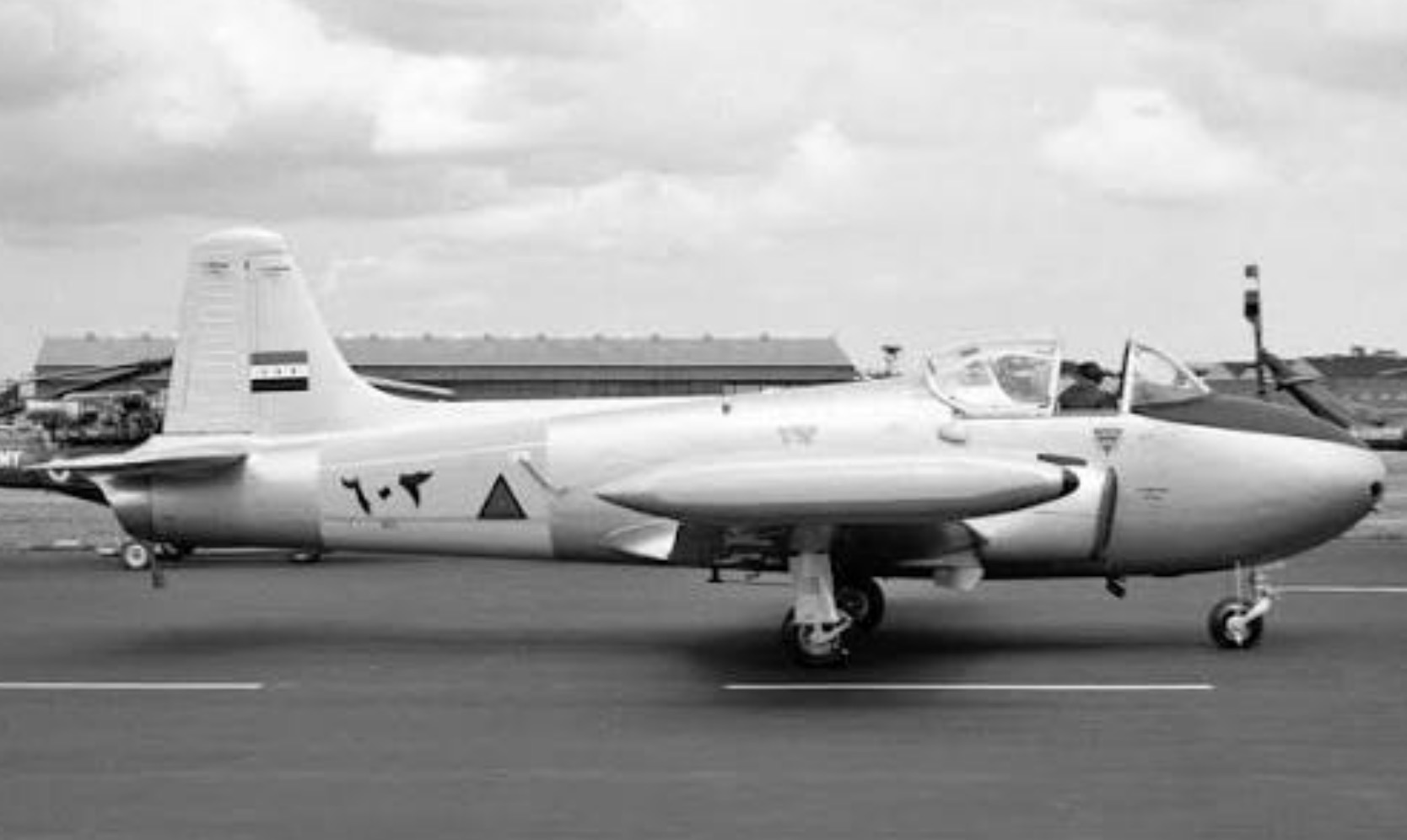
Jet Provost T.52
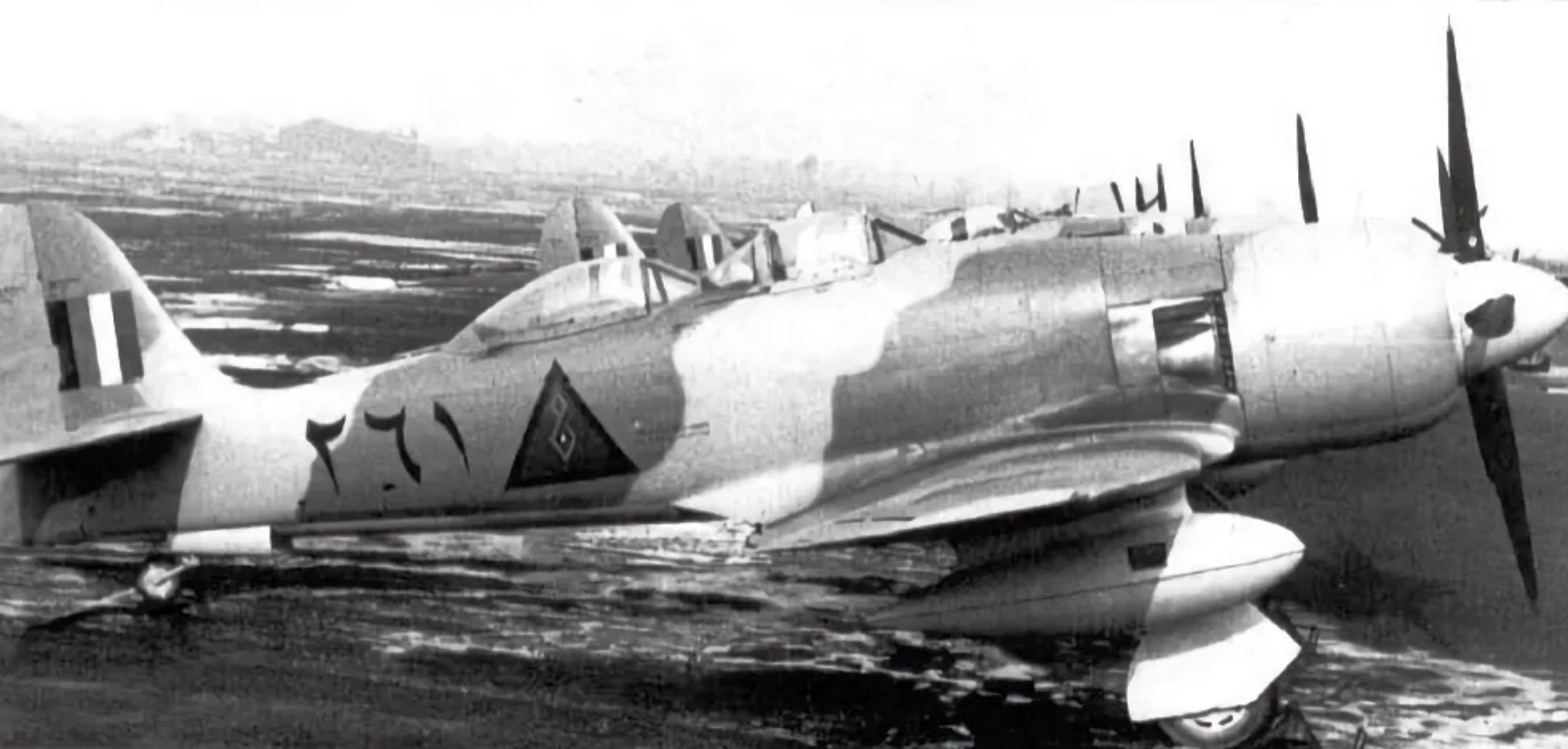
Fury Trainer
Rank 5
Spoiler
Vampire FB.52
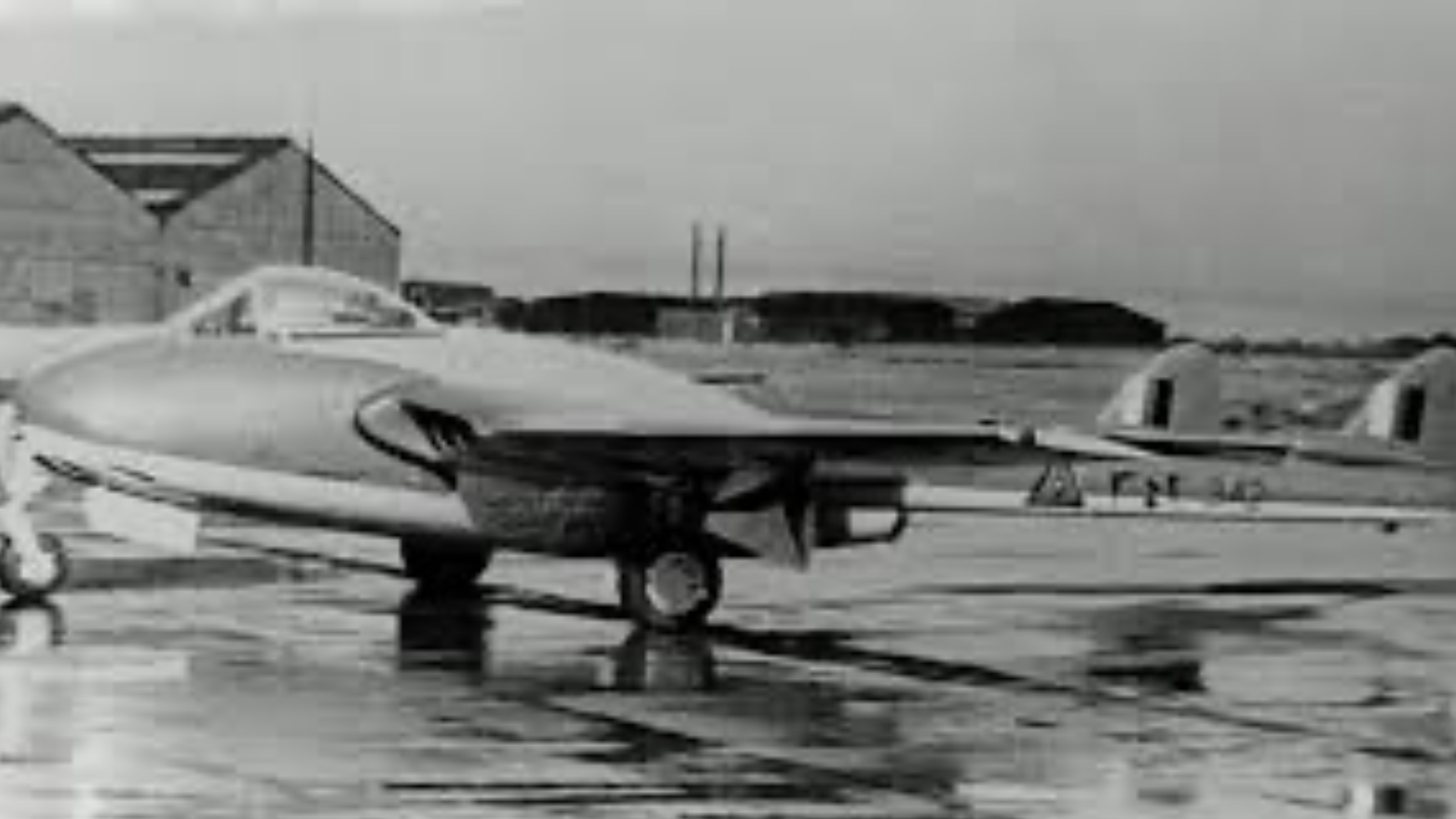
Venom FB.50
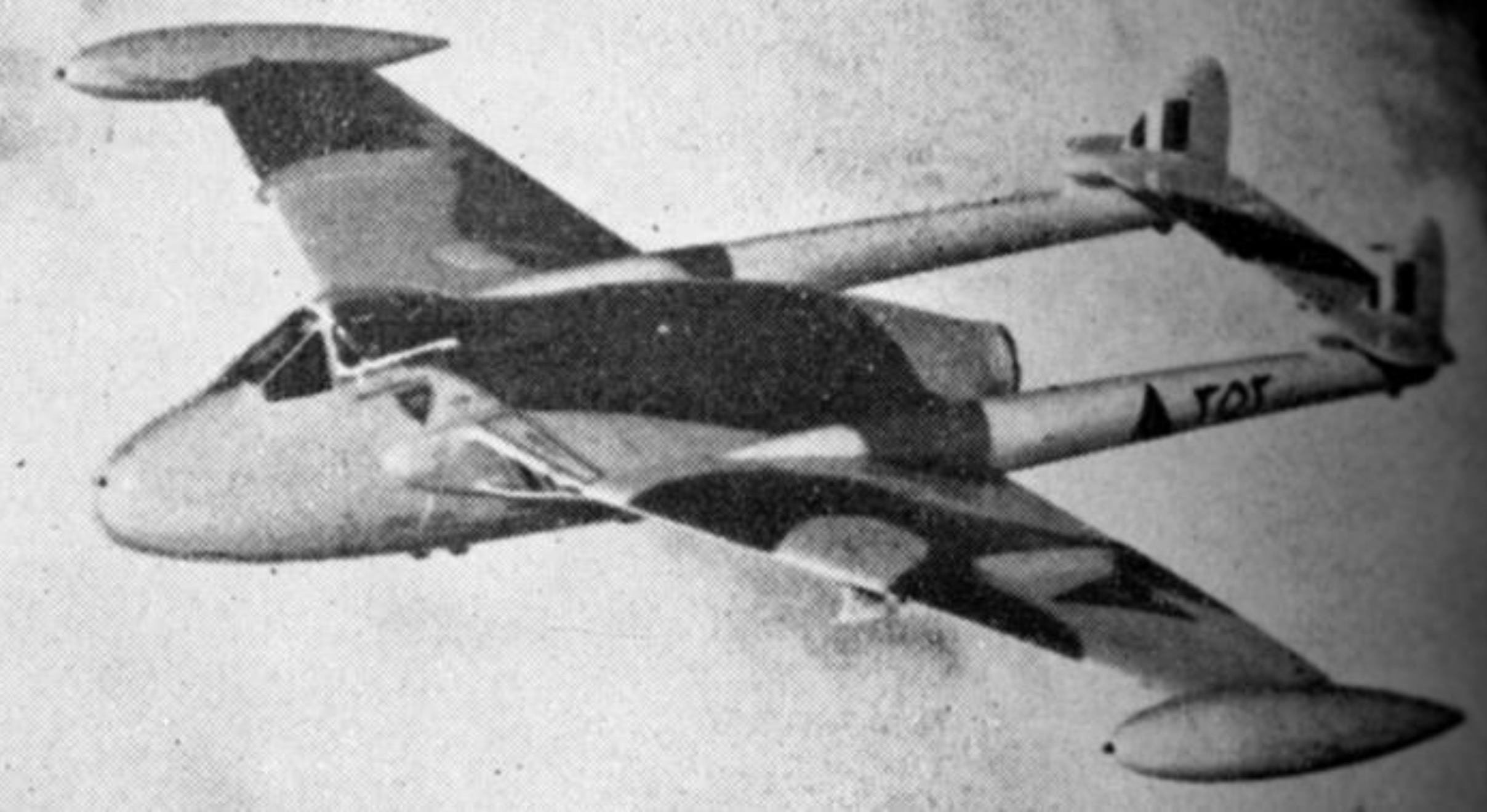
IL-28B
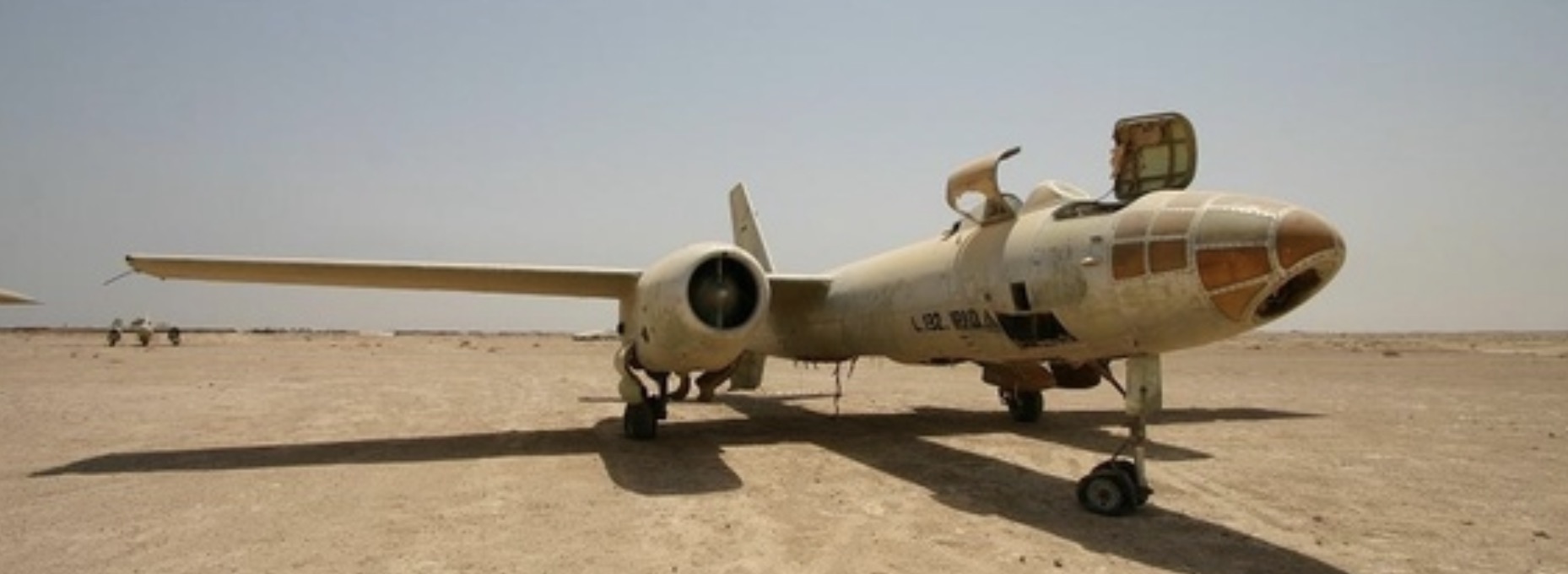
Tu-16

MiG-15UTI
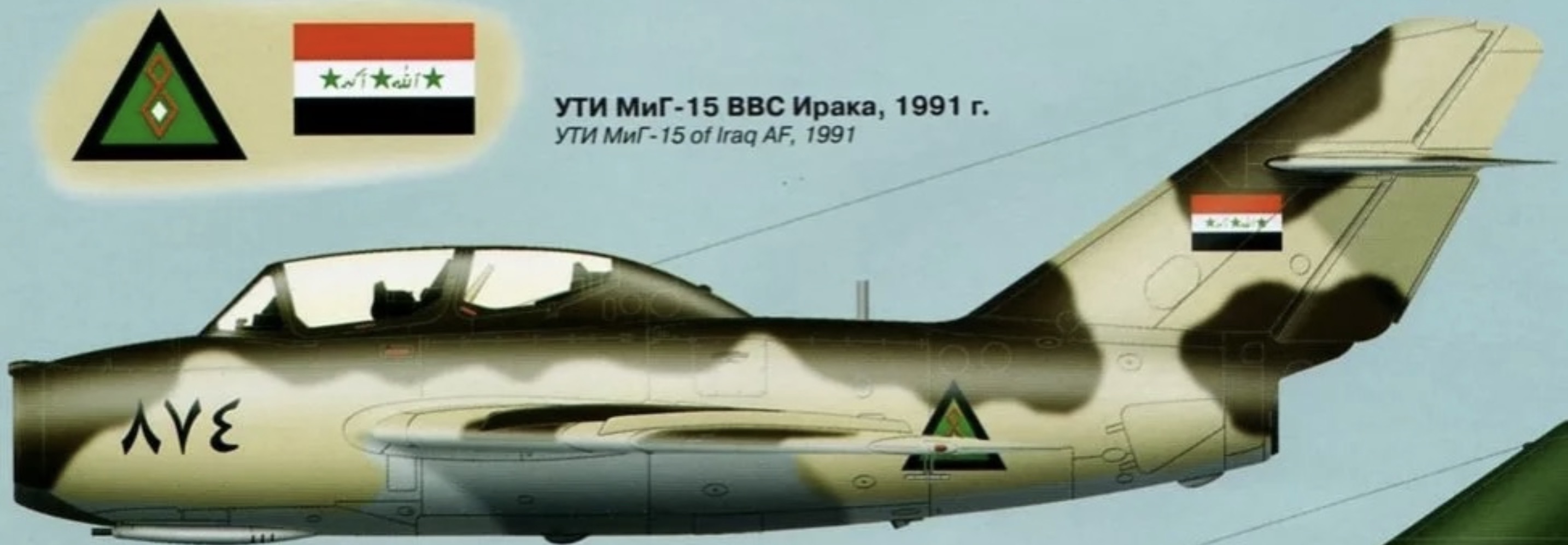
P.S The only photograph I found of an Iraqi MiG-15UTI shows a wreck in extremely poor condition, so I decided to use an illustration instead.
Rank 6
Spoiler
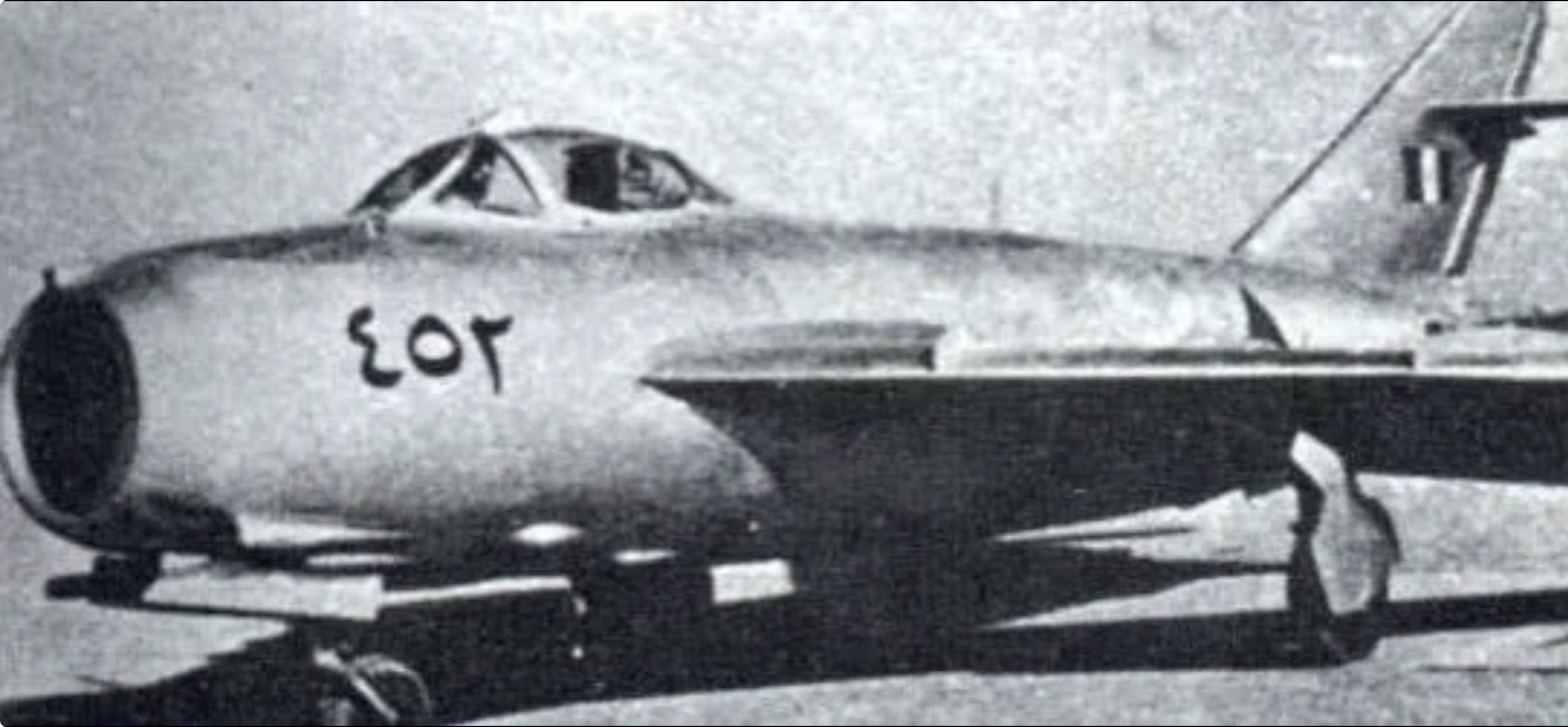
MiG-17F
Hunter FGA.59
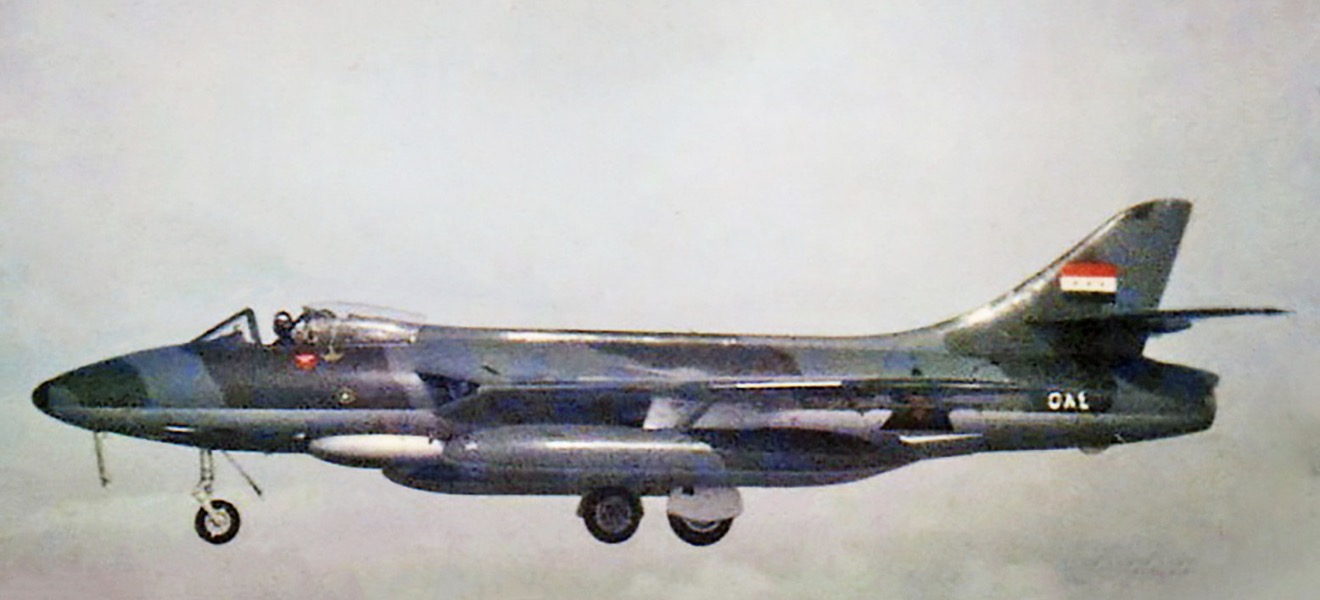
P.S Early Hunters can be distinguished from later variants by the protruding brake-parachute housing above the exhaust, which is present on the later aircraft.
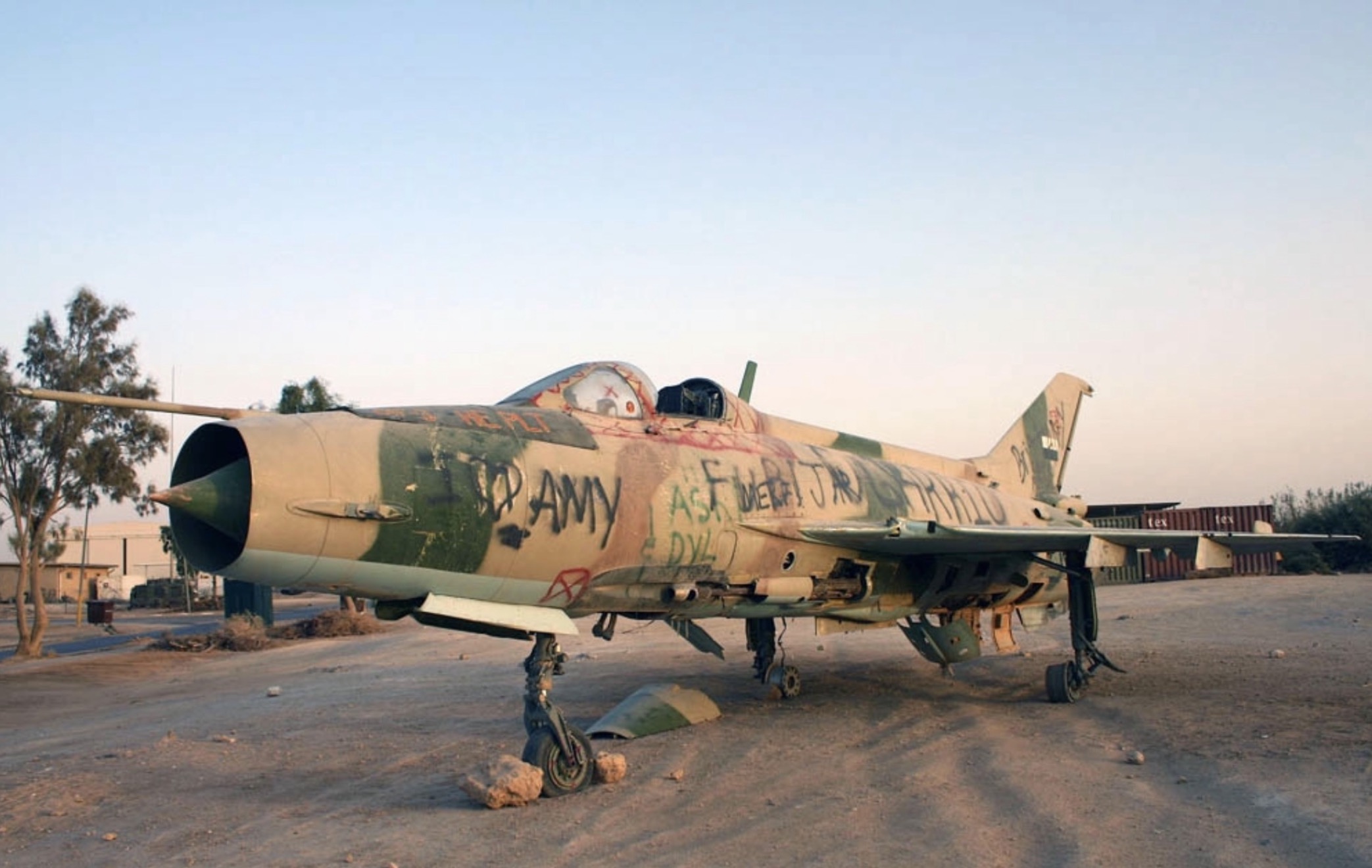
MiG-21FL

P.S To distinguish a MiG-21PF from an FL, examine the tail section. The FL carries its braking parachute housing at the base of the vertical stabilizer, whereas the PF uses an arrangement similar to that of the MiG-21F-13. The PF also has a slightly more capable radar and can employ beam-riding missiles.
F-7B
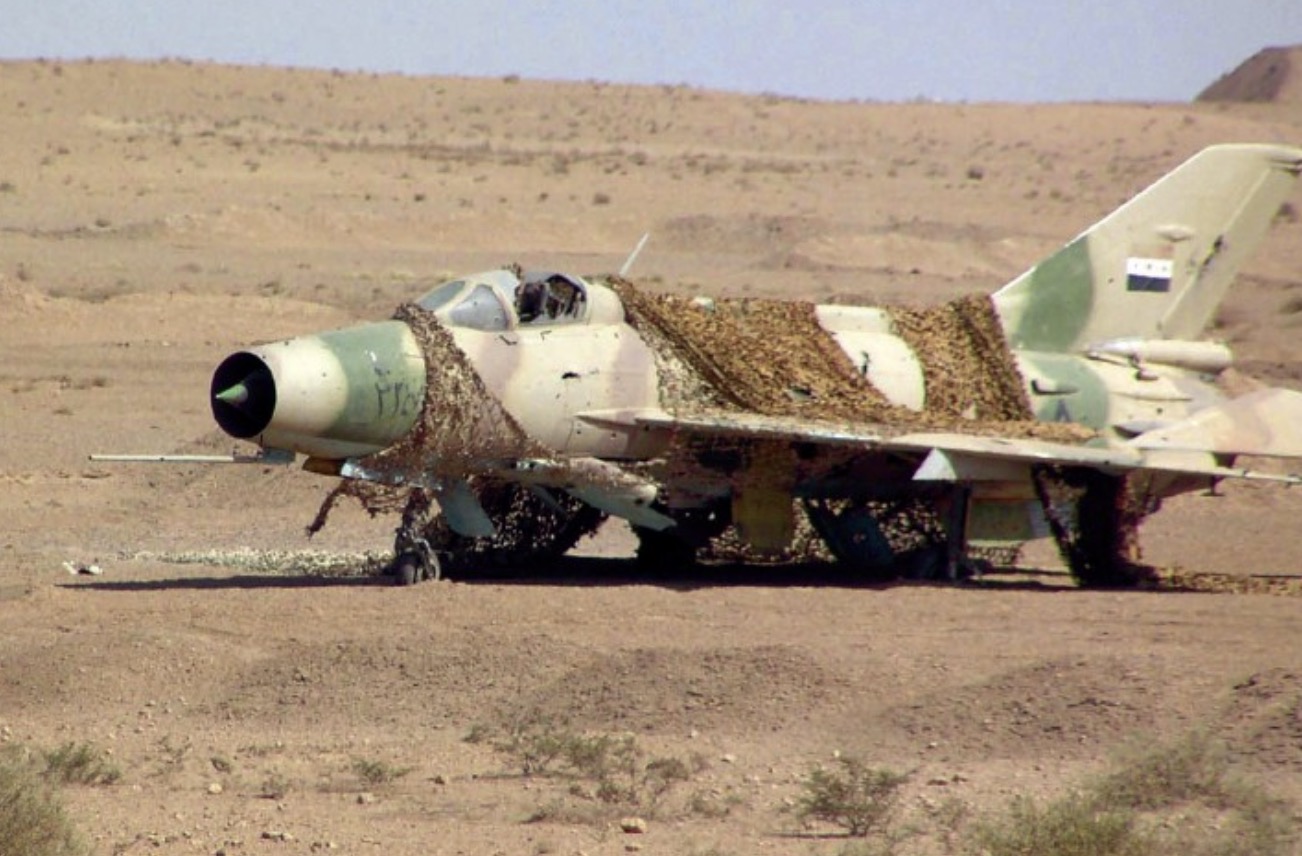
To distinguish the F-7B from the F-7M, examine the underwing pylons: the F-7B has two, whereas the F-7M has four.
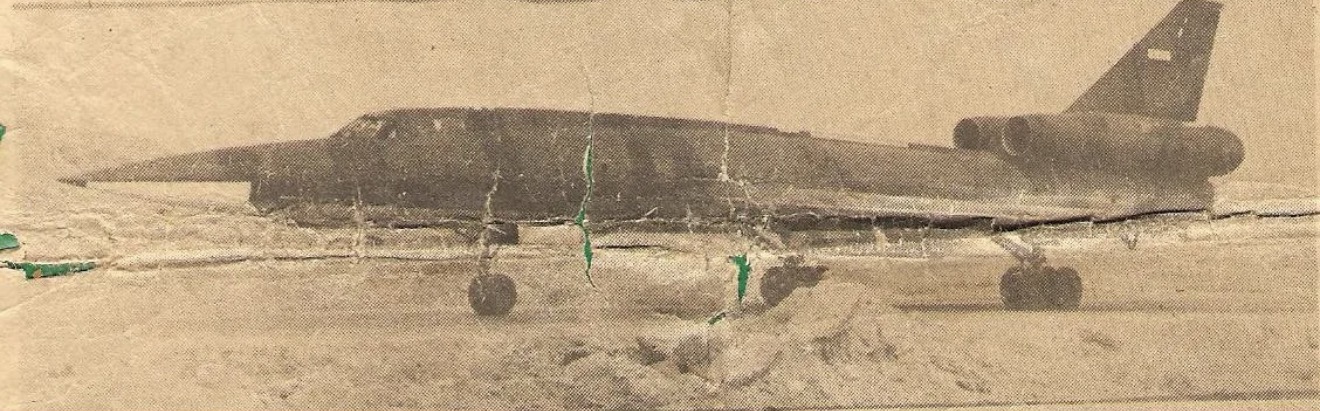
Tu-22B
Su-7BMK
Su-20
AC-208B
Hunter F.6
F-7M Airguard
Rank 7
Spoiler
MiG-23MS
Mig-25PD/S
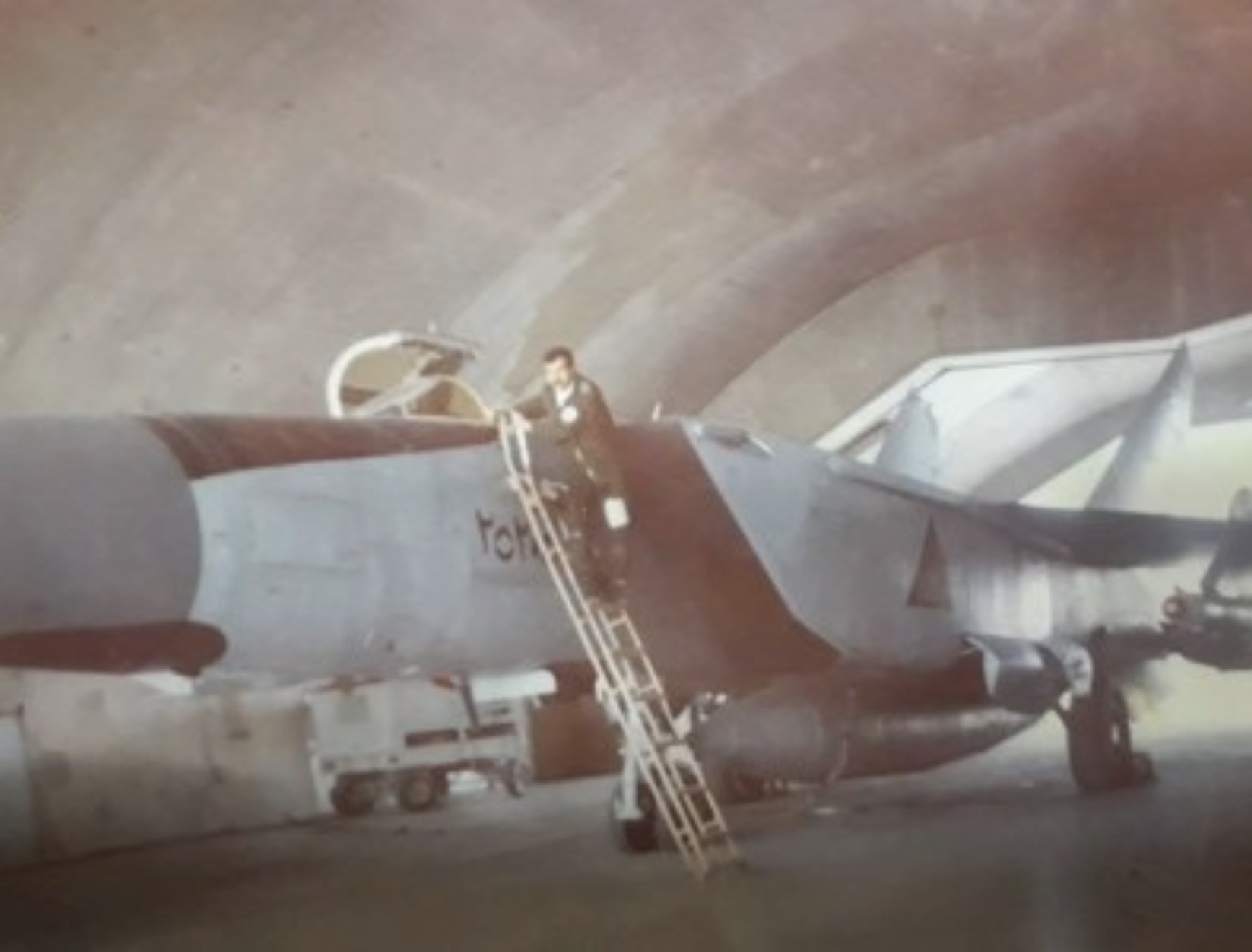
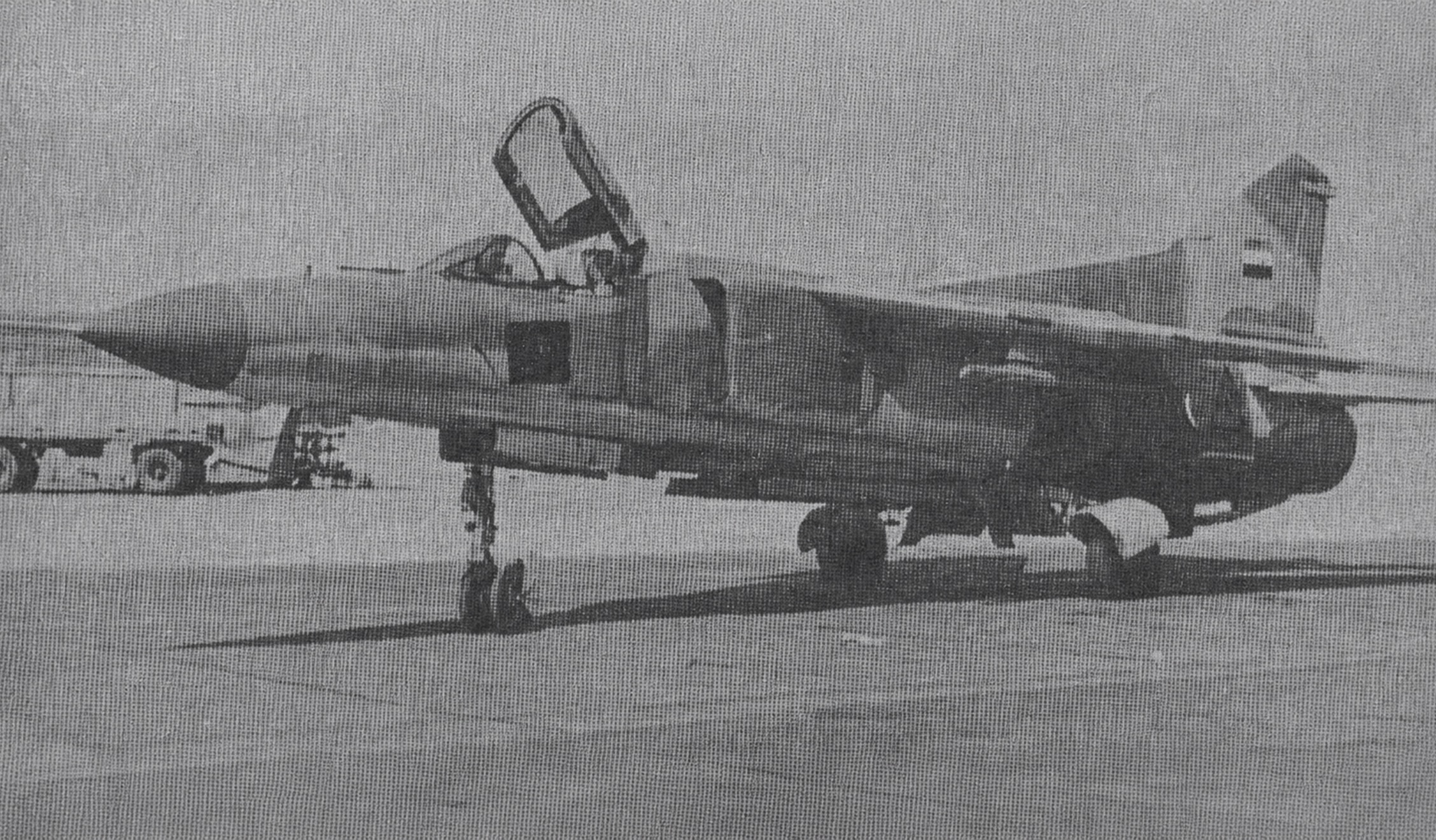
P.S The MiG-25PD was newly built, while the MiG-25PDS was an older MiG-25P upgraded to roughly the same standard. Because both generally shared the revised nose, radar, weapons system, and infrared sensor, they were almost impossible to distinguish visually. Minor differences such as parachute housings and wingtip weights could be the only distinguishing features. Fuel-tank compatibility is inconsistent and should not be relied upon.
MiG-23ML
L-159A ALCA
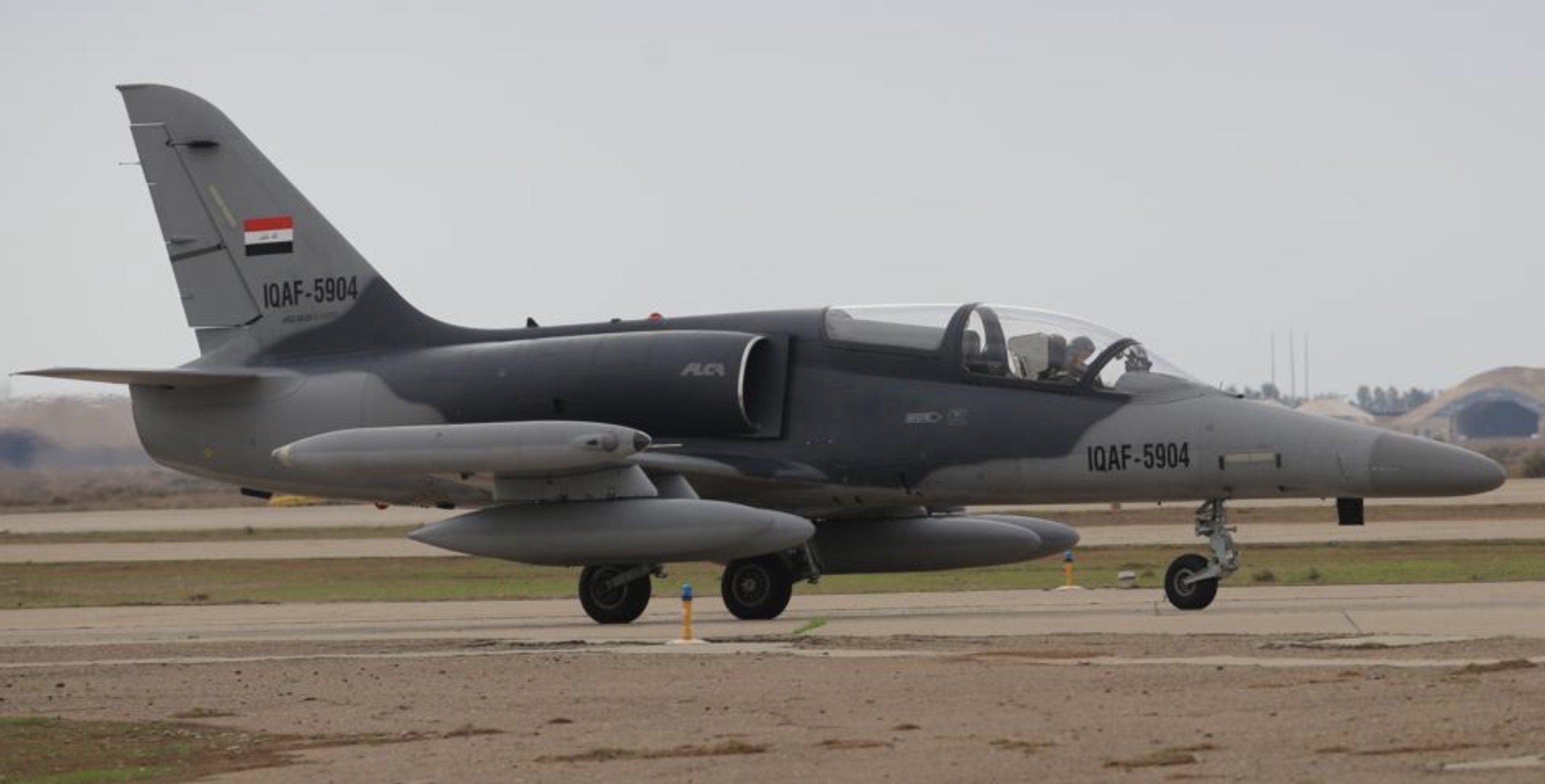
MiG-25RB
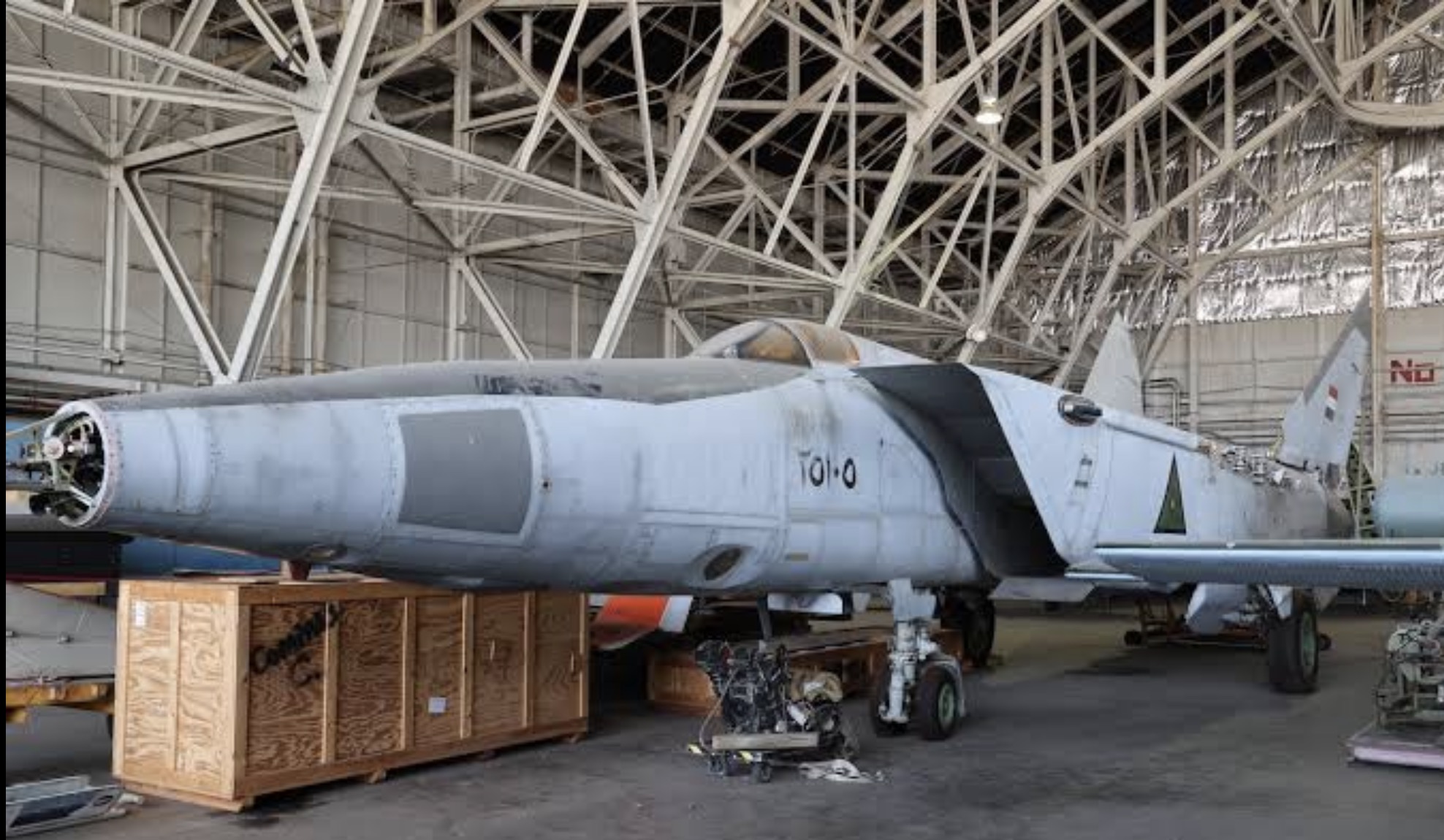
Su-25K
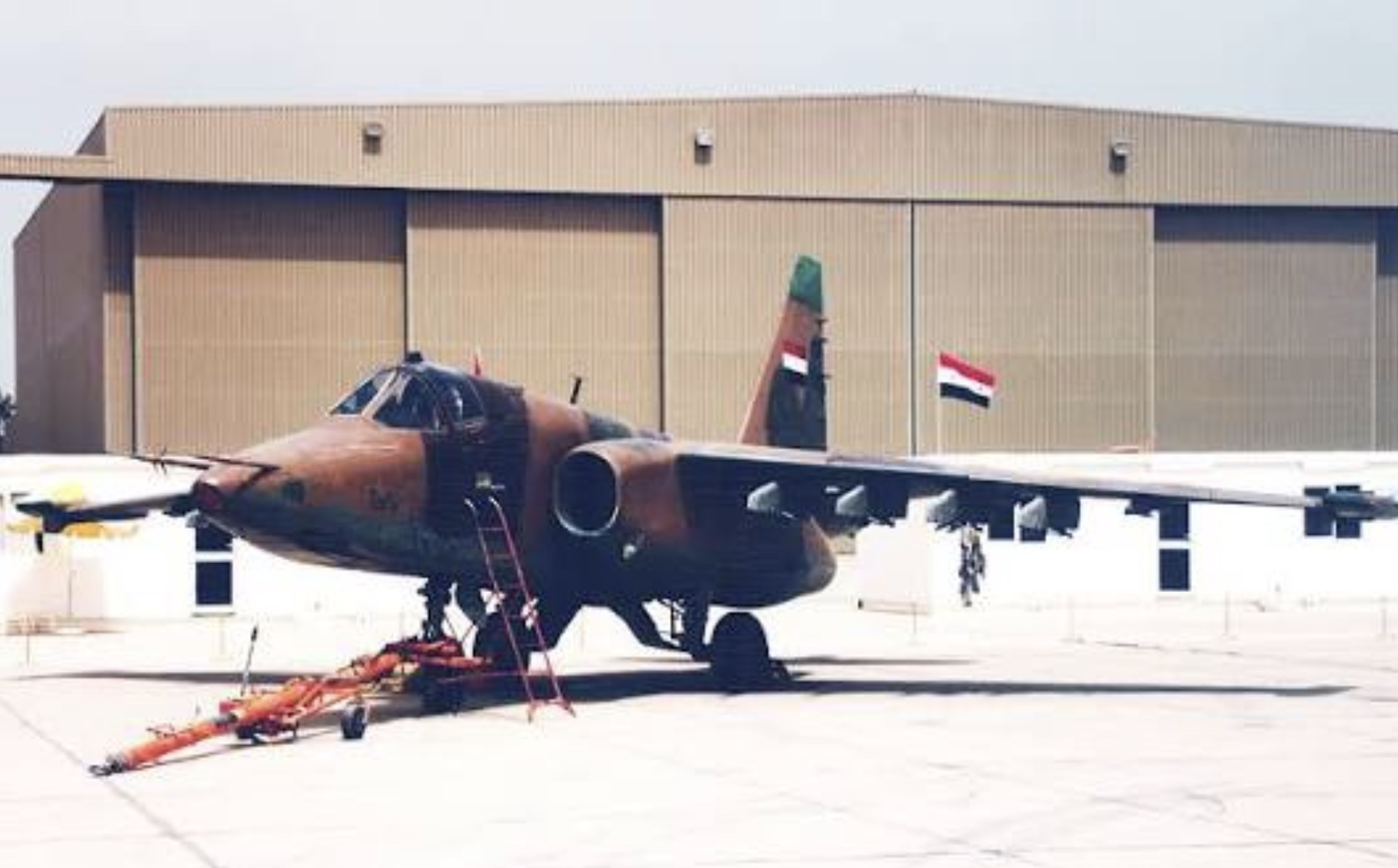
Super Etendard
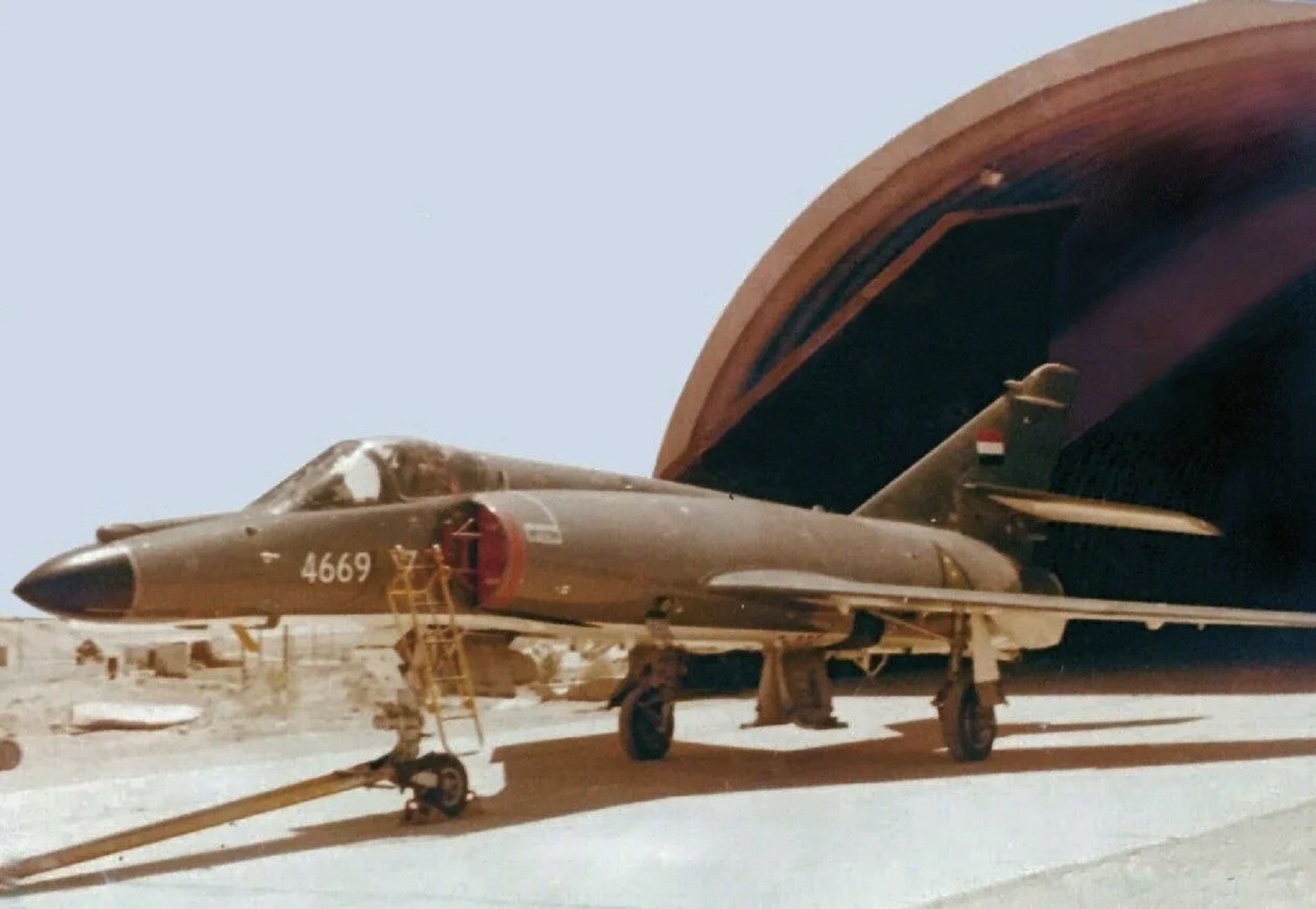
MiG-21ST
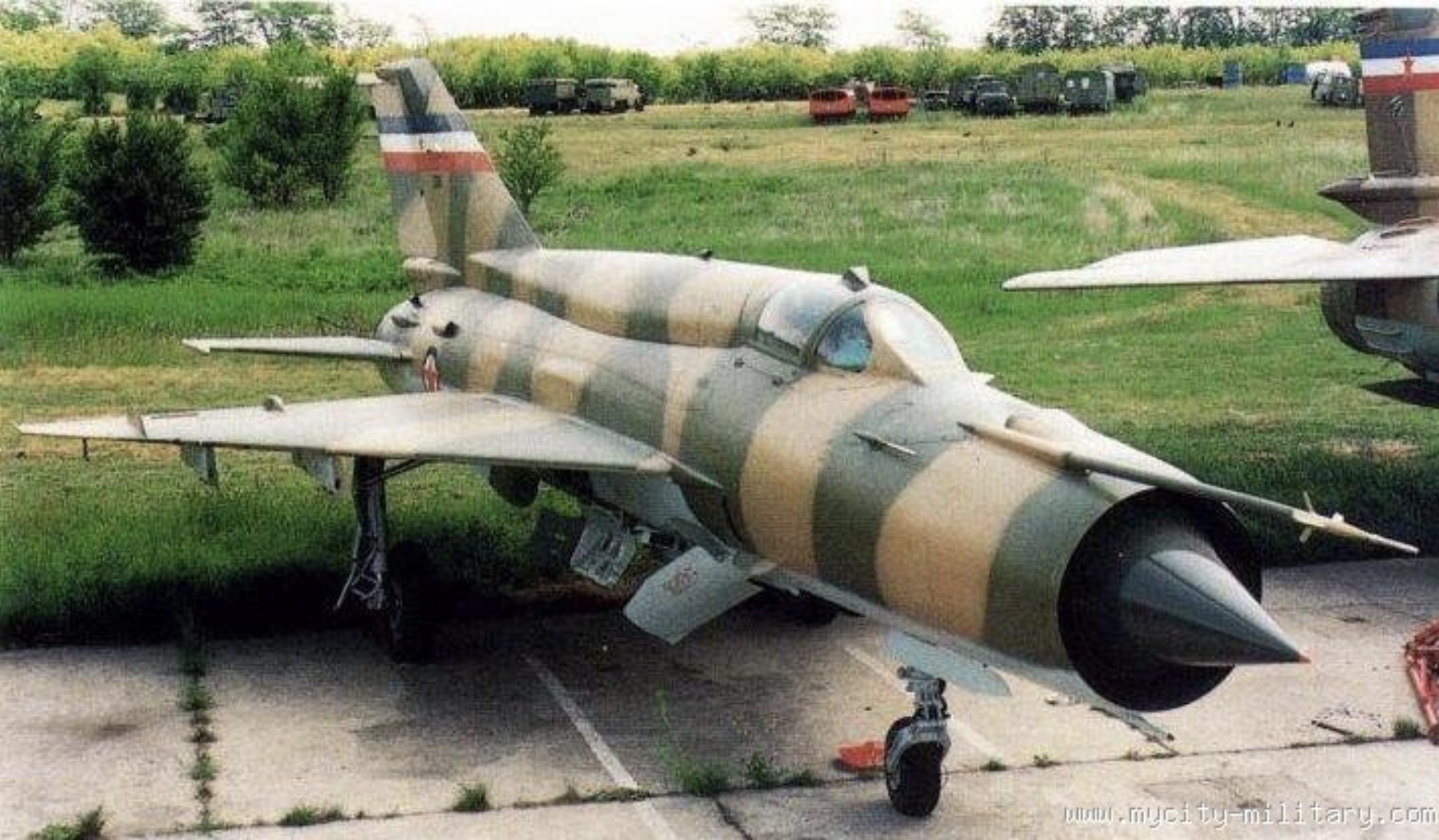
P.S This is an Iraqi aircraft in Iraqi camouflage undergoing repairs in Yugoslavia, which explains the temporary Yugoslav flags and roundels. Yugoslav sources referred to this variant as the Iraqi MiG-21SMT. However, the aircraft’s dorsal spine resembles that of the MiG-21bis. I therefore suspect that it may be a MiG-21ST, although it could just as easily be a standard MiG-21bis. These aircraft were also reportedly fitted with air-conditioning systems.
MiG-25BM
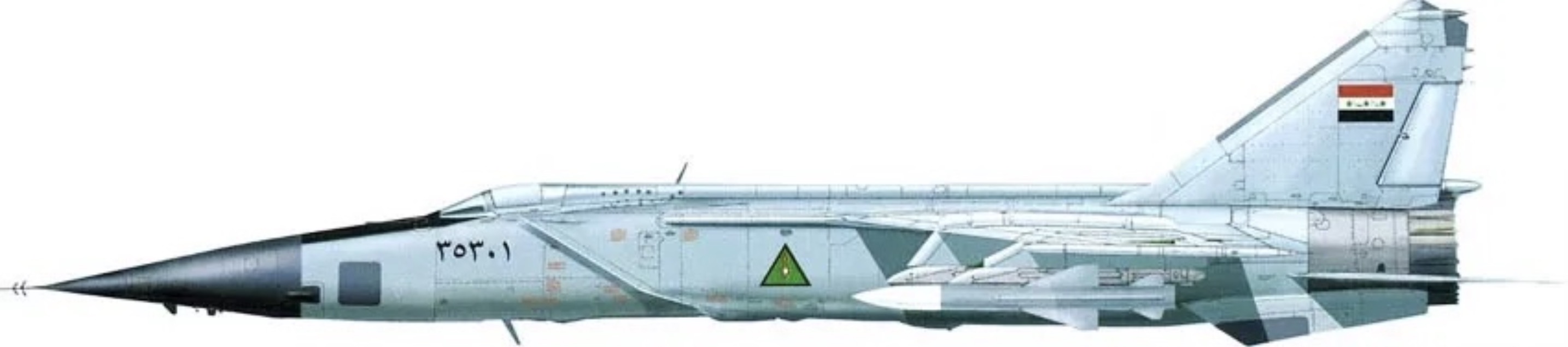
P.S I was unable to find any photographs of MiG-25BMs in Iraqi markings. Those wishing to search for one should examine the inner pylons, leading edge of these pylons is at a much steeper angle than those on the MiG-25P-series interceptors, as well as the nose, which has a slightly different profile.
Rank 8
Spoiler
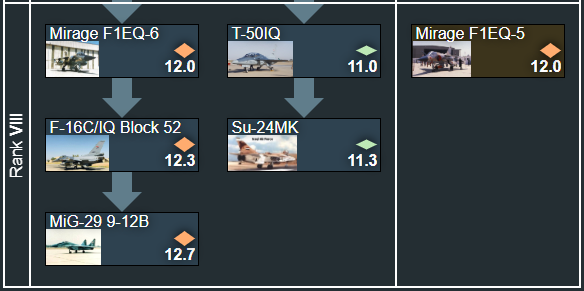
Mirage F1EQ-6
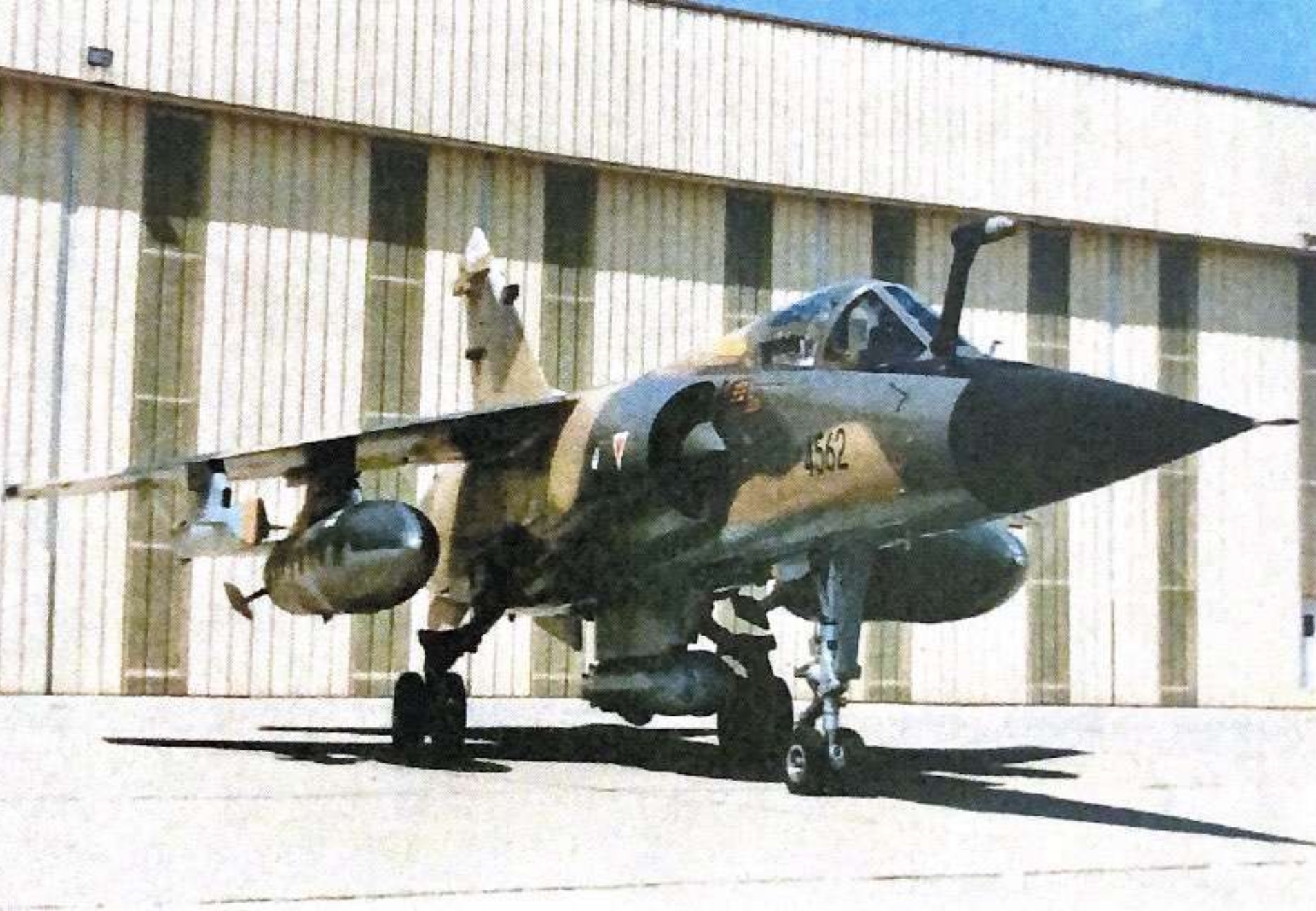
Read More: Mirage F1EQ-6: Scourge of the Persian Gulf
F-16C/IQ Block 52
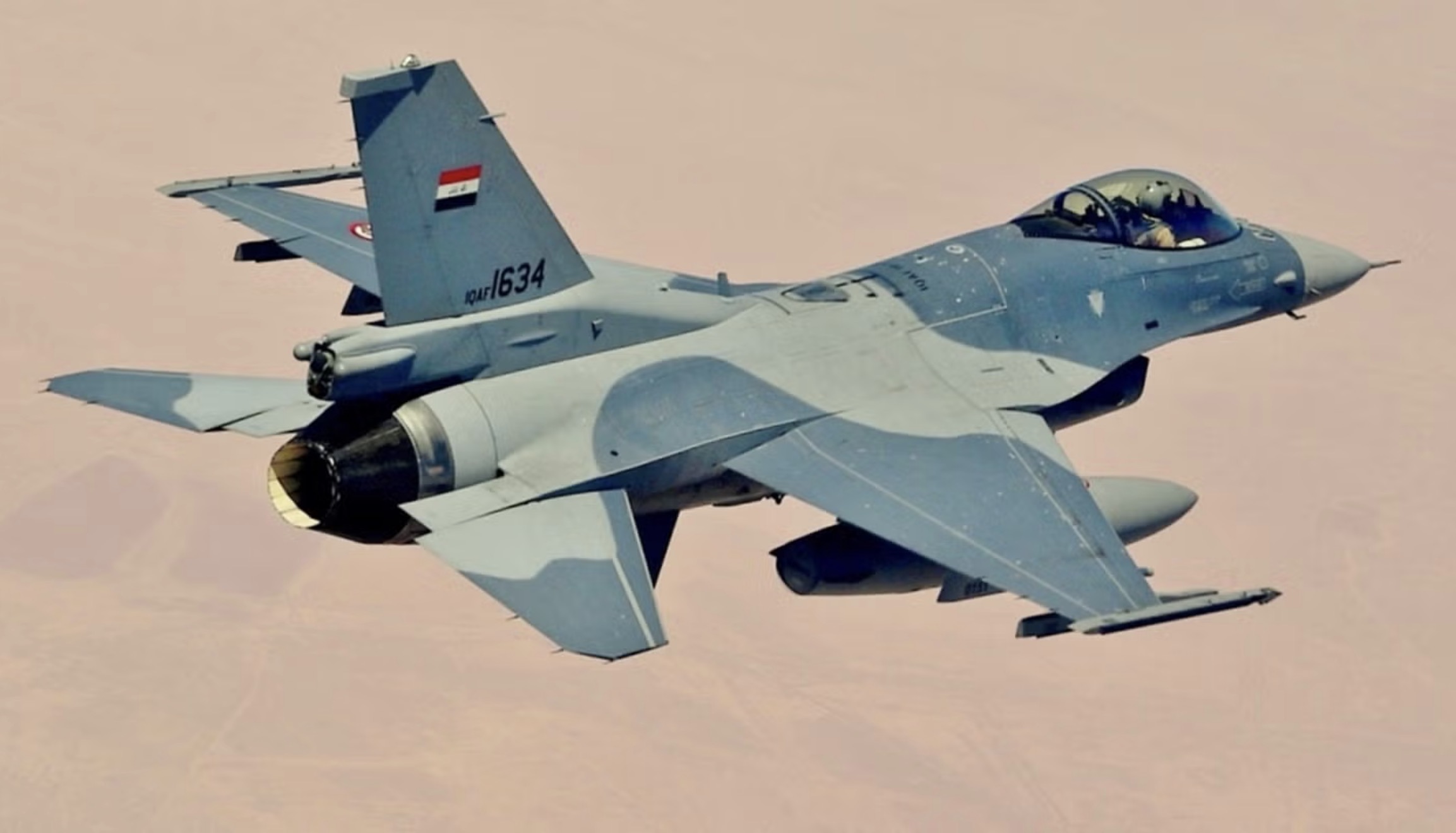
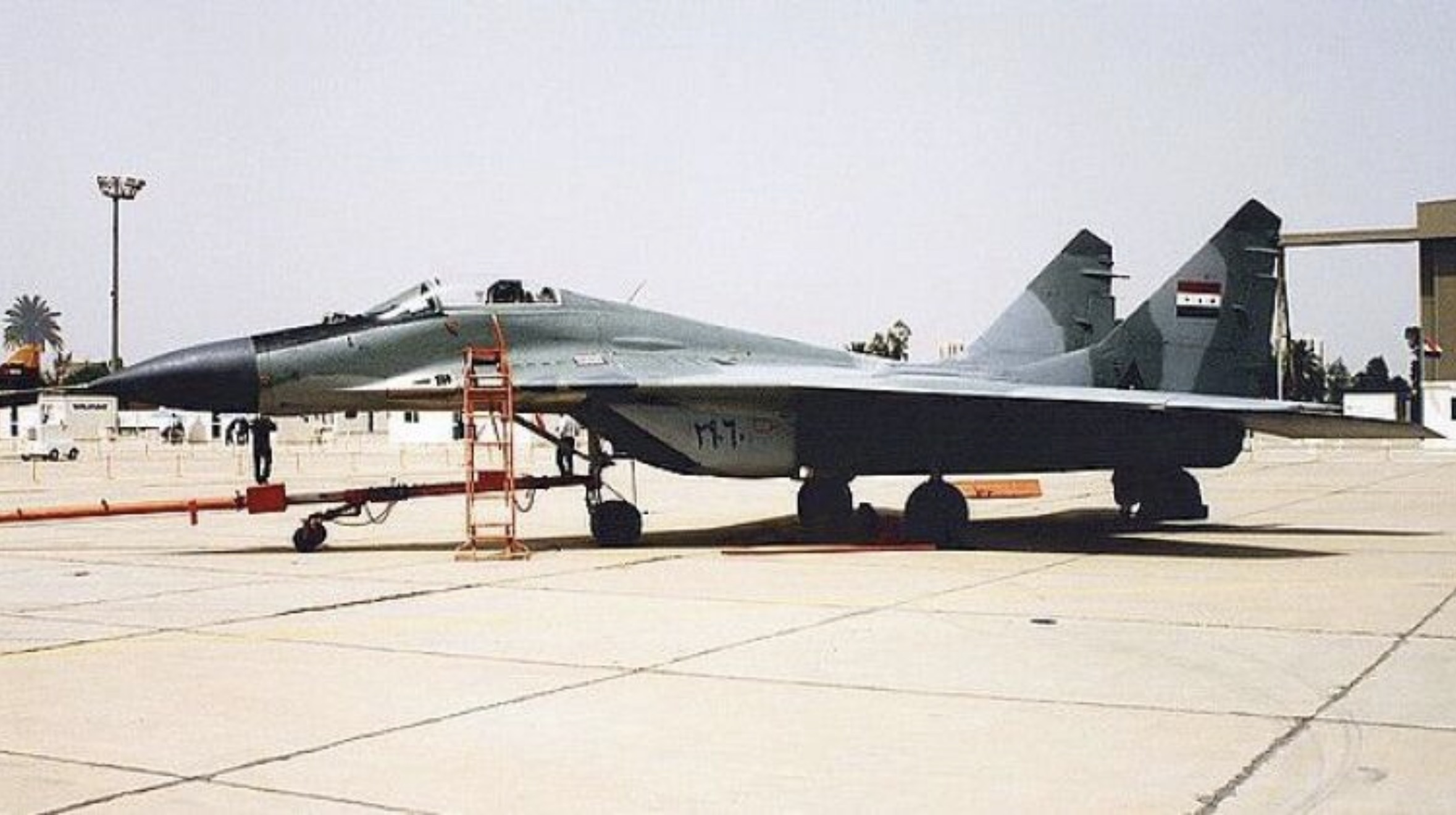
MiG-29 9-12B
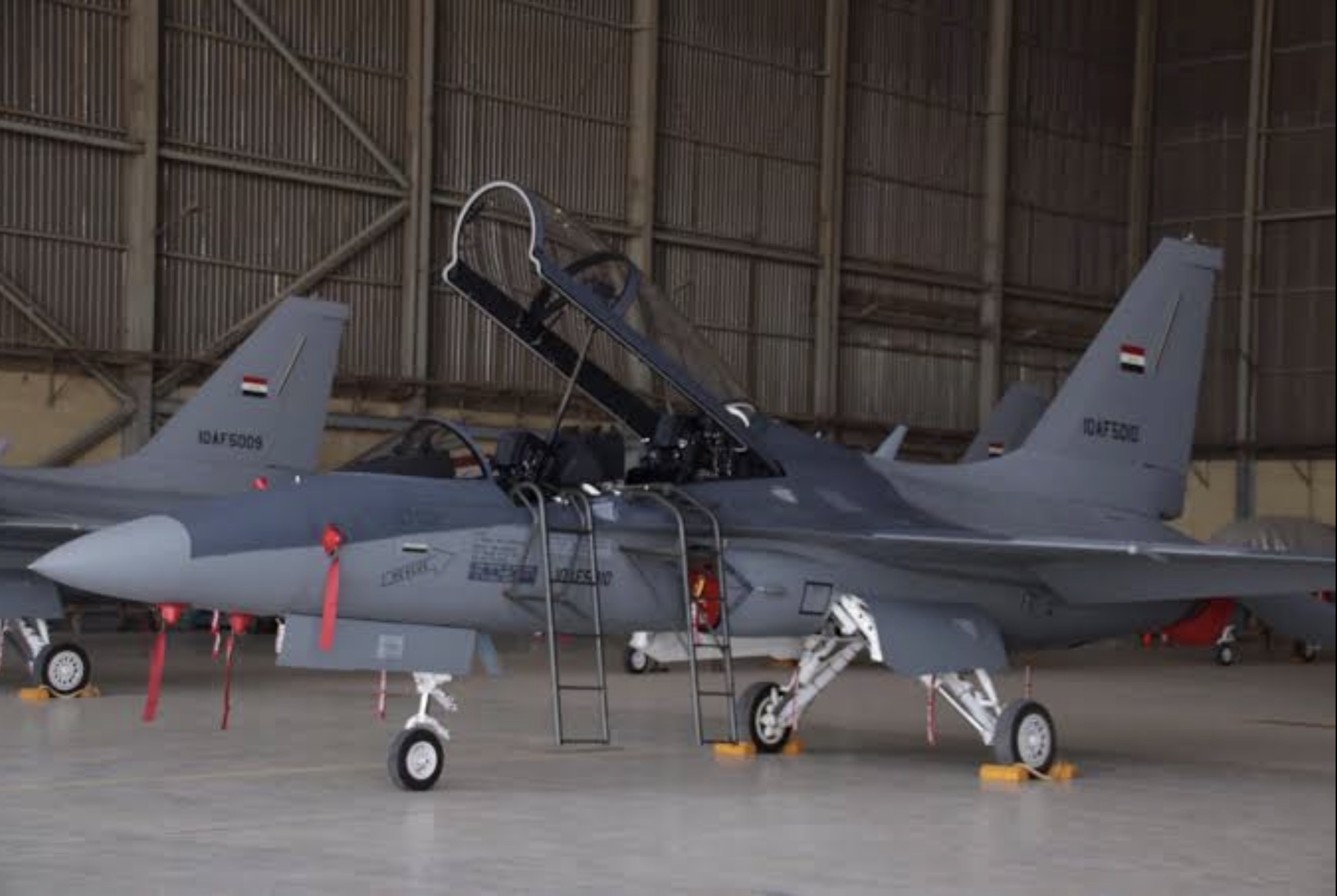
T-50IQ
Su-24MK

Mirage F1EQ-5
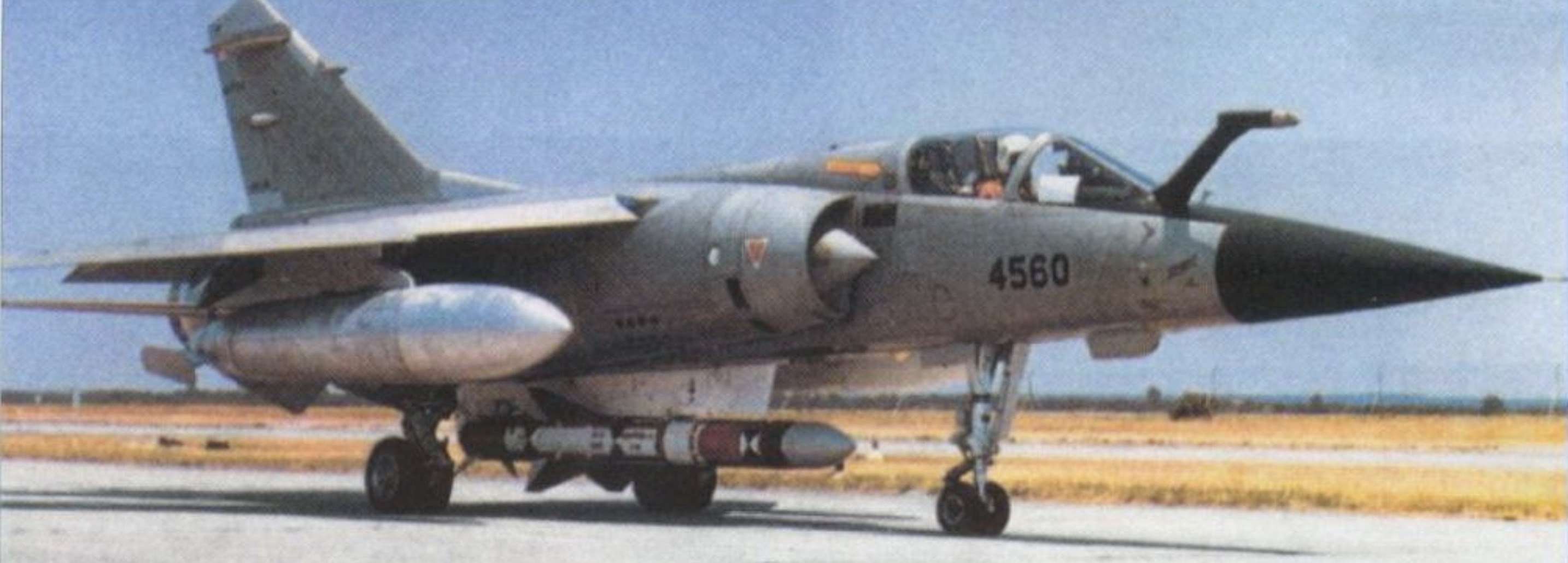
Read More: Mirage F1EQ-5: The First Multirole Mirage F1
Roundels/Insignias
Spoiler

A green triangle with a thick black border, containing a red stylized Arabic letter ج (jīm), associated with jaysh or “army” and a white diamond representing the letter’s dot. It was used throughout the monarchy, republican governments and Ba’athist period. Iraq began restoring the traditional green triangular insignia in 2019.

The rebuilt Iraqi Air Force adopted a circular marking based on Iraq’s red-white-black national colours, with three green stars and the phrase الله أكبر. It was introduced partly to separate the new service visually from the pre-2003 armed forces.
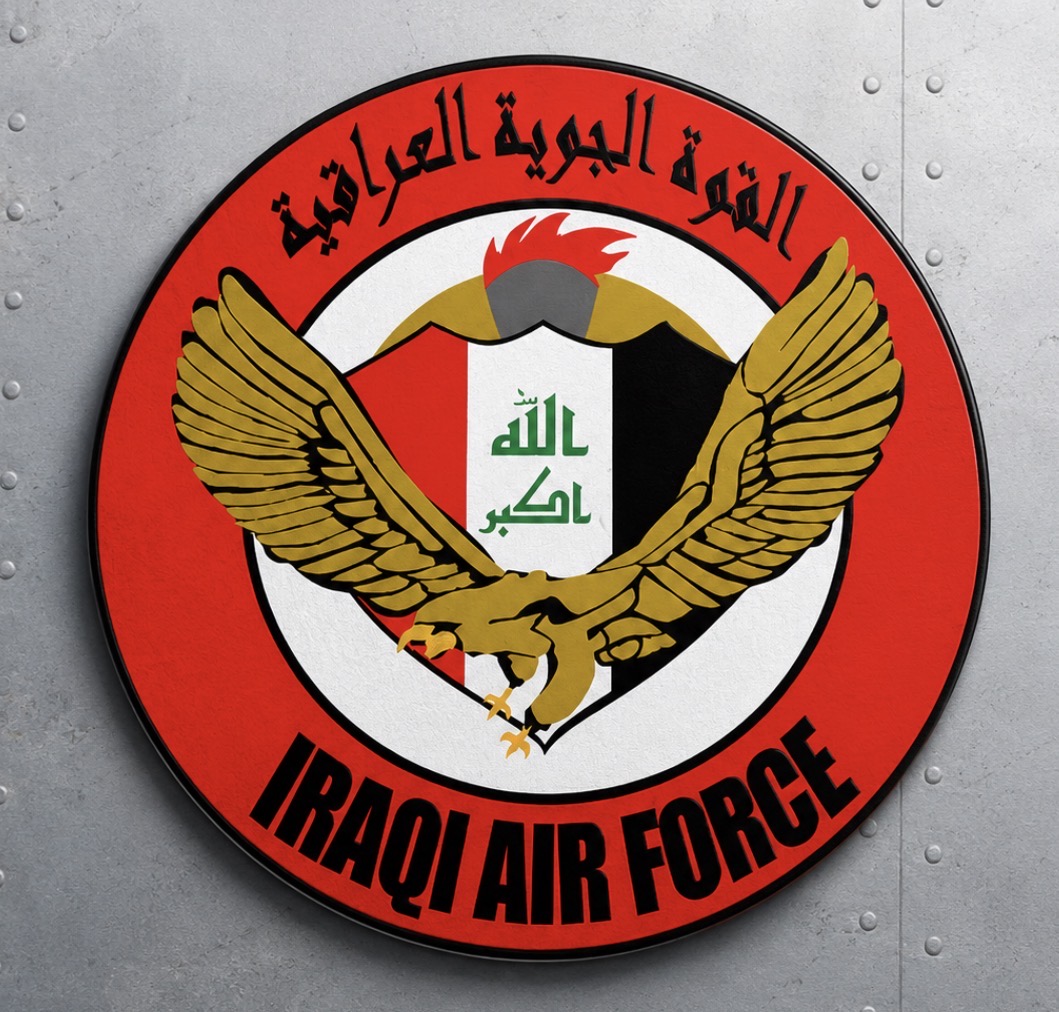
The modern Iraqi Air Force crest is a circular service emblem, rather than a conventional national roundel. Its red outer border bears the Arabic title القوة الجوية العراقية “Iraqi Air Force” above and the English title below. At its centre, a golden eagle with outstretched wings is placed over a shield displaying Iraq’s red, white and black national colours, with الله أكبر (Allahu Akbar) written in green across the white section. The eagle visually echoes Iraq’s national Eagle of Saladin, symbolizing authority, strength and vigilance, while its spread wings emphasize the aviation role of the service. The crest has appeared on some modern Iraqi aircraft, occasionally in a position that should normally be occupied by a roundel.
Specifications
Spoiler
Disclaimer: All suggested Battle Ratings can be viewed directly in the sub-tree screenshots. If Gaijin ever decides to add this tree to the game, they may choose, adjust, remove, or reorganize vehicles as they see fit.
Rank 1
Spoiler
| Vehicle | Short history / description | Short specifications |
|---|---|---|
| Nisr | Iraqi name for the radial-engined Hawker Audax army-cooperation aircraft. Iraq received 34 examples: 24 powered by the Bristol Pegasus IIM2 and ten by the Pegasus VIP8. The first aircraft arrived in late 1934, and the Nisr equipped No. 3 Army Cooperation Squadron, formed on 1 October 1934. Further aircraft also served with No. 1 Squadron. The type participated in the May 1941 conflict, during which the Iraqi Nisr force suffered severe losses. | Type: army-cooperation and light-attack aircraft. Crew: 2. Maximum weight: approximately 1,989 kg, based on the Audax airframe. Engine: Bristol Pegasus IIM2 or Pegasus VIP8 radial engine, approximately 550–580 hp depending on the installed mark. Armament: one fixed forward-firing .303-inch Vickers machine gun and one flexible .303-inch Lewis machine gun in the rear cockpit. External stores: underwing racks were fitted, but an exact Iraqi operational bomb load has not yet been confirmed. Performance: standard Kestrel-powered Audax figures should not be used as exact Nisr performance because of the Iraqi aircraft’s different radial engine. |
| Breda Ba.65 A.80M | Exact export version supplied to Iraq, fitted with the Fiat A.80 engine and Breda M defensive turret. Iraq purchased 15 two-seat aircraft, which arrived during 1938 and formed the principal equipment of No. 5 Squadron. The Bredas were difficult to operate and several were lost in training. They were used against British forces during May 1941; only five reportedly remained afterward, some unserviceable, and the squadron was eventually disbanded in 1944. | Type: two-seat ground-attack aircraft and light bomber. Crew: 2. Loaded weight: around 3,150 kg. Engine: Fiat A.80 R.C.41 18-cylinder radial engine, 1,000 hp. Fixed armament: two 12.7 mm and two 7.7 mm Breda-SAFAT machine guns in the wings. Defensive armament: one 12.7 mm Breda-SAFAT machine gun in the Breda M turret. Bomb load: a documented external load of around 200 kg, commonly two 100 kg bombs; other generic Ba.65 internal loads are not yet confirmed for Iraqi aircraft. Maximum speed: approximately 352 km/h for the two-seat A.80 configuration. Range: around 544 km. Service ceiling: around 6,300 m. |
| Gloster Gladiator Mk I | British biplane fighter supplied to Iraq beginning in 1937. Fifteen Mk Is were delivered during 1937–38 and formed the original equipment of No. 4 Squadron. Iraqi Gladiators were committed to the defence of Baghdad during the May 1941 war and fought several air engagements, but the unit suffered heavy losses. Additional worn British Gladiators were supplied after the conflict, although these later aircraft were not all Mk Is. | Type: single-seat fighter. Crew: 1. Loaded weight: approximately 2,063–2,082 kg. Engine: Bristol Mercury IX radial engine, approximately 825–840 hp. Armament: four .303-inch machine guns, two synchronized guns in the fuselage and two beneath the lower wings. Standard production Mk Is used Brownings, while some early aircraft carried Lewis or Vickers weapons beneath the wings; the exact gun model fitted to each Iraqi airframe has not been established. Maximum speed: approximately 407 km/h at 4,420 m. Range: around 690 km. Service ceiling: approximately 10,000 m. |
| Avro Anson Mk I | Iraq received approximately 30 Anson Mk Is during late 1944 and early 1945 for general-purpose, training and light-bomber duties. They equipped No. 1 and later No. 7 Squadron. In May 1948, No. 7 Squadron deployed its Ansons to Mafraq in Jordan, from where they conducted attacks during the First Arab–Israeli War. Operations continued until early 1949, when the surviving aircraft were withdrawn because of their deteriorated condition. | Type: general-purpose aircraft, crew trainer and light bomber. Crew: 3–4. Empty weight: approximately 2,500 kg. Maximum take-off weight: approximately 3,900 kg. Engines: two Armstrong Siddeley Cheetah IX radial engines, 350 hp each. Armament: one fixed forward-firing .303-inch machine gun and one .303-inch Vickers K machine gun in the dorsal turret. Standard Mk I bomb load: two internally carried 100 lb bombs and eight externally carried 20 lb bombs, totalling 360 lb / 163 kg. The precise combinations carried on Iraqi sorties in 1948 have not been located. Maximum speed: around 303 km/h. Range: around 1,300 km. Service ceiling: approximately 5,790 m. |
| de Havilland DH.84M Dragon | Militarised Dragon built specifically for Iraq. Eight were purchased and arrived in Baghdad on 13 May 1933, enabling the formation of No. 2 Squadron the following month. Unlike civilian Dragons, the Iraqi aircraft had two machine guns in the nose, a dorsal gun position behind the cabin, bomb racks and a distinctive curved dorsal fin or fin fillet. They were employed for transport, communications and light-bomber duties. | Type: light transport and bomber. Crew: generally 2–3, depending on mission. Loaded weight: approximately 2,041 kg. Engines: two de Havilland Gipsy Major engines, approximately 130 hp each. Armament: two fixed forward-firing machine guns in the nose and a flexible machine gun in the mid-upper position; the weapon models and calibre have not yet been securely identified in accessible Iraqi records. Bomb load: racks for sixteen 20 lb / 9 kg bombs, totalling approximately 320 lb / 145 kg. Maximum speed: around 216 km/h. Maximum-fuel range: around 877 km. Service ceiling: approximately 4,420 m. Iraqi changes: nose guns, dorsal gun position, bomb racks and curved dorsal fin. |
| Percival Provost T.53 | Armed export trainer purchased by the Royal Iraqi Air Force to modernise pilot instruction while retaining a secondary light-attack capability. Iraq ordered 15 Provost T.53s in 1955, with the first aircraft delivered in May of that year. The T.53 differed from the unarmed basic trainer through the installation of machine guns and provision for bombs or rockets. | Type: armed basic trainer and light-attack aircraft. Crew: 2. Empty weight: approximately 1,520 kg. Gross weight: approximately 1,995 kg. Engine: Alvis Leonides 126 nine-cylinder radial engine, 550 hp. Armament: two 7.62 mm machine guns. External load: up to 500 lb / 230 kg of bombs or rockets; the exact rocket models used by Iraq have not yet been confirmed. Maximum speed: approximately 320 km/h at sea level. Range: around 1,050 km. Endurance: approximately four hours. Service ceiling: around 7,600 m. Climb rate: approximately 11 m/s. |
| Vickers Vincent Mk I | Six former British Vickers Vincents were sold to Iraq for the symbolic price of 200 dinars each and arrived on 2 October 1939. They formed the independent Vincent Flight and were subsequently based at Shaibah. Most were lost through accidents, British attacks during May 1941 and later flooding. The flight was finally disbanded after its last aircraft was destroyed in the 1946 flooding at Rashid airfield. | Type: general-purpose reconnaissance bomber. Crew: 3. Empty weight: approximately 1,918 kg. Loaded weight: approximately 3,674 kg. Engine: Bristol Pegasus IIM3 radial engine, approximately 635–660 hp. Armament: one fixed forward-firing .303-inch Vickers machine gun and one flexible .303-inch Lewis machine gun in the rear cockpit. Maximum bomb load: 1,000 lb / 454 kg under the standard Vincent configuration; the precise Iraqi bomb combinations have not yet been identified. Maximum speed: approximately 229 km/h. Normal range: around 1,006 km. Maximum range with long-range tank: approximately 2,012 km. Service ceiling: around 5,790 m. No Iraqi-specific structural modification has been identified. |
| Fiat CR.42 Egeo | This was not an Iraqi Air Force-operated aircraft. The CR.42 Egeos sent to Iraq belonged to the Italian Regia Aeronautica’s 155ª Squadriglia Speciale Irak and remained under Italian command with Italian pilots. Eleven reached Iraq in May 1941 and operated against British forces from 28–31 May. They carried hastily applied Iraqi markings, creating the appearance of Iraqi ownership. | Type: single-seat fighter. Crew: 1. Gross weight: approximately 2,295 kg. Engine: Fiat A.74 R.C.38 radial engine, 841 hp. Armament: normally two synchronized 12.7 mm Breda-SAFAT machine guns with approximately 400 rounds per gun. Maximum speed: around 441 km/h at 6,100 m. Standard range: around 780 km. Egeo range: up to approximately 1,100 km at economical speed. Service ceiling: approximately 10,210 m. Egeo changes: radio equipment and a 100-litre auxiliary fuel tank. No bomb load has been confirmed for the brief Iraqi deployment. |
| Yakovlev Yak-11 | Soviet two-seat advanced fighter trainer confirmed as having been operated by the Iraqi Air Force. It was designed to prepare pilots for high-performance fighter aircraft and could also conduct limited gunnery and light-bombing training. Iraq was an operator, but a reliable Iraqi delivery date, quantity and squadron assignment have not been established. No distinct Iraqi modification has been identified. | Type: advanced fighter trainer and light-attack aircraft. Crew: 2. Take-off weight: approximately 2,440 kg. Engine: Shvetsov ASh-21 seven-cylinder radial engine, 700 hp. Armament: one 12.7 mm heavy machine gun. Bomb load: two 50 kg bombs, totalling 100 kg. Maximum speed: approximately 460 km/h. Range: around 1,250 km. Service ceiling: approximately 8,000 m. Iraqi changes: none presently documented |
Rank 2
Spoiler
| Vehicle | Short history / description | Short specifications |
|---|---|---|
| Douglas 8A-4 | Export attack-bomber version of the Northrop A-17A built specifically for Iraq. Fifteen were ordered in November 1939 and delivered during 1940. The type fought during the Anglo-Iraqi War of May 1941, when most of the fleet was destroyed. At least one survived, as an 8A-4 was used to fly Regent Abdul Ilah from Baghdad to Amman in August 1942. | Type: attack aircraft and light bomber. Crew: 2. Engine: one Wright GR-1820-G103 Cyclone radial engine, 1,000 hp. Armament: four fixed forward-firing 7.62 mm M1919 Browning machine guns and one flexible rear 7.62 mm machine gun. Bomb load: twenty 30 lb / 13.6 kg bombs internally and four 100 lb / 45 kg bombs externally; maximum quoted load around 1,200 lb / 544 kg. Dimensions: approximately 9.67 m long with a 14.54 m wingspan. Published performance tables frequently copy figures from the weaker-engined A-17A; the exact 8A-4 maximum speed and range therefore remain uncertain. |
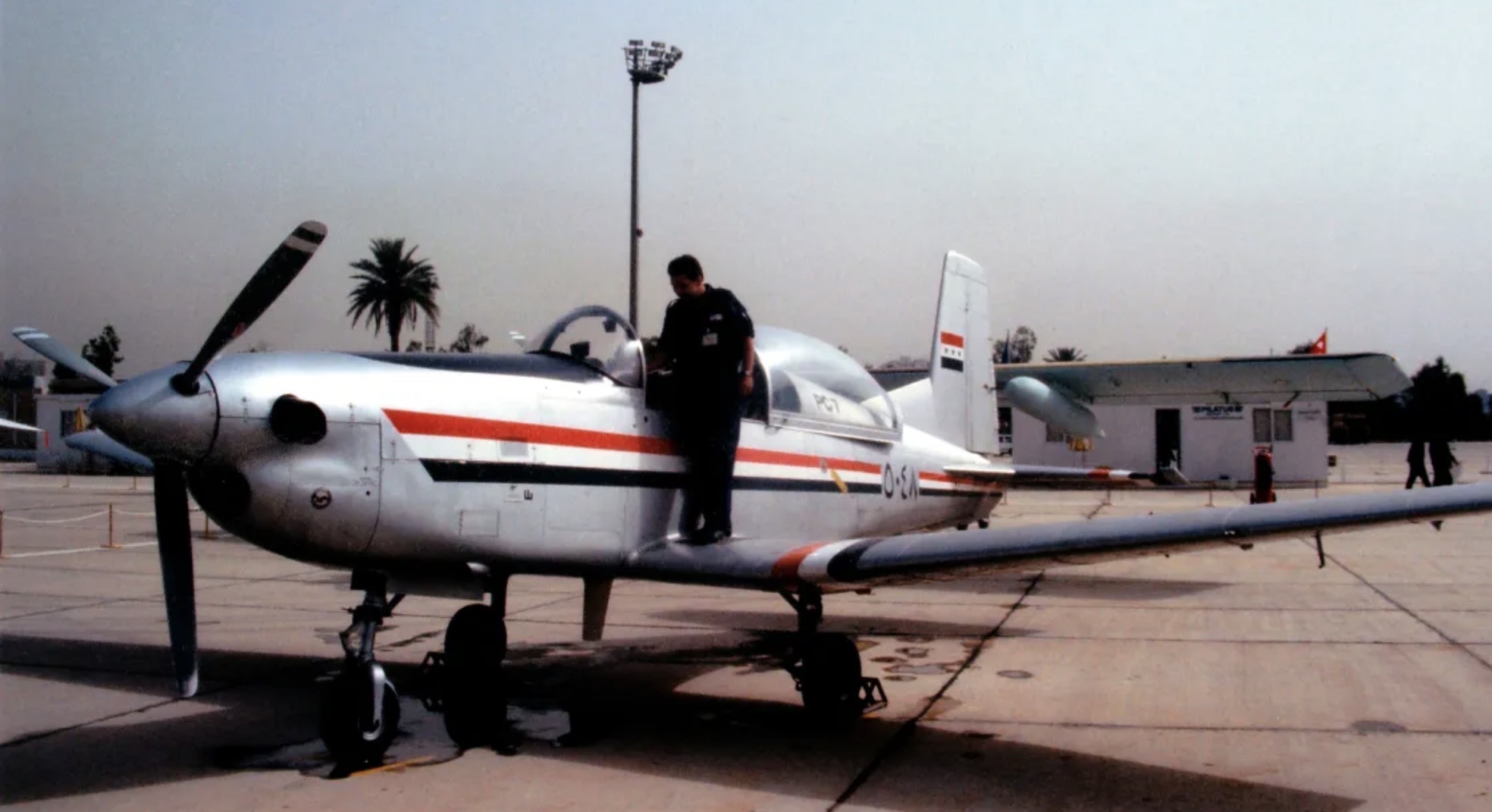
| Pilatus PC-7 | Iraq acquired approximately 52 original-generation PC-7 Turbo Trainers, with deliveries beginning in 1980. They were primarily used for basic and weapons training but also possessed a secondary light-attack capability. Iraqi PC-7s were reportedly employed on operational sorties during the Iran–Iraq War. | Type: basic trainer and light-attack aircraft. Crew: 2. Empty weight: approximately 1,330 kg. Maximum take-off weight: approximately 2,700 kg. Engine: Pratt & Whitney Canada PT6A-25A turboprop, 550 shp. Fixed armament: none. External stores: six underwing hardpoints with a combined structural capacity of approximately 1,040 kg; the precise bombs, rocket pods and gun pods carried by Iraqi aircraft require further confirmation. Maximum speed: around 412 km/h. Range: up to approximately 2,630 km under ferry conditions. Service ceiling: around 10,000 m. Climb rate: approximately 10.9 m/s. |
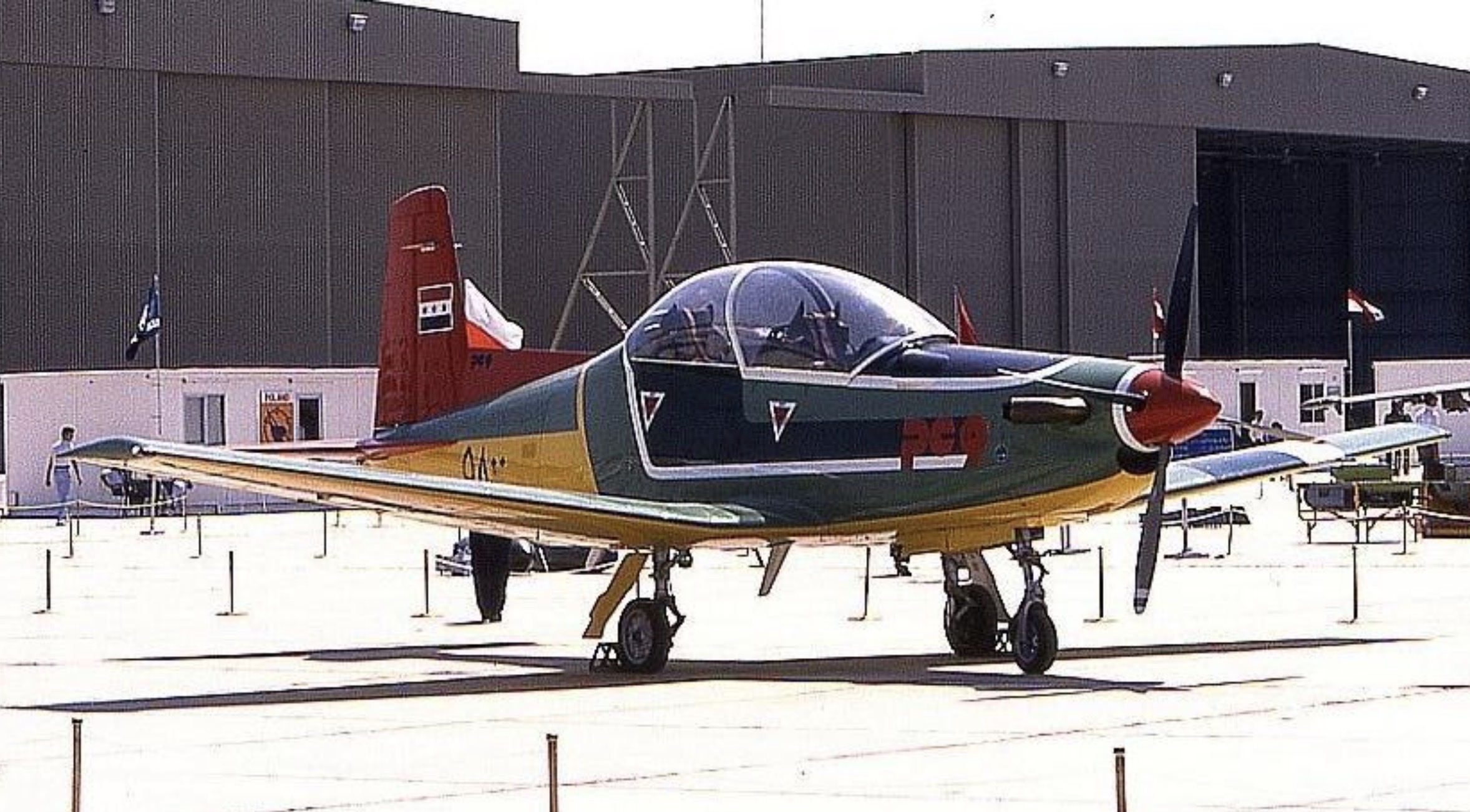
| Pilatus PC-9 | Iraq was among the first export customers for the PC-9, ordering 20 aircraft around 1986. Deliveries of the original PC-9—not the later PC-9M—began in 1987. The type provided a higher-performance training stage after the PC-7 and was designed to conduct weapons training. | Type: advanced trainer and light-attack aircraft. Crew: 2. Empty weight: approximately 1,725 kg. Maximum take-off weight: around 2,350 kg in the aerobatic category or 3,200 kg in the utility configuration. Engine: Pratt & Whitney Canada PT6A-62 turboprop, 950 shp. Fixed armament: none. External stores: six underwing hardpoints with a maximum combined capacity of approximately 1,040 kg; Iraqi weapon types remain unconfirmed. Maximum operating speed: around 593 km/h. Range: approximately 1,590 km. Service ceiling: around 11,580–12,190 m. Climb rate: approximately 20 m/s. |
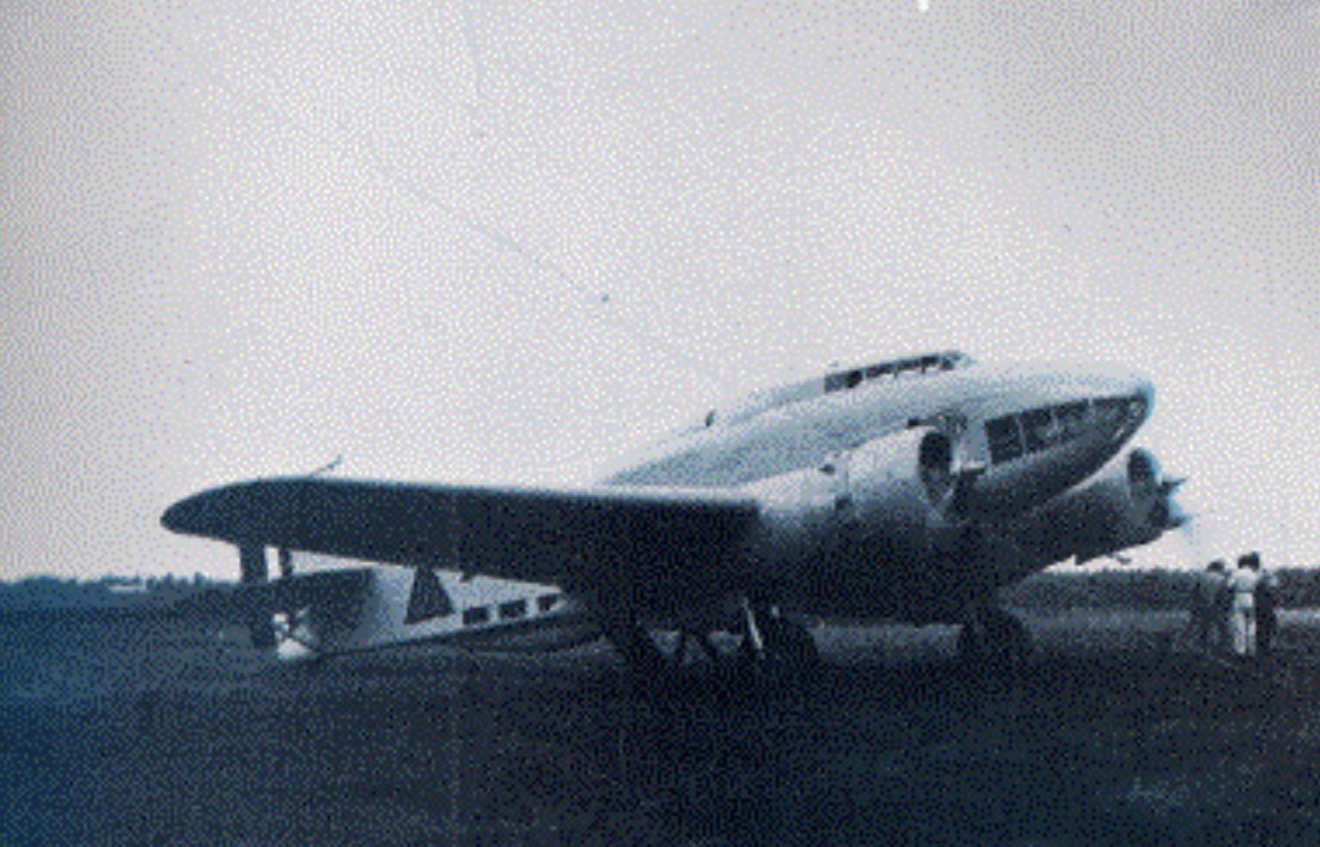
| Savoia-Marchetti S.M.79B | Twin-engined export bomber developed partly in response to foreign customers wanting an unobstructed glazed bomb-aimer’s position in the nose. Iraq ordered five in 1937. They initially served alongside the Breda Ba.65 and were later transferred to No. 6 Squadron, established in May 1939. The Iraqi S.M.79Bs were destroyed during the fighting of 1941. | Type: medium bomber. Crew: approximately 4–5. Empty weight: around 6,600 kg. Loaded weight: approximately 10,100–11,200 kg depending on fuel and bombs. Engines: two Fiat A.80 R.C.41 radial engines, approximately 1,030 hp each. Defensive armament: three 12.7 mm Breda-SAFAT machine guns; no fixed forward-firing gun. Bomb load: factory combinations included two 500 kg bombs, five 250 kg bombs or twelve 100 kg bombs. The precise combinations used on Iraqi sorties are not recorded in the accessible sources. Maximum speed: approximately 420 km/h. Range: around 1,800 km. Service ceiling: approximately 6,800 m. |
| EMB-312 Tucano | Iraq received 80 standard EMB-312 Tucanos assembled under licence by the Arab Organization for Industrialization at Helwan in Egypt. The Iraqi allocation formed part of a joint Egyptian-Iraqi purchase, with deliveries completed by approximately 1987. They were used for pilot and weapons training and had a secondary ground-attack role. | Type: basic and advanced trainer with light-attack capability. Crew: 2. Empty weight: approximately 1,800 kg. Maximum take-off weight: around 3,175 kg. Engine: Pratt & Whitney Canada PT6A-25C turboprop, 750 shp. Fixed armament: none. External stores: four underwing hardpoints, each stressed for up to 250 kg, giving a nominal total capacity of approximately 1,000 kg. The standard EMB-312 could carry machine-gun pods, bombs and rocket launchers, but the exact Iraqi combinations remain unconfirmed. Maximum speed: approximately 448 km/h. Range: around 1,900 km. Service ceiling: approximately 8,750 m. |
| Antonov An-32B | Iraq received six newly supplied An-32Bs from Ukraine between November 2011 and October 2012. Following the rapid expansion of Islamic State in 2014, two aircraft were modified with Ukrainian assistance into improvised bombers. One received external bomb racks and an NKPB-7 optical bombsight, while another was equipped with a removable internal roller-conveyor system. Iraqi statistics credited the An-32 fleet with 990 strike missions between June 2014 and December 2017. | Type: tactical transport and improvised bomber. Crew: approximately 3–4. Empty weight: around 16,800–17,250 kg. Maximum take-off weight: approximately 27,000 kg. Engines: two Ivchenko-Progress AI-20D Series 5 turboprops, approximately 5,180 hp each. Normal transport payload: up to 6,700 kg. Confirmed Iraqi bomb load: four Chinese-made 500 lb / approximately 227 kg bombs, totalling roughly 908 kg. Depending on the modified aircraft, these were carried on four external BDZ-34 racks or on an internal cargo-bay conveyor. Maximum speed: approximately 530 km/h. Cruising speed: around 470 km/h. Service ceiling: approximately 9,500 m. |
| Lasta 95N | Iraqi export version of the Serbian UTVA Lasta basic trainer. Iraq ordered 20 aircraft in 2007, with deliveries beginning in 2010 and being completed by 2012. UTVA identifies all 20 Iraqi aircraft specifically as Lasta 95Ns. The type was equipped for initial pilot instruction and secondary weapons training, and was later reported in use during operations against Islamic State. | Type: basic trainer and light-attack aircraft. Crew: 2. Empty weight: approximately 888 kg. Maximum take-off weight: 1,210 kg aerobatic or 1,450 kg in the armed utility category. Engine: Lycoming AEIO-580-B1A six-cylinder piston engine, 315 hp. Fixed armament: none. External stores: two underwing hardpoints. Approved 95N armament: 7.62×54R or 12.7×108 mm machine-gun pods, 57 mm rocket launchers, or bombs with a combined weight of up to approximately 120 kg. Photographic confirmation of every listed store in Iraqi use remains limited. Maximum speed: approximately 345 km/h at 3,000 m. Range: around 1,160 km. Service ceiling: approximately 6,000 m. |
| Messerschmitt Bf 110 D-3 | Not an Iraqi Air Force-operated aircraft. Three Bf 110 D-3s were among the German aircraft assigned to Fliegerführer Irak during the Anglo-Iraqi War. They belonged to the Luftwaffe’s 4./ZG 76, were flown and maintained by German personnel, and carried hastily applied Iraqi markings to disguise German involvement. | Type: long-range heavy fighter. Crew: 2. Engines: two Daimler-Benz DB 601N inverted-V12 engines, approximately 1,200 hp each. Fixed armament: four 7.92 mm MG 17 machine guns and two 20 mm MG FF/M cannon in the nose. Defensive armament: one flexible 7.92 mm MG 15 machine gun. Maximum speed: approximately 540–560 km/h depending on external tanks and equipment. Range: approximately 1,100 km internally, with substantially greater range using the D-3’s external tanks. Service ceiling: around 10,000 m. No exact bomb load has been confirmed for the D-3s deployed to Iraq. |
| Heinkel He 111 P-4 | Not operated by the Iraqi Air Force. Six P-4s and six H-6s were allocated to Fliegerführer Irak, but only five He 111 bombers reached Mosul; the precise mixture of variants among those five remains uncertain. Like the Bf 110s, they remained Luftwaffe aircraft under German command and were flown by German crews, despite carrying Royal Iraqi Air Force insignia. | Type: medium bomber. Crew: 5. Empty weight: approximately 6,775 kg. Maximum take-off weight: approximately 13,300–13,500 kg. Engines: two Daimler-Benz DB 601A-1 inverted-V12 engines producing approximately 1,100 PS each. Gun armament: generally three to six 7.92 mm MG 15 machine guns, with a fixed MG 17 fitted in some configurations. Maximum bomb load: approximately 2,000 kg, with external racks available for bombs or mines; the loads carried during operations over Iraq are unconfirmed. Maximum speed: approximately 390–395 km/h. Range: approximately 1,200 km fully loaded or up to 2,400 km under favourable conditions. Service ceiling: approximately 8,000 m. |
Rank 4
Spoiler
| Vehicle | Short history / description | Short specifications |
|---|---|---|
| Baghdad Fury | Iraqi land-based Hawker Fury ISS/F.Mk.1, a non-navalised derivative of the Sea Fury produced specifically for the Royal Iraqi Air Force. The first eight single-seat aircraft and one trainer arrived in 1948 and equipped No. 7 Squadron. Six were deployed through Transjordan and Syria during the 1948 Arab–Israeli War, conducting armed reconnaissance, bombing and strafing missions. Further aircraft later equipped additional Iraqi squadrons. | Type: single-seat fighter-bomber. Crew: 1. Maximum weight: approximately 5,296 kg. Engine: Bristol Centaurus XVIII 18-cylinder radial engine, 2,480 hp. Armament: four 20 mm Hispano cannon with approximately 580 rounds in total. External stores: Iraqi aircraft are confirmed to have conducted bombing and strafing attacks, although the exact bombs carried in 1948 have not been identified. The aircraft was factory-equipped for bombs and 3-inch rockets, but individual Iraqi combinations require further confirmation. Maximum speed: approximately 731 km/h. Range: around 1,125 km in standard configuration. Service ceiling: approximately 11,000 m. Iraqi configuration: land-based airframe without normal carrier equipment. |
| Aero L-29 Delfín | Czechoslovak two-seat jet trainer used extensively by the Iraqi Air Force for basic and intermediate jet instruction. Iraqi pilot accounts describe cadets accumulating considerable flying time on the L-29 before progressing to the L-39 during the 1970s. Its underwing stations also allowed weapons training and a secondary light-attack role. | Type: jet trainer and light-attack aircraft. Crew: 2. Empty weight: approximately 2,364 kg. Maximum take-off weight: approximately 3,586 kg. Engine: Motorlet M-701C-500 turbojet, producing around 8.72 kN of thrust. Fixed armament: none. External stores: two underwing stations with a combined capacity of approximately 200 kg. Factory options included two 100 kg bombs, eight air-to-ground rockets or two 7.62 mm machine-gun pods; the exact Iraqi use of each option remains unconfirmed. Maximum speed: approximately 622 km/h. Range: around 680 km. Service ceiling: approximately 10,900 m. |
| Fury Trainer | Two-seat land-based Fury developed following an Iraqi requirement for a trainer matching the performance of the single-seat fighter. The first Iraqi Dual Trainer, serial 261, was delivered in February 1948, followed by serial 263 in May. Three additional refurbished trainers were delivered during 1952. The first two Iraqi aircraft were visually distinctive because they used separate front and rear canopies rather than the connected canopy arrangement adopted on later Sea Fury T.20s. | Type: advanced fighter trainer and fighter-bomber. Crew: 2. Maximum weight: approximately 5,411 kg. Engine: Bristol Centaurus XVIII radial engine, 2,480 hp. Armament: two 20 mm Hispano Mk V cannon with 145 rounds per gun. External stores: the two-seat Fury was cleared for eight 60 lb rockets, four 180 lb rockets, two bombs of up to 1,000 lb each or napalm containers. Accessible records do not yet confirm which of these were carried by Iraqi trainers. Maximum speed: approximately 716 km/h. Normal range: around 1,304 km. Service ceiling: approximately 10,850 m. Iraqi changes: non-navalised airframe; the first two aircraft had separate cockpit canopies. |
| Aero L-39ZO Albatros | Armed export version of the L-39 advanced trainer operated by Iraq for advanced flying instruction, weapons training and light-attack duties. The ZO was distinguished by a reinforced wing and four underwing weapon stations. It should not be confused with the later L-39ZA: the Iraqi ZO did not have the ZA’s fixed GSh-23L cannon installation. | Type: advanced jet trainer and light-attack aircraft. Crew: 2. Empty weight: approximately 3,470 kg. Maximum ramp weight: approximately 5,616 kg. Engine: Ivchenko AI-25TL turbofan, producing around 16.9 kN of thrust. Fixed armament: none. External stores: four underwing hardpoints; each inner station was rated for 500 kg and each outer station for 250 kg. Bombs, rocket launchers and gun pods could be carried, but the exact Iraqi store combinations require photographic or documentary confirmation. Maximum speed: approximately 610 km/h at sea level and 630 km/h at 5,000 m. Range: approximately 1,260 km at altitude. Service ceiling: around 7,500 m. Climb rate: approximately 13.5 m/s. |
| BAC Jet Provost T.52 | Armed export development of the Jet Provost T.4 supplied to the Iraqi Air Force during the 1960s. Twenty T.52s were produced for Iraq and used for jet conversion, weapons instruction and secondary light-attack duties. Contemporary imagery confirms an Iraqi aircraft displayed with a heavy SURA rocket installation. | Type: armed jet trainer and light-attack aircraft. Crew: 2. Maximum weight: approximately 3,357 kg. Engine: Armstrong Siddeley Viper 202 turbojet, producing approximately 2,500 lbf / 11.1 kN of thrust. Armament: two fixed .303-inch / 7.7 mm machine guns. Confirmed Iraqi external load: 24 SURA air-to-ground rockets carried beneath the wings. Other bomb and rocket arrangements available to the T.52 have not yet been confirmed in Iraqi service. Maximum speed: approximately 660 km/h. Range: around 1,125 km. Wingspan: approximately 11.25 m. |
Rank 5
Spoiler
| Vehicle | Short history / description | Short specifications |
|---|---|---|
| Vampire FB.52 | The Vampire FB.52 was the first jet fighter to enter Iraqi service. Twelve single-seat aircraft were delivered in 1953 alongside six Vampire T.55 trainers. They initially equipped No. 5 Squadron at Moascar al-Rashid before the unit relocated to Habbaniyah. The FB.52 was an export version of the more powerful Goblin 3-engined Vampire FB.6. | Type: fighter-bomber. Crew: 1. Maximum take-off weight: around 5,620 kg. Engine: de Havilland Goblin 3 turbojet, producing approximately 14.9 kN / 3,350 lbf of thrust. Armament: four 20 mm Hispano Mk V cannons, normally with approximately 150 rounds per gun. External armament: eight 3-inch RP-3 rockets or two 500 lb / 227 kg bombs; drop tanks could be carried instead. Maximum speed: around 882 km/h. Range: approximately 1,960 km with external tanks. Service ceiling: around 12,200 m. |
| Venom FB.50 | Export version of the de Havilland Venom FB.1 produced specifically for Iraq. Fifteen FB.50s were delivered as part of a total Iraqi acquisition of 19 Venom FB.1 and FB.50 aircraft during 1954 and 1956. They entered service with No. 6 Squadron at Habbaniyah and provided a substantial improvement in speed, climb performance and ground-attack capacity over the Vampire. | Type: fighter-bomber. Crew: 1. Maximum weight: around 6,985 kg. Engine: de Havilland Ghost 103 turbojet, producing approximately 21.6 kN / 4,850 lbf of thrust. Armament: four 20 mm Hispano Mk V cannons. External armament: up to 2,000 lb / 907 kg, normally two 1,000 lb bombs or eight RP-3 rockets; drop tanks could be substituted. Maximum speed: approximately 1,030 km/h. Range: around 1,730 km with external tanks. Service ceiling: approximately 14,630 m. |
| Il-28B | Soviet tactical jet bomber supplied following Iraq’s political realignment after the 1958 revolution. The first Soviet aircraft began arriving in 1959, and No. 8 Squadron had received an eventual total of approximately twelve Il-28 bombers by June 1961. The type gave Iraq its first modern jet-bomber capability and served as the predecessor to the much larger Tu-16. | Type: tactical jet bomber. Crew: 3. Maximum take-off weight: approximately 23,200 kg. Engines: two Klimov VK-1 turbojets, producing 26.5 kN of thrust each. Forward armament: two fixed 23 mm NR-23 cannons with 100 rounds per gun. Defensive armament: two 23 mm NR-23 cannons in the powered tail turret with 225 rounds per gun. Bomb load: 1,000 kg normal and up to 3,000 kg maximum, carried internally. Maximum speed: approximately 902 km/h at 4,500 m. Range: around 2,455 km. Service ceiling: approximately 12,500 m. |
| Tu-16 | Iraq received the first of eight Tu-16 bombers from the Soviet Union in 1962. Six remained operational during the 1967 Arab–Israeli War, when four were dispatched against Tel Nov airbase; two reached Israel, with the lead aircraft being shot down. Six Tu-16K-11-16 missile carriers followed in 1972 and were extensively employed during the Iran–Iraq War for cruise-missile strikes, conventional bombing, chaff deployment and stand-off electronic jamming. One lost Iraqi Tu-16 bombed Netanya, used its defensive 23 mm cannon against pursuing Israeli fighters and then strafed aircraft and installations at Ramat David before being hit and crashing into a military complex near Megiddo, where the impact caused further destruction and casualties. | Type: medium bomber and missile carrier. Crew: approximately 6–7. Maximum take-off weight: around 79,000 kg. Engines: two Mikulin RD-3M-500 turbojets, producing approximately 93.2 kN / 20,900 lbf each. Defensive armament: six 23 mm AM-23 cannons in dorsal, ventral and tail twin-gun mountings. Early bomber versions additionally had a fixed nose cannon, which was removed from the Tu-16K-11-16. Bomb load: up to approximately 9,000 kg. Iraqi missile-carrier armament: two KSR-2 radar-guided cruise missiles or two KSR-11 anti-radiation missiles. Maximum speed: approximately 1,050 km/h. Range: around 5,800 km with a 3,000 kg payload. Service ceiling: approximately 12,800 m. |
| MiG-15UTI | Two-seat jet conversion trainer operated in small numbers by the Iraqi Air Force Flying Academy at al-Rashid during the early 1960s. It was used to prepare pilots for the MiG-17 and other Soviet-designed jet fighters entering Iraqi service. The aircraft retained limited armament for gunnery and weapons training. | Type: advanced jet trainer and light-attack aircraft. Crew: 2. Maximum take-off weight: approximately 5,304 kg. Engine: Klimov RD-45FA turbojet, producing around 22.46 kN of thrust. Armament: one 12.7 mm UBK-E machine gun with 120 rounds or one A-12.7 machine gun with 150 rounds. External armament: two 50 kg or two 100 kg bombs; external fuel tanks could be carried instead. Maximum speed: approximately 1,015 km/h at 3,000 m. Ferry range: around 1,340 km. Service ceiling: approximately 14,825 m. |
Rank 6
Spoiler
| Vehicle | Short history / description | Short specifications |
|---|---|---|
| MiG-17F | One of Iraq’s first Soviet combat aircraft following the July 1958 revolution. The first MiG-17Fs arrived late that year and replaced the Venoms of No. 5 Squadron. Iraq normally maintained only one operational MiG-17 unit, which was frequently employed against Kurdish insurgents in northern Iraq. | Type: day fighter and fighter-bomber. Crew: 1. Maximum weight: around 6,070 kg. Engine: Klimov VK-1F afterburning turbojet, approximately 33.1 kN thrust. Armament: one 37 mm N-37D cannon with 40 rounds and two 23 mm NR-23 cannons with 80 rounds each. External stores: up to around 500 kg, including two bombs or two rocket pods; exact Iraqi operational combinations are not firmly documented. Maximum speed: around 1,145 km/h. Range: around 820 km internally or 1,865 km with external tanks. Service ceiling: approximately 17,370 m. |
| Hunter FGA.59 | Export ground-attack version of the Hunter FGA.9 produced specifically for Iraq. Twenty-four FGA.59s were supplied, followed by 18 FGA.59As and four FGA.59Bs converted from former F.6 aircraft. Iraqi Hunters conducted combat operations against Kurdish forces and participated in the 1967 and 1973 Arab–Israeli wars. | Type: fighter-bomber. Crew: 1. Maximum take-off weight: around 11,160 kg. Engine: Rolls-Royce Avon turbojet, approximately 45.1 kN thrust. Armament: four 30 mm ADEN Mk 2 cannons with 150 rounds per gun. External stores: four hardpoints; cleared for two 1,000 lb / 454 kg bombs, SNEB rocket pods and external fuel tanks. Iraqi Hunters are confirmed to have flown bombing and ground-attack missions, although exact load combinations varied and are incompletely recorded. Maximum speed: around 1,150 km/h at sea level. Combat range: around 715 km. Ferry range: approximately 3,060 km. Service ceiling: around 15,700 m. |
| MiG-21FL | Radar-equipped export interceptor delivered to Iraq in 1966. Twenty-three Iraqi aircraft are reported to have been of the FL variant. Unlike the earlier MiG-21F-13, the FL carried interception radar but lacked an internal cannon; the Iraqi aircraft were initially armed only with two R-3S infrared-guided missiles. | Type: interceptor fighter. Crew: 1. Maximum take-off weight: around 9,100 kg. Engine: Tumansky R-11F2-300-family afterburning turbojet, producing approximately 60 kN with afterburner. Radar: R-2L interception and ranging radar. Fixed armament: none. Confirmed Iraqi air-to-air armament: two R-3S infrared-guided missiles. Factory external stores: two 50–250 kg bombs or UB-16-57 rocket pods could be fitted instead, but Iraqi operational use of these stores is not firmly documented. Maximum speed: approximately 2,100–2,175 km/h. Range: around 1,300 km with an external tank. Service ceiling: approximately 17,800–19,000 m. |
| F-7B | Export version of the Chinese J-7II supplied to Iraq through Egypt during 1982–83. Approximately 20 Iraqi F-7B and FT-7BI aircraft are commonly identified separately from the later F-7M fleet. The F-7B was compatible with the French R.550 Magic missile and was used chiefly for air-defence, conversion and weapons-training duties. | Type: lightweight fighter and fighter-bomber. Crew: 1. Normal take-off weight: around 7,500 kg. Engine: Liyang WP-7B afterburning turbojet, approximately 43 kN dry and 59.8 kN with afterburner. Armament: two 30 mm Type 30-1 cannons with 60 rounds per gun. External stores: two underwing weapon pylons and one centreline fuel-tank station. Air-to-air armament: two PL-2-family missiles or R.550 Magic missiles. Ground-attack stores: rocket pods and bombs of up to approximately 500 kg per station. Maximum speed: around Mach 2.0–2.05 / 2,175 km/h. Range: approximately 1,300–1,500 km with an external tank. Service ceiling: around 17,500–18,000 m. |
| Tu-22B | Supersonic free-fall bomber acquired after the 1973 Arab–Israeli War. Iraq ordered 14 Tu-22Bs and two Tu-22U trainers, of which ten bombers and both trainers were delivered by 1979. They equipped No. 7 Bomber Squadron and first saw combat over northern Iraq in September 1974, initially with Soviet crews. Iraqi Tu-22Bs were later extensively employed during the Iran–Iraq War. | Type: supersonic medium bomber. Crew: 3. Empty weight: around 40,000 kg. Maximum take-off weight: approximately 94,000 kg. Engines: two RD-7M/VD-7M afterburning turbojets, producing approximately 157 kN each. Defensive armament: one remotely operated 23 mm R-23 cannon in the tail. Bomb load: up to approximately 10,000 kg internally. Confirmed Iraqi weapons: FAB-500 bombs and single FAB-9000 heavy bombs; Iraq later manufactured a local FAB-9000 derivative called the Nassir-9. Maximum speed: around 1,480 km/h at altitude. Range: approximately 4,900 km with maximum payload or 5,650 km with maximum fuel. Service ceiling: around 13,300 m when flown supersonically. |
| Su-7BMK | Simplified export version of the Su-7BM fighter-bomber. Iraq received its first 18 aircraft in 1968 and at least 12 additional examples in 1973. No. 5 Fighter-Bomber Squadron deployed 18 Su-7BMKs to Syria during the October 1973 War, suffering severe losses to Israeli fighters, surface-to-air missiles and friendly Syrian defences. | Type: supersonic fighter-bomber. Crew: 1. Maximum take-off weight: approximately 15,210 kg. Engine: Lyulka AL-7F-1 afterburning turbojet, around 66.7 kN dry and 94.1 kN with afterburner. Armament: two 30 mm NR-30 cannons with 70–80 rounds per gun. External load: approximately 2,000 kg normally, with bombs, UB-16 or UB-32 rocket pods and large S-24 rockets available on six stations. The exact Iraqi wartime combinations are incompletely documented. Maximum speed: approximately 2,150 km/h at altitude. Range: around 1,650 km with external tanks. Service ceiling: approximately 17,600 m. |
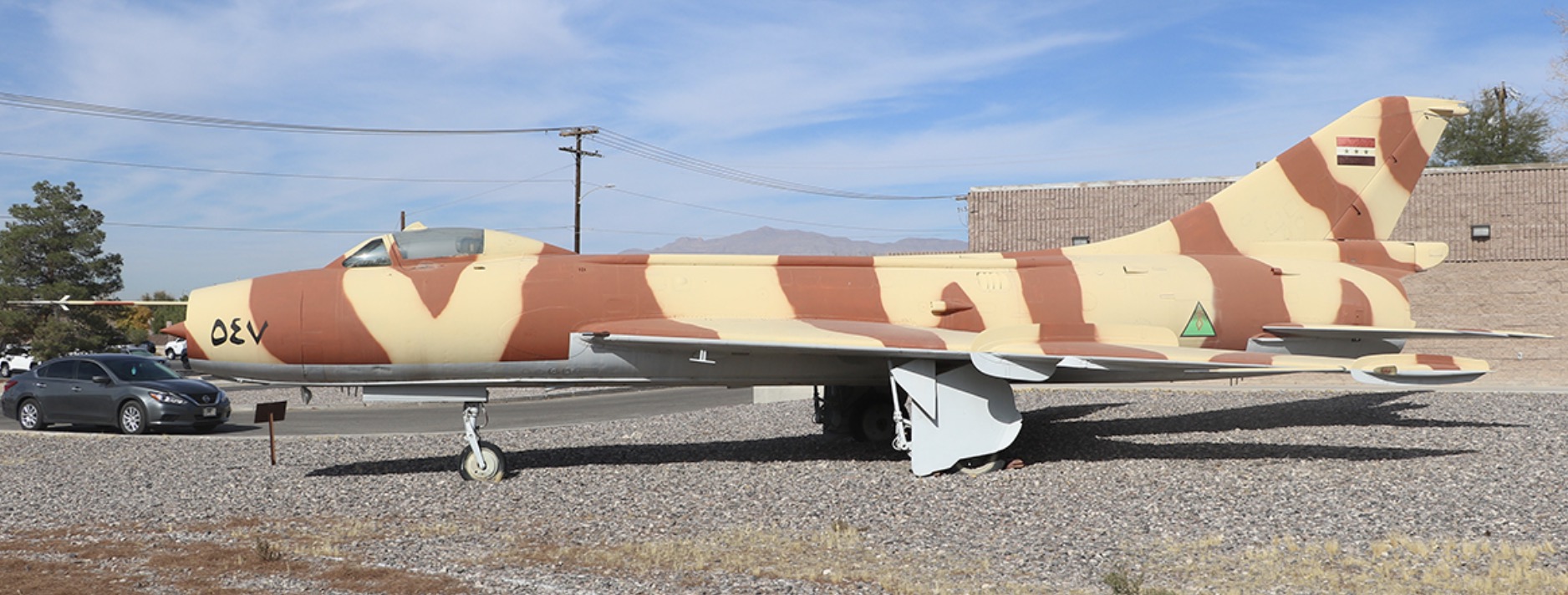
| Su-20 | Export derivative of the variable-geometry Su-17M. Iraq was acquiring approximately 80 Su-20s when the October 1973 War began. The type became an important Iraqi fighter-bomber during the later 1970s and was heavily employed for conventional strikes during the Iran–Iraq War. At least one Iraqi Su-20 remained operational until 1991. | Type: variable-sweep fighter-bomber. Crew: 1. Maximum take-off weight: around 18,000 kg. Engine: Lyulka AL-21F-3 afterburning turbojet, approximately 76 kN dry and 110 kN with afterburner. Armament: two 30 mm NR-30 cannons with 80 rounds per gun. External load: approximately 3,000–4,000 kg on up to eight or nine stations. Stores: FAB-series bombs, incendiary tanks, UB-16 and UB-32 rocket pods, S-24 rockets and external fuel tanks. Precise Iraqi guided-weapon integration on the original Su-20 is uncertain and should not be confused with later Iraqi Su-22 variants. Maximum speed: approximately 2,200 km/h at altitude. Range: around 2,000–2,300 km with external fuel. Service ceiling: approximately 18,000 m. |
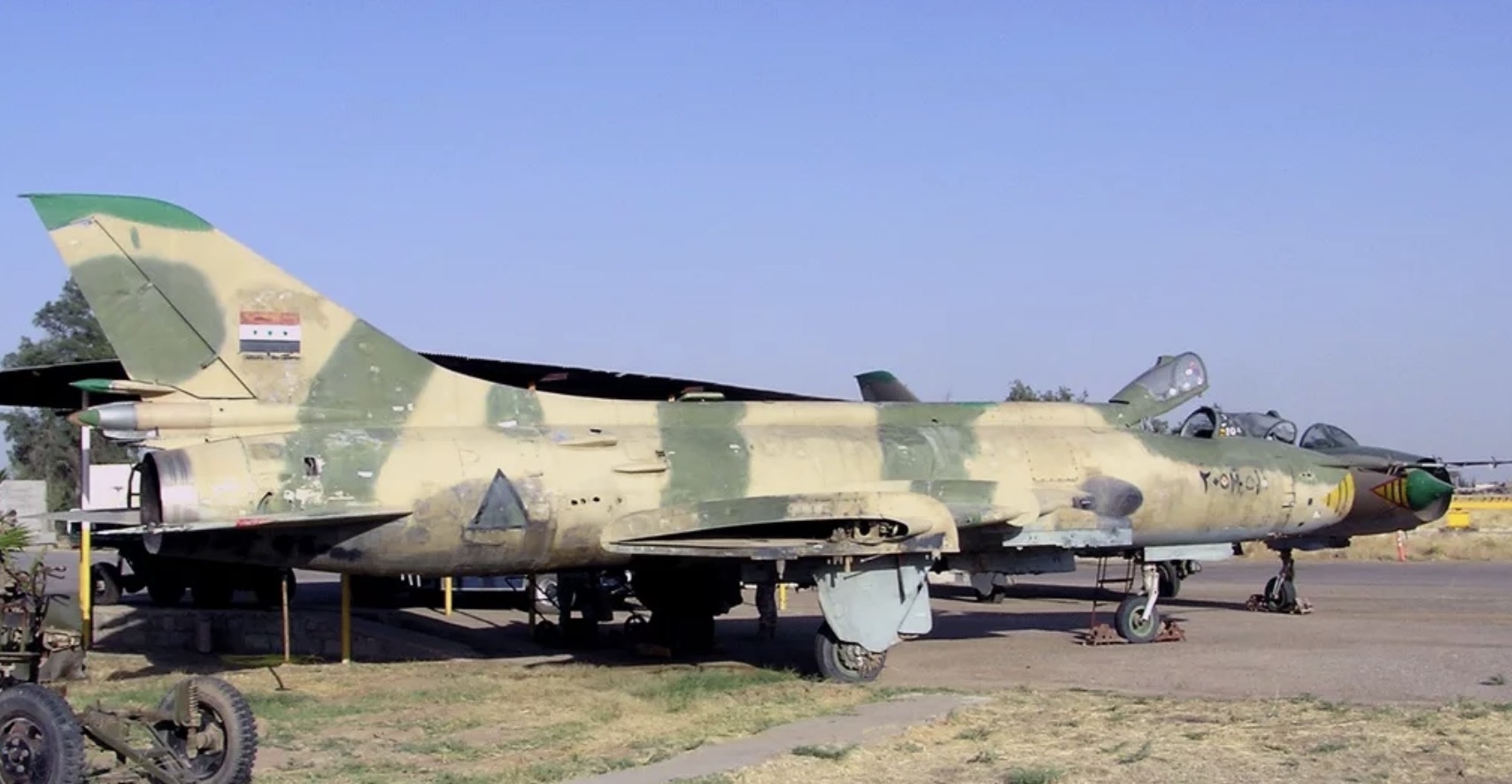
| AC-208B Combat Caravan | Armed intelligence, surveillance and reconnaissance aircraft acquired by the rebuilt Iraqi Air Force. Iraqi Squadron 3 conducted the type’s first Hellfire firing in October 2009 and later achieved the first completely Iraqi-controlled missile engagement in March 2011. The AC-208B has been extensively employed against insurgent and Islamic State targets. | Type: light attack and intelligence, surveillance and reconnaissance aircraft. Crew: 3, normally a pilot, co-pilot and mission-systems operator. Maximum take-off weight: approximately 3,970 kg. Engine: Pratt & Whitney Canada PT6A-114A turboprop, 675 shp. Armament: two AGM-114K or AGM-114M Hellfire missiles, one beneath each wing. Sensors: Wescam MX-15D electro-optical and infrared turret with laser rangefinder and designator. Other equipment: mission-operator station, video datalink, ballistic protection and defensive systems. Maximum cruise speed: around 340 km/h. Base-airframe range: approximately 1,700–2,000 km, reduced when carrying combat equipment. Service ceiling: approximately 7,600 m. |
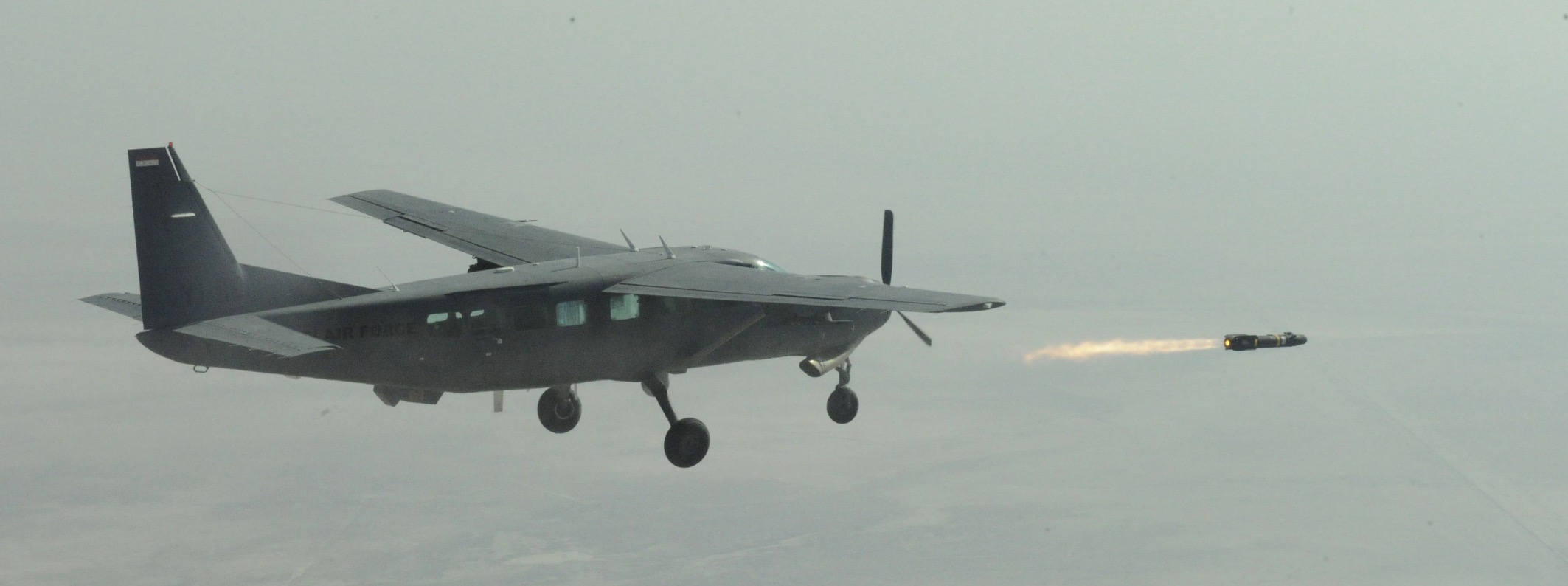
| Hunter F.6 | The first Hunter variant purchased by Iraq. Fourteen former RAF F.6s formed the principal late-1957 delivery, while Iraqi fleet totals generally credit the country with 16 aircraft. They entered service with No. 1 Squadron at Habbaniyah and became the Royal Iraqi Air Force’s primary interceptor immediately before the 1958 revolution. | Type: clear-weather interceptor fighter. Crew: 1. Maximum take-off weight: approximately 11,160 kg. Engine: Rolls-Royce Avon 203 turbojet, producing around 45.2 kN of thrust. Armament: four 30 mm ADEN cannons with 150 rounds per gun. External stores: four hardpoints, principally used for external fuel tanks on the interceptor version; Iraqi ground-attack stores for the original F.6 are not as firmly documented as those of the later FGA.59. Maximum speed: around Mach 0.94 / 1,150 km/h at sea level. Combat range: approximately 715 km. Ferry range: around 3,060 km. Service ceiling: approximately 15,700 m. |
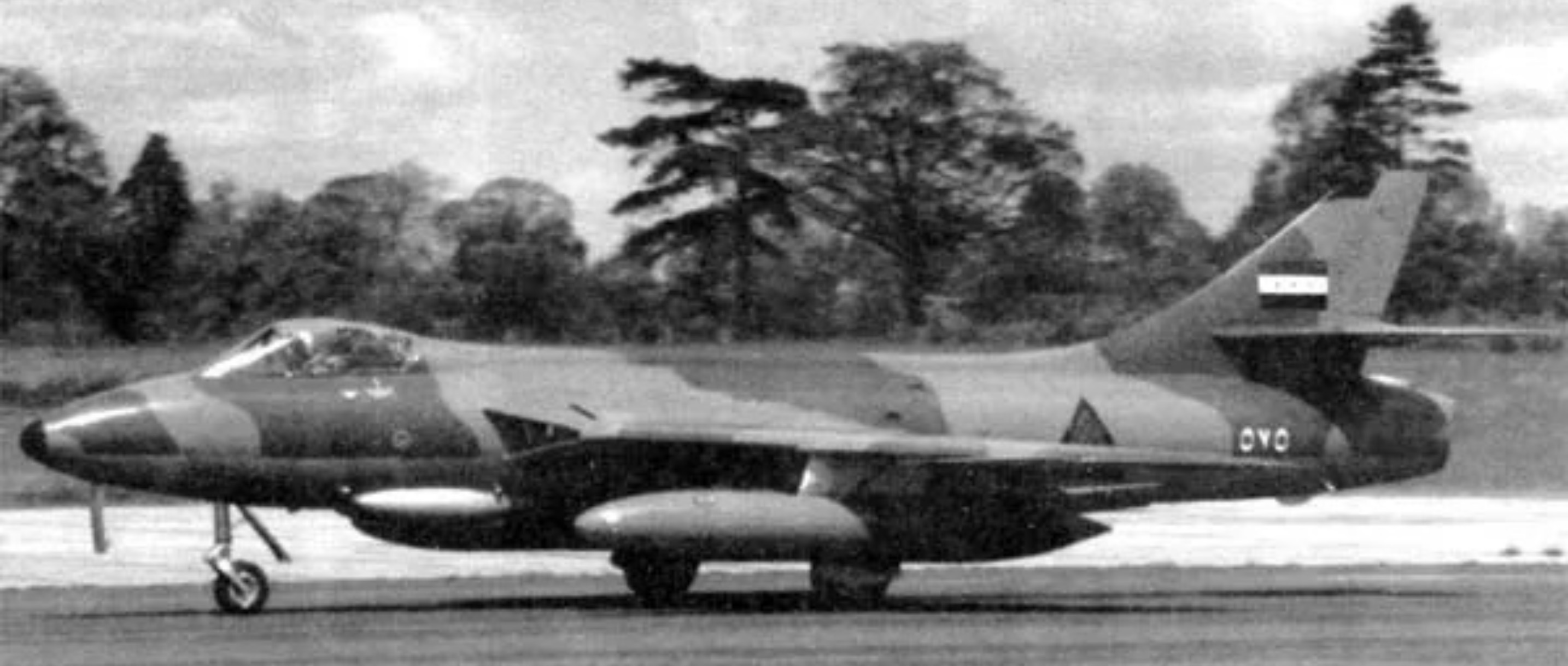
| F-7M Airguard | Improved export fighter developed from the F-7B with British avionics, four underwing weapon stations and enhanced air-to-air and ground-attack capability. Sixty F-7M and FT-7M aircraft are reported to have been transferred to Iraq through Jordan in 1985. | Type: lightweight multirole fighter. Crew: 1. Empty weight: 5,275 kg. Normal take-off weight: 7,531 kg with two missiles. Engine: improved WP-7B(BM) afterburning turbojet, approximately 43.2 kN dry and 59.8 kN with afterburner. Armament: two 30 mm Type 30-1 cannons with 60 rounds per gun. External stores: four underwing stations and a centreline fuel-tank station. Air-to-air weapons: PL-2, PL-5, PL-7 or optional R.550 Magic missiles. Ground-attack weapons: 57 mm or 90 mm rocket pods and bombs weighing up to 500 kg. Avionics: Marconi HUDWAC, Skyranger ranging radar, radar altimeter and improved IFF. Maximum speed: Mach 2.05 / approximately 2,175 km/h. Range: around 1,740 km with two missiles and three tanks. Service ceiling: approximately 18,200 m. |
Rank 7
Spoiler
| Vehicle | Short history / description | Short specifications |
|---|---|---|
| MiG-23MS | Downgraded export interceptor supplied to Iraq during the 1970s. Iraq initially ordered 140 aircraft in 1973, but reduced the order to approximately 20 after the variant proved disappointing. Iraqi MiG-23MSs equipped units including No. 39 Squadron and later detachments of No. 84 Squadron. They fought during the opening stages of the Iran–Iraq War, with Iraqi combat records confirming the use of R-13 and R-13M missiles. Despite its negative reputation, the aircraft achieved several aerial victories using R-13M missiles. However, the aircraft could carry a maximum of two R-13M missiles on its underwing pylons only. | Type: interceptor fighter. Crew: 1. Engine: Tumansky R-29-300 afterburning turbojet, approximately 122 kN / 27,500 lbf thrust. Armament: one twin-barrel 23 mm GSh-23L cannon with approximately 200 rounds. Confirmed Iraqi missiles: R-3S and R-13M infrared-guided missiles. Maybe R-3R could also be used by the type. Maximum speed: approximately Mach 2.4. Wing sweep: 16°, 45° or 72°. The MiG-23MS used simplified radar and weapons equipment compared with later MiG-23 variants. |
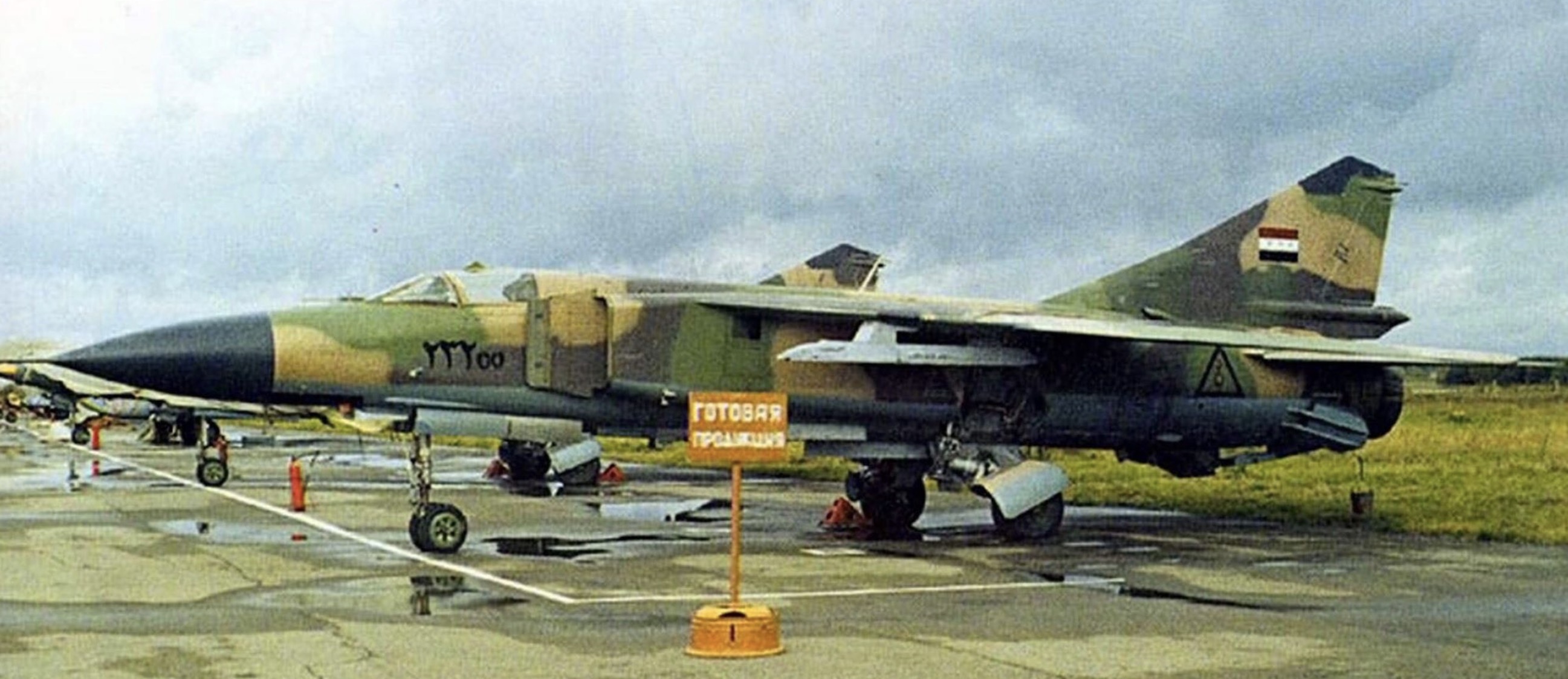
| L-159A ALCA | Single-seat Czech light-combat aircraft purchased by the post-2003 Iraqi Air Force. Aero Vodochody contracted to supply ten L-159As and two two-seat L-159T1s, with the first aircraft delivered in December 2015. Iraqi L-159As entered combat against Islamic State and were used for conventional bombing missions. Iraqi operational reports confirm the use of 500 lb Mk 82 unguided bombs. | Type: light combat and attack aircraft. Crew: 1. Empty weight: approximately 4,350 kg. Maximum ramp weight: approximately 8,000 kg. Engine: Honeywell/ITEC F124-GA-100 turbofan, approximately 28.2 kN thrust. External stores: seven stations with a maximum combined capacity of 2,700 kg. Confirmed Iraqi armament: 500 lb / 227 kg Mk 82 unguided bombs. Maximum speed: approximately 936 km/h at sea level. Climb rate: approximately 53 m/s. Service ceiling: approximately 13,200 m. |
| Super Étendard | Five French Navy Super Étendards were leased to Iraq under Operation Sugar in October 1983. They entered Iraqi service in March 1984 and were employed exclusively for anti-shipping strikes against tankers operating near the Iranian side of the Persian Gulf. Their principal weapon was the AM39 Exocet. Only three aircraft were definitely returned to France; one was lost in combat and another appears to have crashed after receiving damage. | Type: maritime strike aircraft. Crew: 1. Empty weight: approximately 6,500 kg. Maximum external load: approximately 2,100 kg. Engine: SNECMA Atar 8K-50 turbojet, producing approximately 49 kN thrust. Armament: two 30 mm DEFA 552 cannons with 125 rounds per gun. Confirmed Iraqi external weapon: one AM39 Exocet anti-ship missile, normally accompanied by external fuel tanks. Radar: Thomson-CSF Agave maritime-search and targeting radar. Maximum speed: approximately 1,180 km/h at low altitude. Combat range: approximately 850 km with one Exocet and two drop tanks. Service ceiling: approximately 13,700 m. |
| MiG-25PDS | Improved interceptor version of the Foxbat operated by Iraq’s No. 96 Squadron. Iraqi MiG-25 interceptors entered service around 1980–81 and became the country’s most successful interceptor type. Iraq reportedly first received MiG-25Ps, but these were soon returned because their performance was considered unsatisfactory. The Soviet Union subsequently supplied Iraq with the improved MiG-25PD and MiG-25PDS. Confirmed Iraqi combat weapons included R-40, R-40RD, R-40TD and R-60 missiles. An Iraqi MiG-25PDS was credited with shooting down a US Navy F/A-18C on 17 January 1991 using an R-40RD. Unlike their Soviet counterparts, Iraqi MiG-25PD/S aircraft carried KDS-30 flare dispensers above both wings. They dispensed large-calibre flares. Iraqi MiG-25s were also equipped with the SPO-15 “Beryoza” radar-warning receiver, along with additional RWR antennas mounted on the engine intakes. | Type: high-speed interceptor. Crew: 1. Maximum take-off weight: approximately 36,720 kg. Engines: two Tumansky R-15BD-300 afterburning turbojets, approximately 100–110 kN thrust each. Fixed armament: none. Confirmed Iraqi missiles: R-40, R-40RD, R-40TD and R-60. Typical combinations included two radar-guided R-40RDs and two infrared-guided R-40TDs, or R-40s combined with R-60s. Maximum speed: Mach 2.83 / approximately 3,000 km/h operationally. Service ceiling: approximately 20,700 m. Radar: RP-25/Sapfir-25-family interception radar, supplemented by an infrared search-and-track system. |
| MiG-25RB | High-speed reconnaissance-bomber initially deployed to Iraq as part of a Soviet-controlled contingent at the beginning of the Iran–Iraq War. Four MiG-25s had been placed under Iraqi control by April 1981, and the type was subsequently used by Iraq for strategic reconnaissance and high-speed bombing. Iraqi MiG-25RB reconnaissance bombers were used extensively and suffered the highest losses of any MiG-25 variant operated by Iraq. An Iraqi MiG-25RB was recovered buried near Al Taqaddum Air Base in 2003. | Type: reconnaissance bomber. Crew: 1. Empty weight: approximately 19,070 kg. Maximum take-off weight: approximately 41,200 kg. Engines: two R-15B-300 afterburning turbojets, approximately 109.8 kN thrust each. Fixed armament: none. Bomb load: up to 5,000 kg, including as many as ten FAB-500 bombs; heat-resistant FAB-500T bombs were developed for high-speed carriage. Maximum speed: Mach 2.83 / approximately 3,000 km/h. Range: approximately 1,865 km internally or 2,400 km under ferry conditions. Service ceiling: approximately 23,000 m. |
| MiG-21ST | The MiG-21ST was a Soviet designation applied to MiG-21SMTs rebuilt with a smaller dorsal fuel tank, giving them an appearance very similar to the MiG-21bis. Yugoslav overhaul sources identified the Iraqi aircraft sent for repair shortly before the 1991 Gulf War as MiG-21SMTs, but sanctions prevented their return. Based on these descriptions and their bis-like appearance, I have identified them as MiG-21STs, although they may instead have been standard MiG-21bis aircraft (with an aircon). | Type: interceptor and fighter-bomber. Crew: 1. Engine: Tumansky R-13F-300 afterburning turbojet. Armament: one 23 mm GSh-23L cannon with 200 rounds. External stations: four underwing pylons for R-3, R-13 or R-60 missiles, bombs and rocket pods. Maximum speed: approximately 2,175–2,230 km/h. Service ceiling: approximately 17,500–18,000 m. These are standard MiG-21ST/SMT-family specifications. |
| MiG-23ML | Lightweight and substantially improved MiG-23 variant operated by Iraq’s No. 63 Squadron. At least one Iraqi MiG-23ML/MLA unit was forming at Qayyarah West when the Iran–Iraq War began. Iraqi combat records confirm the use of R-23, R-24, R-60 and R-60MK missiles, including successful engagements against Iranian F-4s, F-5s and an F-14A. After the war, one aircraft was experimentally modified in Iraq to carry the French AM.39 Exocet anti-ship missile. Although photographs show the missile fitted beneath the aircraft, the conversion reportedly proved unsuccessful and did not become an operational capability. A number of Iraqi MiG-23MLs were also sent to Yugoslavia for overhaul and repair. | Type: interceptor and multirole fighter. Crew: 1. Empty weight: approximately 10,850 kg. Maximum take-off weight: approximately 17,800 kg. Engine: R-35-300 afterburning turbojet, approximately 84 kN dry and 127.5 kN with afterburner. Armament: one 23 mm GSh-23L cannon with 200 rounds. Confirmed Iraqi missiles: R-23, R-24R/T, R-60 and R-60MK. Maximum speed: approximately 2,500 km/h / Mach 2.35 at altitude. Range: approximately 1,950 km internally or 2,820 km with external tanks. Service ceiling: approximately 18,500 m. |
| Su-25K | Export ground-attack version of the Su-25 acquired by Iraq during the Iran–Iraq War. Delivery totals remain disputed, but one Iraqi squadron was known to be equipped with the type by 1986, with a second becoming operational after the war. Iraqi Su-25Ks were retained through the 1991 Gulf War, when several escaped to Iran. Following ISIS’s 2014 offensive, the reconstituted Iraqi Air Force urgently acquired second-hand Su-25s from Russia, after which Iran transferred seven additional aircraft, most of them former Iraqi Su-25s impounded after fleeing to Iran during the 1991 Gulf War, to support Iraq’s campaign against ISIS. | Type: armoured close-air-support aircraft. Crew: 1. Empty weight: approximately 9,315 kg. Maximum take-off weight: approximately 17,600 kg. Engines: two R-95Sh turbojets, approximately 40.2 kN thrust each. Armament: one twin-barrel 30 mm GSh-30-2 cannon with 250 rounds. External stores: up to approximately 4,400 kg on ten weapon stations. Iraqi aircraft are confirmed as having served in the strike role, but an authoritative list of their exact bomb, rocket and guided-missile combinations has not been located. Maximum speed: approximately 975 km/h. Service ceiling: approximately 7,000 m. Maximum ferry range: approximately 1,950 km. |
| MiG-25BM | Dedicated Soviet anti-radar Foxbat deployed to Iraq for combat testing during the Iran–Iraq War. The MiG-25BMs operating from Iraq were Soviet aircraft flown by Soviet personnel. They were used to test suppression-of-enemy-air-defence weapons against Iranian radar and surface-to-air missile sites. Interestingly, Iraqi MiG-25BMs were reportedly used to test the Kh-31P, a missile that was not part of the original arsenal of Soviet-operated MiG-25BMs. | Type: suppression-of-enemy-air-defence aircraft. Crew: 1. Empty weight: approximately 20,600 kg. Maximum take-off weight: approximately 41,200 kg. Engines: two R-15BD-300 afterburning turbojets, approximately 109.8 kN thrust each. Primary armament: two to four Kh-58, Kh-58U or Kh-31P anti-radiation missiles; ACIG also records Kh-25 carriage during the Iraqi deployment. Bombs: standard RB bomb load. Self-defence armament: two to four R-60M missiles. P.S could carry bombs, anti-radiation and R-60s at once. Maximum speed: approximately 3,000 km/h. Range: approximately 1,865 km internally or 2,400 km with an external tank. Service ceiling: approximately 23,000 m. |
Rank 8
Spoiler
| Vehicle | Short history / description | Short specifications |
|---|---|---|
| Mirage F1EQ-6 | Final and most advanced Mirage F1 variant produced for Iraq. Eighteen were ordered under the Baz-4 programme in September 1985, with deliveries beginning in February 1988. Iraq subsequently received six additional aircraft from a follow-on order before sanctions halted deliveries in 1990, giving approximately 24 delivered EQ-6s. The variant served with No. 115 Squadron and saw limited combat during the final months of the Iran–Iraq War, including confirmed engagements with Super 530D missiles. | Type: multirole fighter and maritime-strike aircraft. Crew: 1. Empty weight: approximately 7,400 kg. Maximum take-off weight: around 16,200 kg. Engine: SNECMA Atar 9K50 afterburning turbojet, producing approximately 70.6 kN of thrust. Armament: two 30 mm DEFA 553 cannons with 135 rounds per gun. Confirmed Iraqi weapons: R.550 Magic, Super 530D, AS.30L with the PDL.1EQ Patrick laser-designation pod, conventional bombs and up to two AM.39 Exocet anti-ship missiles. Avionics: Cyrano IV-SP1 radar, Sherloc digital radar-warning receiver and conformal Alkan chaff-and-flare dispensers; Remora electronic-countermeasures pods could also be carried. Maximum speed: over Mach 2. Service ceiling: approximately 18,500 m. |
| T-50IQ | Iraqi export version of the FA-50 light-combat aircraft, retaining a two-seat cockpit for advanced and lead-in fighter training. Iraq ordered 24 aircraft in December 2013, with delayed deliveries beginning in 2017. The aircraft eventually equipped two planned squadrons, and the first Iraqi-operated squadron was formally activated after the fleet returned to flying status in 2022. | Type: advanced jet trainer and light-combat aircraft. Crew: 2. Empty weight: approximately 6,450 kg. Maximum take-off weight: approximately 12,215 kg. Engine: General Electric F404-GE-102 afterburning turbofan, producing approximately 78.7 kN / 17,700 lbf of thrust. Armament: one internal three-barrel 20 mm cannon. Confirmed Iraqi-configuration weapons: AIM-9 Sidewinder air-to-air missiles and JDAM precision-guided bombs. Maximum speed: Mach 1.5. Range: approximately 1,850 km, with a ferry range of around 2,590 km. Service ceiling: approximately 16,700 m. |
| Mirage F1EQ-5 | Iraqi maritime-strike and precision-attack version of the Mirage F1. Twenty were delivered, beginning with the first two aircraft on 26 September 1984. They equipped No. 81 Squadron at Saddam Air Base and entered operational service in the anti-shipping role at the beginning of 1985, although the first combat sortie had already been flown on 3 December 1984. The EQ-5 was Iraq’s first Mirage capable of launching the AM.39 Exocet. | Type: multirole and maritime-strike fighter. Crew: 1. Empty weight: approximately 7,400 kg. Maximum take-off weight: around 16,200 kg. Engine: SNECMA Atar 9K50 afterburning turbojet, producing approximately 70.6 kN of thrust. Armament: two 30 mm DEFA 553 cannons with 135 rounds per gun. Confirmed Iraqi weapons: R.550 Magic and Super 530F air-to-air missiles; one centreline AM.39 Exocet; one AS.30L laser-guided missile with a PDL.1EQ Patrick pod; 250 kg Type 25 bombs; and 1,000 kg Mk 84 bombs. Countermeasures: Sycomor chaff-and-flare dispenser and Remora electronic-countermeasures pod. Radar: Cyrano IVQ/C5 with air-to-surface and maritime-search modes. Maximum speed: over Mach 2. Service ceiling: approximately 18,500 m. |
| F-16IQ Block 52 | Iraqi-specific version of the F-16C/D Block 52 acquired to rebuild Iraq’s post-2003 fighter force. Iraq purchased 36 aircraft, comprising 24 single-seat F-16Cs and 12 two-seat F-16Ds. The first aircraft was accepted in June 2014, while delivery of the complete fleet was finished on 3 May 2019. Iraqi aircraft were supplied with a deliberately limited air-to-air armament package centred on the Sidewinder and Sparrow rather than the AIM-120. | Type: multirole fighter. Crew: 1. Empty weight: approximately 8,273 kg. Maximum take-off weight: approximately 19,187 kg. Engine: Pratt & Whitney F100-PW-229 afterburning turbofan, producing approximately 129.7 kN of thrust. Radar: AN/APG-68(V)9 pulse-Doppler radar. Armament: one 20 mm M61A1 Vulcan cannon with approximately 500 rounds. Confirmed Iraqi weapons: AIM-9L/M Sidewinder and AIM-7M Sparrow air-to-air missiles; AGM-65D/G/H/K Maverick missiles; GBU-12, GBU-10 and GBU-24 laser-guided bombs; and Mk 82 and Mk 84 general-purpose bombs. Equipment: Sniper or LITENING targeting pod, JHMCS, ALE-47 dispensers, ALQ-211 AIDEWS or ACES defensive suite and conformal fuel tanks. Maximum speed: approximately Mach 2. Ferry range: more than 3,200 km. Service ceiling: above 15,000 m. |
| Su-24MK | Export version of the Soviet Su-24M all-weather strike bomber. Iraq received 24 newly manufactured aircraft, with deliveries beginning during 1988. They arrived too late to become operational during the Iran–Iraq War. All surviving Iraqi Su-24MKs were flown to Iran during the 1991 Gulf War and were retained by Iran rather than returned. | Type: all-weather tactical strike bomber. Crew: 2. Empty weight: approximately 22,300 kg. Maximum take-off weight: approximately 43,750 kg. Engines: two Lyulka AL-21F-3A afterburning turbojets, producing approximately 109.8 kN each. Armament: one six-barrel 23 mm GSh-6-23M cannon. External load: up to approximately 8,000 kg on eight or nine stations. Confirmed Iraqi payload: an indigenous 3,000 kg high-explosive bomb carried beneath the centreline. Guided-missile weapons were supplied with the aircraft, but the exact Iraqi missile types are not securely documented. Avionics: terrain-following and attack radar with laser and television targeting equipment. Maximum speed: approximately 1,650 km/h at altitude. Combat radius: around 615 km at low altitude with a 3,000 kg load. Service ceiling: approximately 11,000 m. |
| MiG-29 9-12B | Downgraded non-Warsaw Pact export version of the MiG-29 supplied to Iraq during the final years of the Iran–Iraq War. By August 1990, Iraq had received 37 MiG-29 9-12B aircraft. They served with No. 4 and No. 5 Squadrons and fought during the 1991 Gulf War. Iraq was dissatisfied because the aircraft were delivered without the R-73 and R-27T missiles; the remaining 12 aircraft were withdrawn in 1995 after Iraq became unable to send their engines abroad for overhaul. | Type: air-superiority and interception fighter. Crew: 1. Empty weight: approximately 10,900 kg. Maximum take-off weight: approximately 18,500 kg. Engines: two Klimov RD-33 afterburning turbofans, producing approximately 81.4 kN each. Armament: one 30 mm GSh-30-1 cannon, normally loaded with approximately 150 rounds. Confirmed Iraqi missiles: R-27R semi-active radar-guided missiles and R-60MK infrared-guided missiles. Iraqi aircraft were not supplied with R-73 or R-27T missiles. Iraqi changes: modifications permitting carriage of a centreline external fuel tank and the French TMV-002 Remora electronic-countermeasures pod. Maximum speed: approximately 2,445 km/h / Mach 2.3. Range: approximately 1,500 km internally or 2,100 km with an external tank. Service ceiling: approximately 18,000 m. |