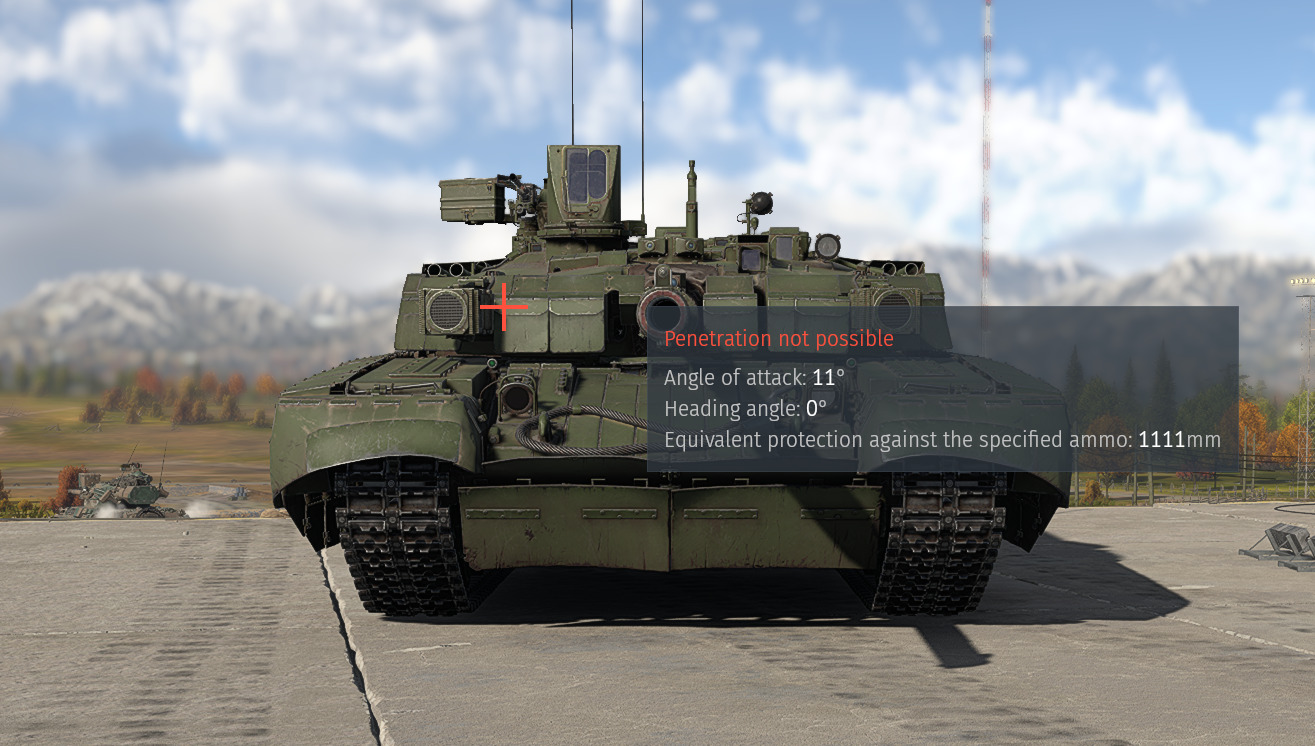
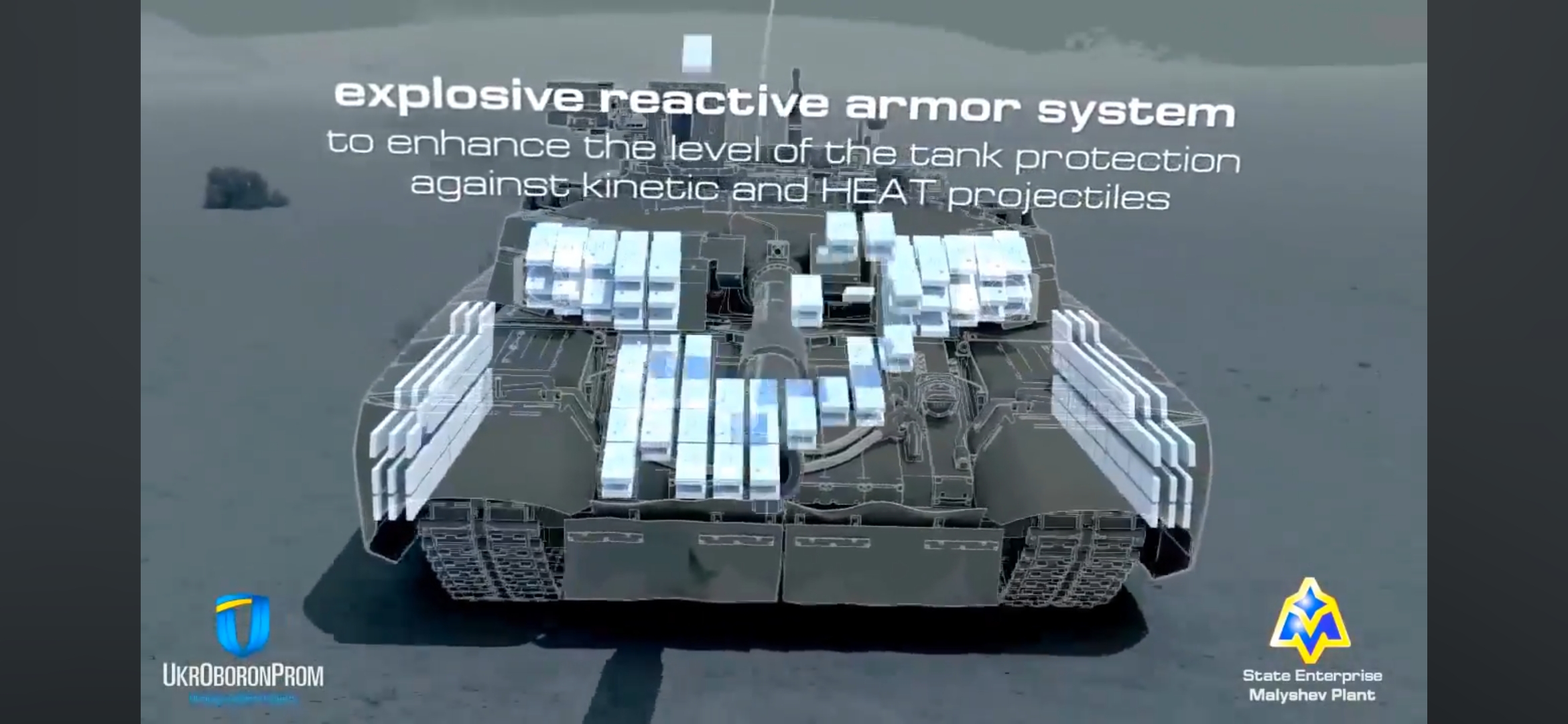
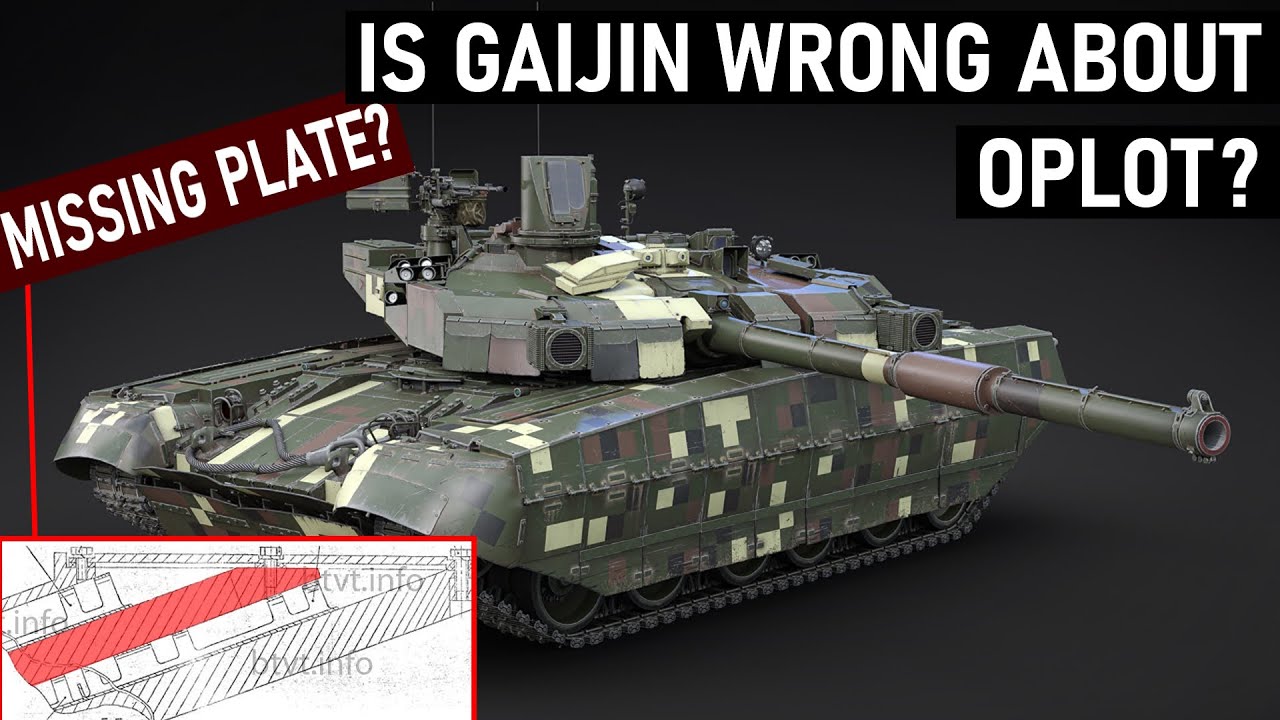
The BM Oplot-T Is... Concerning (And Now The Oplot-M)

Dude i support your stance but please never spell bro that way again…

True, it’s cro*

cro-crow

9 Likes

The problem is that people try to perform incomprehensible numerical calculations and compare them to a static number in the game, which, in my opinion, is sometimes more misleading than informative.

They don’t perform any in-game testing and claim that something is wrong, even though this approach is completely wrong.

First, the exact firing angle is truly unknown. A 5-degree difference won’t be visible externally, but it affects the result.

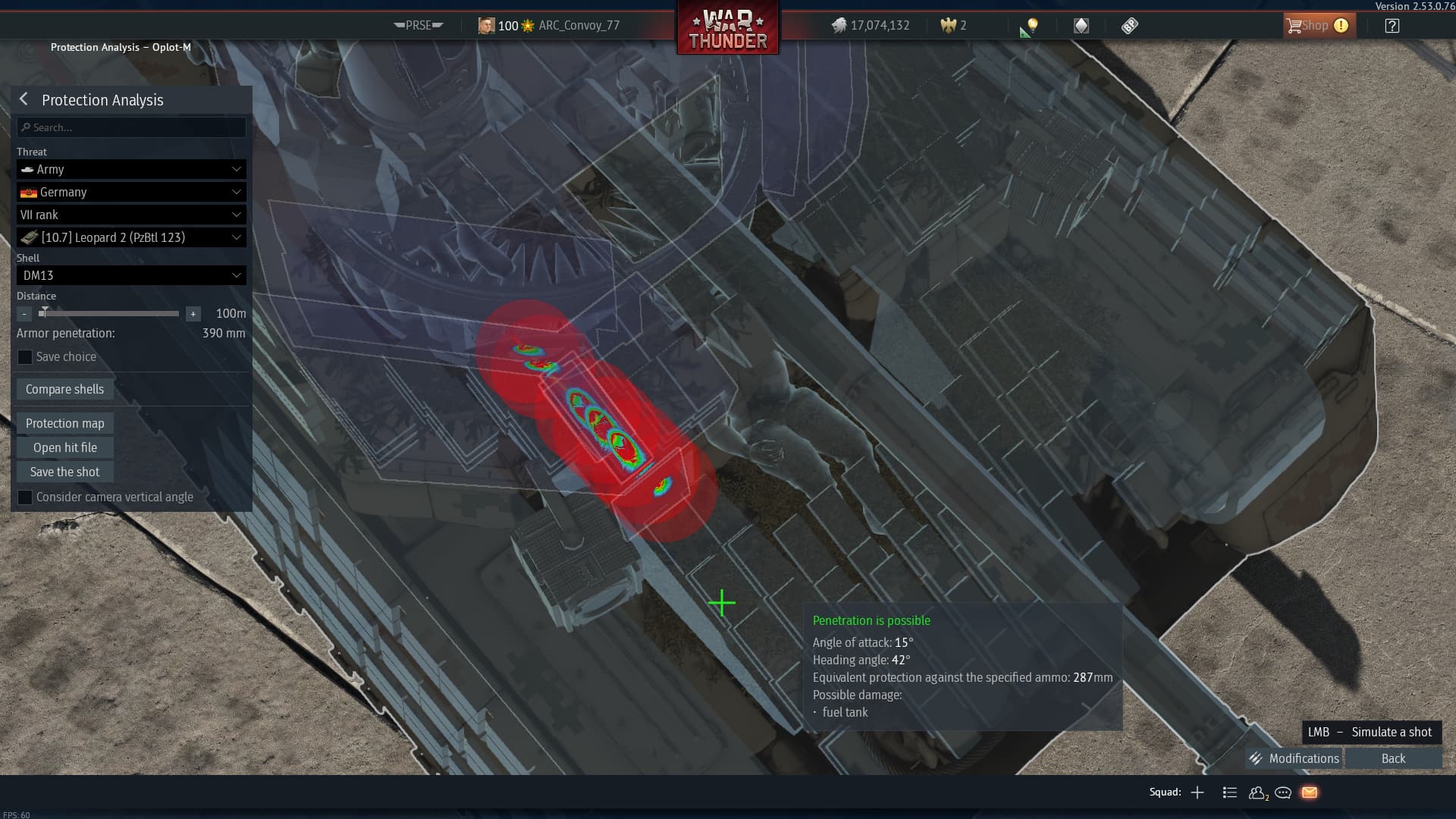
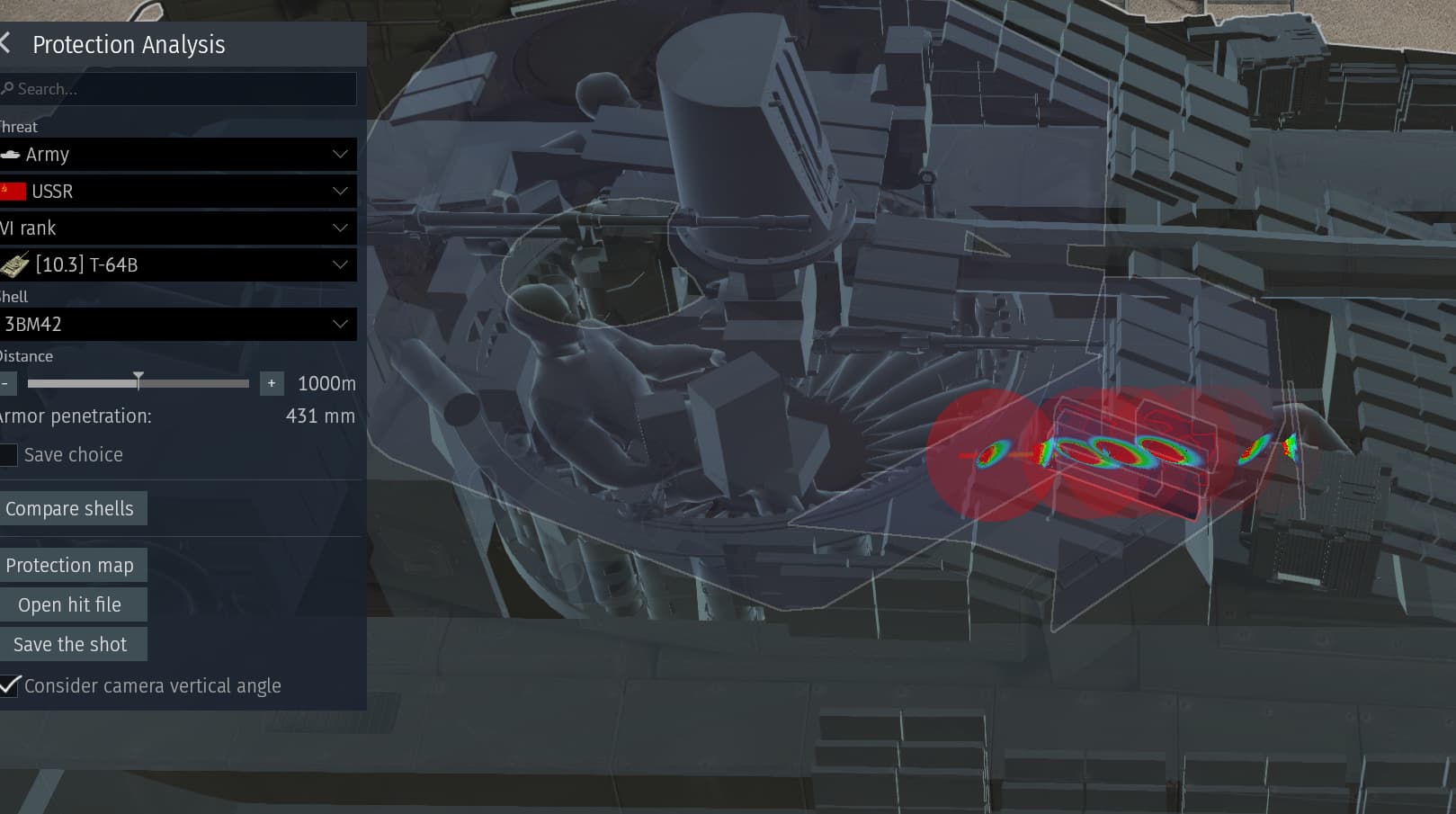
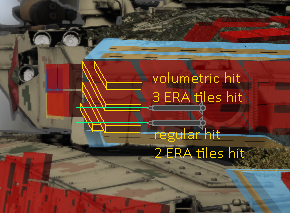
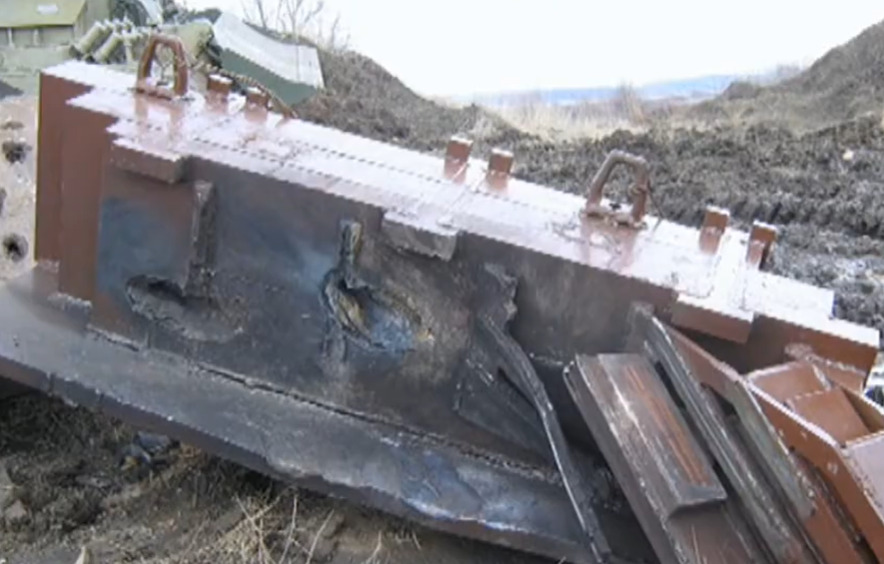
This is taken into account in the game. A similar shot simulation, as in the tests, will yield a similar result. We have a 60mm depression in testing and a roughly identical result in the game (I set it to 500 meters to show that a shell can get stuck in the first plate with a slight decrease in velocity, as it would have penetrated it in testing (60mm depression at 100 meters).
Furthermore, it’s not entirely accurate to equate a 60mm depression in a supposedly infinite steel barrier with the same 60mm penetration of composite armor.

Plates tend to break through from the rear, which won’t happen if you have a meter-thick steel blank simulating a turret. I hope it’s clear what I mean.

Essentially, the in-game durability matches the testing (keep in mind that in the protection analysis, we have a +/- 10% shell penetration margin). However, for some reason, many forget that you can’t transfer the test results of the ERA from the turret to the ERA in the hull, as they are mounted differently. which also affects efficiency.

What do you mean by 550mm of penetration? This figure could be vaguely accurate for penetration at 60 degrees at 0 meters (if we count the LOS, not the thickness of the penetrated plate).

The in-game 3BM42 matches the real data perfectly. In the game, it has 235mm of penetration under the same conditions.

As I already said, the X-ray information is extremely approximate. In practice, when simulating a shot, you’ll get results at the level of the test.

Yes I understand your point, however it is neither here nor there, we cannot estimate how much the shell’s remaining penetration is after encountering the turret module in game, because it breaks the first layer as it should but then travels inside the composite almost halfway to the second plate, or sometimes even stops at the second plate. I think it is safe to say the residual penetration on average in game is more than it is in the test footage.

Now yes you can replicate the results of the test footage a bit like how you have with longer distance and by getting the shell stuck between two rows of ERA but this does not really prove anything.

What we know for a fact is that in the footage, if we use the in-game penetration number for BM42, the penetration of the shell was reduced by roughly ~400mm. You yourself have stated in the past that in the game Duplet provides ~292mm of protection. This is what I have used to estimate that it is underperforming by 100mm.

If you are now claiming that in game Duplet actually does stop close to 400mm as in the tests and that the xray numbers are wrong, then that is a different claim that we can talk about.

I also want to mention the tests of OFL 120 where Duplet stopped the round completely. There is much to be said about BM42 being two-cored and better against ERA than single core APFSDS but I don’t wanna start that conversation again. For now, it is underperforming against even BM42. And it should be balanced to be even better than in the test footage to account for its increased effectiveness against modern projectiles. Well once there is sufficient proof of this effectiveness available for gaijin.

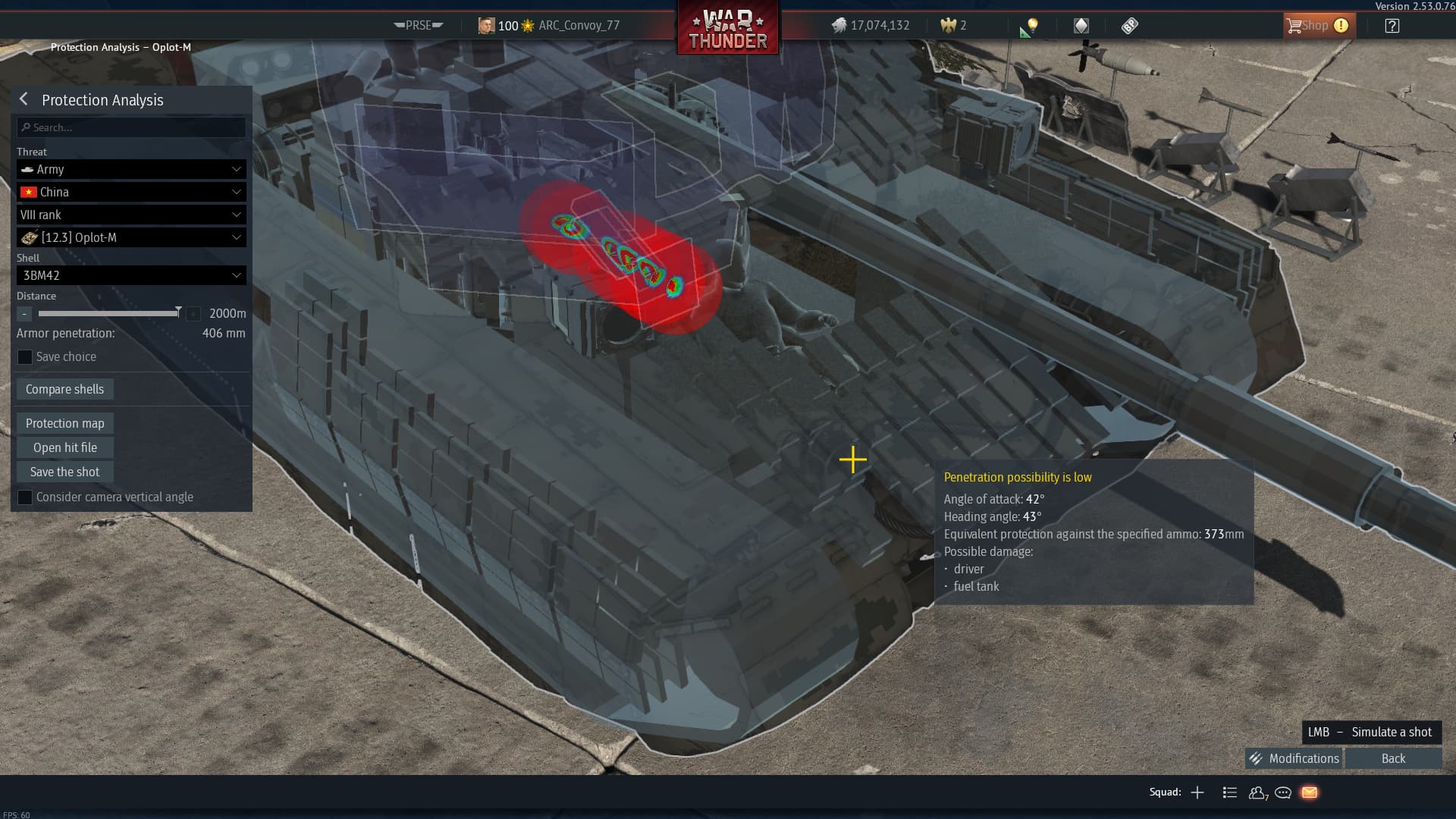
You can always increase the firing range to slightly reduce penetration and see if it stops penetrating the first layer of steel.

Even from 100 meters, the steel layer may well not be penetrated. It depends on small changes in the point of impact and the firing angle of 1-2 degrees.

So, in my opinion, everything in the game is accurate, down to a margin of error that’s impossible to detect with the naked eye.

And I’d like to remind you that a 60mm penetration in a supposedly infinite plate isn’t equivalent to the penetration of a 60mm plate, but is significantly greater. When a shell penetrates a sheet of steel, it eventually breaks through, so if the barrier isn’t infinite, the actual penetration will be greater.

This means that the penetration results for a real turret should be somewhat higher than those for a mockup with a supposedly infinite layer of steel.

Who cares who said what if the analysis shows a clear picture?

From a defense perspective, it’s simply a matter of bureaucracy, where and how the values ​​are recorded. It doesn’t matter as long as the actual result matches the desired one.

I don’t want to go into a long explanation of why the reported figures might be lower.

There is no evidence that 3bm42 has increased efficacy against ERA.

In a number of studies where other ERAs were tested with it, they showed excellent results.

Firstly, there is no complete documentation on the OFL120 test.

Secondly, those tests used a different ERA, and the data from it will not be applicable.

For example, here’s one ВЛИЯНИЕ ТОЛЩИНЫ ПЛАСТИНЫ НА ЭФФЕКТИВНОСТЬ ДИНАМИЧЕСКОЙ ЗАЩИТЫ. A design that’s essentially a K-5 that fires two plates one after the other at a 3BM42 was 60-80% effective against it.

This is just a typical behavior. In a game, such an ERA would have 270-360mm of protection, according to research. Are you saying that against regular long-rod APFSDSs, it would need to offer 1.5 times that amount?

Ok, let us use your logic and test it to replicate the result of the footage

Let us set some base rules for the test using the footage: 3BM42 penetrated only 60mm on a 50 degree plate, meaning it only penetrated 93mm from LOS. Therefore, we can assume that the penetration was reduced by (524-93) ~431mm.

Since the module in the test is steel without composite (assumption), 60mm penetration on the normal should result in the first steel plate breaking in game because the plate is exactly as thick as the given penetration figure, and the shell should stop in the composite, this happens in the game at 100m yes. From this we can only determine that the shell has equal to or more than 93mm residual penetration, but don’t know for sure how much.

Now lets see under what other conditions does this plate also break in order to determine the approximate effectiveness of Duplet in game:

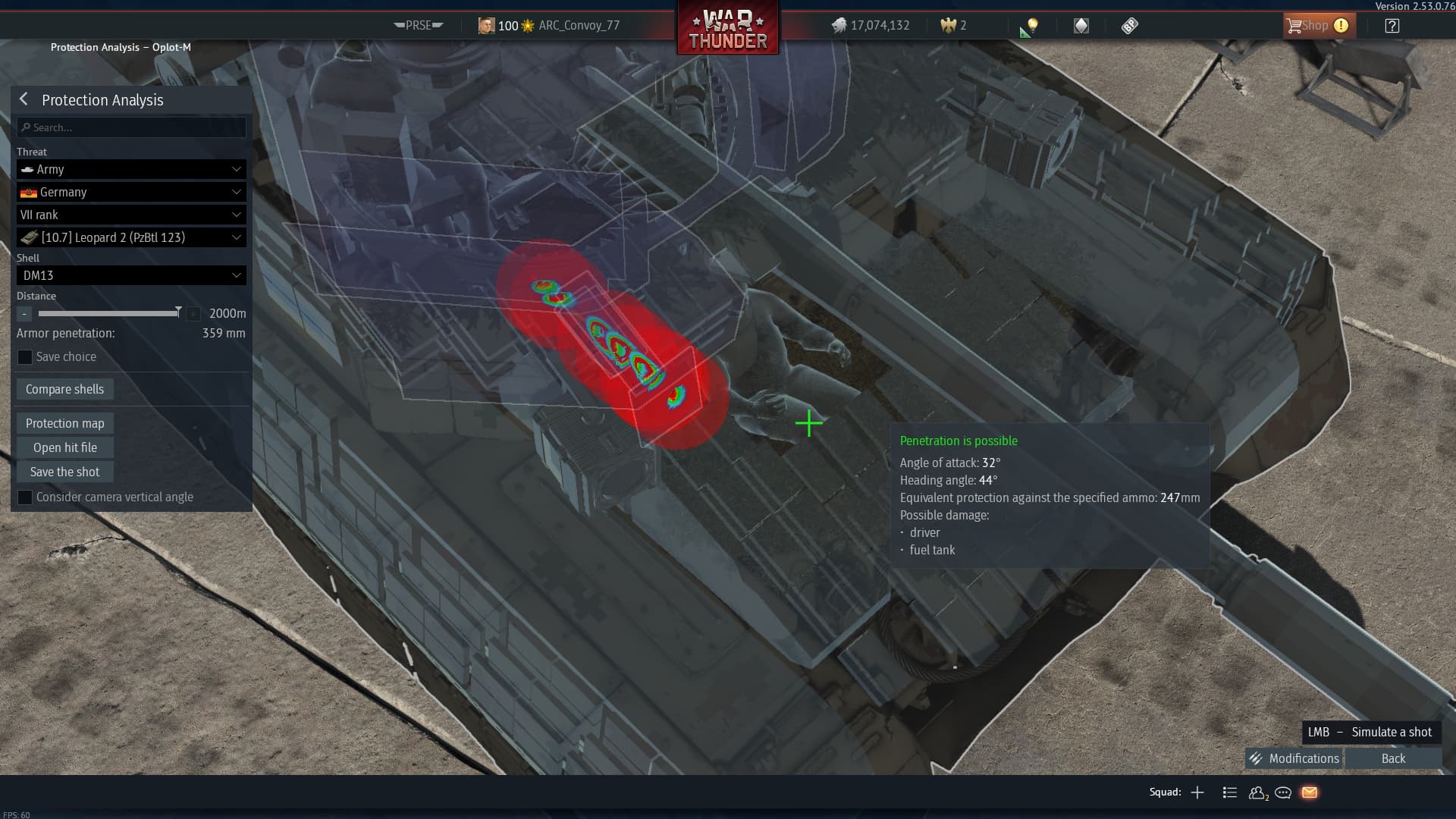
  1. BM42 at 2000m (~470mm penetration)


    After multiple trials, it still penetrates the first layer 100% of times. Therefore, using the above math, we can conclude that the penetration reduction is equal to or less than (470-93) ~377mm, already ~54mm below the footage.

  2. DM13 at 100m (~470mm penetration)


    After multiple trials, it still penetrates the first layer about 90% of times, it now becomes susceptible to stopping after encountering weird volumetric artifacts, so there’s a few places where it does not penetrate but mostly it is still penetrating the first layer of armour. Therefore, using the above math, we can conclude that the penetration reduction is equal to or less than (450-93) ~357mm, ~74mm below the footage.

  3. DM13 at 2000m (~416mm penetration)


    The shell is even more susceptible to volumetric stuff but overall it penetrates about 50% of times. I guess we can say that is about about the result that we see in the test footage. where the first layer breaks around 50% of the time, which means the residual penetration is somewhere close to 93mm.

Now how much does the Duplet module stop in game? Approximately (416-93) 323mm. Which is roughly 108mm less than the results of the test footage and very close to my original calculation of Duplet under-performing by ~100mm.

Of course this testing is very rough, but all analyses point to Duplet under-performing significantly.

4 Likes

Aren’t you going to take into account the slope effect, the multilayered nature of the barrier, and the steel hardness modifier?

I also pointed out that the penetration of a supposedly infinite barrier will always be significantly lower than that of a non-infinite plate of a thickness close to the penetration point.

Complete wrong. 60mm turret plate provides about ~120mm of kinetic equivalent in this case.

Penetration must be greater than just 60mm, since I already indicated that 60mm of penetration was achieved in a supposedly infinite sheet of steel, where the shell couldn’t penetrate the inner part of the sheet.

Again. 60mm of penetration in a supposedly infinite barrier > penetration of a 60mm sheet. I can’t say for sure whether this is equivalent to a 70mm or 80mm sheet, but it’s definitely larger.

Is that clear?

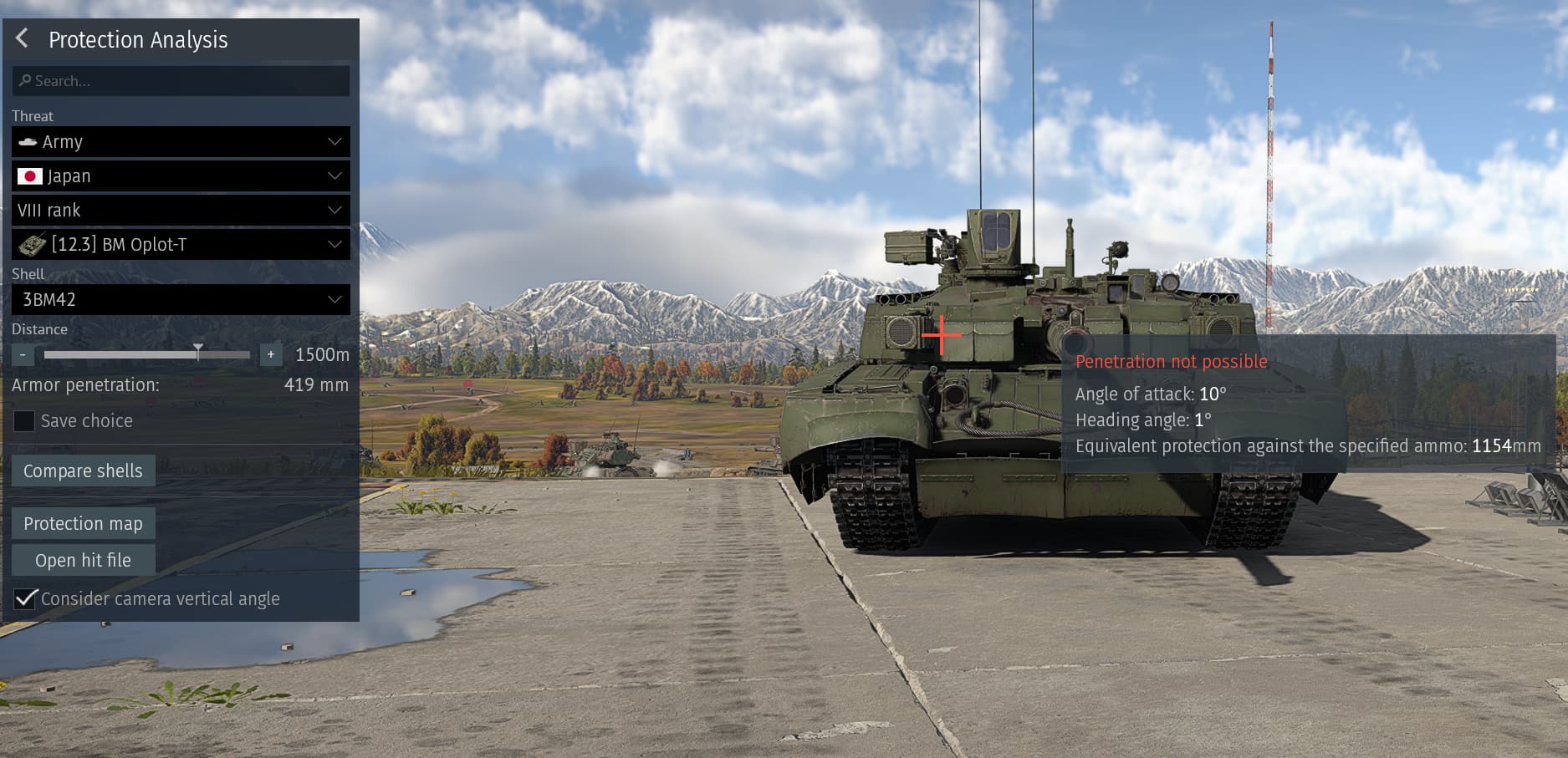
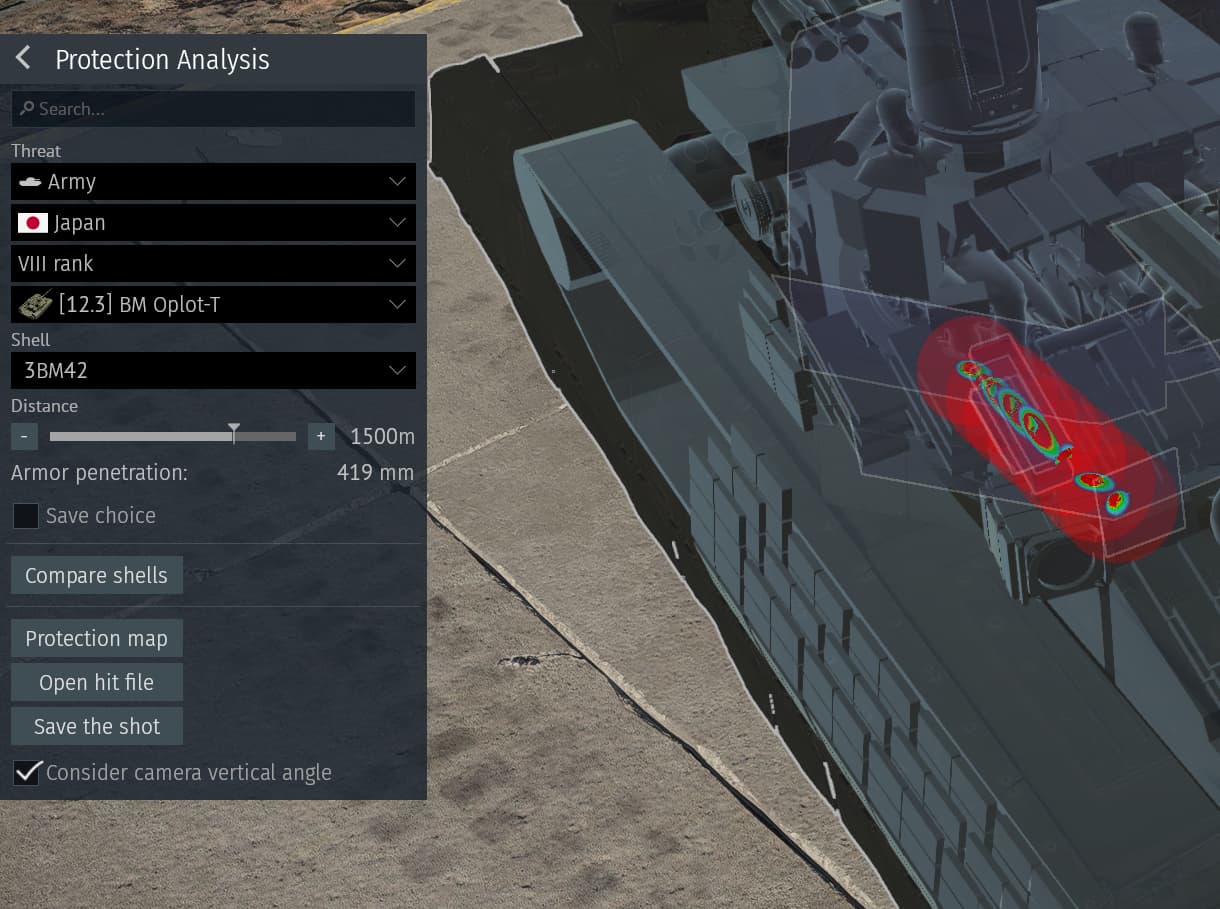
Here’s the non-penetration of even the first 3BM42 plate at 1500m.

Considering that the first steel plate has 120mm of steel protection against APFSDS, we get a Duplet penetration resistance of ~300-310mm in this area.


Your mistake is that:

  1. You’re not using the normalized penetration of the 3BM42 (457mm at 0 meters)
  2. You’re incorrectly calculating the resistance of a 60mm steel plate in the turret
  3. You’re not taking into account that penetrating a 60mm plate is significantly easier than leaving a 60mm hole in an infinitely thick blank.

1000 meters doesn’t penetrate the first layer. That means protection is around 310-320mm even


This is consistent with what was tested.

Why Relict and Kontak-5 destabilize rounds while Duplet don’t when you in one of your messages discussing test shot at a turret module you yourself akgnowledged that shot was deflected justifying using higher angle of impact while calculating residual groove.


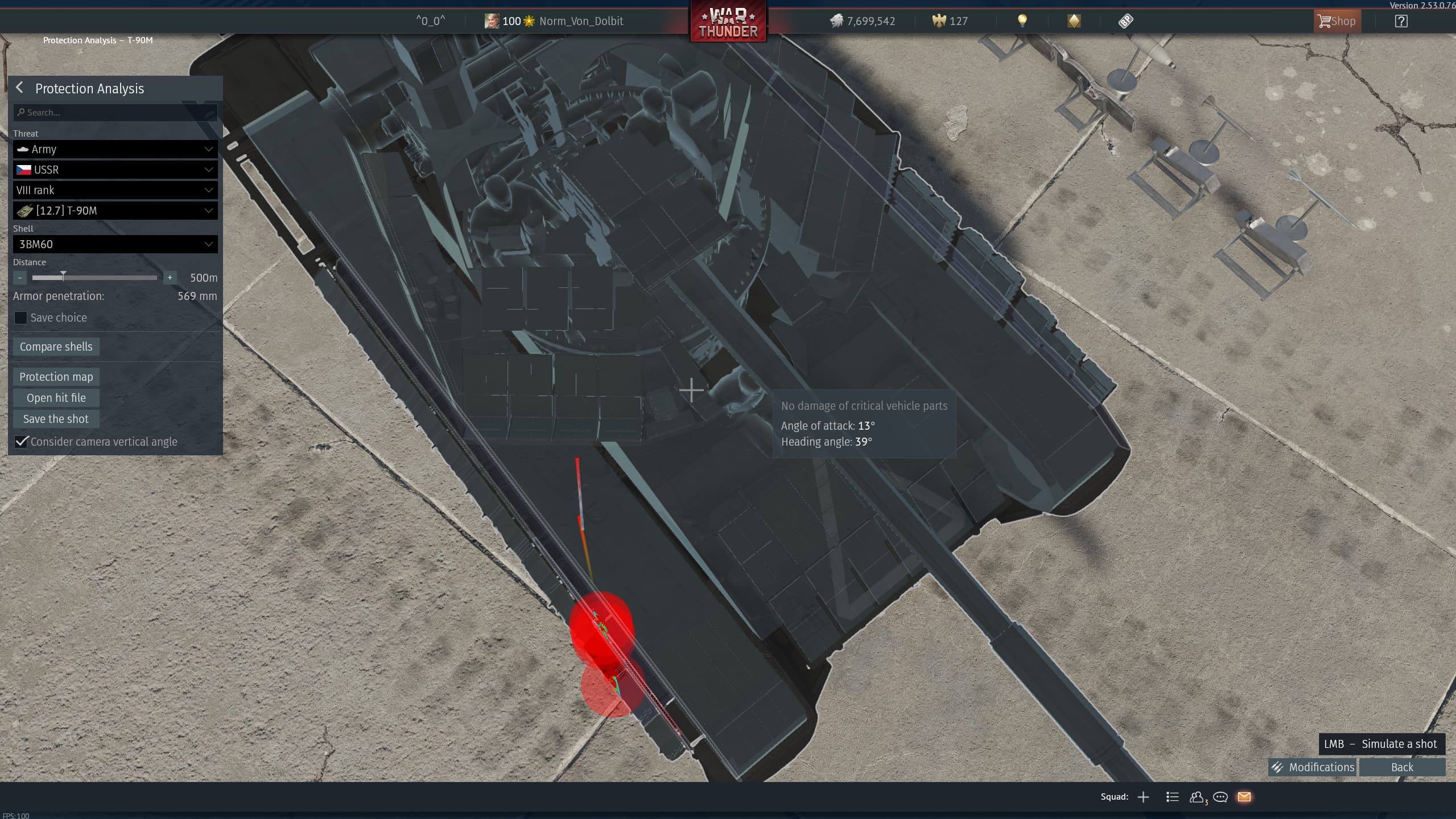
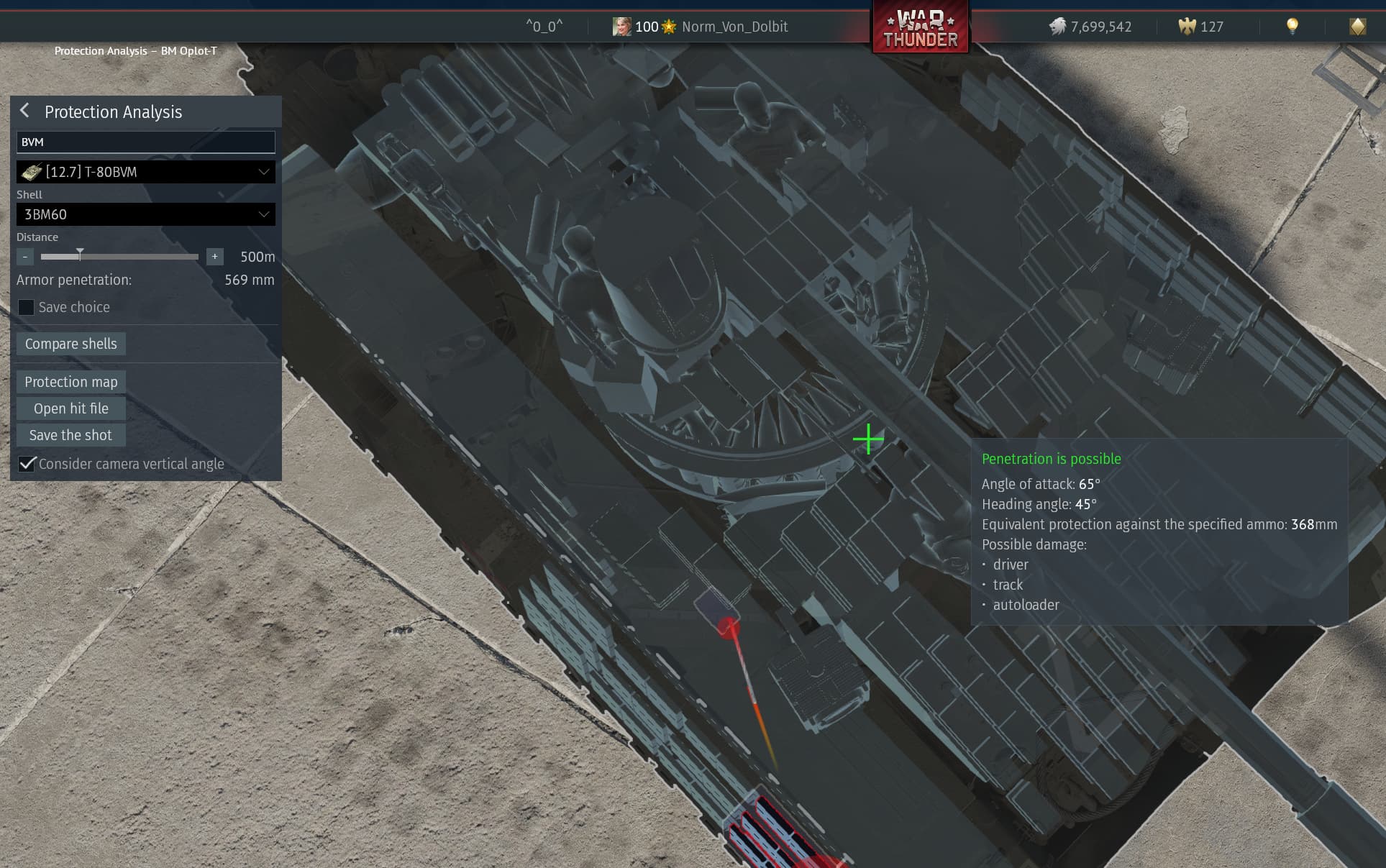
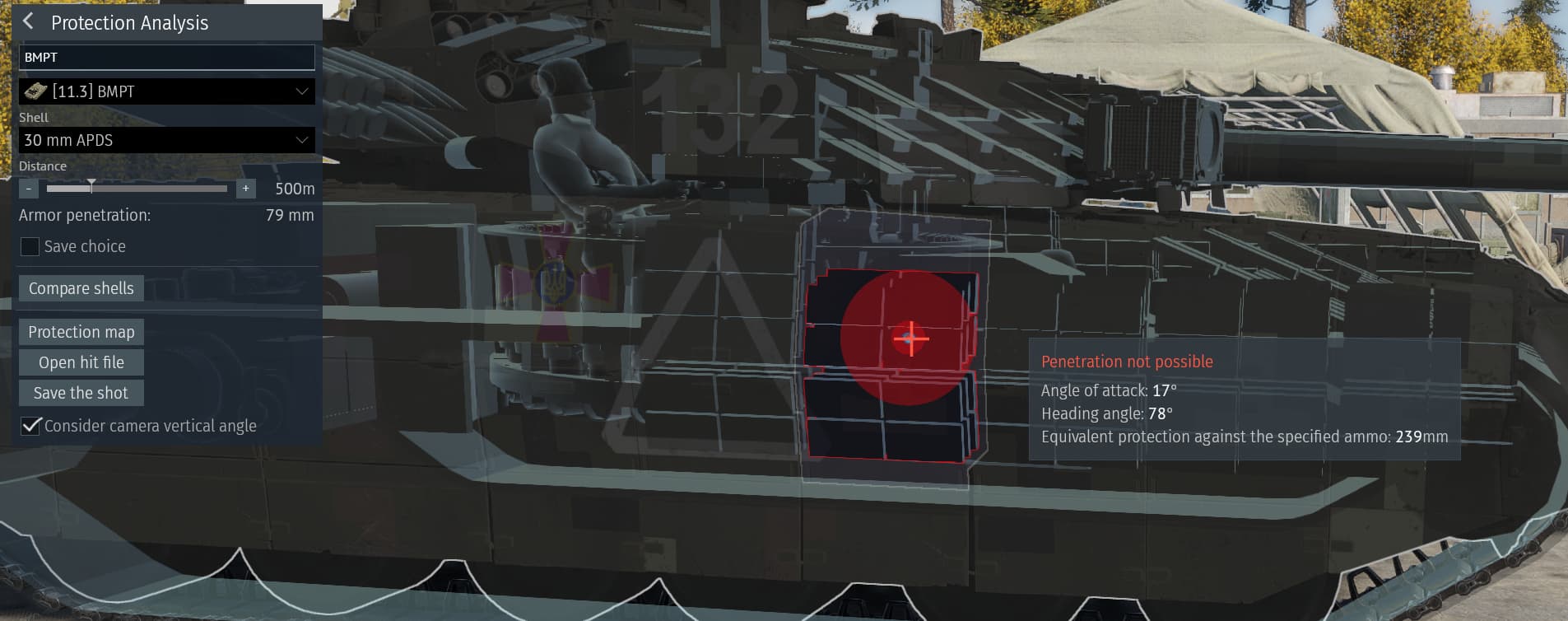
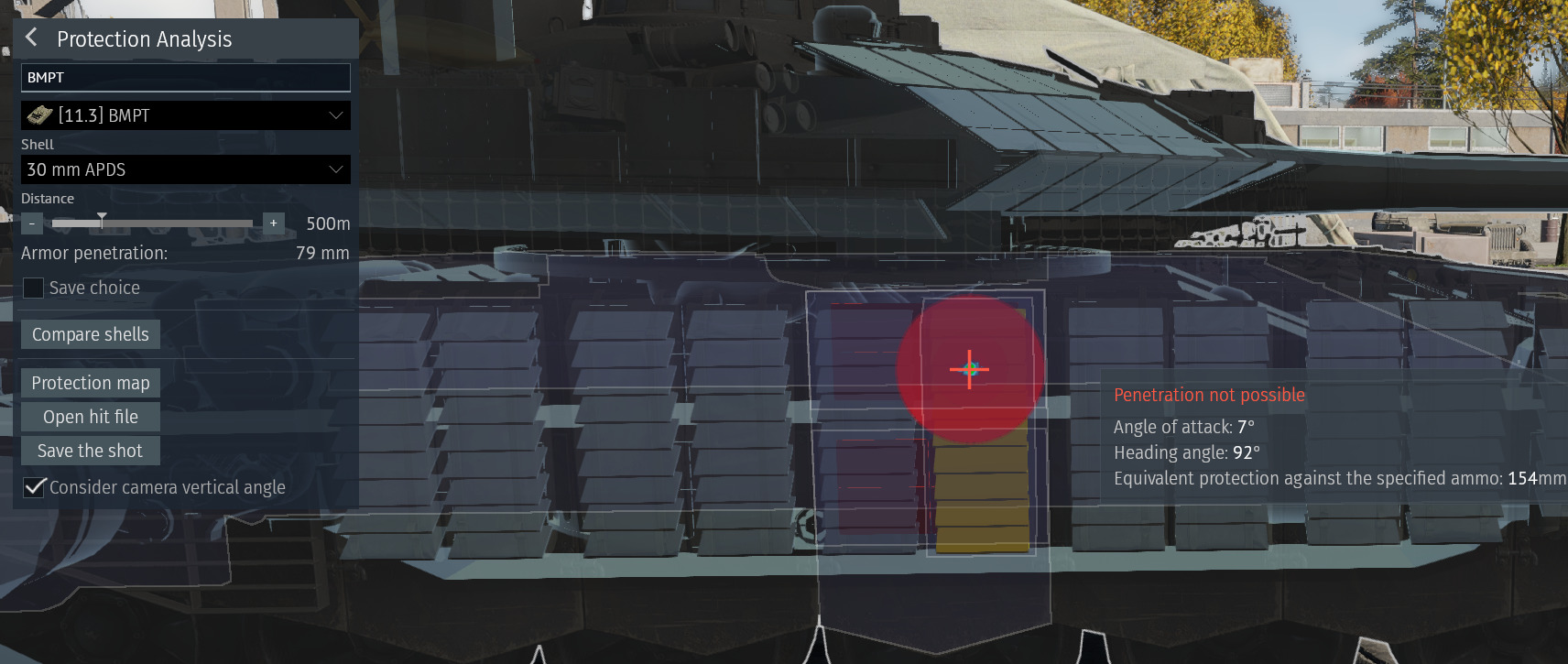
Why small caliber shells completely oneshot entire ERA section on Oplot but only damages Relict.


Why Oplot is the only moder Soviet style MBT that got accurate gun handling, while we know as a fact that T72B3/80BVM/90M should all have about the same gun handling. Community Bug Reporting System

I don’t know. But what does it matter if the side impact in the game is equivalent to what it was in testing?

If there’s a destabilizing effect, then the ERA protection needs to be reduced.

The Relic has an 11 (a 12mm plate that protects the module from damage). The side-mounted duplet does not.

How exactly it prevents an 82mm pen APDS from penetrating it? Which it does by the way(penetrates).

Reducing penetration reduces projectile damage. That might be the issue.

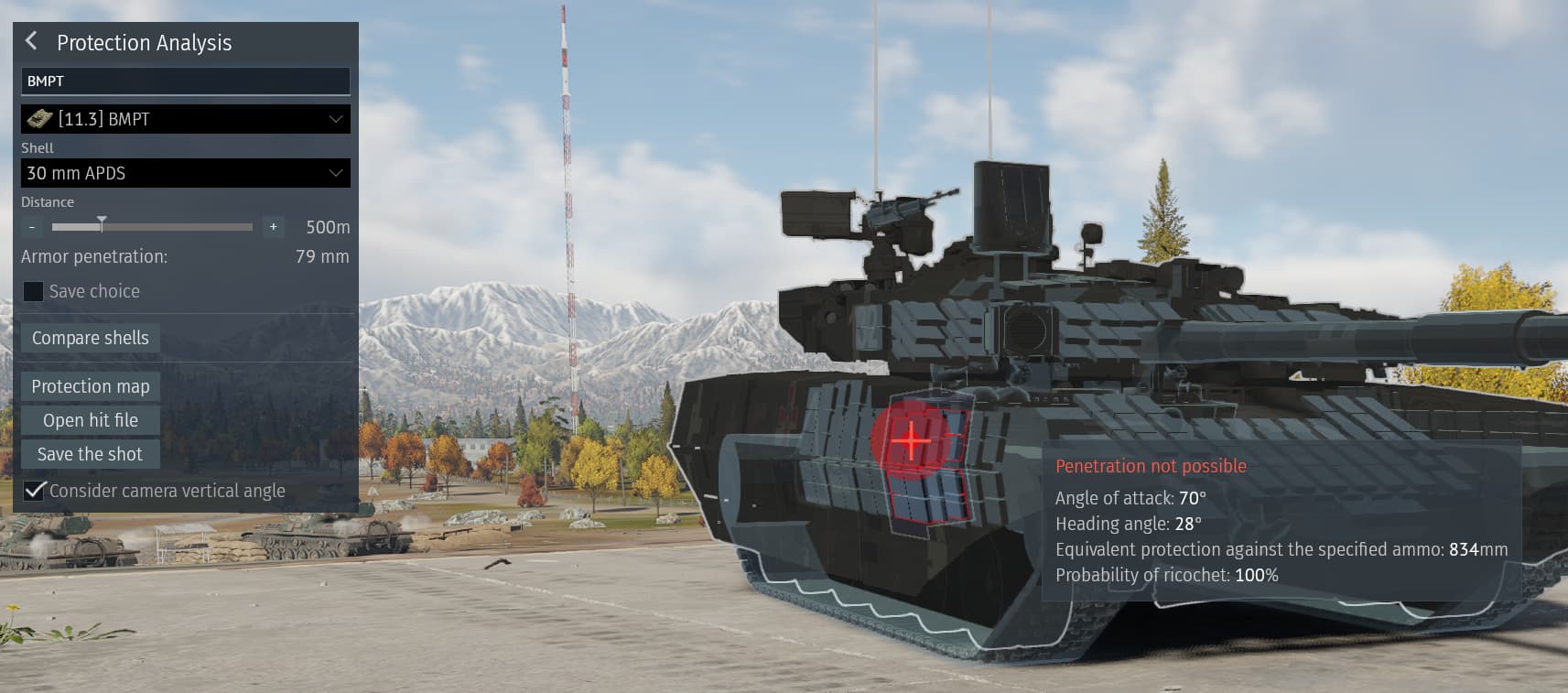
Duplet on the sides is protected by 5mm HHRA so roughtly half the thickness of Relict protection, lets exagerate and shoot at Duplet at an extreme angle so that effective protection is far grater than 11mm HHRA and reducing damage even more than in the case of Relict

As you can see reduced damage is not the issue.

I’ve shot rounds in the simulation at the same angle of attack and same round and saw that relikt consistently destabilizes apfsds darts like the bta4, kontakt 5 also does well. Duplet does not destabilize to the same effect. It yaws much less for the duplet. I think this could be a bug.