If a fire or explosion were to occur with an open / pierced ammo bulkhead… there would be a devastating problem for the crew.
1 Like
Sure, but what is going to explode; in the bustle rack? As I’ve established; neither the propellant nor Warhead of M456 or M830 are liable to sympathetically explode.
Again, the Bulkhead, and Ammo door is not the only measure in place to prevent a fire from immediately reaching the fighting compartment of the M1, it is going to primarily be vented in a safe (for the crew) direction. And IRL provide time for the crew to take subsequent steps to asses the situation and evacuate as required.
it would certainly “M-Kill”, a Tank (so would a round to the gun tube or Driving Sprocket for that matter) but I wouldn’t say that the Hull would always be a complete write-off or could not eventually be returned to service, with the damaged module(s) replaced.
Omnidirectional means all directions. There’s no such thing as 8 out of the 4 directions? Do you have any idea what you are talking about?
Do you have any actual arguments? Your previous argument said that the BVM’s shell isn’t good because sometimes when you shoot “it screws you”. You should spend your time giving real arguments instead of posting fake stats my guy. Our K/D ratio is 0.05 apart from each other in ground, almost identical.
No, all thermals are not modelled the same in game.
So you agree with me that your argument of all tanks in a lineup being upgraded is ridiculous? Are you here to discuss a veichle or argue against yourself?
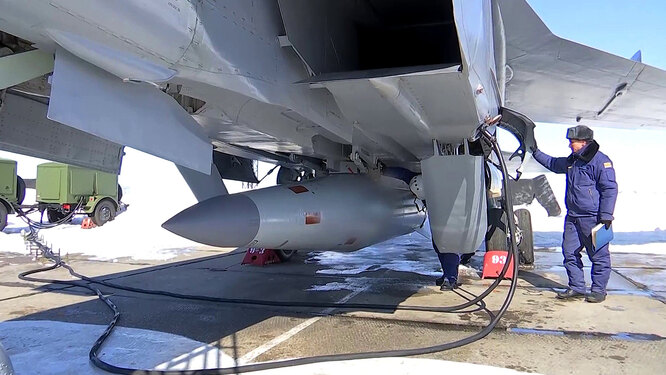
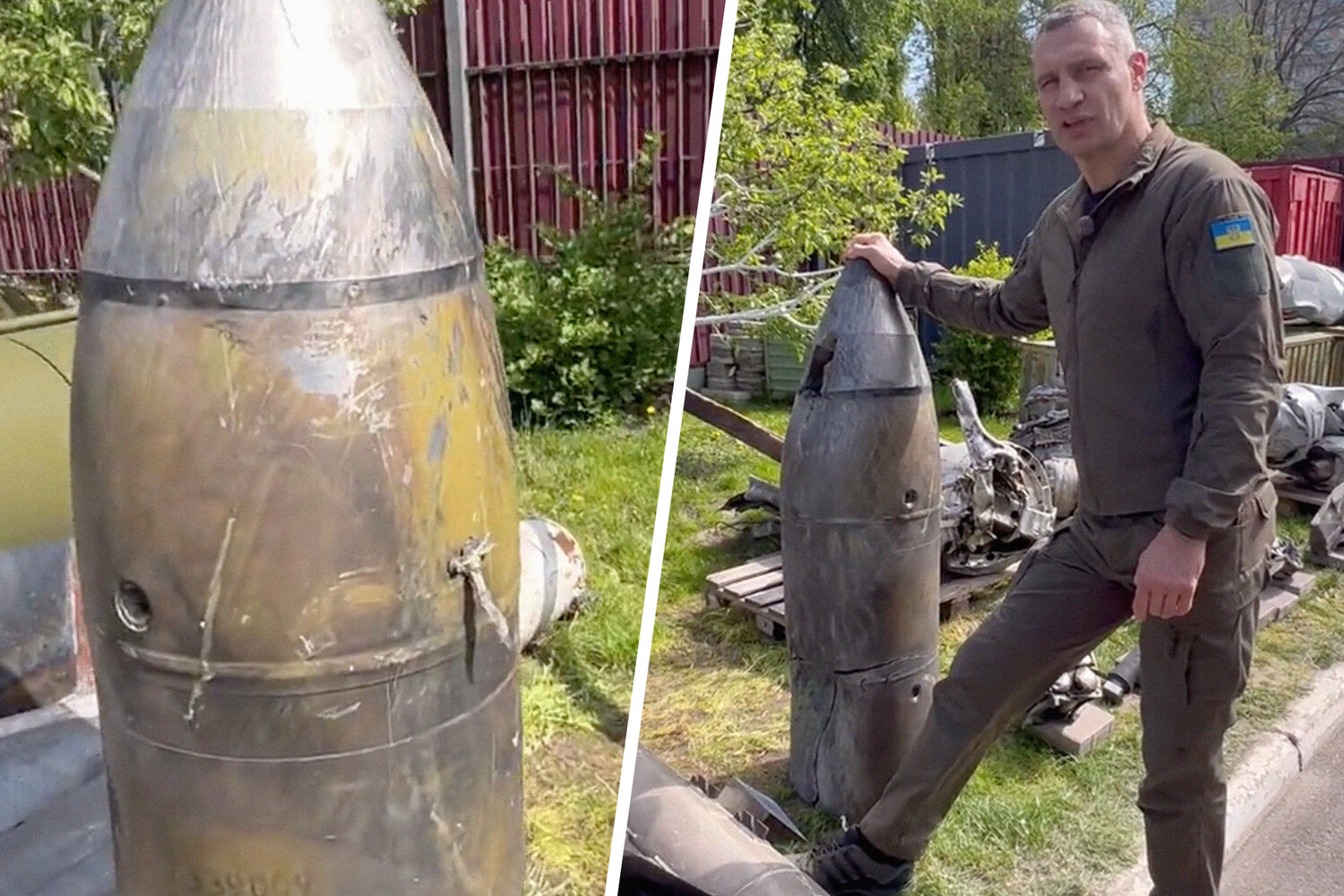
it actually looks a lot like the picture of kinzhal you posted, at least when you consider that the front part is actually a windscreen to help with aerodynamics at lower speeds which you can see where it attaches on the shot down one
Which is not a steel cap and still quite wider than a what ever that has been shotdown.
2 Likes
No, I agree that I have much higher skill than you, and require less of a crutch of expert crews.
Which you failed to mention an ace crews gives advantages over any ace crew T series tank
1 Like
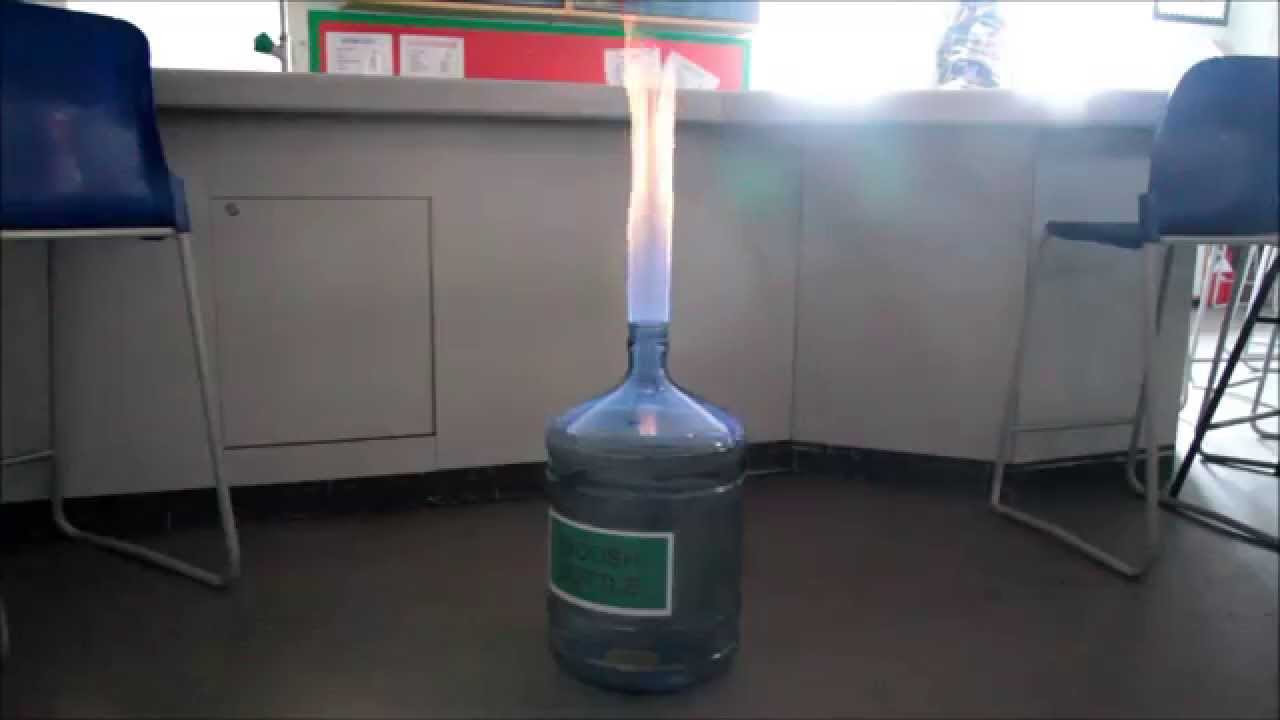
Somehow I doubt a reaction would be this slow. But it in not guaranteed to not catch fire from the article you mentioned earlier.
1 Like
you clearly dont know how ballistic missiles work
because the motor does not stay connected to the warhead in the terminal phase
You do get that in the provided video the Fuel (alcohol vapors) is mixed into the air, and is effectively a gas. And that it might have some influence on the rate of reaction.
It be closer to trying to set woodchips on fire.
you clearly dont understand how insensitive munitions work
Kinzhal missile that reaches hypersonic closer to the terminal stage ?
2 Likes
yes?
the main motor detaches once it burns out, there might be a smaller one but given the size of the final stage and warhead I doubt it
There might be or there is ? I don’t see any indication of a secondary engine and no any other sets of fins
I doubt that there is, or if there is it is not too significant
some ballistic missiles might but in this case probably not
again, its a ballistic missile
Scarab B detaches it’s engine when its about to explode like seconds before it’s explodes
Yes, but the principal I’m getting at is the same.
Sure, but its nowhere near as violent as you are implying.
Only way to find out is a test
and?
most ballistic missiles separate well before that point