(Part 1)
For part 2, See: (Part 2)
I shall be making a case against gaijin’s interpretation of Laser based DIRCM systems being able to decoy/confuse/misleading Imaging IR seekers present on many modern and cold-war-esque weapons, be they Air-to-Air (AAMs), Air-to-Ground (AGMs) or Surface-to-Air (SAMs).
History of IR guided munitions and IR countermeasures
Before the advent of international usage of IIR seekers for automatically guided munitions, most weapons that relied on passive automatic guidance utilised the emitted Infrared radiation from their relevant targets to guide themselves into them, thereby confirming the impact and allowing the payload, either Kinetic or Chemical, to be utlised to damage and or destroy the target.
The advent of flares
In response to such weapons, defensive capabilities of the to be targets were upgraded in order to increase the odds of survivability in combat. One of the first countermeasures was the decoy infrared radiation emitter. Also known as flares, these packets of chemicals burned bright to the naked eye, but to an Infrared sensor, they appeared even brighter. Flares were improved throughout their usage in order to contribute more and more of their chemical energy to emit more into the IR wavelengths than the visible wavelengths.
Infrared Counter Counter measures
Missile seekers were improved, incorporating flare rejection technologies, both in hardware, in the form on FOV restriction/gatewidth, and software in the form of comparators, anglular-velocity gates, and algorithms designed to ignore flares and temporarily provide guidance commands based on inertial navigation systems. Obviously I am simplifying this a lot for the sake of conciseness. You can read further online or from here.
Some militaries and companies have experimented with Spatial/multi-spectral flares as well. These flares, aside from appearing extremely bright in the IR spectrum, also appear quite large to an IR seeker.
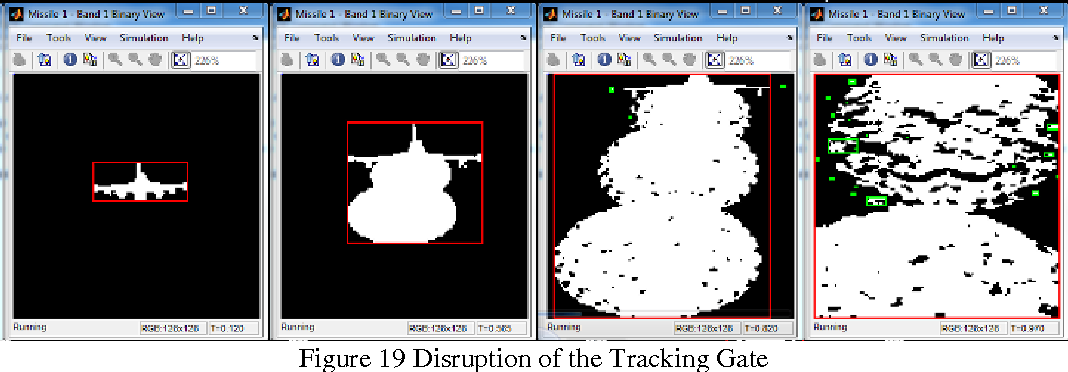
However, this seems to be a relatively minor improvement as to counter this, “Push-ahead” and INS guidance can be used. Not to mention that Spatial/multi-spectral Flares are only effective in their stated usage if the missile is behind the aircraft, or more specifically, if the Flares are deployed in between the aircraft and the missile.
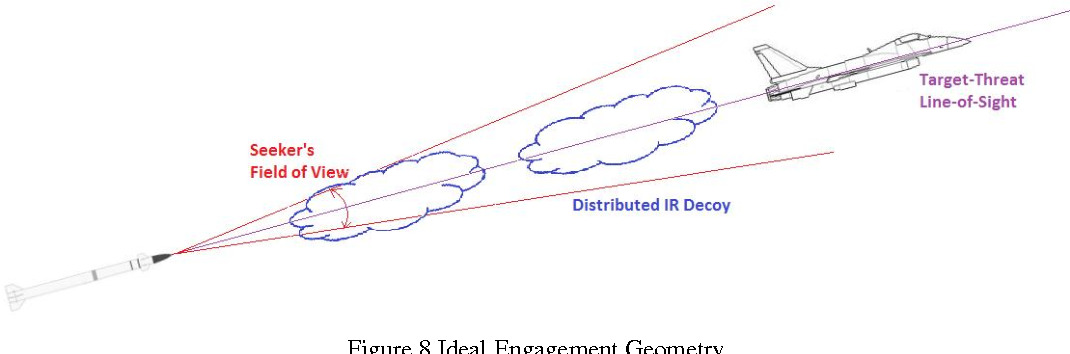
Hence, any missiles coming from side, front, above or below would not really be affected by Spatial/multi-spectral flare technology.
Imaging Infrared Seekers
However with the introduction of imaging Infrared seekers, this game has changed. Imagine a TV seeker, which sees more than a simple bright spot in its FOV. IIR seekers have much more resolution and come with complex scanning and tracking algorithms.
A second feature that IIR seekers have is the ability to switch between IR sensors and TV (day) sensors. This allows them to either transmit their input data to the operator in whichever format is more suitable for the time.
Among the first weapons to utilise IIR guidance was the PARS 3 LR (or PanzerAbwehrRaketensysteme 3 (long range)) (anti tank rocket system 3). It was an ambitious project started by Germany, France and Britiain to develop and field their next generation of anti tank weapons, replacing the older HOT, TOW and Milan systems.
Below is some seeker footge from the PARS 3 Tests taken drectly from MBDA’s YT channel.
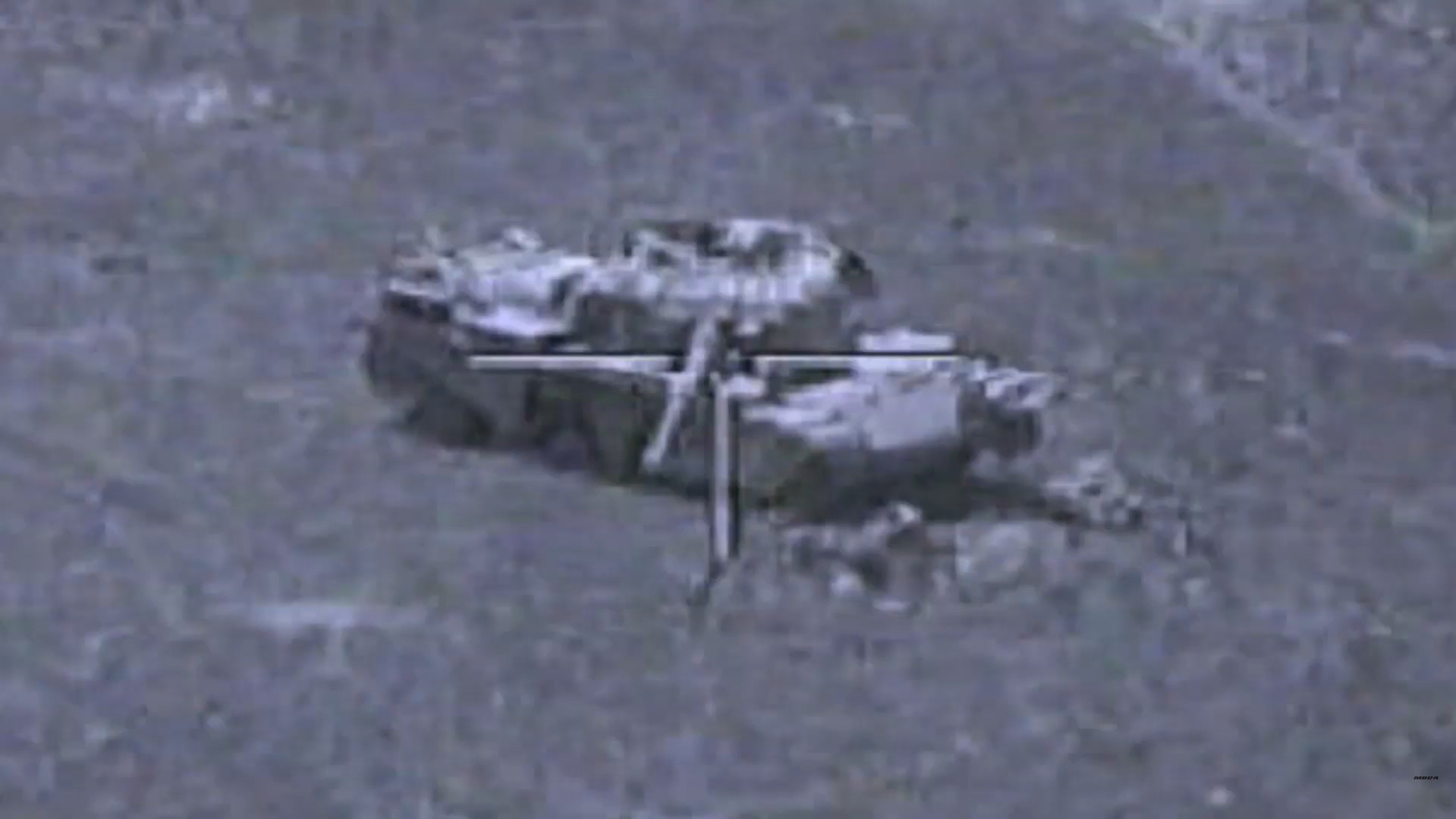
In the above screenshot taken from the clip, we can see the seekers crosshairs locked onto a target tank, in this case an old Centurion.
Judging by the lack of IR hotspots and comparison with the Osiris mast mounted sensor on the UH Tiger (used to aim and direct the PARS’s IIR seeker)
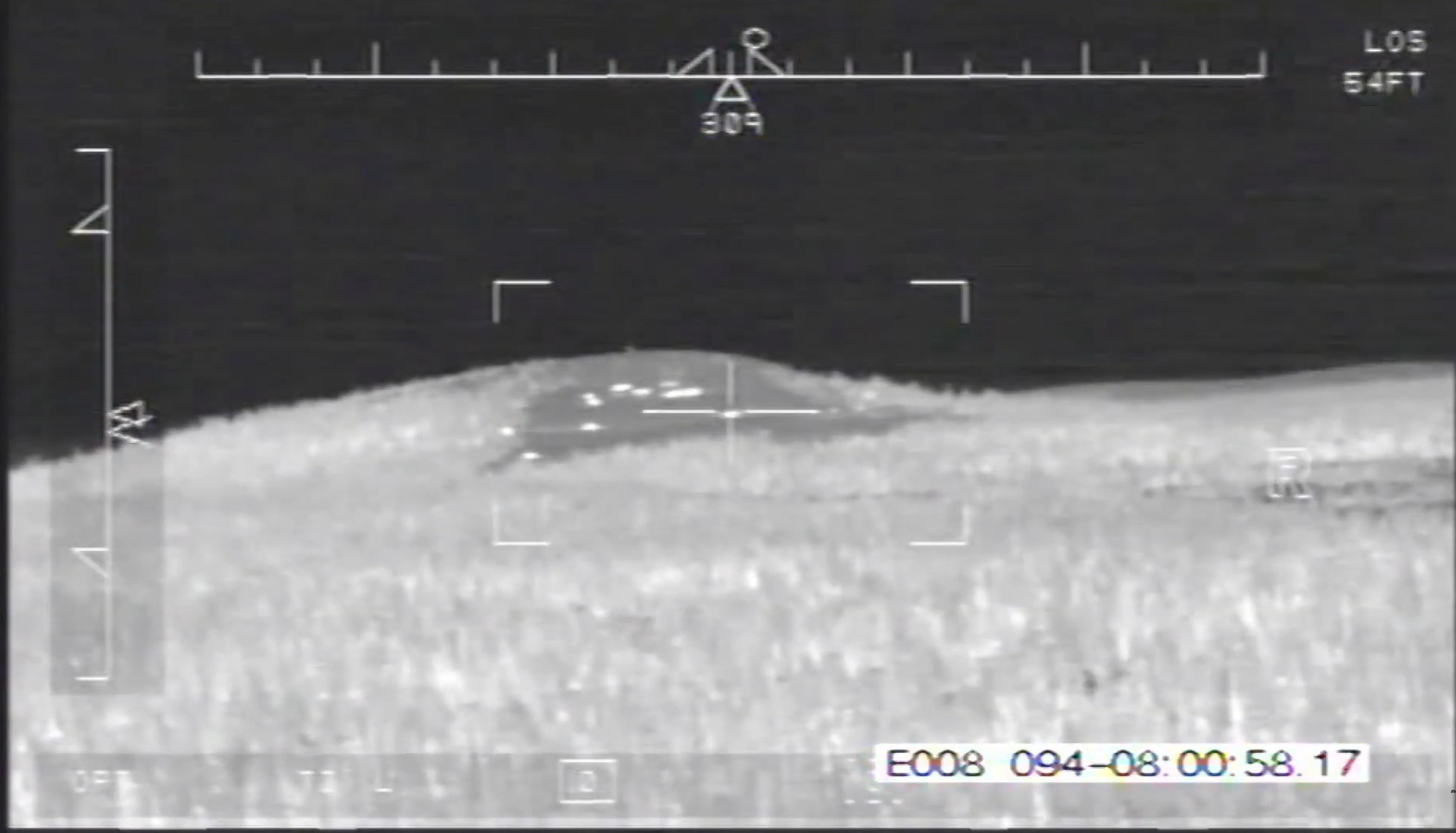
We realise that the PARS 3 LR, aside from its stated IIR guidance capability, also had a TV sensor, either seperate or combined into the IIR sensor package.
Keeping in mind the following:
- TV sensors operate by detecting electromagnetic raditation from the visual wavelengths/spectrum i.e. Visible Light. They are unable to detect Infrared radiation
- An Infrared countermeasure system emits radiation in the, obviously, infrared wavelengths. Some, like the Shtora and Varta, emit low amounts in the visible red wavelengths as well.
Thus, it stands to reason that a laser based IRCM or Directed IRCM would be useless against a TV seeker. And Gaijin understand this. This is why TV guided AGM-65s, Photocontrast Strela-10, Kh-29T and other such missiles can sucessfully target and destroy vehicles mounted with Laser based Directed IRCM systems.
Putting aside PARS for the moment, the Spike ATGM family also features IIR seekers. According to the product brochures from Rafael and Eurospike, the Spike also features a TV sensor.

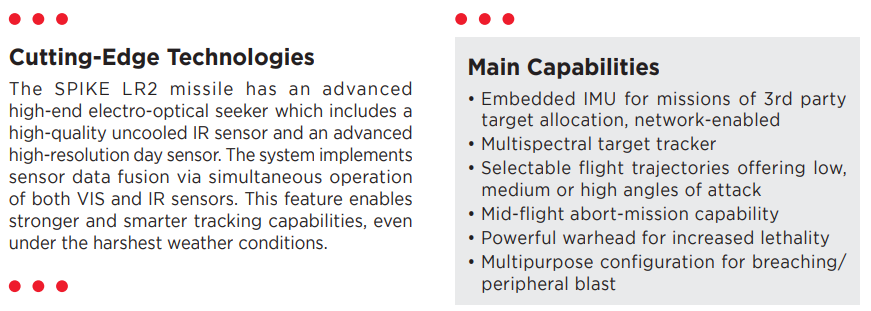
It stands to reason that while operating in TV mode, the Spike/Eurospike/MELLS should not be decoyed by any form of IR countermeasures, be they laser based or not. someone thinks differently
Moving onto the anticipated section of this post:
Surface to Air Missile LDIRCCM
Standard IR guided SAMs are sucseptible to both flares, DIRCM and Laser DIRCM. That is why Imaging IR sensors were incorporated into missiles.
The IIR sensors view a different image as compared to IR sensors. They are able to make out details of the target including wingspan, tail height and other physical features of targets.
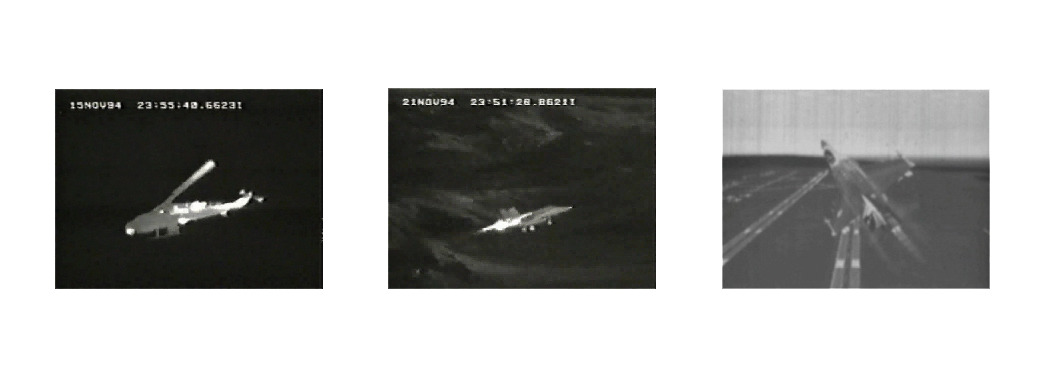
Decoying such seekers is very difficult, maybe even impossible in certain scenarios. Especially when such a seeker is paired with other fallback guidance systems such as INS, Datalink and GPS.
As stated in a paper titled: Requirements for laser countermeasures against imaging seekers
by William D. Caplan
Short introduction to Mr. Caplan
NIRCM, Theresiastraat 279, 2593 AK, The Hague, Netherlands, www.nircm.com
William Caplan is an IR and electro-optic systems engineer with broad scientific and engineering experience in weapon systems, sensors, and IR countermeasures in the United States and Europe. He is a consultant on IR countermeasures and DIRCM effectiveness, especially for large multi-engine aircraft.
The latest generation of IR seekers use imaging technology that discriminates the target position in an essentially different manner. This class of seeker is not susceptible to DIRCM jamming
Before continuing further it is only fair that I write a few words about LDIRCM.
Laser DIRCM systems claim to beable to decoy incoming IR missiles by utilising a sensor package that, initially detects the threat, its direction, speed and other data, transmits this info to the self-defense sub-system, which commands the Laser generator to emit the IR laser which is then reflected by a rotatable turret module, dazzling the incoming missiles seeker, directly shining the laser into it.
A normal IR seeker could possibly be blinded, or more accurately, dazzled by such a system (excluding systems possessing “push-ahead” and IRCM ignoring algorithms like INS fallback etc), but IIR seekers can guide themselves into such a source of IR radiation.
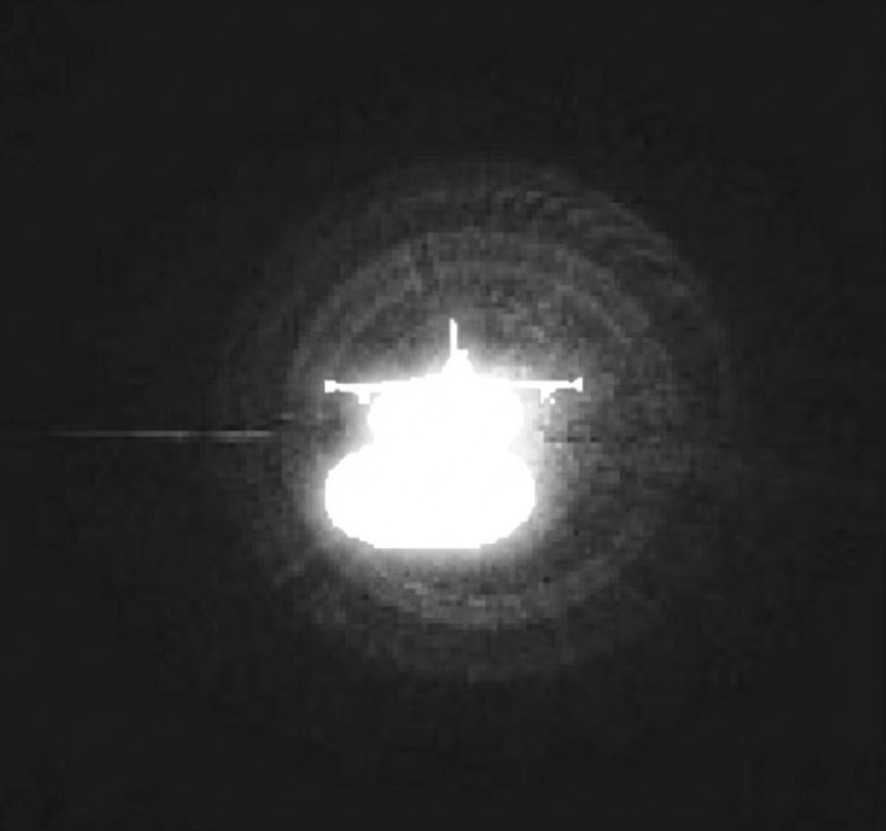
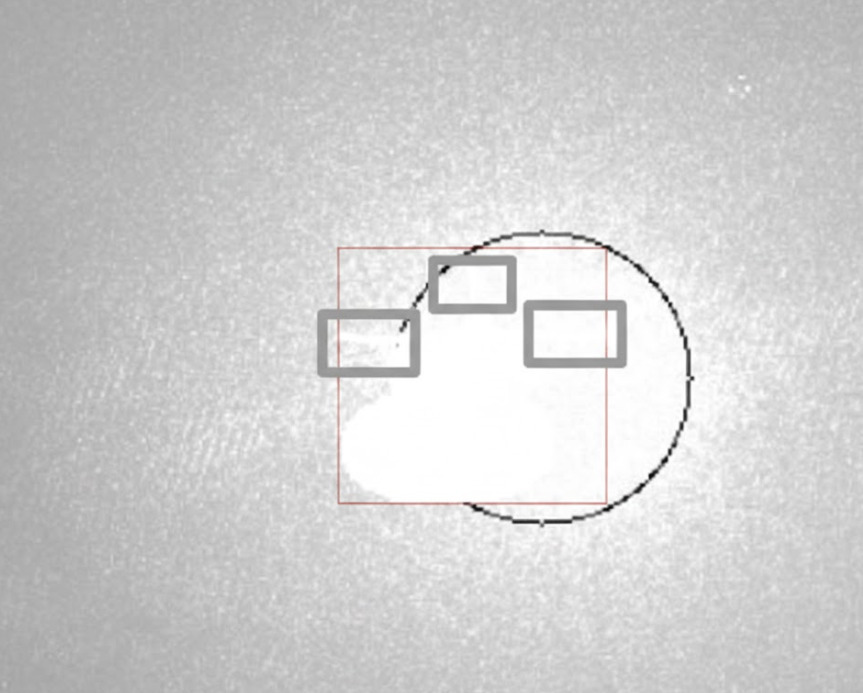
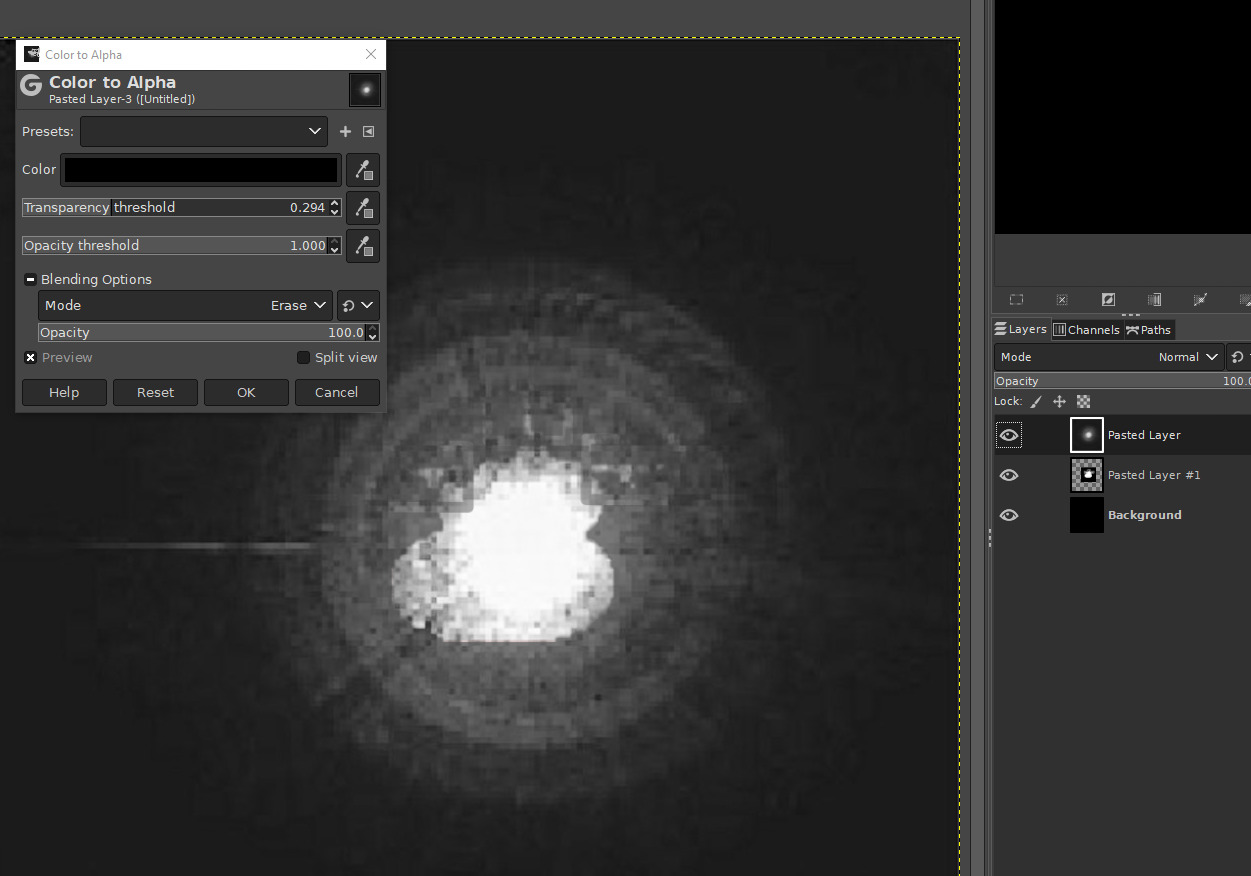
Lasers emit radiation in the form of a gradient.
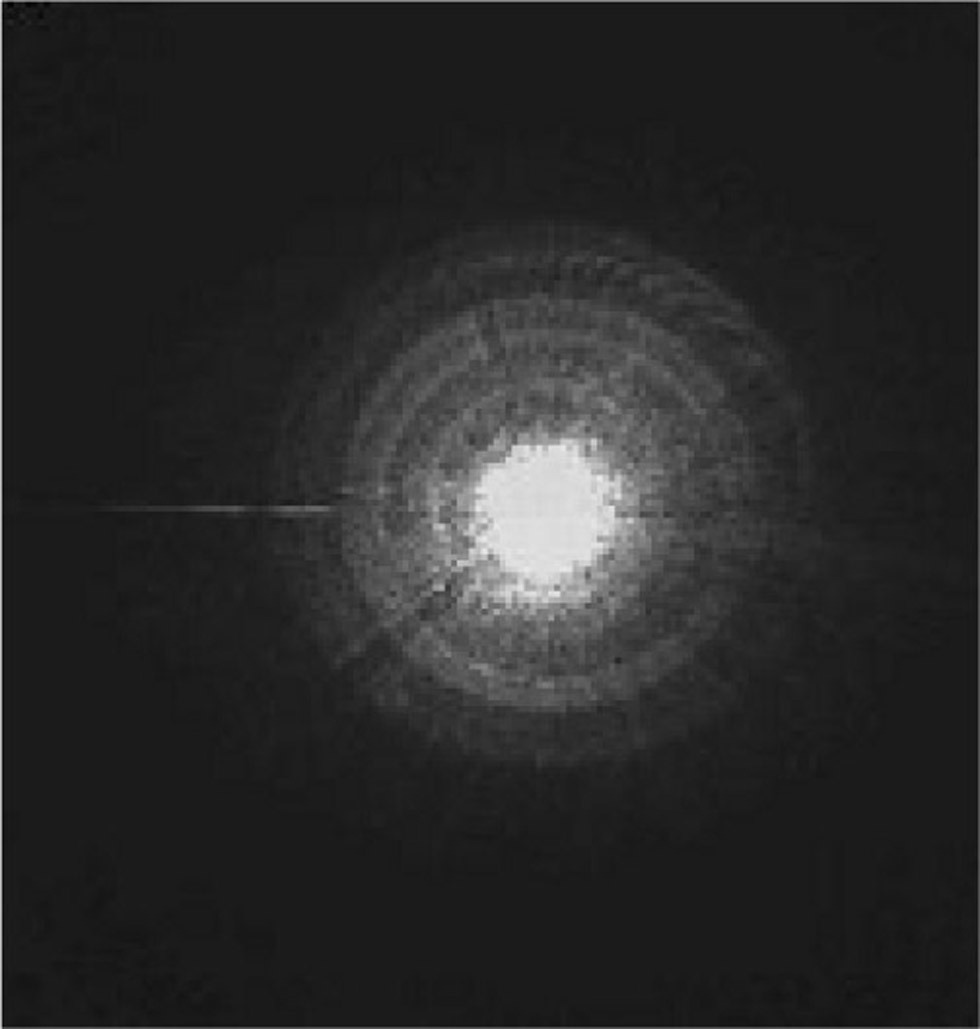
To an IIR seeker, this is just like a flare or a big “I AM HERE!!!” sign. Even if an IIR seeker does not have any CM rejection algorithms, this dazzling effect on the seeker cannot decoy it.
In order to destroy an IIR seeker, a much stronger laser emitter is required. In the above example, the laser is with a 10μW/cm2 irradiance. Even then, the beam energy at the center is close but not at the limit to which it would start to destroy the FPA (focal plane array). This is not including the laser intensity drop off with increase in atmospheric disturbances, weather etc.
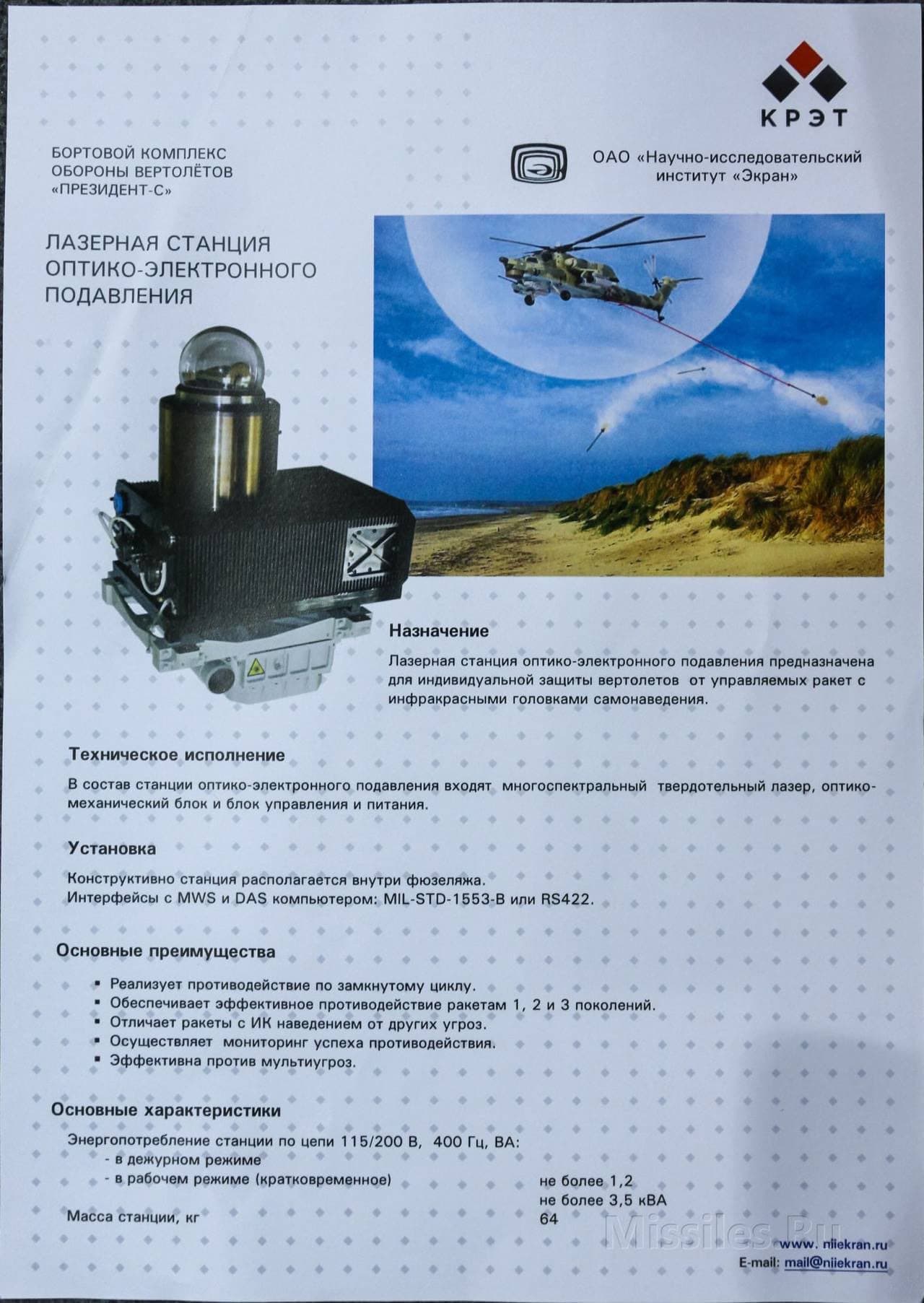
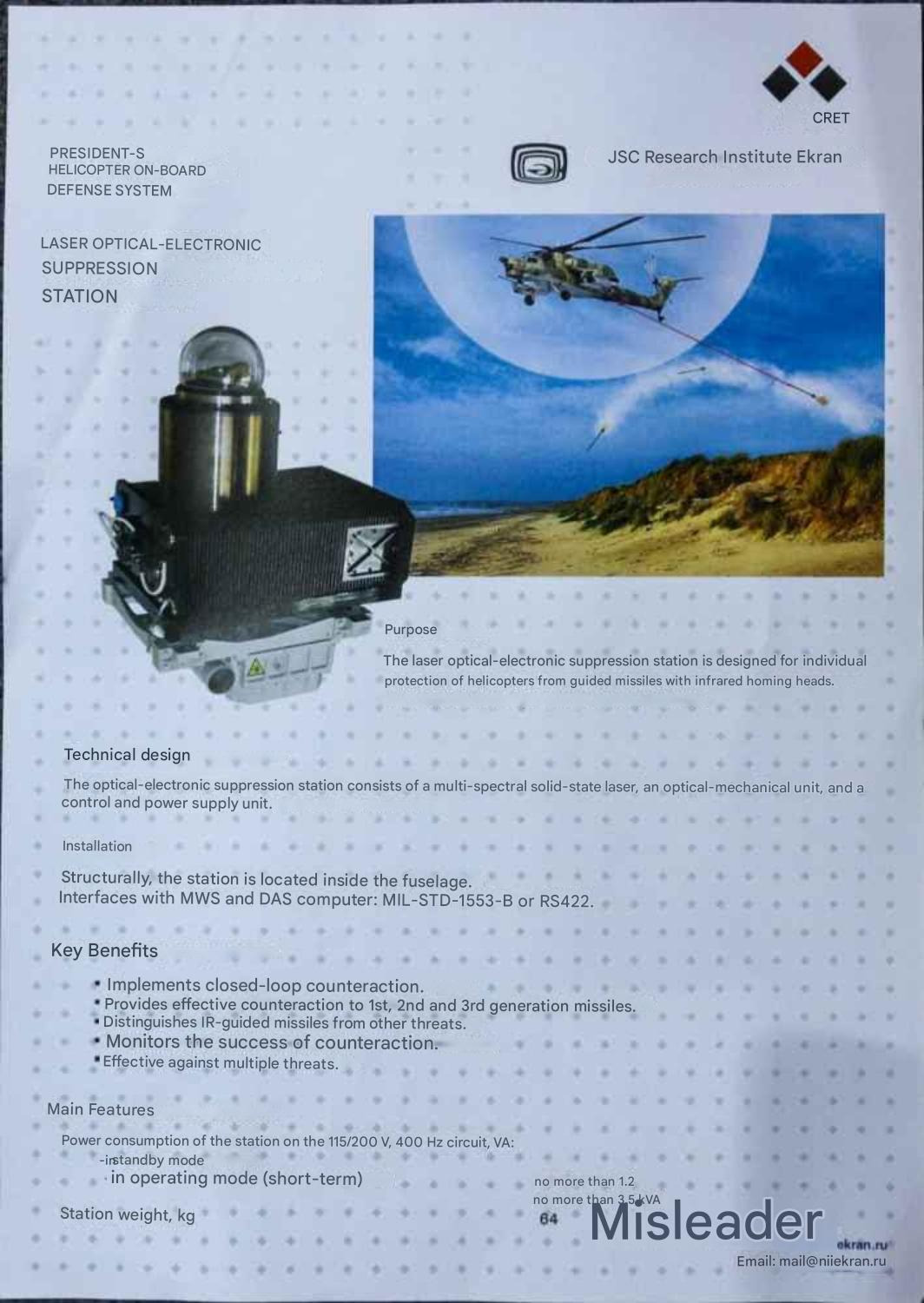
LDIRCM systems such as the President-S mounted on the Mi-28NM, or the LDIRCM on the Z-10 and AH-64E Apache helicopters do not posses enough power to destroy the seekers, only to dazzle them.
Home-on-Jam
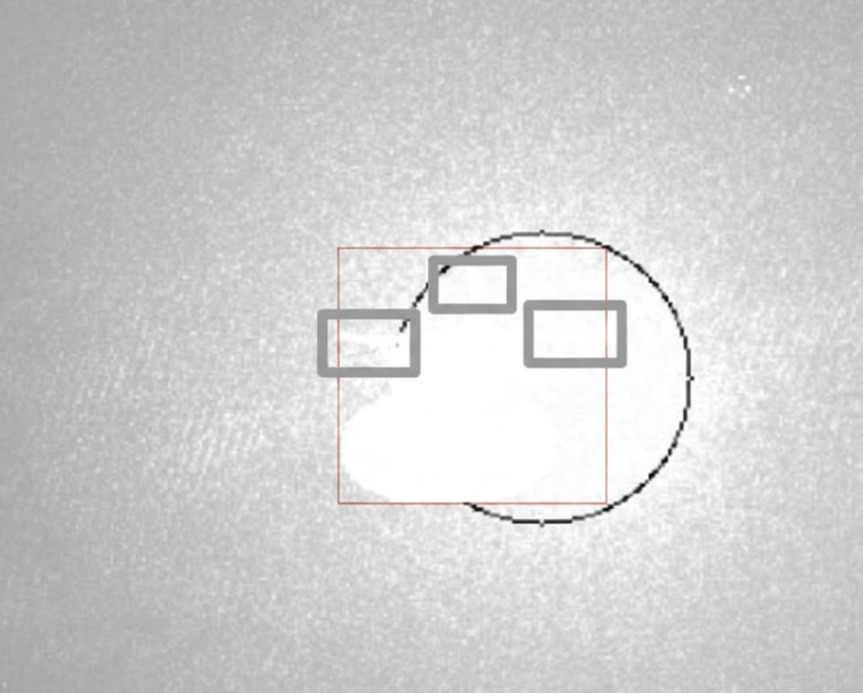
As displayed above, dazzling does not work unless the entirity of the seeker is dazzled. This introduces another countermeasure to LDIRCM. Home-on-Jam (HoJ). This algorithm, commonly associated with radar seekers, works by keeping the source of the jamming emissions in the center of the seeker and guiding the missile directly into it.
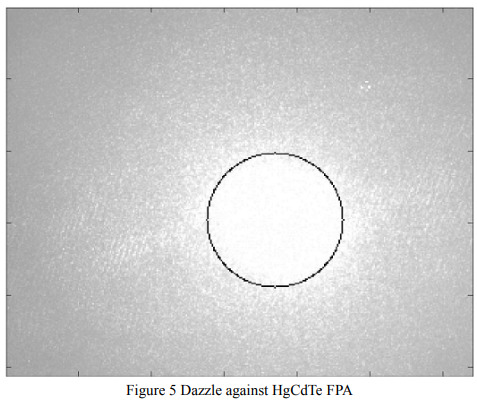
This method/Algorithm is, however a last resort since it reduces the effective kinetic range of the missile because it replaces its intercept trajectory with a chase trajectory. Thus it is mostly only effective against slower and closer targets.
Feature tracking
Feature tracking is another algorithm that allows IIR guided missiles to keep tracking their targets under heavy IRCMs.
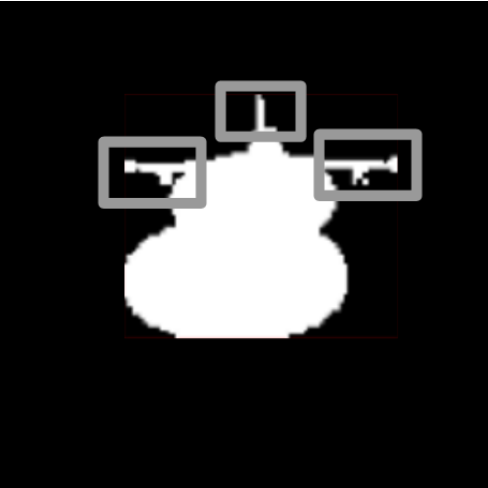
The paper concludes the following:
The first section of this paper illustrated the capability of an imaging seeker to track as long as any target feature is detected, even in the presence of a large area masked by a jamming laser. The second section showed that the laser jamming signal does not saturate all of the focal plane and therefore the jammer (and target) location is still detectable, even when there is sufficient jamming energy to cause damage to the focal plane. It seems that the future countermeasures for imaging seekers are more like a DEW (Directed Energy Weapon) than a jammer, and such technology will soon be within reach. Until DEW are used, the data shown above leads to the conclusion that simple laser jamming or dazzle will not be effective against imaging seekers.
At this point, I believe there is undeniable proof that Imaging InfraRed seeker posses the ability to maintain target tracking despite the prescence on LDIRCM on the target vehicle.
This is on TOP of the brochure of the President-S claiming decoying capability only against 1st upto 3rd generation of missiles.
While generation classification is a subjective standard, it is more or less commonly agreed that 4th and 5th generation missiles utilise IIR guidance as compared to standard IR seekers.
Sources
- https://www.researchgate.net/publication/237219207_Laser_dazzling_of_infrared_focal_plane_array_cameras
- https://www.researchgate.net/publication/287367727_IR_imaging_seekers_may_be_very_resistant_to_laser_jamming
- https://www.researchgate.net/publication/284156197_Requirements_for_laser_countermeasures_against_imaging_seekers
- https://www.spiedigitallibrary.org/conference-proceedings-of-spie/12739/2679824/The-effect-of-laser-irradiation-on-contrast-and-image-quality/10.1117/12.2679824.full
- https://www.spiedigitallibrary.org/conference-proceedings-of-spie/13201/3031374/Non-linear-laser-dazzling-an-off-band-filtered-mid-infrared/10.1117/12.3031374.full
- https://www.nircm.com
- [PDF] Expendable Countermeasure Effectiveness against Imaging Infrared Guided Threats | Semantic Scholar
- https://eurospike.com/wp-content/uploads/SPIKE-LR2-Brozur_V1.pdf
- https://www.rafael.co.il/wp-content/uploads/2024/03/SPIKE-LR2-002.pdf
- https://www.rafael.co.il/family/eo-atgm-guided-missiles-spike-family/
- https://www.spie.org/news/5614-ir-imaging-seekers-may-be-very-resistant-to-laser-jamming
- https://www.sciencedirect.com/science/article/abs/pii/S1350449524002329
- Missile Seeker Testing - Santa Barbara Infrared, Inc.
- Mi-28NM LDIRCM brochure (President-S system)