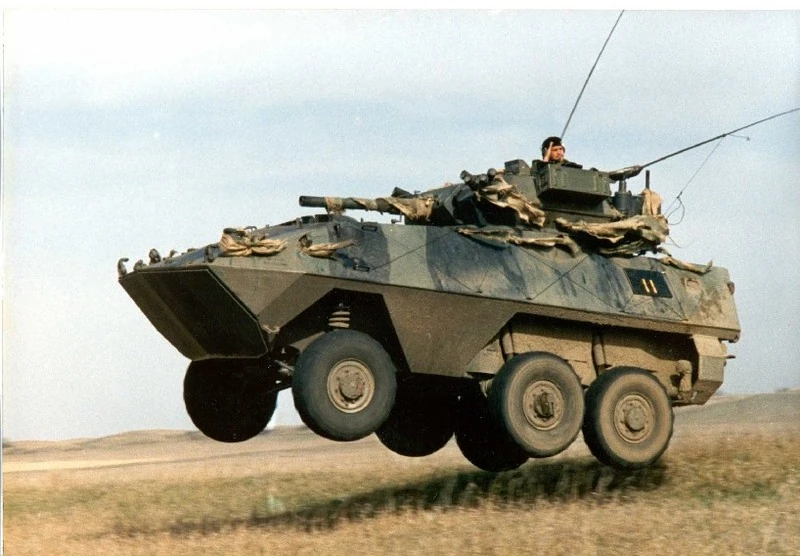
Because they were built by GDLS-C(not GDLS(US), but General Dynamics Land Systems Canada), and they were exported to Saudi Arabia due to a deal with the Canadian government, (ex. this model technically has Government involvement).
The US, just like all other non-US LAVs, has no claim on it. The US-operated LAVs and tested prototypes are more than enough LAVs, as it has well over 10 variants, and that does not bring up all the other domestic US equipment the US has, which gives it no need to do something it’s only related to by loose proxy.
If it was built by a known branch, subsidiary, etc. of another nation, it falls under the nation the branch is located in, as long as it has yet to have a proper operator.
So something built by:
General Dynamics - US vehicle
General Dynamics UK - British vehicle.
General Dynamics Land Systems – Canada - Canadian vehicle
etc.
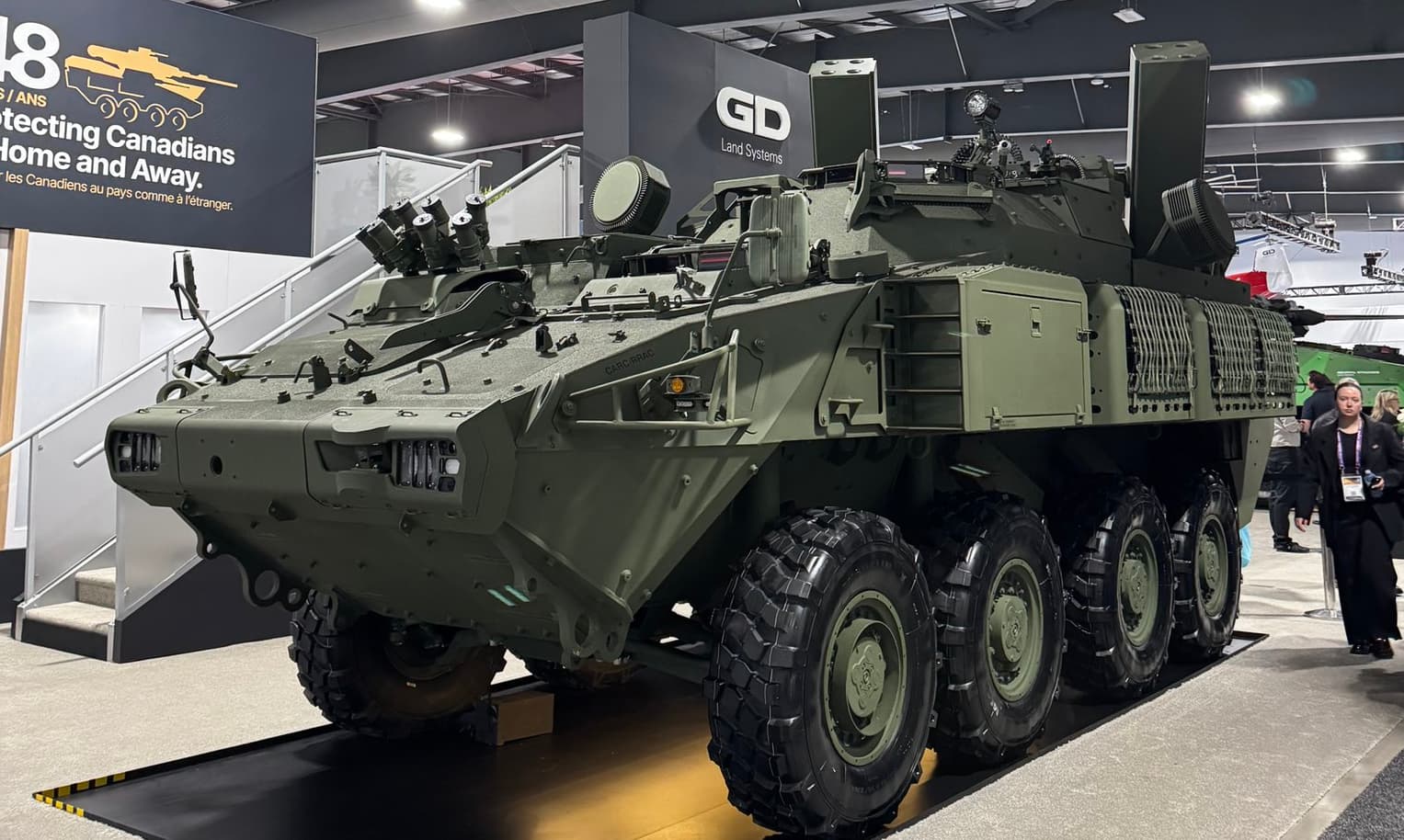
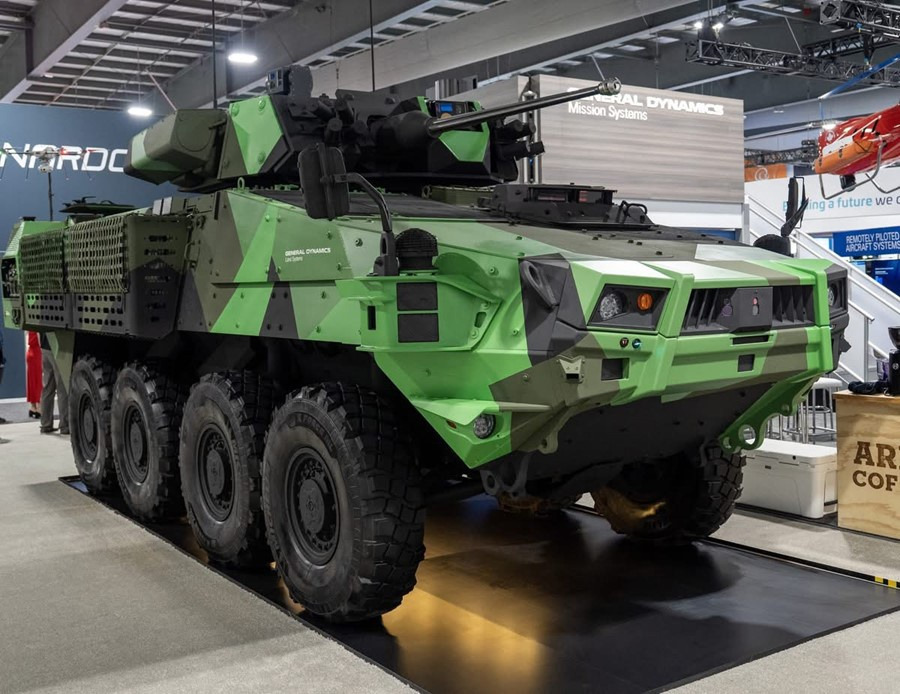
For a further example, these two showed up last year, being shown off by GDLS-C, the LAV-6 SHORAD and LAV-6 Mk II and as long as they don’t have an operator nation, they are Canadian vehicles(and would be suggested under Canada).
Right, so LAV-25 (and its variants), LAV-AG, LAV-AT, and LAV-ATM. BAE systems is a British company, yet that doesn’t mean the British get all the Bradley’s. If the US had no connection to it (through operation, or testing) then it has no reason to get it. Ownership of a company is simply too much, what’s to stop us from saying certain nations shouldn’t get certain vehicles because the metal they used wasn’t theirs?
Bradleys were made by United Defence, which was acquired by BAE Inc. (BAE US), which has a special agreement that makes it more distinct from BAE UK than GDLS/GLDS-C. Most of what BAE Inc. makes is developments from the American companies its made of, like their American EW business and Lockheed Martin Sanders
we didnt operate the F-14AM or test it with its Iranian modifications, but it still went to the US since thats the right place for it
This is decision making you have to take up with Gaijin.
Not all Bradley’s were. BAE acquired United Defense in 2004 I believe, which would mean anything after the M3A3 or M2A3 would be in the British TT. Besides, Bradley’s were still produced after the acquisition by BAE, but I think we can agree that going the lengths to figure out what model was produced what year under what company would be excessive for proper placement of a vehicle. Bradley’s were never operated by Britain, so Britain doesn’t get them. The LAV 6 chassis, was never used by the US or even produced by them, so any vehicle using the LAV 6 chassis, will not go to US.
I’m not entirely sure what you’re trying to say here, but you sort of prove my point. A US subsidiary of BAE produced the Bradley, so the US gets the Bradley. GLDS-C (the Canadian subsidiary of GLDS) produces the LAV 6 Chassis, so any vehicle based on the LAV 6, will only go to Canada (so long as it wasn’t operated by anyone else, specifically the US, since they didn’t).
Anyways, here are some more funky/interesting LAVs I found.
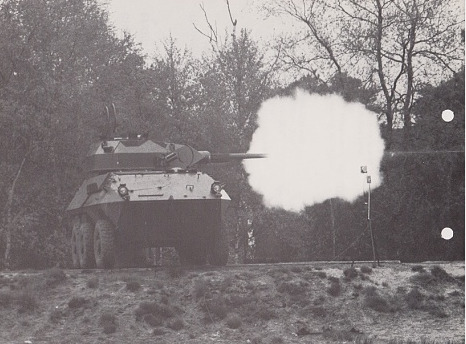
Cougar WFSV, I can find little on this vehicle, including a better photo. Is said to have a 90mm Cockrill Mk. 1; sadly, can’t confirm much of anything about this vehicle.
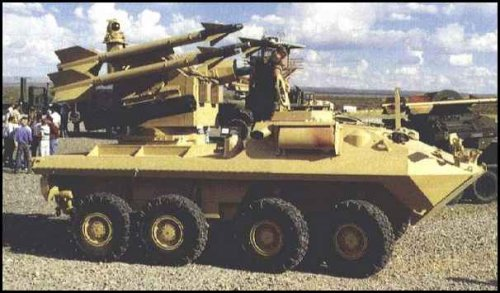
LAV Roadrunner/LAV Chapfire/CCSLEP. This vehicle also has very little on it, seem to be a project to keep the Chaparral turret alive. It’s got a Canadian-style name, which is interesting.
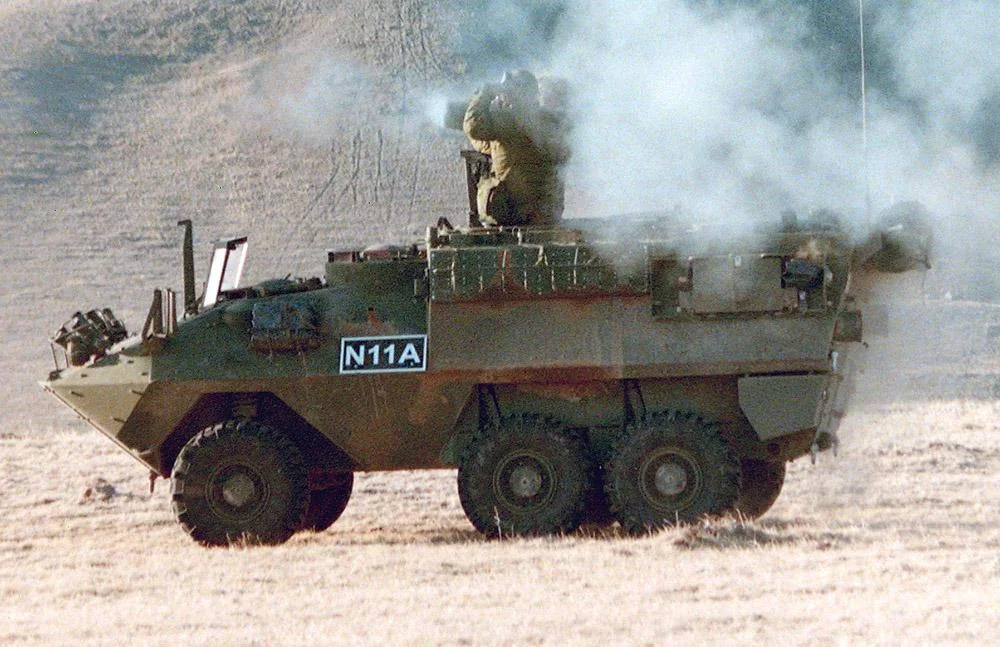
AVGP Wolvarine, some might know this from War Game: Red Dragon; however, info on the real deal is scarce to the point we might not even be able to call it real.
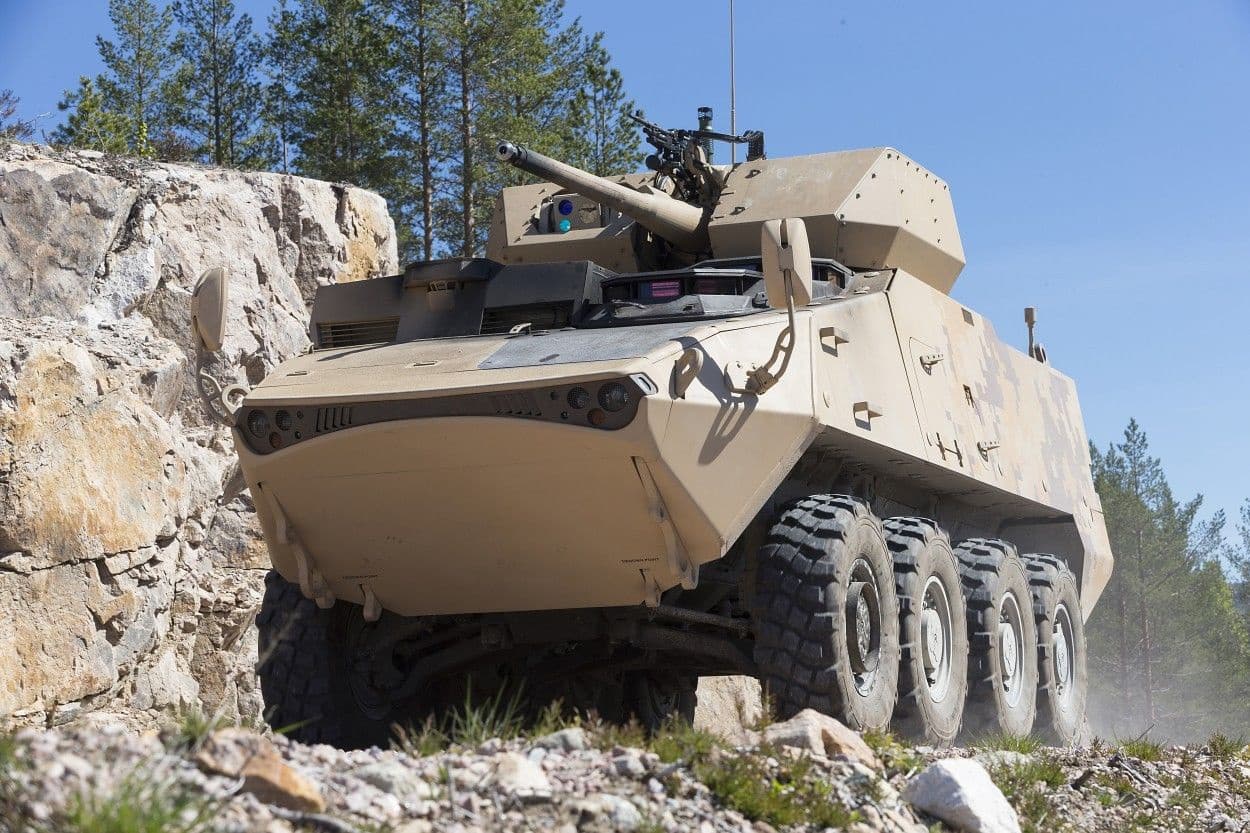
2014 Eurosatory Demonstrator, well, I have nothing to confirm or deny this, I do believe this vehicle is related to the LAV-700s at some point in development. I have also seen it called: “LAV 6.0 IFV (30)” likely do to the turret.