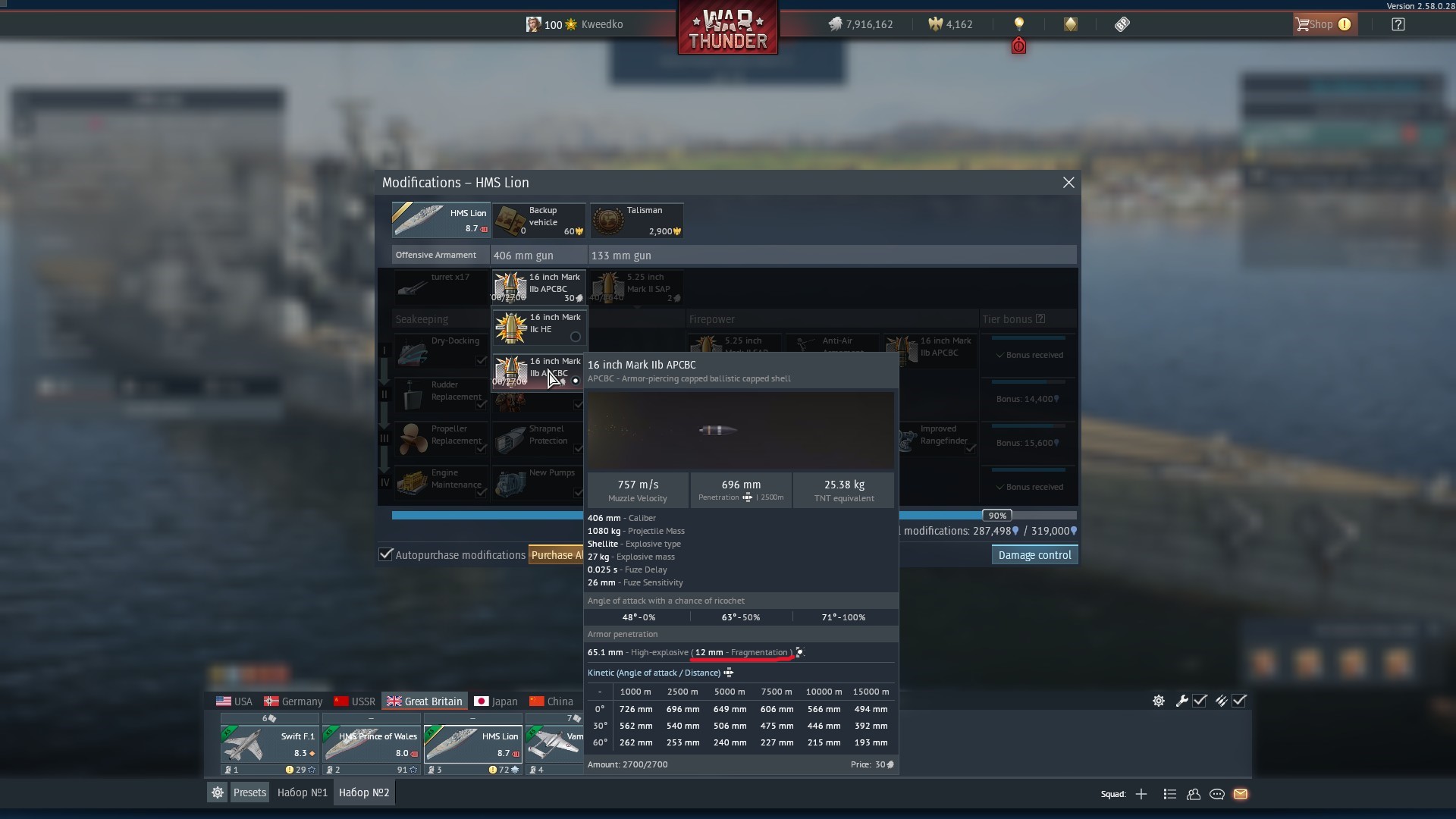
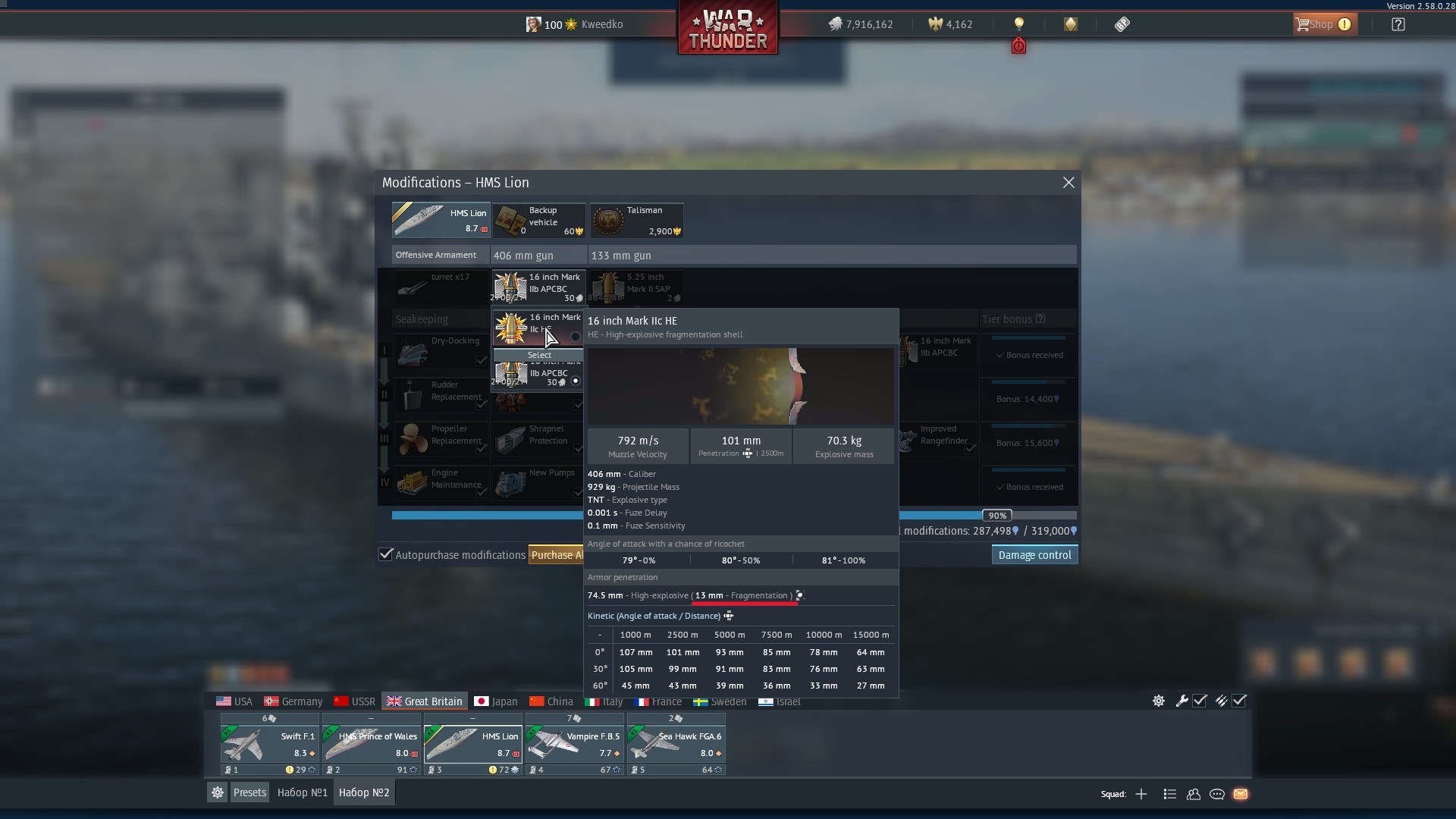
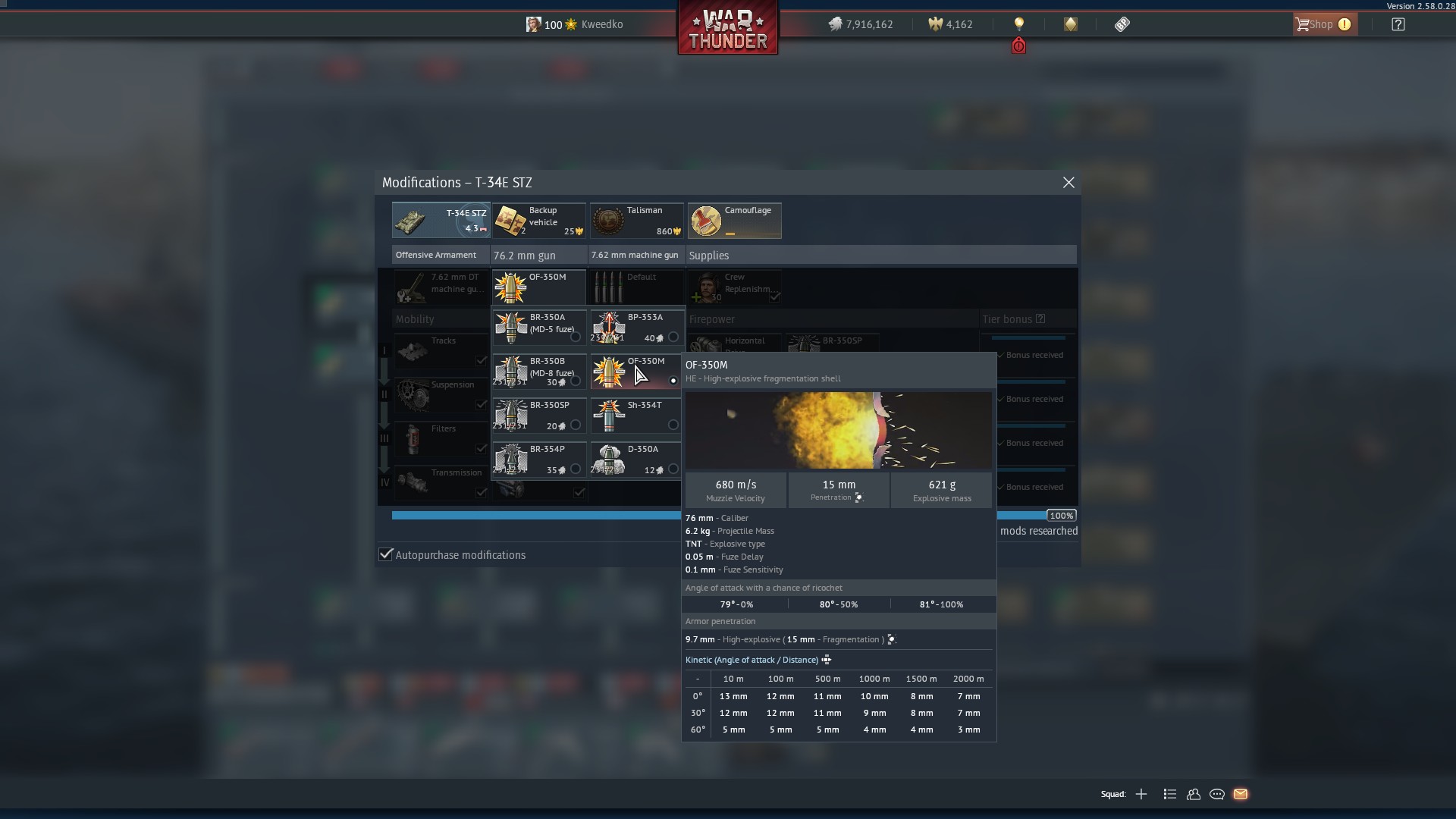
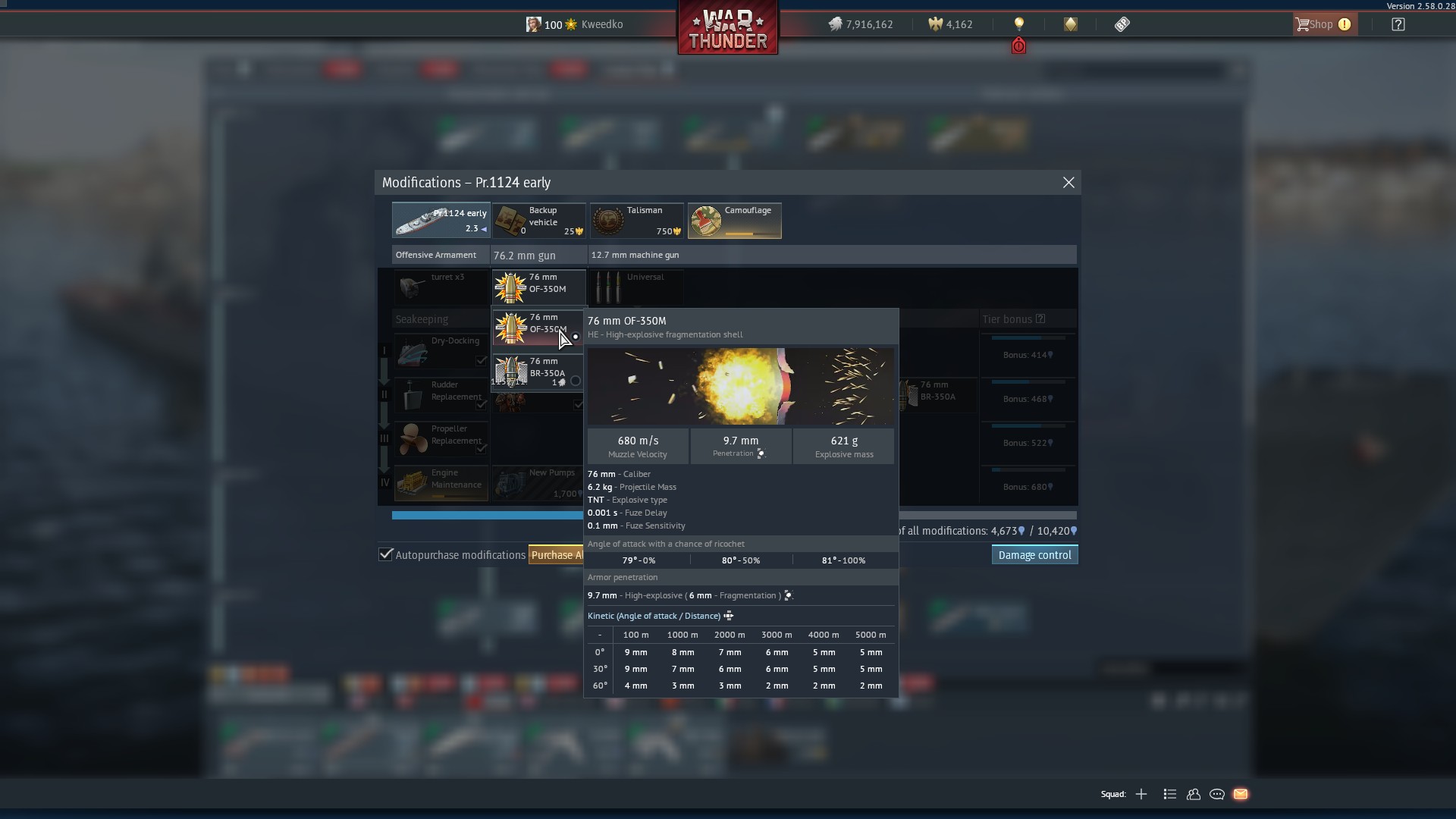
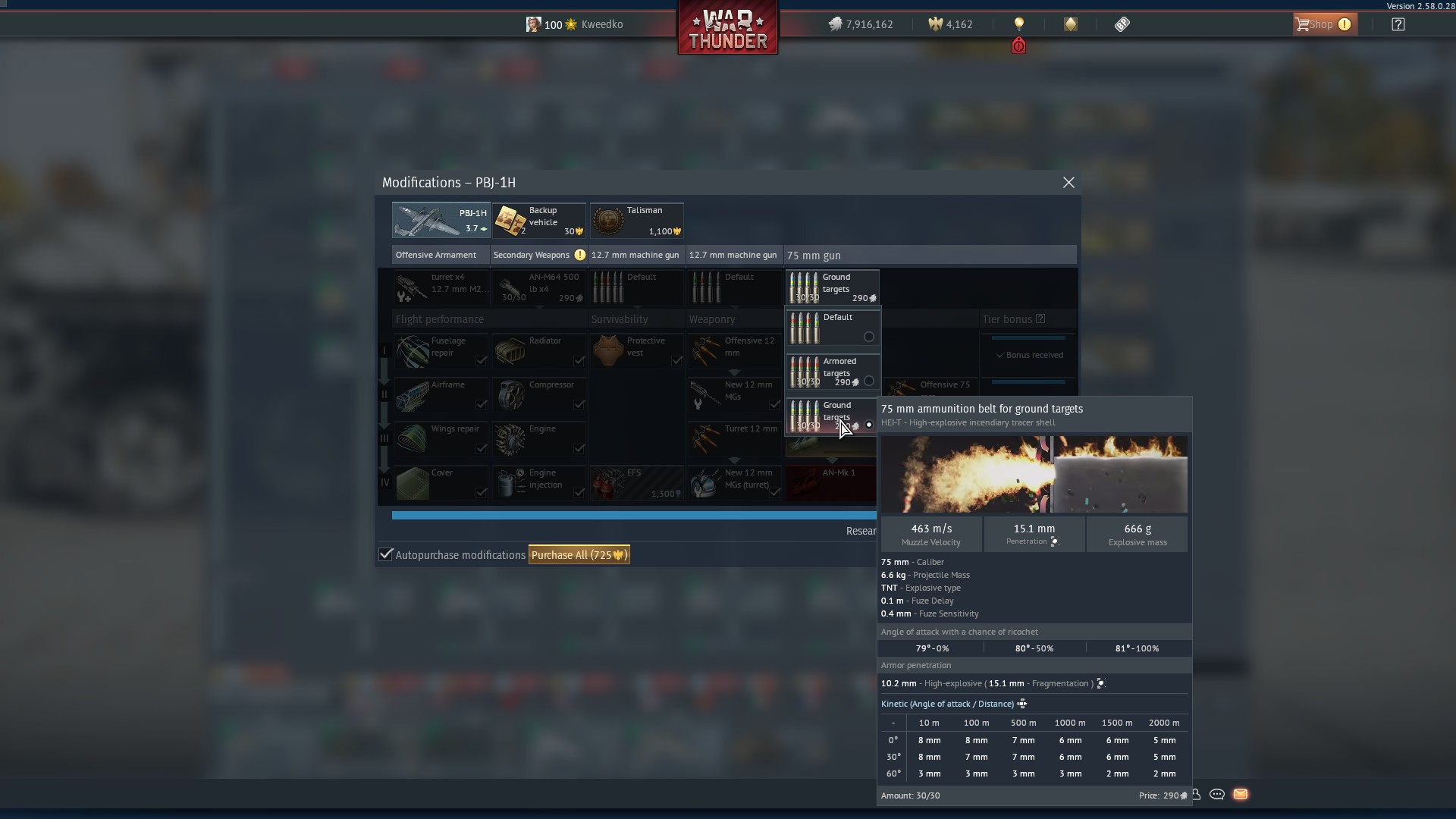
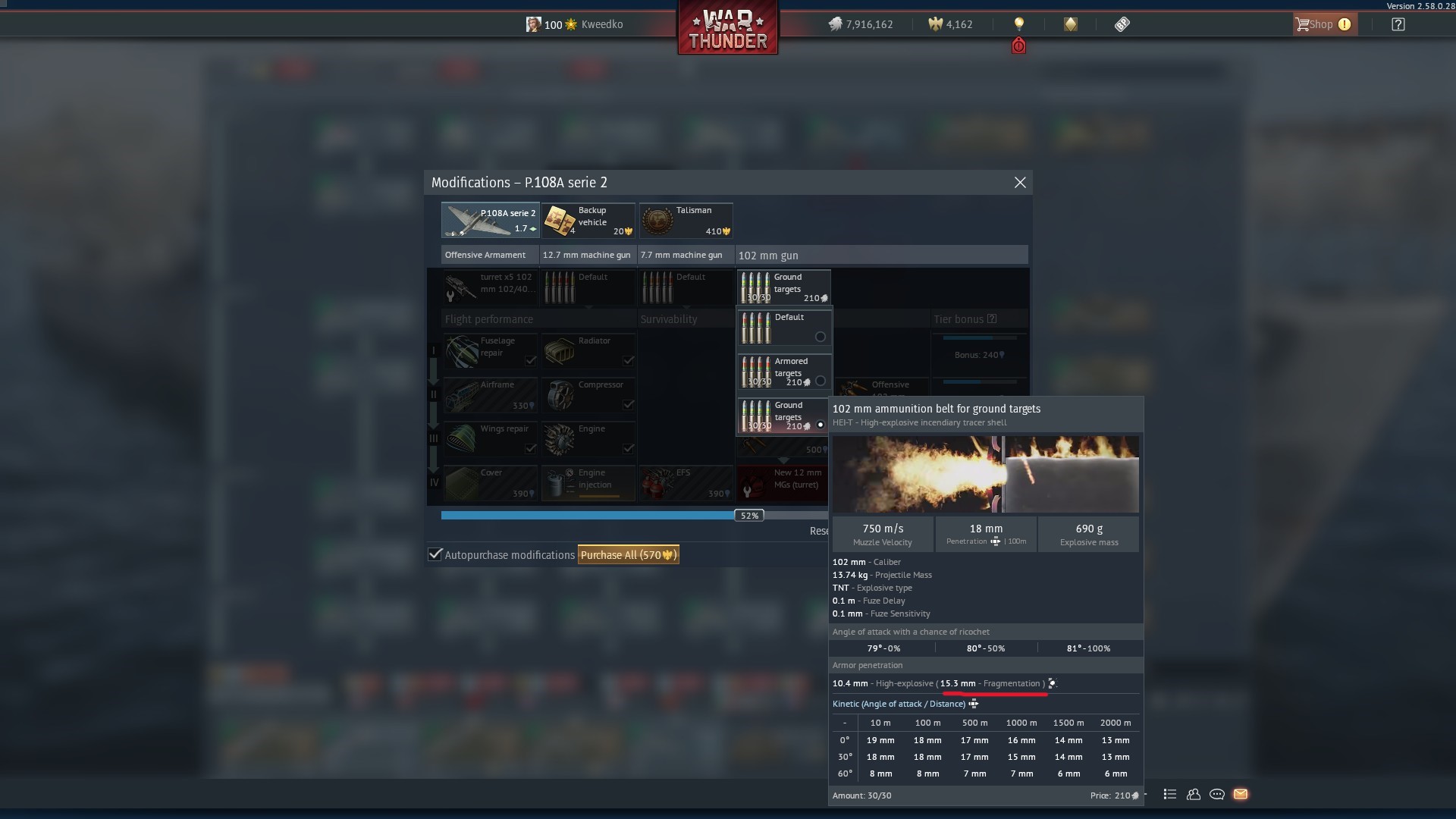
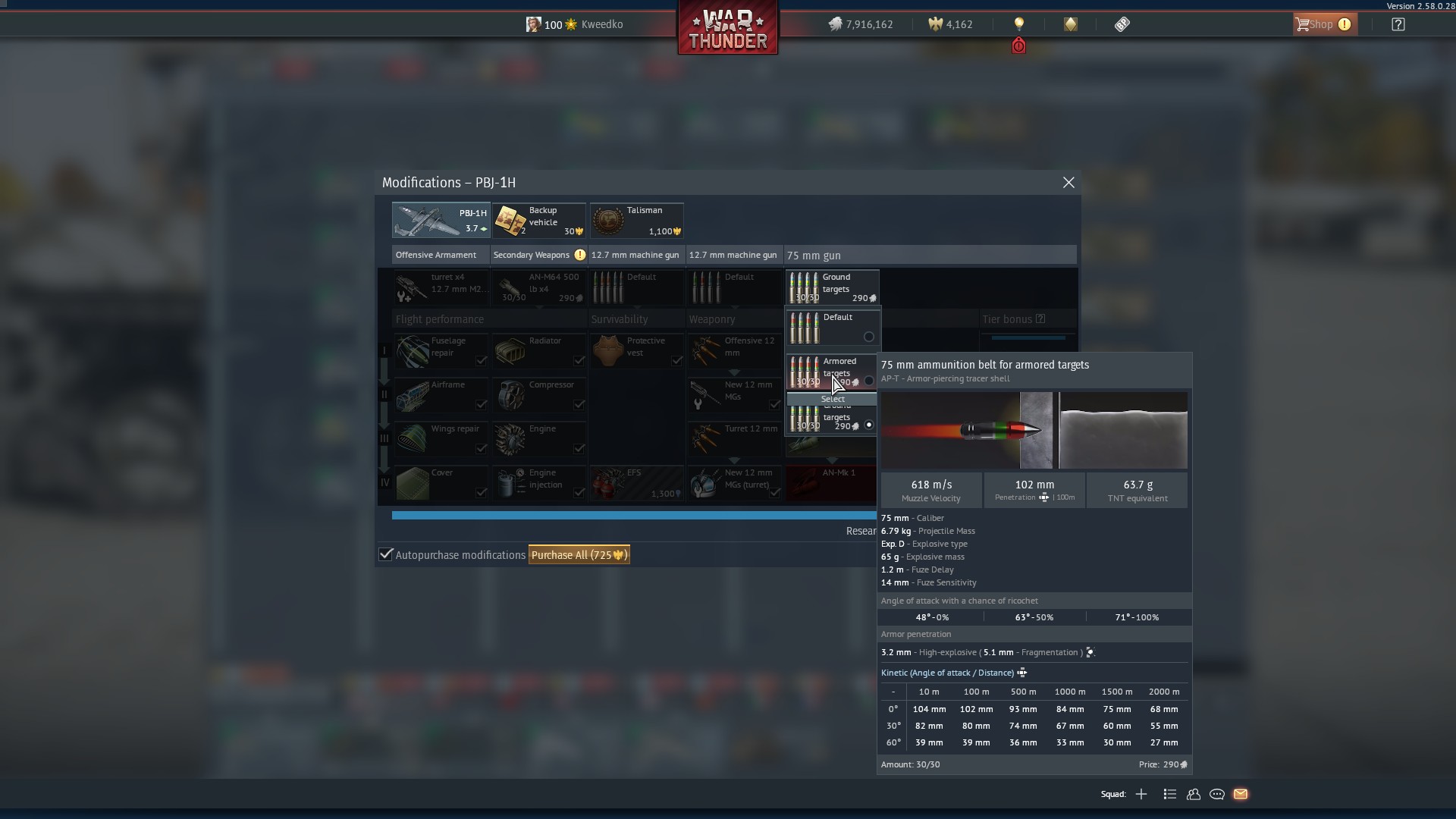
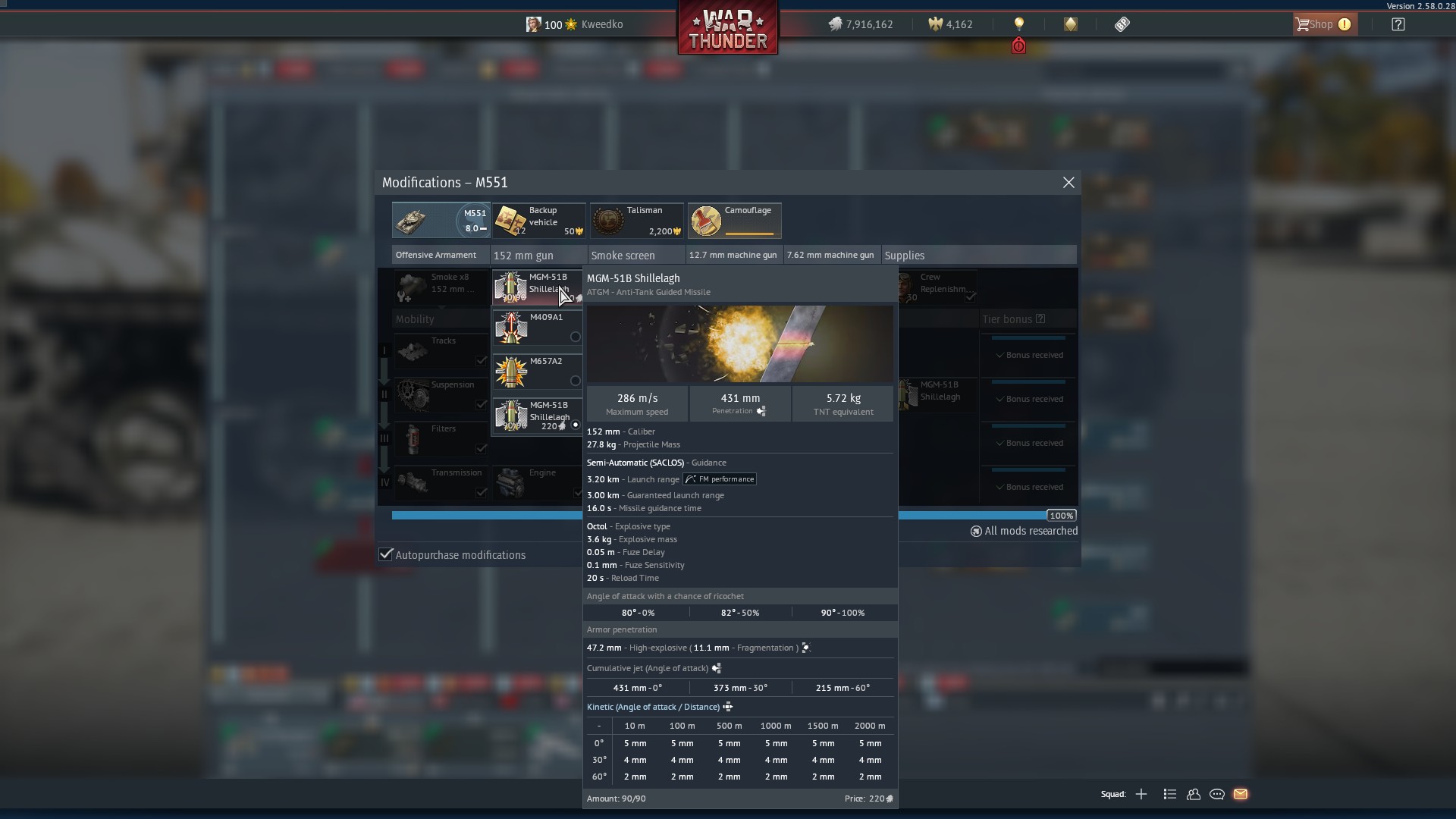
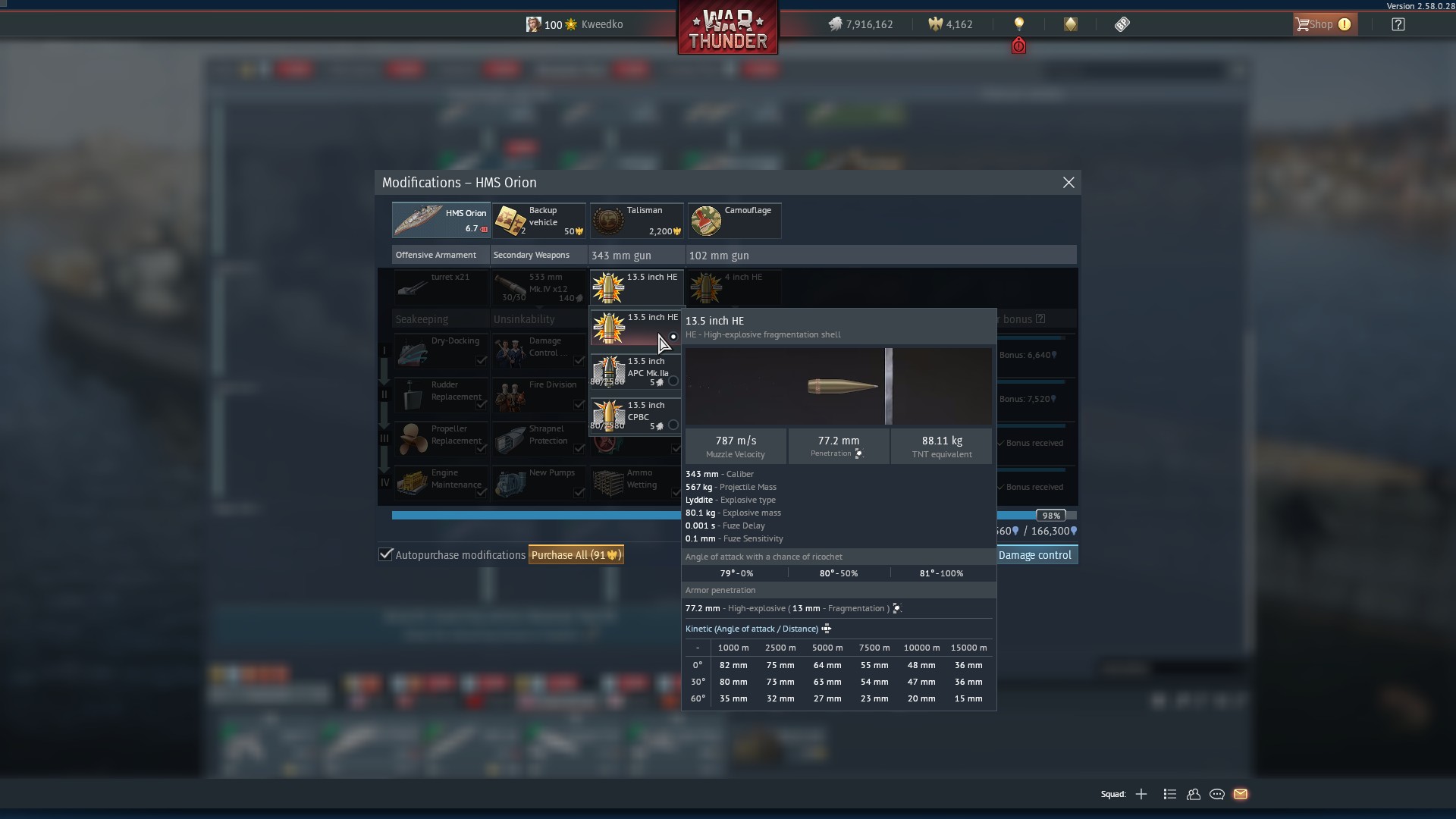
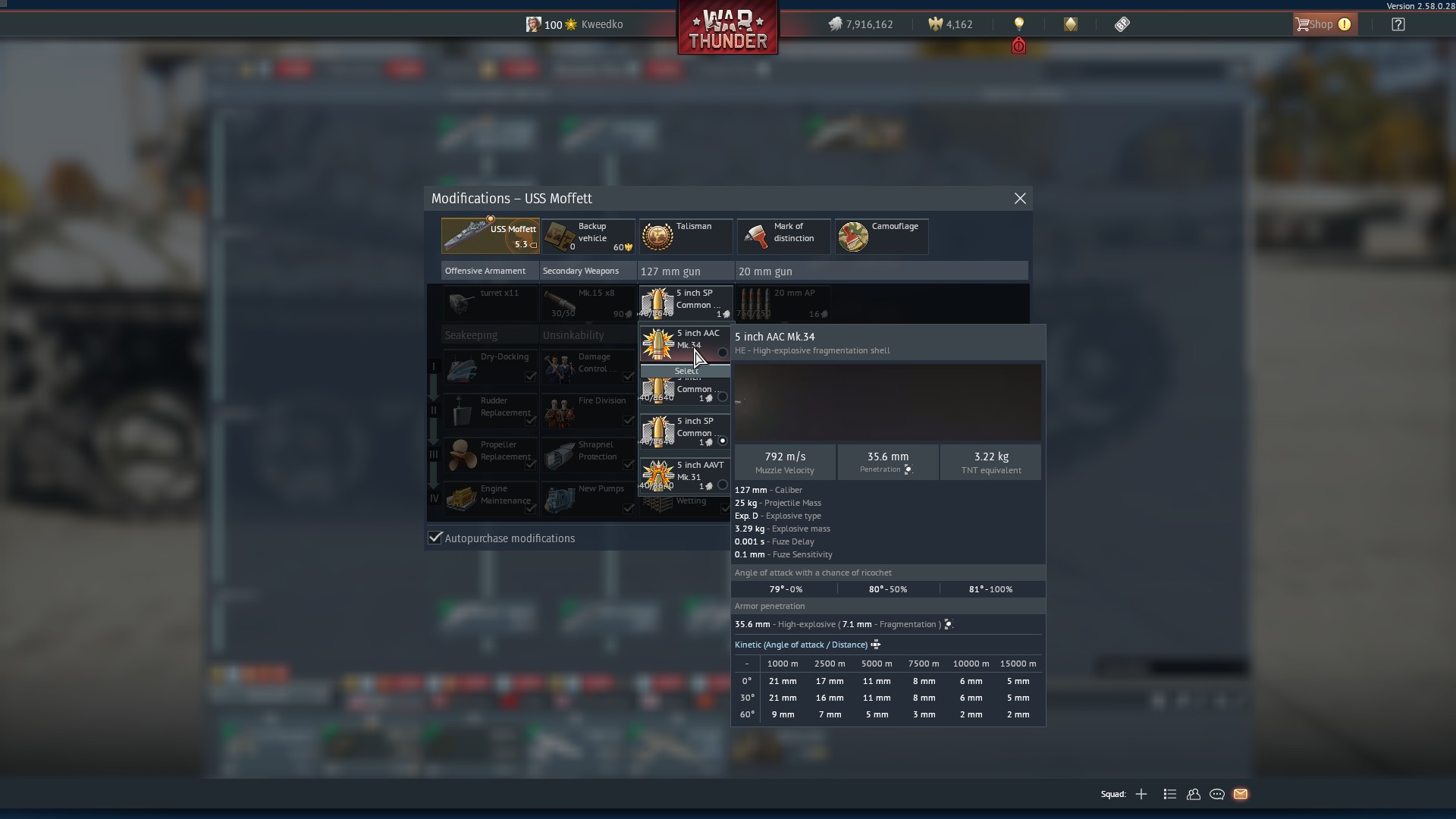
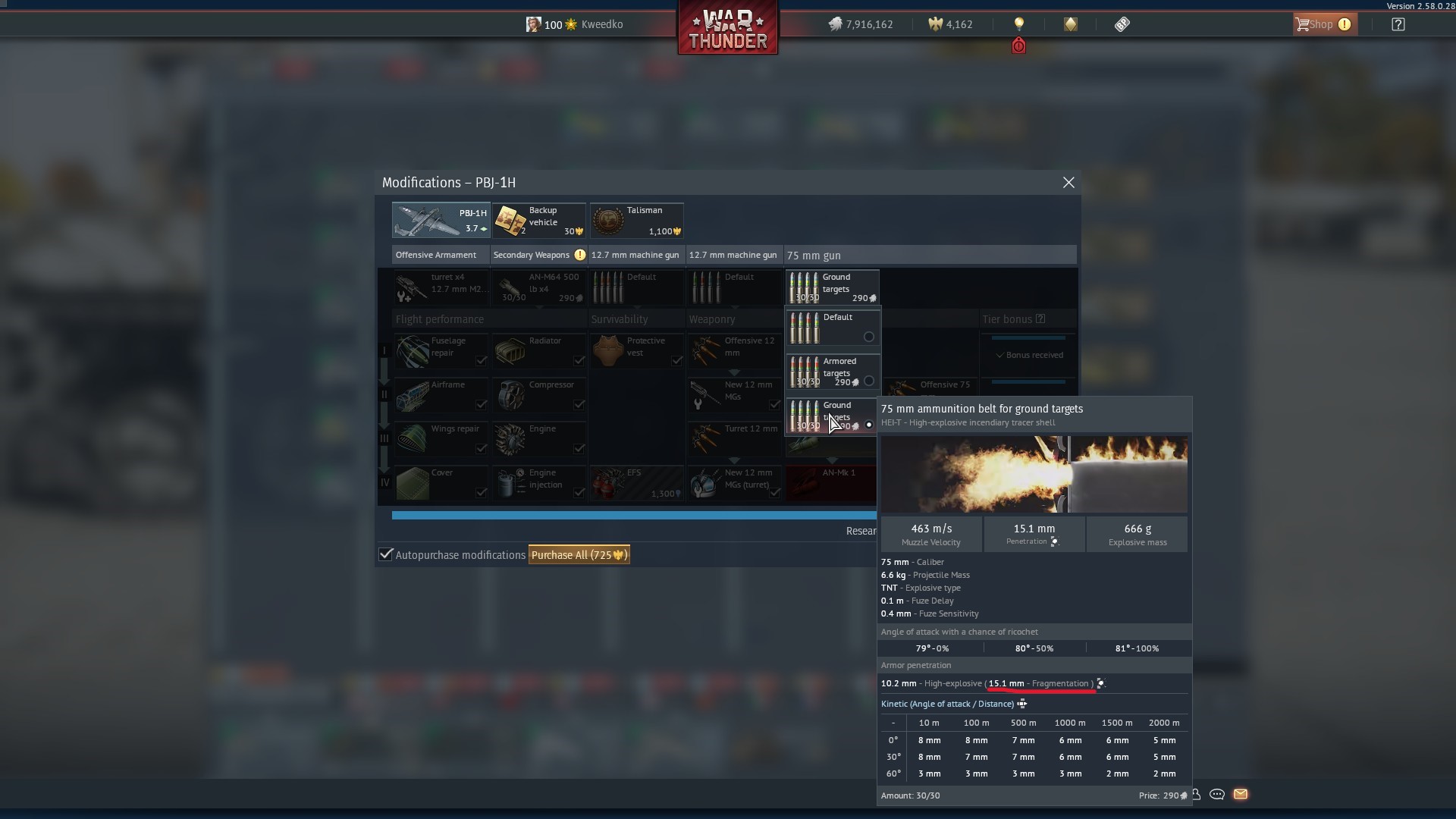
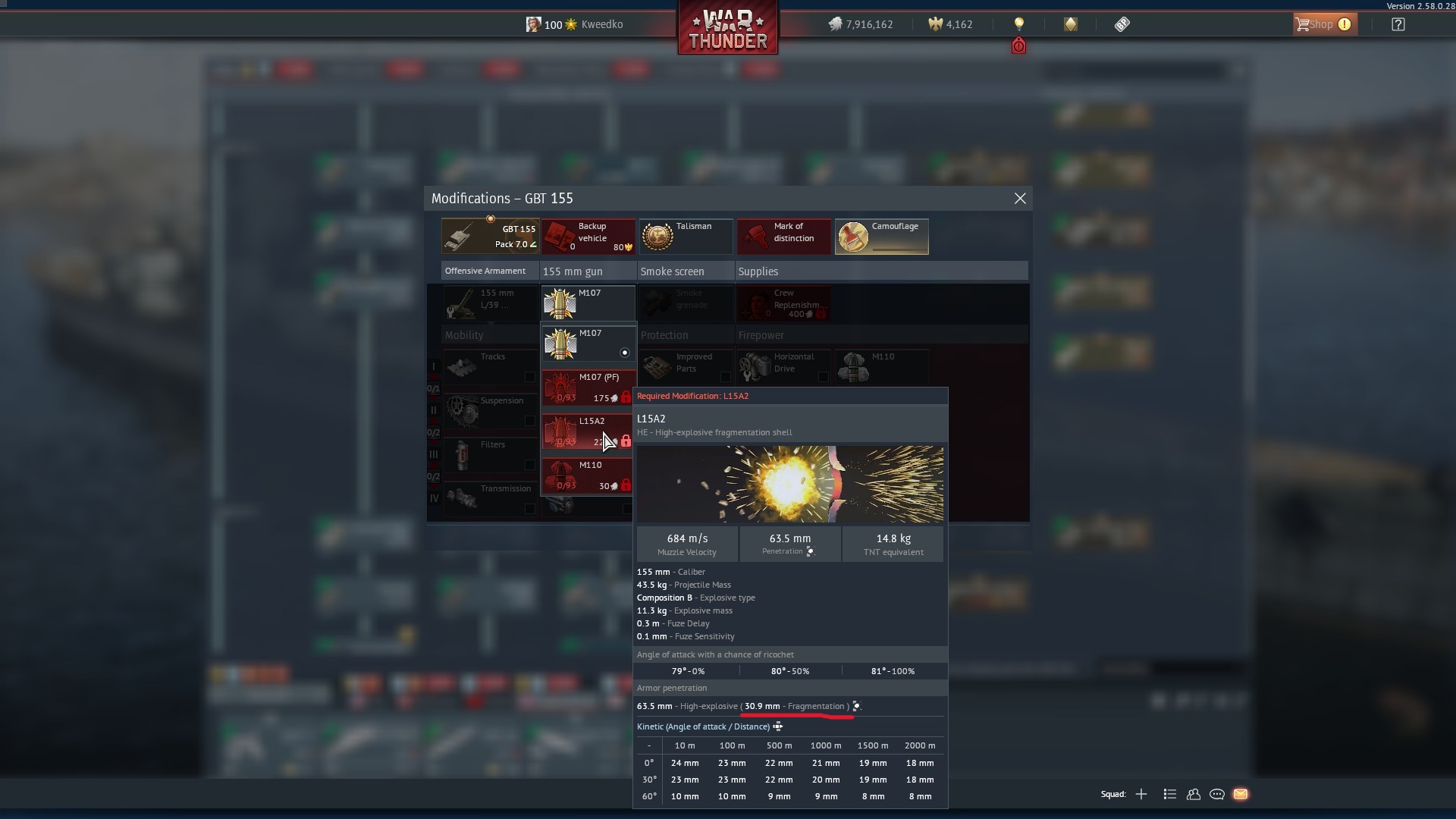
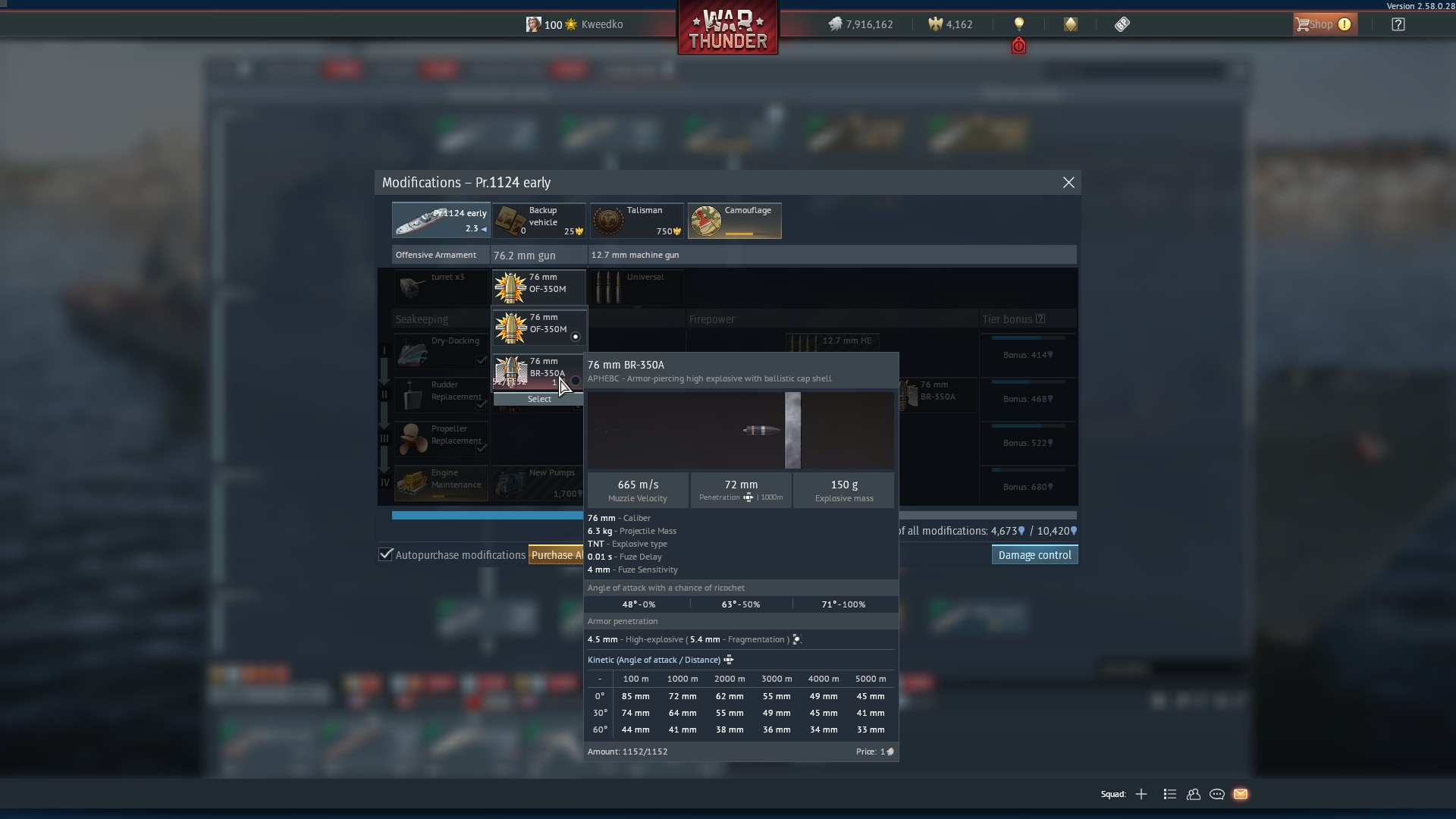
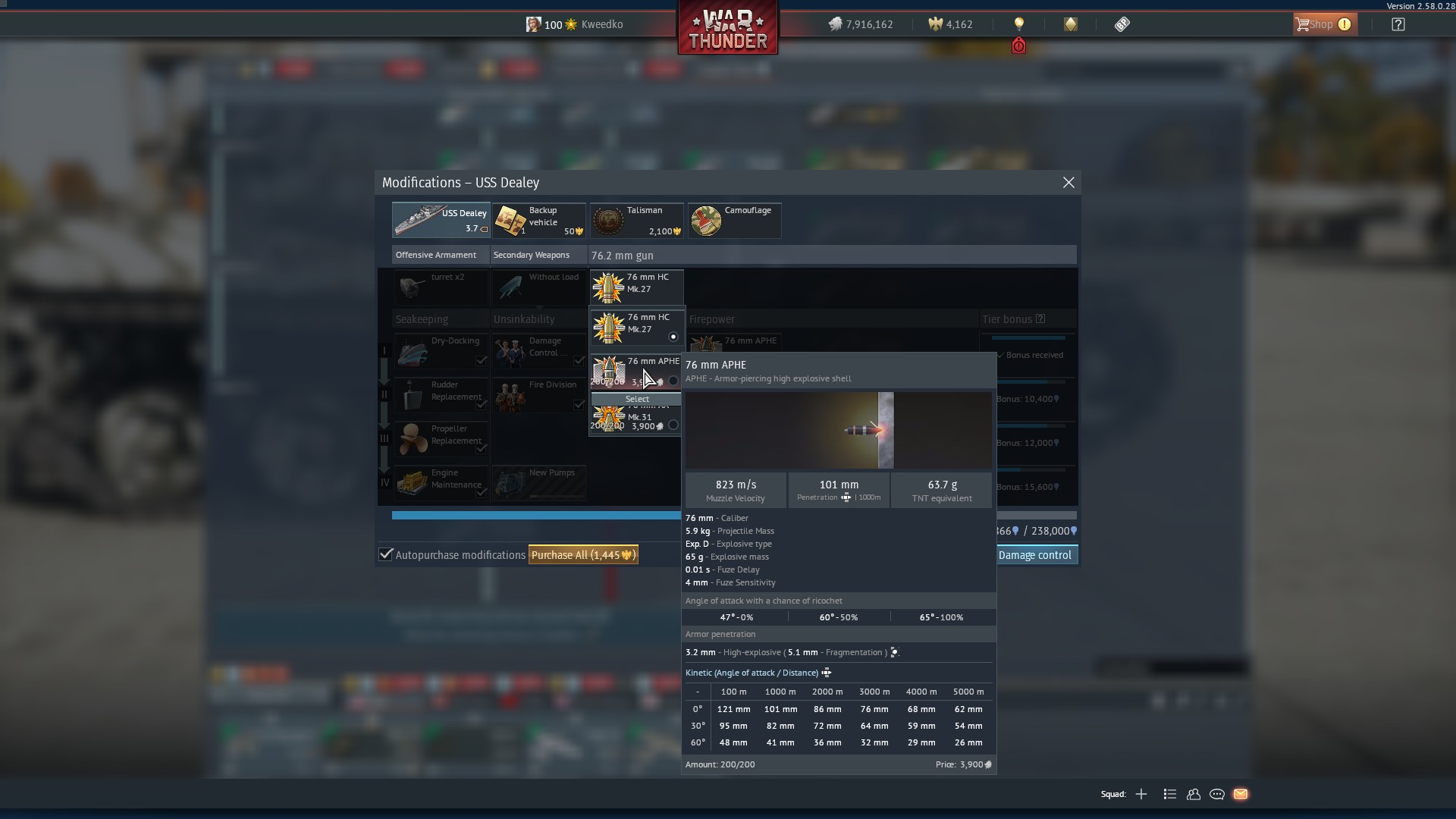
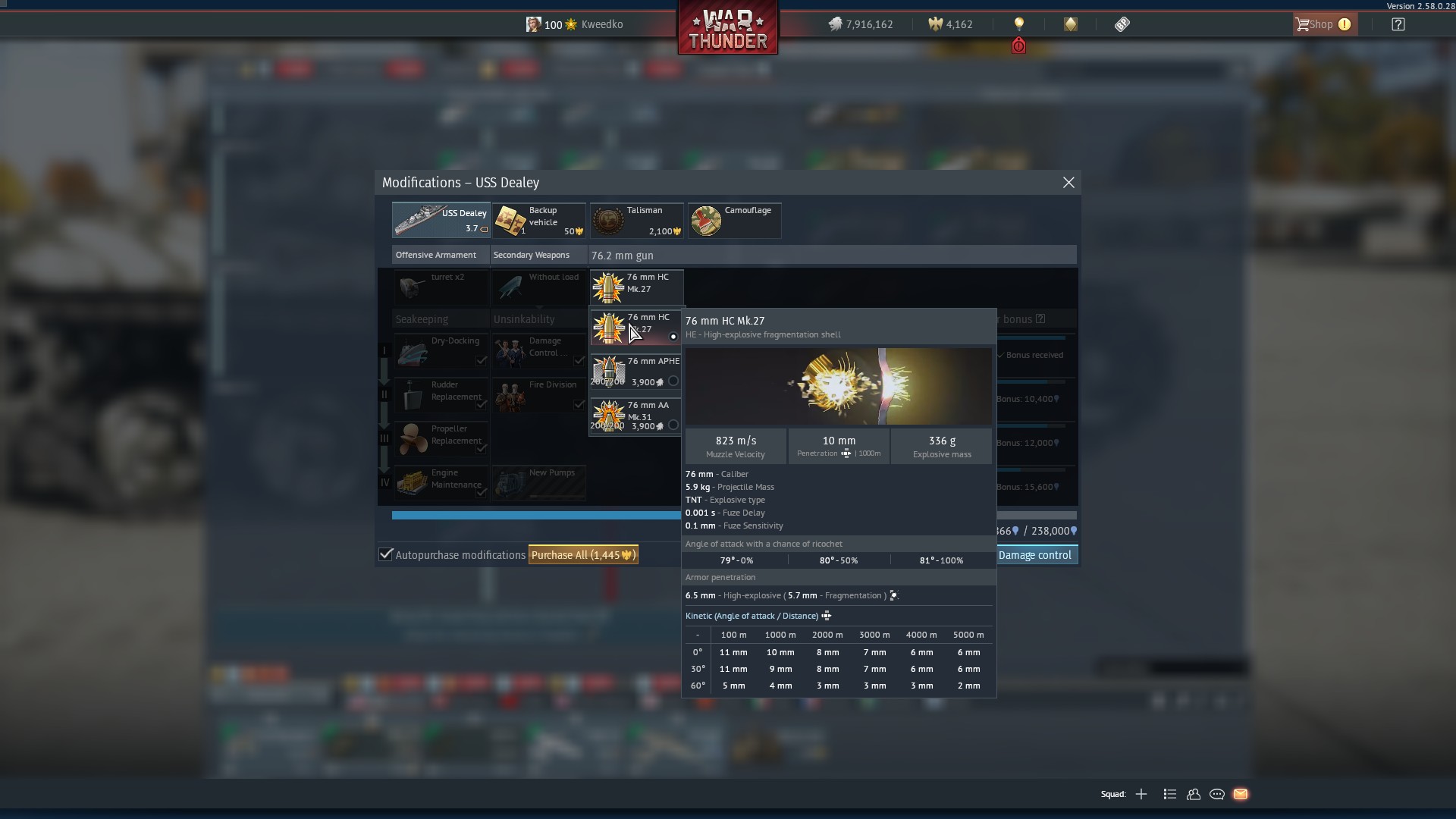
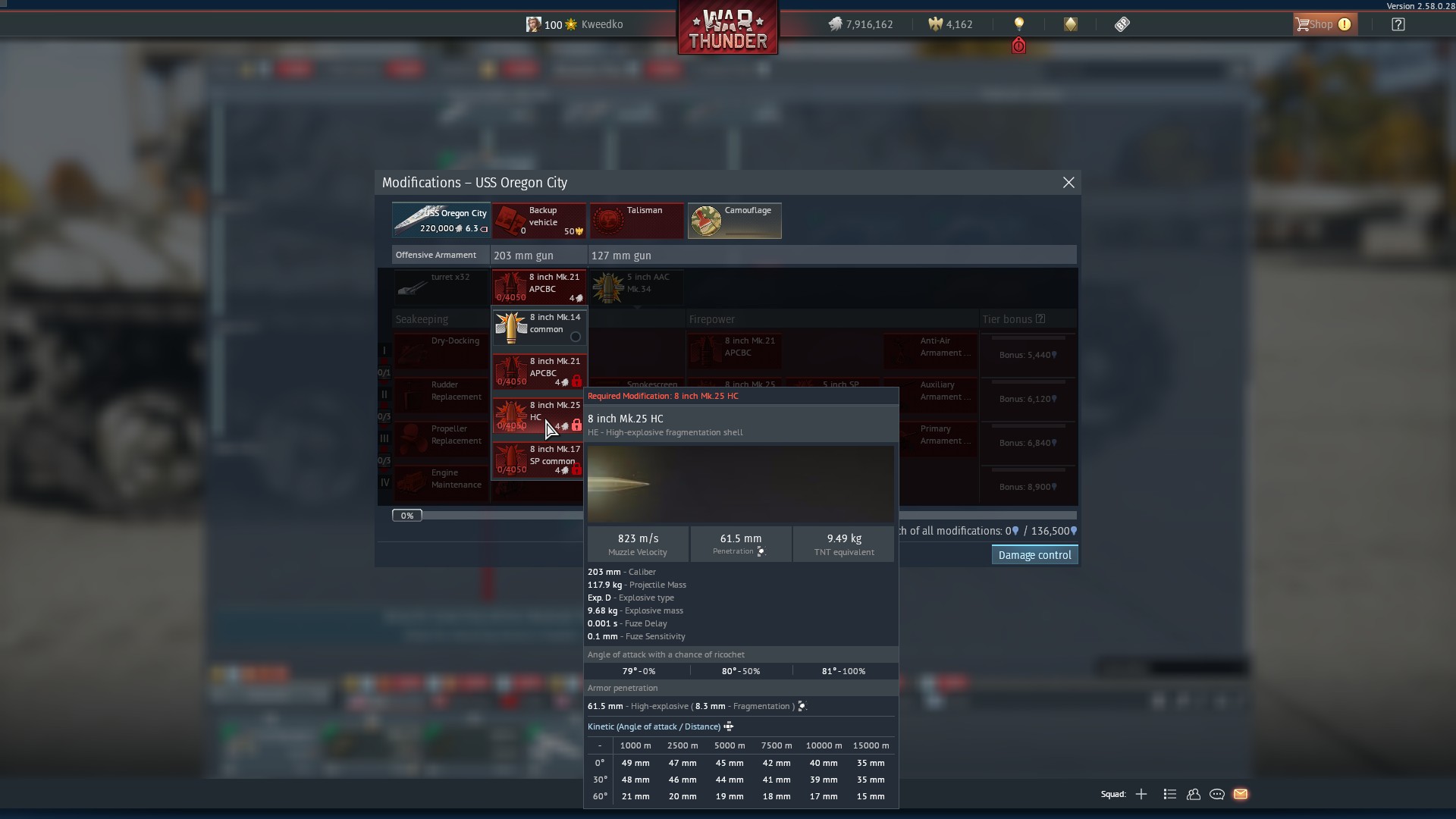
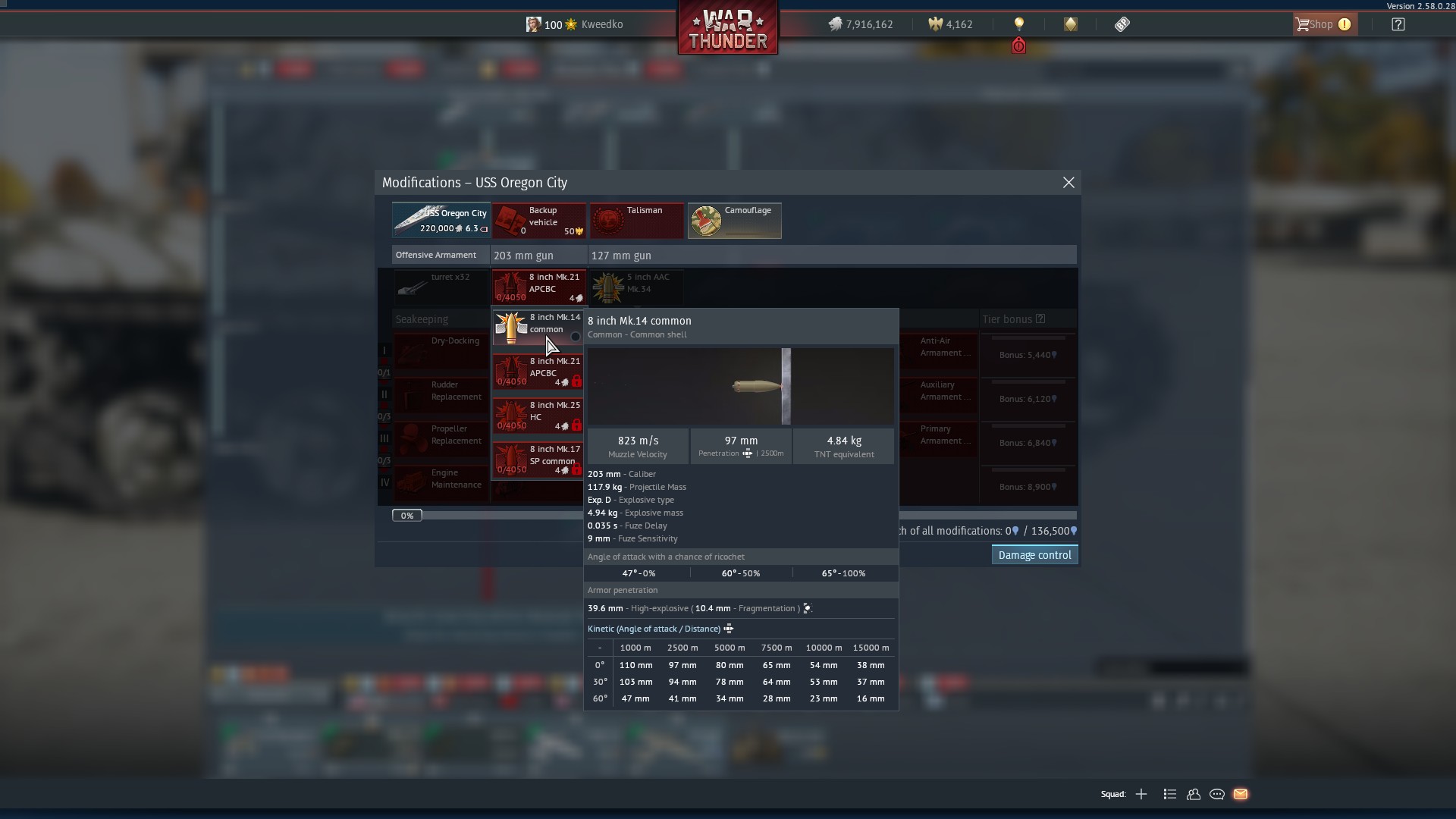
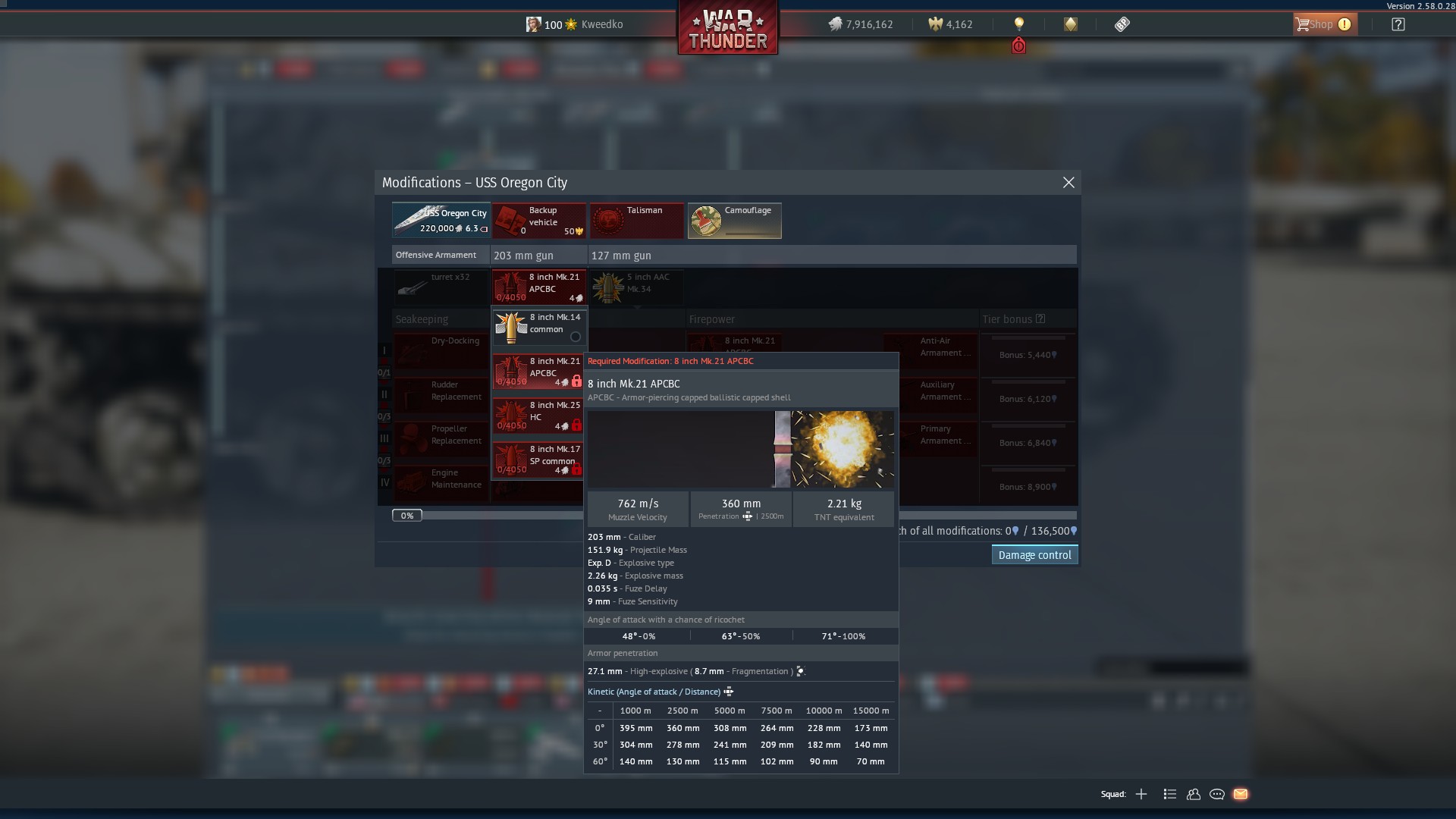
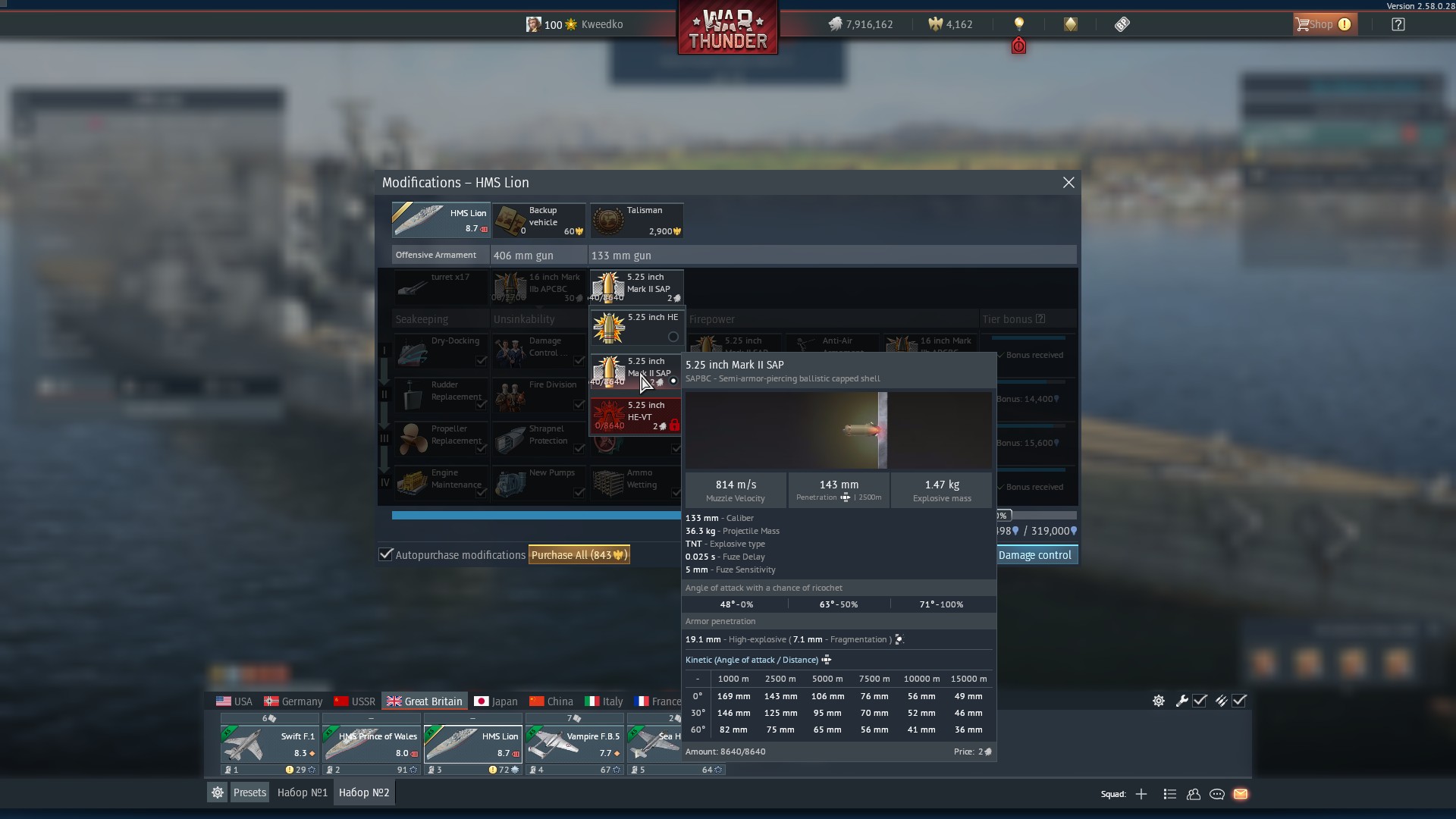
On dev server we now could see fragmentation penetration of the shells. For some reason naval shells have diminished fragmentation penetrations, compared to air and ground shells and even same shells in naval that we have in ground, have lower fragmentation penetrations. Naval shell is much more heavier and have way more explosives, they were created to do high fragmentation damage. Why is that so in game? Why naval shells is in destitute of proper fragmentation penetrations to punch trough decks and bulkheads wreck modules and do proper damage for what they were created, instead of being absorbed by crewboxes, decks and bulkheads as they behave now, when there is almost no difference in caliber and explosive power of the shell and they all do similar fragmentation damage despite being different in characteristics? Are we have different physics for naval?
Seems it treats high HE filler as the damage coefficient though was more complicated than that. The HE filler is merely a bursting charge, the amount of it depended upon the intended effect though generally speaking a high tensile steel shell ideally wanted a low bursting charge to maximise splinter size. That way you get garden shear sized fragments which will wreck bulkheads and especially pipes.
High HE and lower grade steel would be howitzer rounds. 25lber for instance was designed to produce 1oz fragments from ordinary grade industrial steel. You don’t however damage steel with HE, it was mainly for anti personnel work. 4.5" howitzer the opposite, was designed for counter battery work hence large fragments.
High HE and higher grade steel, likely AAA shells. Small fragments at high velocities ideal to annoy aircraft. It’s all a bit more complicated than that, but you get the idea.
Suspect the engine just uses HE filler amount to vary the area of effect.
Smaller HE% = generally bigger petals = more likely to annoy steel things.
They’ve probably found that low HE filler underperforms on lots of things hence balanced it.
I don’t think that an “engine” problem, but just naval shells is not properly tuned, considering same shells in ground have way more fragmentation penetration.
That’s interesting, Looking at the OF-350M shells.
I’m thinking it may be a bug when comparing the KE penetration part of the stat cards, as the 100m values are different for the same shell, at the same velocity, etc. However, it’s hard to say on the HE and Fragment penetration sections, because it may depend on what distance the Devs have those set for.
The HE penetration is how thick of steel plate the burst charge will rupture at a given burst distance or impact, while breaking apart the shell, just from shear chemical explosive pressure…
Fragmentation penetration is obviously how thick a plate the fragments can penetrate after the burst. Which can vary greatly depending on burst distance and explosive type.
As a tech moderator could you consult with the devs about that?
Cause and KE penetration and HE penetration and fragments penetration all different from same ground shell. And this raise a question is all naval shells tuned wrong and use different formulas for those numbers and we have diminished overall damage from them, to the state where ships couldn’t damage each other properly, considering damage model in naval is practically the same as in the “ground”, except no splinters from the armor itself(probably cause of too much calculations)? On top of that underwater hits not working too Is something changed or wrong with naval and underwater shells? - #7 by Kweedko