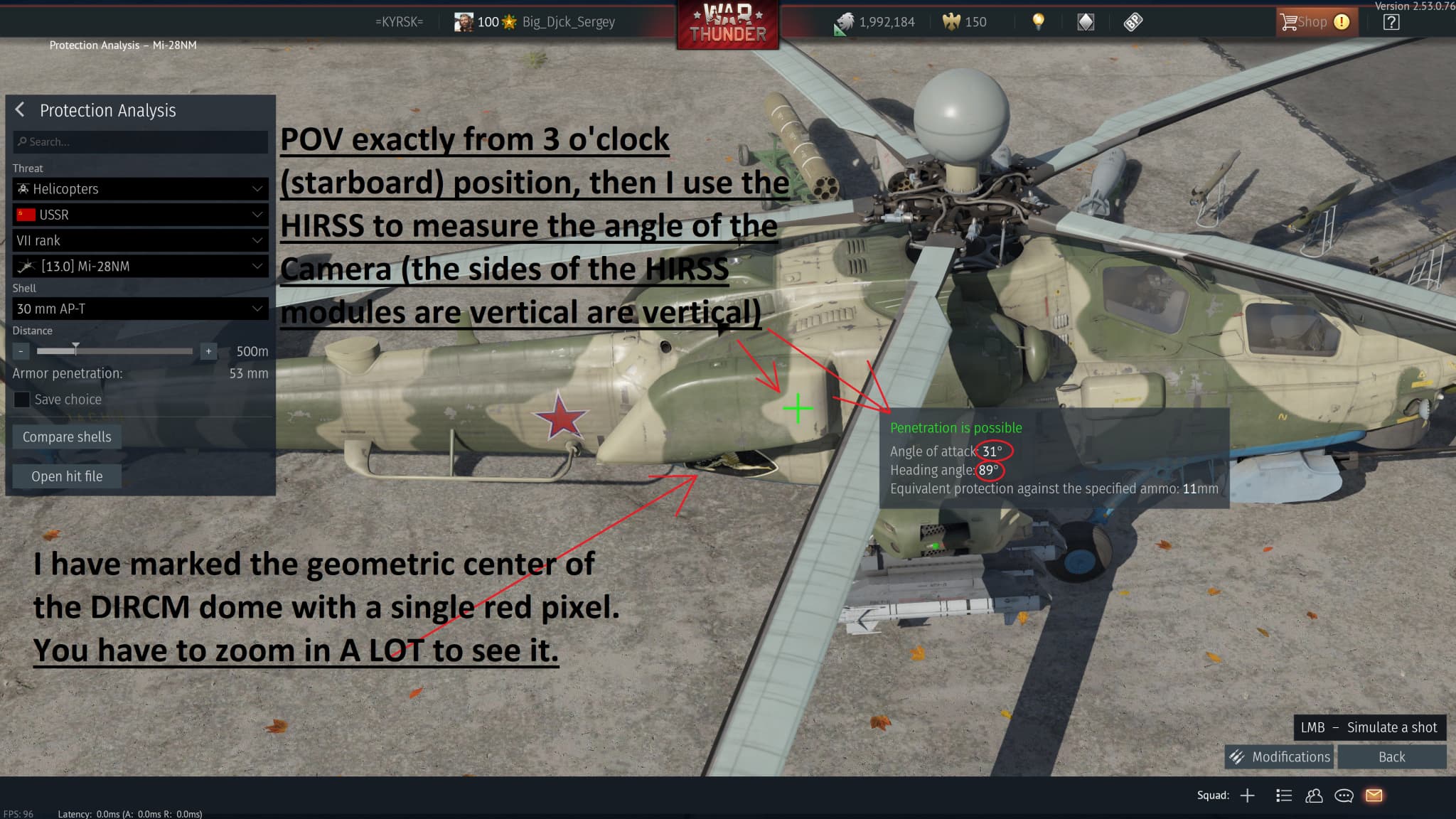
With the increasing number of players complaining about the coverage of the LDIRCM module on the Mi-28NM helicopter, I have done a geometric analysis on the maximum potential coverage of the DIRCM emitter, based on geometric constraints, for the starboard side.
The first 2 images show one way of determining the maximum vertical coverage of the Laser emitter (based on obscrution by the Aircraft itself.
The other two images show a different approach that is used to simply determine the angle between the center of the Dome and the point of “contact” with the HIRSS.
IMPORTANT: in the first measurement the HIRSS side panel can be used to measure the vertical angle only when the aircraft is faced from the 3 or 9 o’clock! Otherwise the combined Azumutal and Elevation components will introduce an error in the AoA!
Full Analysis bellow:
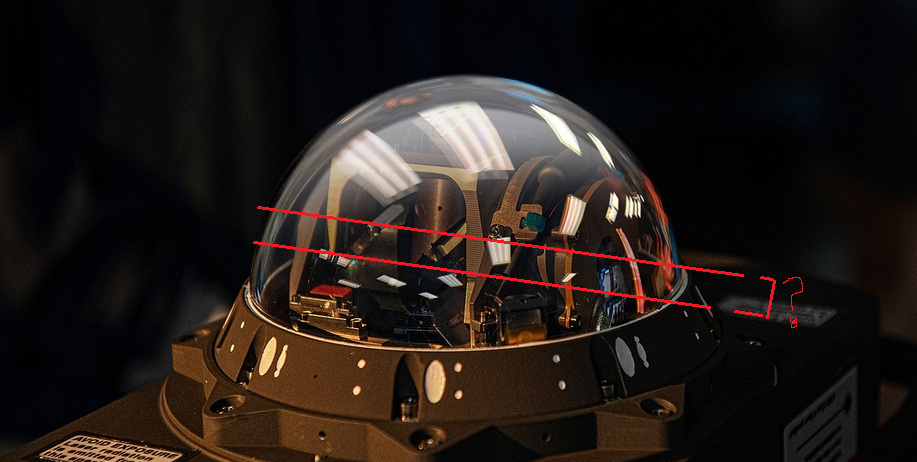
As you can see from these screenshots, the DIRCM dome is visible roughly from up to 30°~35° Elevation at 3 o’clock (starboard) side. On the port side it is more limited. I used the HIRRS surface to measure the vertical angle, since it is vertical and co-planar to the Camera PoV when faced from 3 o’clock. I also put a dark decal so it is a little bit easier to see the dome. We assume the Laser Emitter is located roughly in the geometric center of the dome, as seen in this picture:
Screenshots with calculated angle:
Make sure to zoom in if you don’t see the dome.
From the 4 to 5 o’clock position(starboard), the vertical coverage could be more, because the HIRSS is not blocking the Line of Sight to the Dome.
I cannot measure it precisely because there is no vertical surfaced (plane) facing the PoV. I can tilt the Camera roughly 10 degrees more while still keeping the center of the dome visible. So at this heading we can assume maximum allowed vertical coverage of around 45°.
Important:
The information provided above is simply for geometric reference, using the current ingame vehicle model. The actual mechanical gymbal limits of the LDIRCM emitter may be further limiting in terms of coverage.
I don’t understand what you are asking. The topic is about the Mi-28NM’s LDIRCM location and maximum potential coverage based on physical obstruction by the aircraft itself. You could use similar methods on other helicopters as long as the geometry allows it. I will try to make a 3d model tomorrow so it can be better visualized.
If he makes it in time, because it takes time to blind the seeker and make it go away from the helicopter. At 4km against irist shouldnt have enough time.
its a known issue and Gaijin is saying it’s because they didt properly implement LDIRCM and so every heli just have magic 360 dome around them that function perfectly. How convenient for the Mi-28NM cuz it’s coverage irl is practically useless but in the game it works just as well as the NATO counterpart. I’d just chalk it up to lazy coding and spinkle a little bit of russian bias on top
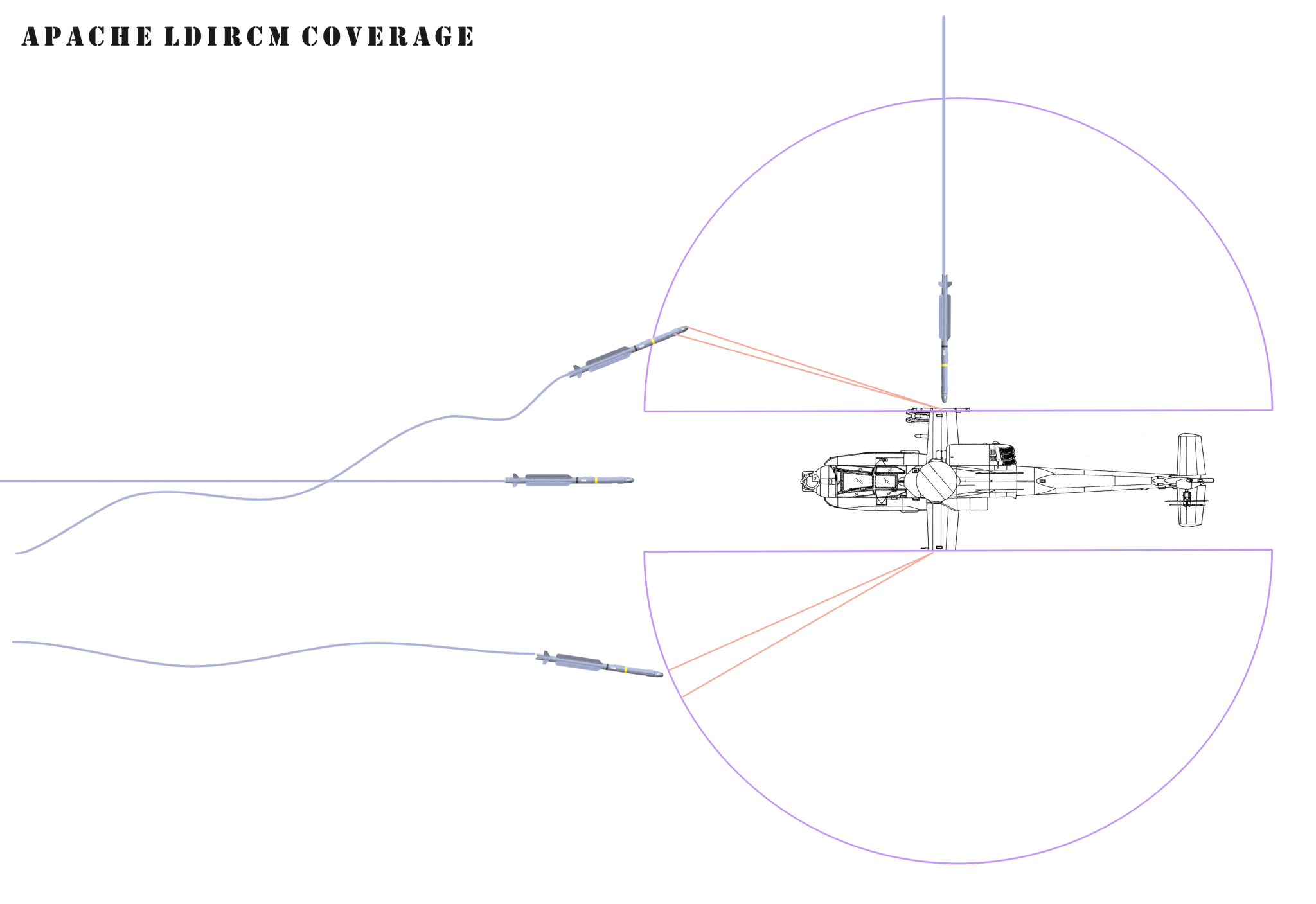
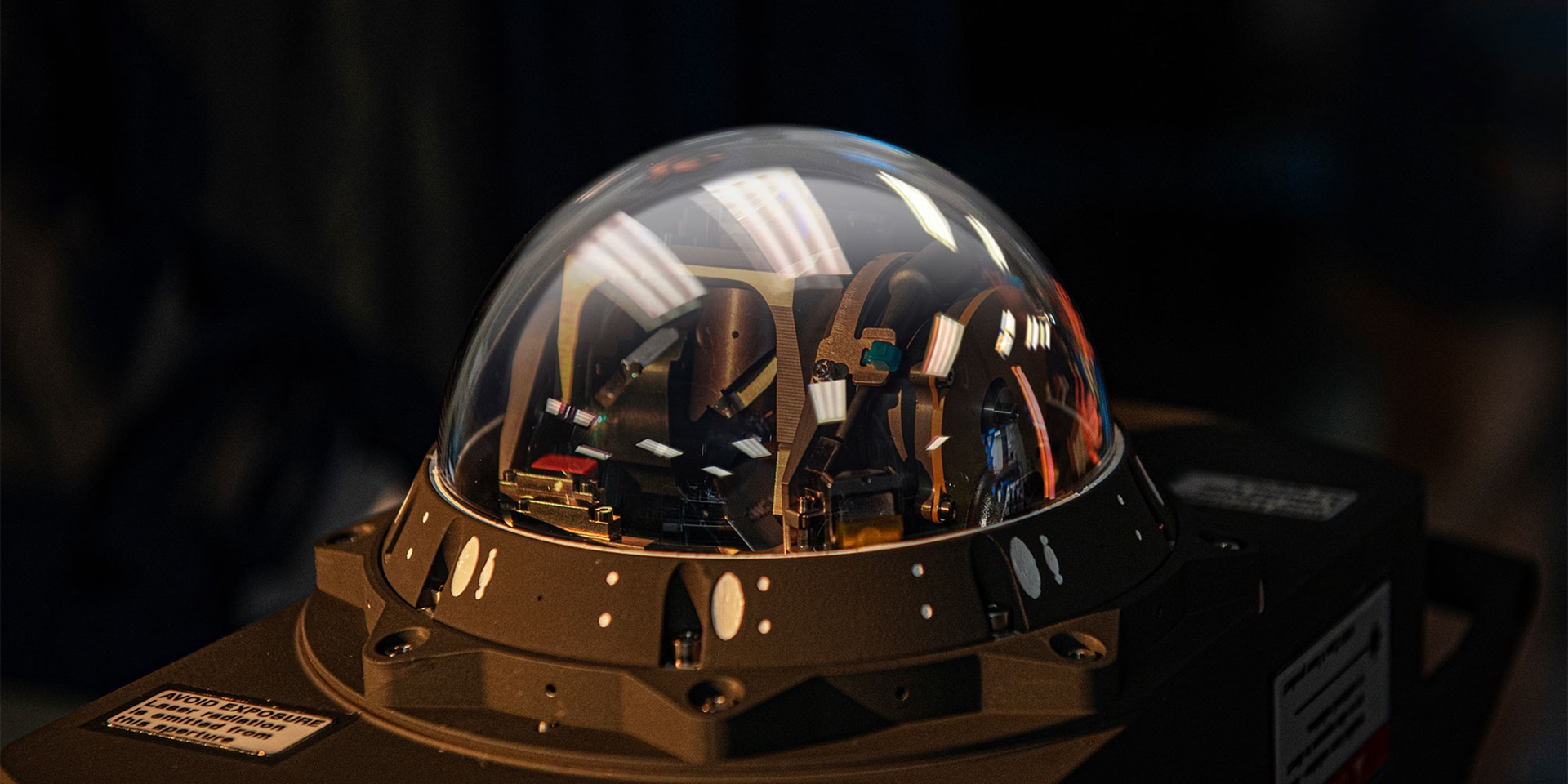
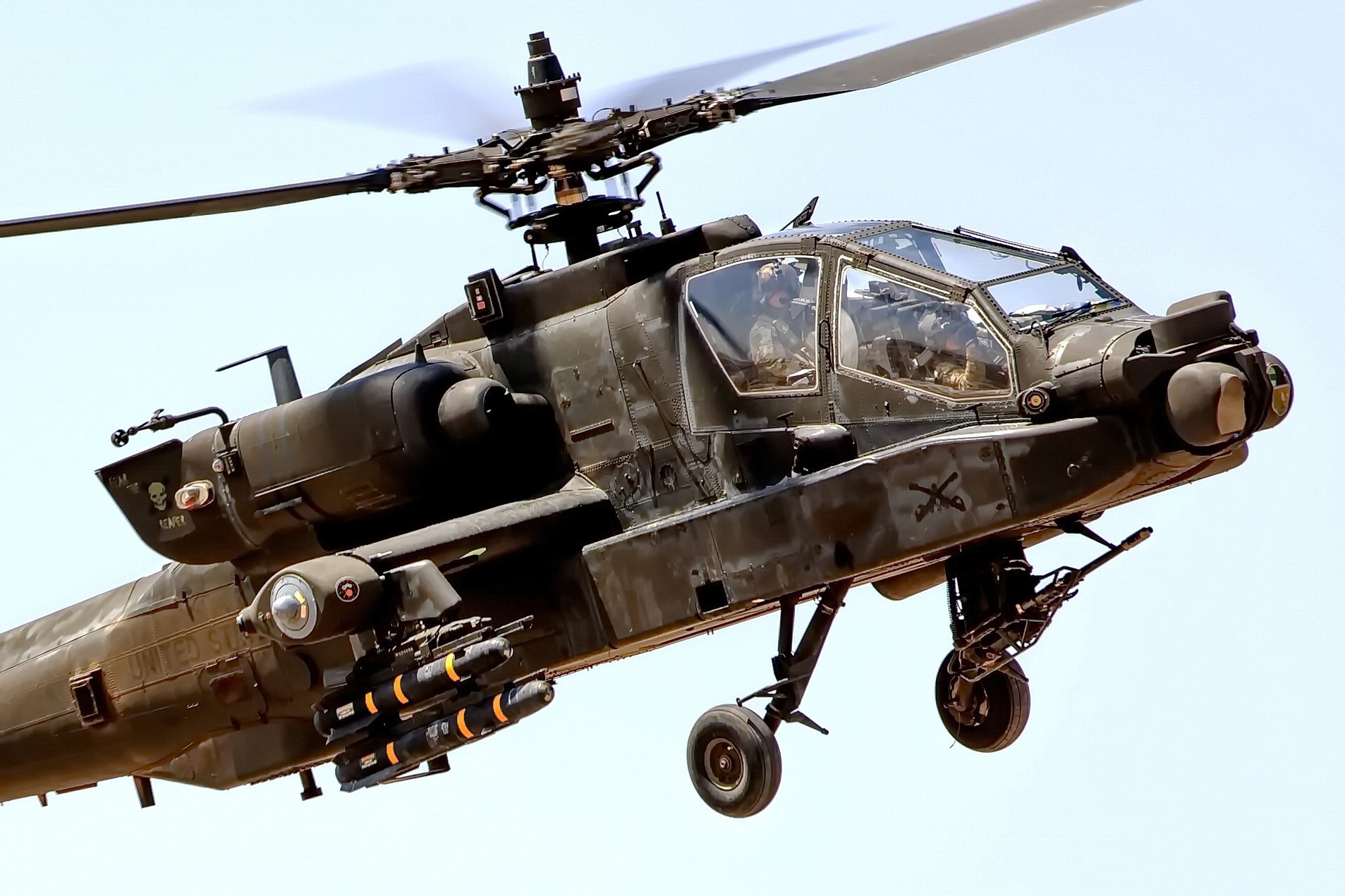
it is not, from all close up images of the emitters on the AH-64E the gimble is notably past the edge of the housing, indicating that the laser can be directed slightly inwards (like the order of 1-3 degrees or so) but that allows it to engage missiles directly in front and behind it
really? that is noticeably larger than the laser beam width, and even half the aperture
still looks like it can aim in ~1 maybe 2 degrees
which would mean it can can engage stuff directly infront outside of like 120m (assuming 1 degree), which given that the laser engages from well past that range is not much of an issue, because the missile will likely move so its not directly past the nose when it is being engaged