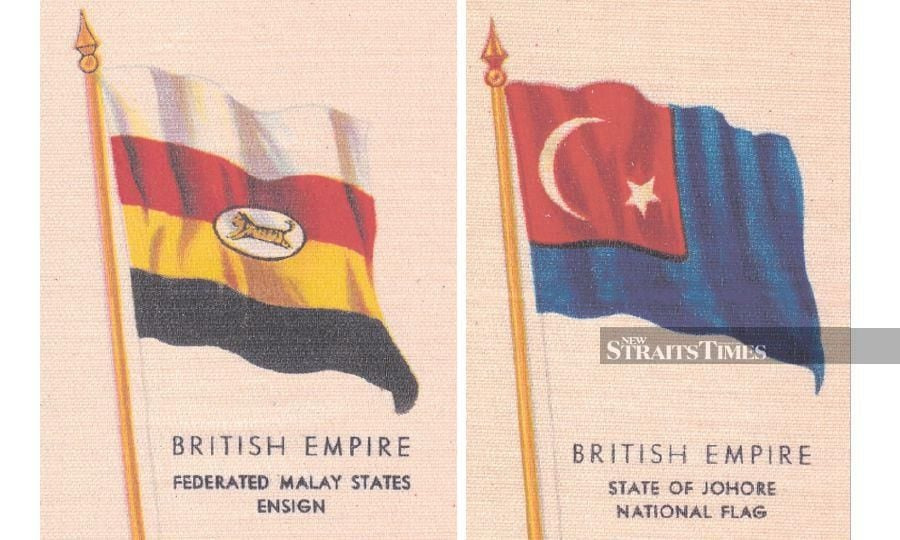
We’ve been a crown colony since the 1700’s, better known as the Straits Settlements or British Malaya.
Our Malay, Chinese, Punjabs, Indians, Baba Nyonya, and Indigenous boys served loyally in military service to the crown. We were absorbed into their customs and embraced their language, legal and commerce traditions. Our people proudly engaged in their institutions and academia.
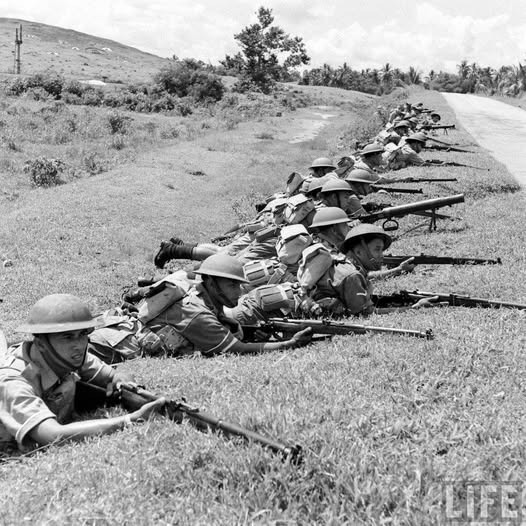
An infantry company of the Malay Regiment awaiting orders to ‘Advance to Contact’ during range and field exercises, Malaya, 1941.
Our judicial, academic, and governing institutions are all adapted from the British. We were shaped as a constitutional monarchy in homage to them, also partly to accommodate the local crown/agong - Malay monarchies. The Malayan dollar even had the British monarch’s face on it during its early years, and we used the pound sterling for a long while before the British governorate created our own monetary reserves.
Not to mention the Nepalese “Gurkhas” that served alongside us. Malayan regiments have always been under the crown’s service. We worked closely with ANZAC forces many times against the Japanese in WW2 and the subsequent Malayan emergencies.
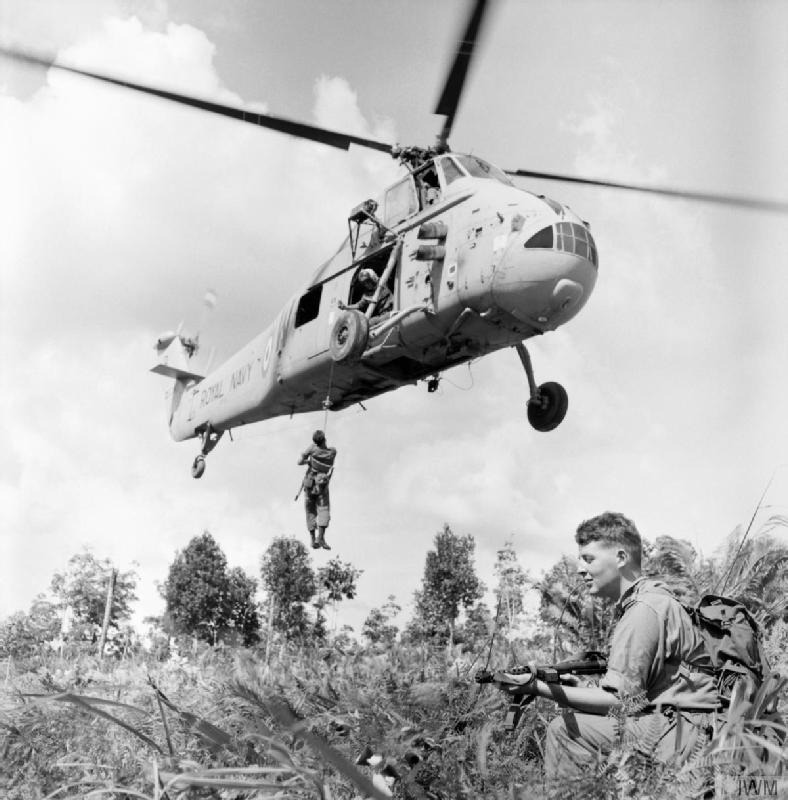
A British soldier is winched up by a Westland Wessex helicopter during an operation in Borneo, August 1964
British Governorate Office circa 1800’s

Image 2:
Image 3:

British Governorate Office Circa 1900’s
I don’t understand the significance of Japan here. No one in Kuala Lumpur speaks Japanese, the colonial office, the central market, the city, the community, and the economy were not built by the Japanese but by the locals and the British. Without agreements between the Malayan states, including Singapore, which later left the federation, there would be no unified entity called Malaysia.

Market Square, in Kuala Lumpur, Malaysia.
Three-storey buildings featuring British colonial architecture with ornate details on the facades.
The Malayan Emergency
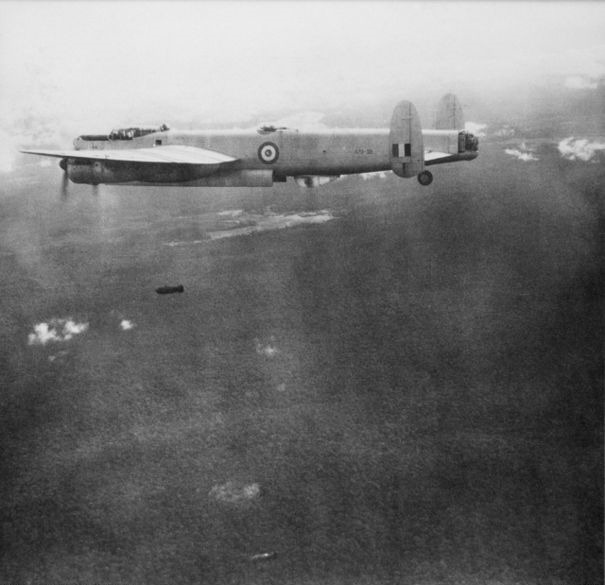
Avro Lincoln Bomber A73-33 of No. 1 Squadron RAAF on a bombing mission over the Malayan jungle. Two 500 pound bombs can be seen falling from the aircraft.
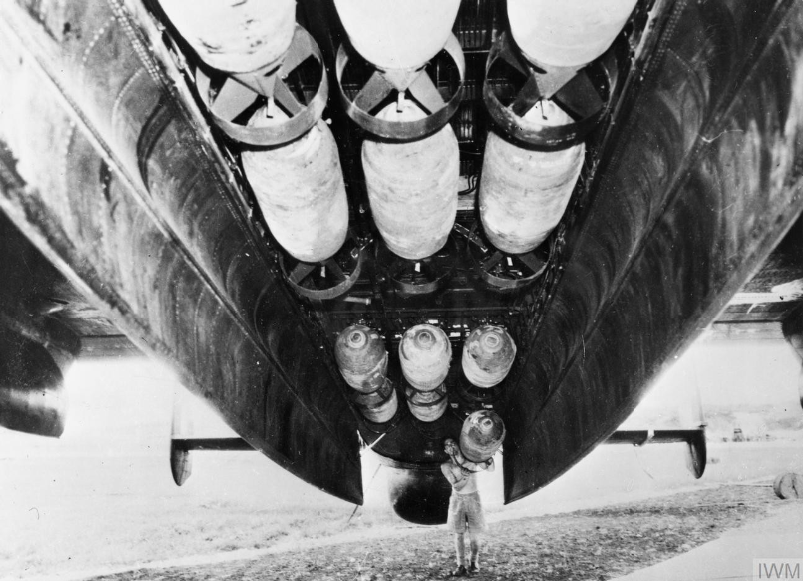
Avro Lincoln of No. 57 Squadron, Royal Air Force, at RAF Tengah, Singapore. Aerial warfare was a key part of British military strategy to defeat communist guerrillas during the Malayan Emergency. News of non-combatants being killed by RAF saturation bombing campaigns sparked heated debates in the British House of Commons over the military tactics employed by the British as part of Britain’s counterinsurgency strategy.
We’ve been a natural ally to Australia and NZ, and we’re among the few democracies in the region. We served for the benefit of common interest, protecting the dominion throughout multiple conflicts in history. There are men from the Malayan regiment who served alongside ANZAC forces in the “confrontation” war who are still alive today. Their efforts contributed greatly at halting Indonesian incursions on British Borneo.
ANZAC Day should also be celebrated here in Kuala Lumpur.
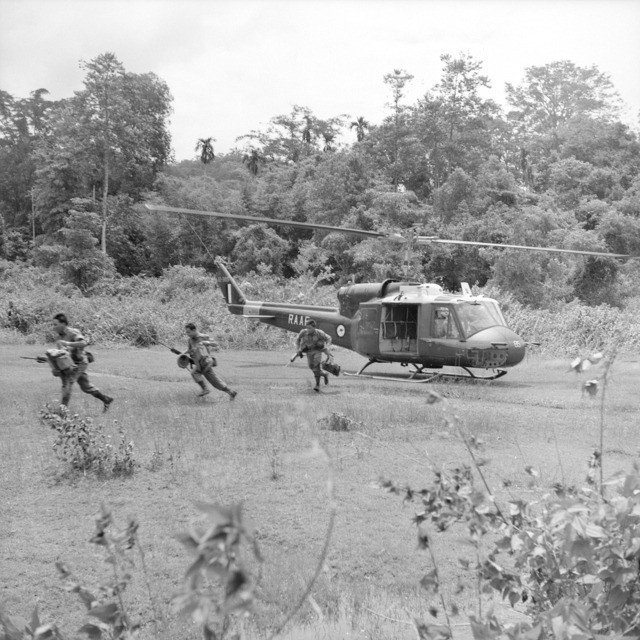
Malaya doesn’t have a historical relationship with Japan.
My theory on Indonesian approval of Japan wartime history:
The Imperial forces were celebrated in Indonesia, perhaps due to the attitude of the local Batavians, and this is a reference to the unnecessary cruelty and brutal policies which were pursued by the Dutch in the “Dutch East Indies”, Indonesia. The region served as an extraction colony for the VoC, and the policing imposed on the locals was nothing short of apartheid.
It’s no surprise how the Japanese were celebrated as “liberators” there, at least before they committed mass depredations as the zeerovers did.
Let’s take a little respite from the heavy discussion with a little treat ~

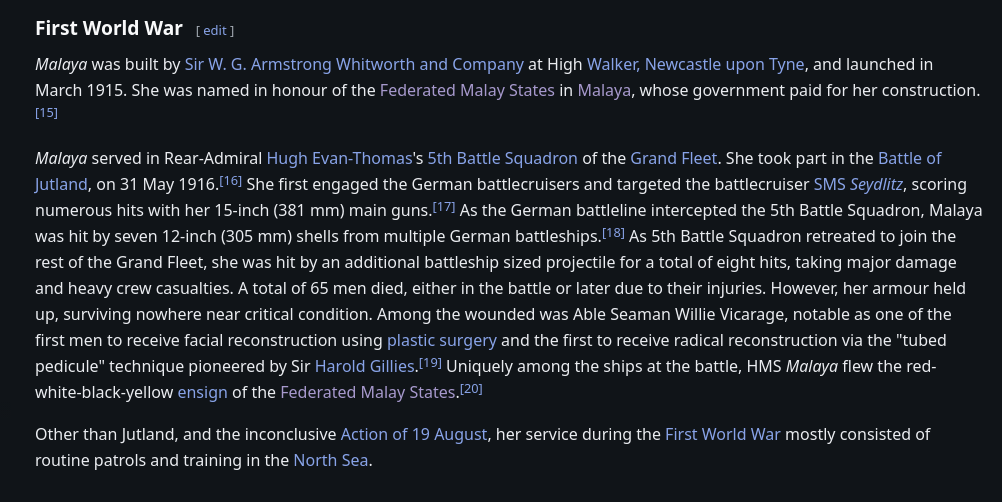

HMS Malaya departing New York after repairs, 9 July 1941
Malaysian defence industry showcase:
Lumut Naval Shipyard
We have our flaws as a society, and as a Malay native-born Malaysian, I oppose all diluted forms of social apartheid. Certain social privileges like the “bumi-status” should be granted to all Malaysian-born citizens, it shouldn’t be determined by their ethnicity. I believe there are so many more hurdles that we have to face in nation-building as a society. But I’m proud to call Malaysia home.
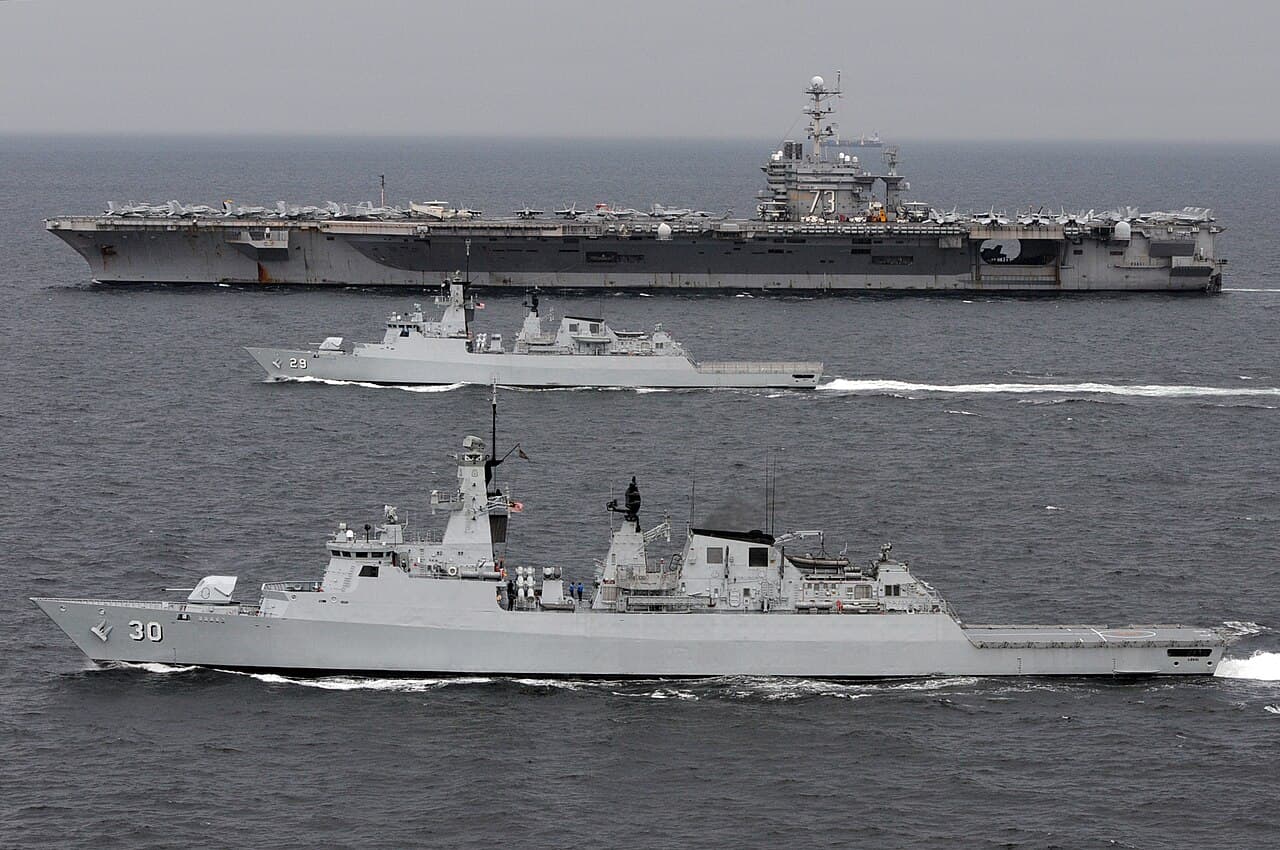
USS George Washington (CVN 73) is underway with the Royal Malaysian Navy frigates RMN Jebat (FF 29) and RMN Lekiu (FF 30) during a transit of the Andaman Sea.