Would you like to see IS-3M in-game?
- Yes, as a Tech-Tree Vehicle
- Yes, as a Premium Vehicle
- Yes, as a Squadron Vehicle
- Yes, as an Event Vehicle
- Yes, rework the current model and rename it to “IS-3M” (or make it a researchable upgrade option for the current IS-3)
- No, I do not want to see IS-3M in-game.
0
voters
IS-3M
Introduction
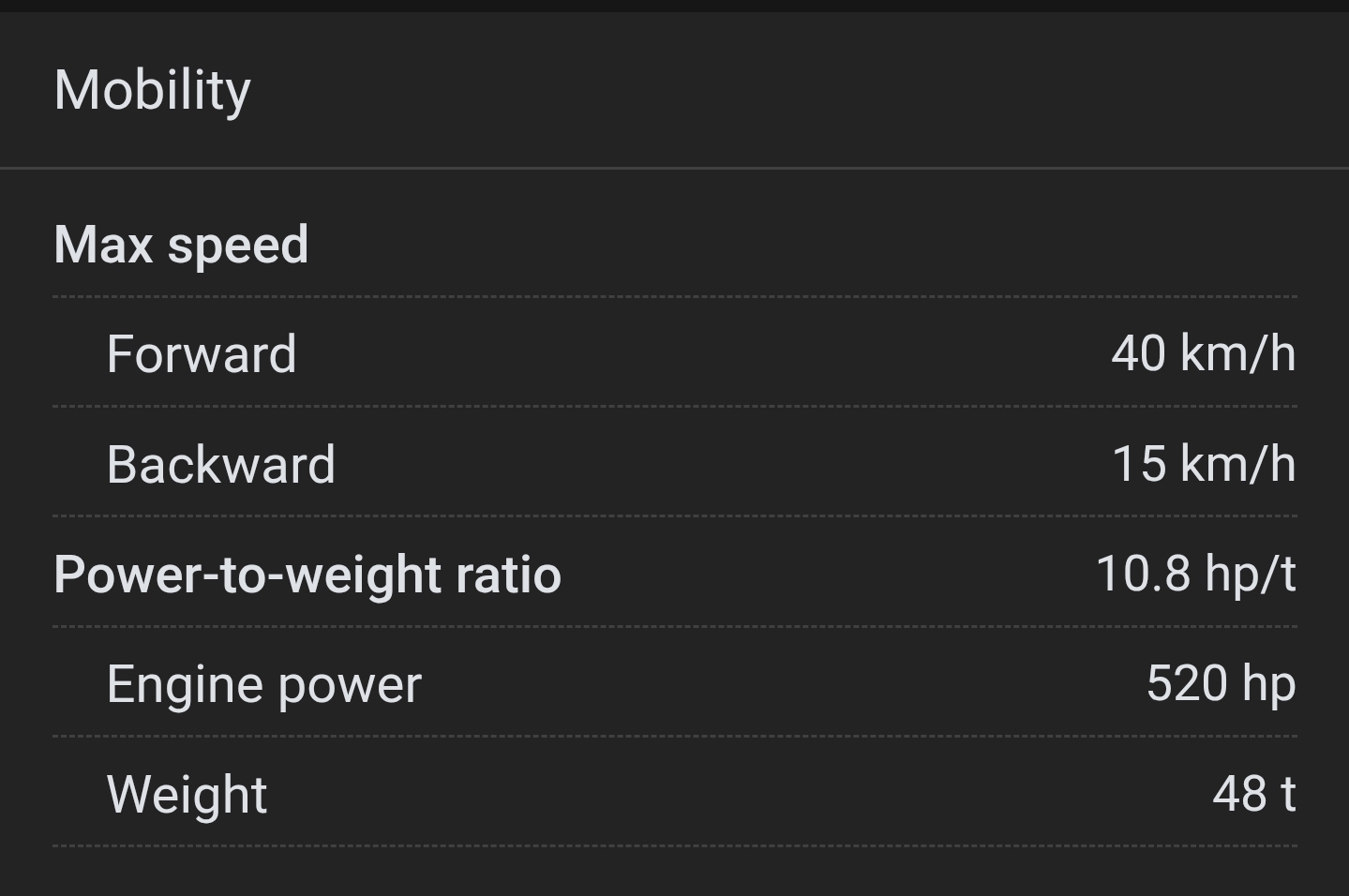
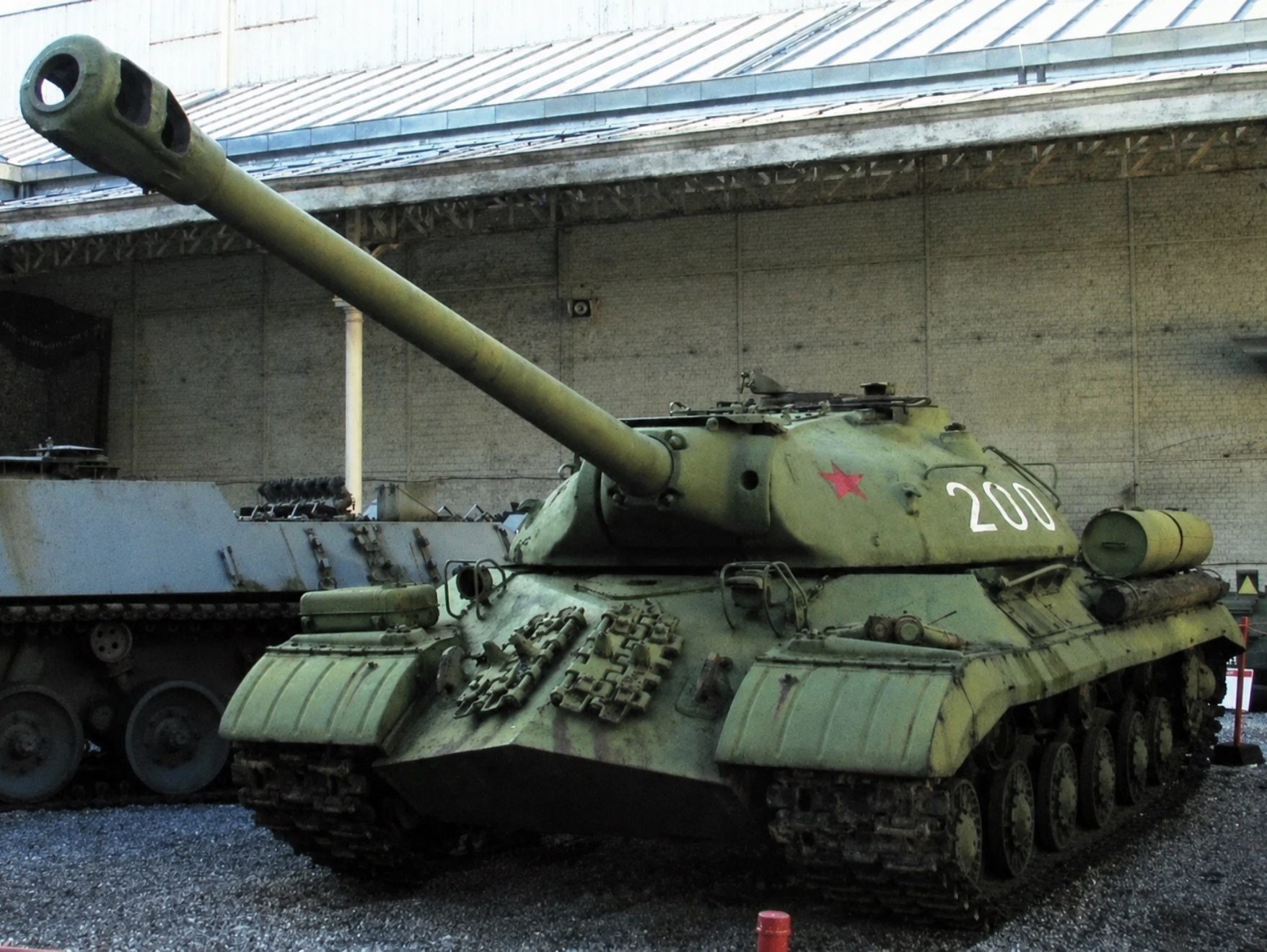
The IS-3M represents the final and most refined version of one of the most recognizable Soviet heavy tanks ever built. The original IS-3, with its “pike nose” hull, low rounded turret, and powerful 122 mm gun, appeared at the very end of the Second World War, but arrived too late to see combat. Its real service life belonged to the Cold War. To keep the vehicle useful, surviving IS-3 tanks were gradually repaired, improved, and eventually modernized into the IS-3M. This upgrade corrected many of the tank’s worst flaws and brought it closer to post-war Soviet standards. The IS-3M received a 520 hp V-54K-IS engine, improved communications equipment, night-driving equipment, rear fuel drum mounts for additional range, DShKM and DTM machine guns, and several smaller reliability-focused upgrades. While it was still fundamentally the same heavy tank, the IS-3M was a more practical and serviceable Cold War version of the original IS-3.
IMPORTANT: It is not the same IS-3 currently represented in War Thunder. The War Thunder version appears to be an intermediate configuration between the original IS-3 and the fully modernized IS-3M or IS-3 modernized obr. 1953. The tank continued to receive upgrades through the late 1970s, so this suggestion represents an IS-3M in its fullest late-service configuration, incorporating the cumulative improvements introduced over the course of its modernization program. This suggestion is for the final modernized version of the tank (obr. 1974 if you must), which remained in service long enough to serve with the Armed Forces of the Russian Federation until the late 1990s.
IS-3M vs IS-3 (In-game model):
-
IS-3M could potentially be given the 3BM-7 APDS and 3BK-10 HEAT-FS rounds, both developed for the D-25T family during the Cold War. Moreover, in 1961 the Soviets transitioned to semi-combustible propellent charges for the 122 mm cannon. These shaved off 5~6 kg of weight from the complete cartridges, left little for the loader to remove from the breech after firing, and reduced the build-up of fumes in the fighting compartment. These new cartridges should allow for better fire rates in-game.
-
DShKM heavy machine gun instead of the original DShK
-
DTM coaxial machine gun instead of the original DT
-
Two protected front headlamps of the FG-100 series were fitted in place of the single headlamp-and-horn arrangement seen on the current in-game model. One was a conventional visible-light headlamp fitted with a blackout mask, while the other was an infrared headlamp with an IR filter for use with the driver’s TVN-series night-vision device. Both were protected by metal guard cages.
-
An auxiliary oil tank was also fitted on the front-right fender on later IS-3M configurations. On some vehicles, a box containing the MZA-3 portable fuel-transfer unit was mounted on the front-left fender, occupying the position previously used for the self-recovery/towing shackles. The towing-related fittings were consequently rearranged, with a connecting shackle mounted on the left upper glacis.
-
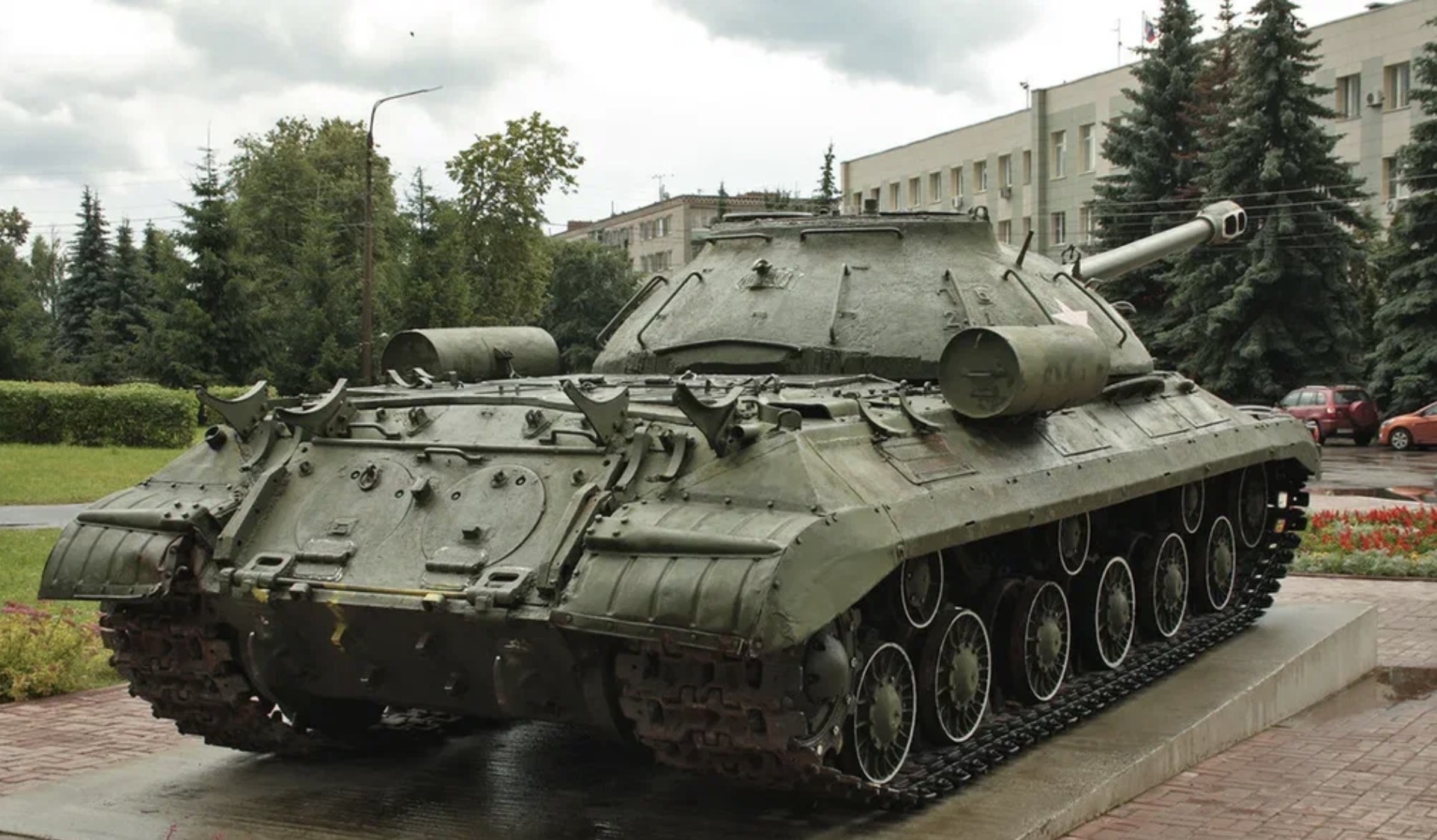
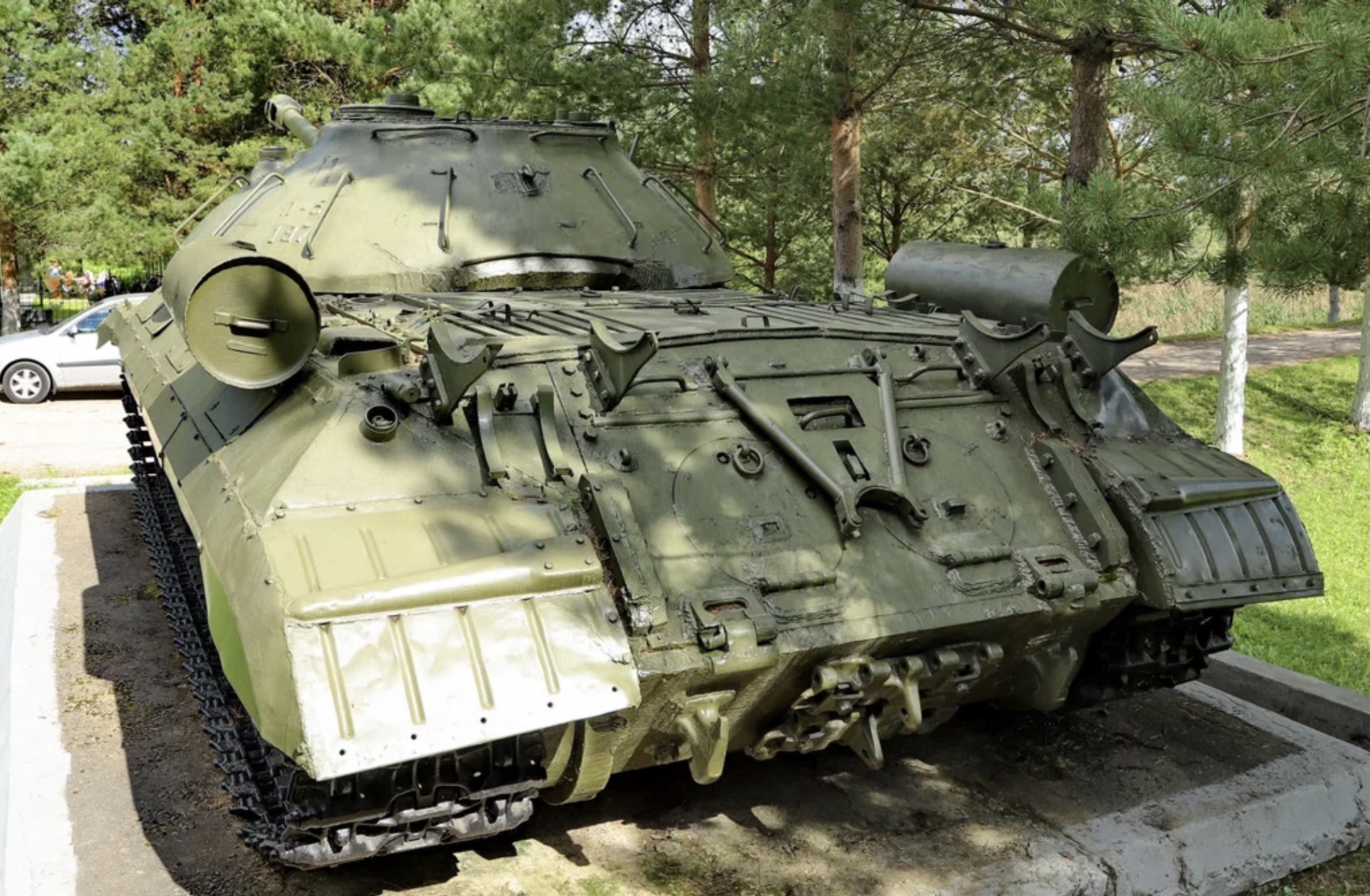
Rear mounts for two 200-litre auxiliary fuel drums, which could be carried simultaneously with the two BDSH-5 smoke charges mounted beneath them.
In my opinion, the IS-3M should not be added as a separate vehicle. Instead, the current in-game model could be reworked and renamed as the IS-3M, similar to the situation we have with the IS-4M. The original base IS-3 could then be introduced as a premium (or other) vehicle, in much the same way as the T-10A was added. Alternatively, the IS-3M could be added as a researchable modernization for the IS-3 already present in the game, allowing the current vehicle to be upgraded into its final late-service configuration. I also think the IS-3M should receive its full external fuel stowage, including all six fuel canisters, while retaining the rear smoke canisters. This would be realistic for a late-service IS-3M and would give the tank a proper Cold War appearance. It would also help visually separate it from the base IS-3, instead of making it feel like only a slightly altered version of the same vehicle.
History of the IS-3(M)
Spoiler
The IS-3 was developed during the final stage of the Second World War as the next step after the IS-2. Soviet designers wanted a heavy tank with stronger frontal protection and a lower, more compact silhouette. The result was a vehicle with a sharply angled “pike nose” hull and a rounded cast turret, both of which gave the tank a very distinctive appearance. The main armament remained the 122 mm D-25T gun. This meant that the IS-3 did not offer a major increase in firepower over the late IS-2, but its armor layout was far more advanced. The new hull shape was intended to improve frontal protection, while the low turret made the vehicle harder to hit and gave it a very modern profile for 1945. The first IS-3 tanks appeared too late to take part in combat during the Second World War. They also did not participate in the Soviet campaign against Japan. Their first major public appearance came on 7 September 1945, when 52 IS-3 tanks from the 71st Guards Heavy Tank Regiment took part in the Allied Victory Parade in Berlin. The tank’s appearance had a strong psychological effect, as it gave the impression that the USSR had already moved beyond the wartime generation of heavy tanks.
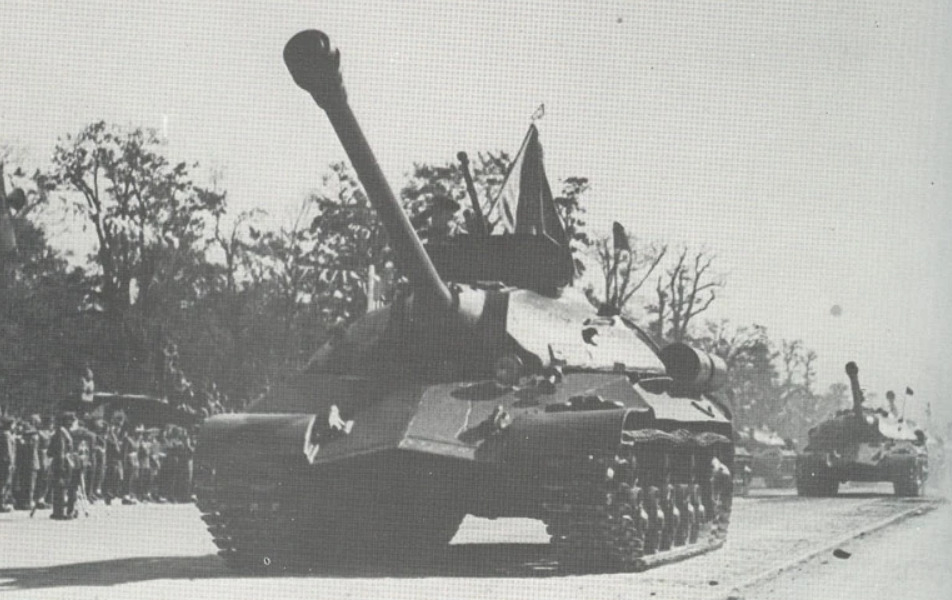
The photo above shows a Model 1945 IS-3 during the Berlin Victory Parade.
Production continued after the war, with the IS-3 being built from 1945 to 1946. Around 2,300 vehicles were produced. The tank entered service with Soviet heavy tank and heavy tank-self-propelled regiments, but it soon became clear that the design had serious problems. The IS-3 had been developed very quickly, and many parts of the vehicle had not been properly refined before production began. The most serious issues were connected with reliability and structural strength. The tank suffered from engine and transmission problems, as well as weaknesses in the hull structure. The famous pike-nose hull offered excellent frontal shaping on paper, but the vehicle as a whole required major correction work to make it reliable enough for long-term service. Because of these problems, the IS-3 went through repair and improvement work after the war. One of the key early programs was the UKN program, which stood for “elimination of design defects.” This work corrected many of the vehicle’s reliability and structural issues and eventually culminated in the IS-3M.
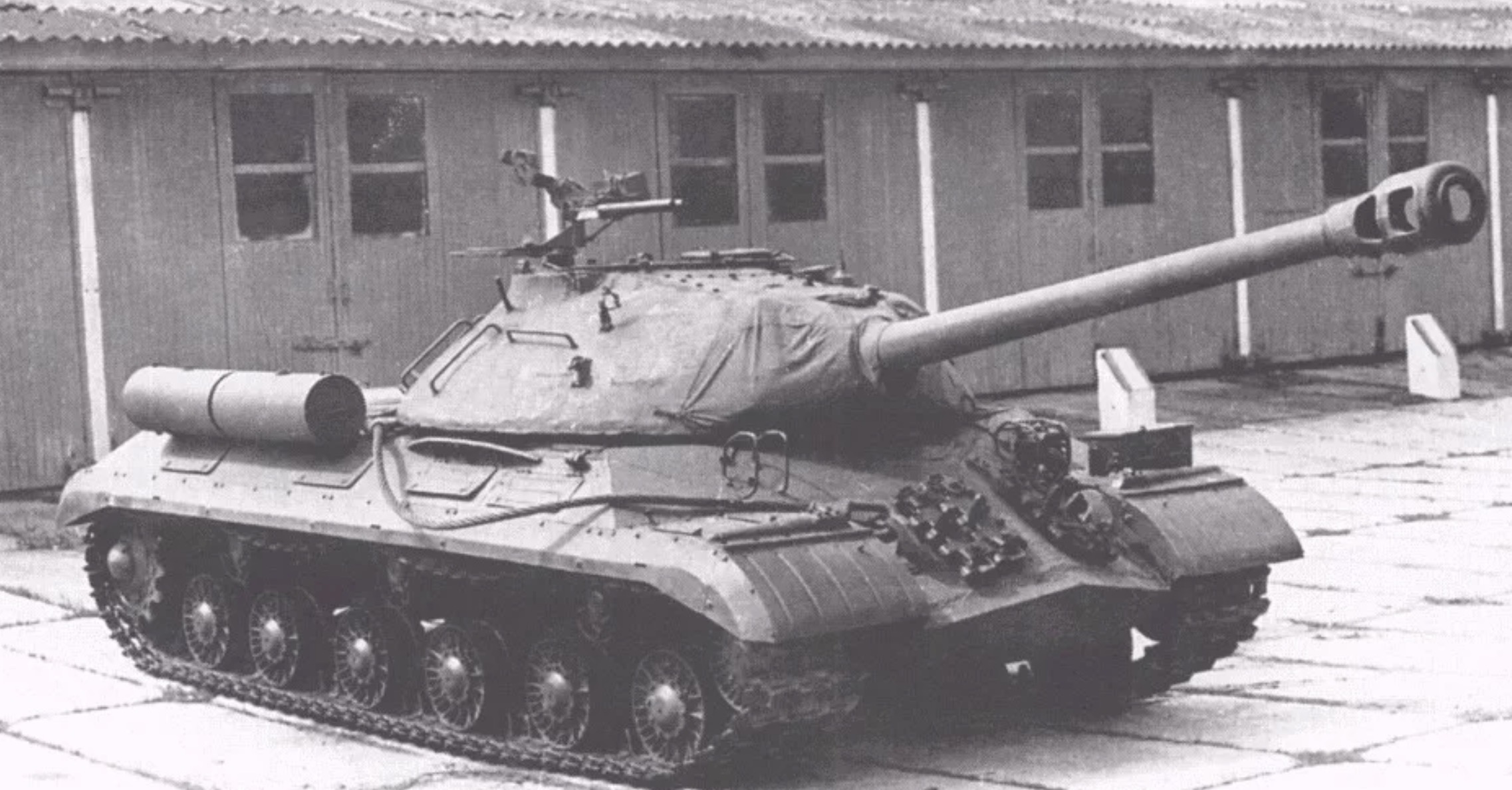
Alongside other Second World War-era vehicles brought up to Cold War standards, the IS-3M represented a similar modernization program for the IS-3 heavy tank. The tank received the more reliable and widely available 520 hp V-54 engine developed for the T-54, also used in other Soviet post-war modernizations such as the ISU-152K/M, IS-2M, T-44M, and even some upgraded T-34-85s. Its communications equipment was brought closer to T-54/T-55 standards, while additional fuel stowage improved operational range. The tank also received night-driving equipment, allowing it to move at night, although not necessarily fight effectively in darkness. Together with several other smaller upgrades, these changes made the IS-3M a more practical and serviceable Cold War version of the original IS-3.
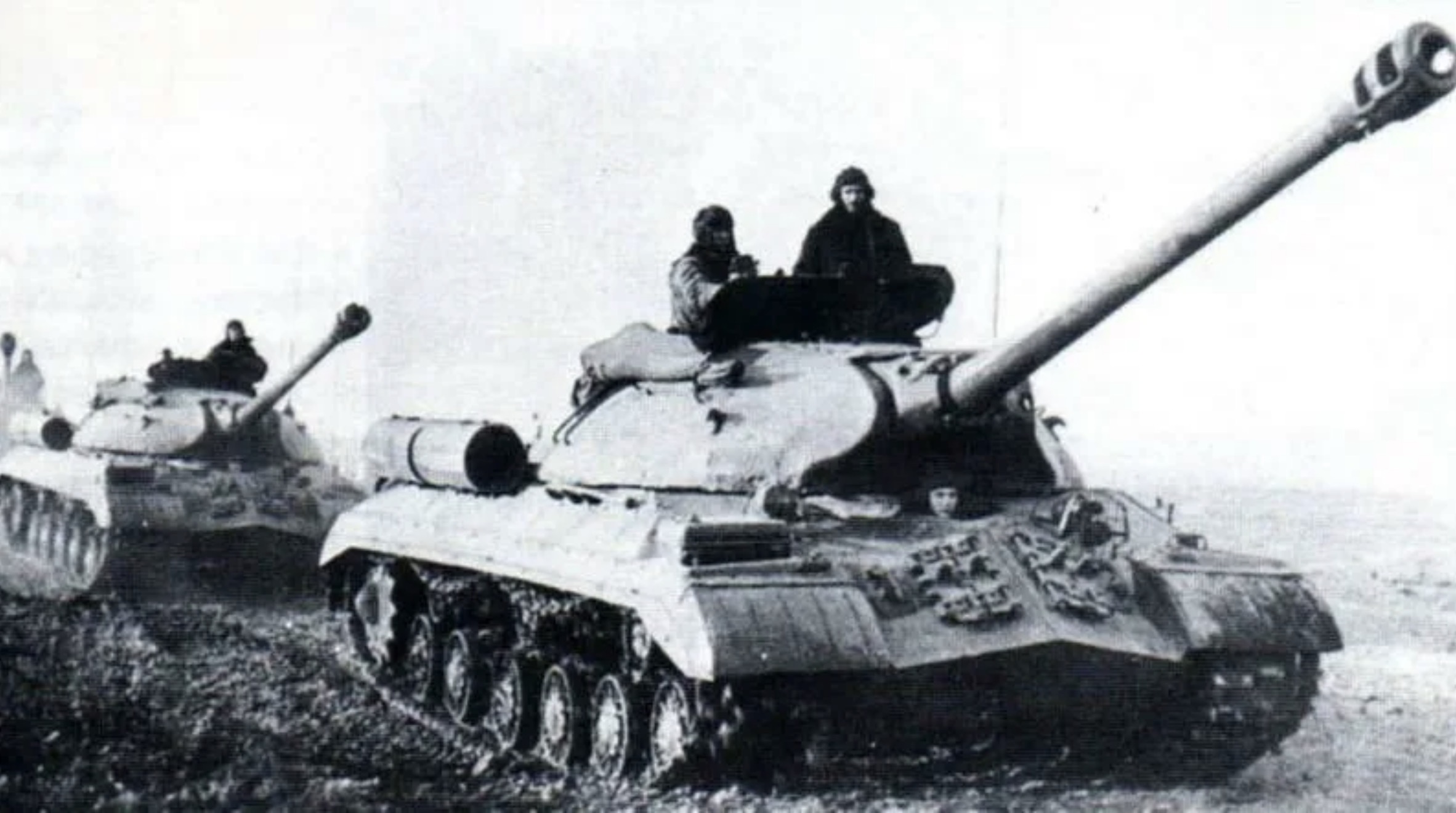
The IS-3 did see combat during the Cold War. Soviet IS-3s were used during the suppression of the Hungarian uprising in 1956. Outside the USSR, the tank was exported in limited numbers to several countries. Egypt became one of the most important foreign users. In Sinai, the tank’s armor proved to be highly impressive, but it suffered from poor mobility and reliability issues (due to heat). These problems were made worse by the poor tactical handling and general incompetence of the Egyptian military at the time. Nevertheless, several Israeli M48s were reportedly knocked out by IS-3s. Some IS-3s were captured by Israel and later used as fixed firing points on the Bar Lev Line when their engines became too worn out. Other countries were also associated with the IS-3 in different ways. Poland and Czechoslovakia received only a few vehicles for familiarization and testing, while North Korea received a larger number after the Korean War. Iraq and Syria are also listed as limited IS-3 users, and China is sometimes reported to have received IS-3s as well.

During the Cold War, IS-3 tanks remained part of the Soviet armored force, although they gradually lost their importance as newer heavy tanks entered service. The T-10 eventually became the main Soviet post-war heavy tank, while the IS-3 increasingly moved into secondary, training, reserve, or limited service roles. In Soviet service, the modernized IS-3M remained in normal use into the 1970s. After Nikita Khrushchev came to power, the role of the Soviet heavy tank began to decline. Medium tanks were rapidly improving, eventually leading toward the main battle tank concept, while anti-armor weapons were also becoming more capable. Heavy tanks were increasingly seen as redundant, since newer medium tanks could perform many of the same battlefield tasks while being more mobile, easier to operate, and still adequately protected.
As a result, the IS-3, along with other Soviet heavy tanks, was gradually relegated to secondary roles. Many were sent to remote regions such as the Far East or Transbaikal, where their heavy armor and powerful guns could still be useful against potential threats. IS-3Ms remained in Soviet reserve formations into the 1980s, particularly with the 80th Reserve Tank Division in the Transbaikal Military District reportedly held around 270 IS-3Ms until the division was disbanded on 1 October 1989.
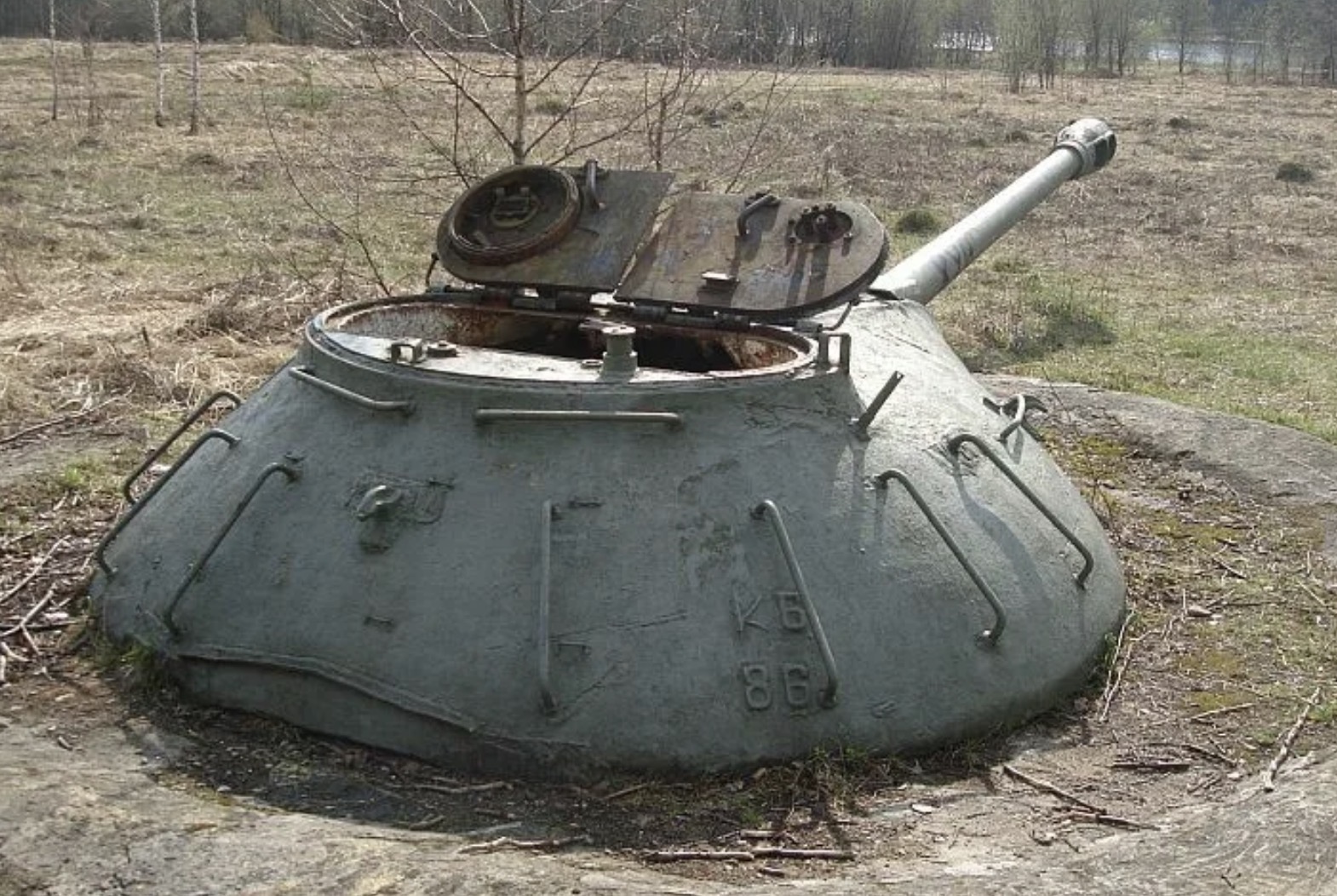
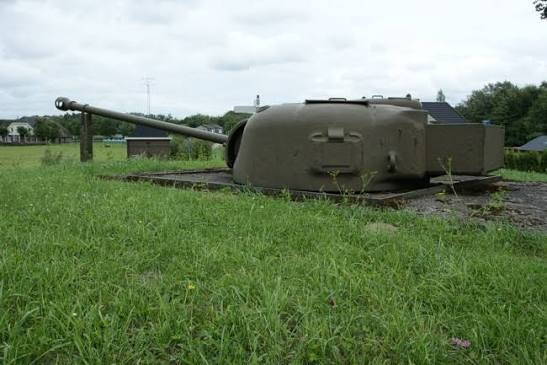
Many vehicles were also converted into stationary firing points or bunker-style defensive positions. This was not as strange as it might seem. The 122 mm cannon remained powerful and had good range (14200 m), while the turret was one of the best-protected parts of the vehicle. As a fixed defensive position, the tank no longer needed to rely on mobility, engine reliability, or modern fire-control equipment to remain useful. A bunker does not need a stabilizer or even electrical power to do its job. It also does not need an engine, so removing unnecessary mechanical components reduced maintenance and made the installation easier to keep operational. The crews would also not require the same level of training as a fully mobile tank crew, aside from the artillery training needed to operate the gun effectively. As a result, these fixed positions could be operated by conscripts, reservists, or second-line units without wasting better-trained tank crews on static defensive duties. For this reason, using old heavy tanks (and even some early T-54s) as static defensive weapons was actually a fairly practical idea. In some cases, some of these tanks were kept mobile until their engines and transmissions had worn out completely. Only then were they permanently emplaced. This allowed the tanks to be moved from temporary storage areas to pre-prepared firing positions as needed before they became mechanically inoperable
It is likely that many of the vehicles which formally remained in service until the late 1990s were survivors used in these secondary or fixed defensive roles. In the specific case of the IS-3M, I found evidence of the tanks still being used as regular vehicles as late as the mid-1970s. After that point, their role seems to have shifted mostly towards reserve duties, storage, and static firing positions. The IS-3M was officially removed from Russian Ministry of Defense service in 1997.
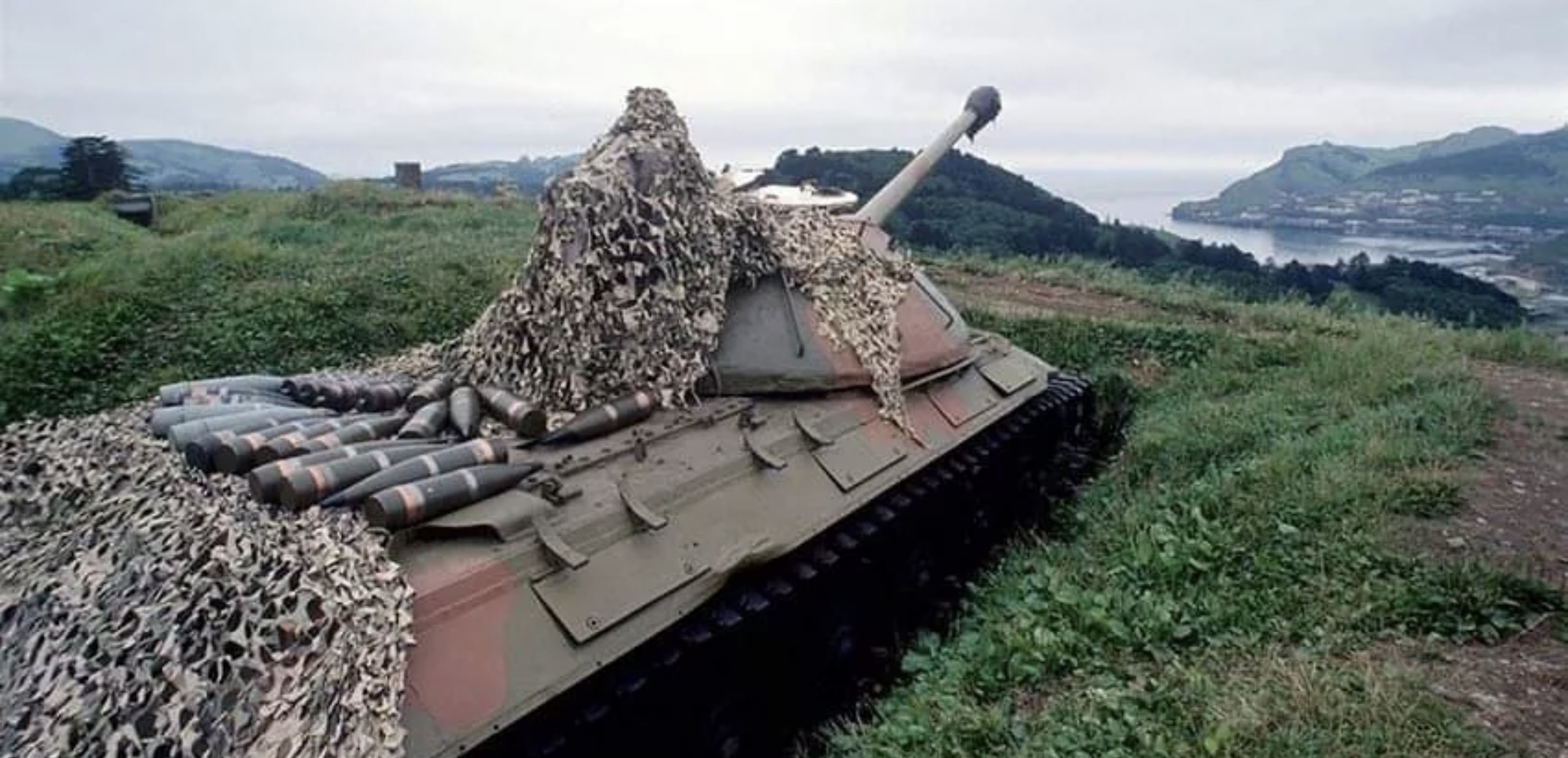
The above bad boy on the Shikotan island in the Kuril archipelago was probably one of the last active units in the world. When Russian forces left the islands, certain components were removed and the weapons were declared inoperable. The remaining ammunition was destroyed locally. Nevertheless, even in their poor condition, some of the tanks can reportedly still traverse their turrets and elevate their guns. Surprisingly, they are still listed as property of the Ministry of Defence and remain under conservation, which is rather amusing given their current state.
More on these Bunkers
Spoiler
The famous Kuril IS-3Ms, together with their sister vehicles, the IS-2Ms, were brought to the islands to cover the entrances to potential landing sites that could be exploited by the Japanese. They were a part of what the Soviets called a “Company of Tank Firing Points”. Their main role was coastal defense, with the tanks intended primarily for use against landing craft and ships approaching the shore. According to accounts of their service, these units practiced firing out to sea twice a year and reportedly achieved good results.
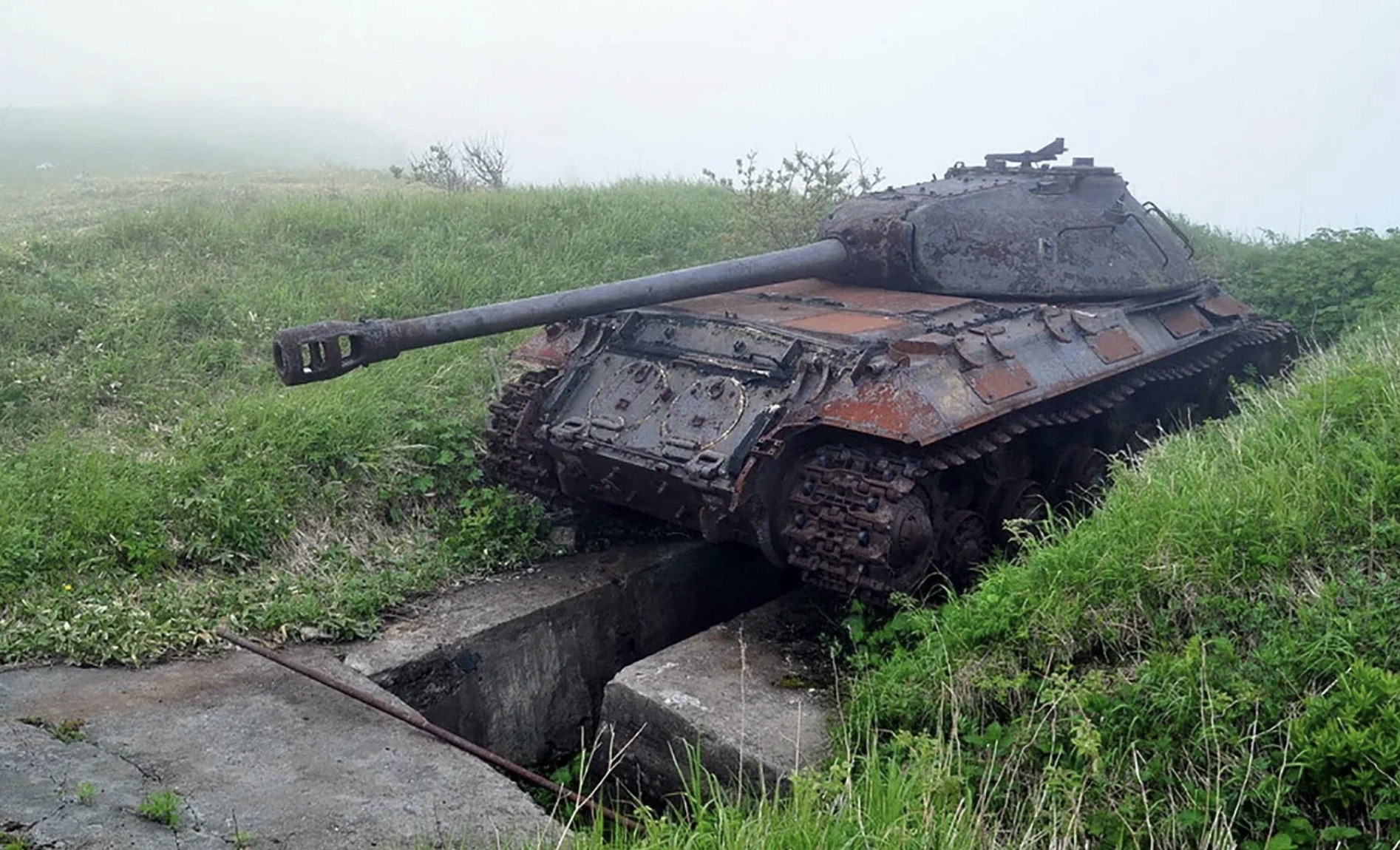
The tanks were probably transported to the islands by large landing ships and then driven or towed to prepared defensive positions. Unlike some other Soviet fortified positions, they were not stripped of their turrets and placed inside full concrete bunkers, as this would have been more expensive and time-consuming. Nevertheless, they have been placed on concrete supports or prepared bases, leaving space beneath or between the tracks. This allowed the crew to enter and exit the vehicle from and to a trench or protected position, reducing their exposure to shell fragments. Once in place, their engines, transmissions, and other unnecessary mechanical components were removed, with the freed internal space used for additional ammunition storage. The Israelis used a similar approach with captured IS-3s on the Bar Lev Line.
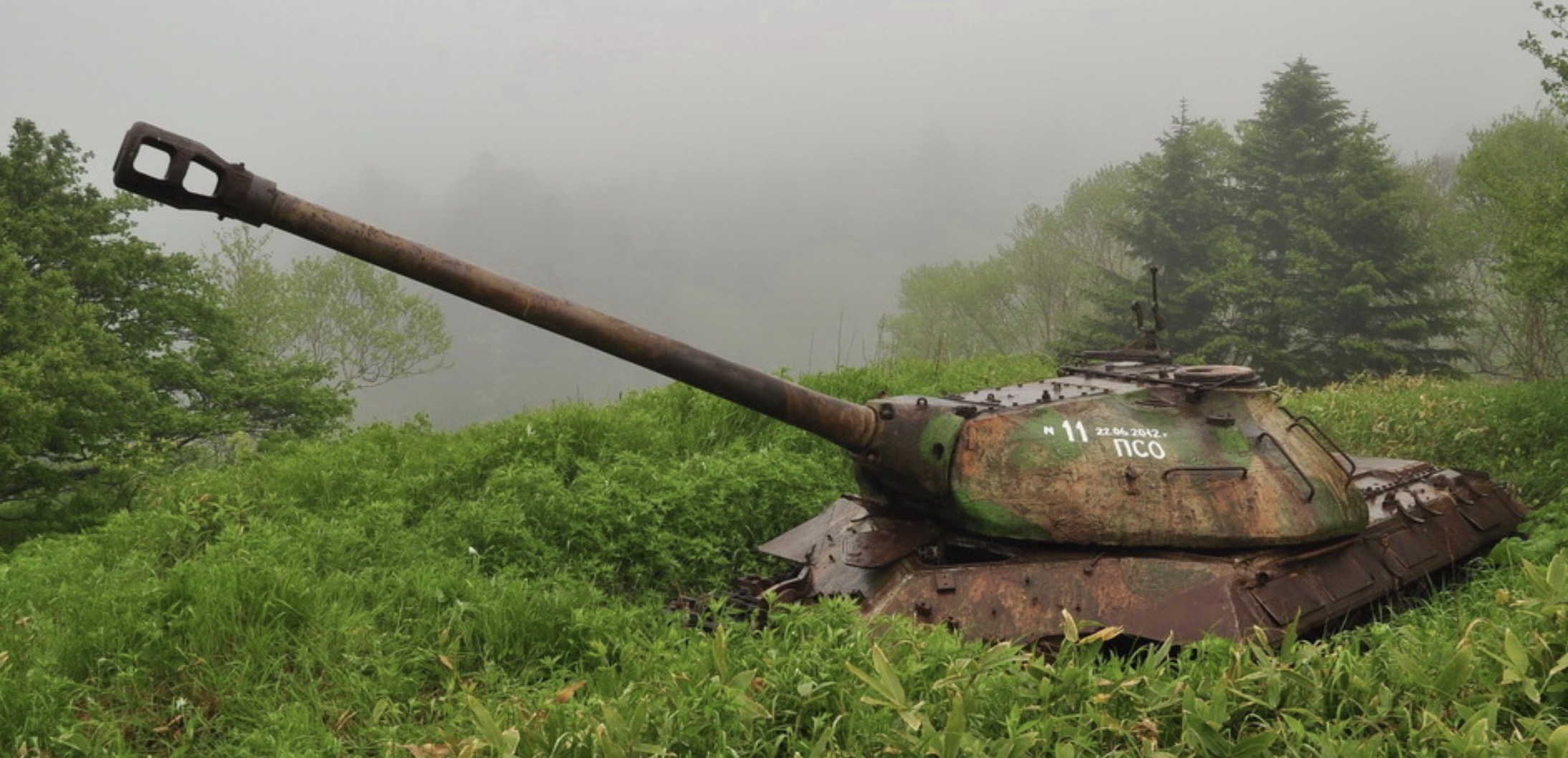
Some tanks (Including early T-54s) had their turrets removed and mounted separately in purpose-built concrete positions closer to the water. These turret bunkers were intended to engage landing forces directly as they approached the shore. The IS-2M and IS-3M tanks shared a similar fate to their T-54 counterparts on the Sino-Soviet border (although not universally). There, their turrets were installed in prepared concrete fortifications that have been far more developed than the simpler positions found on the Kuril Islands. This was likely possible to achieve due to easier access and better logistics. On the other hand, some IS-2s and IS-3s were buried into the ground instead with their hulls still attached.
In general, these positions were known as НТОТ, or stationary tank firing points. Groups of them were organized into РТОТ, meaning companies of tank firing points, and in larger fortified regions they could form ОБТОТ, or separate battalions of tank firing points. Turret-only concrete positions were usually called АВТБ, artillery platoons of tank turrets, or simply ВТБ, platoons of tank turrets.
You can read much more on these types of Soviet fortifications here.
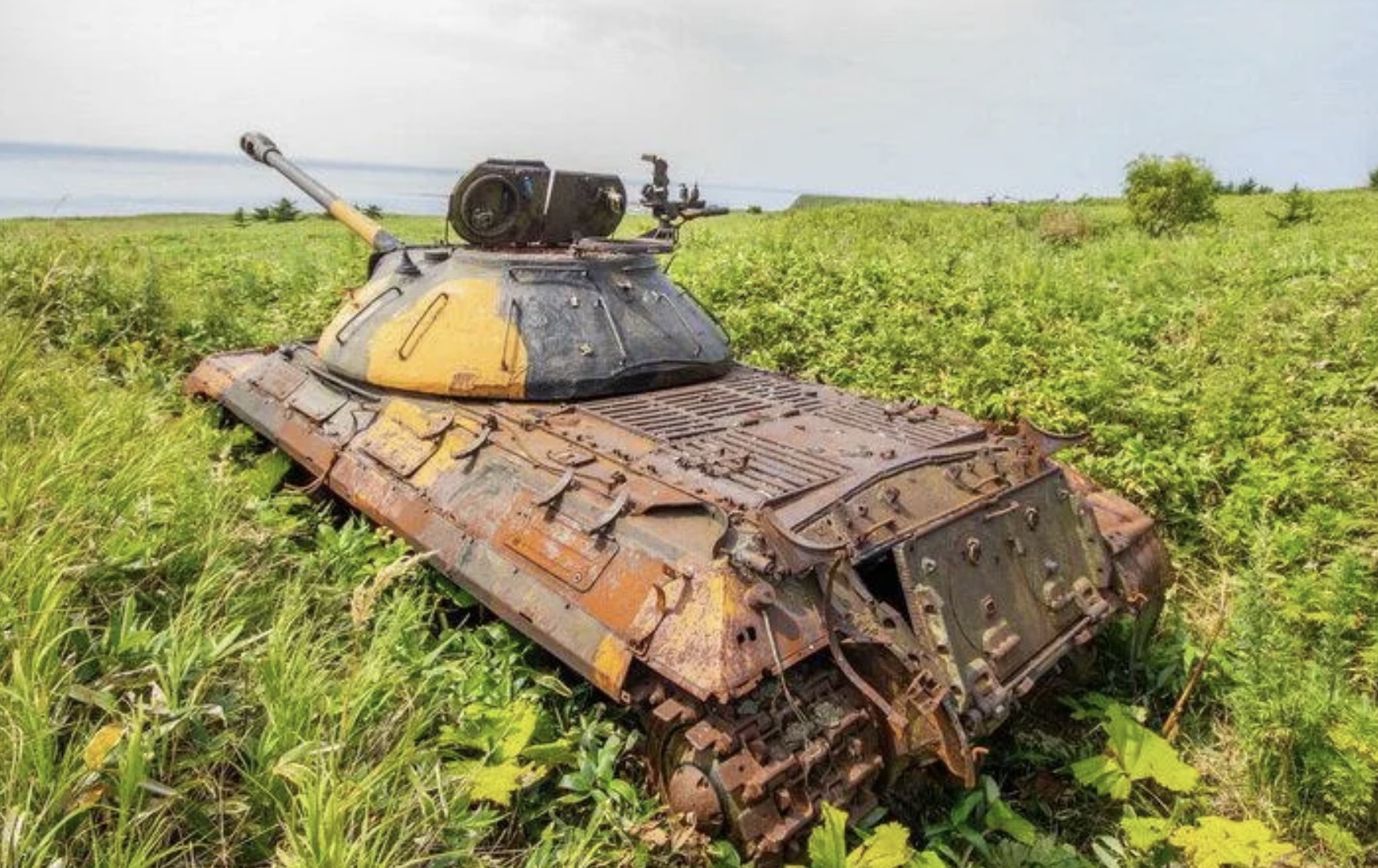
Notice the interesting camouflage patterns present on some of these IS-3Ms.
IS-3M Modernization In-Depth
Spoiler
The IS-3M was the main modernized version of the IS-3. It was created to keep the vehicle serviceable and correct many of the weaknesses that had affected the original production tanks. The modernization focused on reliability, communication, night operation, and practical field use.
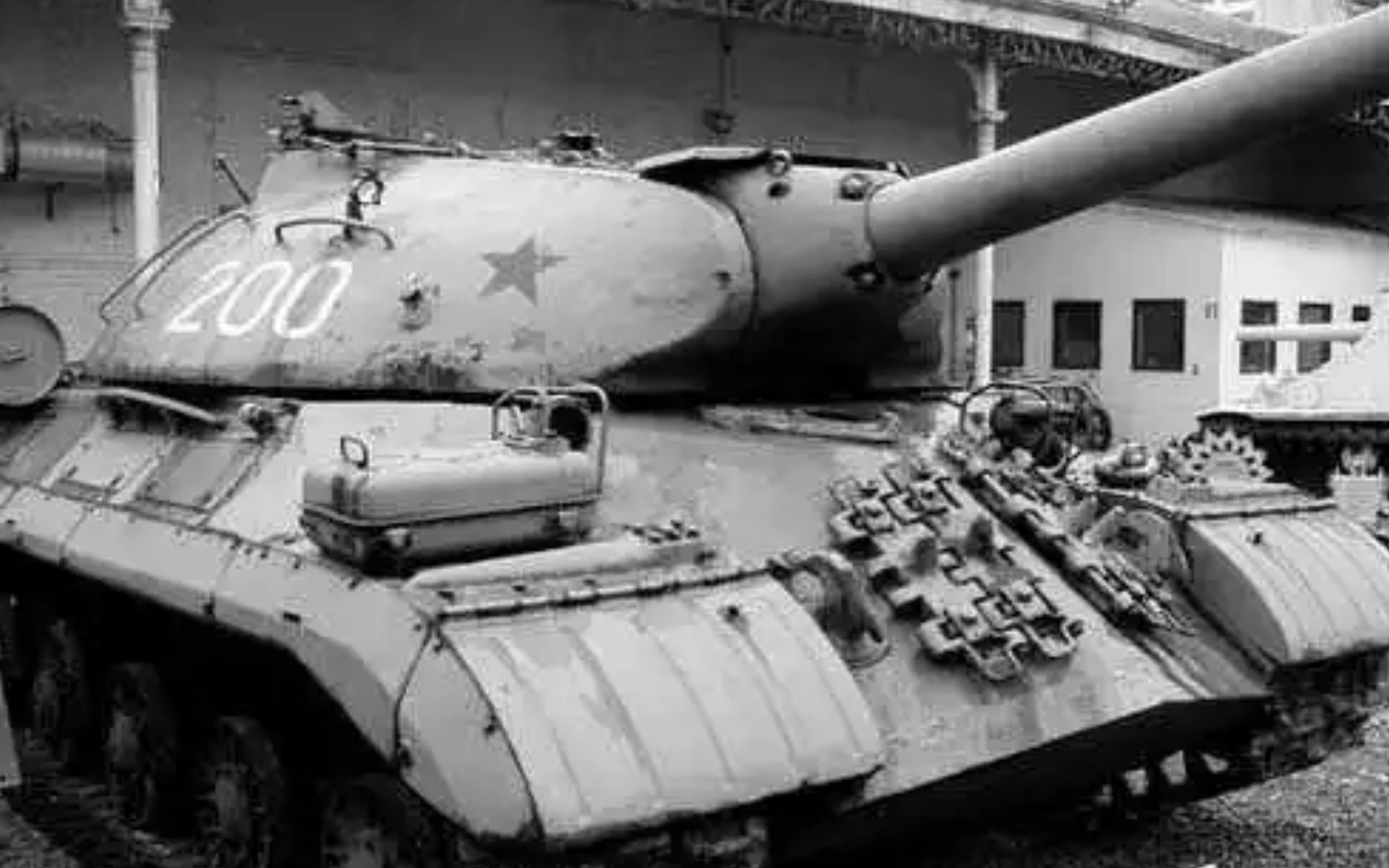
Structure and Protection
The armor layout was not radically changed. The IS-3M retained the same general hull and turret shape, including the famous pike nose and rounded cast turret. However, one of the most important parts of the modernization (beginning with the UKN program) was the effort to correct the IS-3’s structural weaknesses. The original hull had proven too flexible, particularly around the rear hull and engine-transmission compartment, where deformation and cracking could occur under prolonged service. To address this, the hull structure was reinforced with additional strips on the rear plate and braces along the floor, increasing overall rigidity and reducing stress in the affected areas. The floor beneath the gearbox was also modified: a new access opening was cut and then closed with a welded plate, which increased the clearance between the gearbox and the hull bottom and helped reduce the risk of contact and deformation under load. These changes did not alter the tank’s appearance dramatically, but they addressed one of the most serious shortcomings of the early IS-3 and improved its durability in service. The IS-3M modernization introduced further structural reinforcement on top of the earlier UKN improvements. Additional braces were fitted to the hull floor and reinforcing strips added to the rear plate, while the engine pedestal was strengthened with extra braces, gussets and plates. The area beneath the gearbox was also reinforced with a welded armour plate, further increasing hull rigidity and reducing the structural problems that had affected earlier IS-3s.
The tank retained the rear-mounted BDSh-5 smoke charges with remote control, giving it a smoke-screen capability. The smoke charges could still be fitted beneath the newly added 200-litre rear fuel drums, without preventing their use or activation.
Firepower
The IS-3M retained the 122 mm D-25T rifled gun, using separate-loading ammunition. Although still a powerful weapon, the D-25T suffered from a relatively low practical rate of fire, which remained one of the principal weaknesses of Soviet heavy tanks armed with it, especially when compared with later Western tanks fitted with faster-loading guns. From the mid-to-late 1950s, however, the Soviets began testing semi-combustible propellant charges for the 122 mm system, and by 1961 both the T-10 and IS-3 had been modified to accept the new ammunition. These charges reduced the weight of a complete round by roughly 5–6 kg, left far less material for the loader to remove from the breech after firing, and also helped reduce the accumulation of propellant fumes inside the fighting compartment. While they did not fundamentally solve the D-25T’s slow-loading characteristics, they likely made the loading cycle somewhat easier and allowed for a modest improvement in practical rate of fire.
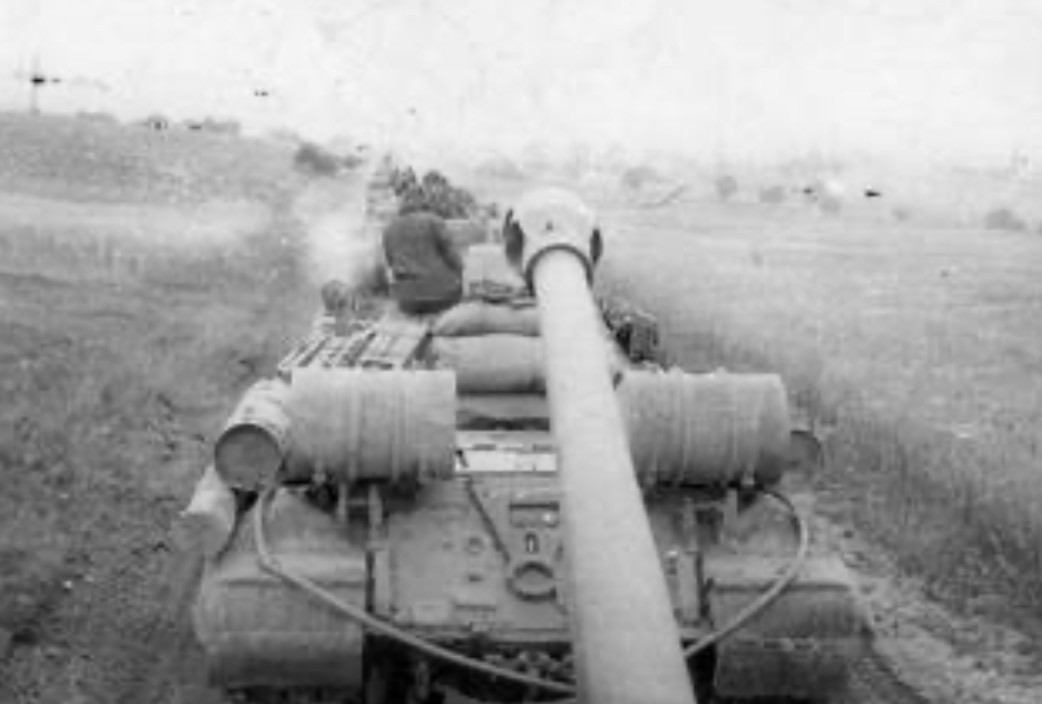
Nevertheless, the 122 mm gun still gave the IS-3M very strong single-shot power. With a maximum range of around 14,200 m, the gun was not only capable of seriously damaging many armored vehicles, even by modern standards, but could also lob shells over long distances. This made vehicles armed with it useful not only as direct-fire heavy tanks, but also as improvised self-propelled guns for their time. The IS-3M’s D-25T was compatible with later 122 mm ammunition such as the 3BM7 APDS and 3BK10 HEAT-FS. However, while these rounds were developed for the D-25 gun family, evidence that they formed part of the standard IS-3M ammunition load is currently unclear. I have been unable to confirm that the IS-3M’s ammunition racks were modified to accommodate these rounds, even though the gun itself was compatible with them. In any case, the 3BK10 offered roughly 400 mm of penetration, while the 3BM7 provided a high-velocity sub-calibre option. The machine-gun armament was updated. The original DShK anti-aircraft machine gun was replaced by the improved DShKM, while the coaxial DT machine gun was replaced by the DTM. These were not dramatic changes, but they brought the vehicle closer to post-war Soviet standards.
Mobility
One of the most important changes was the replacement of the original engine installation. The IS-3M received V-54K-IS diesel engine rated at 520 hp. This engine gave it better mobility. The engine support systems were improved as well. The IS-3M received VTI-2 two-stage air cleaners with ejector dust removal, a new oil tank with a heat exchanger and foam suppressor, and a NIKS-1 electrically driven coolant preheater. These changes were mainly intended to make the tank more reliable and easier to operate. The running gear was also strengthened, with reinforced road-wheel and idler-wheel bearing units, along with revised oil seals. The IS-3M retained the original 650 mm wide tracks. It also received mounts for two 200-litre fuel drums on the rear hull, increasing its operational range. Some tanks may have received an MZA-3 filling unit mounted in a fuel-pump box on the left front mudguard, replacing the self-recovery/towing shackles seen on most IS-3s. This pump was used to transfer fuel from external fuel containers that were not directly connected to the engine into the tank’s connected fuel system. An auxiliary oil tank was also fitted on the front-right fender on later IS-3M configurations. The self-recovery/towing shackles were consequently rearranged, with a connecting shackle mounted on the left upper glacis. The IS-3M had revised mudguards and side skirts compared to the original IS-3, which did not have side skirts at all. Most IS-3M tanks appear to have carried an auxiliary oil tank on the front right mudguard.
Miscellaneous
The IS-3M received improved observation equipment, most notably replacing the commander’s MK-4 periscope with the 5× TPK-1 observation device. The gunner’s primary sight, however, remained the 4× TSh-17. The IS-3M also received improved communications equipment. The old radio and intercom equipment was replaced by the R-113 radio and R-120 tank intercom. This was a typical Cold War modernization feature, allowing the vehicle to communicate more effectively with newer Soviet tanks and command posts. Night-driving equipment was another important addition. The driver received a night-vision device, usually the TVN-2, although sometimes TVN-1. In either case, the important point is that the IS-3M gained a low-light driving capability that the original wartime-style IS-3 lacked. To assist the driver’s night-vision equipment, an FG-100-series infrared headlight was added alongside a regular blackout-covered driving light. On earlier IS-3M configurations these were generally the FG-102 blackout headlamp and FG-100 infrared headlamp, while later vehicles received the improved FG-127 and FG-125 equivalents. This is one of the clearest visual indicators of the IS-3M modernization. Two green front marker lights (габаритные фонари) were fitted near the outer edges of the hull, allowing the tank’s width and position to be identified during nighttime movement. Later vehicles used the small GST-64-type lamps with green filters. These features made the IS-3M more suitable for Cold War operations, where night movement and coordinated maneuver were increasingly important. A rainwater drainage gutter was welded around the lower rear of the turret to prevent water running into the driver’s open hatch when driving with the gun traversed to the rear. The self-recovery log was mounted on the left falseboard (на левом фальшборте), the outer side panel above the left track. OPVT-703 deep-wading equipment was tested on IS-3Ms in 1963, and additional work continued through 1963–65; at least some tanks were apparently equipped with it.
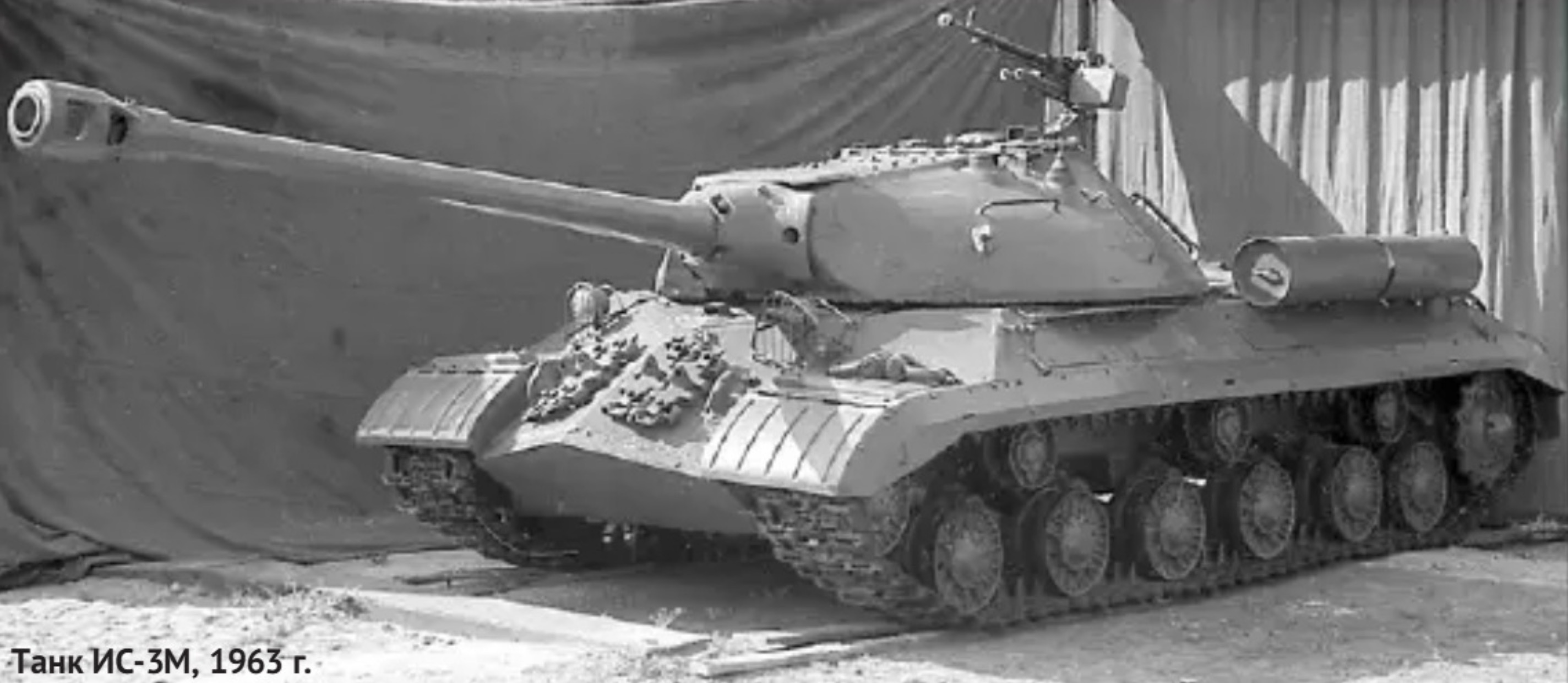
A command version also existed, known as the IS-3MK. This version was fitted with additional radio equipment, including the R-112 radio and an auxiliary AB-1-P/30 power unit. As usual with command tanks, this came at the cost of some internal space and ammunition.
The Original IS-3 vs IS-3M
Spoiler
After the 1945 and 1946 production standards, the IS-3 continued to be reworked and modernized throughout the postwar period, with successive upgrades extending into the 1970s. The first major modernization was the UKN program , which began in the early 1950s. These upgrades were gradually expanded over the following years, and by the early 1960s the accumulated changes had developed into the IS-3M standard. Below are the main configurations I was able to identify during my research. I suspect that the War Thunder IS-3 (at the time of writing) is the obr. 1953 modernization.
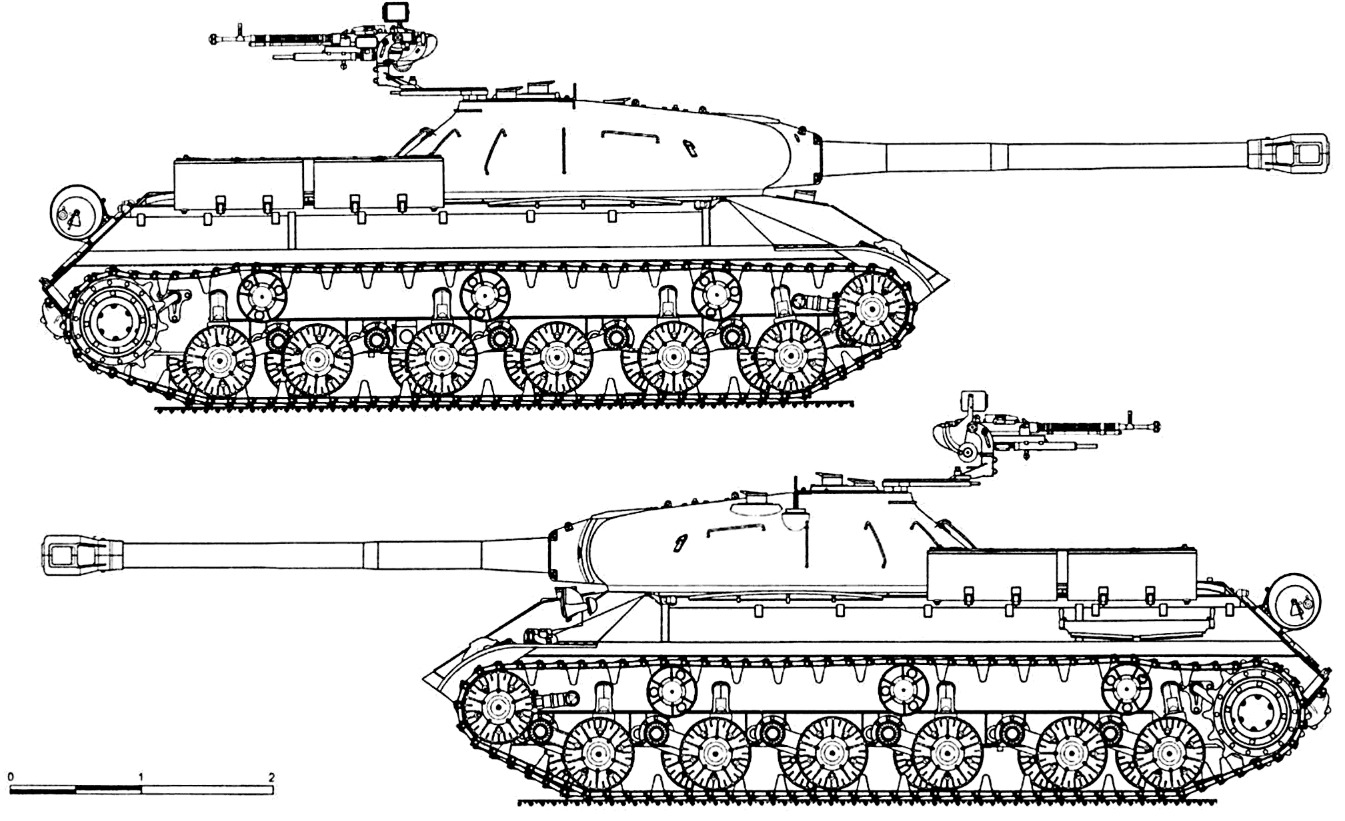
Model 1945
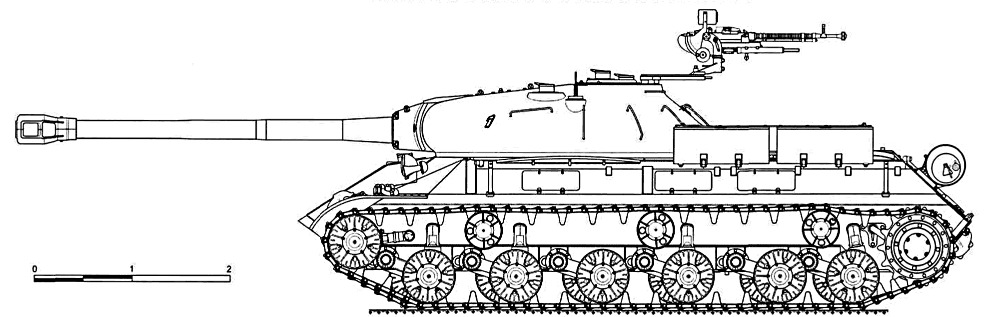
Model 1946
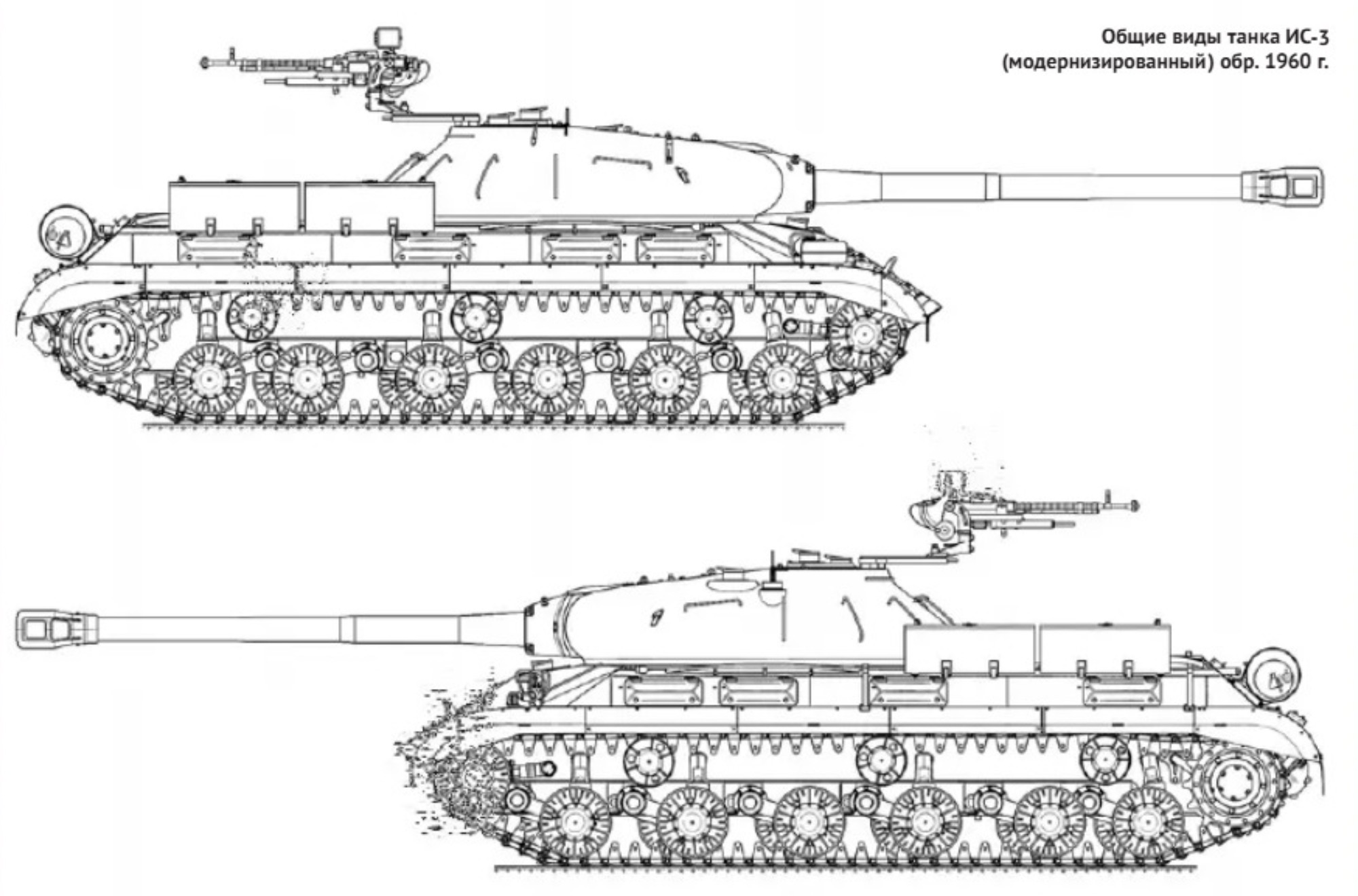
Model 1960
In short, the IS-3M’s main advantages over the earlier IS-3 configurations were improved reliability, night-driving capability, and compatibility with newer ammunition and semi-combustible propellant charges, along with a number of smaller mechanical and equipment upgrades.
Variants
Development:
- IS-3 Sample No.1 / Kirovets-1 — 1944 prototype with the earlier flat glacis.
- IS-3 Sample No.2 / Object 703 — 1945 prototype incorporating the pike-nose hull and forming the basis of the production IS-3. Contemporary nomenclature gets somewhat messy, but Soviet reference works distinguish Kirovets-1 as Sample No.1 and Object 703 as Sample No.2.
Production/service configurations:
- IS-3 obr. 1945 — original production configuration.
- IS-3 obr. 1946 — revised production configuration with changes to the cooling system, external stowage and, from April 1946, the improved powered turret traverse/commander’s target-designation system.
- IS-3 (modernized) obr. 1953 — UKN — the main postwar UKN configuration. Work leading to UKN began in 1948–49, with large-scale rebuilding carried out from 1950 through 1954. The tanks still remained designated IS-3. I should note that TVN-1 was tested on the IS-3s in 1957.
- IS-3 (modernized) obr. 1960 — further-developed UKN configuration. Additional hull-floor reinforcement and other accumulated changes (including TVN-2).
- IS-3M obr. 1962/63 — in November 1962, UKN-modernized tanks were officially given the IS-3M designation. Tanks overhauled after 1961 could receive the R-123 radio and R-124 intercom, while in 1963 the ammunition racks were modified to accept charges with partially combustible cartridge cases, along with further drivetrain and equipment improvements.
- IS-3M obr. 1974 — modernization continued during overhauls into the late 1970s, although only with minor changes here and there.
One way to tell the different IS-3 versions apart is by looking at the side hatches. The earliest vehicles had none, while 1946 production tanks had three per side. The IS-3M later had four per side, the current in-game IS-3 also has the four-hatch layout. The original vehicles also did not have the side skirts seen on the IS-3M and on the current in-game version.
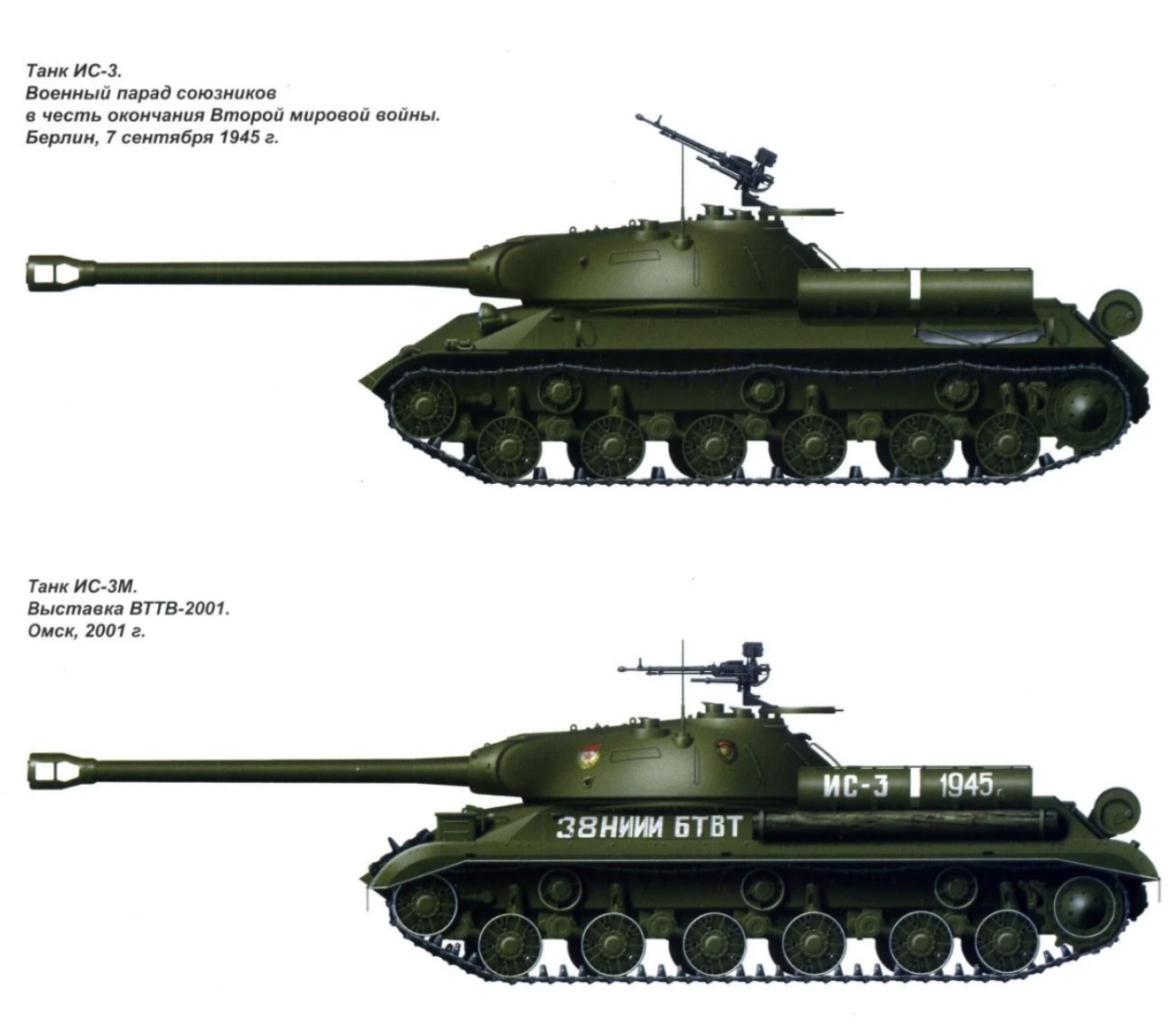
On the drawing above, you can see the differences between the original IS-3 and the IS-3M.
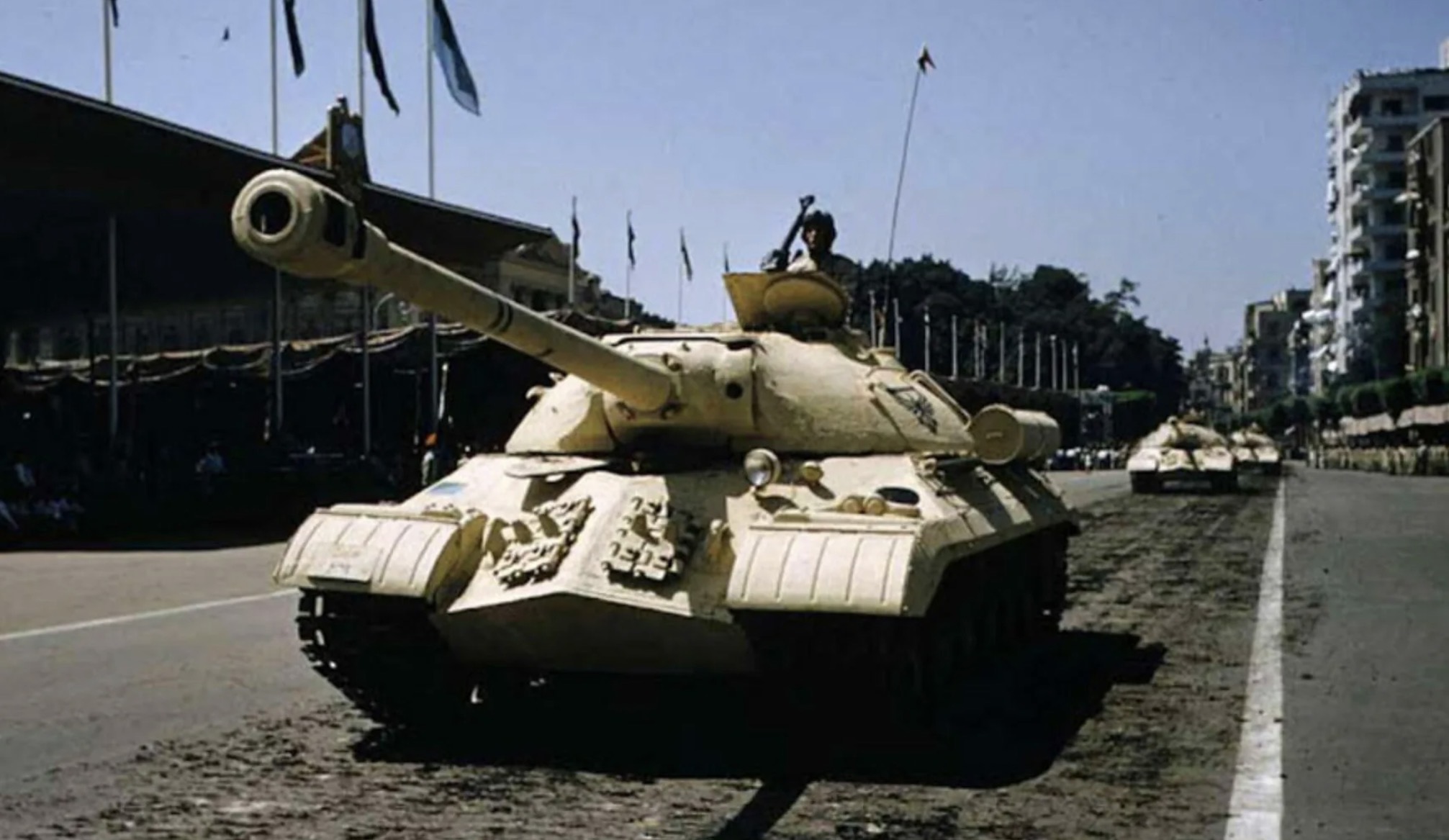
The photograph shows Egyptian IS-3s, which appear to closely match the IS-3 represented in-game. Their hull layout is otherwise similar to the later IS-3M, but they come with the older-style headlight and horn. The tank could be referred to as an IS-3 Model 1953 (obr. 1953) rather than an IS-3M, since the IS-3M designation was only introduced with the later 1962 Model.

Model 1953

The photograph shows a restored IS-3M with its lighting equipment fully operational, including the headlights and small front marker lights. As you can see, the right-hand lamp is an FG-series infrared headlight fitted with an IR filter, while the left-hand lamp is a conventional FG-series headlight covered by a blackout shield. The vehicle is also carrying the two 200-litre auxiliary fuel drums at the rear.
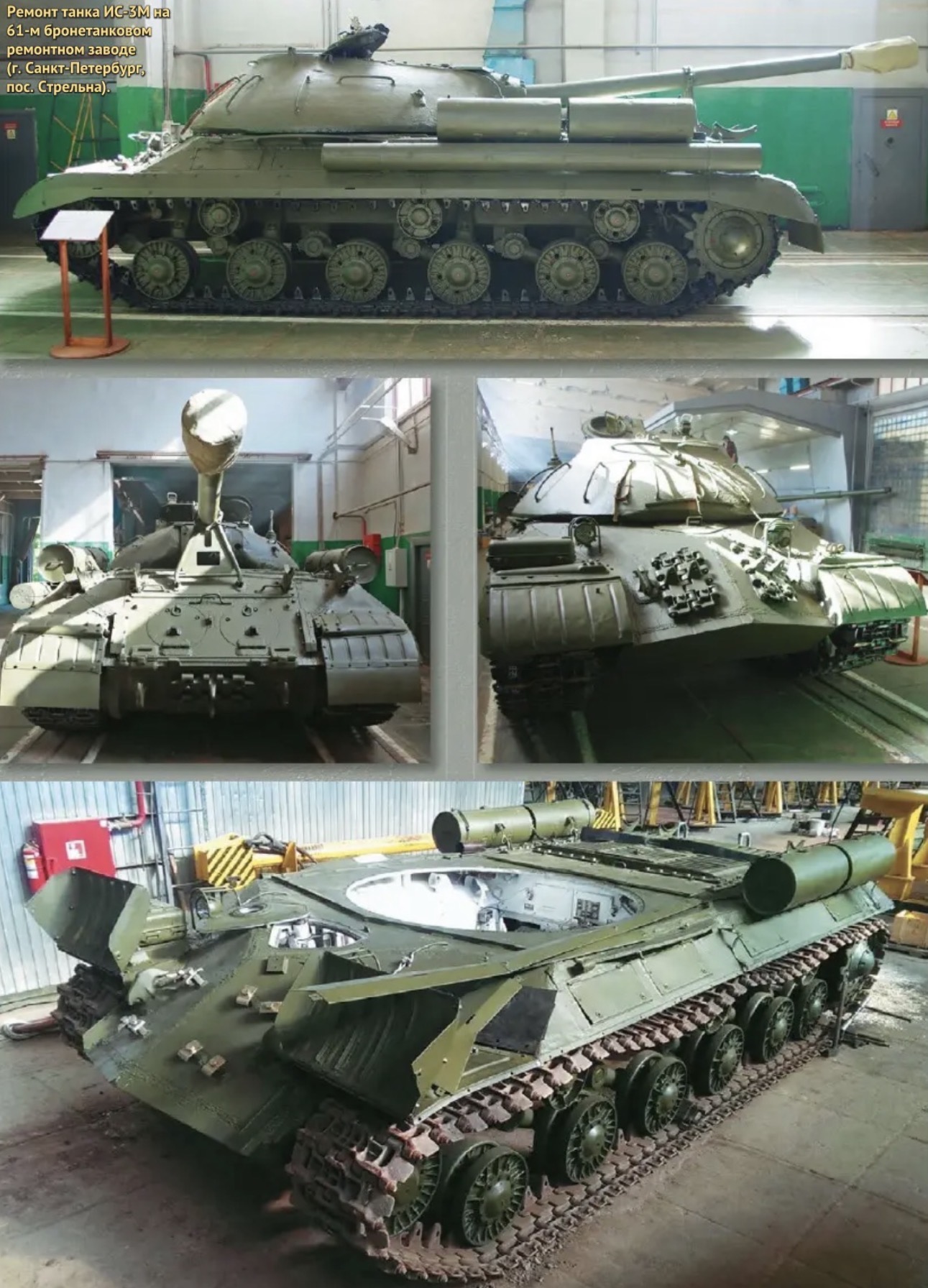
IS-3M Repairs
Specifications
Spoiler
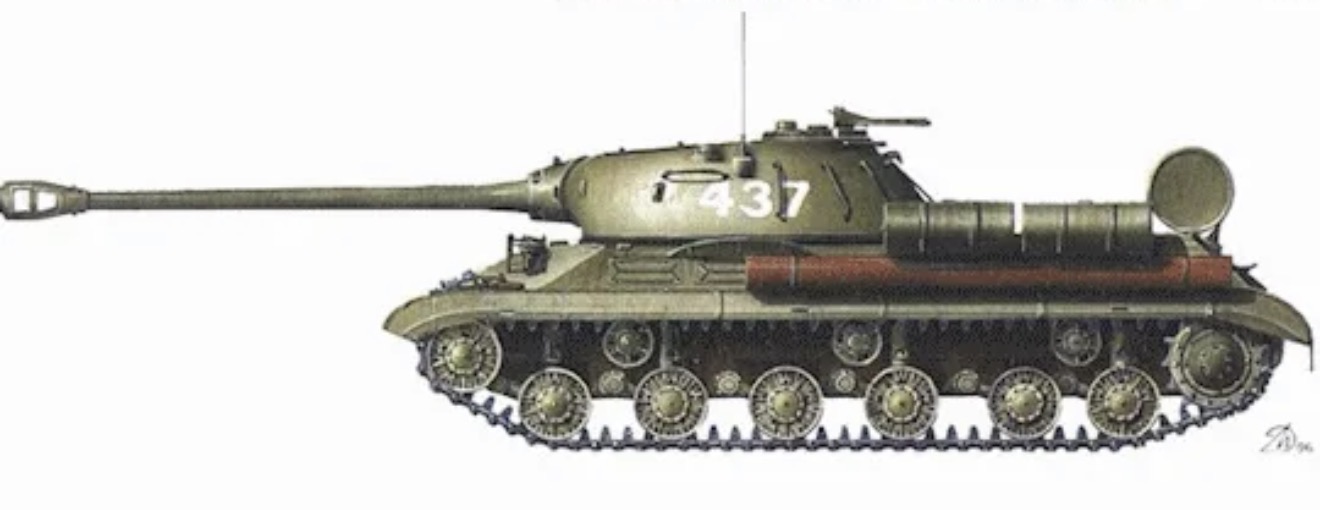
General
- Country of origin: Soviet Union
- Vehicle type: Heavy tank
- Base vehicle: IS-3
- Modernized version: IS-3M
- Factory/object designation: Object 703 for the IS-3
- Crew: 4
- Production period: 1945–1946
- Total production: Approximately 2,300 vehicles
- Service life: 1945 into the Cold War; IS-3M used in Soviet service into the 1970s
- Official Russian removal from service: 1997
Dimensions and weight
- Combat weight: Approximately 46.5 tonnes
- Hull length: Approximately 6.9 m
- Length with gun forward: Approximately 9.85 m
- Width: Approximately 3.15 m
- Height: Approximately 2.45 m
- Ground clearance: Approximately 0.46 m
Armor
- Armor type: Cast and rolled steel armor
- Hull construction: Welded rolled armor
- Turret construction: Cast turret with welded roof sections
- Upper frontal hull: Approximately 110 mm, heavily sloped
- Lower frontal hull: Approximately 110 mm, heavily sloped
- Upper hull sides: Approximately 90 mm, with additional side falseboard/skirt arrangement
- Lower hull sides: Approximately 90 mm
- Hull rear: Approximately 60 mm
- Hull roof: Approximately 20 mm
- Hull floor: Approximately 20 mm
- Turret front: Approximately 110 mm nominal, with much greater effective thickness due to shape
- Gun mantlet: Approximately 250 mm
- Turret sides and rear: Approximately 110–220 mm depending on angle and location
- Turret roof: Approximately 20 mm
Main armament
- Gun: 122 mm D-25T rifled tank gun
- Barrel length: 48 calibres
- Ammunition type: Separate-loading ammunition
- Ammunition carried: 28 rounds
- Rate of fire: Approximately 2–3 rounds per minute
- Vertical guidance: Approximately -2° to +19°
- Primary sight: TSh-17 telescopic sight
- Maximum direct/aimed sight range: Approximately 5,000 m
- Maximum indirect-fire range: Approximately 15,000 m
Main gun ammunition
- BR-471: Armor-piercing sharp-nosed projectile
- BR-471B: Armor-piercing blunt-nosed projectile with ballistic cap
- BR-471D: Post-war improved armor-piercing projectile with protective and ballistic caps; best AT round
- OF-471: High-explosive fragmentation projectile
- OF-471N: High-explosive fragmentation projectile with screw-in nose section
- 3S4 / S-463Zh: Illumination rounds
- PBR-471: Practice round
The IS-3M’s D-25T was compatible with later 122 mm ammunition such as the 3BM7 APDS and 3BK10 HEAT-FS.
Secondary armament
- Coaxial machine gun: 7.62 mm DTM
- Anti-aircraft machine gun: 12.7 mm DShKM on turret roof
- Machine-gun ammunition: Approximately 2,000 rounds for the 7.62 mm machine gun
Mobility
- IS-3M engine: V-54K-IS diesel
- Engine power: 520 hp
- Transmission: Mechanical
- Maximum road speed: Approximately 40 km/h
- Road range: Approximately 185 km in basic listed figures
- Suspension: Individual torsion-bar suspension
- Road wheels: Six double road wheels per side
- Return rollers: Three per side
- Track type: Steel, small-link, pin-engagement track
- Track width: 650 mm
- Track links: 86 per side
Fuel and external equipment
- Internal fuel tanks: Four internal tanks
- External fuel tanks: Four 90-litre cylindrical tanks on the rear hull area
- IS-3M rear fuel drums: Provision for two 200-litre fuel drums
- Smoke equipment: Two remotely controlled BDSh-5 smoke charges on the upper rear hull
Optics and communications
- IS-3M radio: R-113
- IS-3M intercom: R-120
- Driver night-vision device: TVN-series night-vision device (TVN-2)
- Commander observation equipment: Improved post-war observation equipment, including replacement of the commander’s MK-4 with a binocular observation device on modernized vehicles
Modernization features of the IS-3M
- Strengthened hull structure
- Replacement of DShK with DShKM
- Replacement of DT with DTM
- Installation of V-54K-IS engine
- Improved two-stage air-cleaning system
- Revised lubrication system with heat exchanger and foam suppressor
- Reinforced road-wheel and idler-wheel bearing units
- R-113 radio
- R-120 intercom
- Driver night-vision equipment
- Rear mounts for two 200-litre fuel drums
- Rear-mounted BDSh-5 smoke charges
- Improved reliability and serviceability
Schematics
Spoiler
In this section, I have gathered a collection of IS-3M schematics, which are covered in greater detail by the source linked here. This collection focuses mainly on the later IS-3M configurations from the 1960s and 1970s.
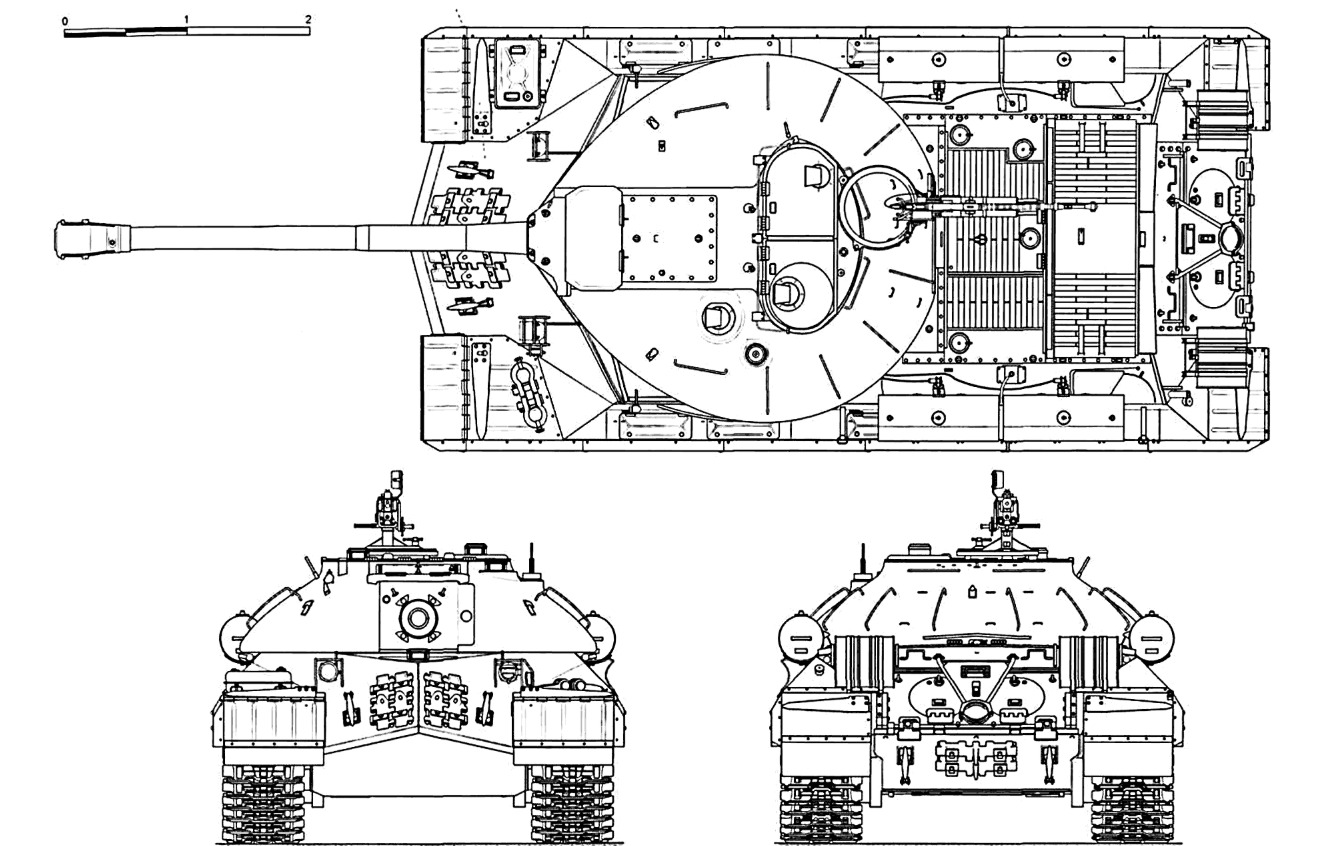
Model 1960
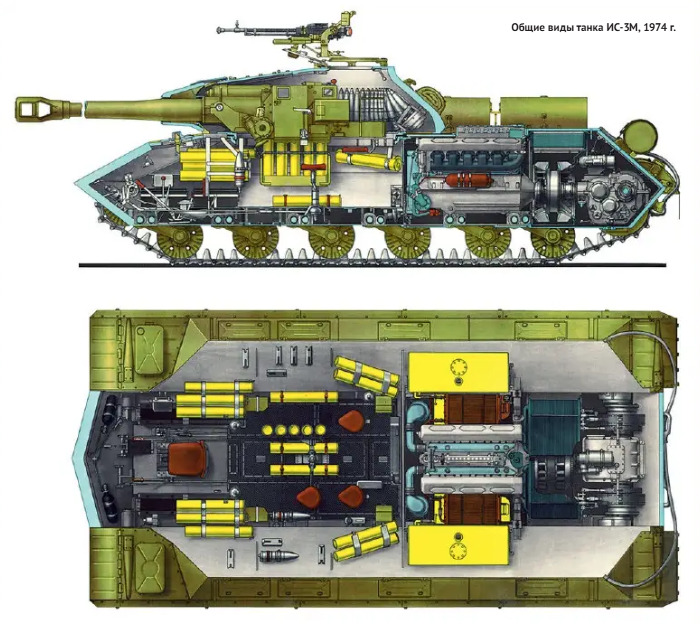
Model 1974
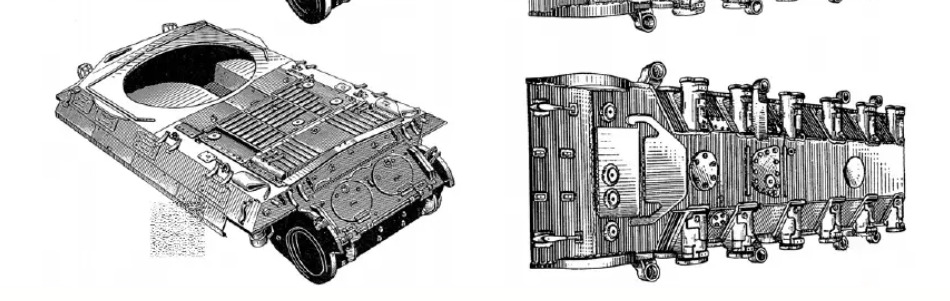
Hull Model 1974
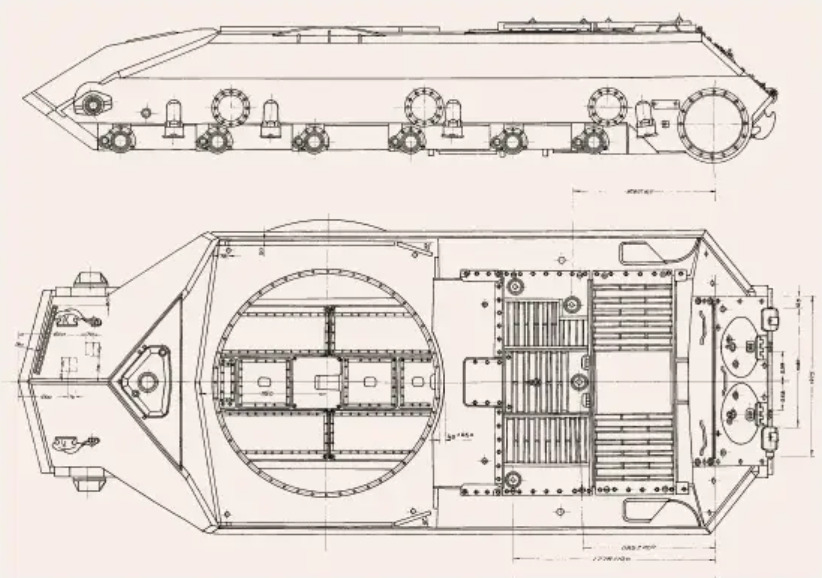
Hull Model 1962
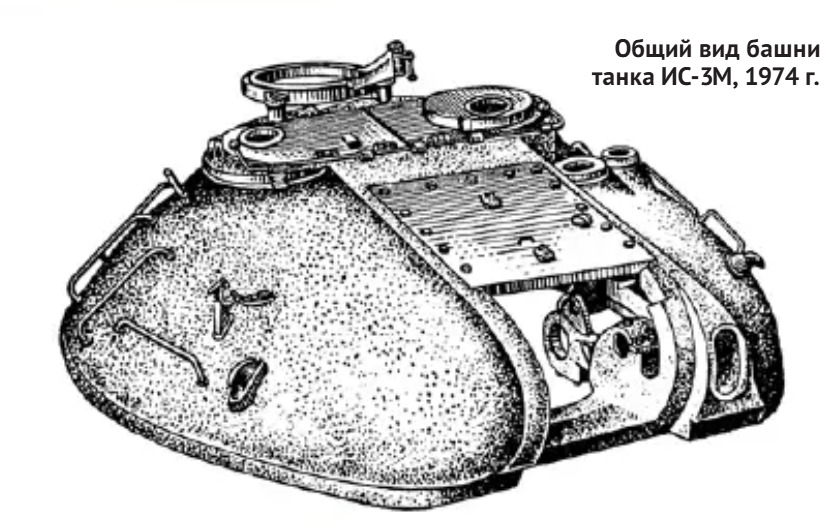
Turret Model 1974
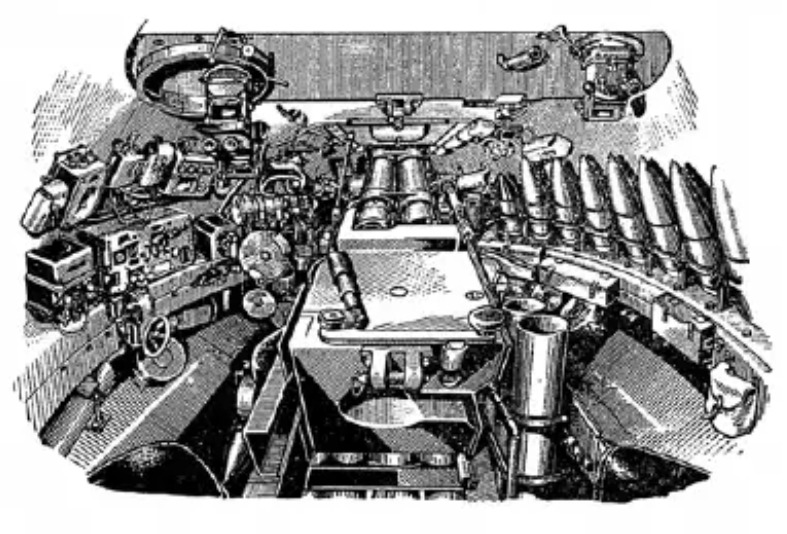
Turret Interior Model 1962
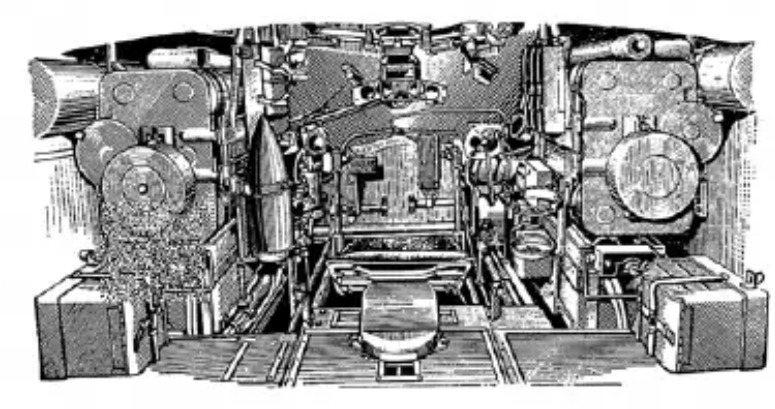
Driver’s Station Model 1962
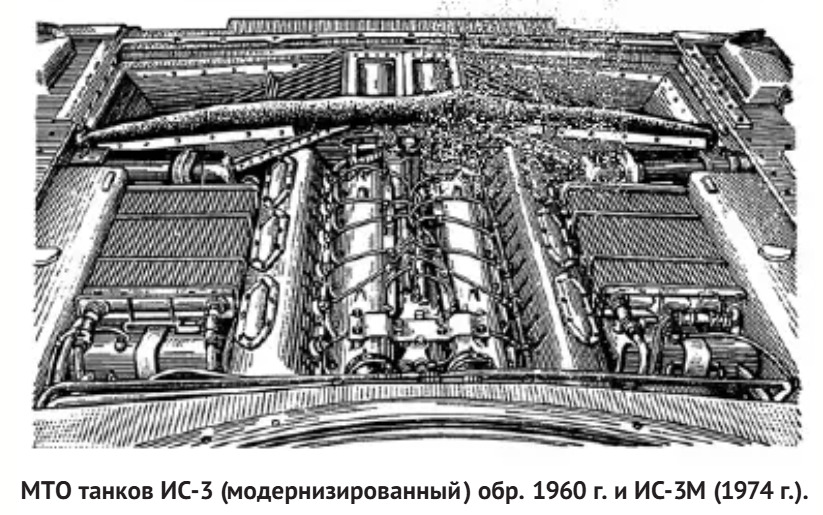
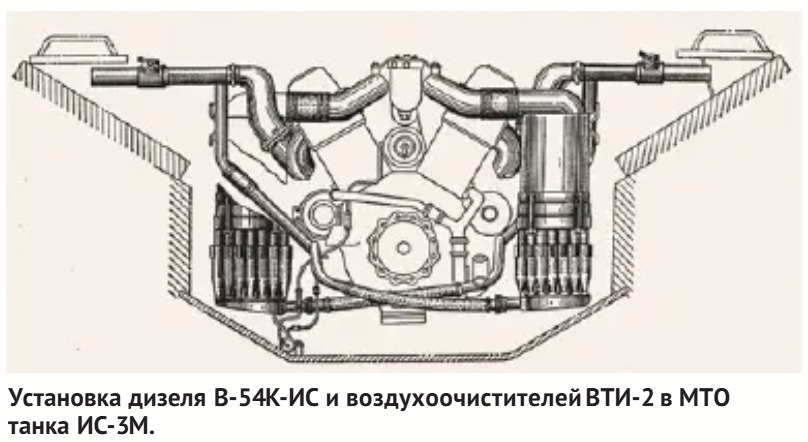
Engine Compartment Model 1974
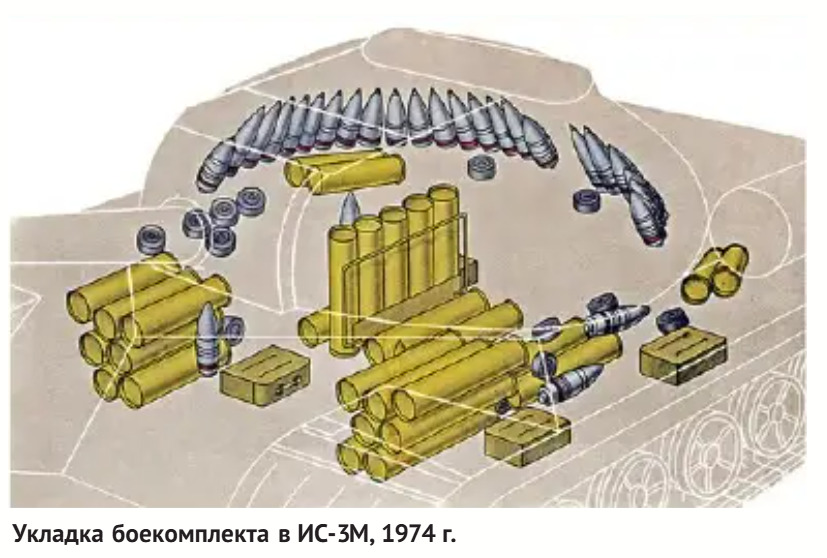
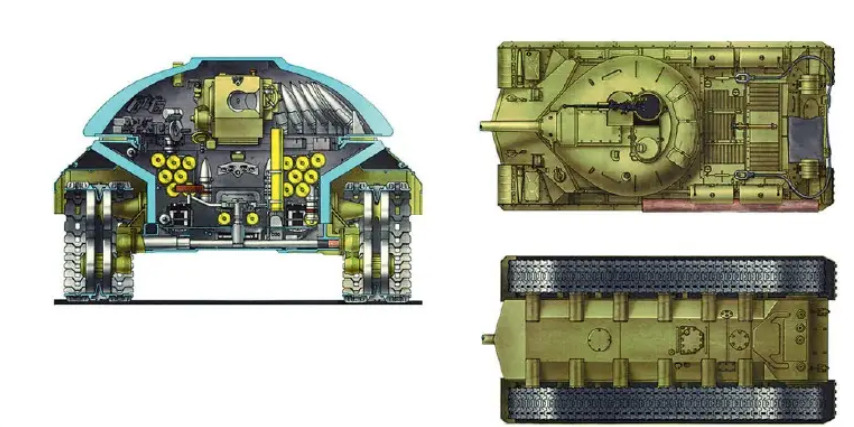
Ammunition Storage Model 1974
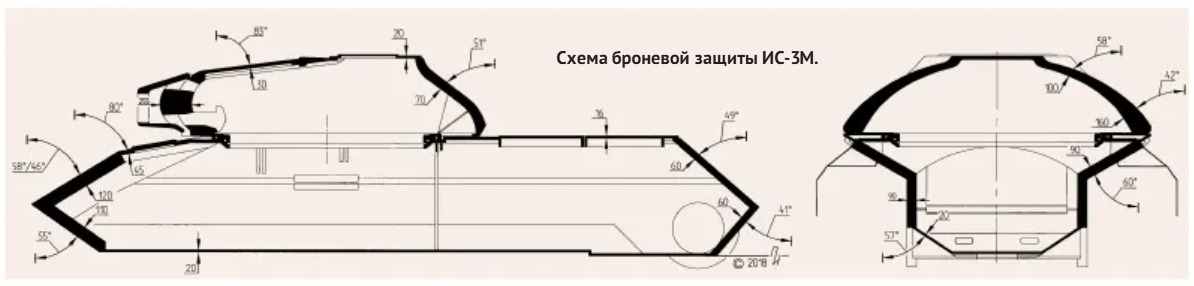
IS-3M Armor
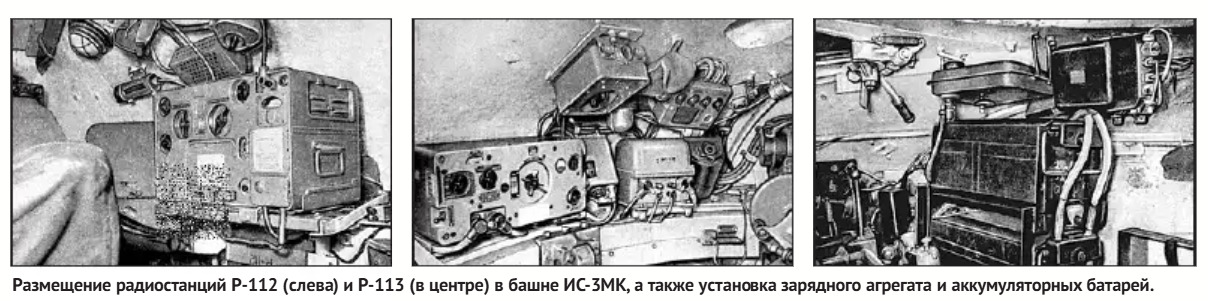
IS-3MK Radios
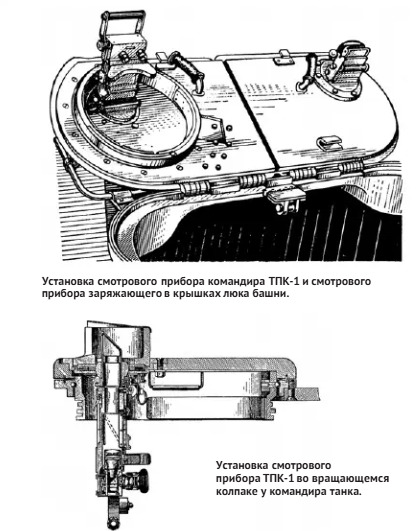
Commander’s TPK-1
Video
Sources
Spoiler
Тяжелый танк ИС-3М (СССР) | Dogswar.ru - Стрелковое оружие, военная техника, вооружённые силы мира
122-мм танковая пушка Д-25 - BATTLEFIELD.RU - всё о Великой Отечественной войне
Рота танковых точек – забытые укрепления на сахалинских пляжах - Вадим — КОНТ
https://www.yaplakal.com/forum2/st/0/topic2711153.html
Забайкальские укрепрайоны. Разграбленная мощь.: andrey_19_73 — LiveJournal