Would you like to see this Type 69 in-game?
Type 69-II-QM
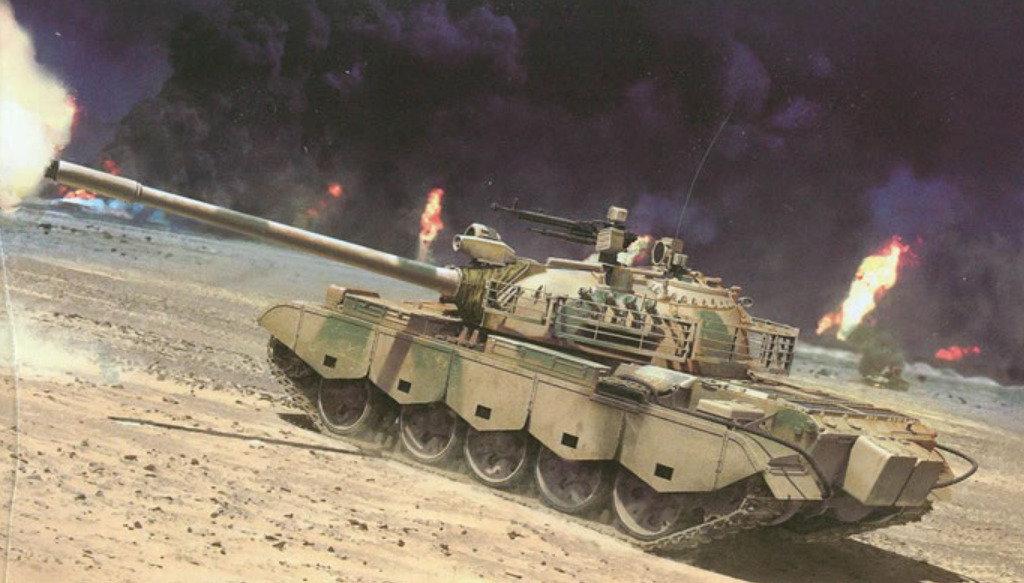
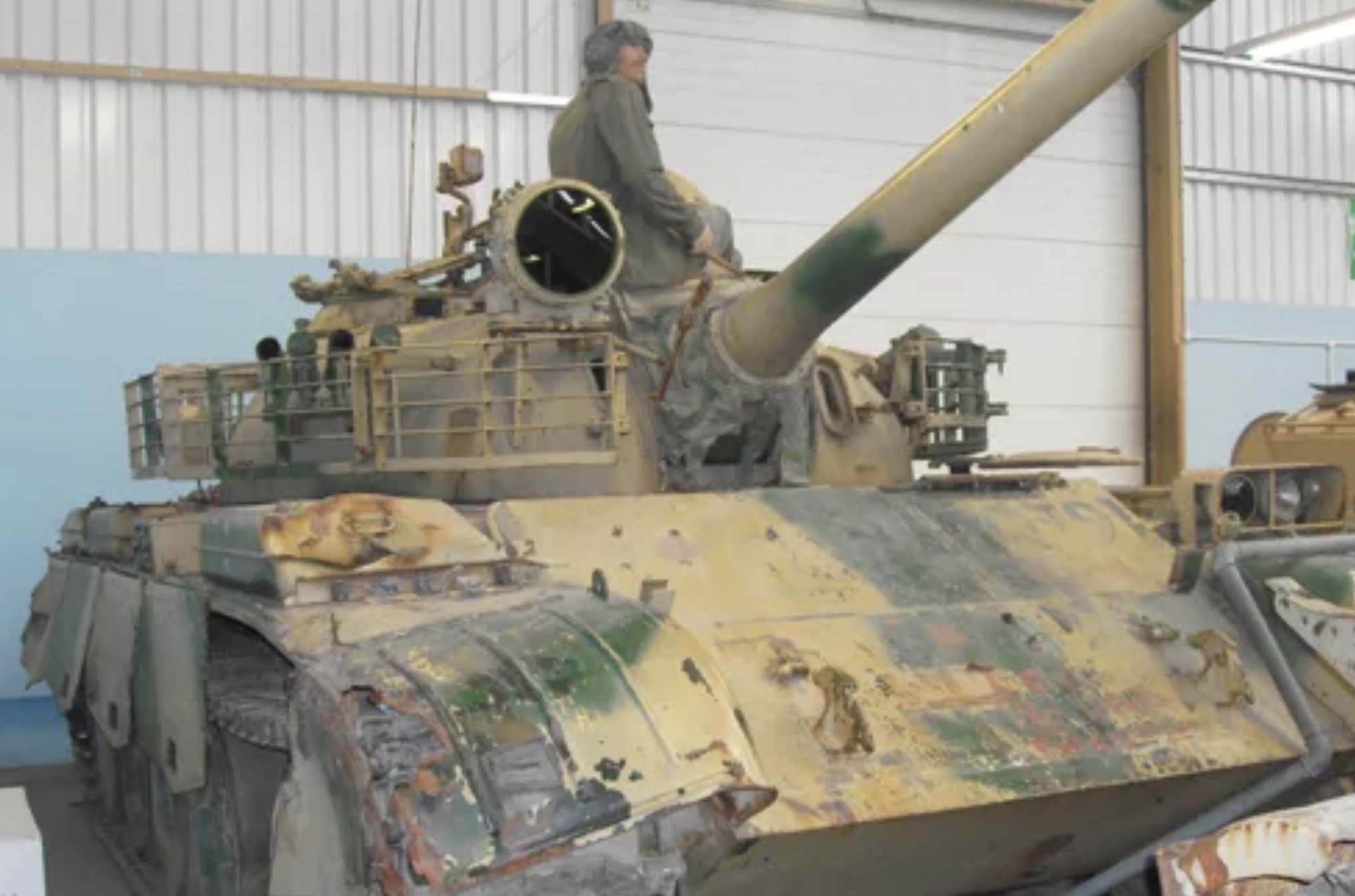
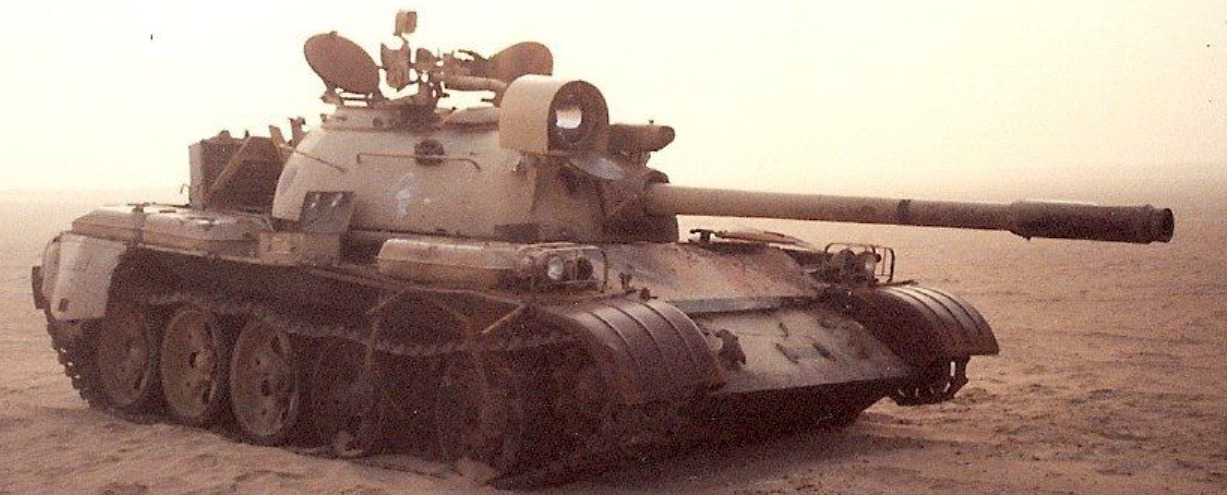
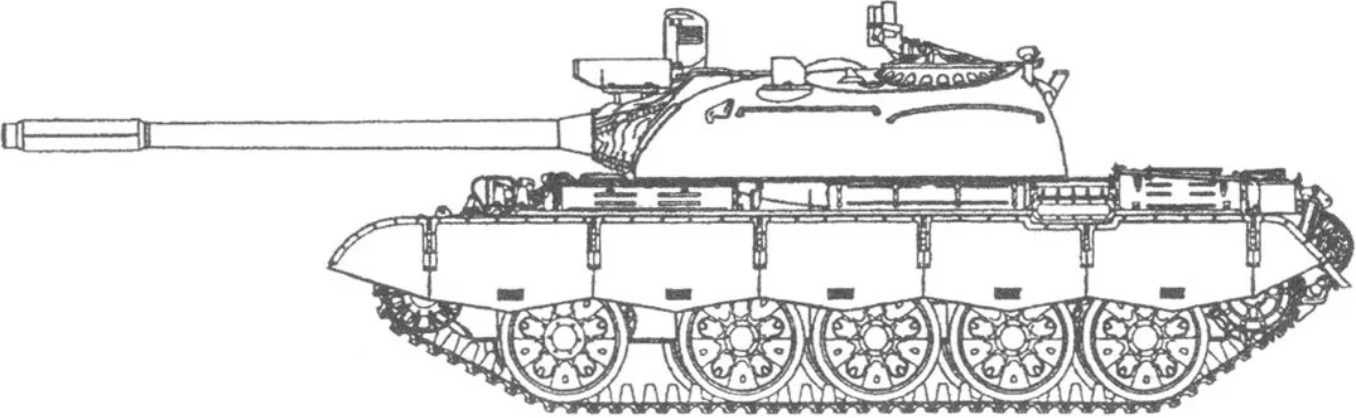
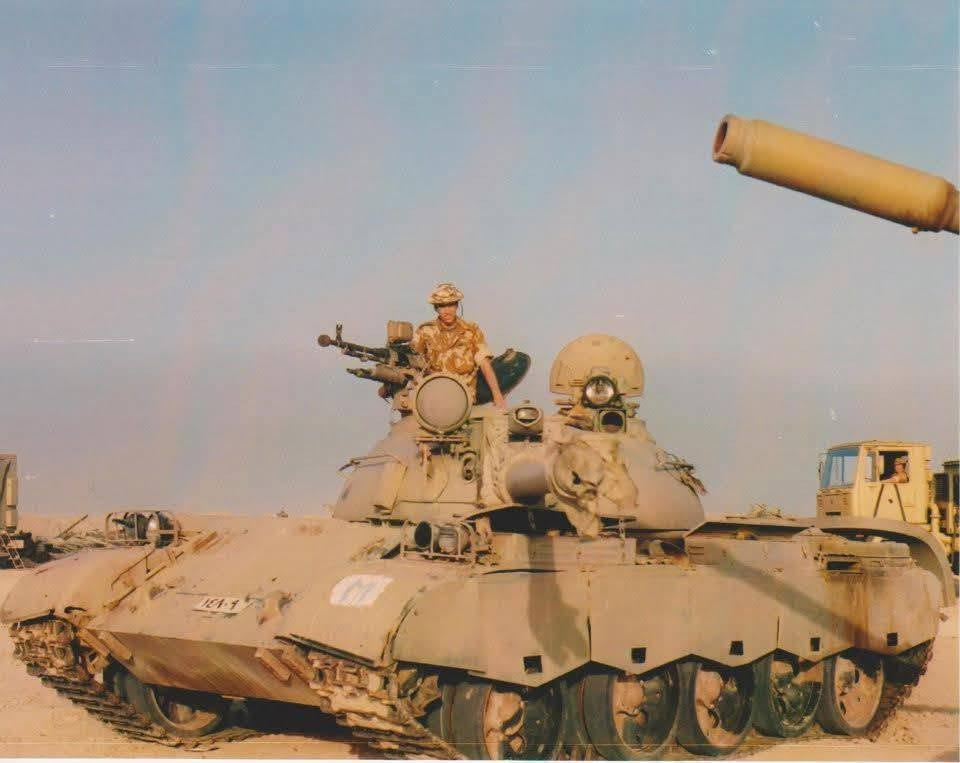
Iraq cannot be properly represented without featuring the Chinese Type 69-II. While most people believe that Iraq was armed mainly with Soviet T-72s, T-62s and T-55s, this is not entirely the case. The Iraqis became the largest export customer of the Type 69-II, also commonly referred to as the Type 69-QM or T-55B in Iraqi service. About 1500 Type 69 tanks were acquired for the Iraqi armored fleet, and many surviving examples are now scattered across museums and private collections around the world. What set it apart from the standard T-54, T-55, Type 59 and even T-62 was the range of external modifications applied to it. These additions gave Iraqi Type 69-IIs a far more distinctive “advanced” appearance than the largely unmodified Soviet and other Chinese tanks serving alongside them.
The Type 69 is a Chinese main battle tank developed from the earlier Type 59, itself based on the Soviet T-54A. It retained the same basic layout and armour scheme but introduced improved sights, fire-control equipment, night-vision systems, a laser rangefinder and two-plane gun stabiliser. The Type 69-II became the most successful export model.
Disclaimer: After double-checking, this Chinese vehicle has neither been officially suggested for inclusion nor appeares in the game itself. Correction: Type 69-IIa was a FOMO premium for China at one point (Nevertheless, the Iraqis have introduced a number of minor domestic upgrades to their tanks that differentiate them from the Chinese version).
Modifications and distinguishing features:
-
Chinese-style rubber side skirts
-
Distinctive Chinese headlights
-
Turret-mounted smoke-grenade launchers (Not universal)
-
A “boom shield” or slat-armour ring around the turret (Coverage varied from one tank to another, but on some tanks they formed a complete ring around the turret)
-
A laser rangefinder mounted above the main gun (Laser rangefinders were fitted to many Type 69-IIs, although some lower-cost versions were delivered without them)
-
Additional layer of armour welded onto the front glacis (Not universal)
-
Two-axis gun stabilization
-
Double-pin tracks and rubber track pads (Not universal)
-
Armoured shields around the infrared night-vision projectors (Not universal (a common Iraqi modification that could be seen on several other tank types in their service))
-
Chinese Type 86 APFSDS round (Reportedly capable of penetrating approximately 150 mm of armour angled at 65 degrees at a range of 2,000 metres. This made it one of the more capable anti-tank rounds available to Iraqi tanks)
History and Procurement
Spoiler
China developed the Type 69 as an attempt to improve upon the Type 59, which was itself a licensed Chinese version of the Soviet T-54A. The project introduced new Chinese-made equipment, including revised sights, infrared systems, and fire-control components. After China captured a Soviet T-62 during the 1969 Sino-Soviet border fighting, Chinese engineers examined it and incorporated or adapted several features, including its gun-stabilization technology and aspects of its smoothbore armament. However, development of the Type 69 had already begun in the 1960s, so it remains largely based on the T-54.
The first Type 69 design used a domestically developed 100 mm smoothbore gun. This version did not prove especially successful and was never produced in the same numbers as later export models. Chinese designers subsequently produced the Type 69-II, which replaced the smoothbore weapon with a more conventional 100 mm rifled gun. This decision made the tank compatible with ammunition and operating practices already familiar to countries using Soviet-pattern armoured vehicles. The Type 69-II retained the basic internal arrangement of the T-54 and Type 59. Secondary armament normally consisted of a coaxial 7.62 mm machine gun and a roof-mounted 12.7 mm heavy machine gun.
The Type 69-II’s greatest advantage was availability. China could manufacture and export the tank at a cost that appealed to countries requiring large armoured fleets. Iraq became the largest and most important foreign user of the type.
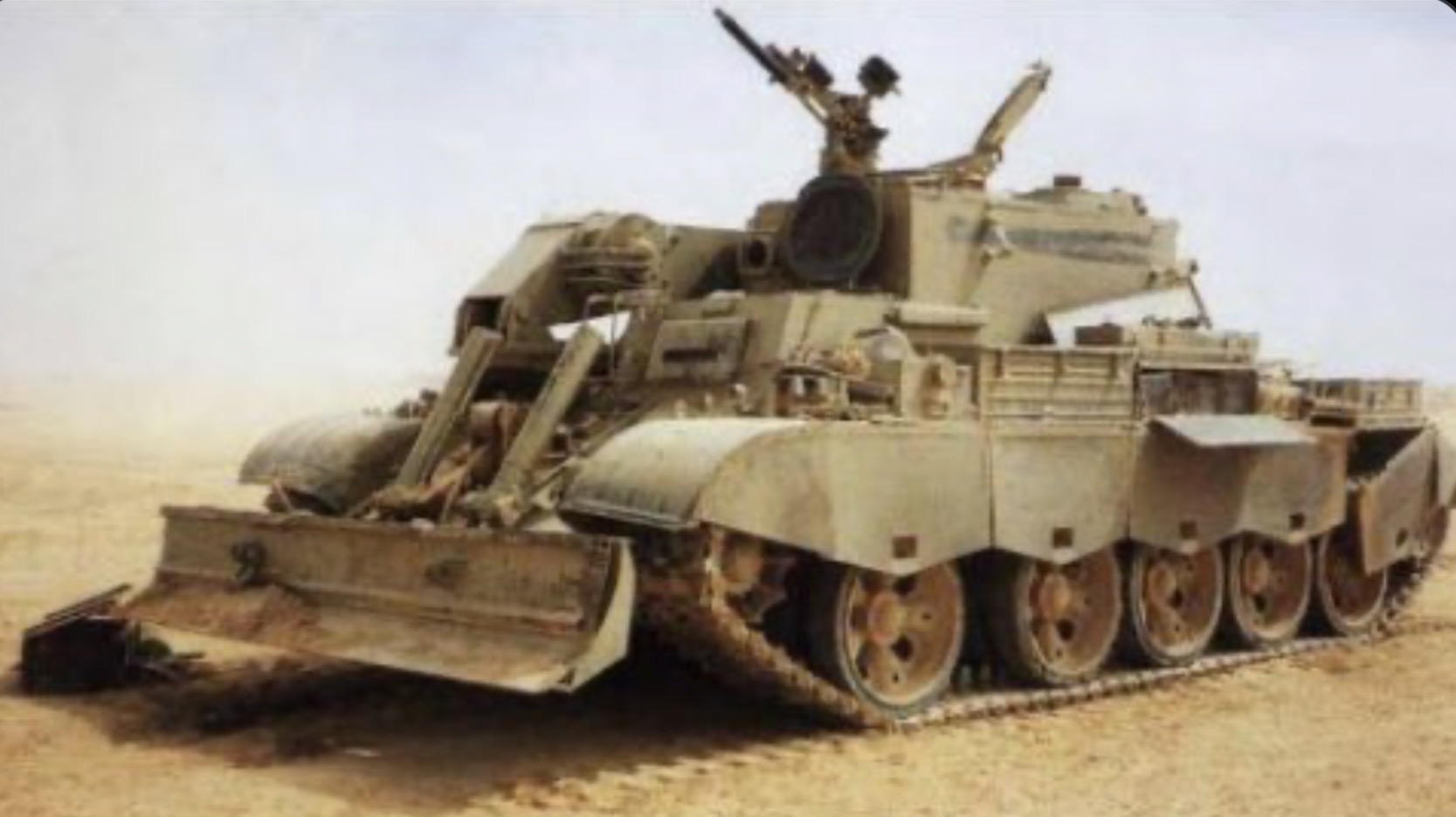
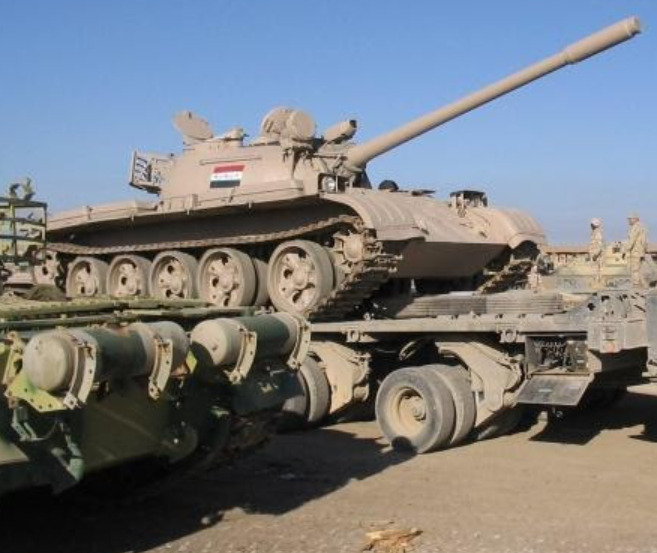
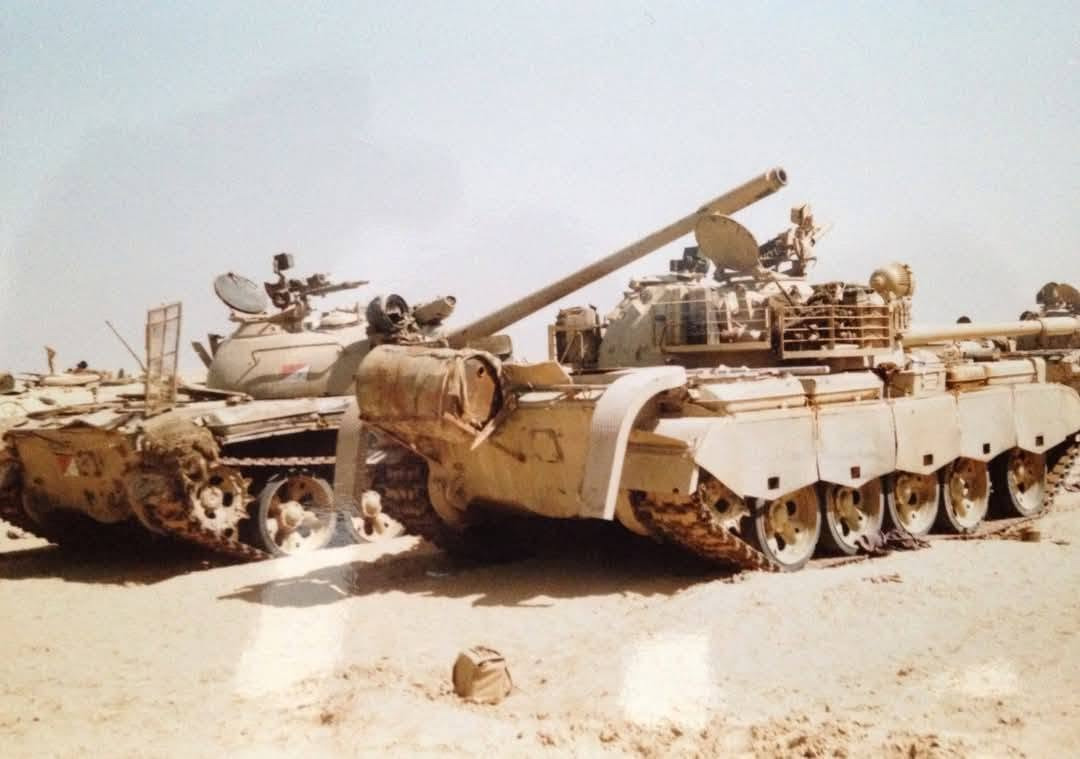
Following the outbreak of the Iran–Iraq War in 1980, heavy armoured losses and the rapid expansion of the Iraqi Army forced Baghdad to seek suppliers beyond the Soviet Union. In 1981, Iraq reportedly agreed to purchase around 2,000 Chinese Type 59 and Type 69 tanks, with later estimates suggesting that approximately 1,500 Type 69-series vehicles were delivered between 1983 and the late 1980s. The Type 69-II was easy to integrate because it closely resembled the T-54 and T-55 in layout, operation and maintenance, allowing it to replace losses and equip newly formed units with minimal retraining. Iraq also received smaller numbers of Type 69-IIB or IIC command tanks with additional communications equipment, together with Type 653 armoured recovery vehicles (seen on the photograph below) for battlefield repair and recovery duties. By the end of the Iran–Iraq War in 1988, the Type 69-II had become one of the more numerous tanks in the Iraqi inventory. The Iraqis also developed a project to mount a Soviet 125 mm cannon on a Type 59 chassis. However, this project never progressed beyond the prototype stage.
Modifications In-depth
Spoiler
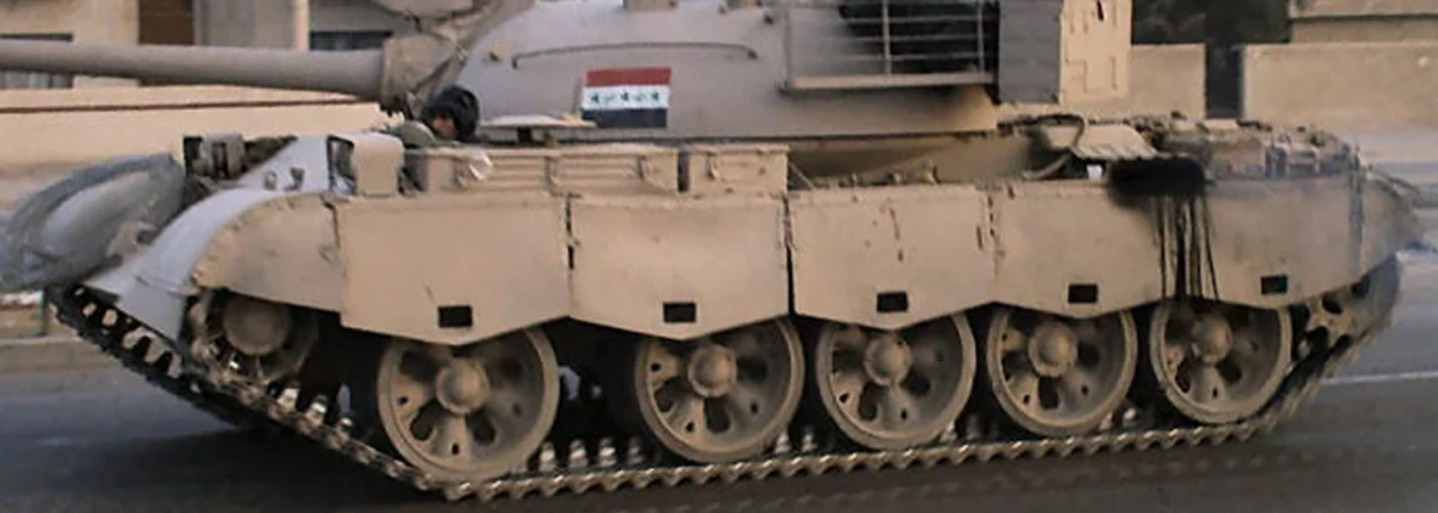
The first features to catch the eye are the rubber side skirts and the slat armour surrounding the turret. Together, these provided a degree of protection against light anti-tank weapons such as the RPG-7, although the tank’s basic armour protection against enemy tanks remained largely unchanged. However, the Iraqis did attempt to improve frontal protection by fitting additional armoured plate to the glacis. This modification was not applied universally, and precise details regarding its construction, composition and effectiveness remain scarce.
The second feature to catch the eye is the use of turret-mounted smoke grenade launchers, similar to those fitted to the T-72M1. Such launchers were not commonly seen on many other Iraqi tank types, although their installation on the Type 69-II also appears to have varied between individual vehicles.
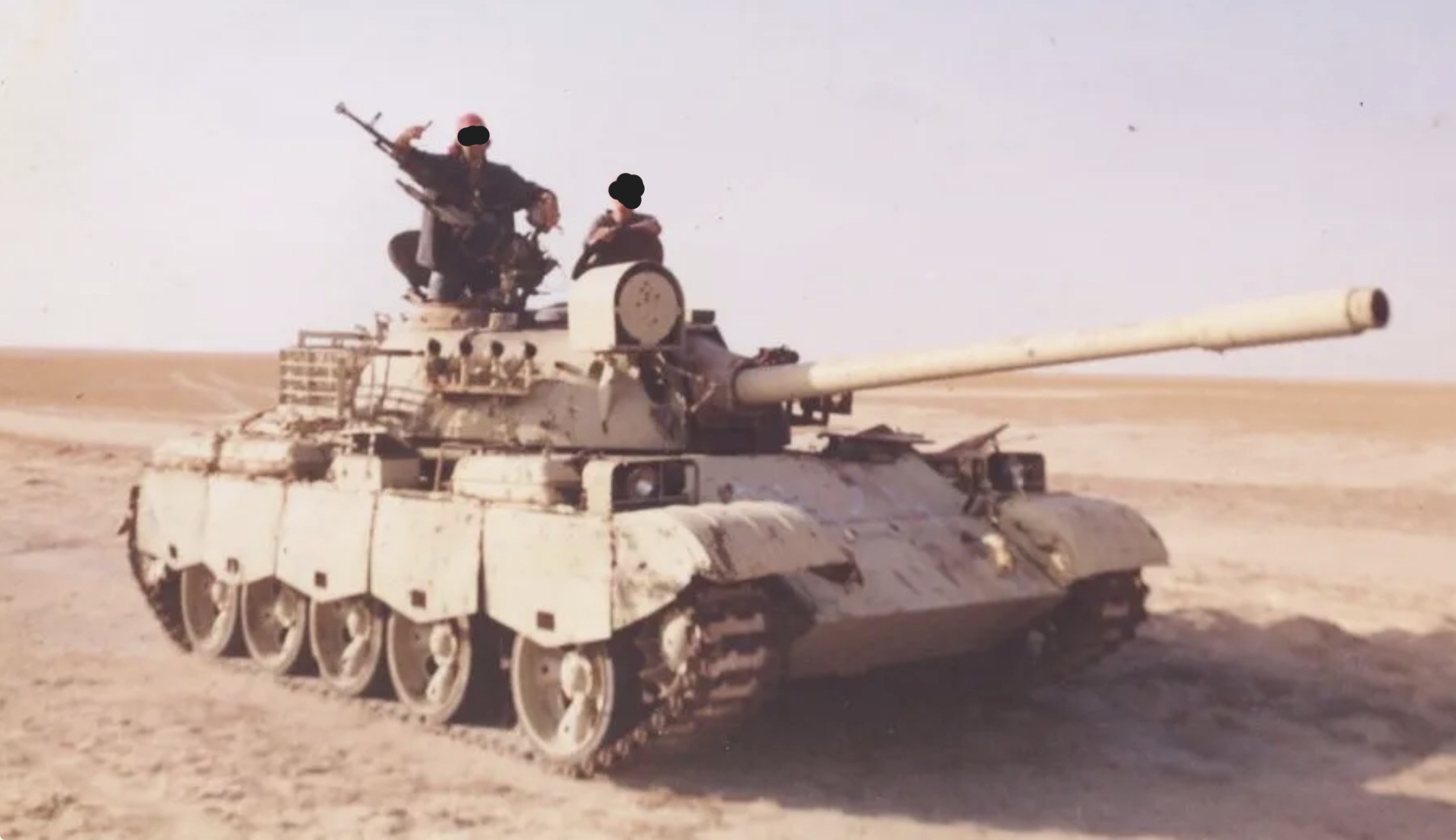
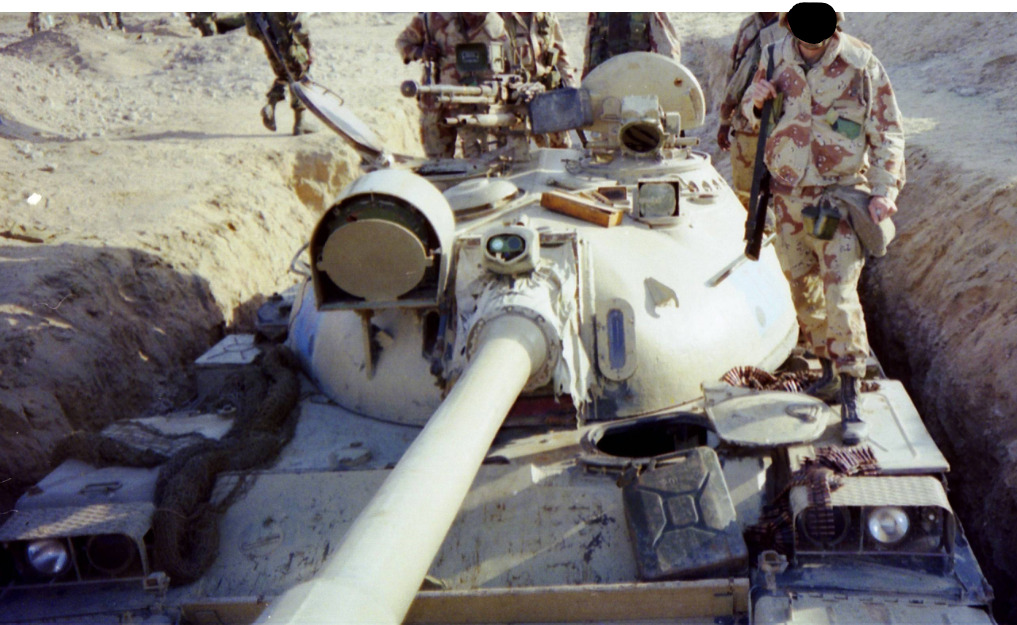
Notice how, in this photograph, the slat armour extends across the entire frontal arc of the turret.
Additional communications equipment was installed on command vehicles. These tanks could carry extra antennas, cable reels, radio boxes, and electrical equipment. Some published accounts also mention observation masts or devices that could be raised above the vehicle, although the extent of their operational use is uncertain.
Another modification commonly seen on Iraqi tanks was an armoured shield fitted around the infrared equipment. This helped protect the vulnerable projectors from shrapnel, small-arms fire and battlefield debris. The widespread use of such shields suggests that Iraq placed greater emphasis on protecting its infrared equipment than many other Eastern tank operators.
The Type 69-II was fitted with a two-plane gun stabiliser, marking a clear improvement over the Type 59. Better-equipped versions also featured a Chinese-designed laser rangefinder, which significantly improved ranging accuracy and gave the tank a higher first-round hit probability than many other vehicles in the Iraqi inventory. In addition, the availability of APFSDS ammunition gave the Type 69-II a respectable anti-armour capability, allowing it to engage many contemporary tanks effectively, although its 100 mm gun still lacked the overall performance of the T-72’s larger 125 mm weapon.
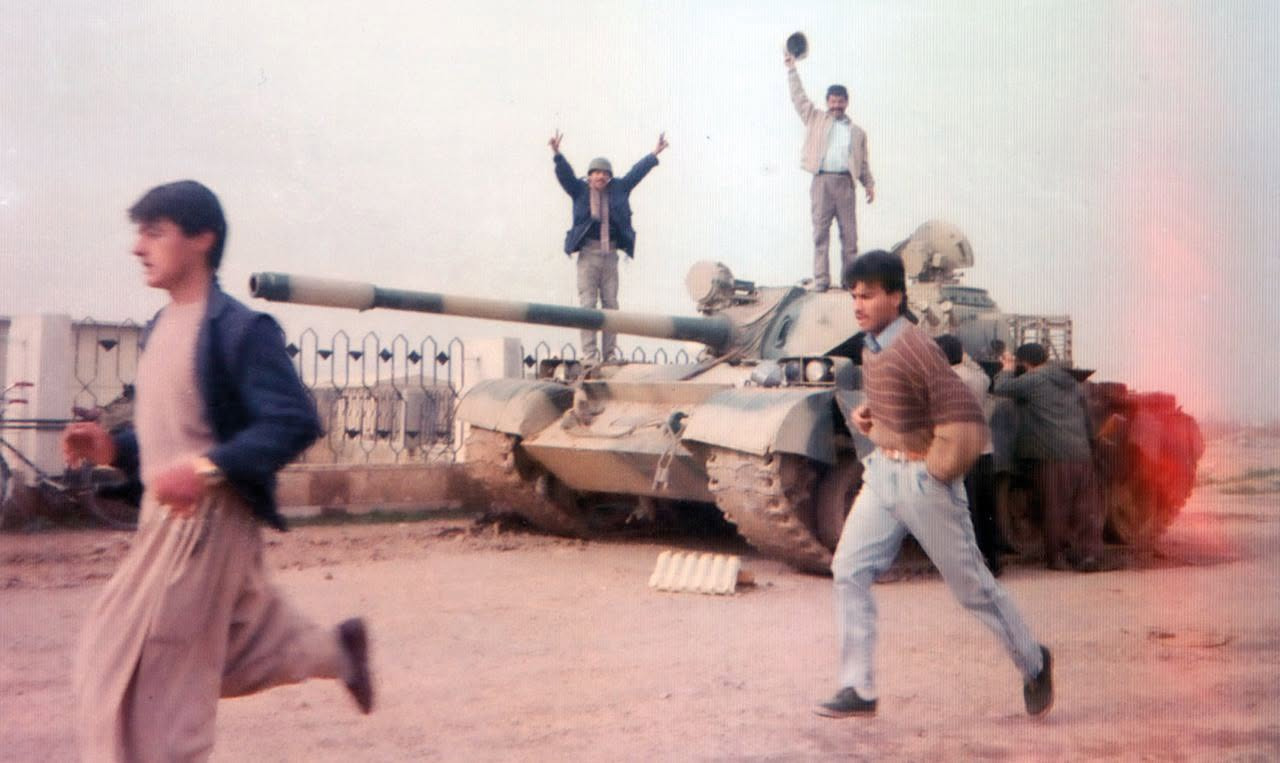
Some Iraqi Type 69 tanks featured these boxes instead of the fuel barrels on the rear of the tank. Their purpose is unknown to me.
Notice the unusual fuel tanks fitted to the Iraqi Type 69 visible in the lower-left of the photograph. Some Soviet vehicles also featured similar liquid tanks.
Iraqi Type 69-II Specifications
Spoiler
Type: Main battle tank
Country of origin: China
Iraqi designation: Type 69-QM; sometimes referred to as T-55B
Crew: 4 — commander, gunner, loader and driver
Combat weight: Approximately 36.5–37 tonnes
Length with gun forward: Approximately 8.7 metres
Hull length: Approximately 6.24 metres
Width: Approximately 3.27–3.30 metres
Height: Approximately 2.8 metres
Ground clearance: Approximately 0.42 metres
Main armament: 100 mm rifled gun
Main-gun ammunition: Approximately 44 rounds
Ammunition types: HE, HEAT, APDS and APFSDS
Gun elevation: Approximately −5° to +18°
Turret traverse: 360°
Loading system: Manual
Gun stabilisation: Two-plane stabiliser
Coaxial machine gun: 7.62 mm
Roof machine gun: 12.7 mm Type 54
7.62 mm ammunition: Approximately 3,400 rounds
12.7 mm ammunition: Approximately 500 rounds
Fire-control equipment: Improved gunner’s sight and ballistic computer
Laser rangefinder: Fitted to better-equipped versions; absent from some lower-cost vehicles
Night-fighting equipment: Active infrared sights for the commander, gunner and driver
Infrared projector protection: Armoured shields fitted to some Iraqi vehicles
Engine: Chinese 12150L-series V-12 diesel
Engine power: Approximately 580 horsepower
Power-to-weight ratio: Approximately 15.7–15.9 horsepower per tonne
Transmission: Manual, five forward gears and one reverse gear
Suspension: Torsion bar
Maximum road speed: Approximately 50 km/h
Operational range: Approximately 420–440 km
Fuel capacity: Approximately 935 litres
Maximum gradient: Approximately 60 percent
Maximum side slope: Approximately 40 percent
Vertical obstacle: Approximately 0.8 metres
Trench crossing: Approximately 2.7 metres
Unprepared fording depth: Approximately 1.4 metres
Upper glacis armour: Approximately 100 mm, heavily sloped
Hull side armour: Approximately 80 mm
Hull rear armour: Approximately 45 mm
Turret front armour: Up to approximately 200 mm
Turret side armour: Up to approximately 150 mm
Armour construction: Welded steel hull and cast-steel turret
Rubber side skirts: Commonly fitted
Turret slat armour: Boom-shield ring fitted around the turret on many vehicles
Smoke launchers: Fitted to some vehicles but not universal
Additional glacis armour: Welded appliqué plates fitted to selected Iraqi tanks
Infrared-projector shields: Common Iraqi modification protecting the equipment from fragments and small-arms fire
Command versions: Type 69-IIB and Type 69-IIC
Command equipment: Additional radios, antennas, cables and external storage
Recovery vehicle: Type 653 armoured recovery vehicle
Principal advantage over the Type 59: More powerful engine, two-plane gun stabilisation and improved fire-control equipment
Principal advantage over the T-55A: Laser rangefinder and improved fire-control system on better-equipped vehicles
Principal limitation: Basic armour and automotive design remained broadly comparable to the older T-54 and T-55 family
Sources
Spoiler
Army Guide
https://tanks-encyclopedia.com/coldwar/iraq/
Takom 1/35 scale Kit No. 2054; Type 69-II Iraqi Medium Tank Review by Cookie Sewell
https://447bg.org/tanks-vehicles/type59-tank/
日本周辺国の軍事兵器: 69式戦車(WZ-121)
The Chinese Type 69 Tank - TankNutDave.com