History and Introduction
The BMP-2 is an IFV designed to be the sucessor of its earlier progenitor, the BMP-1, except it was born into a drastically different battle field. As the threat of nuclear weapons usage thankfully subsided once cooler minds prevailed and realised strategic nuclear weapons are just once step further from tactical nuclear weapons, it was initially silently agreed upon that there would not be any usage of such weapons, and later there was penning of related agreements that would decrease the risk of a nuclear war even further.
Once military planners realised this shift in the landscape of warfare, they immediately shifted the requirements. The BMP-1 was deemed highly inefficient in the role of countering enemy infantry, hence a smaller, faster firing weapon was needed. A complete redesign was going to take too long and be more expensive. So the obvious solution? Slap on a new turret with a smaller gun and call it a day.
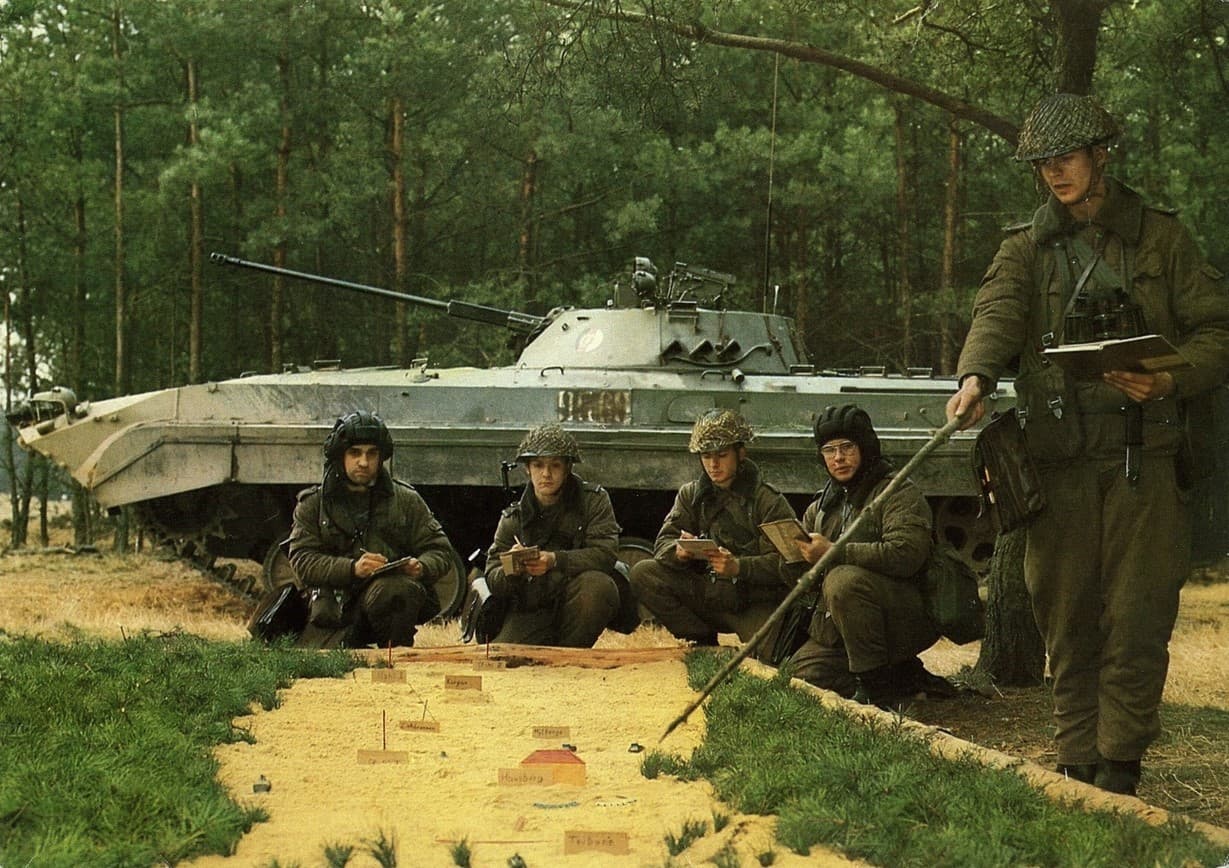
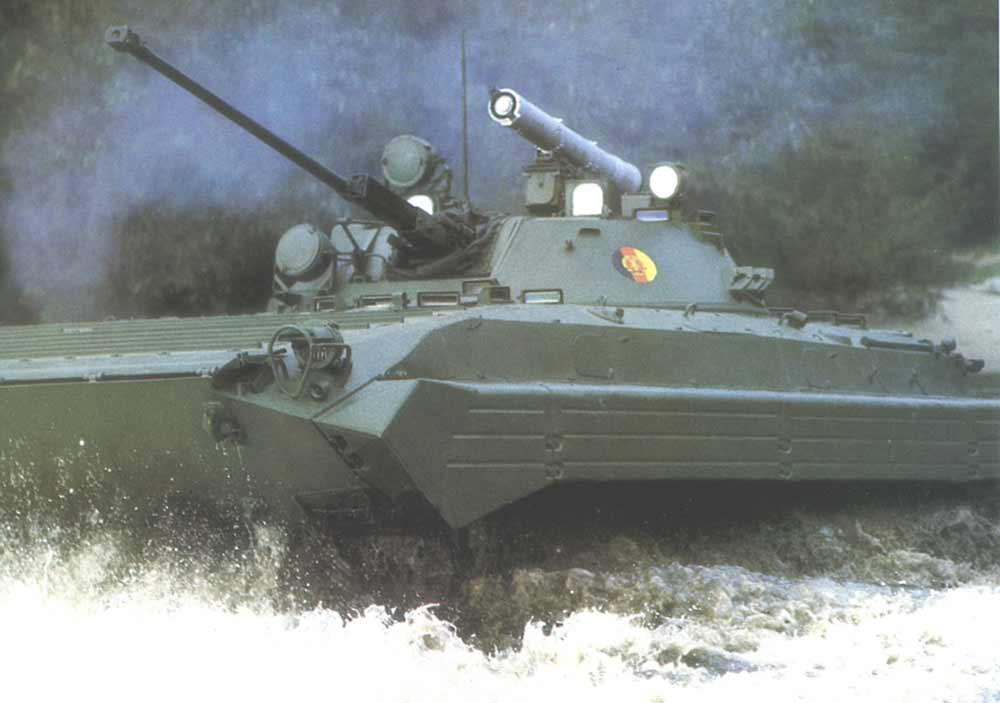
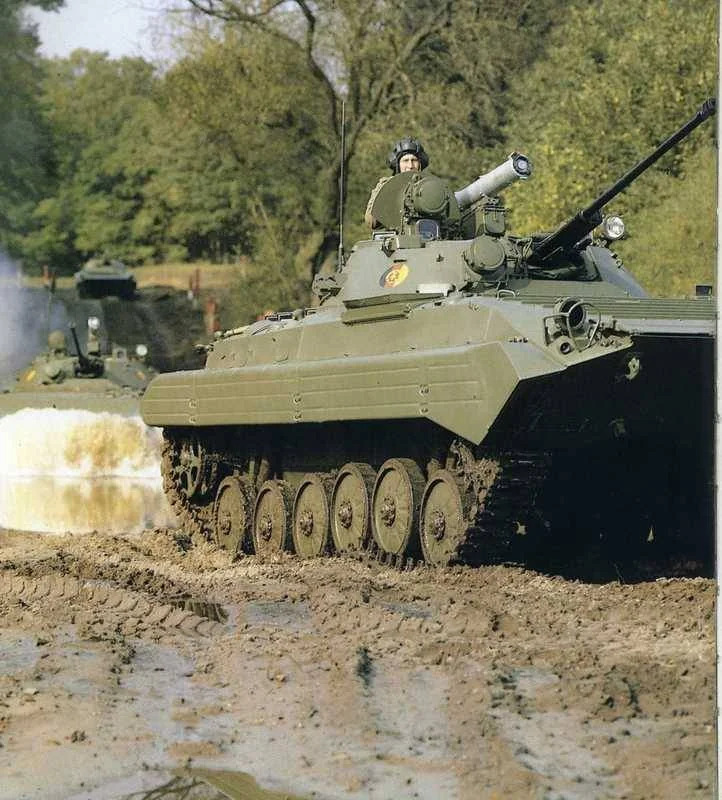
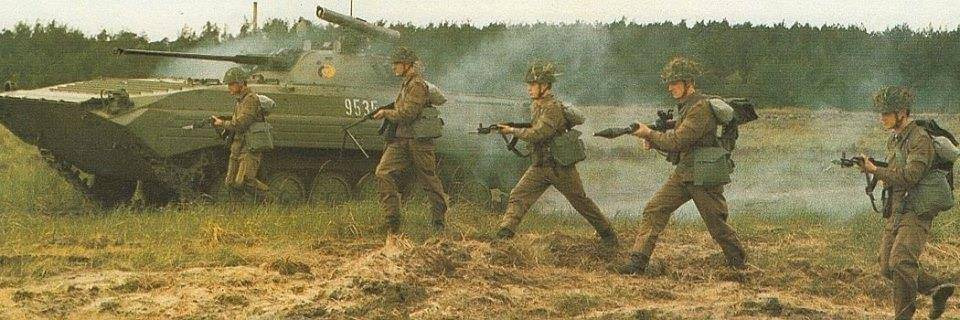
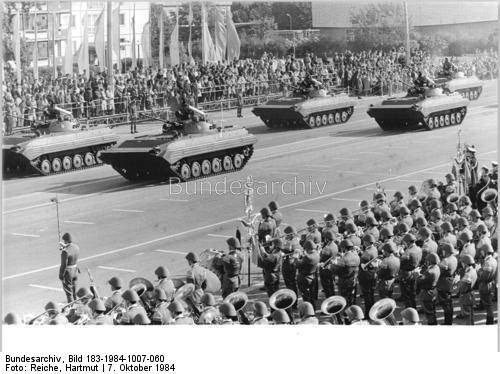
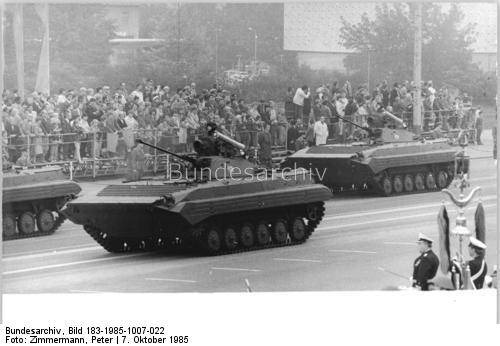
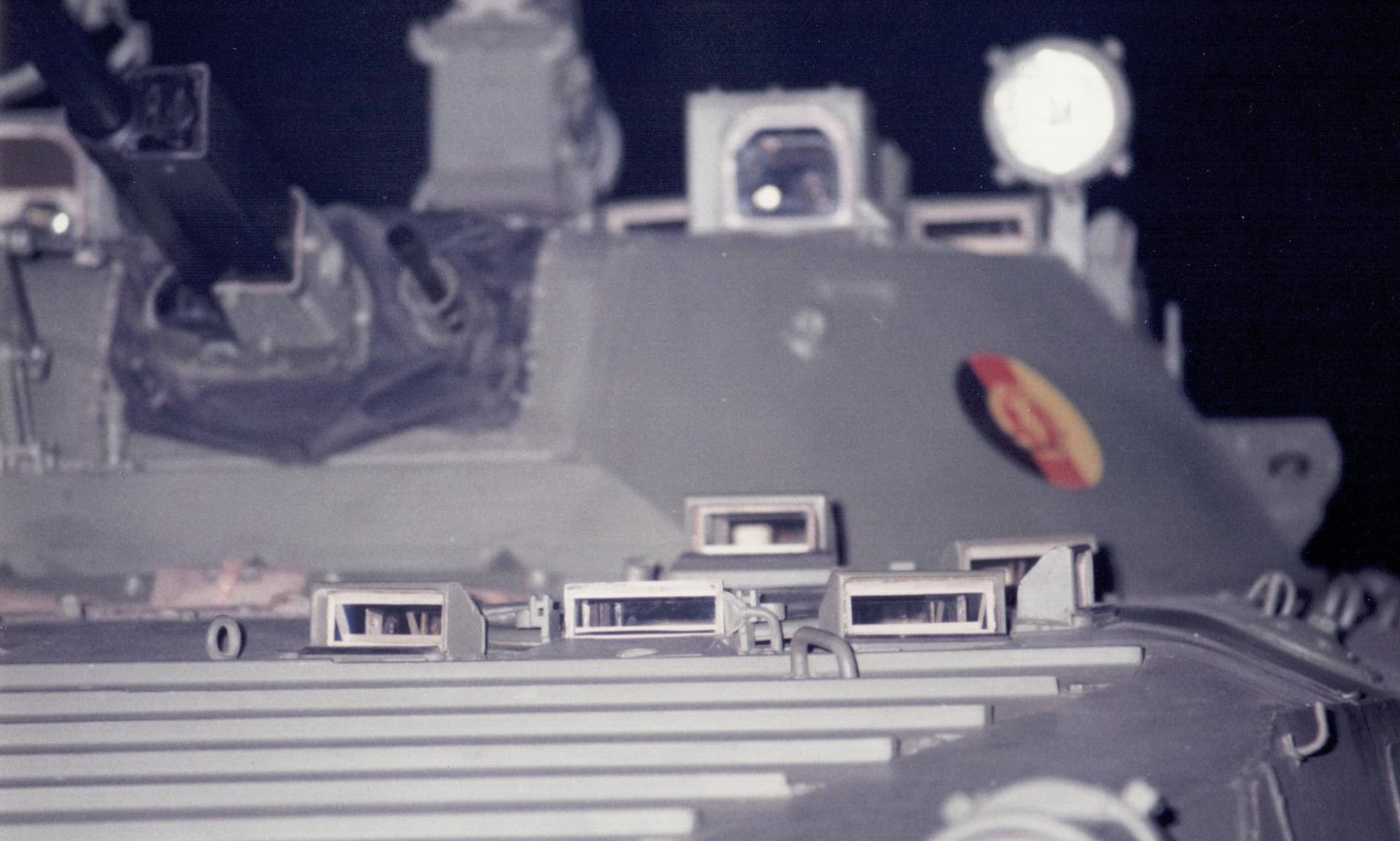
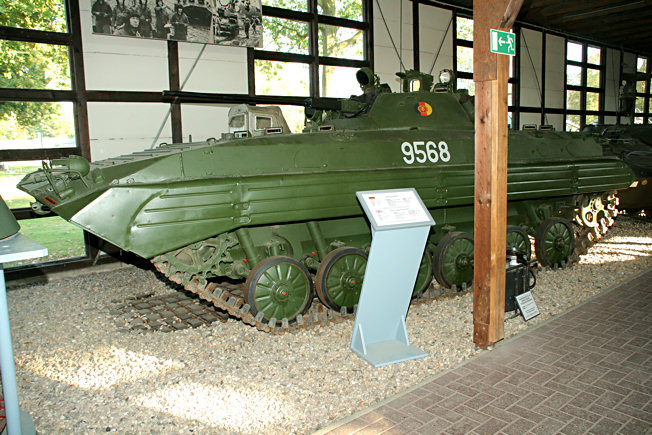
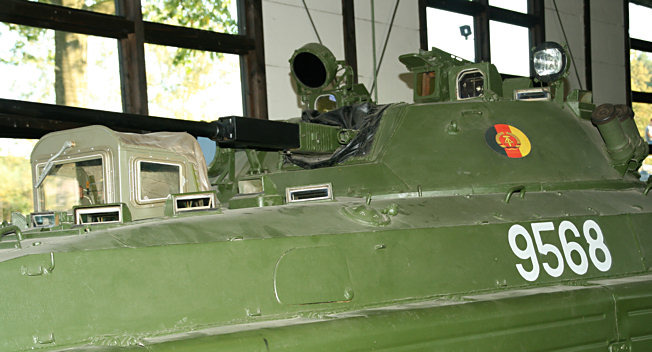
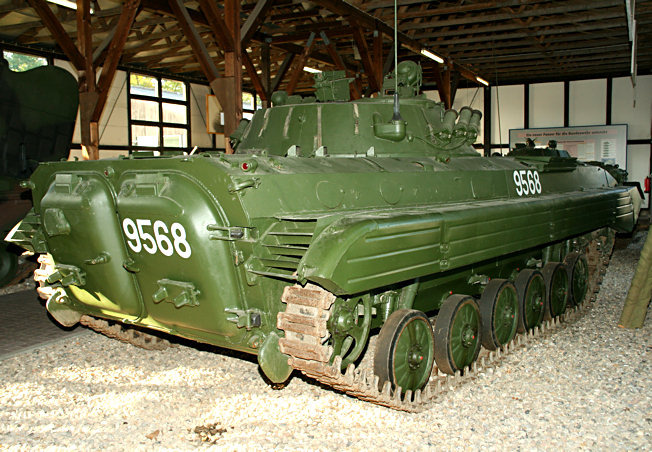
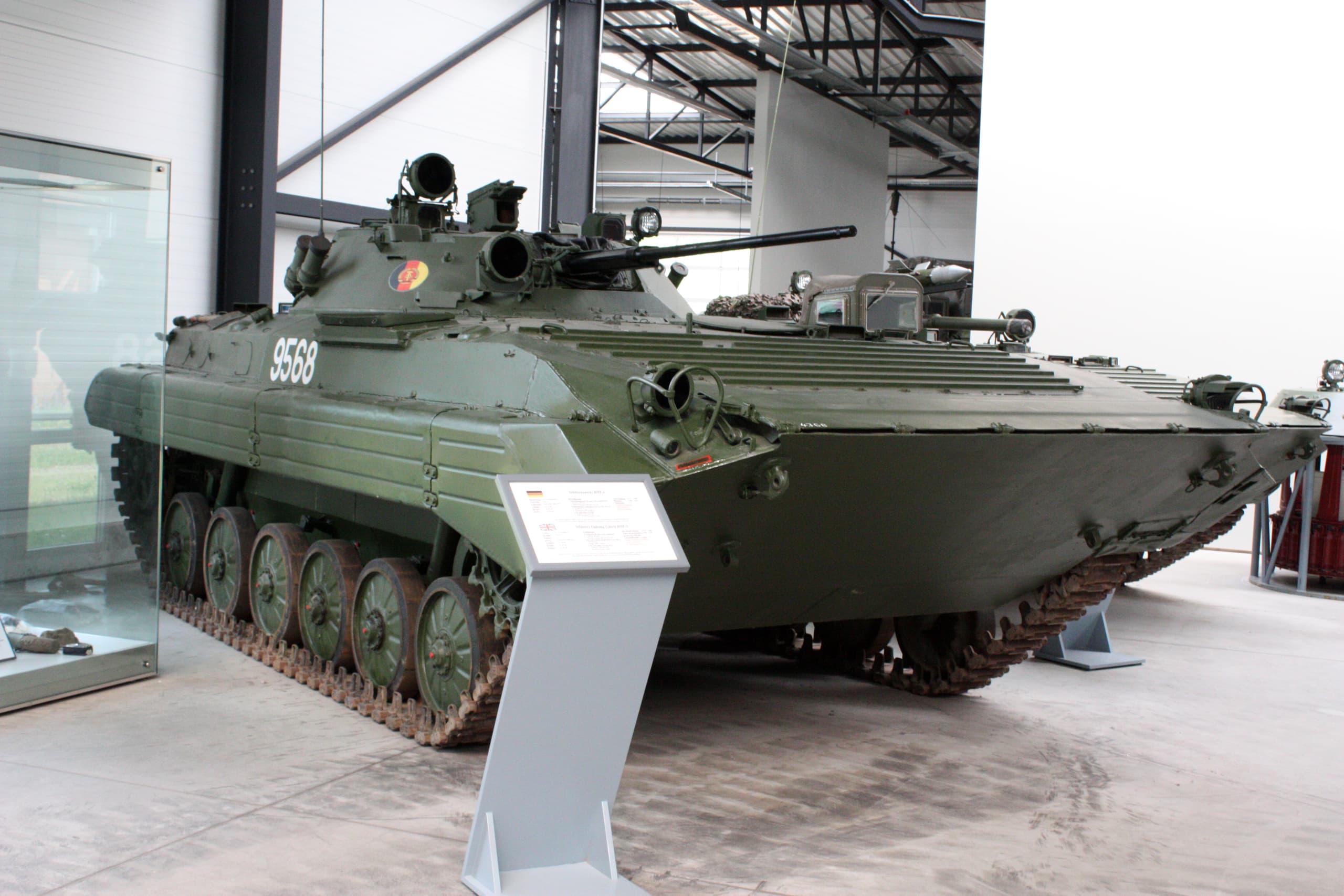
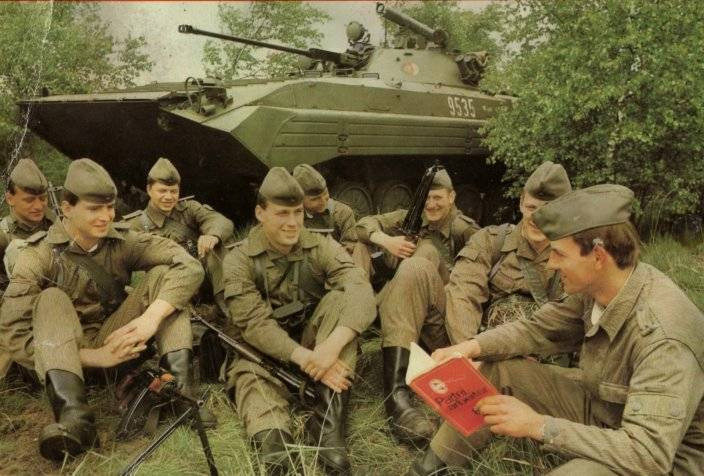
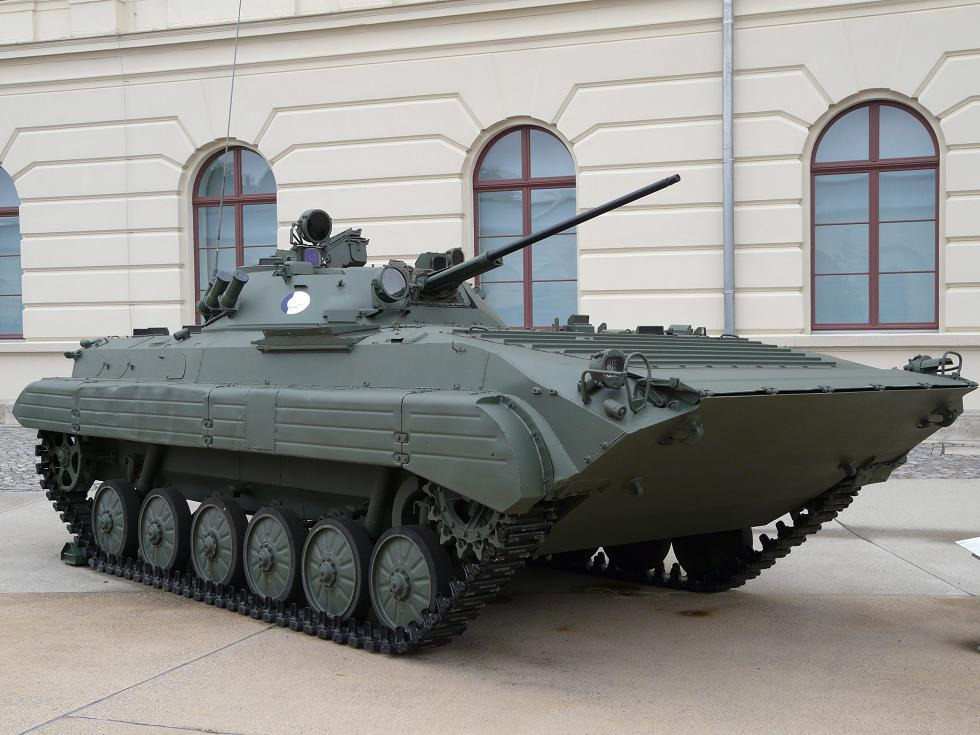
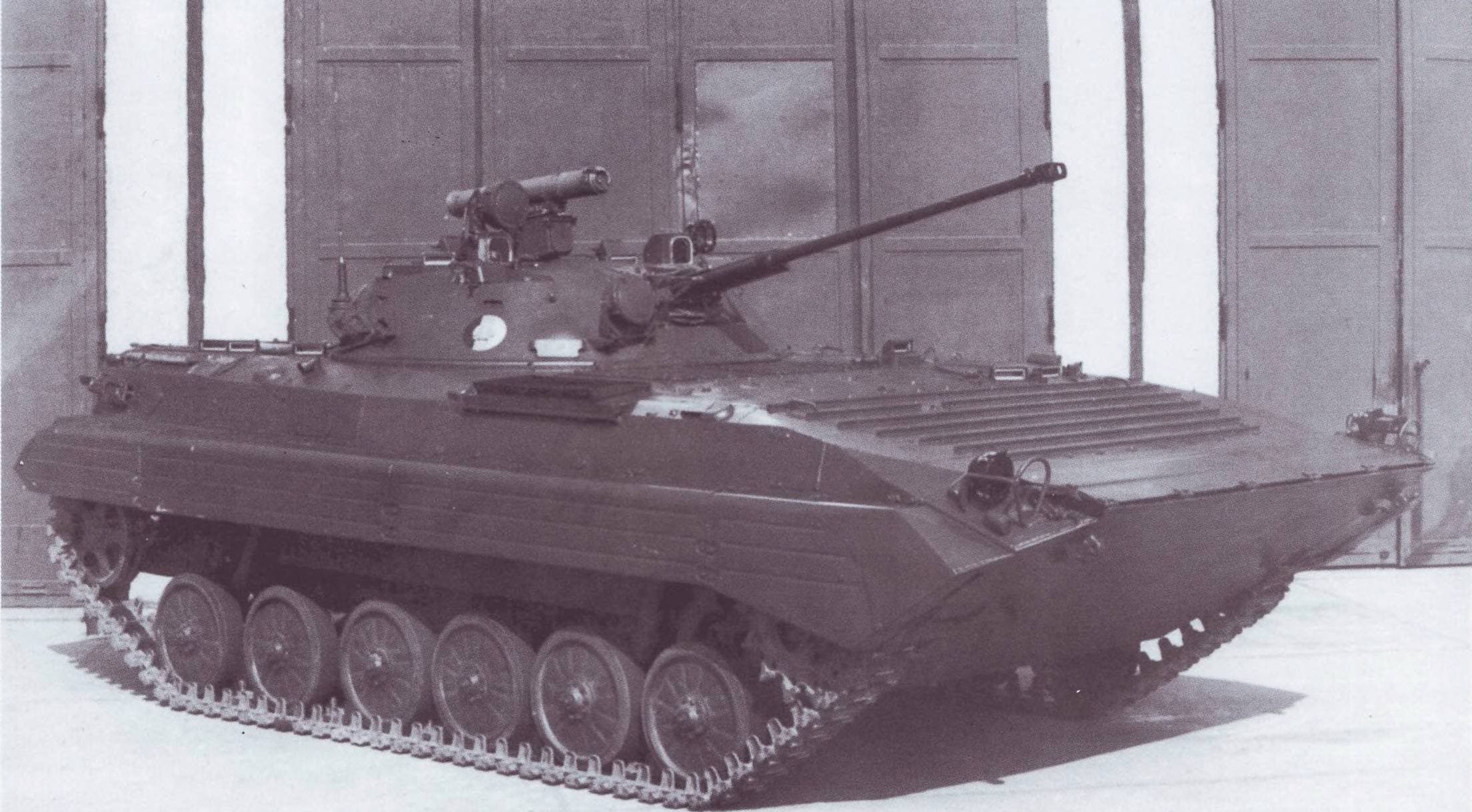
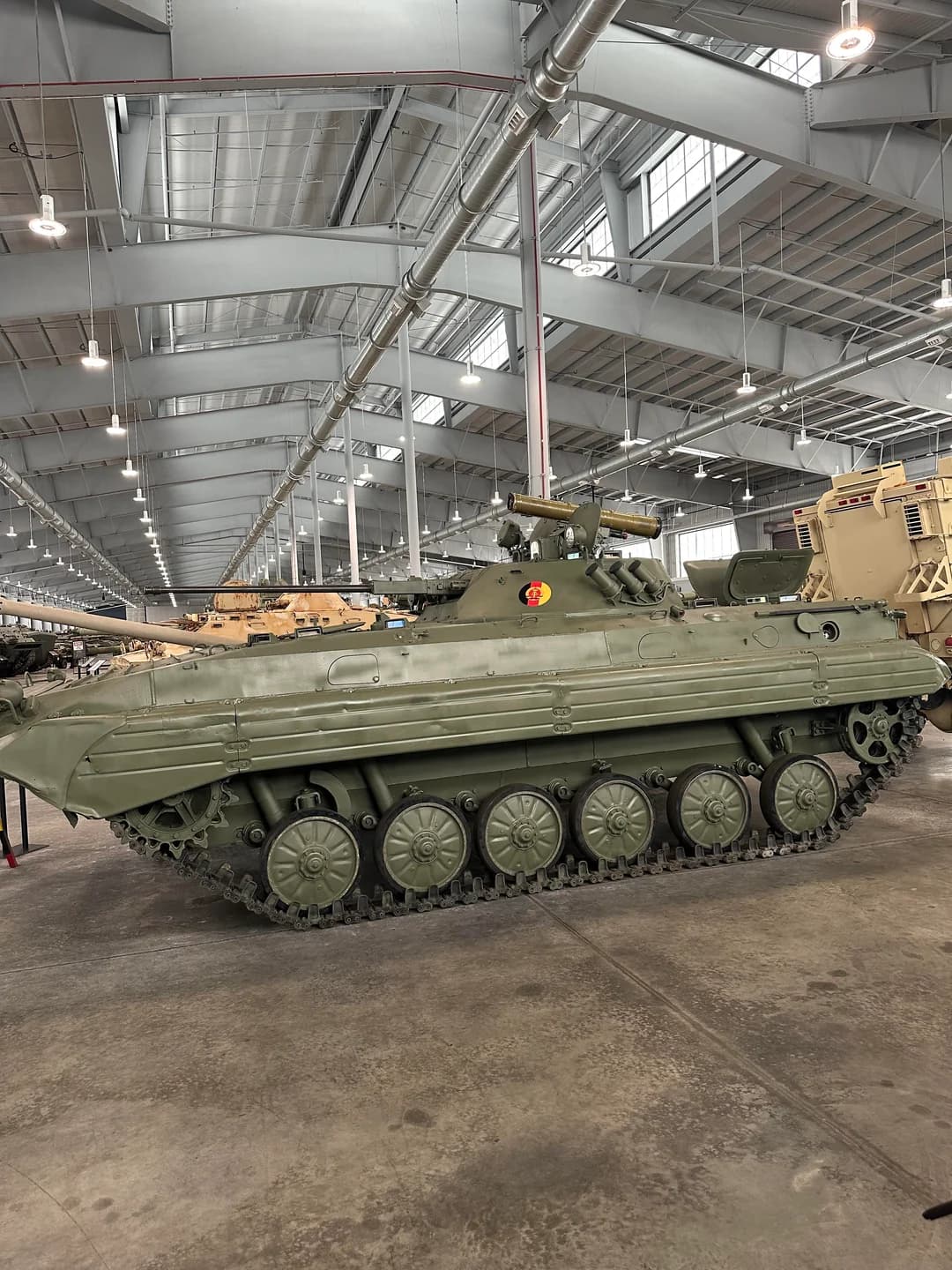
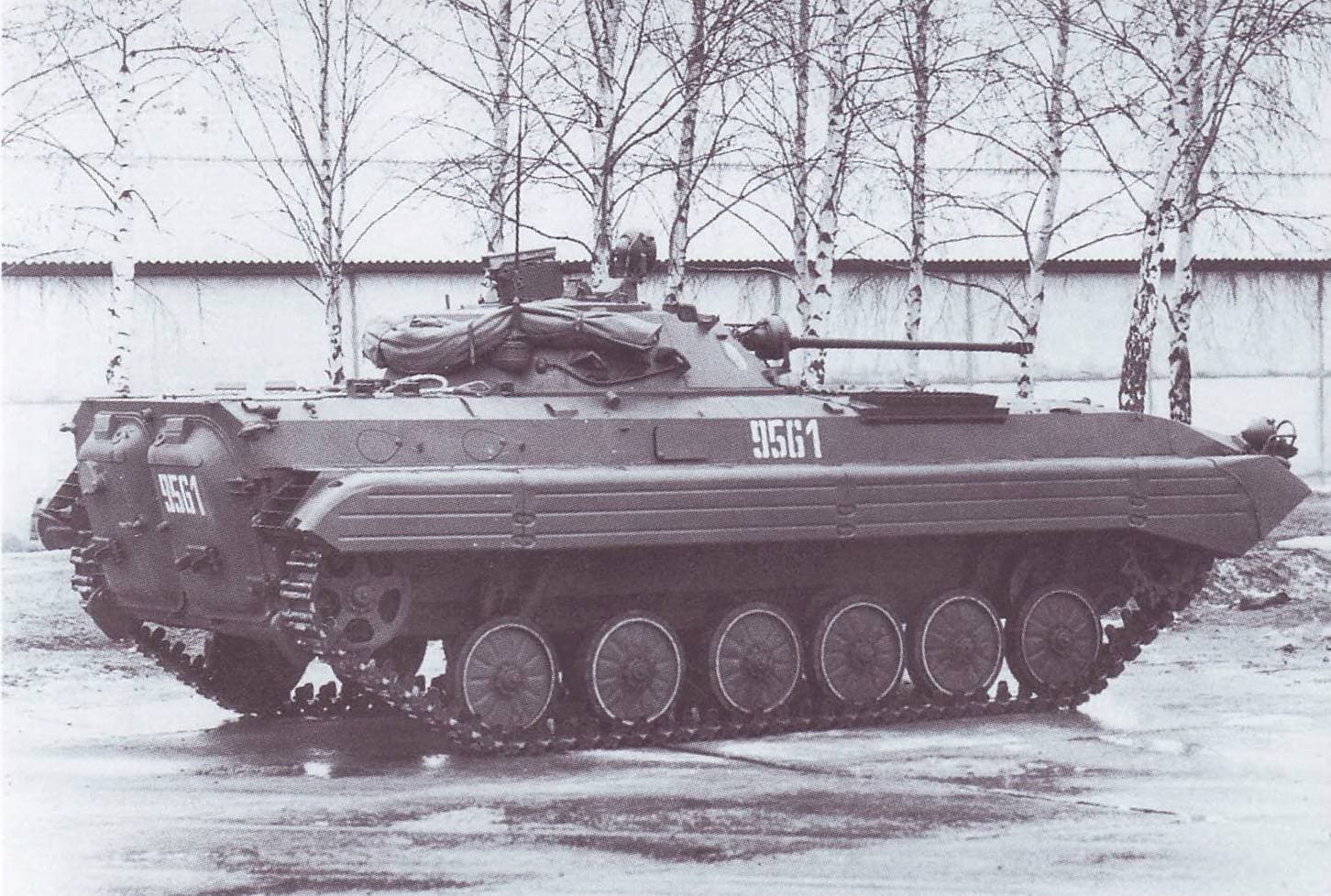
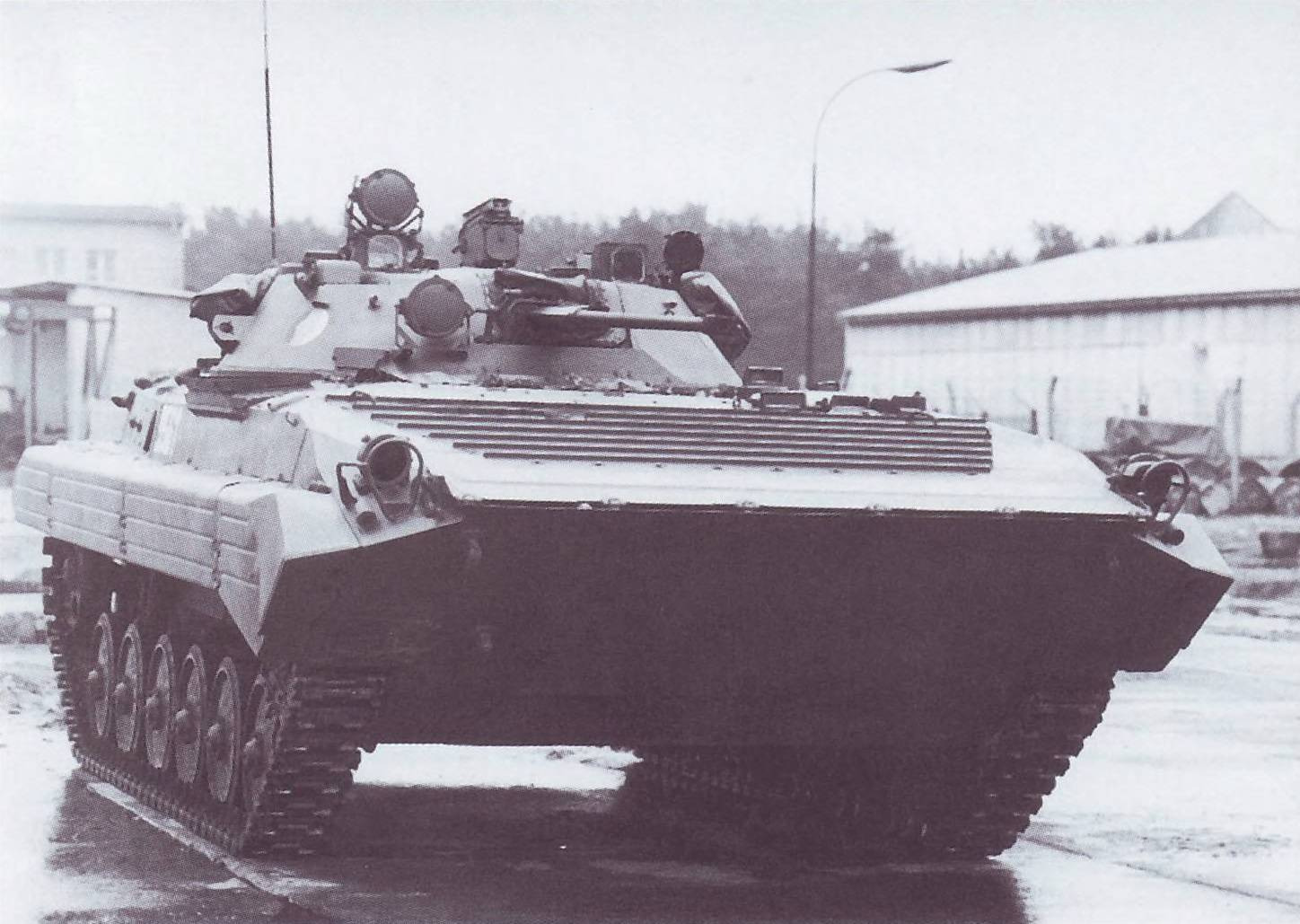
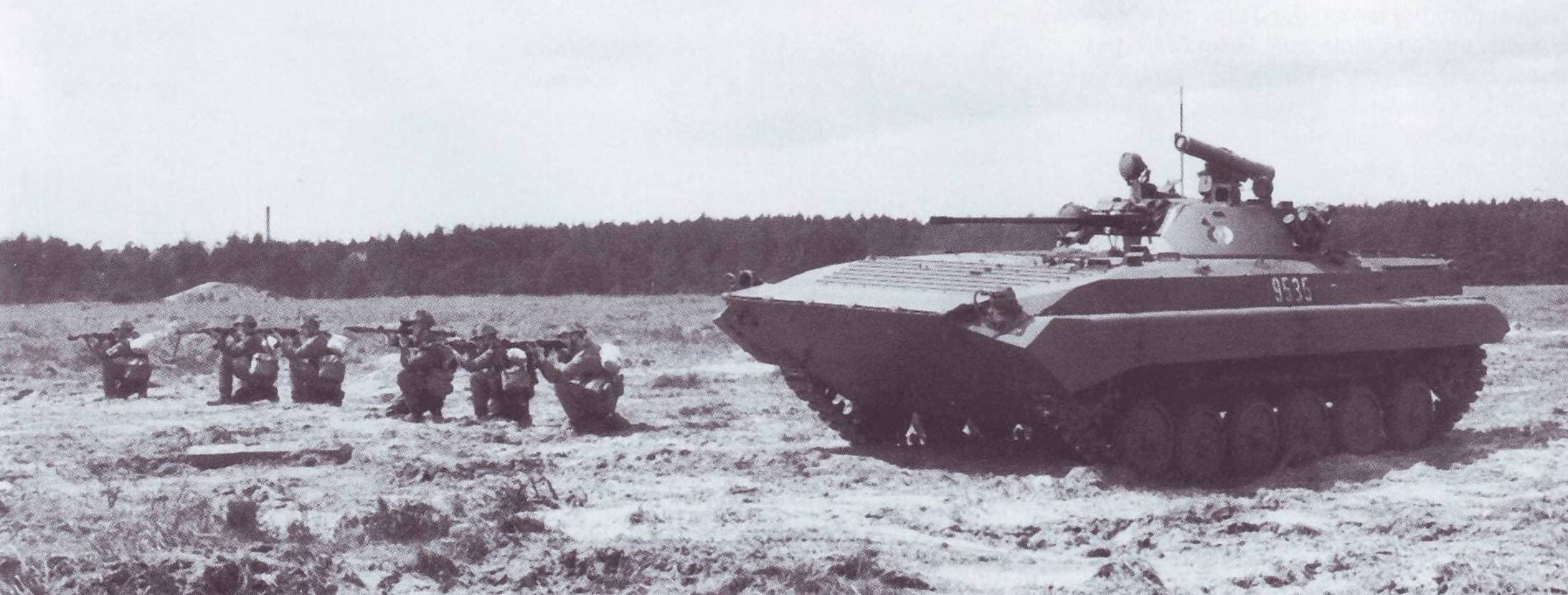
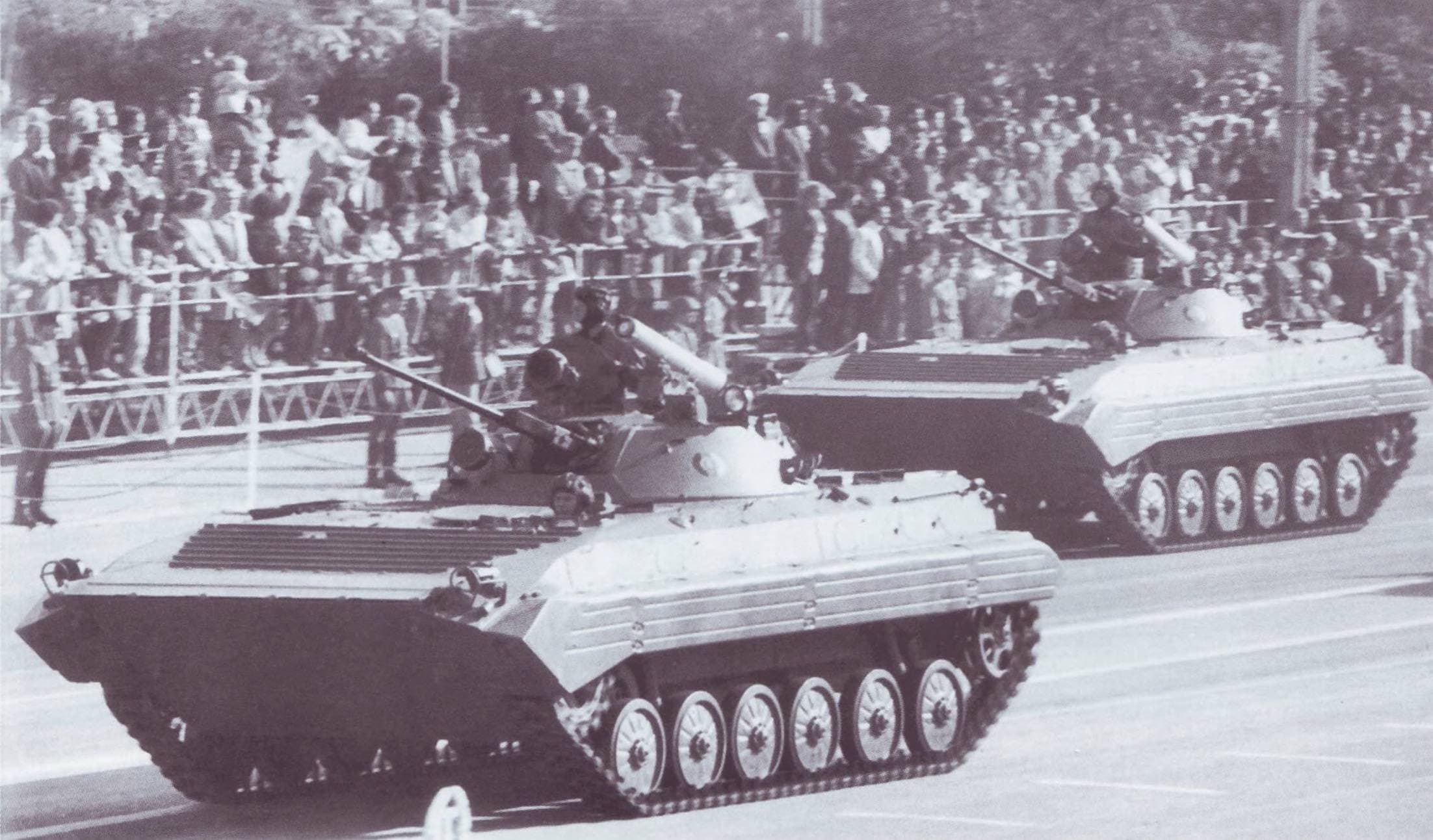
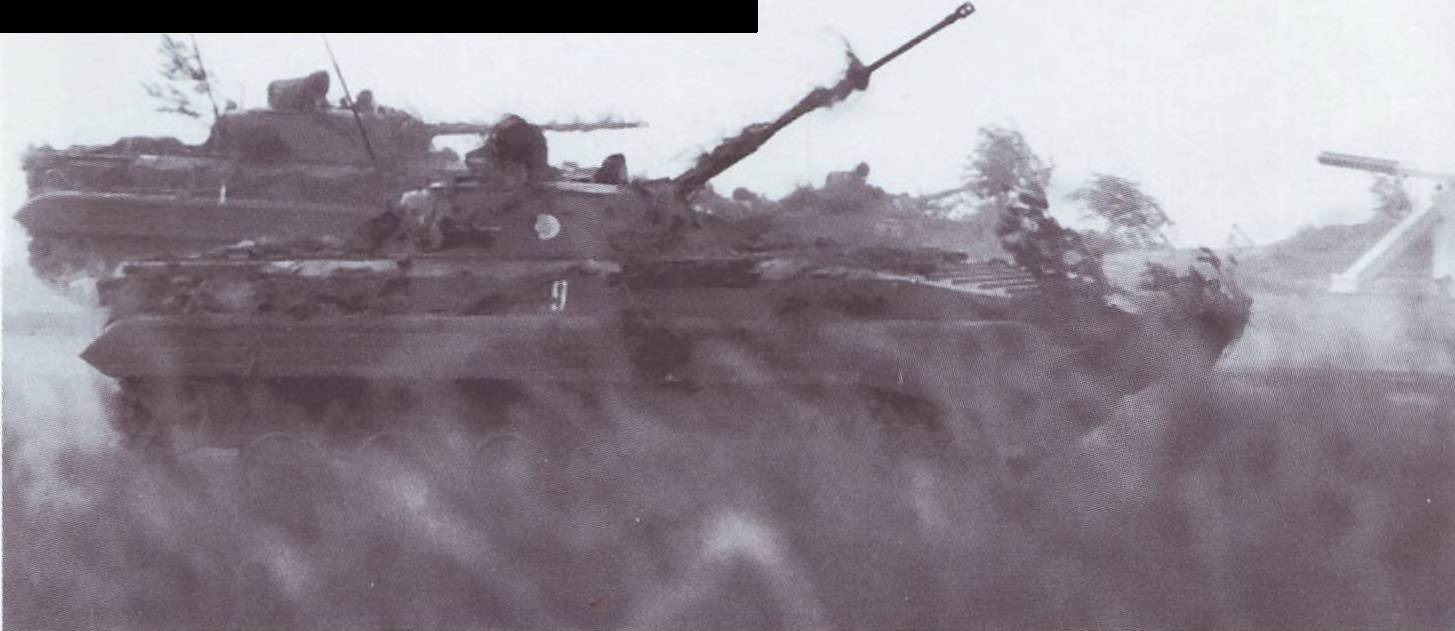
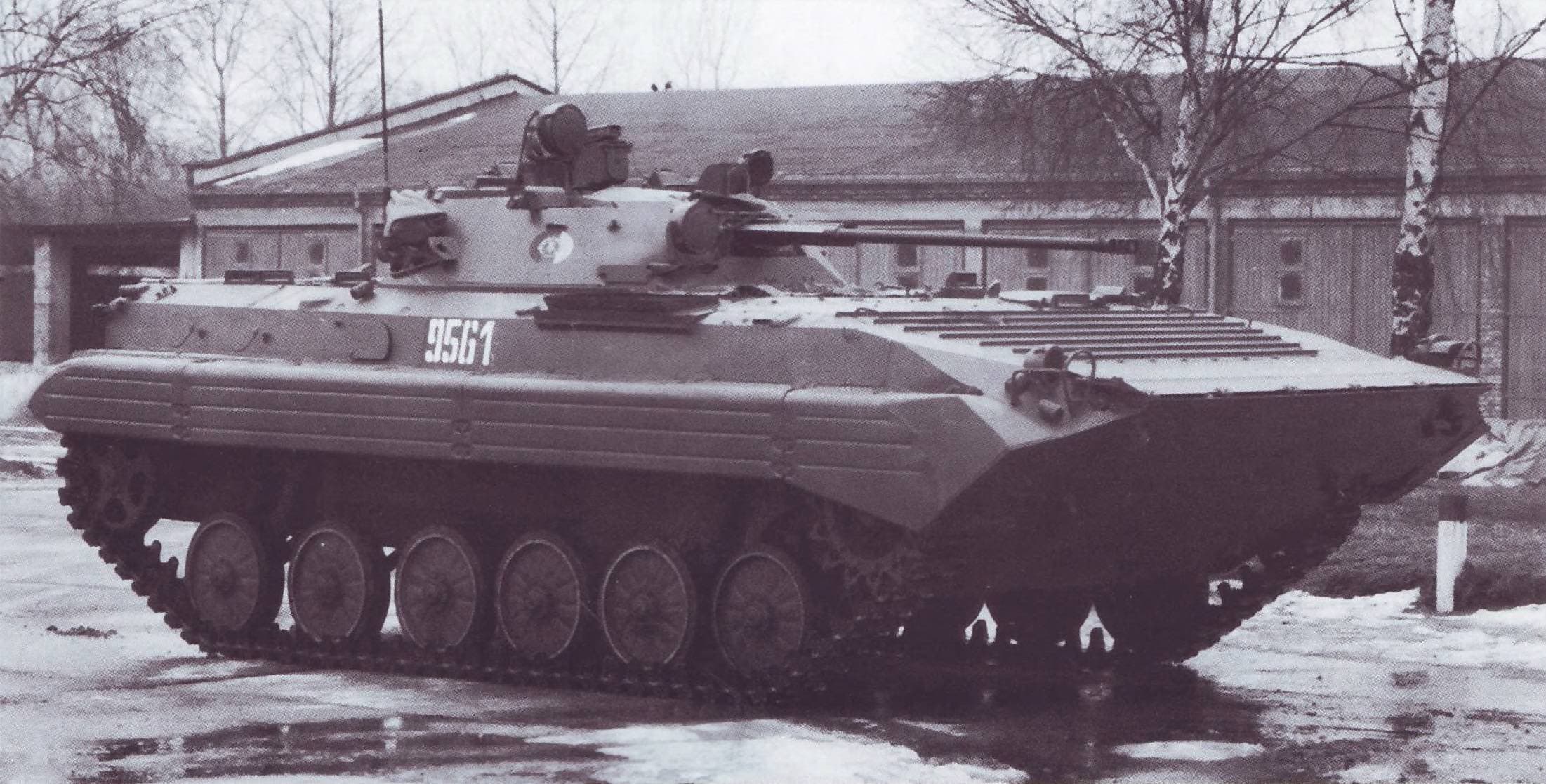
The story above is a gross exxageration and understatement to the actual designwork that went into one of the best IFV’s of its time in the world, however it is relatively acceptable. When the USSR started producing the BMP-2, they took the opportunity to expand their grasp on the market by providing the BMP-2 first to the Warsaw Pact signatories. East Germany, also known as the GDR was one of the recipients of the new BMP-2. Having been a pre-existing user of the earlier BMP-1 in large numbers, strangely, they received only about 2 dozen of the new IFV. In 1985, orders were placed and deliveries were underway in 1986-87 for 24 BMP-2s with supporting equipment. At least one was a command variant as well. According to information, some may have been produced in Czechoslovakia.
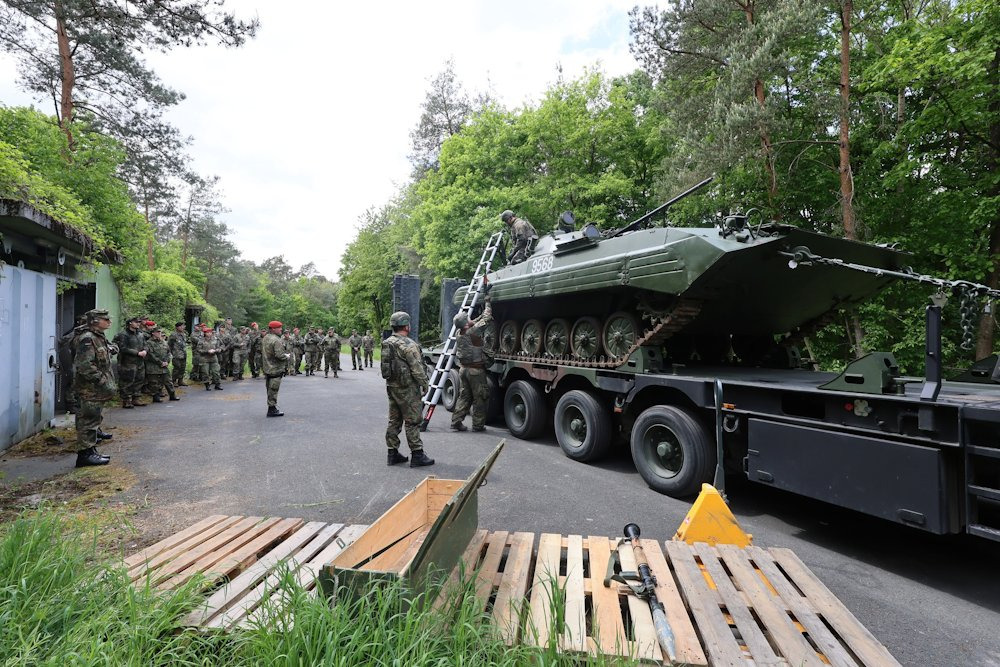
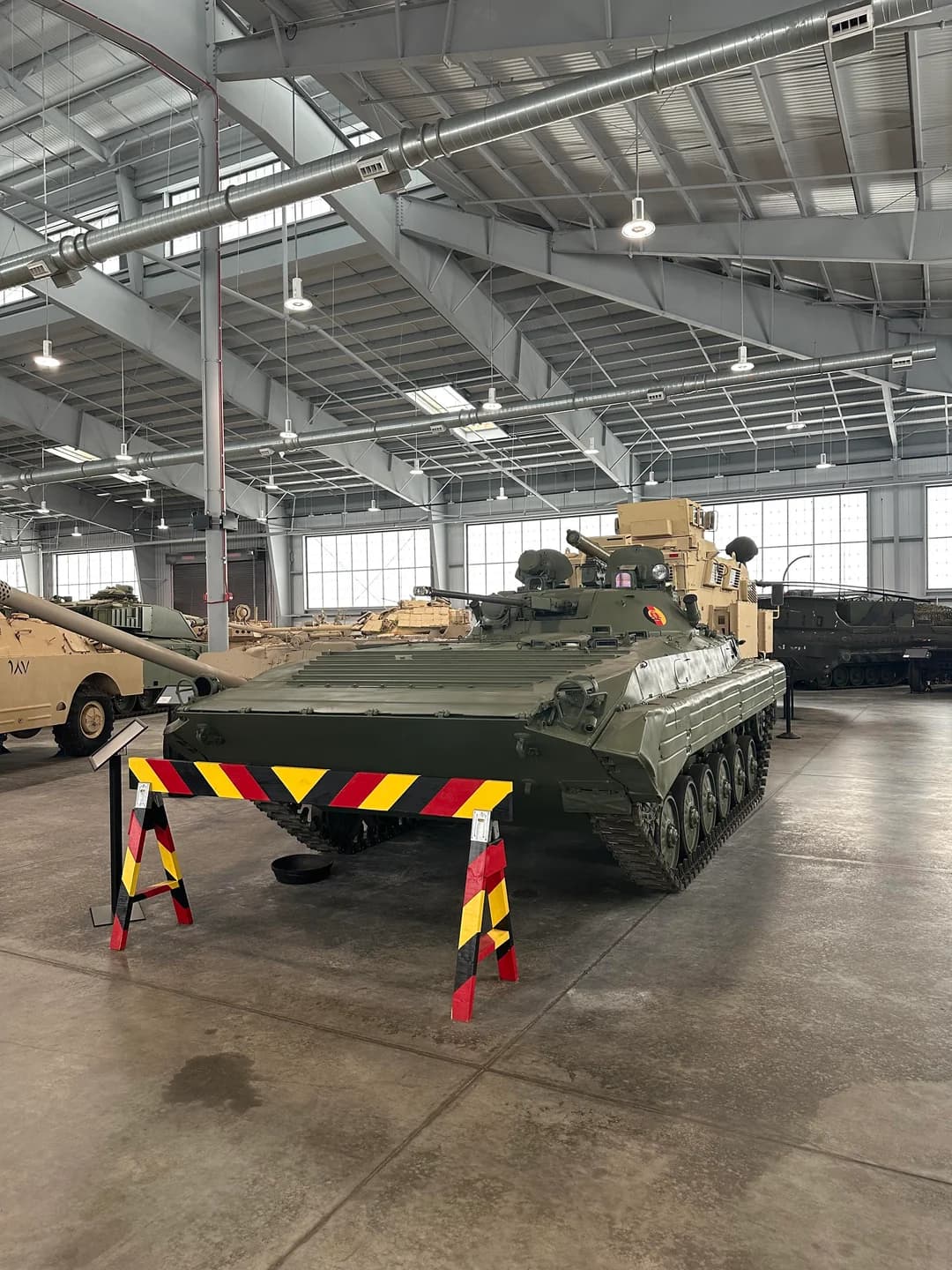
Unlike the GDR BMP-1s, post reunification, the BMP-2s did not undergo any sort of “upgrades” to bring them upto german quality and safety standards. While it was a great IFV, the Marder 1 was better equipped and more preferred by the Bundeswehr. Hence most of the BMP-2s were sold off and a couple were kept in German museums. The GDR BMP-2 spent its life quite uneventfully, seeing no action in German service.
Specifications
Crew: 3 (Commander, Driver, Gunner)
Engine power: 300hp
Weight: 14.8t
P/W: 20.3hp/t
—Equipment—
Smoke grenades: Yes
ESS: Yes
Amphibious capability: Yes
NVD: Yes
TVD: No
Stabiliser: Yes (30mm and 7.62mm only)
—Armament—
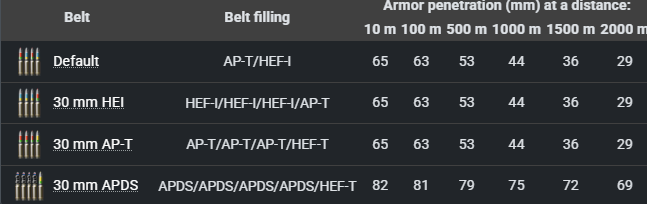
Main armament: 30mm 2A42 Autocannon, 550rpm
Co-axial armament: 7.62mm Machine Gun, 700rpm
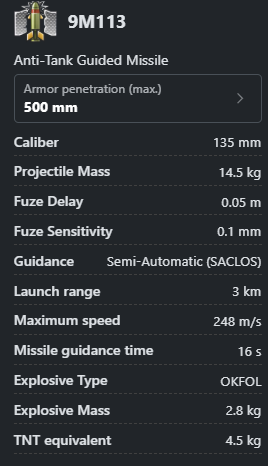
ATGM: 9M113 Konkurs ATGM
—Ammunition—
-
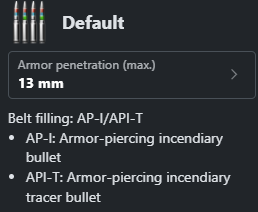
30mm: 500 rounds, 250 loaded
-
7.62mm: 2000 rounds, 250 loaded
-
ATGM: 4 missiles carried, 1 loaded

Sources

- Yes
- No