Carriers are a buggy mess at the moment. So I wouldnt discount the possibility that you wouldnt be able to land in anything. Apparently gets worse, the later into the match it is.
3 Likes
Does anyone know if the Spanish EF-18M has access to amraams? Didn’t find anything on that but I can’t imagine a modern air force operating hornets with no arh missiles
Edit: nvm I found the section of the post where it’s mentioned

1 Like
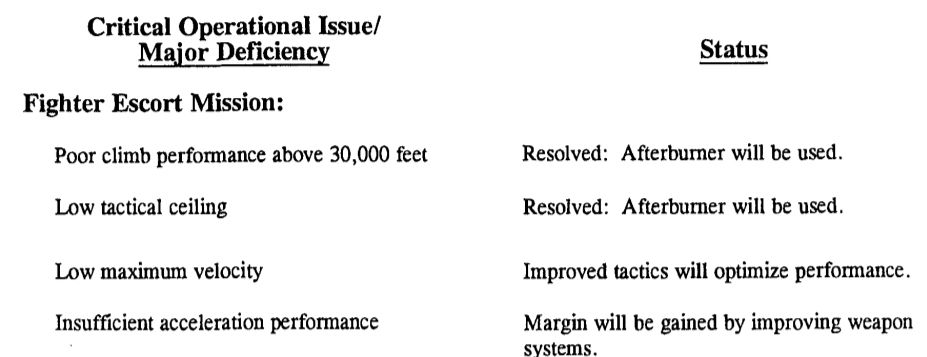
that is for the superhornet
1 Like
yes, but similar concept and their sea level top speeds are about the same
1 Like
wasnt the super hornet even slightly worse?
3 Likes
yes, slightly
the flight envelope above shows both
1 Like
By the way, what role do yall think the superhornet should get?

That doesn’t really answer the question, a strike fighter is both a fighter and a strike aircraft
And the F/A in the hornets name is literally there to highlight that in their purpose
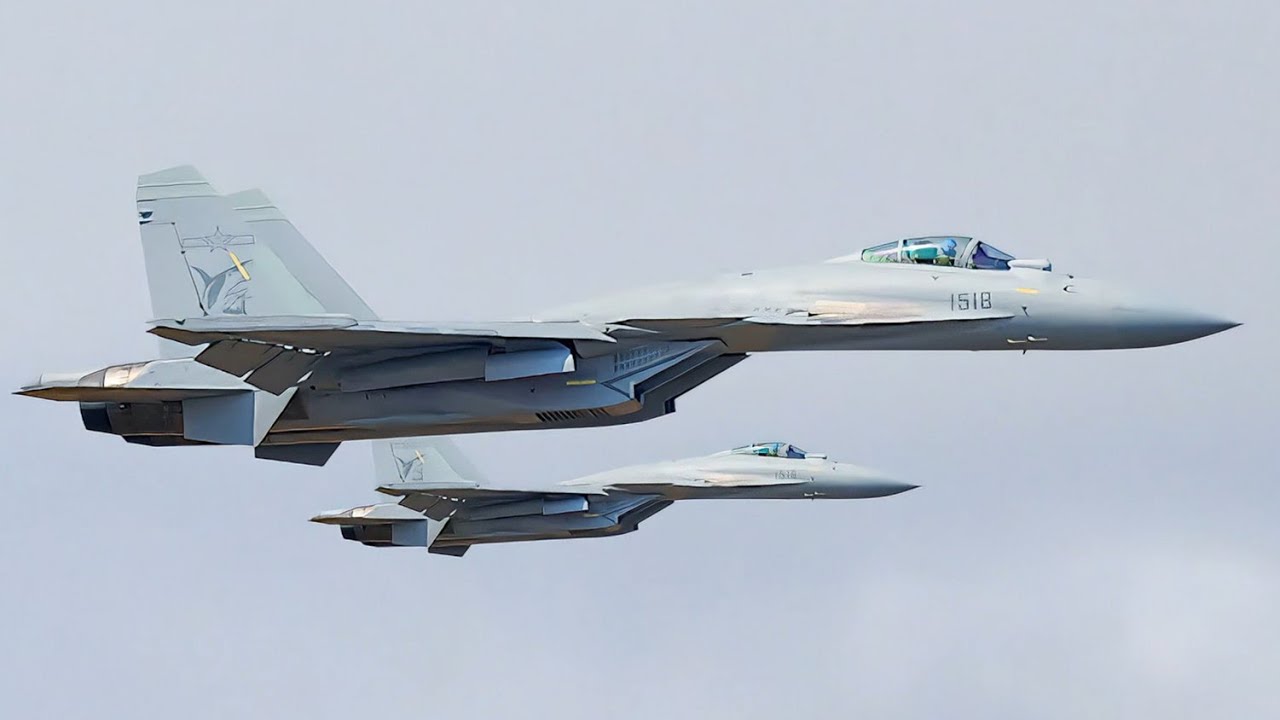
iam just meming using some niche chinese video
2 Likes
It’s an Attacker, it only picked up the Fighter designation to avoid prospective pilots from thinking it solely had an Attacker role. The issue is that the F-14 got retired without replacement leading an airframe designed to mesh the A-6 and A-7s capabilities with some modernized self-defense capability since the A-6G and A-7F didn’t get greenlit.
5 Likes
That’s true, though isn’t that also true for the legacy hornets?
Well, yeah. The reason for the move to Super Hornet was that one of the tradeoffs that was made for the basic Hornet to have such “good” performance and reserve weight, was to cut down on internal fuel carriage. And again with the failure of the A-12 Avenger II to get off the ground, a Follow-on design was needed so, it was greenlit. Only to then get blindsided by the wholesale retirement (not just the cancelation of the F-14E and follow-on “Quick Strike”, though at that point much of the funding for a wholesale conversion of the surviving fleet to the F-14D(R) configuration was cut so the wind was obviously blowing) of the F-14 without procuring an interim fighter put them very much up shit creek, sans-paddle.
The Super Hornet was a major overhaul to restore some range, and a chance to update legacy electronics to modern standards (F-16 underwent the same process, with the F-16ES. The “Enhanced Strategic” variant, which is where the “wide shoulder” & Spine Conformal Fuel tanks originated, which were harvested for some Clients for use with later F-16Cs, as they would otherwise need to go with the F-16E-60’s revised cranked delta for increased fuel.) And Saved a lot of money that was being (mis)spent on getting the embryonic JSF (X-32 & F-35) program.
The JSF itself was a merger of two disparate programs, which is what has ruined the F-35 so badly combining what was the Harrier II’s replacement with one for the F-16, to serve as the low end to the F-22. And in an effort to harvest the progress of the Program(s) to that point, the Lift Fan was to be stripped for the C/STOL design, instead of a C/STOL version having a Lift Fan installed to produce STOVL variant, as it was critical to retaining the USMC / UK buy-in / interest.
5 Likes
Alright that makes sense. So, with all that the Superhornet should be a strike aircraft no?
Possibly a dumb question, but why do the early F/A-18A/Bs have no notches in their exhaust petals, whereas later F/A-18A/Bs and F/A-18C/Ds do have them?
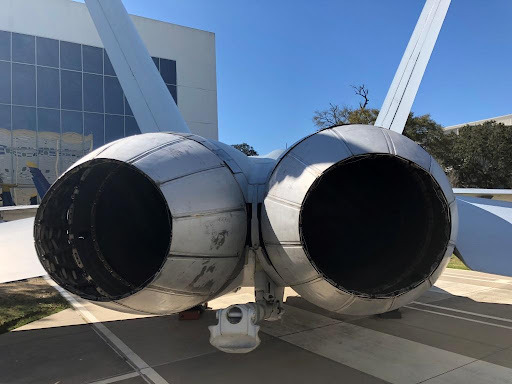
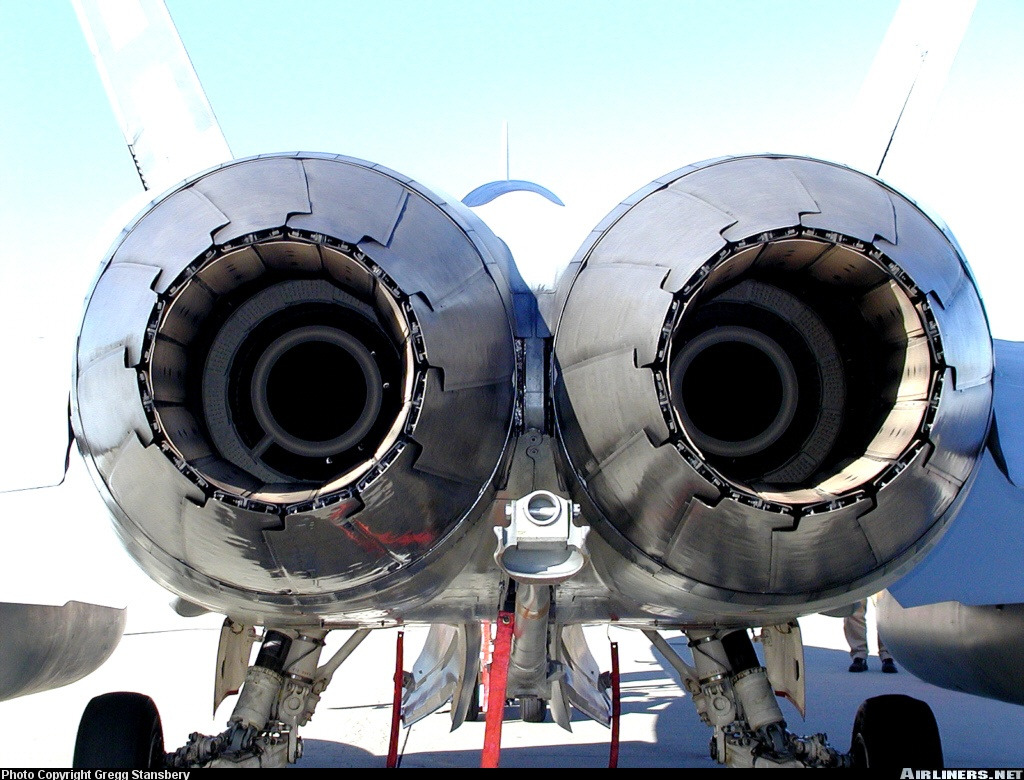
becasue the inside of the engine was redesigned as well
if you look at the later engines they have heat shielding inside them as well, whereas the older ones dont
2 Likes
Aesthetic choice of the designer
2 Likes
Also do yall think they’re gonna keep adding copypaste hornets (like Spanish ones or Malaysian ones) or are they done for now?
It would be funny if they kept adding more considering there’s already 10 in game