- Yes
- No

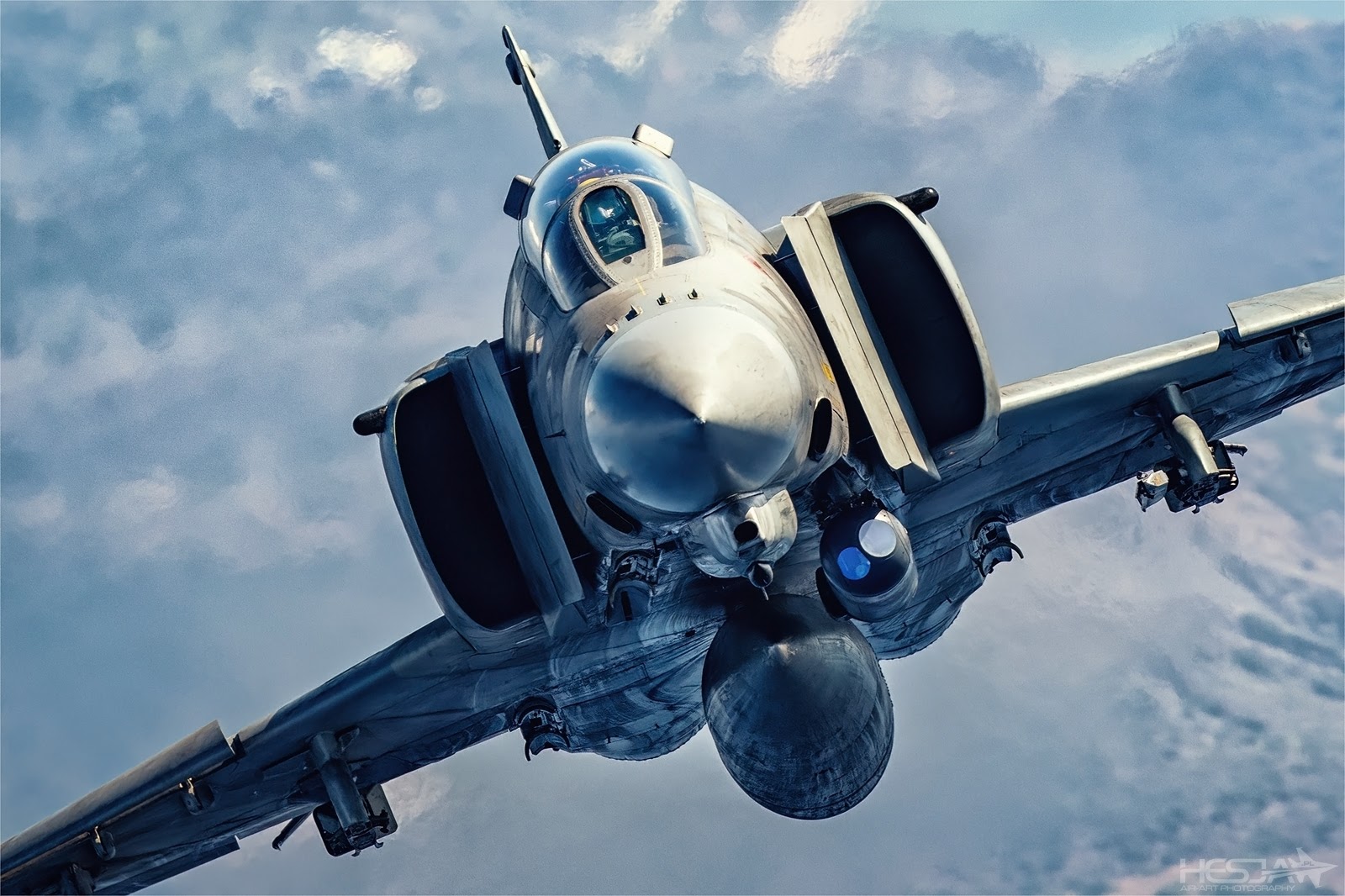
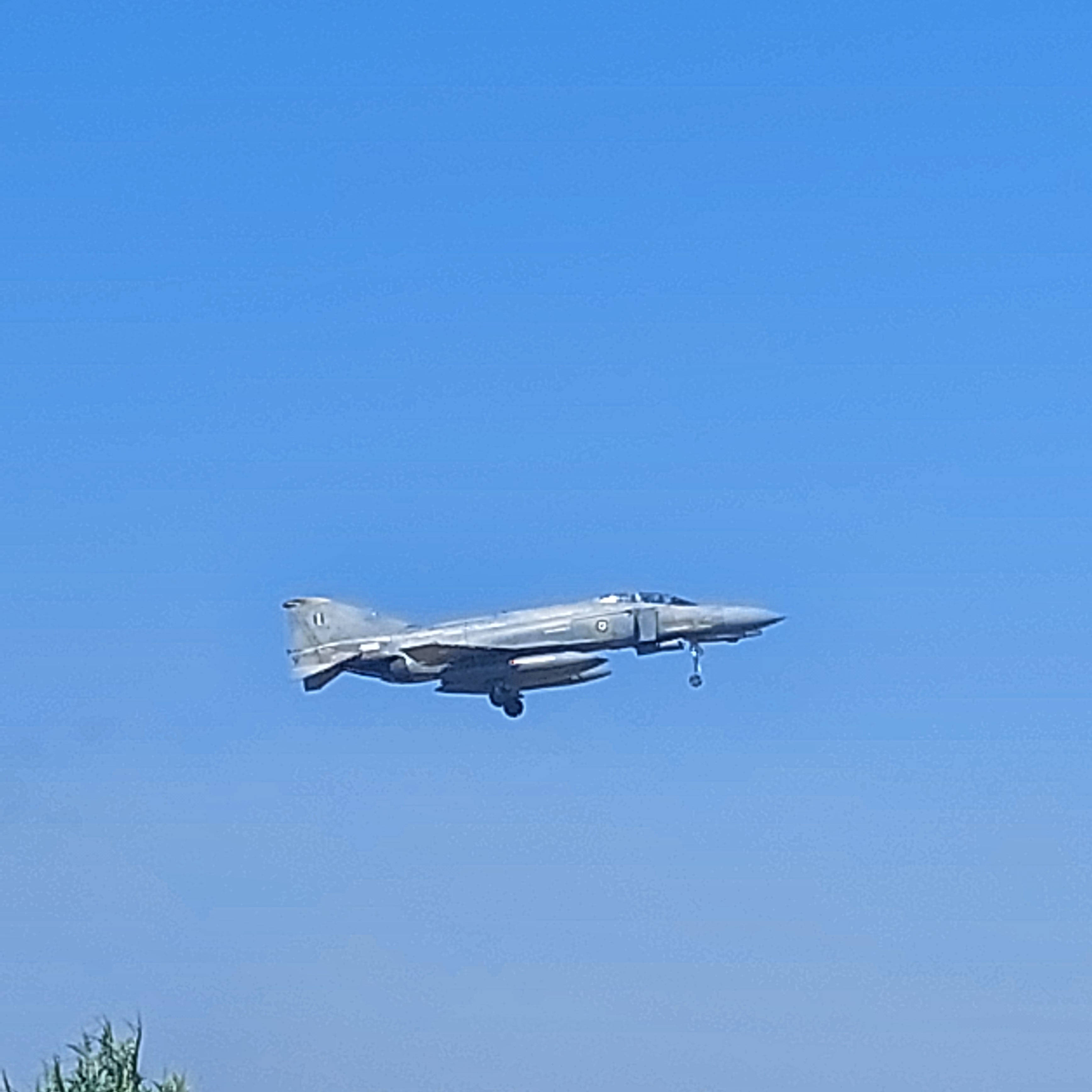
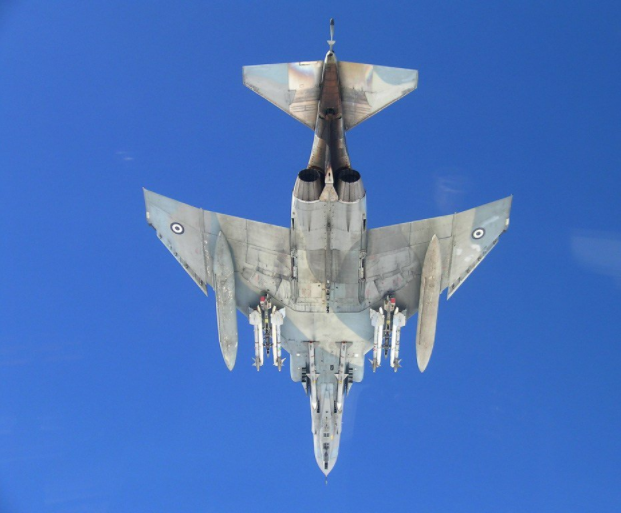
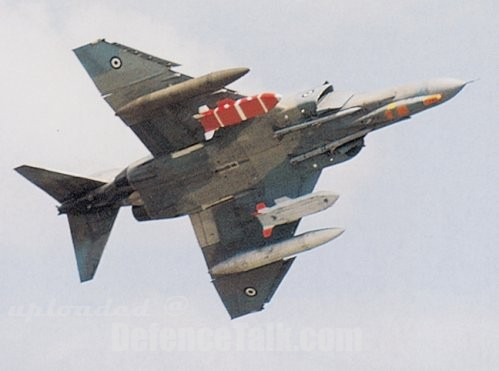
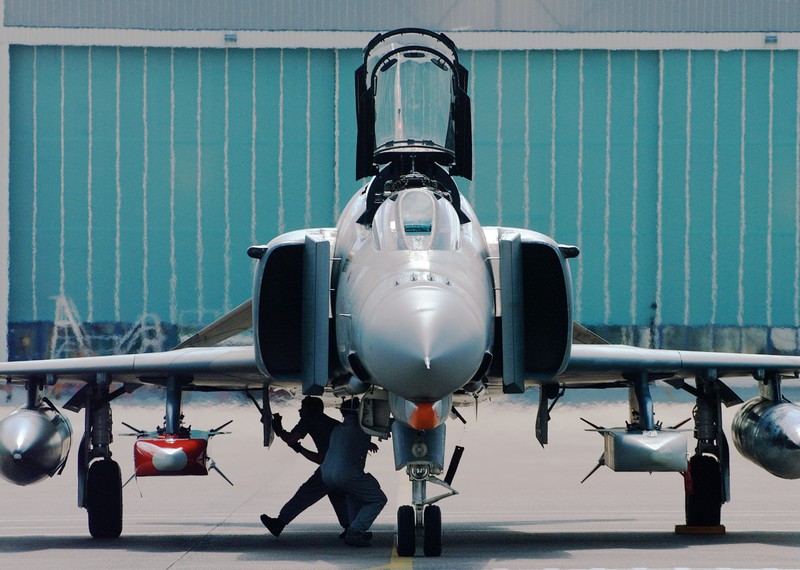
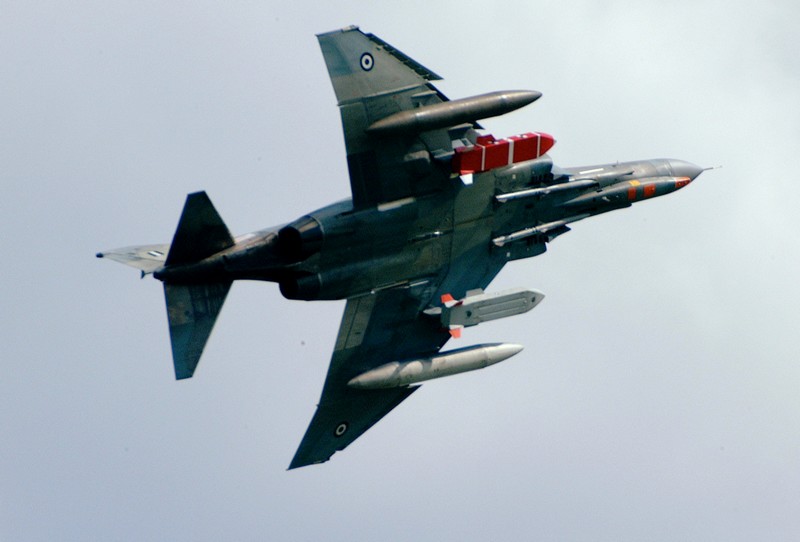
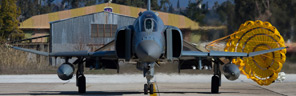
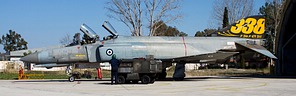
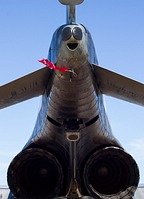
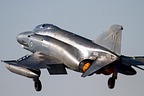
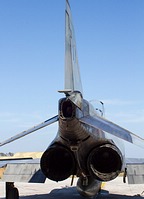
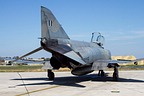
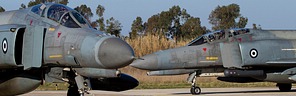
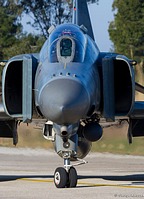
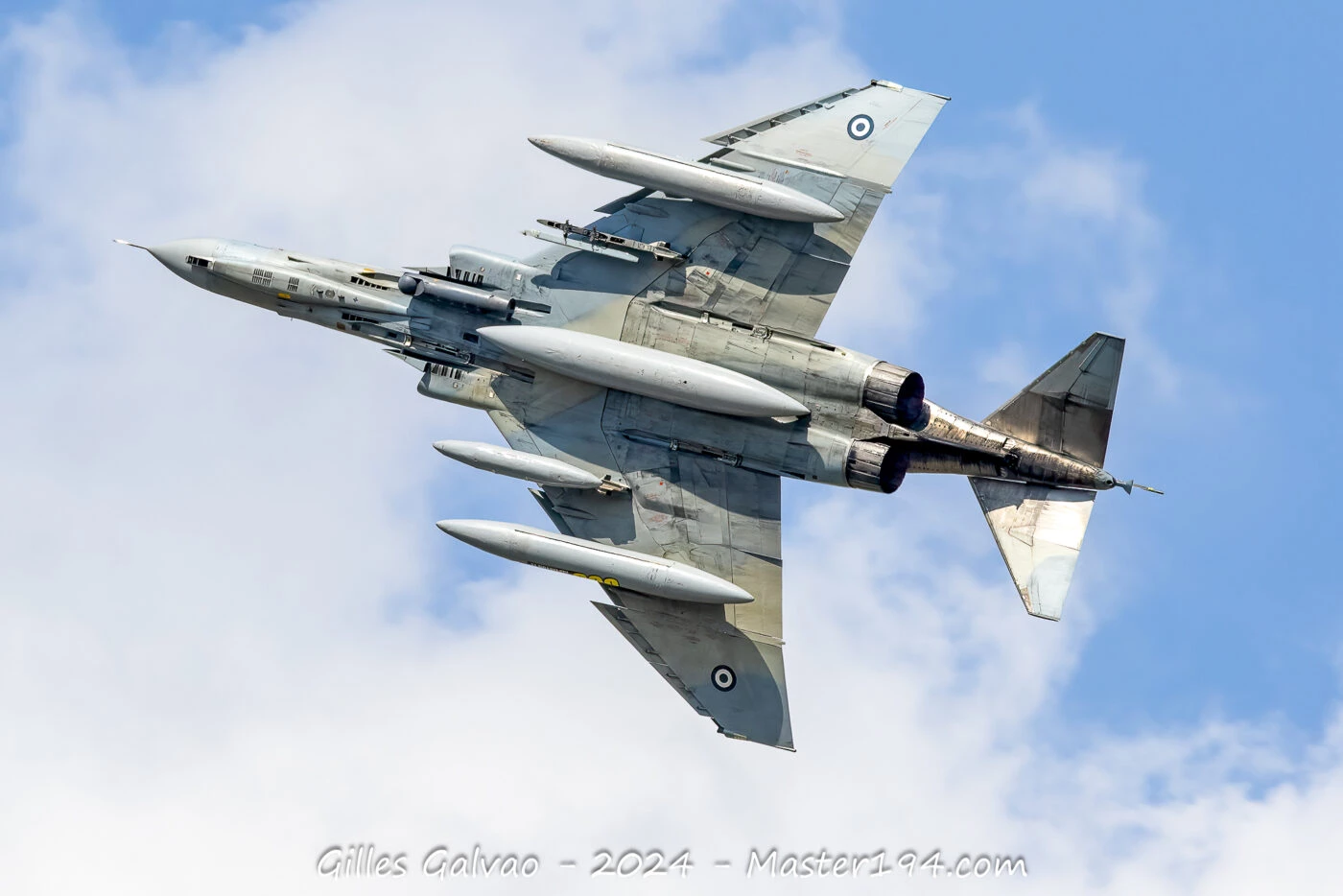
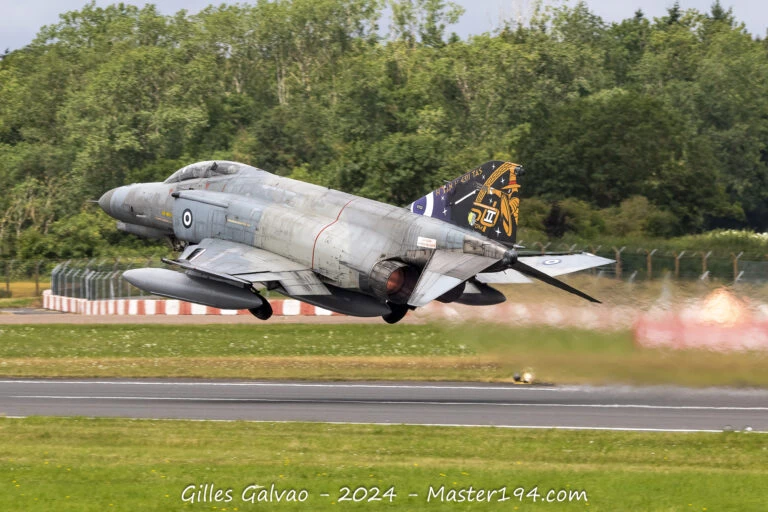
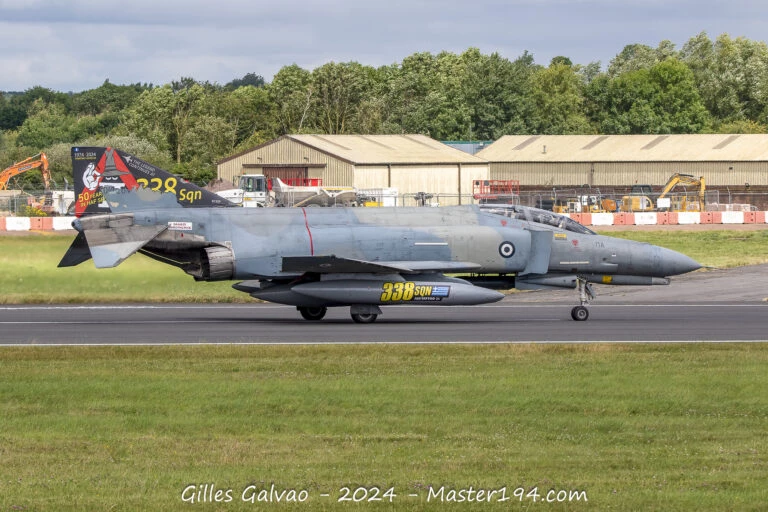
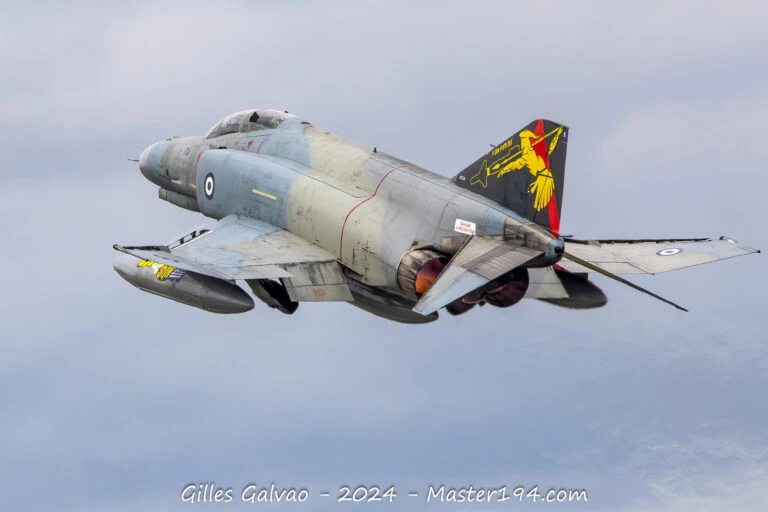
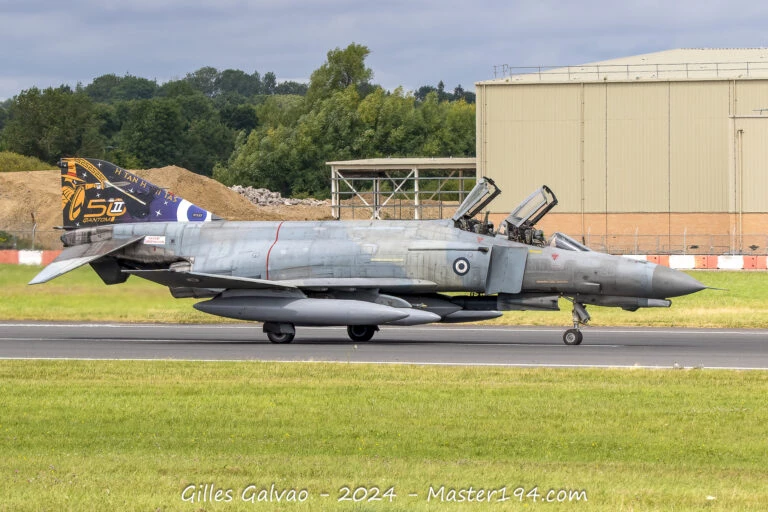
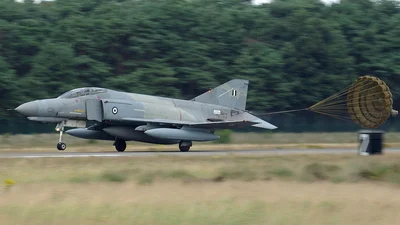
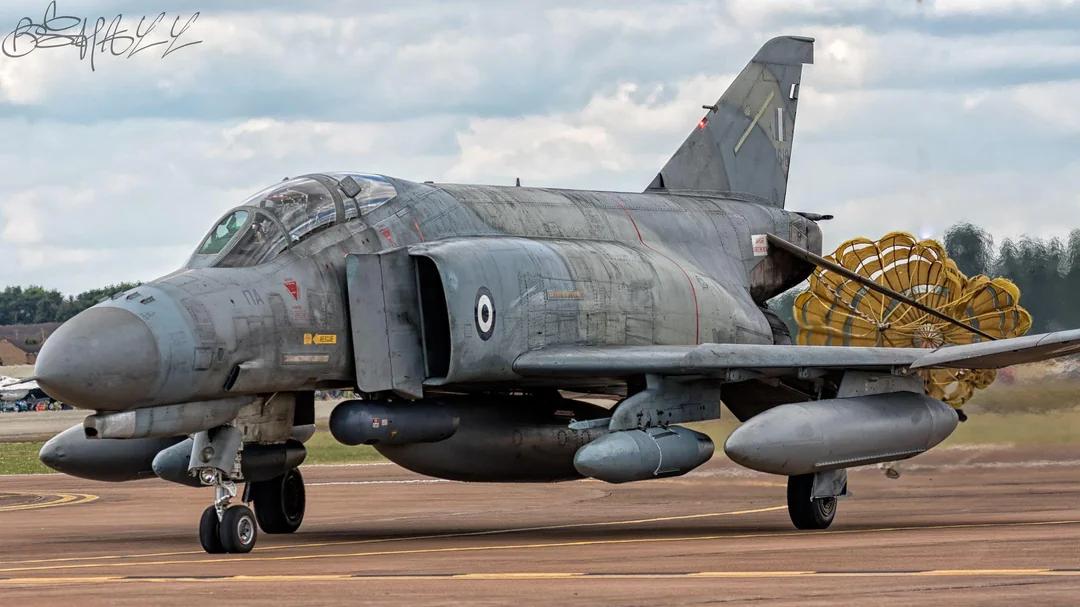
The McDonnell Douglass F-4E Phantom II AUP (Avionics Upgrade Package) also know as Peace Icarus 2000 is an upgraded and modernized version of the already existing F-4E. The first batch of upgraded Phantoms were completed by the end of 2002 and entered service under the Hellenic Air-force as bombers and interceptors.
The Greek F-4E AUP: A Second-Generation Legend Modernized for the 21st Century
In the annals of military aviation, few aircraft have achieved the enduring legacy of the McDonnell Douglas F-4 Phantom II. For the Hellenic Air Force (HAF), this iconic twin-engine, two-seat fighter has served as a cornerstone of national defense since 1974. While the baseline F-4E represented a quantum leap in capability upon its arrival, it was the Avionics Upgrade Program (AUP)—formally known as Peace Icarus 2000—that transformed a select fleet into one of the most capable Phantom variants ever to fly. Blending proven airframe ruggedness with modern radar, navigation, and weapons integration, the F-4E AUP enabled Greece to maintain a credible deterrent in a geopolitically tense region well into the 2020s, even as newer generation fighters entered service elsewhere.
From Acquisition to Operational Maturity: The Peace Icarus Programs
Greece’s relationship with the Phantom began amid Cold War realities and regional rivalries. In 1972, under the Peace Icarus I program, the HAF signed a contract for 36 new-build F-4E aircraft. Deliveries commenced in 1974, with the first examples arriving at the newly renovated Andravida Air Base on Greece’s western Peloponnese peninsula on April 5 of that year. This facility, originally a modest airfield from 1955, underwent significant expansion to accommodate the new jets, including modern shelters and maintenance infrastructure. Pilot training took place at Homestead AFB in Florida, where HAF crews—many transitioning from the aging F-84F Thunderstreak—converted onto the type alongside U.S. units flying F-4C/D variants.
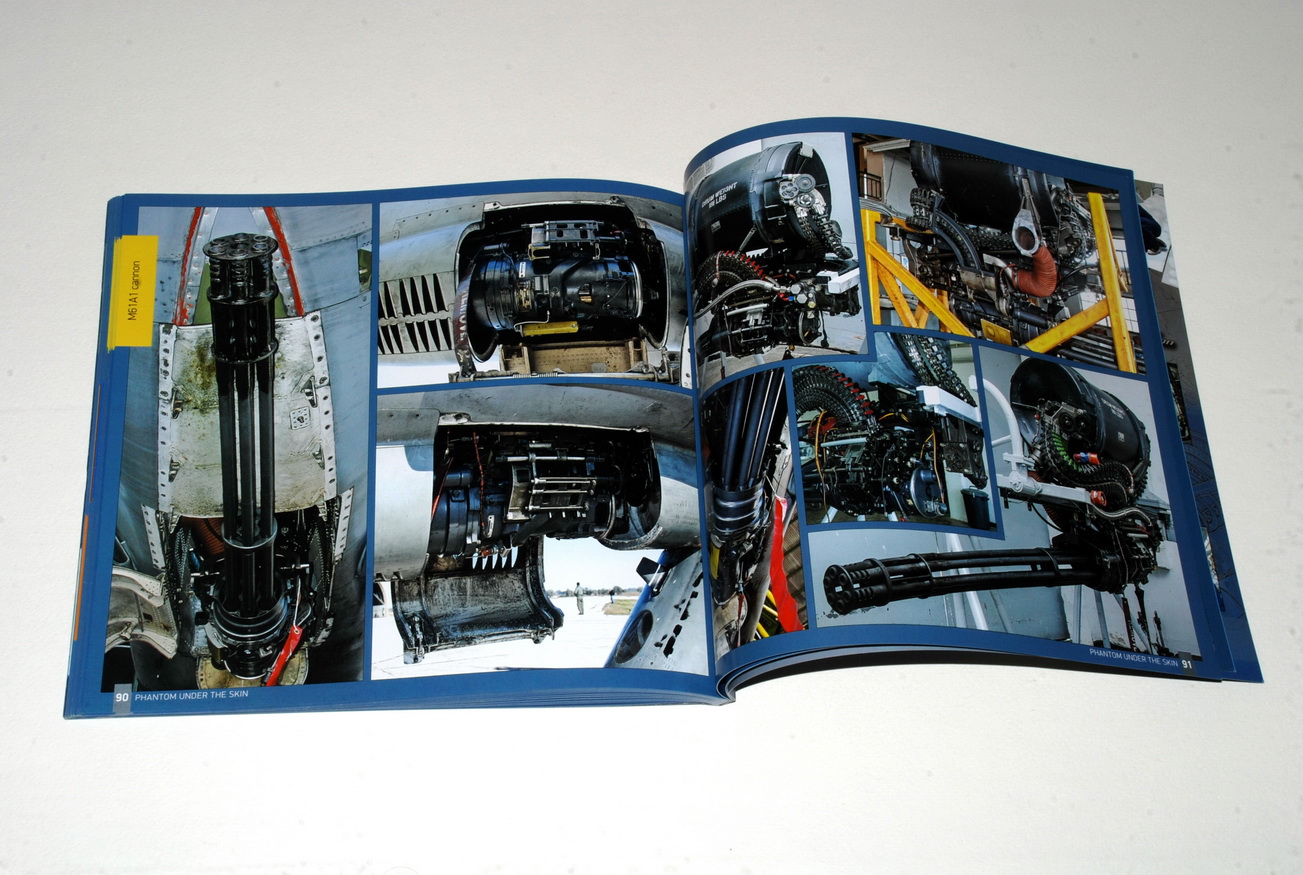
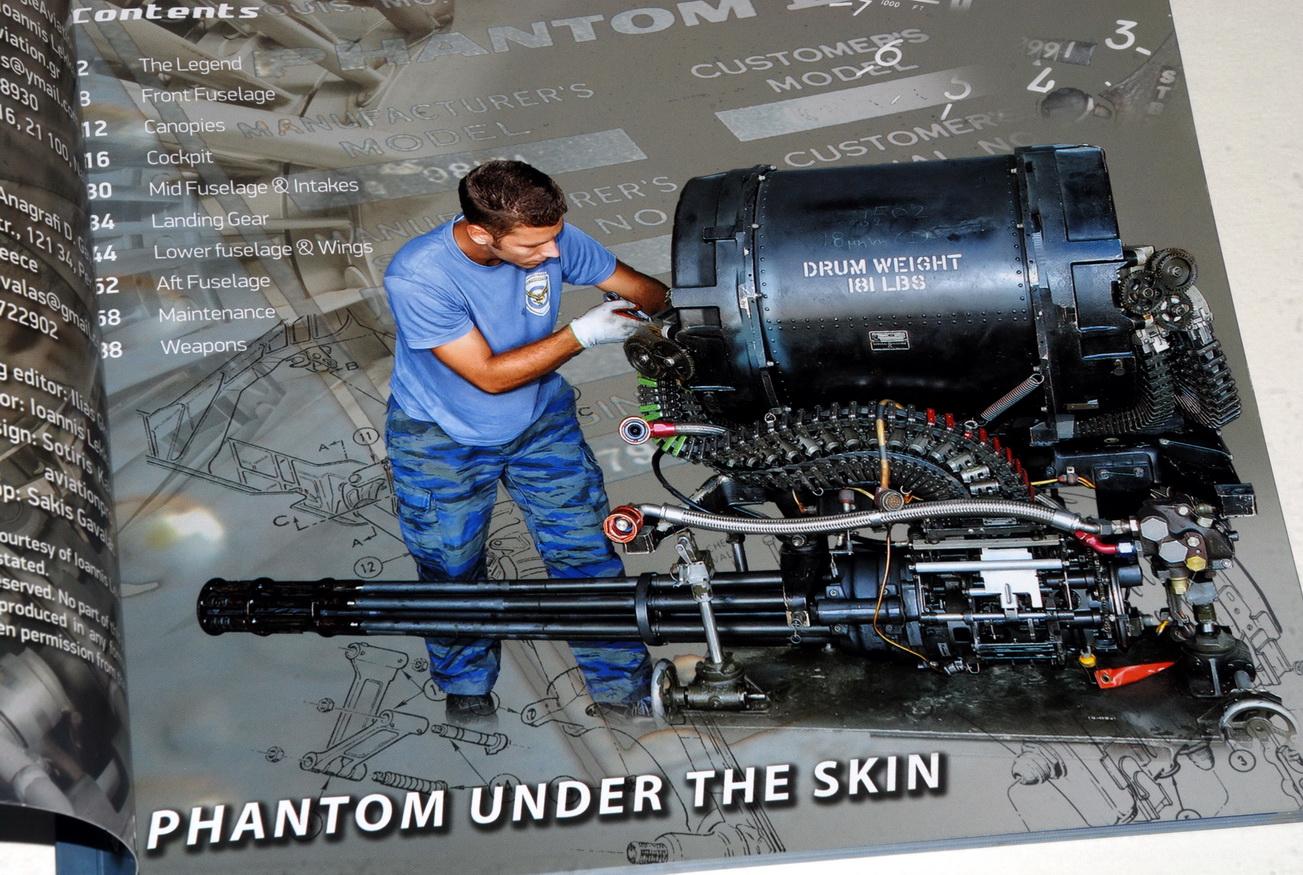
The F-4E brought substantial improvements over earlier Phantoms: the J79-GE-17A engines (17,900 lbf thrust with afterburner), an internal M61A1 20mm Vulcan cannon (up to 640 rounds), the AN/APQ-120 radar, leading-edge slats for enhanced high-angle-of-attack handling, a seventh fuel cell, and other refinements. The first squadron, 339 Mira “Aias” (Ajax), stood up shortly after the initial arrivals. A second unit, 338 Mira “Ares” (Ares, the God of War), soon followed.
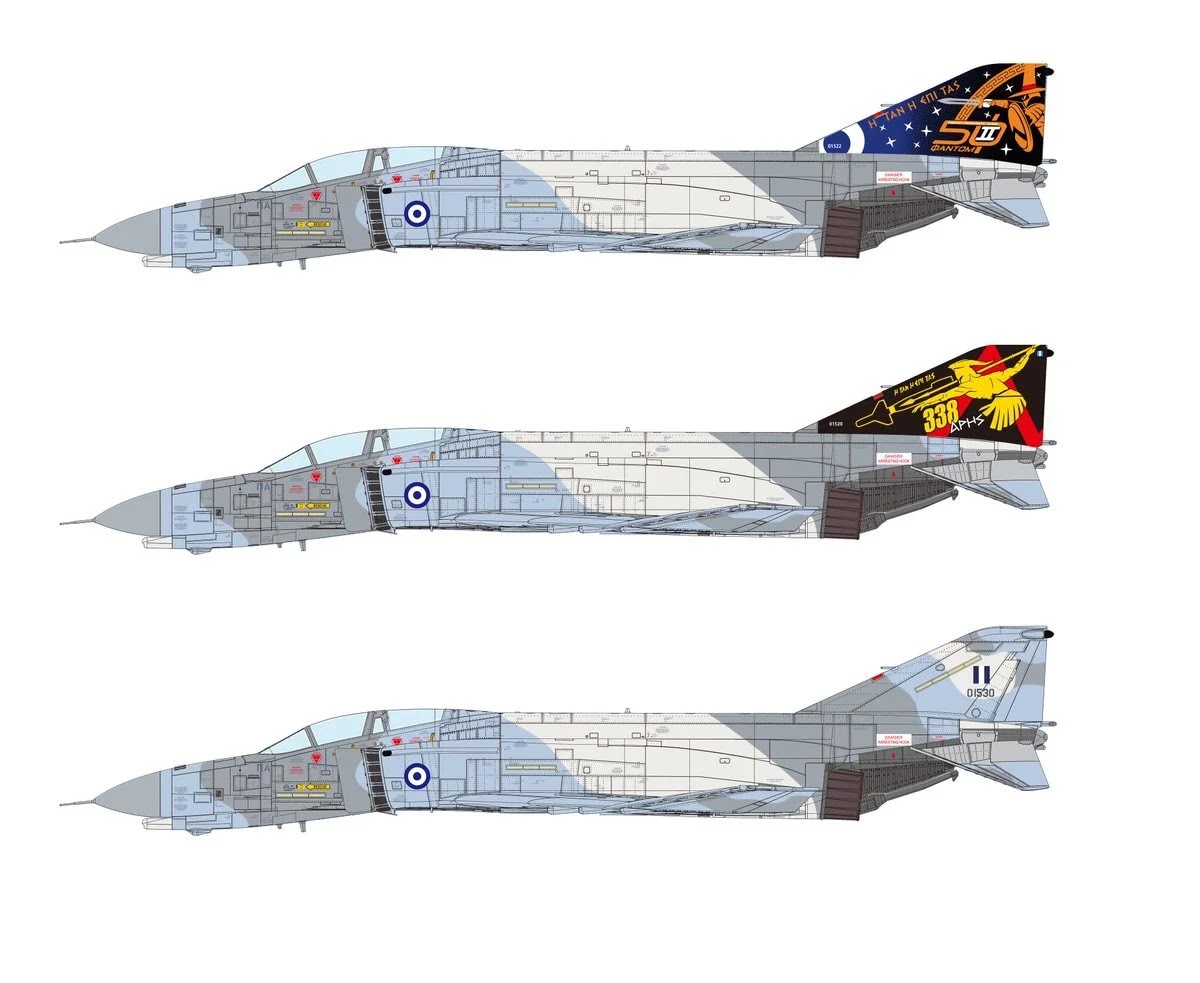
Rising tensions in the area prompted Peace Icarus II in 1977: an additional 18 F-4Es and 8 RF-4E reconnaissance variants. These bolstered 337 Mira “Ghost” at Larissa and equipped 348 Mira “Eyes” with the RF-4Es. Serial ranges included 72-1500–72-1535 (PI I), 77-1743–77-1760 plus replacements (PI II), with RF-4Es in the 70xxx range. Early aircraft wore the classic Southeast Asia (“Vietnam”) camouflage, later evolving to Aegean Blue and, for upgraded jets, the low-visibility Aegean Ghost scheme.
Further reinforcement came in the early 1990s with 28 ex-U.S. Air National Guard F-4Es under the Southeastern Regional Agreement (SRA). These older-block aircraft featured some prior improvements (e.g., smokeless engines) but were retired by 2005 as F-16s arrived. Ex-Luftwaffe RF-4Es supplemented the reconnaissance fleet in 1993, with retirement in 2017.
The Imperative for Modernization: Birth of Peace Icarus 2000
By the mid-1990s, after over two decades of intense Aegean operations, the HAF recognized that raw airframe life and basic avionics were insufficient against evolving threats. New fighters were prohibitively expensive, so attention turned to upgrades. A competition between Germany’s DASA (leveraging its F-4F ICE experience) and U.S. Rockwell favored DASA. The contract, valued around $317 million, was signed on August 11, 1997. Israel’s Elbit Systems played a major role in avionics integration.
Plans called for upgrading 39 aircraft (primarily from Peace Icarus I and II batches). One jet—72-1523, nicknamed the “Princess of Andravida”—served as the prototype, undergoing testing in Germany starting with its first post-upgrade flight on April 28, 1999. Hellenic Aerospace Industry (HAI) handled the Service Life Extension Program (SLEP) and much of the work on the remaining airframes. Delays pushed initial deliveries to late 2002; the first handover ceremony occurred on December 18, 2002, at Tanagra. Ultimately, 36 aircraft were completed, with three lost to accidents beforehand.
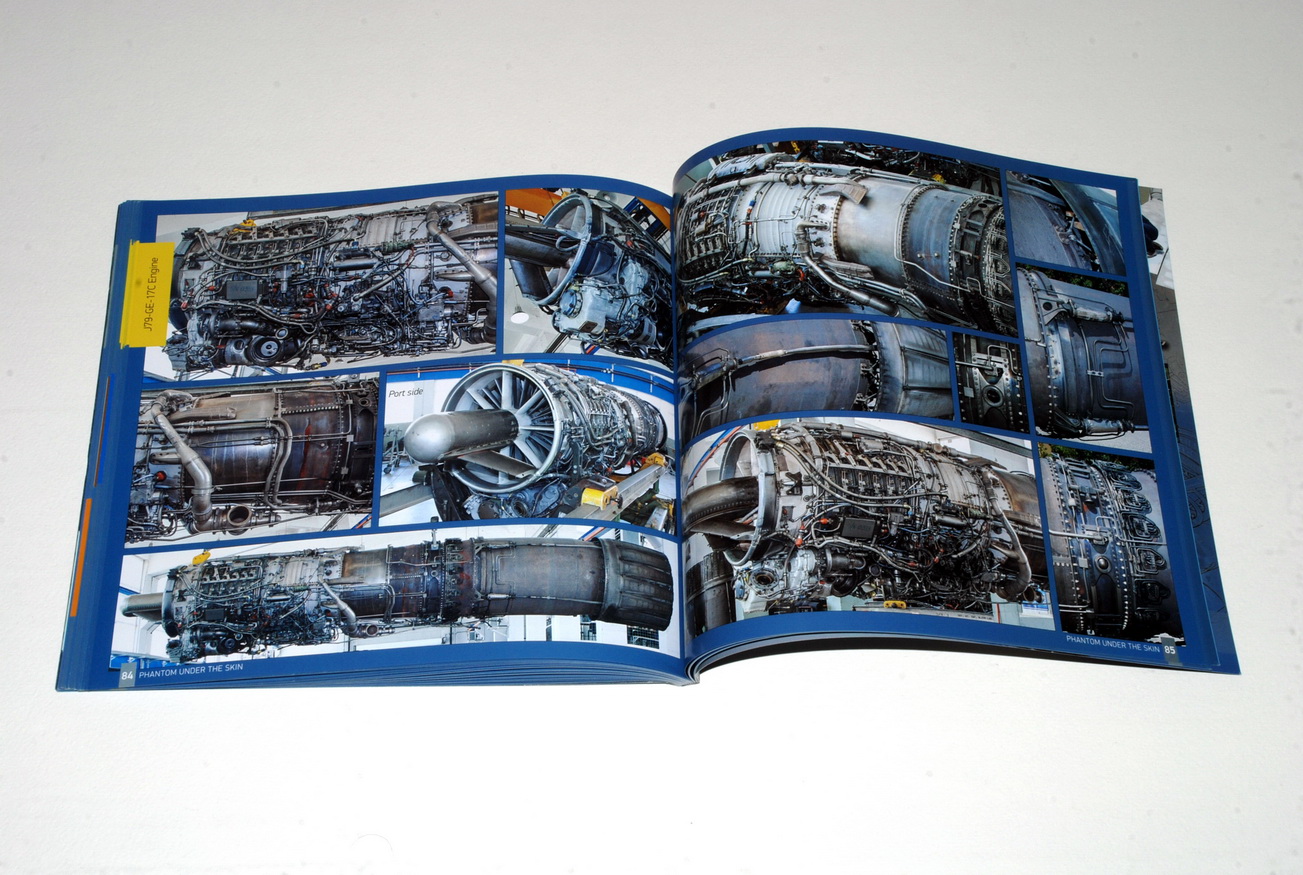
Engine smoke reduction was a priority: J79-GE-17A engines were modified to -17C standard by replacing combustion chambers, drawing on units from retired SRA jets where possible. This addressed a long-standing tactical vulnerability.
Technical Transformation: Avionics, Electronics, and Performance
The AUP’s heart was a comprehensive avionics overhaul that elevated the F-4E to near-third-generation standards. The standout upgrade was the Hughes AN/APG-65GY multi-mode radar—the same family used on the F/A-18C Hornet. This pulse-Doppler system provided superior air-to-air track-while-scan, look-down/shoot-down capability, and enhanced air-to-ground modes, far surpassing the original AN/APQ-120.
Supporting systems included:
- Honeywell H-764G inertial/GPS navigation.
- GEC Avionics central air data computer.
- Elbit multi-mode radar command system.
- Modern communications (Have Quick II), TACAN, and data link (DTS).
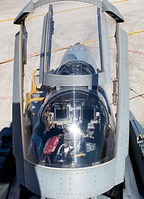
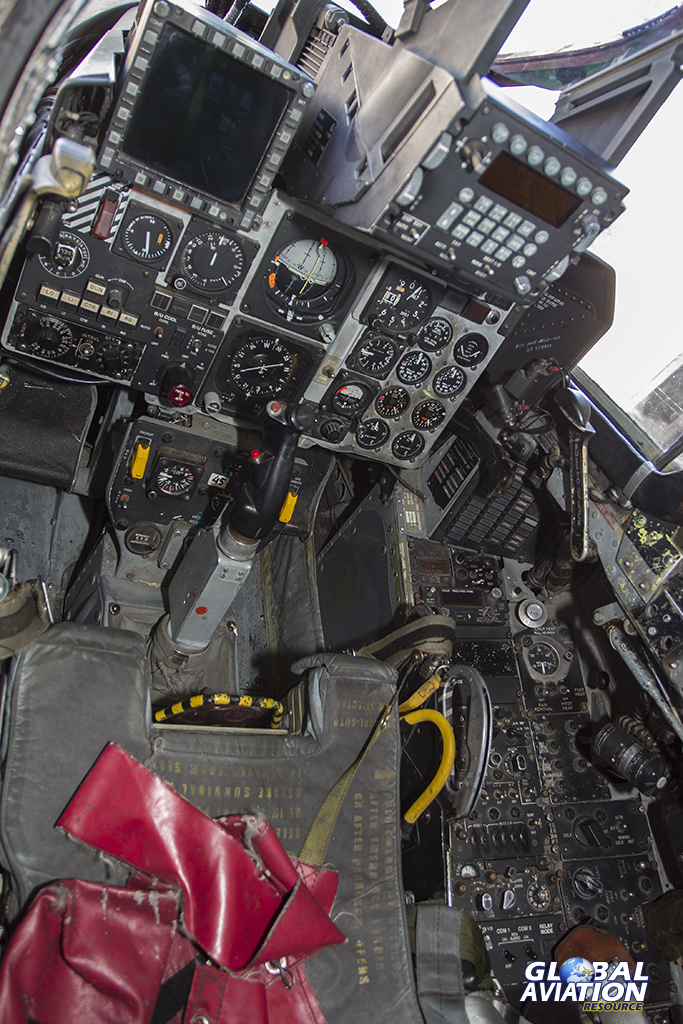
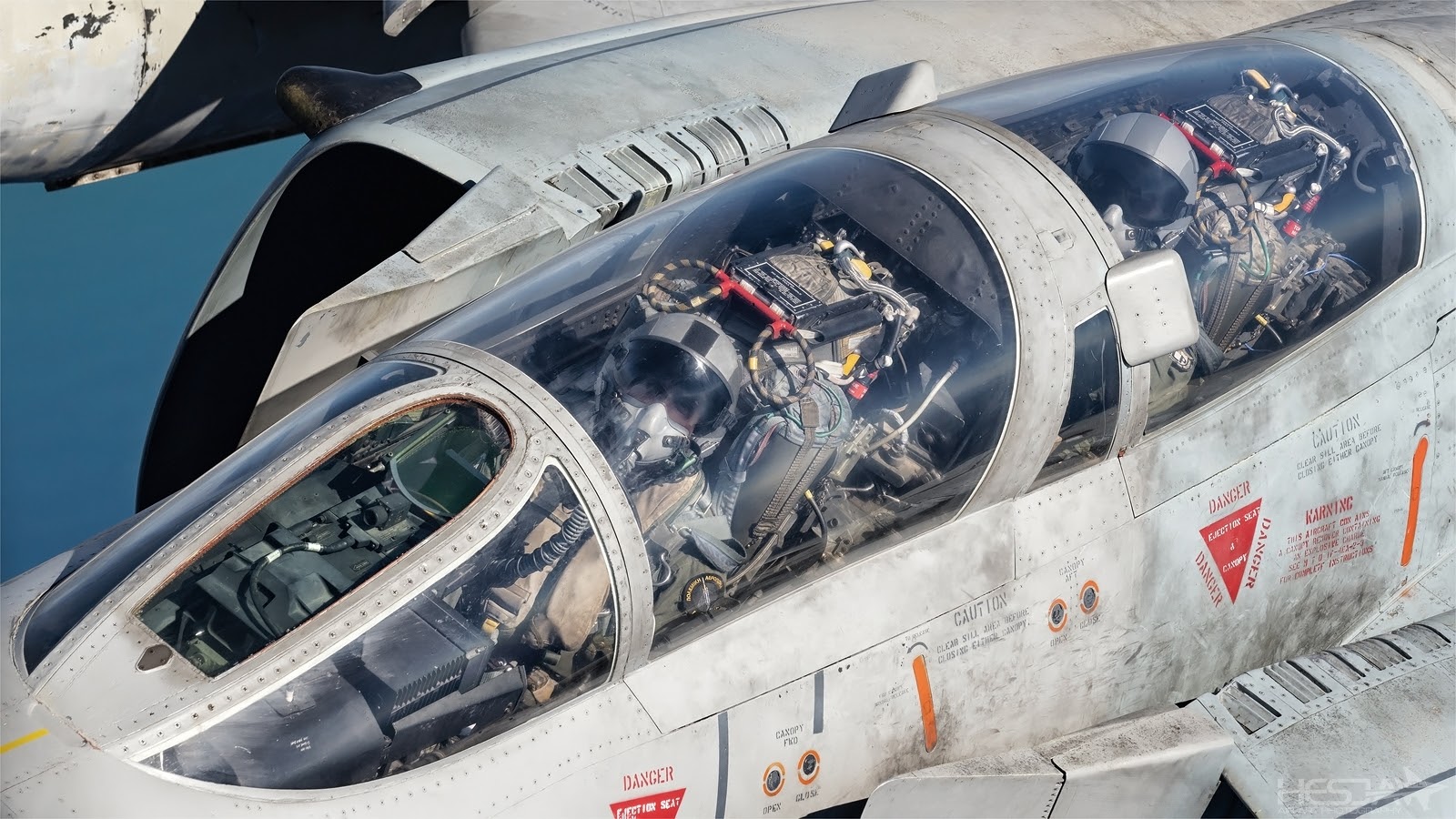
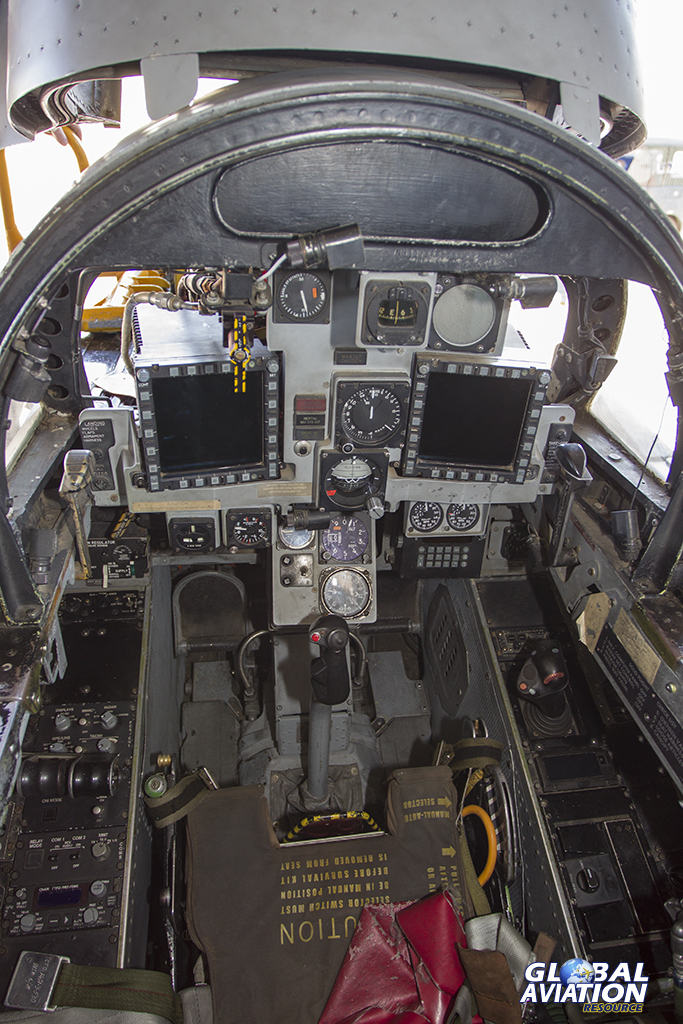
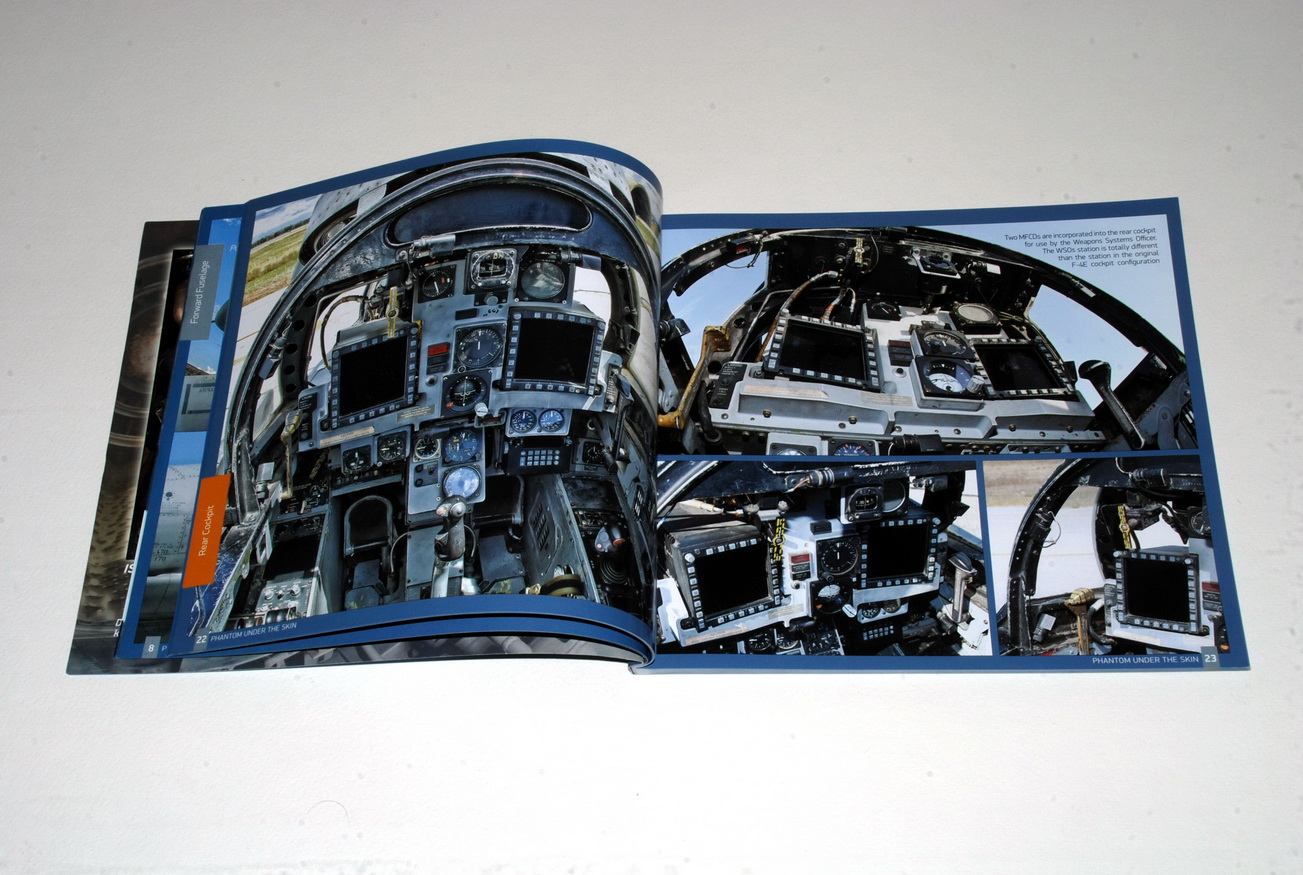
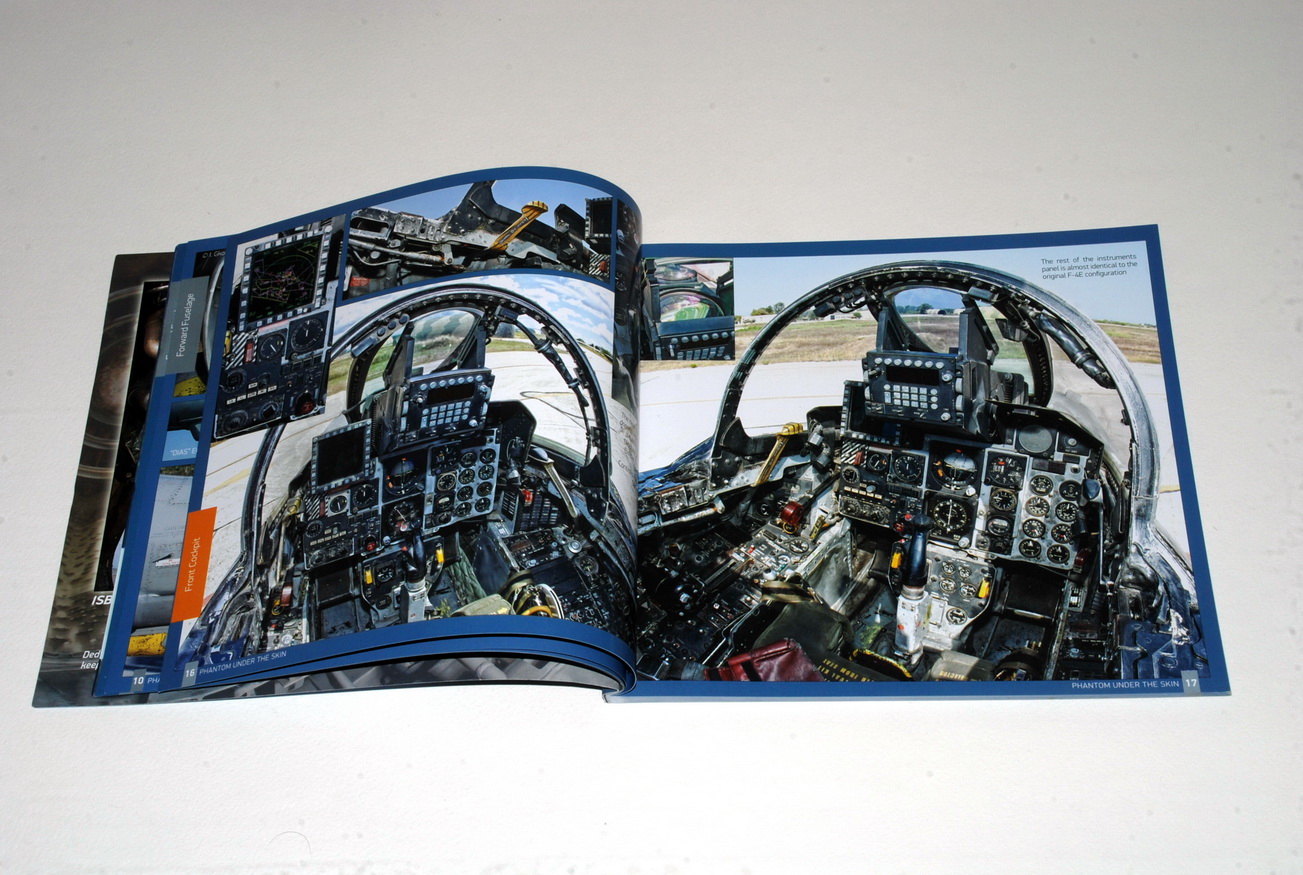
- Color multi-function displays (MFCDs) in both cockpits, EL-Op HUD, HOTAS controls, and Data Transfer Unit.
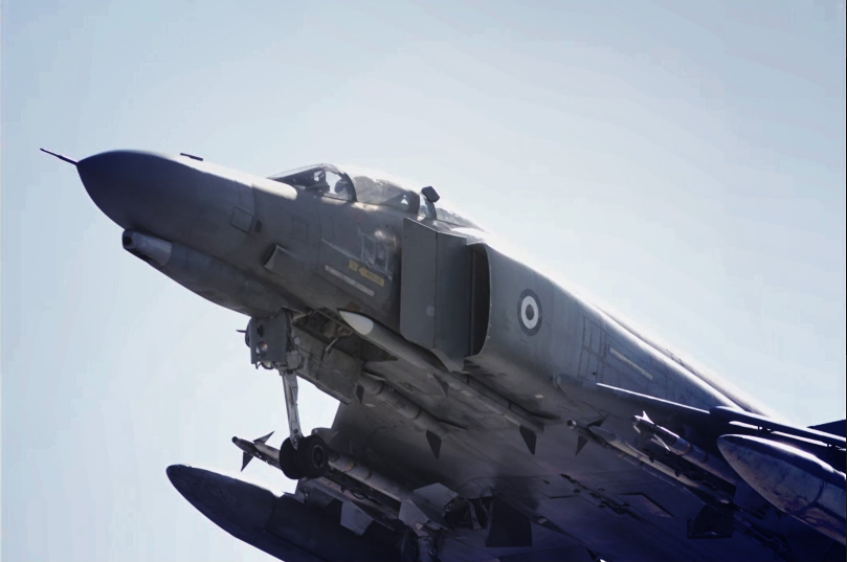
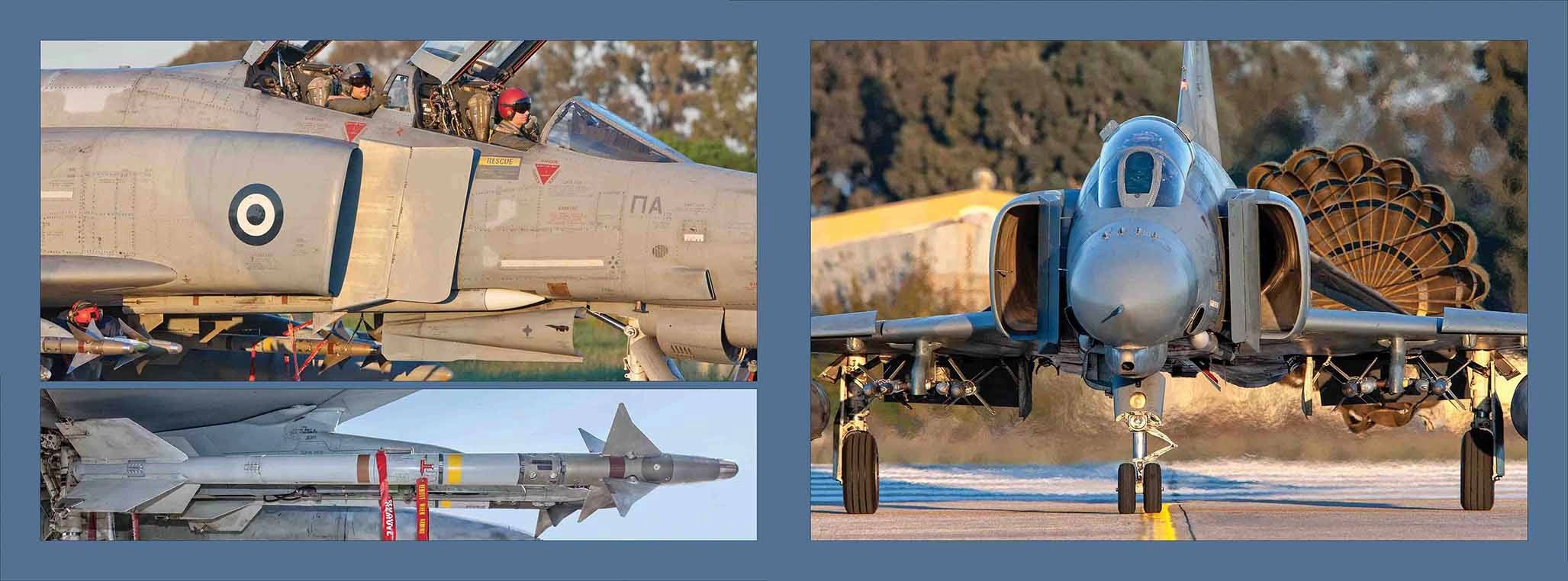
- Advanced IFF (AN/APX-113(V)) with distinctive “bird slicer” antennas on the nose—the most visible external marker.
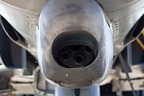
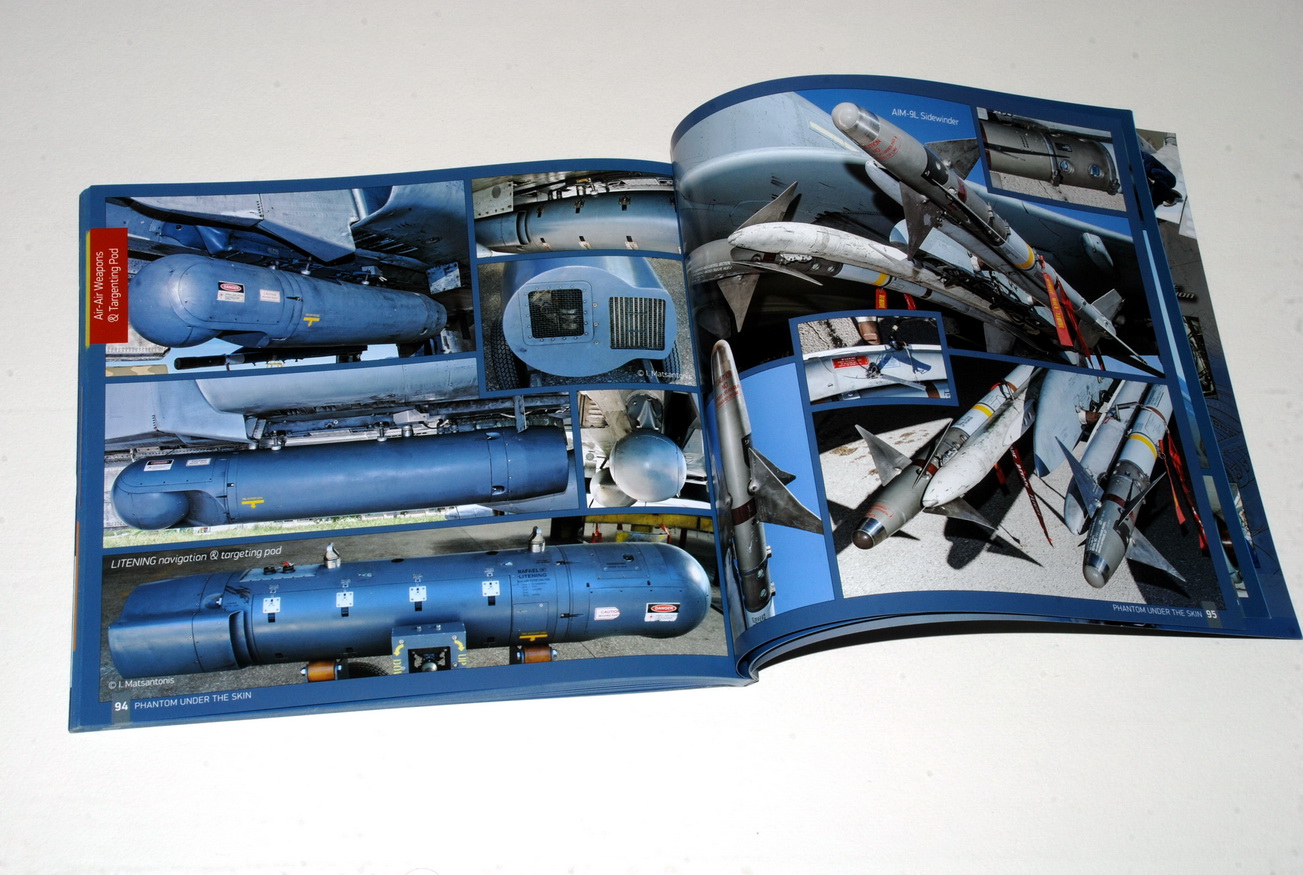
Performance remained classic Phantom: Mach 2.2+ top speed, ~50,000 ft service ceiling, strong climb rate, and excellent payload/range. Leading-edge slats improved handling. The upgrades emphasized reliability, precision, and crew situational awareness, with the WSO playing a pivotal role in managing the Litening pod for targeting and reconnaissance.
Expanded Armament and Combat Capability
The AUP unlocked modern weaponry:
- Gun: M61A1 20mm Vulcan.
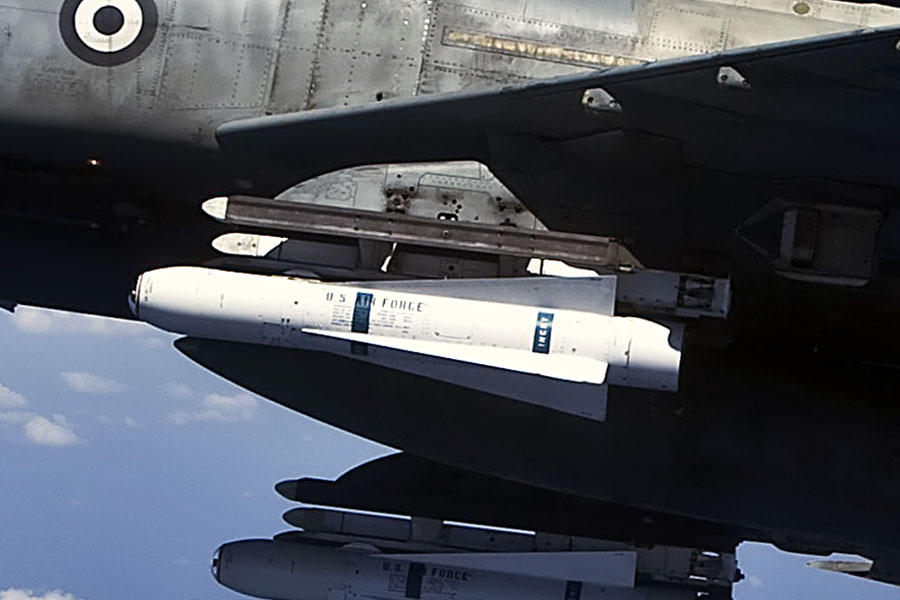
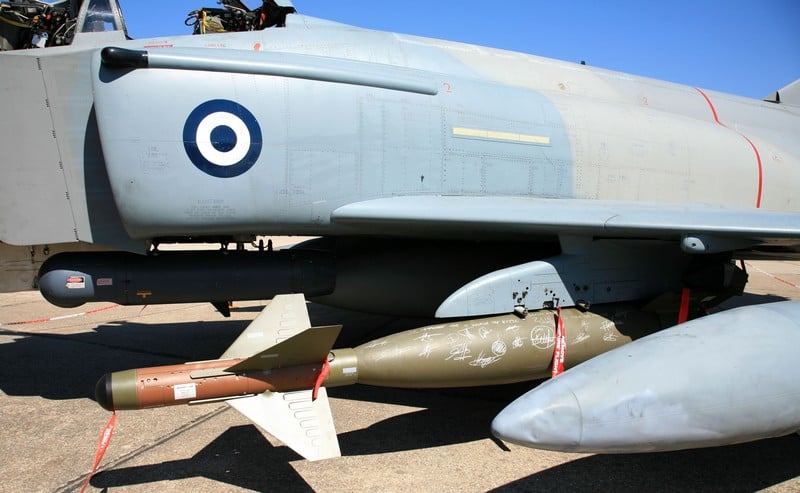
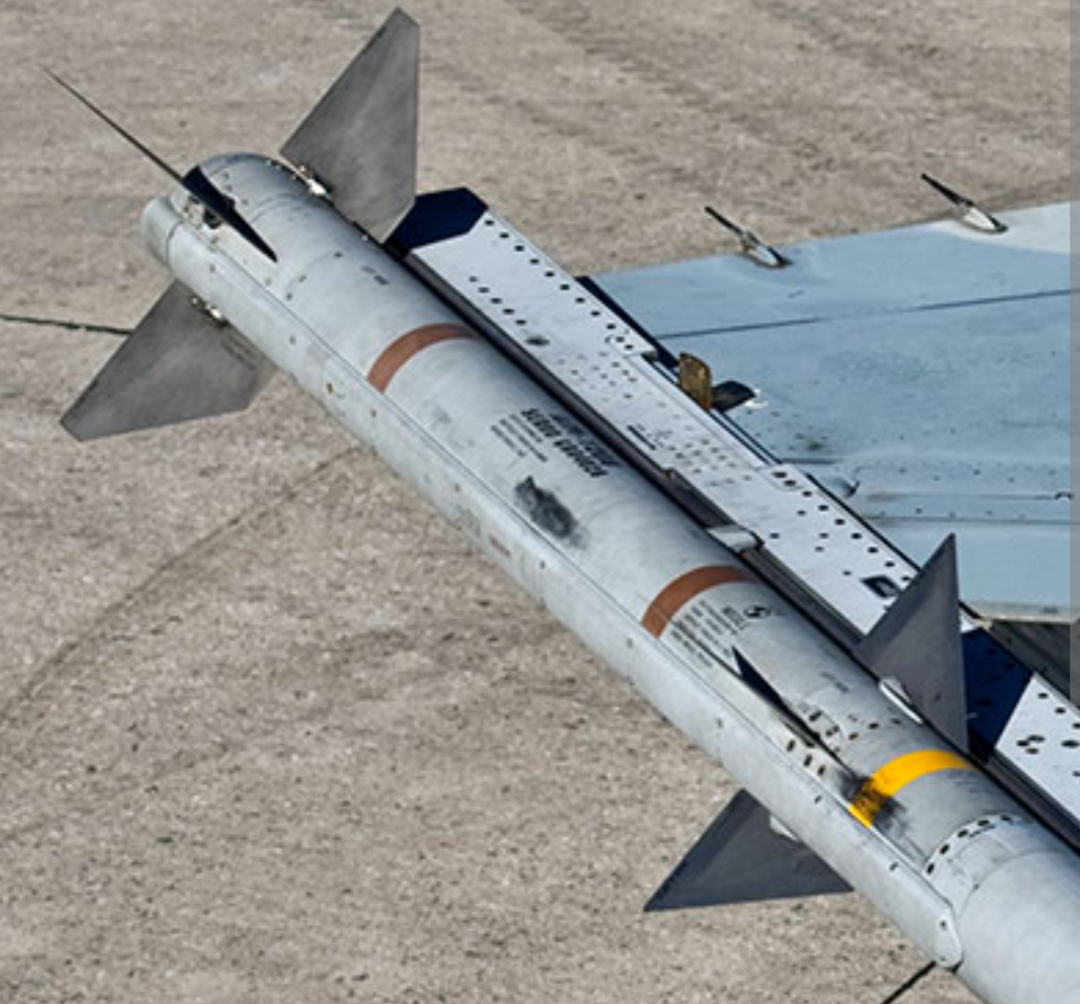
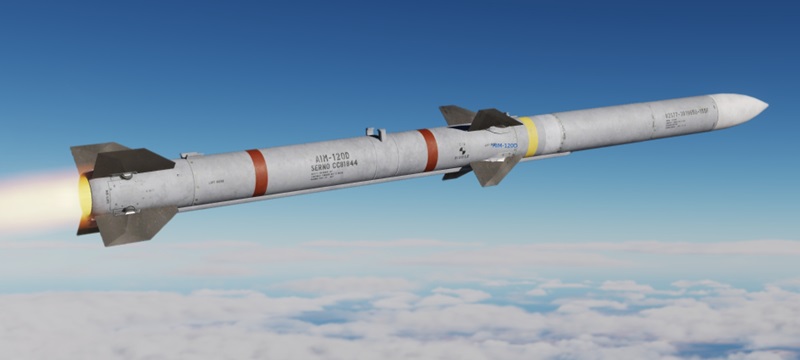
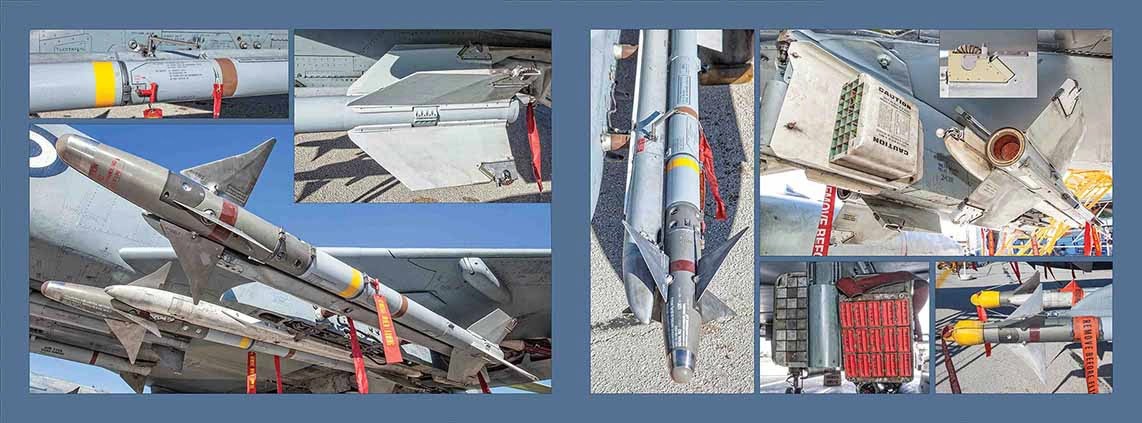
- Air-to-Air: AIM-120 AMRAAM , AIM-9L/M Sidewinders, IRIS-T
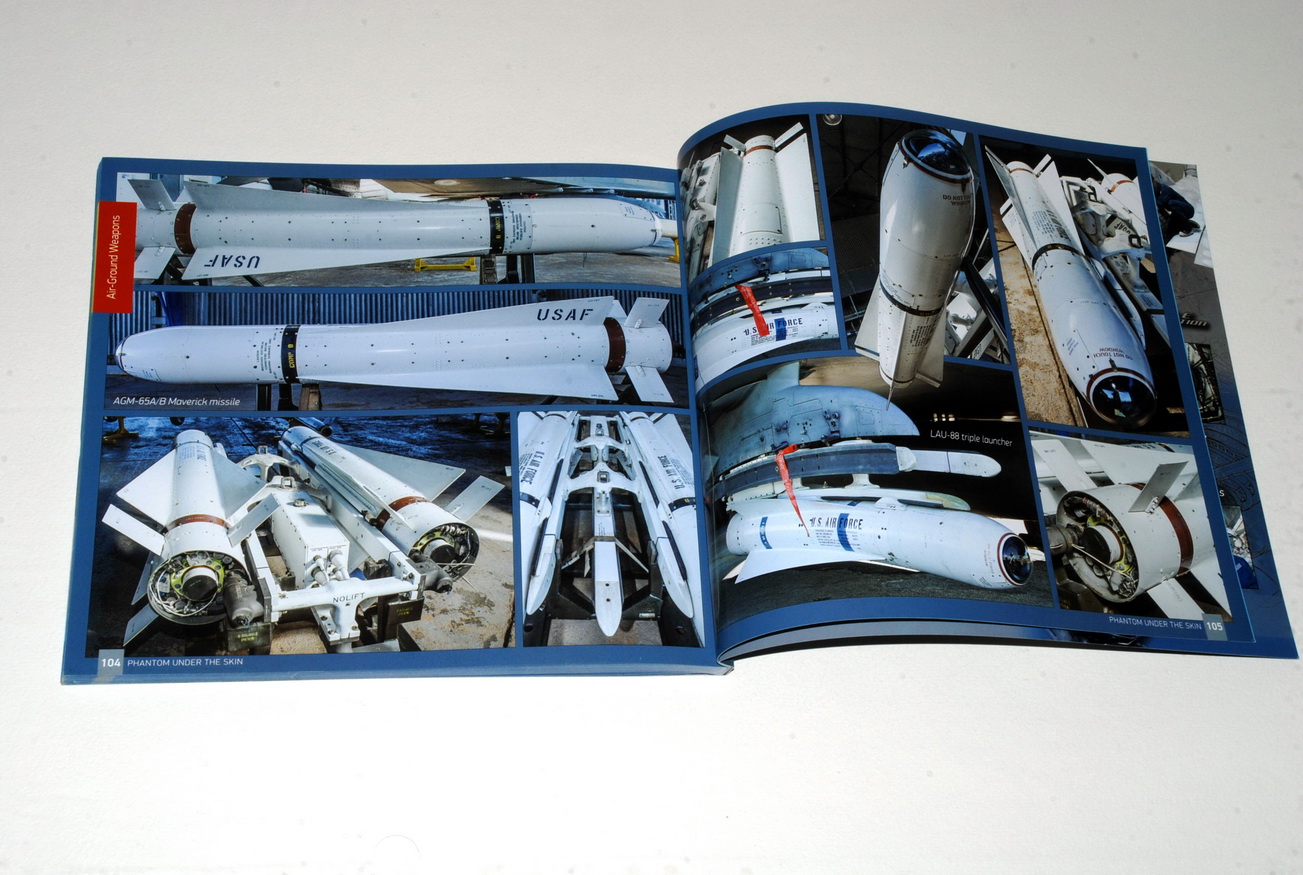
- Air-to-Ground: AGM-65 Maverick missiles, GBU-10/12/24 Paveway laser-guided bombs (Litening designation), Mk 20 Rockeye clusters, and a full suite of Mk 82/83/84 general-purpose bombs.
- Additional options included anti-airfield dispensers (AFDS).
Countermeasures comprised flares, chaff, and an improved RWR/EW suite. This made the AUP a true multi-role platform capable of opposing contemporary threats in both beyond-visual-range engagements and precision strikes.
Operational Impact and Current Status
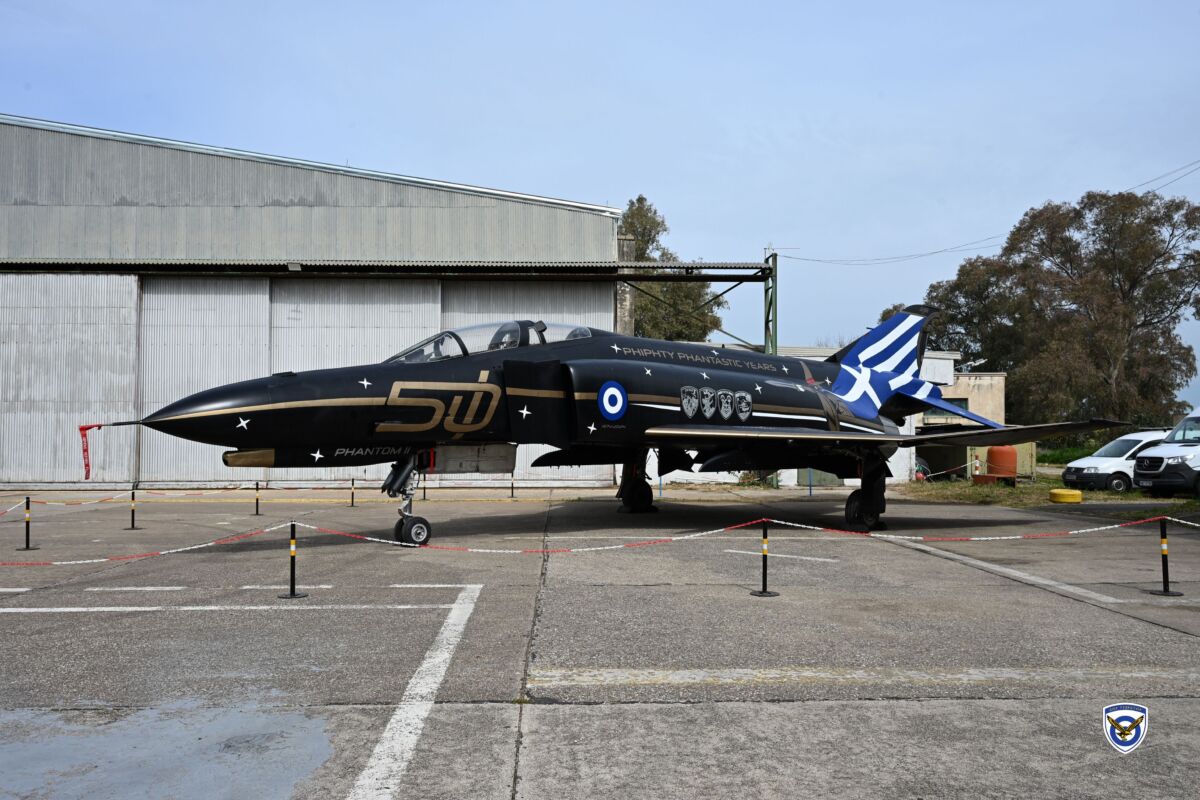
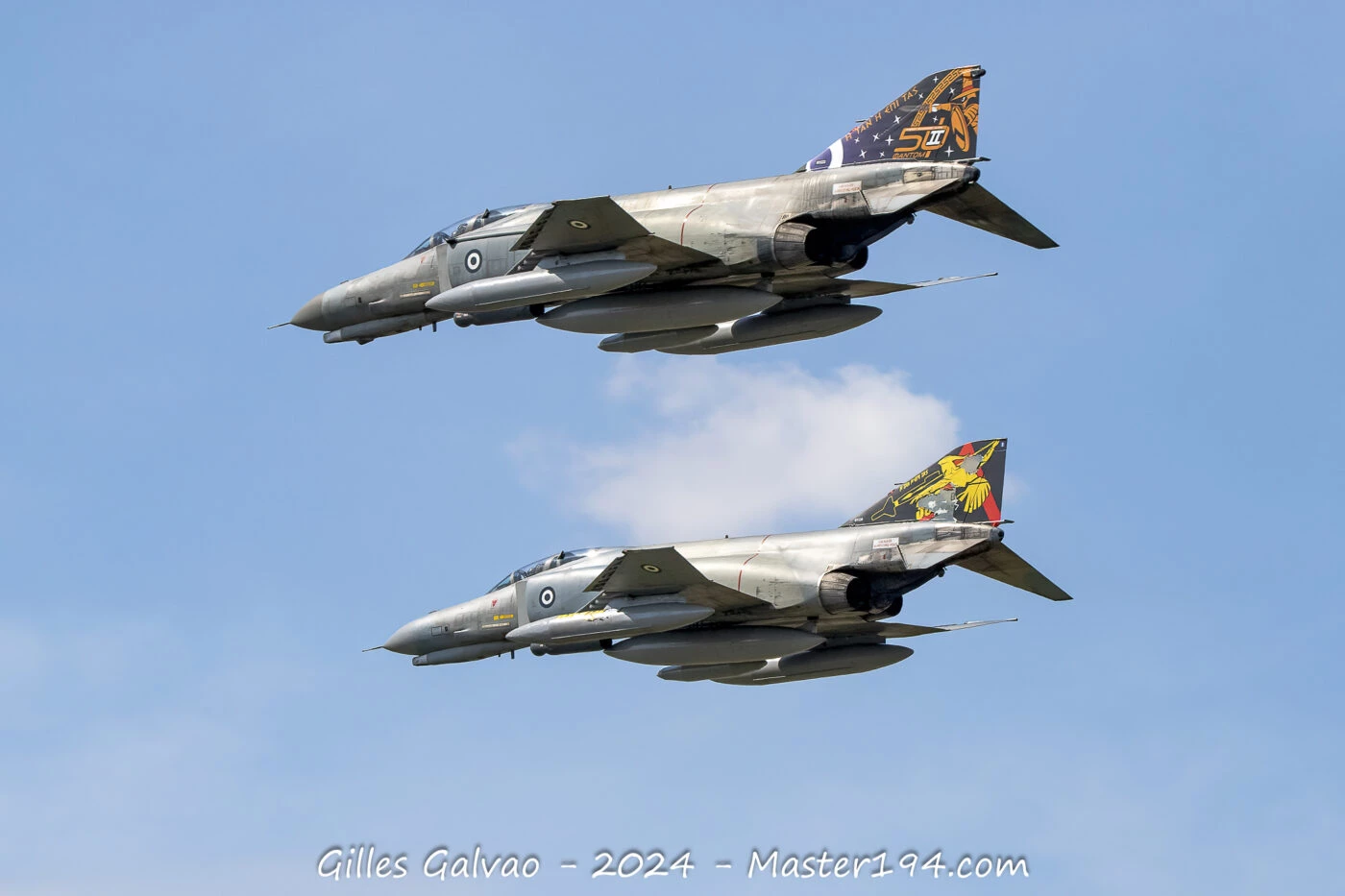
The upgraded Phantoms concentrated at 117 Combat Wing, Andravida, with 338 Mira “Ares” (fighter-bomber emphasis) and, until its 2017 disbandment, 339 Mira “Aias” (interceptor focus). Post-merger, 338 Squadron absorbed personnel and assets, maintaining roughly 17–25 operational jets into the mid-2020s. The type has supported Aegean patrols, QRA scrambles, NATO exercises like Iniochos, and deterrence operations during crises. Anniversary schemes have marked milestones, including 50 years of HAF Phantom operations.
Despite financial challenges and its age, the F-4E AUP has proven remarkably resilient. As of recent assessments, a small but potent fleet remains active, though full retirement looms as Rafale fighters and in the future F-35 are imminent.
Legacy: Engineering Ingenuity and Enduring Deterrence
The Greek F-4E AUP exemplifies pragmatic modernization: leveraging a battle-proven airframe with targeted high-impact upgrades rather than wholesale replacement. It provided Greece with BVR capability, precision strike, and enhanced survivability at a fraction of the cost of new platforms. For crews and enthusiasts alike, it embodies the “Spooky” Phantom’s enduring spirit—rugged, loud, and effective. As one of Europe’s last operational Phantoms, it stands as a bridge between Cold War aviation and modern networked warfare, its legend secured in HAF history and the defense of the Aegean.
Sources
HAF 117 Combat Wing - The Phantoms of Andravida - MILAVIA Military Aviation Specials
https://www.haf.gr/en/equipment/f-4e-phantom-ii/
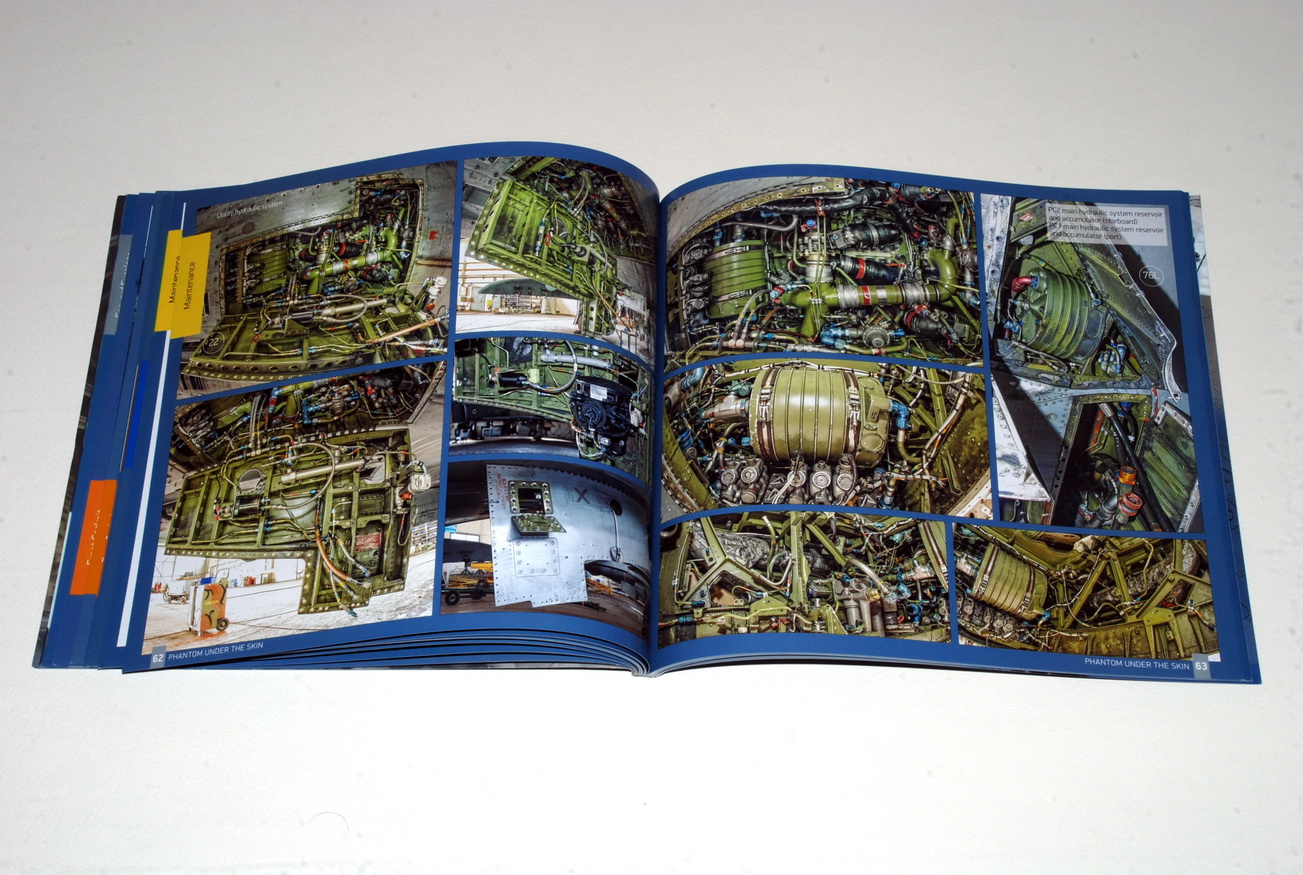
F-4E PHANTOM II AUP Under the Skin Vol.1 by Ioannis Lekkas & Ilias Gonis (Eagle Aviation) | Μοντελιστικά νέα | modellingnews.gr
https://www.key.aero/article/how-hellenic-air-force-still-flying-f-4-phantoms-after-50-years
Technical Specification - Heatblur F-4E Phantom II
F‑4E Phantom II AUP (Greece) – Hellenic Air Force upgrades, variants & walkaround - Master194