because there is evidence for VTAS on F15A, and its not like the current implementation of JHMCS would be much better (its actually missing at least one feature of in game VTAS being an indicator to when the radar is slaved to HMD)
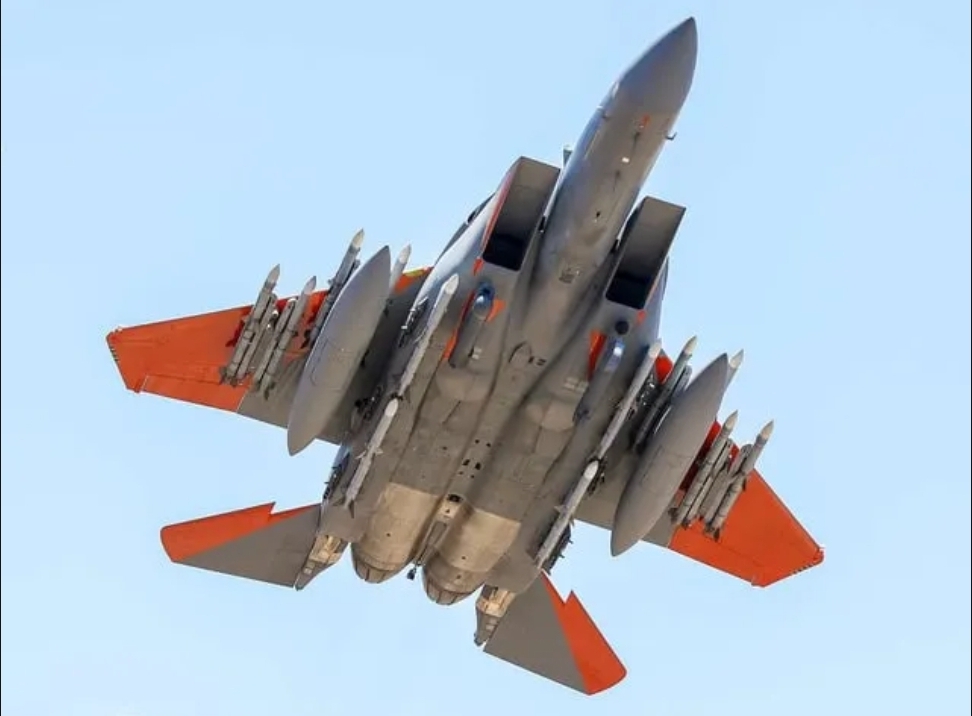
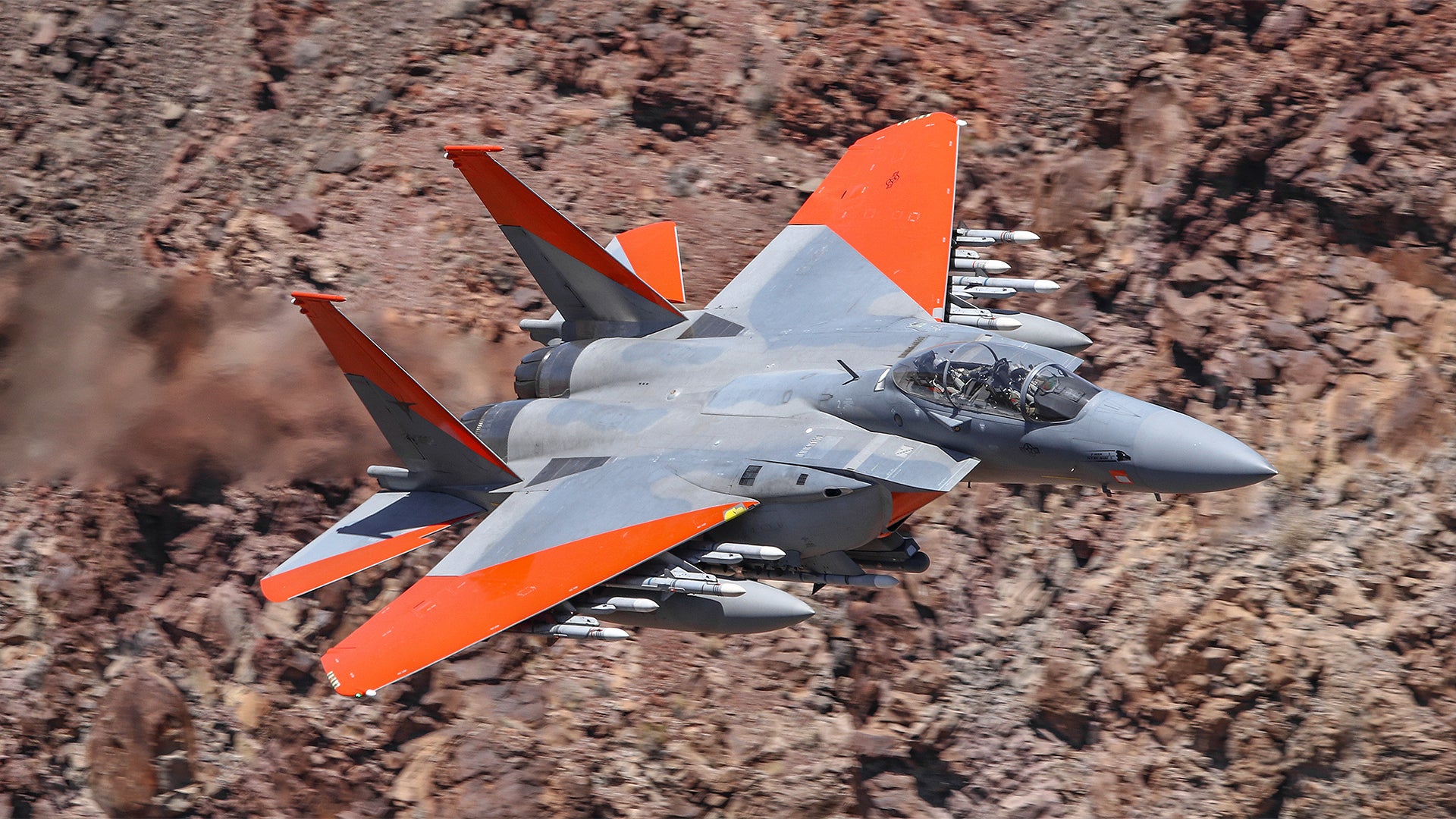
I’ve seen no evidence besides the MAWs being present on it (which might be because it may be one of the first F-15EX prototypes to get out, but with MAWs still mounted). All i see is 16 missiles and an air force roundel on it, on an American website, with a not desert-ish looking background.
Even if you are right, i think that this is enough for gaijin to give it 16 missiles
That picture predates the F-15EX program, it’s one of the other advanced eagles, not the EX. I agree that it’s probably enough for Gaijin, but they’re all over the place so who knows…
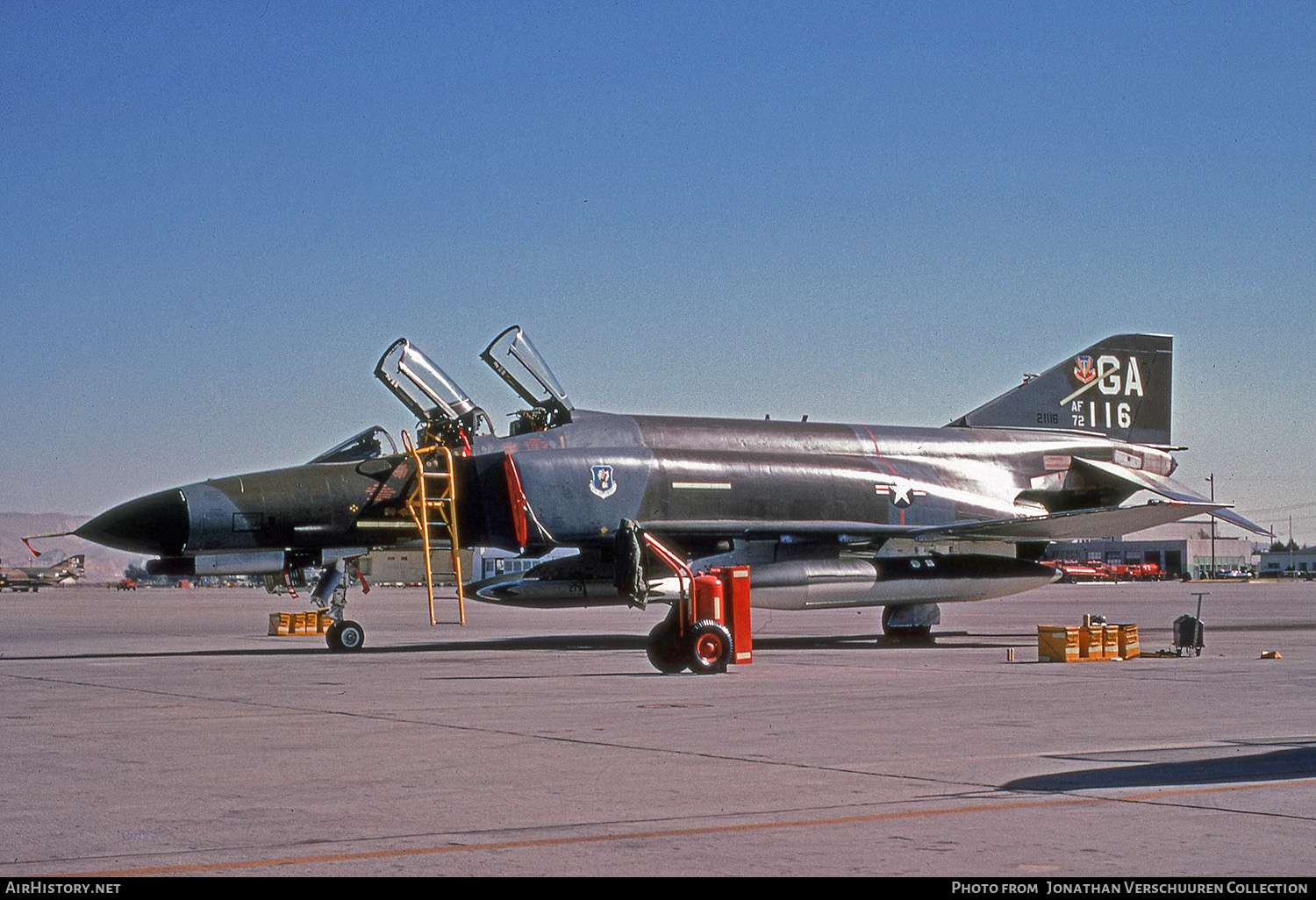
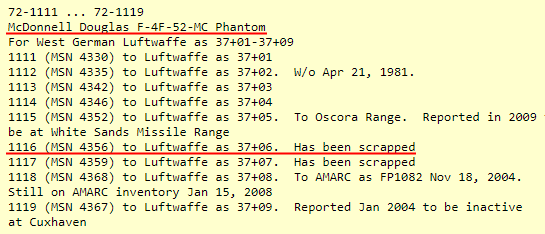
Not to mention the sheer number of F-5s (both Freedom Fighters and Tiger IIs), Starfighters, Sabres, etc that were in service with multiple USAF training squadrons, despite belonging to the very country the US was training (at least on that specific type). Genuinely fascinating stuff :)
Truly disappointing 7 months after making a bug report that F-15E can’t take both SNIPER TGP and chaff dispenser in the same side, gaijin still hasn’t replied to it. Community Bug Reporting System posting it here so more people are aware (I’m pretty sure all the F-15E enjoyers are but still)