- Yes
- No
British History
On September 3, 1939 German submarines U-13, U-14, and U-17 started deploying magnetic mines in the sea floor just off Britain’s east coast, making 3 fields of magnetic mines. Within short time a total of 4 ships were sunk and many more were damaged. The british would then deploy minesweepers as they suspected sea mines, however the minesweepers they deployed did not find any mines. This resulted in most of the Royal Navy’s officials to be living that the losses were due to German U-boat attacks, but survivors did not report seeing torpedo wakes. This would continue to puzzle the British until on November 21, 1939 a mine would be successfully recovered. The Royal Navy’s shore establishment technology research center in Portsmouth, HMS Vernon, initiated an effort to learn the mine’s triggering mechanism and recommend effective countermeasures.
By the end of the year, Germany had deployed 470 magnetic mines that claimed 79 of the British ships. Due to there being so much coastline and water to protect, the British decided it would be a good idea to develop a fast moving magnetic countermeasure system. The solution was simple. Build an aircraft that could replicate a ship’s magnetic signature so that it could detonate mines from a safe distance as it flew over the magnetic mines. This lead to the Royal Air Force Coastal Command asking the Vickers firm to modify the Wellington bomber for this new aerial minesweeping role. The Vickers Wellington was selected as it was already in mass production, it had good range, and its crews were already experienced in maritime operations.
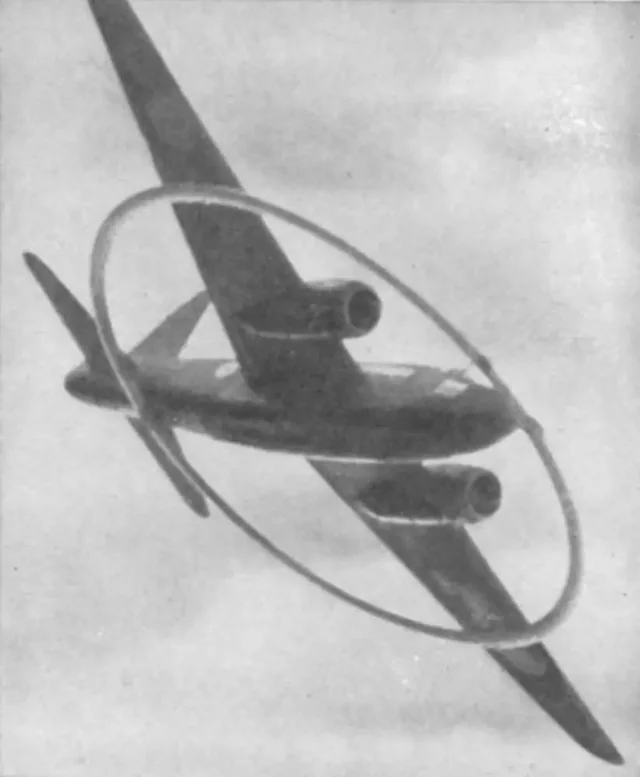
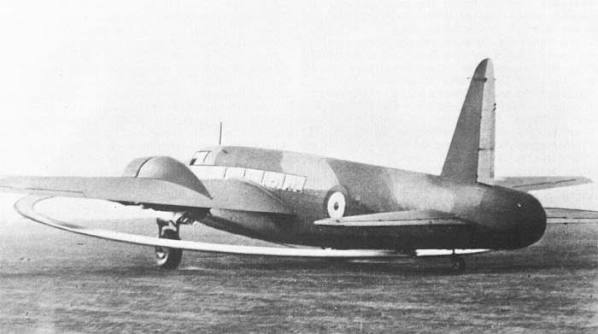
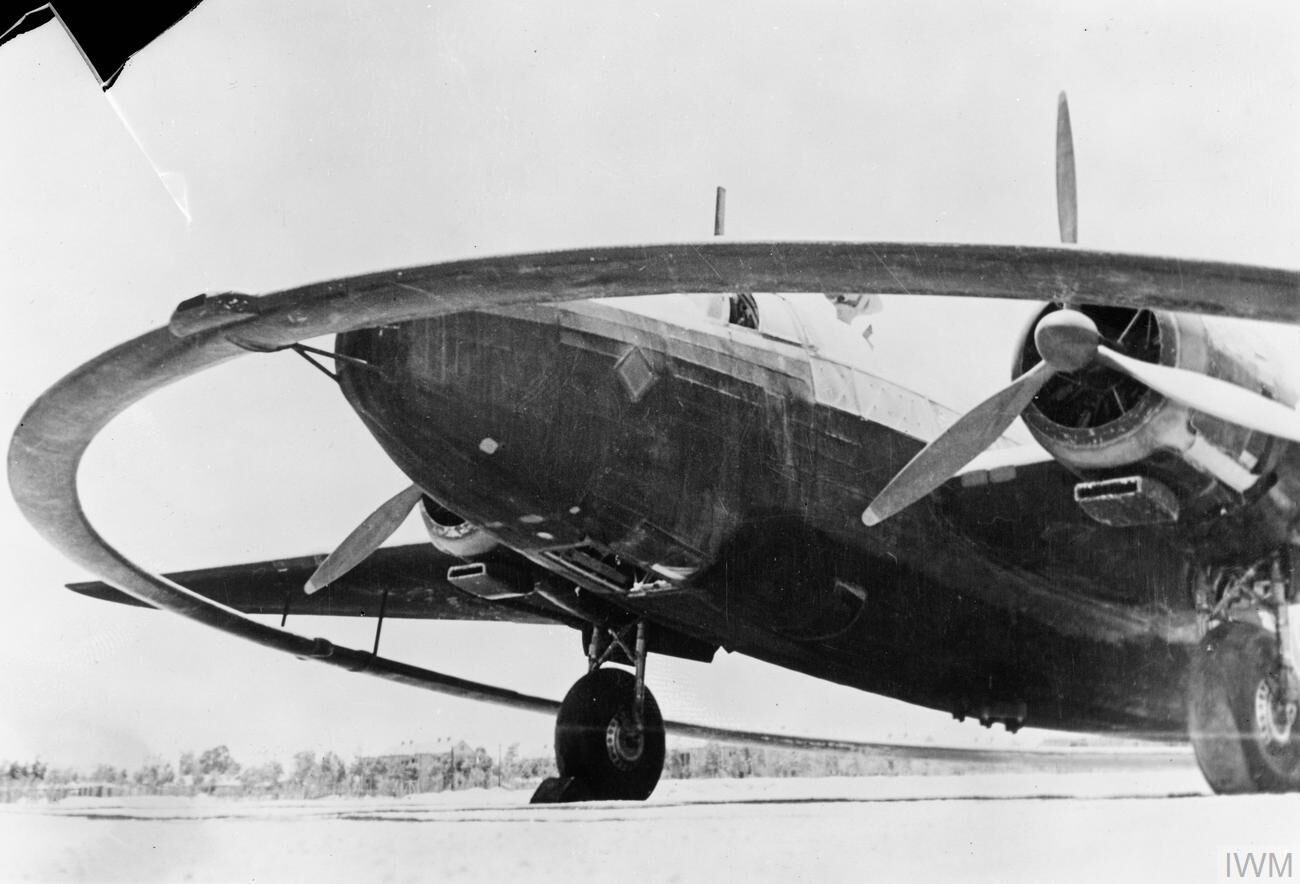
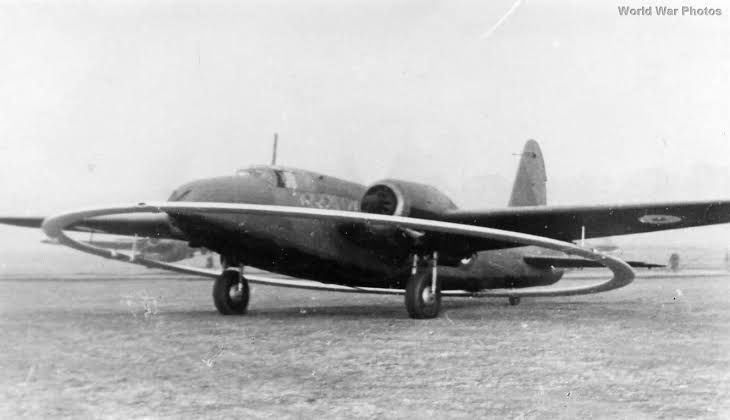
Vickers would first install a 48-foot-diameter balsa wood ring that contained aluminum strip coils that emitted magnetic impulses when charged by an electrical current which was attached to the outside of the airframe, connected to the fuselage and wings. Vickers engineers would also remove the bomb racks, bombsight, guns, and all other equipment that was deemed unnecessary to reduce weight and to free use space for a Ford V8 automobile engine that powered a 35-kilowatt Mawdsley electric generator. The areas of where the guns used to be would also be faired over to streamline the fuselage. Due to the magnetic coil rendering the normal compasses useless, the Wellington would also be fitted with a gyrocompass.
Testing would officially begin in December 1939 where the British would test the prototype against a disarmed German magnetic mine to prove the concept true. Due to the success of this prototype, 3 more Wellingtons would be modified in January 1940. Vickers would then modify another 11 Wellingtons and finally designate these models as Mark Ia DWIs (DWI standing for Directional Wireless Installation). These models that were converted to the Mark Ia DWI were Vickers Wellington Mark Ia’s. All of these planes would be assigned to General Reconnaissance Unit 1 to hide their true purpose. This unit would work towards keeping Thames Estuary magnetic mine free.
Vickers Wellington with Deguassing ring
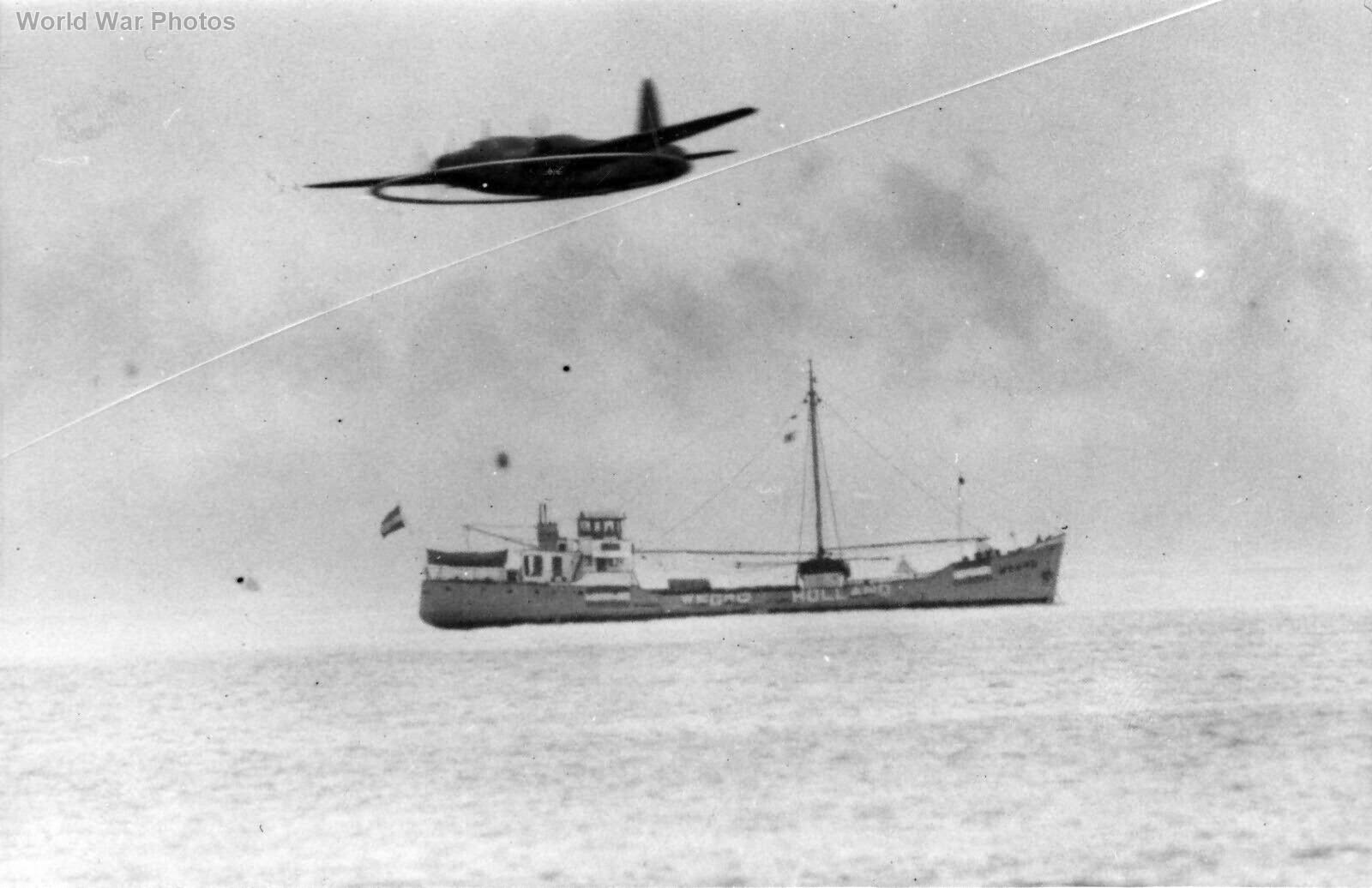
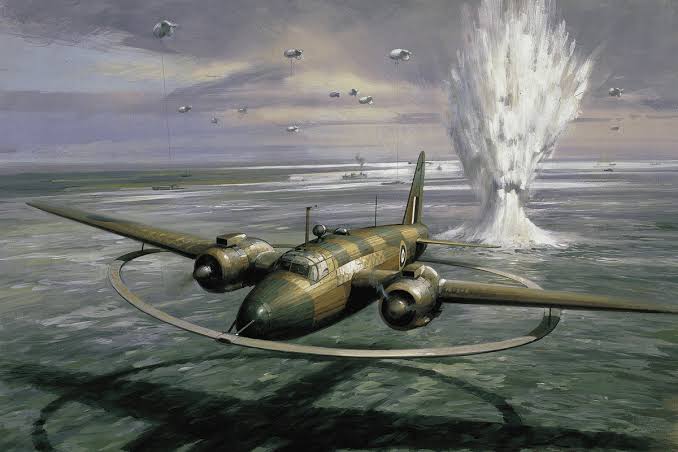
The first successful mission was on January 8, 1940 and it soon appeared that the pilots would deliberately fly below the safe 35 ft altitude. This would result in one of the planes getting caught in the explosive blast and damaging the plane in the process, but it’s managed to fly back to repair.
Drawing of a Wellington DWI detonating mines as it flies over
In the 1940s Vickers would introduce many improvements in the early 1940s. Using the Wellington Mk Ic instead of the Wellington Mk Ia for the new Mark II DWIs. The plane would now also use a lighter and more powerful de Havilland Gipsy Six engine powering a 96-kilowatt generator. This greater power in the generator also allowed them to reduce the ring diameter. The Gipsy engines would produce much more heat so designers at Vickers would install an air duct to improve engine cooling and a smaller one to guide air into the coil to prevent overheating as well. The gyrocompass had also been proven to be unreliable and in need of a replacement. Engineers at vickers would discover that mounting the normal compass in the tail isolated it from the coil’s magnetic influence. By doing this they eliminated the need for the gyrocompass and resulted in less weight and better navigation. By August 1941, all of the Wellington DWIs would be brought up to the Mark II standard as well.
Crews with their Wellington DWIs
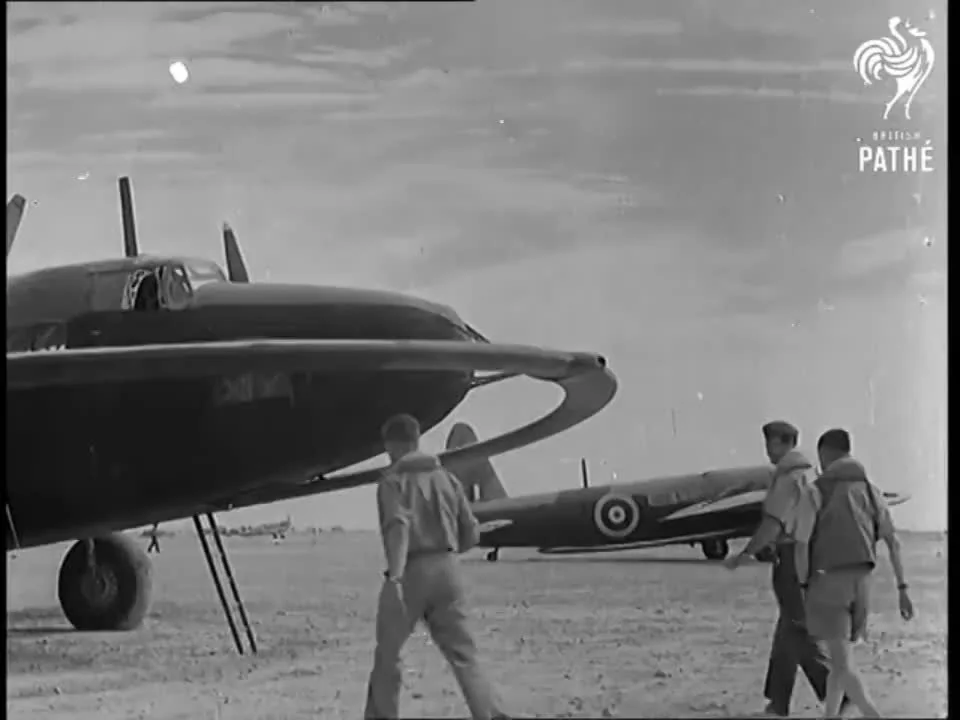
In April of 1940, the Royal Air force would also form a second aerial minesweeping unit under GRU 1, equipping it with 2 Mark Ia DWIs and the first Mark II DWI. Operations would continue to be largely successful as they served along the British coast with the Wellington’s being used as quick-response countermeasures force against areas suspected of being minefields or to just clear port critical to ongoing operations.
German History
While it is less know the Germans would also develop their own Deguassing ring aircraft as the British would also mine German waters which involved magnetic mines. The Kriegsmarine would recover one of the British magnetic sea mines off Jutland in later September 1939. The Germans did not suffer as heavy losses as the British but the potential threat that it posed to the Kriegsmarine’s training areas in the Baltic and North Sea made it necessary to find a quick solution.
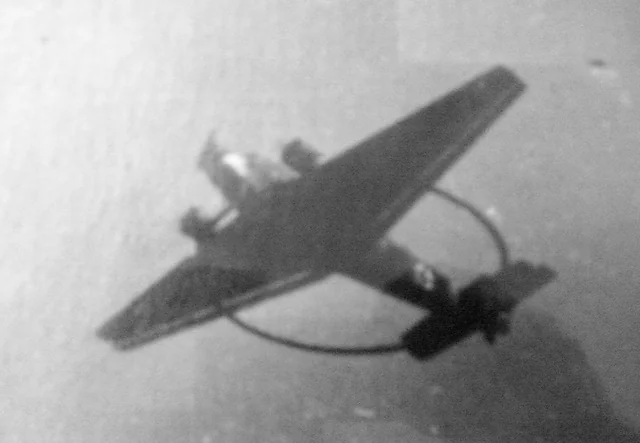
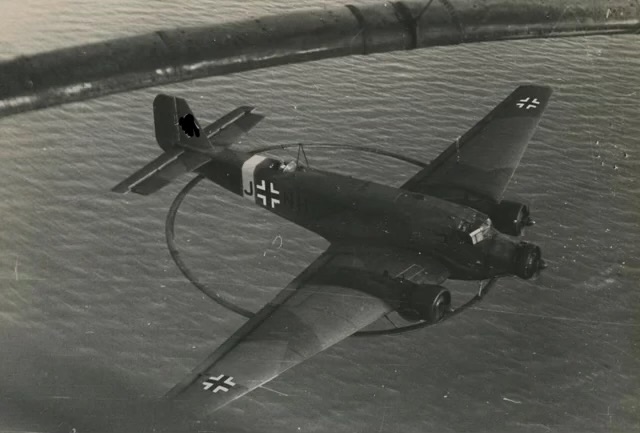
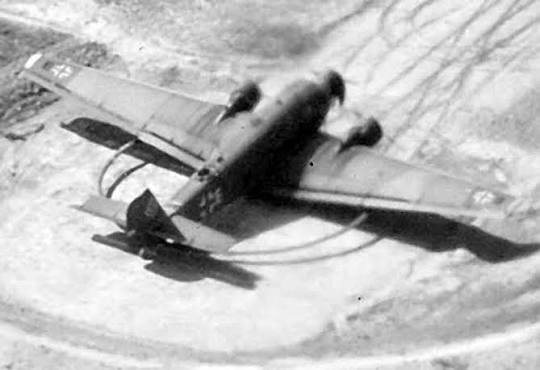
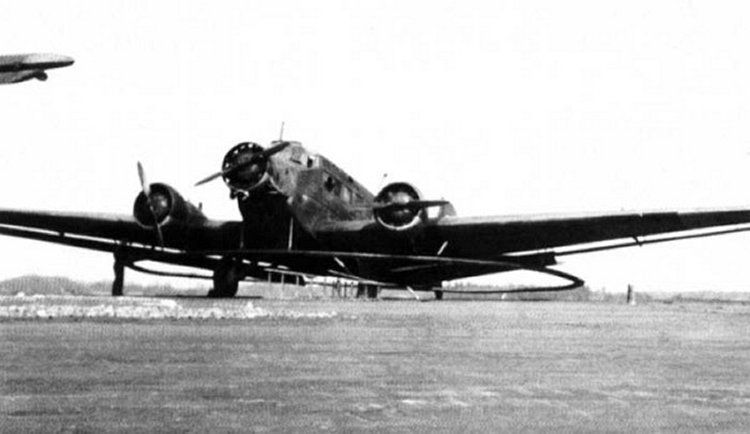
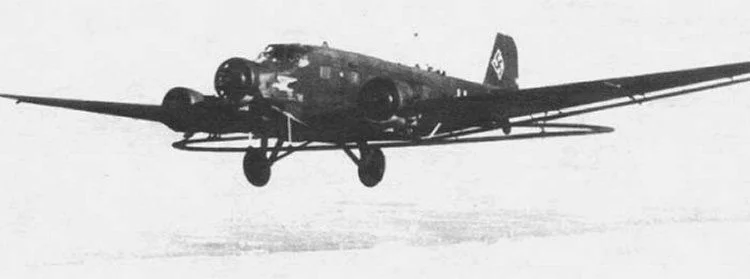
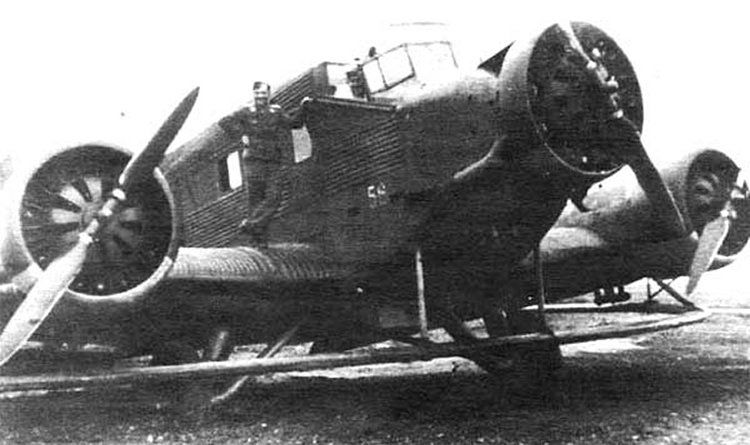
Just like the RAF the German Luftwaffe would choose an existing aircraft as a test bed. The Luftwaffe would chose the Junkers Ju-52/3m. The prototype used a 51-hp diesel engine powering a 35-kilowatt generator that was borrowed from a searchlight unit so they could power the coil, but in all fairness, this program was just about the same the Britains. A 46-foot balsa wood ring that contained aluminum coil would be attached to the Ju-52s wings using plywood struts. The first flight happened in mid-October 1939, and was followed by a successful test off the port of Vlissingen, 2 weeks later, where the Ju-52 successfully detonated mines while flying at an altitude of 33 to 66 feet.
Production was much slower than the British due to other units on the 1940 Western campaign getting higher priority in equipment. The first Ju-52/3m MS (MS meaning Minensuche) production air craft was delivered in June of 1940 and the first of 6 Minensuchstaffeln (mine search squadrons), Sonderkommamdo Mausi (special “mouse-catcher” unit), was also formed the following September. The Ju-52/3m MS was a modification of the production line, installing a diesel-engine-driven (or sometimes gasoline-engine-driven) 150-kilowatt generator in the cargo bay which was connected to the aluminum coil. Due to the British deploying acoustic mines along side the magnetic mines, about half of the German Ju-52/3m MS’s would be equipped with the KK-Gerät Knappkörpergerät (Mine destructive device) to destroy acoustic mines. The KK-Gerät would consist of a container that held 30 10-kilogram explosive charges that were used to neutralize acoustic mines by destroying their hydrophones. Though I will note, that I have struggled to find much info on the KK-Gerät and British acoustic mines (though this suggestion about neither of those).
Three Ju-52/3m MS’s on a patrol

Unlike the British Wellington DWI, the German Ju-52/3m MS was actually armed. Early Ju-52/3m MS’s would be armed with a single 15 mm machine gun and 2 beam 7.92 mm guns for defense. By October 1943, the Ju-52/3m MS would get an upgrade, receiving a 20 mm cannon in the dorsal position and 13 mm machine guns in the beam positions. However due to the Luftwaffe not providing fighter escorts, despite the minesweepers facing opposition in most of their operating areas, losses would continue despite the increase in armament overtime.
Ju-52/3m MS burning after being attacked
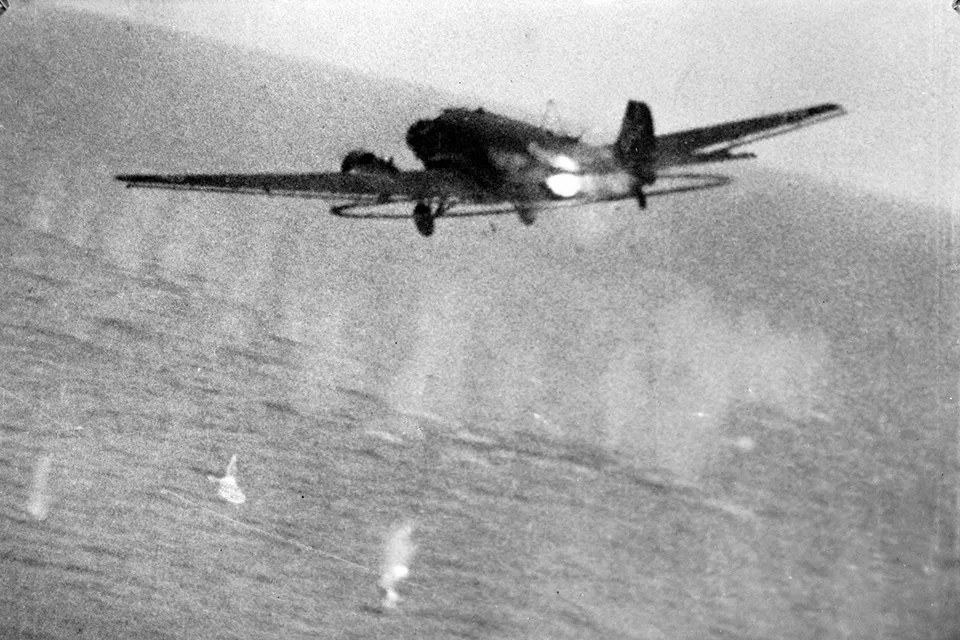
German aerial minesweeping tactics were a bit different from British ones. The plane would fly at 125-135 mph, which was almost identical to the British, but the altitude was determined by water depth. Germans would fly their aircraft around 130 feet above the seabed, requiring an altitude of about 33 to 66 feet for most flights. The Germans would also have 2 magnetic coil equipped Ju-52/3m MS’s in line abreast with about 98 to 131 feet-separation, follow by a single Ju-52/3m MS with equipped with the KK Gerät trailing about 130 feet behind them. The Mines would typically detonate about 16 to 33 feet behind the magnetic sweepers, which results in the KK-Gerät pilots getting an exciting and probably also terrifying flight on missions.
In October 1942, Sonderkommando Mausi was re-designated to Minensuch Gruppe 1 (Mine Searching Group 1) and it would also become the administrative control unit for the MS Squadrons. Just like the British, Germany used its minesweepers as both a rapid-response force and for standard sea-lane clearance.
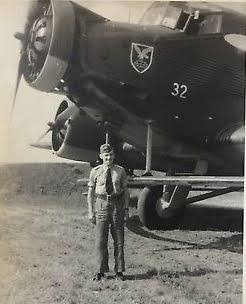
Ju-52/3m MS with an unit insignia
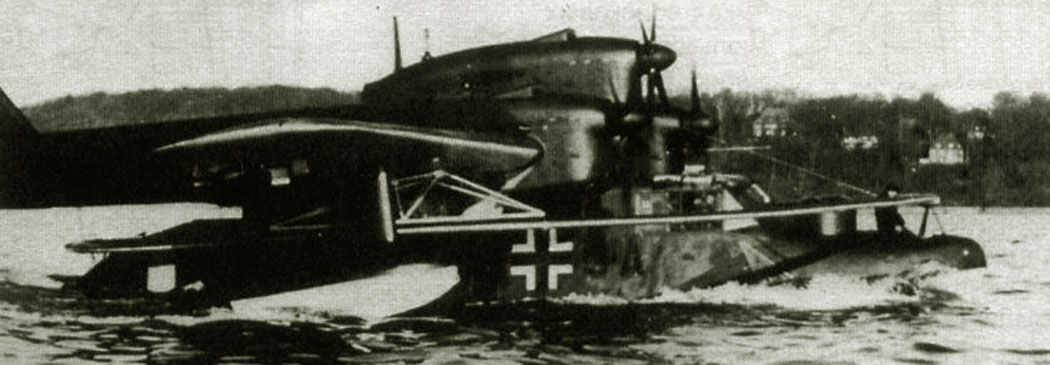
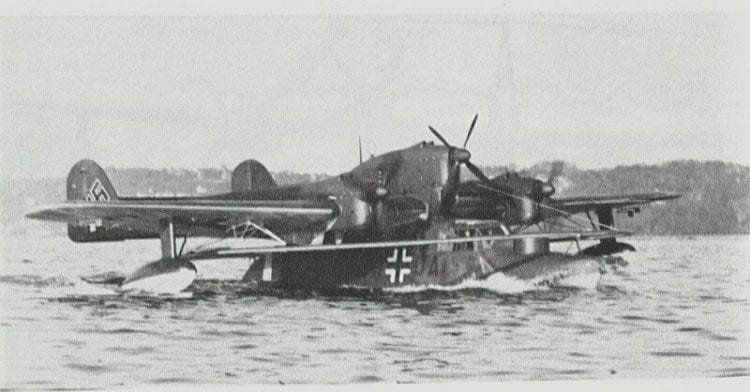
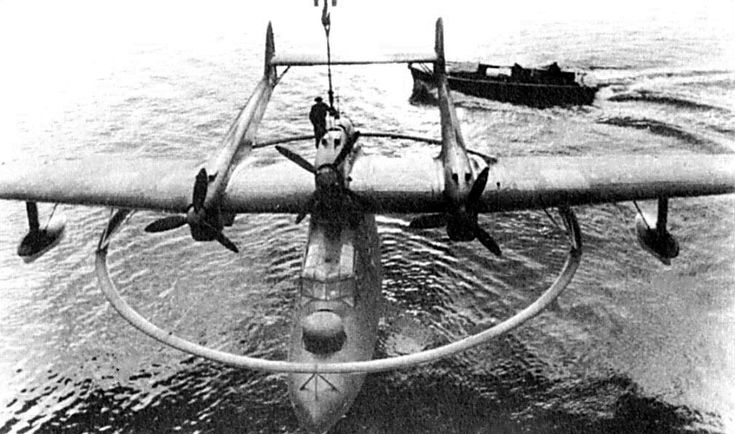
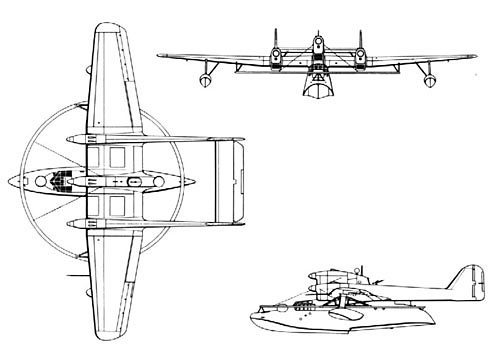
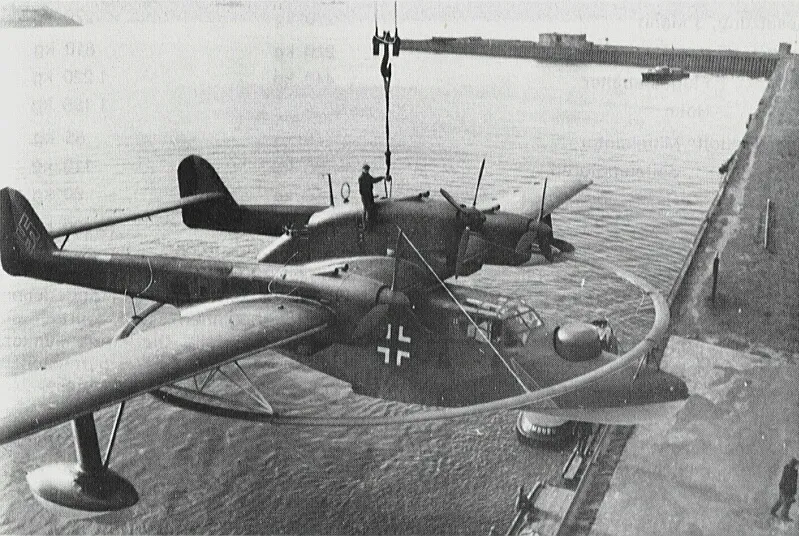
As the Allies continued to mine German waters the Kriegsmarine would modify several sea planes for aerial minesweeping after 1942. 4 Bv-138 C-1s would have their armament removed and covered and have a diesel engine that powered a 53-kilowatt generator that was installed in the nose. It was equipped with the same Degaussing ring that was found in the Ju-52/3m MS, but it was mount above the nose and attached by aluminum braces. This modified variant of the Bv-138 C-1 was designated as the Bv-138 MS. These planes were unarmed and would fly independently, so they were used to clear mines in canals, rivers, and estuaries from June 1942 to August 1944, also serving in Minensuch Gruppe 1.
Bv-138 MS Blueprint
Bv-138 MS at a dock
How It’ll work in game
In game the degaussing ring will work very simply. The degaussing ring will not always be on, you must turn it on by clicking on of your keys/buttons. I think as default it should share the same button as bombs as you cannot equip both of them at the same time. Once you turn on your degaussing ring you must fly at a minimum of 60 meters, for the British Wellington, and 10 to 20 meters, for the German Ju-52 and Bv 138, over mines to detonate them. Flying lower than 35 meters in the British Wellington can result in damage to the aircraft, propelling the aircraft upwards, and even destroying the aircraft. Additionally for every mine destroyed, the player will get a message similar to the “munition eliminated” message that instead says “mine destroyed” and it will also reward them will same rp and silver lions.
From my sources I have came to the conclusion that the British Deguassing ring causes the mines to explode immediately while the German Degaussing ring explodes the mines when the plane gets about 5-10 meters away (while flying at 125-135 mph) from the mine after flying over it. This is why the British could not fly under 35 meters, however due to my sources also providing me with the fact that the Germans had to fly at least 10 meters may indicate that they had to fly at least that high to avoid damage from mine explosions.
Vehicles that can have a Degaussing ring
-
Vickers Wellington Mk Ia - Due to the Wellington Mk Ia DWI’s being modified Wellington Mk Ia’s, it makes sense for them to add the Wellington Mk Ia and then just make it a modification for it instead of it being its own stand alone vehicle. Due to it lacking any armament I do not believe this should be a stand alone vehicle!
-
Vickers Wellington Mk Ic - Due to the Wellington Mk II DWI’s being modified Wellington Mk Ic’s, it makes sense for them to add this as a modification for the current Wellington Mk Ic in game. Yet again! Due to this vehicle lacking any form of armament I do not think it should be a stand alone vehicle.
-
Bv-138 C-1 - Due to the Bv-138 MS being a modified Bv-138 C-1, it makes sense for them to make this a modification for the Bv-138 C-1. For a third time! Due to this vehicle lacking any form of armament I do not think it should be a stand alone vehicle!
-
Ju-52/3m MS - unlike all the previous vehicles I have mentioned, this vehicle can come to the game as a stand alone vehicle, as it actually comes with armament. Gaijin could add 2 variants of this to the game. An early variant with a 15 mm machine gun (which was apparently located on the top of the fuselage, facing the rear) and 2 beam 7.92 machine guns and a late variant with an additional 20 mm in the dorsal position and with 13 mm machine guns in the beam positions.
Why the Deguassing ring should be added
Currently in War Thunder there’s no real way for a player to remove enemy magnetic mines safely. While magnetic mines are not the greatest threat, they still can pose one. Magnetic mines are currently only found a many American aircraft but here soon we will also be getting submarines which will also have magnetic and make them a much greater threat. Planes can already work together to make mine fields in Naval EC (me and my friends do this sometimes) to protect points, catch convoys, or just wait for a wander ship to hit them. And when submarines come they will most likely also work together and with planes to make even more mine fields. Adding this will give players a way to counter magnetic mines and additionally this could also encourage team work requiring people to report the locations of mines for the mine sweepers and mine sweepers can also work together to clear mines quicker too.