Darwin 1942 Map.
- Yes
- No
- Yes carrier launched axis
- Yes hypothetical base on Bathurst Island
- No
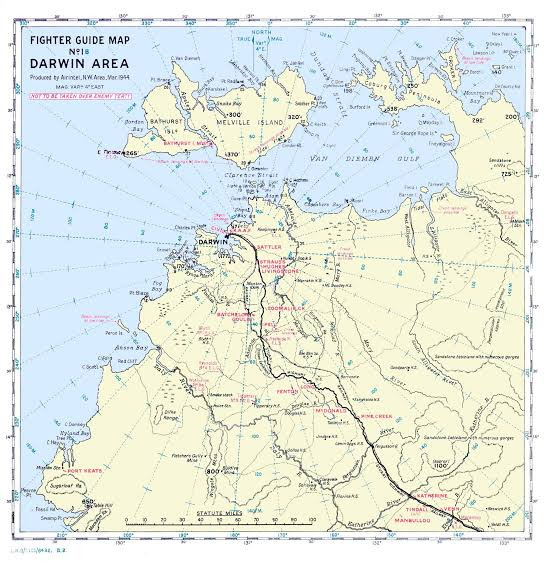
This map will represent the attacks on Darwin in 1942.
History of the first attack.
Spoiler
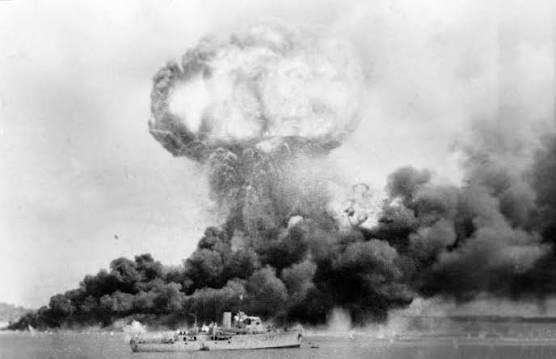
On the 19th of February 1942, the Japanese Empire launched the first of multiple air raids across northern Australia, including Townsville, Broome, Katherine and most notable Darwin, Northern Territory. For the next year over 60 air raids were launched on Darwin alone with the most infamous being the February 19th attacks having more tons of bombs dropped on Darwin than Pearl Harbour, however in history it is over shadowed by the Pearl Harbour attack. These attacks were units and personnel from the Royal Australian Air Force (RAAF), Australian Army, Royal Australian Navy (RAN), United States Army Air Force (USAAF), United States Navy (USN), Royal Air Force (RAF) and Royal Netherlands East Indies Air Force. However Japanese aircrew often targeted civilian infrastructure, including harbours, railways, airfields, and fuel tanks which resulted in civilians getting killed. In response to the attacks, many units where deployed to defend Darwin, including RAAF squadrons, Australian artillery units, USAAF squadrons, US artillery and signal units and RAF Squadrons. Darwin was a major allied base for Dutch East Indies and its strategic importance was recognised by the Japanese as the base could stop Japanese advances in South East Asia. The Japanese used the same aircraft carriers used at Pearl Harbour for the initial raid, while the second raid used land based aircraft launched from New Guinea. 188 aircraft were launched on the morning of February 19th, achieving a surprise attack due to a flight of RAAF P-40s flying in the same morning. On the way A6M Zeros shot down a USN PBY Catalina and damaged a C-47 on Melville island Petty Officer Yoshikazu Nagahama engaged 5 USAAF P-40s single-handedly shooting down 4 of them. The raid only lasted about 30 minutes however the allied losses where significant including a USN destroyer USS Peary (DD-226) which sank in minutes taking 80 of her crew. The total allied losses where 3 warships, 6 merchant ships and damage to 10 other vessels, 20 to 30 allied aircraft both military and civil where destroyed mostly on the ground with 9 out of 10 defending aircraft shot down. Around 250 allied losses were sustained however the Australian Government tried to cover the true number of losses. Japanese losses where 4 to 5 aircraft with 2 crew killed and 1 captured, while 34 aircraft where damaged with some having to ditch in the East Timor Sea.
Later Attacks
Spoiler
Later attacks by the Japanese were not so successful with more RAAF, RAF and USAAF squadrons being deployed however it did force Australia to move its naval fleet to other bases out of Japanese aircraft. The final bombing raid of Darwin occurred on the 12th of November 1943, ending the largest and only series of air raids on Australian soil, with minimal damage reported.
In Game
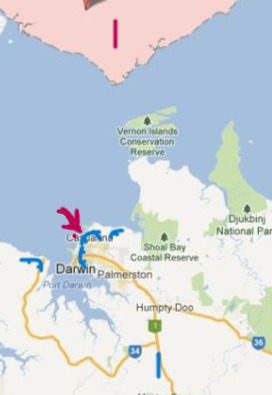
This is an important part of Australia’s role in the Second World War, being the only time a foreign nation has attacked Australian soil and a part that isn’t well represented. In Game, most of the fighting would happen over the harbour and it could be a allied vs Japanese map, it could work as a regular map and a ground attack map also. The allied side airfield could be Strauss Airfield, while the Japanese side could have two options. Option A could be aircraft carriers and air spawns for non naval aircraft, or option B is a alternative history event where the Japanese are invading Australia with their airfield being on Bathurst Island (the big island above Darwin for those who don’t know) A illustration of the map is shown. (It isn’t great but Blue is Allies and Red is Japanese.) My personal opinion is that this map would also be great if a C/ANZAC tech tree gets added. (link here for C/ANZAC TT and ground map Darwin Harbour 1942 Ground Map, United Canada, Australia & New Zealand Ground Tech-Tree: True Brothers)
More Photos
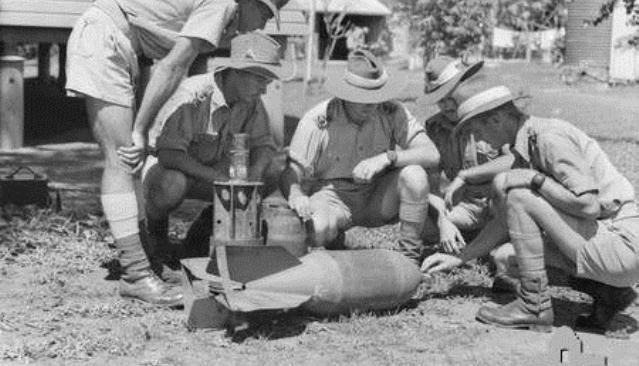
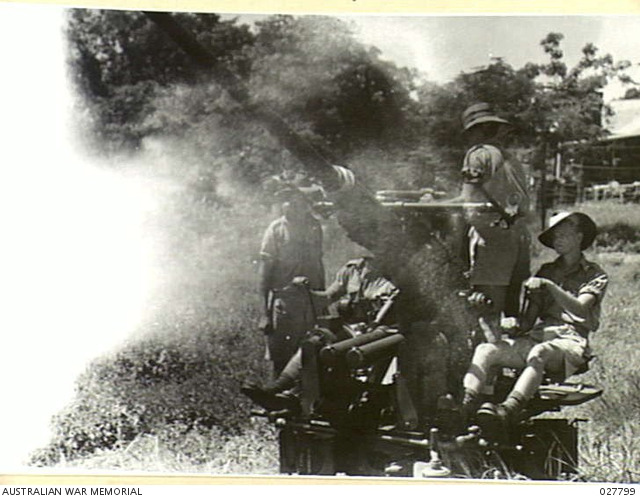
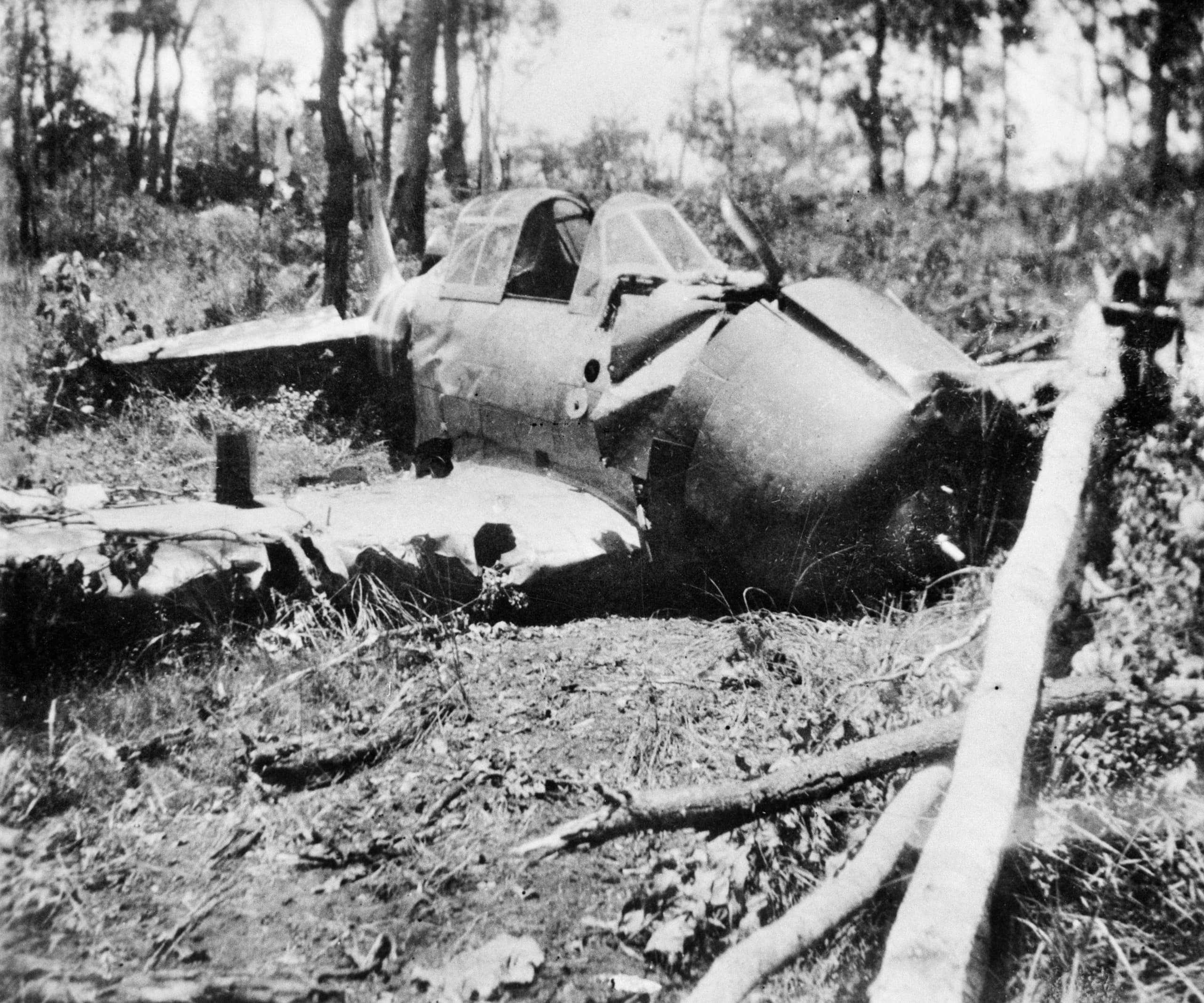
Sources
https://www.awm.gov.au/collection/E84294
https://www.awm.gov.au/collection/C314568