Hard to do externally really, without considering the TES fit on them. What makes it a 235 is internal.
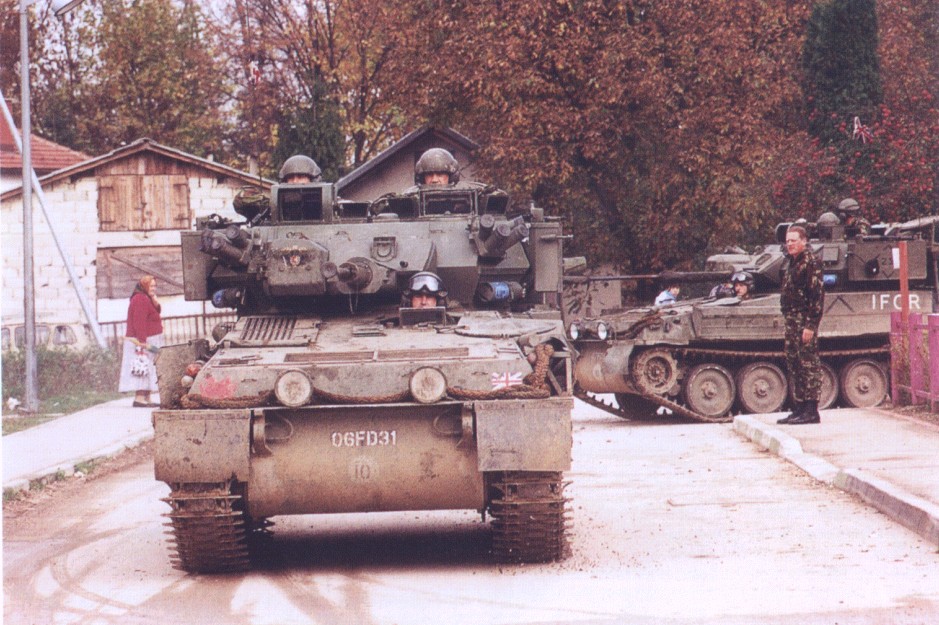
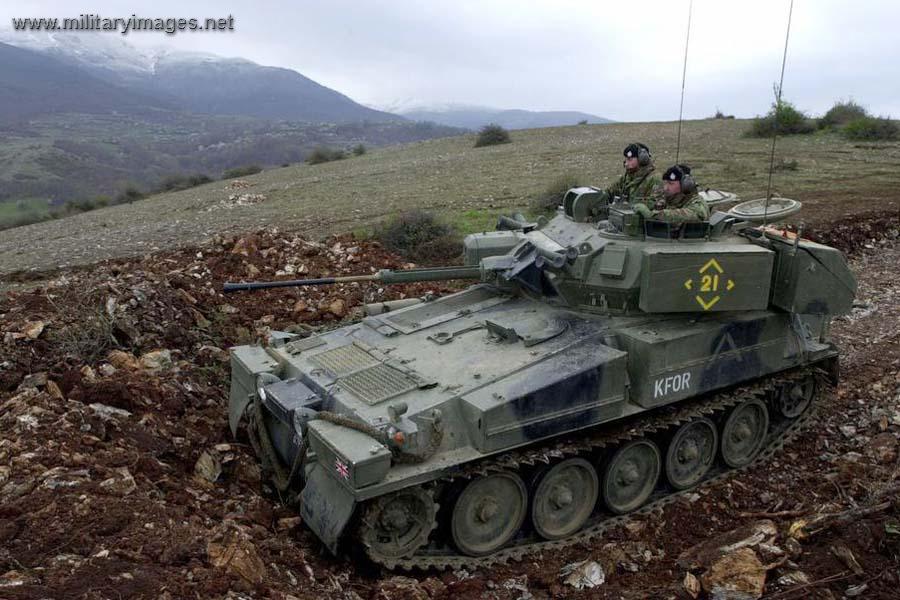
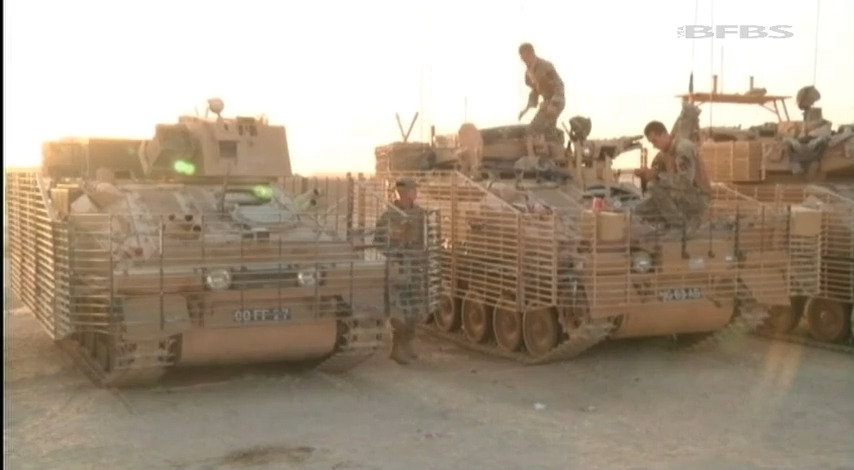
If a photo is in Afghanistan after 2009 (IIRC Op. Herrick 10 to Op. Herrick 14 when Mk.2 arrived), it’s definitely a 235. Earlier photos of Scimitars in theatre, you will see the ECM equipment is a bit more ad-hoc, and in general don’t have the two box-shaped emitters on the front. Anywhere else, you wouldn’t know without checking the Reg No. against ones you know to be a 235.
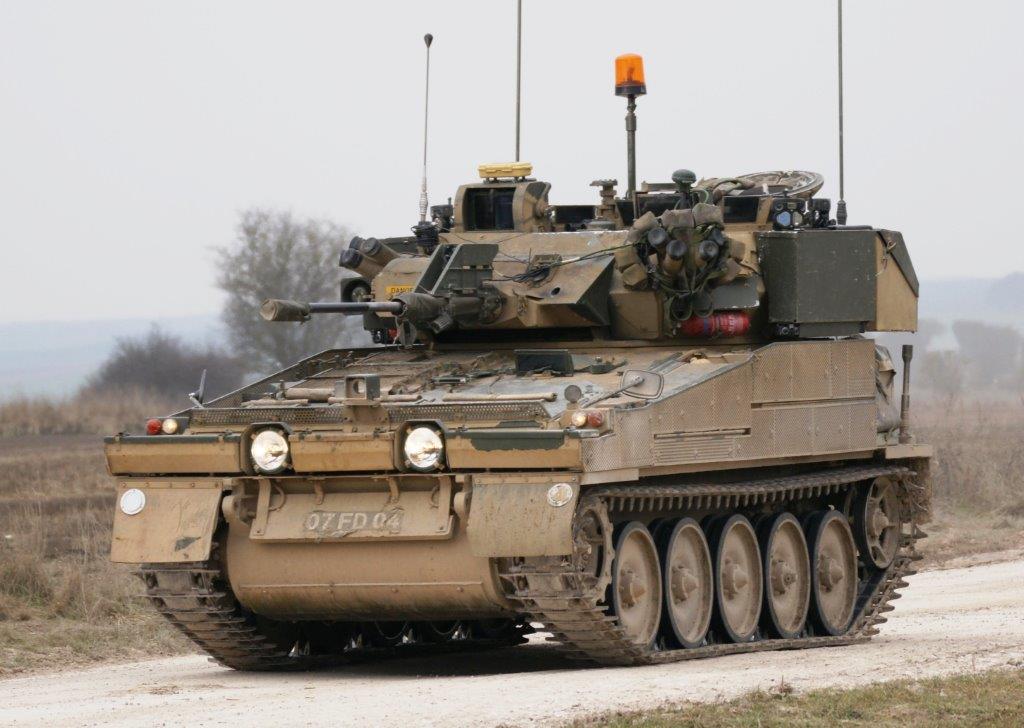
Below is a Scimitar 235 07FD04 without all the ECM kit, photographed on Salisbury Plain in 2011. It retains the holder for the Driver’s Vision Enhancer (thermal imager) that was part of the 235’s TES fit. But otherwise it looks the same as virtually any Scimitar LEP
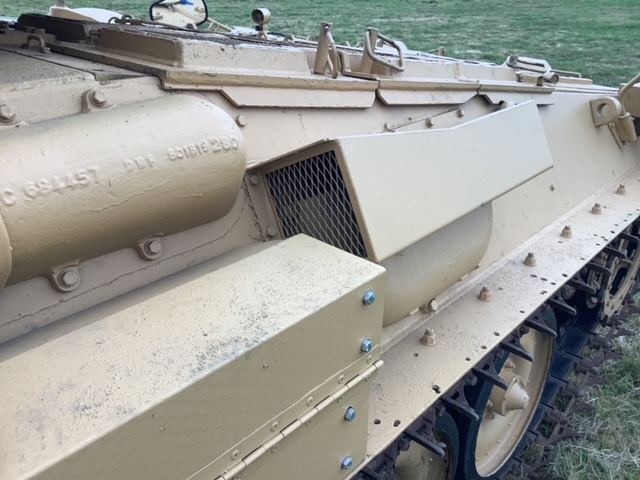
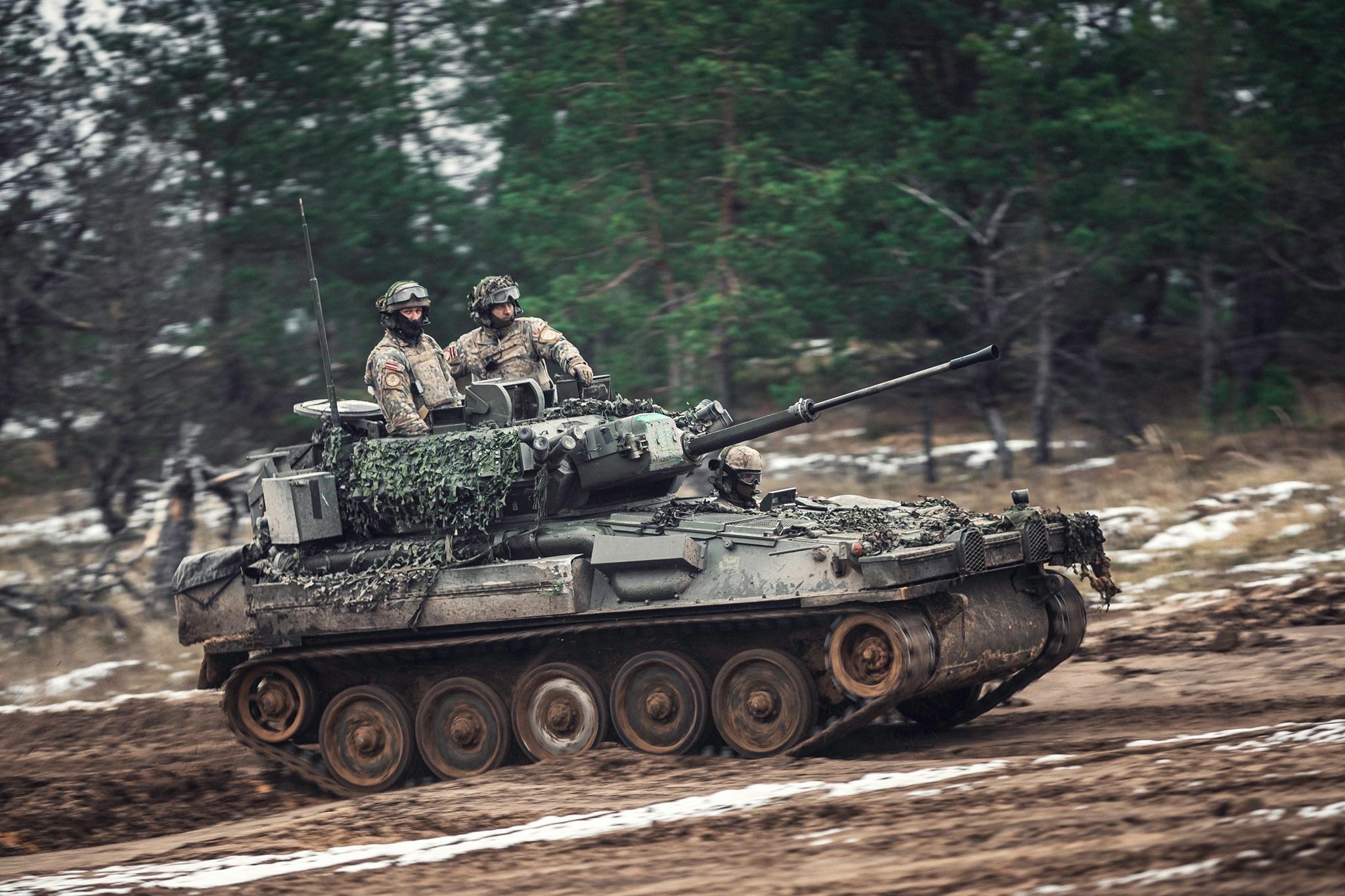
So the DVE would perhaps be the only external indicator. Ed:- an expanded air box for the Cummins engine intake on the side of the hull also seems to be an indicator for EM235 CVR(t)s, over regular CVR(t) LEPs.
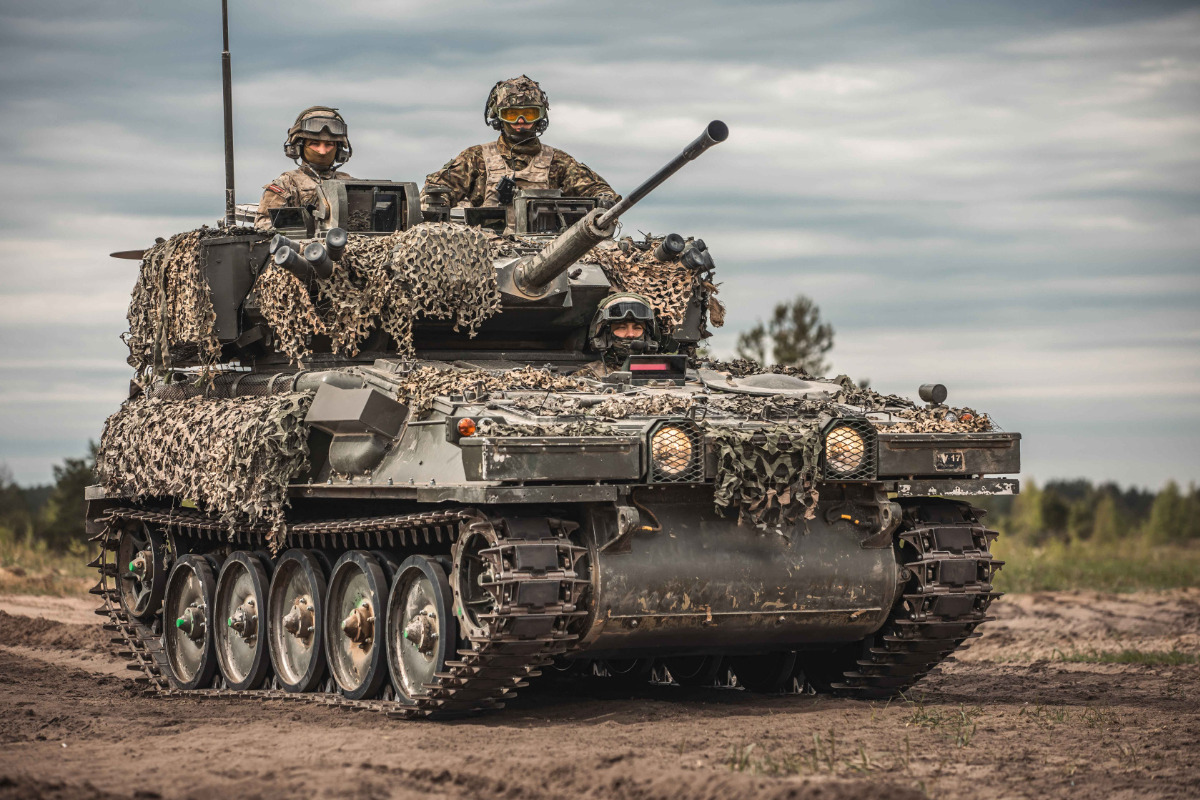
In some cases you might also find when looking at the front of the vehicle, that the headlights are spaced further apart, or the two tool boxes above the tracks are smaller
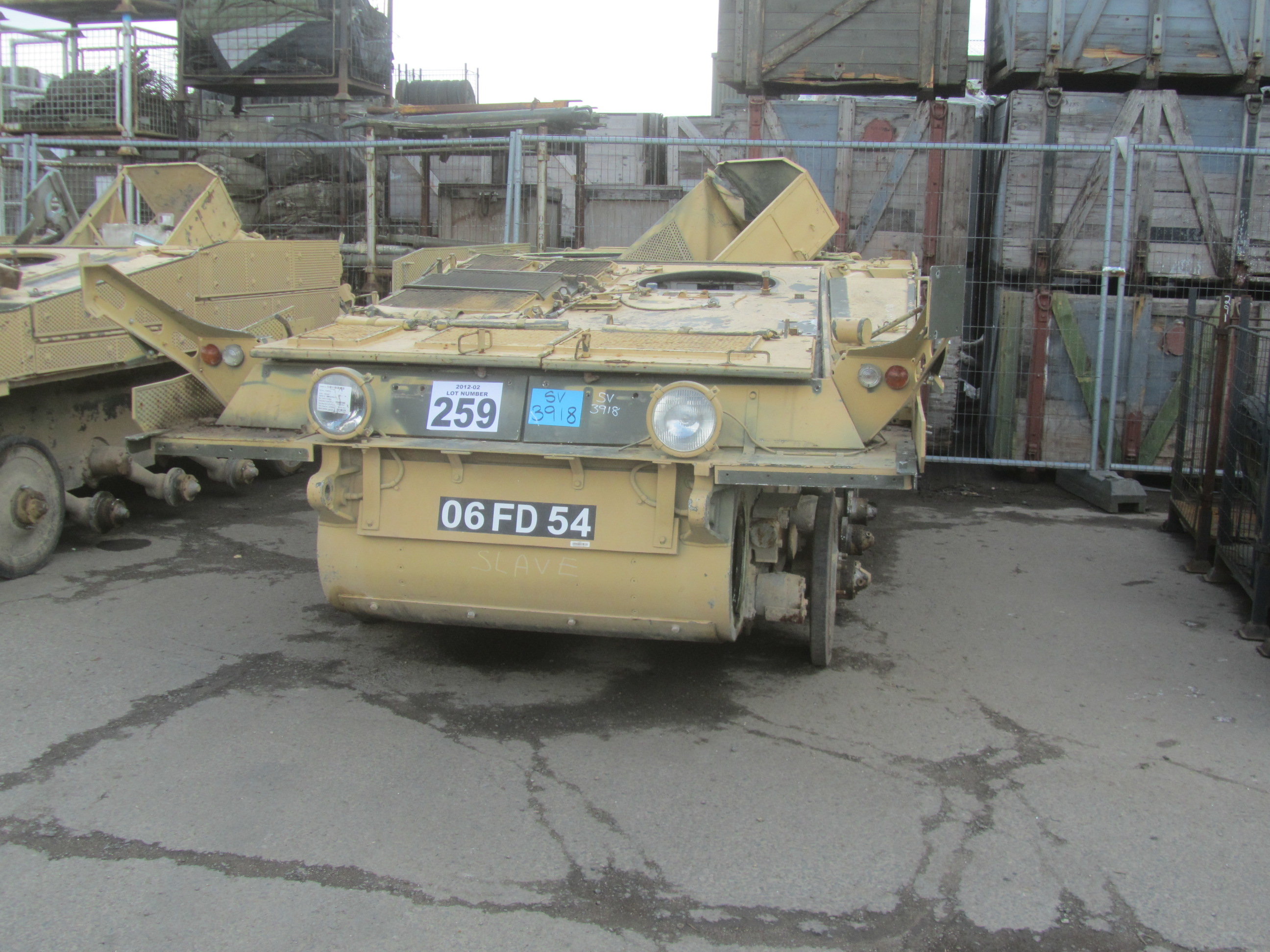
06FD54
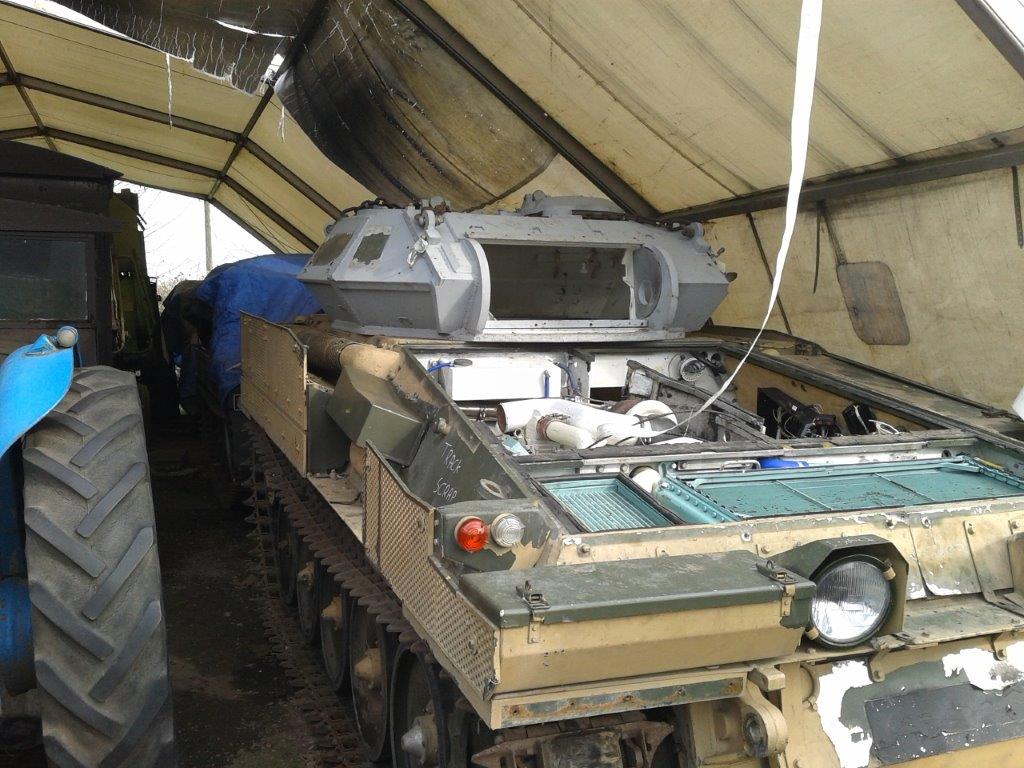
Demobbed hull before it was sold to a collector. Can see the headlamps are positioned almost on top of the towing hooks, rather than fully between them
That would have been to accommodate the big electronics box in the middle that was part of the ECM fit instead of the usual middle tool box. But on the previous photo of 07FD04 they are back to the normal arrangement.
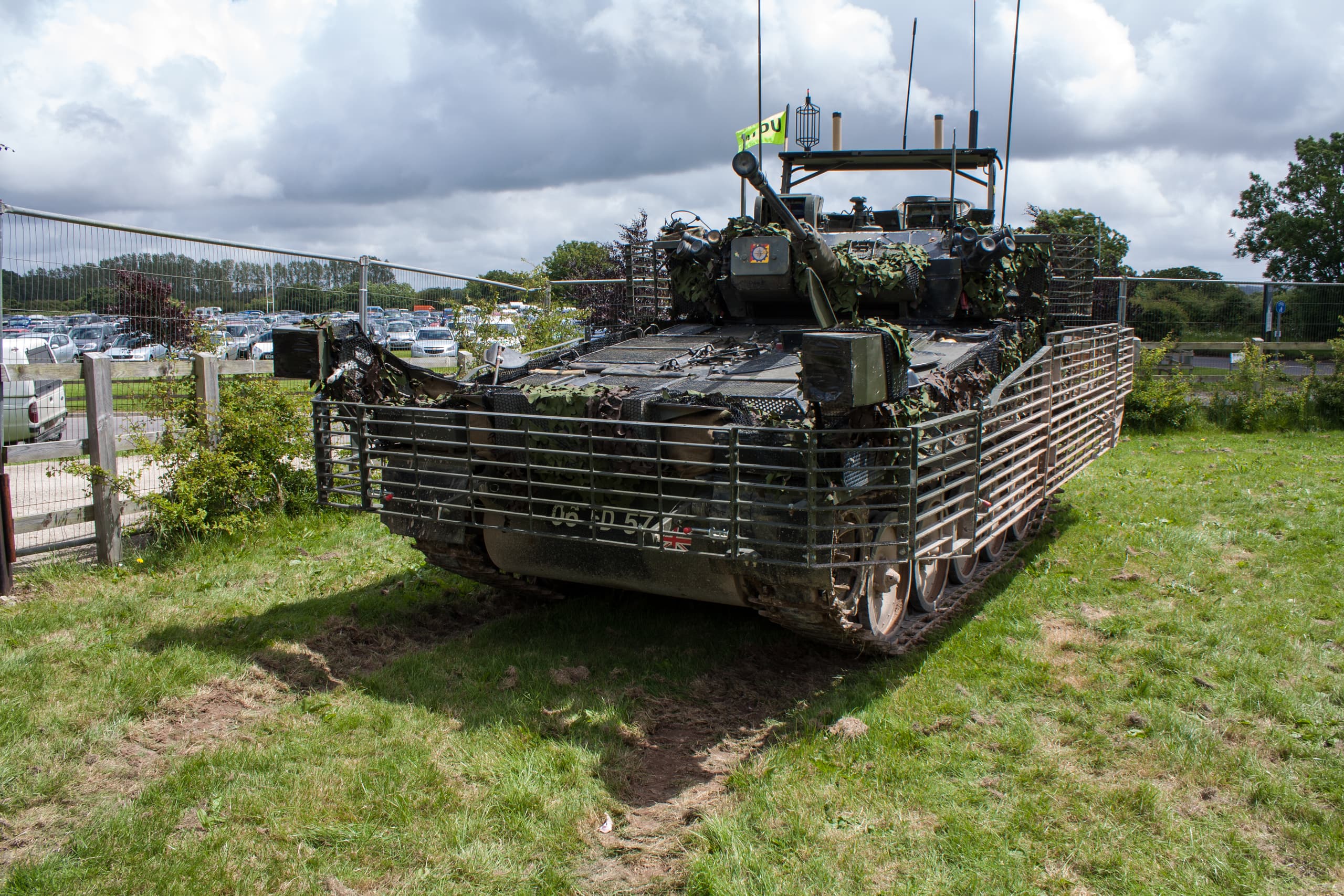
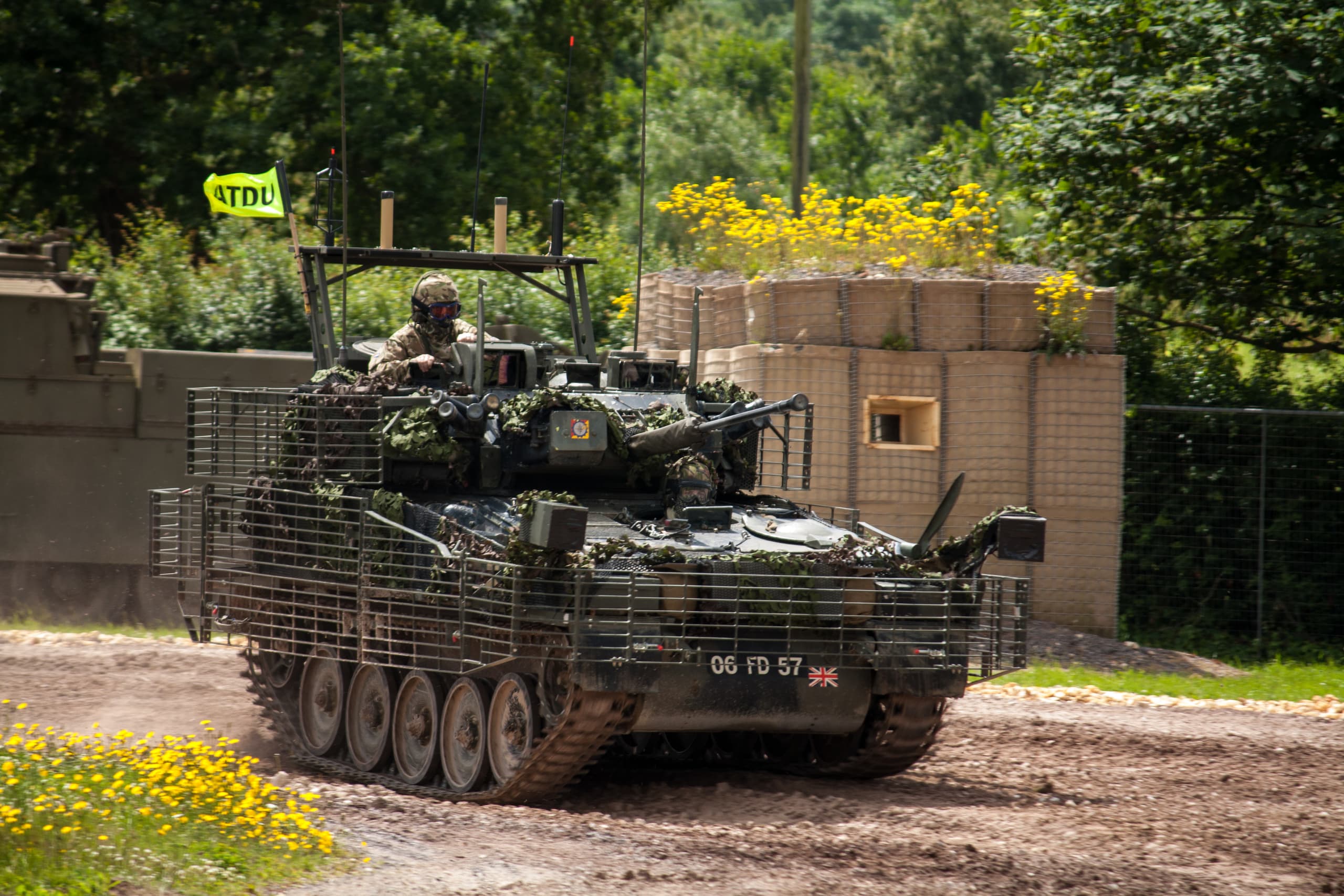
Near enough in terms of the date of the ECM fit, but 06FD57 is ATDU’s Scimitar and lacks a number of things that were on the fielded 235s. Namely the mine protection plate.
The last photo with 06FD46 in Afghanistan, is a 235
This photo?
Think that’s a roll-mat on the side, rather than the LEP intake.
Also it’s still got the Jaguar hull’s engine deck louvres (like the ones in your photos), so I’m pretty sure it’s not a Cummins engine in there.
The ones in your photo do have the original bolted-on transmission cover though, rather than the later hinged type seen in my pic.
Consulted some photos I have of demobbed Scimitars I know to be ex-British Army 235 hulls, and where the LEP inlet was still present they have this enlarged duct mod made to the top of the inlet.
I guess that shows what a Scimitar 235 with no Plasan armour or bar armour looks like
Ed:- Found one clear image of a Latvian Spartan that also has a similar enlarged duct modification. It’s consistent with the Odin-turreted Spartan 235s, and the Spartan Mk.2s that were on Herrick. This style of duct is likewise featured on Scimitar Mk.2 that is based on Spartan 235. So it’s very likely an indicator of a vehicle with the up-rated EM235 drivetrain.
The Plasan kit was on LEPs from 2003 and carried over to 235s
On Scimitar it was mainly perforated steel screens on the hull. Plus a couple of non-perforated panels covering the frontal arc - behind the headlamps, that panel that has the registration painted on it, and in front of the driver’s hatch down to the transmission cover.
Turret also had extra armour panels. You can usually see when a vehicle has them on the turret because some of the panels have a little extra overhang by the fire extinguishers.
IIRC the non-perforated stuff on the turret and frontal hull was a layer of composite though.
The inlet is indicative of a LEP. The big square duct on top of the inlet appears to be indicative of 235s - it was originally just a small dust cover
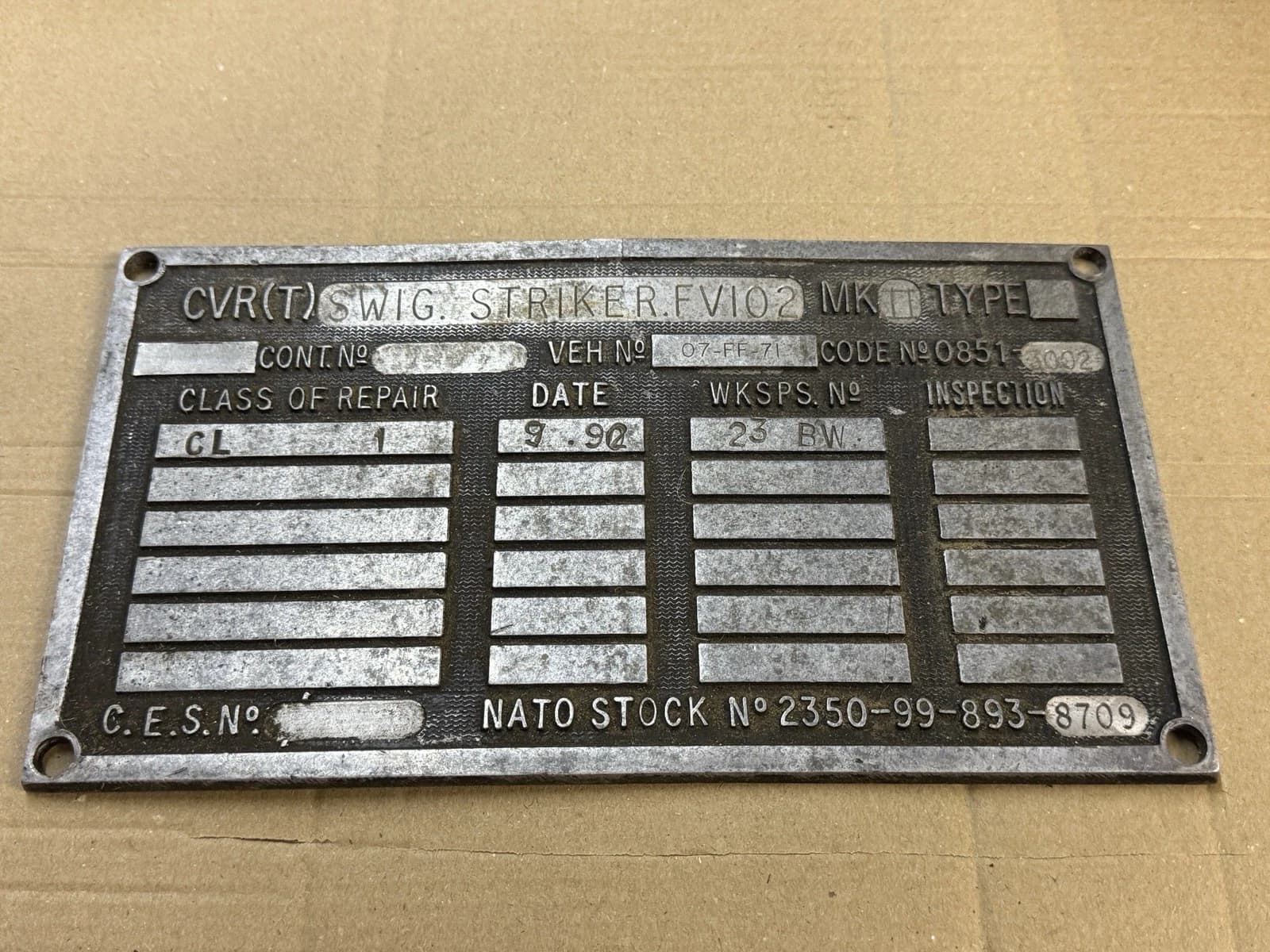
No Striker 235s but there were Striker LEPs like this one
Striker was retired from the British Army in 2005 after Javelin was introduced. Some years before 235 was carried out.
The deployment of British forces to Helmand from 2006 was the impetus for up-rating the CVR(t) drivetrain - they had pretty terrible availability rates in the high altitude, hot and dusty, off-road conditions on Op. Herrick. Formation Reconnaissance had largely ended up ditching them for Jackal until the upgrades were carried out.
Ah fair enough, I didn’t actually look into the year for 235 so yes the Strikers were removed from service in 2005 and it appears mostly disposed of by 2007.
Still looking into SWIG as sources disagree between SACLOS and ACLOS operation, though ACLOS guidance was demonstrated at RARDE in 1988 and is reputedly the tech on which SWIG was based (18.00 to 19.35). https://www.iwm.org.uk/collections/item/object/1060035222
Very happy to report that my suggestion for FV102 Striker SWIG was successful, many thanks to the Suggestion Mods who have been industriously processing a lot of pending suggestions in the last week.
eh, the raw numbers are a little misleading most of the time.
I’ll post some comparison images later when I’m free Got a new book arriving today, gotta re-read the last 16