Would you like to see the Pechora in the game?
- Yes
- No
0
voters
Where would you like to see it in-game?
- In the Soviet Tree
- In the Cuban Tree
- In an Alternative Tree
- No, I don’t want to see this in-game
0
voters
Cuban S-125-2BM Pechora-2BM on a T-55 Chassis
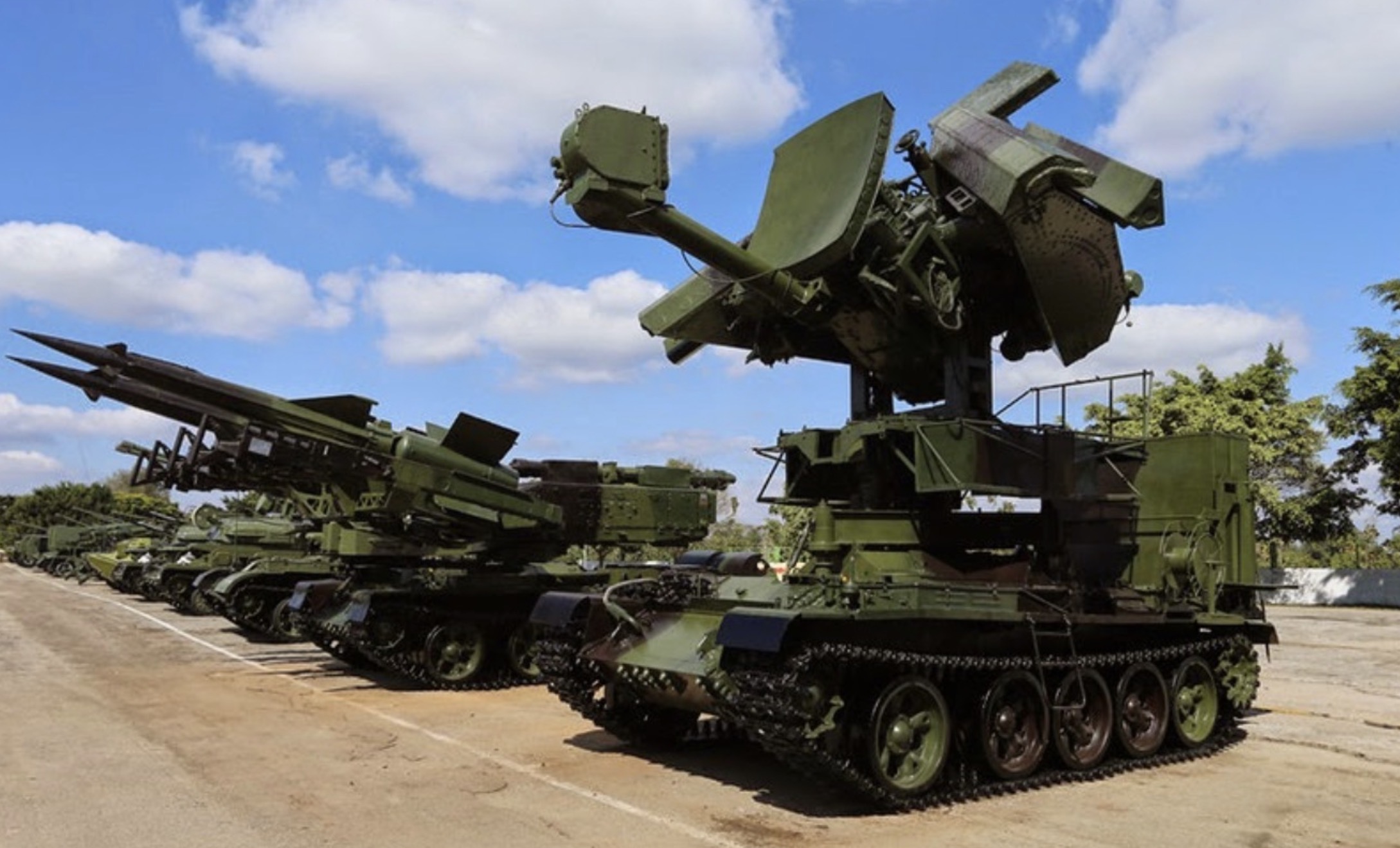
The Cuban S-125 Pechora on T-55 chassis is the most advanced air-defense system in Cuban service at the time of writing. It combines the missile launcher and guidance radar of a modernised Soviet S-125 Neva/Pechora surface-to-air missile system with the tracked chassis of a T-55 tank. The purpose of this conversion was to give an otherwise semi-static air-defense system far greater mobility. Interestingly, this is not the only SAM system to receive this kind of Cuban modernization. Cuba has also upgraded its S-75 batteries in a similar way.
Recently, the S-125 system was modernized with Belarusian assistance, receiving improved fire-control equipment, upgraded electronics, and more capable missiles as part of the Pechora-2BM modernization package. This significantly improved the combat value of Cuba’s old S-125 system, making it one of the most advanced elements of the country’s air-defense network. In the event of a future conflict involving Cuba, this system would likely be among the first and most important air-defense assets deployed.
This Cuban-Belarusian S-125, alongside the Russian Pechora-2M and Polish Newa-SC, represents one of three potential ways to introduce the iconic “stealth killer” SAM system into War Thunder.
History
Spoiler
The S-125 Neva/Pechora was developed by the Soviet Union in the late 1950s and entered service in the early 1960s to fill a gap in Soviet air defense: engaging aircraft flying at low and medium altitudes. Larger systems like the S-75 were more focused on higher-altitude targets, while NATO aircraft were increasingly expected to penetrate defenses by flying low. The S-125 used solid-fuel missiles and radar command guidance, making it a practical and widely exported system for protecting cities, airfields, military bases, and strategic infrastructure. In Cuban service, it became an important low-altitude layer of the island’s air-defense network.

Cuban involvement in Angola, especially the losses suffered by static SAM sites to fast-moving South African artillery, taught the FAR a serious lesson about the importance of tactical mobility. Due to Cuba’s limited ability to purchase new air-defense systems after the Soviet collapse, the country instead began adapting the systems it already had to the realities of modern warfare. The result was a series of unusual but practical conversions, including heavy, formerly static SAMs mounted on T-55 tank chassis, giving them far greater mobility and survivability than their original fixed or towed configurations. However, mobility was only one of the problems facing these older SAM systems. The next issue was effectiveness. By the 21st century, the S-125 had become increasingly outdated, but Russian and Belarusian modernization programs pushed the system’s remaining potential to its limit. Cuba chose this path, upgrading its existing Pechora systems rather than replacing them entirely with new and far more expensive air-defense platforms. The Cubans have received a Belarusian modernization. Belarusian sources refer to the upgraded system as the S-125-2BM “Pechora-2BM”, modernized by OAO ALEVKURP. Official Belarusian statements described successful live-fire trials for a “Caribbean” customer, while Latin American defense sources identified the customer as Cuba due to the use of T-55-based launchers.
Belarusian Modernization
Spoiler
The Belarusian Pechora-2BM upgrade is a deep modernization of the original S-125 system. It retains the basic missile family but updates the system’s electronics, guidance equipment, target tracking, reliability, and resistance to electronic warfare. The upgraded system uses the 5V27D missile and can engage targets from 3.5 to 30 km in range and from 20 m to 20,000 m in altitude. It is designed to engage aircraft, helicopters, UAVs, and other aerodynamic targets. It can also be used against radar-contrast ground or surface targets, as well as targets with known coordinates.
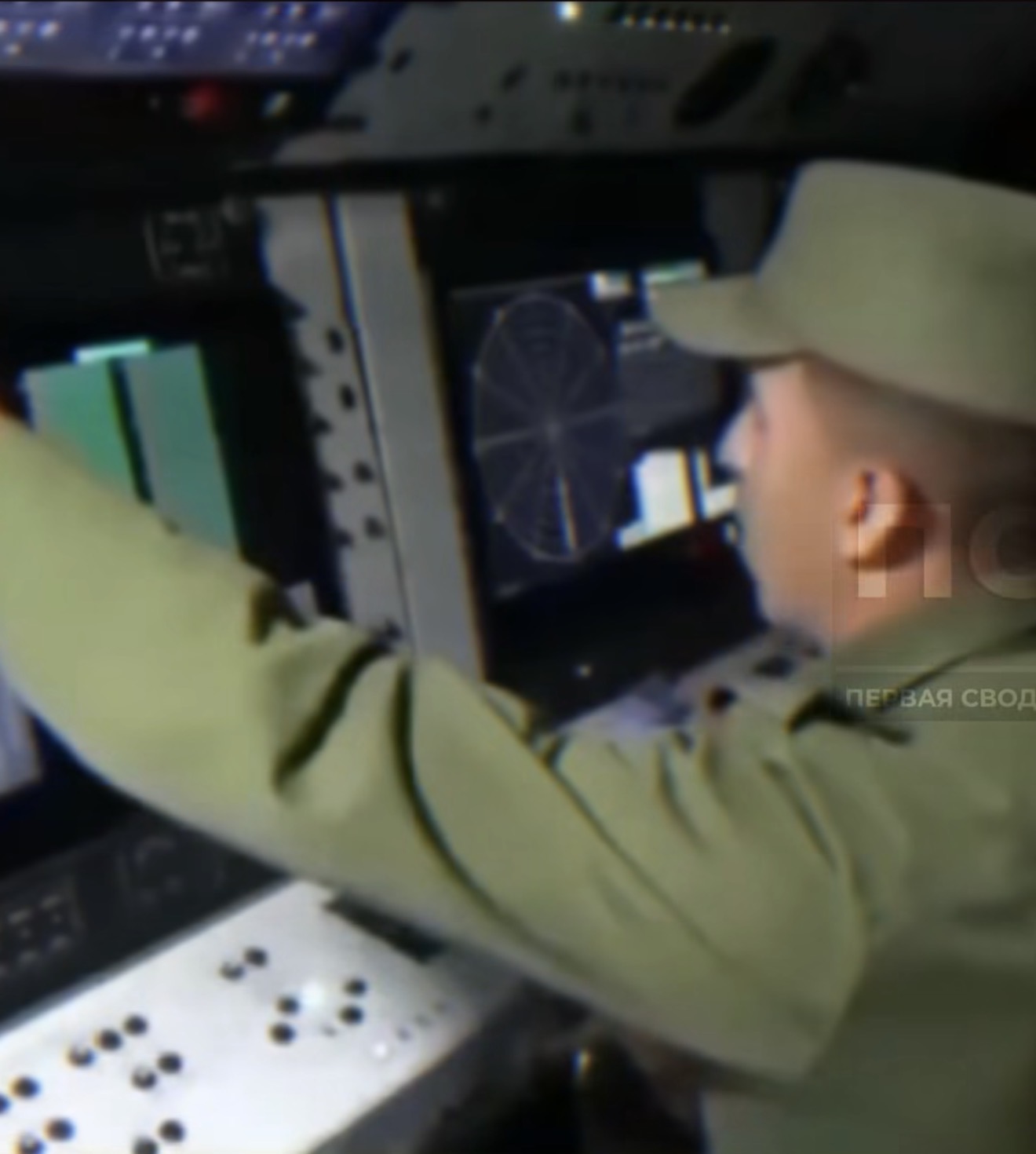
One of the most important improvements is the upgraded radar and guidance chain. The Pechora-2BM is intended to operate in complex jamming environments, with improved resistance to both active and passive interference. Belarusian data lists resistance to active jamming of up to 2,000 W/MHz from 100 km through antenna side lobes, along with 30 dB passive-jamming suppression. The system’s listed reaction time is 15 seconds, while deployment or pack-up time is approximately 25 minutes. This is important for Cuba, as it allows the battery to change position much faster than older static S-125 sites.
Operation
Spoiler
Target Detection
The search radar used with the Cuban Pechora system is based on the Soviet P-19 “Flat Face B”, a mobile 2D UHF radar designed to detect low-flying aircraft and provide range and azimuth data to the SAM battery. The standard P-19 operated in the 830–882 MHz band, covered 360°, and had an instrumented range of around 160 km, with a detection zone reaching roughly 6 km in altitude. Cuba appears to have a modified version fitted with a large rectangular phased-array antenna for use with the S-125. Exact Cuban performance figures are not public, but modernized P-19-type radars such as the P-19T reach up to 200 km, detect a 1 m² target at about 35 km at 100 m altitude, 70 km at 500 m, 90 km at 1,000 m, and 150 km at 3,000 m, while offering automatic target tracking and better resistance to jamming.

Engagement/Guidance
Missile tracking and guidance are carried out by the modernized SNR-125-2BM guidance station, developed from the original SNR-125 “Low Blow” fire-control radar. While the search radar detects targets and provides the battery with general target data, the SNR-125-2BM is responsible for the actual engagement. It locks onto the selected target, tracks the missile after launch, calculates the necessary course corrections, and sends steering commands to the missile through a radio-command link. This means the missile is not independently guided; it relies on the ground-based guidance station for the entire engagement. The Belarusian modernization improved this process with updated electronics, better signal processing, more accurate tracking, and stronger resistance to jamming.

The original SNR-125 could detect targets at up to 110 km and track them at roughly 40–85 km, depending on altitude and target size. It worked in the 8.9–9.46 GHz range and also included a TV/optical backup channel effective out to about 25 km. In the Belarusian Pechora-2BM standard, the system can engage targets from 3.5 to 30 km in range and from 20 m to 20 km in altitude, with a target radial-speed envelope of -300 to +700 m/s. Against fighter-sized targets, modernized SNR-125-type radars can detect targets at roughly 46 km at 7,000 m, 34 km at 350 m, and 28 km at 50 m, with auto-track ranges of 37 km, 27 km, and 25 km respectively.
Reload
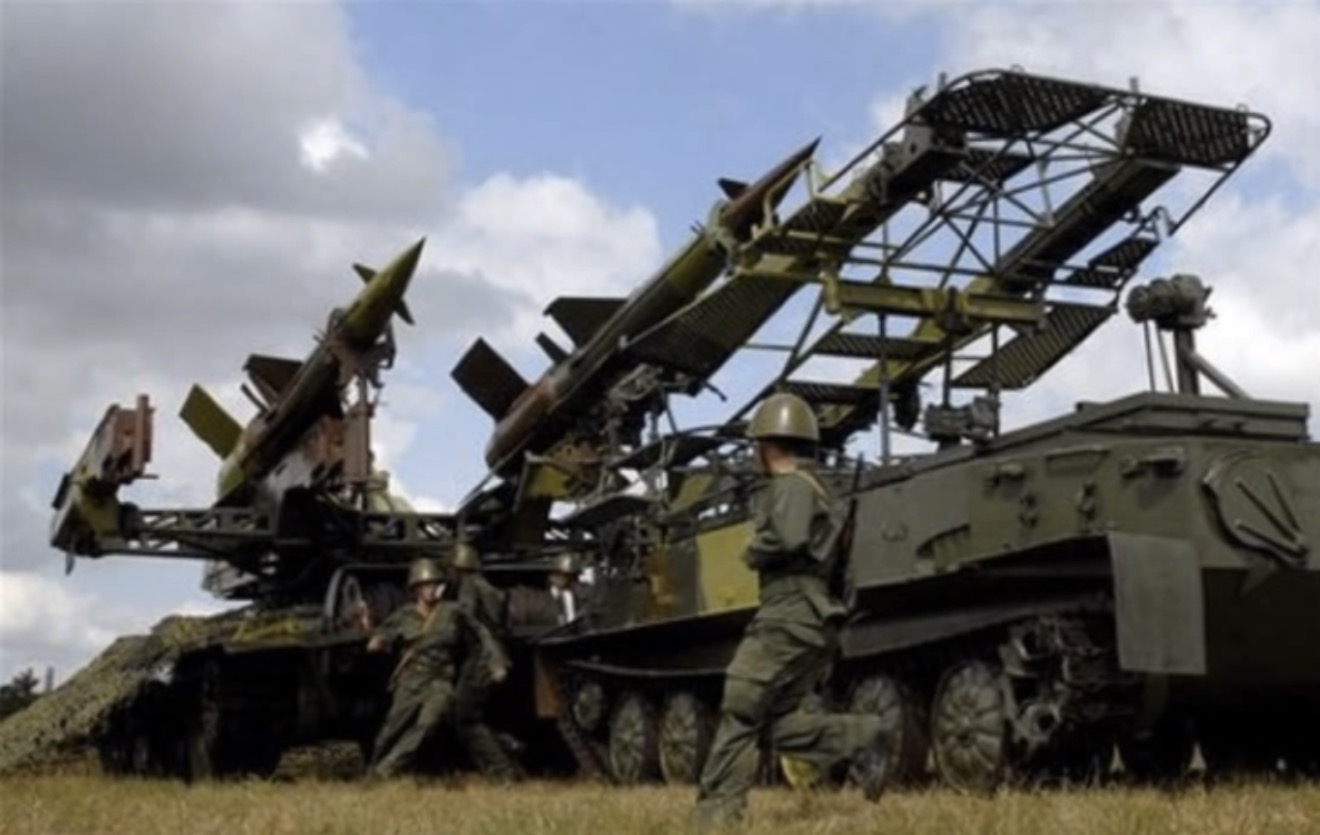
The Cubans also did not overlook the reload procedure. Since the missile launchers were now mounted higher off the ground, they placed the reloading mechanism on a PT-76 chassis. This raised the loader to the proper height and allowed the system to reload far more efficiently, preserving a reload process broadly similar in speed and practicality to that of the original system.
For reasons completely unknown to me, the Cubans only load two missiles on these launchers, even though their S-125 launcher is fully capable of carrying four at once. I can only assume this was done to reduce weight and help maintain vehicle balance during marches, or just because they do not possess enough PT-76 reloaders. If weight and balance were the main concerns, why were the Poles able to carry four missiles on their tracked Newa-SC system?
Specifications
Spoiler
| Characteristic | Details |
|---|---|
| Designation | Cuban mobile S-125 Pechora / S-125-2BM “Pechora-2BM” |
| Original system | Soviet S-125 Neva/Pechora, NATO: SA-3 Goa |
| Modernization standard | Belarusian S-125-2BM “Pechora-2BM” |
| Modernization company | OAO ALEVKURP, Belarus |
| Country of operation | Cuba |
| Launcher chassis | T-55 / T-55A tank chassis |
| Role | Self-propelled short-to-medium-range SAM launcher |
| Launcher type | Two/Four-rail S-125 launcher/radar mounted in place of the tank turret |
| Missile | 5V27D surface-to-air missile |
| Guidance method | Radar command guidance |
| Guidance radar | SNR-125-2BM, modernized from SNR-125 “Low Blow” |
| Search radar | Cuban modified P-19 “Flat Face B” with phased-array antenna for S-125 |
| Reload vehicle | PT-76-based elevated reload vehicle |
| Battery role | Launcher only; requires radar, command, power, and reload support vehicles |
Missile and Engagement Performance
| Characteristic | Details |
|---|---|
| Engagement range | 3.5–30 km |
| Engagement altitude | 20–20,000 m |
| Maximum course parameter | 16.5 km |
| Target radial speed | -300 to +700 m/s |
| Target types | Aircraft, helicopters, UAVs, aerodynamic air targets |
| Secondary target capability | Radar-contrast ground and surface targets |
| Reaction time | 15 seconds from detection to launch command |
| Set-up / tear-down time | 25 minutes |
| Active jamming resistance | Up to 2,000 W/MHz from 100 km through antenna side lobes |
| Passive jamming suppression | 30 dB |
| Electronics MTBF | 1,000 hours |
Guidance Radar: SNR-125-2BM “Low Blow”
| Characteristic | Details |
|---|---|
| Radar type | Missile guidance / fire-control radar |
| Original radar | SNR-125 “Low Blow” |
| Modernized radar | SNR-125-2BM |
| Function | Tracks target, tracks missile, generates and transmits radio-command guidance |
| Frequency range | Around 8.9–9.42 GHz |
| Maximum target detection range | Up to 110 km for original SNR-125 |
| Missiles guided per target | Up to 2 missiles against one target |
| Optical backup channel | TV/optical tracking up to roughly 25 km |
| Main improvement in 2BM | Newer electronics, better signal processing, improved tracking, improved jamming resistance |
Search Radar: Cuban Modified P-19 “Flat Face B”
| Characteristic | Standard / modernized P-19 data |
|---|---|
| Radar type | 2D search / acquisition radar |
| Cuban version | P-19 “Flat Face B” with phased-array antenna for S-125 |
| Measured coordinates | Azimuth and range |
| Altitude measurement | Not by itself; requires height-finder or guidance radar support |
| Frequency band, P-19T-type data | 825–890 MHz |
| Maximum range, modernized P-19T-type | 200 km |
| Minimum range | 1.5 km |
| Maximum detection altitude | 6–8 km |
| Detection range vs 1 m² target at 100 m altitude | 35 km |
| Detection range vs 1 m² target at 500 m altitude | 70 km |
| Detection range vs 1 m² target at 1,000 m altitude | 90 km |
| Detection range vs 1 m² target at 3,000 m altitude | 150 km |
| Processing | Automatic radar-data processing, automatic detection and tracking |
| Role in battery | Finds targets and feeds target data to the S-125 fire-control system |
Launcher and Radar Chassis: T-55
| Characteristic | Details |
|---|---|
| Base vehicle | T-55 / T-55A |
| Combat weight, original T-55 | 36 t |
| Engine | V-55V diesel |
| Engine power | 580 hp |
| Maximum road speed, original T-55 | 50 km/h |
| Cross-country speed, original T-55 | 22–27 km/h |
| Road range, original T-55 | 485–500 km |
| Cross-country range, original T-55 | 290–320 km |
| Protection | T-55 armored hull (100 mm); radar and launcher exposed |