Would you like to see Pechora-2M in-game?
Pechora-2M
Pechora-2M is a deep modernization of the S-125 (SA-3) designed to turn a largely static, 1960s point-defense system into a mobile, digitally controlled short- to medium-range air-defense asset. The upgrade keeps the base S-125 but replaces most analog electronics with solid-state modules, adds modern counter-jamming features, integrates day/night electro-optical tracking, and mounts all the principal elements on wheeled chassis. In practice this delivers faster reaction time, markedly better low-altitude performance against cruise missiles and UAVs, and far greater survivability against suppression-of-enemy-air-defense tactics.
History and Overview
Spoiler
The original S-125 Neva/Pechora (NATO: SA-3 Goa) was developed in the late 1950s by the Soviet Union as a complement to the long-range S-75 (SA-2). While the SA-2 was optimized for high-altitude targets, the S-125 was designed to counter low- and medium-altitude threats, especially fast jets flying below the effective coverage of earlier systems. It entered service in the early 1960s, fielded widely across the Warsaw Pact and exported to dozens of countries. The system first saw combat in 1970 during the War of Attrition, and later gained fame in 1999 when a Yugoslav S-125 battery shot down a U.S. F-117 stealth aircraft. Despite its age, the S-125’s widespread export base made it a candidate for repeated modernization programs, the most advanced of which became the Pechora-2M.
The Pechora-2M was developed to address nearly every limitation that hampered the original system. The most obvious change is mobility. Instead of towed launchers and trailer-borne electronics that demanded hours to emplace (90 minutes at best), Pechora-2M puts the launchers and radars on trucks and cuts deployment and displacement down to 20 minutes, which is decisive for survival under modern conditions. The sensing and engagement architecture is also transformed: a 3D low-altitude search radar replaces the old 2D acquisition plus height-finder pair, the engagement radar becomes digital, track capacity and multi-target handling improve, and an EO/IR channel allows passive engagements. Survivability rises further with frequency-agile emissions, anti-radiation countermeasures, dispersed siting and the ability to fight “quiet.” Finally, lethality and envelope expand through the 5V27DE’s improved energetics, fusing and warhead, which together lower the minimum altitude to near-deck levels and raise practical kill probabilities, especially when the battery employs standard two-missile salvos.
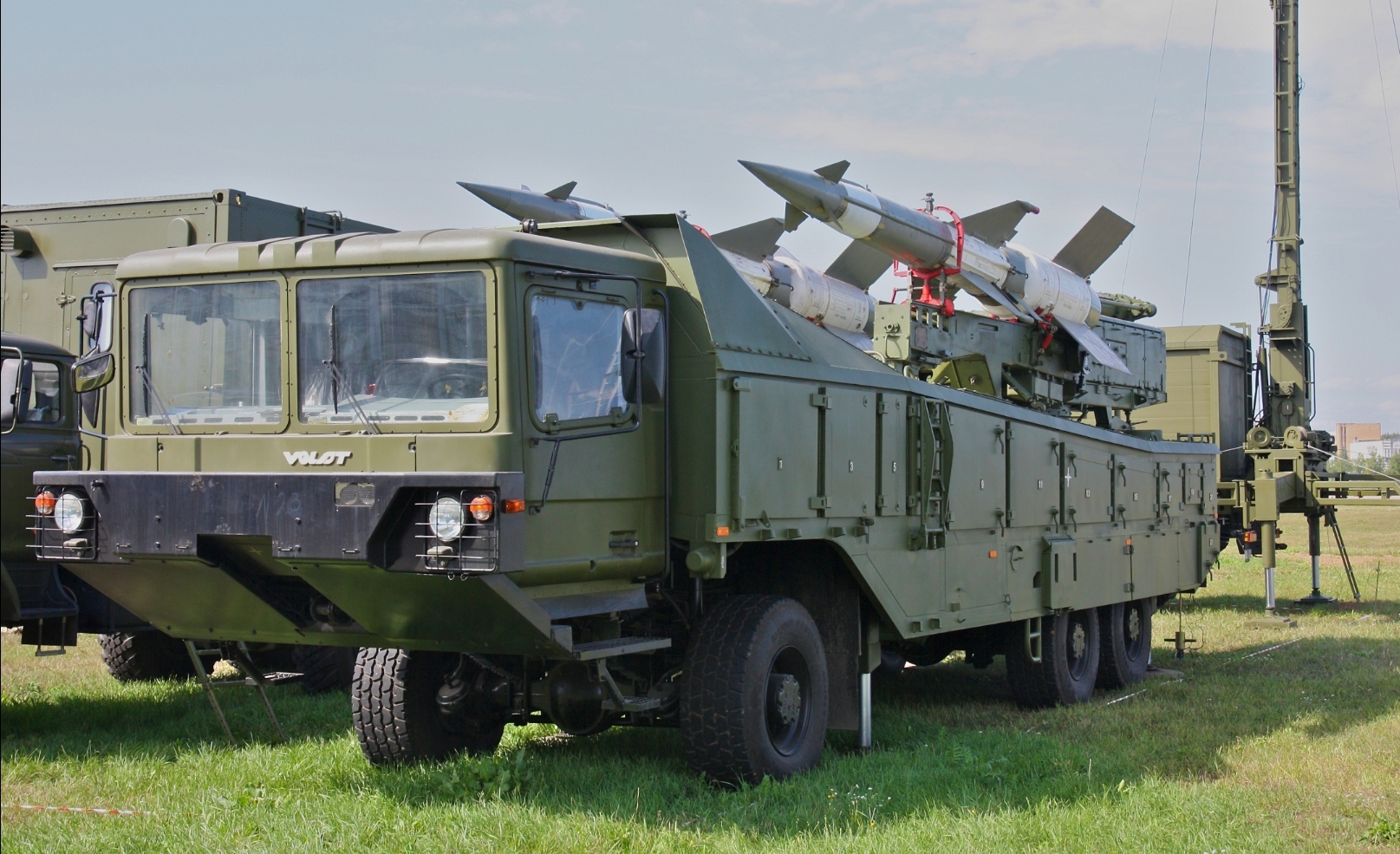
TEL (MZKT-8022 “Volat”)
Spoiler
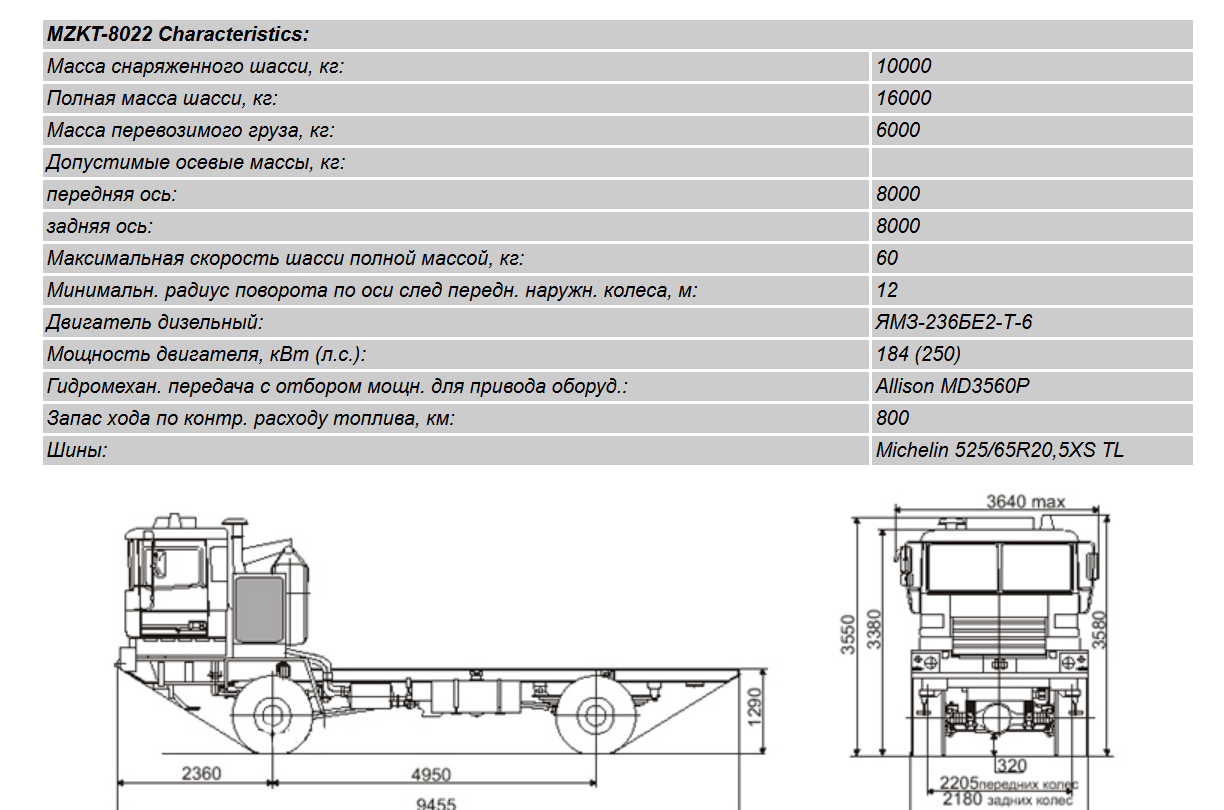
The Pechora-2M launcher is a twin-rail derivative of the 5P73 family adapted for road mobility and rapid emplacement. It is installed on a MZKT-8022 6×6 heavy truck with central tyre inflation and hydraulic stabilizers so it can level and fire from uneven ground. Each launcher carries two ready-to-fire missiles, reduced from four to meet the balancing and dimensional limits of the mobile chassis. The vehicle mass is roughly thirty-one tones and the crew is usually three. On roads it cruises at about forty kilometers per hour, with substantially lower speeds off-road as you would expect for a heavy TEL. Crucially, the system goes from road march to combat-ready in the order of twenty-five minutes, and it can displace within a similar timeframe, enabling a resemblance of “shoot-and-scoot” that the towed or fixed S-125 sites simply could not achieve. Power generation, navigation and communications are integrated on the vehicle, so a launcher can operate dispersed from the battery command post while remaining tied into the fire-control loop.
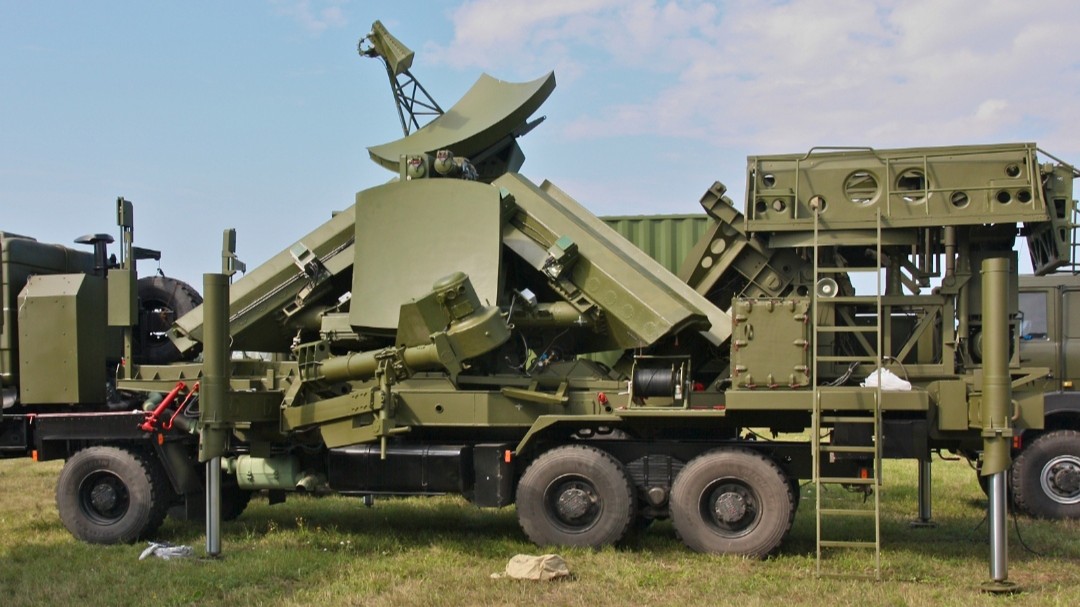
Tracking / Fire-Control Radar (SNR-125 “Low Blow”)
Spoiler
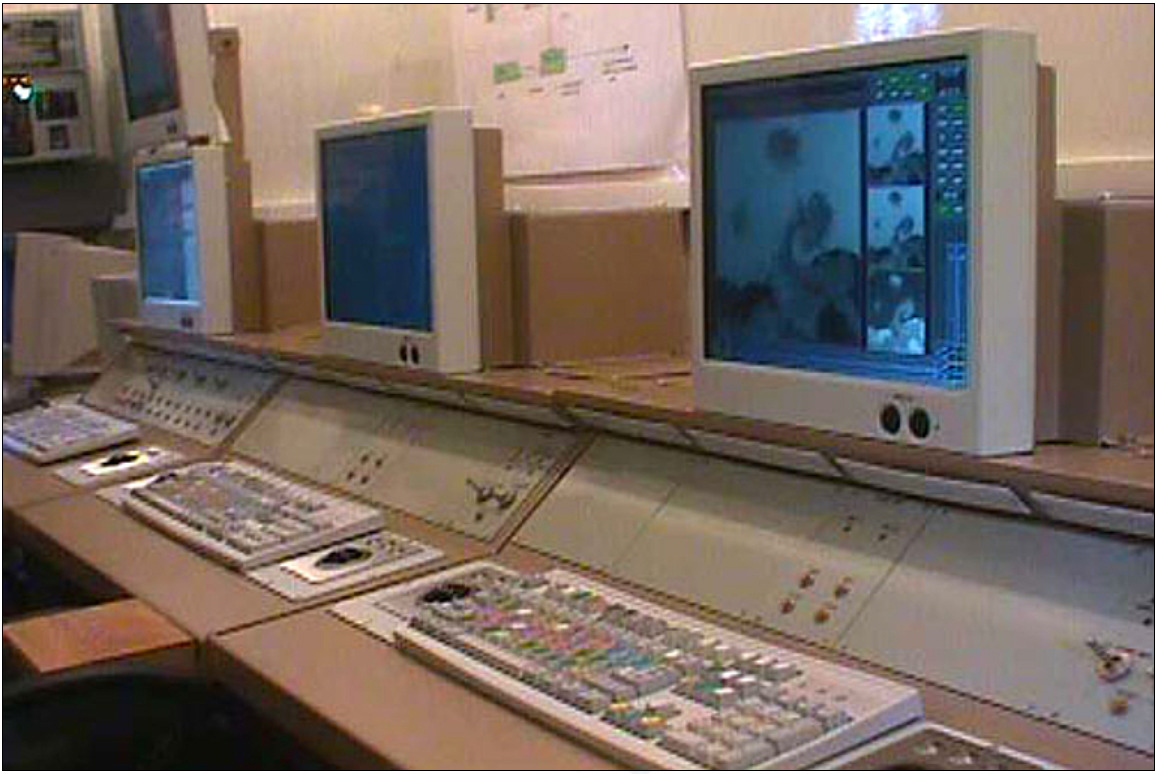
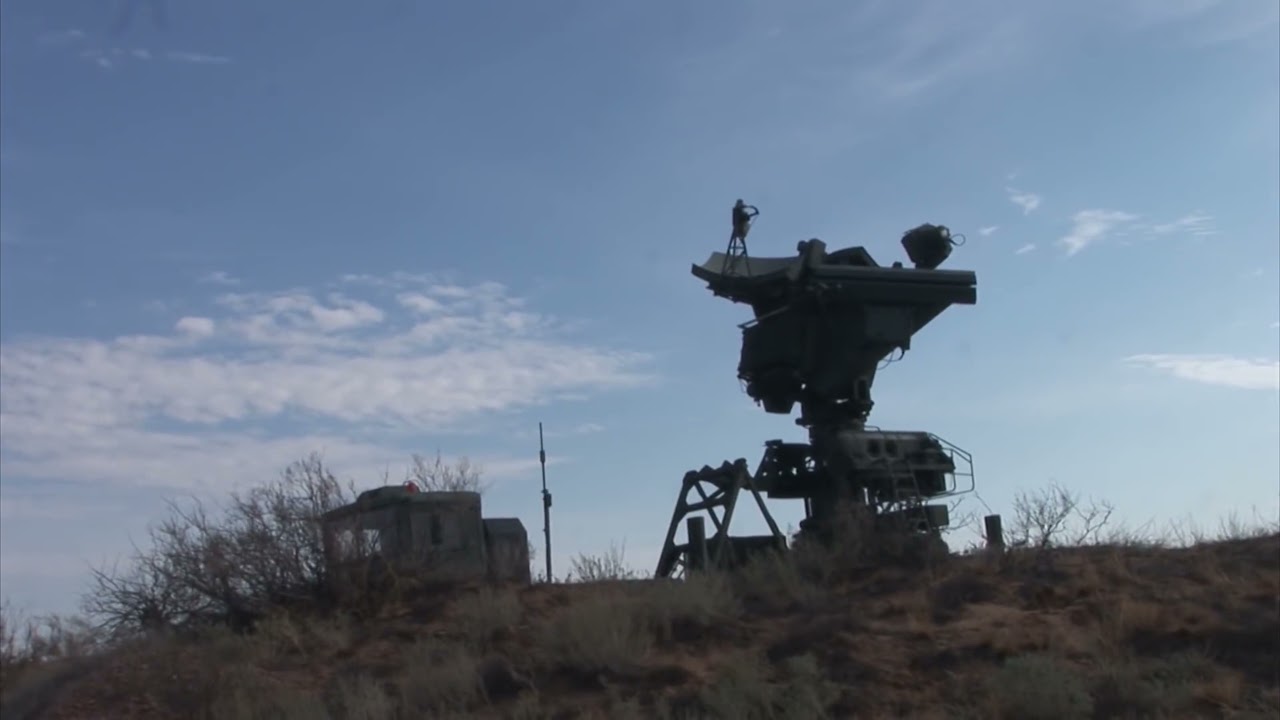
The S-125-2M Pechora-2M employs the SNR-125M-2M missile-guidance radar, comprising the mobile UNV-2M antenna post and upgraded UNK-2M control cabin. A second UNV-2M can be incorporated to provide two target and four missile channels. The antenna and electronics are mounted on a 6×6 truck with stabilizers, while the operator cabin can be positioned some distance from the emitter to improve crew survivability against anti-radiation missiles. The radar uses a high-frequency channel for precision target tracking and a lower-frequency channel for transmitting command guidance to the missile. Compared to the analog original, the fully digital signal chain brings far better moving-target indication, Doppler filtering and clutter rejection, so targets at low altitude can be detected and held in track more reliably. In typical upgraded configurations the radar maintains tracks on well over a dozen targets and can support at least two simultaneous engagements. An integrated electro-optical suite, day TV plus thermal imager, allows completely passive tracking and even missile launches without emitting, a powerful counter-SEAD option. Frequency agility, pulse-repetition modulation and other ECCM measures harden the guidance loop against jamming, and the anti-ARM protection logic helps the radar survive long enough to fight, relocate, or hand over the engagement. Instrumented ranges remain in the “tens of kilometers” class for low- and medium-altitude targets, with extended modes for high-altitude detection, but the quality of track and resilience to interference are the real step-changes.
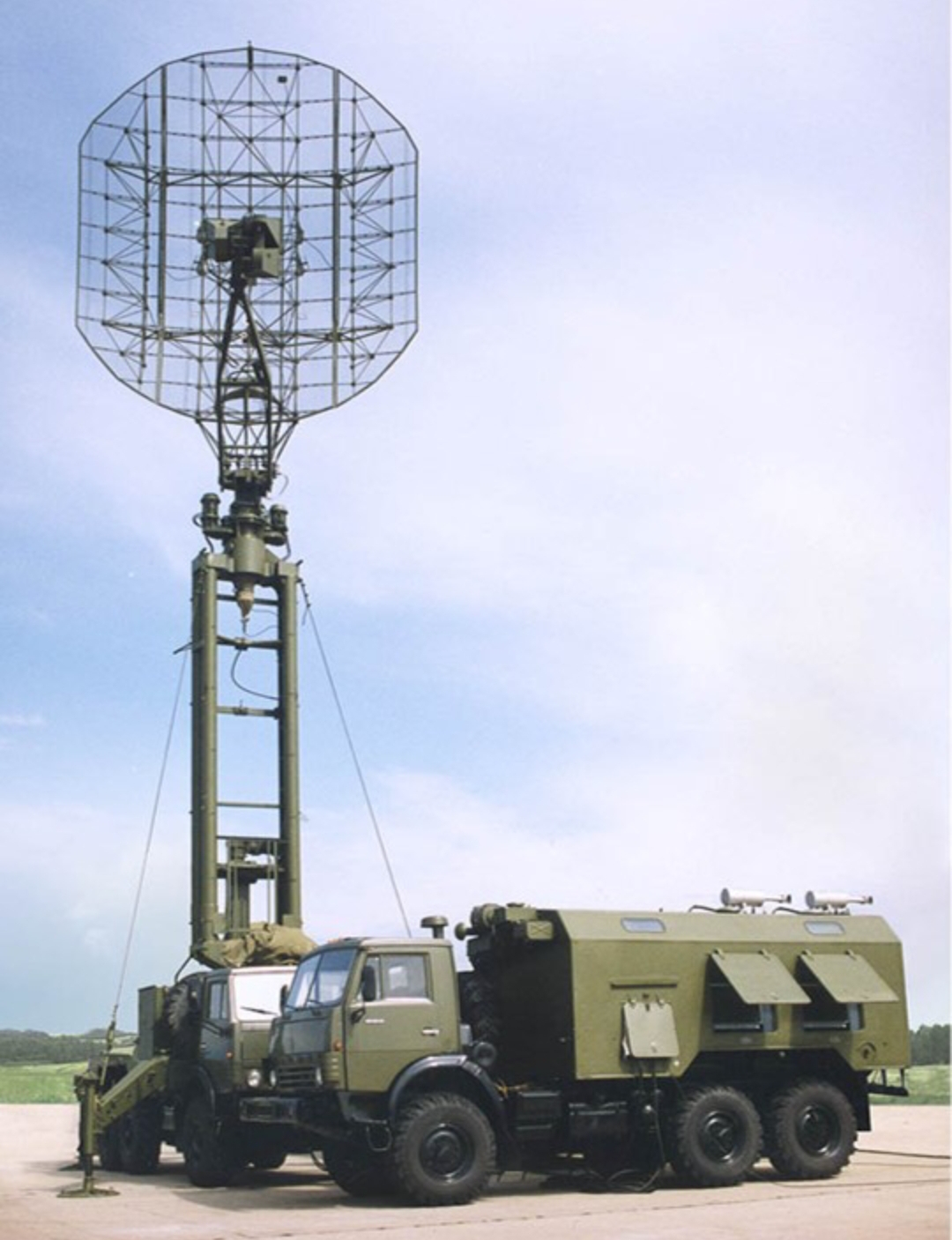
Acquisition / Search Radar (39N6E “Kasta-2E2”)
Spoiler
The Pechora-2M can receive target-designation data from various remote surveillance radars and higher-level command posts through telecode data links. This potentially permits it to operate within networks using a range of Soviet- and Russian-origin search radars, provided that a compatible interface or command post is available. Among the radars specifically identified in public descriptions of the Pechora-2 configuration, the Kasta-2E2 is the most modern surveillance-radar pairing. Disclaimer: War Thunder’s developers may interpret and use this information at their own discretion.
As a result, I will assume that the Pechora-2M should pair the battery with a modern, mobile 39N6E “Kasta-2E2” 3D surveillance radar optimized for low-altitude coverage. Operating in decametric (UHF) wavelengths with solid-state hardware, the search radar builds a three-dimensional air picture, range, azimuth and elevation, and is particularly effective at pulling small, terrain-masking targets out of ground clutter. Instrumented range focuses on the low-level battlespace from a few kilometers out to roughly one-and-a-half hundred kilometres, depending on target size and height. The radar produces dozens of simultaneous tracks and cues the engagement radar through the battery command post. Because the air picture includes altitude, the battery does not need a dedicated height-finder, simplifying the unit’s footprint and speeding deployment.
Principal Missile for Pechora-2M (5V27DE)
Spoiler
The workhorse missile for the upgrade is the 5V27DE, an improved two-stage solid-propellant member of the original S-125 family. It remains command-guided, the ground radar tracks both target and missile and sends steering commands, but the missile’s electronics, fusing and energetics are modernized. In boost it rapidly accelerates into the Mach-3 class (about 1,000–1,200 m/s) before transitioning to a sustainer that carries it through midcourse and terminal phases. The engagement envelope broadens relative to the baseline S-125: minimum range sits in the vicinity of 2.5 to 3.5 kilometers depending on geometry, while maximum range against higher-altitude targets typically reaches about 30 to 35 kilometers; at very low altitude aerodynamic penalties shorten that reach. Minimum engagement altitude drops dramatically thanks to a redesigned proximity fuze and logic, down to the tens of meters above ground, roughly twenty meters, and the ceiling remains on the order of eighteen kilometers under favorable conditions.
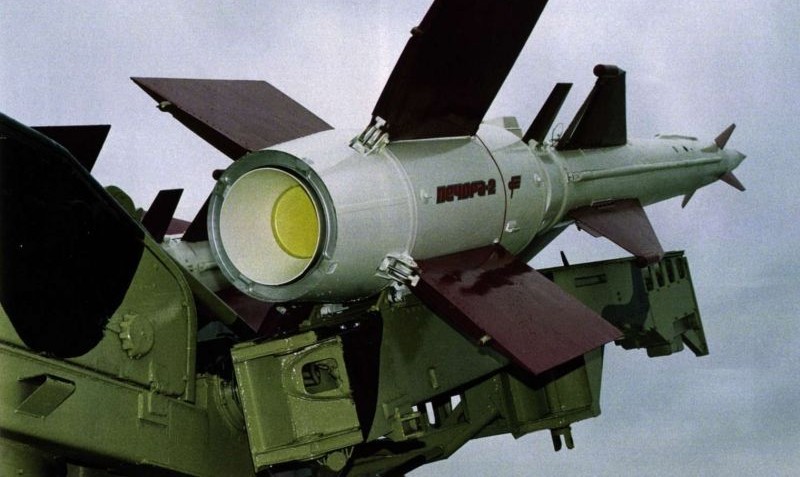
Lethality is enhanced by a warhead in the sixty-to-seventy-kilogram class that combines continuous-rod and fragmentation effects, now with dense pre-formed fragments to enlarge the lethal radius. The upgraded proximity fuze times the burst to place the densest fragment cloud across the target, while avoiding premature triggers in ground clutter during low-altitude shots. Because the missile has no seeker of its own, resistance to electronic attack depends on the robustness of the command link and the fire-control radar’s ECCM. Here the upgrade provides encrypted, directional command transmission, “home-on-jam” guidance logic when the target radiates strongly, and the option to prosecute the terminal phase under optical tracking with the radar silent. In service doctrine a single round at short to medium range can achieve a high single-shot probability of kill, broadly in the 0.7–0.9 band against conventional aircraft in benign ECM; near the edge of the envelope single-shot figures fall toward roughly 0.5–0.6, so batteries typically salvo two rounds to drive cumulative kill probability above ninety percent. The missile is sized and controlled to intercept fast, non-maneuvering threats up to roughly Mach 3 head-on and to defeat moderate evasive maneuvers by fighter-class targets.
Conclusion
Spoiler
In conclusion, the Pechora-2M has established itself primarily as an export-focused modernization of the S-125, with documented deliveries to countries such as Egypt, Venezuela, Syria, Vietnam, Myanmar, and Tajikista. The Pechora-2M has been exposed to combat in at least two theatres: Syria and Venezuela. Syria remains the only theatre in which the system is credibly reported to have fired and possibly achieved a kill, most notably the probable destruction of a USAF MQ-1B Predator in March 2015. In Venezuela, Pechora-2M batteries formed part of the air-defence network confronted and neutralized during the U.S. operation of 3 January 2026, but no Pechora launch or successful interception has been publicly confirmed. The system’s record shows that the mobility, digital upgrades, and low-altitude engagement improvements have kept this 1960s-era SAM relevant in modern conflicts at a comparatively low cost.
The wheeled Pechora-2M is one of only three plausible candidates for bringing the SA-3 Goa into War Thunder. The other examples are Cuban and Polish conversions that mounted the system on T-55 hulls. Within the context of War Thunder, older surface-to-air missile systems originally built to counter bomber formations can only be represented in their most modernized forms. Without these upgrades, their large minimum engagement ranges and relatively poor performance make older versions impractical for gameplay.
Specifications
Spoiler
Origin:
Russian/Belarusian modernization (Defensive Systems JV) using Belarusian MZKT chassis
Based On:
Missile system: S-125 family
Chassis: MZKT heavy 6×6 tactical truck
Mobility:
Engine: diesel (MZKT standard heavy-truck powerplant)
Horsepower: ~300–400 hp (model dependent)
Transmission: multi-speed manual/automatic (truck standard)
Power-to-weight: ~9–13 hp/ton (estimated)
Top road speed: ~35–45 km/h
Operational range (road): ~400–600 km (with fuel tanks and support)
Armament (launcher):
Primary: 2 × ready-to-fire S-125 family missiles (5V27DE or equivalent modernized 5V27) mounted on twin rails (5P73-2M style)
Reloads: carried/stored in support/logistics vehicles (separate reload cranes)
Missile (representative — 5V27DE):
Designation: 5V27DE (modernized export variant of S-125 missile family)
Type: two-stage solid-propellant; ground command (CLOS) guided by fire-control radar
Length: ≈ 6.0–6.1 m
Launch mass: ≈ 950–1,000 kg
Wingspan / control surfaces: ≈ 2.0–2.3 m
Warhead: ≈ 60–70 kg fragmentation / continuous-rod (modern pre-formed fragments in upgrades)
Fuse: radio proximity + command detonation; improved low-altitude logic (practical burst ≈ 20 m)
Propulsion: solid booster + sustainer; low-smoke propellants
Speed: peak ≈ Mach 3 (approx. 1,000–1,300 m/s)
Maneuverability: capable of intercepting moderate-g maneuvering targets (historical envelope ~4–6 g)
Missile performance envelope (typical):
Minimum engagement range: ≈ 2.5–3.5 km (geometry & altitude dependent)
Maximum engagement range: ≈ 30–35 km (best case, high-altitude intercept profile)
Minimum engagement altitude: ≈ 20 m (practical low-altitude limit with upgraded fuze)
Maximum engagement altitude (ceiling): ≈ 15–18 km (profile dependent)
Hit probability (representative / conditional):
Single-shot Pk (short/medium range, benign ECM): ≈ 0.7–0.9
Single-shot Pk (near maximum range / with ECM / maneuvering target): ≈ 0.4–0.6
Two-missile salvo doctrine: cumulative Pk commonly targeted ≥ 0.9
Guidance & ECCM (missile + fire control):
Command line-of-sight (CLOS) via SNR-125 fire-control radar; modernized encrypted/directional command link, home-on-jam logic available, and option for passive optical terminal tracking if radar is shut down.
Tracking radar — SNR-125 (upgraded / SNR-125-2M):
Role: Fire-control and missile guidance (tracks target and missile; issues steering commands)
Mount: truck-mounted fire-control vehicle with leveling jacks; operator cabin remote-deployable for survivability
Frequency: high-band for tracking (I-band) + lower band for command link (D-band) — digitalized signal chain
Instrumented tracking range: tens of kilometres for low/medium altitude targets; extended long-altitude mode significantly farther for large RCS targets
Track capacity / engagements: dozens of tracks; supports at least two simultaneous engagements with modern digital processing
Precision: improved angular and range accuracy versus legacy analog set (angular error reduced to low arc-minutes under ideal conditions)
ECCM: frequency agility, PRF variation, digital MTI/clutter suppression, home-on-jam capabilities, optical (TV/IR) tracker for passive terminal guidance
Emplacement/march-to-ready time: tens of minutes
Search / acquisition radar — Kasta-2E2 (39N6E) (representative pairing):
Role: 3-D low-altitude surveillance and cueing for fire-control radar
Band: UHF / decimetric (optimized for low-level detection; improved sensitivity to small/low-RCS targets versus older C-band search radars)
Mount: mobile truck(s) — antenna, ops cabin, power unit configuration
Instrumented detection range (fighter-sized target): ≈ 120–150 km (quoted typical maximum under favorable conditions)
Practical low-altitude coverage: up to ≈ 5–6 km altitude (gap-filler role)
Track capacity: dozens (commonly cited ≈ 40–60 simultaneous tracks)
Small RCS target detection (cruise missiles / UAVs): substantially shorter range; depends on RCS, antenna height and clutter
Setup/tear-down: tens of minutes
Fire control & radar integration:
Primary guidance radar: upgraded SNR-125 provides missile command guidance and terminal track; acquisition cueing from Kasta-class 3-D radar or higher-tier networked sensors. Command post (battery UNK vehicle) consolidates tracks, manages launchers and links to higher echelon via digital datalinks. Operator cabin may be remotely sited (dozens to hundreds of metres) from radar to reduce ARM risk.
Protection & logistics notes:
Launcher vehicle is unarmored (soft-skinned truck); survivability depends on mobility, emission control, dispersion and integrated ECCM. Reloading requires dedicated reload/crane vehicles; logistics include spare missiles, power generation, communications and maintenance support.
Typical battery composition (representative export configuration):
• 1 × command/control vehicle (UNK-2M)
• 1 × SNR-125 fire-control vehicle
• 1–2 × Search radar vehicles (or link to higher network)
• 4–8 × TELs (5P73-2M) with 2 missiles each (ready)
• Reload/transport vehicles, power units, workshop/logistics vehicles
Crew footprint: battery personnel typically 30–80 personnel depending on level of organic support and reload handling practices
Video
Sources
Spoiler
General:
Almaz 5V24/5V27/S-125 Neva/Pechora / SA-3 Goa / Зенитный Ракетный Комплекс 5В24/5В27/С-125 Нева/Печора
Operation and combat use of the S-125 air defense missile system outside the post-Soviet space
System:
Pechora-2M
https://nationalinterest.org/blog/buzz/venezuelas-obsolete-s-125-pechora-2m-might-embarrass-us-stealth-planes-bw-010225
Legacy Air Defence System Upgrades / S-125-2M Pechora 2M
Anti-aircraft missile system C-125 Pechora-2 | Missilery.info
Egypt's air defense system: S-125 Pechora, S-125-2M Pechora-2M, and MIM-23B Improved Hawk target air defense systems
Photo Report: The Syrian Arab Air Defence Force - Oryx
Rocket:
https://djvu.online/file/E76gKSu7jF5l6?ysclid=mq6j85wxma132526080
ЗУР С-125 (5В27, 5В27ДЕ) - парк Патриот
5В27 - зенитная управляемая ракета
Ракета для экспортной зенитной речки: yuripasholok — LiveJournal
Search Radar:
Anti-aircraft missile system C-125 Pechora-2 | Missilery.info
ЗРК «Печора-2М» - успехи модернизации: stomaster — LiveJournal
ЗРК «Печора-2М» - успехи модернизации
Client Challenge
https://www.deagel.com/components/kasta-2/a001456
Каста-2Е2 (39Н6Е) Мобильная твердотельная автоматизированная РЛС обнаружения низколетящих целей