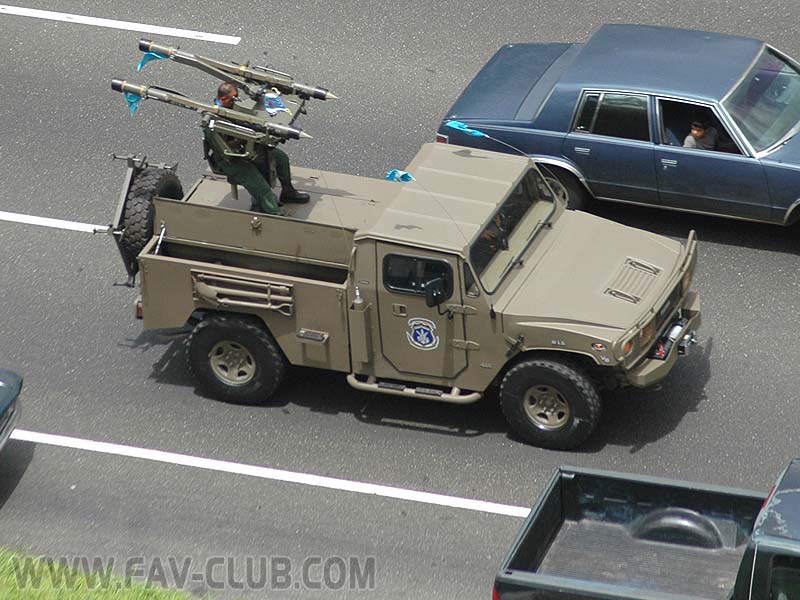
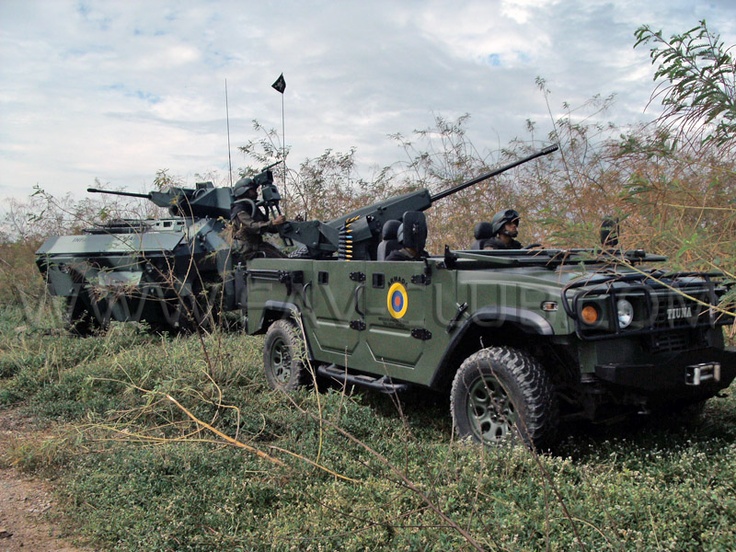
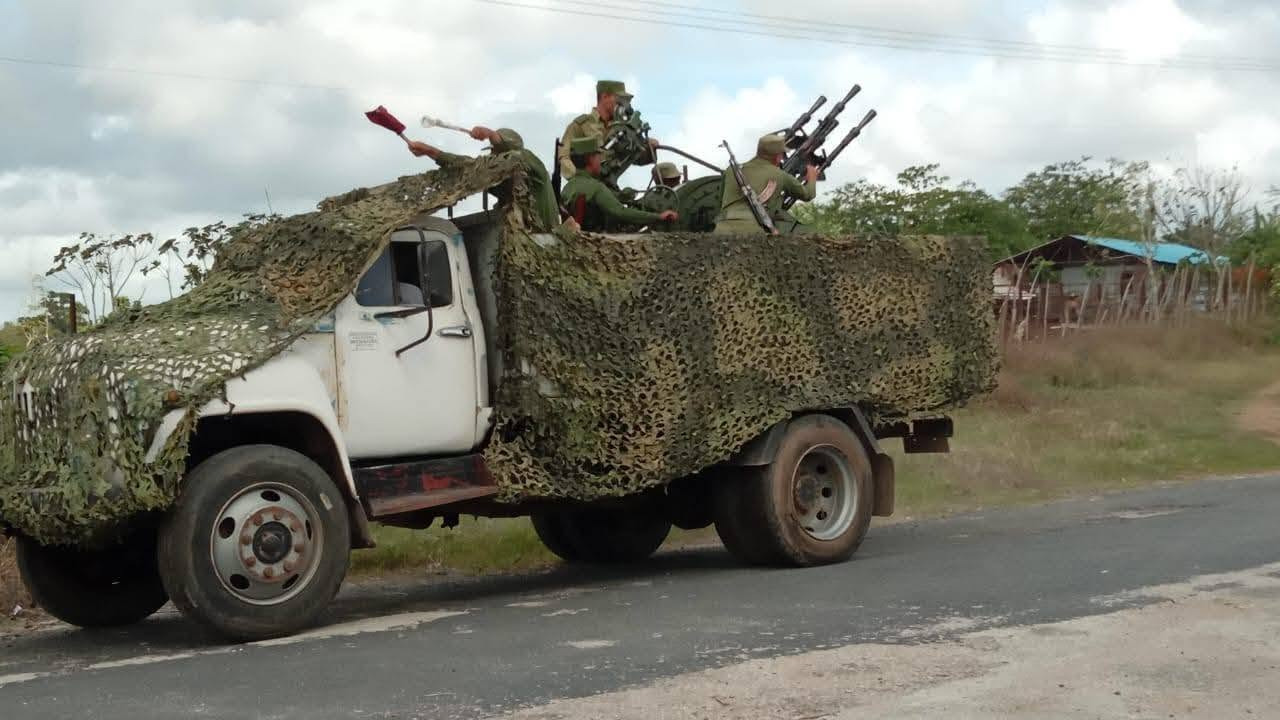
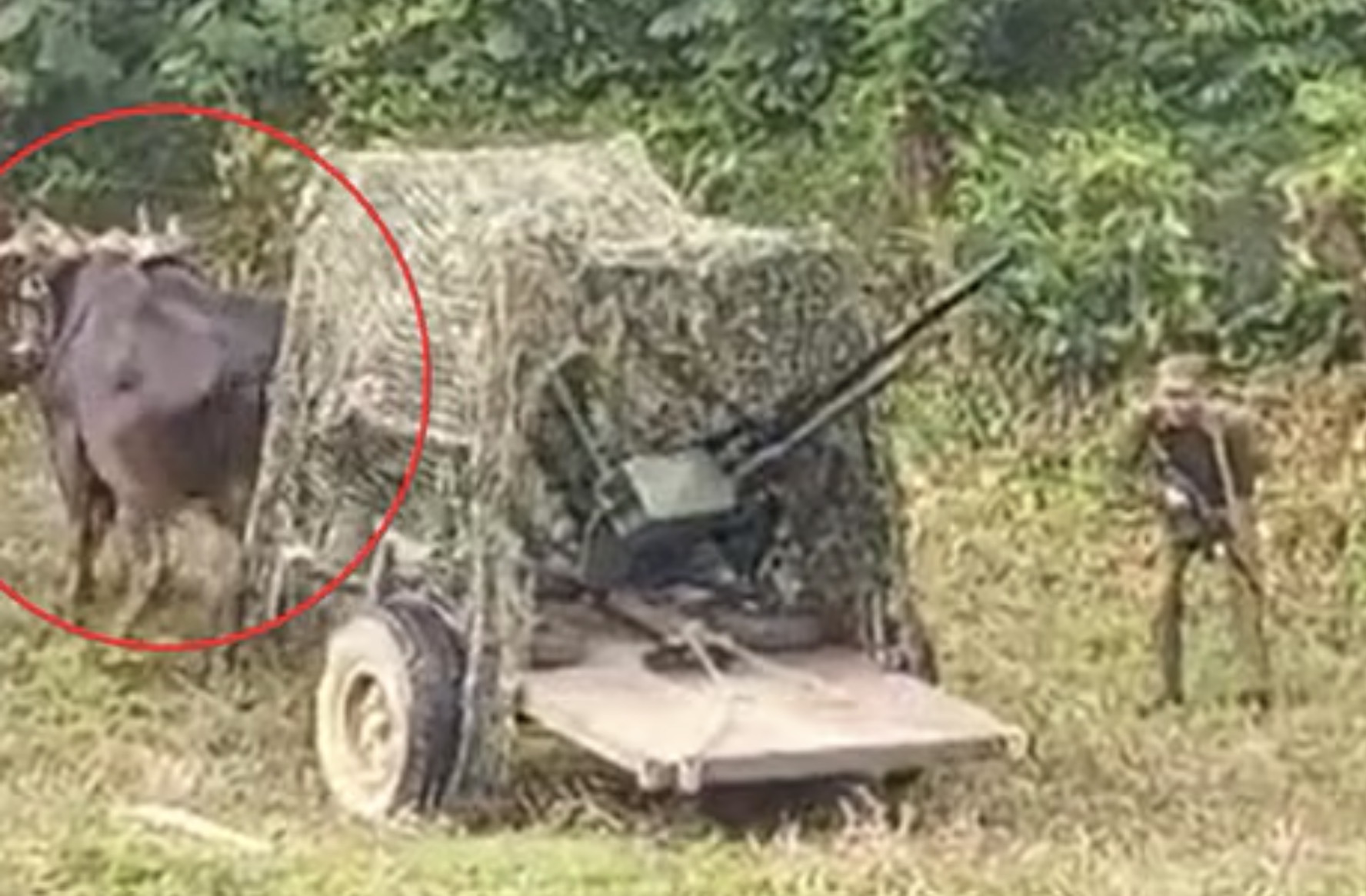
- Yes, as a Standalone Tech-Tree
- Yes, as a Sub-Tree
- Yes, as a nation represented only by a limited number of truly unique vehicles.
- No, I do not want to see Cuba at all in-game.
Introduction
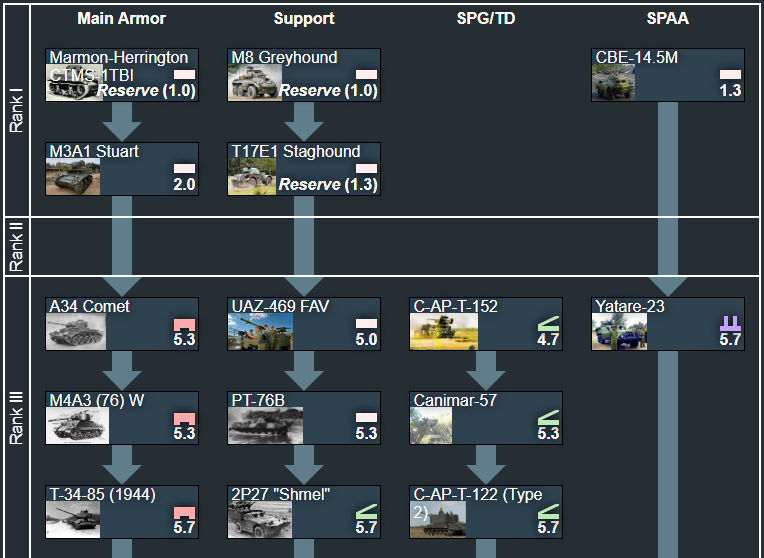
The Cuban Ground Tech-Tree
Disclaimers:
Please Read
-
If Gaijin ever decides to add this tree to the game, they may choose, adjust, remove, or reorganize vehicles and battle ratings as they see fit.
-
All available information regarding each featured vehicle can be found in the Specifications section.
-
I have to reiterate that this represents nearly the entire selection of armored vehicles that have served with Cuba. War Thunder’s BR system makes the resulting tree look somewhat unusual and inevitably leaves a few noticeable gaps. Whether Gaijin chooses to fill those gaps with vehicles from another tree/sub-tree is ultimately up to them.
-
Likewise, if Gaijin or the community prefers to remove a significant number of vehicles and instead create a much smaller Cuban sub-tree, that is also entirely their decision.
-
This tree follows a strict structure of three vehicles stacked vertically per rank maximum. Note that some entries include a +1 vehicle, meaning an additional vehicle placed in a folder with the main vehicle.
-
I did not use the premium section because I saw little need for it; all of the vehicles fit within their respective ranks through the use of the +1 foldered vehicle feature. If Gaijin or the community wishes to introduce premiums and reorganize the tree accordingly, they are of course free to do so.
-
The (Mod) designation indicates that the vehicle features a local Cuban modification, as shown in the Certain Modifications section.
-
Some of the photos used for vehicles in the tech tree do not depict examples in Cuban ownership (due to bad quality or poor angles of the Cuban photographs), although the vast majority do. If you want to see photographs of Cuban-operated examples or verify that a particular vehicle was used by Cuba, please refer to the Sources section. Some vehicles featured in this tree are supported primarily, or in certain cases exclusively, by the source documentation. One example is the 2P27 Shmel.
History of the Cuban Revolutionary Armed Forces:
Spoiler
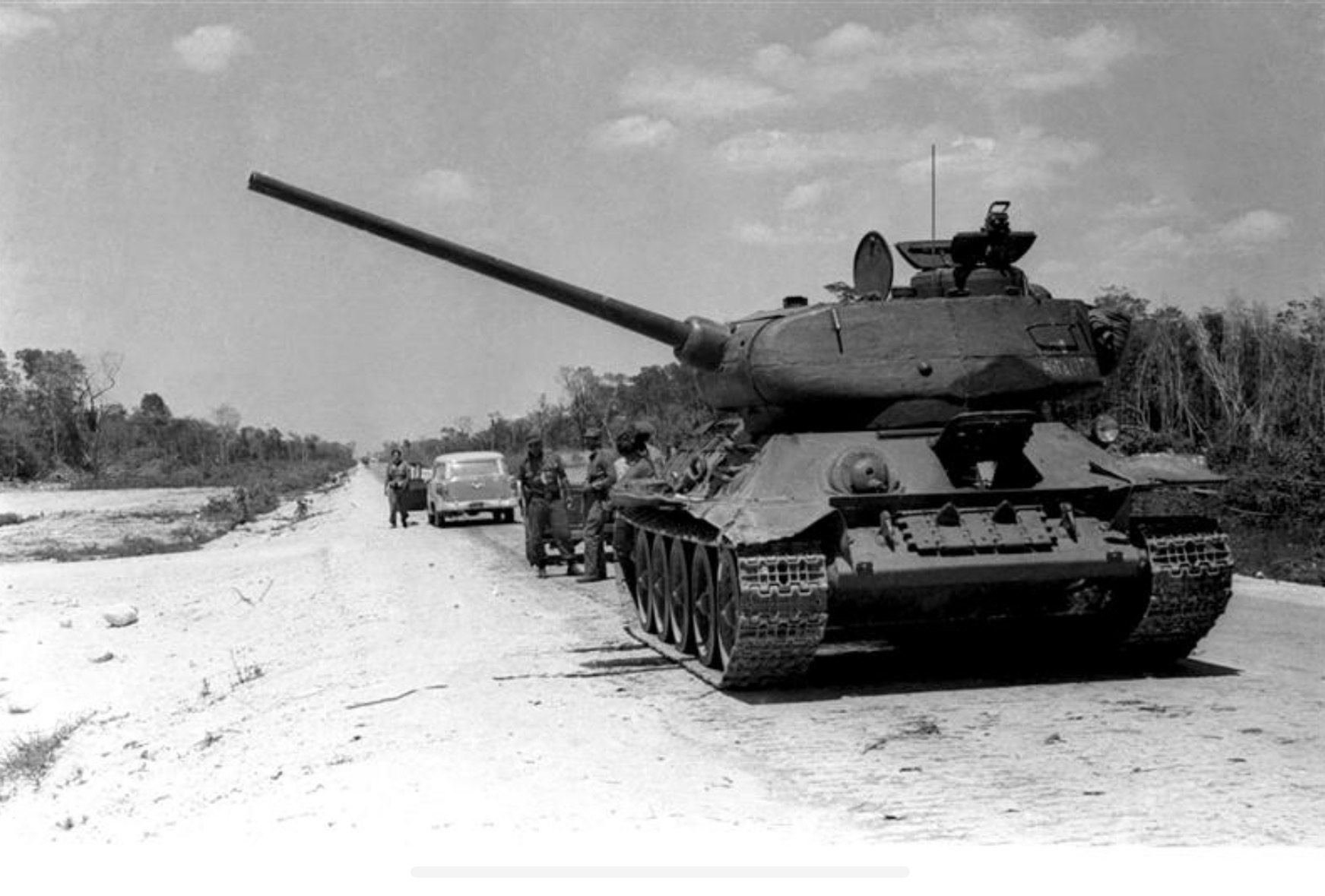
Angola
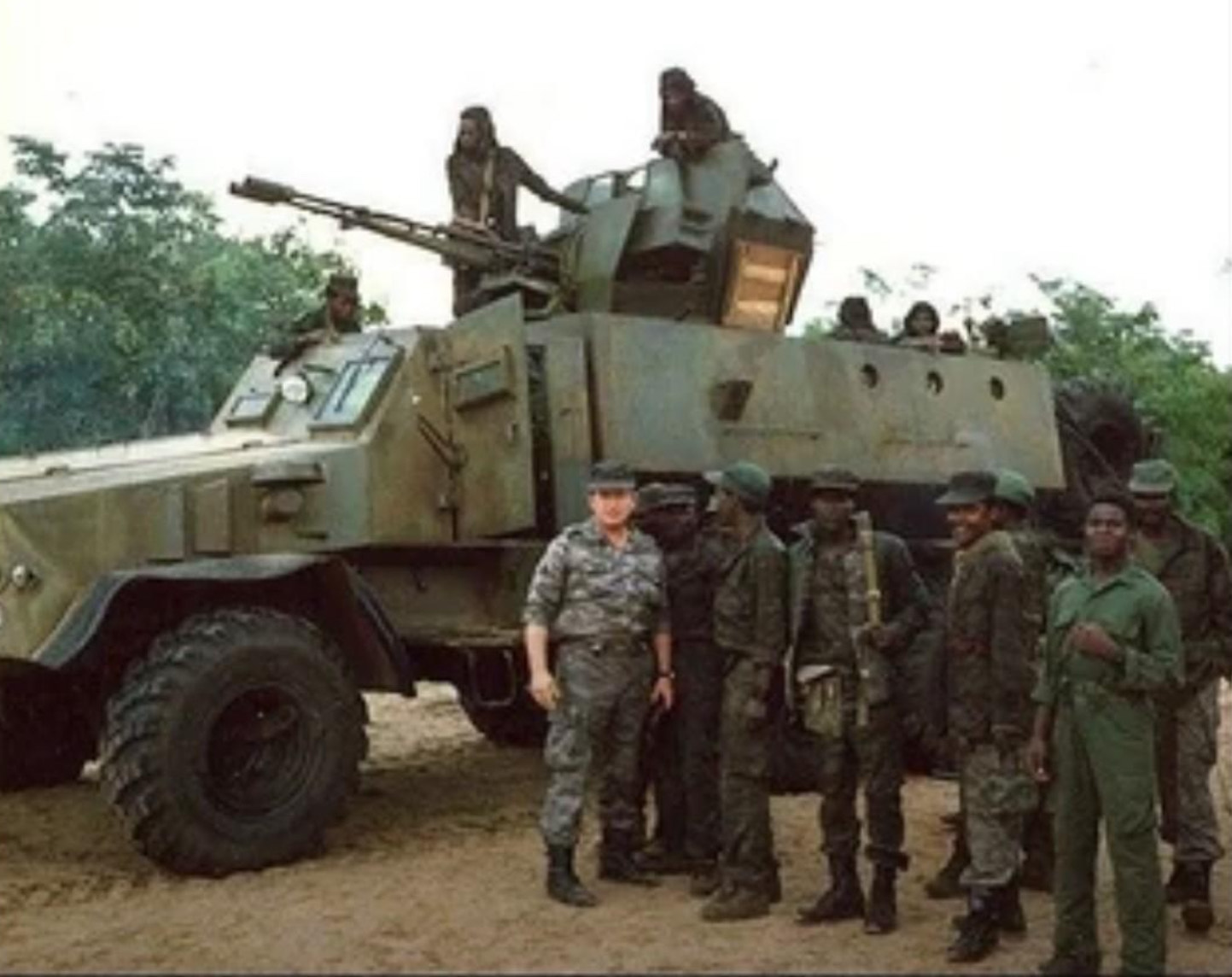
Ethiopia

Conclusion
Images of Some Interesting Cuban Vehicles:
Spoiler
C-AP-MP-T-100 (T-34/KS-19)
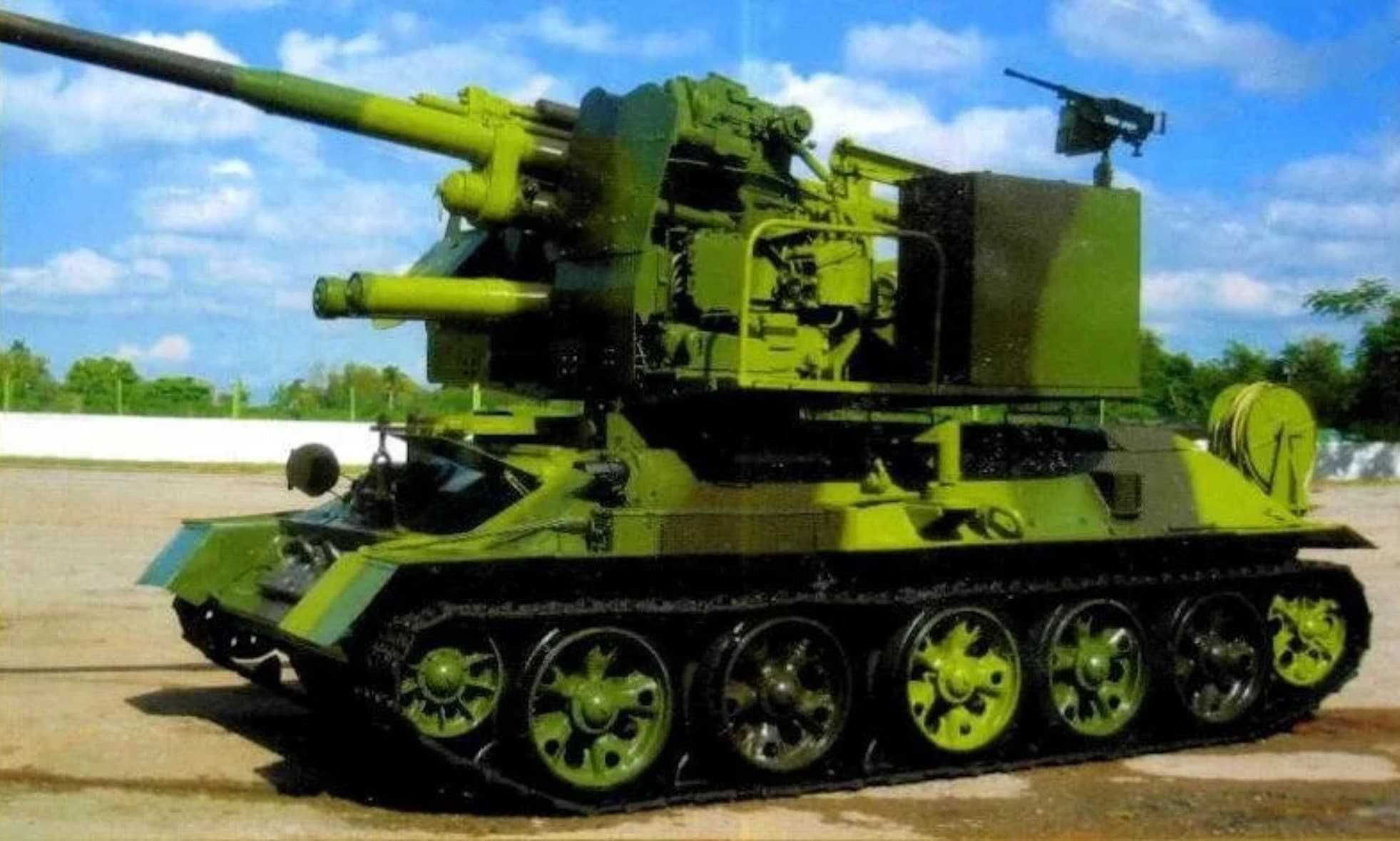
Read more: AAPMP-100 (T-34/KS-19) — The Cuban Ghetto-matic
CBI-73M (BTR-60/BMP-1)
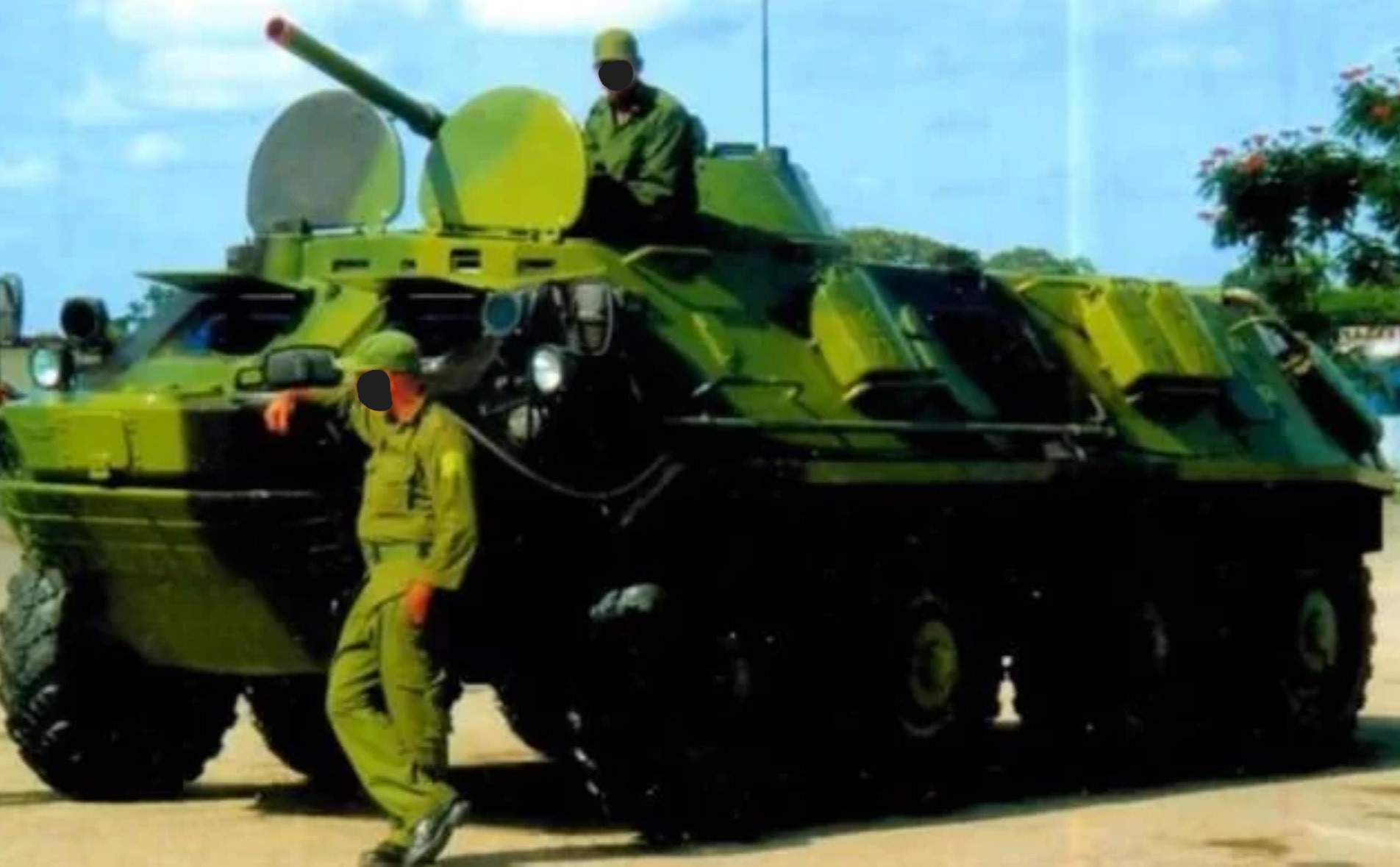
Read more: CBI-73M (BTR-60-73M) – Cuban BTR-60 with a BMP-1 Turret
BTR-23 (BTR-60/ZU-23-2)
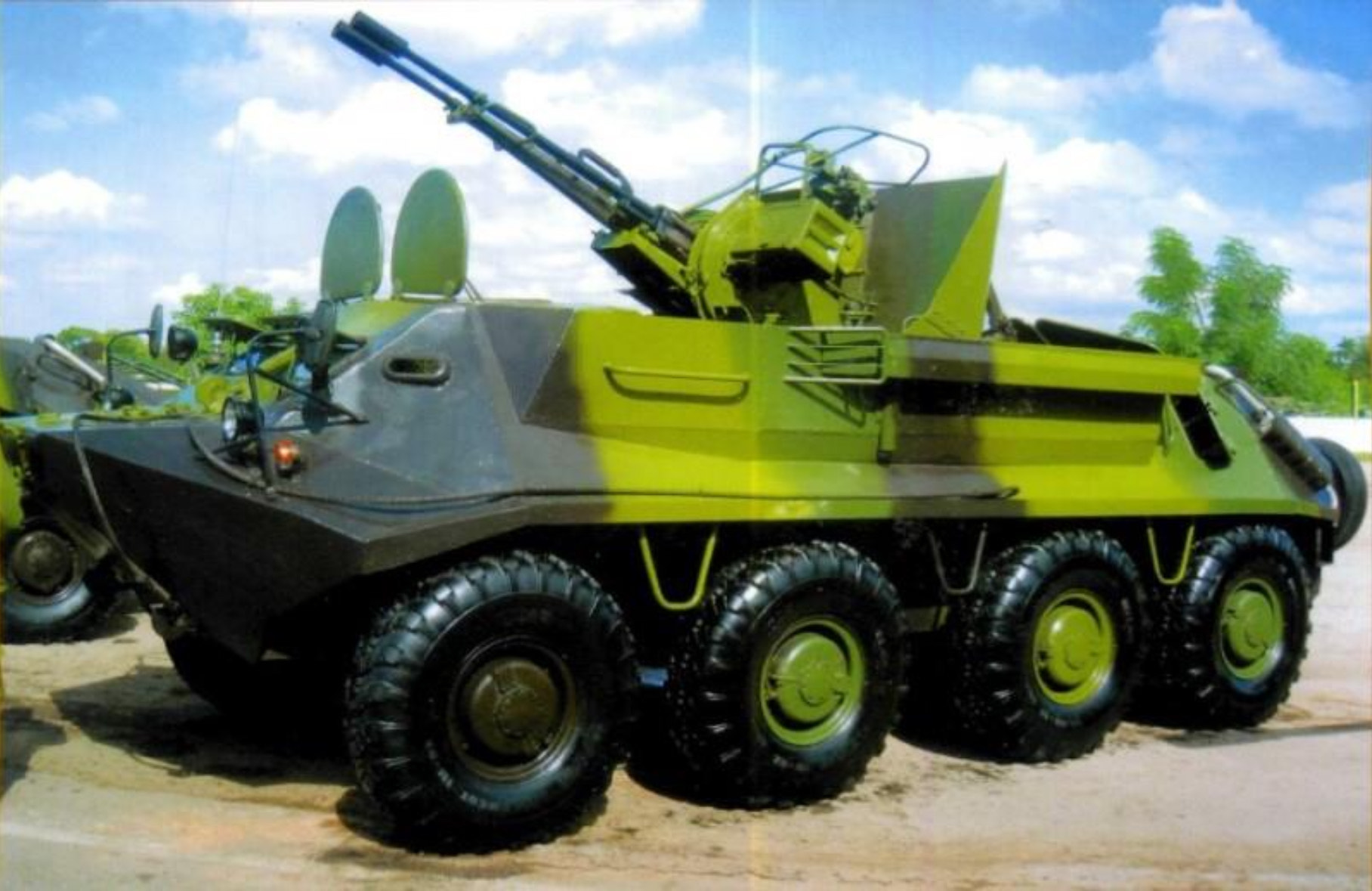
Yatare-23 (Type 1)
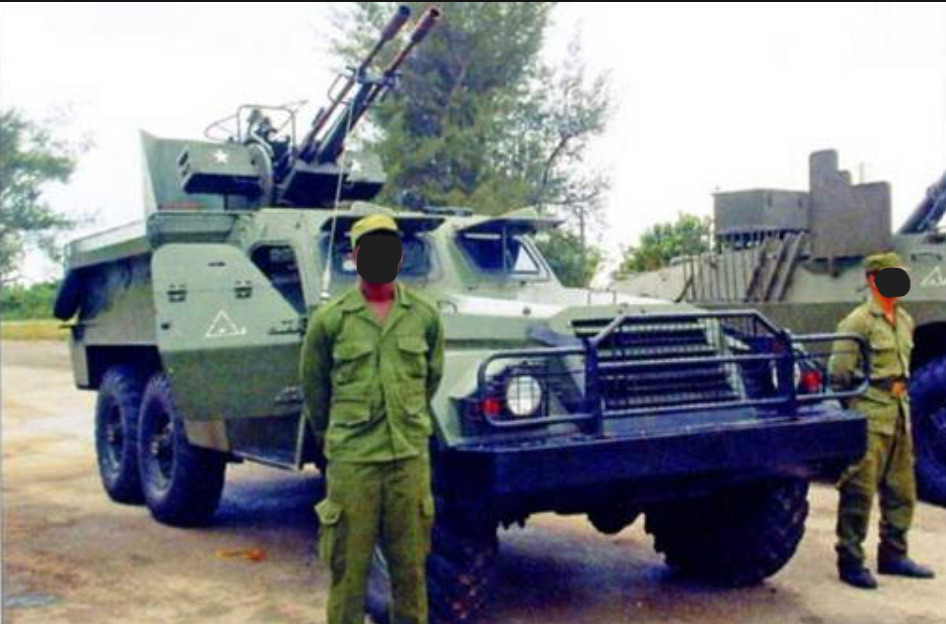
Duplex-BTR-37 (Type 2)
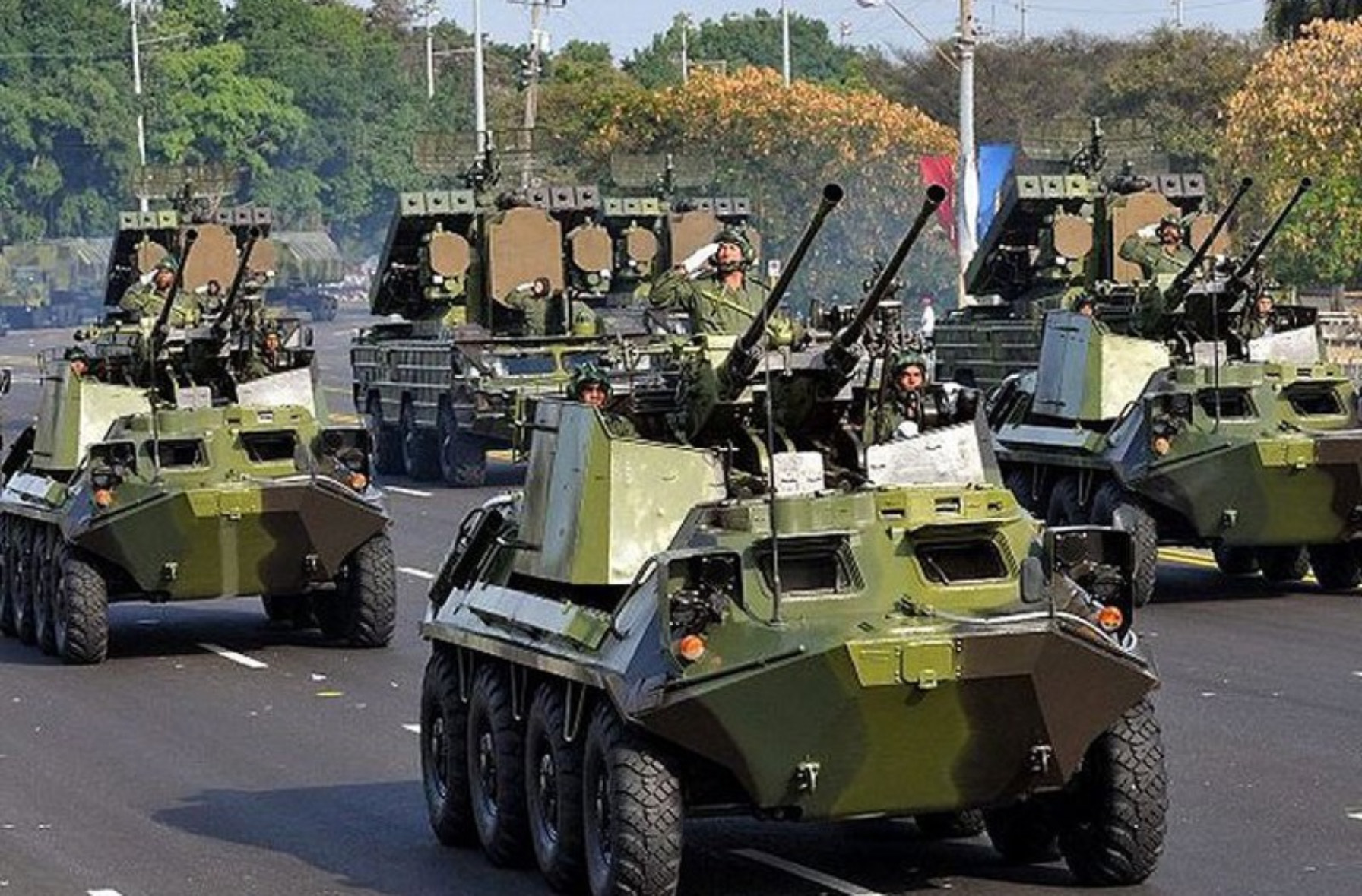
Read more: BTR-60-37-2 (Duplex-BTR-37) — Cuban BTR-60 with Twin 37 mm Autocannons
BTR-60-30-2
CBAF-100
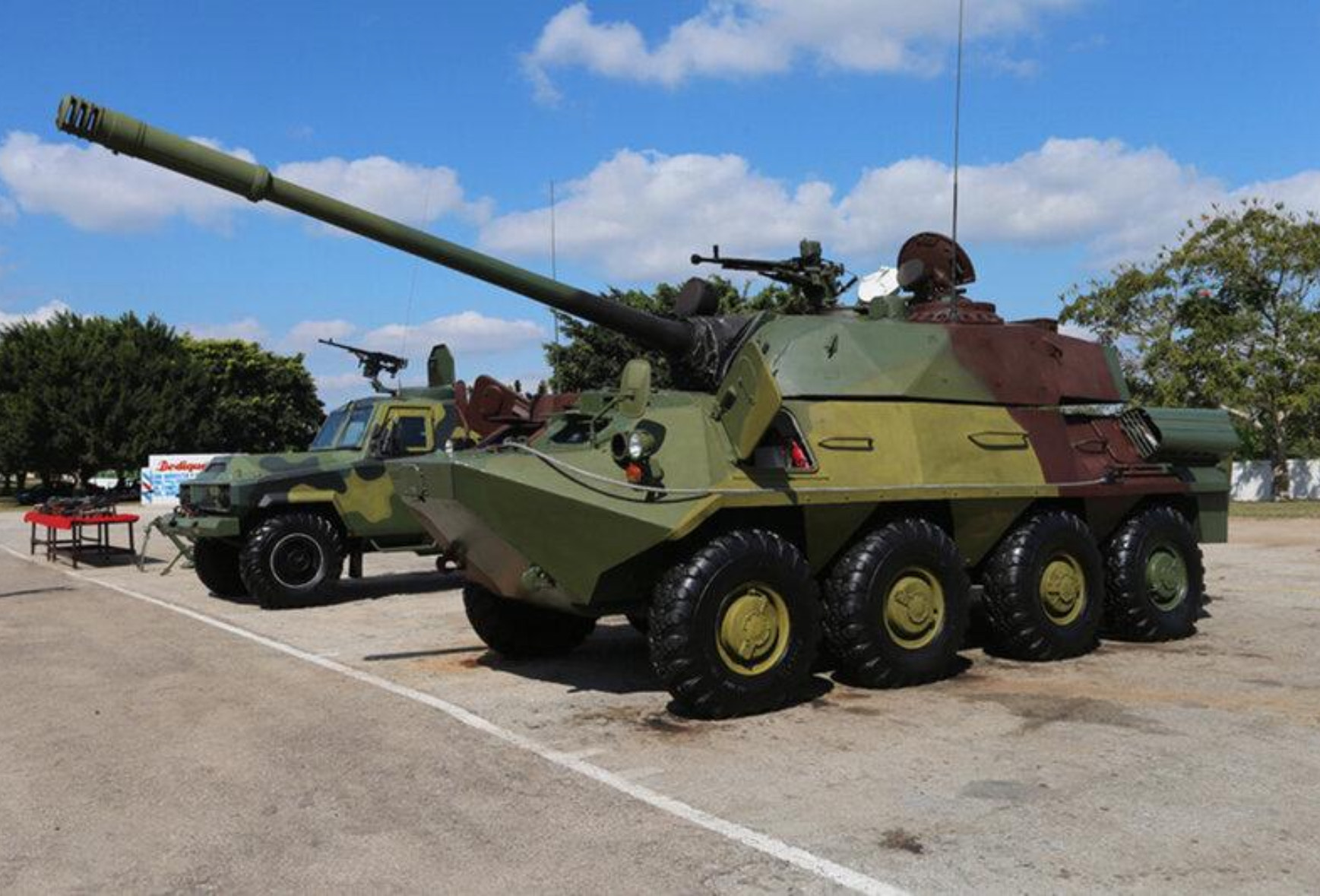
Read more: CBAF-100 (BTR-60-100) – Cuban BTR-60 with a T-55 Turret
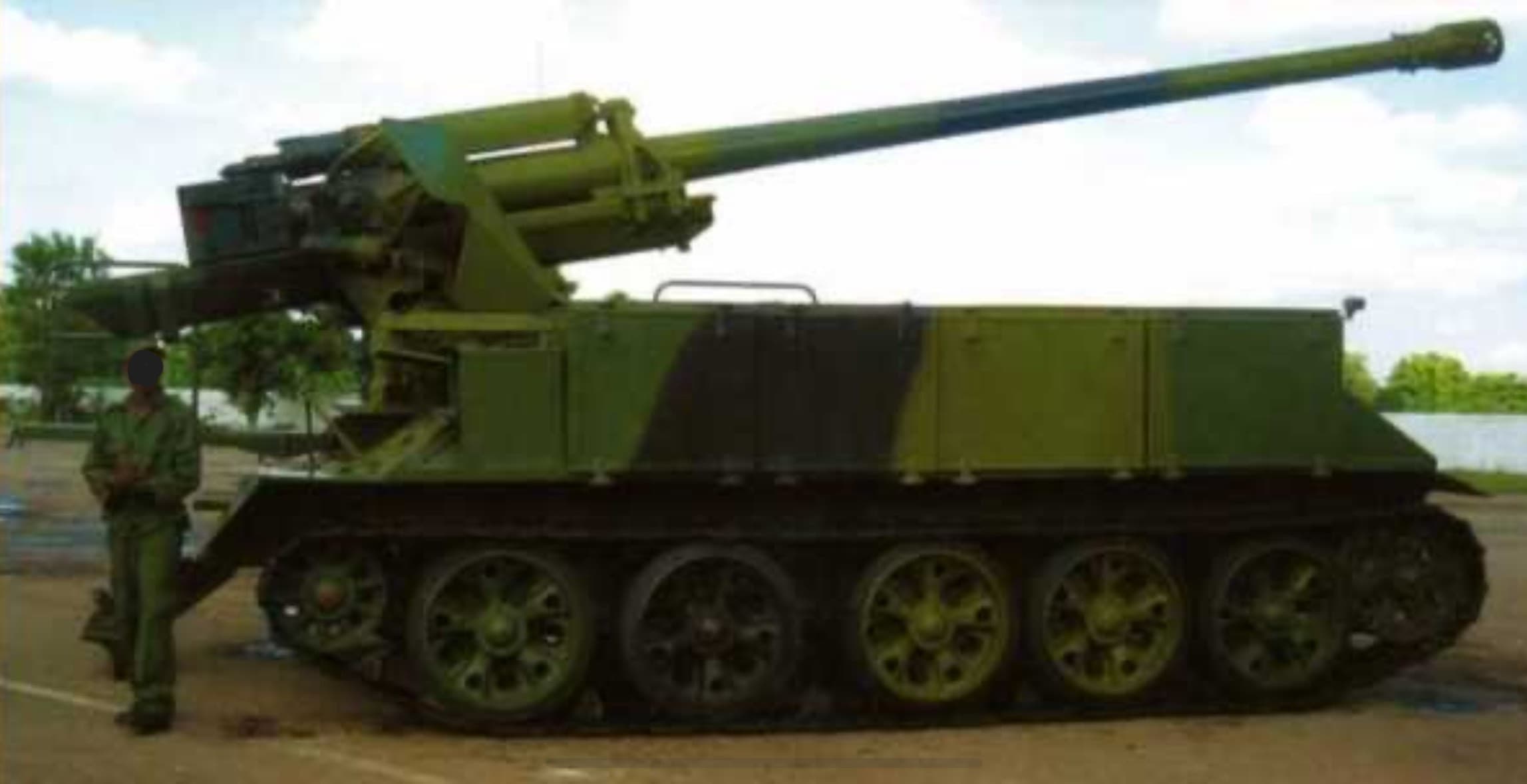
C-AP-T-130 (T-34/M-46)
S-75M3/T-55
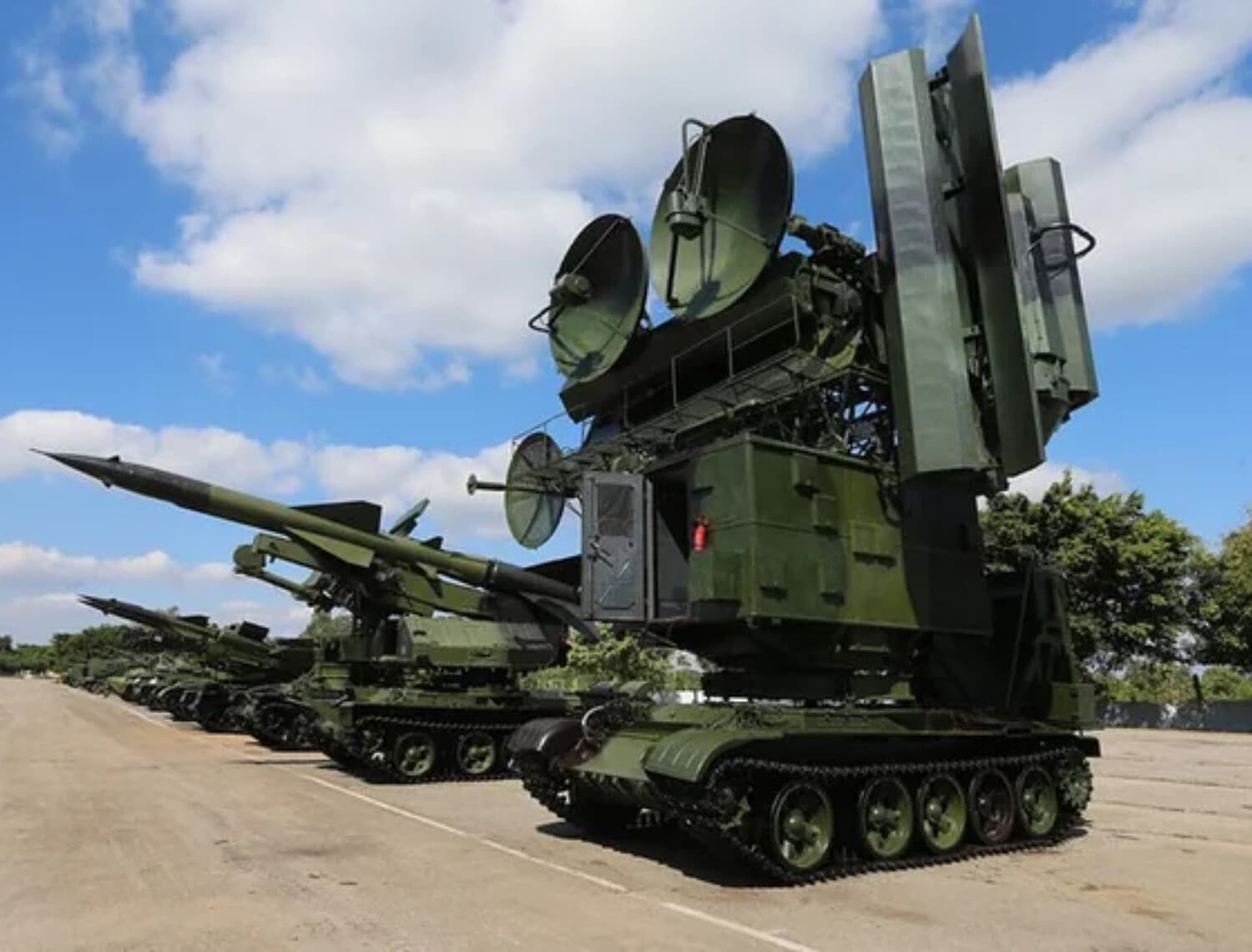
Read More: Cuban S-75M3 "Volkhov" SA-2F "Guideline" Mod 5 – The Only Self-Propelled Guideline
Pechora-2BM/T-55
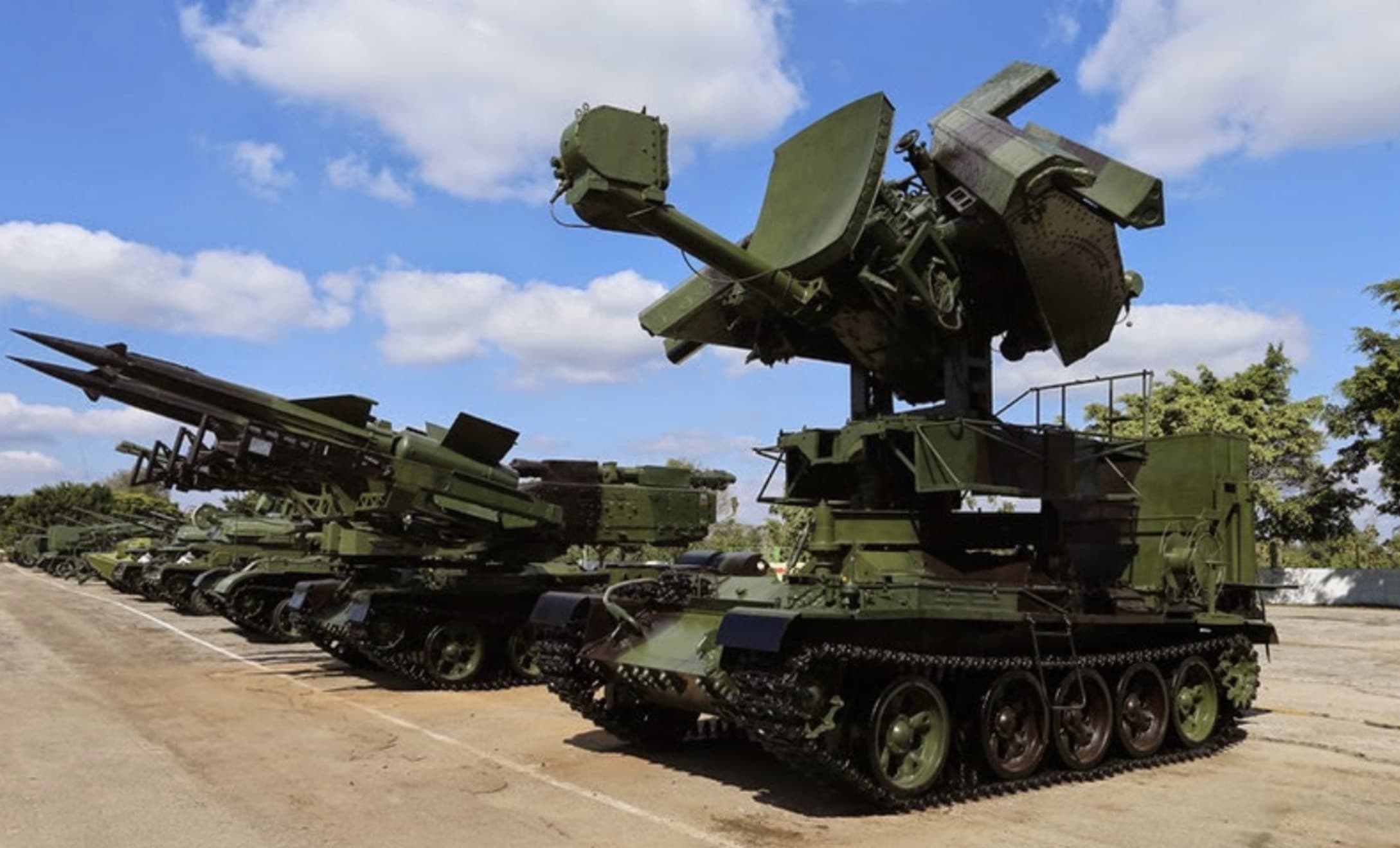
Read More: Cuban S-125-2BM “Pechora-2BM” – The Most Advanced SAM System on Cuba
C-AP-AT-BMP-100 (BMP-1/MT-12)
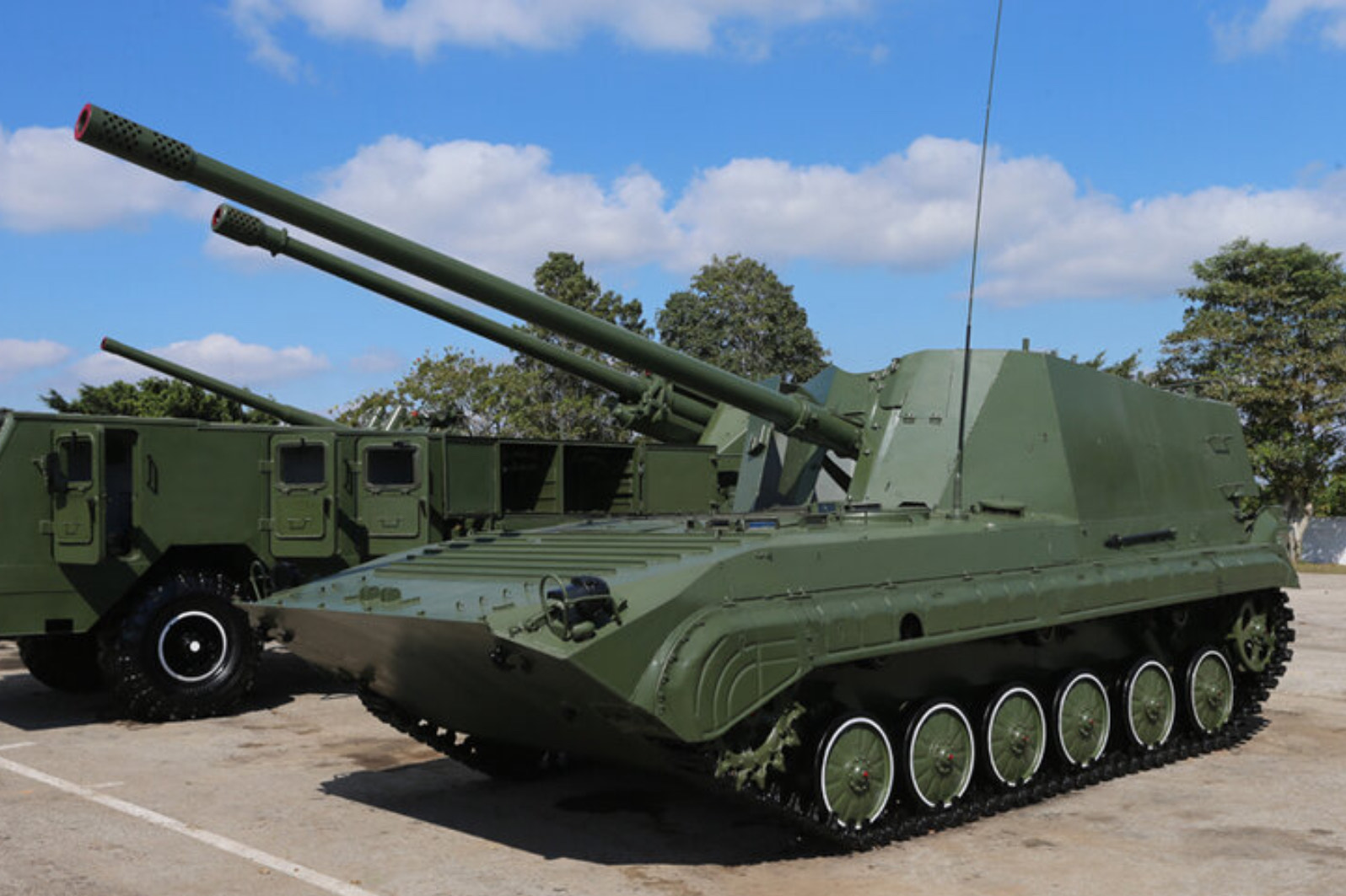
C-AP-T-122 (T-34-85/D-30) (Type 1)
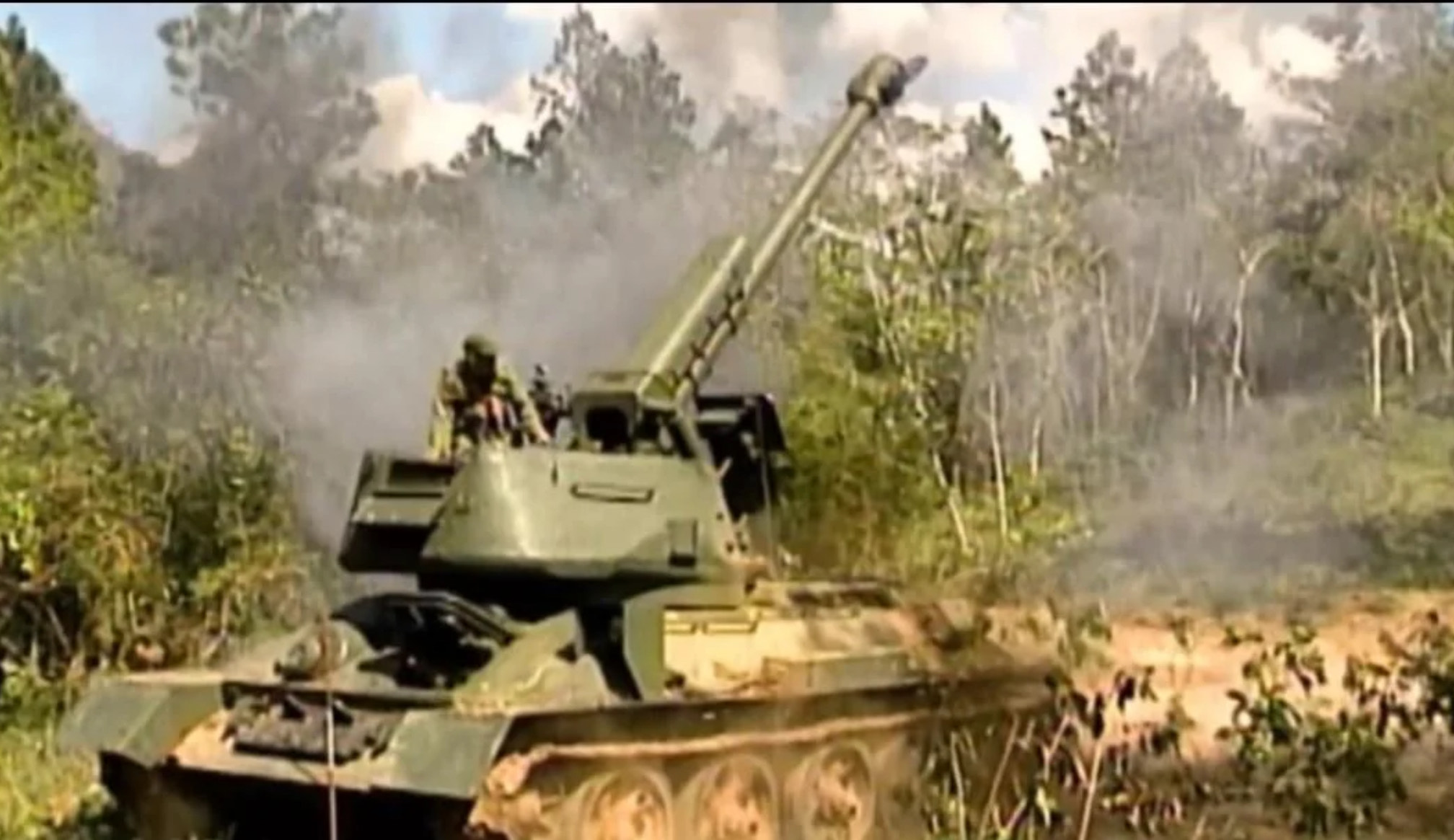
C-AP-T-122 (T-34-85/D-30) (Type 2)
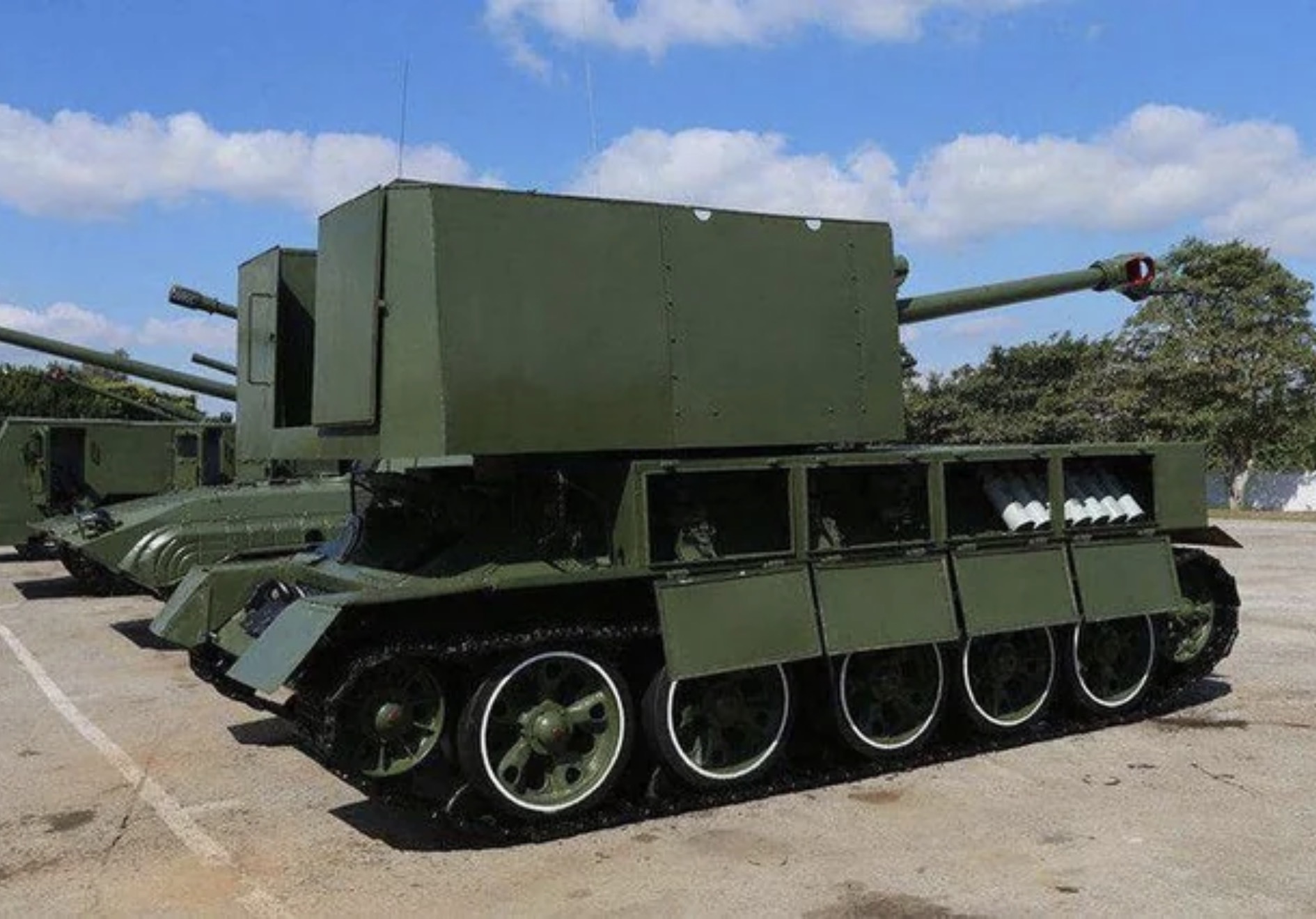
C-AP-T-152
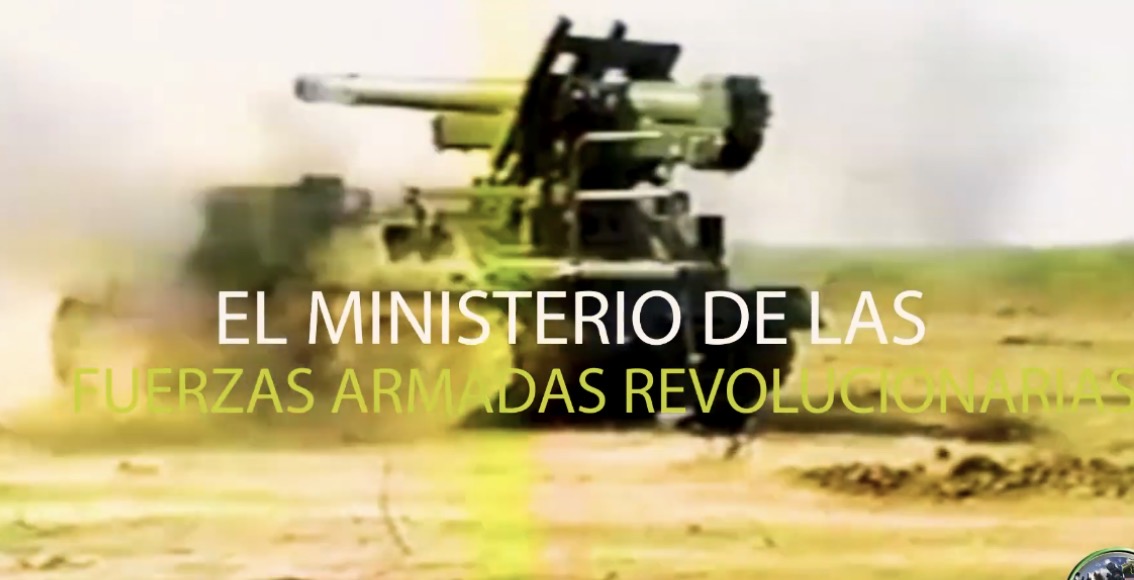
C-AP-T-BMP-122 (BMP-1/D-30)
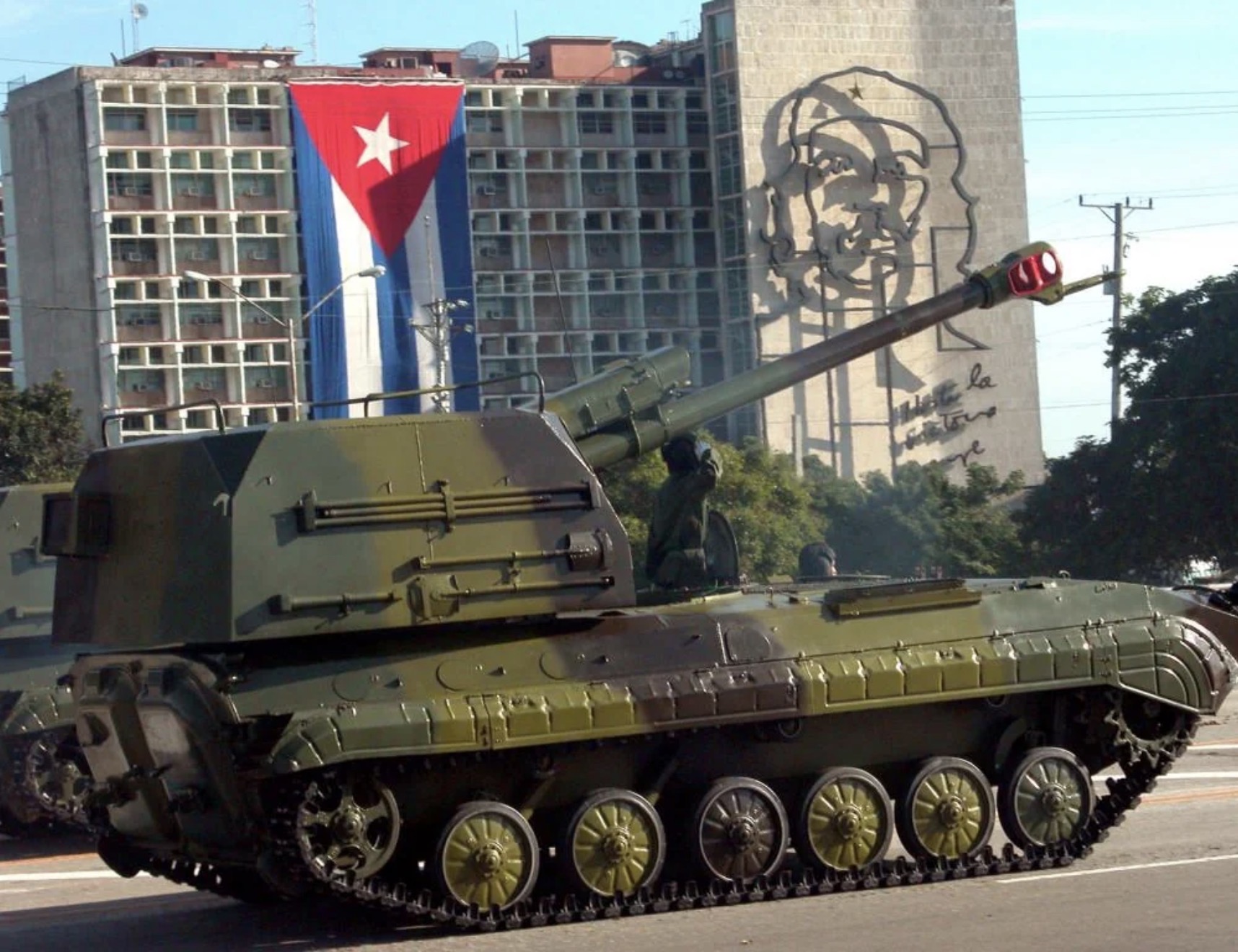
C-AP Jupiter V
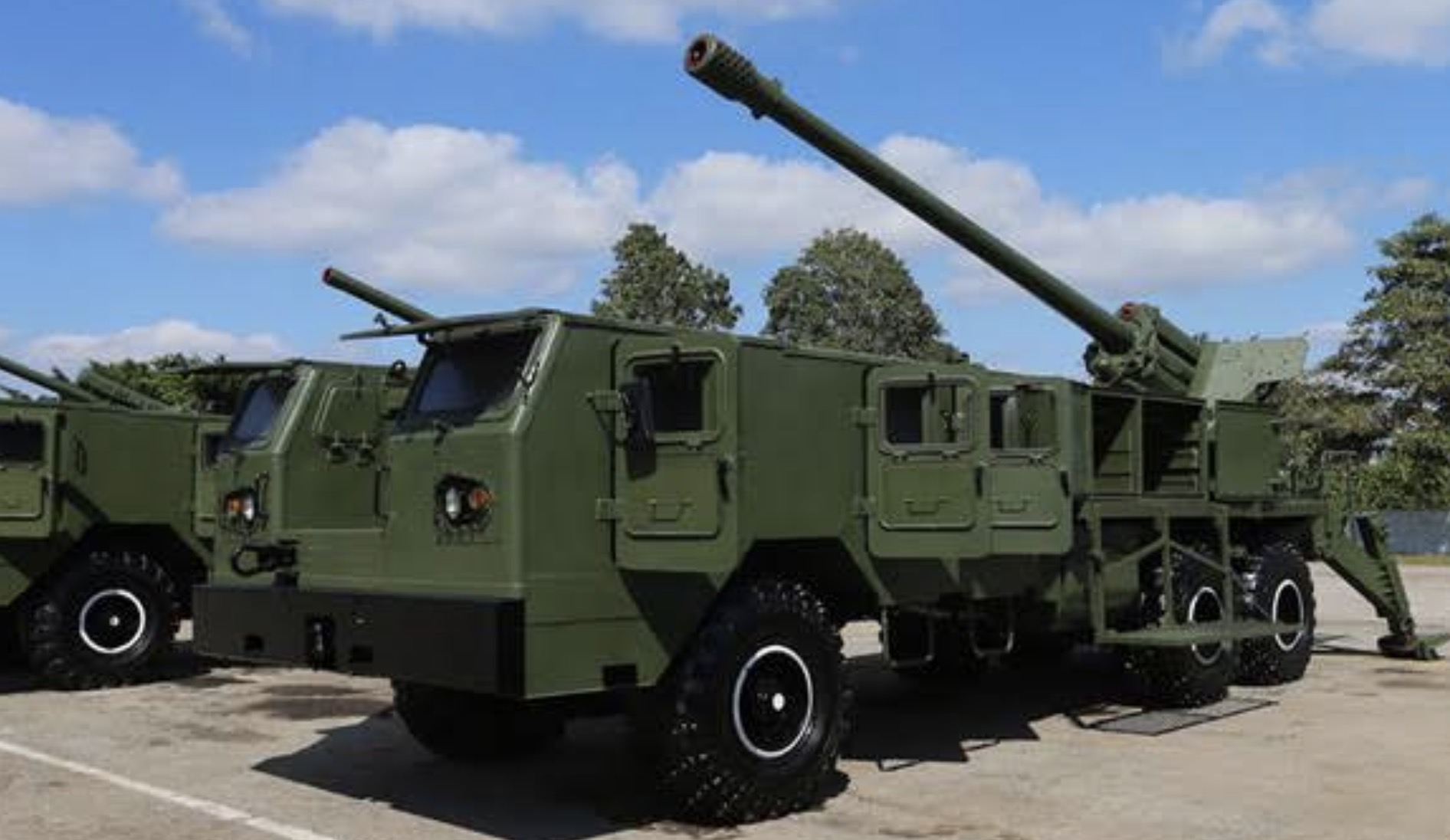
BTR-60-AK-130

Duplex-T-57
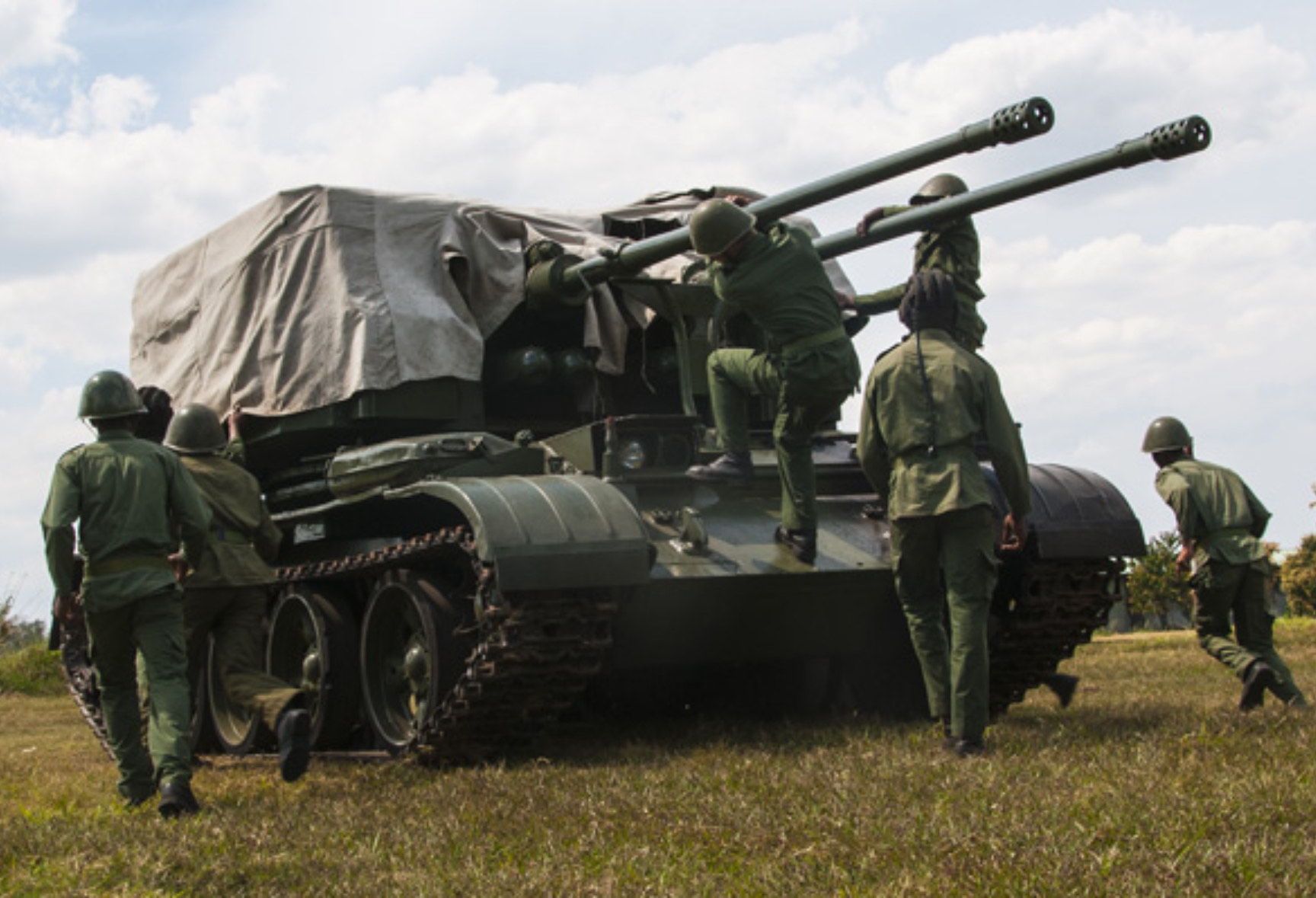
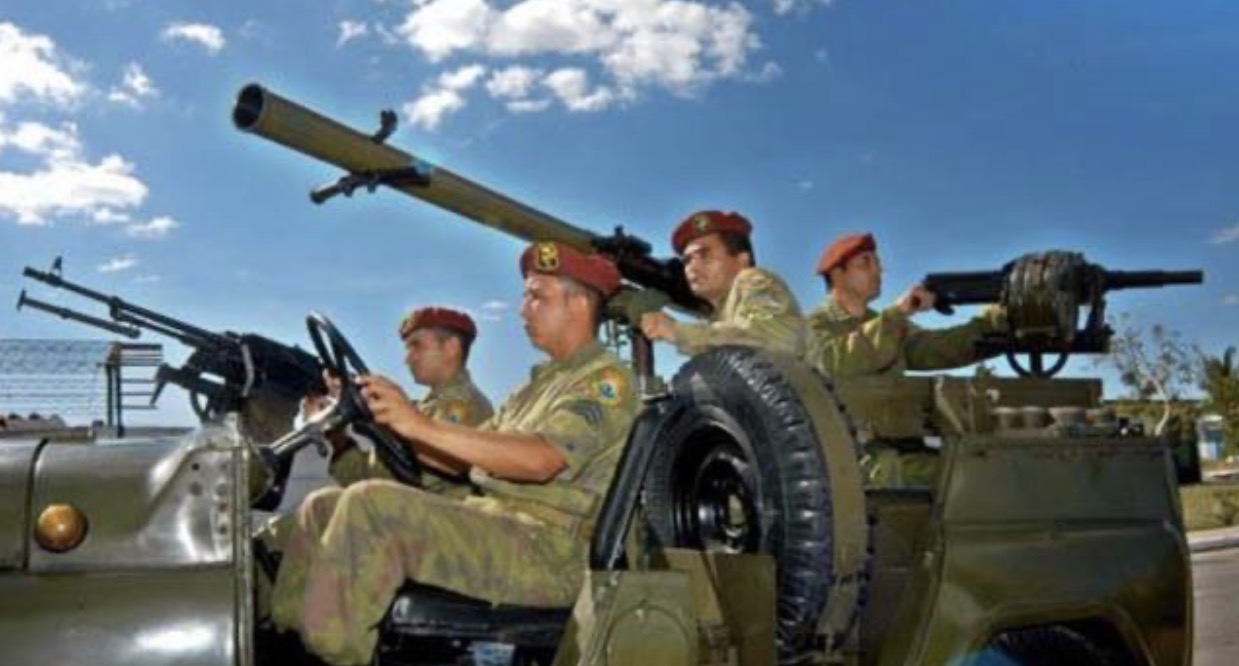
UAZ-FAV
Images of Certain Modifications on Existing Platforms:
Spoiler
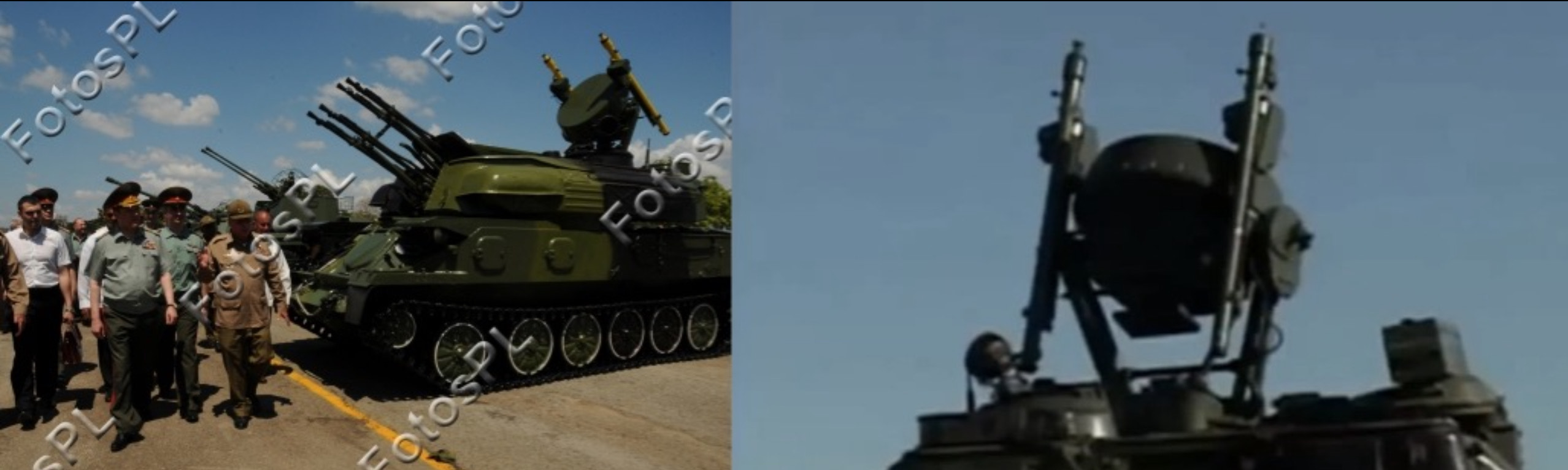
ZSU-23-4M - Some modified to carry Manpads.
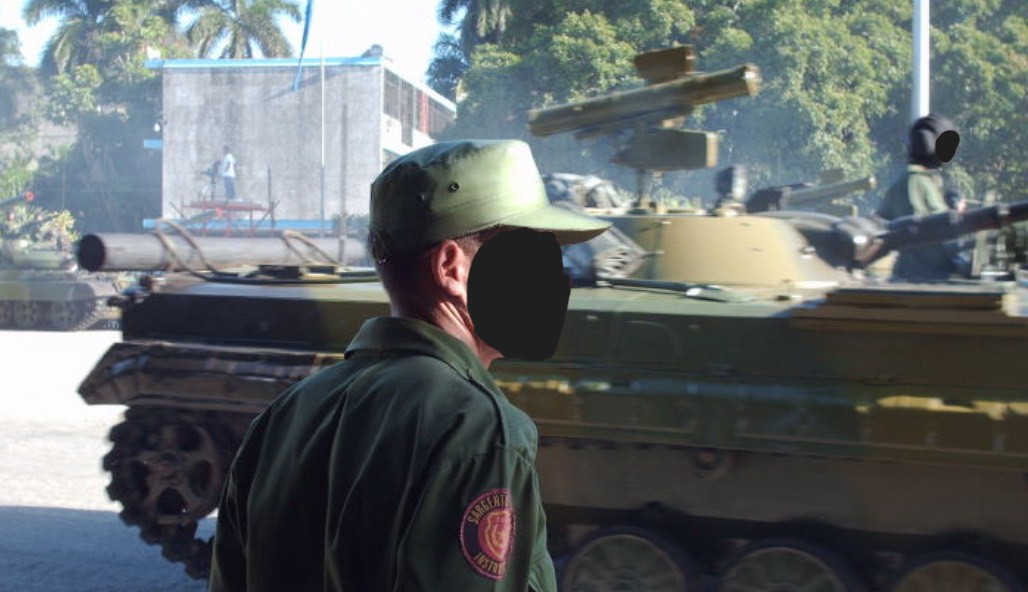
BMP-1 - Some modified to BMP-1P standard.
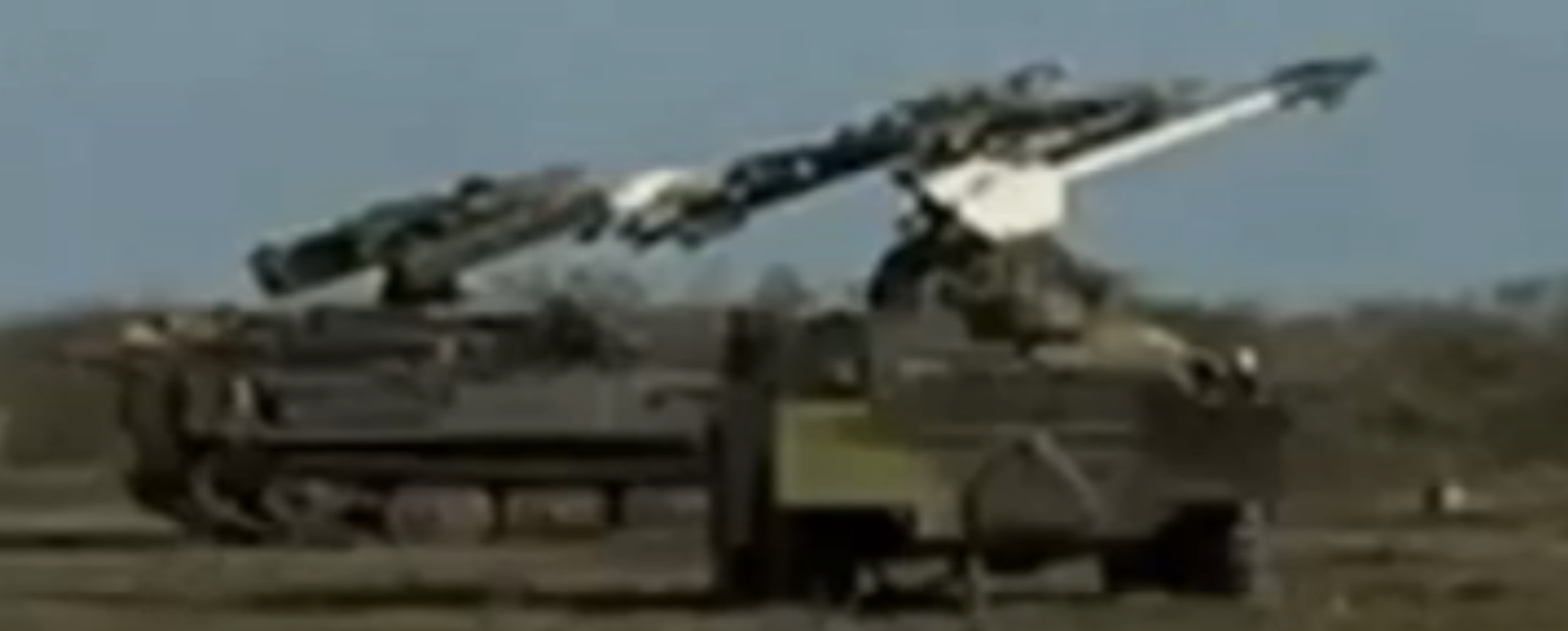
9K31 Strela-1 - Modified to carry R-13M.
9K31 Strela-1 “Canimar-57” - A vehicle modified to carry 2x UB-16-57 rocket pods for S-5K rockets.
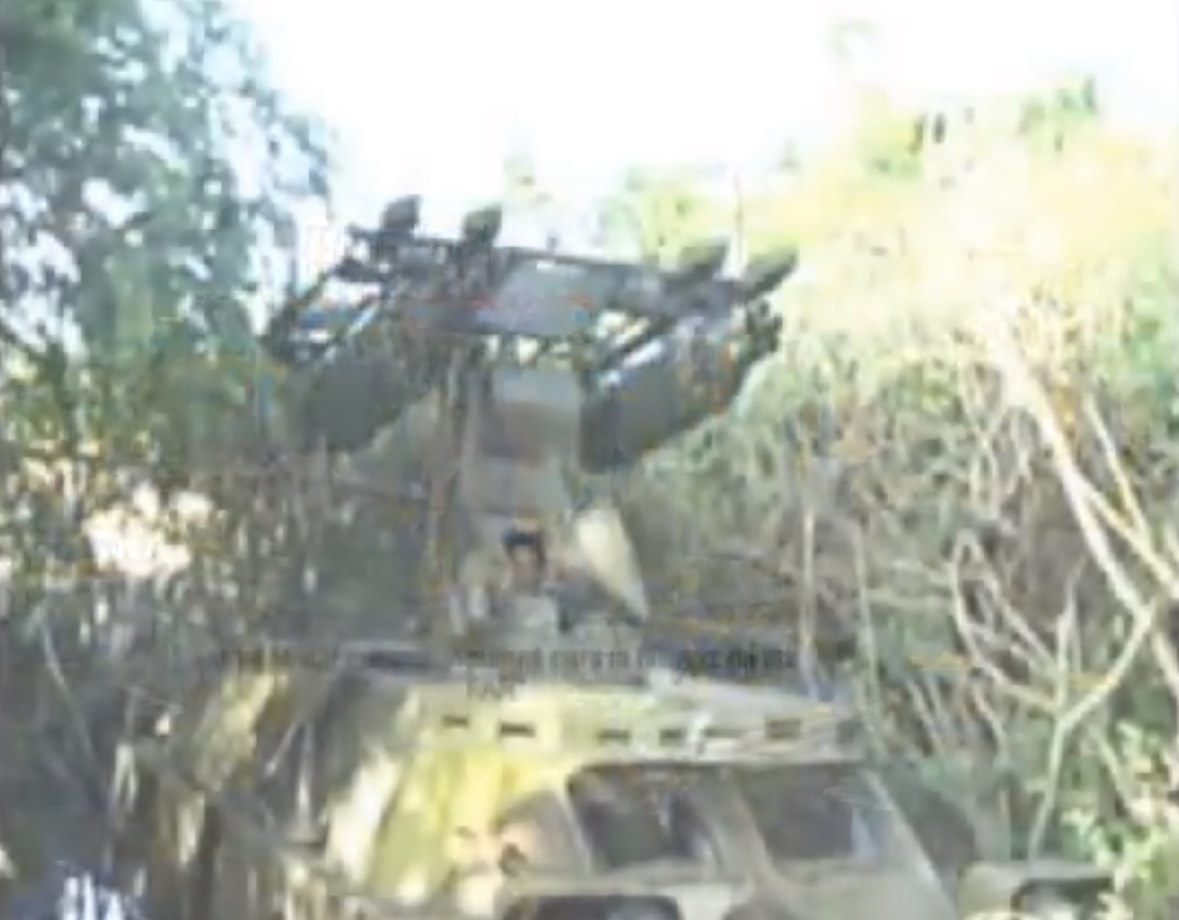
9K34 Strela-10 - Modified to carry 9M31, R-60MK and R-13M.
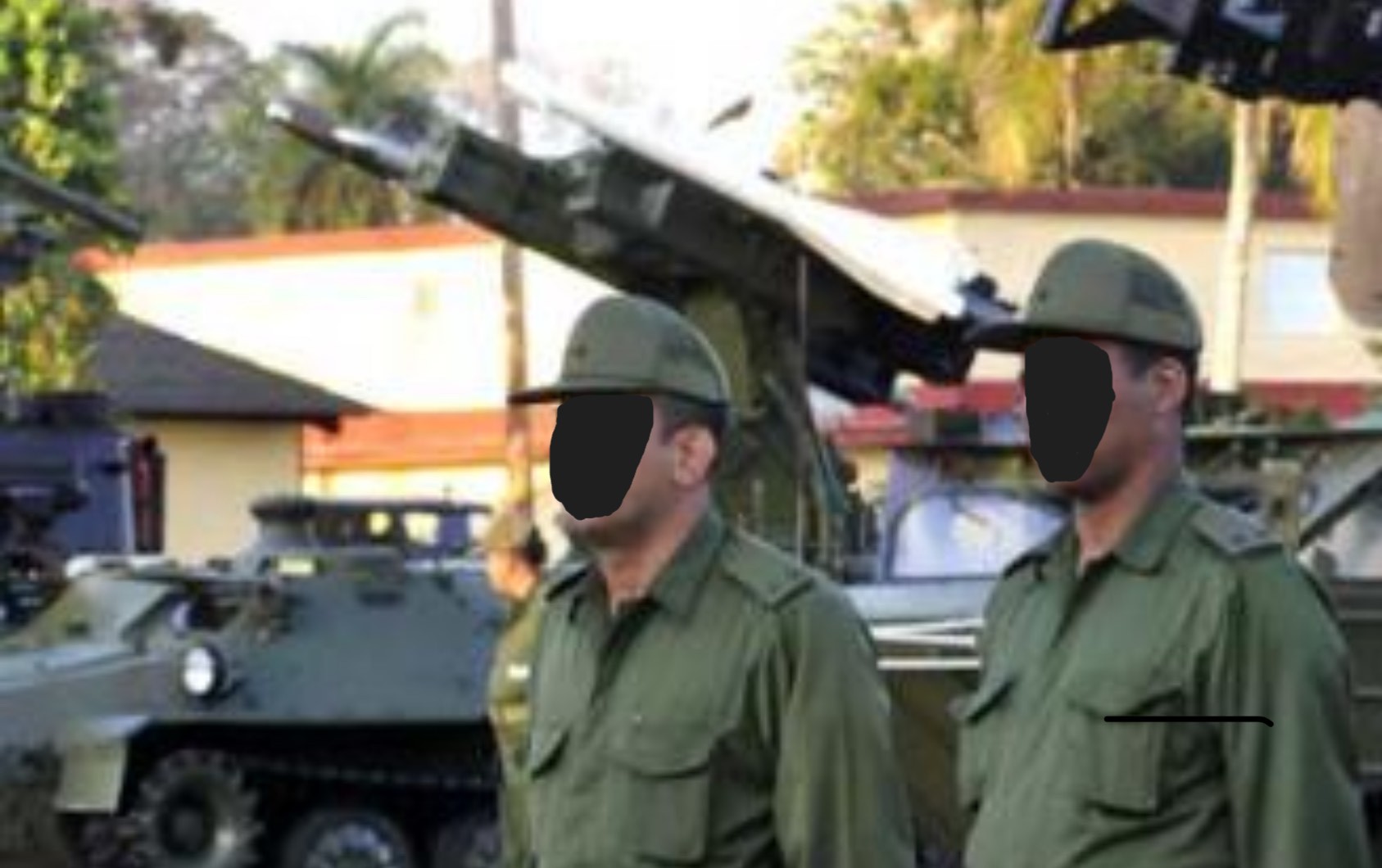
9K33 Osa - Some equipped with 4K33 Osa-M missiles.
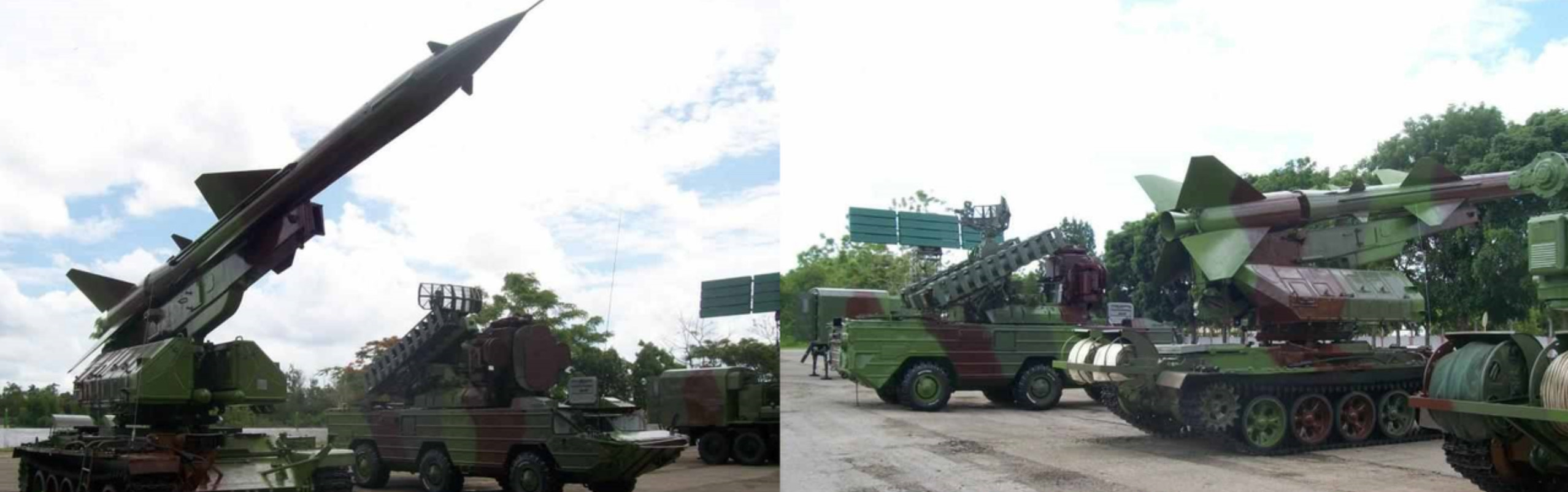
Specifications:
Spoiler
Rank I
Spoiler
| Vehicle | Short history / description | Short specifications |
|---|---|---|
| Marmon-Herrington CTMS-1TB1 — Reserve (1.0) | A light tank originally developed by Marmon-Herrington for export. Eight CTMS-1TB1s were transferred to Cuba after it joined the Allied war effort and were delivered in early 1942. Although already modestly armed by wartime standards, the CTMS gave the Cuban Army one of its first comparatively modern armoured vehicles. | Type: light tank. Crew: 3. Combat weight: approximately 11.3 t. Armament: one 37 mm automatic cannon, one coaxial and three hull-mounted .30-calibre machine guns. Armor: approximately 13 mm. Engine: Hercules RXLD six-cylinder petrol engine, 174 hp. Maximum speed: approximately 53 km/h. Operational range: around 130 km. |
| M8 Greyhound — Reserve (1.0) | American six-wheeled armoured reconnaissance car used by the pre-revolutionary Cuban Army. Cuban M8s were employed during the political violence of the 1950s; one was photographed outside the Presidential Palace immediately after the failed attack of 13 March 1957. Its high road speed and 37 mm gun would make it a mobile but lightly protected reserve vehicle. | Type: wheeled armoured reconnaissance car. Crew: 4. Combat weight: approximately 7.4–7.8 t. Armament: one 37 mm M6 cannon, one coaxial .30-calibre M1919A4 and one roof-mounted .50-calibre M2HB machine gun. Armor: approximately 6–25 mm. Engine: Hercules JXD six-cylinder petrol engine, 110 hp. Maximum speed: approximately 89–90 km/h. |
| CBE-14.5M — 1.3 | Soviet amphibious reconnaissance vehicle supplied to Cuba in considerable numbers. The Cubans have modified the vehicle by giving it side doors. Its 14.5 mm heavy machine gun gives it enough firepower to engage light vehicles and low-flying aircraft, which is why I placed it in the SPAA branch. | Type: amphibious armoured reconnaissance vehicle. Crew: 4. Combat weight: approximately 7 t. Armament: one 14.5 mm KPVT heavy machine gun and one coaxial 7.62 mm PKT machine gun. Armor: approximately 5–14 mm. Engine: GAZ-41 V8 petrol engine, 140 hp. Maximum speed: approximately 95 km/h on roads and about 9–10 km/h in water. |
| T17E1 Staghound — Reserve (1.3) | Large American-designed armoured car produced for Commonwealth forces during the Second World War. Cuba acquired a batch of Staghounds through Nicaragua in 1957; the vehicles had reportedly originated from Israeli stocks. Its twin engines, relatively heavy armor and 37 mm gun made it unusually substantial for a wheeled reconnaissance vehicle. | Type: heavy armoured car. Crew: 5. Combat weight: approximately 14 t. Armament: one 37 mm M6 cannon and two or three .30-calibre M1919A4 machine guns, depending on configuration. Armor: approximately 9–44 mm. Engine: two GMC 270 six-cylinder petrol engines producing approximately 97 hp each. Maximum speed: approximately 89 km/h. Operational range: up to about 720 km on roads. |
| M3A1 Stuart — 2.0 | Cuba received approximately 24 Stuart light tanks through the United States’ Lend-Lease programme during 1942–1943. The M3A1 introduced a redesigned turret with a basket, powered traverse and a gyrostabilised 37 mm gun. These vehicles formed an important part of Cuba’s early wartime armoured force. | Type: light tank. Crew: 4. Combat weight: approximately 12.9 t. Armament: one 37 mm M6 cannon and three .30-calibre M1919A4 machine guns. Armor: approximately 13–51 mm. Engine: Continental W-670-9A seven-cylinder radial petrol engine, 250 hp. Maximum speed: approximately 58 km/h. |
Rank III
Spoiler
| Vehicle | Short history / description | Short specifications |
|---|---|---|
| C-AP-T-152 — 4.7 | An obscure Cuban self-propelled artillery conversion intended to place a heavy 152 mm gun-howitzer on a mobile chassis. Open-source vehicle inventories generally identify the weapon as the Soviet ML-20, but the chassis, development date, production quantity and internal arrangement have not been publicly documented in detail. | Type: self-propelled gun or assault gun. Crew: unconfirmed. Combat weight: unconfirmed. Armament: generally identified as one 152.4 mm ML-20 gun-howitzer; secondary armament is not confirmed. The ML-20 fired an approximately 43.6 kg HE projectile at about 655 m/s, with a typical rate of 3–4 rounds per minute and a maximum range of roughly 17.4 km in its towed form. Armor, engine and maximum speed: not reliably published for the Cuban conversion. |
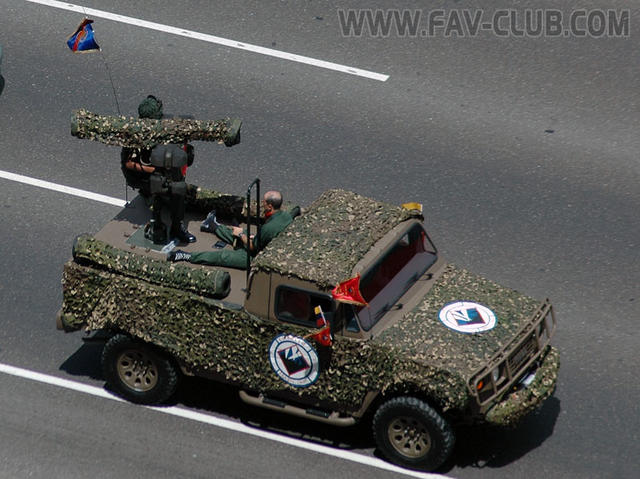
| UAZ-469 FAV — 5.0 | A Cuban fast-attack conversion of the Soviet UAZ-469 utility vehicle, associated with Cuban special forces such as the Avispas Negras, or Black Wasps. The depicted version combines an SPG-9 recoilless rifle with an AGS-17 automatic grenade launcher and a PKM machine gun, giving a very light vehicle substantial anti-armour and anti-personnel firepower. | Type: fast-attack vehicle and recoilless-rifle carrier. Crew: probably 3–4. Loaded weight: estimated at approximately 1.8–2 t. Armament: one 73 mm SPG-9 recoilless rifle, one 30 mm AGS-17 automatic grenade launcher and one 7.62 mm PKM machine gun. The SPG-9 has an effective direct-fire range of around 1,300 m and could penetrate up to approximately 300 mm of rolled homogeneous armor with period ammunition. Armor: none. Engine: 2.45-litre petrol engine, approximately 75 hp. Maximum speed: approximately 100 km/h for the unmodified base vehicle; probably lower when fully armed. |
| A34 Comet — 5.3 | Fifteen Comet tanks were reportedly ordered by the Batista government and delivered to Cuba in December 1958, shortly before the revolution. They were inherited by the new government but remained in service only briefly because British ammunition and replacement parts became difficult to obtain. The Comet was nevertheless one of the most capable tanks available to Cuba before the arrival of Soviet equipment. At least one was equipped with a .50 cal machine gun. | Type: cruiser or medium tank. Crew: 5. Combat weight: approximately 33 t. Armament: one 77 mm HV QF cannon and two 7.92 mm Besa machine guns. Maximum armor: approximately 101 mm. Engine: Rolls-Royce Meteor V12 petrol engine, approximately 600 hp. Maximum speed: approximately 47 km/h. |
| M4A3 (76) — 5.3 | Cuba received a small batch of Sherman tanks from the United States in 1957, generally reported as seven vehicles. They were used against revolutionary forces and saw action during the fighting around Santa Clara. Surviving photographs are commonly interpreted as showing 76 mm-armed M4A3s, probably with HVSS suspension, although surviving documentation does not identify every vehicle’s exact production subtype. | Type: medium tank. Crew: 5. Combat weight: approximately 33–34 t. Armament: one 76 mm M1-series cannon, one coaxial and one hull-mounted .30-calibre M1919A4 machine gun, and one roof-mounted .50-calibre M2HB. Armor: approximately 13–108 mm depending on component. Engine: Ford GAA V8 petrol engine, approximately 500 hp. Maximum speed: approximately 42 km/h. |
| PT-76B — 5.3 | Soviet amphibious light tank adopted by Cuba and later deployed during Cuban overseas operations, including in Angola. The PT-76B differed from the original PT-76 through its improved D-56TS gun installation, two-plane stabiliser, more powerful engine, improved night-fighting equipment and nuclear, biological and chemical protection system. Cuban-operated examples were photographed in Angola during the 1970s. | Type: amphibious light tank. Crew: 3. Combat weight: approximately 14.6 t. Armament: one stabilised 76.2 mm D-56TS cannon and one coaxial 7.62 mm SGMT machine gun. Armor: approximately 5–20 mm. Engine: V-6B diesel engine, approximately 240 hp. Maximum speed: approximately 44 km/h on roads and 10–12 km/h in water. |
| Canimar-57 — 5.3 | A Cuban multiple-rocket-launcher conversion apparently based on the BRDM-2 chassis. Photographs and secondary reporting identify it as carrying two UB-32 aviation rocket pods, allowing a normally aircraft-mounted weapon to be employed as highly mobile ground artillery. Precise development, production and fire-control details remain unpublished. | Type: wheeled multiple rocket launcher. Crew: probably 2–3. Combat weight: estimated at approximately 7.5–8 t. Armament: two UB-32 pods carrying a total of 64 unguided 57 mm S-5-series rockets. Armor: approximately 5–14 mm on the assumed BRDM-2 chassis. Engine: GAZ-41 V8 petrol engine, approximately 140 hp. Maximum speed: probably somewhat below the BRDM-2’s normal 95 km/h because of the launcher installation. Exact ammunition type, traverse limits and reload arrangement are unconfirmed. |
| T-34-85 (1944) — 5.7 | The wartime T-34-85 became one of the principal tanks of the post-revolutionary Cuban Army after large-scale Soviet military assistance began. Cuban T-34-85s remained in service for many years and were also deployed during overseas operations. The 1944 version represents the standard wartime configuration rather than Cuba’s later modernised 1969-pattern vehicles. | Type: medium tank. Crew: 5. Combat weight: approximately 32 t. Armament: one 85 mm ZiS-S-53 cannon and two 7.62 mm DTM machine guns. Armor: 45 mm on the sloped hull front and up to approximately 90 mm on the turret. Engine: V-2-34 diesel engine, approximately 500 hp. Maximum speed: approximately 53–55 km/h. |
| 2P27 “Shmel” — 5.7 | Contemporary American intelligence reported that approximately 30 Soviet Snapper wire-guided anti-tank missile launchers were delivered to Cuba during the 1962 military buildup. Intelligence descriptions of amphibious four-wheeled launcher vehicles make the BRDM-1-based 2P27 the most plausible carrier, although the surviving documents usually identify the missile system rather than explicitly naming the vehicle. | Type: amphibious anti-tank guided-missile carrier. Crew: 2. Combat weight: approximately 5.8 t loaded. Armament: three ready-to-fire 3M6 Shmel missiles, with three additional reloads normally carried. Guidance: manual command to line of sight, wire-guided. Engagement range: approximately 600–2,000 m. Penetration: around 300 mm of rolled homogeneous armor. Armor: up to approximately 10 mm. Engine: GAZ-40P petrol engine, approximately 90 hp. Maximum speed: around 80 km/h on roads and 9 km/h in water. |
| C-AP-T-122 (Type 2) — 5.7 | A Cuban self-propelled artillery conversion combining a T-34-85 chassis with a 122 mm D-30 howitzer. The Type 2 configuration replaces the original tank turret with a purpose-built, high-sided, open-topped fighting compartment, offering the gun crew more working space and somewhat better protection than the simpler Type 1 installation. However, this resulted in a considerably larger and bulkier profile. The crew compartment offered protection primarily against shell splinters and small-arms fire, while part of the ammunition supply was carried externally along the sides of the vehicle. From a War Thunder perspective, the Type 1 represents the more heavily armoured and better-protected configuration, which explains the proposed battle rating for the Type 2. Its development date and production quantity remain unknown. | Type: self-propelled gun and direct-fire support vehicle. Crew: unconfirmed, probably 4–5. Combat weight: estimated at slightly above 30 t. Armament: one 122 mm D-30 howitzer; secondary armament is unconfirmed. The D-30 can fire HE, smoke and HEAT ammunition; its HEAT-FS projectile can penetrate approximately 460 mm of armor. Armor: retains the T-34’s approximately 45 mm hull armor; fighting compartment is open-topped and its plate thickness is unknown. Engine: V-2-series diesel, approximately 500 hp. Maximum speed: probably below the standard T-34-85’s 53–55 km/h. Ammunition capacity and gun-traverse limits are not published. |
| Yatare-23 — 5.7 | A Cuban self-propelled anti-aircraft conversion mounting a Soviet ZU-23-2 twin cannon on a BTR-152 armoured personnel carrier. It reflects Cuba’s repeated effort to place otherwise static or towed weapons on mobile chassis. At least two mounting configurations are known, but their official designations, production dates and quantities are poorly documented. | Type: wheeled self-propelled anti-aircraft gun. Crew: estimated at 4–5. Combat weight: approximately 9.5–10.5 t. Armament: one twin 23 mm ZU-23-2 mounting with two 2A14 autocannons; combined cyclic rate approximately 2,000 rounds per minute. Effective anti-aircraft range: approximately 2.5 km vertically. Armor: approximately 4–13.5 mm; weapon position remains open-topped. Engine: ZIL-123 six-cylinder petrol engine, approximately 110 hp. Maximum speed: probably around 60–65 km/h. Exact ammunition capacity and conversion weight are unconfirmed. |
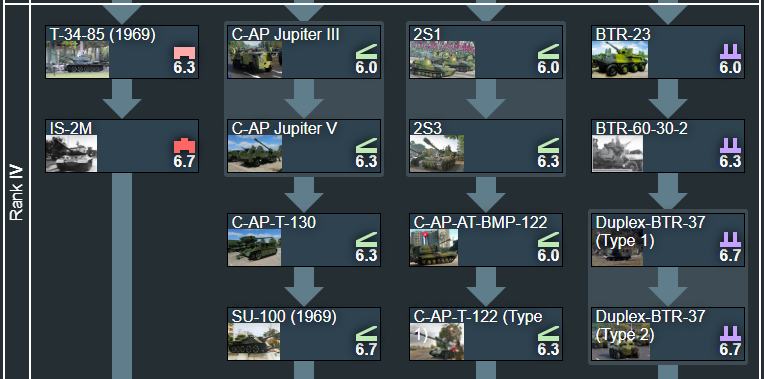
Rank IV
Spoiler
| Vehicle | Short history / description | Short specifications |
|---|---|---|
| C-AP Jupiter III — 6.0 | A Cuban wheeled self-propelled howitzer created by mounting a Soviet 122 mm D-30 on a KrAZ-255B 6×6 heavy truck. It is one of several vehicles in Cuba’s Jupiter artillery family, developed to give aging towed guns far greater tactical mobility. Compared with the later Jupiter V, the Jupiter III uses a lighter weapon. | Type: wheeled self-propelled howitzer. Crew: probably 5–6. Combat weight: estimated at 14–17 t. Armament: one 122 mm D-30 howitzer. Ammunition: separate-loading HE, smoke and HEAT-FS; standard HE muzzle velocity approximately 690 m/s, while BK-6M HEAT-FS is credited with about 460 mm penetration. Protection: effectively unarmored apart from any local gun shield or cab protection. Engine: YaMZ-238 V8 diesel, approximately 240 hp. Maximum speed: likely close to 65–70 km/h on roads. Exact ammunition capacity and gun-traverse limits are unconfirmed. |
| 2S1 Gvozdika — 6.0 | Soviet amphibious self-propelled howitzer acquired by Cuba to support mechanized formations. The 2S1 combines the running gear of the MT-LB family with a fully traversable turret and a 122 mm weapon derived from the D-30. Although designed principally for indirect fire, its HEAT ammunition gives it a useful direct-fire capability against armoured vehicles. Cuba is consistently listed as an operator. | Type: amphibious self-propelled howitzer. Crew: 4. Combat weight: approximately 15.7 t. Armament: one 122 mm 2A31 howitzer. Ammunition capacity: normally 40 rounds. Armor: approximately 7–20 mm. Engine: YaMZ-238N V8 diesel, approximately 300 hp. Maximum speed: around 60 km/h on roads and approximately 4.5 km/h in water. Gun traverse: 360°. Elevation: approximately −3° to +70°. |
| BTR-23 — 6.0 | A Cuban self-propelled anti-aircraft conversion based on the BTR-60. The original troop-carrying arrangement was modified to accept a ZU-23-2 twin 23 mm anti-aircraft gun. It is a straightforward example of Cuba turning a common towed weapon into a fast, inexpensive mobile air-defence platform. | Type: wheeled self-propelled anti-aircraft gun. Crew: estimated at 3–5. Combat weight: estimated at approximately 10.5–11.5 t. Armament: two 23 mm 2A14 autocannons in a ZU-23-2 mounting. Combined cyclic rate: approximately 2,000 rounds per minute. Feed: 50-round ammunition boxes. Effective range: roughly 2.5 km horizontally and 1.5–2 km in altitude. Armor: approximately 5–9 mm on most of the BTR-60 hull; gun crew remains largely exposed. Engine: two GAZ-40P petrol engines producing approximately 90 hp each. Maximum speed: probably 70–80 km/h, depending on the conversion’s weight. |
| C-AP-AT-BMP-122 — 6.0 | A Cuban BMP-1-based self-propelled howitzer. The original BMP turret and troop compartment were extensively altered to accommodate a 122 mm D-30 in an open-topped rear fighting position. At least two related BMP-1/D-30 arrangements have been photographed, including fixed-superstructure and turret-like mountings. The conversion trades the BMP-1’s infantry-carrying role for substantially greater firepower. | Type: tracked self-propelled howitzer and direct-fire support vehicle. Crew: probably 4–5. Combat weight: estimated at 14–16 t. Armament: one 122 mm D-30 howitzer. Ammunition: HE, smoke and HEAT-FS; approximately 460 mm penetration is associated with the BK-6M HEAT-FS projectile. Armor: retains the BMP-1’s approximately 6–23 mm hull protection; fighting compartment is open-topped. Engine: UTD-20 six-cylinder diesel, approximately 300 hp. Maximum speed: probably 55–65 km/h on roads. Amphibious capability was likely lost or severely restricted. |
| T-34-85 (1969) — 6.3 | The final major Soviet refurbishment standard for the T-34-85. The Model 1969 incorporated T-54/T-55-style road wheels, improved running gear, upgraded electrical and communications equipment, night-driving equipment, increased fuel capacity and engine-related improvements. These vehicles can be easily identified by the presence of T-55-style road wheels. Alongside the ability to employ HEAT-FS ammunition (hence the B.R rating). Cuba operated late-production and refurbished T-34-85s extensively, including during its intervention in Angola. Individual vehicles differed depending on their original turret and overhaul history. | Type: medium tank. Crew: 5. Combat weight: approximately 32 t. Armament: one 85 mm ZiS-S-53 cannon and two 7.62 mm DTM machine guns. Ammunition capacity: approximately 55–60 main-gun rounds. Armor: 45 mm sloped hull front; turret protection up to approximately 90 mm. Engine: V-34-M11 or related V-2 derivative, approximately 500–520 hp. Maximum speed: approximately 55–60 km/h. Additional equipment: improved radio, night-driving equipment and external fuel drums; powered turret traverse depended on the turret fitted to the individual vehicle. |
| C-AP Jupiter V — 6.3 | The most powerful member of Cuba’s known Jupiter truck-mounted artillery family. It combines a heavily modified KrAZ-255B chassis with the long-range Soviet 130 mm M-46 field gun. The weapon and chassis arrangement was sufficiently notable that Vietnam’s later PTH-130 project has frequently been associated with Cuban technical influence. | Type: wheeled self-propelled gun. Crew: approximately 6. Combat weight: reported at around 20 t. Armament: one 130 mm M-46 L/55 field gun. Projectile: standard HE projectile approximately 33.4 kg. Muzzle velocity: approximately 930 m/s. Maximum range: approximately 26.4–27.5 km with standard HE ammunition. Rate of fire: approximately 6–8 rounds per minute under ideal conditions. Protection: limited cab protection and a gun shield; most of the crew remains exposed. Engine: YaMZ-238 diesel, approximately 240 hp. Maximum speed: approximately 70 km/h; range reported at around 450 km. |
| 2S3 Akatsiya — 6.3 | Soviet 152 mm self-propelled howitzer supplied to Cuba during the Cold War. The 2S3 offered much greater explosive power than the lighter 2S1 and mounted its gun in a fully traversable armoured turret. It was intended for divisional artillery support but could also fire directly against vehicles, fortifications and infantry positions. | Type: tracked self-propelled howitzer. Crew: 4. Combat weight: approximately 27.5 t. Armament: one 152.4 mm 2A33 howitzer and one 7.62 mm PKT machine gun. Ammunition capacity: approximately 40 main-gun rounds in the original model. Armor: light welded steel protection, generally around 15–30 mm. Engine: V-59 V12 diesel, approximately 520 hp. Maximum speed: approximately 60 km/h. Gun traverse: 360°. Elevation: approximately −4° to +60°. |
| C-AP-T-130 — 6.3 | A Cuban heavy self-propelled artillery conversion mating a T-34-85 chassis with the Soviet 130 mm M-46 field gun. The tank turret was removed or heavily cut down and replaced with an open gun installation. It provided a much smaller and better-protected platform than the truck-based Jupiter V, although the T-34 chassis was placed under considerable strain by the weapon’s size and recoil. | Type: self-propelled gun and tank destroyer. Crew: estimated at 5–6. Combat weight: estimated at 33–36 t. Armament: one 130 mm M-46 L/55 gun. Projectile: approximately 33.4 kg HE; muzzle velocity around 930 m/s. Ammunition: HE and anti-armour ammunition were available for the M-46, although the Cuban vehicle’s exact stowage is unknown. Armor: retains the T-34’s 45 mm sloped hull front; gun crew is only partially protected. Engine: V-2-series diesel, approximately 500 hp. Maximum speed: estimated at 40–50 km/h. Gun traverse and onboard ammunition capacity remain unconfirmed. |
| C-AP-T-122 (Type 1) — 6.3 | The first configuration of Cuba’s T-34-based 122 mm self-propelled howitzer. In this version, the original turret area was opened and modified to support a D-30 while retaining more of the tank’s original turret structure than the later Type 2. The result was compact and relatively well protected from the front, but cramped and exposed from above and behind. | Type: self-propelled howitzer and direct-fire support vehicle. Crew: probably 4–5. Combat weight: estimated at 31–34 t. Armament: one 122 mm D-30 howitzer. Ammunition: HE, smoke and HEAT-FS; BK-6M HEAT-FS penetration approximately 460 mm. Armor: approximately 45 mm on the hull front, with an open or partially open gun compartment. Engine: V-2-series diesel, approximately 500 hp. Maximum speed: probably 45–50 km/h. Gun traverse: limited compared with the original towed D-30; exact ammunition capacity is unknown. |
| BTR-60-30-2 — 6.3 | A Cuban SPAAG conversion fitting the twin 30 mm weapon installation associated with the Czechoslovak vz. 53/59 system to a modified BTR-60 hull. Large hull cut-outs allowed the mount to sit lower than a simple roof installation, reducing the vehicle’s silhouette and improving stability. | Type: wheeled self-propelled anti-aircraft gun. Crew: estimated at 4–5. Combat weight: estimated at 11–12.5 t. Armament: two 30 mm vz. 53 autocannons. Ammunition: API and HEI, supplied through 50-round magazines. Cyclic rate: approximately 450–500 rounds per minute per barrel. Penetration: approximately 55 mm at 500 m with API under favourable conditions. Effective anti-aircraft range: approximately 3 km. Armor: BTR-60 hull protection of roughly 5–9 mm, with local armour around the weapon position. Engine: two 90 hp petrol engines. Maximum speed: probably around 65–75 km/h. Exact Cuban ammunition stowage is unknown. |
| IS-2M — 6.7 | Cuba received 41 modernised IS-2M heavy tanks around 1960. They were placed in reserve during the Bay of Pigs invasion and do not appear to have entered combat there. The IS-2M programme improved reliability and incorporated revised tracks, road wheels, fuel arrangements, stowage and other post-war changes. Cuban IS-2Ms were eventually withdrawn and reportedly reused as static coastal-defence positions. | Type: heavy tank. Crew: 4. Combat weight: approximately 46–47 t. Armament: one 122 mm D-25T cannon, one roof-mounted 12.7 mm DShK and 7.62 mm DT machine guns. Ammunition capacity: 28 two-piece main-gun rounds. Armor: approximately 120 mm on the upper hull front, with cast-turret protection reaching roughly 100–160 mm depending on location. Engine: V-54K-IS or related V12 diesel, approximately 520 hp. Maximum speed: approximately 37 km/h. Reload rate: normally slow because of the large two-piece ammunition. |
| SU-100 (1969) — 6.7 | A post-war refurbished SU-100 incorporating a number of components associated with the late T-34-85 modernization programme. Changes included later road wheels, revised engine-related equipment, improved electrics and other reliability upgrades. Alongside the ability to employ T-54 HEAT ammunition (hence the B.R rating). Cuba operated SU-100s during the early revolutionary period, and a late-pattern example survives at Havana’s Museum of the Revolution. | Type: tank destroyer. Crew: 4. Combat weight: approximately 31.6 t. Armament: one 100 mm D-10S cannon. Ammunition capacity: approximately 33 rounds. Armor: 75 mm sloped superstructure front, 45 mm lower hull and thinner side and rear protection. Engine: modernised V-2-series diesel, approximately 500 hp. Maximum speed: approximately 50 km/h. Gun traverse: limited to roughly 8° to either side because of the fixed superstructure. The modernization did not fundamentally improve protection or gun handling. |
| Duplex-BTR-37 (Type 1) — 6.7 | The first known configuration of Cuba’s twin-37 mm BTR-60 SPAAG. Two Soviet 61-K guns were mounted high on the roof of the BTR-60, creating a formidable but exceptionally tall anti-aircraft vehicle. This version appears to have been an early developmental arrangement preceding the more extensively altered Type 2. | Type: wheeled self-propelled anti-aircraft gun. Crew: estimated at 5–7. Combat weight: estimated at 11.5–13 t. Armament: two 37 mm 61-K automatic cannons. Feed: five-round clips. Cyclic rate: approximately 160–180 rounds per minute per gun; practical rate substantially lower. Penetration: approximately 45–50 mm at 500 m with standard armour-piercing ammunition. Armor: approximately 5–9 mm on the BTR-60 hull; weapon crew largely exposed. Engine: two 90 hp petrol engines. Maximum speed: probably below the base vehicle’s 80 km/h. Amphibious capability was probably reduced or lost. |
| Duplex-BTR-37 (Type 2) — 6.7 | A more extensively redesigned form of the Duplex-BTR-37. The upper hull was cut down so the twin 37 mm mount could sit substantially lower, and additional locally manufactured plates were installed around the fighting compartment. This reduced the extreme silhouette of Type 1, improved stability and gave the gun crew somewhat better protection. Photographs indicate that multiple Type 2 vehicles were constructed, although the total is unknown. | Type: wheeled self-propelled anti-aircraft gun. Crew: estimated at 5–7. Combat weight: estimated at 12–13.5 t. Armament: two 37 mm 61-K automatic cannons. Feed: five-round clips. Cyclic rate: approximately 160–180 rounds per minute per gun. Armor: BTR-60 hull protection of roughly 5–9 mm, supplemented by local armour around the gun crew. Engine: two GAZ petrol engines producing approximately 180 hp combined. Maximum speed: likely around 60–70 km/h after conversion. Amphibious capability: probably lost. Exact ammunition capacity, traverse system and armour thickness of the Cuban superstructure remain unconfirmed. |
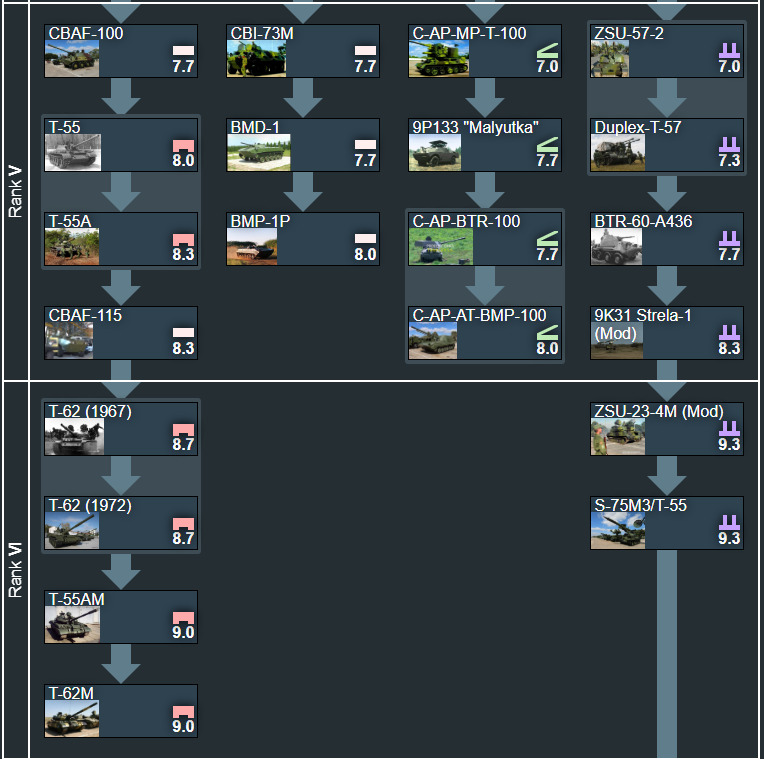
Rank V
Spoiler
| Vehicle | Short history / description | Short specifications |
|---|---|---|
| C-AP-MP-T-100 — 7.0 | A Cuban multipurpose self-propelled gun created by mounting a 100 mm KS-19 anti-aircraft gun on the chassis of a modernised T-34-85. The original turret was removed and replaced by a large, open-topped weapon platform. The designation identifies it as Cañón Autopropulsado Multipropósito, reflecting the KS-19’s ability to engage both aircraft and ground targets. The vehicle demonstrates Cuba’s preference for turning heavy static weapons into mobile battlefield systems. | Type: multipurpose self-propelled gun. Crew: estimated at 6–7. Combat weight: approximately 32–35 t. Armament: one 100 mm KS-19 gun. Ammunition: HE fragmentation and armour-piercing ammunition; loading is manual and uses large fixed rounds. Armor: retains the T-34-85’s approximately 45 mm frontal hull armor, while the gun crew is largely exposed. Engine: V-2-series diesel, approximately 500–520 hp. Maximum speed: estimated at 40–50 km/h. Traverse: probably close to 360°, although exact mechanical limits are undocumented. |
| ZSU-57-2 — 7.0 | Soviet twin-cannon self-propelled anti-aircraft gun operated by Cuba. It was based on a shortened and lightened T-54-derived chassis, with an open-topped turret carrying two 57 mm S-68 autocannons. Although designed for air defence, the high velocity and large explosive mass of its shells made it particularly dangerous to lightly armoured vehicles and tank side armour. | Type: self-propelled anti-aircraft gun. Crew: 6. Combat weight: approximately 28 t. Armament: two 57 mm S-68 autocannons. Ammunition capacity: approximately 300 rounds, normally loaded in four-round clips. Cyclic rate: about 120 rounds per minute per barrel. Armor: approximately 8–15 mm; turret is open-topped. Engine: V-54 V12 diesel, 520 hp. Maximum speed: approximately 50 km/h. Elevation: about −5° to +80°. Radar: none; engagement is entirely optical. |
| Duplex-T-57 — 7.3 | A Cuban counterpart to the ZSU-57-2, built on a full-length T-54 or T-55 hull rather than the lighter four-road-wheel ZSU chassis. Cuban engineers paired two individual 57 mm AZP S-60 anti-aircraft guns inside a locally constructed armoured fighting compartment. The full tank chassis gave the vehicle considerably better frontal protection than the Soviet ZSU-57-2. | Type: heavy self-propelled anti-aircraft gun and fire-support vehicle. Crew: estimated at 5–7. Combat weight: estimated at 36–40 t. Armament: two 57 mm AZP S-60 autocannons. Ammunition: normally four-round clips; onboard capacity is unconfirmed. Armor: approximately 100 mm on the hull front and up to around 200 mm on the original tank turret front, although the locally built gun compartment is likely much thinner. Engine: V-54 or V-55 diesel, approximately 520–580 hp. Maximum speed: estimated at 45–50 km/h. Radar: none visible; optical fire control is most likely. |
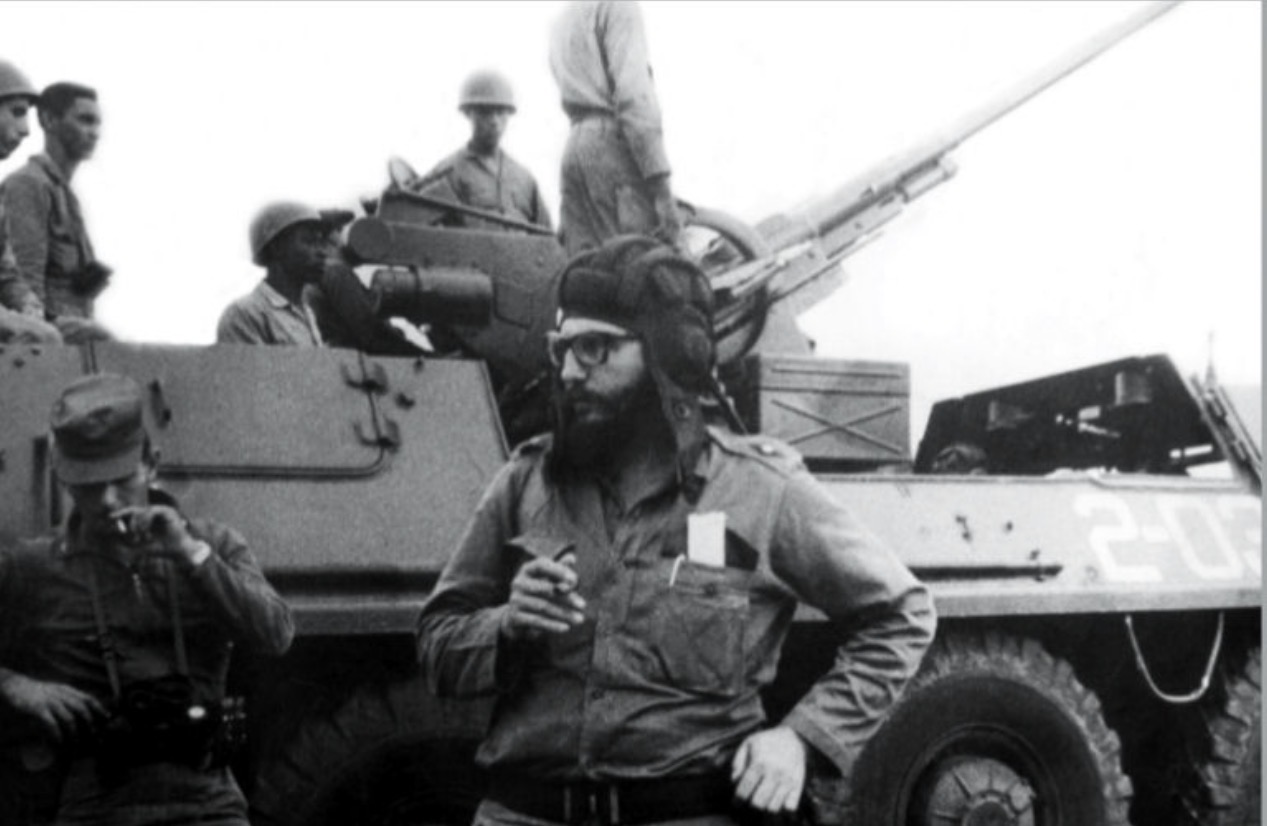
| CBAF-100 — 7.7 | A Cuban armoured fire-support vehicle combining a heavily modified BTR-60 chassis with a lightened T-54/T-55-type turret and 100 mm gun. The troop compartment was sacrificed, and the internal layout was rearranged to accommodate the turret, ammunition and its much greater recoil forces. The conversion offered tank-level firepower and excellent road mobility, but placed a very heavy weapon on a lightly armoured wheeled chassis. | Type: wheeled fire-support vehicle or tank destroyer. Crew: estimated at 4. Combat weight: estimated at 18–20 t. Armament: one 100 mm D-10T-series cannon, one coaxial 7.62 mm machine gun and possibly a roof-mounted heavy machine gun. Ammunition: APHE, HE, APDS and HEAT ammunition would be mechanically compatible, although the exact Cuban loadout is unknown. Armor: approximately 5–10 mm on the BTR-60 hull; turret protection depends on how extensively the original turret was lightened. Engine: probably two GAZ petrol engines producing approximately 180 hp combined. Maximum speed: likely 60–80 km/h on roads. Stabiliser and amphibious capability: unconfirmed and probably absent or lost. |
| CBI-73M — 7.7 | A Cuban infantry fighting vehicle produced by installing a BMP-1 turret on a BTR-60 chassis. The conversion gave the wheeled vehicle a 73 mm low-pressure cannon, coaxial machine gun and an anti-tank missile rail. It provided more firepower than the standard BTR-60PB while making use of components already familiar to Cuban crews and workshops. | Type: wheeled infantry fighting vehicle. Crew: estimated at 3, with space for a reduced infantry complement. Combat weight: estimated at approximately 12–14 t. Armament: one 73 mm 2A28 Grom smoothbore gun, one coaxial 7.62 mm PKT and one 9M14M Malyutka ATGM launcher. Armor: approximately 5–10 mm on the hull, with up to roughly 20–26 mm around the BMP-1 turret. Engine: probably two GAZ-40P petrol engines, 180 hp combined. Maximum speed: approximately 70–80 km/h on roads. Amphibious capability: possible but not confirmed after conversion. |
| BMD-1 — 7.7 | Soviet airborne infantry fighting vehicle operated by Cuba in limited or undocumented numbers. Designed for parachute deployment, the BMD-1 was substantially lighter and smaller than the BMP-1 while carrying broadly similar armament. Its extremely low weight produces excellent mobility but leaves it vulnerable even to heavy machine-gun and autocannon fire. | Type: airborne infantry fighting vehicle. Crew: 3, normally carrying 4 additional troops. Combat weight: approximately 7.2–7.6 t. Armament: one 73 mm 2A28 Grom, one 9M14M Malyutka ATGM and three 7.62 mm PKT machine guns. Armor: approximately 5–15 mm aluminium alloy. Engine: 5D-20 diesel, approximately 240 hp. Maximum speed: around 60 km/h on roads and 10 km/h in water. Suspension: adjustable hydropneumatic system allowing the vehicle’s ground clearance to be changed. |
| 9P133 “Malyutka” — 7.7 | Soviet anti-tank missile carrier based on the BRDM-2 and confirmed in Cuban service. Its launcher is concealed inside the hull while travelling and raised through roof doors before firing. Unlike earlier Malyutka carriers, the 9P133 uses the improved 9M14P missile with semi-automatic command guidance, substantially reducing the operator workload associated with the original manual system. | Type: amphibious ATGM carrier. Crew: 2. Combat weight: approximately 7.2 t. Armament: six ready-to-fire 9M14P Malyutka missiles, with 16–18 missiles carried in total. Guidance: SACLOS, wire-guided. Maximum range: approximately 3,000 m. Penetration: generally around 400–460 mm of RHA, depending on missile version. Armor: approximately 7–10 mm. Engine: GAZ-41 V8 petrol, 140 hp. Maximum speed: about 95 km/h on roads and 10 km/h in water. |
| BTR-60-A436 — 7.7 | An apparent Cuban prototype self-propelled anti-aircraft vehicle based on a modified BTR-60 chassis. Its turret appears to incorporate a single Romanian 30 mm A436 revolver cannon, derived from the twin-cannon Model 1980 anti-aircraft system. The Cuban installation appears to use only one cannon. An advanced-looking electro-optical seeker or tracking unit of unknown origin is mounted on the turret roof, presumably to assist with target acquisition, tracking and gun laying. Its precise capabilities remain unknown, and the vehicle appears to have remained a prototype. | Type: prototype wheeled self-propelled anti-aircraft gun. Crew: estimated at 3–4. Combat weight: estimated at approximately 11–13 t. Armament: one 30 mm A436 revolver cannon. Ammunition: 30×210 mmB. Rate of fire: up to approximately 500 rounds per minute. Muzzle velocity: approximately 1,050 m/s. Fire control: unidentified roof-mounted electro-optical seeker or tracker; thermal imaging, laser ranging and automatic tracking capability are unconfirmed. Armor: approximately 5–10 mm on the BTR-60 hull; turret protection unknown. Engine: probably two GAZ-40P petrol engines producing approximately 180 hp combined. Maximum speed: estimated at 60–70 km/h after conversion. |
| T-55 — 8.0 | The T-55 became one of the principal main battle tanks of the Cuban Revolutionary Armed Forces. It combined the T-54 family’s compact design with improved mechanical reliability, greater fuel capacity, an NBC-protection system and the elimination of the earlier turret ventilation dome. Cuban service included both basic T-55s and several later variants. | Type: main battle tank. Crew: 4. Combat weight: approximately 36 t. Armament: one stabilised 100 mm D-10T2S cannon, one coaxial 7.62 mm machine gun and, depending on production standard, one 12.7 mm roof machine gun. Ammunition capacity: approximately 43 main-gun rounds. Armor: 100 mm hull front and up to approximately 200 mm on the turret front. Engine: V-55 diesel, approximately 580 hp. Maximum speed: approximately 50 km/h. Operational range: around 500 km, or more with external fuel drums. |
| BMP-1P — 8.0 | A late Soviet improvement of the BMP-1, also documented in Cuban service. The exposed 9M14 Malyutka launch rail was replaced by a pedestal-mounted 9P135M launcher capable of firing the much more effective Fagot and Konkurs families of SACLOS missiles. Smoke-grenade launchers were added, while the original 73 mm gun and coaxial machine gun were retained. | Type: amphibious infantry fighting vehicle. Crew: 3, plus up to 8 infantry. Combat weight: approximately 13.3–13.5 t. Armament: one 73 mm 2A28 Grom, one coaxial 7.62 mm PKT and one 9P135M launcher for 9M111 Fagot or 9M113 Konkurs ATGMs. Missile capacity: normally four. Armor: approximately 6–23 mm. Engine: UTD-20 diesel, 300 hp. Maximum speed: around 65 km/h on roads and 7–8 km/h in water. |
| Vehicle | Short history / description | Short specifications |
| — | — | — |
| C-AP-BTR-100 — 7.7 | A Cuban self-propelled anti-tank gun created by modifying the Soviet BTR-60 wheeled APC. The original armament were replaced by a rotating turret carrying a MT-12 Rapira 100 mm anti-tank gun. Published information on its development date, production numbers and detailed internal arrangement remains scarce. | Type: wheeled self-propelled anti-tank gun. Crew: unconfirmed, likely 4–5. Combat weight: unconfirmed; standard BTR-60PB approximately 10.3 t before conversion. Armament: one 100 mm anti-tank gun, MT-12 Rapira. If fitted with the MT-12, ammunition could include APFSDS, HEAT-FS and HE ammunition; the gun has a muzzle velocity of roughly 1,575 m/s with APFSDS and approximately 900 m/s with HEAT-FS. Secondary armament: not confirmed. Armor: based on the lightly armored BTR-60 hull, providing protection primarily against small-arms fire and fragments. Mobility: 8×8 wheeled chassis; exact performance after conversion is undocumented. A standard BTR-60PB used twin 90 hp gasoline engines and could reach approximately 80 km/h on road, although the heavier Cuban conversion’s actual maximum speed is unknown. |
| C-AP-AT-BMP-100 — 8.0 | A Cuban self-propelled anti-tank gun built on the BMP-1 chassis. The original turret and troop compartment were replaced by an open-topped superstructure carrying a long 100 mm cannon. The weapon is frequently identified as an MT-12 or related T-12-family smoothbore anti-tank gun, although some secondary inventories instead describe it as a D-10 derivative. The exact gun model should therefore remain qualified until clearer documentation is found. | Type: tracked self-propelled anti-tank gun. Crew: estimated at 4–6. Combat weight: estimated at 15–17 t. Armament: one 100 mm anti-tank cannon, probably of the T-12/MT-12 family. Probable ammunition: APFSDS, HEAT-FS and HE fragmentation. Armor: retains the BMP-1’s approximately 6–23 mm hull armor; locally built fighting compartment is thin and open-topped. Engine: UTD-20 diesel, 300 hp. Maximum speed: estimated at 55–60 km/h. Amphibious capability: probably lost. Ammunition capacity and traverse limits: unconfirmed. |
| T-55A — 8.3 | The T-55A was developed to improve crew protection against radiation and contaminated environments. It introduced an anti-radiation lining and strengthened collective NBC protection, while later vehicles replaced the SGMT coaxial machine gun with the PKT. The hull machine gun was removed, allowing additional internal space and ammunition stowage. Cuba operated the T-55A alongside standard and modernised T-55s. | Type: main battle tank. Crew: 4. Combat weight: approximately 37–38 t. Armament: one stabilised 100 mm D-10T2S cannon, one coaxial 7.62 mm PKT and, on appropriately equipped vehicles, one 12.7 mm DShK heavy machine gun. Ammunition capacity: approximately 43 main-gun rounds. Armor: 100 mm hull front and approximately 200 mm maximum turret protection. Engine: V-55 diesel, approximately 580 hp. Maximum speed: about 50 km/h. Distinctive features: anti-radiation liner and improved NBC system. |
| CBAF-115 — 8.3 | A more ambitious development of the Cuban BTR-based fire-support concept. It uses a substantially reworked wheeled hull and a turret armed with a 115 mm gun derived from the T-62’s U-5TS. Compared with the CBAF-100, the vehicle’s hull appears to have been extensively redesigned, possibly including relocation of the engine and a revised crew arrangement. Very little authoritative technical information has been published. | Type: wheeled fire-support vehicle or tank destroyer. Crew: estimated at 4. Combat weight: estimated at 20–24 t. Armament: one 115 mm U-5TS-derived smoothbore cannon and probably one coaxial 7.62 mm machine gun. Probable ammunition: APFSDS, HEAT-FS and HE fragmentation, although compatibility with the complete T-62 ammunition family is unconfirmed. Armor: protection against small-arms fire and shell fragments; exact thickness unknown. Engine: unidentified, probably relocated or replaced. Maximum speed: estimated at 60–70 km/h. Stabilisation, ammunition capacity and amphibious capability: unconfirmed. |
| 9K31 Strela-1/R-13M — 8.3 | An unusual Cuban modification of the BRDM-2-based 9K31 Strela-1. Rather than carrying the system’s standard boxed 9M31 missiles, photographed Cuban vehicles use Soviet R-13M air-to-air missiles adapted for surface launch. This allowed Cuba to reuse available aviation missiles, but the modification’s fire-control arrangement and true ground-launched engagement envelope remain undocumented. | Type: wheeled short-range surface-to-air missile system. Crew: probably 3. Combat weight: estimated at approximately 7–8 t. Armament: apparently four R-13M infrared-guided missiles. R-13M missile: approximately 90 kg, with a roughly 7.4 kg warhead. Armor: approximately 5–14 mm. Engine: GAZ-41 V8 petrol, 140 hp. Maximum speed: around 95–100 km/h on roads and 10 km/h in water. Effective range when surface-launched: not reliably published and would be considerably different from the missile’s air-launched performance. |
Rank VI
Spoiler
| Vehicle | Short history / description | Short specifications |
|---|---|---|
| T-62 (1967) — 8.7 | The 1967 production version of the T-62 introduced modifications to the engine deck and equipment associated with deep-wading operations. Cuba acquired and retained this variant alongside later T-62s. It preserved the early T-62’s clean turret roof without a loader-operated heavy machine gun, distinguishing it visually from the 1972 model. | Type: main battle tank. Crew: 4. Combat weight: approximately 40 t. Armament: one stabilised 115 mm U-5TS smoothbore cannon and one coaxial 7.62 mm PKT. Ammunition capacity: approximately 40 main-gun rounds. Armor: around 102 mm on the sloped hull front and up to approximately 242 mm on the turret front. Engine: V-55V diesel, approximately 580 hp. Maximum speed: approximately 50 km/h. Notable feature: automatic spent-case ejection system. |
| T-62 (1972) — 8.7 | An incremental improvement of the 1967 T-62. Its principal visual and gameplay difference is the return of a 12.7 mm DShK heavy machine gun on the loader’s hatch, giving it some defence against helicopters, aircraft and lightly armoured targets. Improved deep-fording equipment was also installed. | Type: main battle tank. Crew: 4. Combat weight: approximately 40 t. Armament: one 115 mm U-5TS smoothbore cannon, one coaxial 7.62 mm PKT and one roof-mounted 12.7 mm DShK. Ammunition capacity: approximately 40 rounds for the main gun. Armor: approximately 102 mm hull front and up to roughly 242 mm on the turret front. Engine: V-55V diesel, approximately 580 hp. Maximum speed: about 50 km/h. Difference from 1967 model: roof-mounted heavy machine gun and improved fording equipment. |
| T-55AM — 9.0 | A comprehensive Soviet modernisation of the T-55, also documented in Cuban service. The upgrade added distinctive BDD composite armour blocks to the turret and glacis, reinforced side skirts, improved mine protection and the Volna fire-control system. Its 100 mm gun could employ the laser-guided 9M117 Bastion missile, greatly extending its anti-tank capability. | Type: modernised main battle tank. Crew: 4. Combat weight: approximately 40–41.5 t, depending on the exact package. Armament: one 100 mm D-10T2S cannon, one coaxial 7.62 mm PKT and one roof-mounted 12.7 mm machine gun. Guided weapon: 9M117 Bastion laser-guided missile fired through the gun barrel. Protection: BDD composite turret and hull armour, reinforced side skirts, belly plate and anti-radiation lining. Engine: V-55U diesel, approximately 620 hp. Maximum speed: approximately 50 km/h. Fire control: laser rangefinder, ballistic improvements and upgraded sights. |
| T-62M — 9.0 | The T-62M applied a modernization package broadly comparable to that of the T-55AM. It received BDD composite armour on the glacis and turret, reinforced side skirts, improved suspension, the Volna fire-control system and a laser rangefinder. The 115 mm gun was modified to fire the 9M117-series Sheksna guided missile. Cuba is one of the documented operators of the variant. | Type: modernised main battle tank. Crew: 4. Combat weight: approximately 41.5–43 t. Armament: one 115 mm U-5TS smoothbore cannon, one coaxial 7.62 mm PKT and one roof-mounted 12.7 mm DShK. Guided weapon: 9M117 Sheksna laser-guided missile. Protection: BDD composite armour, belly plate, reinforced side skirts and anti-radiation liner. Engine: V-55U diesel, 620 hp. Maximum speed: approximately 45–50 km/h. Fire control: KTD-series laser rangefinder, ballistic computer, improved stabiliser and 1K13 sight. |
| ZSU-23-4M — 9.3 | A modernised form of the Soviet Shilka radar-guided SPAAG. Cuba operated the ZSU-23-4 and has also displayed vehicles with supplementary shoulder-launched surface-to-air missiles fitted to the turret. The Shilka combines an extremely high volume of fire with integrated search-and-tracking radar, making it much more capable against low-flying aircraft than Cuba’s earlier optically aimed anti-aircraft vehicles. | Type: radar-guided self-propelled anti-aircraft gun. Crew: 4. Combat weight: approximately 19–21 t. Armament: four 23 mm 2A7 autocannons. Ammunition capacity: approximately 2,000 rounds. Combined cyclic rate: roughly 3,400–4,000 rounds per minute. Armor: approximately 9–15 mm. Engine: V-6R diesel, 280 hp. Maximum speed: approximately 50 km/h. Radar: RPK-2 Tobol search-and-tracking radar, with detection ranges approaching 20 km under favourable conditions. Additional missiles: photographed Cuban fits exist, but the exact missile type and standard carried quantity are not confirmed for every vehicle. |
| S-75M3/T-55 — 9.3 | An indigenous Cuban mobile launcher placing an S-75-family surface-to-air missile and its SM-90-type launch rail on a turretless T-55 chassis. A small wheeled support beneath the missile’s nose appears to carry part of its weight during travel. The conversion made the normally static S-75 launcher mobile, but the vehicle still depended on external acquisition and SNR-75 fire-control radars; Cuba also mounted many of those radar components on mobile platforms. | Type: tracked long-range surface-to-air missile launcher. Crew: estimated at 3–4 on the vehicle, with additional personnel in the supporting radar and command network. Combat weight: estimated at 45–50 t with missile. Armament: one S-75-family missile, probably a later M3-compatible type such as the 5Ya23/V-759. Missile weight: roughly 2.3–2.5 t, depending on version. Warhead: approximately 190 kg on several later missiles. Engagement range: tens of kilometres; approximately 40–55 km depending on missile and fire-control standard. Armor: retains the T-55 hull’s frontal protection. Engine: V-55 diesel, approximately 580 hp. Maximum road speed: probably around 40 km/h when carrying the missile. Major limitation: the launcher cannot independently detect, track or guide a target without the wider S-75 radar network. |
Rank VII
Spoiler
| Vehicle | Short history / description | Short specifications |
|---|---|---|
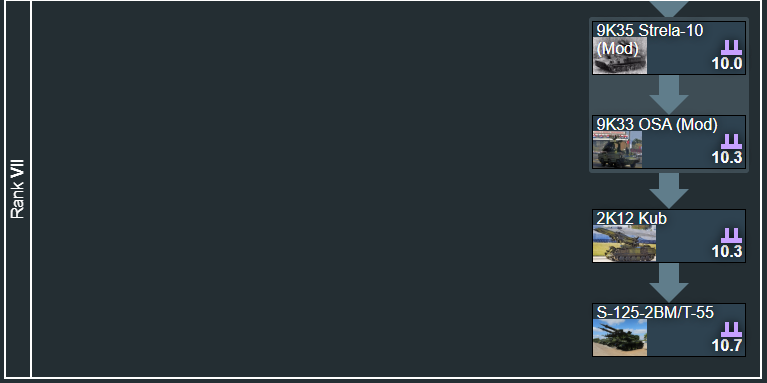
| 9K35 Strela-10 (Mod) — 10.0 | A distinctive Cuban modification of the Soviet Strela-10 short-range air-defence system. The Cuban vehicle represented here uses a mixed load of one 9M31, one original 9M37, one R-60MK and one R-13M simultaneously. The standard Strela-10 was already designed to use its native 9M37 missile while retaining backward compatibility with the earlier 9M31-series weapon, making part of this mixed arrangement technically straightforward. The R-60MK and R-13M are air-to-air missiles adapted by Cuba for surface launch, allowing several available missile stocks to be employed from one highly mobile platform. The guidance characteristics, launch electronics and true ground-launched performance of the aviation missiles remain undocumented. | Type: tracked short-range surface-to-air missile system. Crew: approximately 3. Combat weight: around 12.3 t. Ready armament: one 9M31, one 9M37, one R-60MK and one R-13M, carried at the same time. Guidance: passive photocontrast or infrared homing, depending on missile. Standard 9M37 engagement range: approximately 0.8–5 km. R-60MK and R-13M ground-launched range: unconfirmed and likely substantially lower than their published air-launched performance. Armor: approximately 7 mm. Engine: YaMZ-238 diesel, around 240 hp. Maximum speed: approximately 61.5 km/h on roads and 6 km/h in water. Reloads: the standard vehicle carries internal reloads, but the Cuban mixed-load vehicle’s reload arrangement is unknown. |
| 9K33 Osa — 10.3 | A self-contained Soviet short-range air-defence system in which the search radar, target-tracking radar, missile-guidance equipment and launchers are all carried on one amphibious vehicle. This gives the Osa far greater independence than systems such as the Kub, whose launchers rely on a separate radar vehicle. Cuban forces operated the Osa during their deployment in Angola, and contemporary American intelligence specifically identified the SA-8 as a system being operated by Cuban personnel there. Cuba reportedly adapted some launchers to employ 4K33 Osa-M naval missiles. The six-container vehicle shown in the tree is most consistent with the Osa-AK or Osa-AKM family. | Type: amphibious wheeled SAM TELAR. Crew: 5. Combat weight: approximately 17.5 t. Armament: six 9M33-series command-guided missiles. Guidance: radio-command guidance, with electro-optical backup tracking. Engagement range: approximately 10–15 km depending on missile and system version. Search-radar range: approximately 30 km. Tracking range: approximately 20 km. Simultaneous guidance: up to two missiles against one target. Engine: D20K300 diesel. Maximum speed: approximately 80 km/h on roads and 8 km/h in water. Operational road range: around 500 km. |
| 2K12 Kub — 10.3 | The 2K12 Kub is a complete mobile medium-range air-defence system rather than a single autonomous vehicle. A standard battery combines several 2P25 tracked launchers, each carrying three missiles, with a separate 1S91 SURN “Straight Flush” radar vehicle responsible for searching, tracking, illuminating targets and guiding the missiles. Cuban forces operated Kub batteries during their expeditionary deployment in Angola. | Type: tracked medium-range surface-to-air missile system; playable vehicle represented by the 2P25 TEL. Launcher crew: 3. Armament: three ready-to-launch 3M9-series missiles. Guidance: initial command guidance followed by terminal semi-active radar homing, requiring continuous target illumination from the separate 1S91 radar. Engagement range: approximately 4–23 km for the Kub-M2, rising to around 25 km on the Kub-M3. Engagement altitude: approximately 20 m to 8 km on the Kub-M3. Missile weight: around 600–630 kg. Warhead: approximately 57–59 kg high-explosive fragmentation. Missile speed: up to approximately Mach 2.8. Radar support: 1S91 search radar with a maximum quoted range of around 75 km and tracking/illumination range of approximately 28 km. Launcher traverse: 360°. Reload time: approximately 10 minutes using the dedicated transporter-loader. |
| S-125-2BM/T-55 — 10.7 | A Cuban mobile conversion of the normally static S-125 surface-to-air missile launcher. The original T-55 turret was removed and replaced by a four-rail S-125 launcher, allowing the system to relocate far more rapidly than the conventional fixed or trailer-mounted installation. Cuban S-125 equipment has subsequently been associated with the Belarusian S-125-2BM Pechora-2BM modernization, which introduces digital electronics, improved resistance to electronic interference and restored service life. As with the Kub, the launcher is not autonomous and depends upon separate surveillance, tracking, guidance and command vehicles. | Type: tracked medium-range SAM launcher. On-vehicle crew: estimated at 2–3, with additional personnel operating the wider radar and command network. Combat weight: unconfirmed. Armament: four 5V27D surface-to-air missiles. Guidance: radio-command guidance from an external fire-control radar. Engagement range: approximately 3.5–30 km. Engagement altitude: approximately 20–20,000 m. Maximum target speed: approximately 700 m/s on an approaching course. Response time: around 15 seconds from target detection to launch command. Protection: retains the armoured T-55 hull, but the launcher and missiles are exposed. Mobility: T-55-derived; the precise weight, maximum speed and stability limits of the Cuban conversion have not been publicly documented. |
Sources:
View
CIA Sources:
https://www.cia.gov/readingroom/document/cia-rdp91t01115r000100060002-7?utm_source
https://www.cia.gov/readingroom/document/cia-rdp88t00768r000400460001-2?utm_source
https://www.cia.gov/readingroom/document/cia-rdp97r00694r000800240001-6?utm_source
https://www.cia.gov/readingroom/docs/CIA-RDP85S00317R000100110005-3.pdf?utm_source
https://www.cia.gov/readingroom/docs/CIA-RDP03T02547R000100340001-4.pdf?utm_source
https://www.cia.gov/readingroom/docs/CIA-RDP79T00429A001300030018-4.pdf?utm_source
https://www.cia.gov/readingroom/document/cia-rdp04t00794r000100080001-0?utm_source
https://www.cia.gov/readingroom/docs/CIA-RDP81T00380R000100830001-1.pdf?utm_source
Regular Sources:
https://sos-de-fra-1.exo.io/patria-libros/books/23_Oficina_de_Asuntos_Historicos/Estados_Unidos_y_Batista.pdf
Vehicle List by Country Cuba
The Oryx Handbook Of Cuban Fighting Vehicles - Oryx
Cuban Domestic Military Production - Combat Vehicles
List of equipment of the Cuban Revolutionary Armed Forces - Wikipedia
https://en.topwar.ru/161646-kubinskaja-armija-dala-vtoruju-zhizn-tankam-t-34-i-t-55.html
https://en.topwar.ru/29029-kubinskaya-bronetehnika-na-osnove-btr-60.html
https://www.urrib2000.narod.ru/Tanques1-e.html
https://www.urrib2000.narod.ru/Tanques2-e.html
A Libyan Conflict Oddity – Romanian Model 80 30mm AA Gun | The Rogue Adventurer