Chemical Warfare Discussion
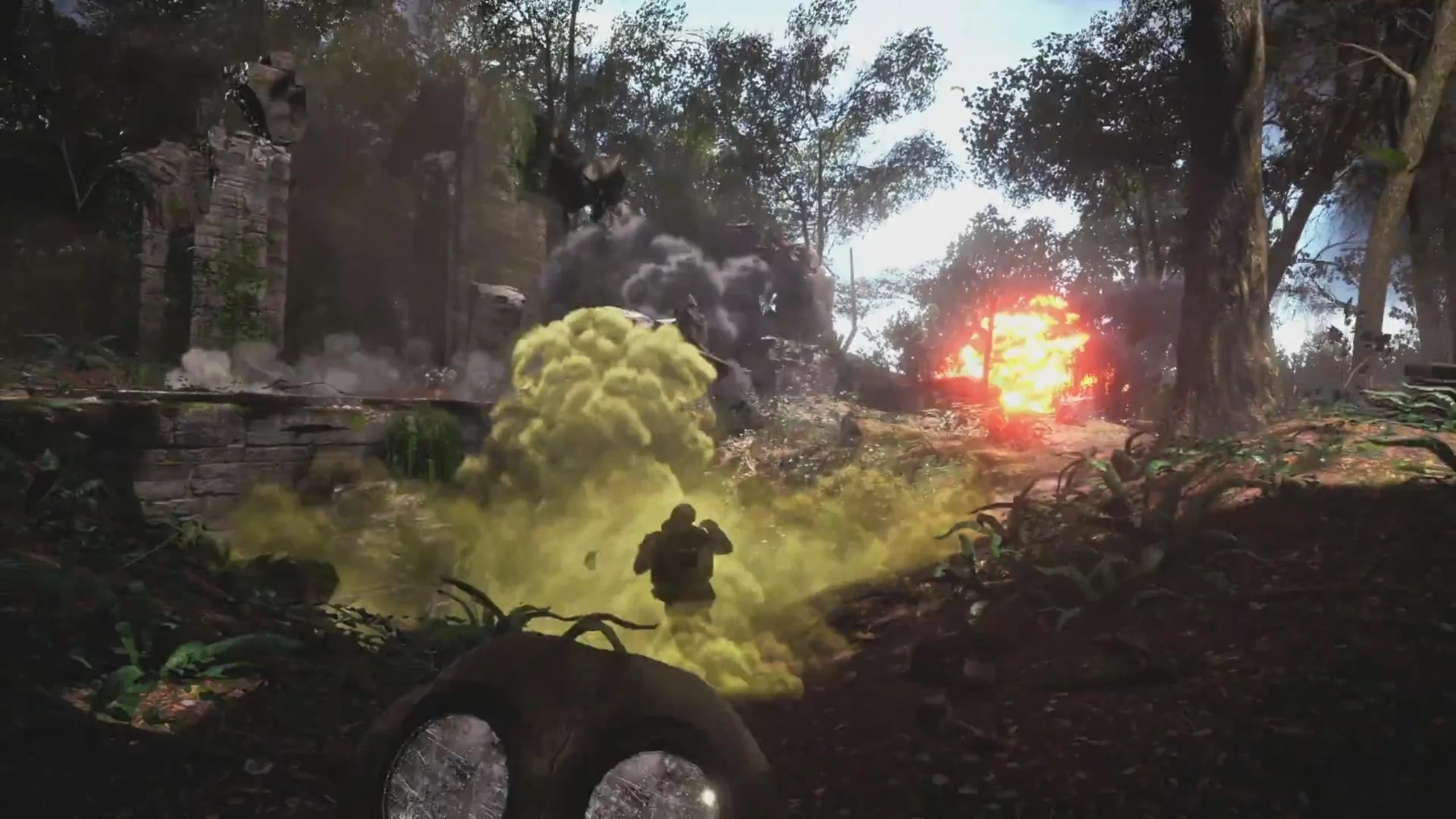
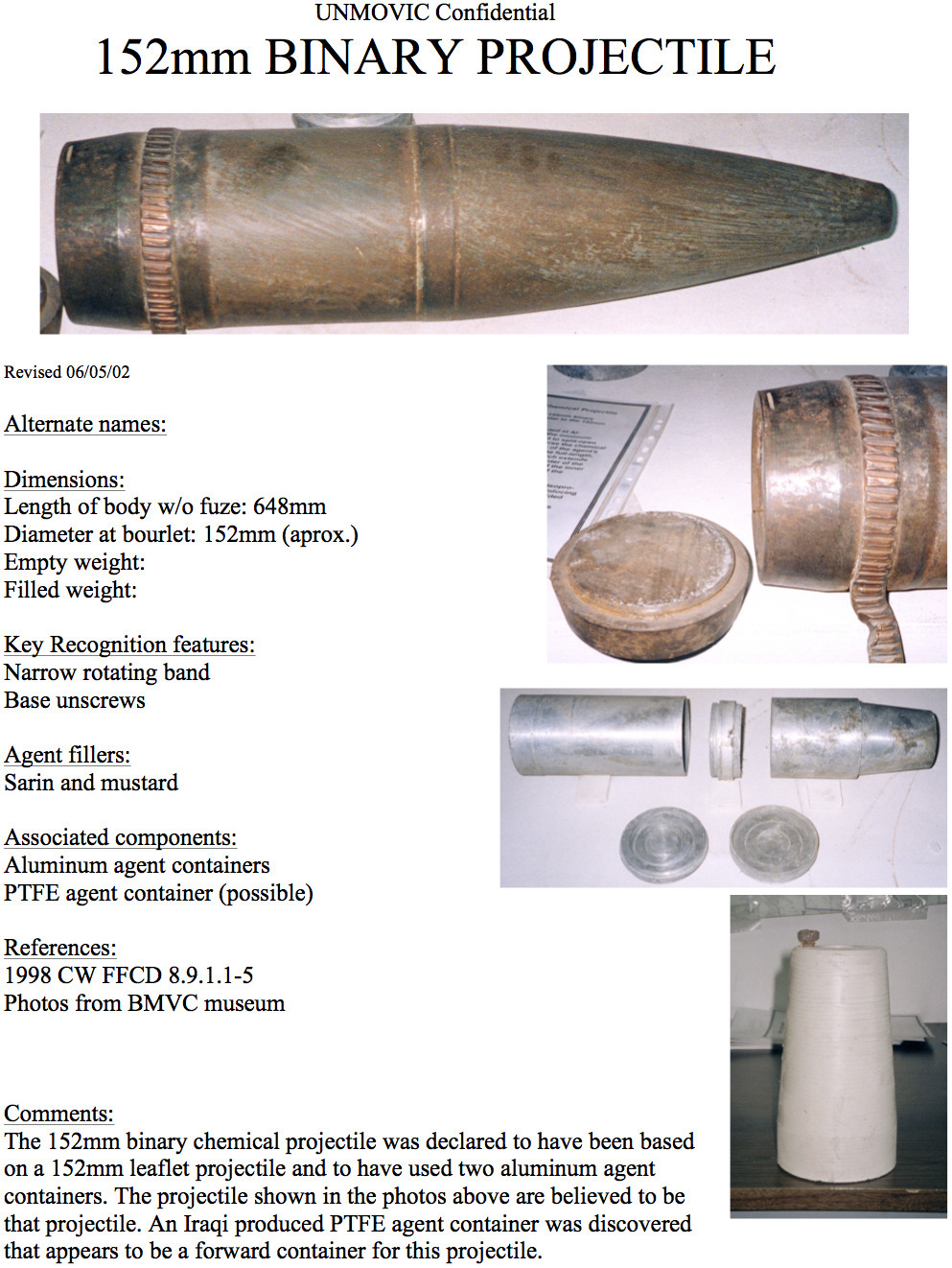
With infantry mode expanding, I wanted to open a discussion around how gas-based mechanics could be implemented in a balanced, gameplay-focused way that adds strategy without becoming frustrating. The idea isn’t to create overpowered tools, but to introduce area denial and disruption options that encourage movement, coordination, and counterplay. Gas could function primarily through effects like reduced visibility, blurred vision, to making no go zones without the needed equipment AKA gas masks. Different types could include tear gas or irritant agents for flushing players out of cover, as well as hybrid smoke/gas that both conceals and disrupts. More toxic versions like chlorine gas could be used to push players out of buildings and spaces even with the ability to destroy a tank that is without overpressure / filter systems A key part of this would be deployment methods, such as hand-thrown grenades, under-barrel launchers, deployable canisters, or even indirect delivery like mortar-style support or drone release at higher tiers. These systems could create temporary zones that shape engagements, especially around objectives or chokepoints.
For balance, effects should remain temporary and avoid full player disablement, with clear visual indicators and limited stacking to prevent frustration. Counters would be essential, including gas masks that reduce or negate effects, as well as environmental factors like open spaces dispersing gas faster. From a progression standpoint, lower tiers could feature smaller, short-duration gas effects, while higher tiers improve spread, duration, or deployment flexibility rather than raw strength. Overall, this could add another layer of tactical depth forcing players to reposition, coordinate, and think about terrain use without replacing traditional combat. Curious to hear how others think gas mechanics should work, especially in terms of strength, counters, and whether they’d improve or complicate infantry gameplay.
Gas
Irritant / Riot Control Agents (least severe, most gameplay-friendly)
- Tear gas (commonly used for crowd control)
- Pepper spray type agents
Choking Agents
- Chlorine gas
- Phosgene
Blister Agents (persistent area denial concept)
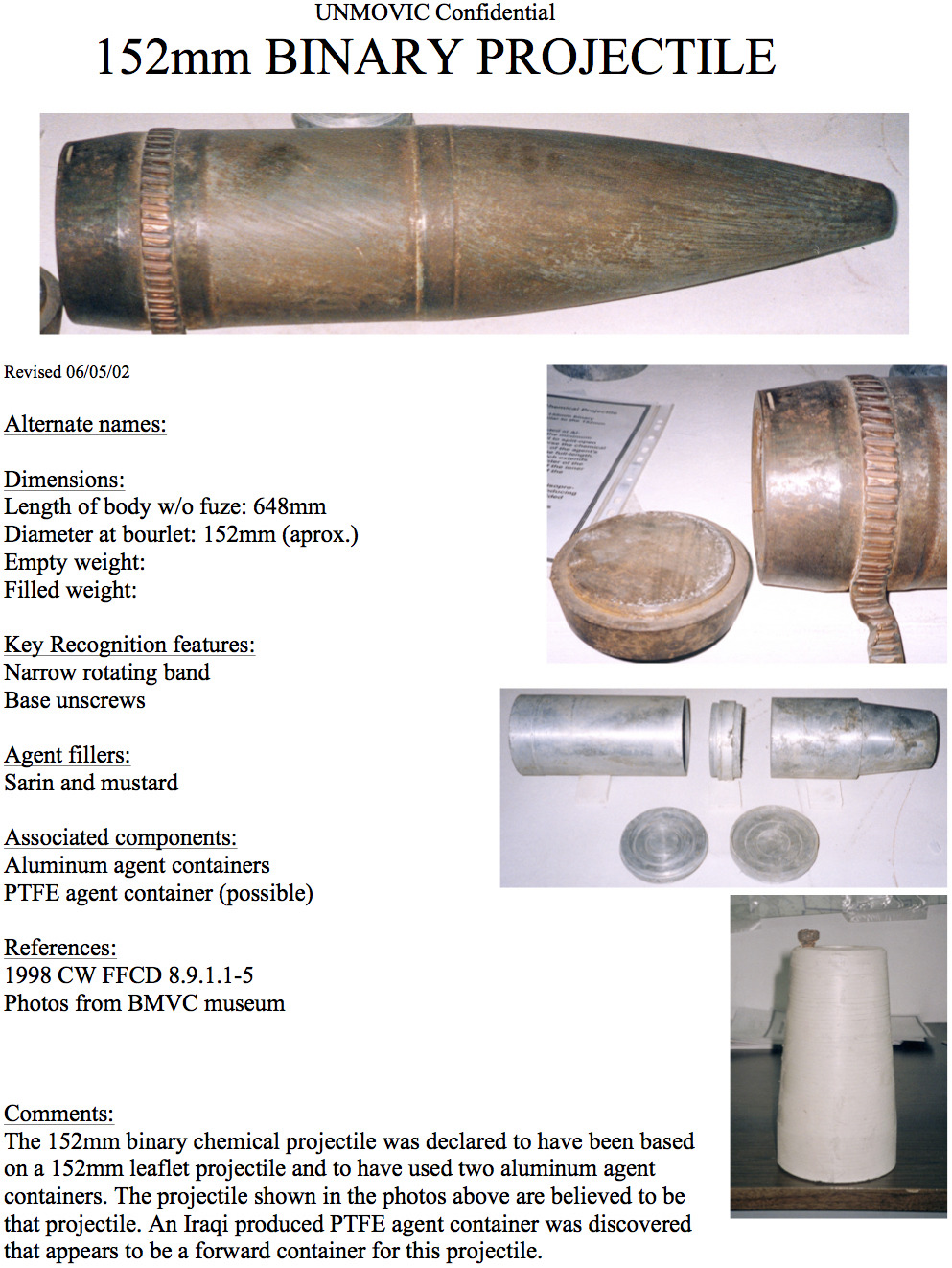
- Mustard gas
Nerve Agents (may be hard to balence)
- Sarin
- VX
Counters
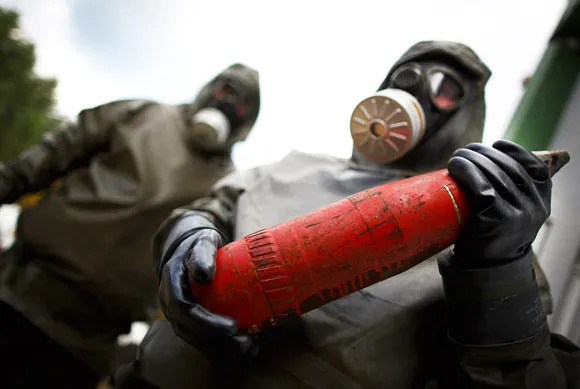
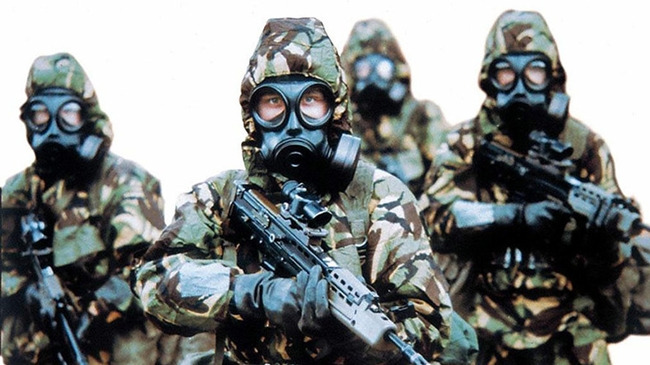
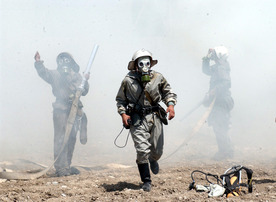
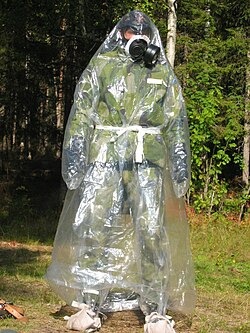
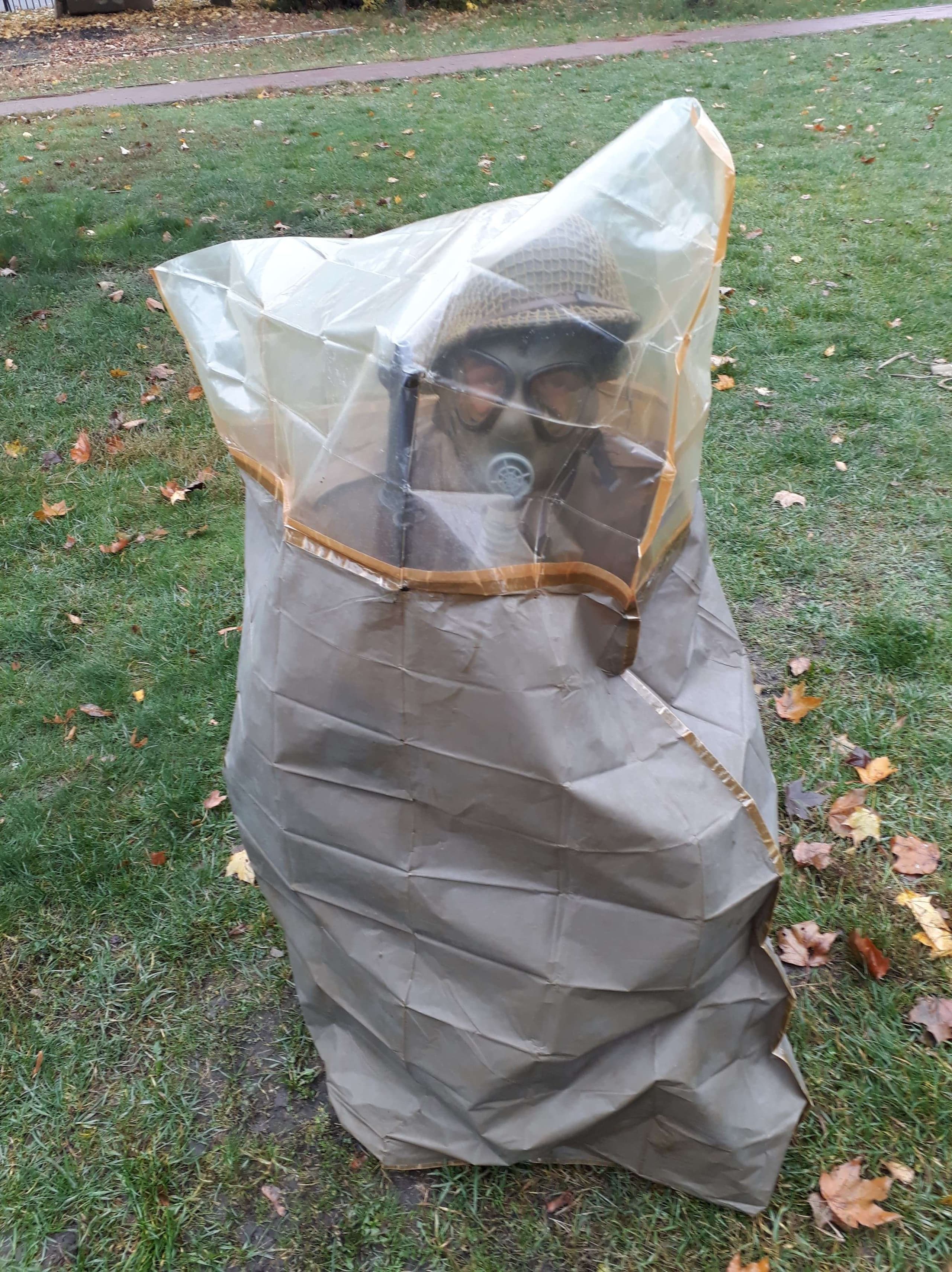
For gas mechanics to work in infantry mode, strong and accessible counterplay is essential. This can be split into personal gear, vehicle systems, and improvised/makeshift solutions to keep gameplay flexible and realistic.
Personal Equipment
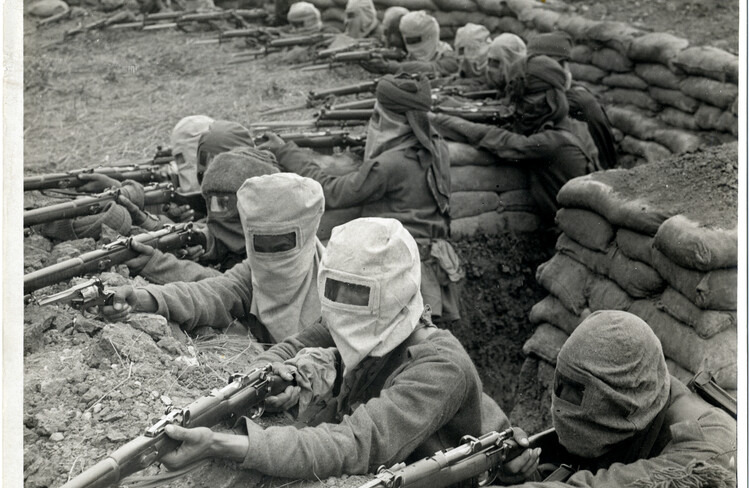
- Gas masks (standard or upgradeable) to reduce or fully negate effects
- Protective gear (limited-duration filters or stamina trade-offs)
- Loadout trade-offs (carrying protection vs. extra ammo or equipment)
Vehicle-Based Counters
- Sealed vehicle interiors that protect crews/passengers
- Overpressure / filtration systems on higher-tier vehicles
- Vehicles acting as temporary safe zones for nearby infantry
- Armored units pushing through contaminated areas to break stalemates
Makeshift / Field Solutions
- Cloth or improvised face coverings (reduced effectiveness vs proper gear)
- Taking high ground or moving upwind to reduce exposure
- Using buildings, interiors, or enclosed spaces for temporary protection
- Waiting out or avoiding contaminated zones rather than pushing through
Gameplay Balance Ideas
- Counters should be effective but not absolute unless fully equipped
- Encourage decision-making (prepare with gear vs risk exposure)
- Allow multiple levels of protection, from improvised to fully equipped
- Keep everything readable so players understand when they are safe vs exposed (gas detectors, clear visualization, in game audio “troopers will yell gas gas gas”)
Deployment Methods
For gas mechanics to feel natural and balanced in infantry mode, the way they’re deployed is just as important as their effects. Different delivery systems could create variety in how players use gas for offense, defense, and area control.
Infantry-Based Deployment
- Hand-thrown grenades
- Quick and simple, ideal for clearing rooms or tight spaces
- Under-barrel grenade launchers
- More range and precision for targeting windows, rooftops, or cover
- Dedicated launchers
- Larger area coverage, slower to use but more impactful
Emplaced / Deployable Systems
- Gas canisters (placed on the ground)
- Release gas over time, useful for holding objectives or chokepoints
- Tripwire or triggered devices
- Activate when enemies enter an area, adding a defensive layer
Vehicle-Based Deployment
- Vehicle-mounted launchers / shells
- Fire gas rounds into contested zones from a distance
- Support vehicles
- Create temporary denial zones to assist infantry pushes
Indirect / Advanced Delivery
- Mortar-style deployment (if added later)
- Area saturation from a distance, more strategic use
- Drone deployment
- Dropping small canisters for precise placement in hard-to-reach areas
- YES ✅
- NO ❎
- I have Something To Say → In Chat
- Maybe
Don't Mix Random Things Together

If you got some ideas feel free to share them on how chemical warfare could change WarThunder infantry and what could be brought into the game.