Type 99 Model 1 HEF (non tracer) from the same plane
1 Like
So 12g of TNT equivalent doing puf puf…
1 Like
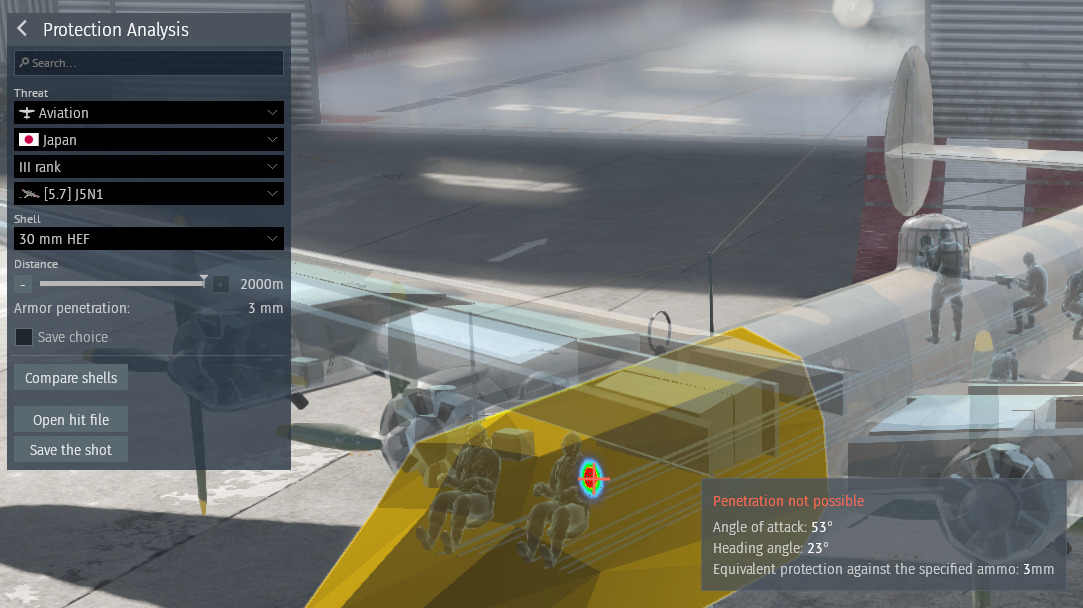
Even 30mm Type 5’s HEF shell with 47g of TNTe, if it hits in such a way that it does not have enough kinetic penetration to overcome the window, will also do no damage!
3 Likes
Just aim better!
Really hopeless = (
1 Like
this must be fixed!
my aim is great, i just dont want to be snapped up before i even start firing.
And some people will look at you in the eye and say this is how bombers were moving in ww2
1 Like
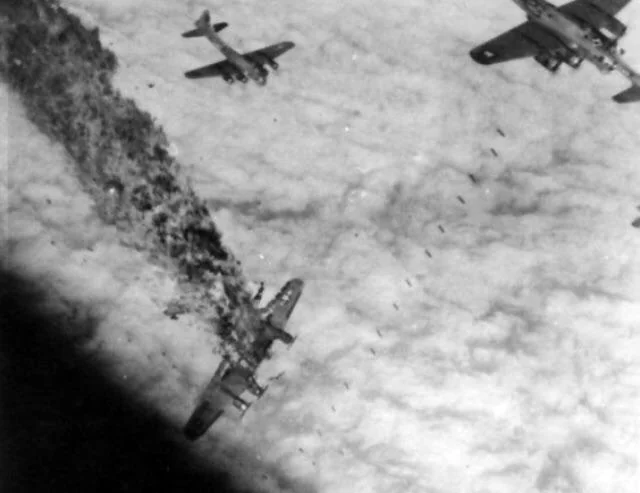
This is historical. A single AA hit and the B-17 desintegrates, burst in flames and goes down immeadetly. Ingame they’re now tanking airfield and ground forces AA. They burn and burn for minutes without any impact. They keep flying and fighting.
1 Like
yet with fighters they just get bonked by one flak shell and then die.
1 Like
keep the current durability, but rework the damage of the bullets to better fit the new models
This explains so much. It was never JUST the hugely increased module health. It’s the fact that the plane’s skin now provides the protection of what, like 3x thicker armor steel?
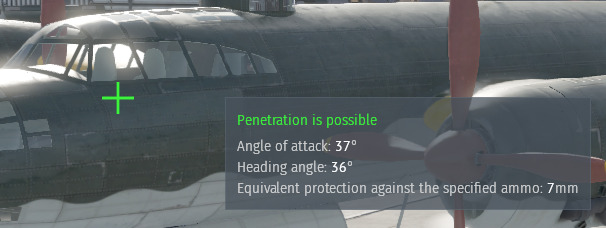
And the windows provide huge protection too.
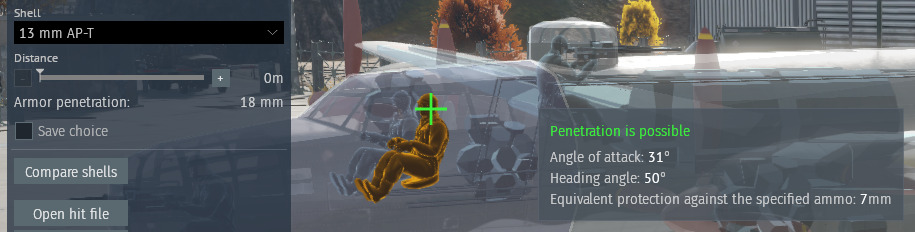
3 Likes
Well yeah bombers are all made out of steel and that is steel reinforced glass you’re shooting at.
Don’t you know anything?
3 Likes
You mean the part pilot are trained to avoid getting shot by the bomber turret?
Lt Franz Stigler, a 500mission veteran describes a 1944 attack against American bombers in the excerpt below: “It was early 1944 and an unescorted formation of about 100 B-17’s came up from the Mediterranean to bomb Germany. Our group of 36 aircraft was ordered off to intercept with my squadron flying high cover to ward off any escorting fighters, while the other two went after the bombers. We made contact just north of the Alps, a few miles from Munich. We had a good chance to inflict maximum damage to the Fortresses below us and I led my 12-plane squadron down in a screaming dive. We flashed past the high combat box in an overhead pass, continuing through through in a breakaway before climbing back up for another attack. With high speed built up in a dive, my aircraft made aircraft made a very fleeting target and the more vertical my descent, the more difficult it was for the top turret gunner to get an angle on me. I targeted the pilot’s cabin, the engines and wing’s oil and fuel tanks. On this type of approach, the firing time was extremely limited. I could get in only one short burst. But I was going so fast that I was also harder to hit and the real danger was that I might collide with my quarry. I was through the formation before he even saw me and climbing back for another pass.”
https://freepages.rootsweb.com/~josephkennedy/military/German_Pilot_Perspective.htm
1 Like
You mean the part pilot are trained to avoid getting shot by the bomber turret?
No I meant a citation for what you said since you said it was historical that:
Pilots should be trained to disengage after firing a short burst and setting all 4 engines on fire
Which would mean you providing a citation for german pilots being instructed to fire a short burst at all 4 engines and then disengage when they are on fire. That it was a taught method of attack.
Yeah this part, you see where I quote right? When did your fighter can magically shoot 88 mm AA shell from the 30 mm cannon on your fighter?
not always 88 hit on a p47 it flew home

Major Loren W Herway of Indianola, Iowa examines flak damage to his P-47 Thunderbolt. A direct hit by an 88 took out his turbocharger, hydraulics, and rudder controls, but he made it back to his base and made a belly landing. When the ground crew started to tow the aircraft away, the tail section separated completely. USAAF photo
fighters also deserve survivbility buff now that bombers got theres cause a fighter snapping from a single 20mm is unrealistic
Lt Franz Stigler, a 500mission veteran describes a 1944 attack against American bombers in the excerpt below:
“… I targeted the pilot’s cabin, the engines and wing’s oil and fuel tanks. On this type of approach, the firing time was extremely limited. I could get in only one short burst. But I was going so fast that I was also harder to hit and the real danger was that I might collide with my quarry. I was through the formation before he even saw me and climbing back for another pass.”
Which part doesn’t meet your description?
I see literally nothing in that passage stating the it was a taught method of attack to german pilots to fire a short burst at all 4 engines and then disengage when they are on fire.
You are citing something unrelated and to fit your own statement that you brought up out of nowhere being “You mean the part pilot are trained to avoid getting shot by the bomber turret?”.
This was not what you were asked to provide a citation for.
To repeat, you stated that it was quite historical that german pilots were instructed to fire a short burst at all 4 engines and then disengage when they are on fire.
Provide a citation for german pilots being instructed to fire a short burst at all 4 engines and then disengage when they are on fire. That it was a taught method of attack.
“I targeted the pilot’s cabin, the engines and wing’s oil and fuel tanks…. I could get in only one short burst.… I was through the formation before he even saw me and climbing back for another pass.”
(Dive to the bomber )
Aims at engine (and other weak spots)
Fire short burst
Disengage (by dive out the bomber formation)
Which part of it is not covered in the pilot account?
1 Like
The tail section, especially the vertical stabilizer, the horizontal stabilizer, and the left elevator. And all three of the planes hydraulic circuits. The civilian airliner still managed to fly away despite it
We also got pictures of planes surviving many hits, the point being?
Bombers aren’t made of cardboard in real life, their pre-update survivability was ridiculeous. And I dont even play bombers aside of the Tu-95 occasionally. It just felt very wrong whenever shooting down a flying giant to 10000 pieces in a single burst, where’s the realism and challenge in this?