I hit my friend’s B-29 with some 155mm HE shells yesterday and he was completely fine. So this does not surprise me.
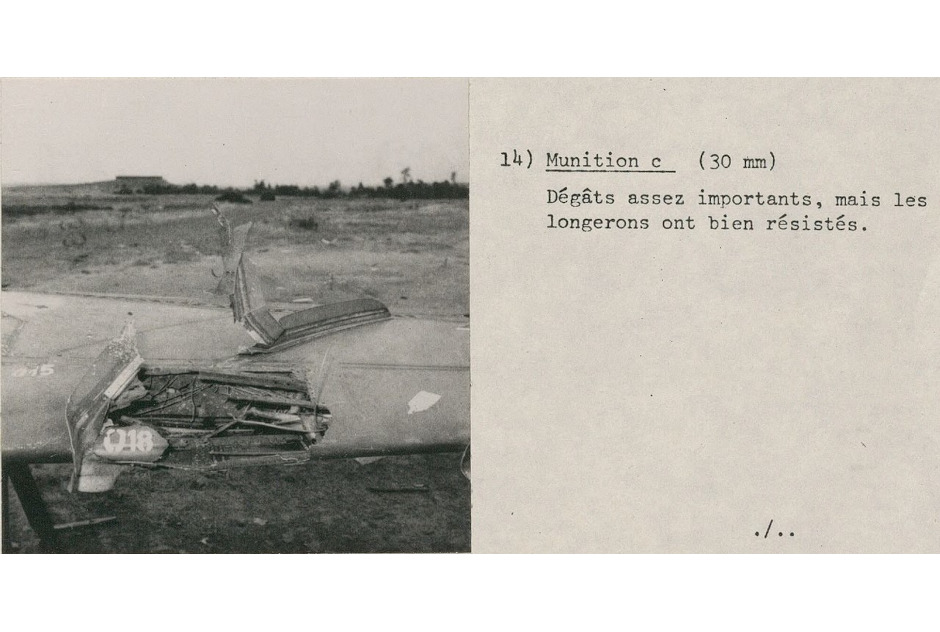
Spars are undamaged. You can also see pictures where 30mm rounds hit, and the spar not only resisted the damage but almost acted like a divider, isolating it, see?
then how did my friend get oneshotted by a 127 lol, surely you, the rigger man, havent been rigging your tests at all…
Case and point: “WHY ISNT THIS B24 DYING” As you were unloading it, purposefully, despite being told multiple times, in a spot where the game isnt actually coded to let it break apart, its like the air equivalent of shooting a butt tanking is-2 in the engine over and over. Exploiting the games old break apart model to try and make a point, and you flat out REFUSED to place just one of those APHE shells outboard of the engine to see what would happen, instead diverting your attention to some math generated by AI posted earlier, which has yet to be proved wrong lmao
1 Like
again, for any conclusion i would want more infos. especially what whould happen in the air, what ammo specificly was used and fired by what cannon or was it even fired from a cannon or just “placed” on top with a distance manual fuse?
And mayble a test that was repeated and not trialed one single time.
I trust the reports of USA and Germany, of how many shells you need to kill on average, more then any half good/bad documented photos.
Im sure there is more context in gaijins sources, they did name them under each picture you can take a look at. but that 4-5 mk108 figure, too vague for exactly where these are placed, could literally be the cockpit for all I know
1 Like
Oh i would highly doupt gaijins sources… it has been many many times that they declared smt is correct just to change it again… i mean the whole discussion is because gaijin messed up before…
and thats fine for me, as long as its a balanced game, i dont seek ultra RL in WT myself
And as I said before, it doesn’t matter if that particular spot can be broken off or not. IF the spar was blacked out by the shell they would ACTUALLY be using (HE), that would be sufficient.
Quite funny you’re accusing me of rigging when the ONLY WAY you could get that spar to be damaged enough was by hitting it directly with an APHE shell.
Hitting it directly with a shell? Man that kinda sound like thats exactly what happened irl, unlike your tests in war thunder where the shell is detonating on the surface instead of on the spar

Didn’t hit on the spar IRL either, so I don’t know why you keep thinking it did.
NEWS:
Gaijin FAN reconstucted the left half of an American Bomber, just to blow it up again!
1 Like
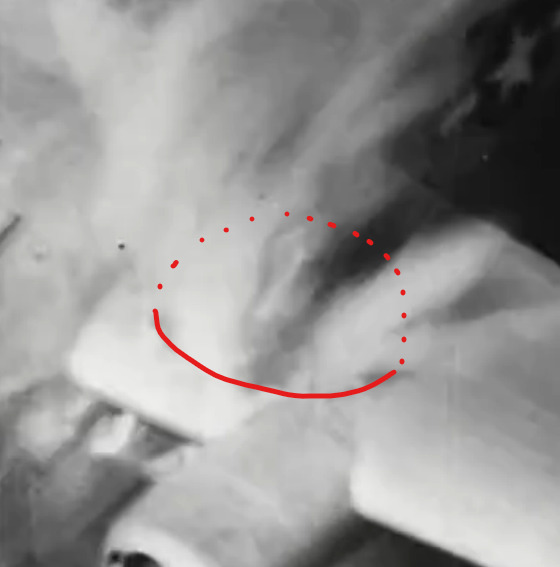
watch the video frame by frame and it blew up literally on the spar before its engulfed in flames
me when I don’t have eyes apparently
Why are you bothering to argue with a self proclaimed ragebaiter who outsources their thinking to AI? They aren’t arguing in good faith and will not change their mind.
Spoiler
I’d even say that any AI generated posts or responses should be flagged for spam
2 Likes
Unfortunately if you let the AI hallucination misinformation spread it’ll just give completely wrong information to other users…
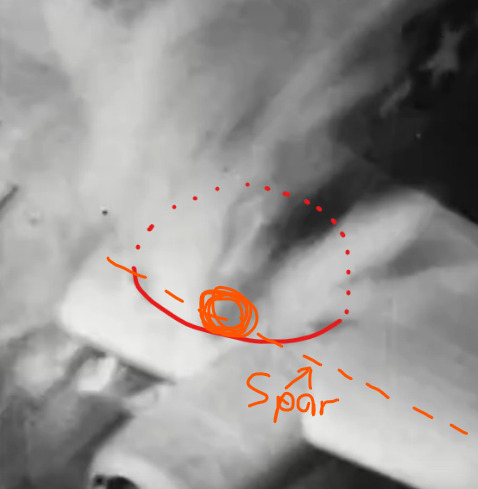
You are confusing the fuel gushing out of the hole for the hole instead of looking ahead to where the hole actually is.
Unless airstreams, you know, suck fuel FORWARDS against the flow of incoming air
In other words, it missed the spar. The shell hit in the middle of the wing’s underside.
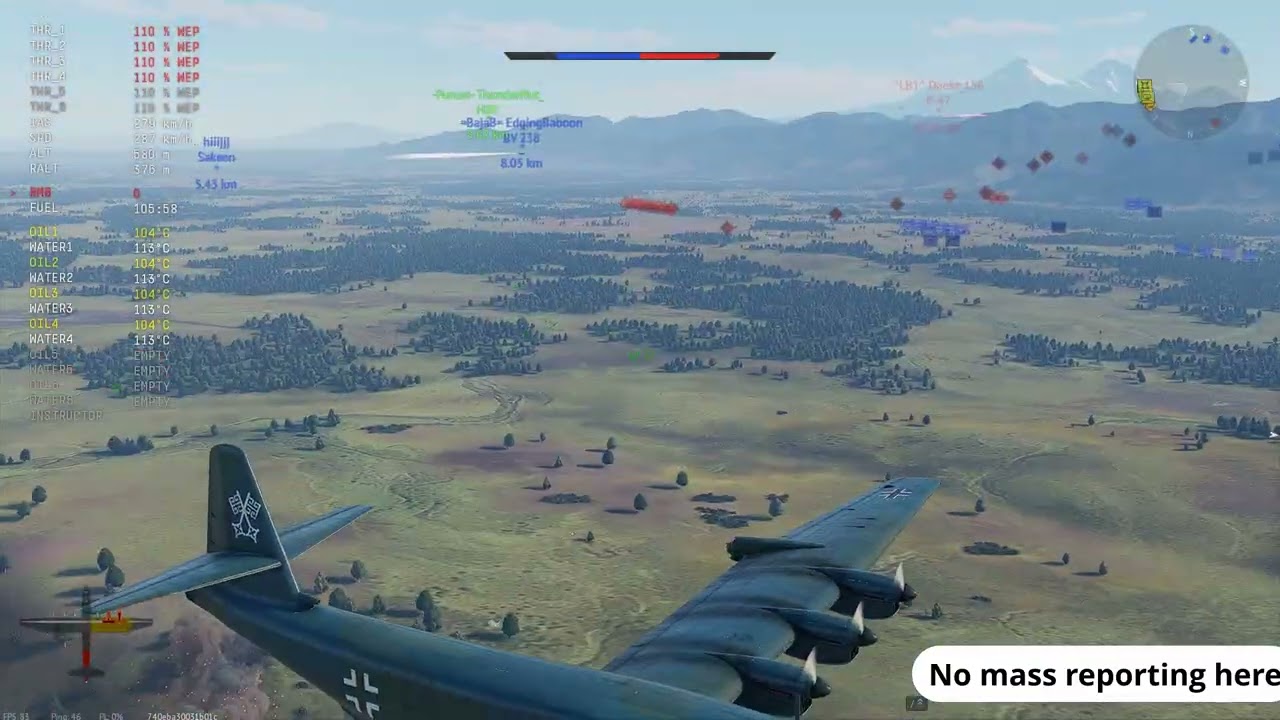
To any new members on this thread, this is the type of players that are for paper bombers
“bombers op” lmao
1 Like
I understand the general direction of the recent changes to bomber damage models. The previous situation, where relatively minor damage could sometimes cause an entire wing or tail section to detach, was not necessarily realistic.
However, looking at the current implementation, I have serious doubts about whether the same level of increased survivability is appropriate for relatively small twin engine jet bombers such as the Vautour and IL-28.
What concerns me most is how these aircraft behave after taking damage from 30 mm cannons and air to air missiles.
I do not think a single hit from a 30 mm DEFA class cannon should automatically cause a wing to fall off. At the same time, I also do not think that multiple hits from weapons of this calibre should leave an aircraft capable of continuing flight with relatively little degradation.
An aircraft does not need to physically lose a wing in order to be effectively destroyed. Damage to flight controls, hydraulic systems, fuel systems, engines, electrical systems and internal structure can all make controlled flight impossible even when the airframe itself remains largely intact.
Missile damage raises an even bigger question.
If an aircraft such as a Vautour or IL-28 receives a direct hit or a close detonation from an air to air missile such as an AIM 9, it should be exposed to substantial blast and fragmentation damage. If a relatively compact twin engine aircraft can suffer this kind of damage and still retain most of its controllability and flight capability, I have to question whether that behaviour is actually realistic.
Aircraft such as the Vautour and IL-28 are not huge strategic bombers with enormous internal volume and systems distributed across a very large airframe. They are relatively compact twin engine jets. Their survivability should therefore depend heavily on where they are hit, what systems are damaged, how much structural deformation occurs and whether redundancy actually exists in the affected systems.
Simply making an aircraft more resistant to structural separation does not necessarily make the damage model more realistic.
I do not want to return to a situation where a single cannon shell can unrealistically remove an entire wing. What I would rather see is more realistic degradation of the aircraft after serious damage.
A bomber can remain physically intact while still losing enough control authority, propulsion, fuel, hydraulic pressure or structural integrity to make continued flight impossible.
The important question should not just be whether the wing remains attached. It should be how much functionality the aircraft retains after being hit.
If the current survivability of aircraft such as the Vautour and IL-28 is based on structural testing or real damage data, I would be very interested to see what evidence supports their current ability to remain flyable after multiple 30 mm hits or significant air to air missile damage.
2 Likes
I’m having a great time clicking on people and being basically invulnerable
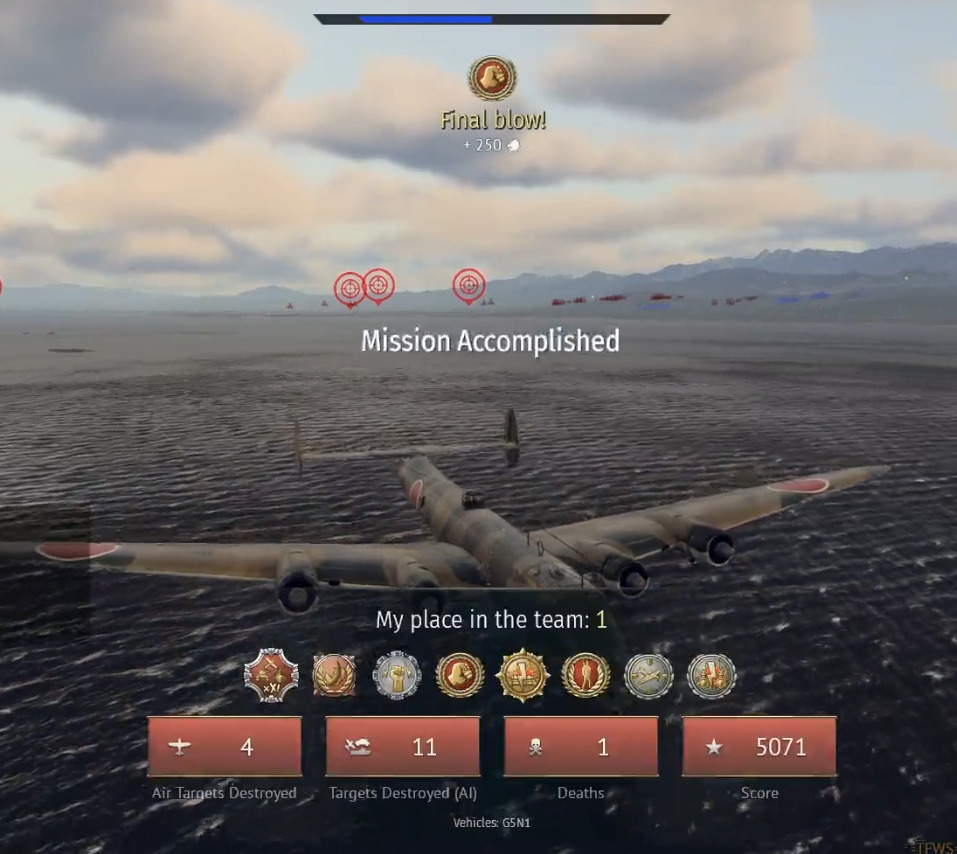
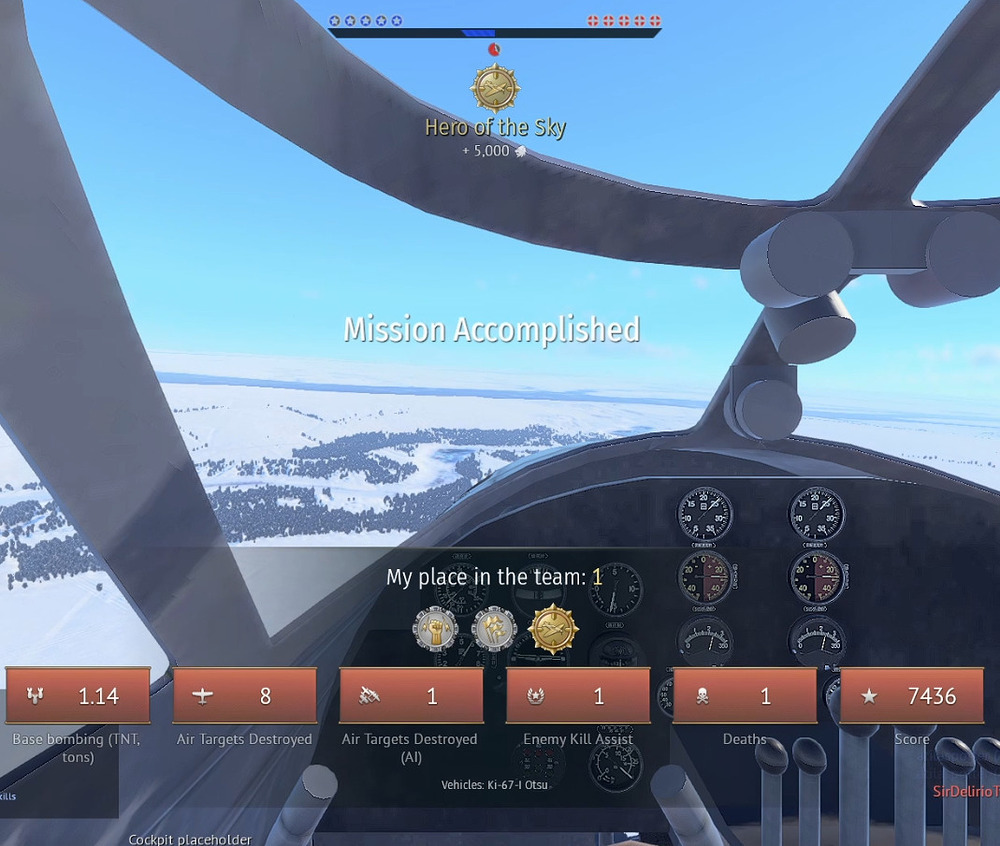
Very realistic to survive 3 engine fires and one fuel fire going for a few minutes!
1 Like
surviving 3 engine fires on a 2 engined ki67?