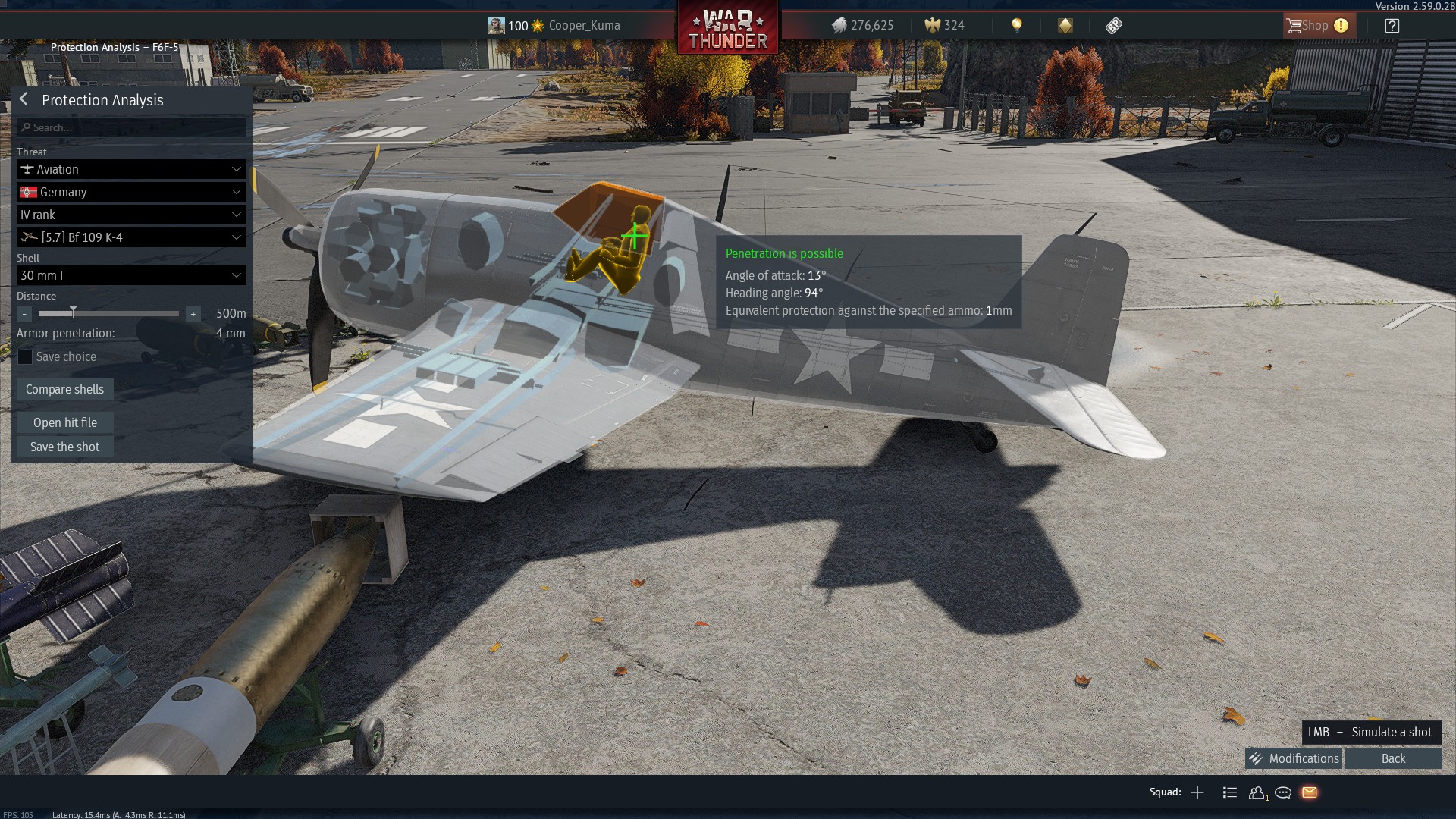
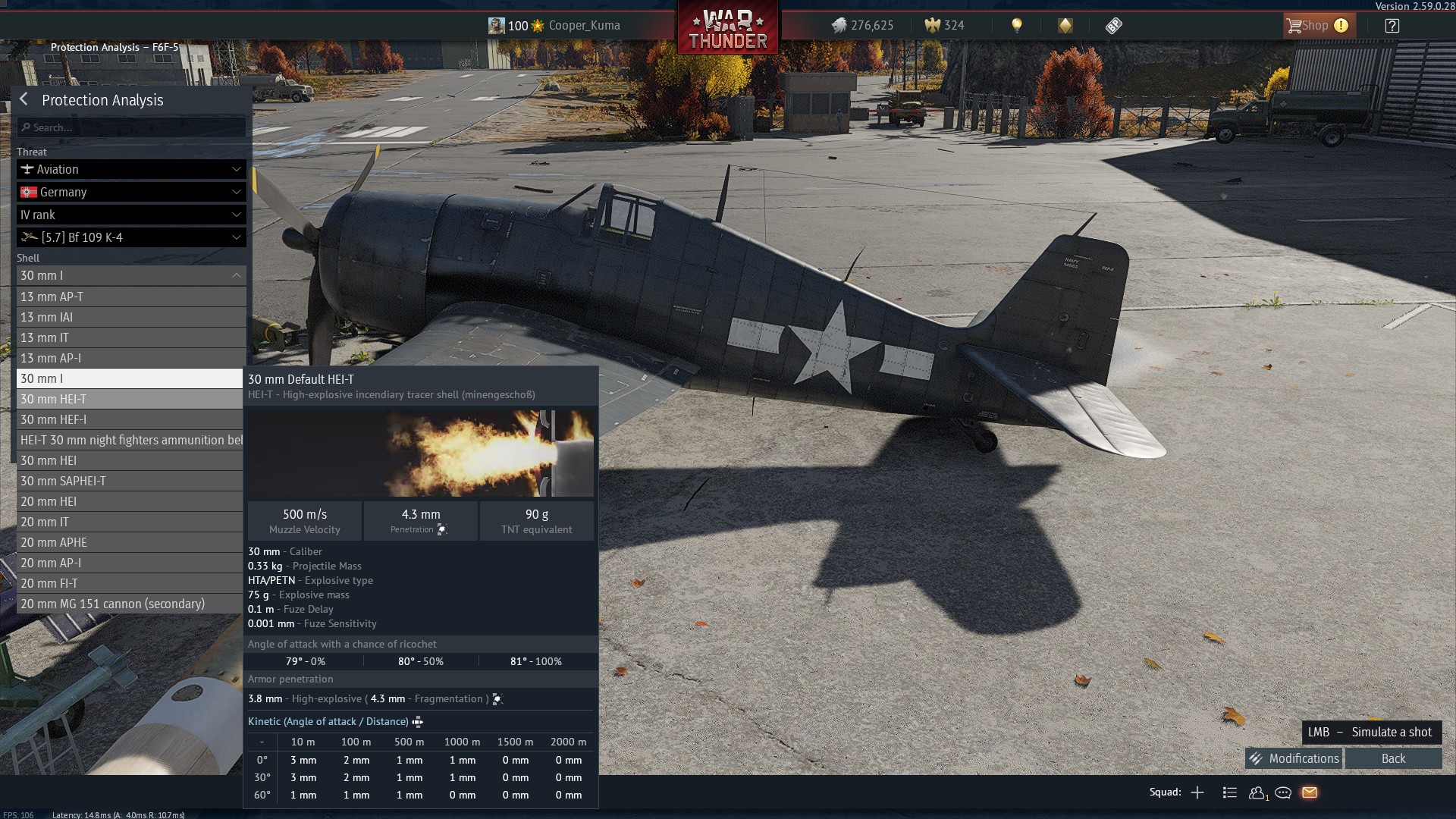
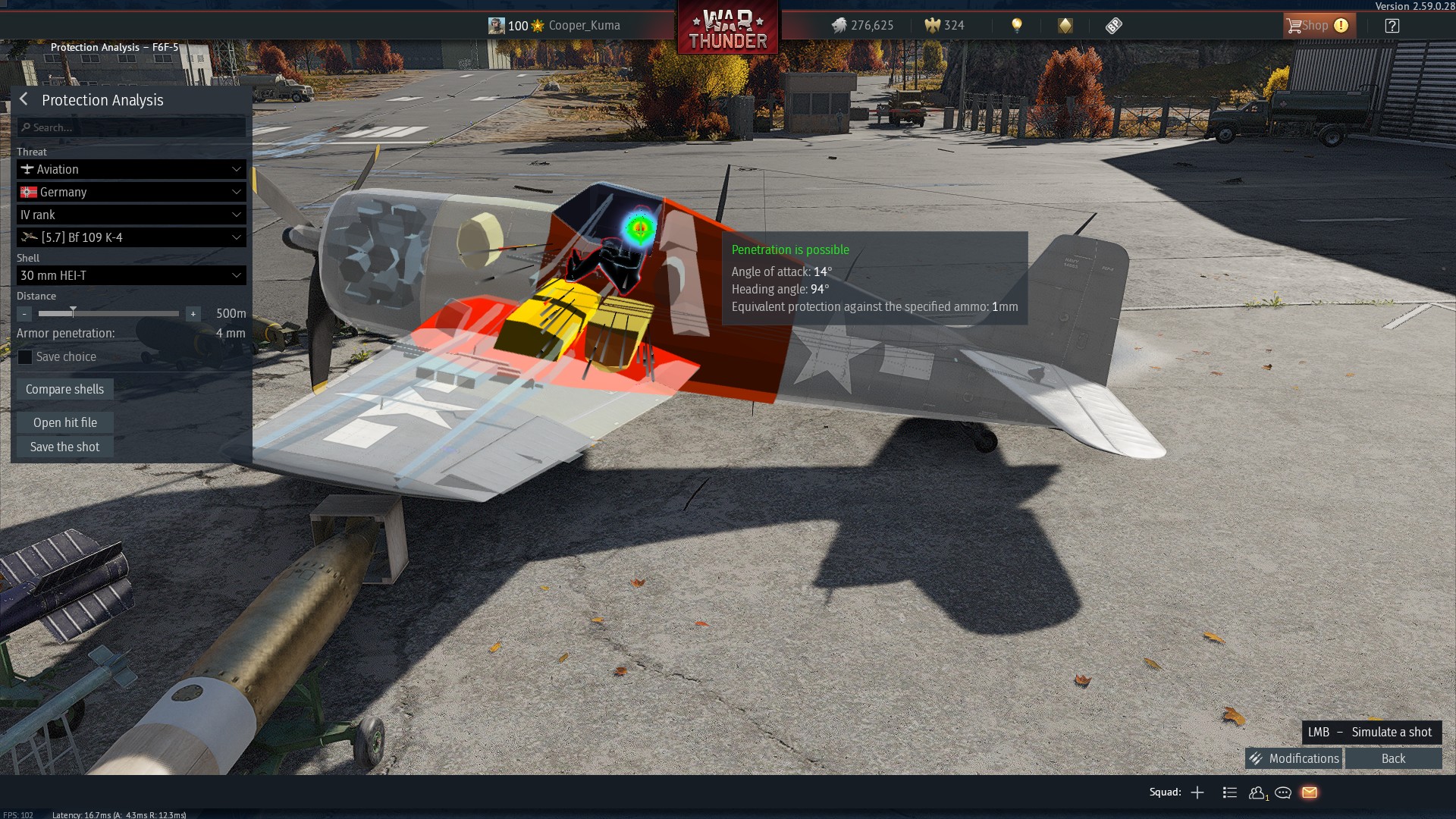
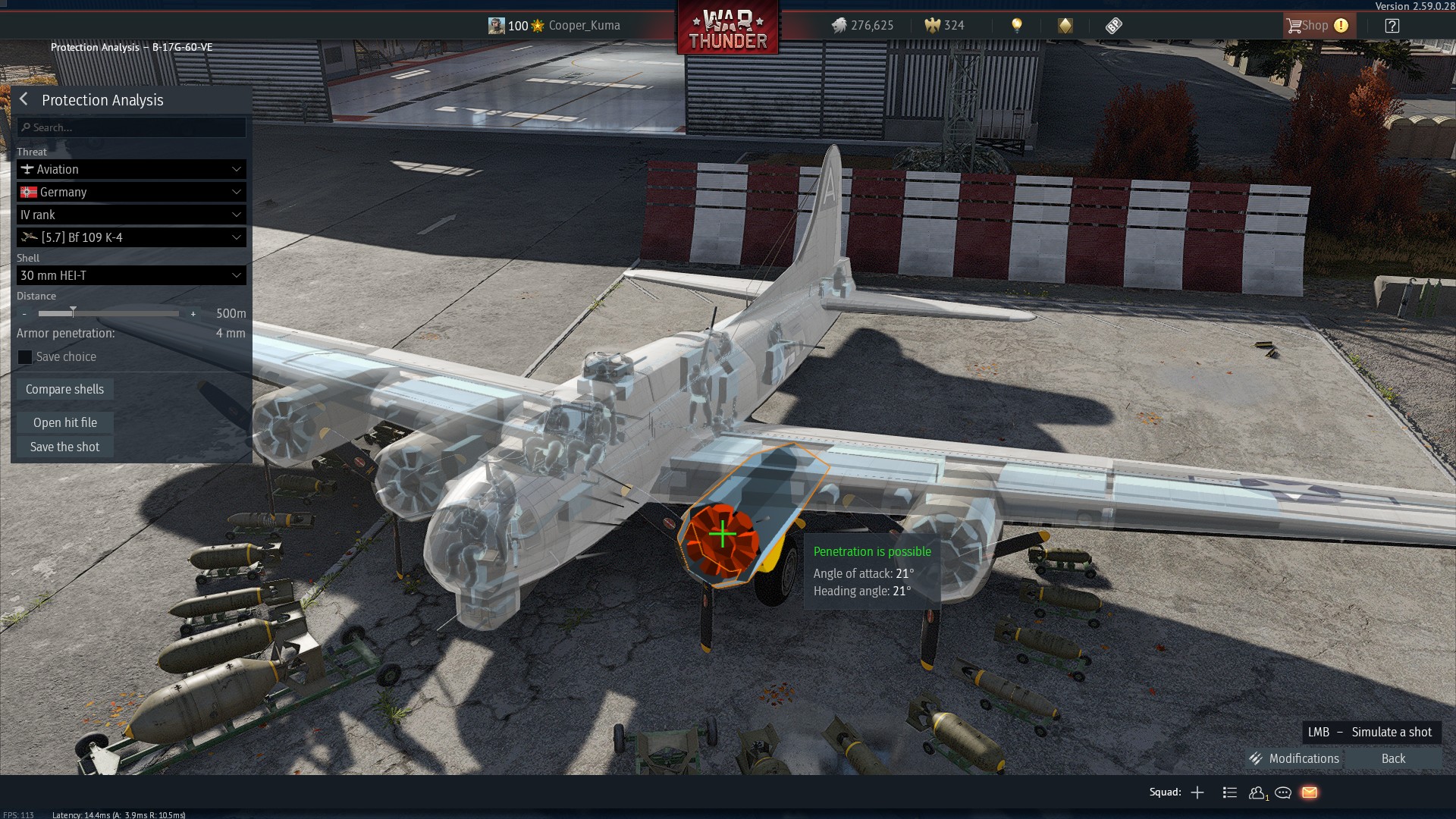
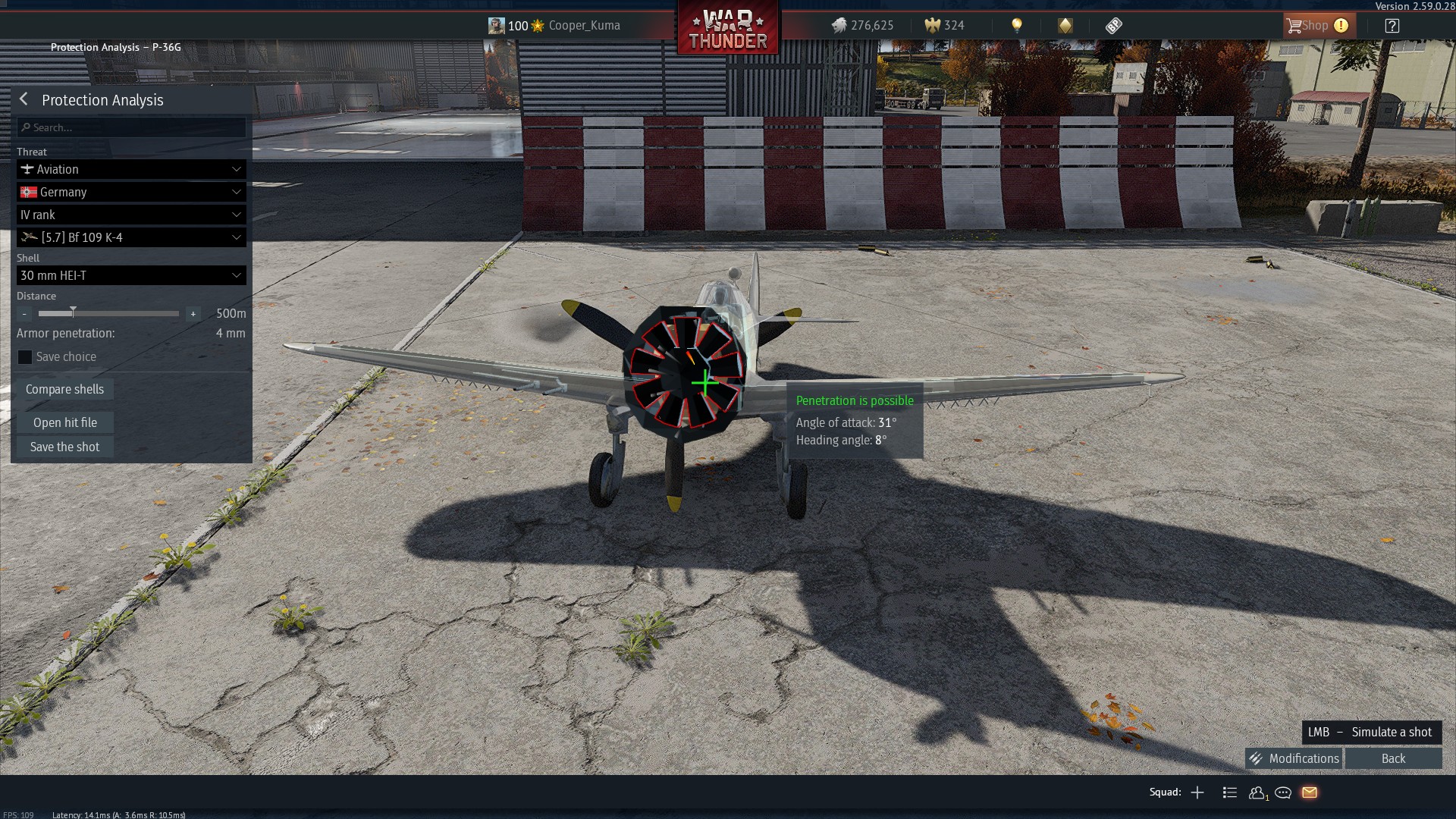
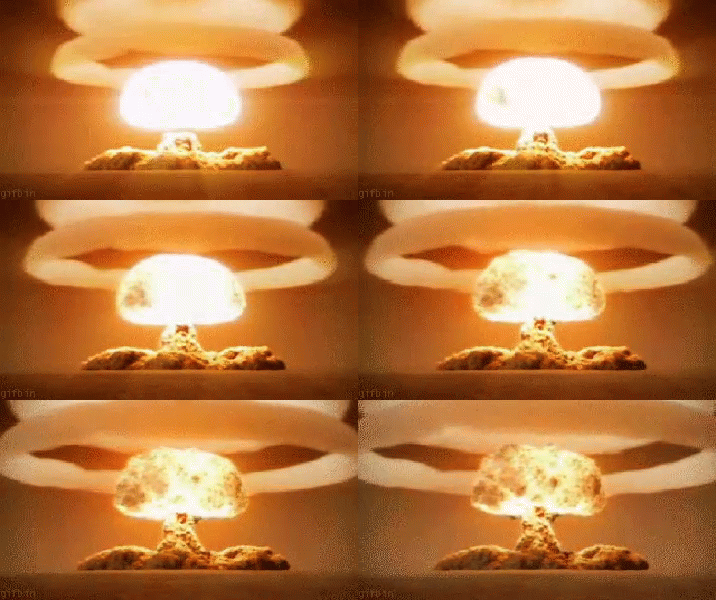
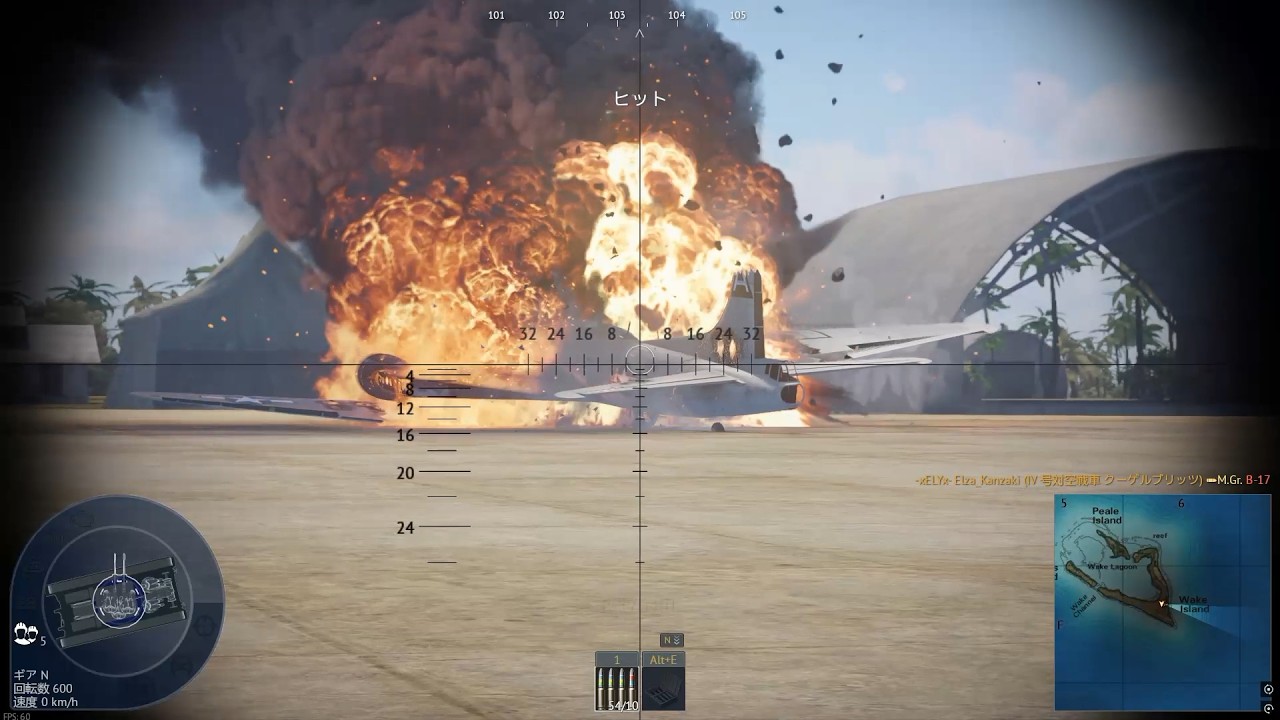
The problem is the round you used is not the one that do the damage, is the Minengeschoss, look at the difference and this HEIT doesn’t do much damage to the bombers modules
Despite i am not involved in this - and idc - a short replay to your essay:
As long as you work with flaws statistical data - your results are flawed.
The reliance on average percentage loss rates is a convenient way to smooth out the real cost of the Combined Bomber Offensive. Those averages mix the high-loss deep penetrations of 1943 with the far larger volume of sorties flown later under long-range escort, plus milk runs, weather aborts and lightly defended targets. The resulting low single-digit figures are mathematically correct and still give a distorted impression of what crews actually faced.
Absolute numbers are harder to dismiss.
US heavy bomber combat losses in the European theater (primarily Eighth Air Force) already exceeded 5,500. Add the Fifteenth Air Force operating from Italy and the total climbs well past 7,000–8,000 heavy bombers lost against Germany and its allies. Medium bombers add further hundreds. Bomber Command’s own operational losses sit between roughly 8,300 and over 10,000 aircraft depending on the exact definition used. Those are not marginal figures.
Your claim that airframes were tougher than the men inside them also misses the practical point - and show that a degree can’t replace common sense:
Contemporary operational research showed that a large share of total losses began with engine or fuel-system damage that forced aircraft out of formation (USAAF) or immediate and total loss (RAF BC) due to way lower combat ranges and instant fuel fires. Protecting the systems that kept the aircraft flying could have saved more crews than added crew armour. Focusing only on the percentage of aircraft that returned therefore understates the real human cost of the planes that did not return.
“Dying in droves” is rhetorical. Using carefully averaged percentages that dilute the worst periods with the easiest ones is simply the other side of the same selective reading.
Absolute losses and the way those losses were counted matter more than the smoothed wartime average.
In the last 48hrs I’ve come closer than ever to uninstalling this game and walking away. I’m largely retired and have enough disposable income that I’ve spend between $8-$10k on a computer, FCS, monitor, and dumping GE into the game when I got sick of grinding something stupid, or didn’t enjoy playing where I was anymore. A long time ago PC gamers in my vein held console players (as a species) in dim view. The advent of ‘free to play’ (gotcha) and cross-platform gaming has only gone to prove this.
I’ve spent 20 years as a TTRPG and wargame dev and you have no idea how badly I miss having up close and personal face-time with players. Sure we had debates, sure we had arguments and sometimes had to go for a walk…but we were friends and we respected one another. I was AFK for a long time with the Army - and then as contractor, and I’d hoped things had changed but…as with the world today it’s all gone to the lowest common denominator. Large portions of what we see on many forums across many sites aren’t even written by human hands - they’re bots meant to solicit a specific response that, when they get a certain ‘tug’ on the line, an influencer comes on to spin things for…who TF knows what reason.
What’s sad is they’re often the more intelligent, more cognizant ones.
I’d pay good money to have all these kiddos come together and meet in person. Maybe one in a hundred would ACTUALLY be toxic. I’ve met murderers, child molesters, rapists, thieves, terrorists, and heroes (sometimes in the same person)…they’re all humans and they all were forged by their experiences and their choices: Not a single one of them was irredeemable or started life ‘evil’ or were intrinsically stupid. I don’t think people are generally speaking, this stupid or this malicious (again, not talking about the thread, just in general)
I’ve said it before and I’ll say it again: This game has the potential to be something amazing. It’s not the dev’s fault - they bust their balls to try and accommodate everyone. Their bosses are in some part at fault because their business model is terrible, it literally is the “I’ll take the penny now, fk your dollar later” mindset. But by and large…like politics…the electorate, the consumers are the problem.
I wish I’d never come home from Iraq. I wish it daily and sometimes I wish it hourly. It wasn’t worth it. Seeing this wasn’t worth it.
I’m still in belief your image you posted previous of where it should “be” is pretty well placed.
But, as said previously…
Console aiming in RB/SB is atrocious.
But they’re working on the damage models at least.
I do think the Tu-1 is a lot better balanced than people are saying, given 1 engine fire is usually a death sentence. (Especially because it kills the controls over time)
But I would like to see the Bf110 and others get some love.
To add on: I think they really need to revise the severe damage mechanic for the buffed bombers.
Like x amount of gunners / engines killed = a severe.
Lastly… they need to fixed the shell inconsistencies and the ghost shells going on.
(I shot a spit fire 3 dozen times with no pt loss or ping above 25 and I watched multiple tracers fly through him. Granted it’s been bad in grb as well as nrb)
(This is no longer about you and feel free not to respond.)
Absolute numbers are staggering, but you are confusing the raw scale of a global industrial war with the operational math that governed it—and that governs game design.
No one is dismissing the immense tragedy or the scale of the losses. Over 8,000 US heavy bombers lost in Europe is a horrifying, massive number. But using absolute numbers to analyze mission-by-mission survivability is a textbook statistical error. A global campaign that lasted over 1,000 days and dispatched hundreds of thousands of individual sorties will inherently yield massive absolute numbers.
If we applied your ‘absolute numbers over percentages’ logic to game design, a single War Thunder match would require a pool of 200,000 players to justify losing 2 bombers.
To address your points on Operational Research:
The ‘Out of Formation’ Reality: You are completely correct that engine or fuel damage forced bombers out of formation, making them prey. But you missed why that matters here. If a bomber took engine damage, dropped out of formation, and was picked off, that is counted as a combat loss in the 1.7% statistic. The statistic doesn’t magically ignore them; it proves that despite the fragility of engines, 98.3% of the aircraft dispatched on an average day still made it back to base.
The Systemic Breakdown: Your point actually reinforces my argument about War Thunder’s geography problem. In real life, a bomber with a damaged engine dropped out of formation and entered a desperate, multi-hour defensive struggle or limped toward Switzerland/friendly territory. In War Thunder, taking engine damage doesn’t cause you to fall behind a 50-plane formation; it drops you directly into a 30-second nose-dive into the battlefield floor because you spawned 15 kilometers away from the enemy airfield.
Using percentages isn’t ‘selective reading’ or propaganda—it is literally how the USAAF Operational Research Section (ORS) and RAF Bomber Command calculated the systemic viability of their campaigns. They knew a 5% loss rate meant the end of the force.
Bringing it back to the game: War Thunder is a simulation of individual engagements, not a 4-year war of attrition. When a single WT match yields a 50% to 100% bomber casualty rate, it isn’t replicating the Combined Bomber Offensive. It’s replicating a 3-minute execution.
RAF Bomber Command:
59% of airmen became casualties
Out of every 100 airmen, 45 to 51 were killed, 6 to 8 were seriously wounded, 8 to 13 became POWs, and only about 38 to 41 survived physically untouched.
USAAF (Eighth Air Force): 66% became casualties (KIA, WIA, POW).
(Before the introduction of long-range escort fighters in mid-1944, a staggering 77% of airmen who flew against the Reich became casualties)
That sounds a bit more serious than your 1% loss rates per sortie.
We need to increase the rewards for shooting down bombers to several times their current level.
If interceptors started actively attacking bombers, it might help stop the situation that is beginning to turn into “Bomber Thunder.” In Sim, shooting down 10 or more bombers grants a special bonus called “Bomber Nightmare,” but even that is too low.
I think so too still. And i believe that the upcoming refinement to the damage model will bring it close/closer to that.
I’ve given my opinion on this already, and it hasn’t changed.
Have not flown it since the changes, so I don’t have an opinion of it. The TIS MA on the other hand, based on my experiences, is in the same category as other bombers currently → needs refinement and fire damage to be more damaging overall.
I think all similarly sized and performing twin engine fighters need damage model reworks.
For balancing purposes planes such as the P-38 could be excluded, as it doesn’t struggle due to it’s flight model being competent as it is.
But planes such as the Bf 110, Me 410, Pe-3 and other similar ones, struggle to find a use case where they would have an advantage other than “More Guns.” Thus they would benefit from a damage model rework to make them more viable to use.
Losing an aircraft and losing a airman are two completely different scenarios.
A B-17 isn’t written off because the waist gunner got burned with hot oil or the ball gunner became minced meat because of flak.
According to the National Museum of the USAF, of the 35000 heavy bombers built, 5548 were lost in WWII, either by enemy fire, crashes or being destroyed on the airfield.
The B-26 Marauder was one of the most survivable planes in WWII with a 0,5% loss rate (5266 planes built, more than 110,000 sorties, 911 planes lost in combat)
I am not confused. You simply follow a narrative I do not share. I am addressing the historical side of this, not the game-design argument.
You are deflecting.
Absolute numbers are not a statistical error when the subject is the real cost of the Combined Bomber Offensive. Several thousand US heavy bombers lost in Europe, plus Bomber Command’s own losses running into the high thousands, represent tens of thousands of aircrew. Those figures matter. They include what happened when bombers actually met fighters, as well as losses to flak and other causes. Presenting only the smoothed average loss rate leaves out the scale of that cost.
You are deflecting by shifting the discussion to mission-by-mission survivability. That is not the picture you drew earlier. The low average percentages that are often quoted include a large volume of easier sorties: milk runs, weather aborts, coastal targets, mass raids (BTO) flown under cloud cover that limited interception, and the much higher sortie totals of 1944–45 once long-range escort was available. Those factors pull the wartime average down. They do not change the cumulative risk faced by crews during the more dangerous periods, nor do they erase the absolute scale of the losses.
Counting conventions also matter. Aircraft that returned too damaged to fly again were not always entered in the same loss column as those that went down over enemy territory. That distinction further softens the published percentages. Operation Clarion (2,000+ bombers vs zero opposition) and similar large raids flown with little or no opposition are simply the most visible examples of the same pattern.
The operational research sections used percentages to judge whether the force as a whole could be sustained. That is a legitimate institutional metric. It is not the same thing as describing the individual experience of the aircrew, and it does not make the absolute human cost secondary. It also does not describe the outcome of those occasions when bombers and fighters actually met.
The historical record shows both high absolute losses and carefully averaged rates that mix the worst months with the easiest ones. Focusing only on the averages produces an incomplete picture.
When you compare cumulative aircrew loss rates in certain periods with the better-known figures for German submarine crews, the parallel is obvious. The continued public focus on the aircraft themselves while downplaying those crew losses remains selective.
The 5,548 number comes from the Army Air Forces Statistical Digest and covers only heavy bomber losses on combat missions in the European Theater of Operations by the 8th AF. It does not include the Fifteenth Air Force operating from Italy, losses in the Mediterranean, the Pacific, China-Burma-India, or the B-29 force. It also excludes non-combat losses.
The National Museum of the USAF itself states on its own pages that more than 8,000 heavy bombers were lost in combat. Broader tallies of US heavy bomber combat losses across all theaters run higher still, into the 8,000–9,000+ range depending on exact definitions.
On top of combat losses there were substantial additional write-offs from training accidents, ferry flights and other non-operational causes inside the United States. Those numbered in the hundreds for heavy bombers alone and form part of the overall attrition. That’s why rough estimations of bomber losses due to all causes end often near to 10,000.
So the claim that only 5,548 of roughly 35,000 heavy bombers were lost is simply a part the ETO combat slice counting the 15th AF as MTO whilst they attacked similar or the same targets as the 8th AF, and, ofc, not the full picture.
Man, reading your post really hit hard. I just wanted to take a moment and say that I genuinely hear you, and I share that exact same sadness about where this community—and gaming culture in general—has ended up.
Watching people throw away basic human respect over video game mechanics must feel utterly exhausting. Even though I’ve fallen into toxicity around here myself at times, reading your post genuinely made me feel ashamed on my part.
On behalf of the few players here who still care about actual substance, history, and logic: I’m truly sorry you had to deal with the worst side of this platform. Please know that your words didn’t fall on deaf ears.
Thank you for sharing such a raw, honest perspective, and for everything you’ve contributed over the years. Please take care of yourself man, your well-being is worth infinitely more than any of the nonsense on this forum.
Very recently, and not in just one or two replies.
Self-reflection and acknowledging your sub-optimal behavior shows character. Kudos to you for it.
I was reminded, quite recently, that certain types of expressions and behavior doesn’t belong in discussions such as the ones found on these forums. I’ve done my best to change the way i communicate things to be more civilized and respectful and less offensive and colorful. Im glad you seem to have come to a similar realization.
We don’t need to agree on everything, but we can atleast disagree in a civilized and respectful manner 👍🏻
Total number of destructions are wholly irrelevant if they aren’t also compared to something else, a number by itself isn’t a statistic, it’s just a number.
1000 losses during one sortie of 2000 planes is VERY different from 1000 losses from 500 sorties of 2000 planes each (given that each sortie had on average the same risk associated with it).
Isn’t that what is most relevant for WT ? since each match is a “mission” ?
This however is a very valid point. So how do you propose to calculate and weigh it instead? since so far you have (from what i understand) only pointed out flaws in their use of statistics without providing alternative ways to calculates how those historical facts should influence the vehicles in WT.