Ain’t they have it already?
Most of hits are fatal for me so cant confirm. And when I hit su25 with stinger its almost always one hit kill.
2 Likes
This post was flagged by the community and is temporarily hidden.
1 Like
wrong
1 Like
I was bored so I shot 8 Adats missiles into the same engine/wing on the IL-28 in test-drive.
aside from a obviously destroyed engine, it was pretty much completely fine.
Spoiler: Here's what a single ADATS missile does irl btw
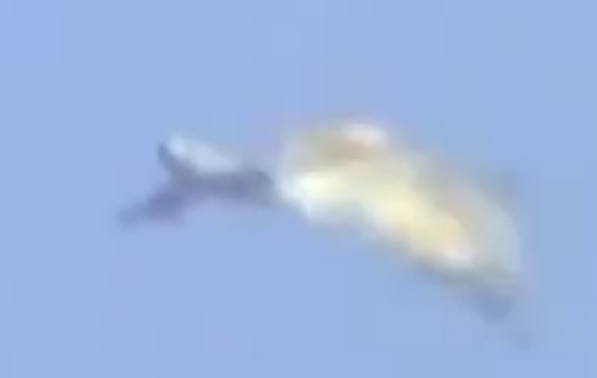
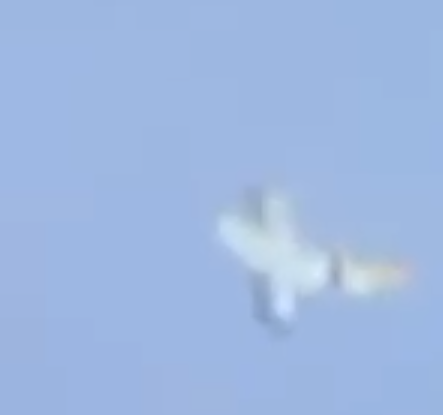
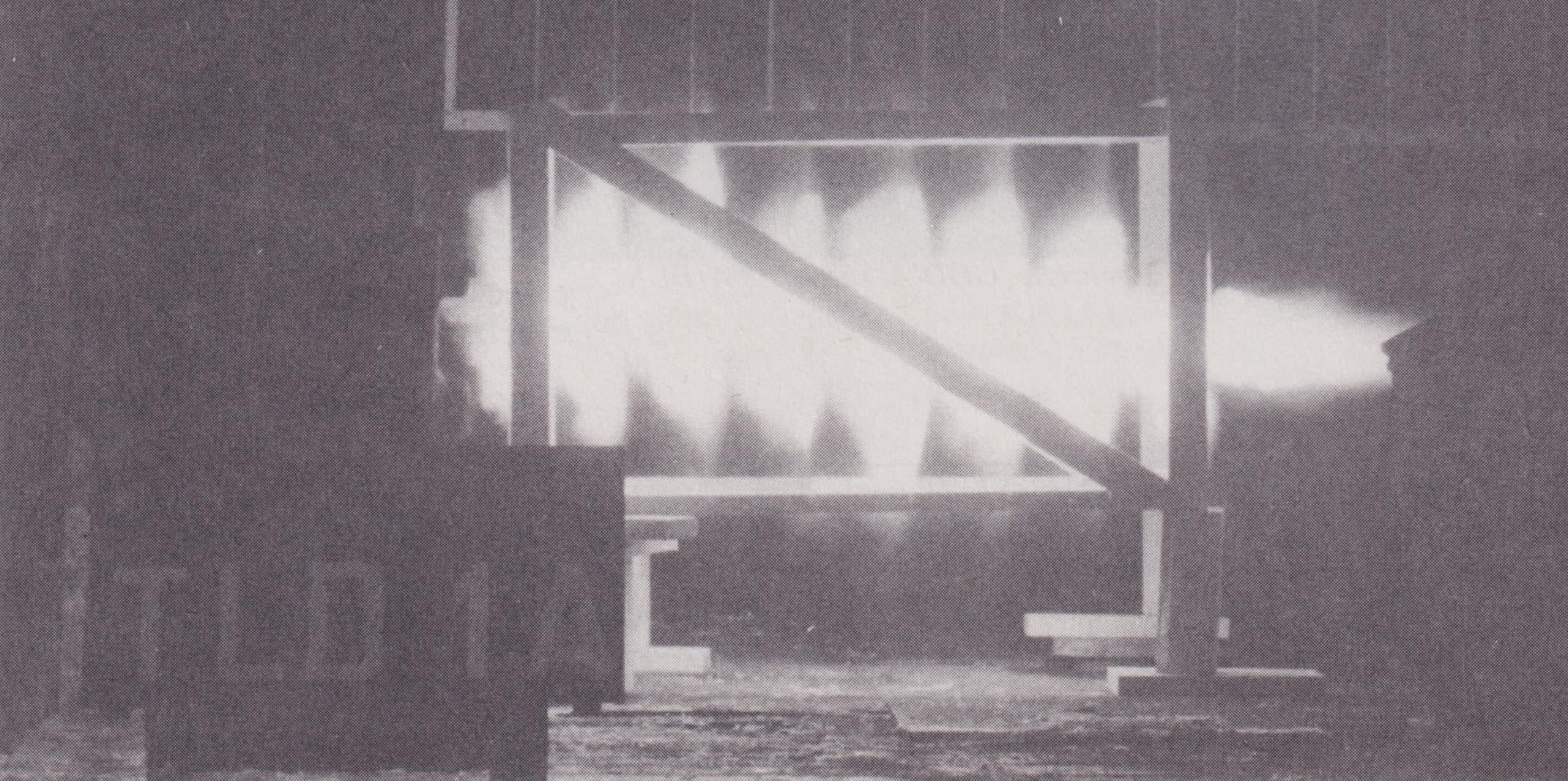
QF-86, impact with live-warhead → Deleted the thing out of the sky.
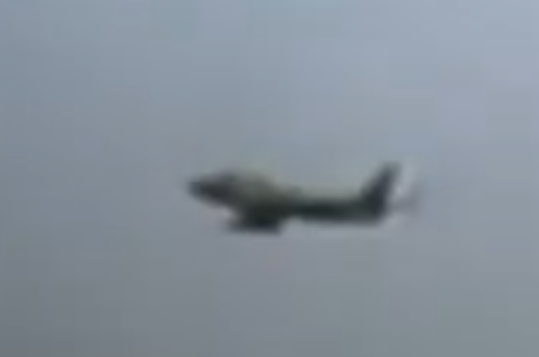
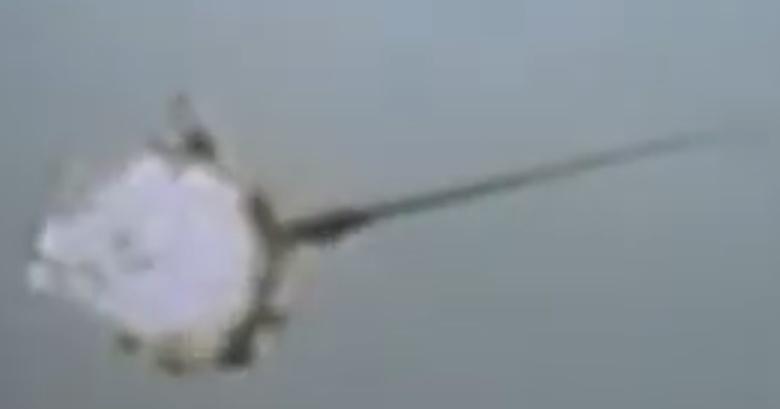
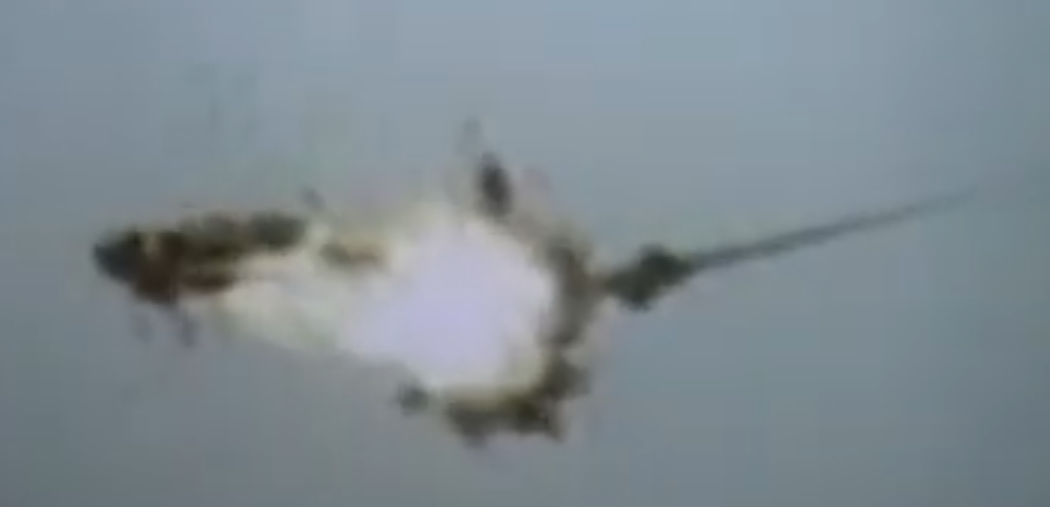
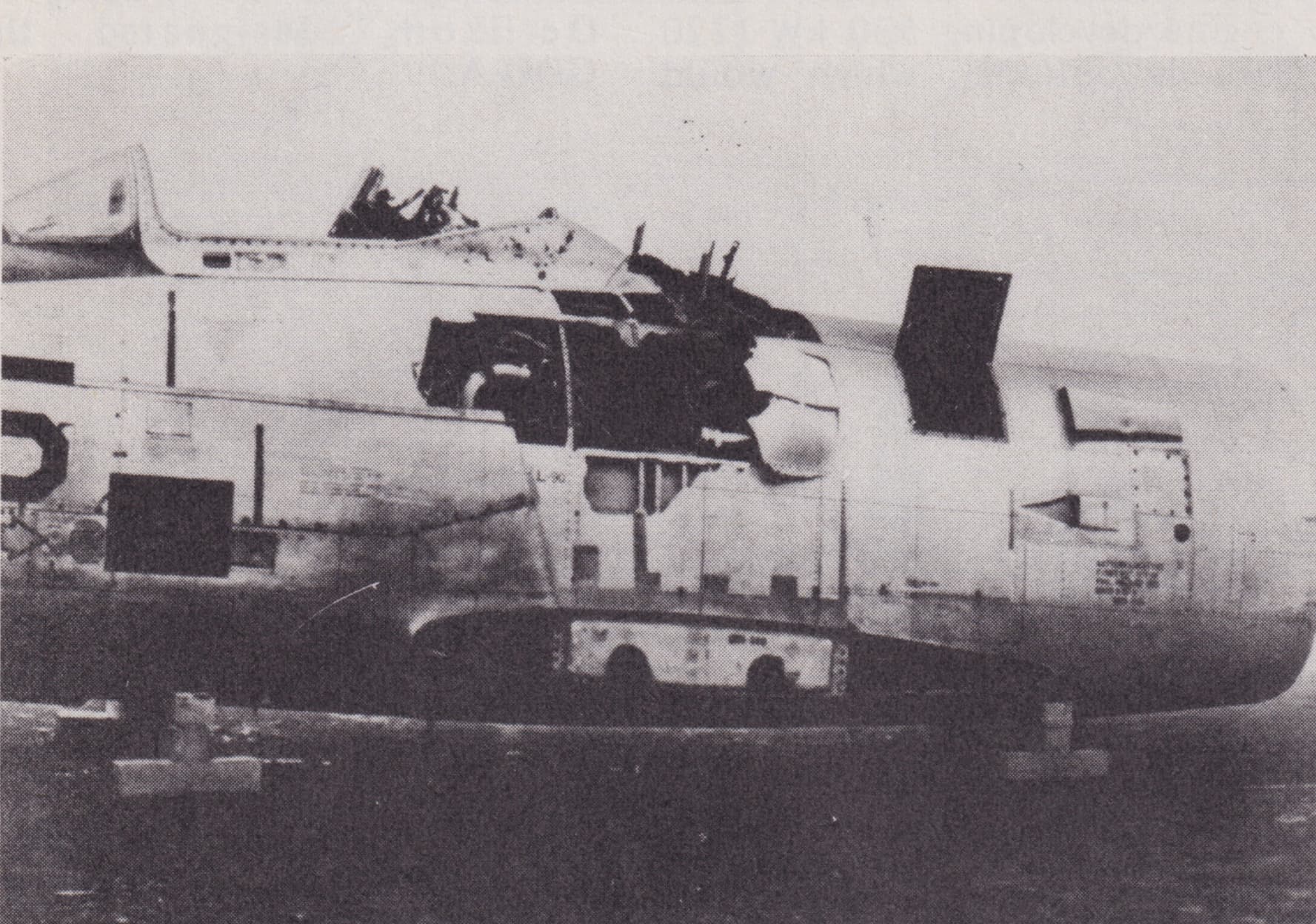
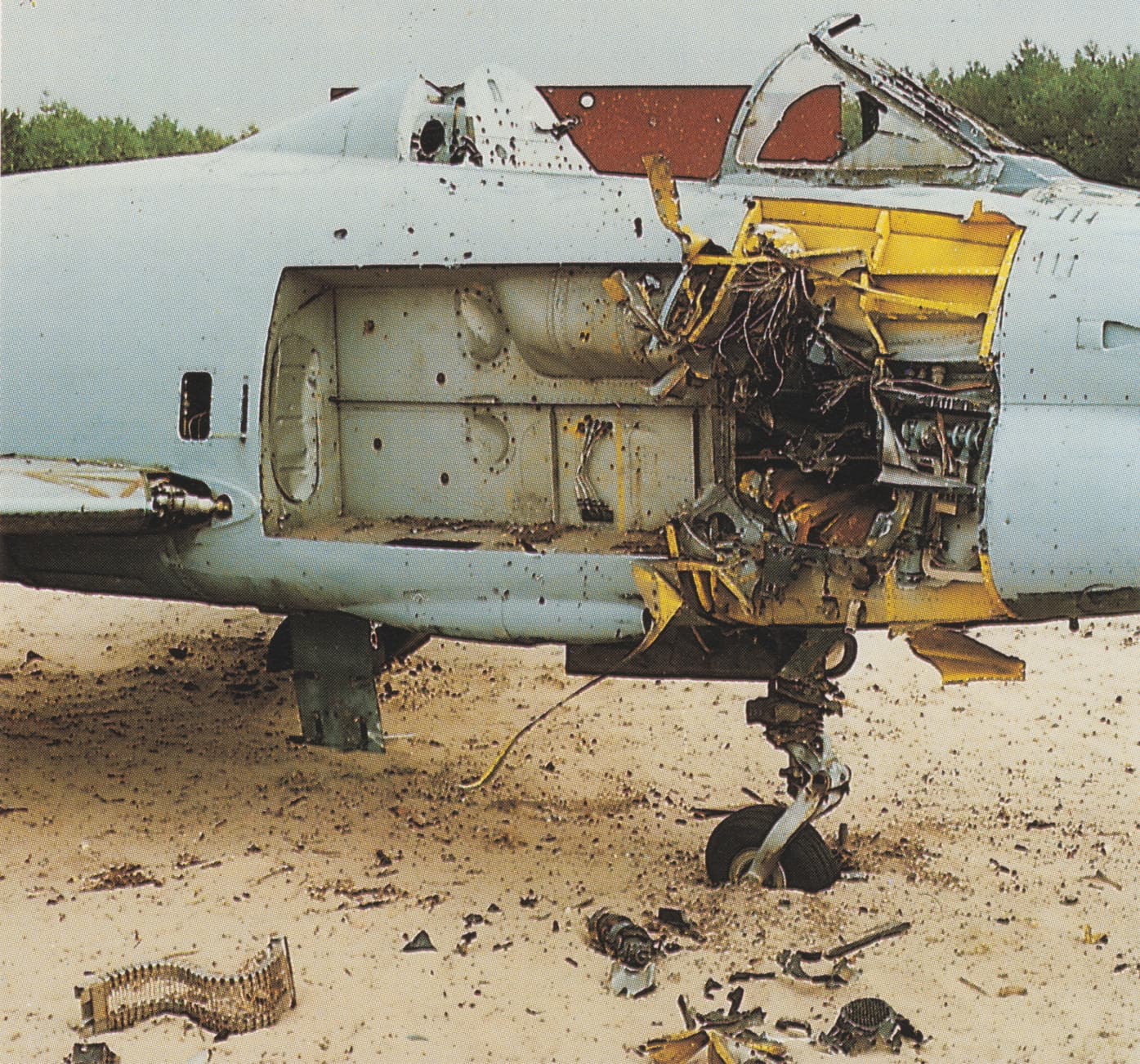
Higher res pictures of the impact:
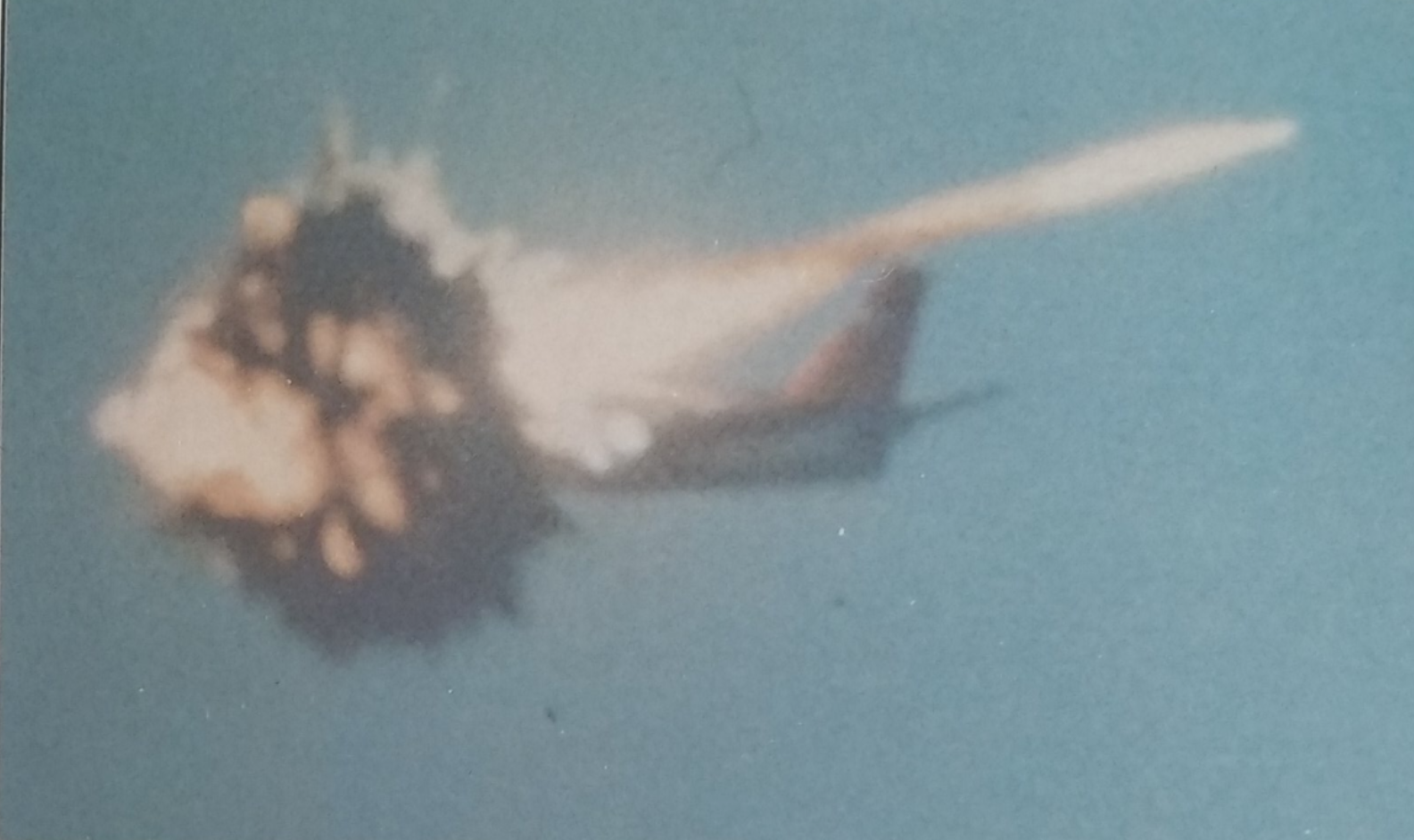
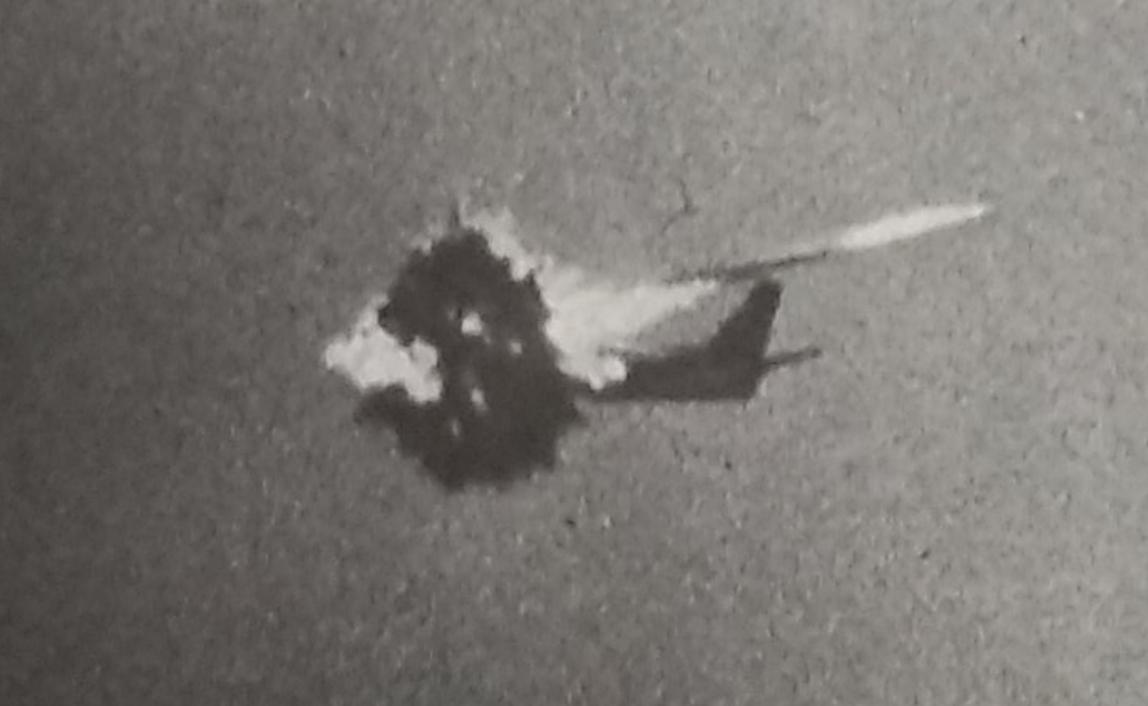
QF-86, impact with live-warhead → Separated the ENTIRE WING ASSEMBLY from the fuselage
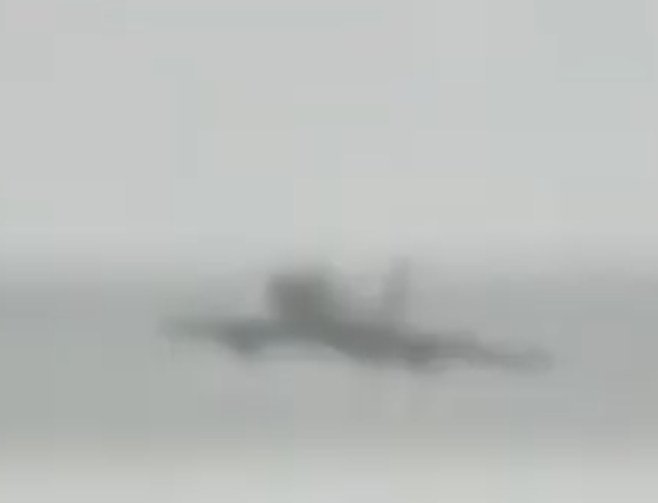
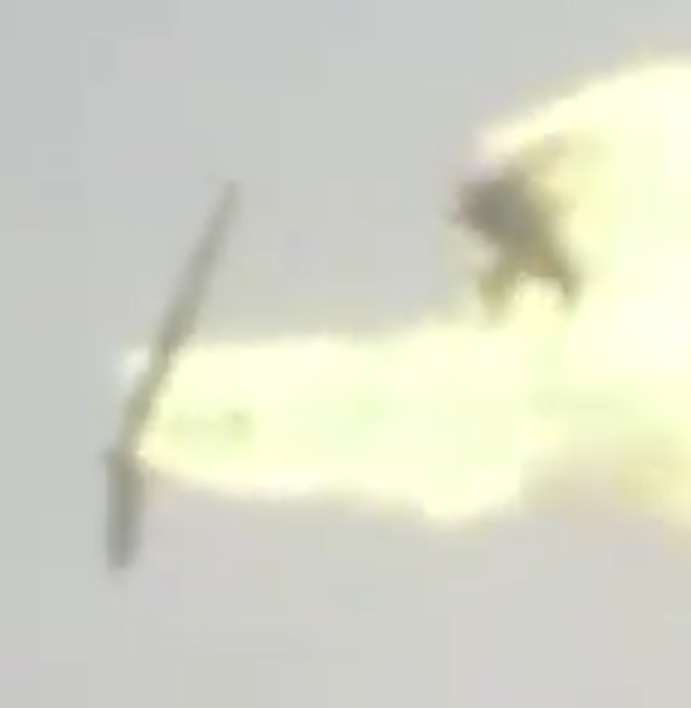
QF-86, Direct impact on wing, Warhead: Training/Dummy (no filler)
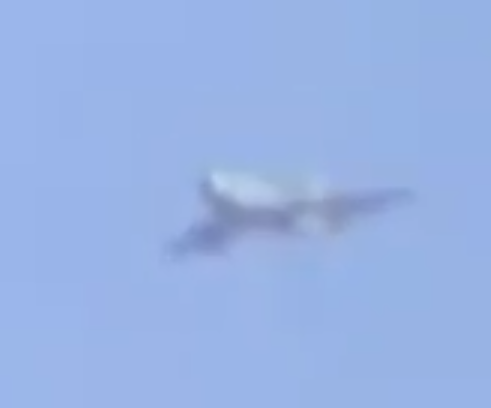
Wings’ and wing-fueltanks survivability are just absurdly overtuned, fragmentation of virtually every shell used on aircraft is insufficient to even pen the wing-fueltanks with fragments or deal damage via blast.
They also gave them what is essentially immunity against Blast-damage; as you need to deal 250 damage to EVEN QUALIFY for setting fires. 250 damage is round about 600g of TNTe btw, roughly a 75mm HE shell.
And wanna take a guess how high the fire-setting chance of a 75mm HE shell’s blast-damage is on a fuel-tank?
9%
What are we even doing man
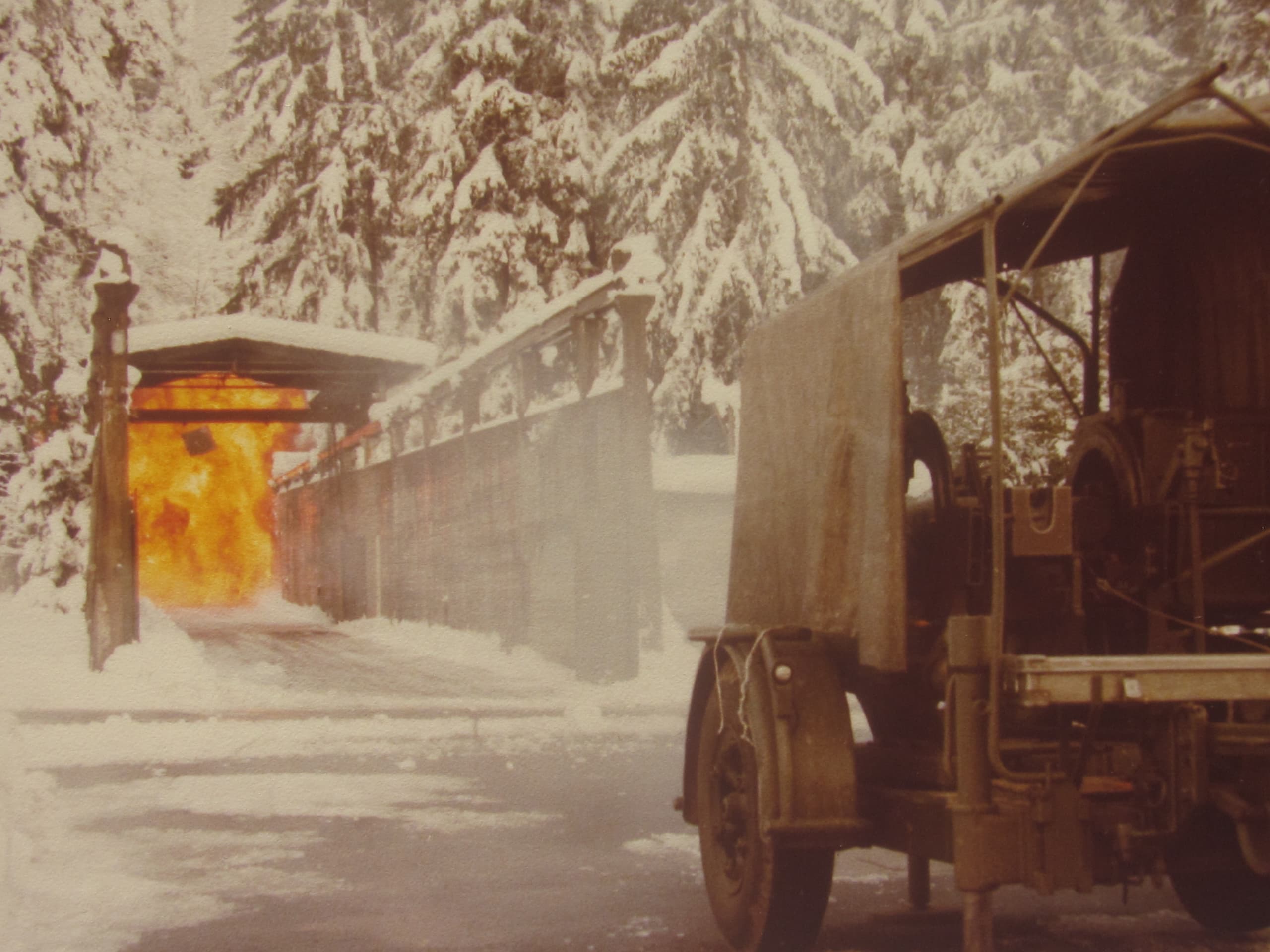
And for any shells that have insufficient tnt filler to deal blast-damage (so virtually all of them), your only way of setting fires is through shrapnel.
Now take a wild guess what they also made fuel-tanks virtually immune against.
Right, shrapnel. (B-24)
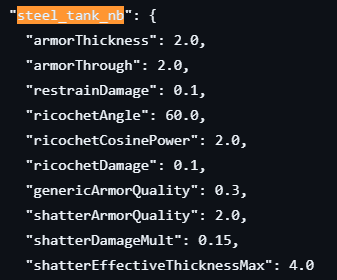
2.0x armour quality against shrapnel (shatterArmorQuality) and also conveniently reduces the damage dealt by shrapnel by 85%.
Mk 108’s, along with almost ALL other 20mm, 25mm, 30mm, etc. HE-I or HEF-I shells have insufficient fragmentation penetration for this in the first place.
Even if you do, by some miracle (faceplanting yourself into the fuel-tank at 90° impact angle or sth) hit the fuel-tank with shrapnel, your fire-chance, at best, is roughly 7.5%.
Direct-hits with non-incendiary AP shells have a whopping 0.25% fire-starting chance on fuel-tanks (much wow much fun).
Like I guess we are just ignoring kinetic energy, which by itself is more than sufficient to make the aluminium react with oxygen and turn the sorrounding air into a literal fireball. (hey, did I mention that we are hitting kerosene?)
As I kinda feared already, the fire-starting chances are just laughable.
I fully understand and support that they lowered the effect of some small-calibre (.50cals e.g.) shells on these aircraft but granting them what is essentially full immunity against >20/30mm HEI fragments and basically all aircraft-gun HEI blast-damage, aswell as non-incendiary AP shells is just demented asf.
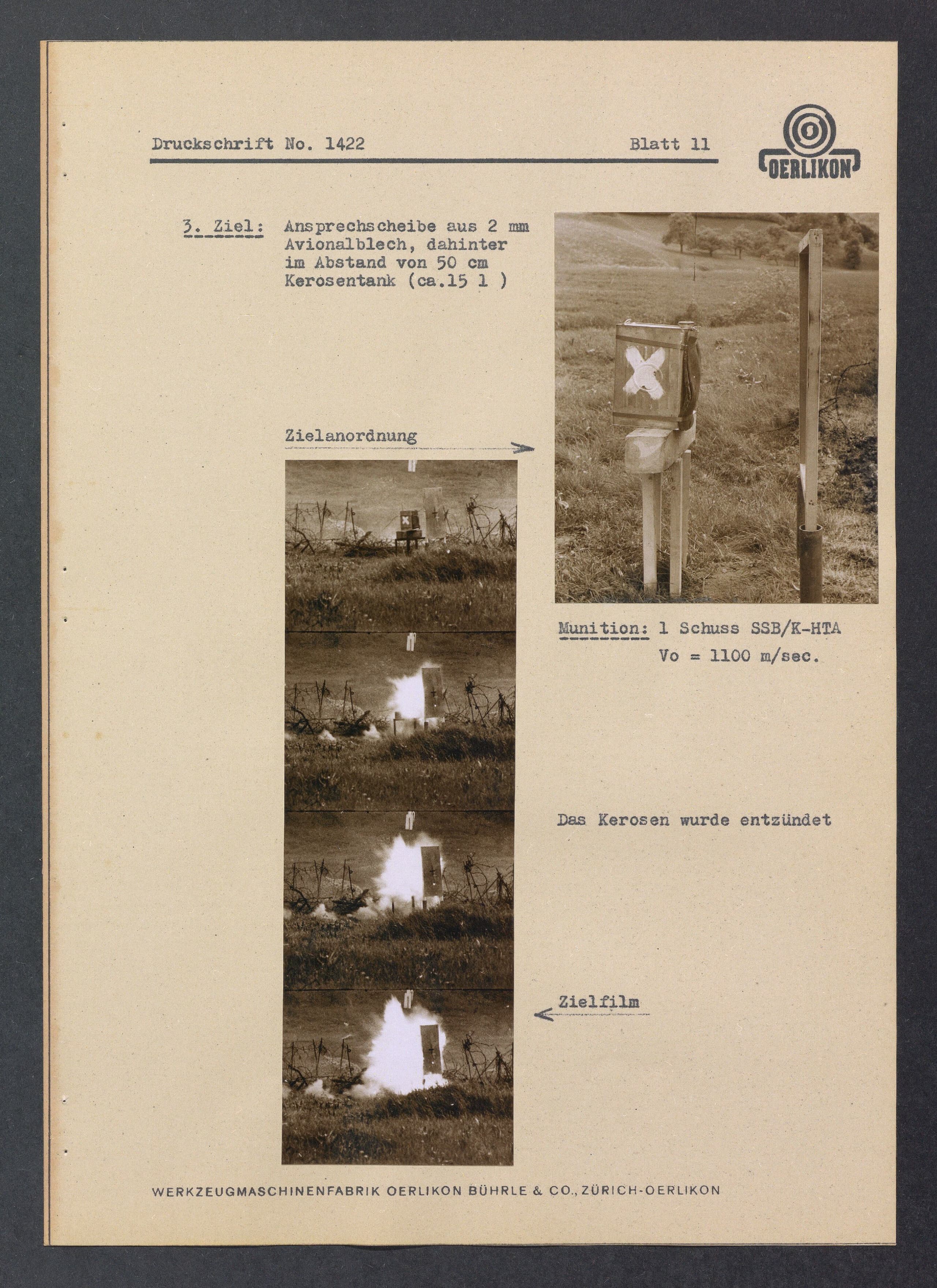
Spoiler: Bonus pictures of firing tests using various Oerlikon shells (20-35mm)
35 mm MSD-042 HEI (112g HEXAL P30), Oerlikon Cannons KD-Series (all)
**20 mm MSA HEI (10.0g HEXAL), Oerlikon Cannons Types KAD (HS 820), KAA (204GK) & KAB (5TG)
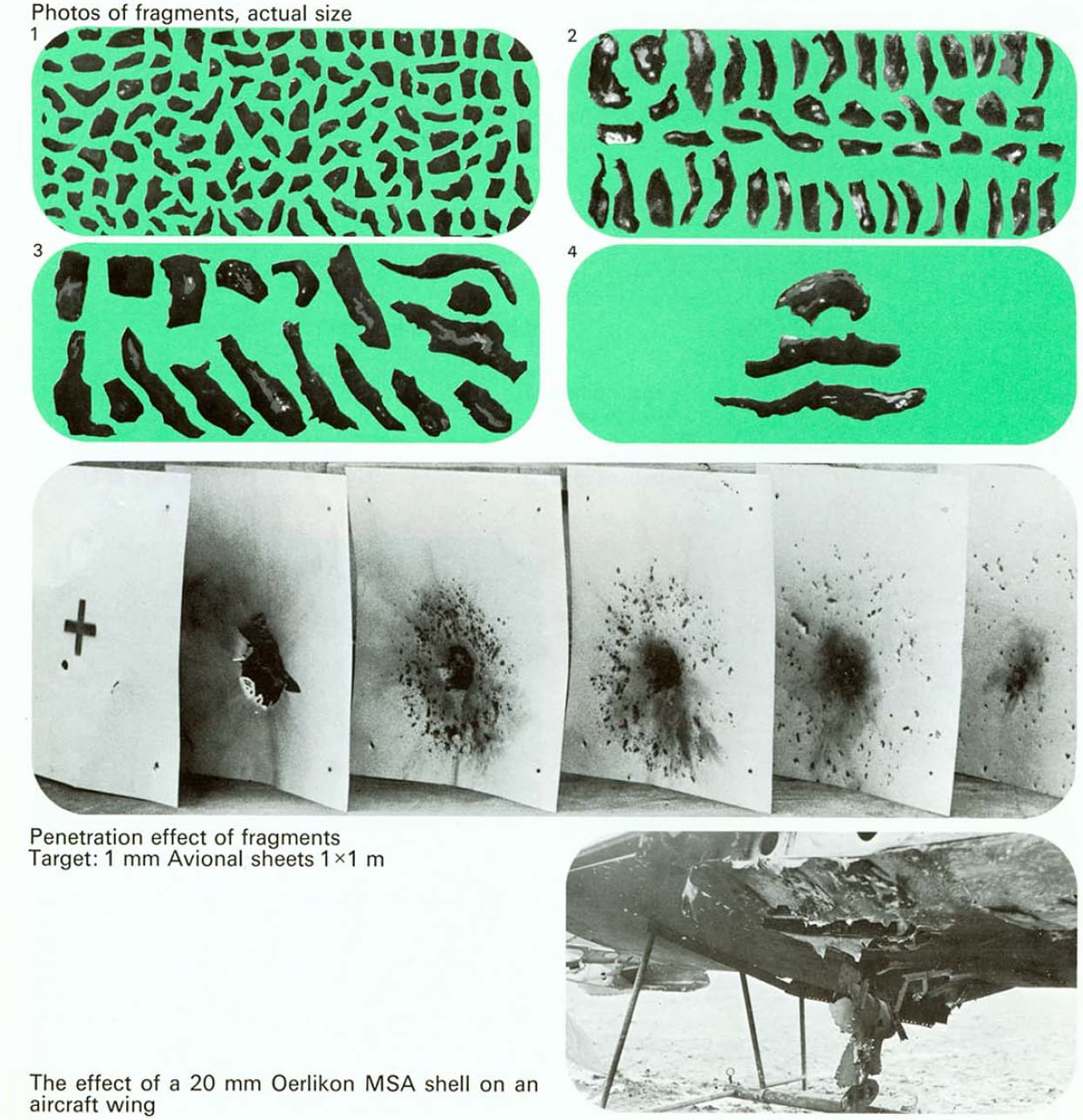
20 mm PLA APHEI-T (4.7g HEXAL), Oerlikon Cannons Types KAD (HS 820), KAA (204GK) & KAB (5TG)
Target: 20mm RHA, 60° (30° NATO)

25 mm SSB-064 HEI (base-fuze, 22g HEXAL P30), Oerlikon Cannon Type KBB
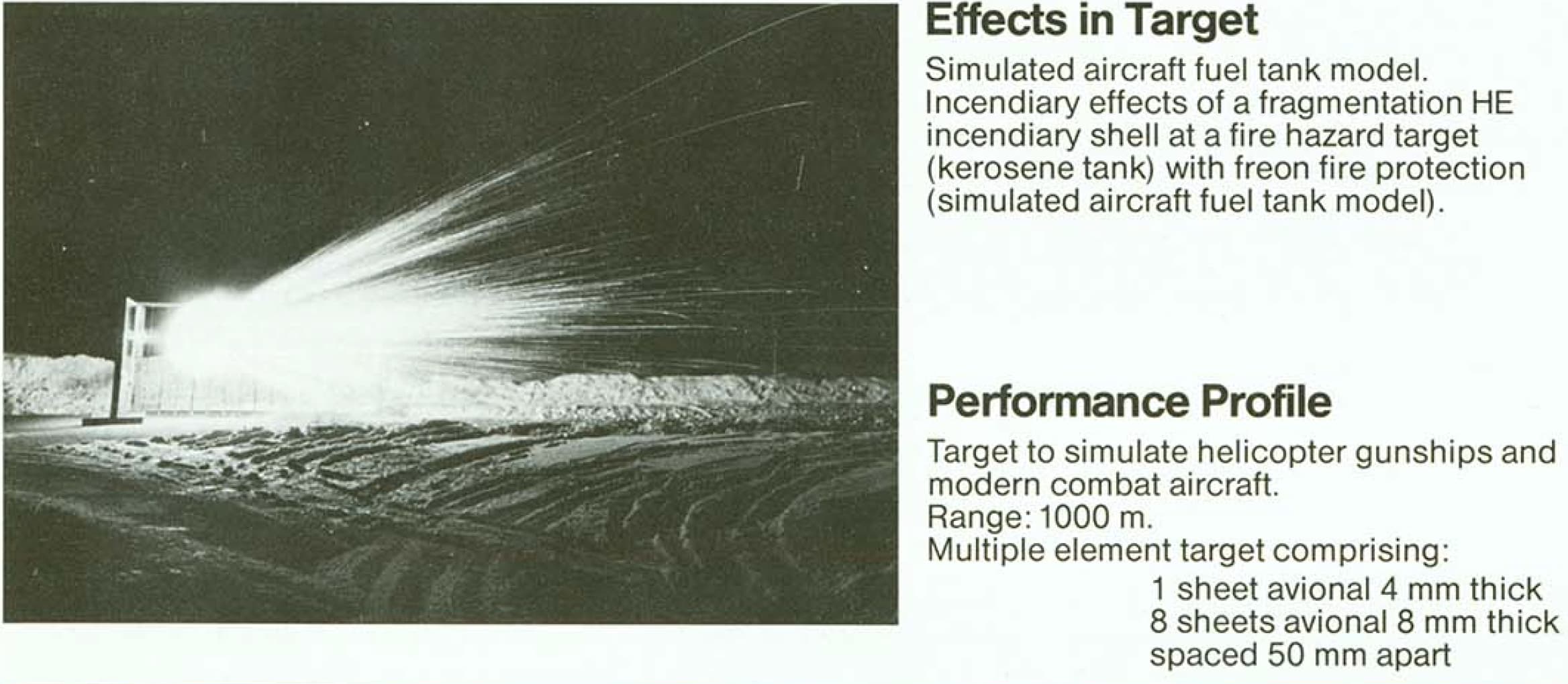
25 mm SLB-050 HEI-T (27g filler), Oerlikon Cannon Type KBA
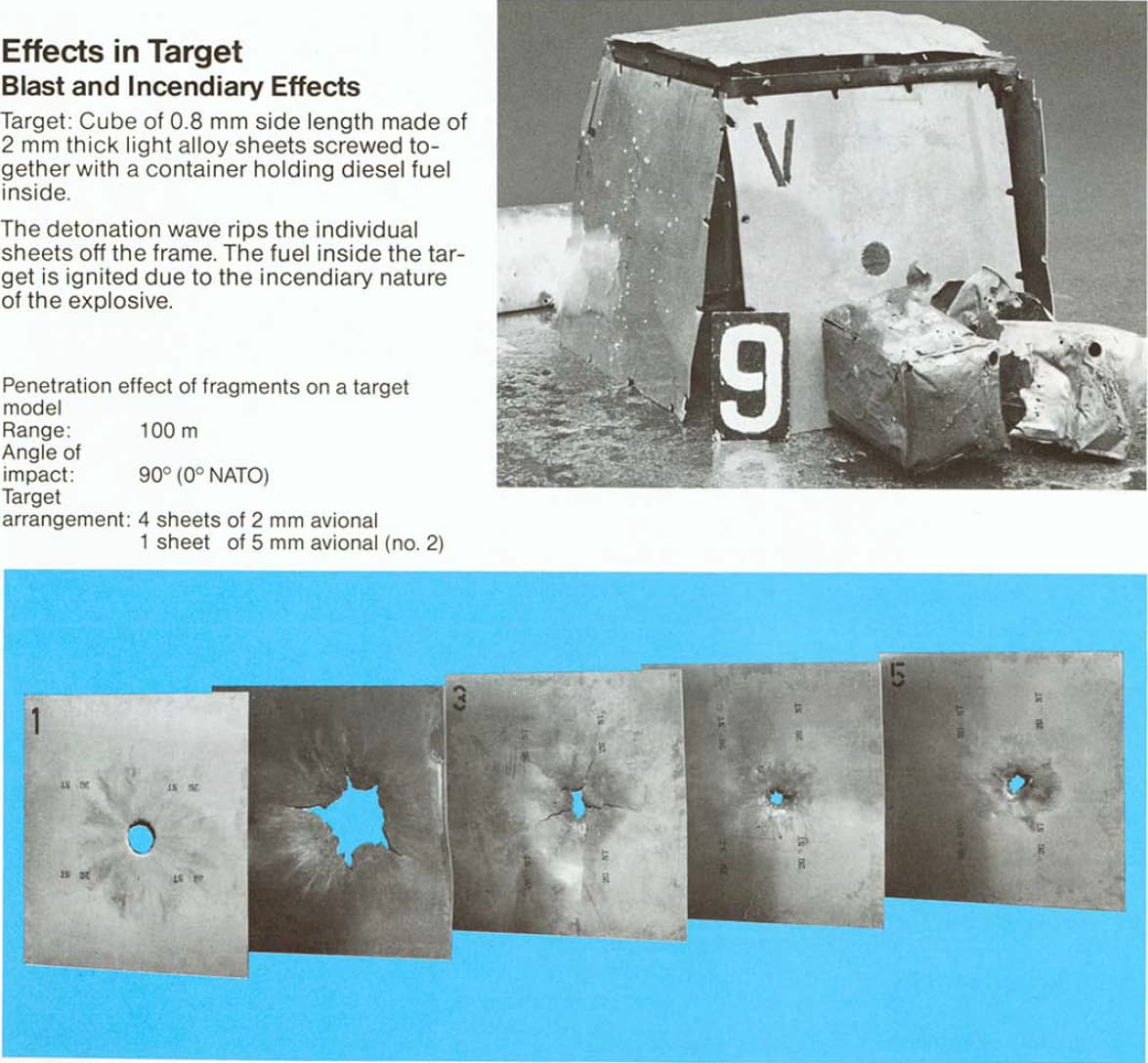
30 mm MSC HEI (36g TORPEX), Oerlikon Cannon Type KCB (HS 831-L)

And some stuff from Oerlikon 20-30mm Cannon Type 302 RK firing tests:
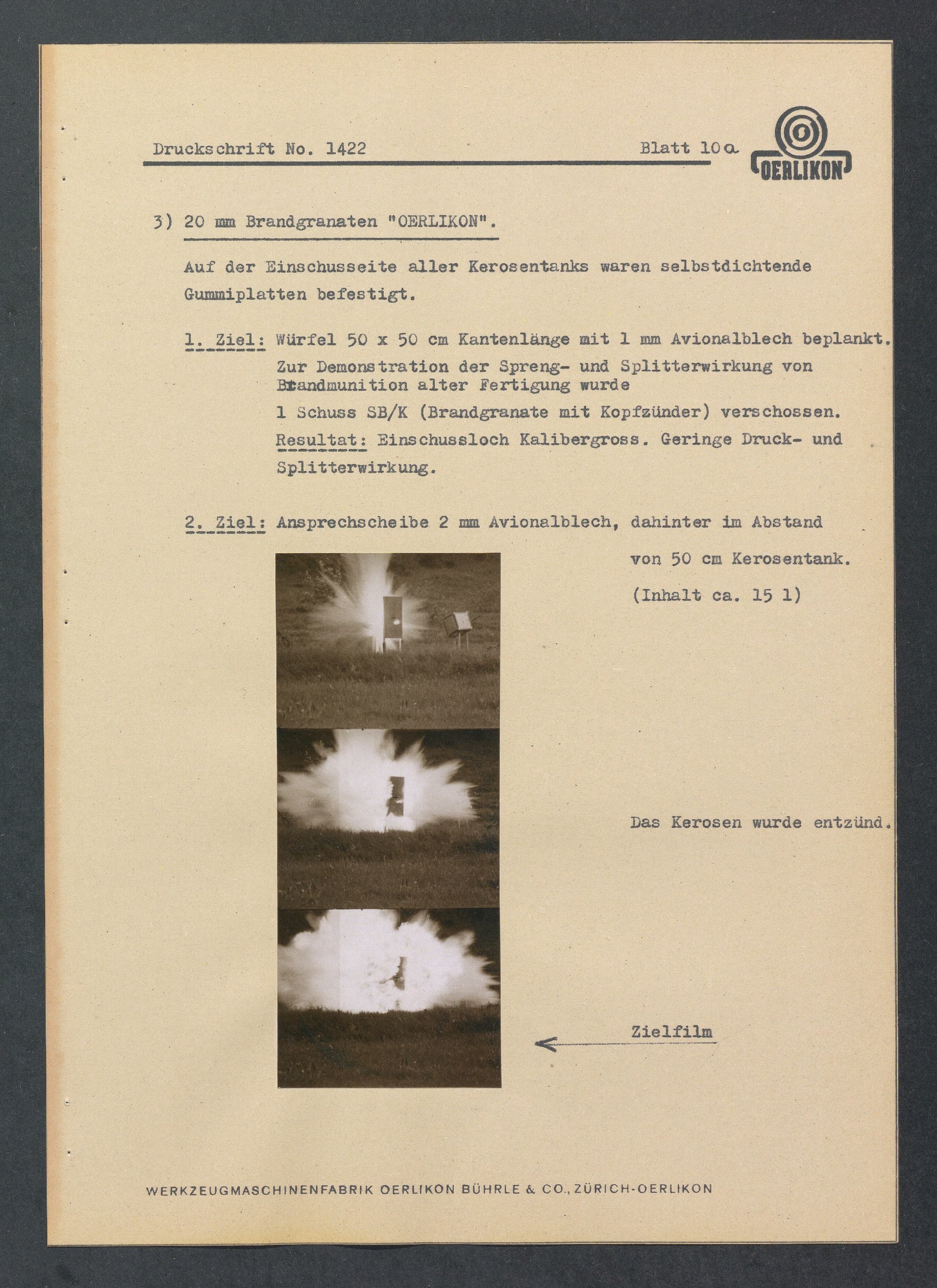
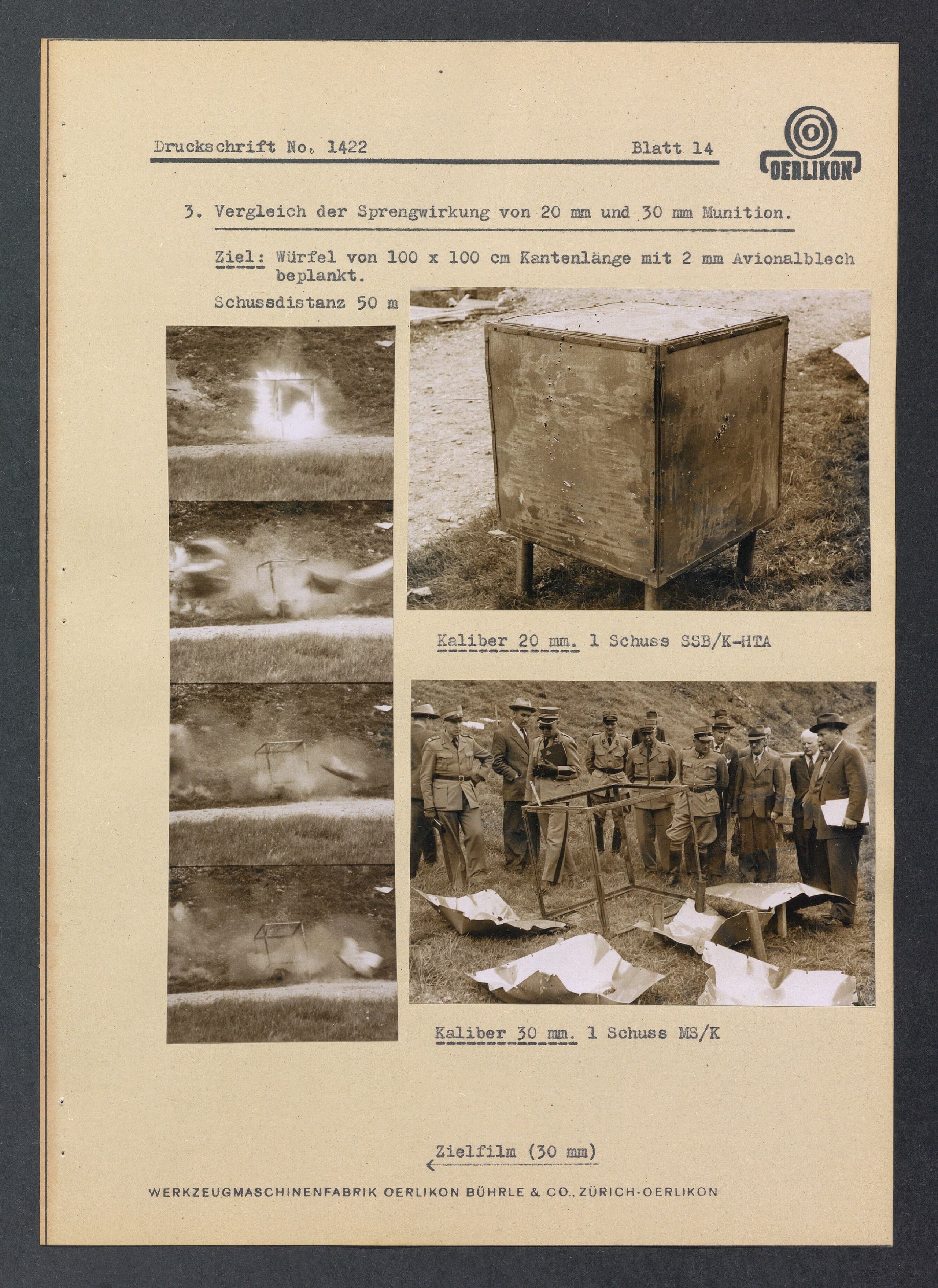

6 Likes
I got the topic moved over from the dev server section of the forum to the regular one, to be able to preserve some of the smaller details that might have been lost in other peoples suggestions on how to improve the damage model:
Also realized that nuke bombers are now basically unkillable. Even if I take all engines its still gonna get to the battlefield.
2 Likes
The answer is that 25 min penetration is needed. The problem is that the damage model doesn’t have a slope armour effect, so in the current damage model, shells entering the model from any angle would act as if they entered from the back of the plane, where the angle of impact is the sharpest. All of those pictures are overestimations for most cases in a WWII scenario where most kill cams are showing attacks from the back at a 20 to 30 degree angle.
All are correct btw
Yesterday, a B-17 literally soaked up 70% of my Fw 190 A-8’s ammunition without going down, though it was damaged enough for me to eventually get the kill credit. The fundamental issue I see with bomber damage is that fires seem merely cosmetic, and wings don’t lose lift even after being hit by a full load of ammo. Logically, a fire should cause progressive wing damage until the wing eventually snaps from the heat. It would also make sense for a wing to lose lift and create drag after taking heavy fire, causing the plane to veer to one side and eventually spin out of control.
5 Likes
So, it did crash then? Maybe you wasted these 70% of ammunition for nothing and it was enough to waste 30% or 50%?
1 Like
No the issue is simply that they decided to delete blast-damage effects from anything below 600g TNT equivalent outright, while also making fragments of virtually every singular aircraft-used HEI shell insufficient to perforate fuel-tanks.
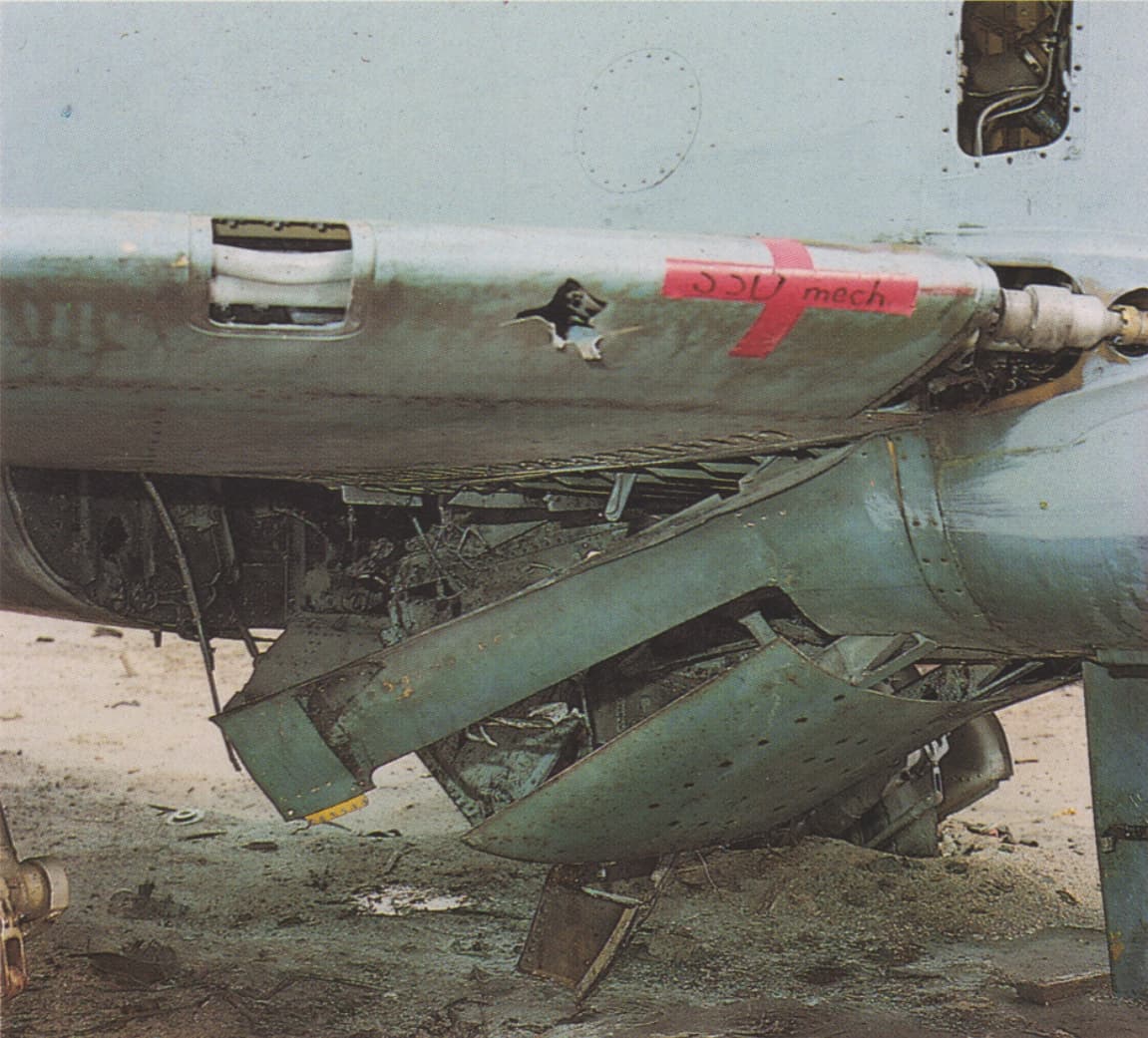
It has nothing to do with the slope-effect (which doesnt even matter for HE shells to begin with in the game as solely the kinetic penetration would be affected)
aside, here’s your high impact-angle shot (base fuze HEI)
And again, taking 8 adats missiles into the same wing is not justifiable, the survivability is overtuned to demented degrees to appease the ‘special’ crowd that geniunely thinks B-17 being called “flying fortress” is a valid argument to make its wing survive 40kg of TNT equivalent (the name had nothing to do with survivability in the first place btw)
I have several other oerlikon documents from firing trials of even older cannons than 302RK (1952), which demonstrate the exact same thing; The survivability on direct-hits to critical components (fuel-tanks, spars, etc.) is absurdly overtuned and the odds of setting a fire way too low.
1 Like
Of course it crashed—after two fires, losing all crew members except one pilot and the nose gunner, losing all four engines, and gliding almost all the way back to its airfield.If I had expended 30% or 50% of my ammo, it might well have given him the chance to make it back to base, since he lost speed—and valuable time—trying to evade my attacks.
1 Like
ADATS missiles should be another issue; HEAT is not programmed into the plane damage model yet. 900mm pen should kill every fuel tank.
Honestly for the WW2 stuff if they just made the DoT from fires more impactful I think they’d basically have it (maybe extended to other larger planes, like Mosquitos, like you’ve suggested).
Headons against glass nosed bombers still work reliably every time. The trick is getting into an intercept position to get that headon, which is a lot harder than just gradually overhauling a bomber from behind which is what everyone was doing. Slashing attacks from front-quarter also work well… same problem though.
What is silly now is bombers flying around with at least some part of their wing at least constantly on fire while dropping bombs, flying in formation, and so on… sometimes even a second or third time after fires die out and get restarted.
A wing fire should be serious enough that it’s basically a mission abort, get back the the airfield if you can at that point, and I have to assume that’s because the fire itself is basically doing no damage now (fires still do effective DoT damage on fighters, gradually losing you control and systems though).
1 Like
Yes this is the issue, at least at the gun-era BRs. Missile-era BRs seem to have another issue. The DoT effect of fire is absent now in large planes, but still there in small ones.
That’s another issue: bombers are incredibly tough now, yet fighters still have pitiful durability (even the sturdy ones). That’s why, if you run into bombers armed with 20mm cannons, you’re as good as dead. It’s also funny because it looks like they took the easy way out and made all bombers equally tough; a Tu-2, for instance, withstood a massive amount of punishment, even though it’s much smaller and lighter than a B-17.
On another note, it would be interesting to know exactly what kind of damage fires cause in real life—specifically, whether the heat eventually weakens the metal until it fails.
How is Tu-1? It is an attacker with the same fuselage; did it get the buff?
I’m not sure; I haven’t come across any yet. I think the list of updated aircraft is on the forum.
It is indeed on the list.
1 Like
If you attack the rear part of the wing with HE, you’ll destroy the control surfaces, but you won’t reach the structural parts of the wing or the engines. AP solves this, and SAP is even better because you can attack the fuselage and destroy the cables.
1 Like